People often misconstrue interior designers as decorators. However, the interior designer’s job extends beyond the aesthetics of a space. They are also responsible for functionality, lighting, materiality, and ventilation, including technical and structural constraints. Interior designers take into consideration various factors before planning a space, including understanding their clients and the functionality of the space. […]
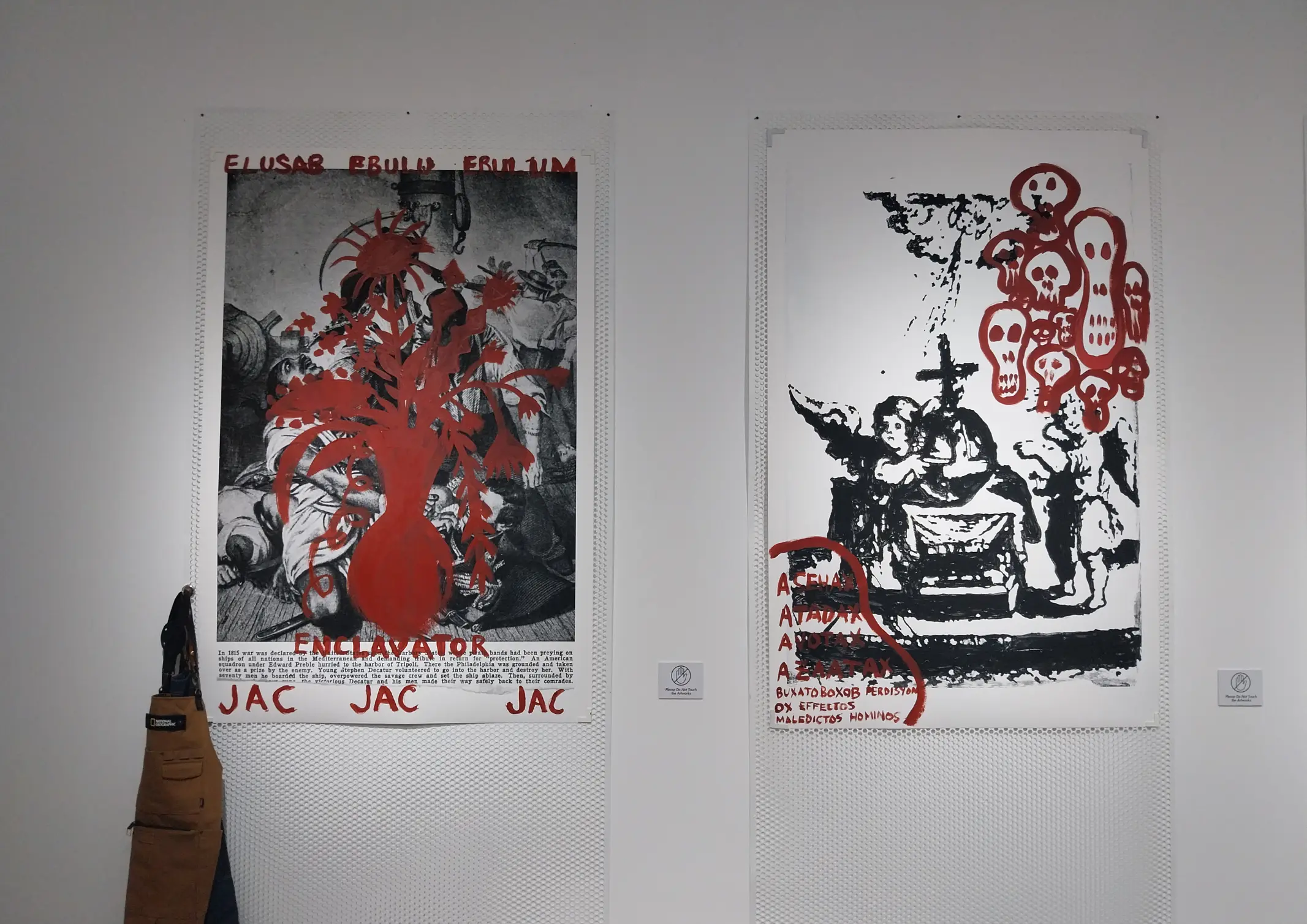
‘Dialogo’: Two Artists Collaborative and Find Middle Ground in New Exhibit



Cloud Grey Gallery put together two esteemed artists, Manuel Ocampo and Ronald Ventura, for Dialogo. As a gallery located at the Grand Hyatt Manila, Cloud Grey has a more forward-thinking approach to contemporary art movements at the time. “They’re provocations,” the gallery declared as they described their approach, “invitations to see the familiar transformed.”
For Dialogo, creative director Ruel Caasi had the idea of combining two artists with distinctive styles for the exhibition. The hope was to see how their artistic styles would mesh, but instead, they seemed to clash, creating a much more interesting explosion of their two styles confined to a single canvas.
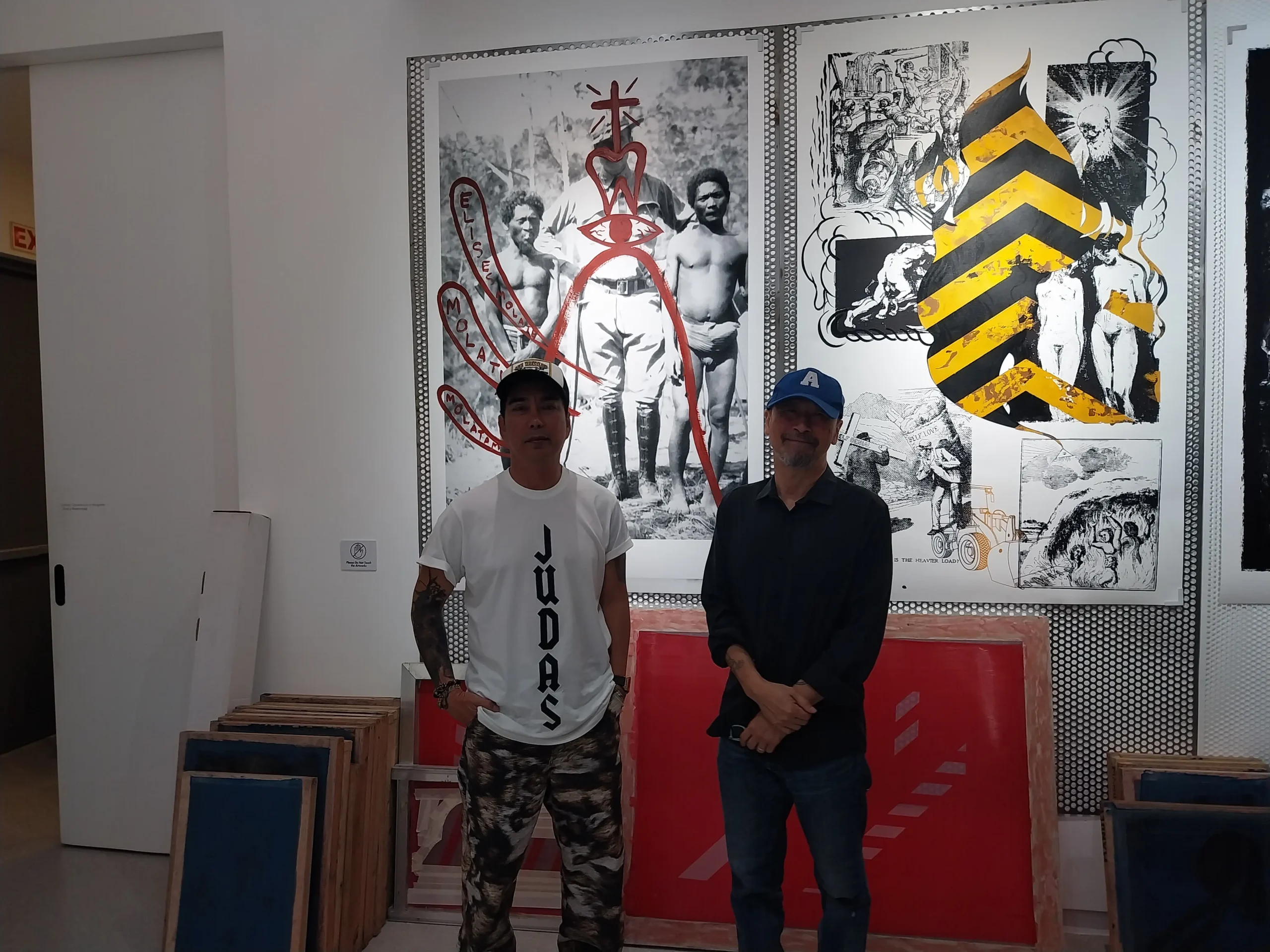
“What rises from that tension is something neither could make alone,” the exhibit write-up said. “[It’s] a third presence with its own pulse and its own unruly intelligence. It’s an ‘It’s Alive!’ kind of Frankenstein moment: one with its own mood, its own pulse, and its own way of looking at contemporary life.”
Advertisement
Punk and Polish
Manuel Ocampo, as an artist, is full of explosive volatility, championing the investigation of different sociopolitical aspects of living in the Philippines through a mix of cultural ideas. Ronald Ventura, meanwhile, has more precision in his attempts at deconstruction. His style is a merging of juxtapositions from different eras of art, highlighting their contradictory aspects for all to see.
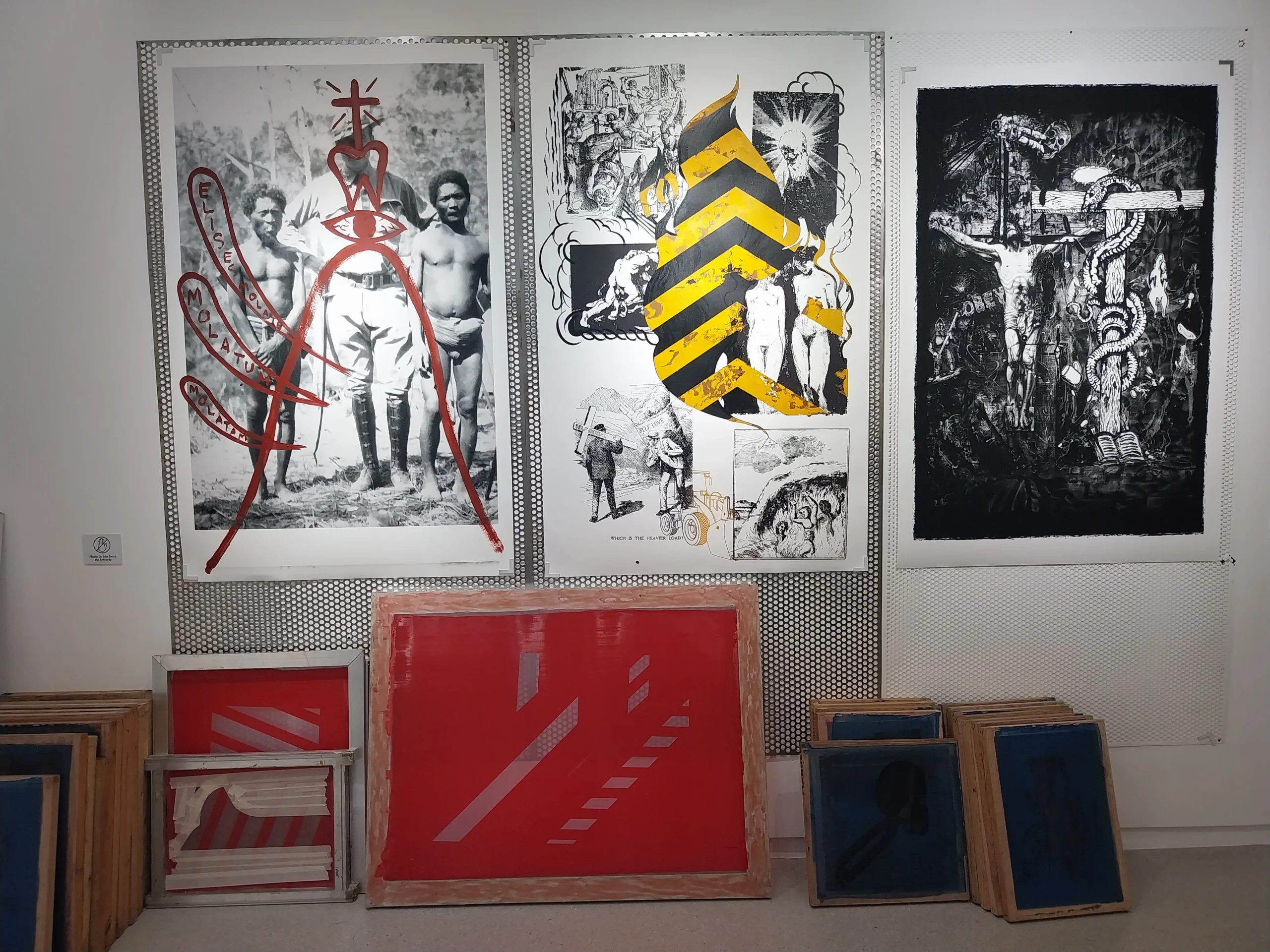
Even in their own words, Ocampo called himself more of an anti-establishment punk, as he created elaborate prints of revered religious iconography and symbols in society to be critiqued and dismantled. Ventura was more precise in his methodology, and indeed, his style seems more centered on a postmodern twist on important symbols: a mockery of what high art symbolizes, making you take seriously what we call frivolous cartoons and iconography.
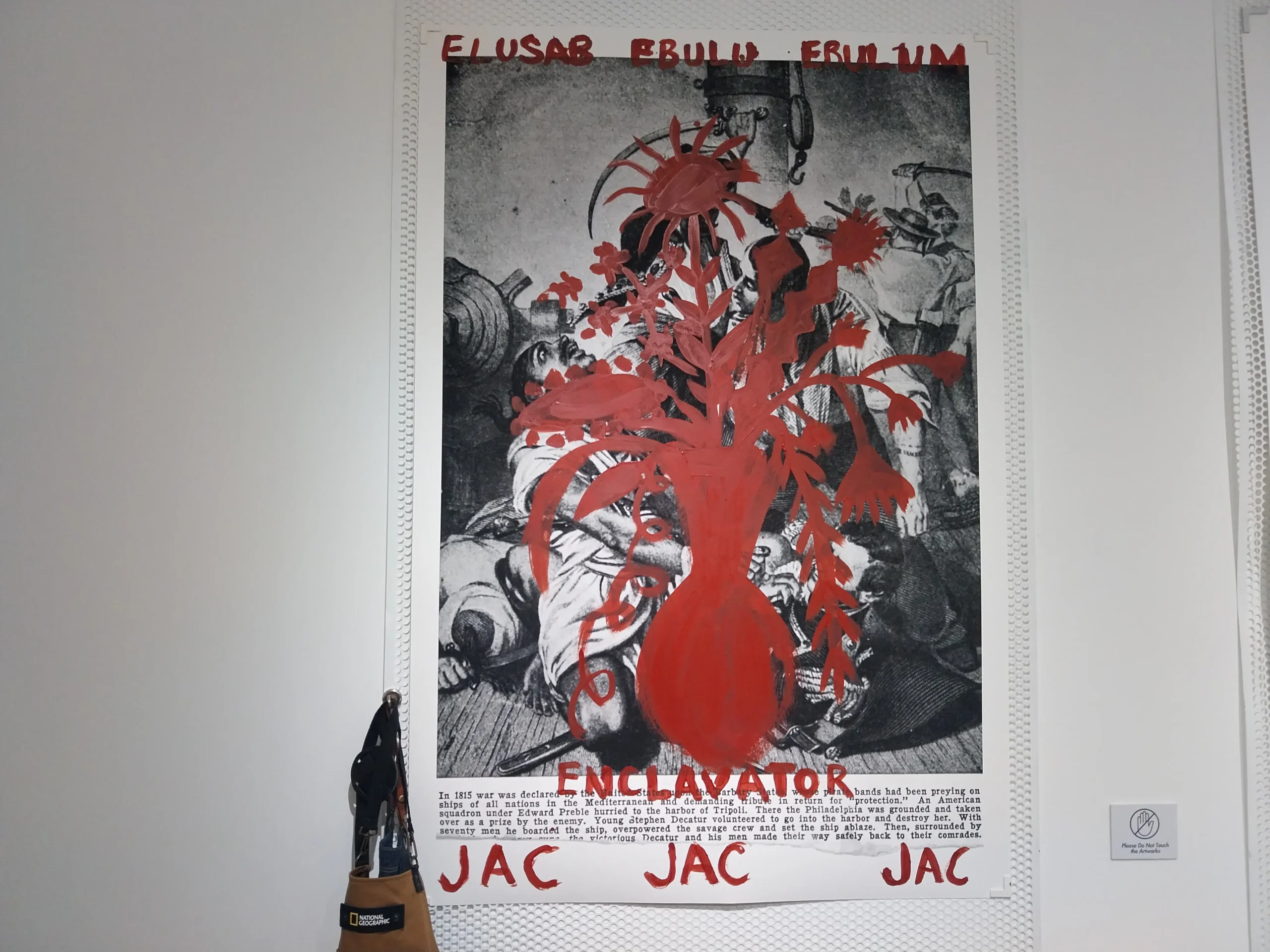
The exhibit write-up called the combination “the Dead Kennedys jamming with Dream Theater.” While an expressive and interesting image, the end product of Dialogo is not as disorienting as that image suggests. Even as they clash, Ocampo and Ventura find middle ground in their style that provokes and relaxes at the same time.
Advertisement
Its uniqueness really lies in how these two seem to be conversing with each other through the work, which was indeed how the output came about. One artist would lay down a layer of an idea on the canvas, and the other would add or subtract with something they believed would complement it. It’s them putting their own styles on top of each other, attempting a clear message while saying two different things in two different ways.
Settled, Unsettled; Finished and Unfinished
Dialogo does come off a little bit hurried in the mind’s eye, but it explodes with a lot of artistic flavor. Neither Manuel Ocampo nor Ronald Ventura wanted to compromise their work. Because of how they overlap, they craft many contradictory messages about the society we live in today, what we value in it, and how we define it for ourselves.
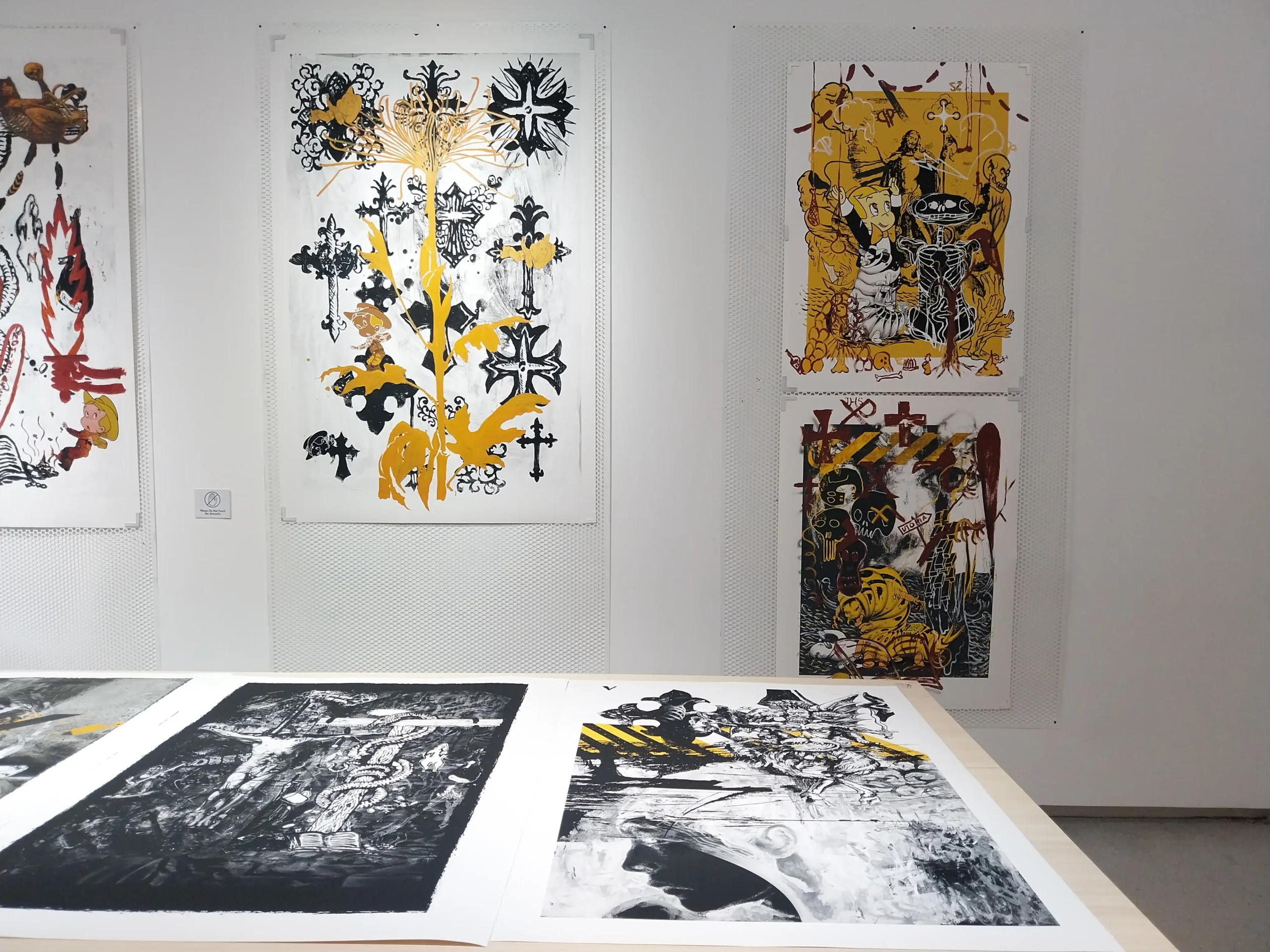
“The pieces echo the world we live in: layered, volatile, full of uneasy truths, marching into a burning future,” the exhibit write-up said. “Beauty sits beside brutality; history leaks into myth; and everything shifts. The images give form to how certainty has become a scarce commodity. Tension drives the plot of the story of the world.”
Advertisement
If it were more coherent or incoherent, it would be unintelligible; as it stood, Dialogo finds us with two artists yelling over each other, and finding something compelling in that process.
Photographs by Elle Yap.
Advertisement
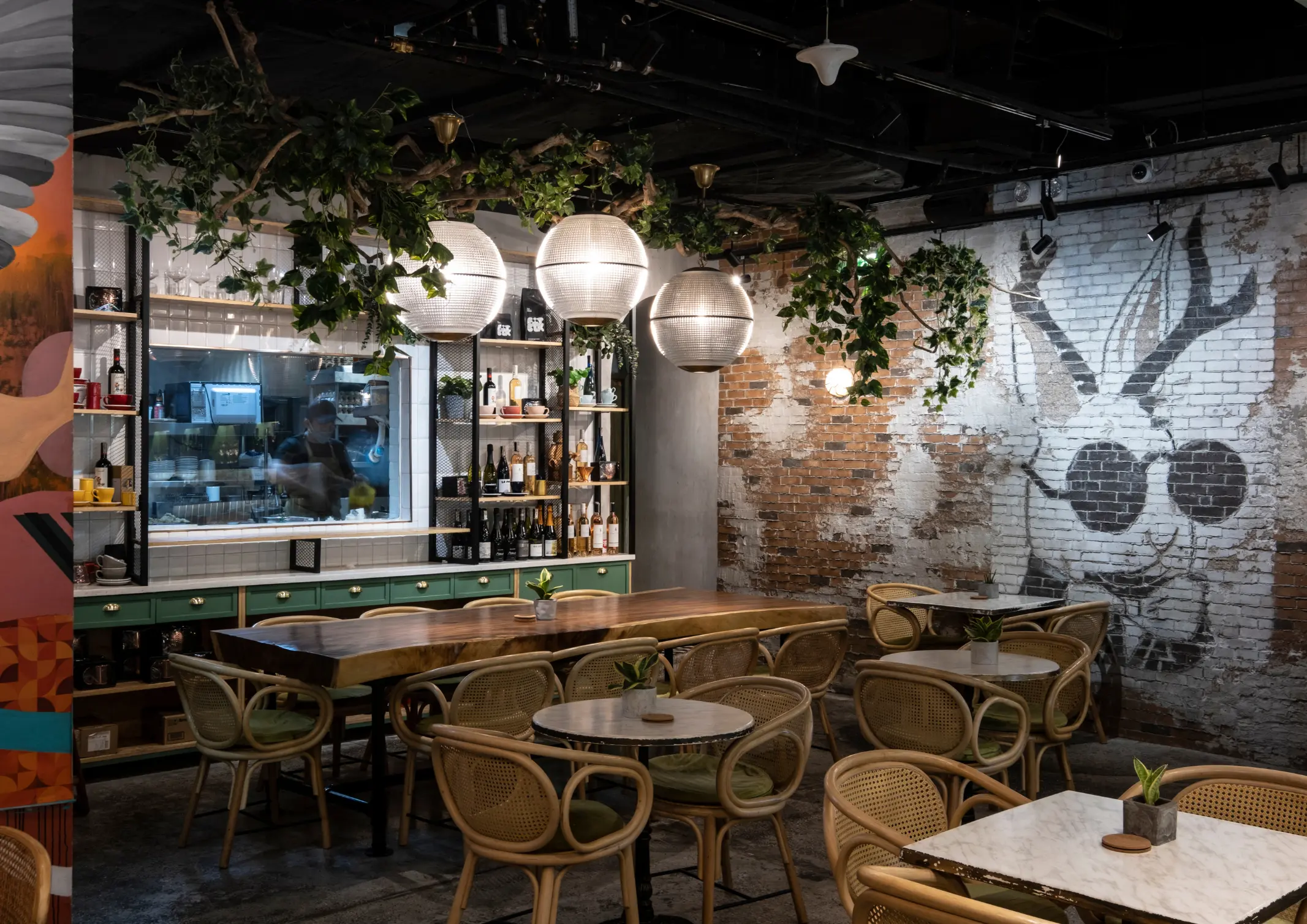
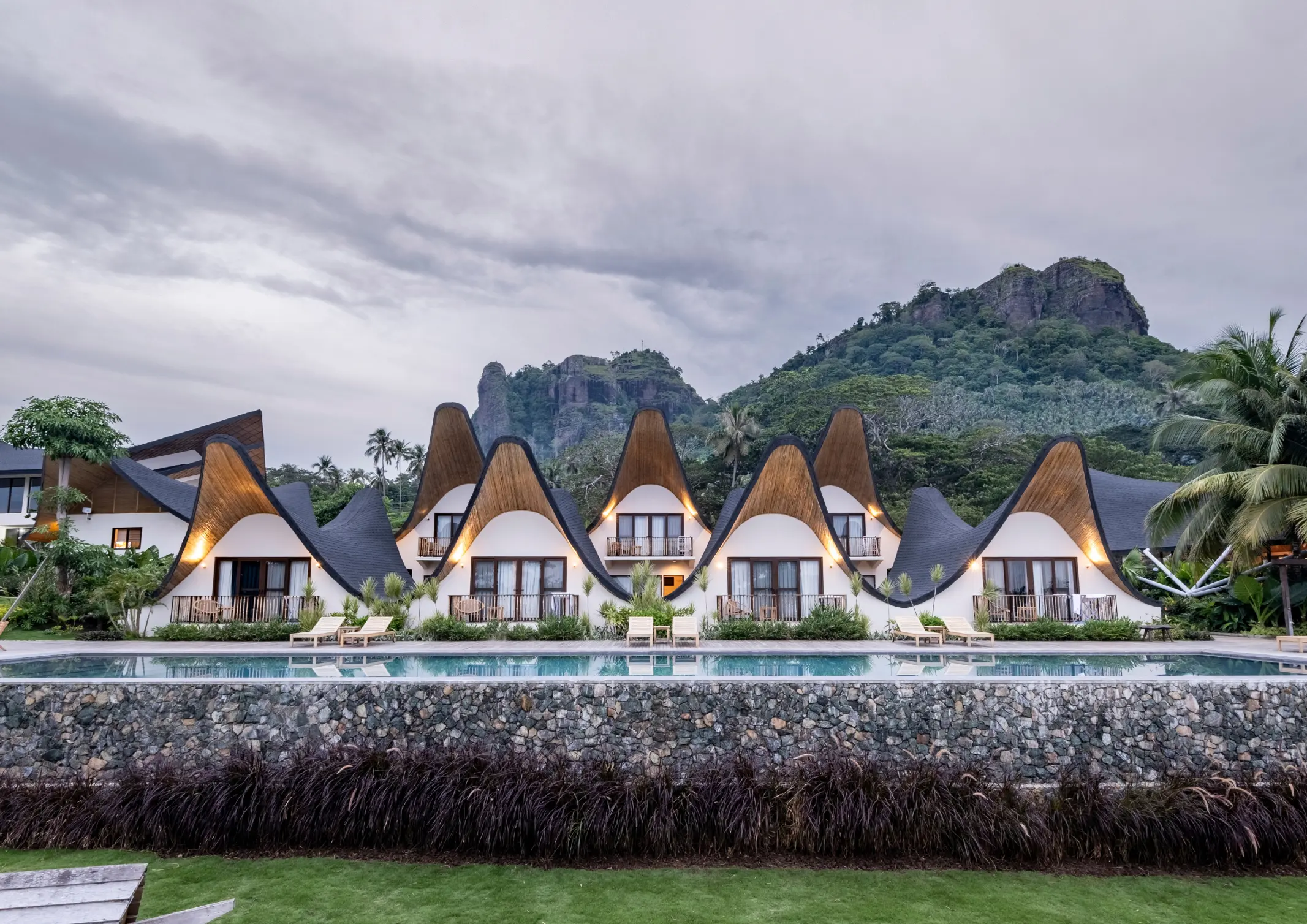
Contemporary design refers to the constantly evolving design trends of today. With the power to design our built environments, architects have been experimenting with various architectural approaches. Whether that is through unconventional forms or the integration of smart technologies, BluPrint lists down Filipino architects who are defining contemporary architecture. Deo Alam Architect Deo Alrashid Alam […]
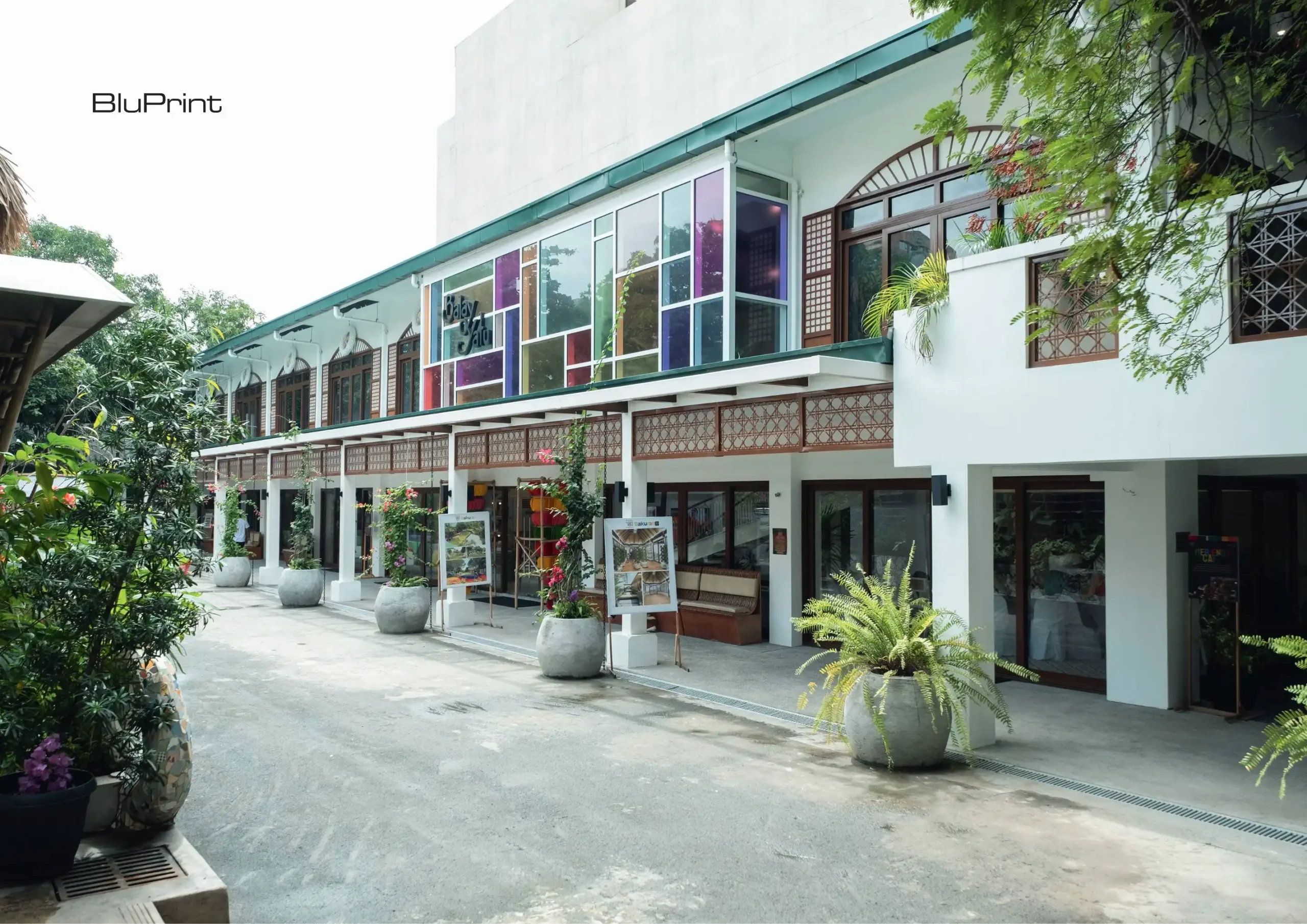
In the Philippines, adaptive reuse gained traction during the 1970s with the rise of conservation and environmental preservation movements. It offered an architectural solution that reuses existing spaces to fit modern needs. Across the country, several projects demonstrate how this approach is being applied—transforming heritage structures into active spaces for culture, hospitality, and community life. […]
Advertisement
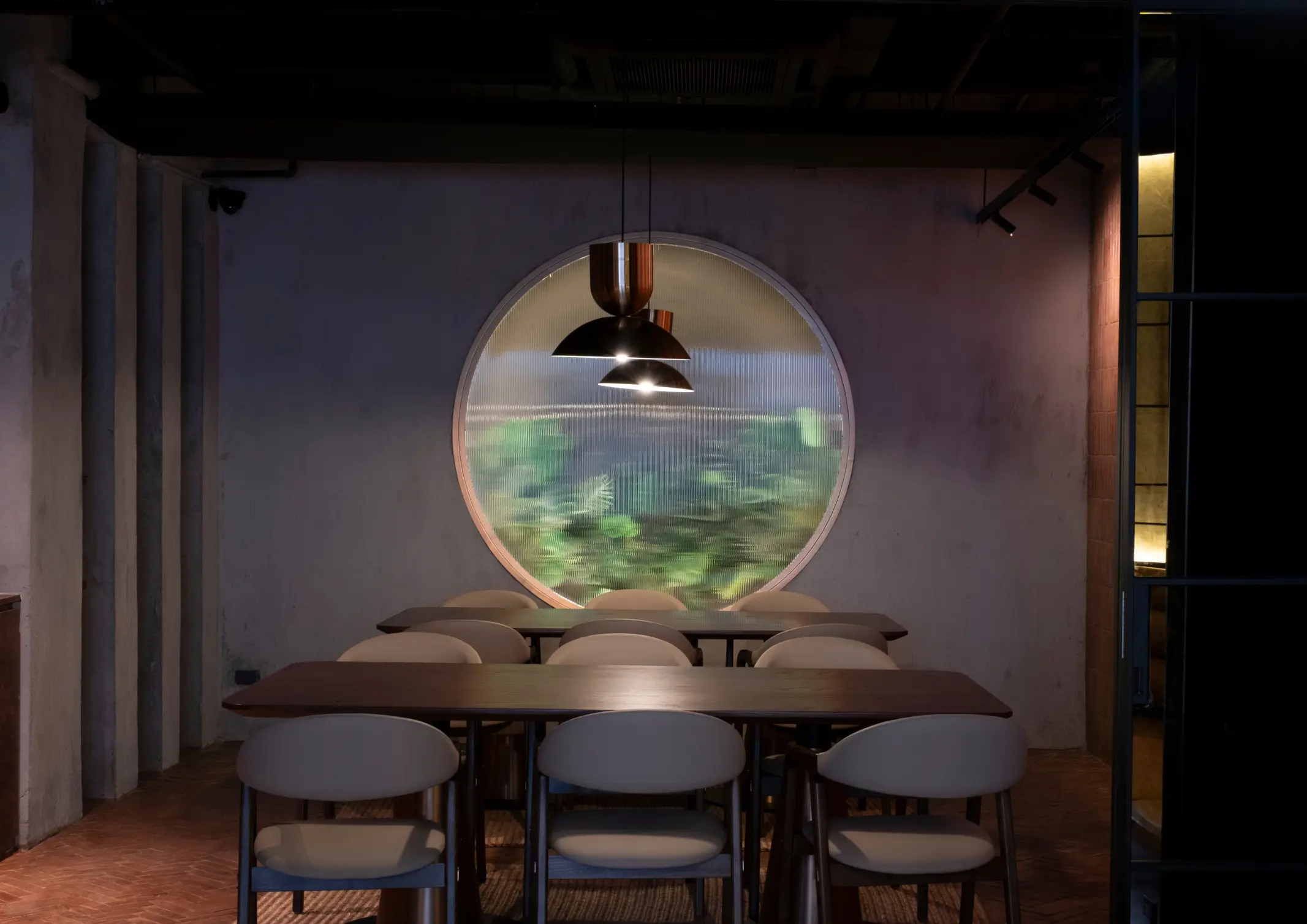
From residential spaces to civic structures, lighting dictates the mood of a space. It controls the visual dynamics of an interior, serving as a guiding tool that highlights key design elements, including materials and textures. Related Reading: Lampscaping: How to Light up Your Home like a Pro Regulating the Mood: Natural and Artificial Light in […]
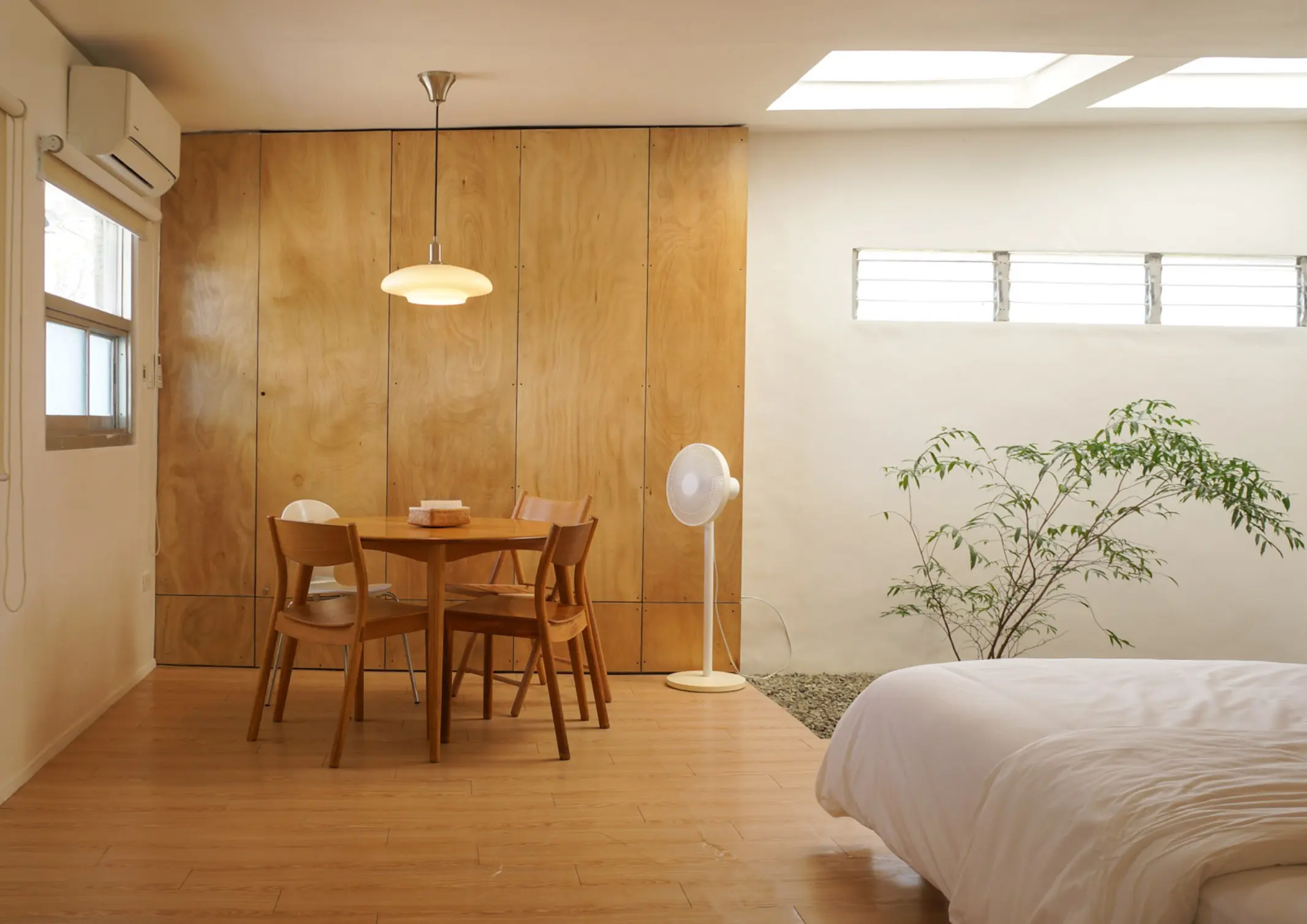
More and more Filipinos are flocking to condominium communities. Often tucked within busy city centers, condo living acts as a small respite from urban chaos. Faced with the challenge of transforming a cramped condominium into a warm living space, BluPrint lists condo interior design ideas that can maximize each square foot of small spaces. Purposeful […]

Download this month's BLUPRINT magazine digital copy from:



Subscribe via [email protected]