Artistry has evolved beyond sculptures and canvas paintings as more and more artists find themselves adopting new technology. With that in mind, how are artists adapting to the changing times?
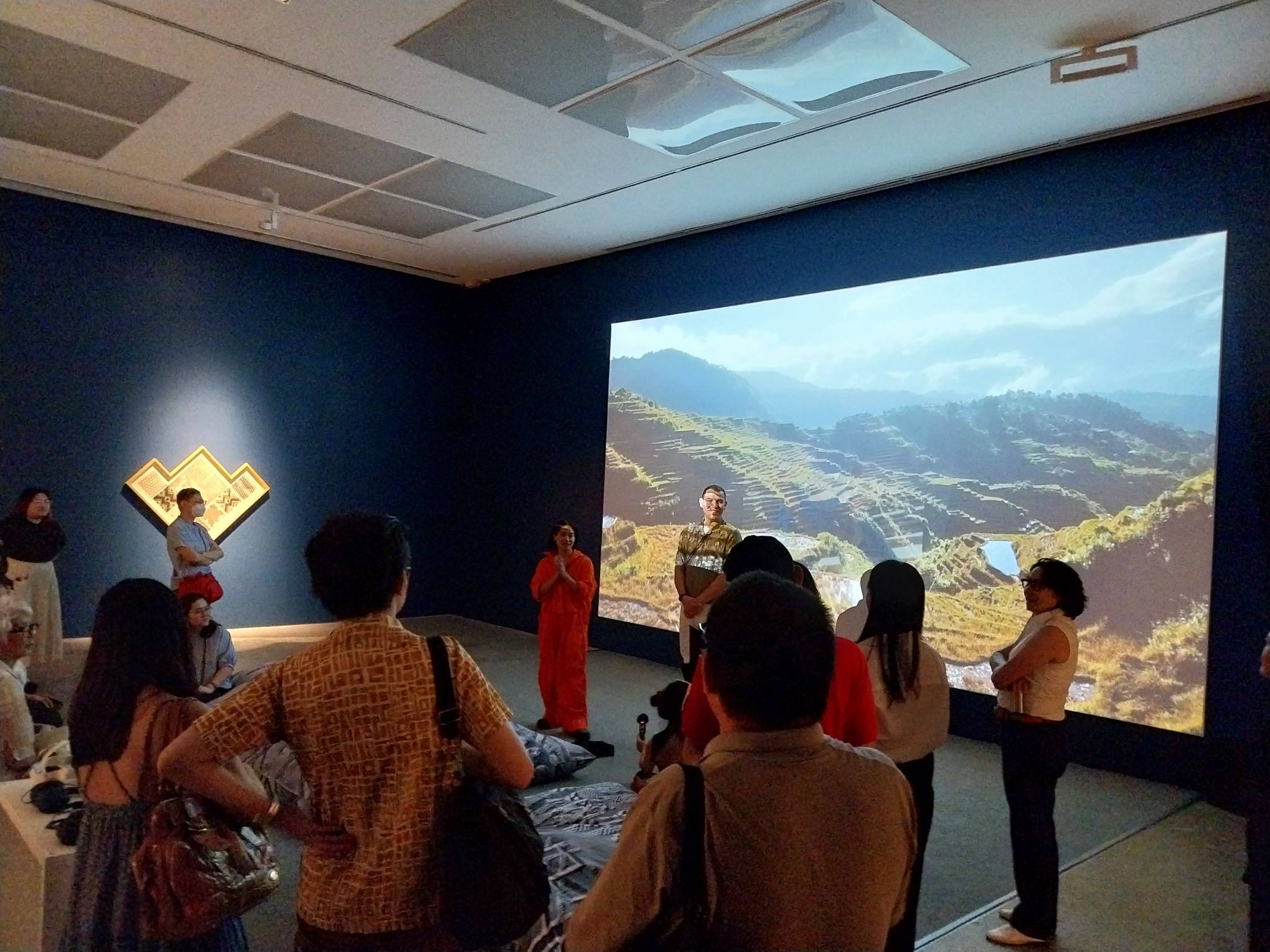
This was the prevailing question for artists Stephanie Comilang and Simon Speiser during their talk at Silverlens Gallery on April 27. Moderated by artist and curator Ian Carlo Jaucian, the discussion centered primarily on Piña, Why is the Sky Blue?, a collaborative work by Comilang and Speiser currently exhibiting in Silverlens Manila.
Comilang and Speiser discussing their exhibit on opening day. Photo by Elle Yap.
The work, as we detailed, deploys technology like VR headsets and 3D printing to immerse audiences to the work. It creates questions on the work itself, and makes us wonder about the future of technology in art. The discussion also comes at a time where we continue to grapple with new technologies encroaching on us faster than we can adapt them.
Advertisement
Weaving Technology into Art
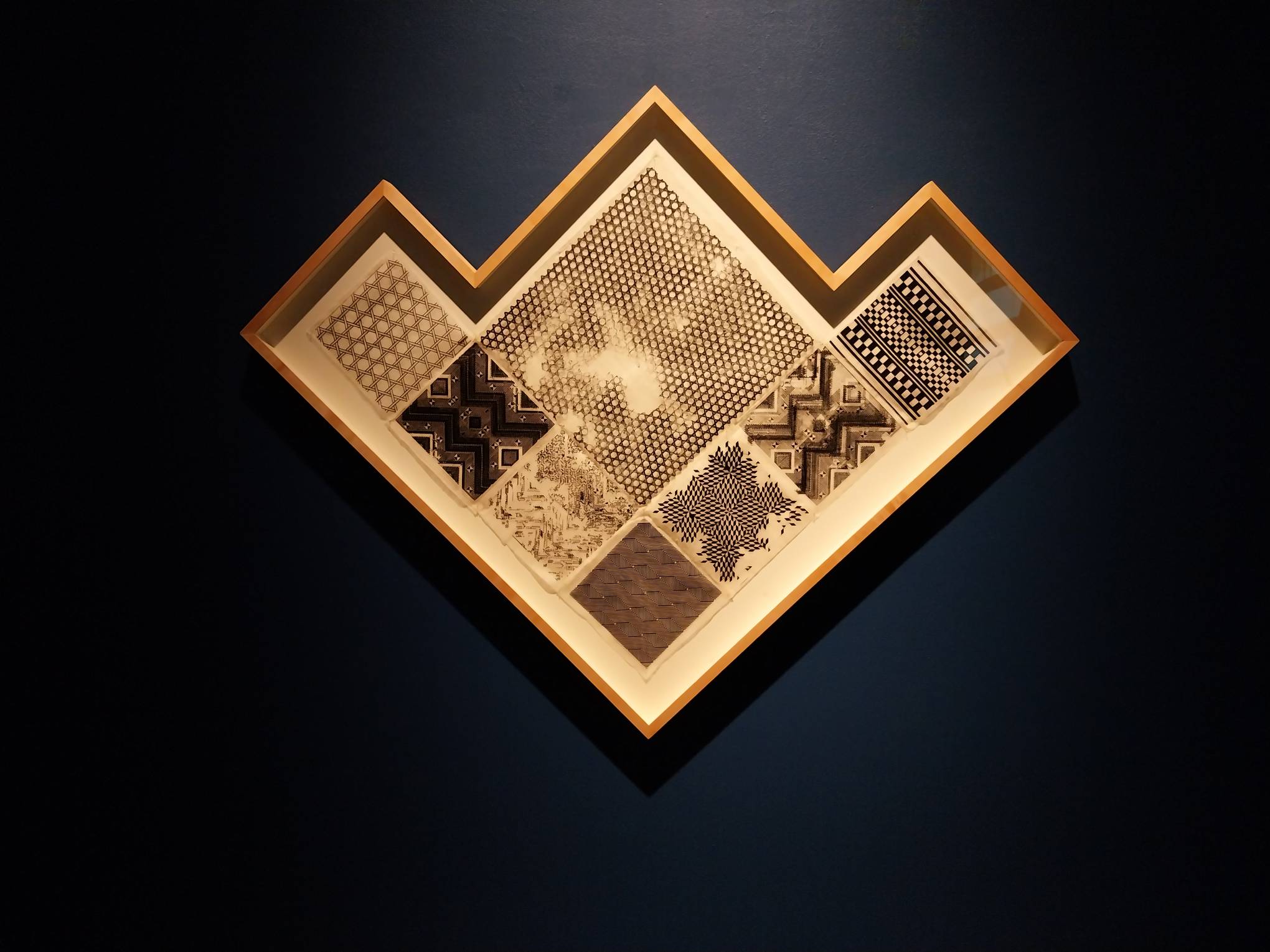
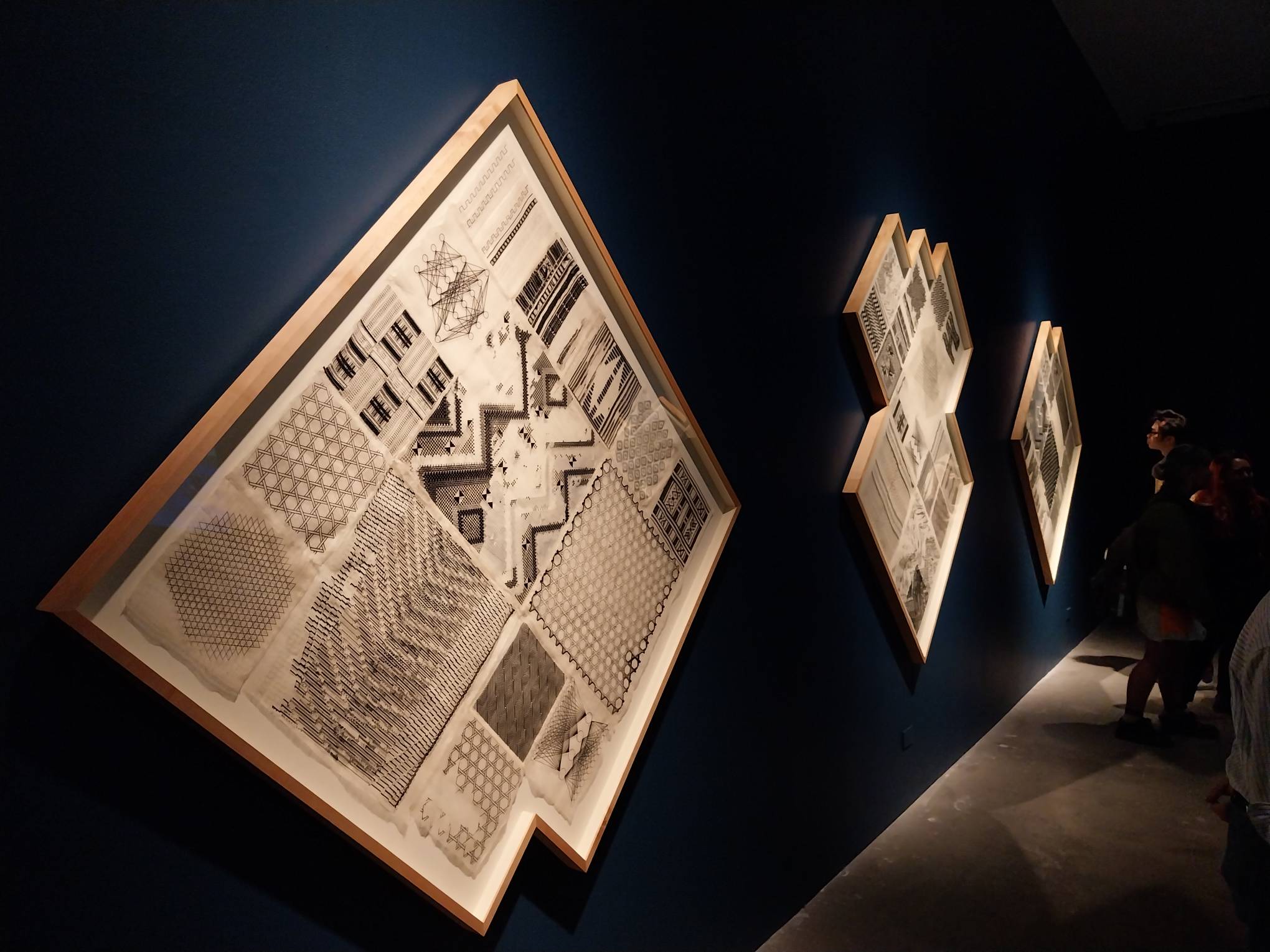
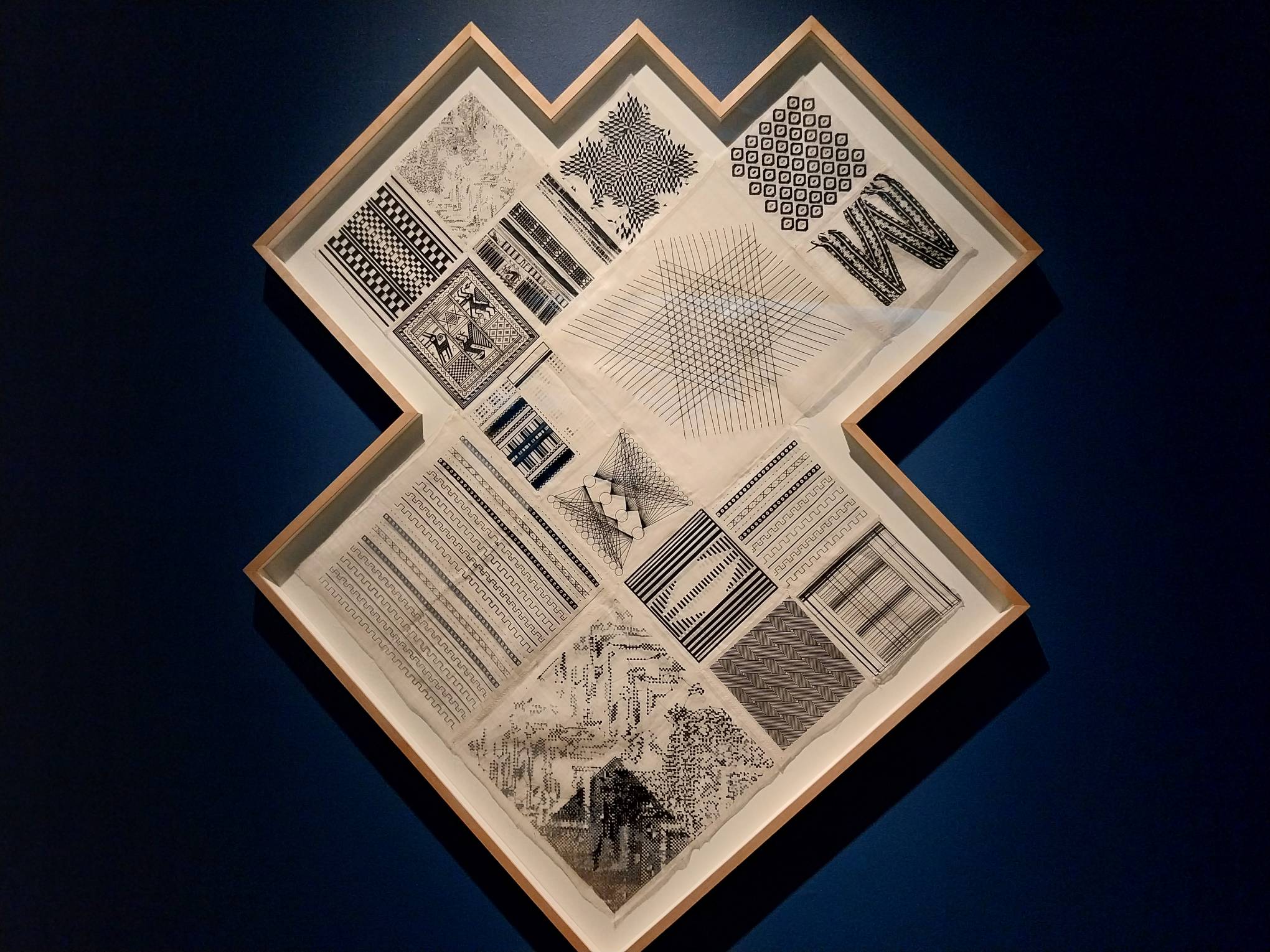
During the talk, the audience put a lot of focus on the weavings themselves, which were 3D printed and put together by the two artists. Comilang and Speiser said that the idea for the weavings came before the filming of the documentary. They wanted something that represented the knowledge of humanity, and they saw weaving as a fundamental early version of storytelling.
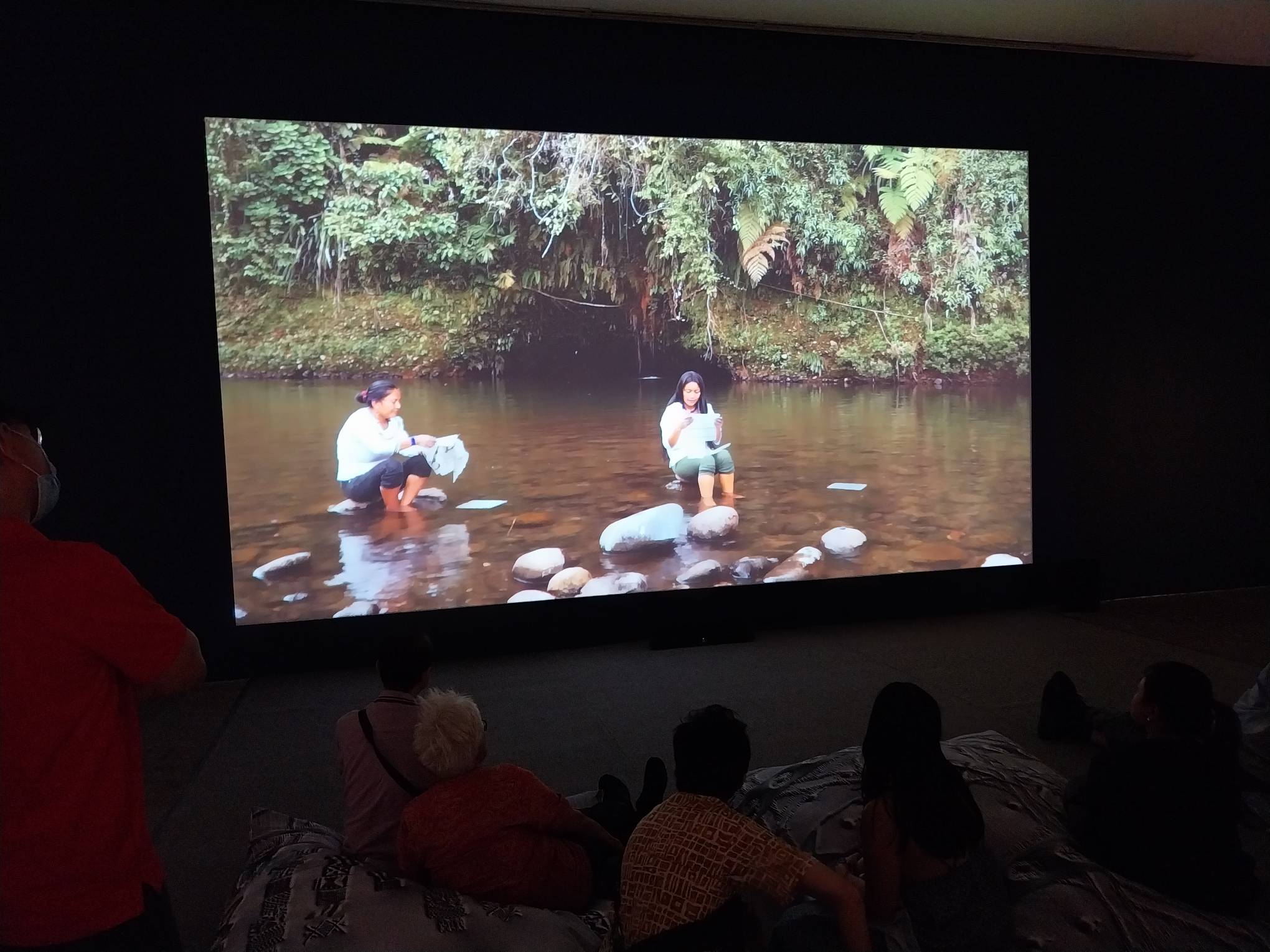
A still from the documentary. Photo by Elle Yap.
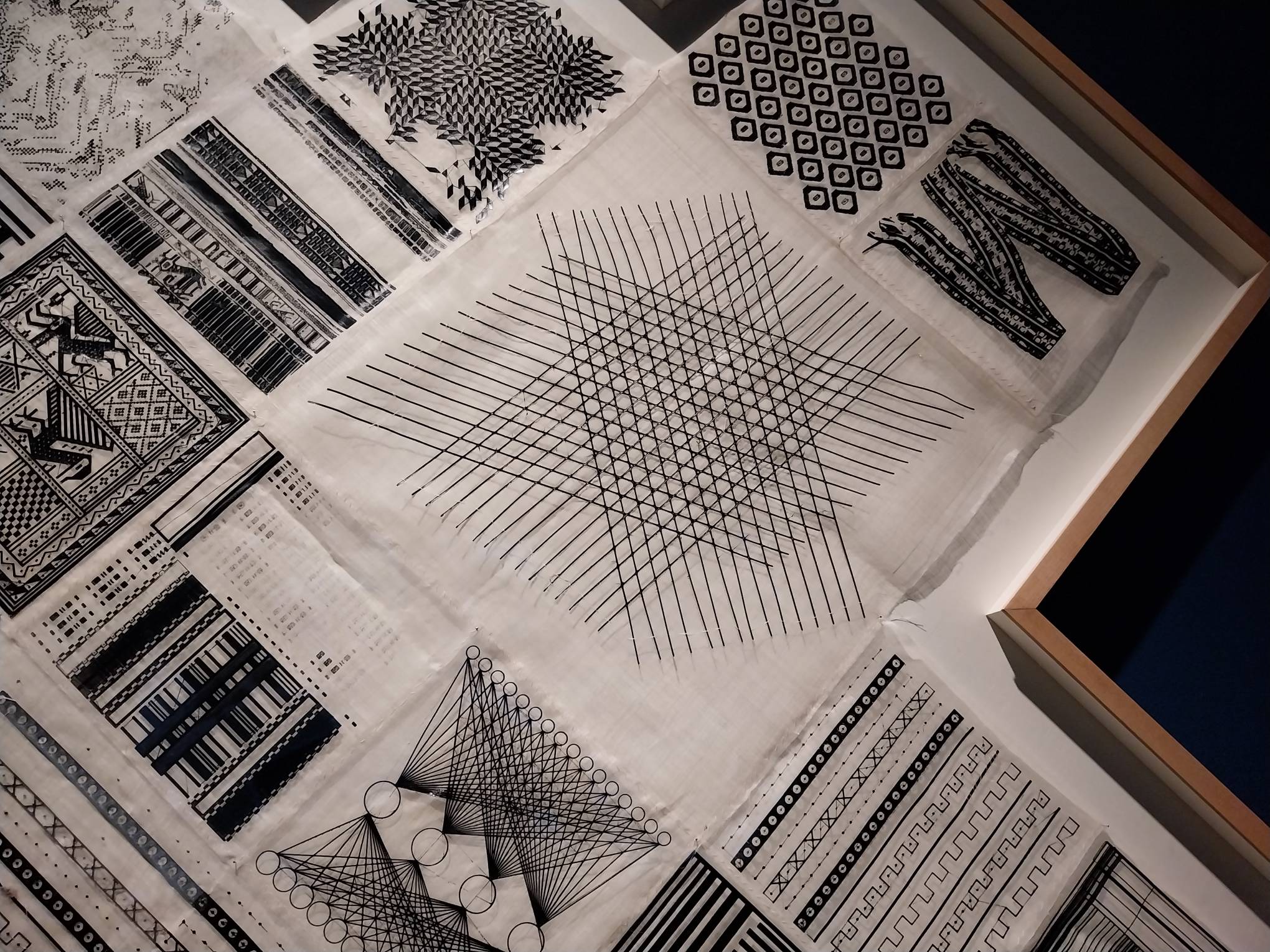
The two created many of the patterns through machine learning. They also adapted patterns from the different indigenous tribes they visited in Ecuador and the Philippines.
One of the 3D-printed weavings by Comilang and Speiser. Photo by Elle Yap.
Close-up of one of the 3D-printed weavings by Comilang and Speiser. Photo by Elle Yap.
Three of the 3D-printed weavings for “Piña, Why is the Sky Blue?”. Photo by Elle Yap.
One of the 3D-printed weavings by Comilang and Speiser. Photo by Elle Yap.
An audience member explicitly connected the new methodology of 3D printing to the origins of many technologies of weaving itself: coding and many other computer technologies of today were largely influenced by looms in the past that stored data through punch cards utilizing binary code.
Advertisement
Comilang and Speiser remarked that they weren’t specifically inspired by these ideas. Instead, they wanted to acknowledge weaving patterns’ role in society as a way of telling stories and maintaining a culture’s traditions through those ideas.
VR and Intimacy
As Piña, Why is the Sky Blue? centers a lot on the idea of preservation of information, the use of VR technology for the exhibit was probed.
For exhibitions in other galleries and museums, Comilang and Speiser had to discuss with curators regarding the necessity of the VR headsets for the exhibit. Should they stock up on the headset? Is it OK to update it with newer headsets and technologies?
Advertisement
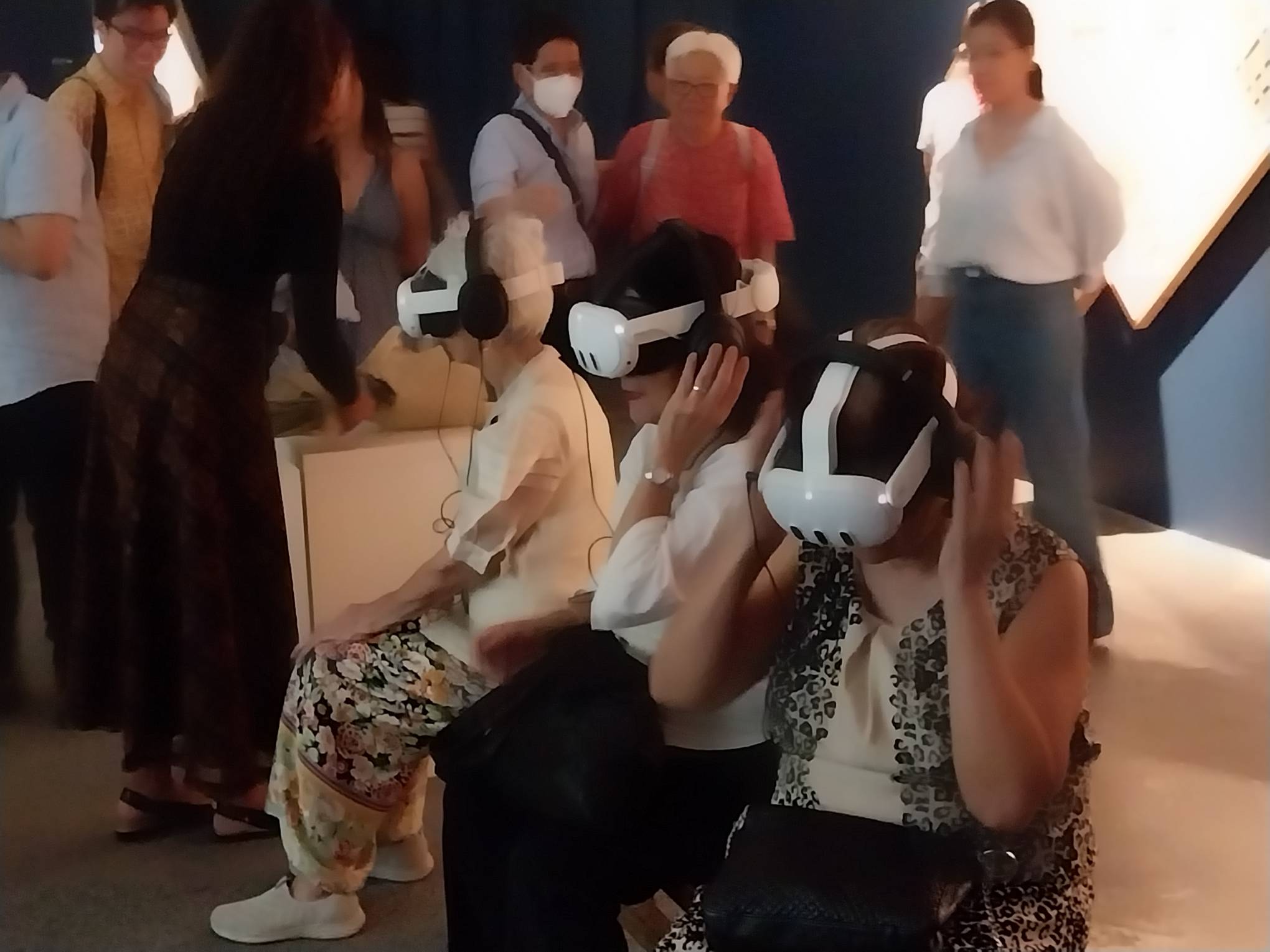
Those questions of how we preserve art are apt for a work that questions how traditional information can be preserved with modern-day technologies. The two artists said that they believe that the technology can be updated if it preserves the core experience.
Three spectators using the VR component of the exhibit. Photo by Elle Yap.
And what is that core experience? Comilang said that it was how VR gives the audience a one-on-one connection with the character Piña. The closeness and intimacy of the technology allows us to create an emotional attachment with the character in a way that typical film formats are unable to do. If they do decide to update the exhibit’s technology, it’s likely they’ll do so with one that fosters that same intimacy with the audience.
How We See The Past, How We See The Future
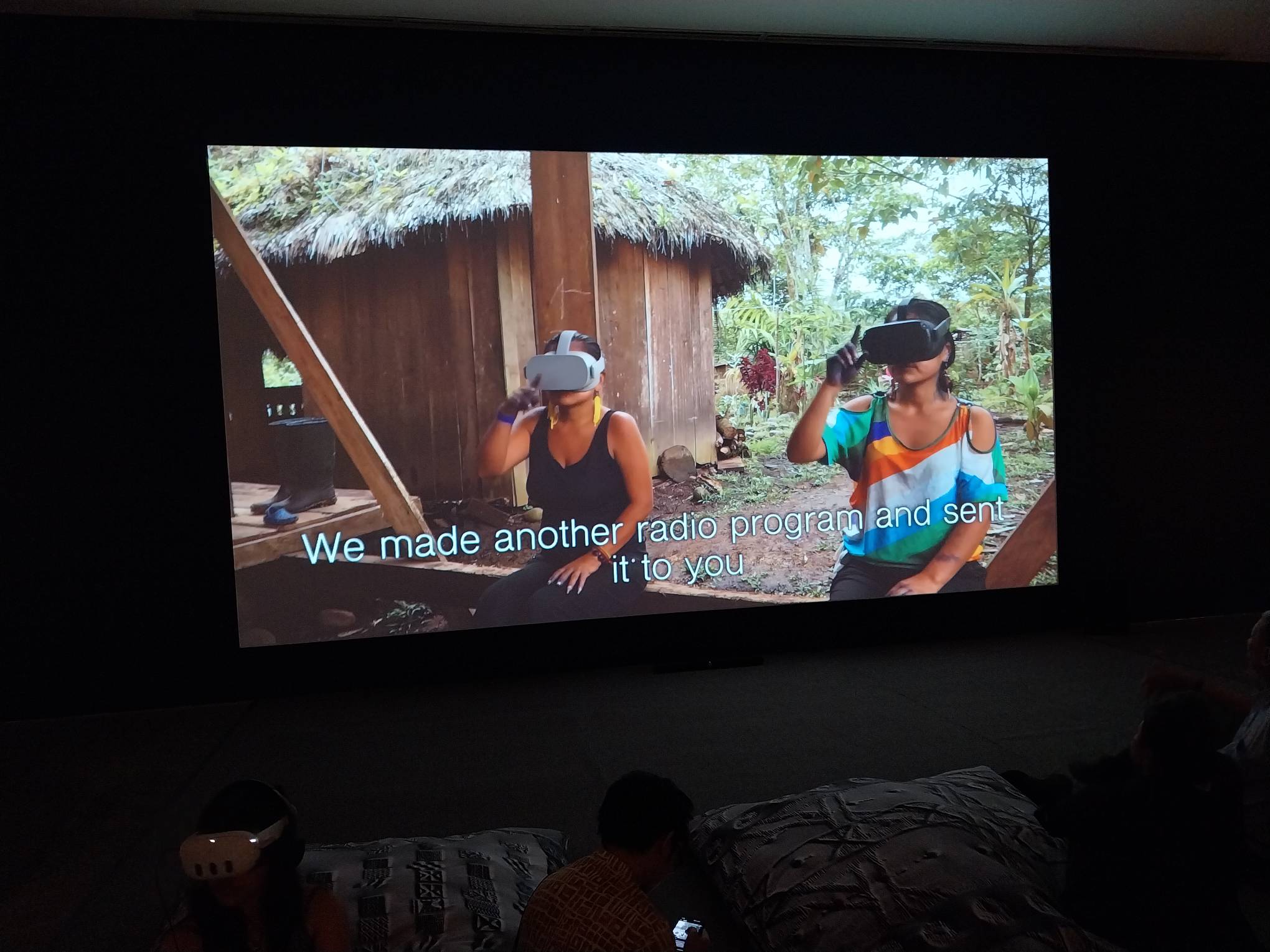
Comilang and Speiser found that the work’s themes emerged as they conducted more research in the two countries. They saw how the indigenous tribes there mixed modern technology with tradition. One of the people featured on the documentary portion, the Cyber Amazonas, utilized YouTube as a way of spreading and preserving their tribe’s past and traditions on the Internet.
Advertisement
They also saw how doctors in the area would mix Western medicine together with traditional medicine. Shamans in doctor coats would help patients by rubbing guinea pigs on them. This transfers some of the bad energy to the animal and helping them understand what’s wrong with the patient.
A still from the documentary of “Piña, Why is the Sky Blue?.” Photo by Elle Yap.
The two artists see technology in art not as a destroyer of civilization, but rather as something that can allow the further involvement and deployment of marginalized communities in art creation.
Technology in art evolves us further, and allows us to see ideas and points that we otherwise would not be privy to without it. Piña, Why is the Sky Blue? provides a great study for this: art is about finding the humanity in the technology we use, not the technology itself.
Advertisement
The exhibit is showing in Silverlens Manila until May 25.
Denise de Castro, Principal Architect of DEQA Design Collaborative, believes that designing with equity in mind means starting at the workplace. Values and practices that your studio or office espouse inevitably filter down to the work that you do. Equitable design ensures that people with different needs and different backgrounds are supported through fair access, […]
Across Metro Manila, residential developments are increasingly designed around proximity. As cities grow denser and mobility becomes more complex, new housing is often positioned near transport nodes, commercial districts, and educational institutions. This approach reflects a broader shift in urban planning. Mixed-use environments allow residents to live closer to daily necessities—reducing commute times while supporting […]
Luxury in design is undergoing a quiet shift. Where once luxury was measured primarily through visual opulence, today it is increasingly defined by responsibility—through the way spaces are built, the materials selected, and the impact those decisions leave behind. At the Philippine World Building and Construction Expo (WORLDBEX) 2026, this evolving definition of luxury takes […]
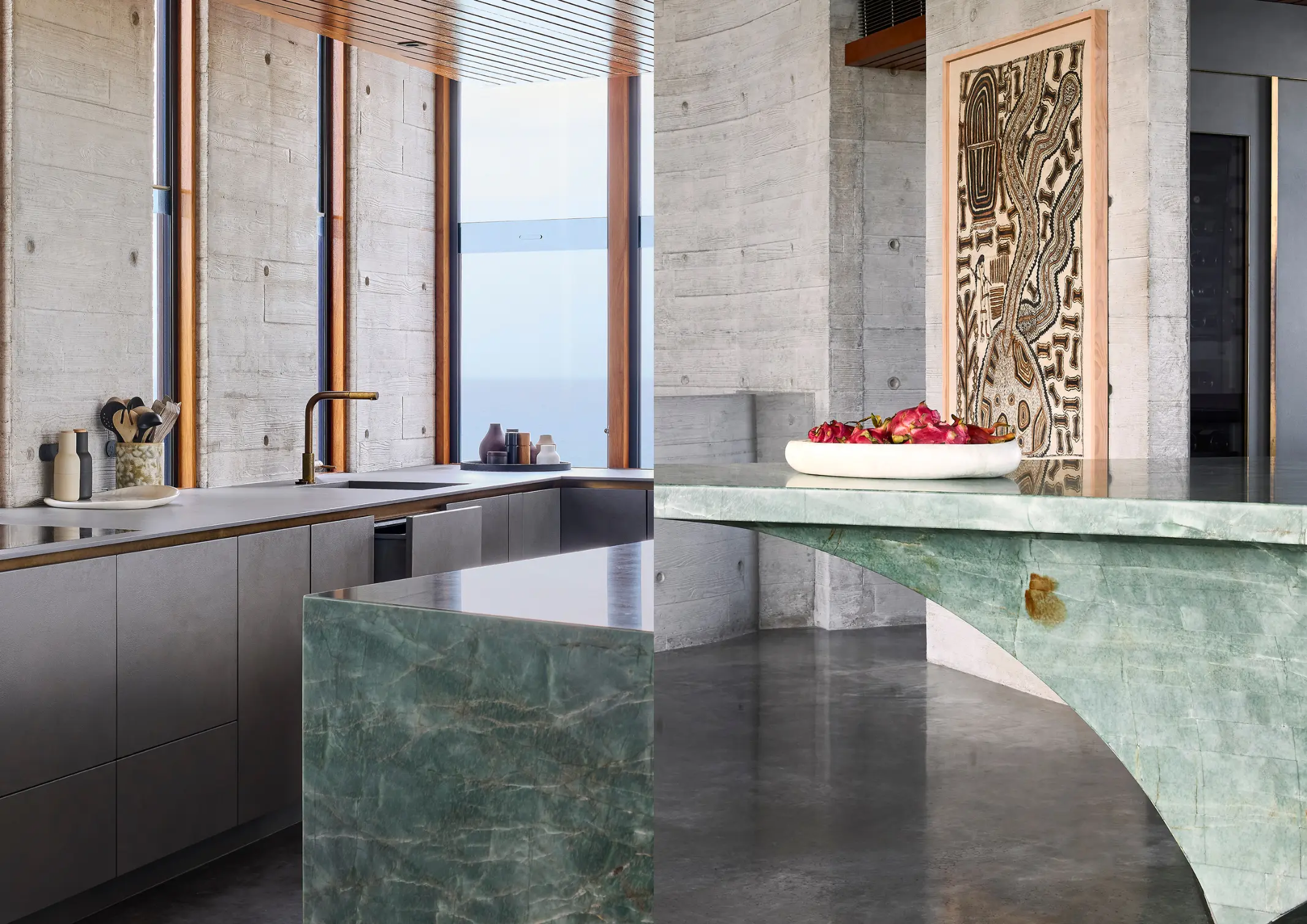
For more than nine decades, Fisher & Paykel has approached design with a simple but exacting belief: that the best living environments are those shaped by people, place, and purpose. Rooted in New Zealand and deeply attuned to island and coastal living, the brand’s philosophy centres on quiet performance, material honesty, and appliances that integrate […]
At Helm, dining unfolds as choreography. An open kitchen anchors the room, allowing guests to witness the precision behind its Michelin-starred fine dining menu. Designed by Kevin Nieves of Headroom, the 24-seat restaurant reflects that same discipline in its interior design. Tucked within Ayala Triangle Gardens in Makati, Helm brings together culinary recognition and architectural […]
Exhibition designer Baby Imperial of All At Once shaped the spatial strategy of ALT ART 2026, its largest edition to date. The fair occupied Halls 1 and 2 of SMX Convention Center Manila, expanding in both footprint and ambition. Organized by the ALT Collective—Artinformal, Blanc, The Drawing Room, Galleria Duemila, Finale Art File, MO_Space, Underground, […]
Download this month's BLUPRINT magazine digital copy from: