Bigkis is the act of binding. In Tagalog, the word can refer to something used to bind or encircle, as well as a bundle formed by tying several separate elements together. Figuratively, it can also mean a bond, union, or unity. The meanings move from the physical act of joining things together to the connection […]
Museum Admits to Forging Picassos for Controversial Women-Only Exhibit



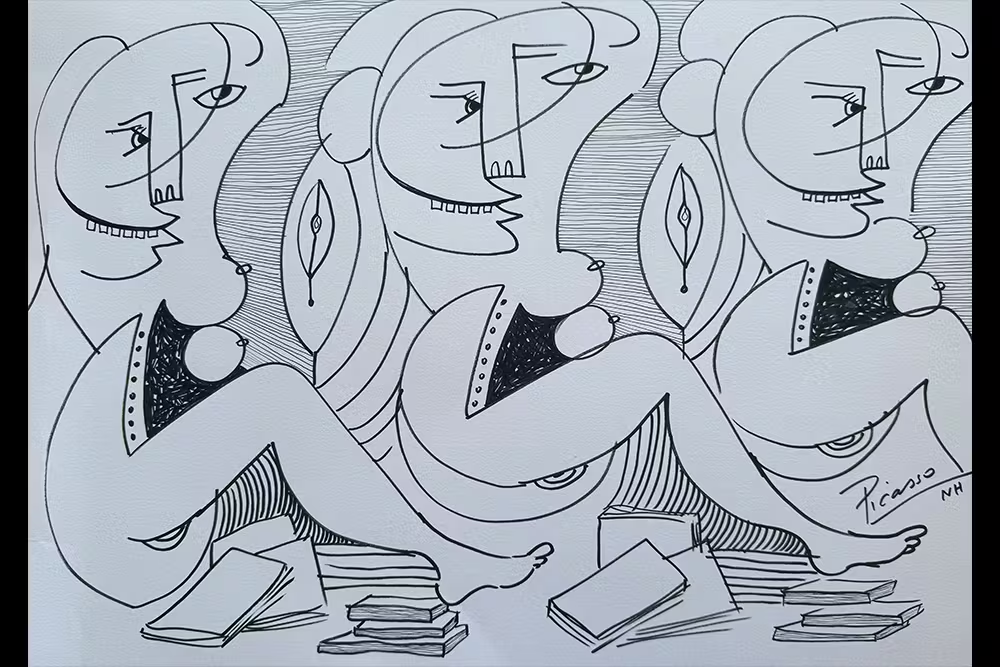
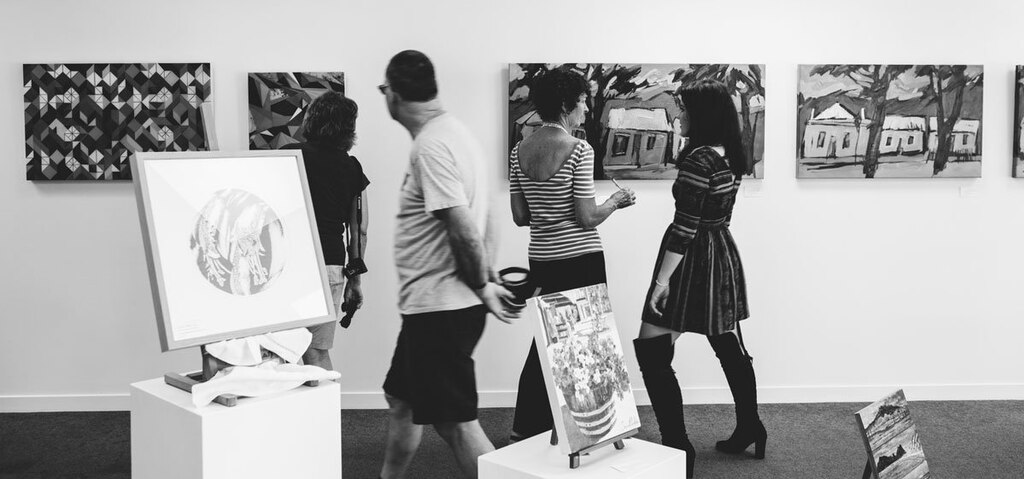
The Museum of Old and New Art (MONA) in Tasmania, Australia admitted that their controversial “Ladies Lounge” exhibit contained fake paintings by Pablo Picasso made by the gallery’s curator.
Kirsha Kaechele, the museum curator, previously claimed that she inherited the Picassos shown in the exhibit. In a recent statement posted in MONA’s site, however, she admits that she forged the paintings shown in the exhibition herself.
“‘Maybe I should just make the paintings myself,’ I said. We laughed—how absurd. But then, as with many absurd ideas, I decided it was a good one. So I made the artworks, quite painstakingly, with my own hands and the (perfectly shellacked) hands of my manicurist’s niece, who is far more competent in pen and ink and thus assisted with the etching,” she wrote.”
Kaechele explained that she did have friends with actual Picassos, but that their color palette did not match the exhibit’s. She also did not want to spend the money necessary to procure the works herself.
Better Than The Real Thing?
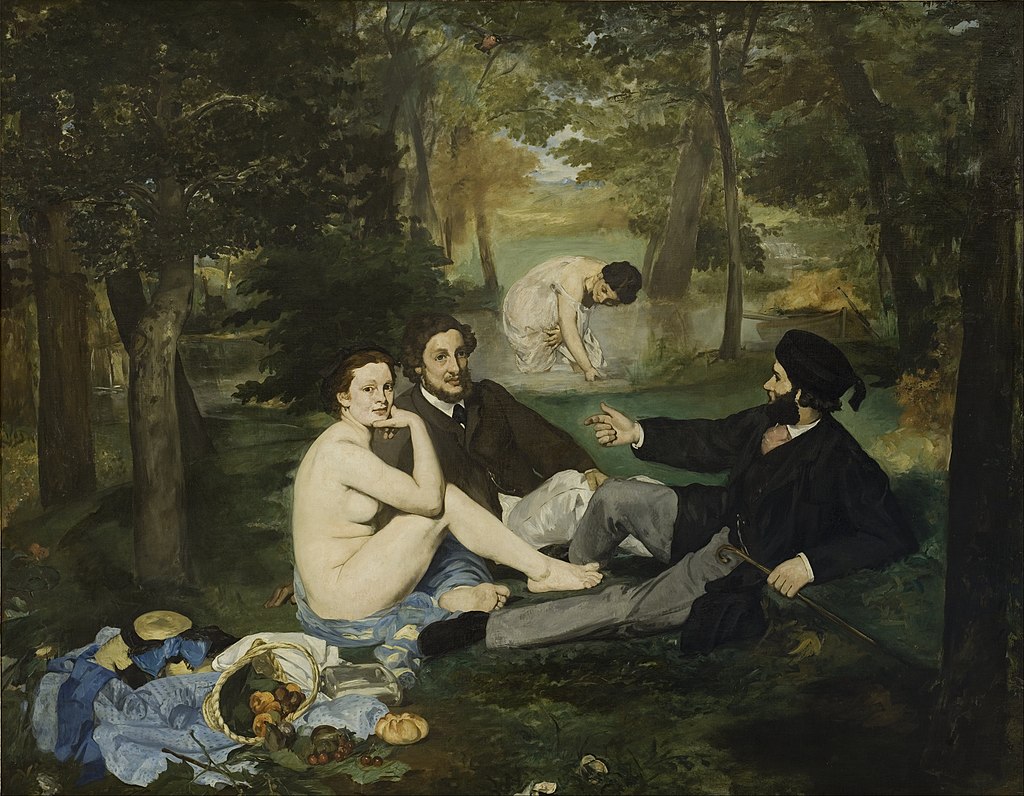
Kaechele claimed at the time that she inherited the Picasso painting from her great-grandmother. Among those paintings is “Luncheon on the Grass, After Manet” from 1961. She said in the blog post that the actual Picasso painting she copied was hung in Paris just four months after the exhibit opened.
“I darted my gaze around the room. Are they fucking with me? I couldn’t be sure … but of the 50,000 Picasso works, this particular one?!,” she wrote. “They had to be ‘collaborating’ with me. I was awed and deeply flattered.”
She admitted that she was expecting headlines exposing her fake paintings as the exhibit built controversy, but that she also felt a sense of glee at her works being taken at face value by the press. Kaechele only admitted the forgery due to separate inquiries from the Picasso Administration and the Guardian Australia.
“I am relieved I have told you because now we can revel together in this madness. Assuming you still want to speak to me. (I hope you can forgive me.),” she wrote.
Reactions Worldwide
Paloma Ruiz-Picasso, the head of the Picasso Administration, said that they will not be pressing charges against Kaechele or MONA. In a statement to Australian Broadcasting Corporation, they said that they believe that MONA has learned their lesson from the debacle.

“While we can only regret this situation and the current overexposure, we believe that this matter is now closed,” they said in a statement. “We also specify that we in no way hold this against the Museum itself, nor the artist. The urgency of creation sometimes makes us forget that there are principles of law protecting the interests of authors, which apply to everyone.”
Others, however, have criticized the act, with some saying that it hurts the museum’s credibility.
“The entire episode is childish, unprofessional, and reflects poorly on MONA,” art critic Christopher Heathcote said to the Guardian. “What is being passed off as an art activist statement is the standard excuse used for attention-seeking sensationalism.”
“Kirsha is obviously a very skilled provocateur…but I feel very uncomfortable about her admission that she’s faked these Picassos and put them on display in a museum,” fellow art critic Elizabeth Fortescue said. “It wouldn’t surprise me if the public felt betrayed or hoodwinked in this case, they might feel that MONA has tried to make them feel silly.”
The “Ladies Lounge” exhibit was created as commentary on the history of gender discrimination. The exhibit deliberately excluded men as part of that commentary, which led to a lawsuit that found the exhibit violated Australia’s Anti-Discrimination Act. In response, Kaechele moved them to the ladies’ toilets to allow them to continue showing the paintings to women only.
Related reading: Two Men Sentenced to Jail After Selling Art Forgeries
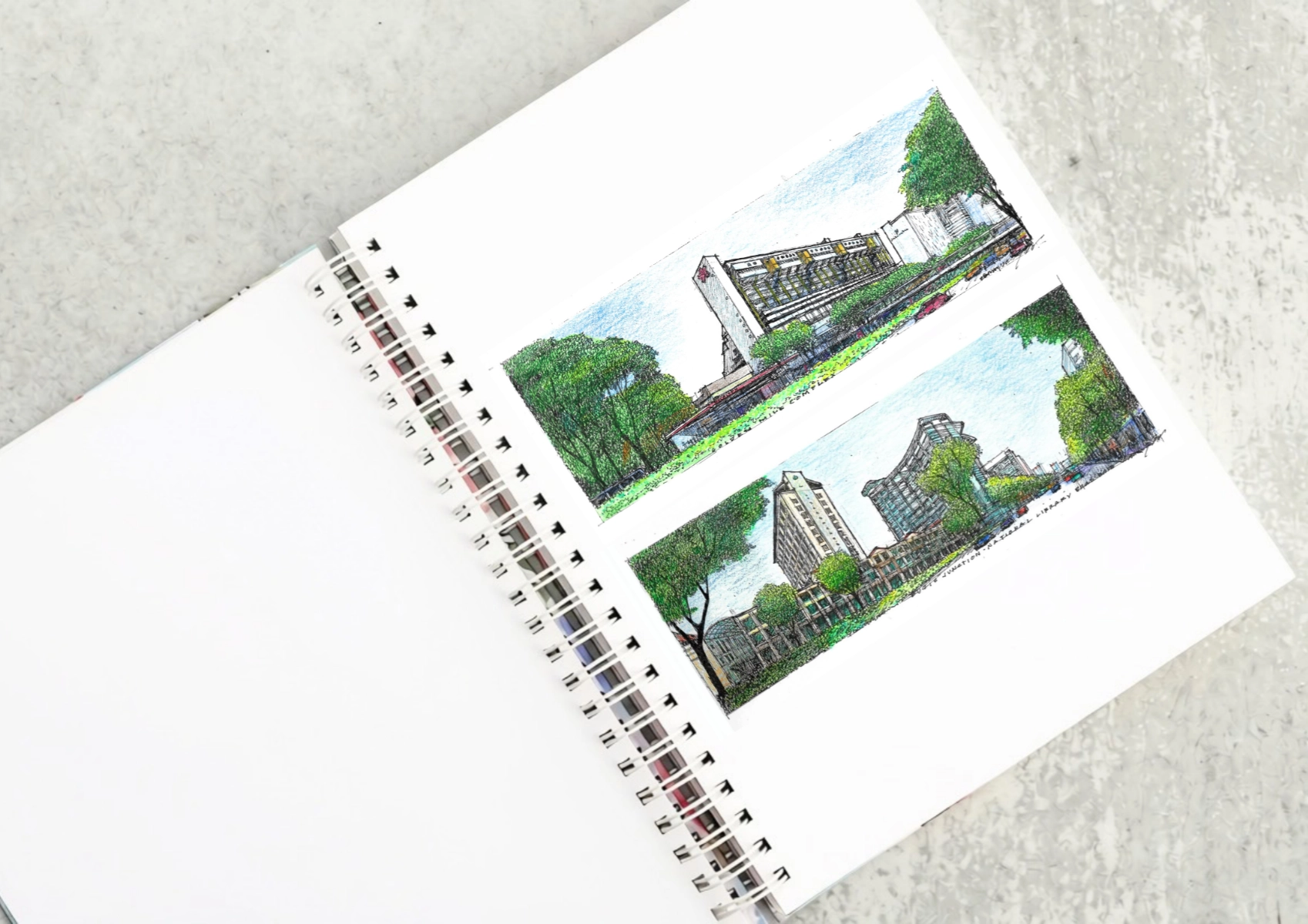
Two sketches of Singapore connect BluPrint Editor in Chief Paulo G. Alcazaren’s personal and professional history with Shared Ground: ArchitectureArchitectureThe art and science of designing and constructing buildings, structures, and spaces that are functional, safe, and aesthetically pleasing. It encompasses the planning, design, materials, and techniques used to createGo to Architecture Glossary of Care, Culture, […]
In a way, designers are the modern-day soothsayers and prophets. They design for the future, predicting how a room, a house, a building or a whole city will be used by people. They foresee how users will interact with a space, conjure exact shades of colors to elicit specific behavior and arrange furniture to build […]
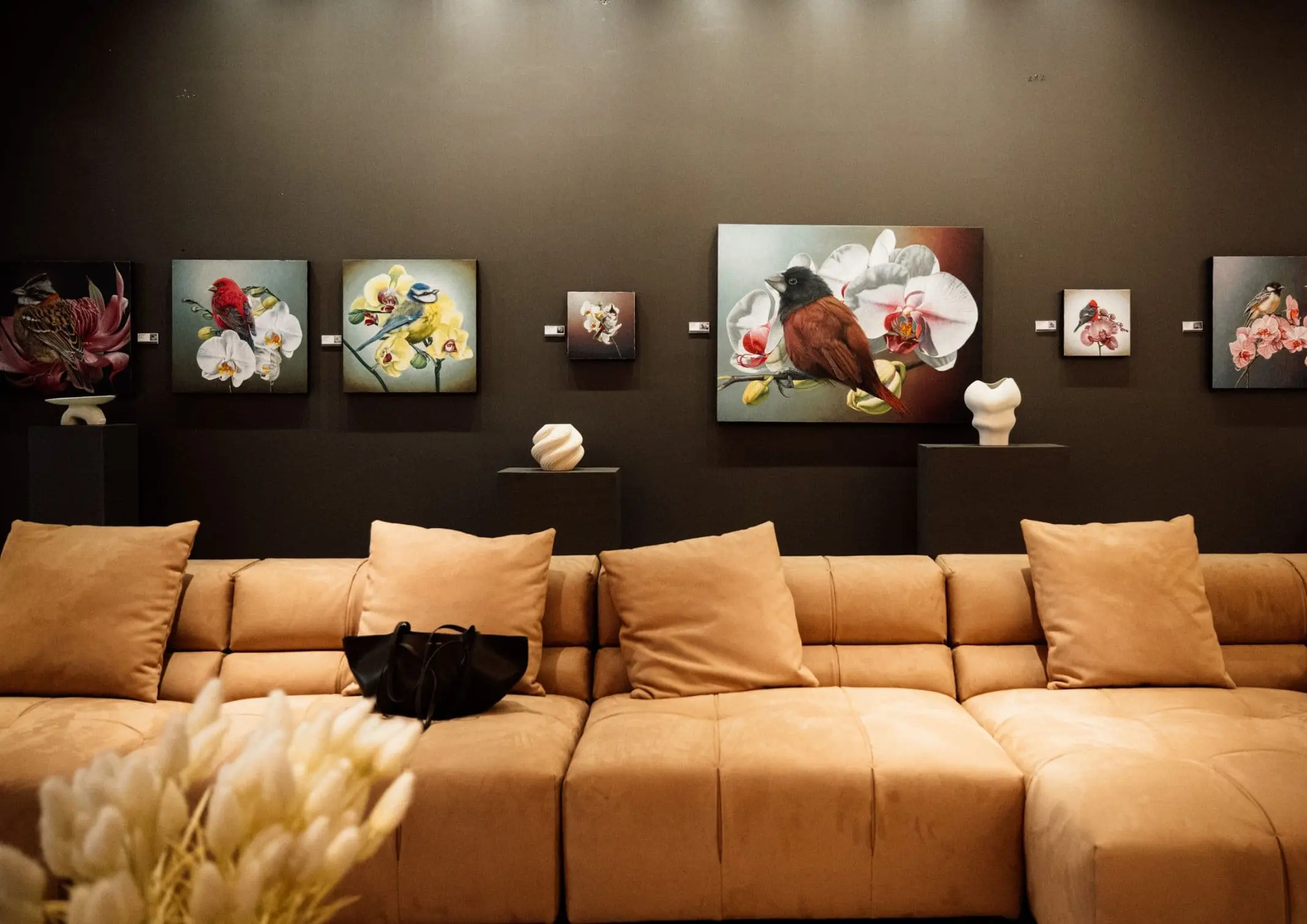
Art and furniture are often selected separately, yet their relationship can shape how a room looks and feels. The collaboration between Hooga and Galerie Joaquin explores how these elements can work together, bringing contemporary artworks into furnished residential settings at Hooga’s showroom in Uptown Mall, Bonifacio Global City. For Hooga, which curates furniture, lighting, and […]
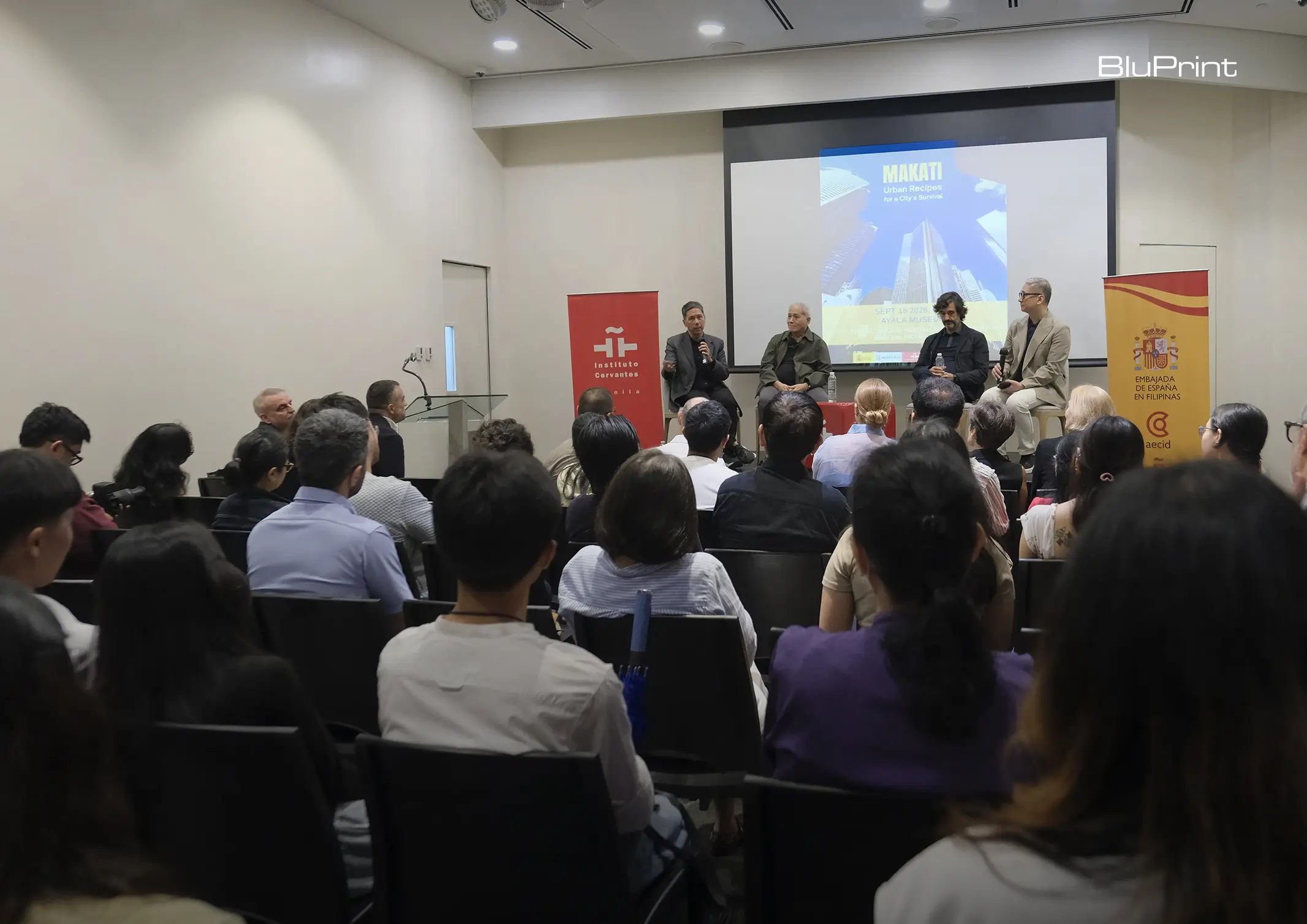
How can better-planned cities create the conditions for more creative, livable, and resilient urban environments? “Makati Urban Recipes for a City’s Survival,” a colloquium held at the Ayala Museum on September 15, brought together architects and practitioners from the fields of urbanism and the creative economy to discuss how design, planning, and collaboration can address […]
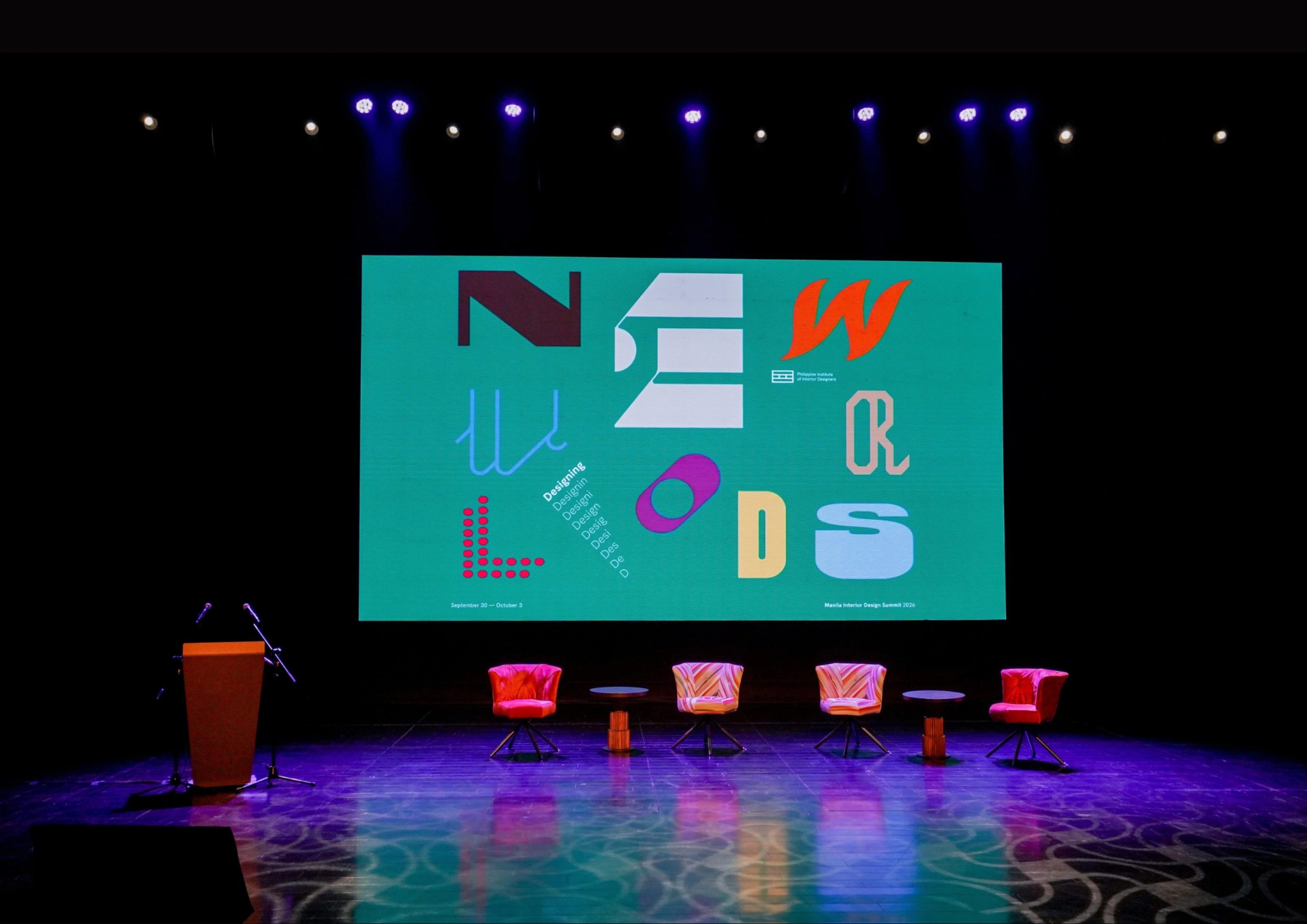
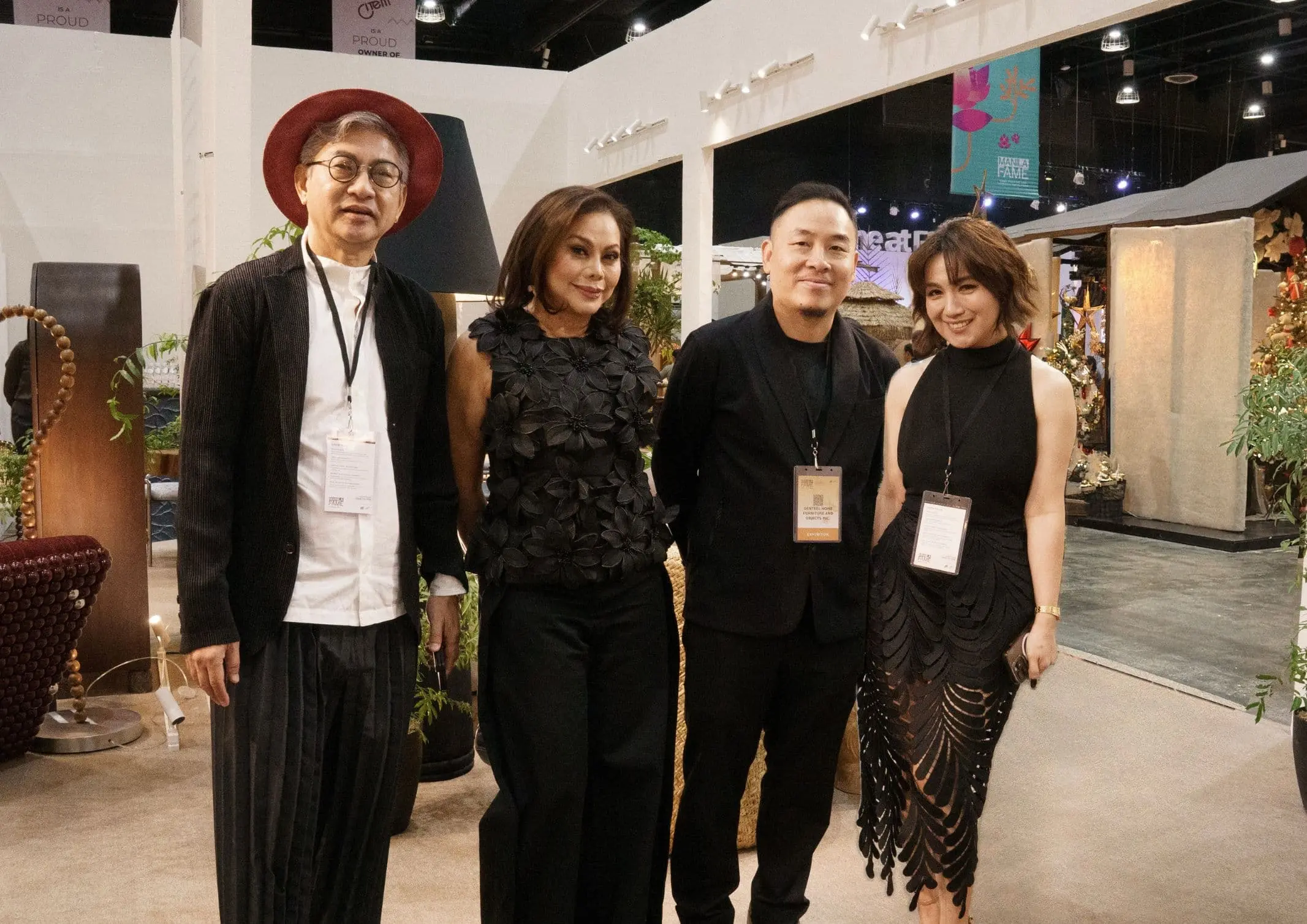
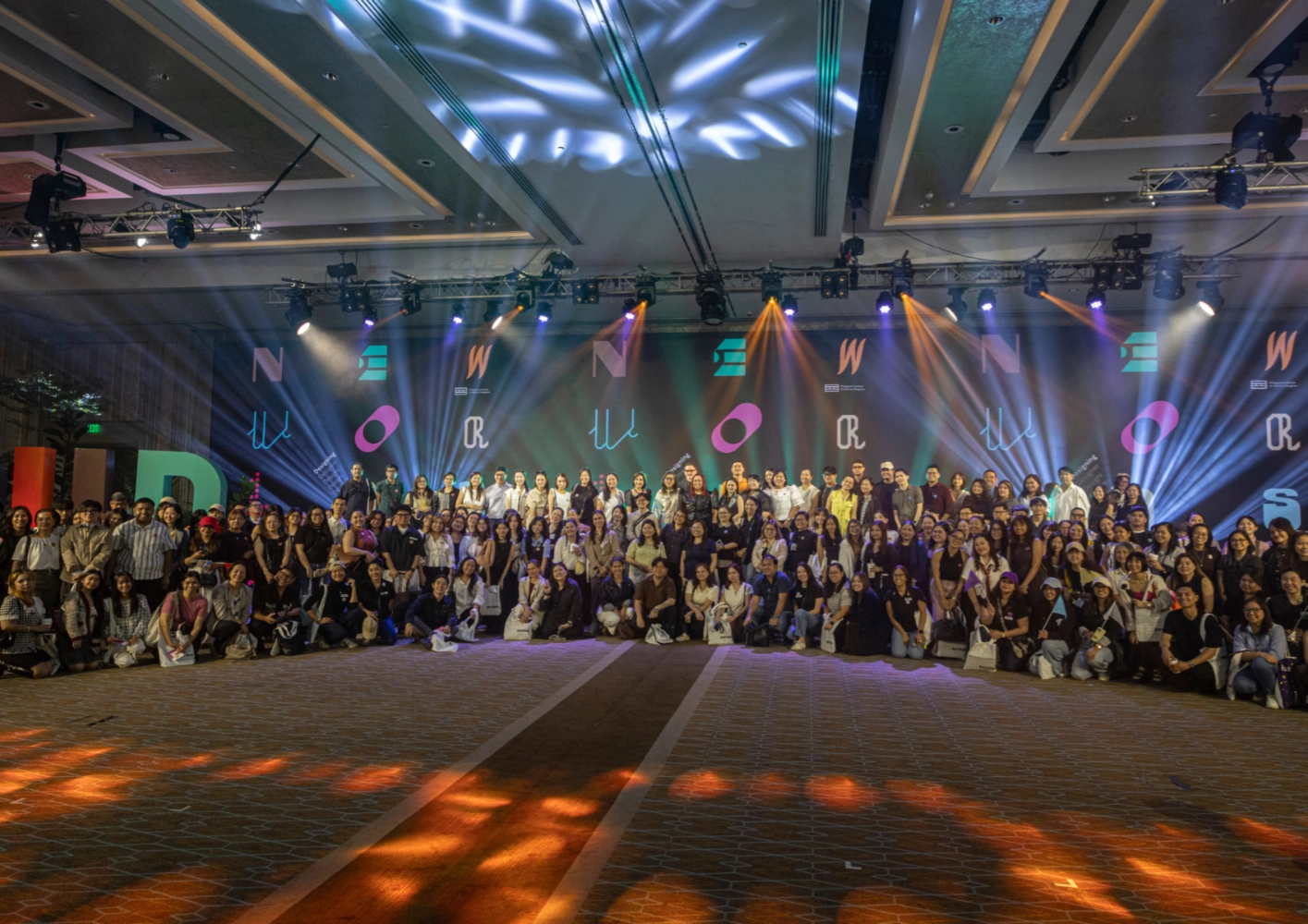
The fourth Manila Interior DesignInterior DesignThe discipline of planning and shaping interior spaces for function, comfort, safety, and beauty. It covers layout, lighting, materials, finishes, furniture, and color, and in the Philippines is a licensedGo to Interior Design Glossary Summit (MIDS) brought together more than 300 delegates for four days of conversations, exhibitions, and design […]
Read the issues.

Collect the volumes.

Recommended Video
Tap to Unmute
Unmute
0:00
0:00