In a way, designers are the modern-day soothsayers and prophets. They design for the future, predicting how a room, a house, a building or a whole city will be used by people. They foresee how users will interact with a space, conjure exact shades of colors to elicit specific behavior and arrange furniture to build […]
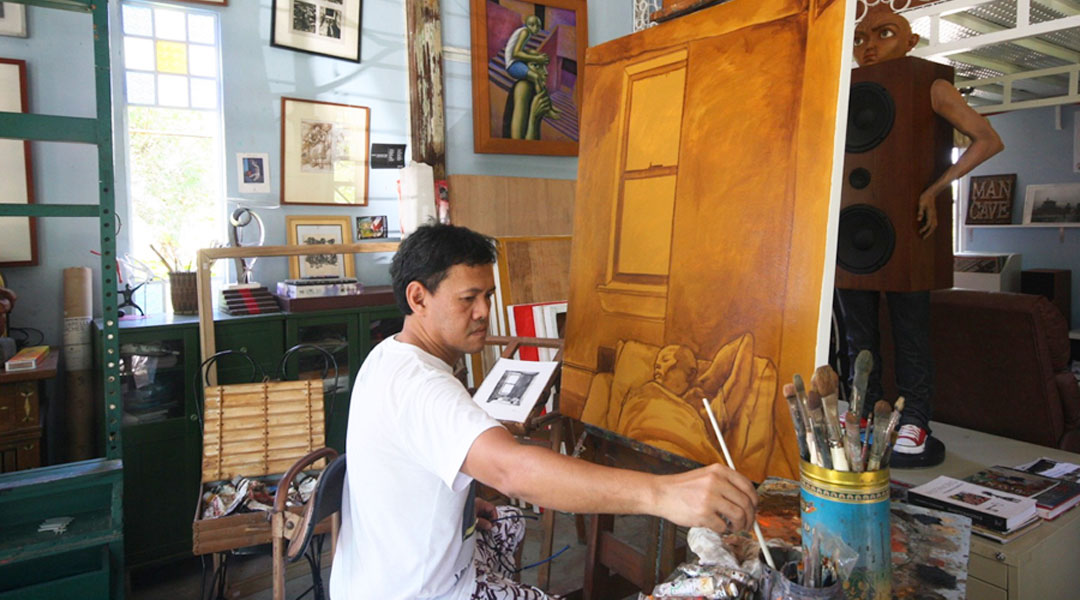
Elmer Borlongan’s extraordinary eye for the ordinary in our cities



With an extraordinary eye for the ordinary, Elmer Borlongan re-presents the Filipino going about life. A tradition that goes back to: Damian Domingo, Jose Honorato Lozano and Justiniano Asuncion whose depictions of 19th century Philippine life have come down to us as Tipos del Pais (Country Types), but where the founding fathers of this style of painting left off Borlongan set off inspired by 20th century masters: Onib Olmedo, Danilo Dalena, and Jaime de Guzman breathing new life into genre with: color, form, and a trademark humor that elevates the familiar into Art.
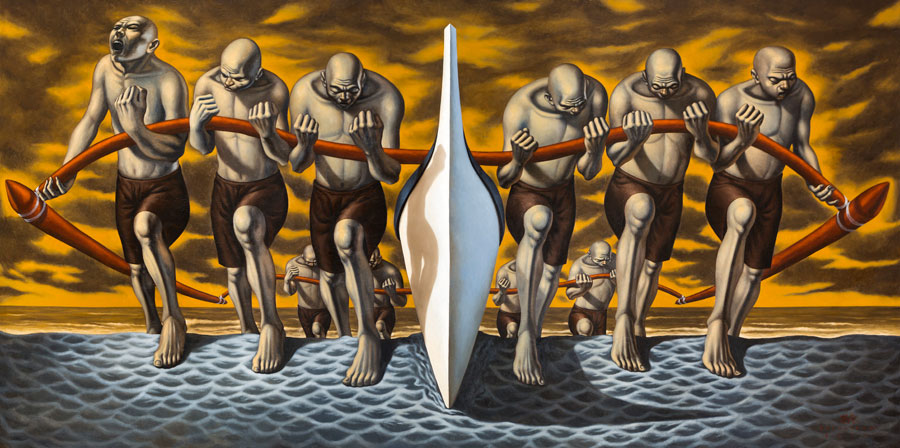
Oil on canvas
7′ x 15′
2011
Growing up in the backstreets of Mandaluyong, Borlongan illustrates a ‘mise-en-scene’ of the urban milieu of the underprivileged, the proletariat, and the have-nots of society. Notable in his works are his steadfast characters—the street vendors, sidewalk beggars, assiduous disabled men, and scenes that portray local traditions and cultural practices that engage society today. From the Marcos dictatorship, the EDSA Revolutions, to Duterte, Borlongan brought his art from urban to rural and back to the urban such that he returned to the place where he started but saw it anew, like the first time producing past, present and future merged seamlessly in his works. In all things, good and bad, Borlongan’s steady refrain is hope.
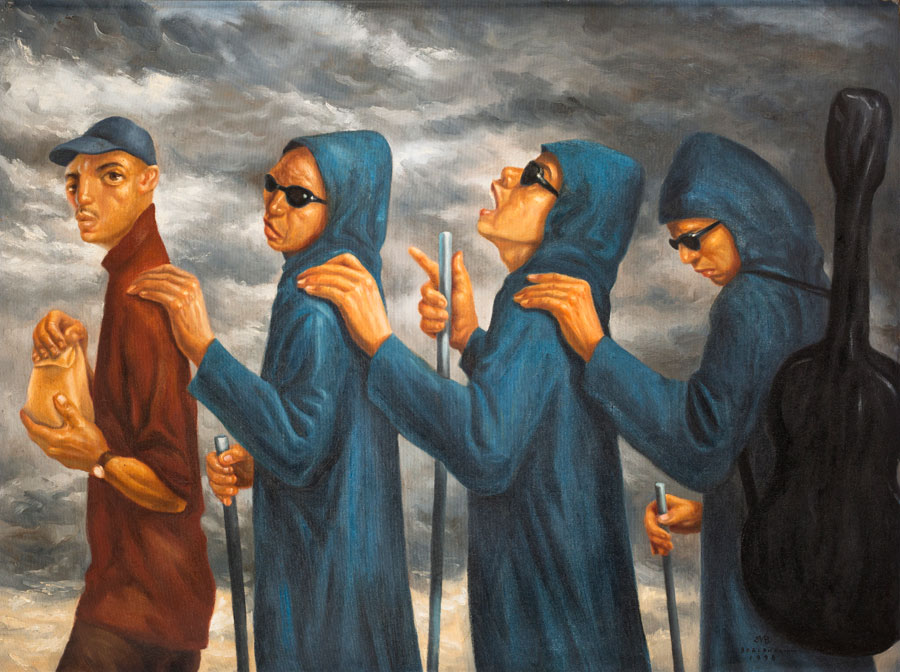
Oil on canvas
3′ X 4′
1999
The Metropolitan Museum of Manila opens 2018 with a major exhibition of Elmer Borlongan: An Extraordinary Eye for the Ordinary. Curated by leading historian and curator Dr. Ambeth Ocampo, the exhibit features a survey of Borlongan’s body of works in celebration of 25 years of his artistic career.
The exhibit features over 200 works from 1979 to 2015, by retelling stories of everyday life based on what he sees in his surroundings. The murals, paintings, and drawings that fill the walls of this exhibition reflect on Borlongan’s practice and continued commitment to his art, vision, and powerful visual narratives.
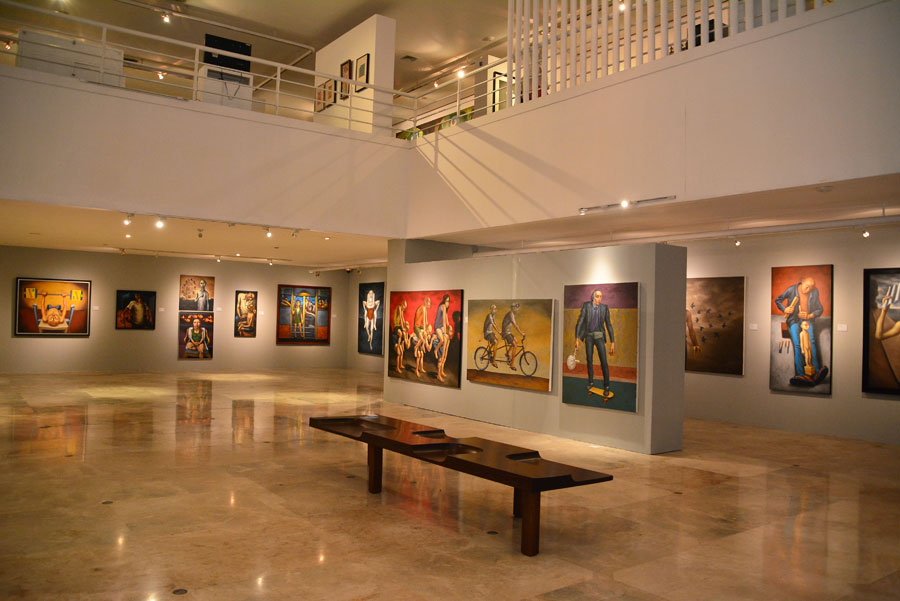
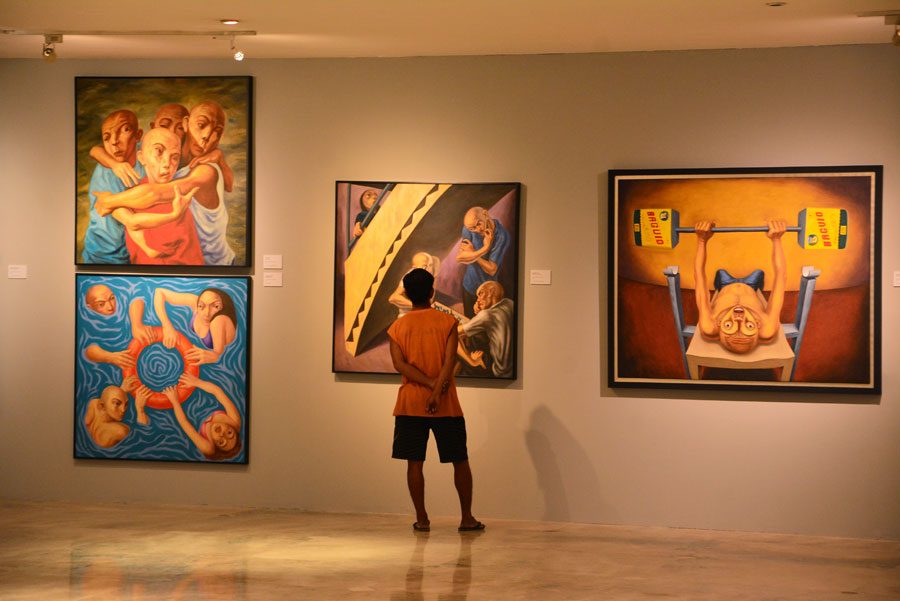
Elmer Borlongan: An Extraordinary Eye for the Ordinary is on view at the Metropolitan Museum of Manila from January 22 until March 28, 2018, with the support of Pioneer Insurance and Asia Coatings Phils., Inc. 
Frequently Asked Questions
The title reflects Borlongan’s ability to elevate the mundane, everyday experiences of the Filipino proletariat into the realm of fine art. By focusing on street vendors, sidewalk beggars, and the underprivileged in the backstreets of Mandaluyong, he re-presents the “common man” not as a background figure, but as a steadfast protagonist in the narrative of Philippine society.
Borlongan’s practice is a modern evolution of the 19th-century Tipos del Pais (Country Types) tradition established by masters like Damian Domingo and Jose Honorato Lozano. While the original style focused on documenting 19th-century Philippine life and costume, Borlongan updates this by infusing his “country types” with 20th-century sensibilities, distortion, and a trademark humor that responds to modern social and political realities.
Borlongan’s work is deeply influenced by Filipino expressionist and social realist masters, specifically Onib Olmedo, Danilo Dalena, and Jaime de Guzman. From them, he adopted a distinctive approach to color and form—often characterized by exaggerated features and elongated limbs—which he uses to convey the grit and emotional weight of urban life.
His works frequently feature the “have-nots” of society, including street dwellers, the disabled, and the working class. These characters are often portrayed through a lens of “steadfastness” and “hope” despite their harsh environments. His paintings also document cultural shifts, spanning from the Marcos dictatorship and the EDSA Revolutions to the present day, blending urban and rural perspectives.
Curated by historian Ambeth Ocampo, the exhibition featured over 200 works spanning from 1979 to 2015. This survey included murals, oil paintings, and drawings that retell the stories of everyday life, showcasing Borlongan’s commitment to visual narrative and his growth as an artist over two and a half decades.

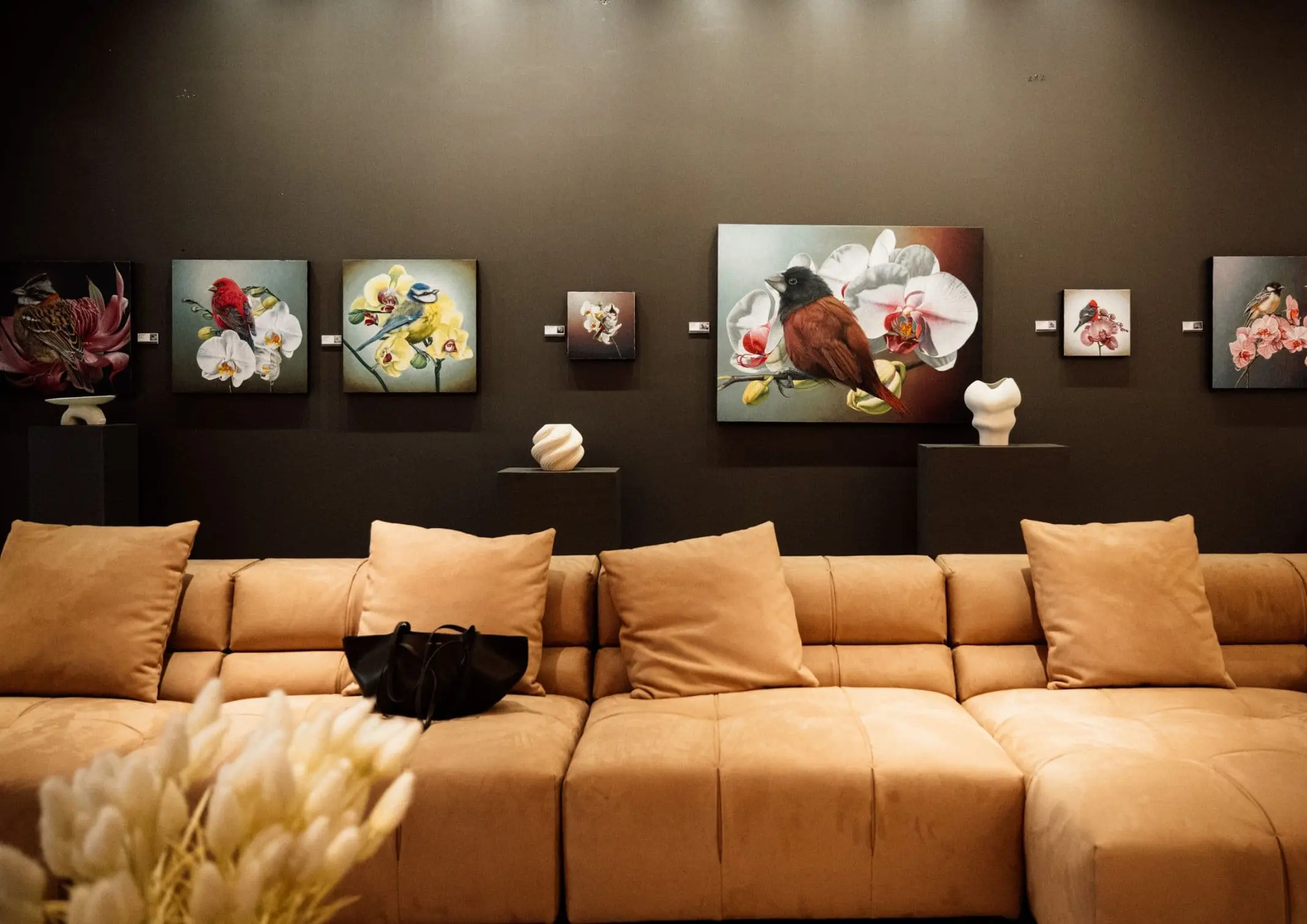
Art and furniture are often selected separately, yet their relationship can shape how a room looks and feels. The collaboration between Hooga and Galerie Joaquin explores how these elements can work together, bringing contemporary artworks into furnished residential settings at Hooga’s showroom in Uptown Mall, Bonifacio Global City. For Hooga, which curates furniture, lighting, and […]
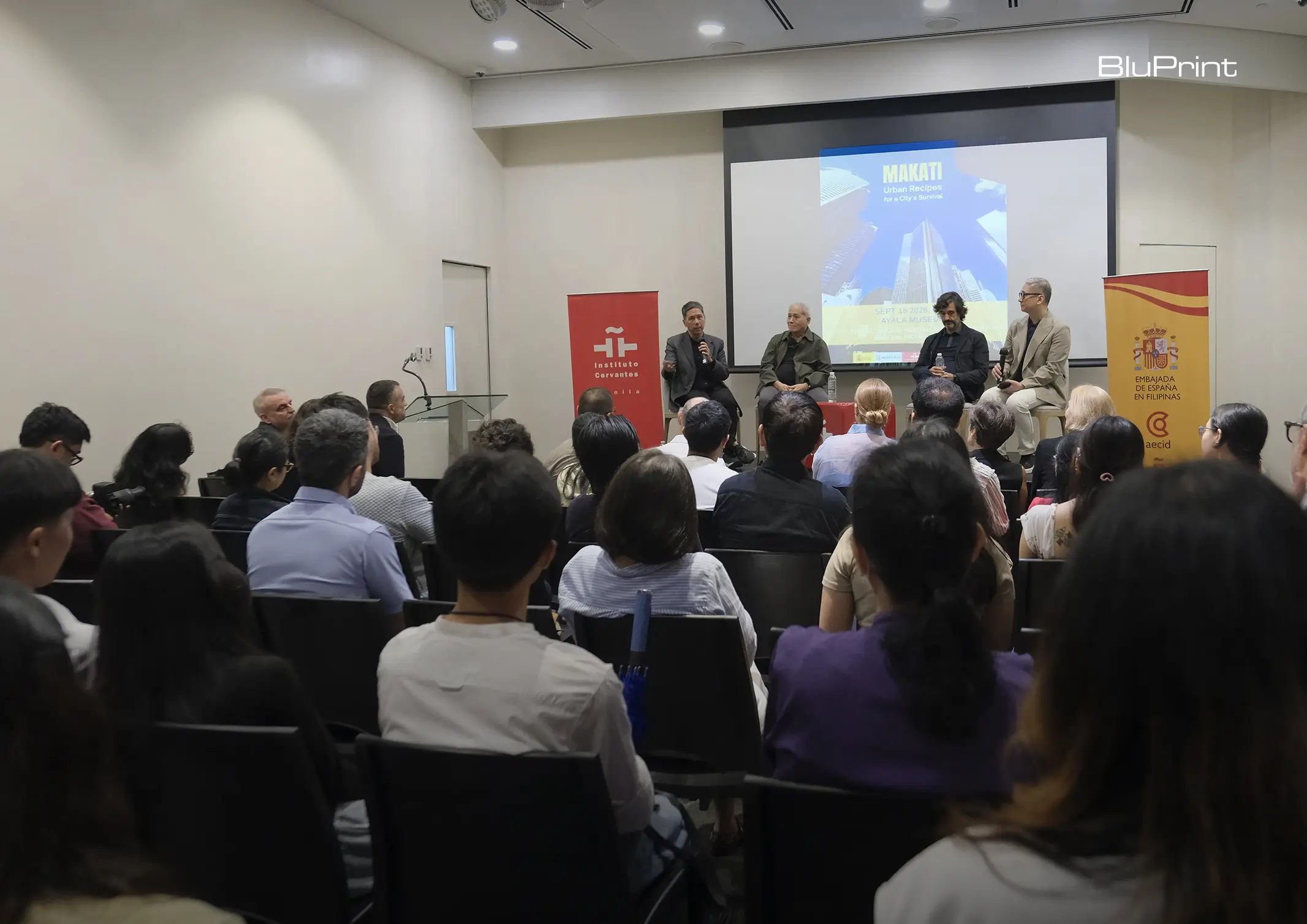
How can better-planned cities create the conditions for more creative, livable, and resilient urban environments? “Makati Urban Recipes for a City’s Survival,” a colloquium held at the Ayala Museum on September 15, brought together architects and practitioners from the fields of urbanism and the creative economy to discuss how design, planning, and collaboration can address […]
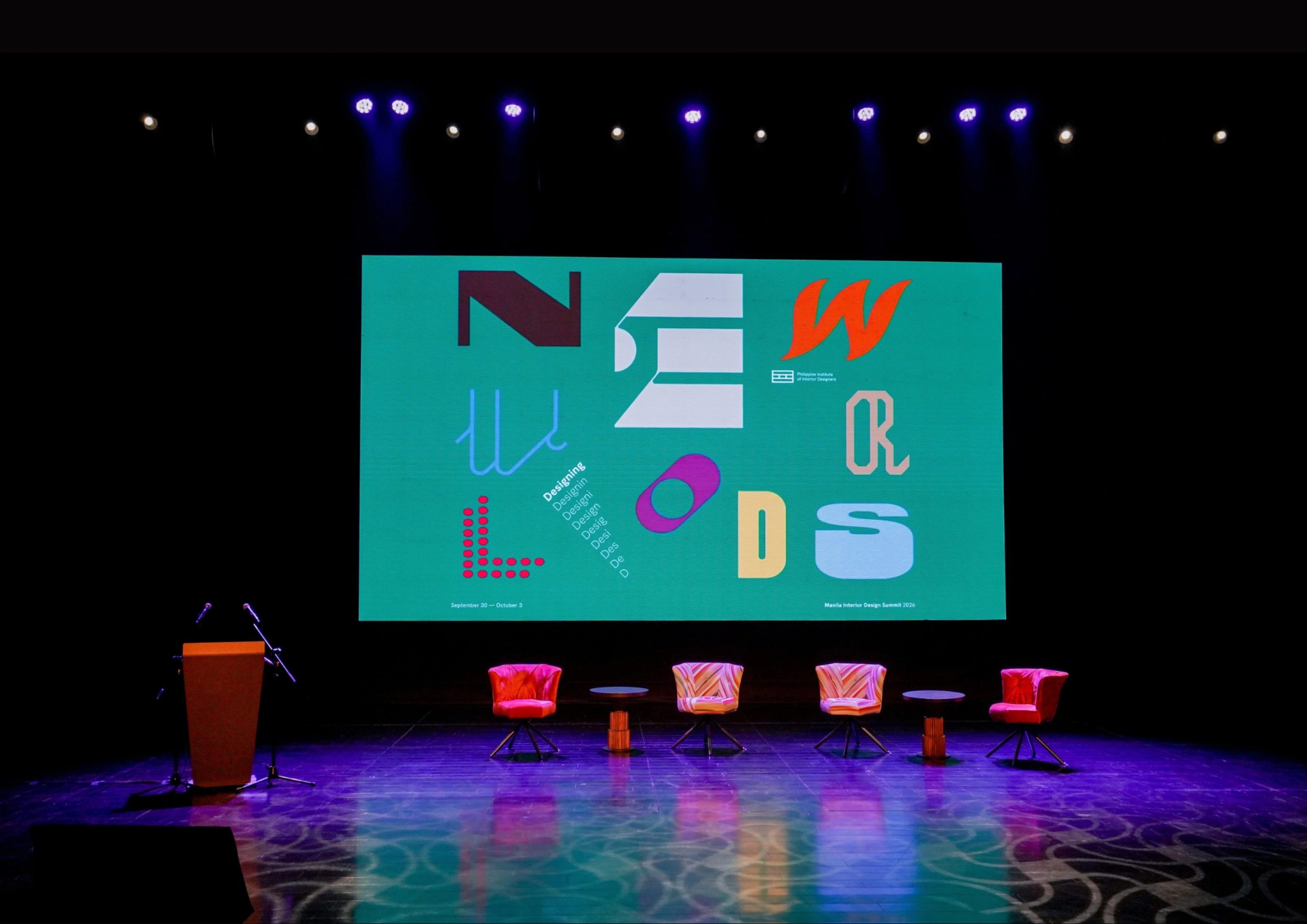
The fourth Manila Interior DesignInterior DesignThe discipline of planning and shaping interior spaces for function, comfort, safety, and beauty. It covers layout, lighting, materials, finishes, furniture, and color, and in the Philippines is a licensedGo to Interior Design Glossary Summit (MIDS) brought together more than 300 delegates for four days of conversations, exhibitions, and design […]
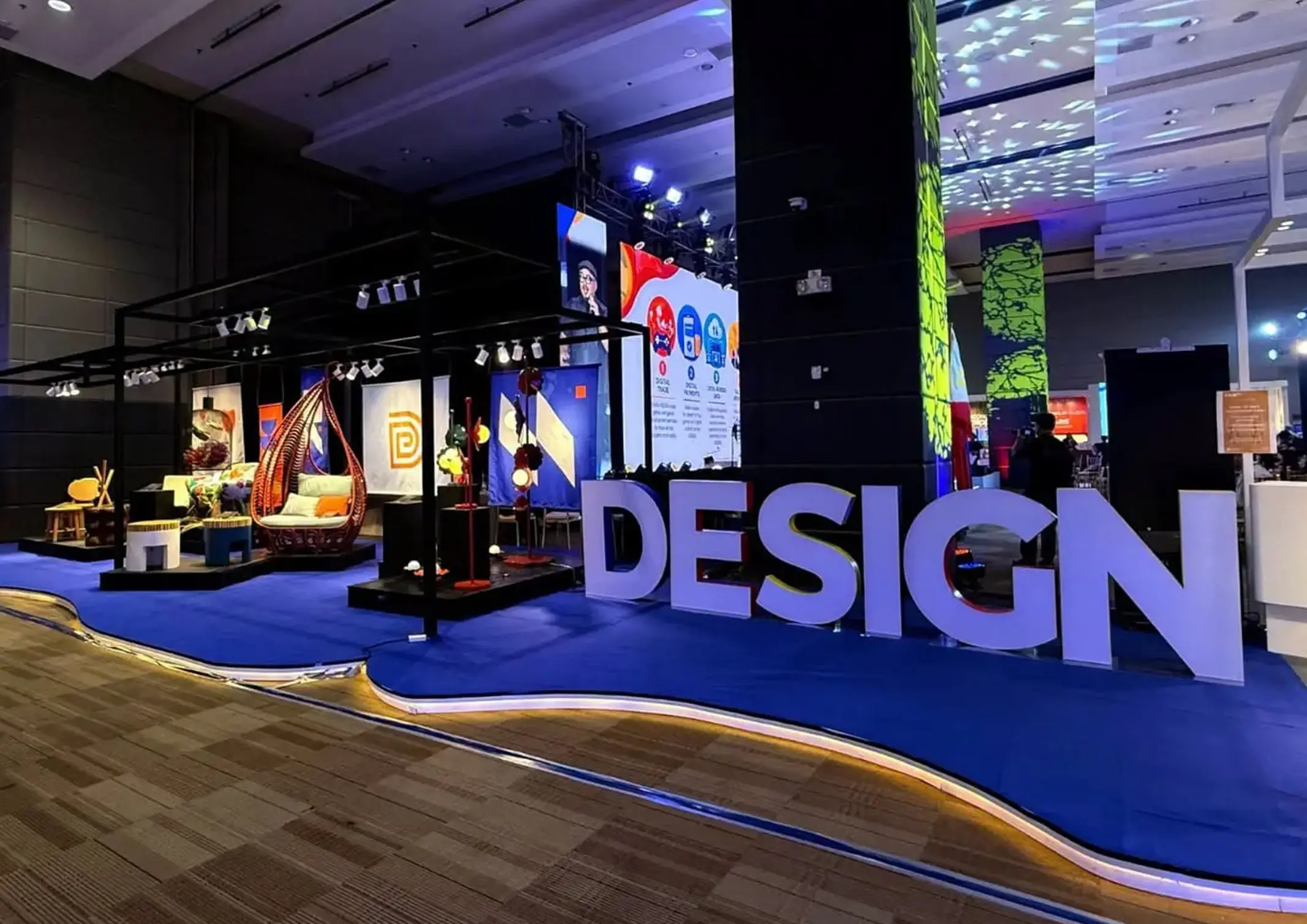
Held at the SMX Convention Center Aura in Taguig City, the first ASEAN Creative Industries Expo by Malikhaing Pinoy (ASEAN MPEx) features nine creative domains, including design, visual arts, digital interactive media, and performing arts. Organized by the Department of Trade and Industry (DTI), the event includes exhibitions, cultural performances, industry talks, and pitching sessions […]
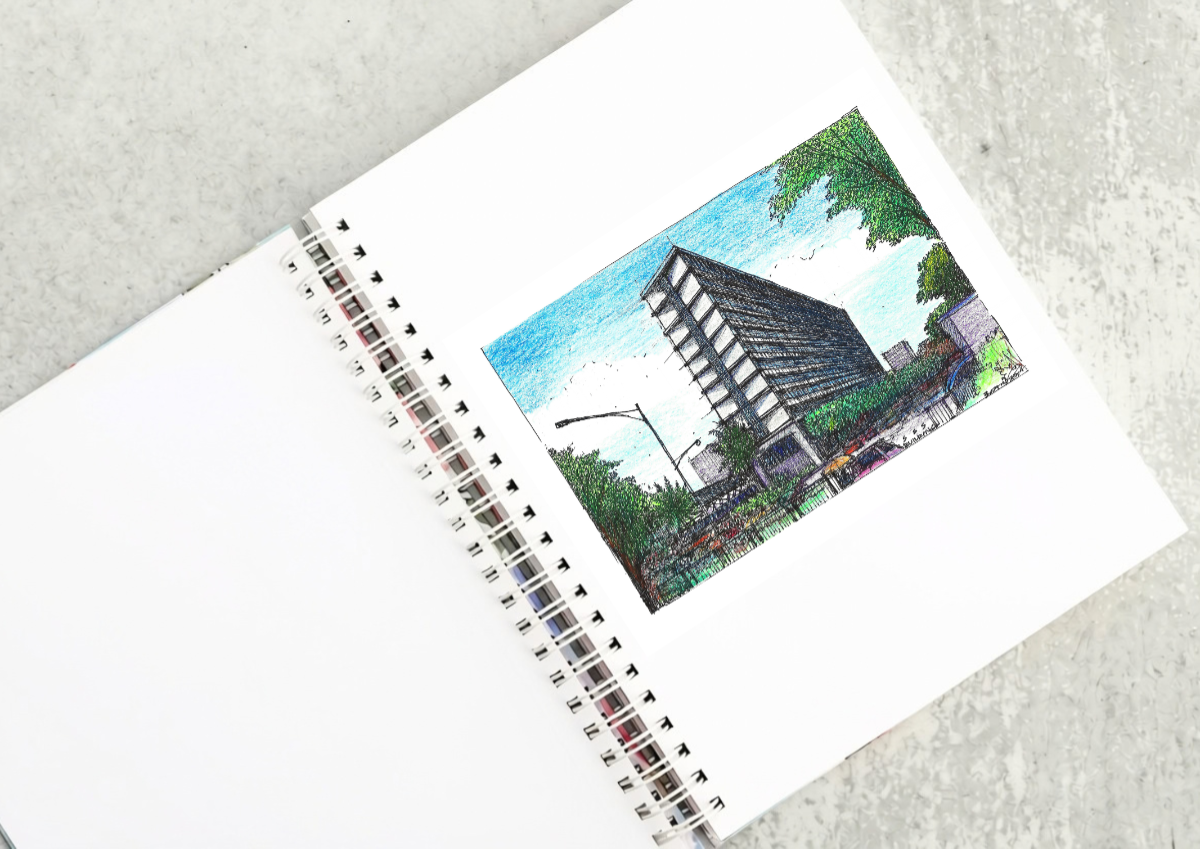
The SSS Building as an Expression of Civic Modernism My favorite modernist landmark in Quezon City is the SSS building on East Avenue. Designed by National Artist for ArchitectureArchitectureThe art and science of designing and constructing buildings, structures, and spaces that are functional, safe, and aesthetically pleasing. It encompasses the planning, design, materials, and techniques […]
Read the issues.

Collect the volumes.

Recommended Video
Tap to Unmute
Unmute
0:00
0:00