Bigkis is the act of binding. In Tagalog, the word can refer to something used to bind or encircle, as well as a bundle formed by tying several separate elements together. Figuratively, it can also mean a bond, union, or unity. The meanings move from the physical act of joining things together to the connection […]
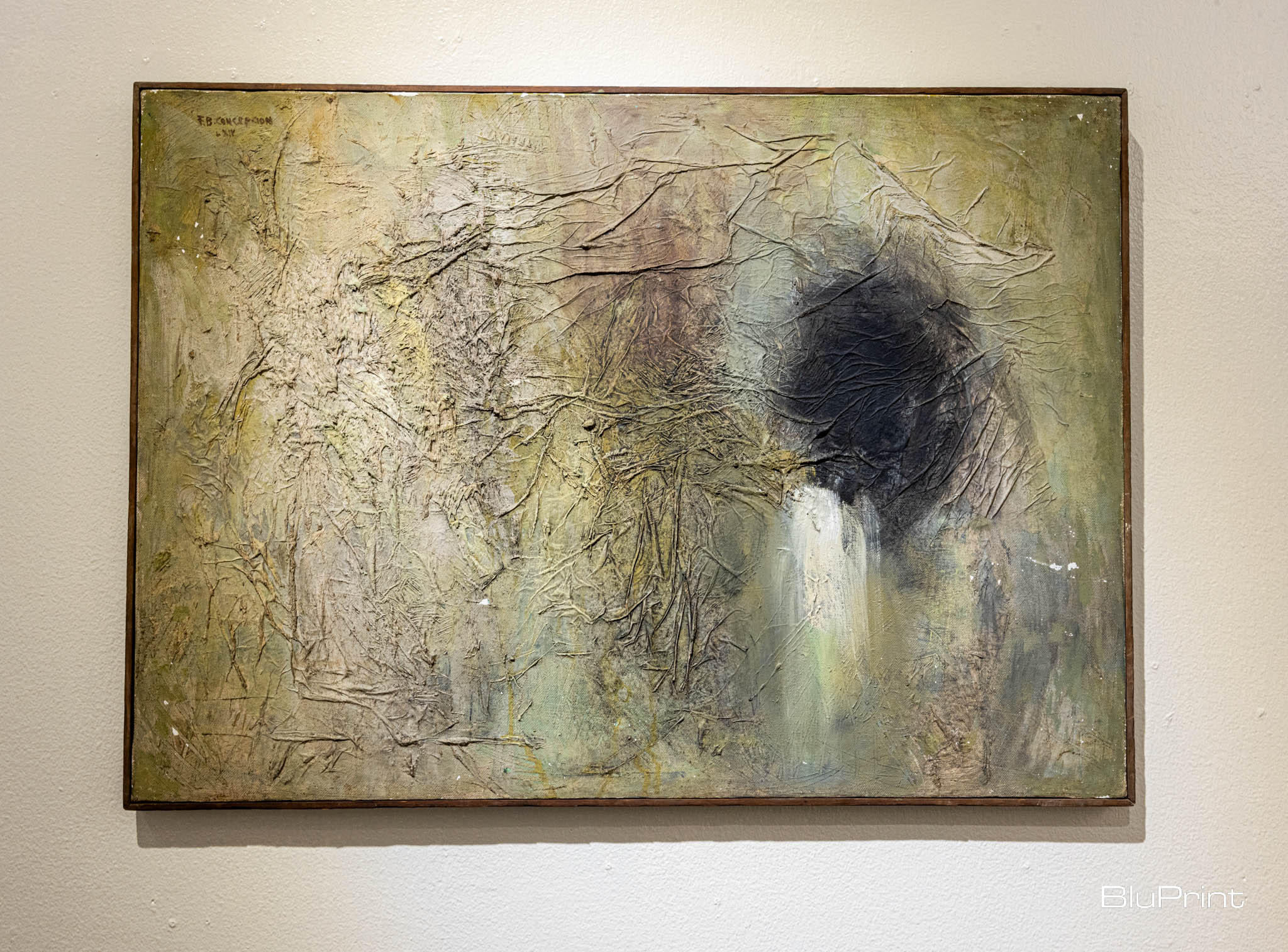
Florencio B. Concepcion: A Journey Across Different Media



“Painting is like talking, an individual should only talk when he has something to say.” – Florencio B. Concepcion
This quote was written on a wall at Avellana Art Gallery at the “Mixed Media: Florencio B. Concepcion” exhibit curated by Miguel Rosales, creative director of Caramel. Occupying two large rooms on the second floor of the postwar home, the exhibit was meant to be a concise telling of Concepcion’s breadth of work through various forms of media.
Miguel Rosales’ Deep Connection to Concepcion’s Work
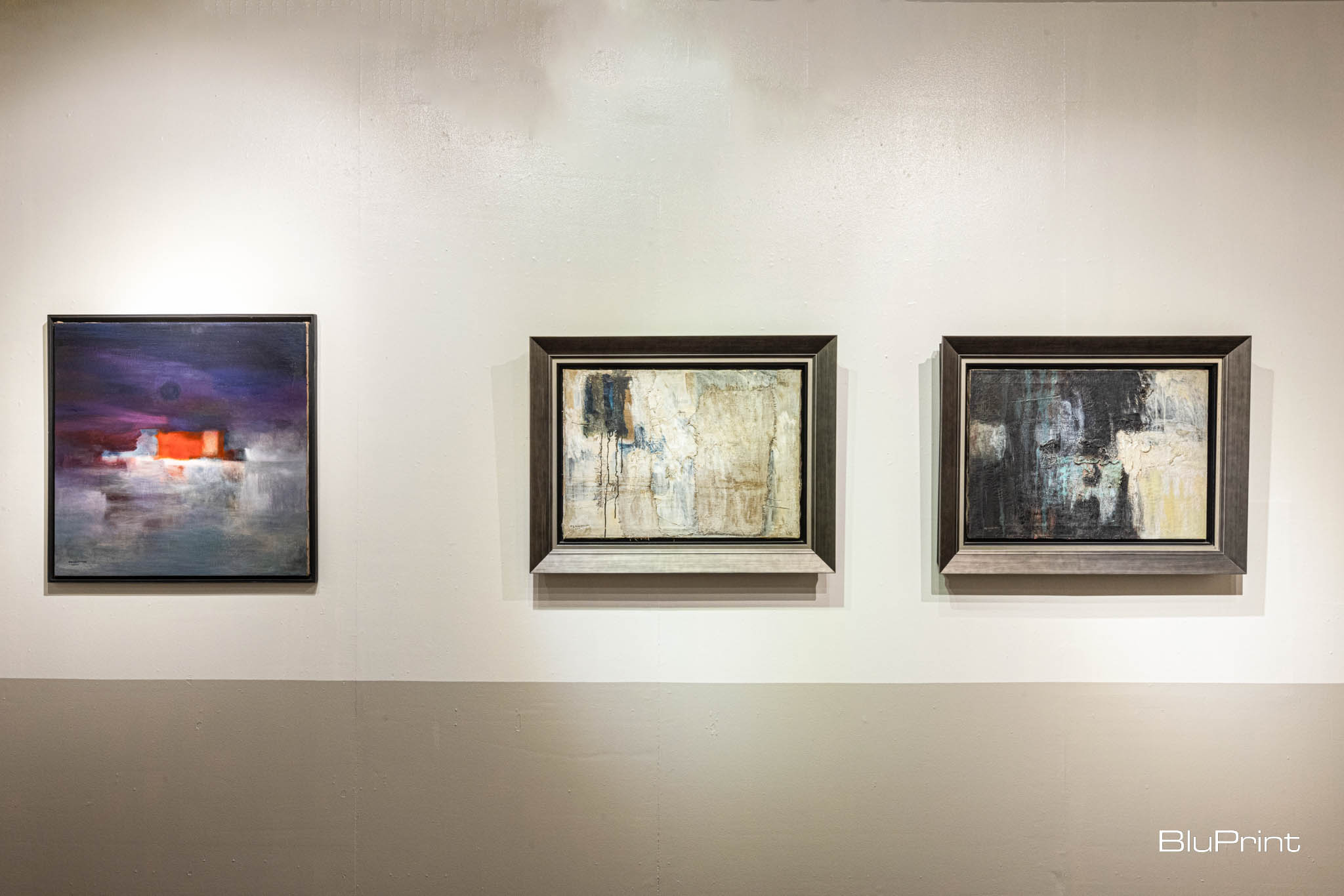
Rosales has immersed himself in the work of Concepcion ever since the first time he laid eyes on one about 10 years ago. “I was at a friend’s place and he had a work on his wall which I didn’t know was by Florencio Concepcion. I immediately was attracted to it. Then I ended up acquiring it! I just fell in love with the work and did research on him and found out all this great stuff about him. I started digging deeper and deeper and that’s how I got hooked on Concepcion’s works—by actually just falling in love with one of his works.”
A Concise Journey Through Concepcion’s Artistic Evolution
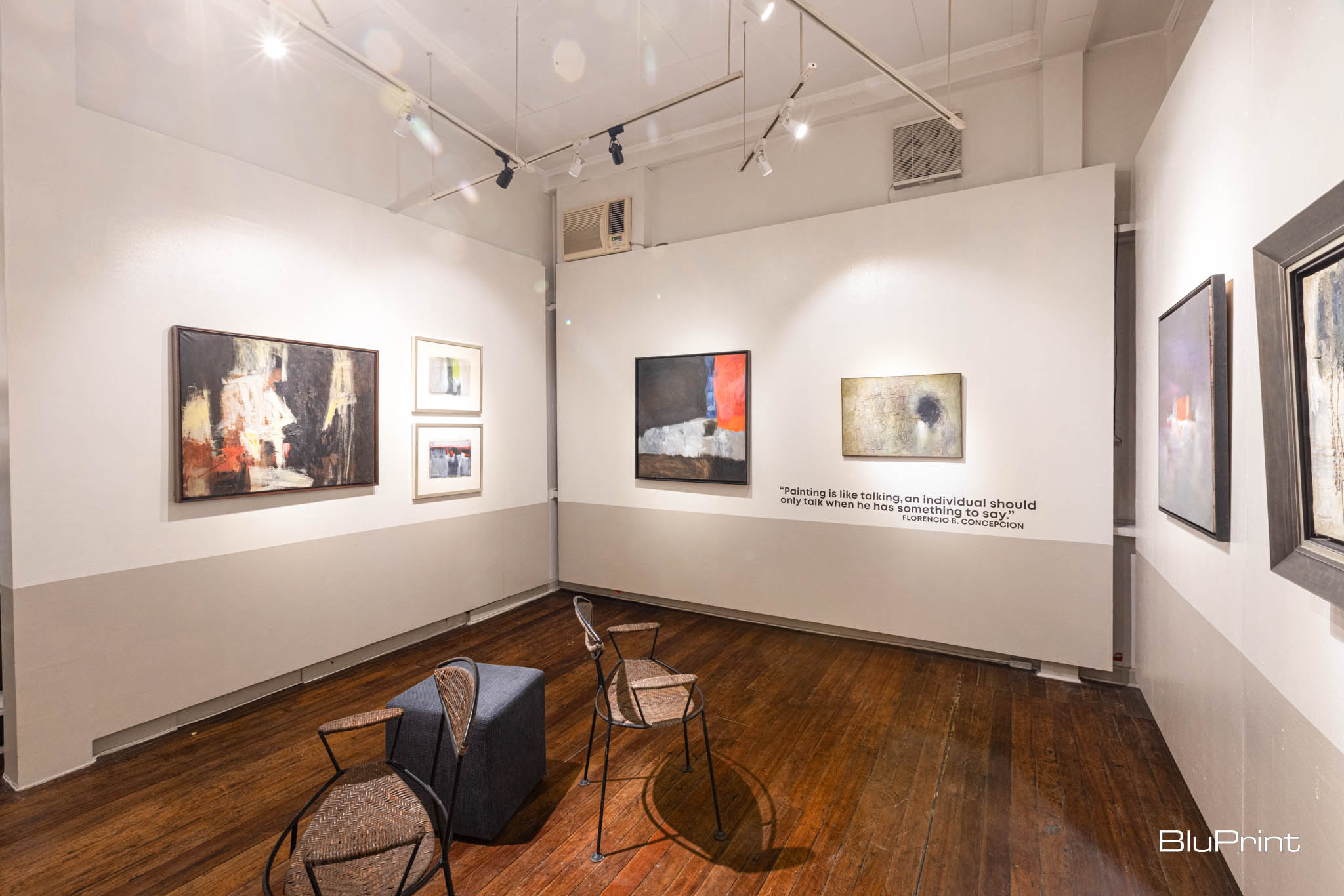
The exhibit takes you through the different periods of the artist’s life. It showcases the various techniques he applied—from impressionism to abstraction—and the different mediums he used. Rosales worked closely with the artist’s family when gathering the pieces for the show. “They had prints… works on paper—gouache on paper, watercolors on paper. They had canvases and they had bocetos. So I figured, let’s explore different media that F. B. Concepcion worked with,” Rosales shares.
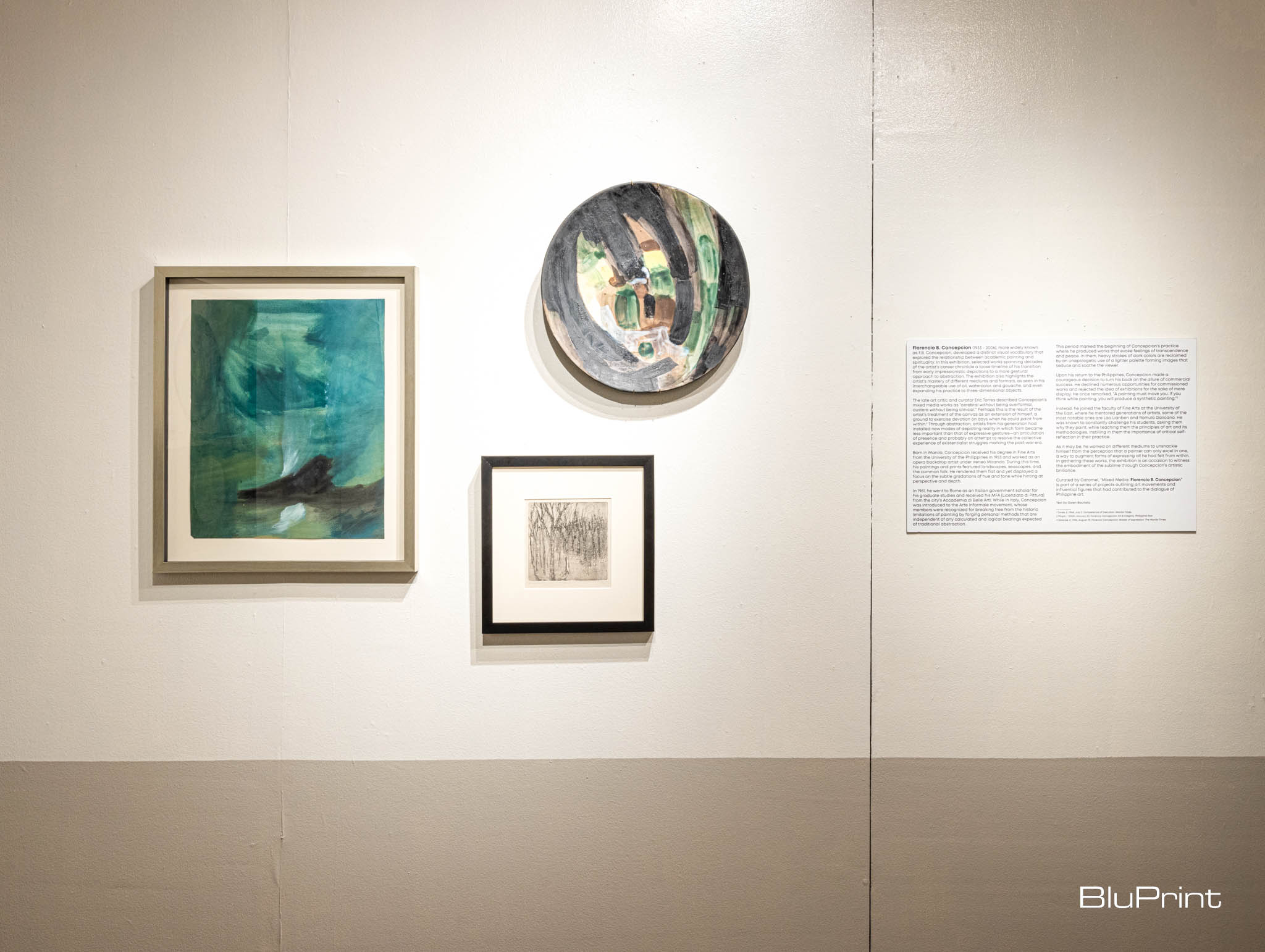
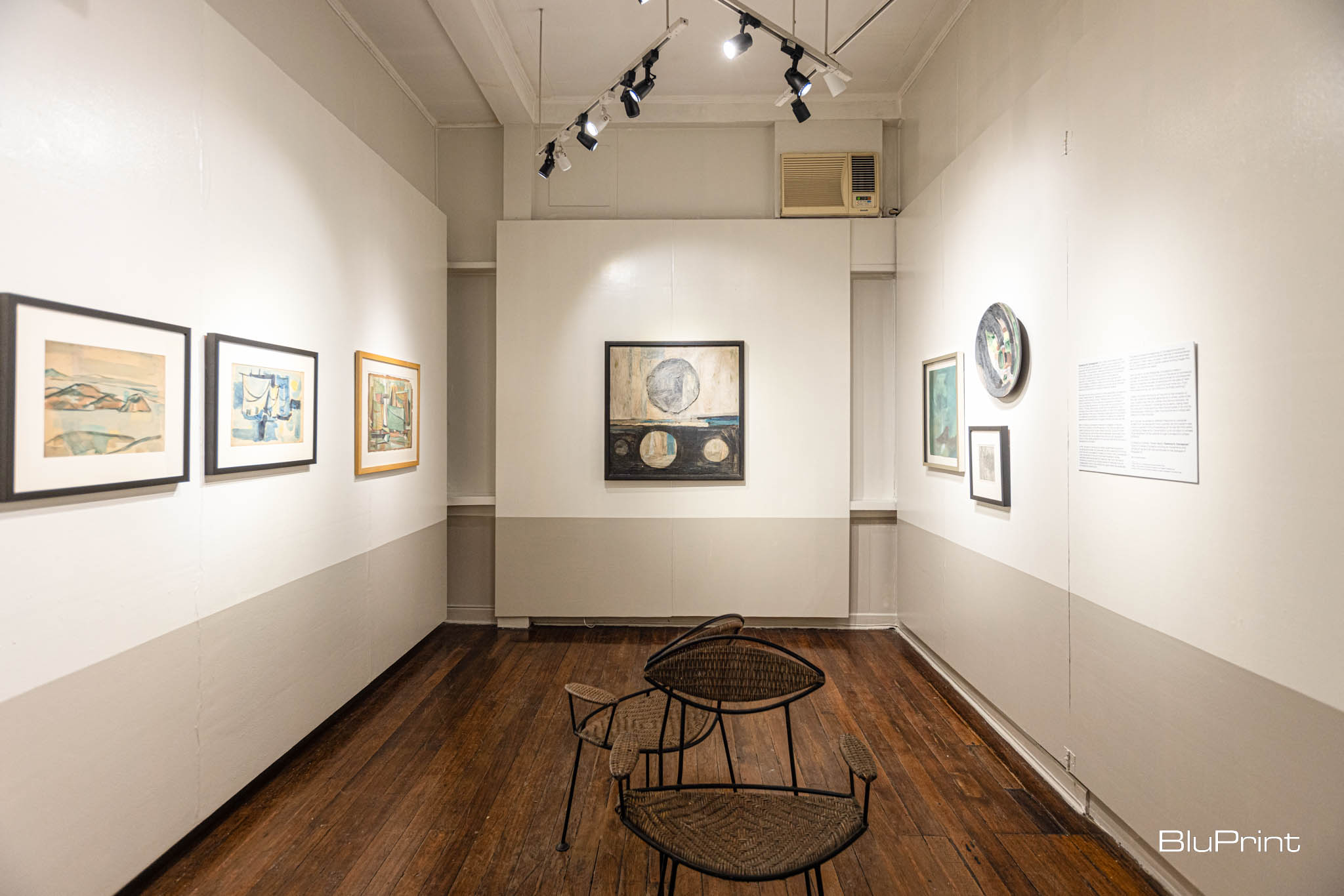
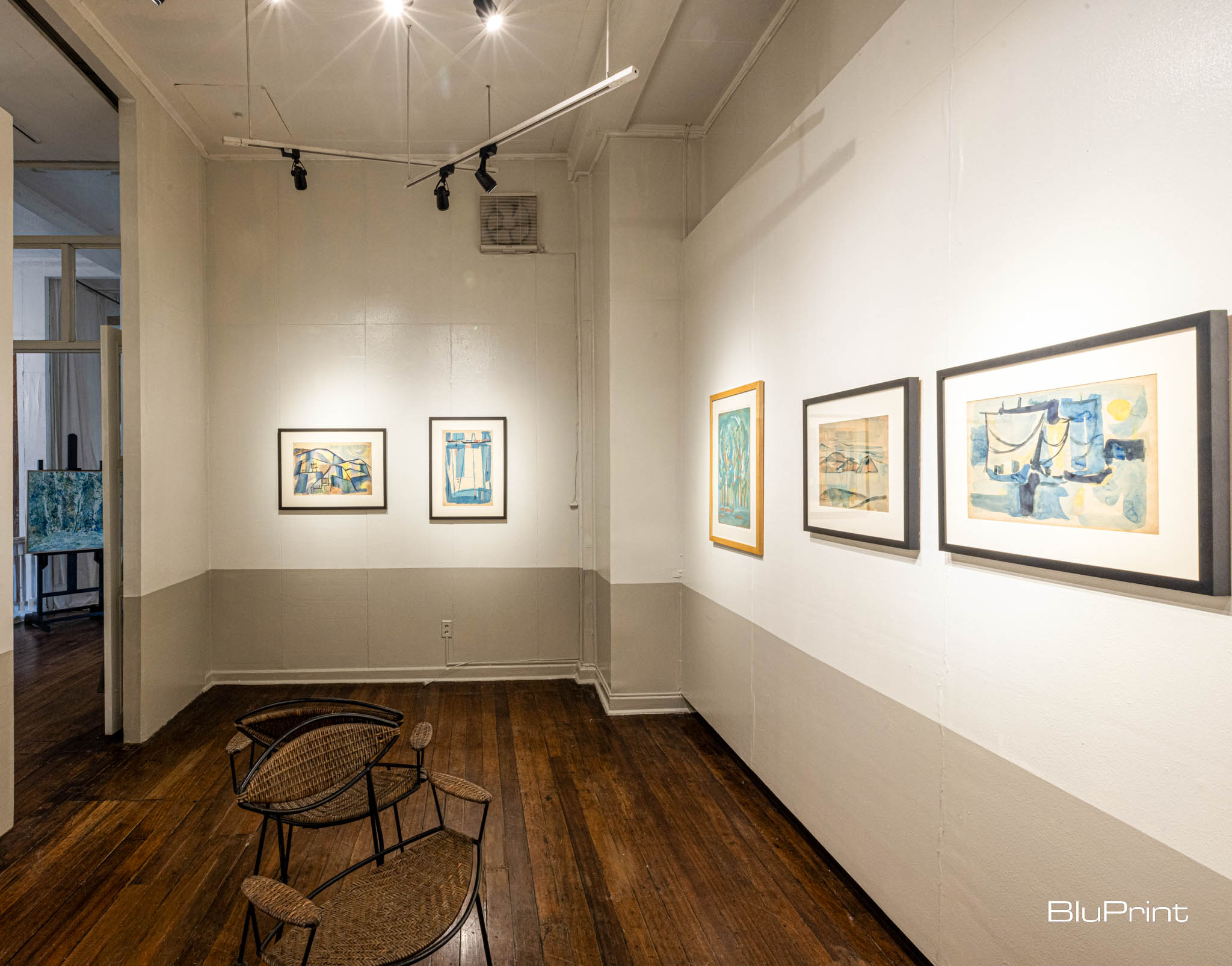
As the exhibit shows a wide range of the artist’s work, it also weaves a fuller story of his artistic life. “I arranged the works semi-chronologically. As you enter on the left, it starts with the late ‘50s works which are usually the watercolors and gouache. They’re sort of figurative abstraction pieces,” Rosales explains.
Some of the watercolor pieces in the exhibit show serene scenes of docked boats and a view of Taal volcano. Concepcion freely used greens and blues in these pieces, which signified an earlier era of his work.
“He got sent to Rome on a grant in the ‘60s, lived there for a long time, and ended up meeting a Filipina working in a travel agency over there and married her,” recounts Rosales.
A Shift Towards Abstraction and Neutral Tones
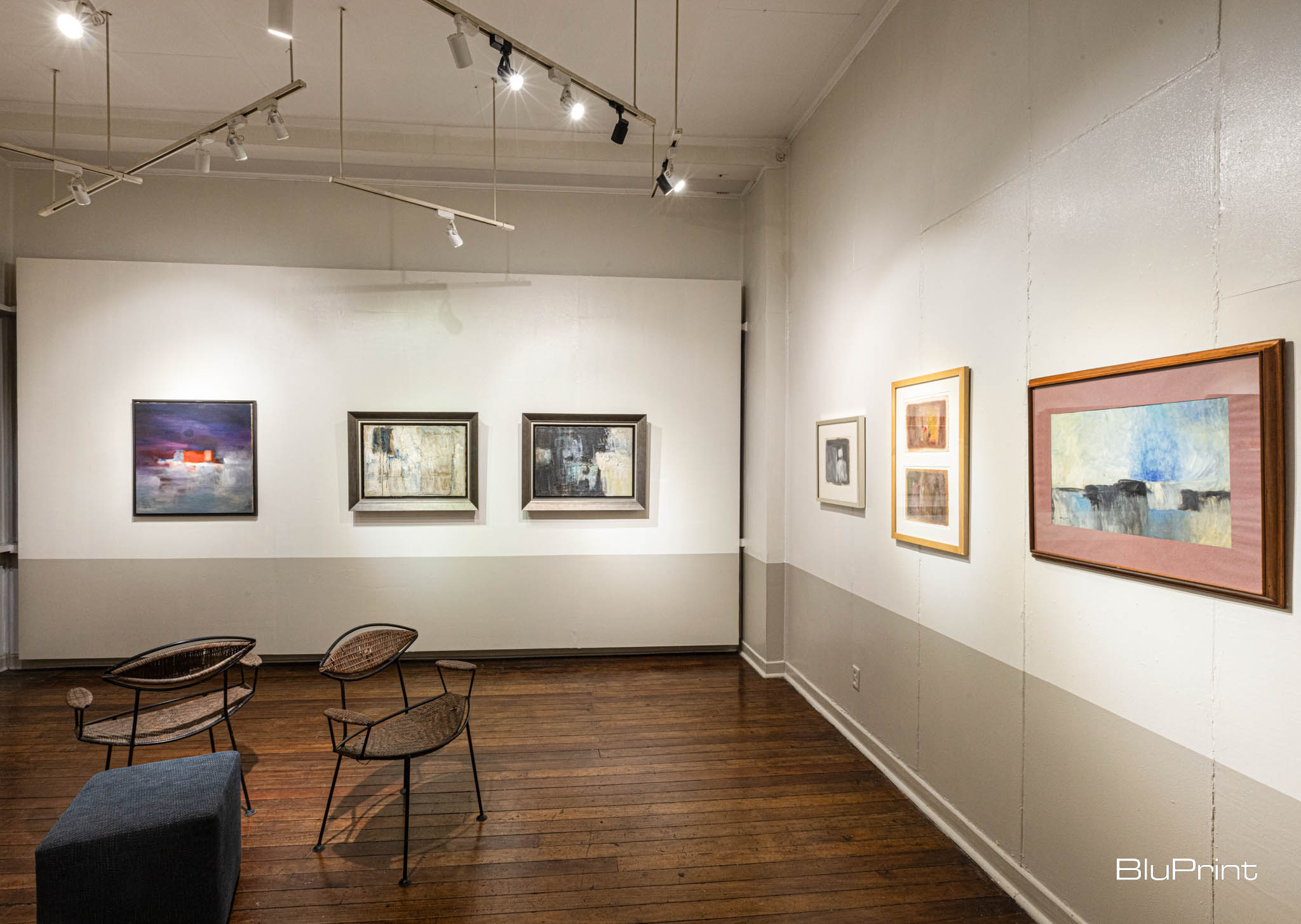
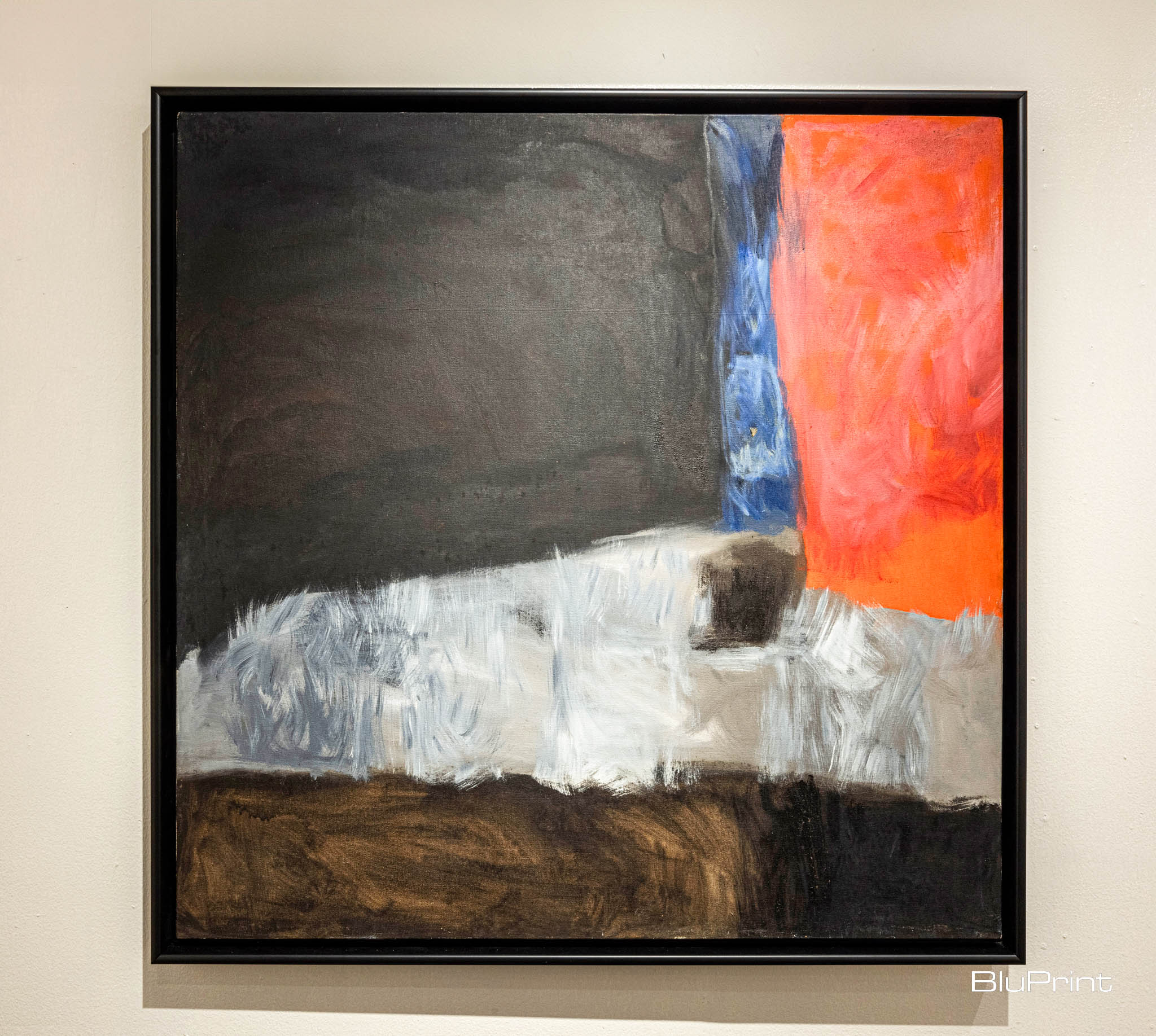
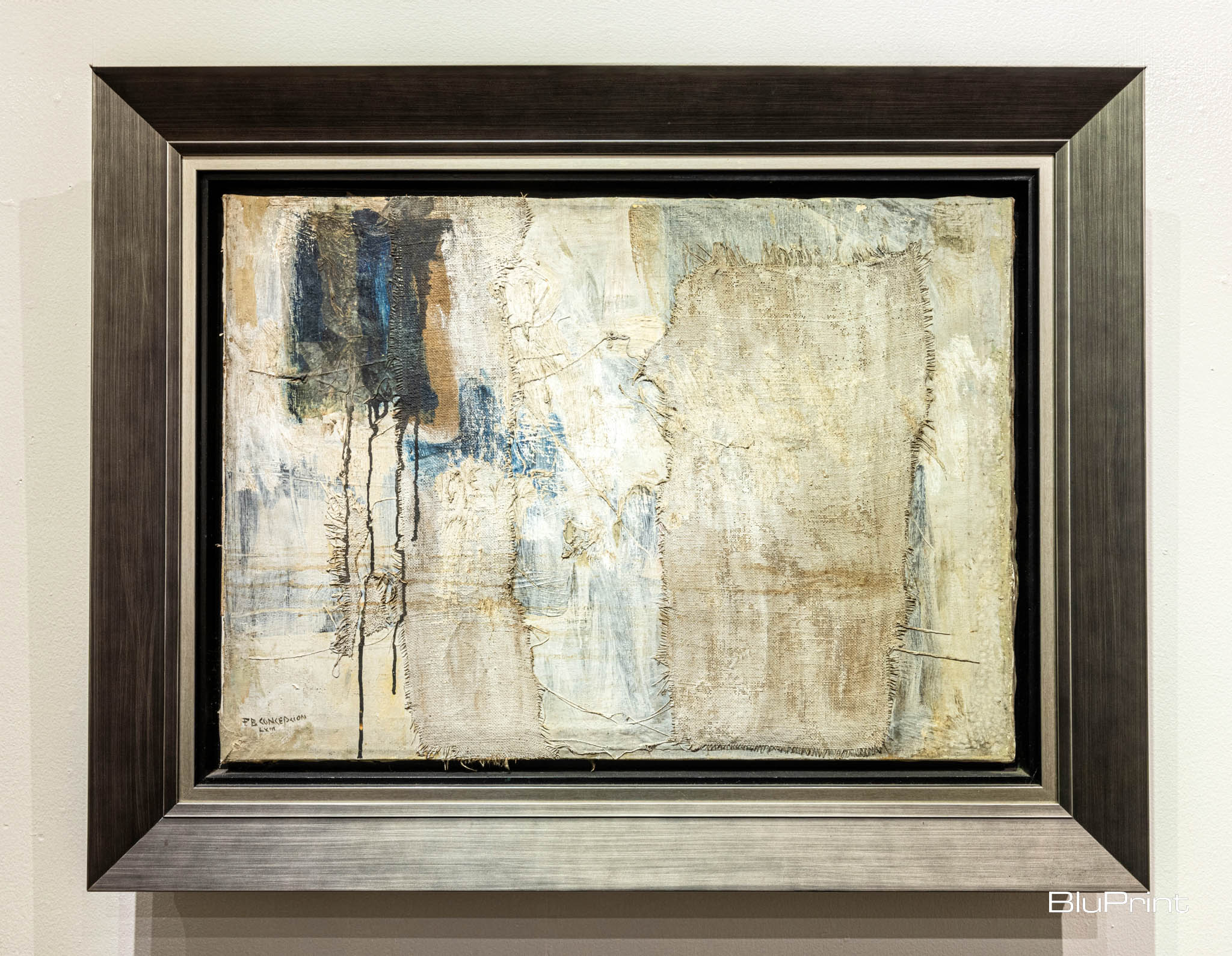
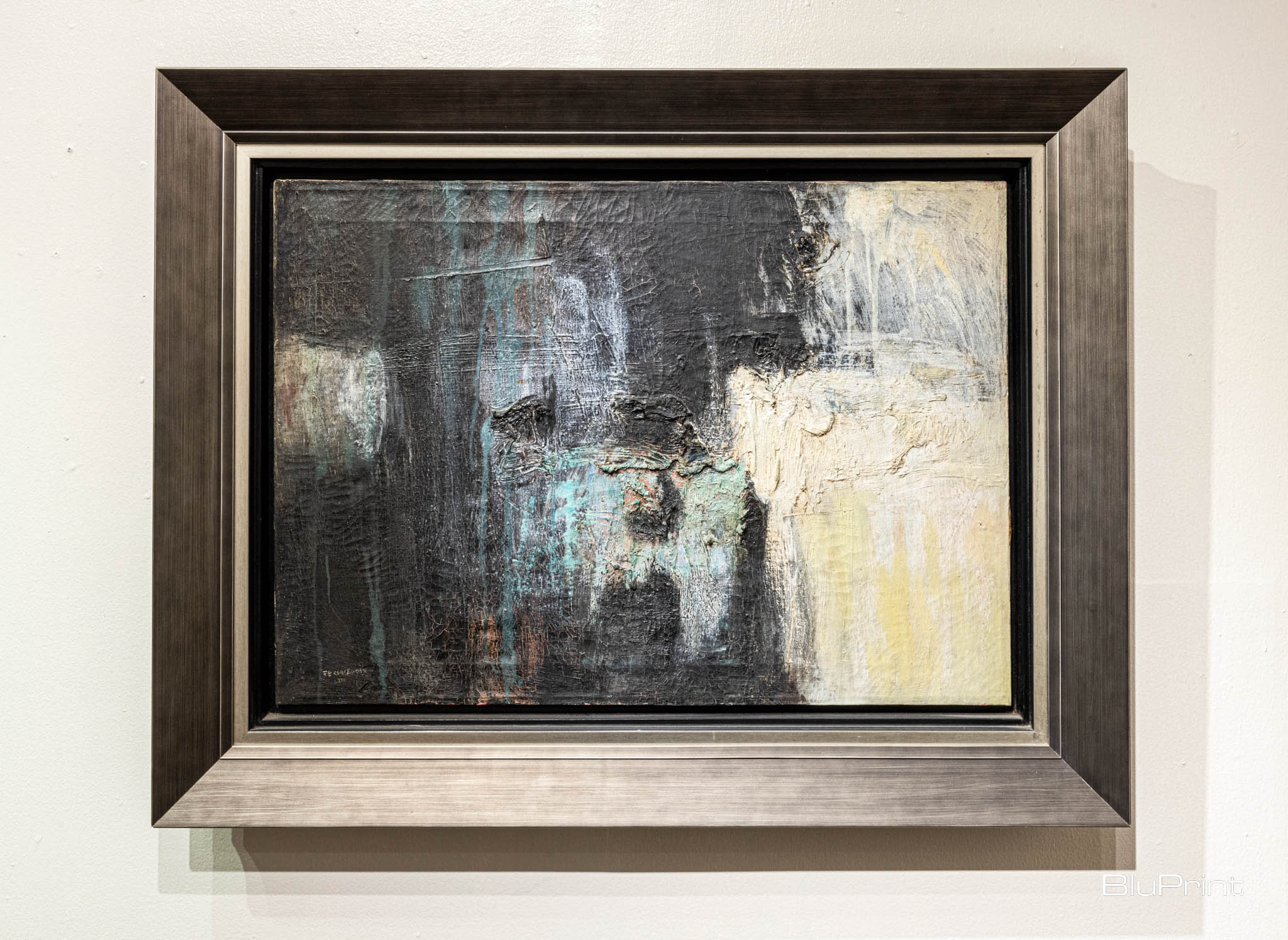
It was this time in Italy that helped shift Concepcion’s style. His work delved into more abstractions, characterized with a more neutral color palette. “I think living halfway across the world, being away from your own people and culture is a big move and a big shift. I think it shows in his work. The early works are very colorful. Then you move into the Roman period and it has become quite dark with a lot of black in his work. But the blacks aren’t sad blacks. I think they’re just a stronger use of color and contrast.”
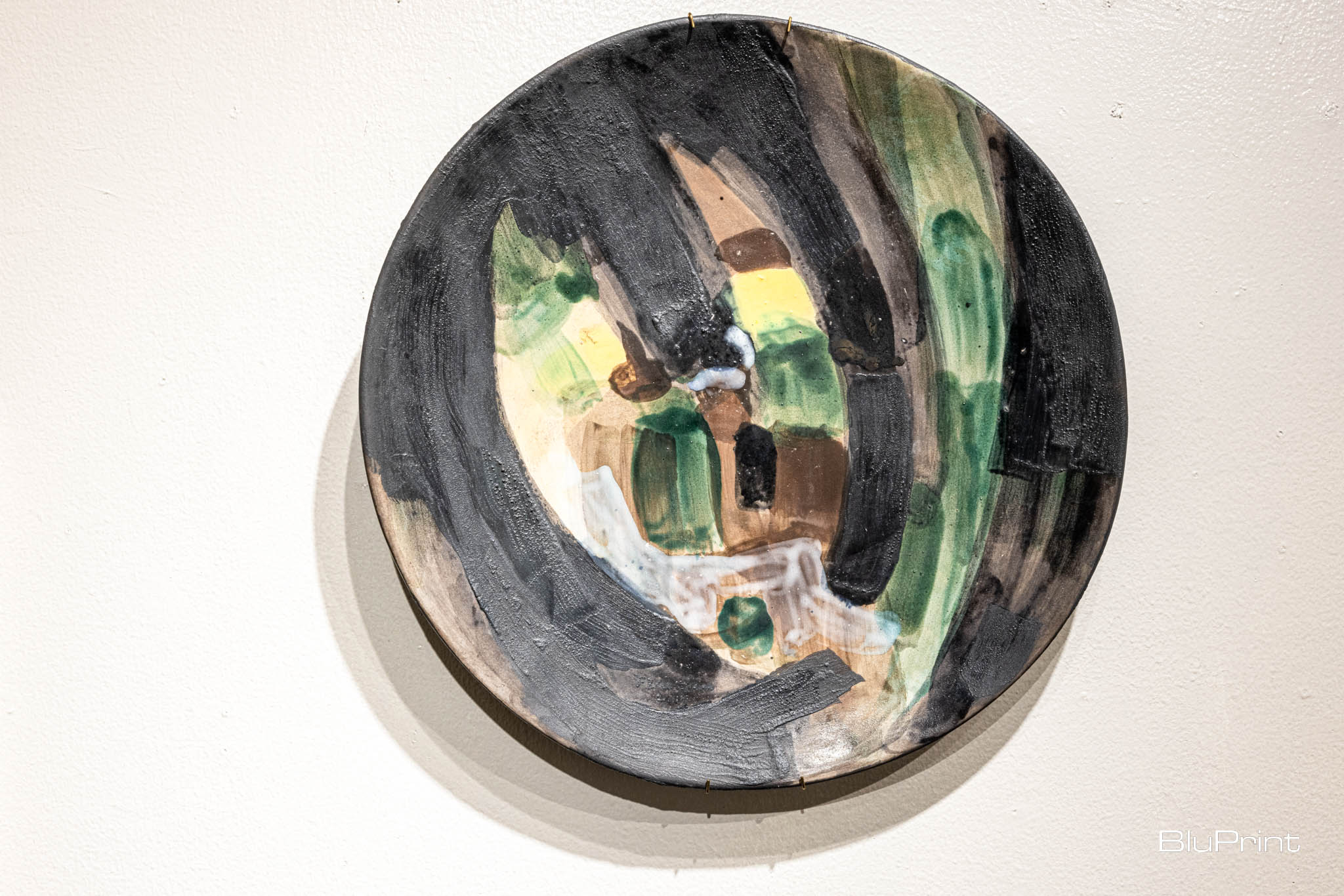
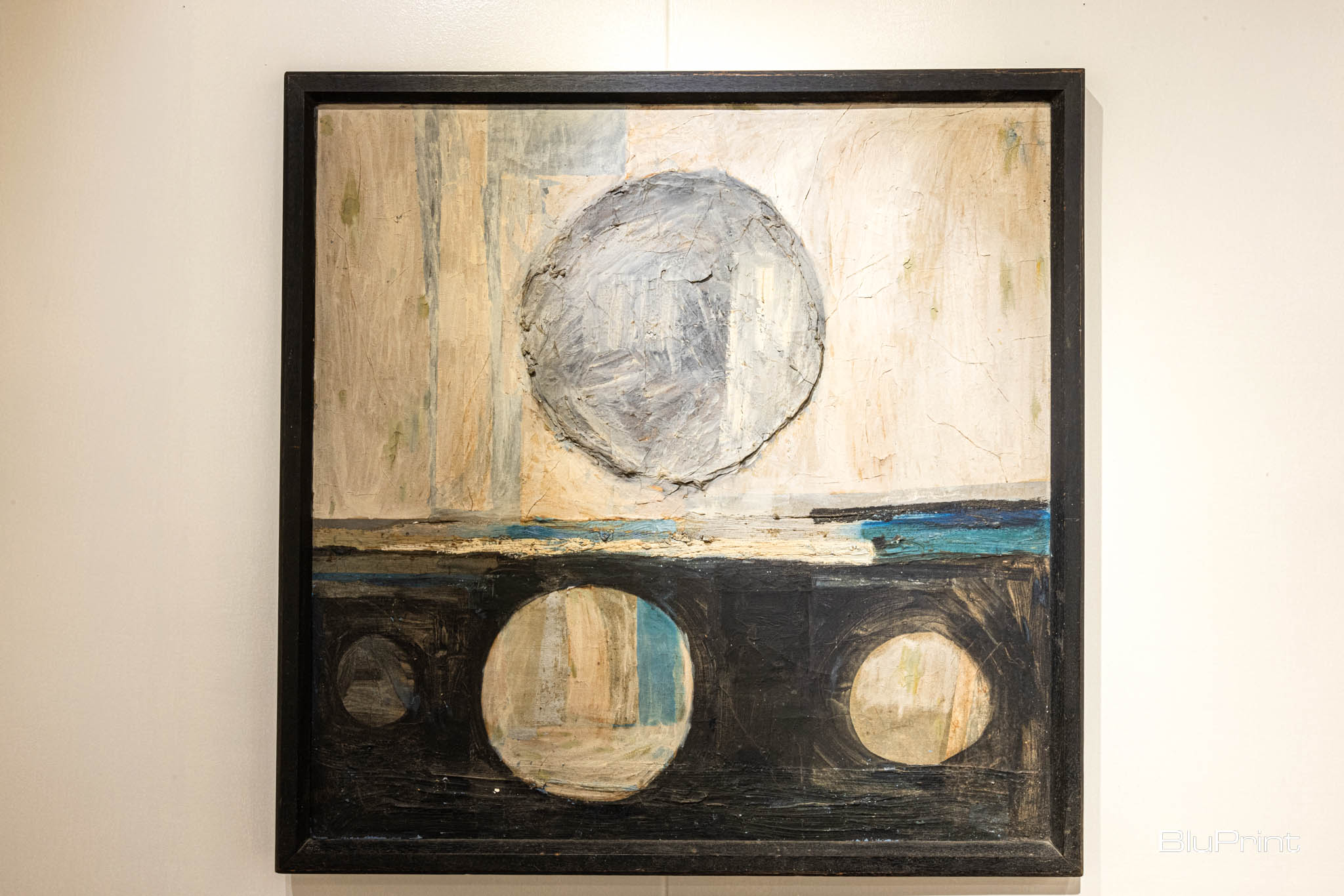
A number of his works completed while living in Rome resemble centuries-old patina on walls of old buildings common in the ancient city. “His work ties directly with what was going on with his life and where he was at that point in time. It’s not only with color. Even like the abstraction becomes more gestural,” Rosales describes. “I feel like he abandoned figurative abstraction when he [went] to Italy. Before that it was a lot more figurative. You saw trees and boats. Even in his prints, he would portray forests and boats against shipyards. There’s no representation of that whatsoever in the works after the ‘60s onwards.”
Florencio B. Concepcion’s Influence on the Next Generation of Filipino Artists
When Concepcion returned to the Philippines, he joined the academe at the University of the East. “He focused on teaching. He wanted to educate people and he did influence a generation of artists such as Gus Albor and Lao Lianben,” Rosales says.
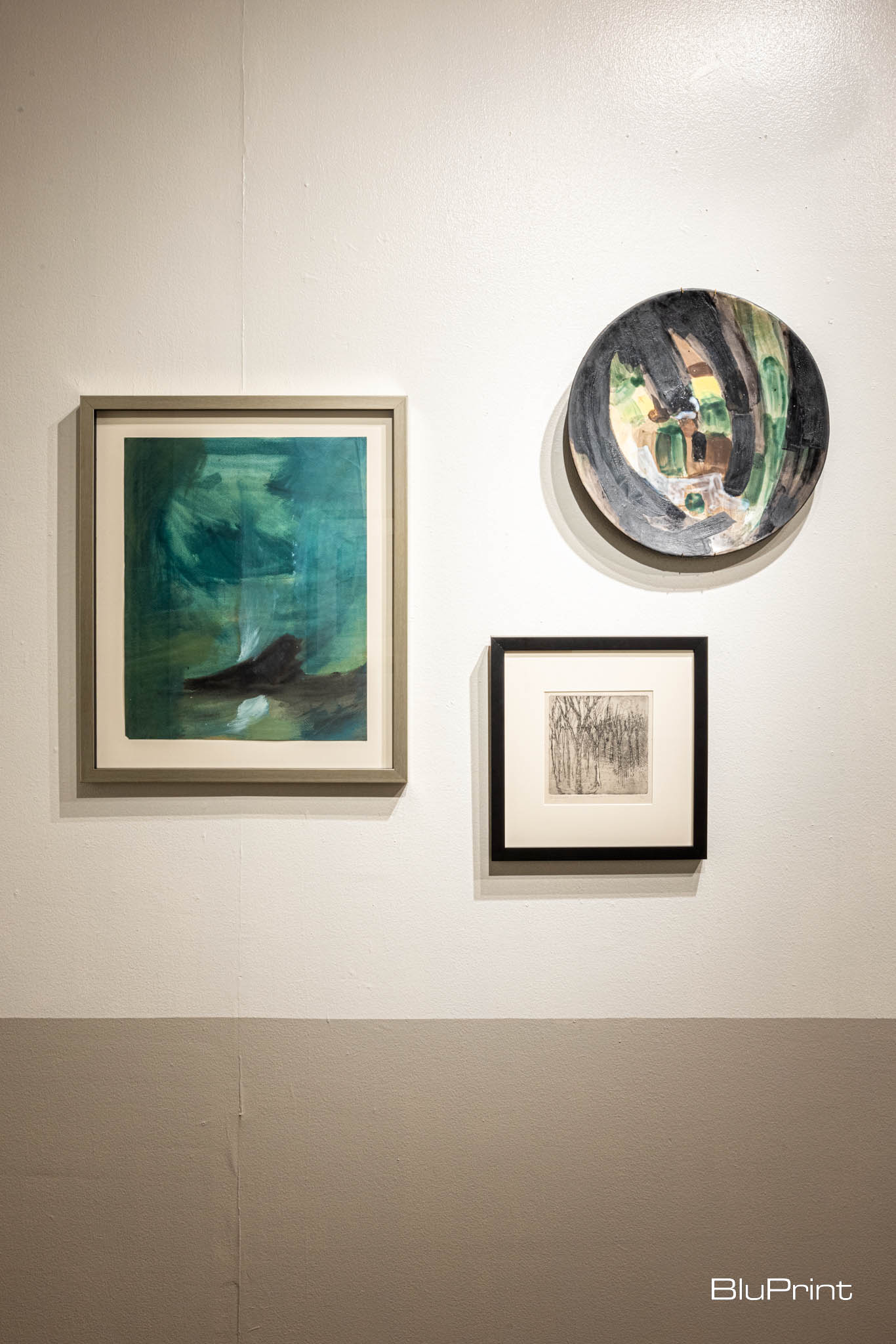
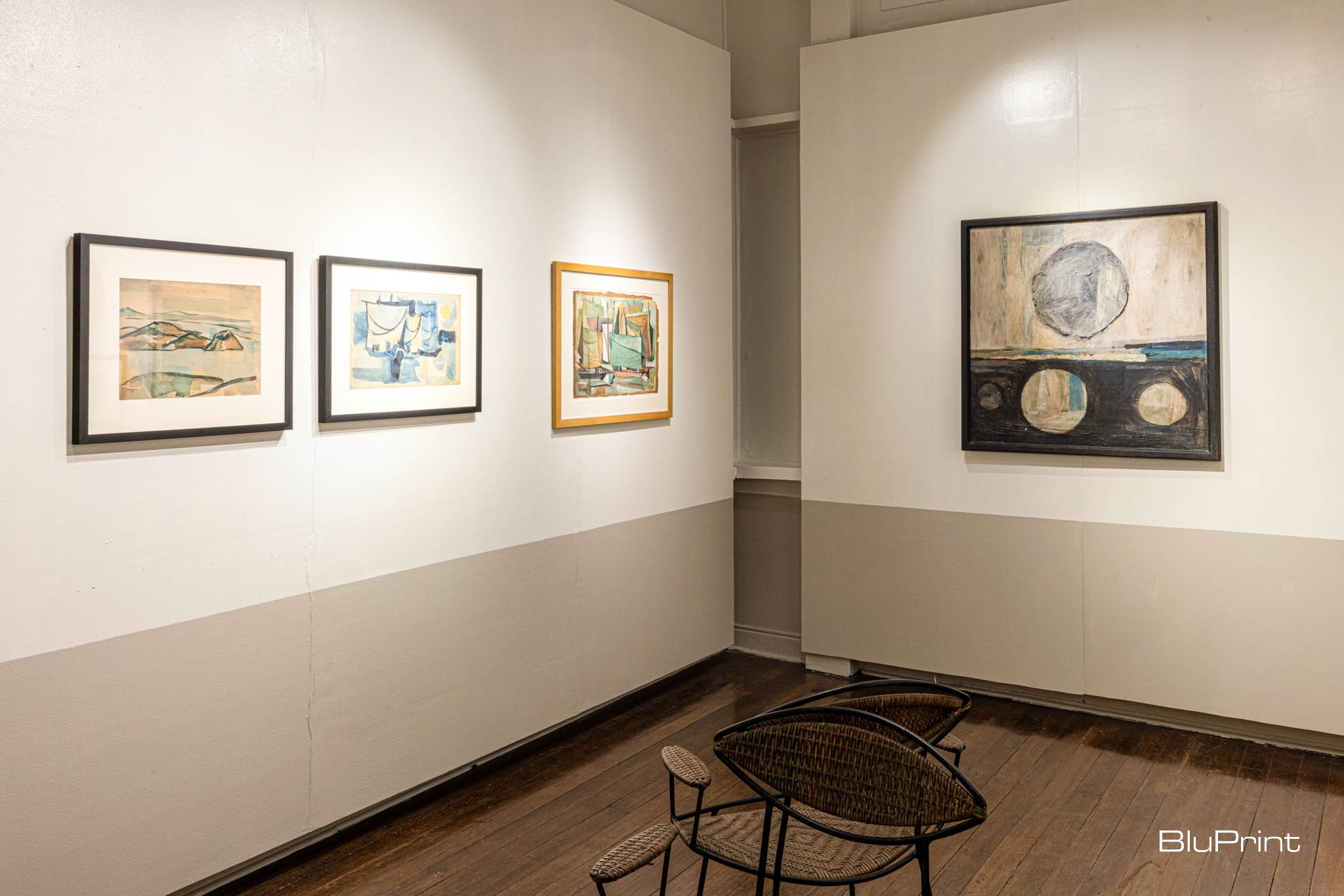
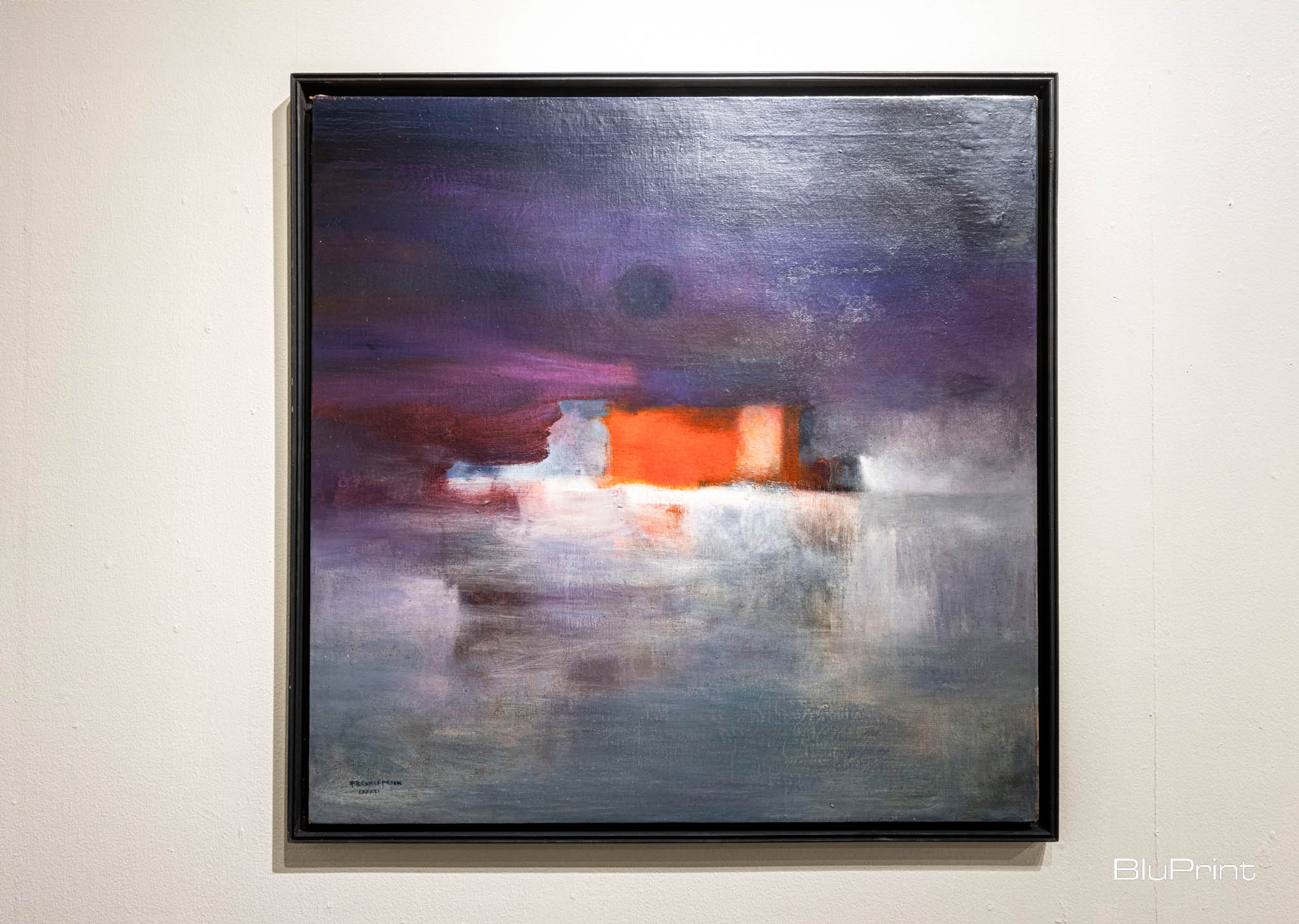
Even while teaching, Concepcion continued to create art and, again, his style shifted. A piece he made during this time, owned by Amado Fores, is titled “Red Sunset on the Island” and features a faint shape of a red boat. You can almost make out its reflection on the water, set against a dark purple sky and a black moon. There’s an overwhelming quietude of this scene that captures the viewer.
It is truly a rare occasion to be able to see Concepcion’s work laid out to illustrate his optimistic youth through his early work, speculate the experiences he had in Italy through his gestural abstractions, and witness on paper, canvas, or even on ceramic the wisdom of his full life.
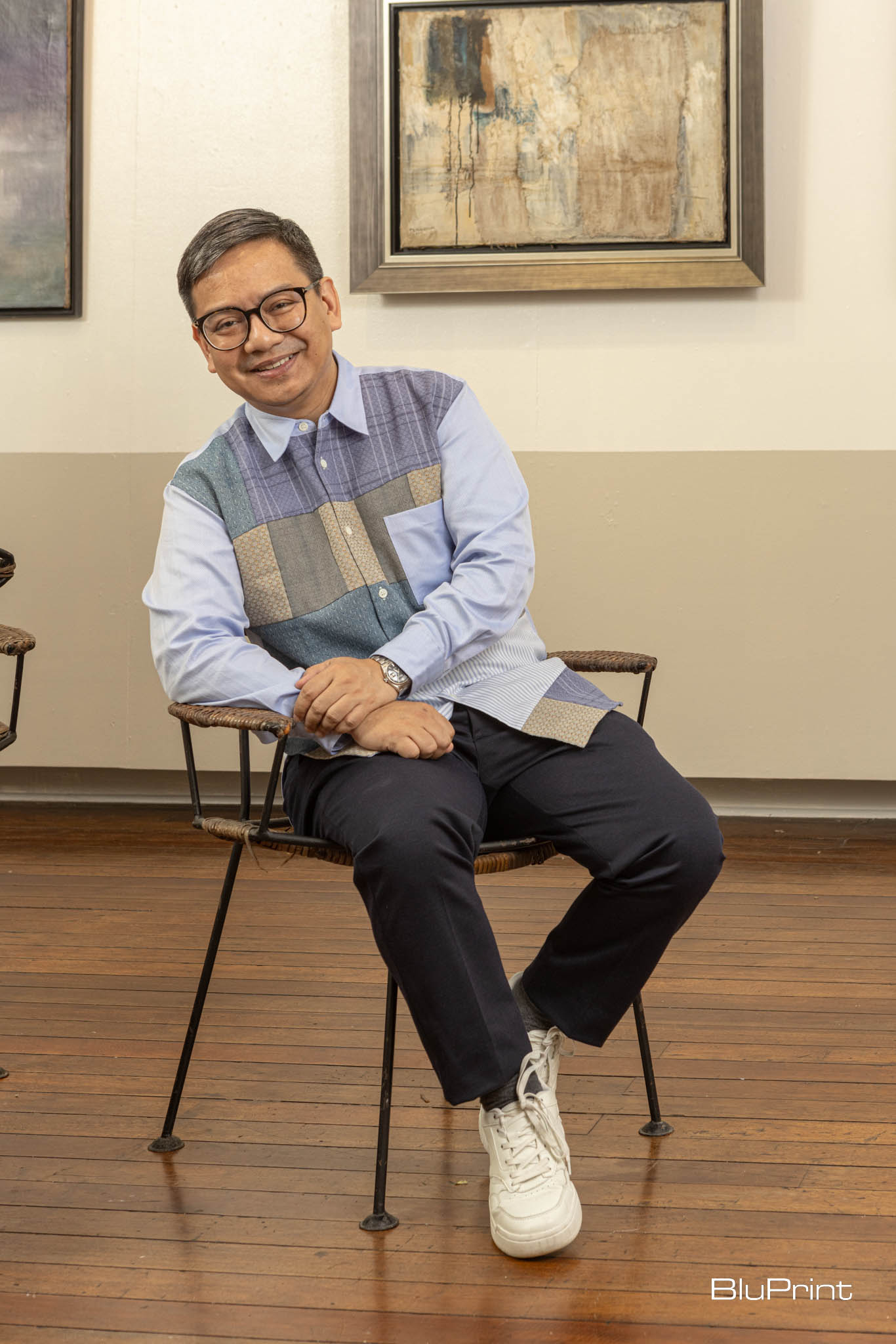
“I hope that people learn more about Florencio Concepcion and that they dig deeper into the artist’s works and life and see that he is deserving to be with the greats in that timeline,” Rosales says.
Photographed by Jar Concengco.
Read more: History and Patriotism Within
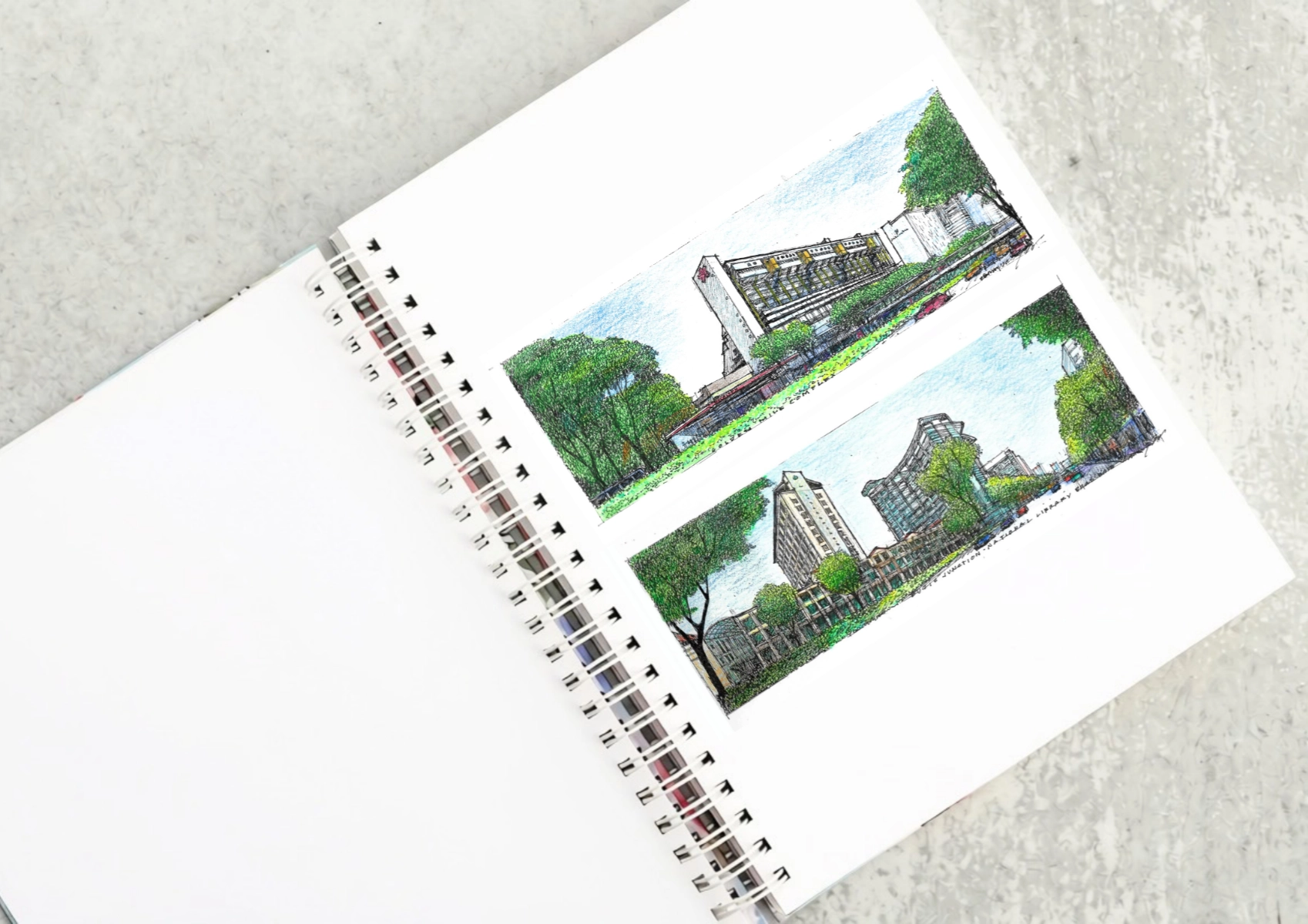
Two sketches of Singapore connect BluPrint Editor in Chief Paulo G. Alcazaren’s personal and professional history with Shared Ground: ArchitectureArchitectureThe art and science of designing and constructing buildings, structures, and spaces that are functional, safe, and aesthetically pleasing. It encompasses the planning, design, materials, and techniques used to createGo to Architecture Glossary of Care, Culture, […]
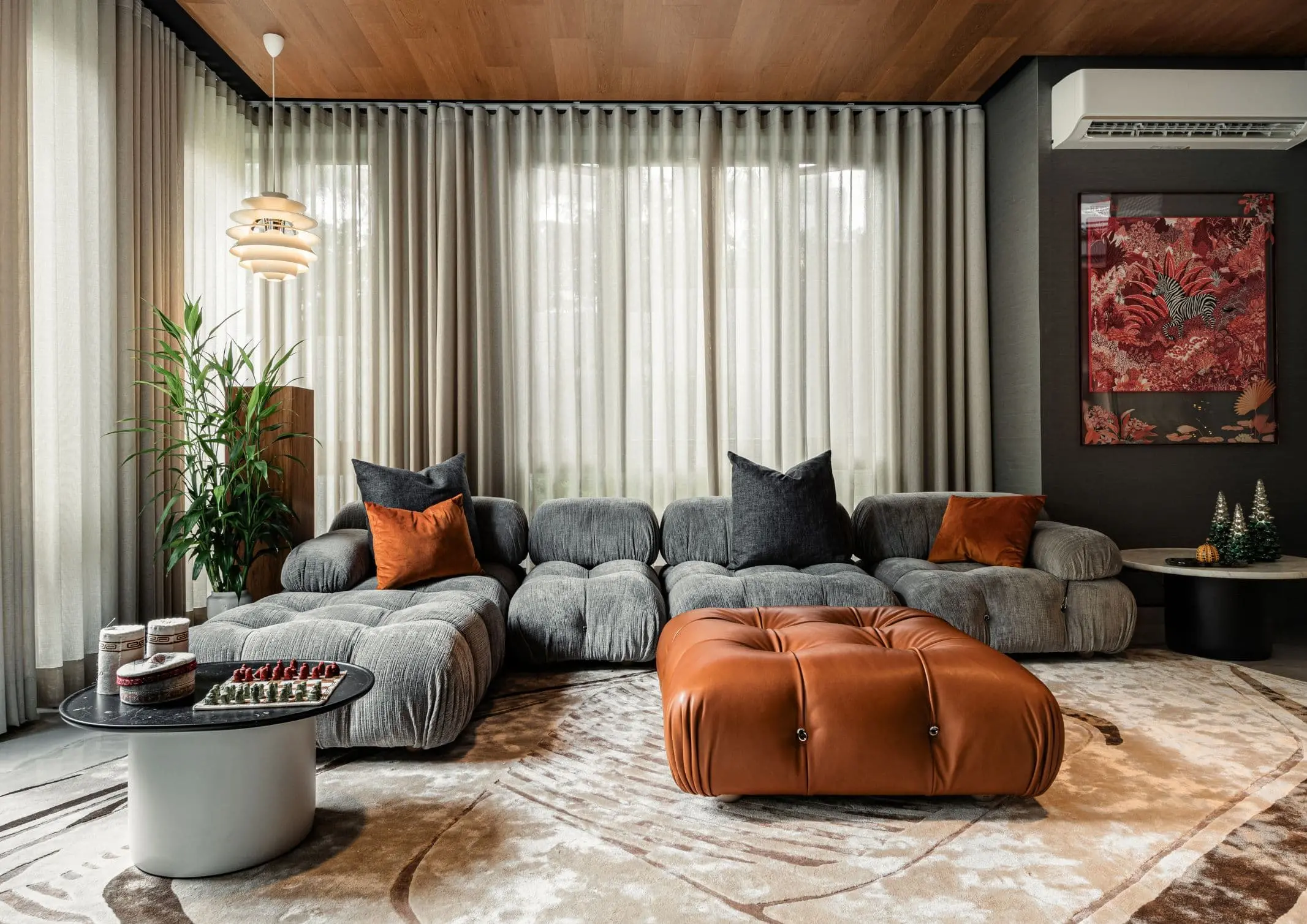
Some have become household names – Coleman, Oster, and KitchenAid – products that have found their way into Filipino kitchens, homes and family routines. In home furnishings, brands such as B&B Italia, Ethan Allen, Sub-Zero, Miele, SieMatic, Louis Poulsen, Hunter Douglas, Tempur, and Technogym, have helped shape the way Filipinos live. From everyday essentials to […]
In a way, designers are the modern-day soothsayers and prophets. They design for the future, predicting how a room, a house, a building or a whole city will be used by people. They foresee how users will interact with a space, conjure exact shades of colors to elicit specific behavior and arrange furniture to build […]
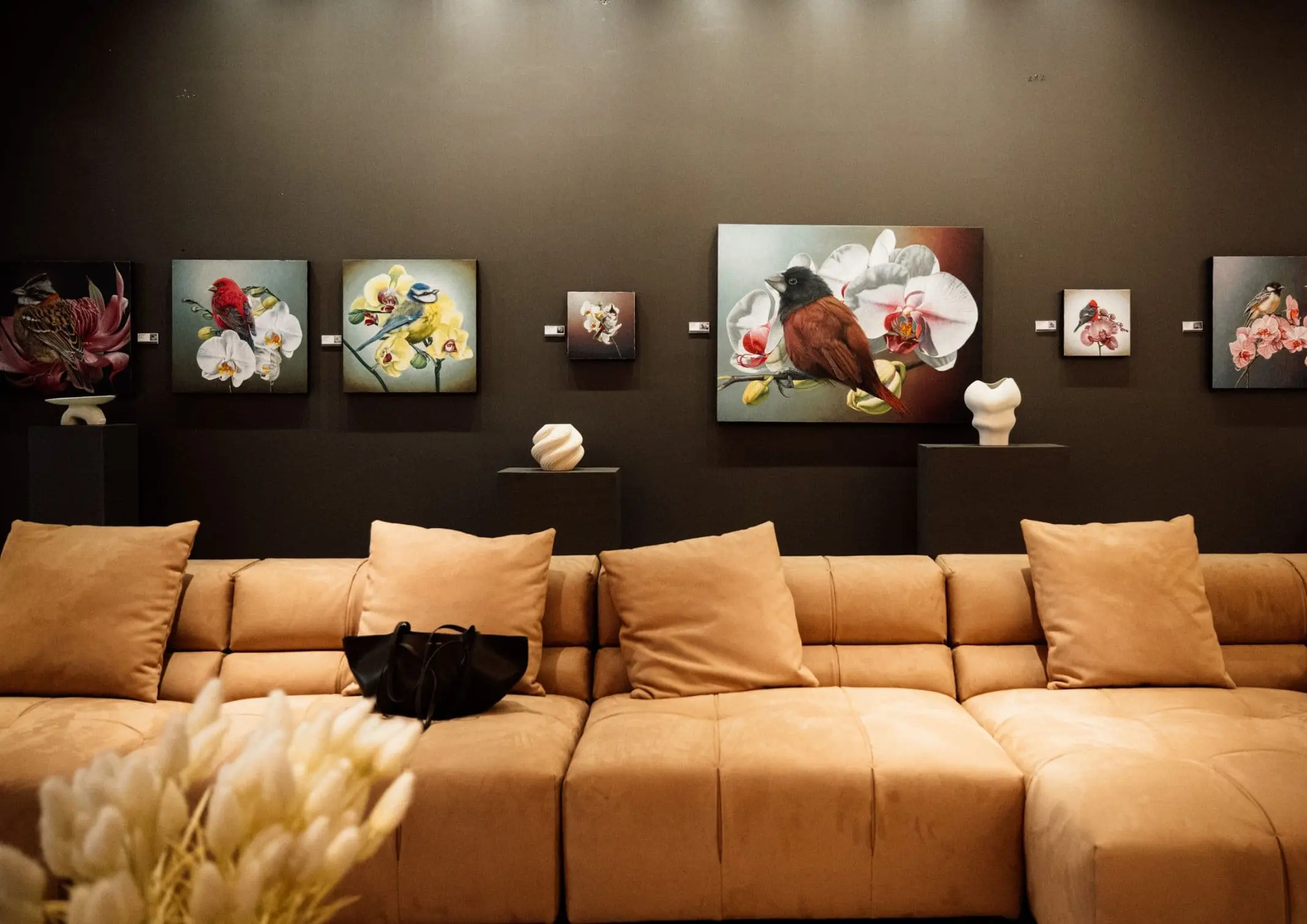
Art and furniture are often selected separately, yet their relationship can shape how a room looks and feels. The collaboration between Hooga and Galerie Joaquin explores how these elements can work together, bringing contemporary artworks into furnished residential settings at Hooga’s showroom in Uptown Mall, Bonifacio Global City. For Hooga, which curates furniture, lighting, and […]
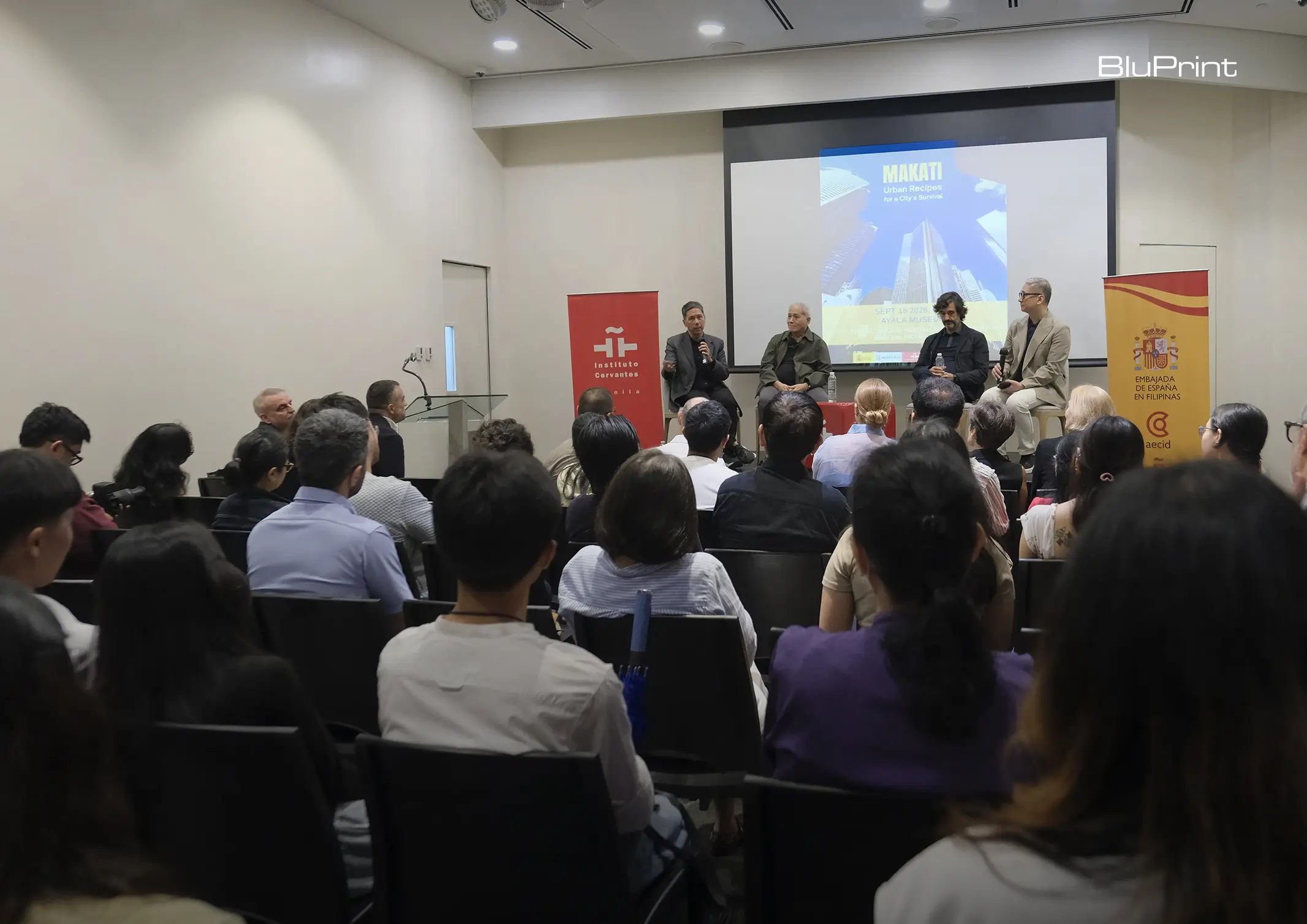
How can better-planned cities create the conditions for more creative, livable, and resilient urban environments? “Makati Urban Recipes for a City’s Survival,” a colloquium held at the Ayala Museum on September 15, brought together architects and practitioners from the fields of urbanism and the creative economy to discuss how design, planning, and collaboration can address […]
Read the issues.

Collect the volumes.

Recommended Video
Tap to Unmute
Unmute
0:00
0:00