2025 was challenging for Filipinos, to say the least. It was always foregrounded with stressful discussions of corruption, economic unrest, threats of war, and general misinformation that was inescapable. Which is why art has become such an important outlet of activism for people over the past year: what better speaks to this moment in our country than art that goes beyond beauty and instead looks at the ugliness of our world, demanding better, demanding change for our lives?
For our year-end roundup of the art scene, BluPrint highlights six exhibitions that go above and beyond in discussing the pertinent issues of our age. These exhibitions use art as a platform to push against social injustice and rally people towards a common cause.
‘Gloss With A Purpose’ and LGBTQ+ Activism
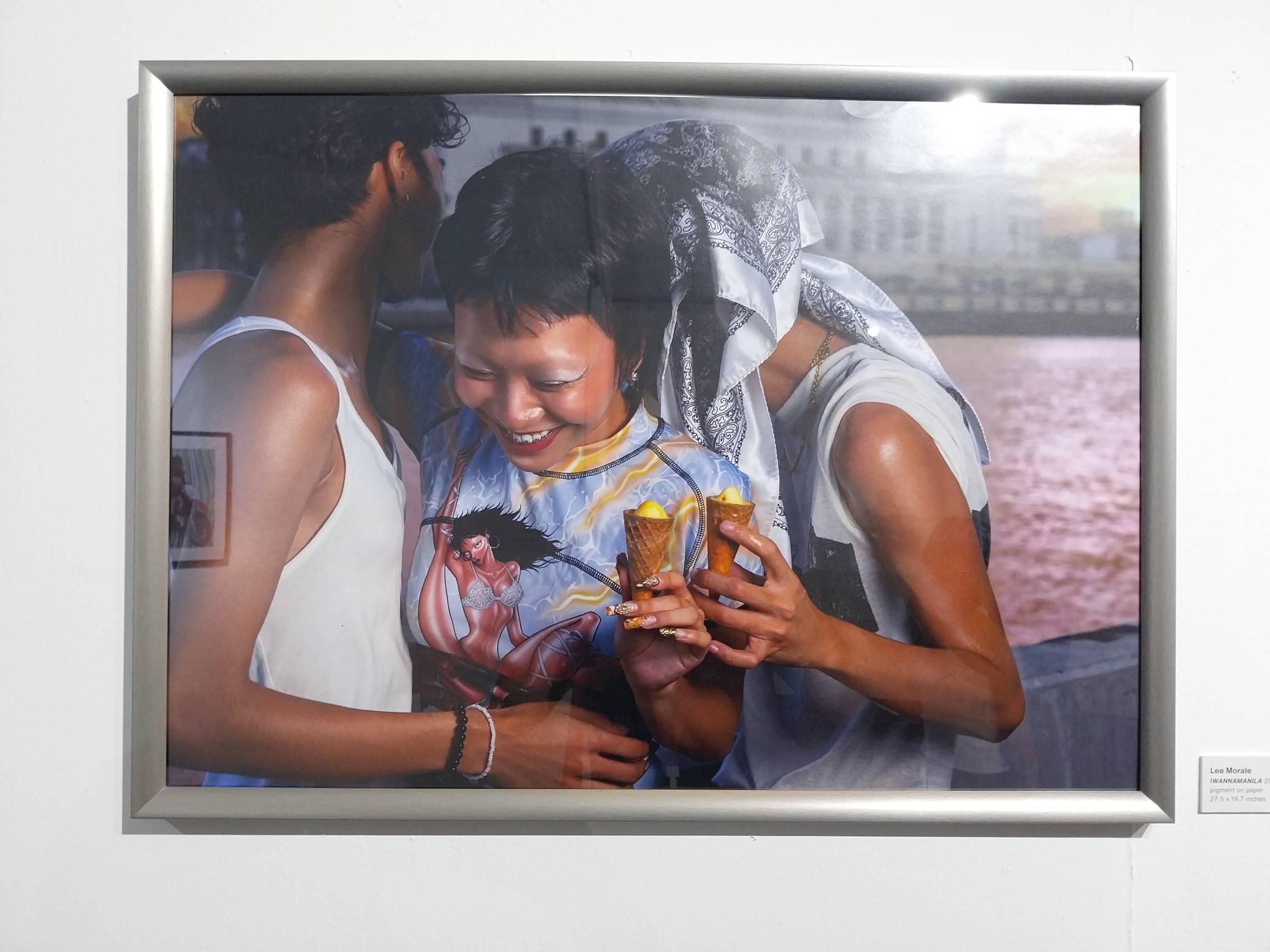
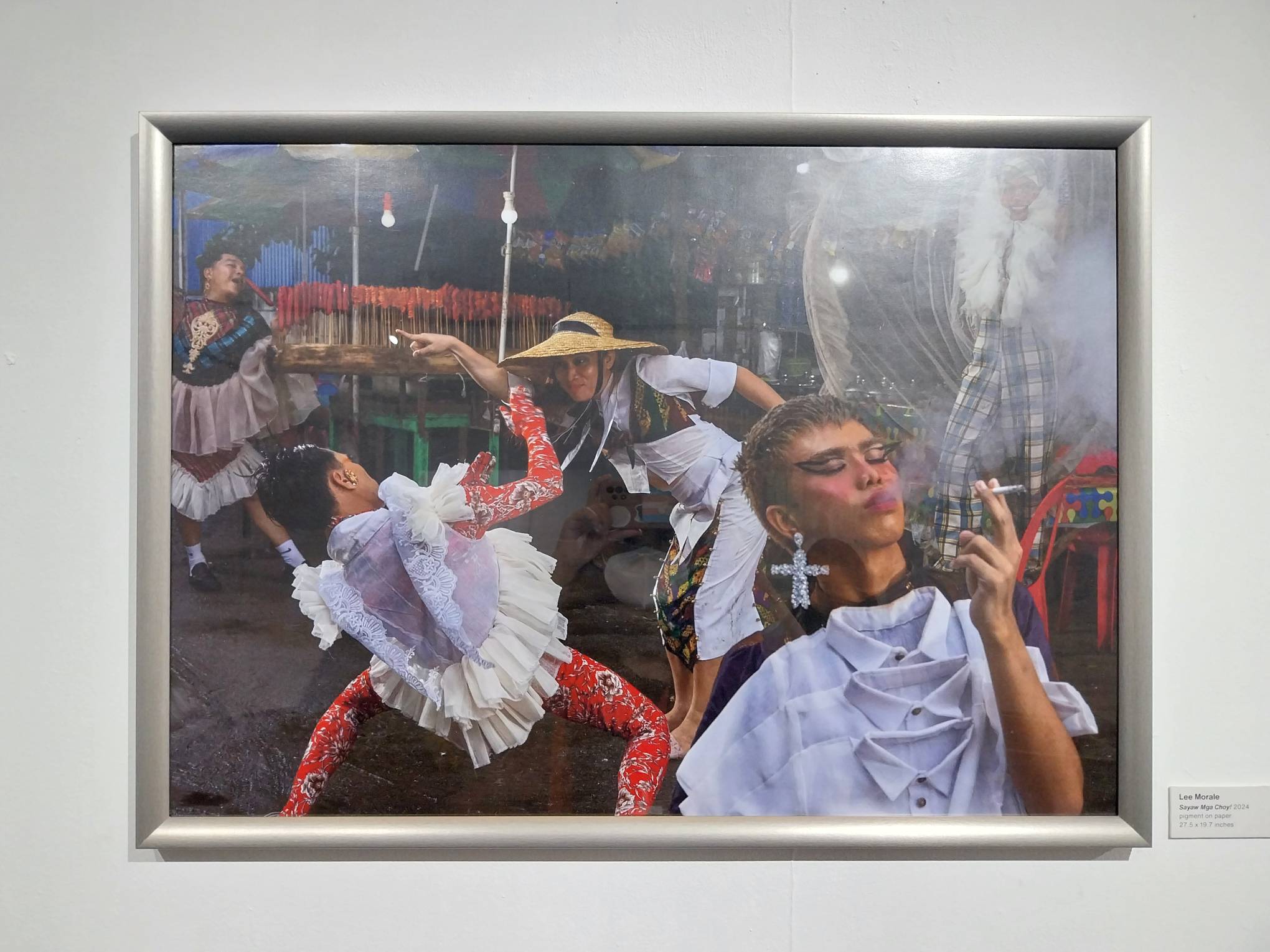
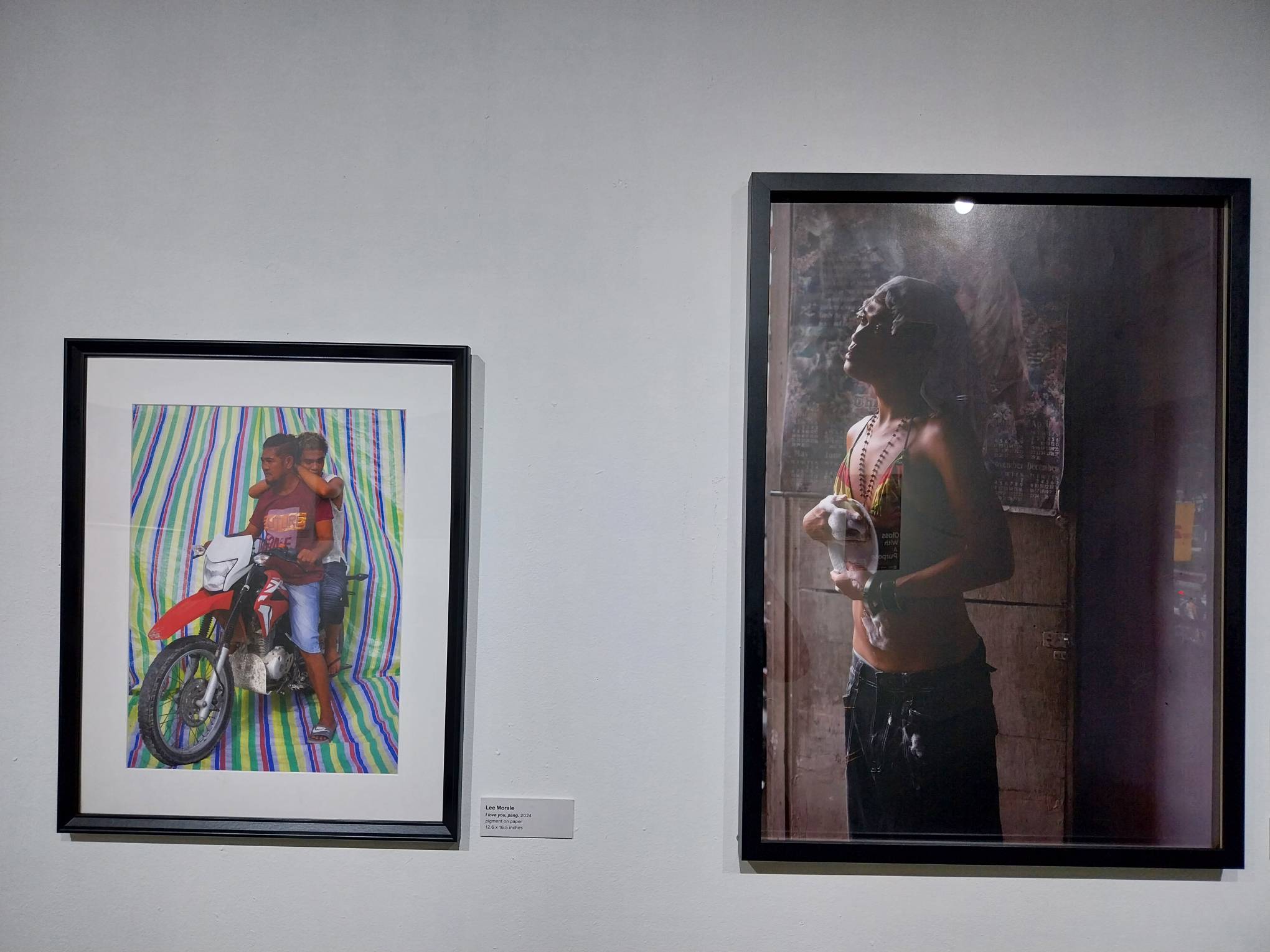
Combining the works of Philippine photographer Lee Morale and American artist Kia LaBeija, this exhibition at Kalawakan Spacetime epitomizes the queer experience in both countries. LaBeija, a queer artist who was born HIV-positive, uses her artwork to depict her experiences as a woman of color dealing with HIV; Morale, a transgender woman from Mindanao, finds glamor in the mundanity of everyday Filipino life through her photographs.
Advertisement
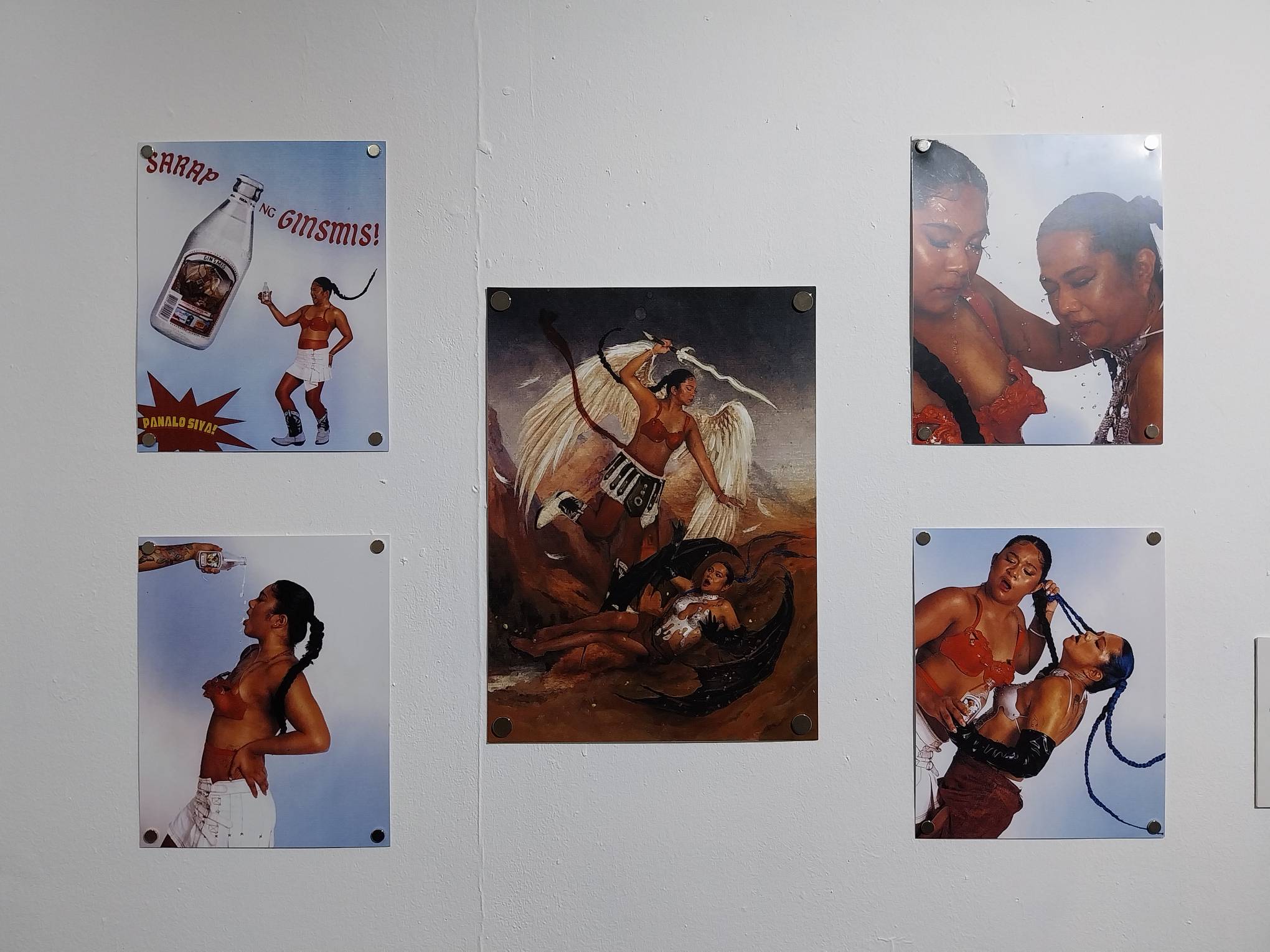
A work by Lee Morale as exhibited for “Gloss with A Purpose.”
Two photographs by Lee Morale for “Gloss with A Purpose.”
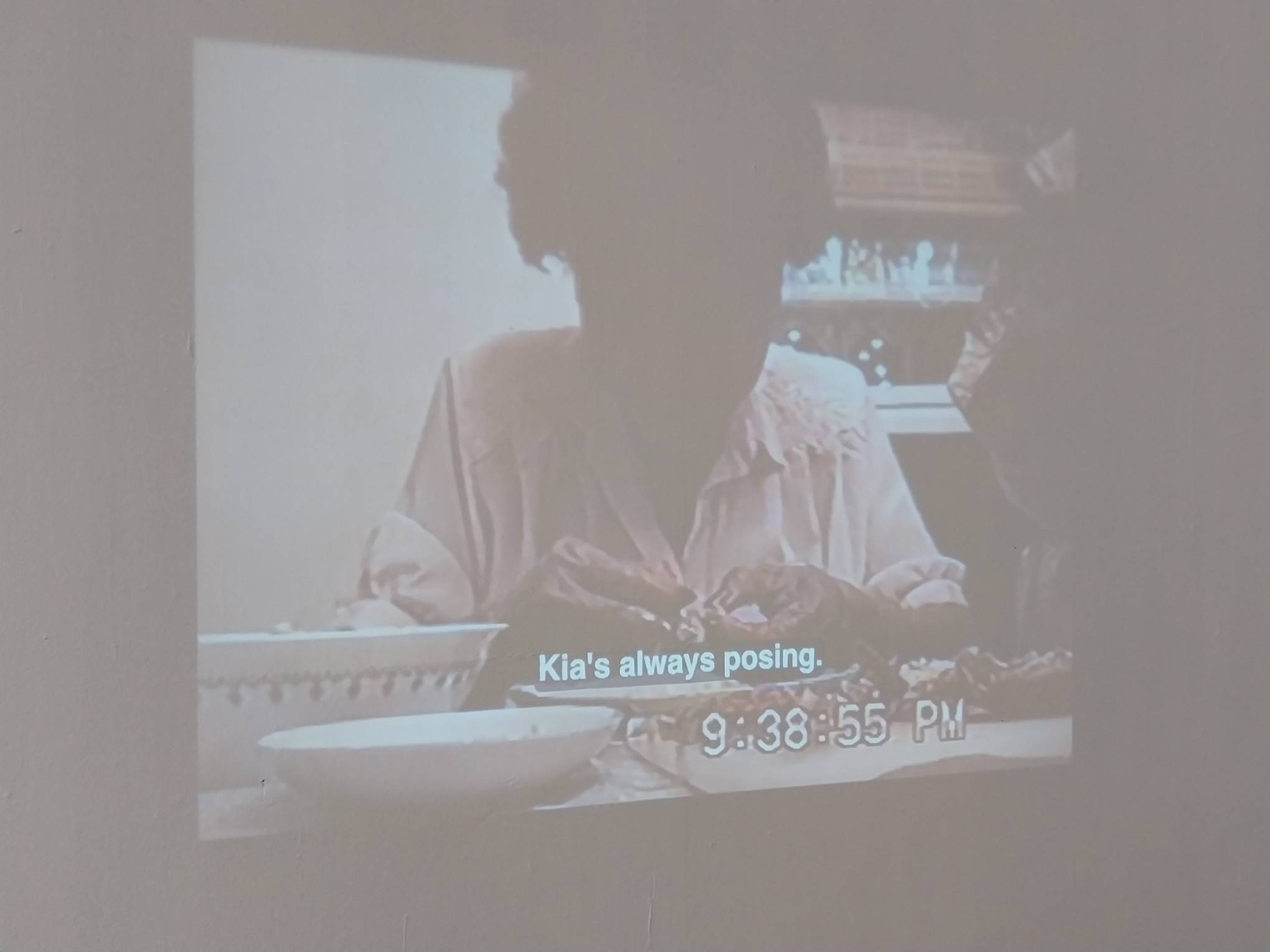
Kia LaBeija’s grandmother in a screenshot of a video for “Gloss with A Purpose.”
“Mmh… Sarap ng Ginsmis” by Lee Morale for “Gloss with A Purpose” at Kalawakan Spacetime.
Both women fight against their marginalization by crafting their own narratives on who they are. In a year where LGBTQ+ rights have been embattled across the board in Western countries, the ability to be able to tell one’s story in their own words and images becomes more necessary to combat lies and misinformation proliferating online against their own community.
‘To Gather, Together’ and Resistance in Institutional Settings
Not many art exhibitions this year spoke of the tragedy of the Gaza bombings and genocide as explicitly as last year, partially because of increasing economic unrest around the world, and partially because Western institutions like the British government has openly attacked activism against Israel’s treatment of Palestine as ‘terrorism.’
Advertisement
Thus, an exhibition like To Gather, Together remains a shocking reminder of the atrocities being done abroad—and their links to the atrocities being done in our country.
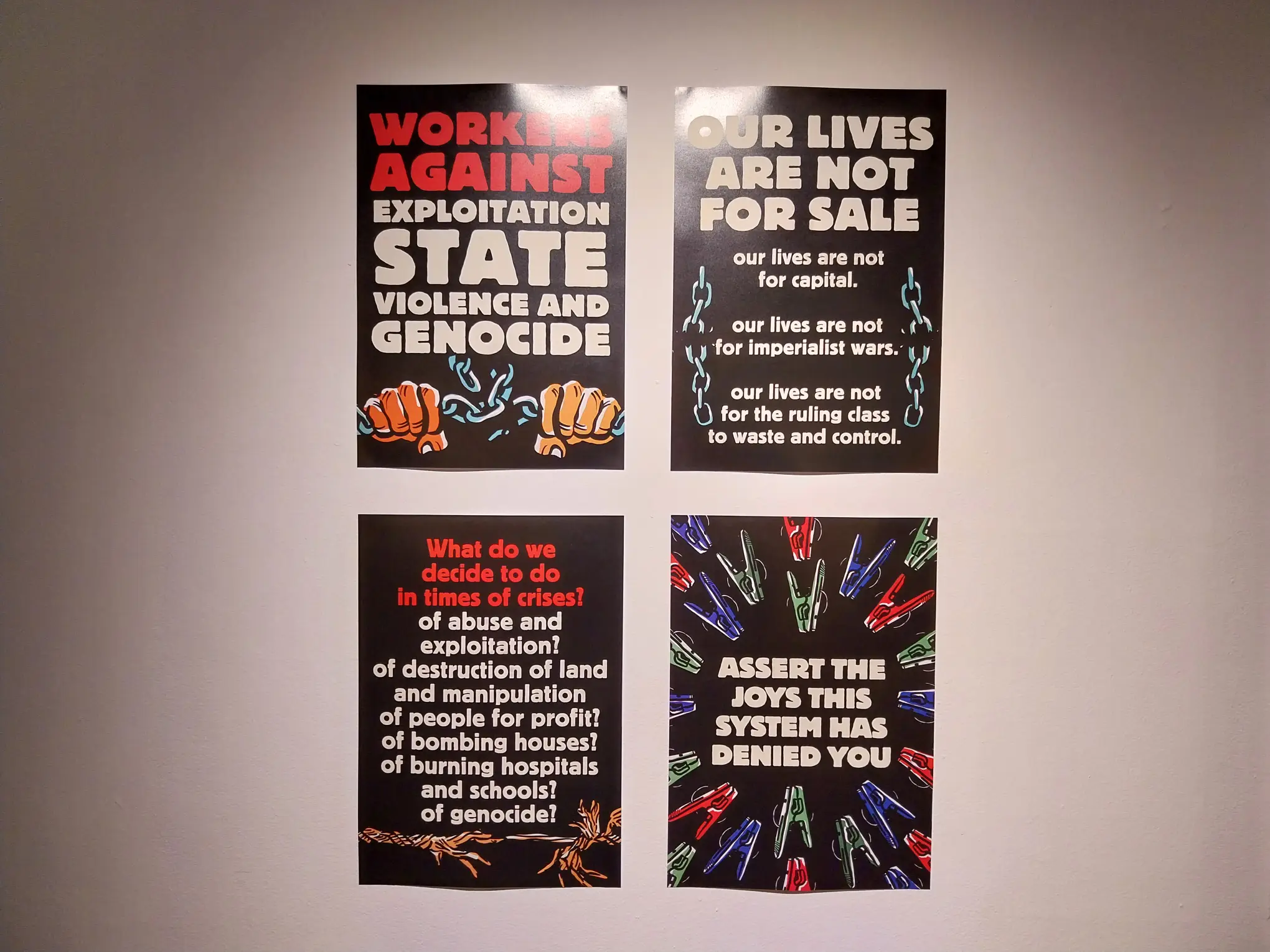
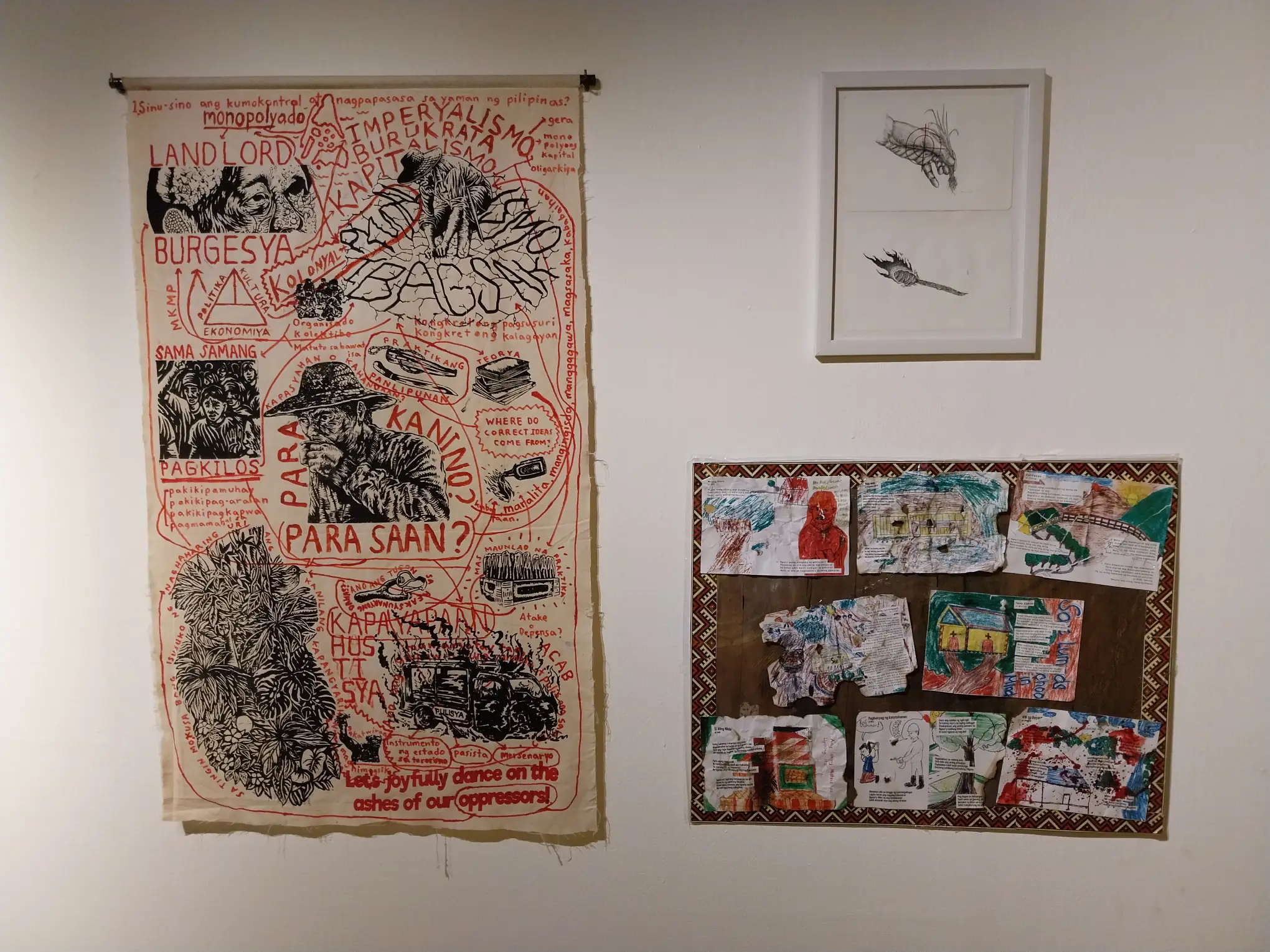
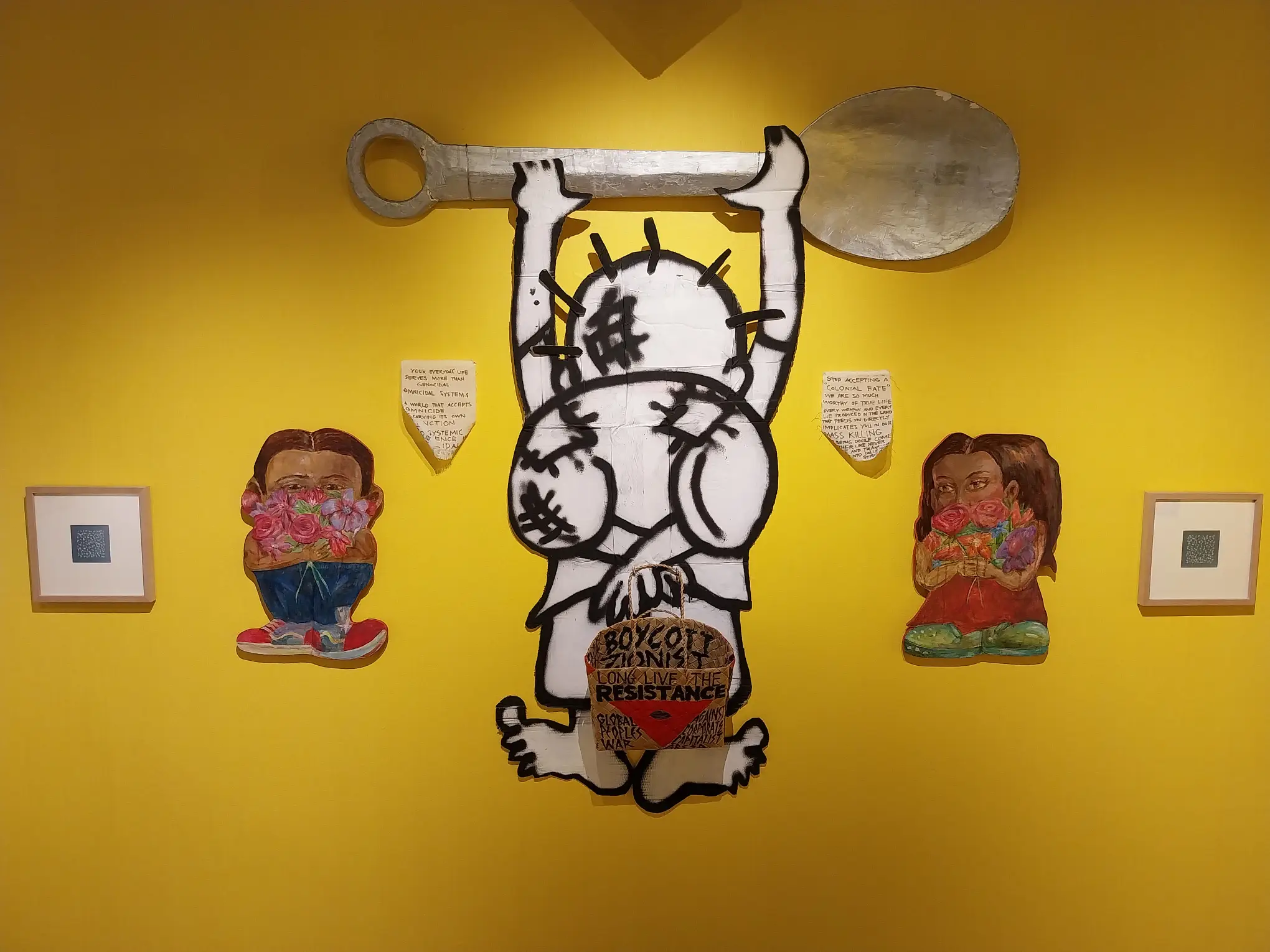
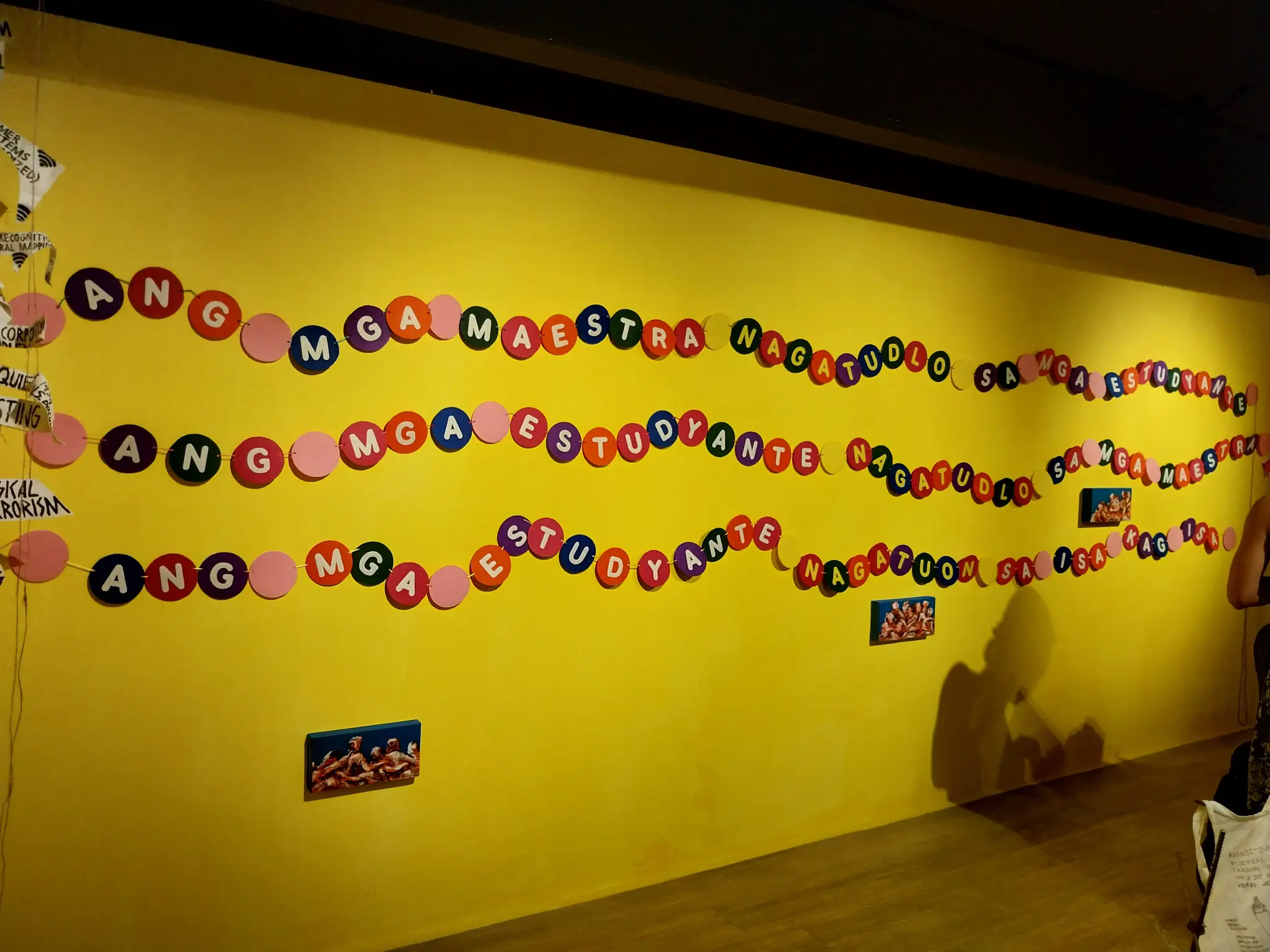
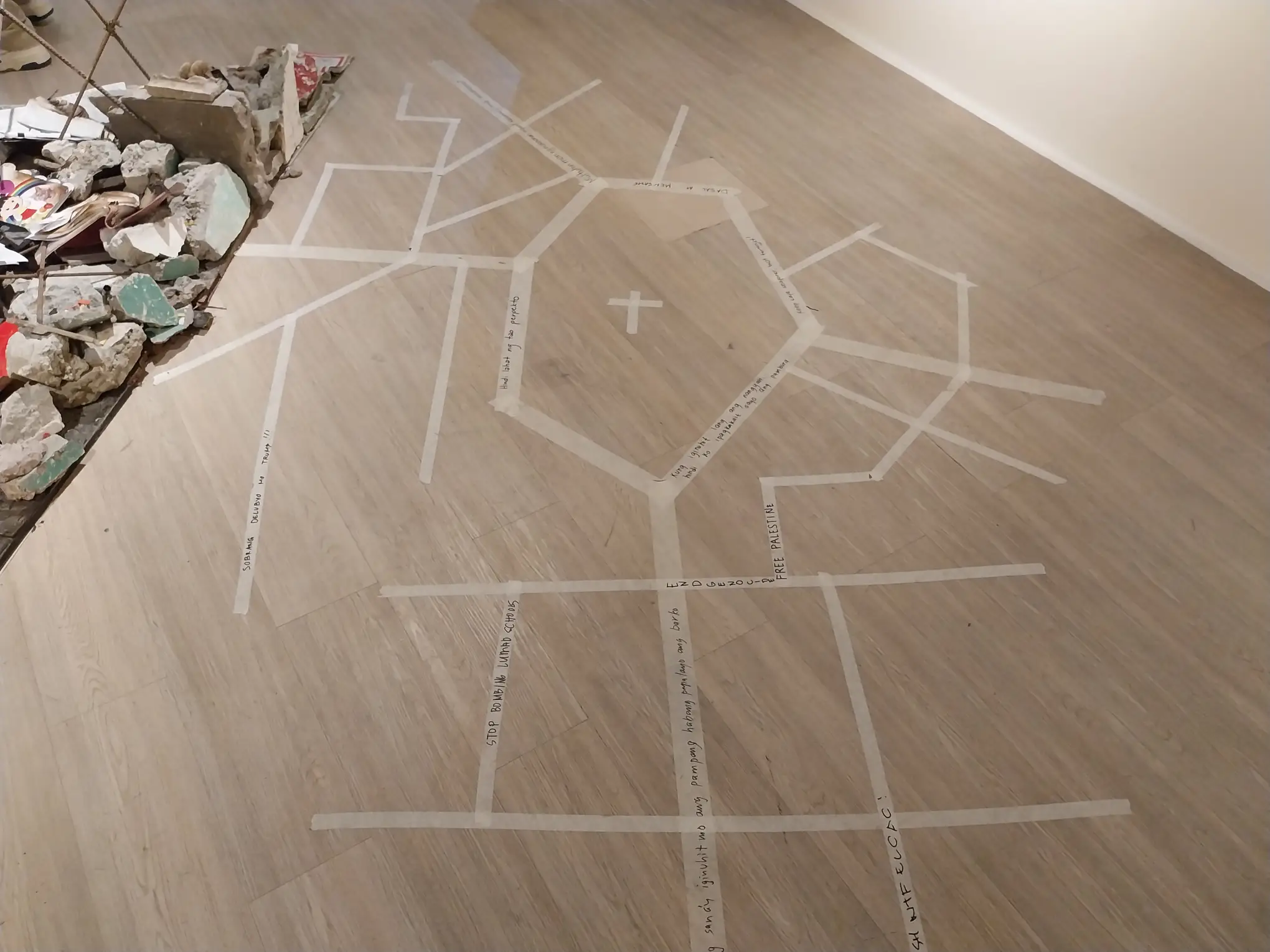
Four artworks shown in “To Gather, Together” at Gravity Art Space.
One of the exhibitions shown at Gravity Art Space in July, it was a group exhibition organized by Buen Abrigo that centered around the concept of community: finding the similarities and common ground between groups without removing the differences in each culture and person.
The exhibition laid stark the necessity of community, of having groups of people with shared values together, in launching resistance against the unjust practices and laws of imperialist powers here and abroad.
Advertisement
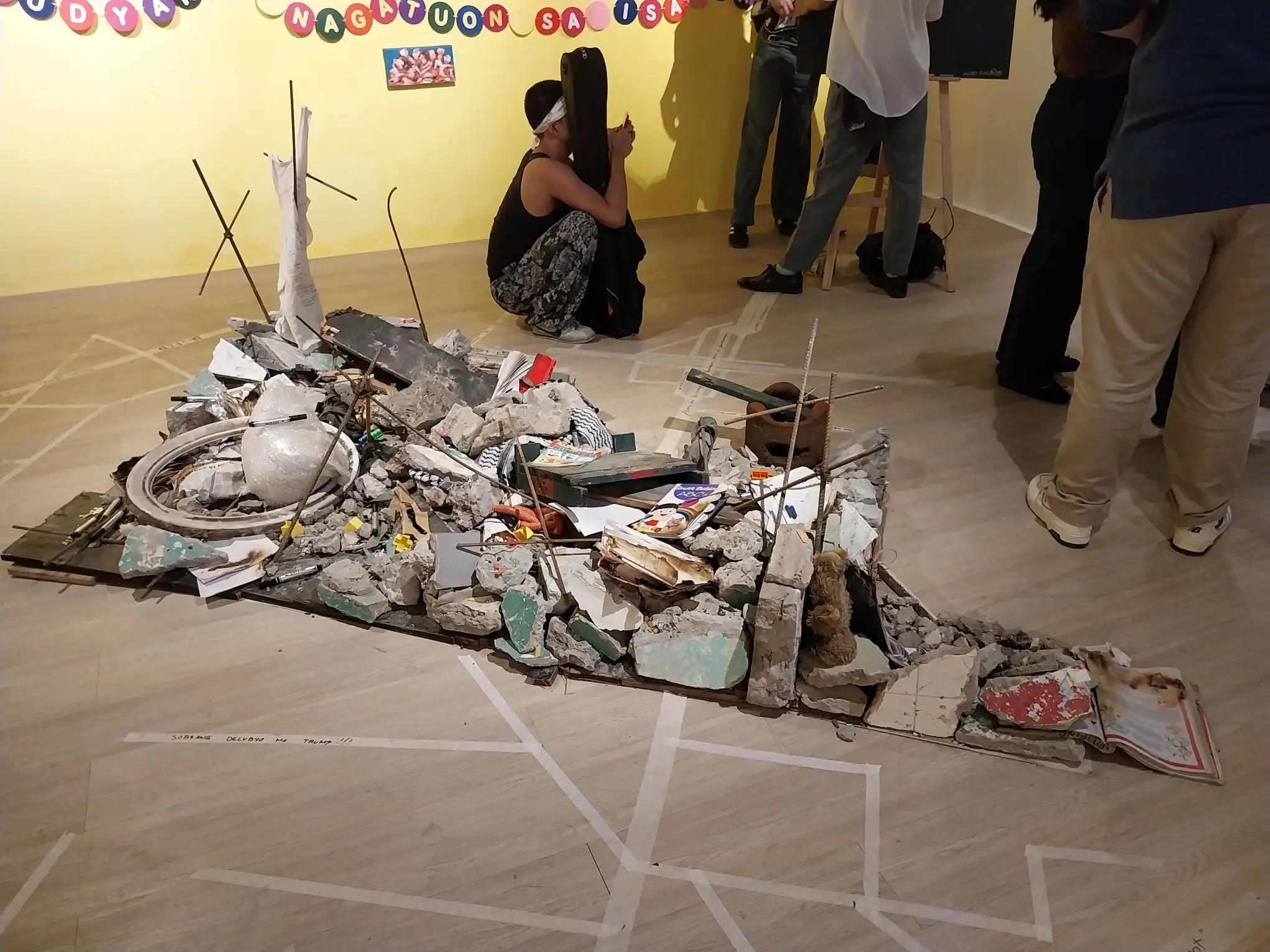
An artwork protesting the death of Palestinian children. It is a form of activism in art.
An artwork protesting the death of Palestinian children. It is a form of activism in art.
Its explicit protest against the killings of Palestinian children and families is just one of the many points of injustice it references, among those the Duterte’s drug war that killed many innocent lives and labor rights across the country.
“It brings together artists whose works explore knowledge-making, survival, and resistance through forms rooted in local realities—whether in urban loops or rural rhythms,” the exhibit write-up said. “These are not grand gestures, but lived articulations of being with others: works shaped by collaboration, kinship, ecology, and struggle.”
‘Stakeholding’ and the Hardship of Depicting Society Accurately
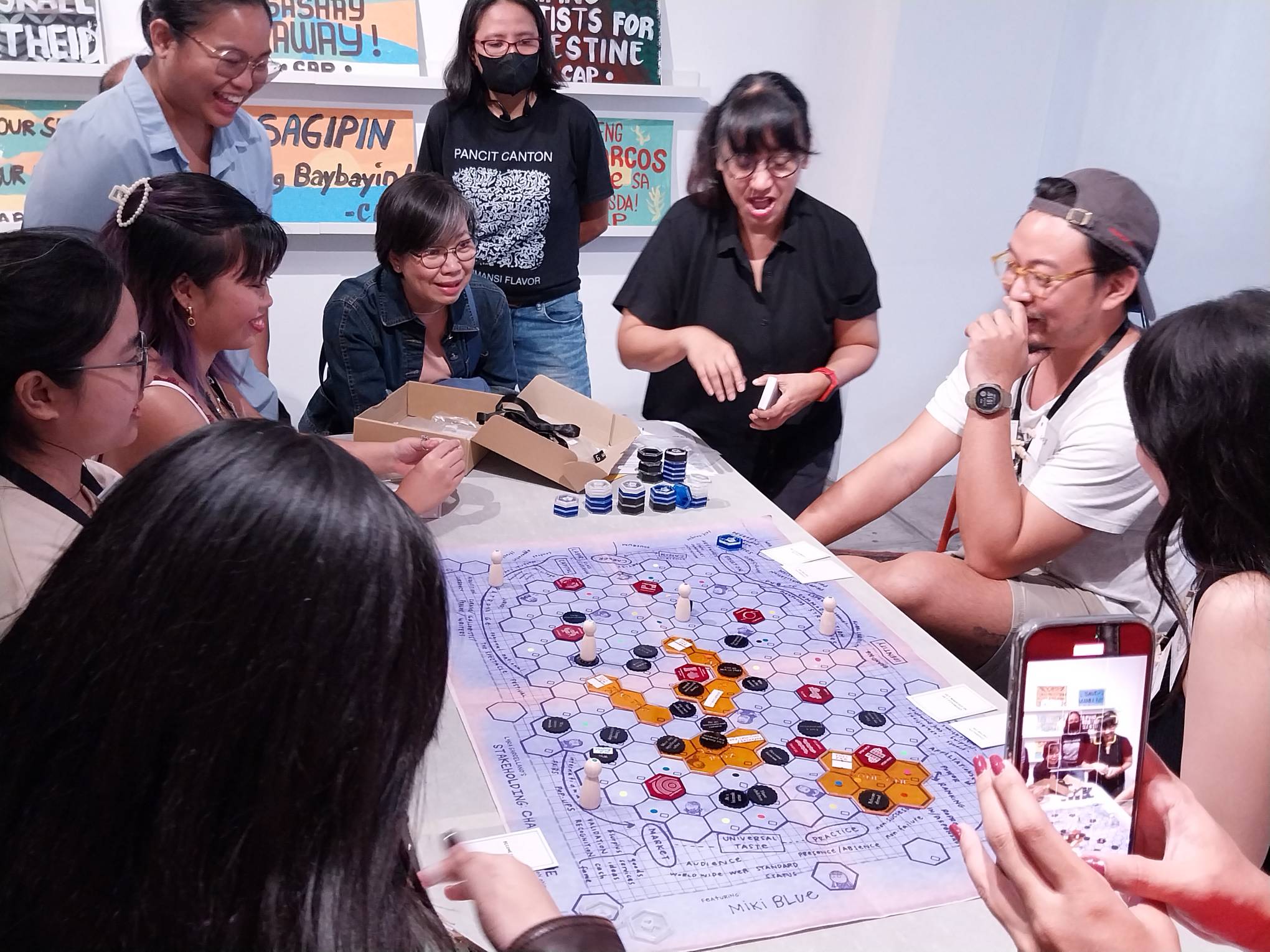
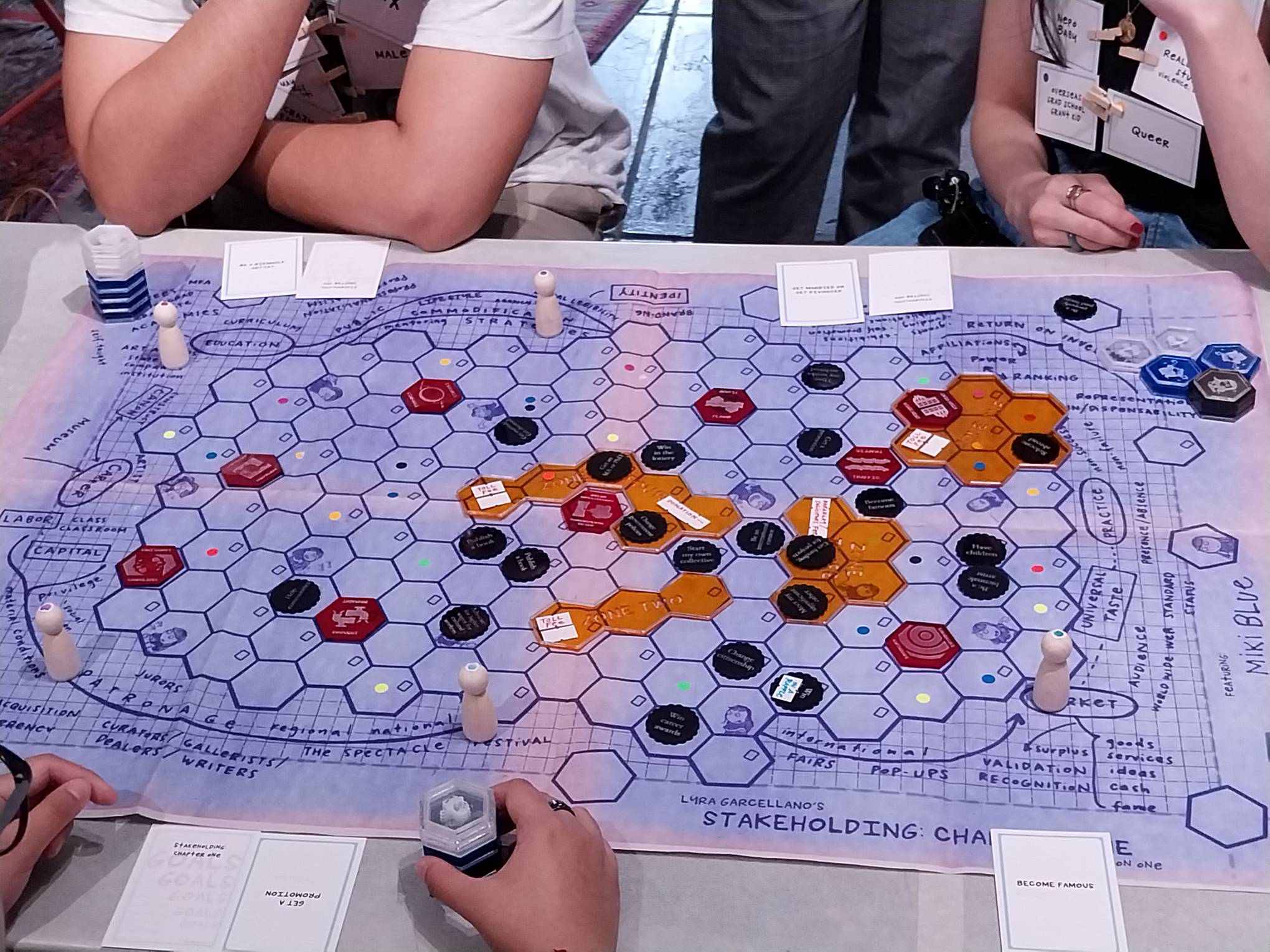
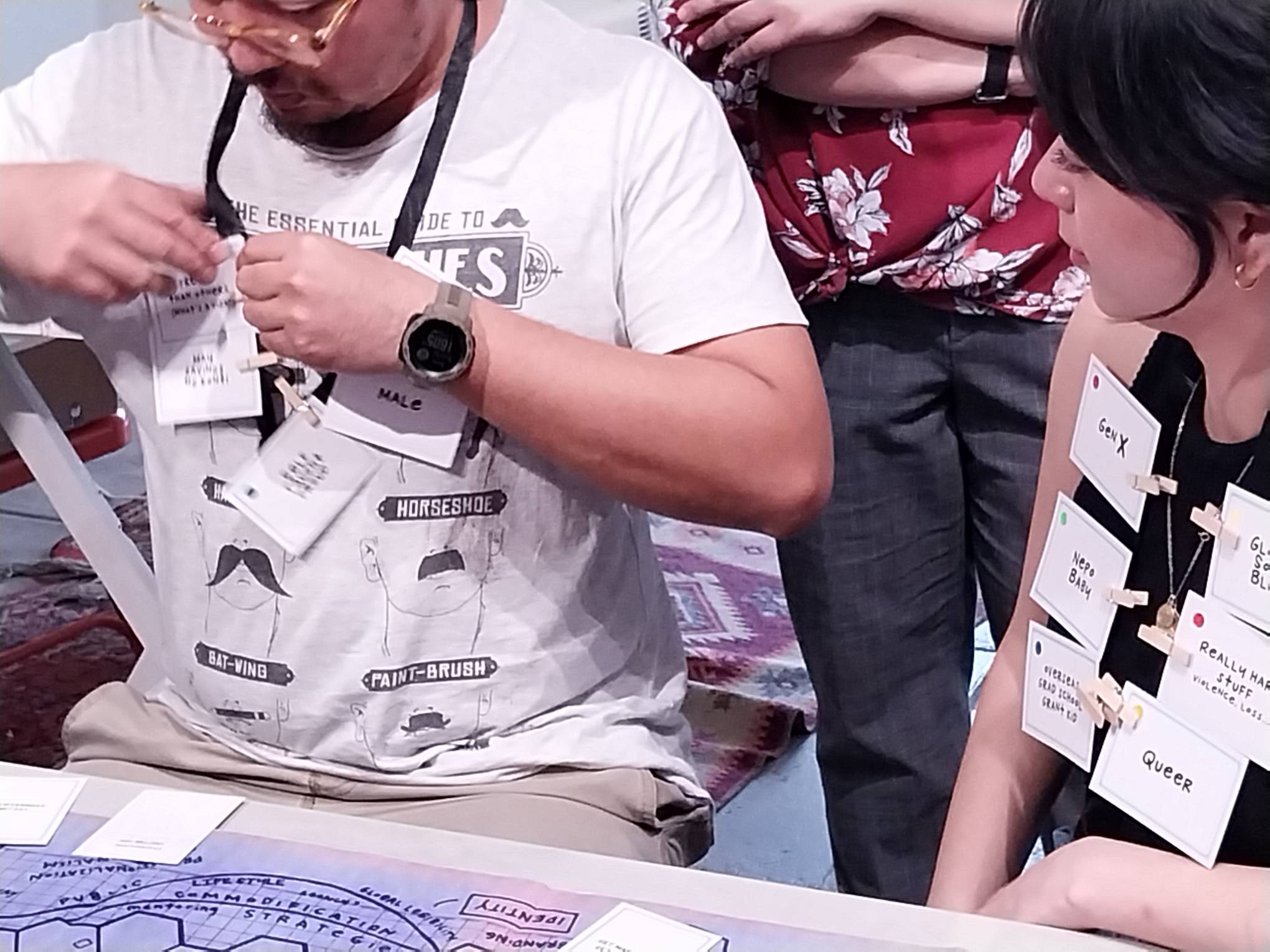
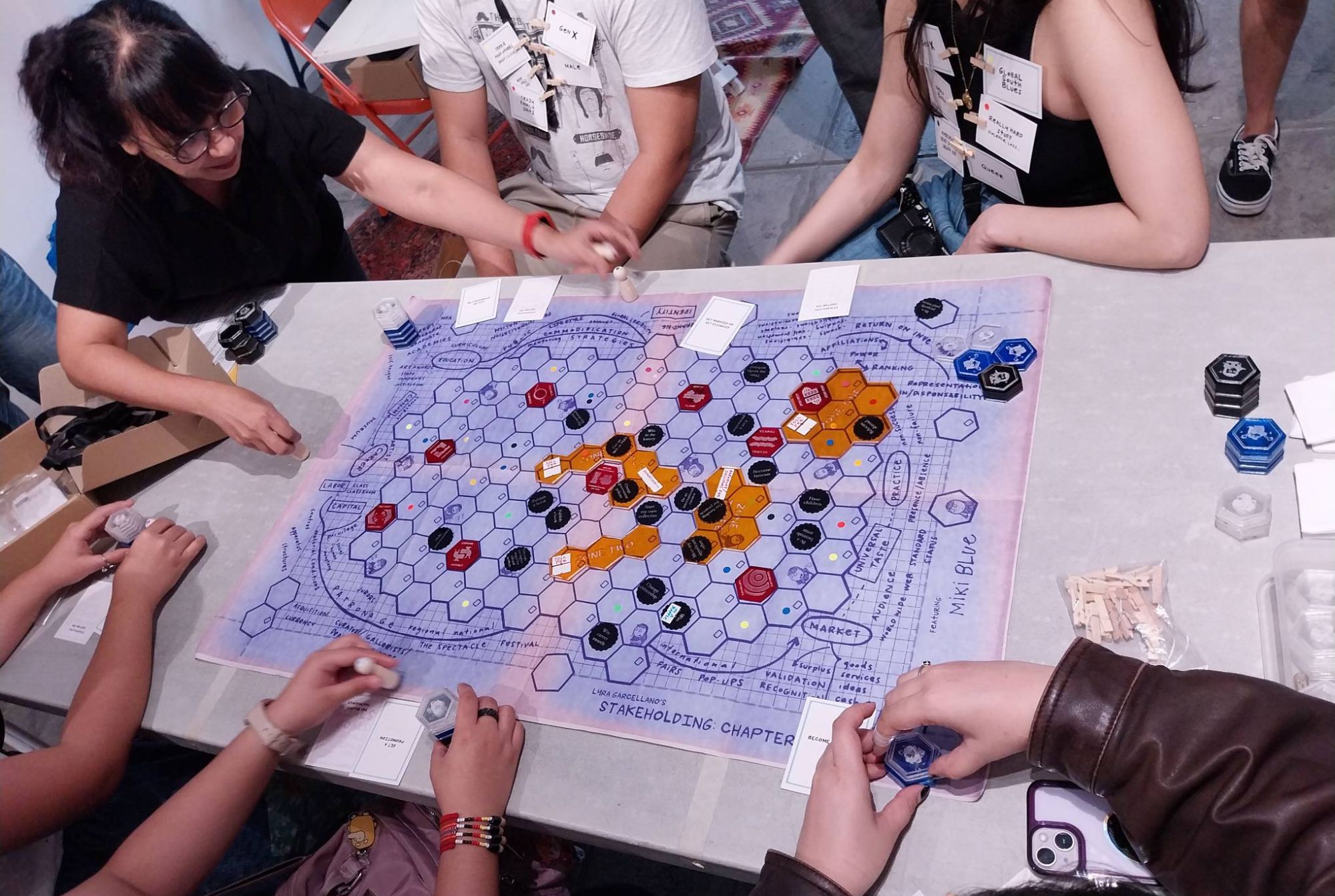
Artist Lyra Garcellano pushes forward a broader, but no less important, piece of societal commentary and activism with her in-progress board game Stakeholding. The game is rooted in society’s inequality, with players receiving different amounts of ‘capital’ based on identities they randomly draw from a bag. There, they try to navigate achieving their goals despite, or because of, the status they are born into.
Advertisement
Lyra Garcellano explaining the rules of “Stakeholding” as the players run through the board game.
The playing field for “Stakeholding,” a game conceptualized by artist Lyra Garcellano.
Players pinning their character tropes for the board game “Stakeholding.”
Lyra Garcellano (top left) as she guides the gameplay for “Stakeholding.”
It is a game that also functions as commentary on how art can’t fully depict society in all its complexity. Our roles can be interconnected, yet a single artwork can’t bring them together. Which is what Stakeholding provides: a more comprehensive and complicated look at the multiple factors that make life easier or harder for every individual out there.
‘To Find Gold In A World That Needs Silver’ and Simulating Reality
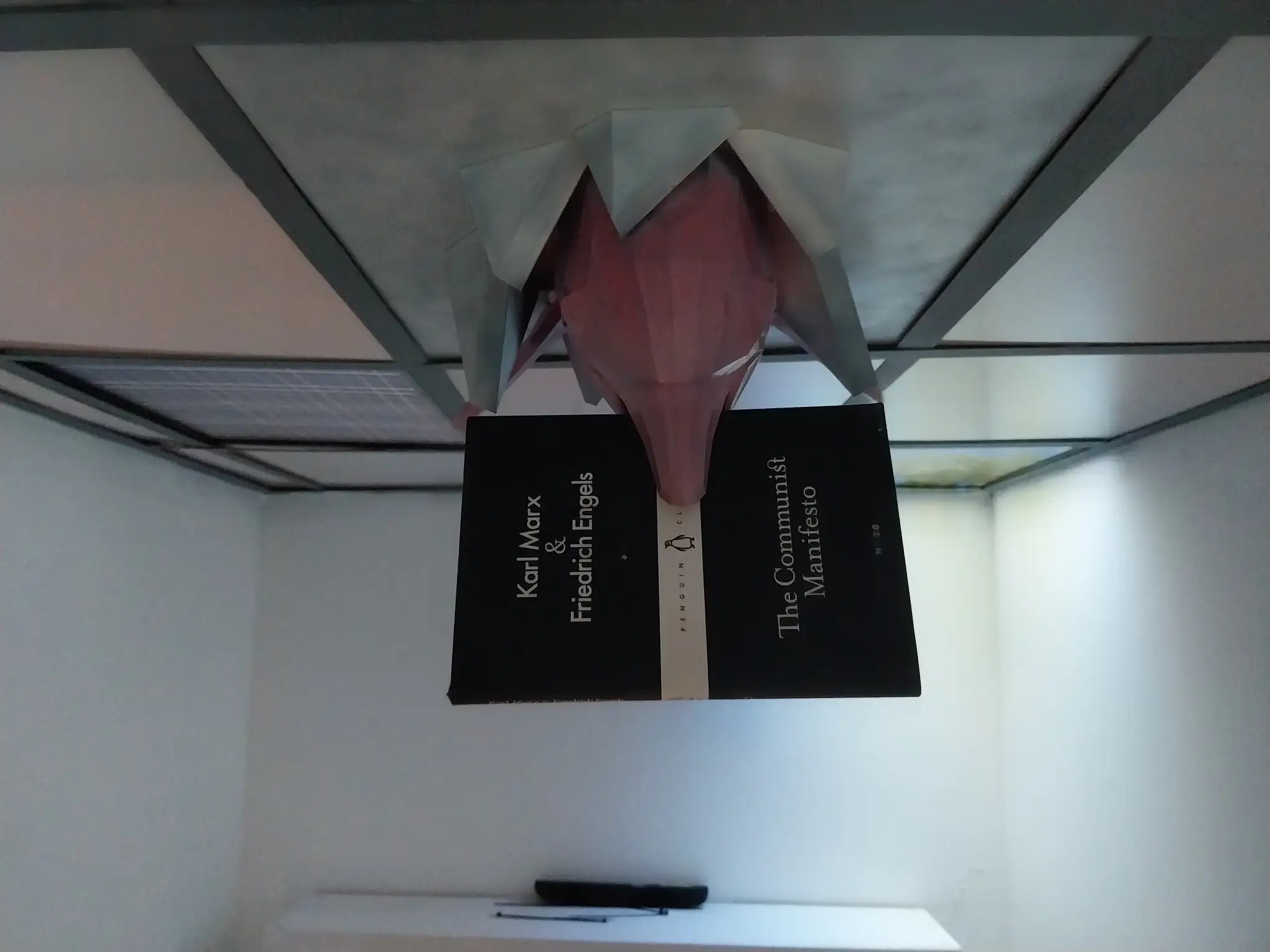
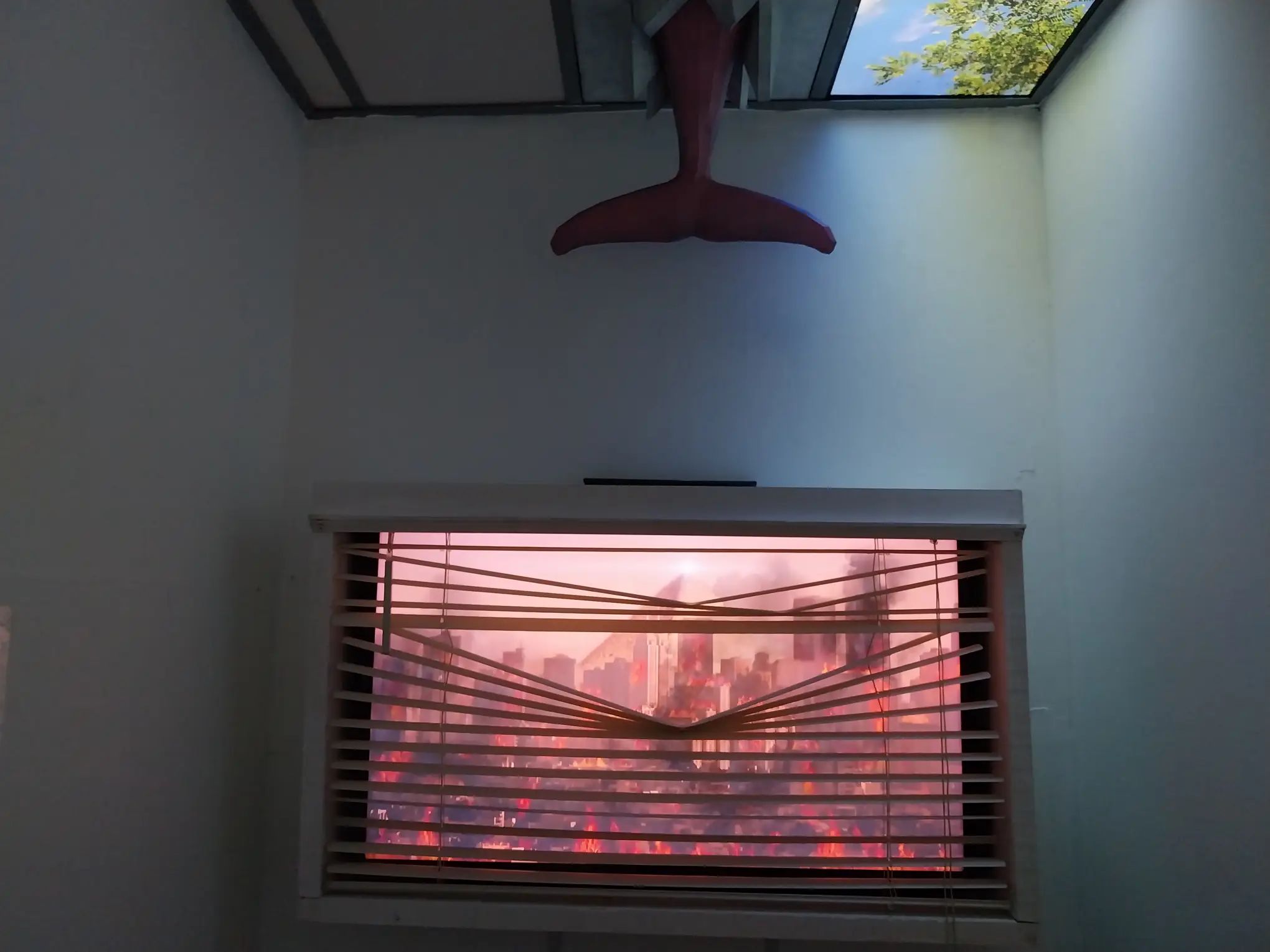
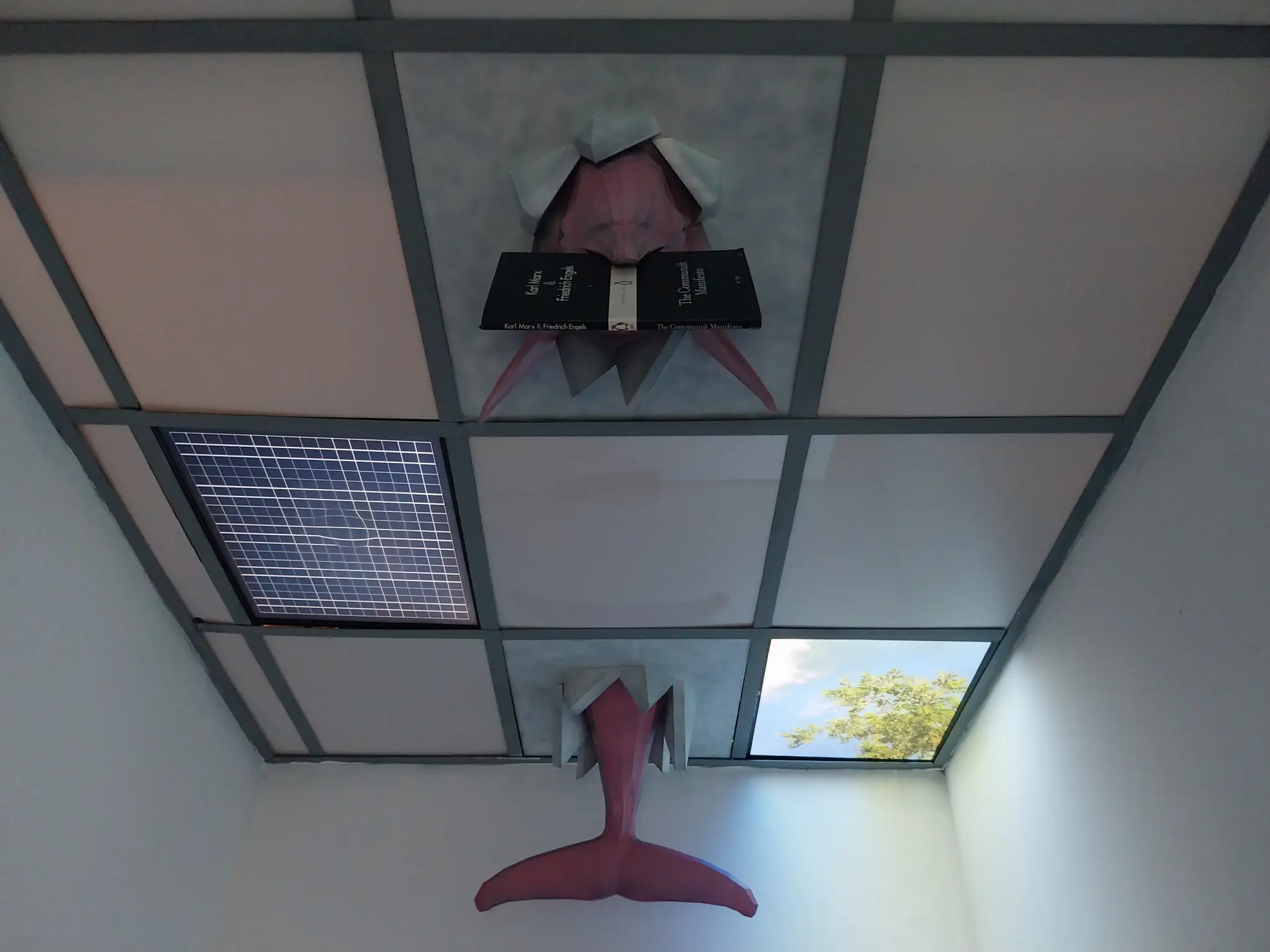
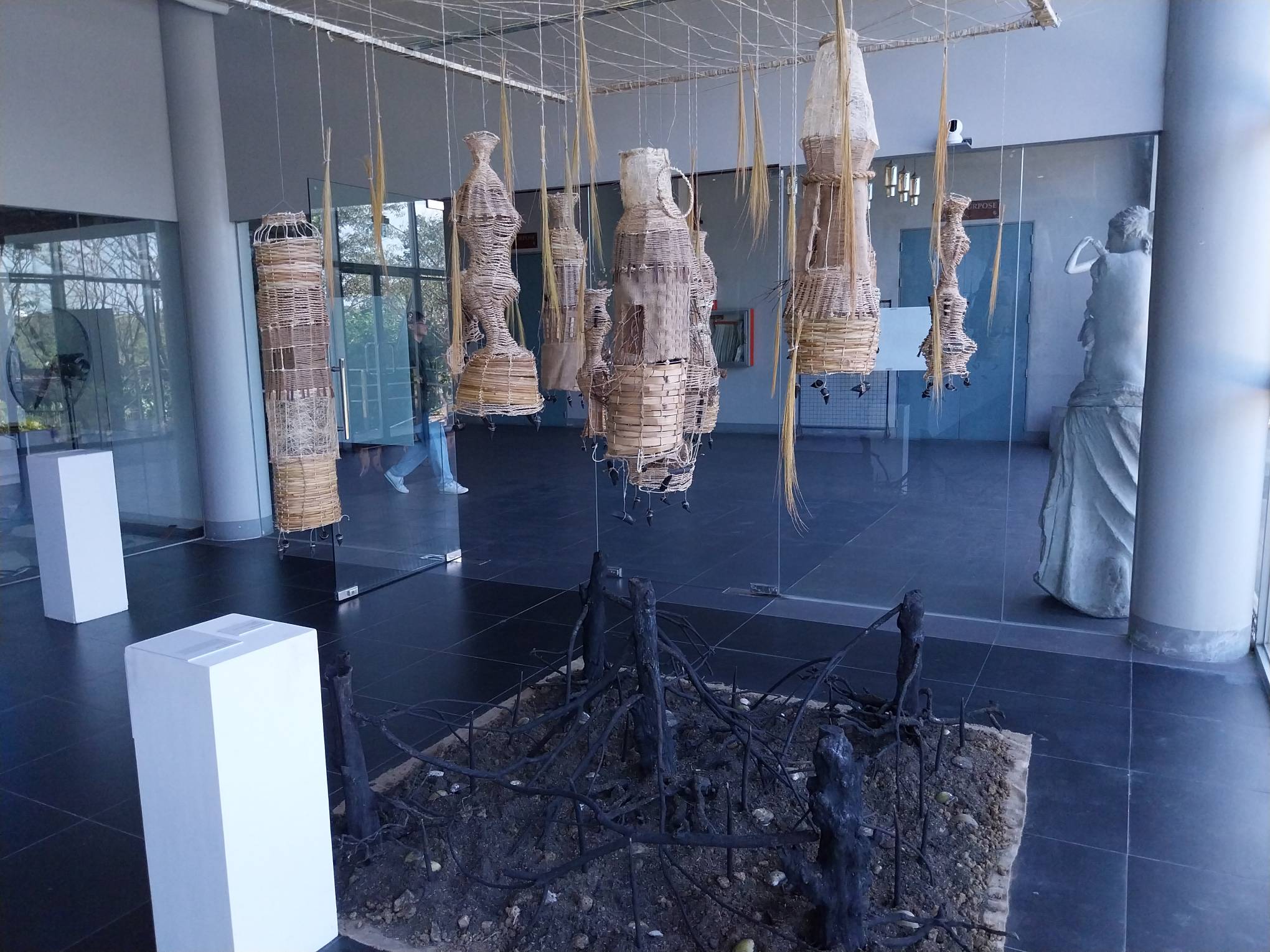
Jose Olarte’s exhibition at Gravity Art Space puts viewers in a hyper-small space of screens, fluorescent lights, and cubicles, pushing for a discussion about consumerism, and how devalued work and reality are, to the point that they become separate from how we see society as a whole.
A dolphin with “The Communist Manifesto” for Jose Olarte’s exhibit in Gravity Art Space.
Karl Marx has this theory where he discusses how workers lose meaning to their life and happiness when they become cogs of the machine, separated from their labor. Olarte’s exhibit puts viewers inside a tiny room where the only way to see through society is a screen.
The screen and dolphin in Jose Olarte’s exhibit at Gravity Art Space.
It seems to mock our simulated world, engrossed in computers and smartphones, prompting us to wonder how separated we are from society, never truly seeing how our work benefits the world, and never getting rewarded for it. The exhibit touches upon our society of inequality as the rich hoard more and more resources for the benefit of no one, asking pertinent questions about what we end up getting from it in the long run.
Jose Olarte’s exhibit at Gravity Art Space.
“In an era where hard work doesn’t necessarily produce rewards, and where work anxiety is all but normalized, what does it really mean to be working class in the 21st century?” the exhibit write-up asked.
Advertisement
‘Creatures of Apathy’ and Political Satire
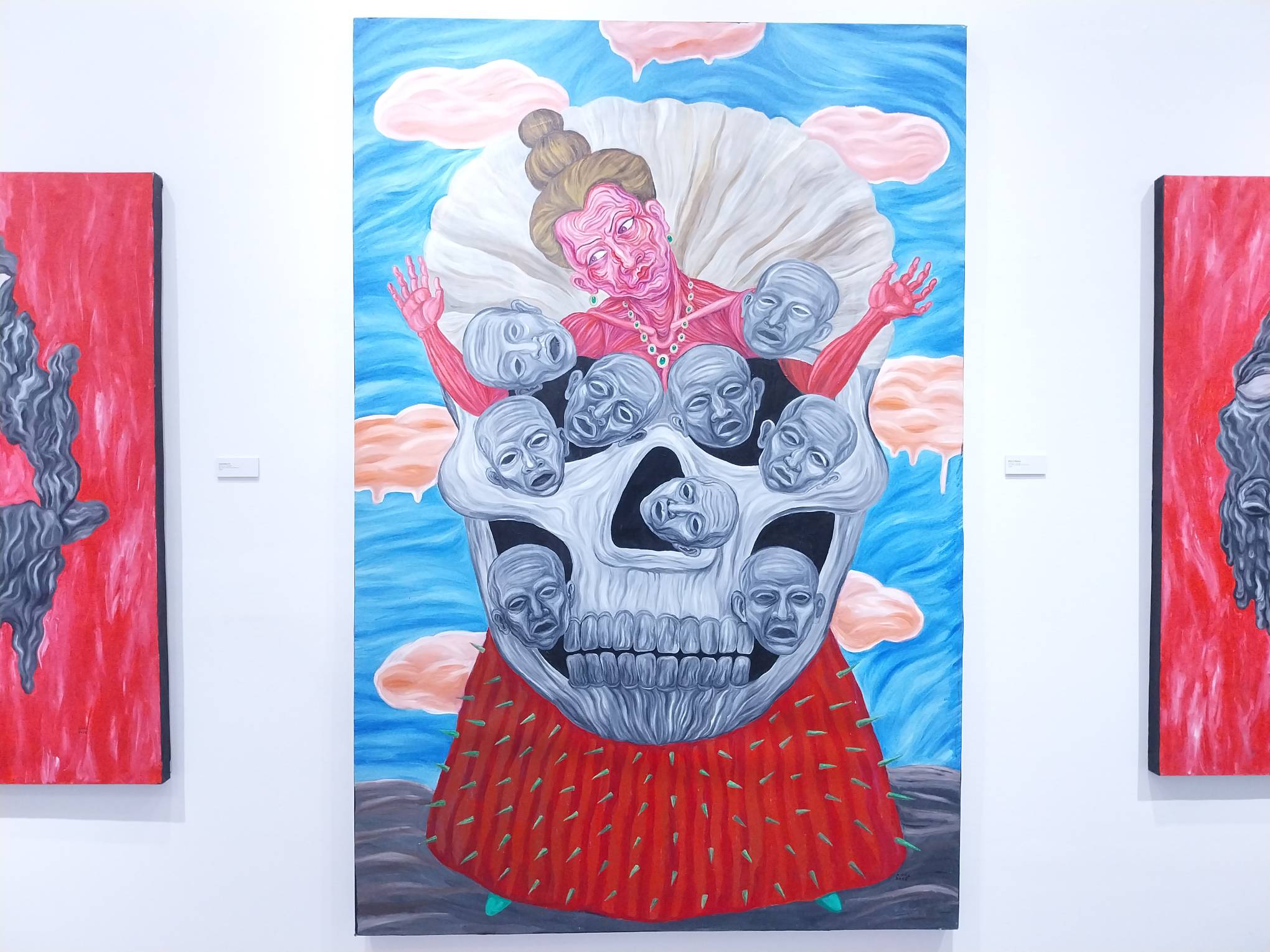
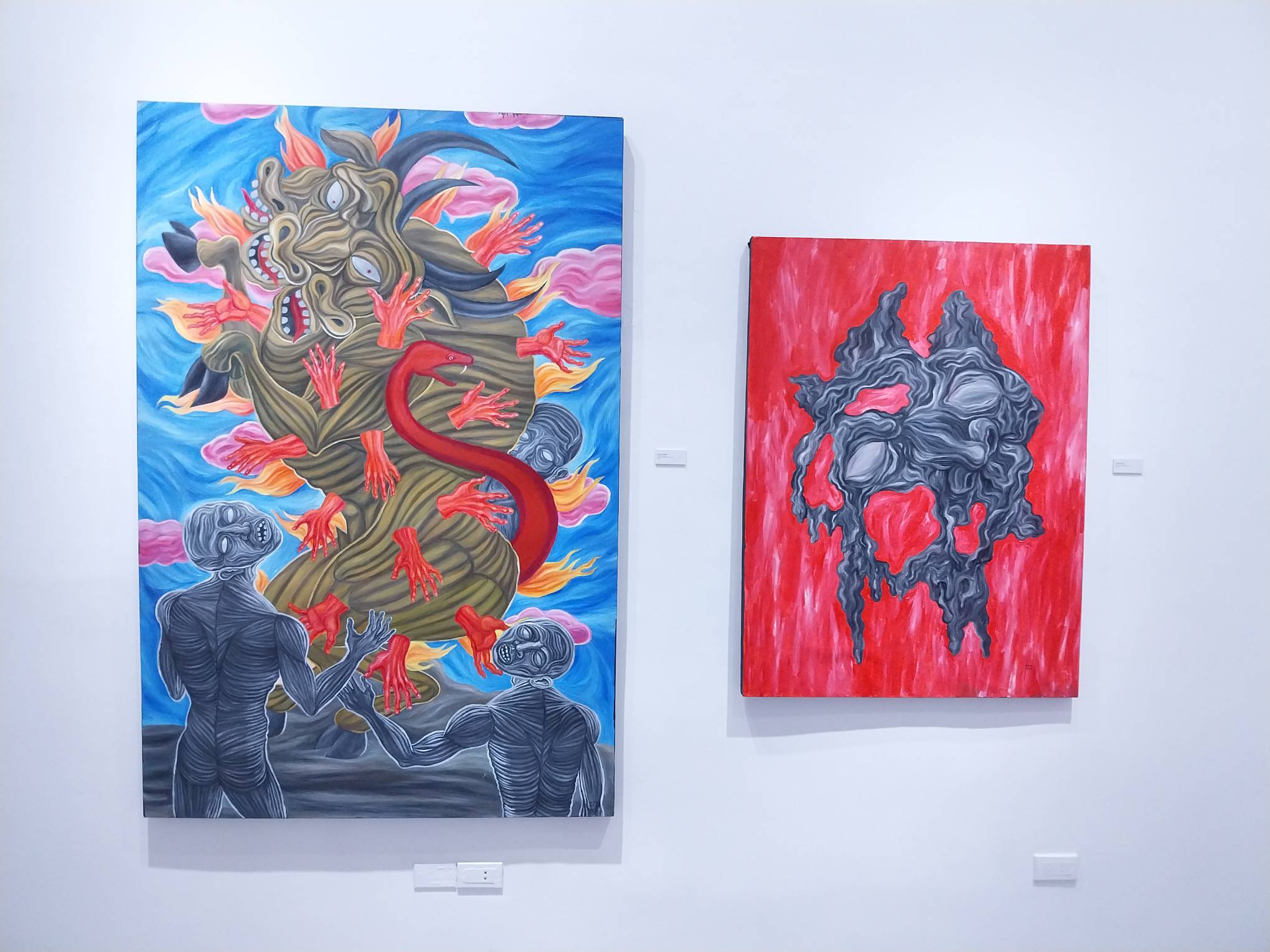
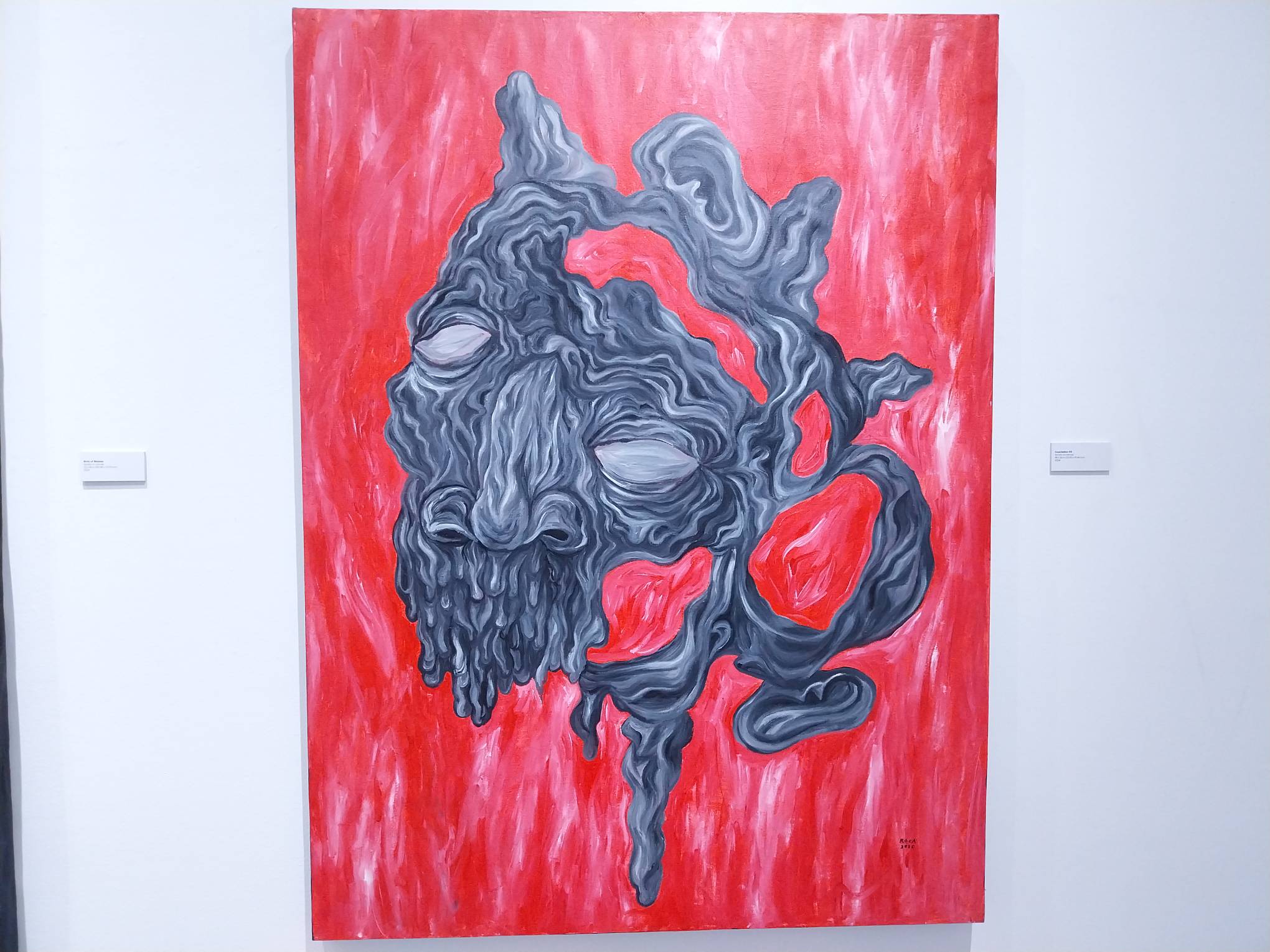
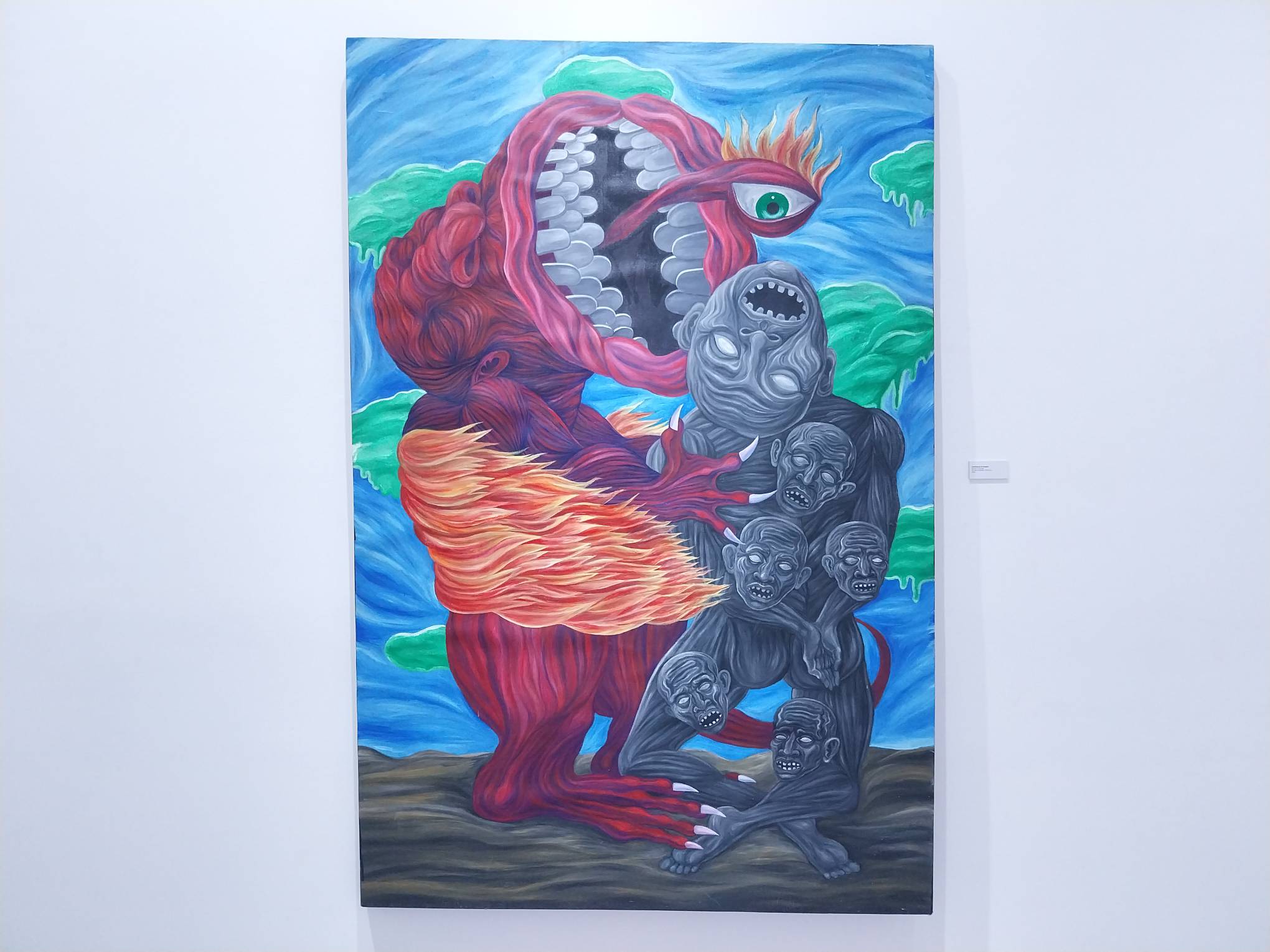
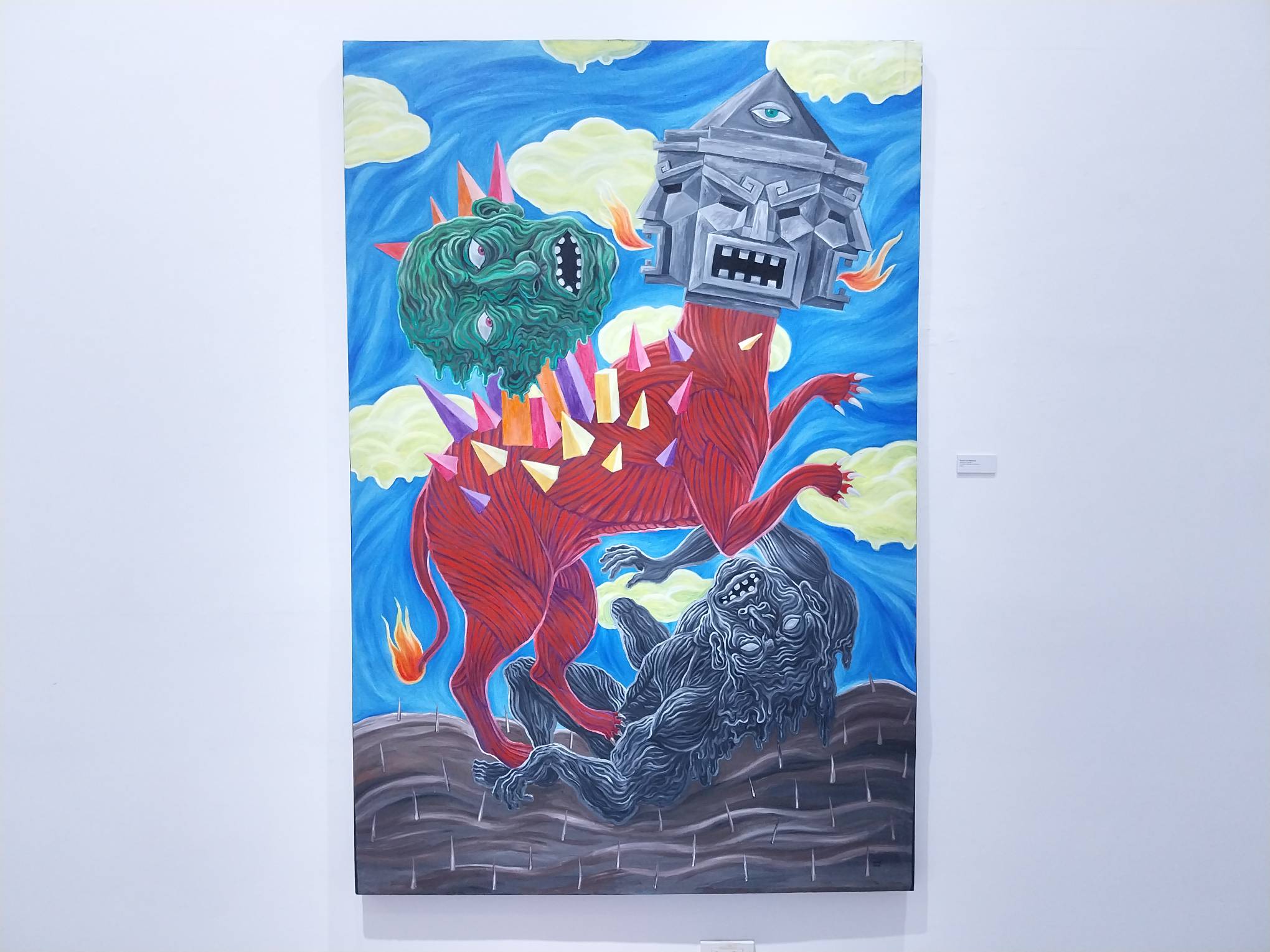
Paul Eric Roca, an illustrator best known for his satirical newspaper illustrations, created this exhibit at Altro Mondo Creative Space in February as a reflection on our society’s corruption. The imagery is loaded, actively highlighting the decay of society’s fixtures while pushing viewers to action.
“Birth of Malaise” for “Creatures of Apathy.”
Two works shown at “Creatures of Apathy” at Altro Mondo Creative Space.
“Confluence of Despair” by Paul Eric Roca.
“Anomie and Metanoia” by Paul Eric Roca.
“His fantastical and surrealist works serve as haunting allegories,” the exhibit write-up said. “[They are] grotesquely twisted visions that transform the familiar into the bizarre and the strange.”
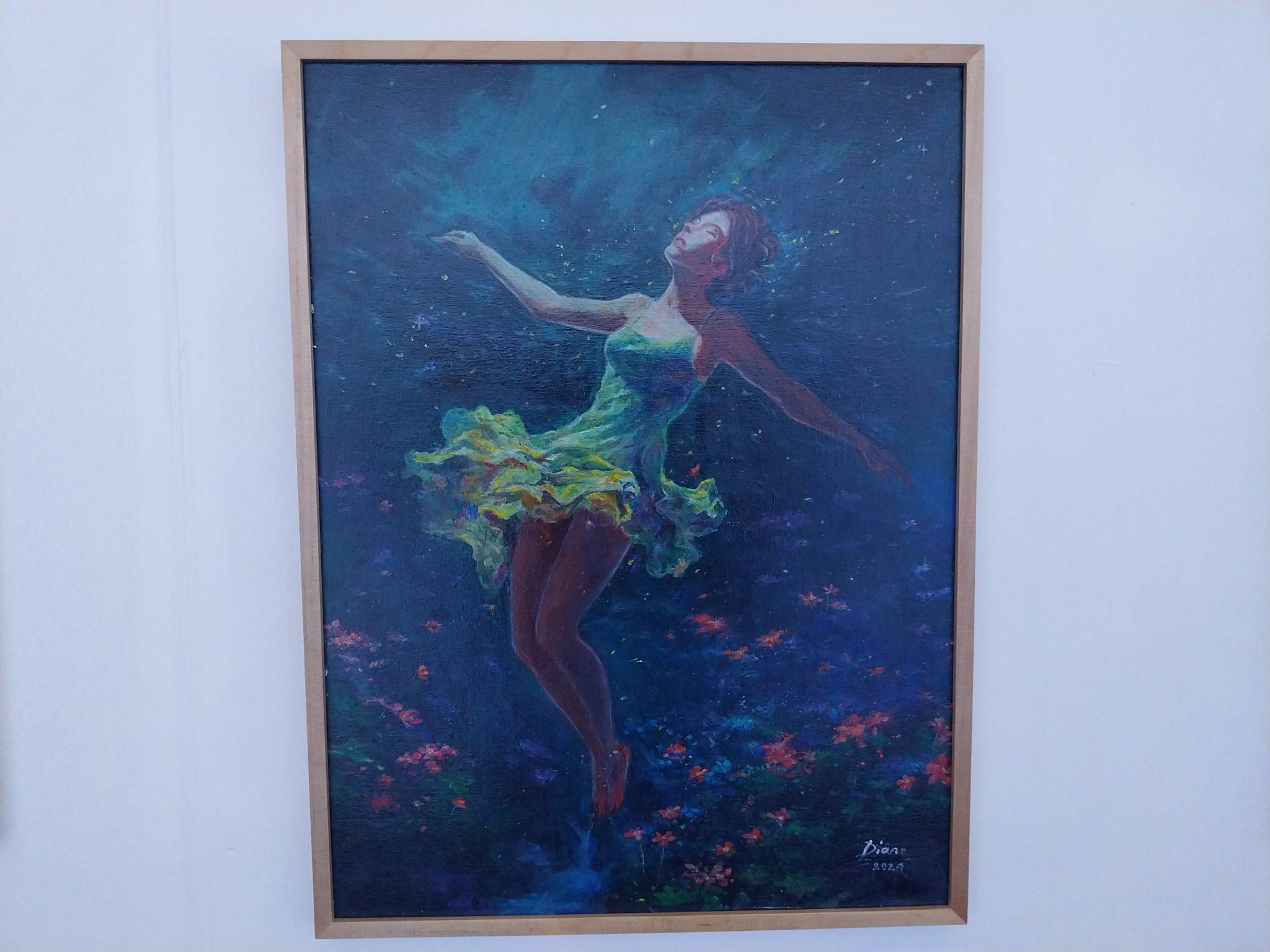
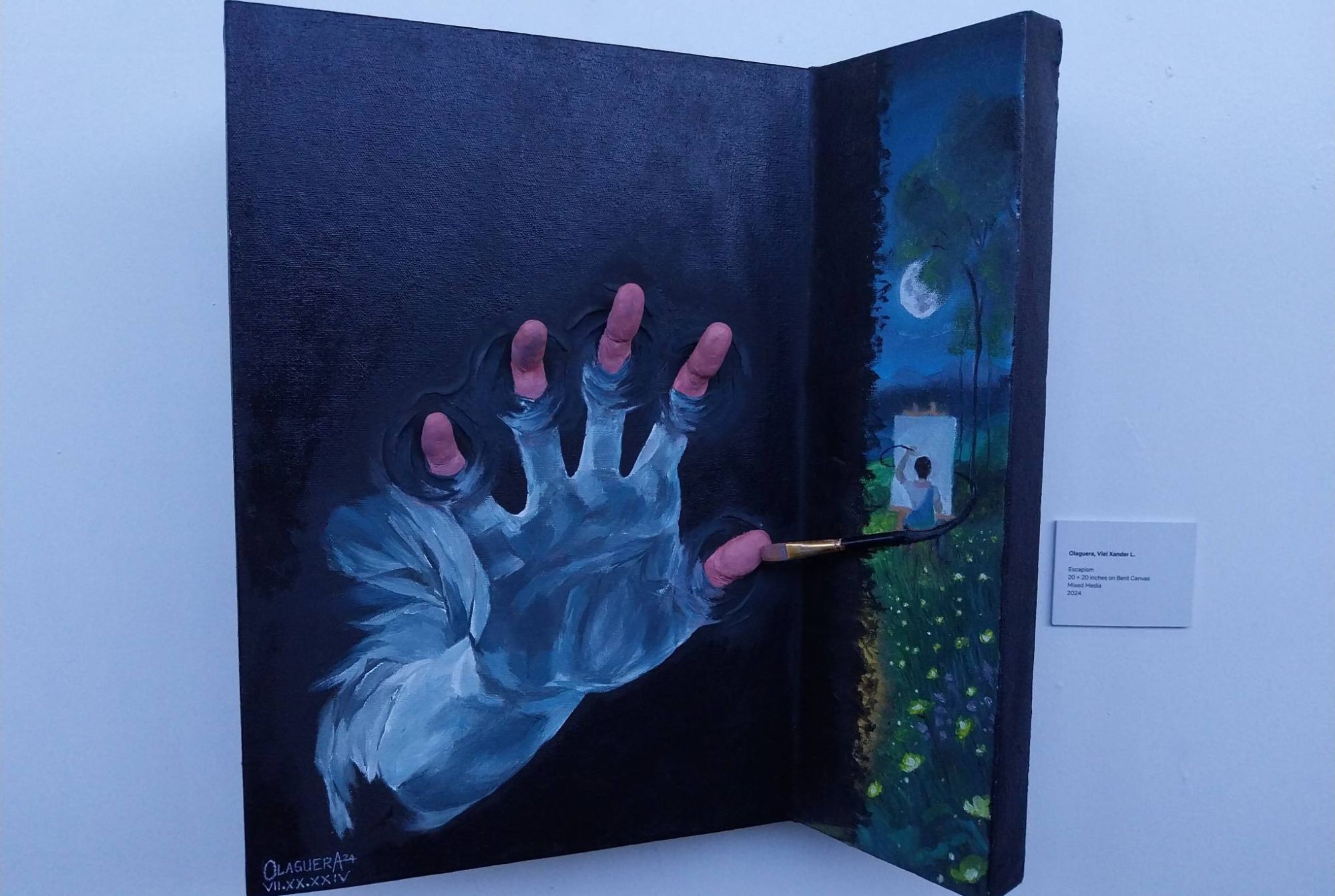
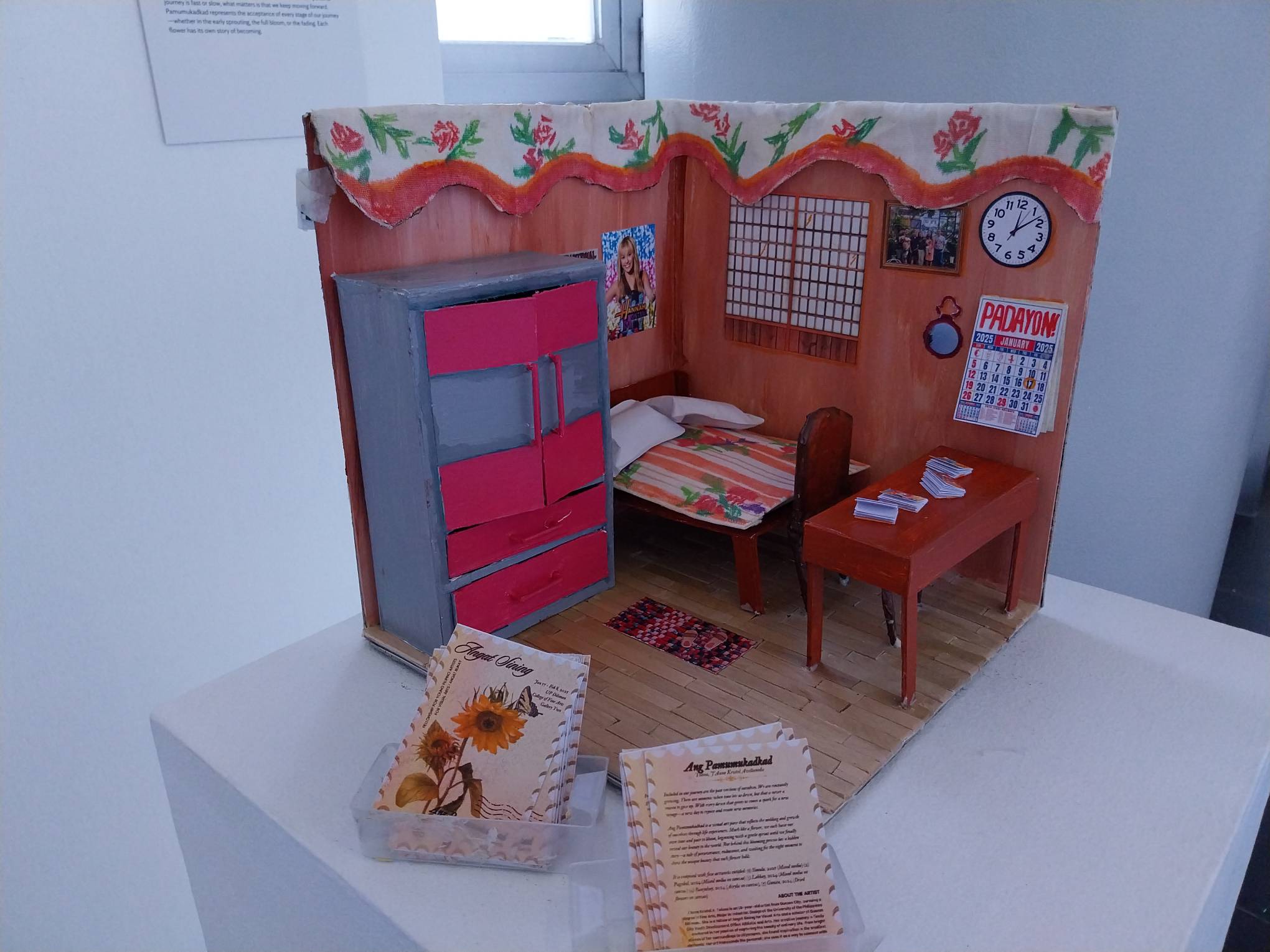
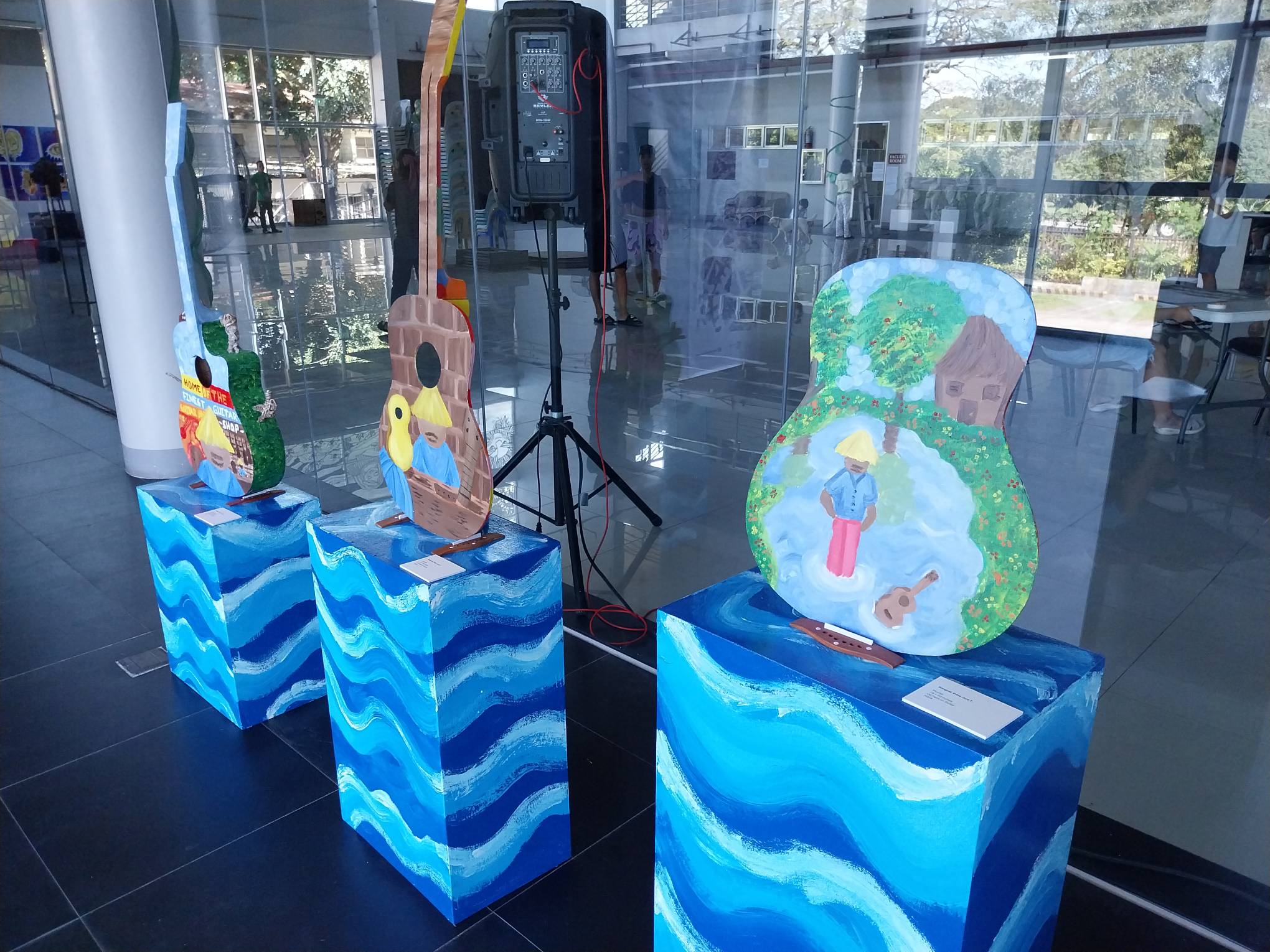
As a final, positive, and hopeful note on activism, here is a program aimed at teenagers and young adults that shapes artists’ futures today. The Angat Sining Fellowship, run by the non-profit organization Angat Buhay, seeks to support young, up-and-coming artists in nurturing their talent and providing opportunities for artistic expression.
A work by Diane Galos for the Angat Sining Fellowship.
More than a platform to show their art, as the young artists were exhibited in UP Parola Gallery in February, the Fellowship allowed for them to be mentored by established legends like Benedicto Cabrera, or more widely known as BenCab, and Mark Justiniani, and organizations like Ang llustrador ng Kabataan (Ang INK).
Advertisement
“Escapism” by Viel Olaguera for “Angat Sining.”
A work by J’Anne Kristel Tolosa for the Angat Sining Fellowship.
Three works by Prinz Rongcal for the Angat Sining Fellowship.
“Dinura” by Eicyd Rico for the Angat Sining Fellowship.
The initiative pushes for a future where art has an active place in people’s homes, one where everyone can become an artist, not just for the chosen few. It is hopefully a future that one can look forward to, even with all the tumultuousness of our world.
These six examples of activism show how art gives a voice to the marginalized, the angry, and the downtrodden, through images and actions that imprint themselves on our minds. In the end, artists get to choose how they use the voices and platforms given to them.
Contemporary design refers to the constantly evolving design trends of today. With the power to design our built environments, architects have been experimenting with various architectural approaches. Whether that is through unconventional forms or the integration of smart technologies, BluPrint lists down Filipino architects who are defining contemporary architecture. Deo Alam Architect Deo Alrashid Alam […]
In the Philippines, adaptive reuse gained traction during the 1970s with the rise of conservation and environmental preservation movements. It offered an architectural solution that reuses existing spaces to fit modern needs. Across the country, several projects demonstrate how this approach is being applied—transforming heritage structures into active spaces for culture, hospitality, and community life. […]
From residential spaces to civic structures, lighting dictates the mood of a space. It controls the visual dynamics of an interior, serving as a guiding tool that highlights key design elements, including materials and textures. Related Reading: Lampscaping: How to Light up Your Home like a Pro Regulating the Mood: Natural and Artificial Light in […]
More and more Filipinos are flocking to condominium communities. Often tucked within busy city centers, condo living acts as a small respite from urban chaos. Faced with the challenge of transforming a cramped condominium into a warm living space, BluPrint lists condo interior design ideas that can maximize each square foot of small spaces. Purposeful […]
Modern bathrooms are no longer purely functional spaces. Increasingly, they are being designed as environments that support cleanliness, ease, and quiet restoration within the home. As daily life becomes more demanding and health awareness continues to rise, homeowners are beginning to expect more from the spaces where daily rituals begin and end. For architects and […]
From the moment a diner steps through the door, each detail shapes how a meal is experienced. Restaurant design has evolved, with architects and culinary professionals collaborating to create built spaces that are as intentional as the menu itself. The spatial atmosphere acts as an additional ingredient that can define the culinary experience. Taupe and […]