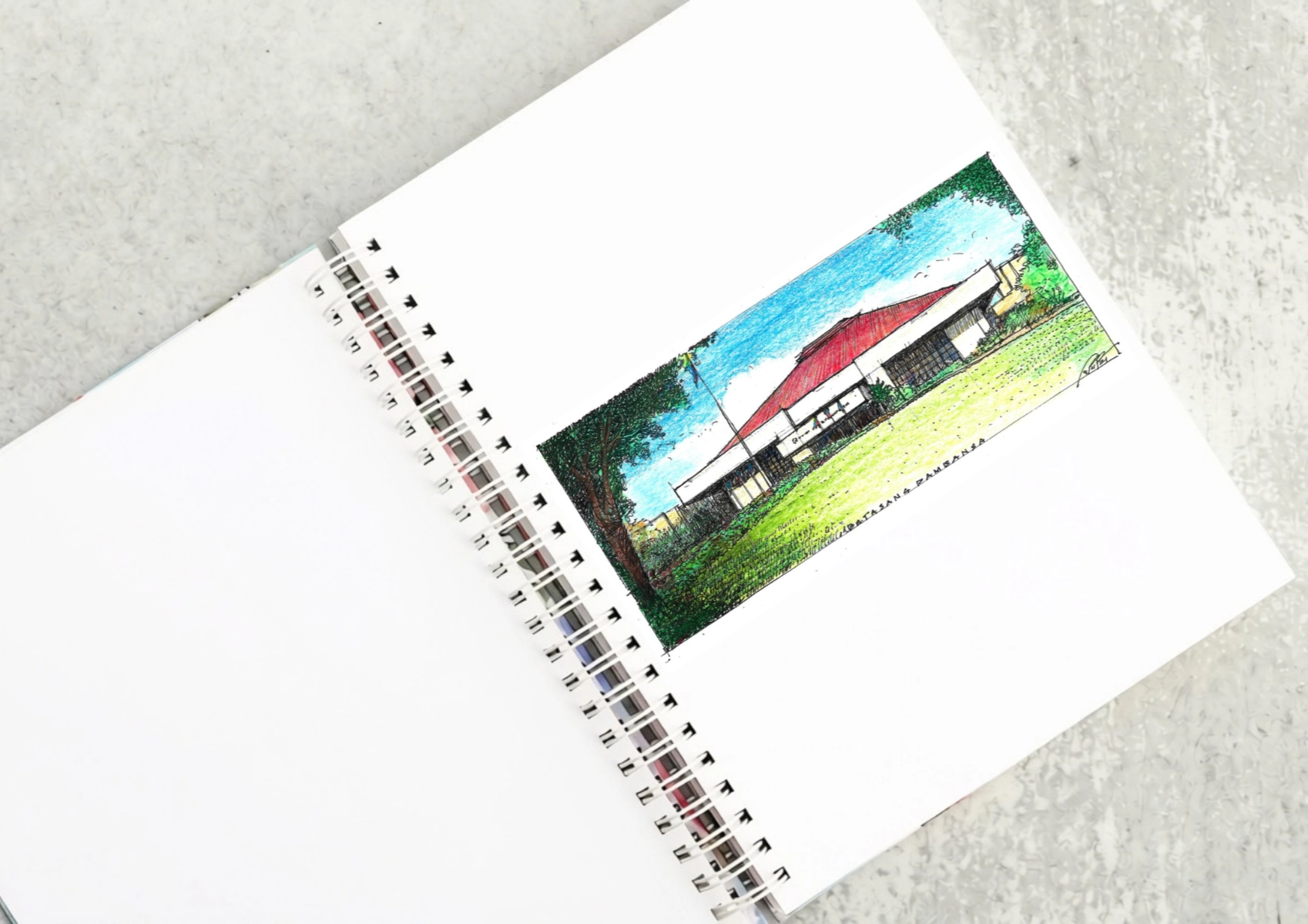
The Batasang Pambansa as a Landmark of Philippine Civic Architecture The congress of the Republic of the Philippines is housed in a complex in Quezon City. It was the first and only of the three main branches of the government to move to what was, for a period, the capital of the Philippines. The Batasang […]
Interior + Design Manila 2025 Showcases New Innovations from Filipino Retailers


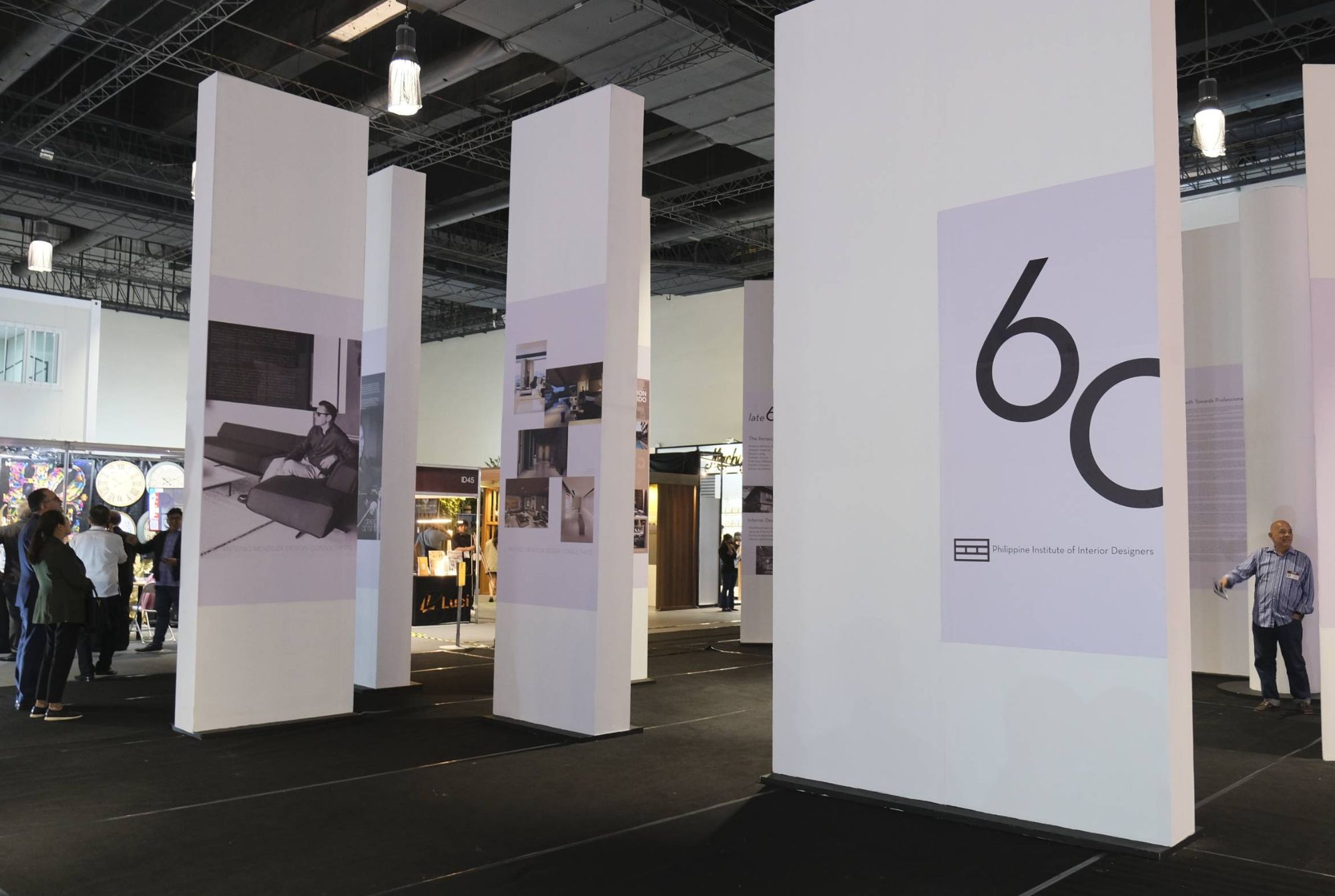
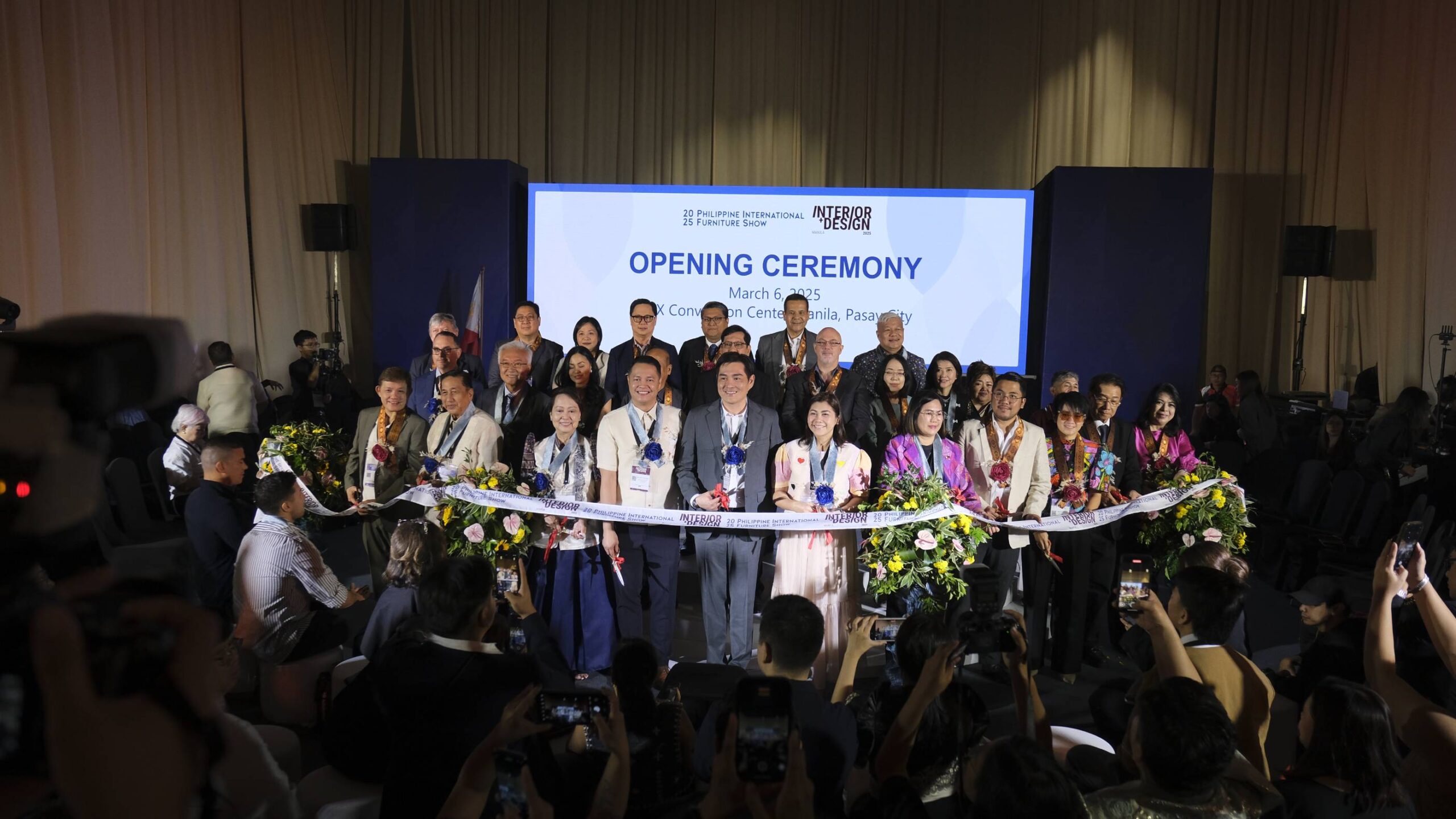
Interior + Design Manila 2025 opened at the SMX Convention Center from March 6 to 8. The showcase of the local design industry by the Philippine Institute of Interior Designers (PIID) hoped to go beyond just exceptional design—but to make the case for the future of interior designInterior DesignThe discipline of planning and shaping interior spaces for function, comfort, safety, and beauty. It covers layout, lighting, materials, finishes, furniture, and color, and in the Philippines is a licensedGo to Interior Design Glossary in the country as well.
This trade fair’s mix of traditional and innovative ideas gave the public a glimpse of the different influences at work today. Materials like rattanRattanA flexible, climbing palm native to tropical Asia, whose strong, lightweight canes are woven and bent into furniture, baskets, and lighting. The Philippines, especially Cebu, is renowned for rattan craftsmanship,Go to Rattan Glossary and bamboo sit side by side with sleek, modern aesthetics. It allowed for multidimensional works that highlight the local culture without removing the needs of international trade inherent in the business.
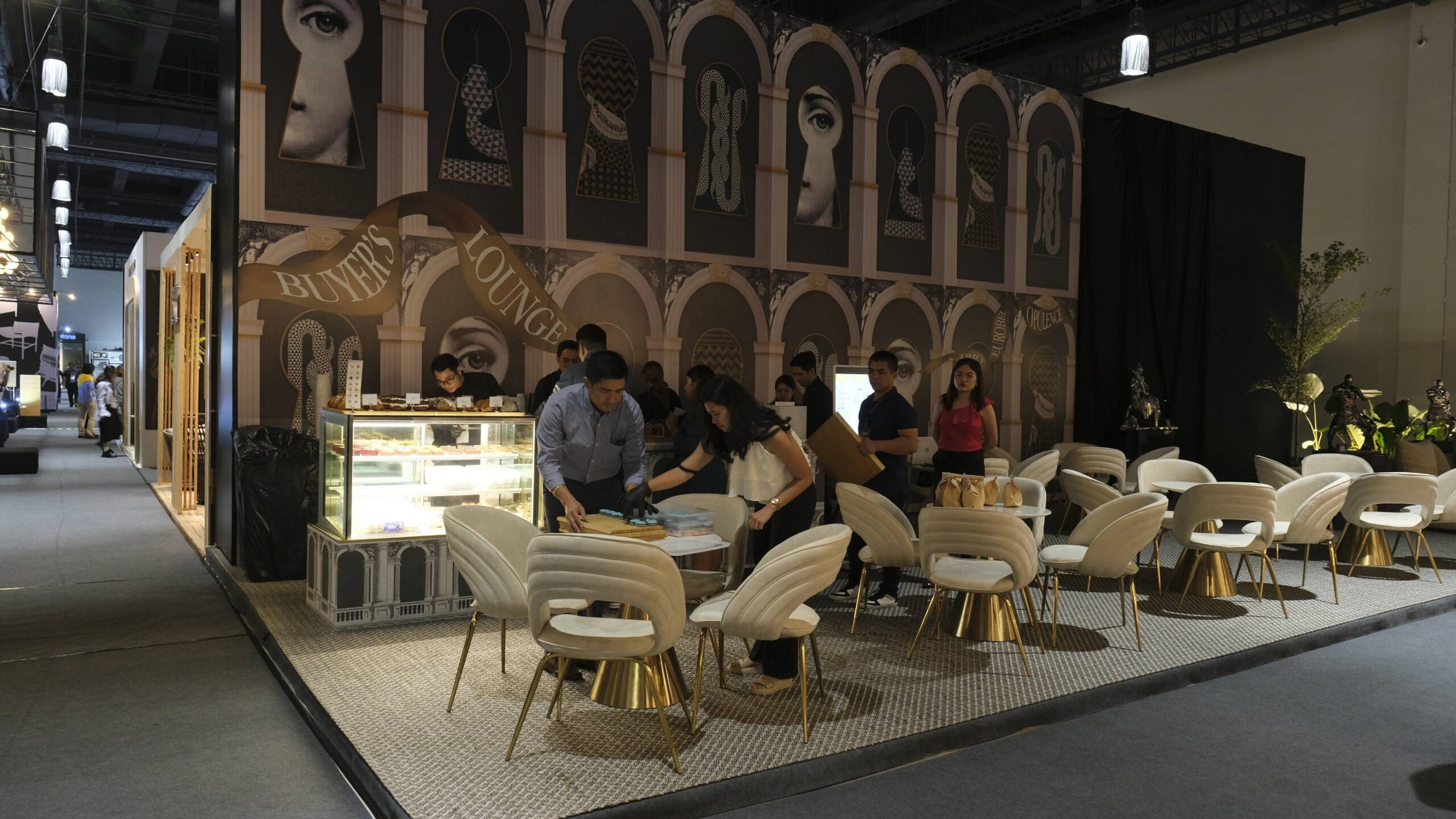
“Interior + Design Manila 2025 is more than just a trade fair—it is a testament to the Philippines’ dynamic and evolving design landscape. This event serves as a catalyst for creative collaboration, pushing the boundaries of what Filipino design can achieve on the global stage,” PIID President Paolo Castro said.
New Wave of Design
Headlined by the Philippine International Furniture Show, Interior + Design Manila 2025’s theme for this year is “Neue Wave.” It highlighted how traditional design touchpoints in the Philippines can be melded with technological innovations to augment our country’s cultural heritage.
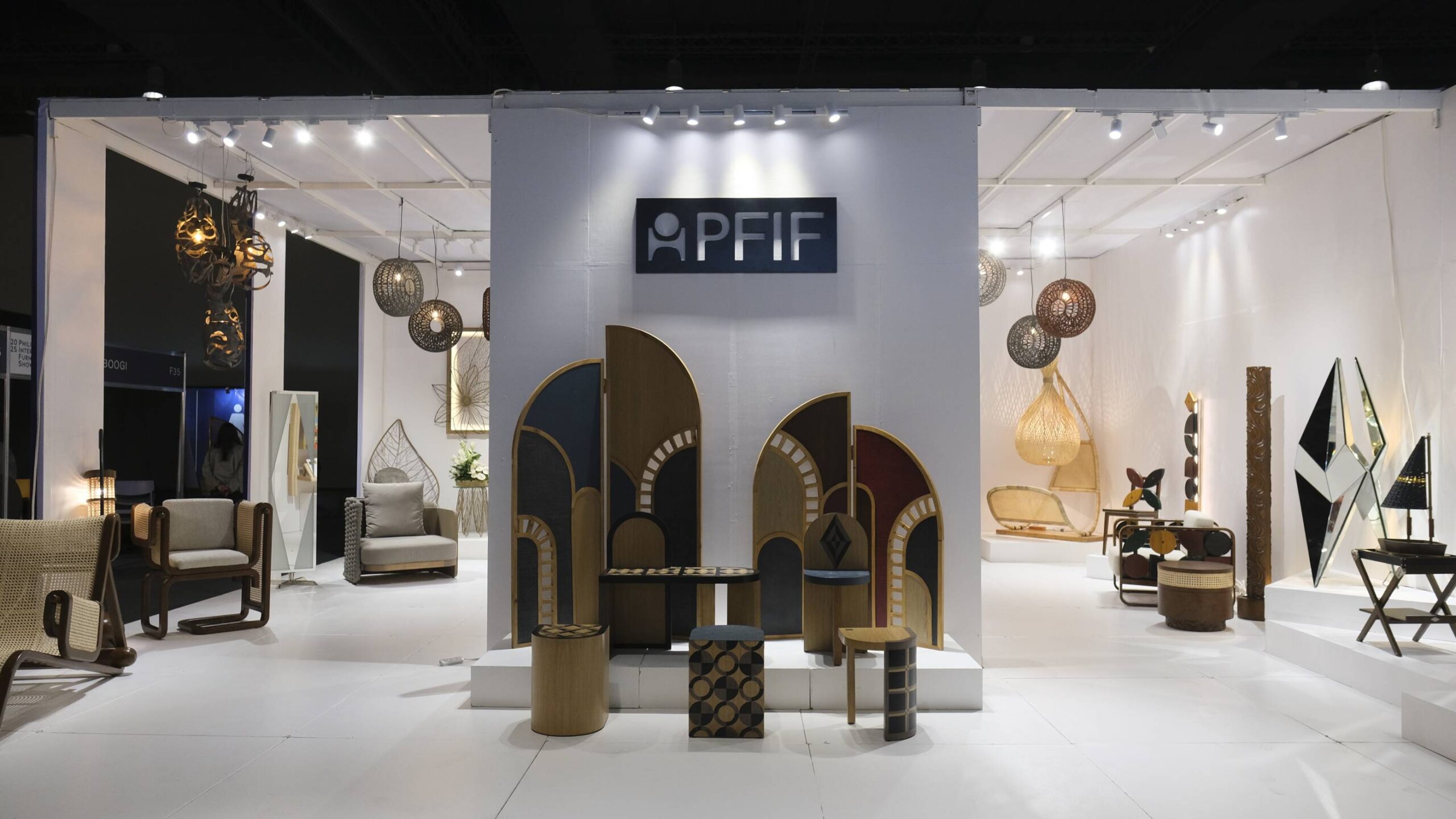
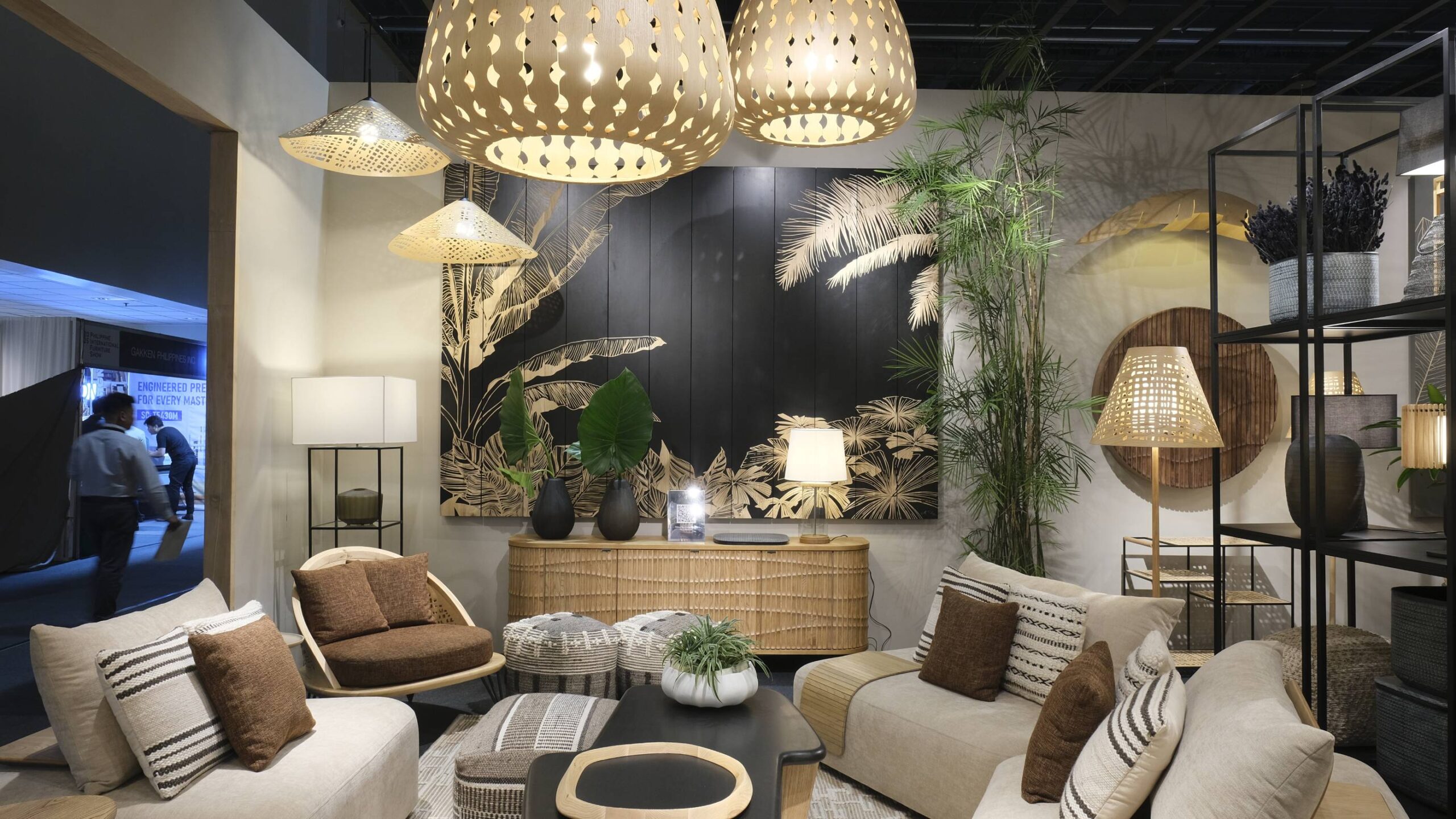
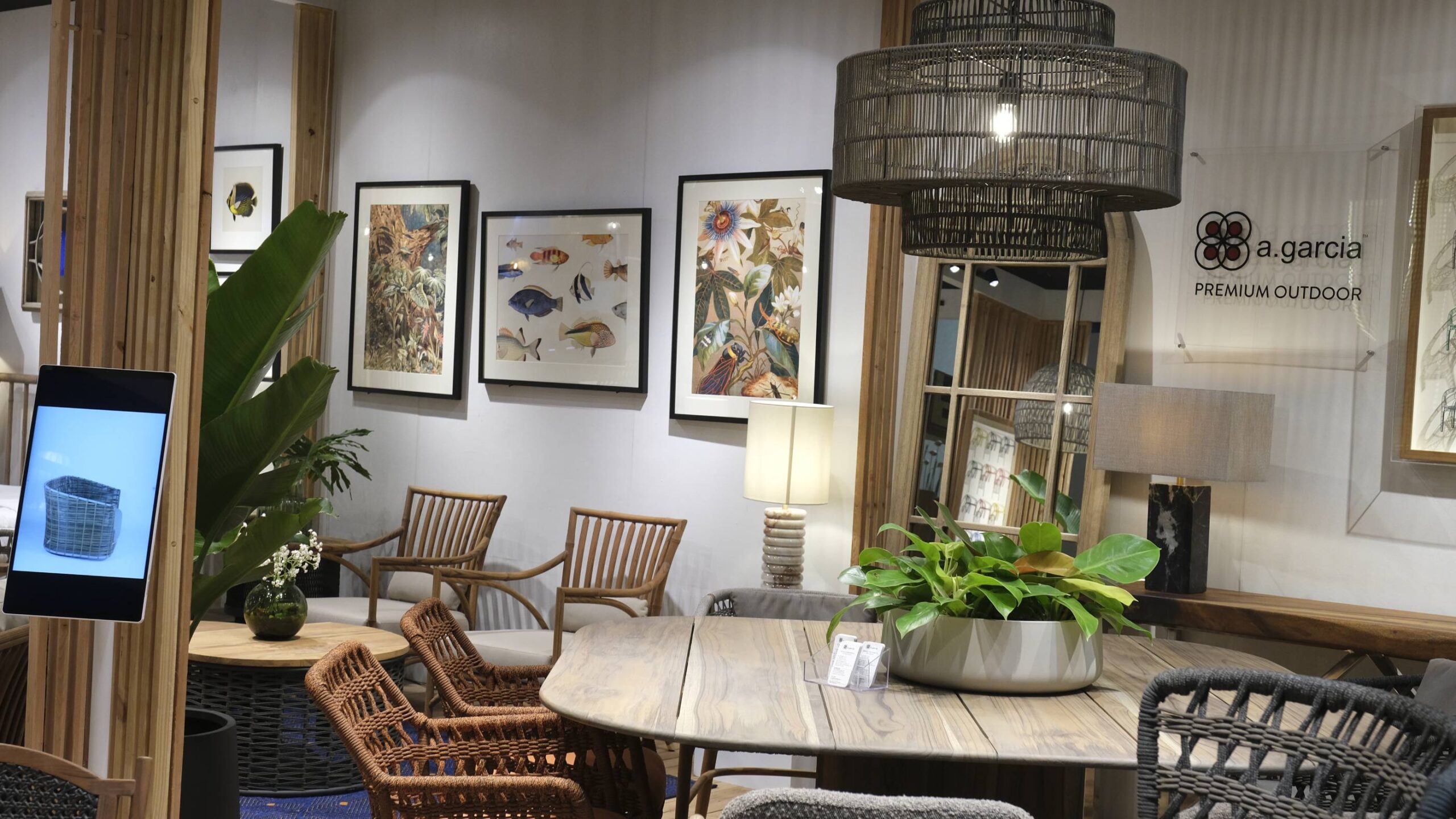
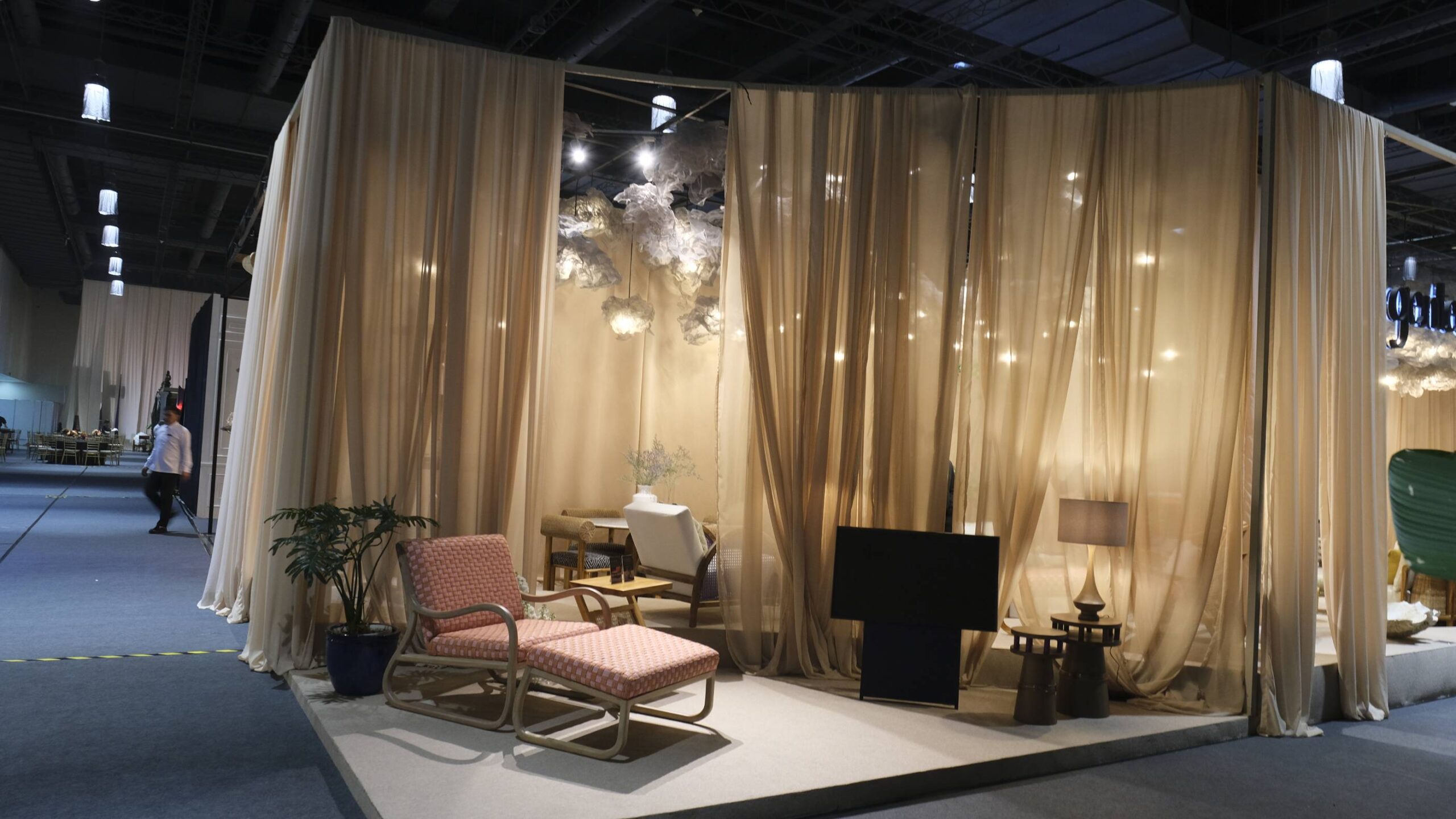
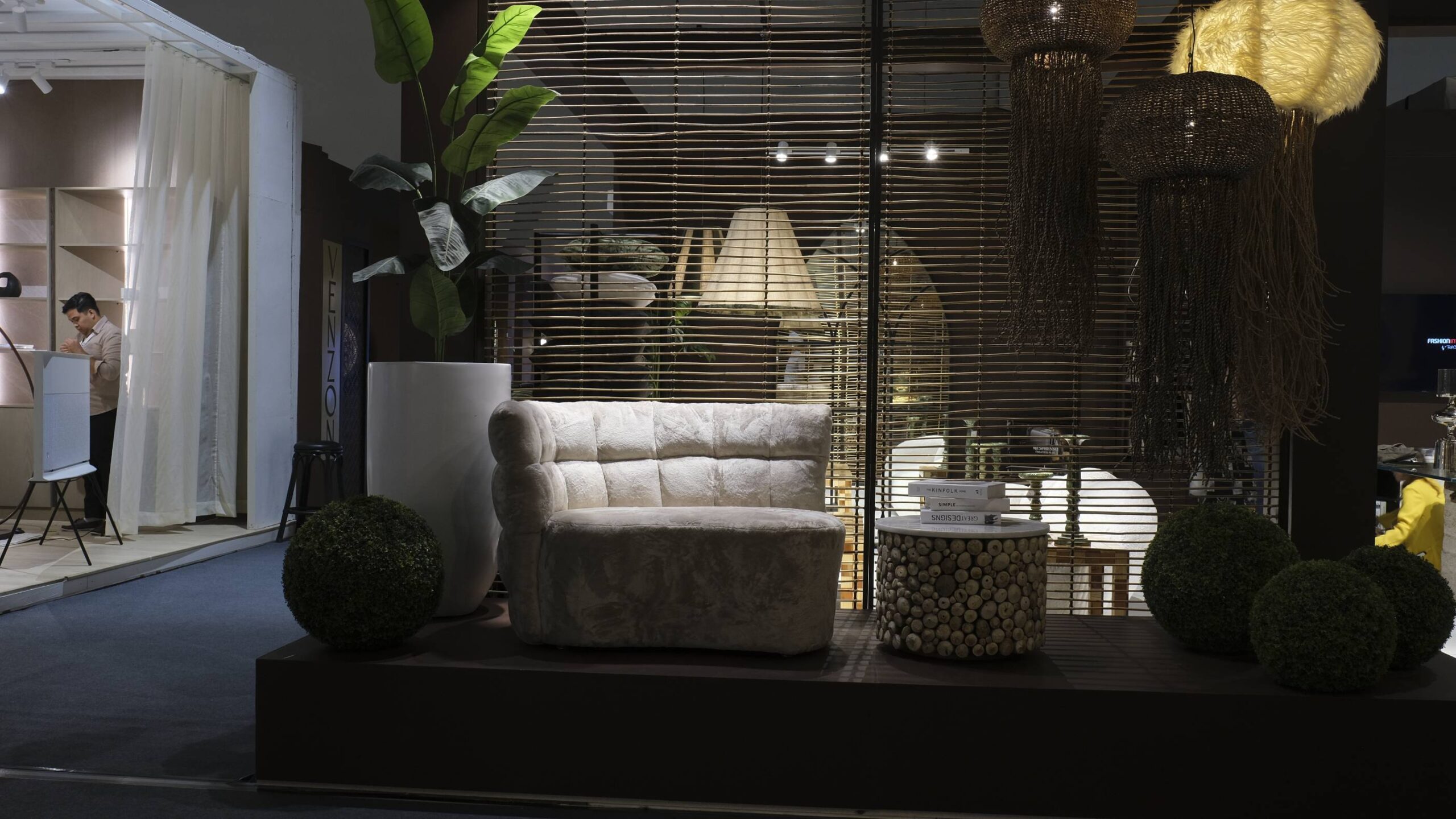
Many of the works here are uniquely Filipino in their flows, textures, and focus. They feature designs inspired by shells or local wildlife, of indigenous culture or our Spanish colonial past. Even when adding some modern or minimalist touches, these products overflow with a localized context to their approach.
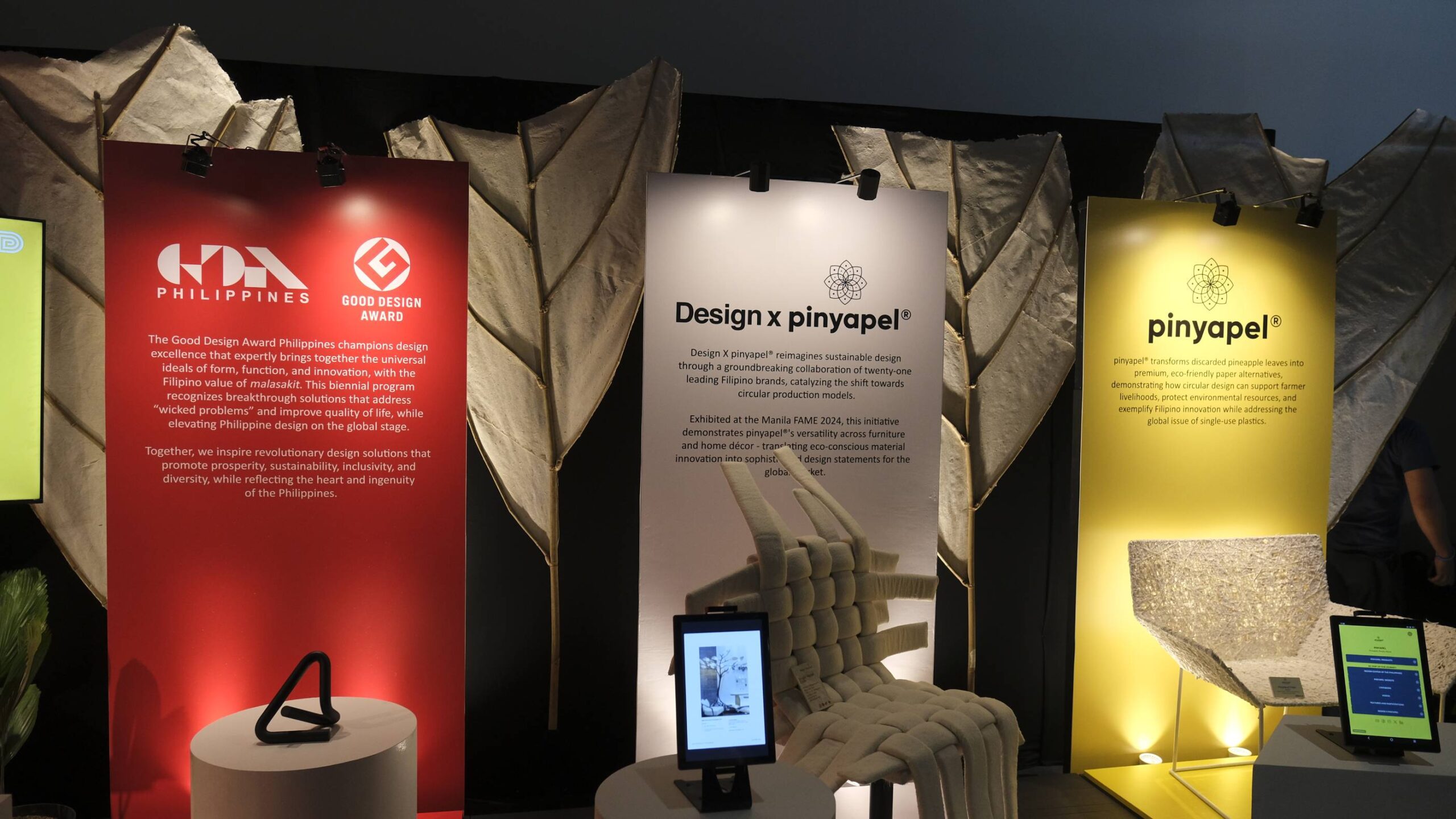
Technological innovations can show up in the final product itself, or it can etch itself in the creation of more efficient and environmentally-friendly systems within the industry. One of the featured exhibits for Interior + Design Manila, for example, provides models of furniture, lighting, and other appliances of homegrown fabric pinyapel.
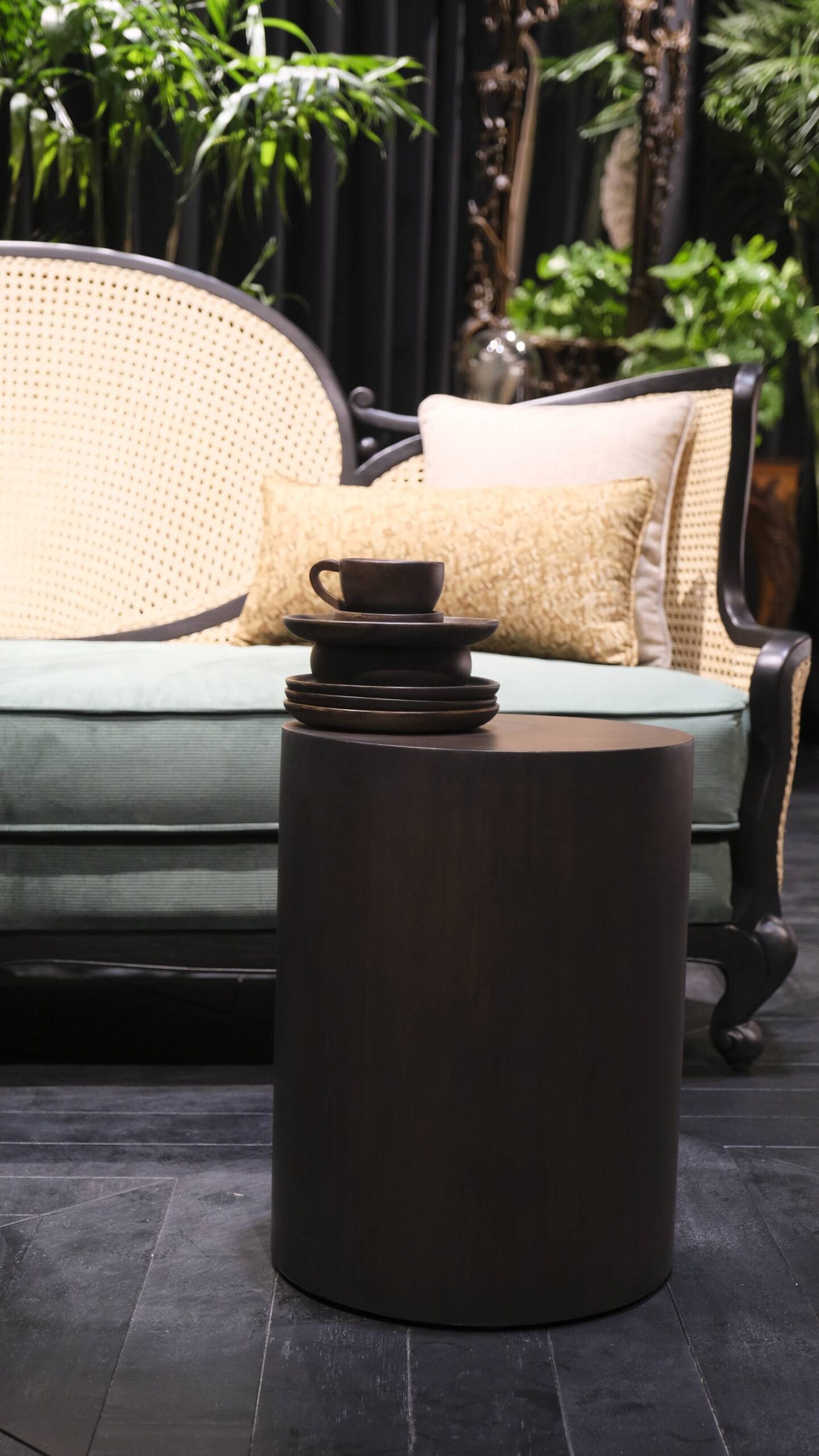
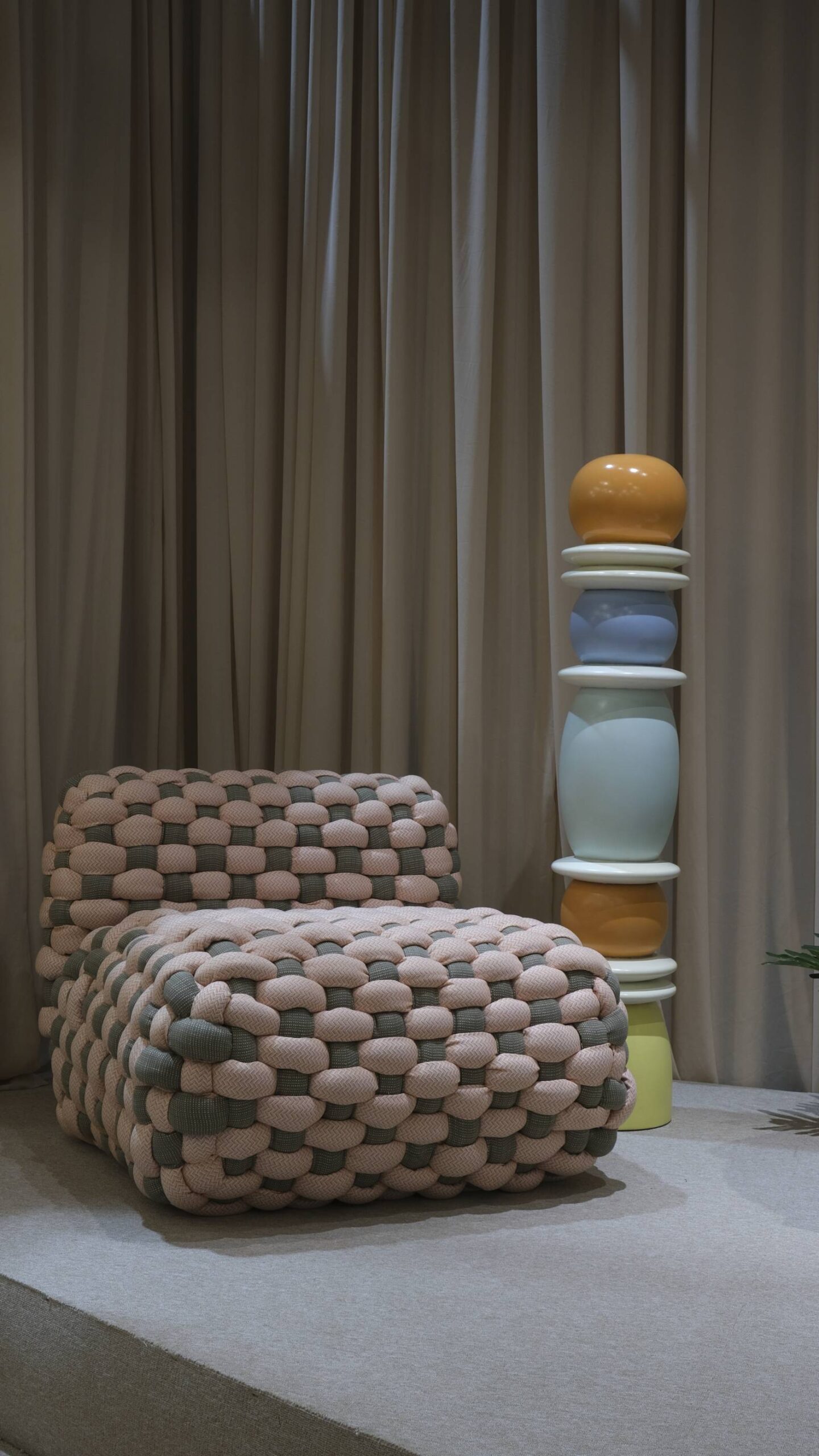
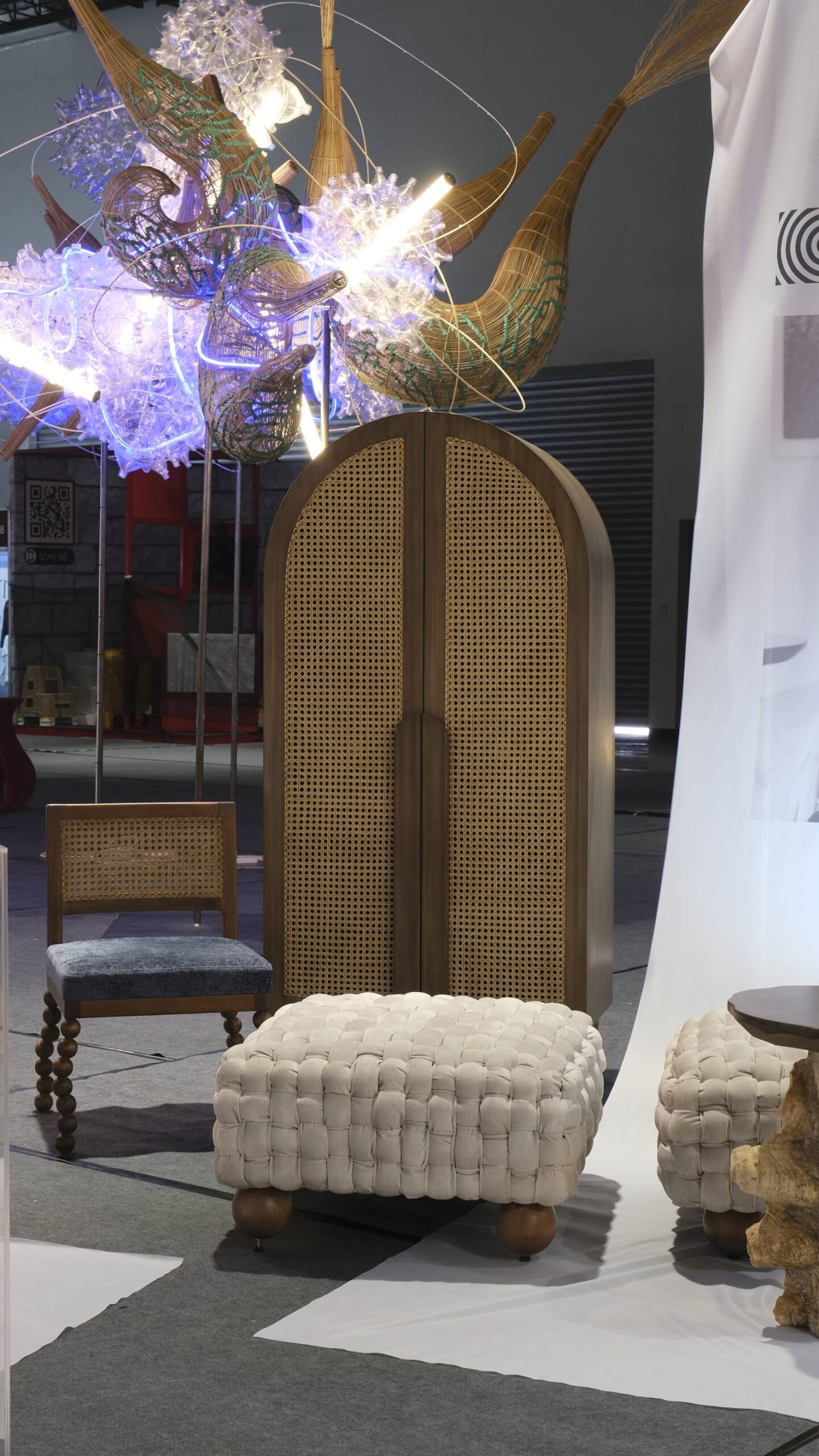
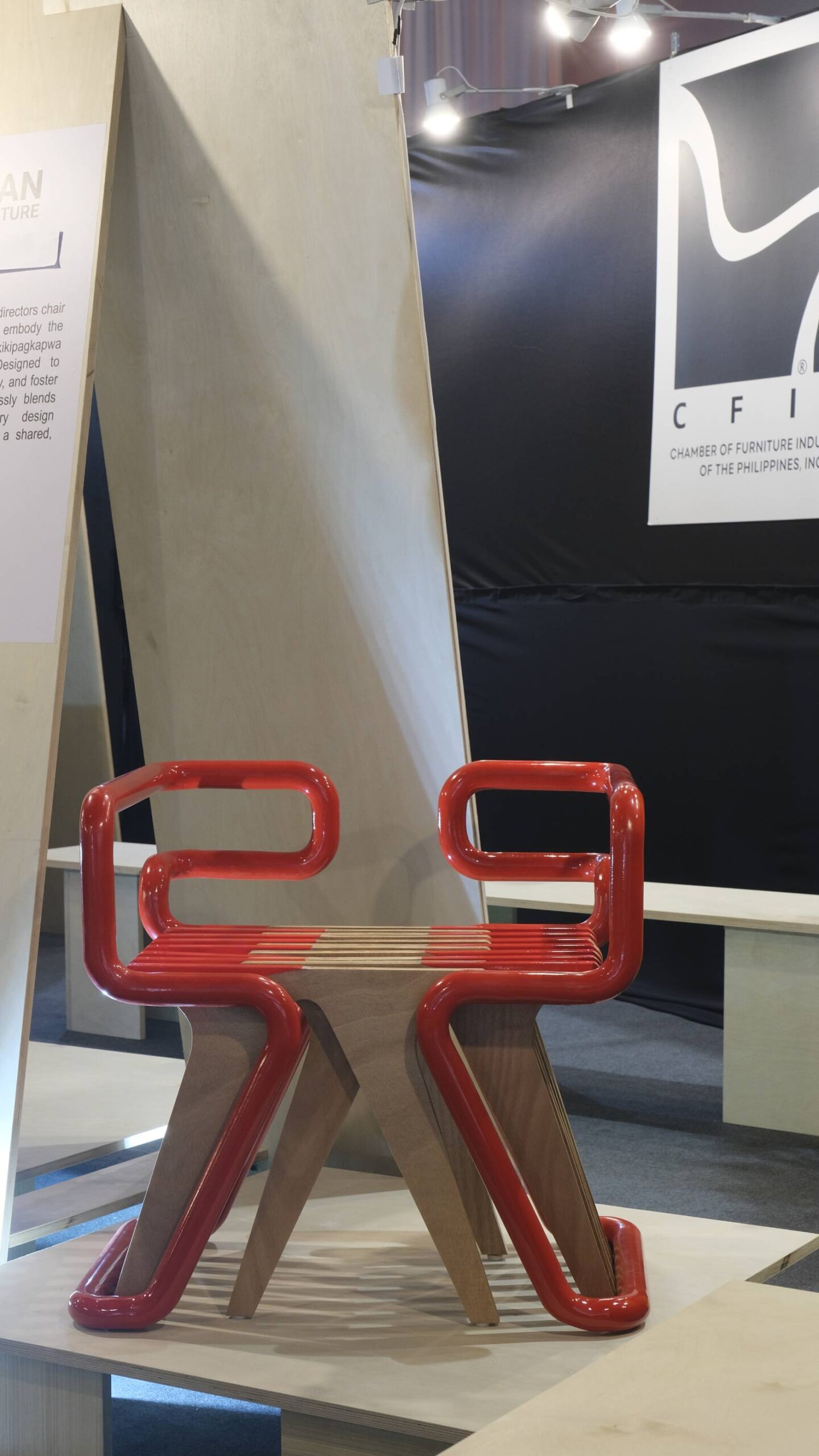
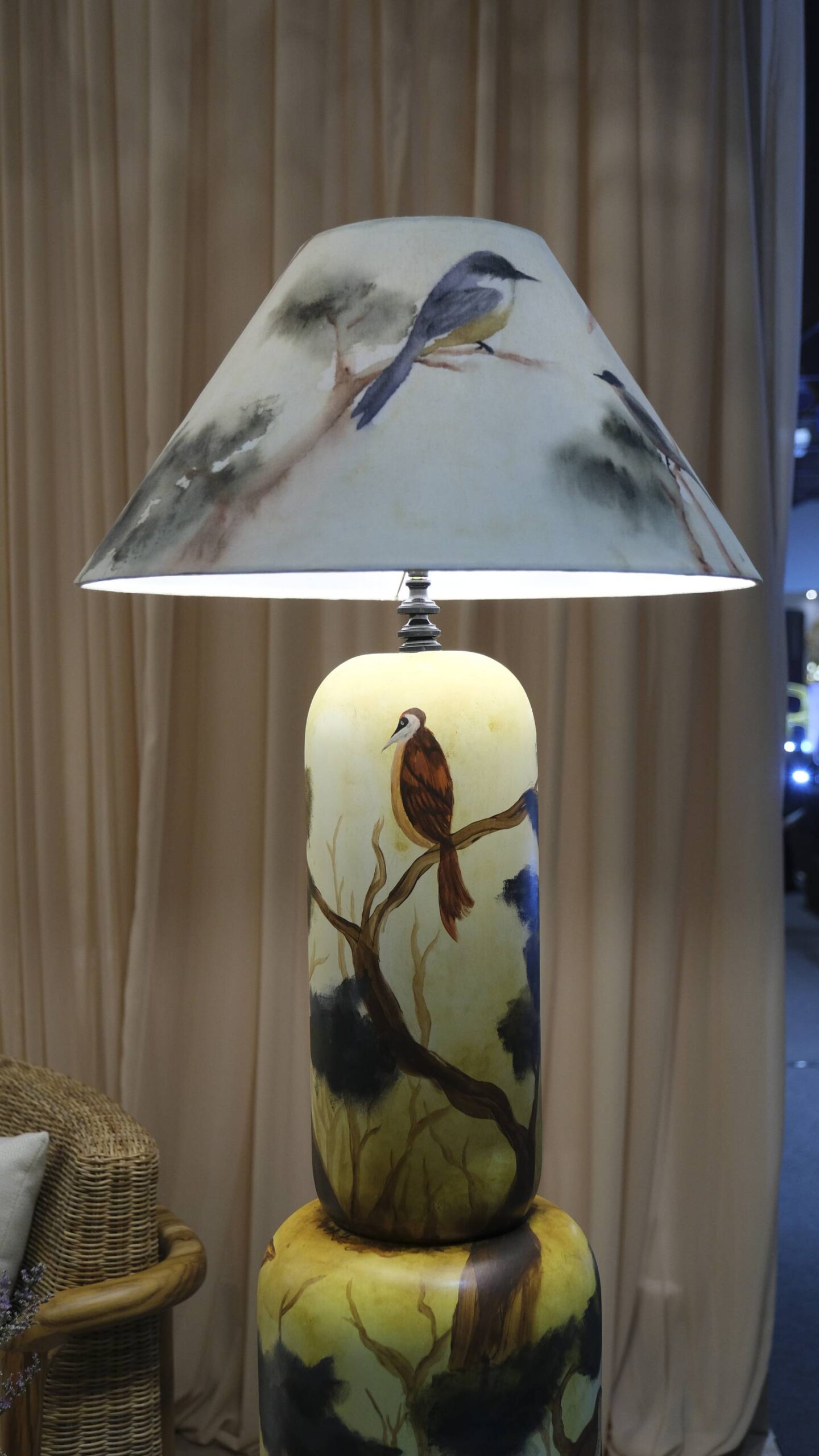
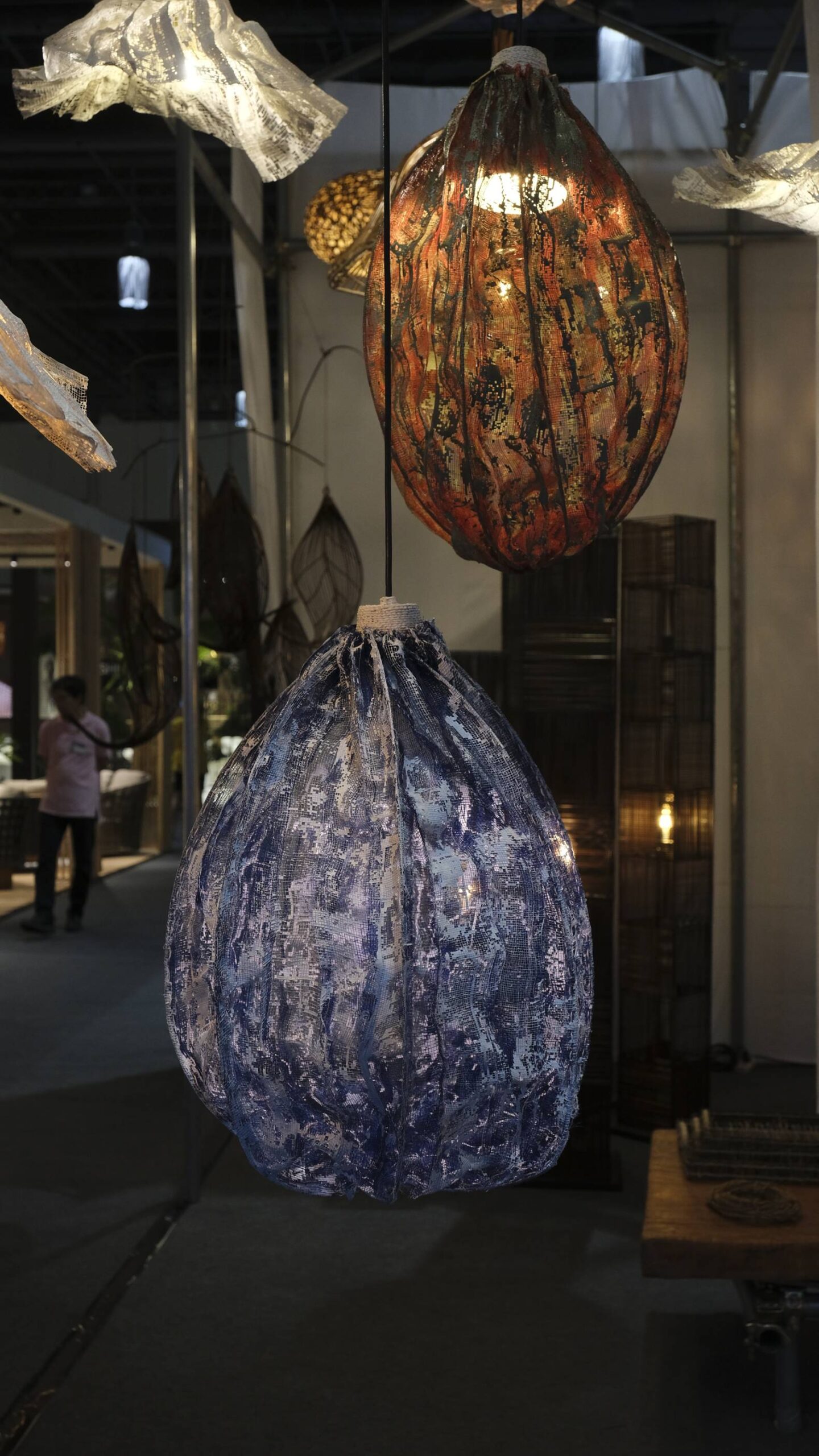
The trade fair provided visitors with “a curated selection of bespoke furniture, handcrafted accessories, modern lighting solutions, and sustainable innovations—all reflective of the Philippines’ diverse artistic and cultural heritage,” the PIID said in a press release.
Discussing the Future of Design
Beyond a showcase of Filipino interior products today, Interior + Design Manila 2025 provided professionals and visitors with an avenue to discuss the future of this industry moving forward—taking into account not just technological aspects but the changing values inherent in our growing population.
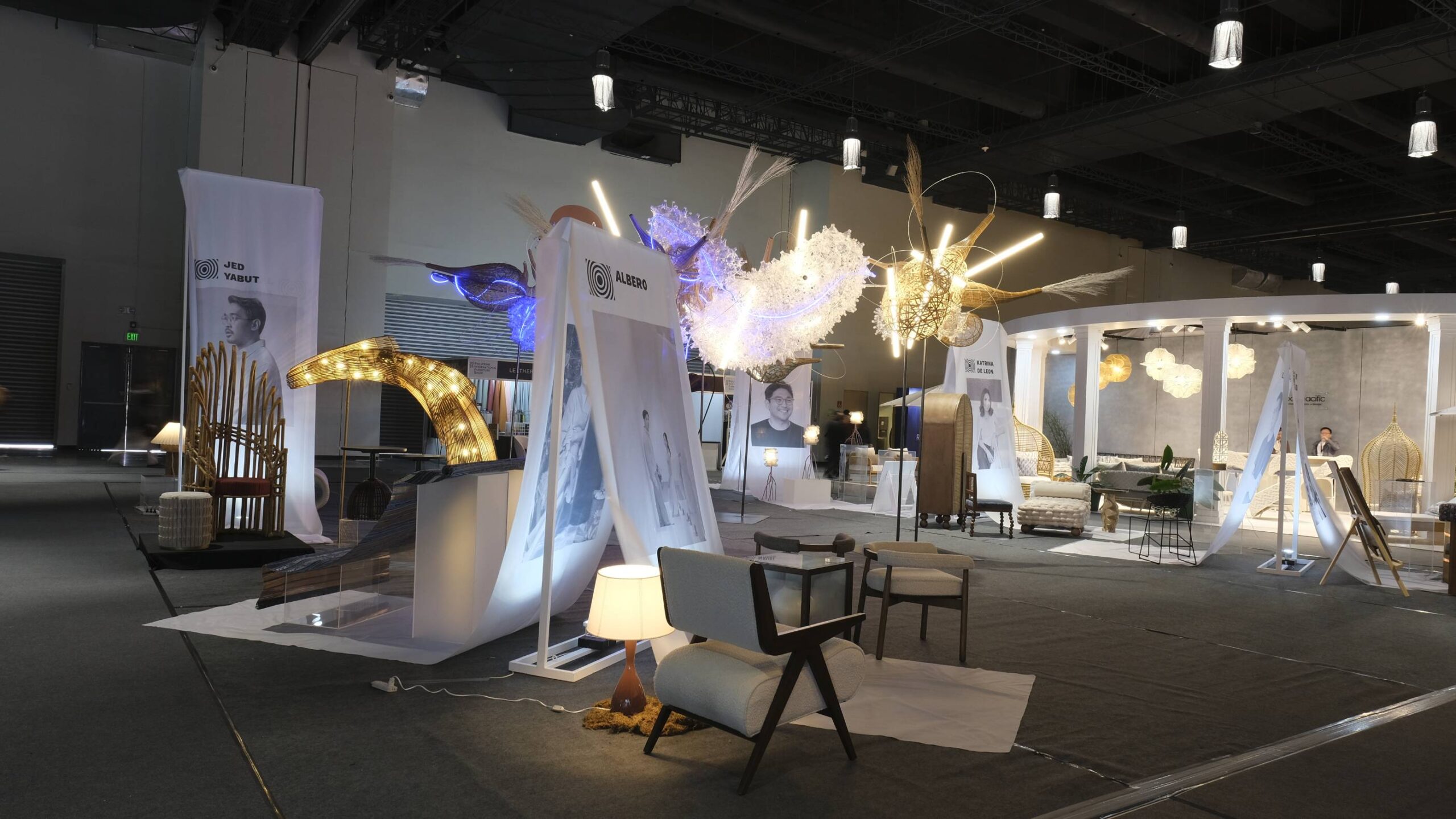
The venue also provided a chance for designers and visitors to attend talks about “the future of sustainable interior designInterior DesignThe discipline of planning and shaping interior spaces for function, comfort, safety, and beauty. It covers layout, lighting, materials, finishes, furniture, and color, and in the Philippines is a licensedGo to Interior Design Glossary and integrating artificial intelligence into spaces.” A pavilion in tribute to PIID’s 60th anniversary aimed to “[highlight] the institute’s commitment to design excellence, craftsmanship, and the development of the interior design industry.”
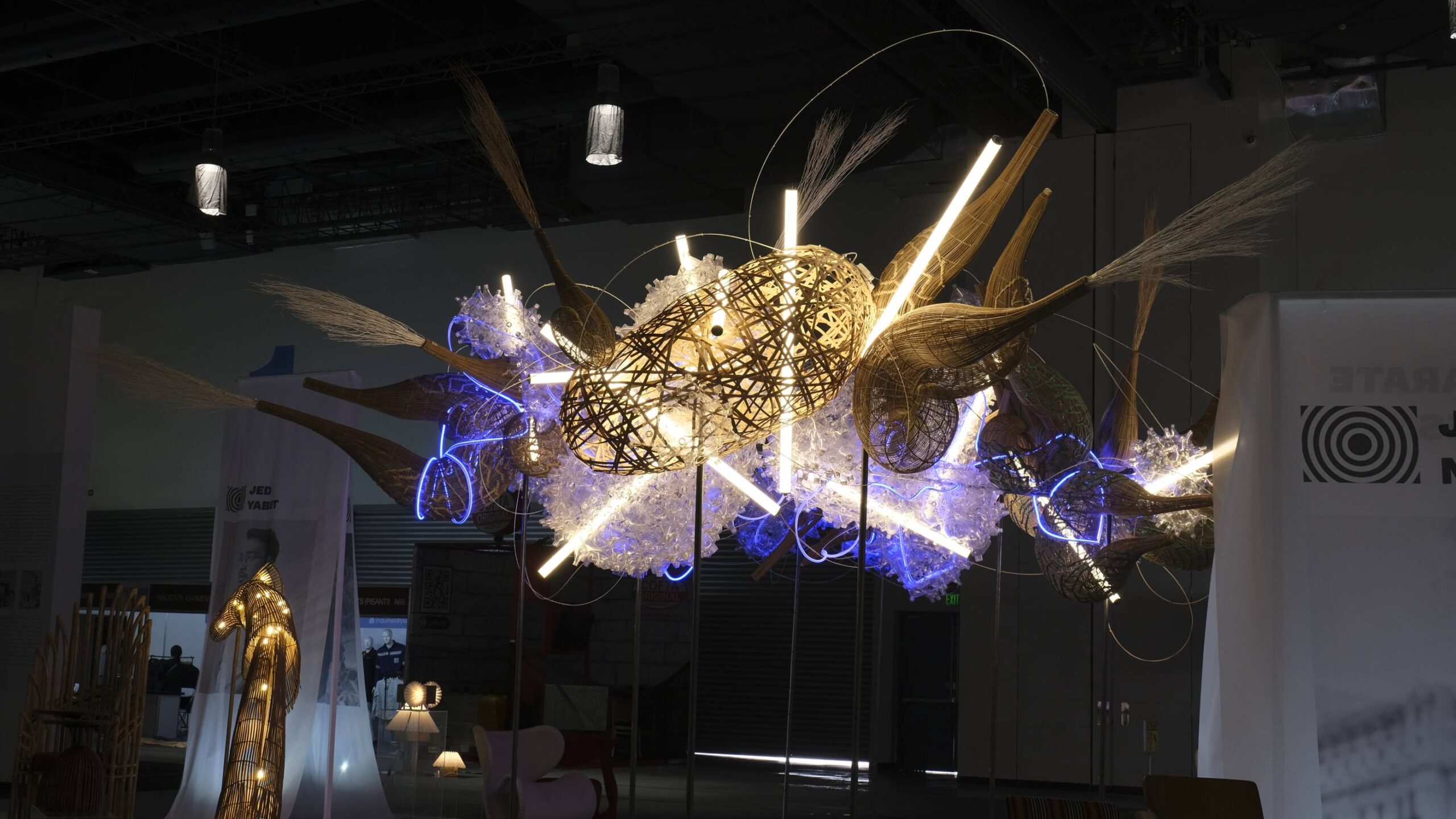
Alongside this trade fair, the PIID mounted the tenth annual Continuing Professional Development (CPD) Symposium, which brought together more than 200 designers from across the country to discuss the theme of “Designing the Archipelago.” It featured speakers such as furniture designer Milo Naval, archictect. Royal Pineda, and interior designers Nina Sta. Maria, Lieza Bituin, and Francis Dravigny.
“The symposium was able to unpack the myriad ways in which Filipino culture, traditions, and natural resources inspire and dictate the aesthetics of spaces throughout our archipelago,” the press release from PIID said. “[The talks are] highlighting the profound influence of regional diversity on design and the pivotal role this plays in national identity and community development and thus fostering a deeper appreciation and understanding of Philippine design.”
Through Interior + Design Manila 2025, the PIID not only promotes a diverse set of local designers to a global stage, but also pushes forward the envelope in sketching out the future of the industry here and abroad.
Photos by Ed Simon.
Related reading: PIID Celebrates 60th Anniversary, Shares Milestones, Insights, and Future Plans
Frequently Asked Questions (FAQs)
The 70/30 rule suggests that 70% of a space should be functional and practical, while 30% can reflect personal style and decorative elements. This balance ensures interiors are both livable and visually appealing.
Interior designer fees in the Philippines vary based on project scope, experience, and design complexity. On average, rates range from ₱500 to ₱2,500 per square meter, with consultations and custom solutions priced separately.
Interior designers in Manila earn between ₱20,000 and ₱80,000 per month on average, depending on experience, project scale, and specialization. Senior designers or those with a strong portfolio can command higher fees.
Interior design costs depend on space size, materials, and level of customization. For residential projects, expect anywhere from ₱100,000 to several million pesos for full-service design, including furniture, finishes, and labor.

In a curated event presented by Focus Global Inc. and co-hosted by BluPrint, Technogym unveiled its Sand Stone Collection to the Philippine market at Bigger Pictures in Mandaluyong City. The launch brought together over 100 guests, including architects, designers, and media representatives, for an introduction to the collection and its approach to fitness equipment. The […]
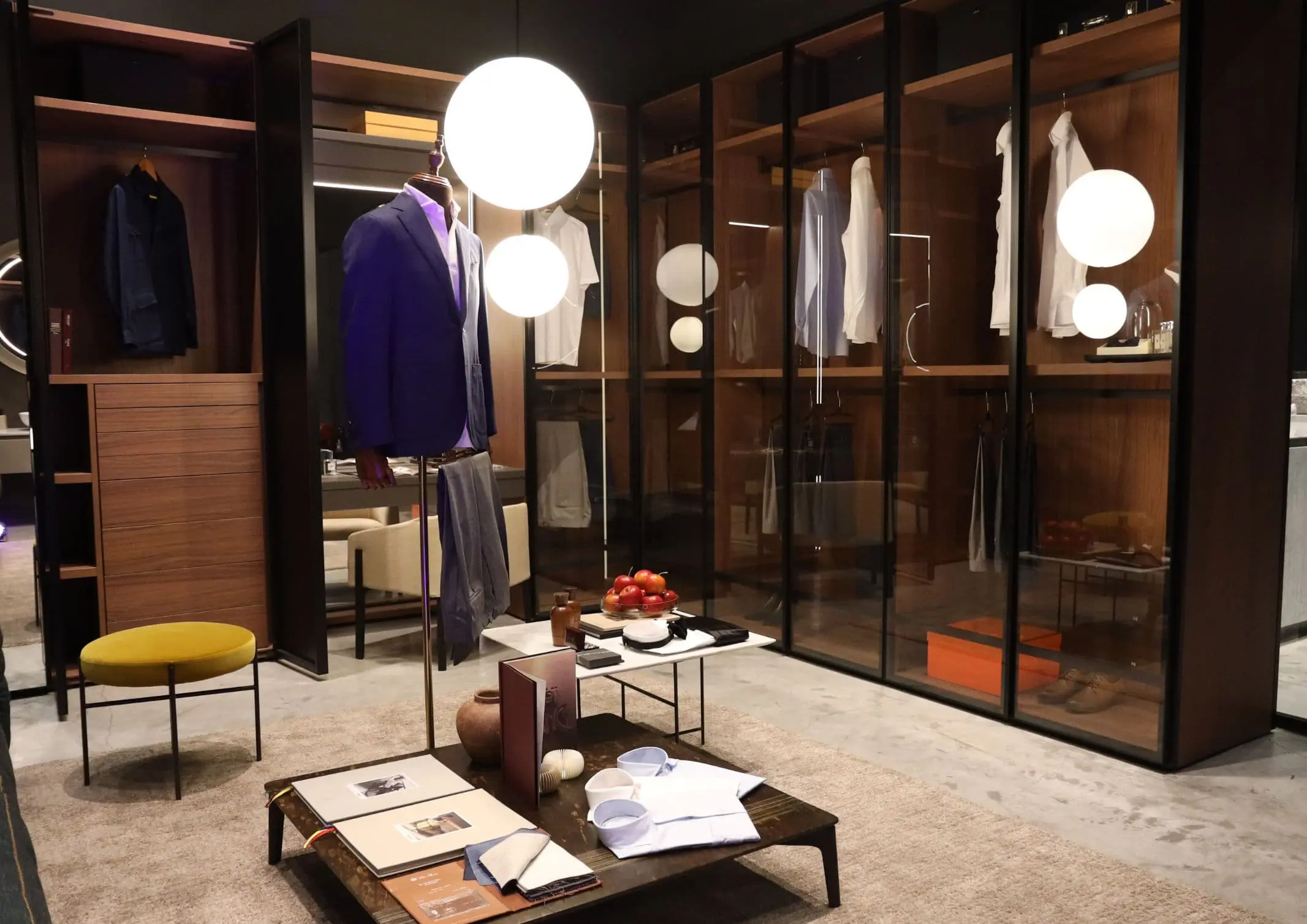
The principles behind a well-designed home are not unlike those behind a tailored garment. Both begin with an understanding of the individual, balancing proportion, material, and function to create something suited to its user. This shared approach informed “The Art of Bespoke,” an event hosted by Boffi | DePadova and Focus Global Inc., in collaboration […]
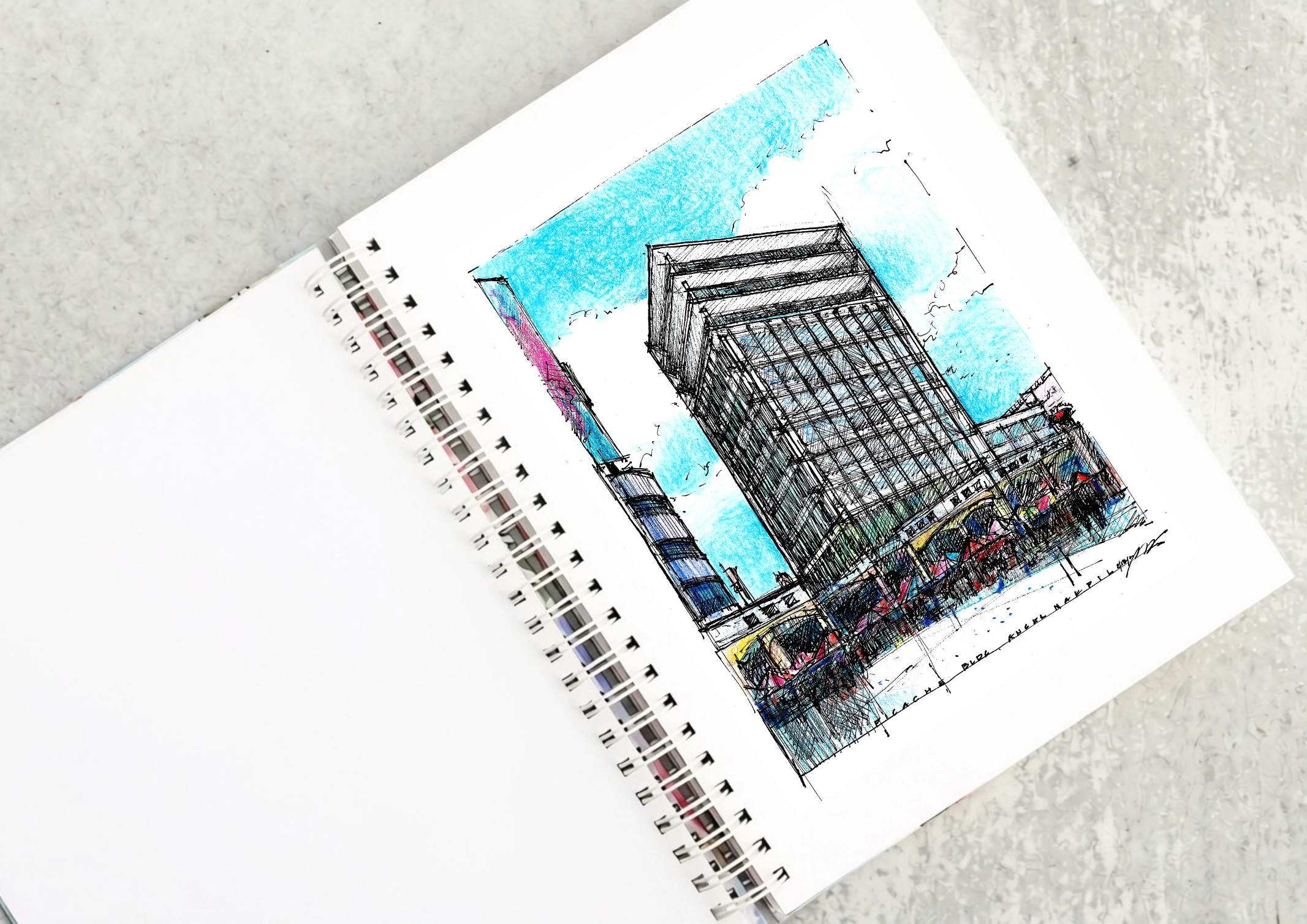
The Picache Building and the Rise of Manila’s First Skyscrapers Until Makati emerged as Metro Manila’s premier business, shopping, and entertainment district in the 1970s, downtown meant Quiapo in central Manila. From the Spanish colonial period to the late 1950s, the district was anchored by its historic Plaza Miranda and its eponymous church. It was […]
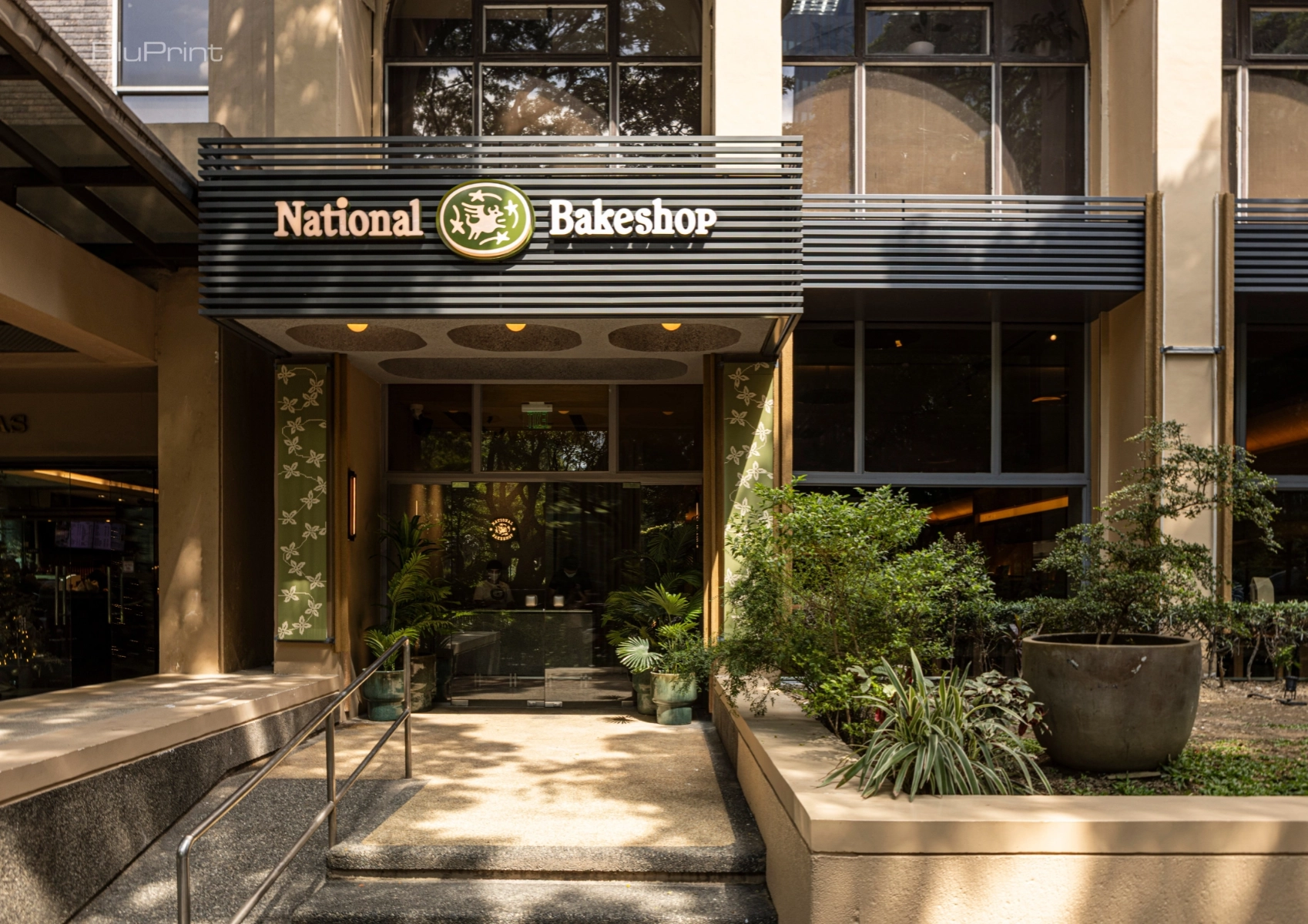
Architect Brian Ver was all set with the design for restaurateurs Dwight Co and Charlie Paw’s latest concept, National Bakeshop, when the contractor halted demolition. Brixter Builders, the general contractor of the project, discovered the original coffered ceilings after demolishing the drop ceiling of the previous tenant. The restaurant is located on the ground floor […]

Back for its third edition, the Philippine ArchitectureArchitectureThe art and science of designing and constructing buildings, structures, and spaces that are functional, safe, and aesthetically pleasing. It encompasses the planning, design, materials, and techniques used to createGo to Architecture Glossary and Allied Arts Festival (PAAAF) brought conversations around architecture and its related creative fields to […]
Read the issues.

Collect the volumes.

Recommended Video
Tap to Unmute
Unmute
0:00
0:00