Political art remains a risky endeavor even in the democratic institutions of the Philippines today. Activism and provocation in art, raising a fist against the status quo, tends to get an outsized reaction from the government.
History of Censorship
We saw this recently in the attempted censorship of Alipato at Muog, a documentary about the forced disappearance of Jonas Burgos in 2007. We see this censorship in our own history, no matter who is in power.
From Imelda Marcos banning Ishmael Bernal’s Manila by Night from being shown abroad to Cory Aquino’s own ban of Lino Brocka’s Orapronobis, these authoritarian impulses of guiding public opinions against any criticism of the government powers itself even through our modern times.
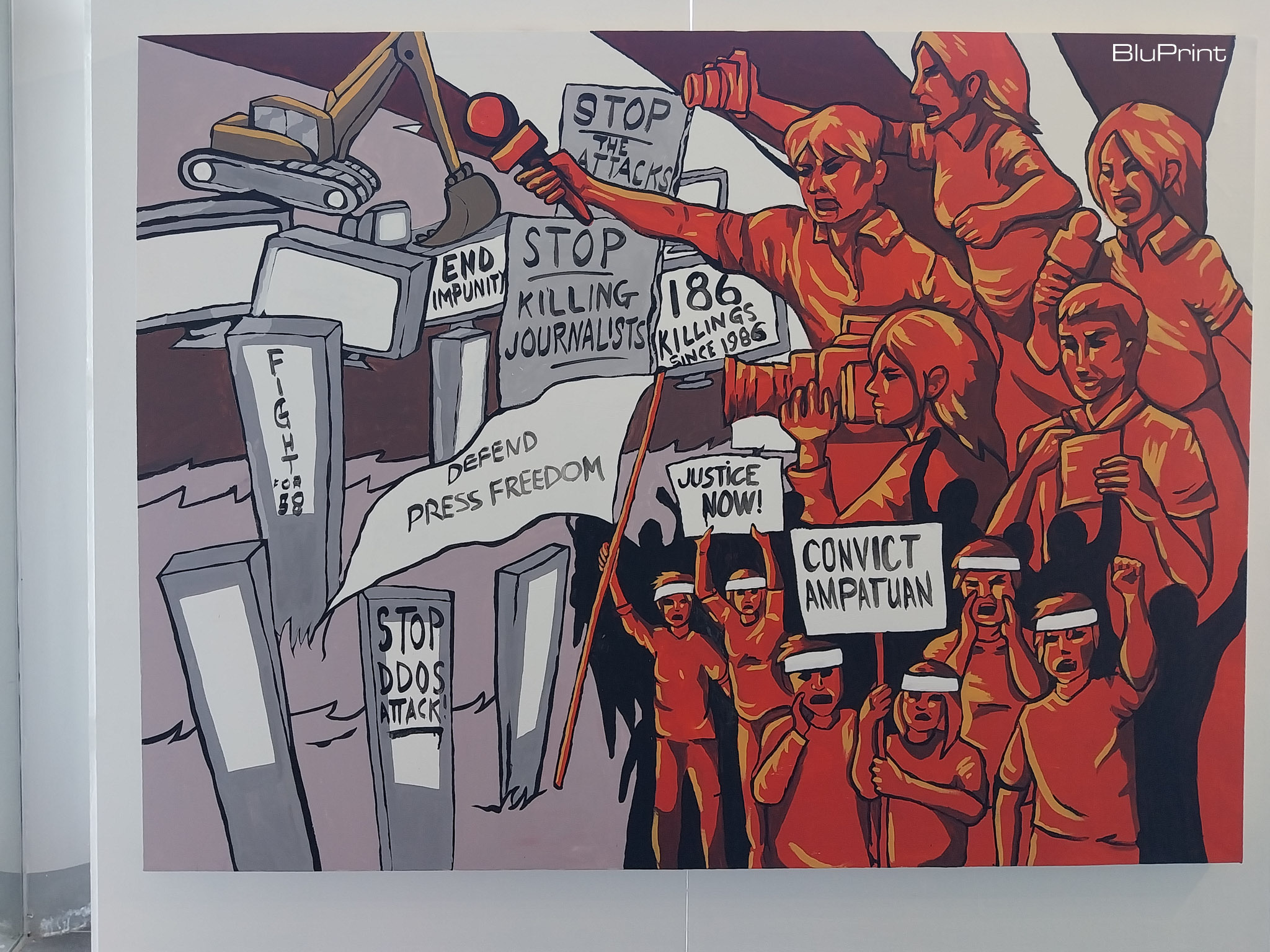
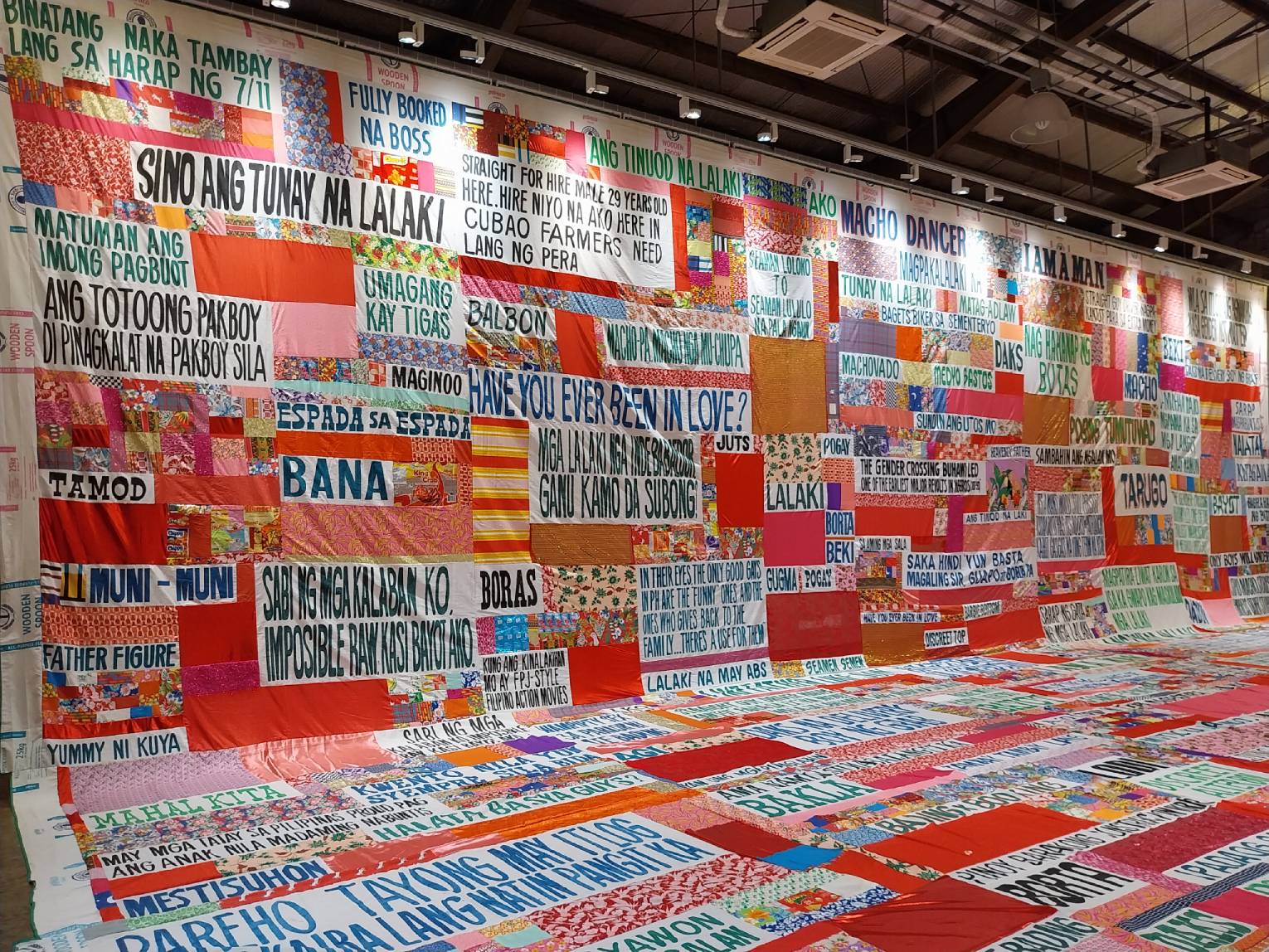
A replica of the “Fight for 58” mural shown at the “Warm Bodies” exhibit. Photo by Elle Yap.
This especially intensified in the age of social media, where armies of trolls can swarm on artists deigning to criticize the government’s response. Regardless of the consequences, however, artists still continue to make political art today. Whether it’s fearlessness or a sense of obligation to discuss these problems, they create and compile to critique the society we are in today.
Advertisement
With that in mind, we created this collection of recent art exhibits which tackles political topics. It hopes to show the continued willingness of our local artists to put questionable ideals and practices up to task. But more importantly, this list shows artists willing to use their creativity to provoke action and empathy in their viewers on the topics they have in mind.
Using History as a Mirror
For some art exhibits, political themes emerge through the analysis of the past. These give us an idea of the cyclical nature of our history, and encourage viewers to break out of the established patterns in our modern times.
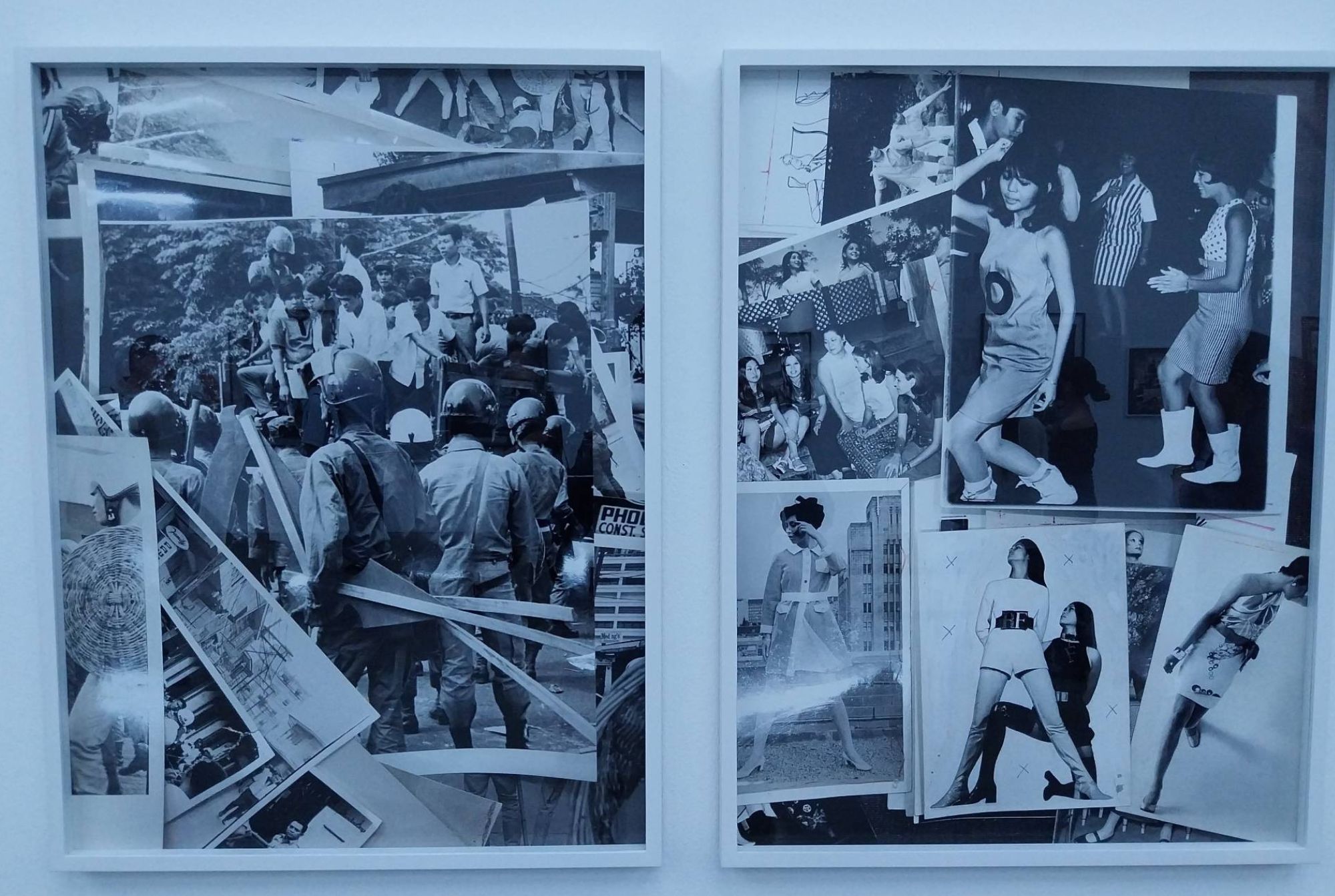
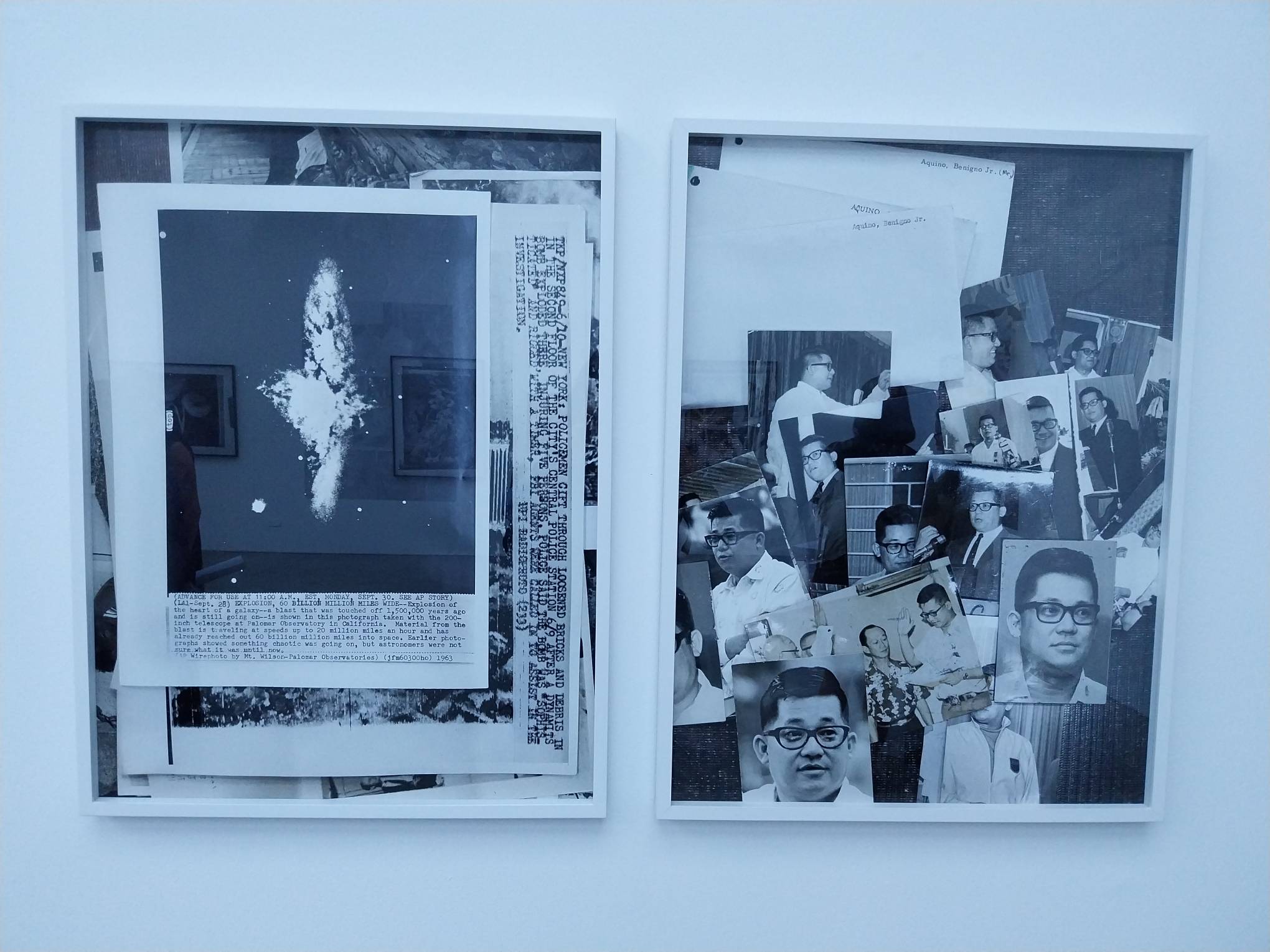
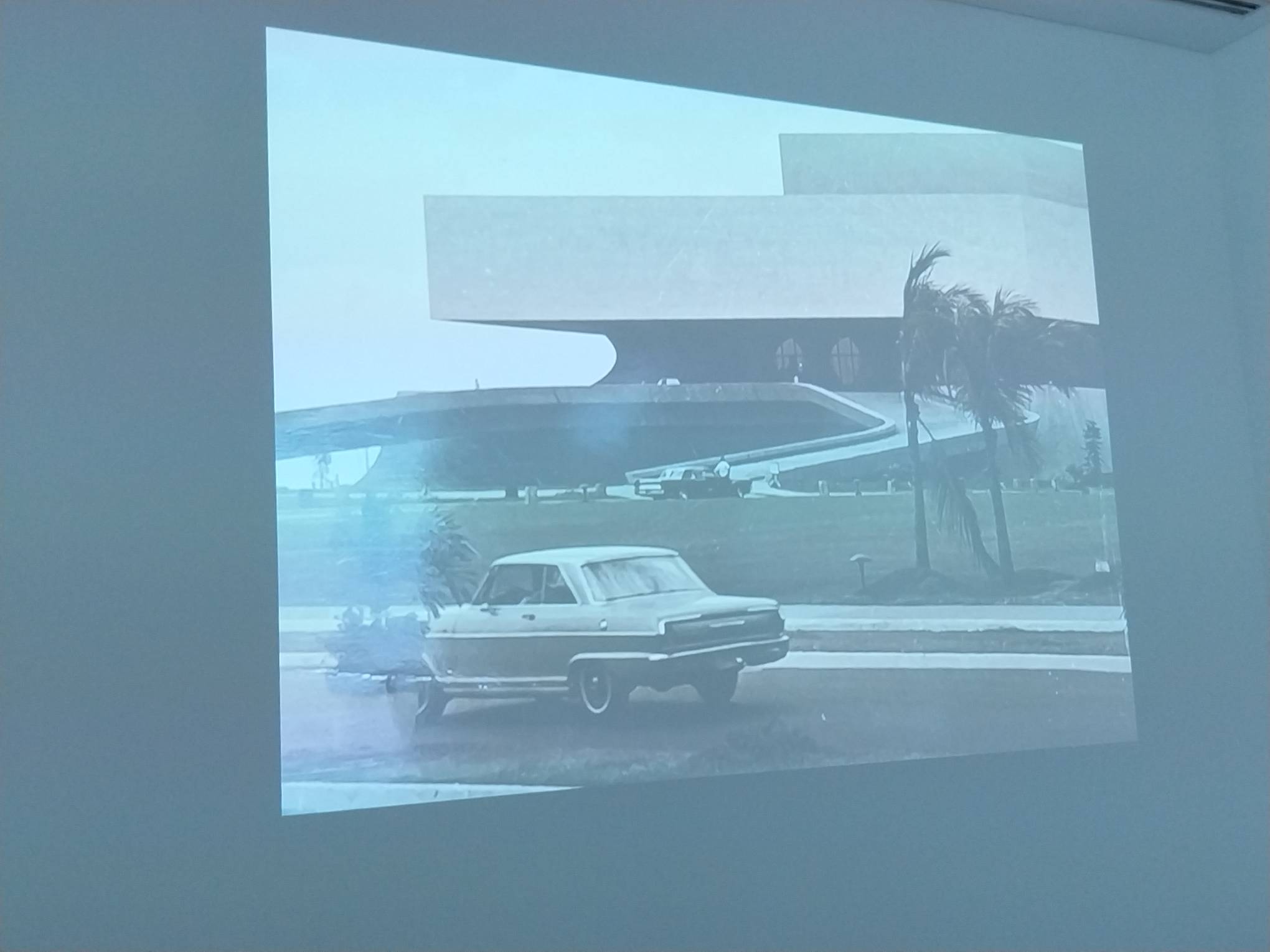
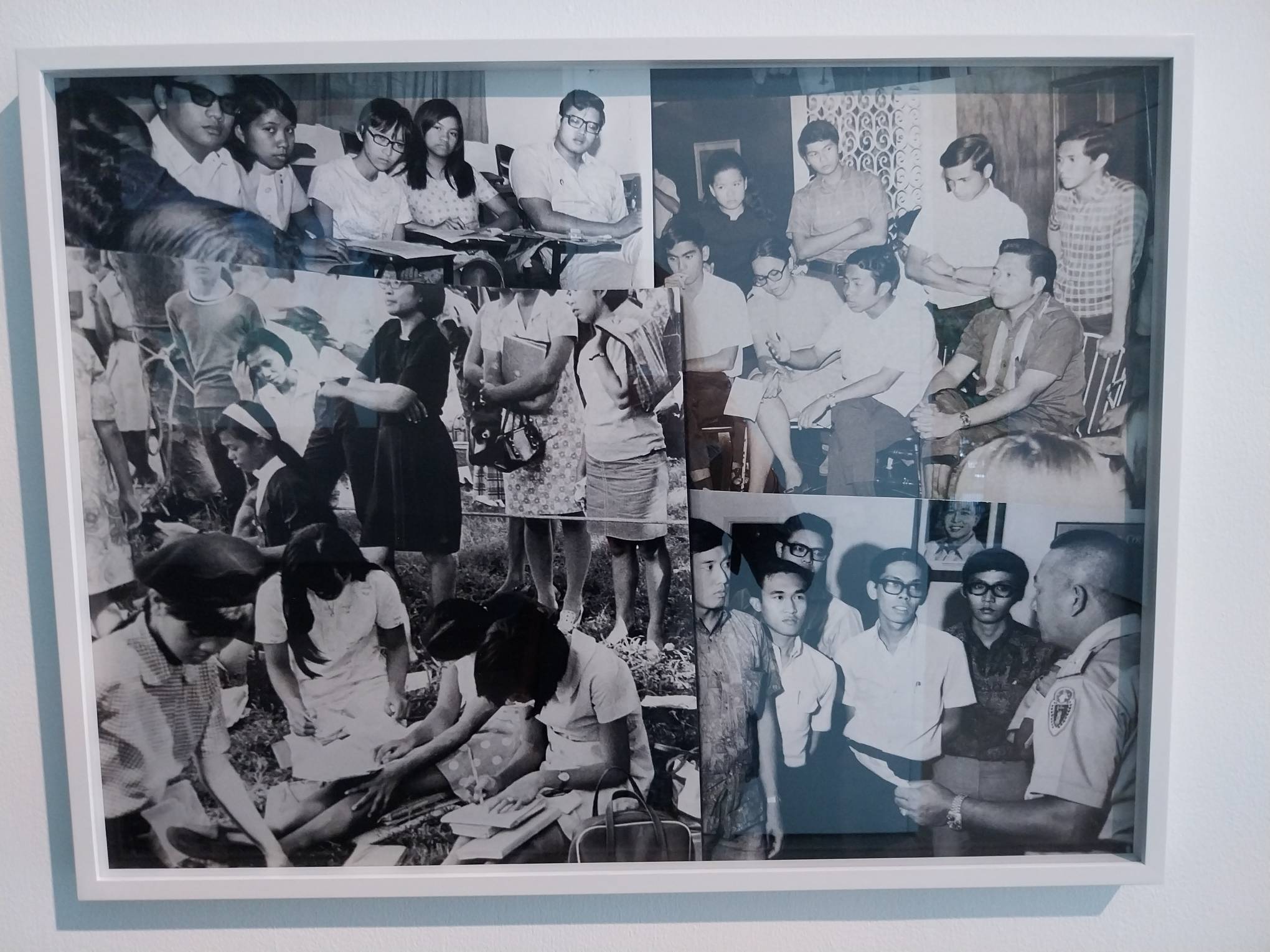
An example of this is Silverlens Manila’s recent exhibition, Inherent Vice. It portrays the tumultuous period of our history before Martial Law was declared. Stephanie Syjuco uses archival pictures to showcase how the media works in reinforcing the power structures of the government.
Advertisement
“Preventive Measures (Student Revolt)” and “Second-Wave (Go-Go Dancers)” by Stephanie Syjuco for “Inherent Vice.” Photo by Elle Yap.
Two works from “Inherent Vice” by Stephanie Syjuco. Photo by Elle Yap.
Two works by Stephanie Syjuco. Photo by Elle Yap.
Image of the CCP projected on screen. Photo by Elle Yap.
“Convergence (Student Leaders).” Photo by Elle Yap.
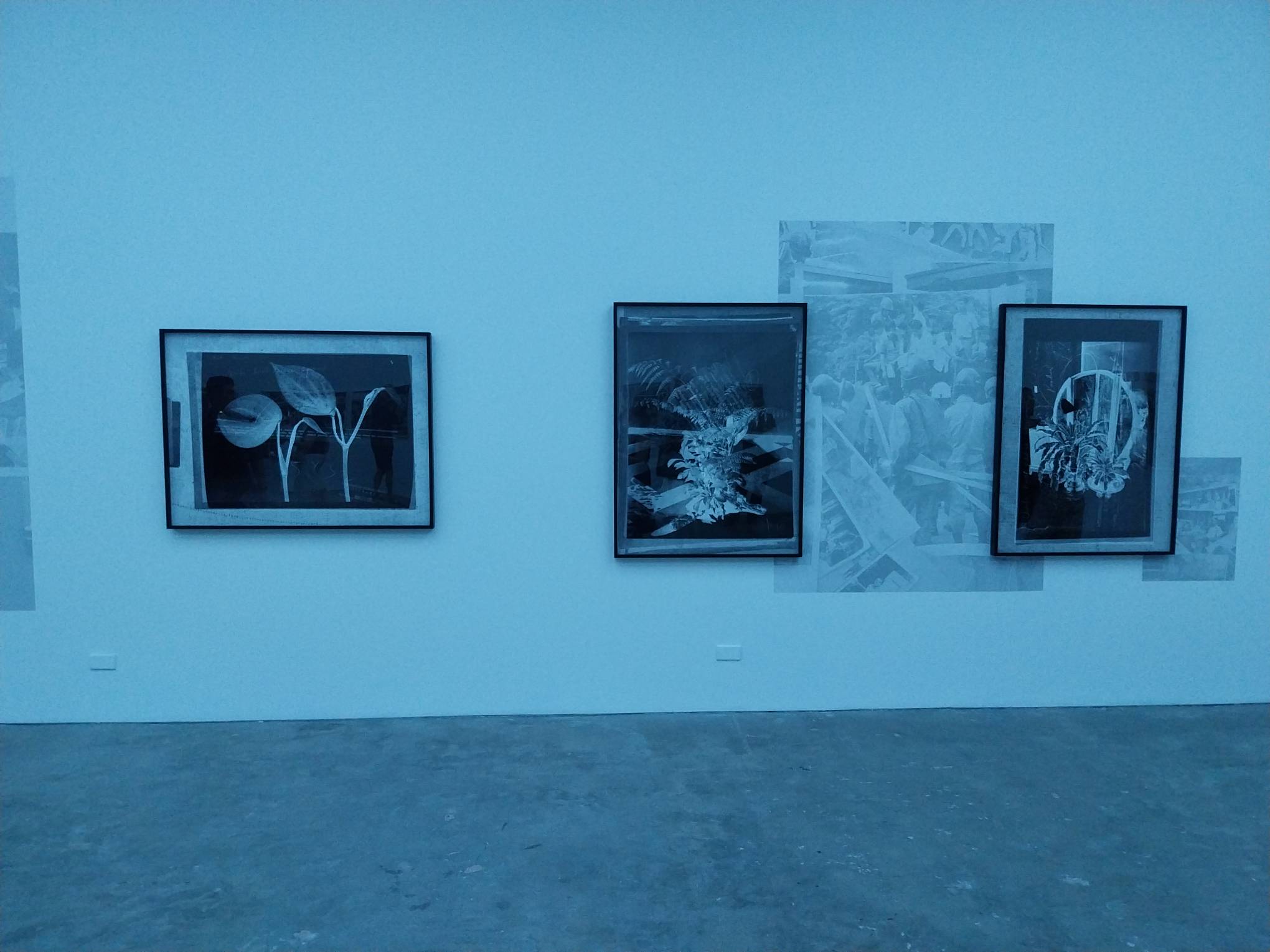
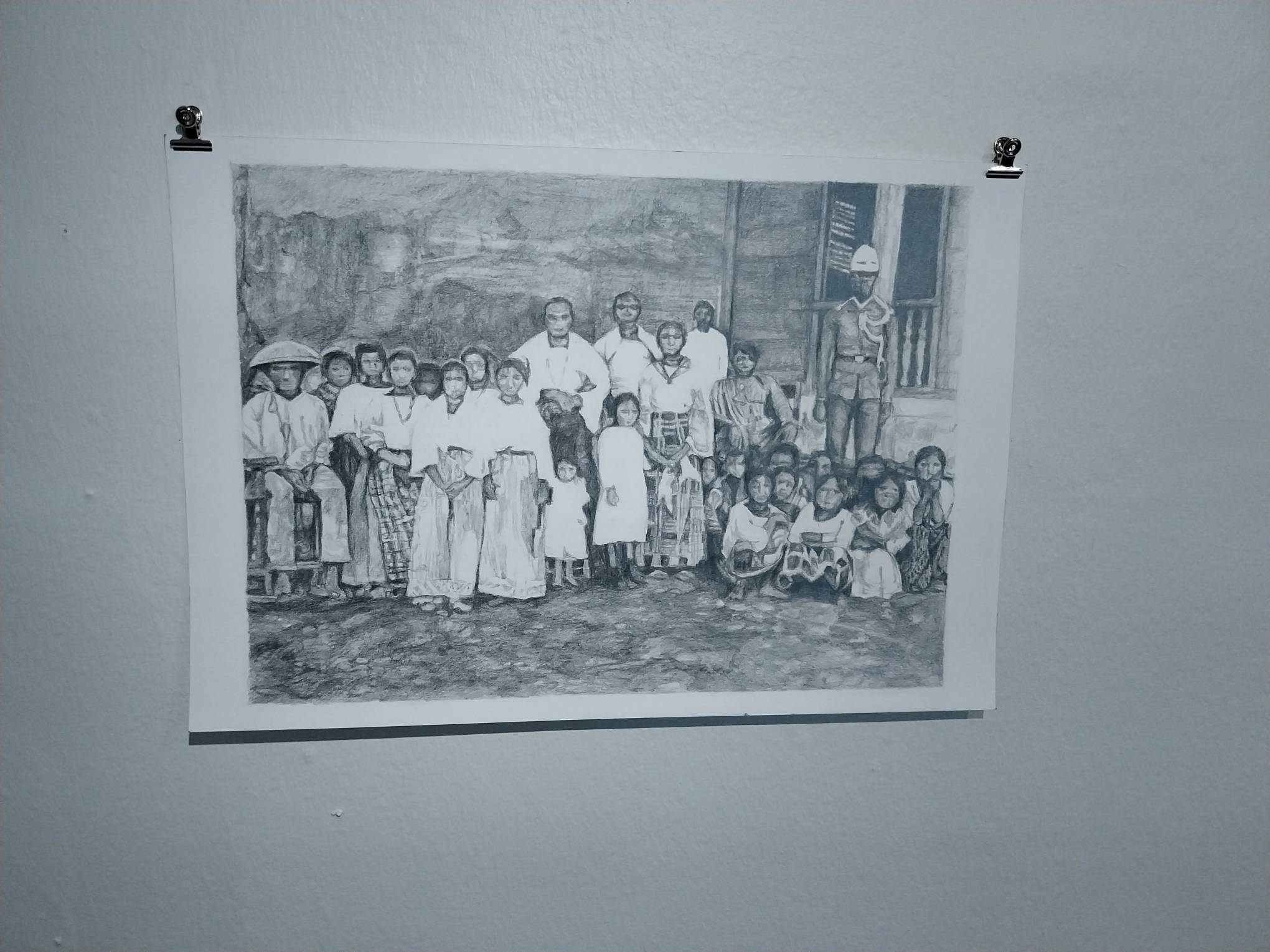
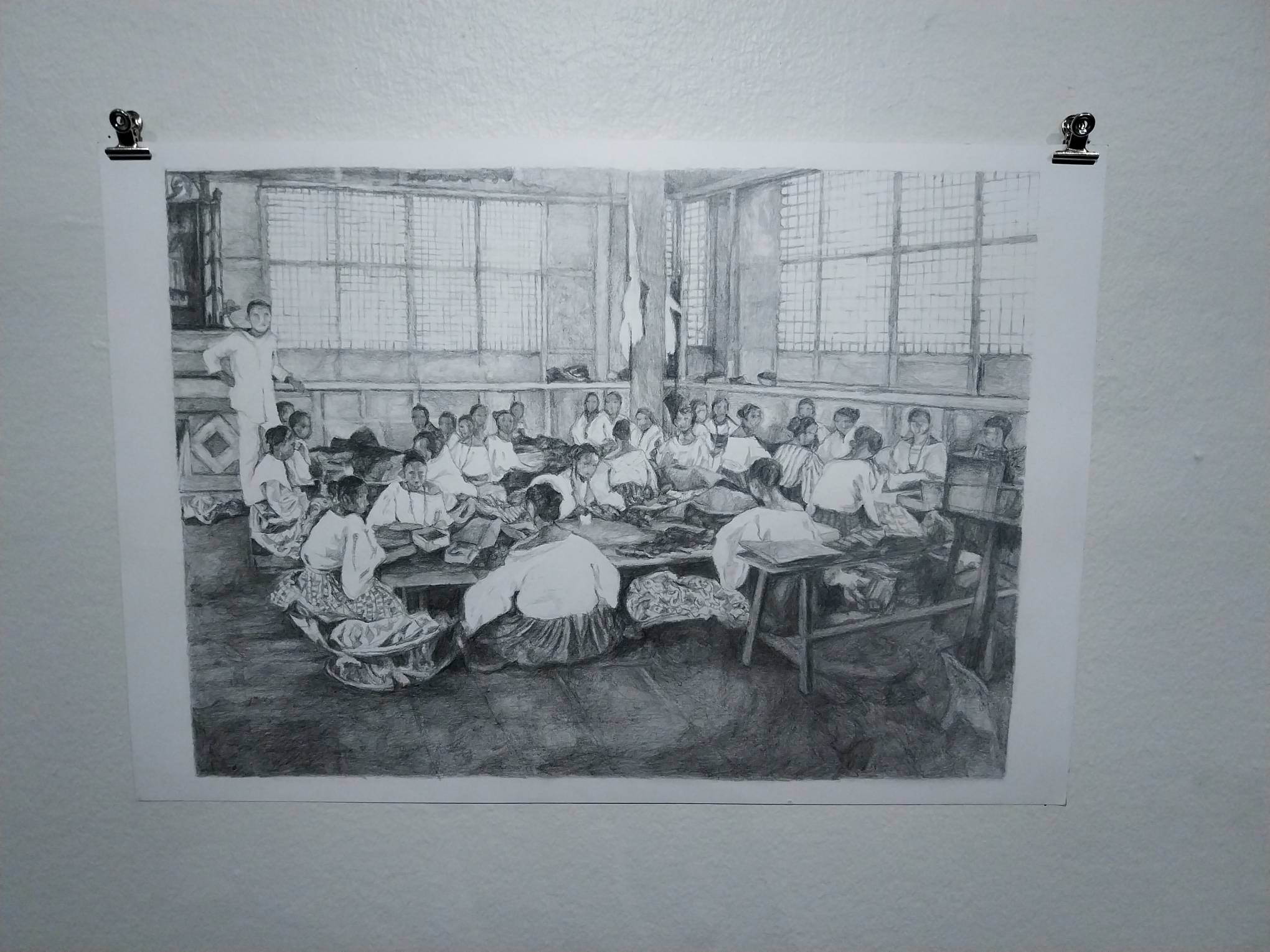
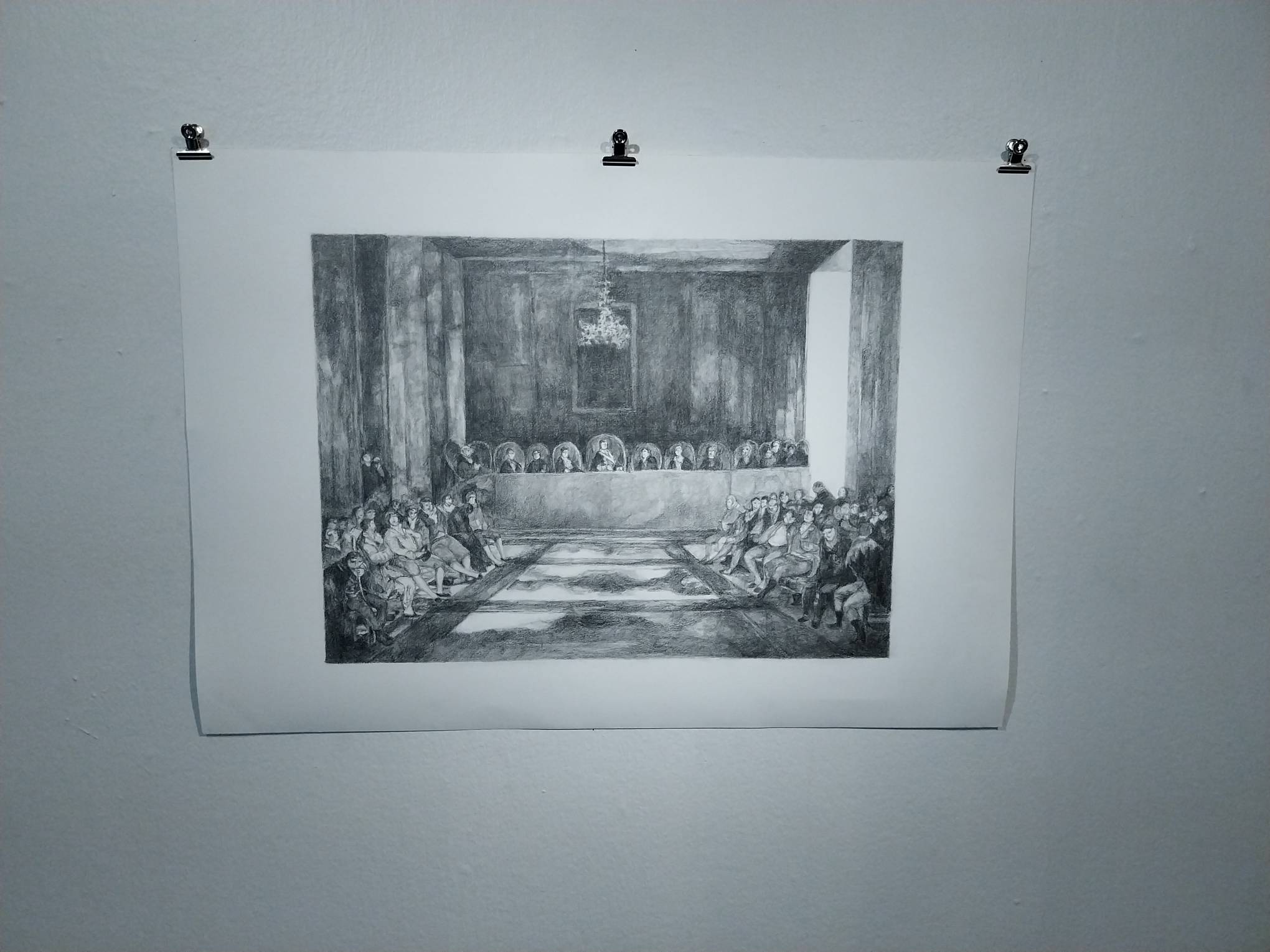
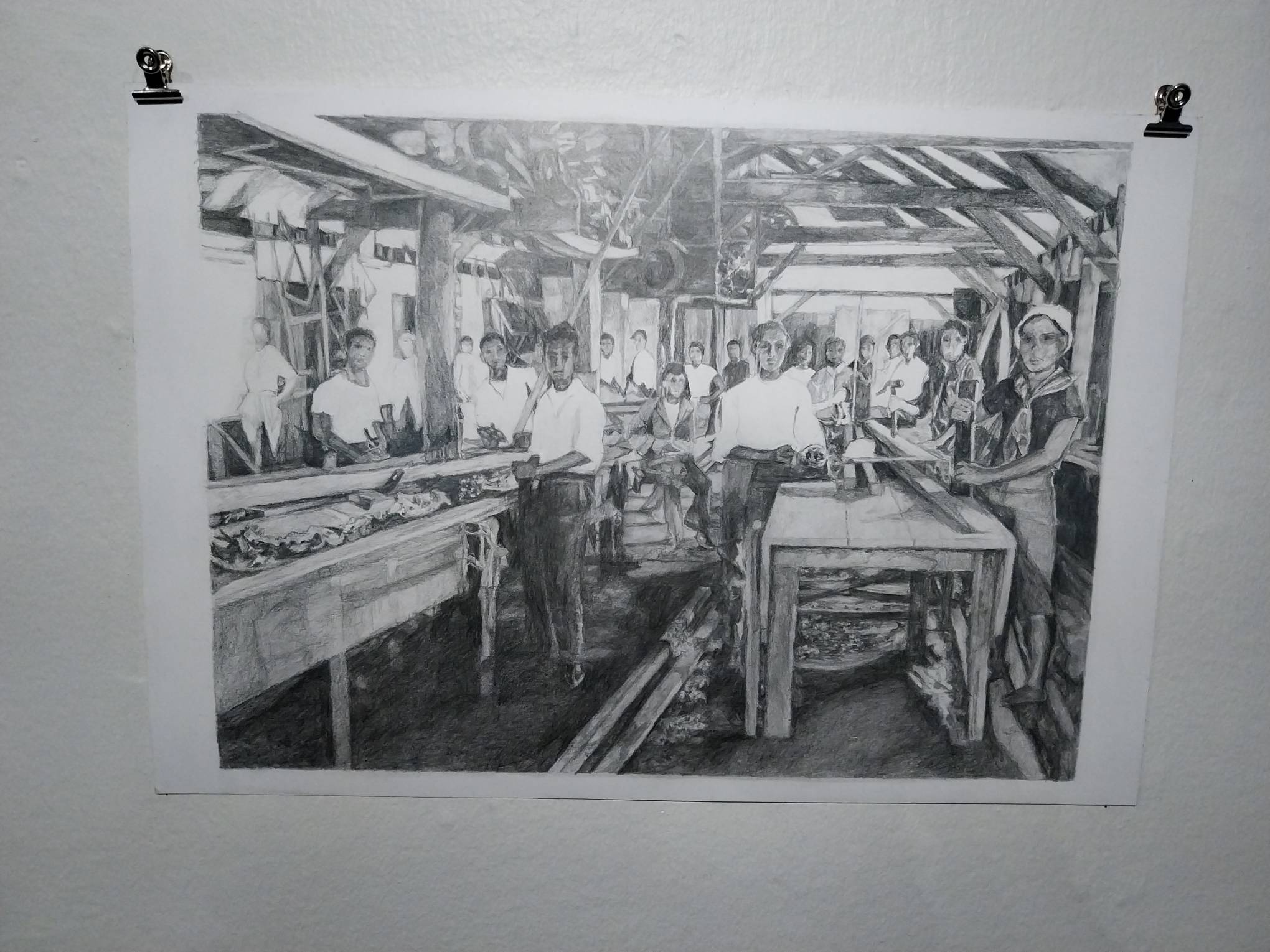
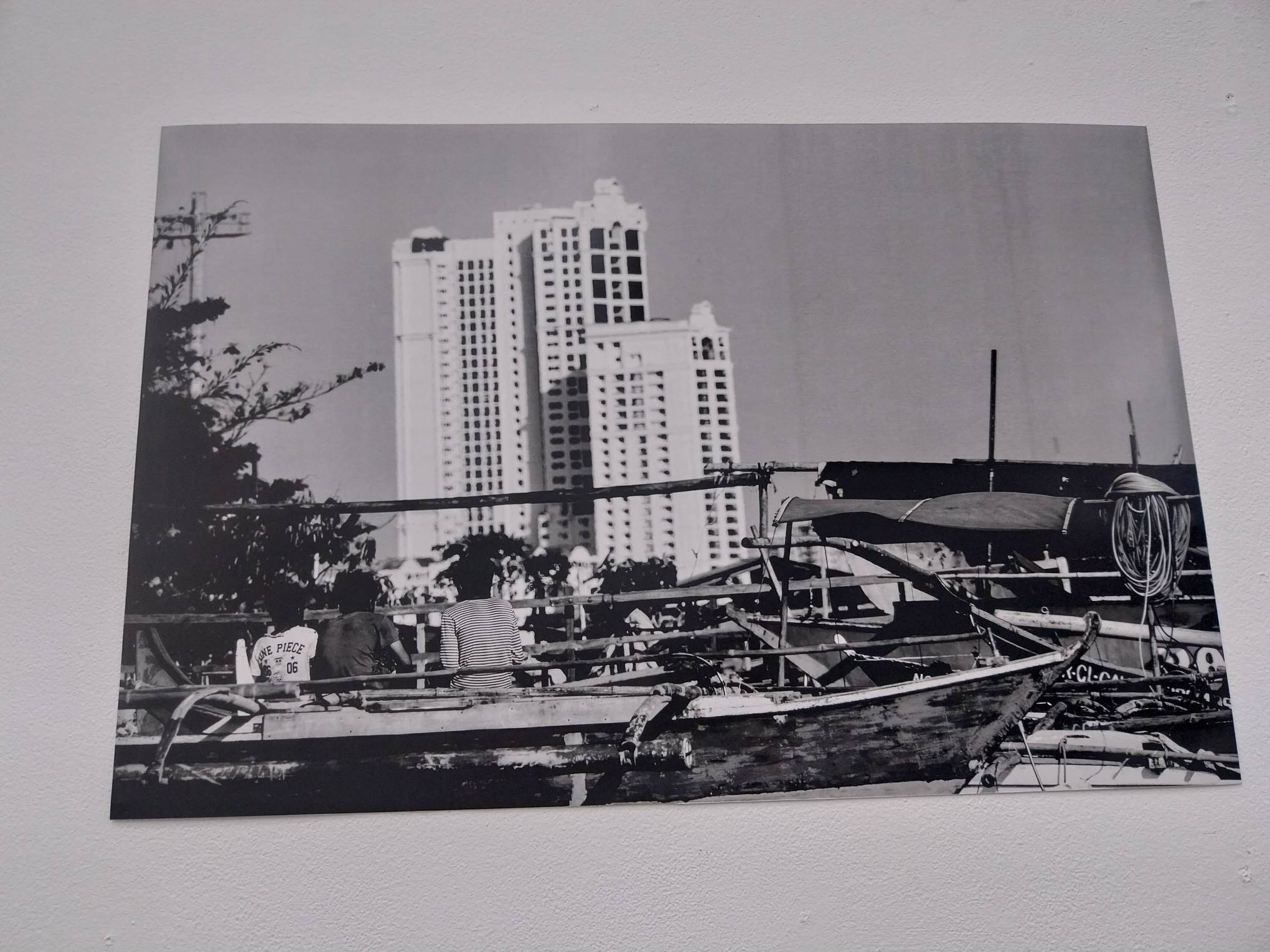
Another recent example is Land, Labor, Life, Lyra Garcellano’s recent exhibition at Finale Art File. This exhibit exposes the way colonization affects our government structures in modern day.
Photograph displayed for “Land, Labor, Life.” Photo by Elle Yap.
Another photograph displayed for “Land, Labor, Life.” Photo by Elle Yap.
A photograph displayed for “Land, Labor, Life.” Photo by Elle Yap.
A photograph displayed for “Land, Labor, Life.” Photo by Elle Yap.
More than that, it reminds us of how deeply embedded colonial attitudes are in our systemic problems. Our government’s composition and problems reflect the choices of the elites in the past to put their own status and wealth over the people’s.
Commemoration of Past Struggles
Some political art exhibited recently takes on a more celebratory tone, as it addresses some of the progress our society made in the past decades to reduce harm and continue the fight for a more equal society for all.
Advertisement
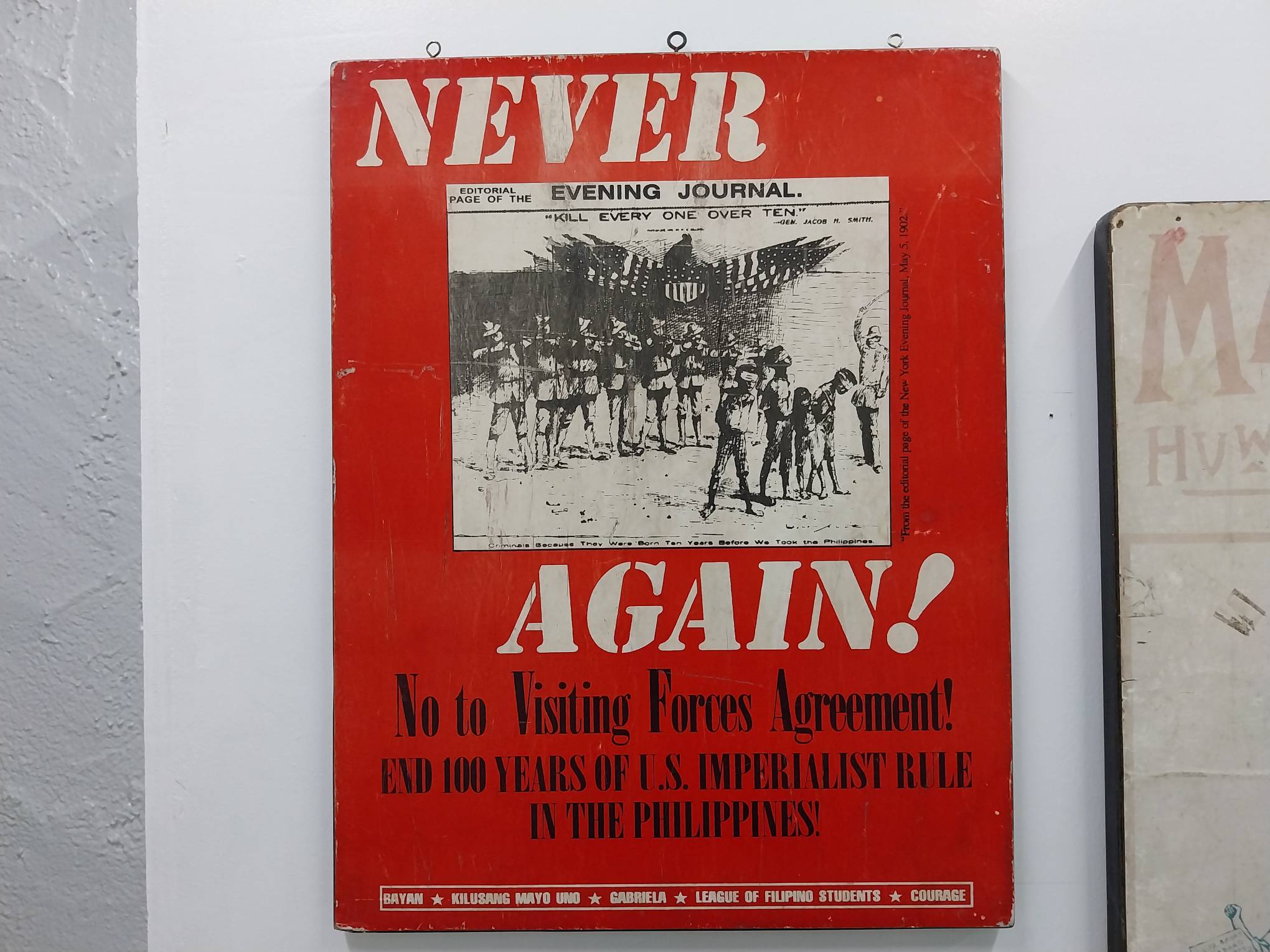
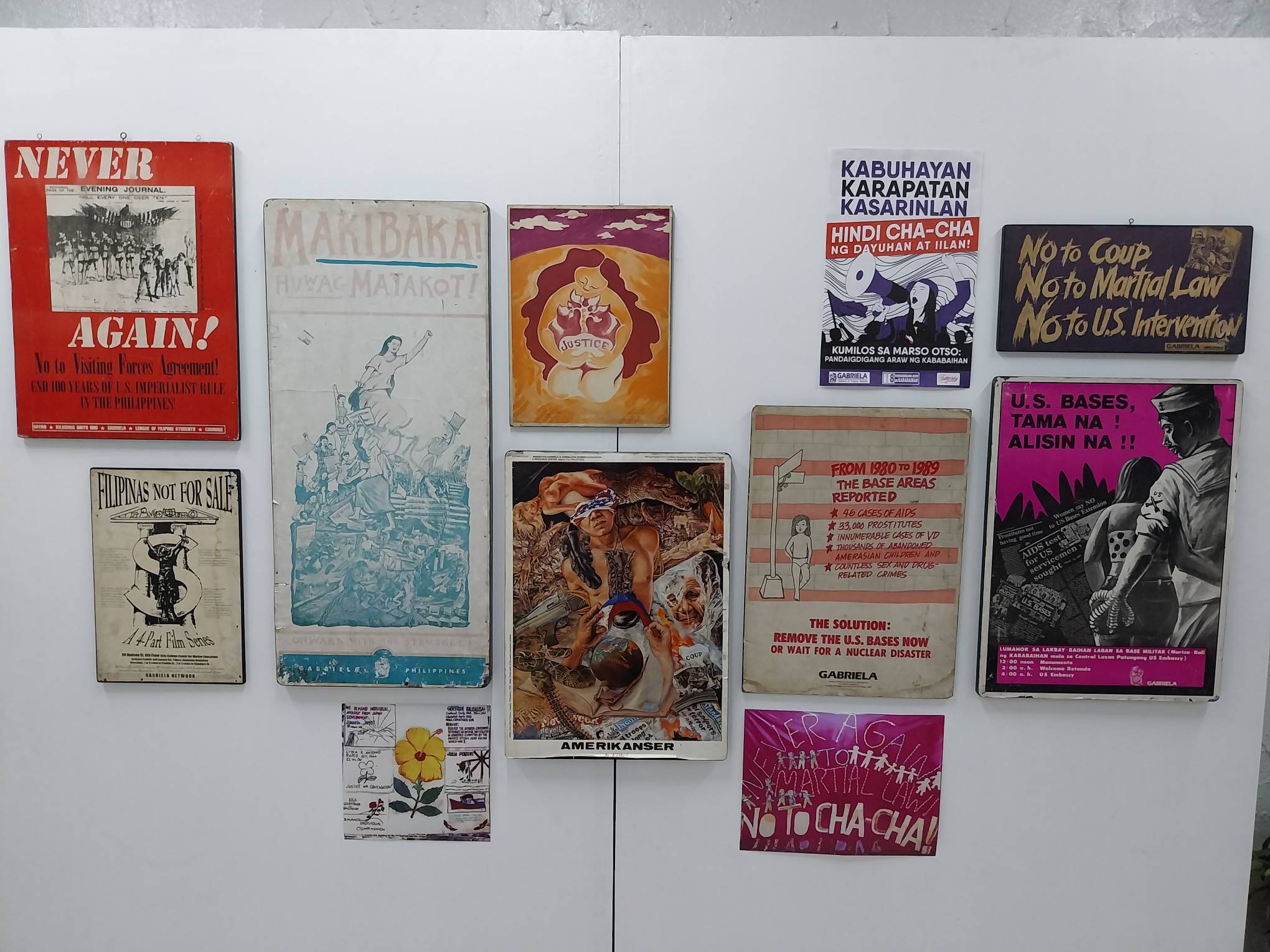
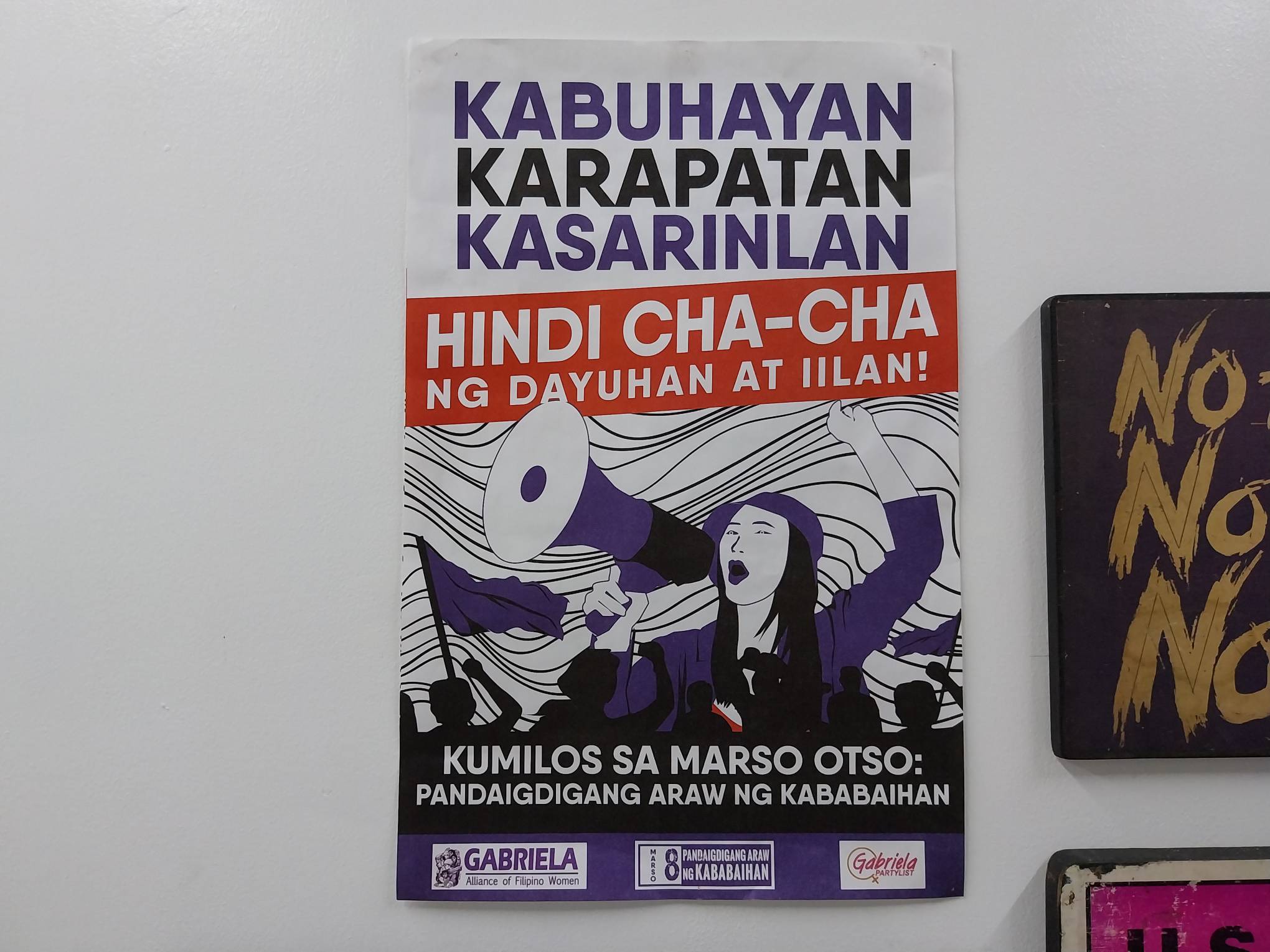
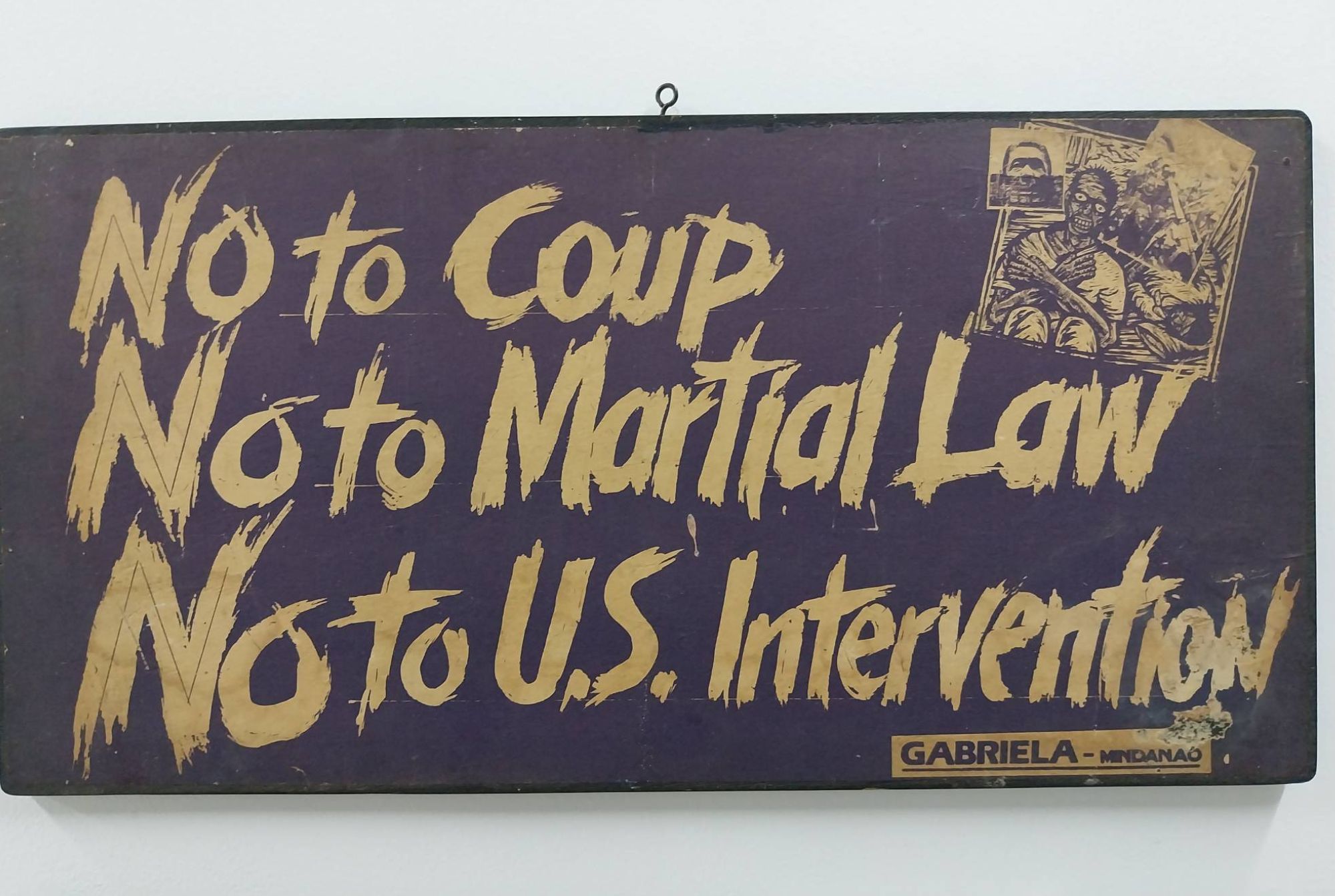
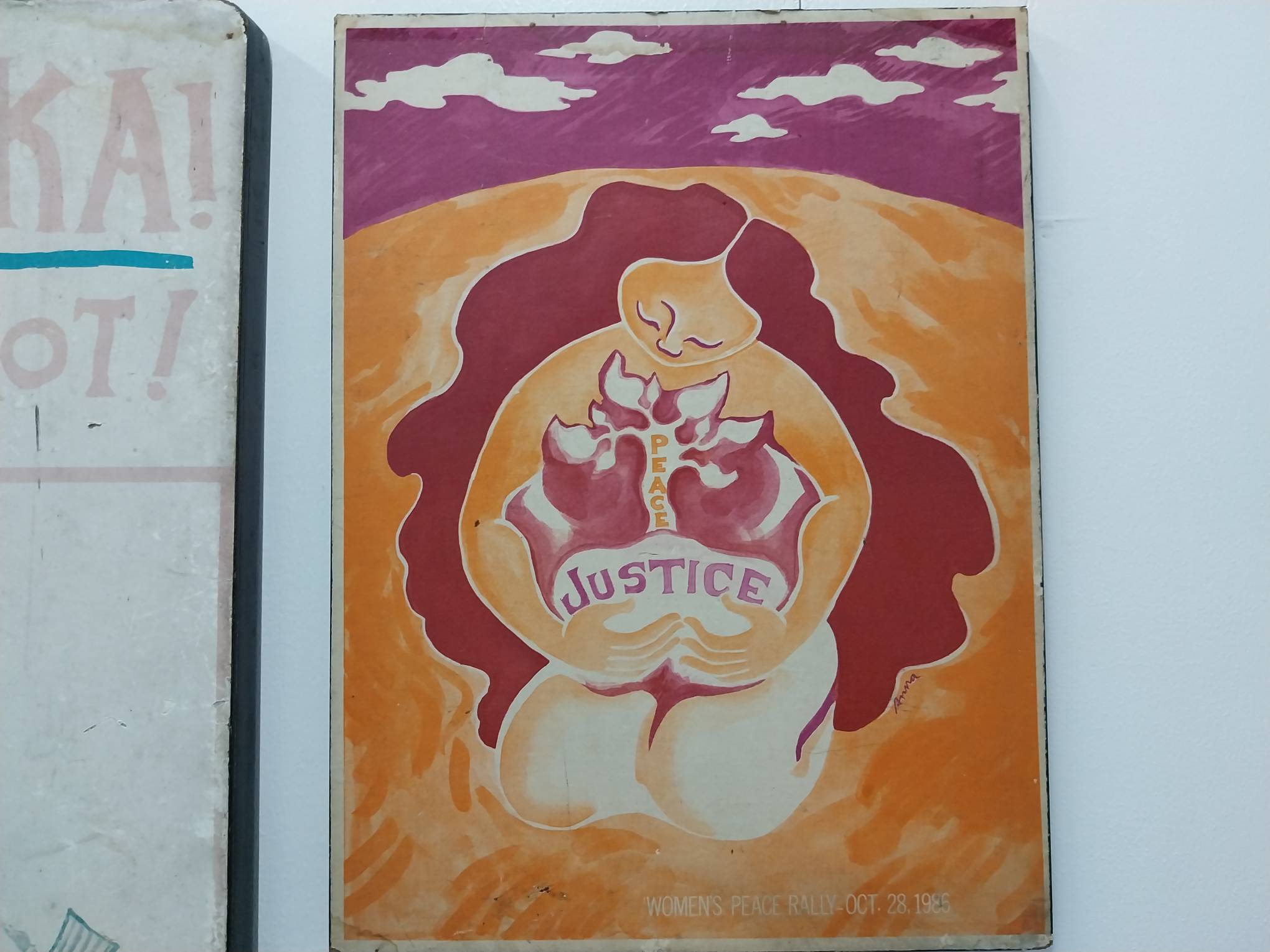
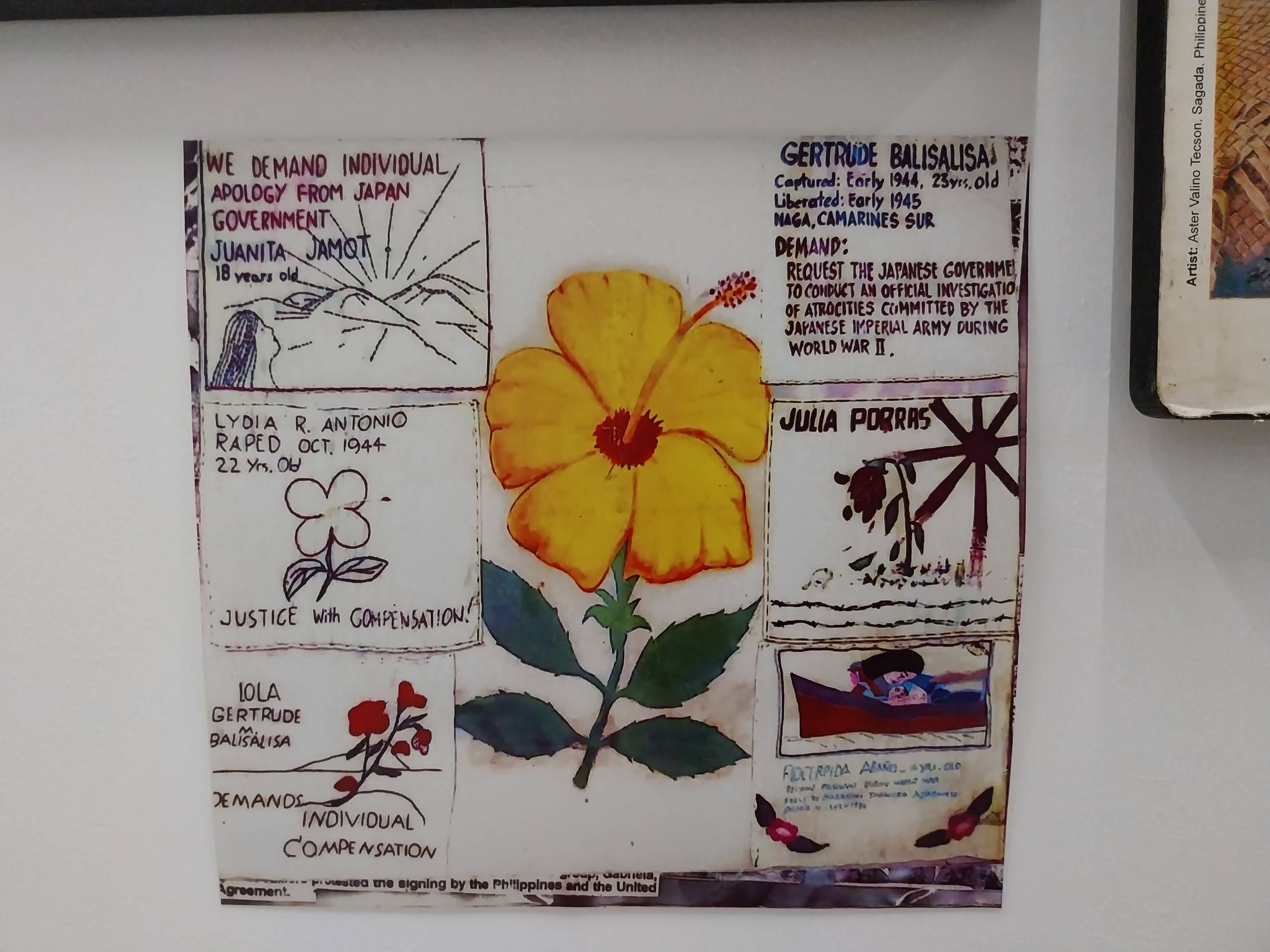
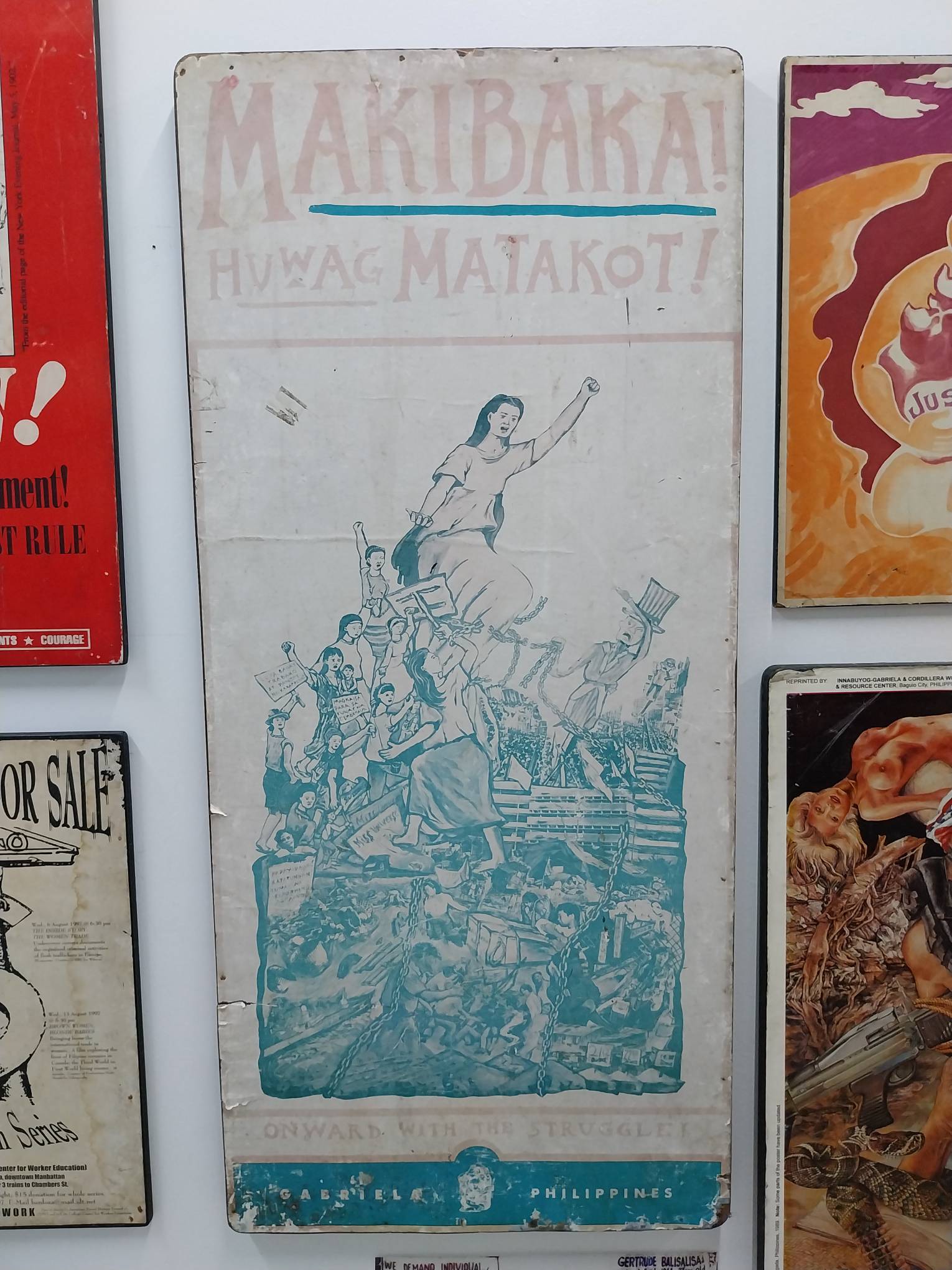
Gabriela @ 40, an exhibit at Amina Art Space, allows us to see an organization that fights for the rights of the masses. The posters and protest signs shown here indicate the long history of misogyny and mistreatment of women and the masses in the country. The picture it paints reveals institutions that don’t seem to care for the needs of the people
The collection of GABRIELA posters in Anima Art Space. Photo by Elle Yap.
A recent International Women’s Day poster. Photo by Elle Yap.
A placard by GABRIELA Women’s Party as featured in the exhibit. Photo by Elle Yap.
A painting of a woman hugging a flower saying “Justice” and “Peace.” Photo by Elle Yap.
A poster calling for Japan’s apology to comfort women they abused in World War II. Photo by Elle Yap.
Yet, it also gives viewers hope in the ability to change society for the better. Many of the posters there protested the military bases of the United States, which were successfully eliminated from our country in 1991. Stronger laws protecting women like The Violence Against Women and Children Act were enacted through years of activism and lobbying.
An old poster of a woman with raised fists leading a protest, with “Makibaka, Huwag Matakot!” written in large letters. Photo by Elle Yap.
It illustrates the effectiveness of protests in the long-term to force the government to bend to the needs of the masses. In many ways, it inspires viewers to keep fighting for a better world for every Filipino, even in the face of censorship.
Advertisement
Presenting a Portrait of the Present
Political art need not be explicit in how it tackles political topics. Sometimes, providing a truthful portrait of our society’s failures works better to energize viewers to look into our perceptions and beliefs.
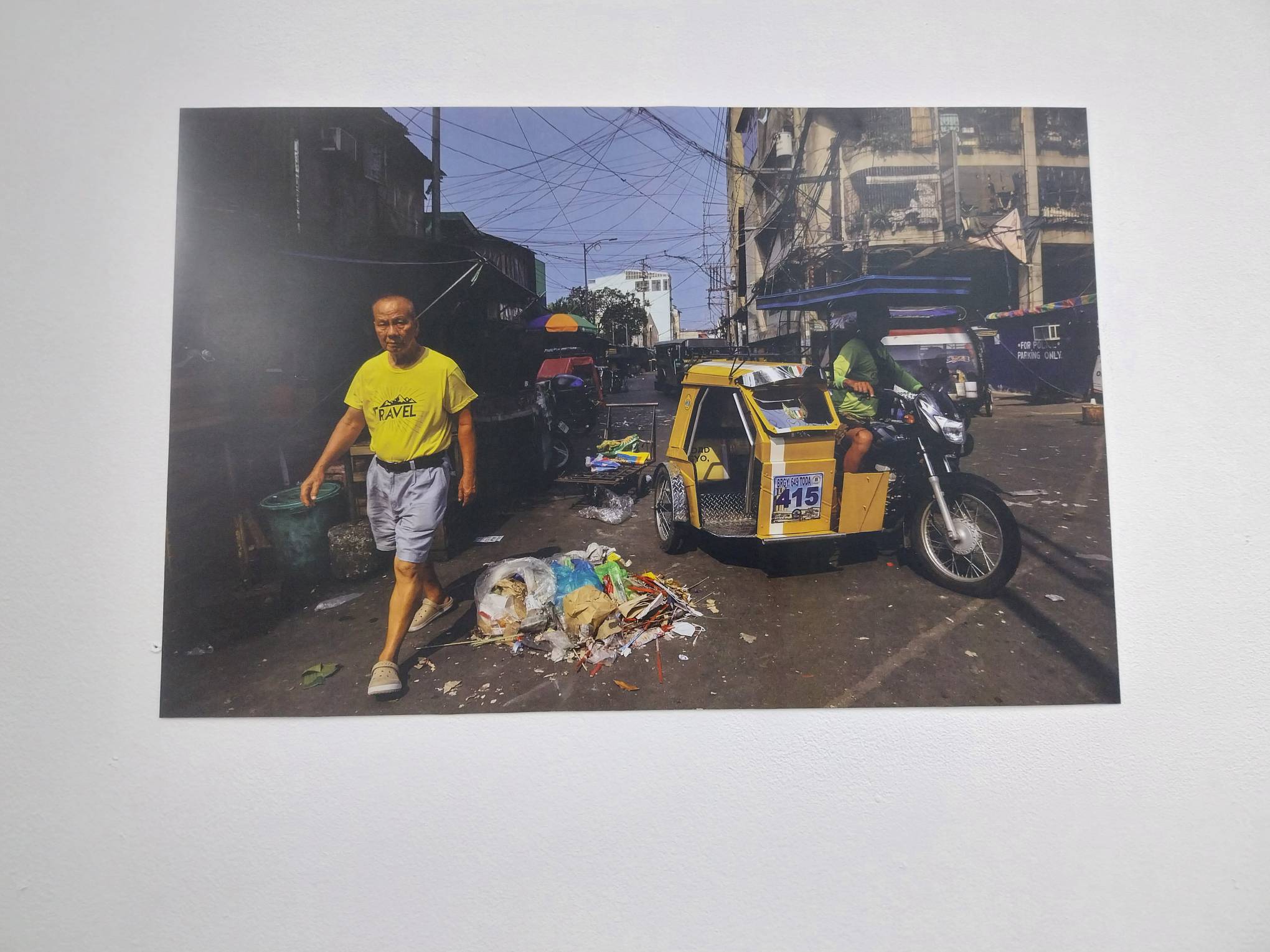
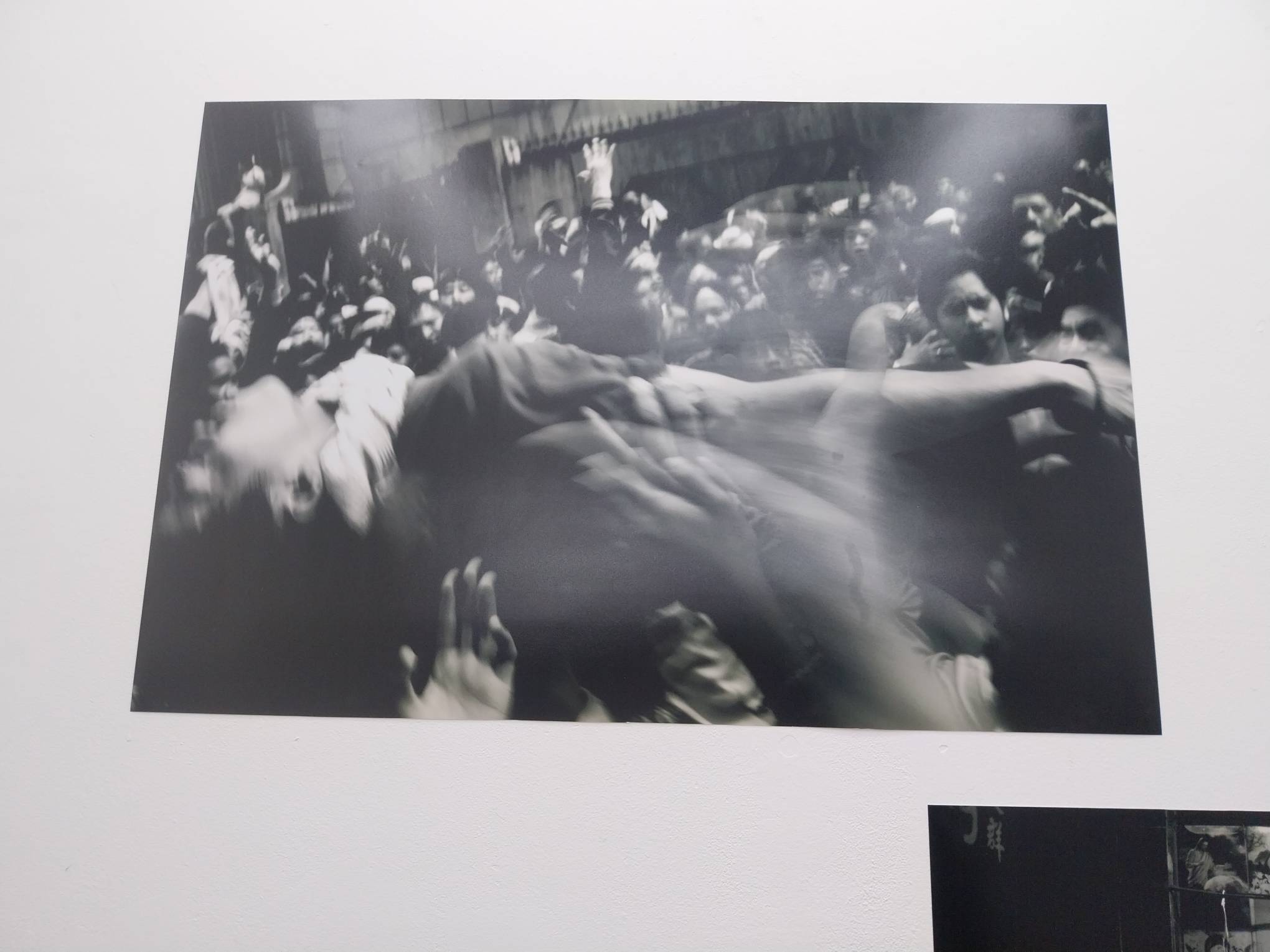
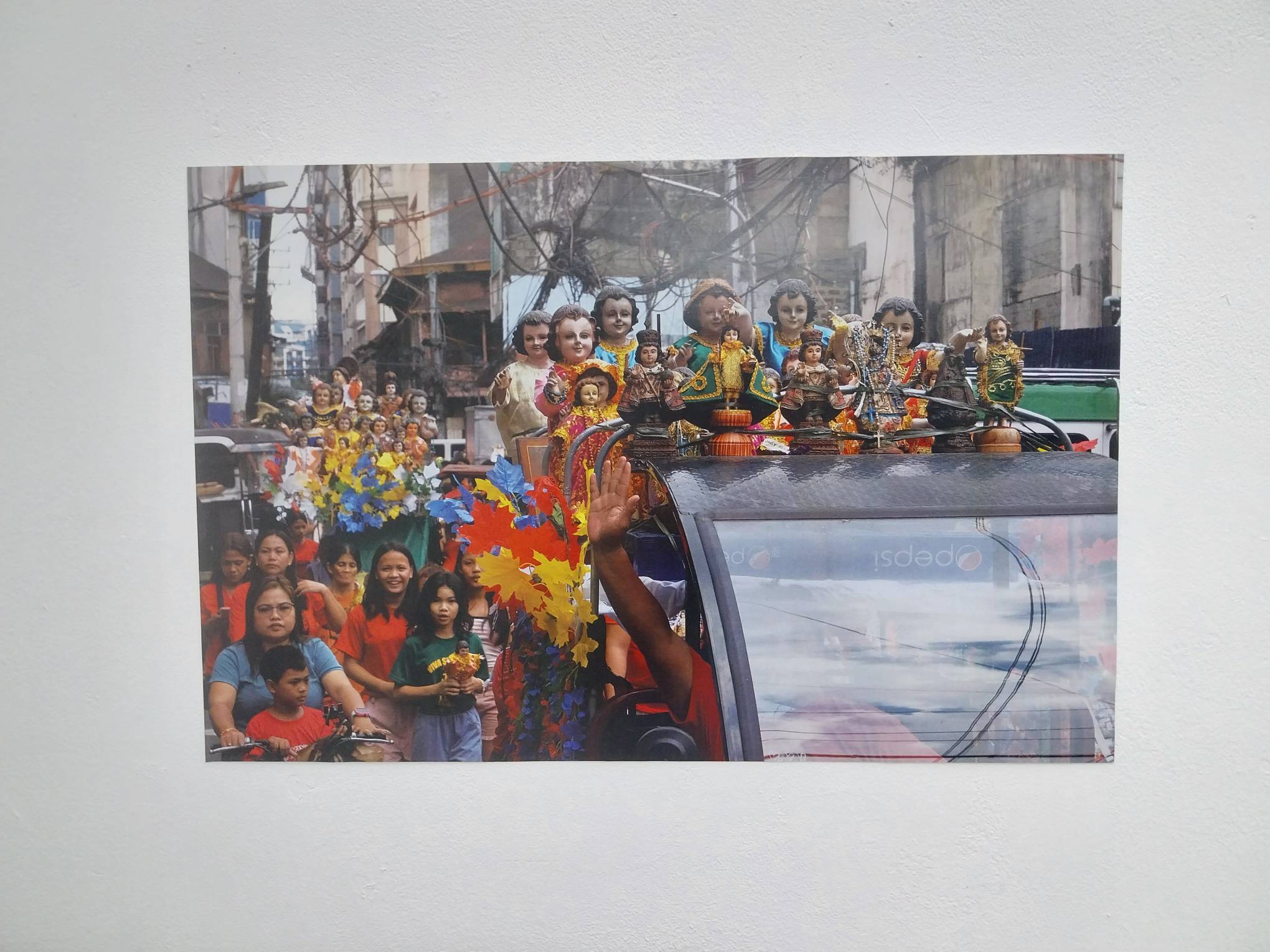
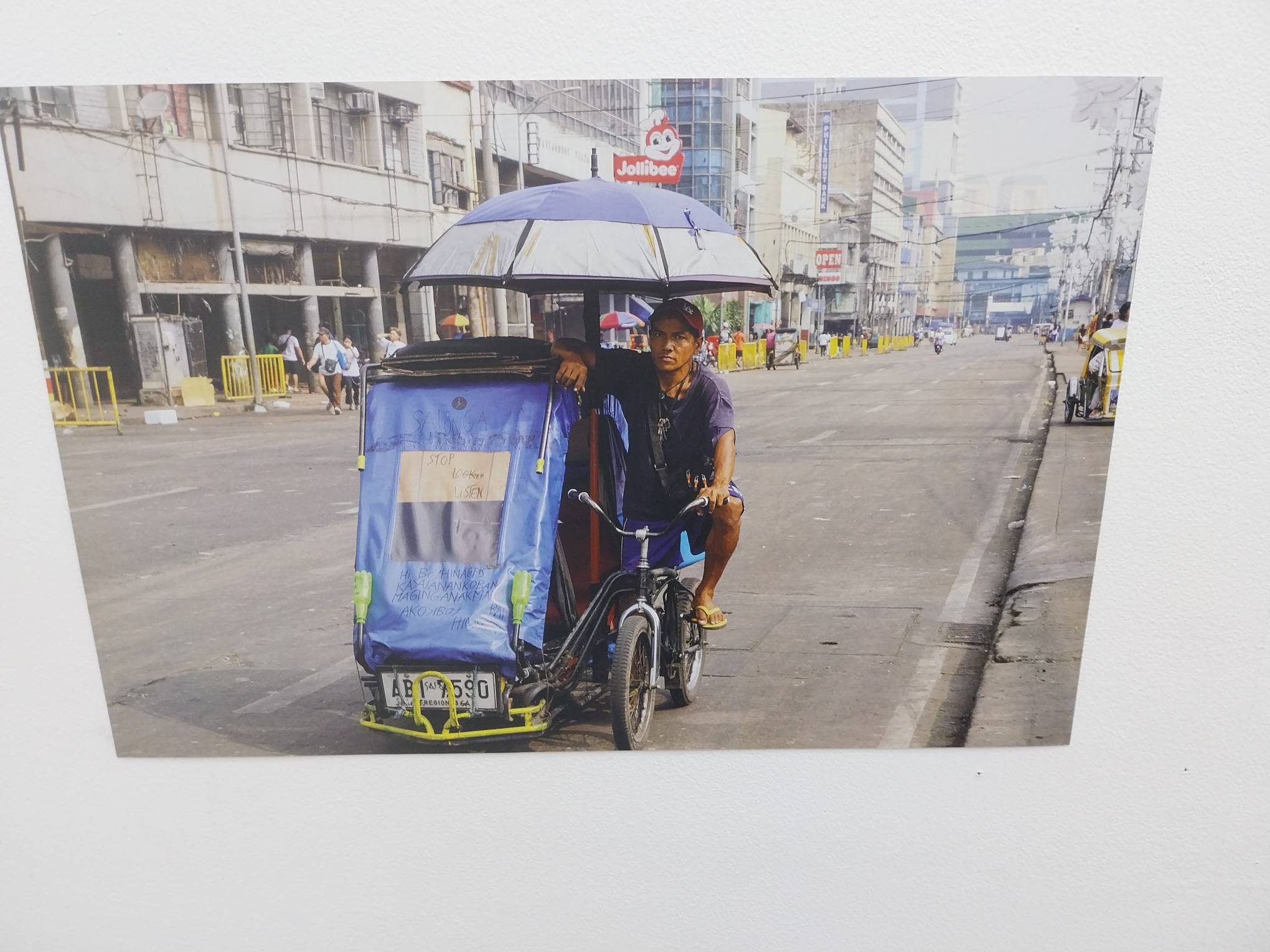
NO Community-run Space’s Lungsod ng Walang Liwanag offers audiences a portrait of poverty in the city. At a time where the government attempts to rig poverty numbers with broad definitions of employment and food poverty, Reymark Umpacan’s photographs offer a stark representation of life in the Philippines below the poverty line.
“Malapit lang pero ang layo pa” by Reymark Umpacan. Photo by Elle Yap.
“Pareho ngunit magkasalungat” by Reymark Umpacan. Photo by Elle Yap.
“Munting Pagkabuhay” by Reymark Umpacan. Photo by Elle Yap.
“Munting Ginhawa” by Reymark Umpacan. Photo by Elle Yap.
“Hindi mo kasalanan” by Reymark Umpacan. Photo by Elle Yap.
For many Filipinos, life is trash piled up on the street and clinging to religion for hope. Despite the government’s portrait of the country as an upwardly mobile middle-class country, many remain stuck in poverty, unable to make ends meet in meager jobs.
Advertisement
Exhibits like these force viewers to reconcile the active mainstream narrative with the reality on the streets. It’s political art because it pierces through the bubble, giving us an outlook that many won’t really see addressed in other ways.
Abstraction as Critique
Finally, political art can come in the form of abstract critiques that help us see issues in a new light. Sometimes, issues don’t appear to be issues until artists reframe them to show their problematic nature.
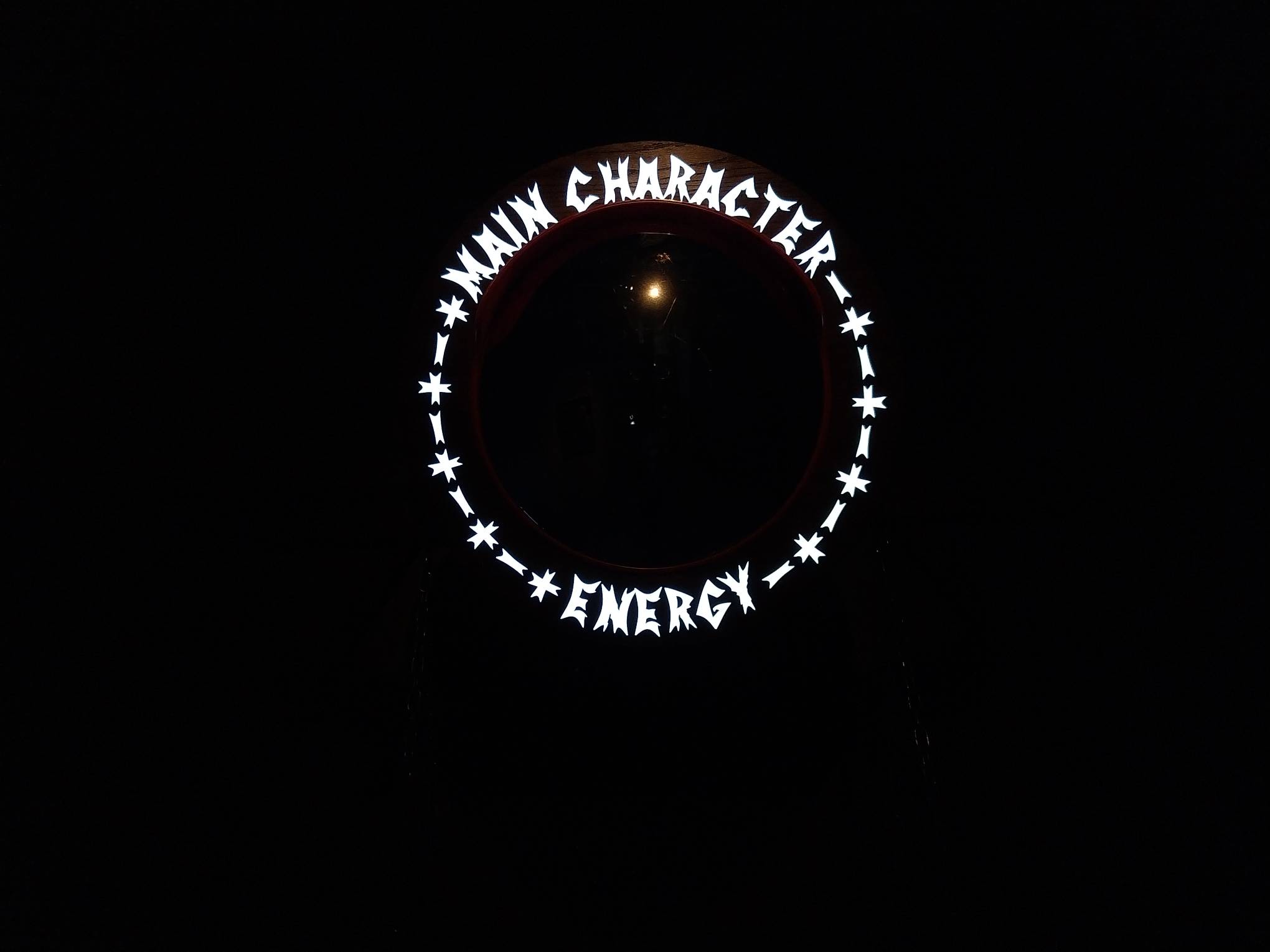
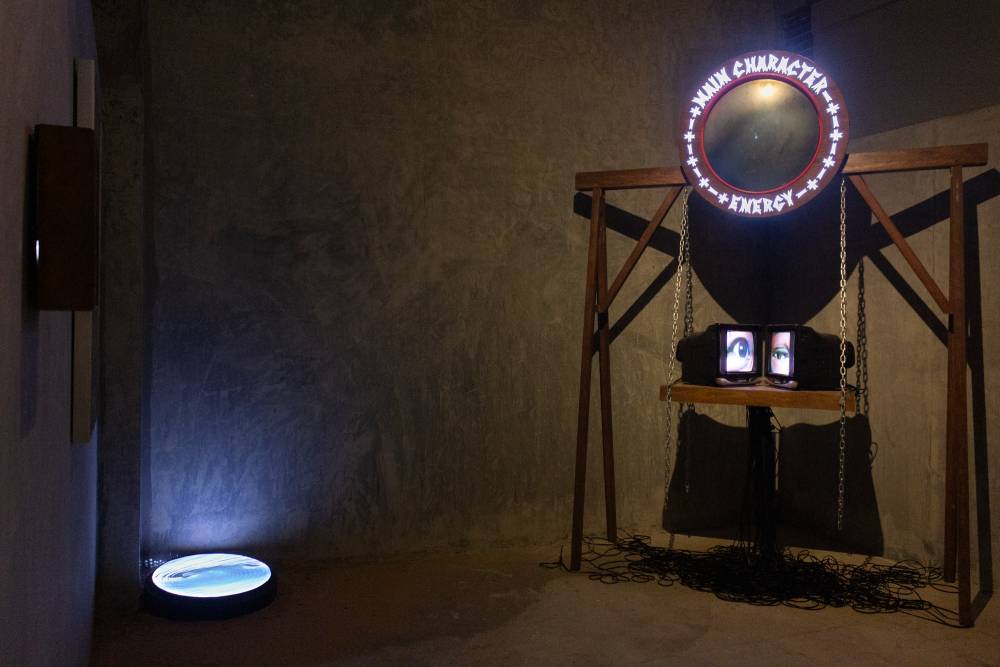
A mirror with “Main Character Energy” written on it. Photo by Elle Yap.
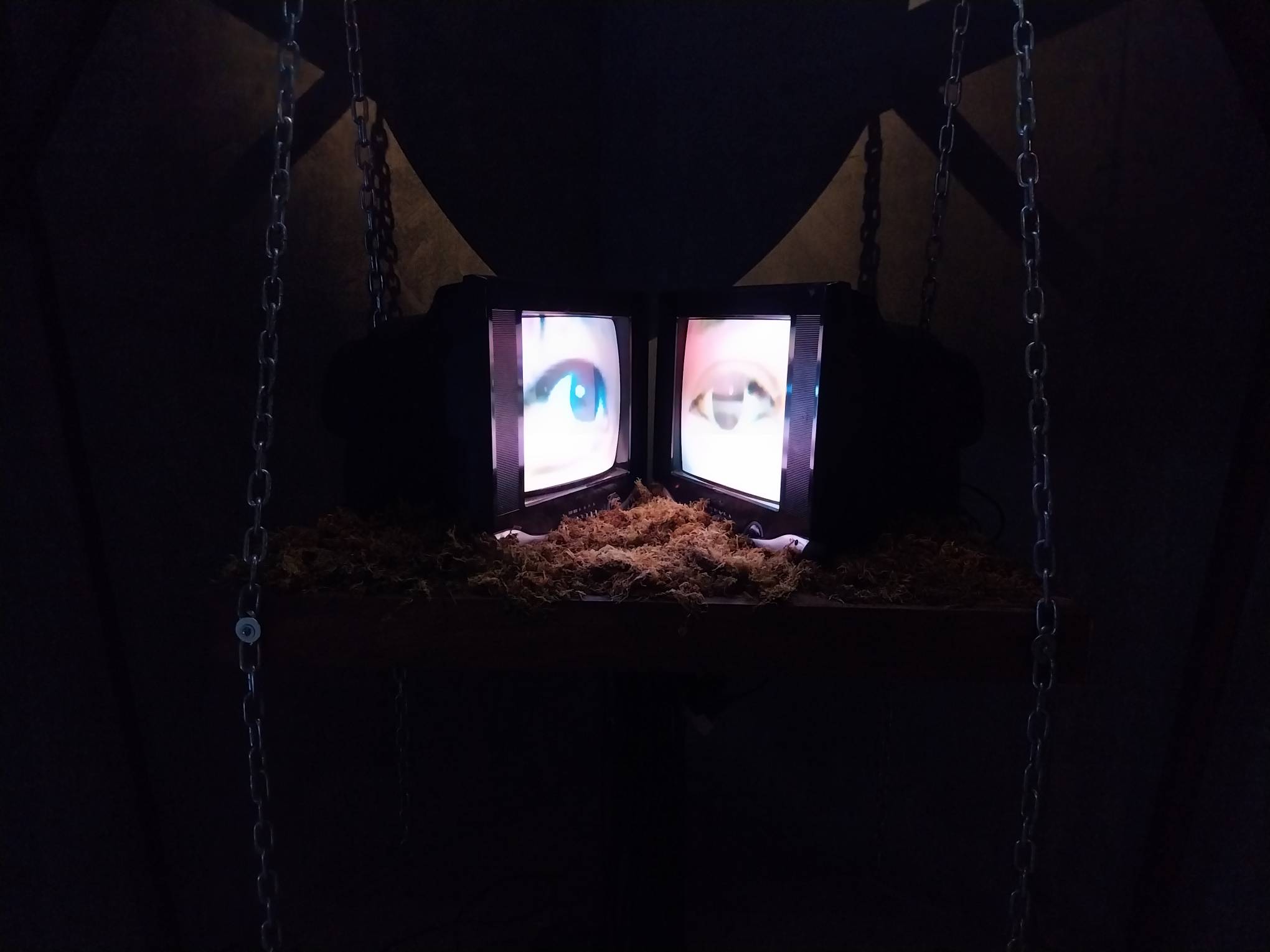
Two televisions with eyeballs showing in each screen. Photo by Elle Yap.
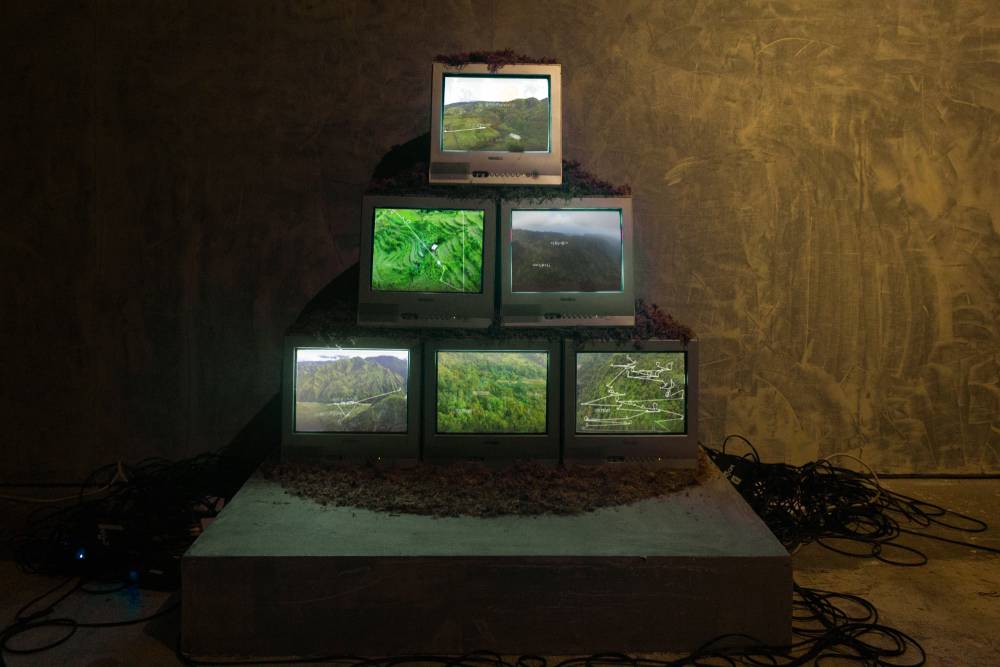
A stack of televisions showing the lush mountainside. Photo provided by Mono8 Gallery.
A view of “Gyre Dominion” by Jose Olarte. Photo provided by Mono8 Gallery.
Jose Olarte’s Gyre Dominion, for example, offers a critique of the government practice of building industrial infrastructures like dams due to the way it affects different marginalized communities negatively.
Kristoffer Ardeña’s “Ghost Painting: Pagkalalake,” ground view. Photo by Elle Yap.
Ghost Painting: Pagkalalake by Kristoffer Ardeña at Finale Art File does a similar thing to the patriarchal attitudes of our society. The artist created this giant collage of signs containing different slogans that reinforce patriarchy in the country. It shows just how systemic these ideas are, and how it is reinforced in our world today.
Advertisement
Upholding Our Freedom of Speech in Art
Our freedom of speech is one of the most important rights a citizen can have in our country. Criticizing the government ensures a healthy democracy that addresses the needs of the masses and keeps those in power accountable to the people.
Political art, at the bare minimum, ensures the relevance of these issues in today’s discourse. It helps keep audiences informed, and it keeps politicians accountable for their actions. In a world where democratic decline is a real thing, it becomes essential to ensure the safety of our rights and freedoms as people of this nation.
Political art in the Philippines refers to works that address social, cultural, and political issues—often serving as commentary or protest against injustices, corruption, censorship, or inequality.
Advertisement
Many Filipino artists use abstraction—through shapes, colors, and textures—to symbolize complex issues like oppression, conflict, or identity, allowing audiences to interpret deeper political meanings beyond literal imagery.
Key moments include the Spanish colonial period, Martial Law under Ferdinand Marcos, the People Power Revolution, and ongoing struggles with poverty and corruption, all of which shaped artistic responses.
Notable figures include José Tence Ruiz, Antipas Delotavo, Brenda Fajardo, and collectives like UGAT Lahi. They use painting, installation, and street art to express resistance and critique.
Advertisement
During Martial Law, artists faced censorship, surveillance, and imprisonment for works critical of the regime. This led to underground art movements and creative strategies to bypass restrictions.
Contemporary design refers to the constantly evolving design trends of today. With the power to design our built environments, architects have been experimenting with various architectural approaches. Whether that is through unconventional forms or the integration of smart technologies, BluPrint lists down Filipino architects who are defining contemporary architecture. Deo Alam Architect Deo Alrashid Alam […]
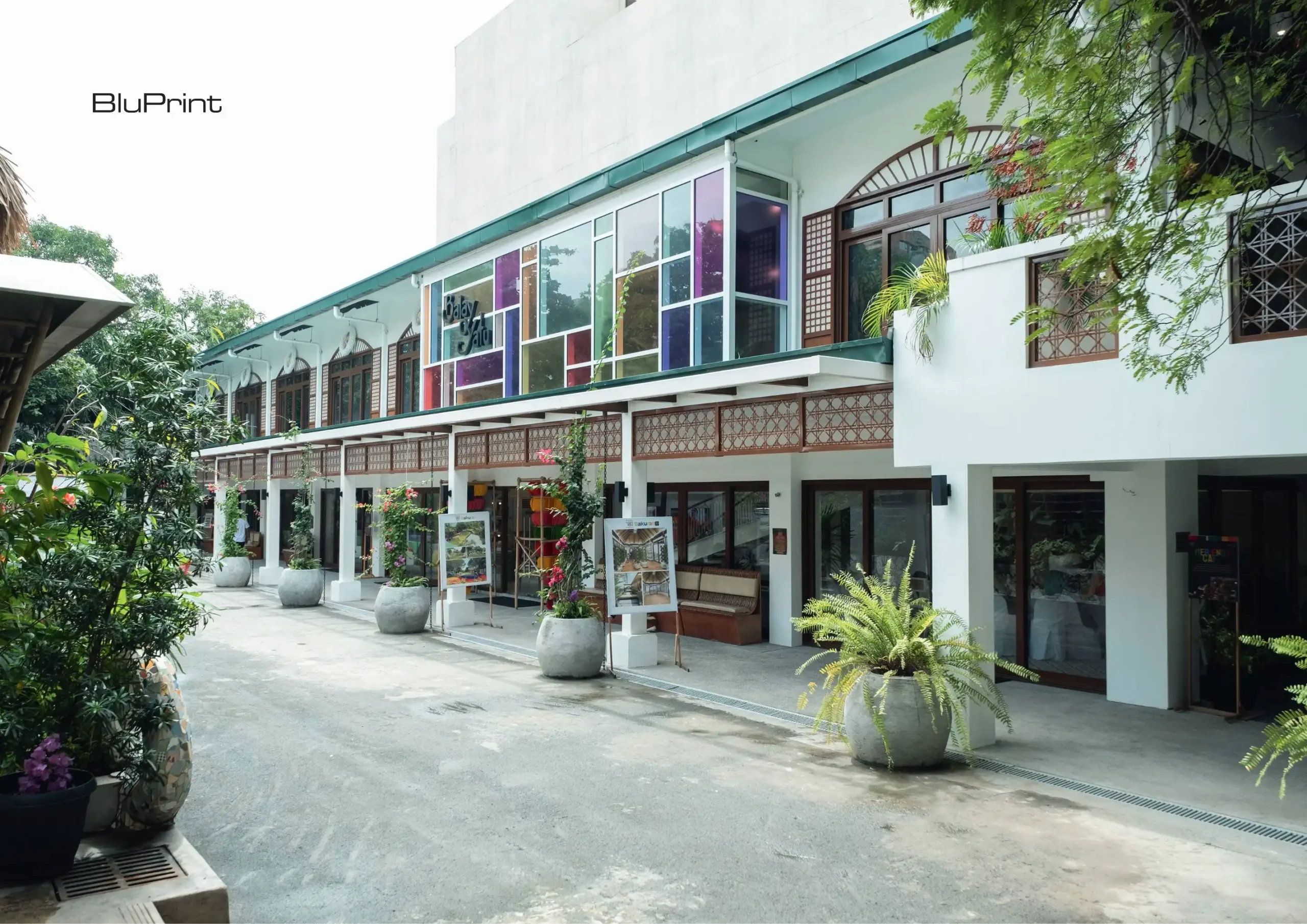
In the Philippines, adaptive reuse gained traction during the 1970s with the rise of conservation and environmental preservation movements. It offered an architectural solution that reuses existing spaces to fit modern needs. Across the country, several projects demonstrate how this approach is being applied—transforming heritage structures into active spaces for culture, hospitality, and community life. […]
From residential spaces to civic structures, lighting dictates the mood of a space. It controls the visual dynamics of an interior, serving as a guiding tool that highlights key design elements, including materials and textures. Related Reading: Lampscaping: How to Light up Your Home like a Pro Regulating the Mood: Natural and Artificial Light in […]
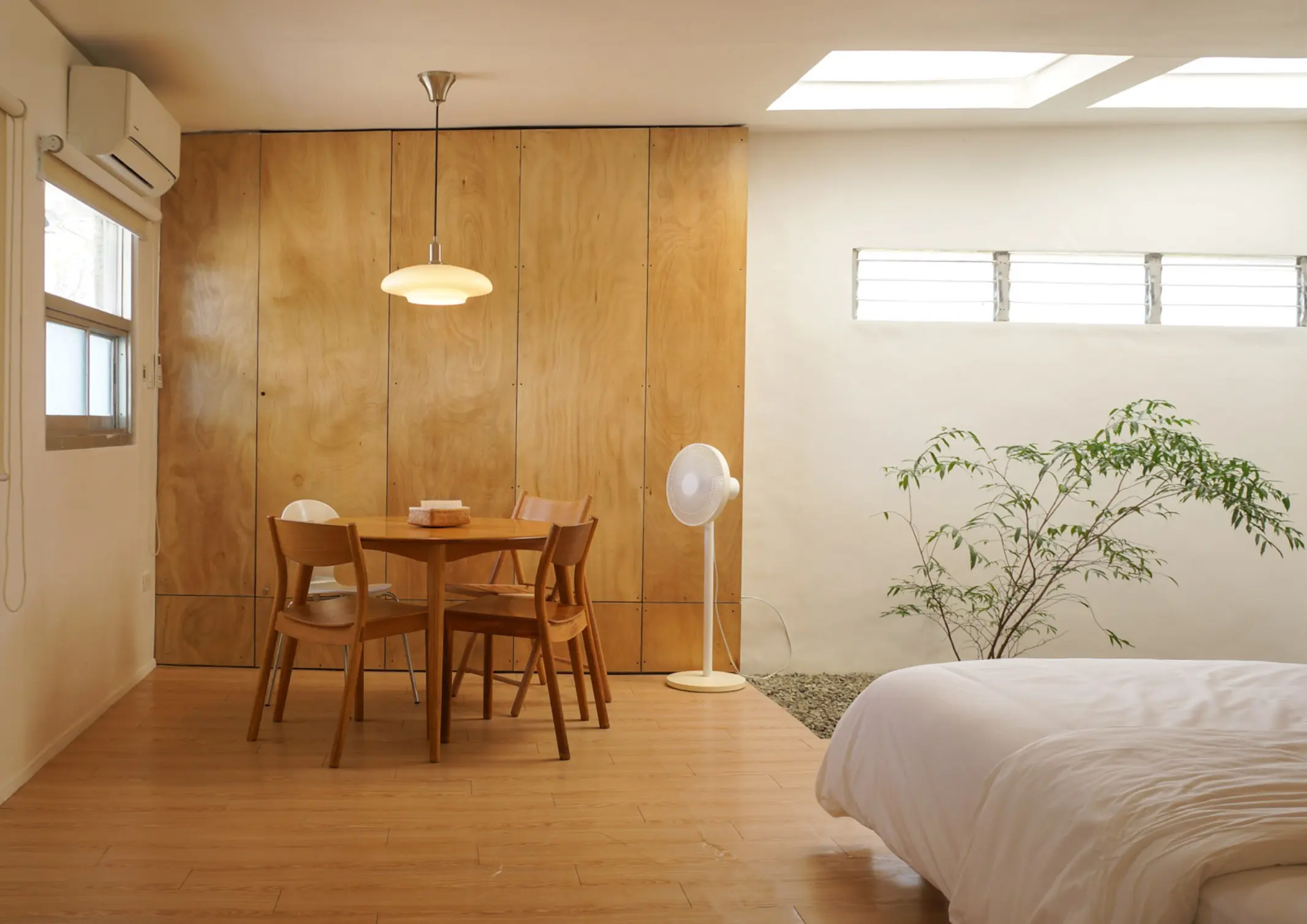
More and more Filipinos are flocking to condominium communities. Often tucked within busy city centers, condo living acts as a small respite from urban chaos. Faced with the challenge of transforming a cramped condominium into a warm living space, BluPrint lists condo interior design ideas that can maximize each square foot of small spaces. Purposeful […]
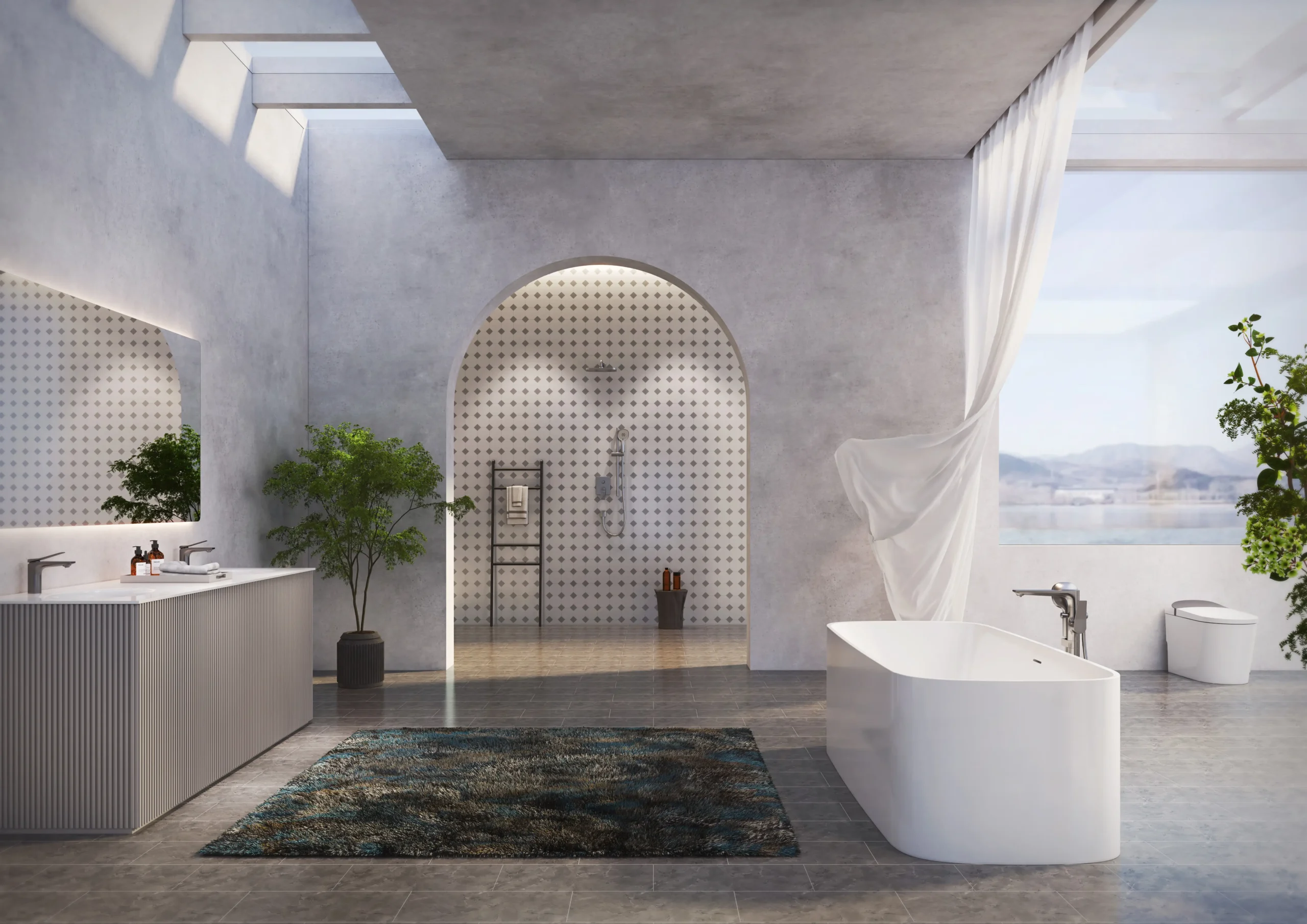
Modern bathrooms are no longer purely functional spaces. Increasingly, they are being designed as environments that support cleanliness, ease, and quiet restoration within the home. As daily life becomes more demanding and health awareness continues to rise, homeowners are beginning to expect more from the spaces where daily rituals begin and end. For architects and […]
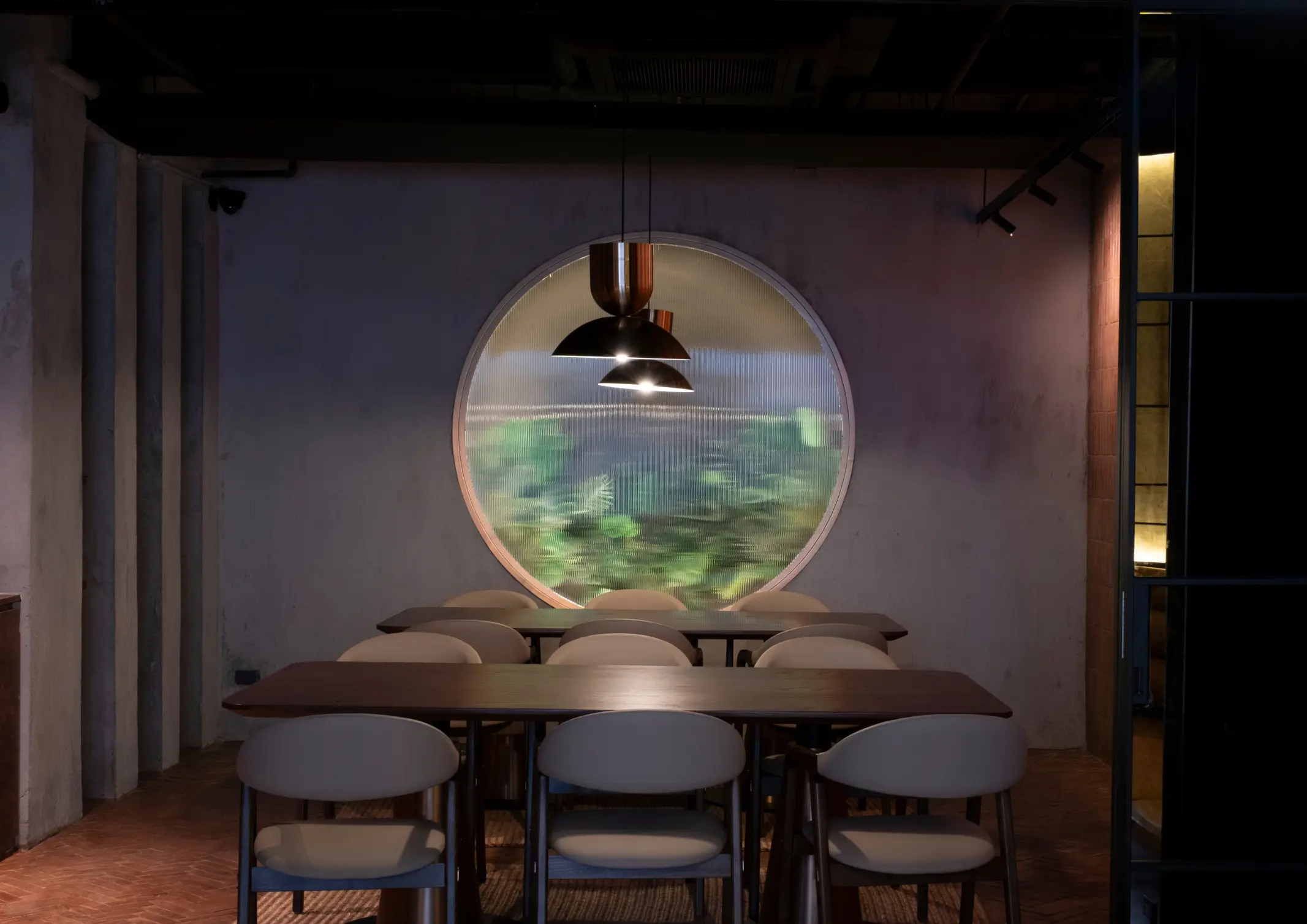
From the moment a diner steps through the door, each detail shapes how a meal is experienced. Restaurant design has evolved, with architects and culinary professionals collaborating to create built spaces that are as intentional as the menu itself. The spatial atmosphere acts as an additional ingredient that can define the culinary experience. Taupe and […]