


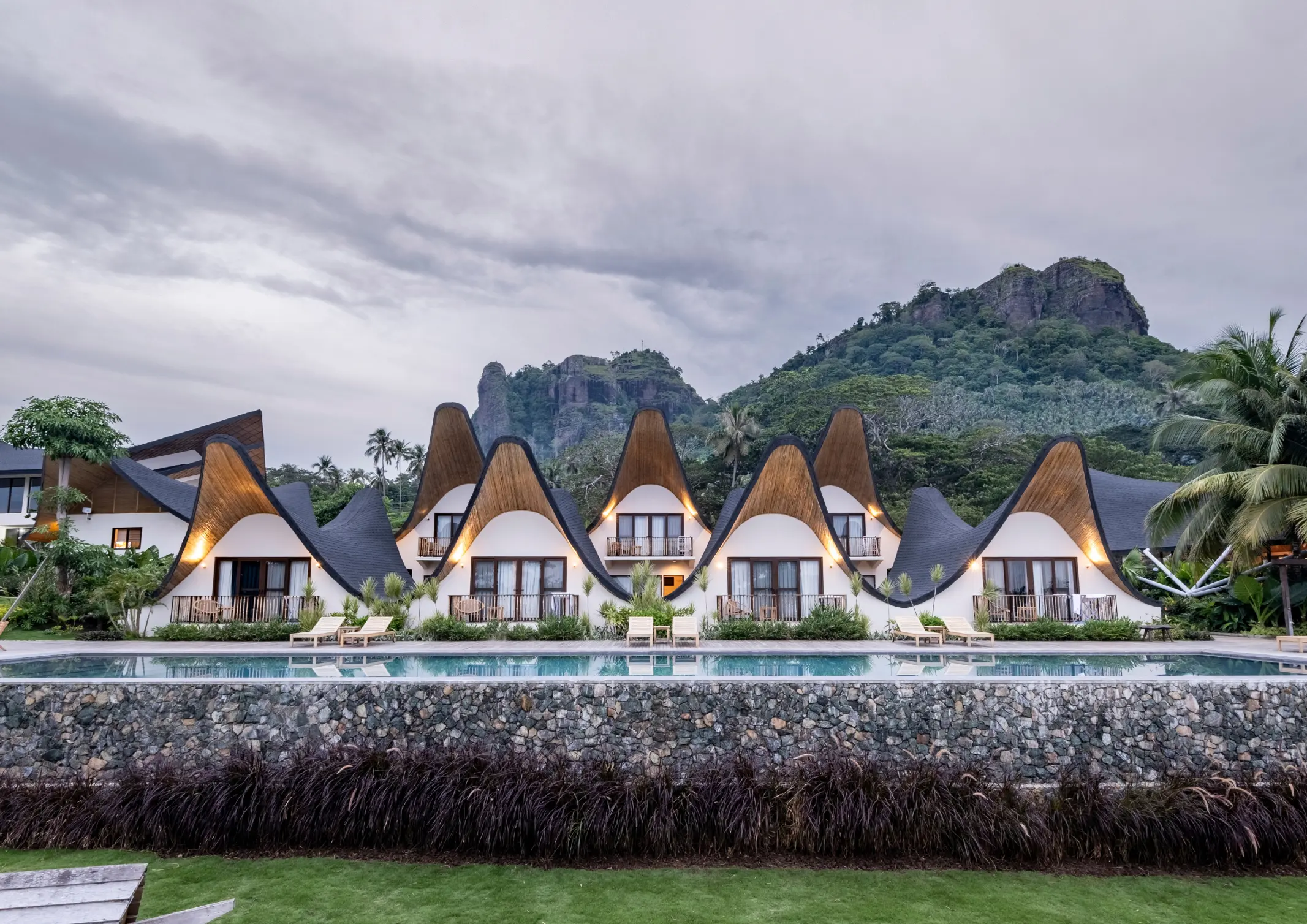
Contemporary design refers to the constantly evolving design trends of today. With the power to design our built environments, architects have been experimenting with various architectural approaches. Whether that is through unconventional forms or the integration of smart technologies, BluPrint lists down Filipino architects who are defining contemporary architecture. Deo Alam Architect Deo Alrashid Alam […]
The Drawing Room presents a thought-provoking exhibition featuring the evocative works of three visionary Japanese artists: Yugo Isaji, Nobuhiko Terasawa, and Atsuko Yamagata. Each artist presents a distinctive viewpoint on the convergence of past, present, and future. They encourage viewers to ponder the enduring echoes of memory and the dynamic evolution of human existence.
Yugo Isaji
Yugo Isaji, born in 1985 in Gifu, Japan, holds a BA from Tama Art University. His notable exhibitions include shows at Pola Museum Annex, Kotaro Nukaga, and Art Centre Ongoing in Tokyo. He participated in the Spinning East Asia Series II in Hong Kong in 2022 and received a fellowship from Pola Art Foundation in 2019. Isaji’s work spans solo exhibitions such as “Second Hand World” and “Rehabilitation,” along with group exhibitions internationally. He has also been an artist in residence in Yokohama, Taichung, and Taipei. Additionally, he has conducted various workshops and projects, earning awards like the Arts Challenge 2015 and Tokyo Wonder Wall 2010.
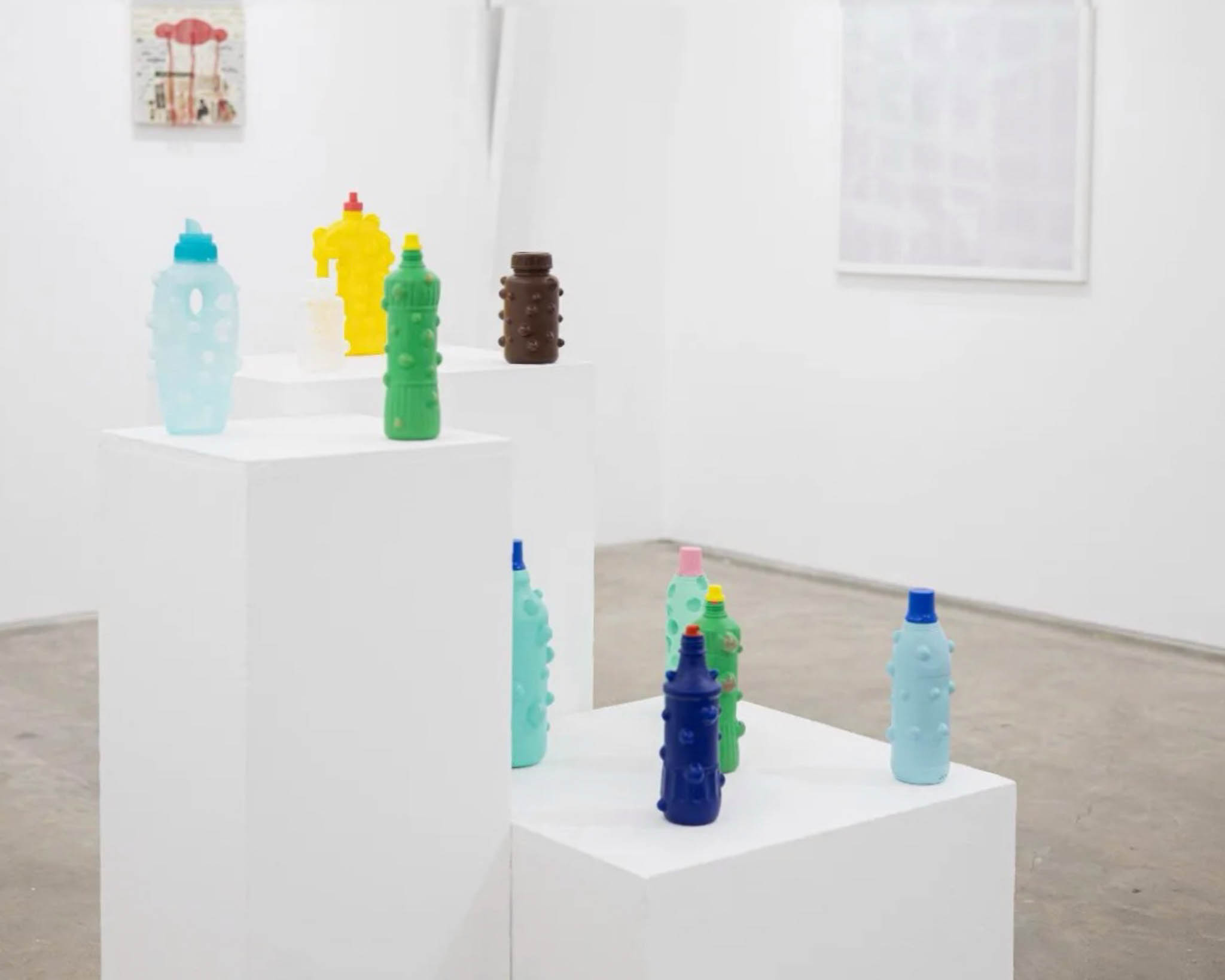
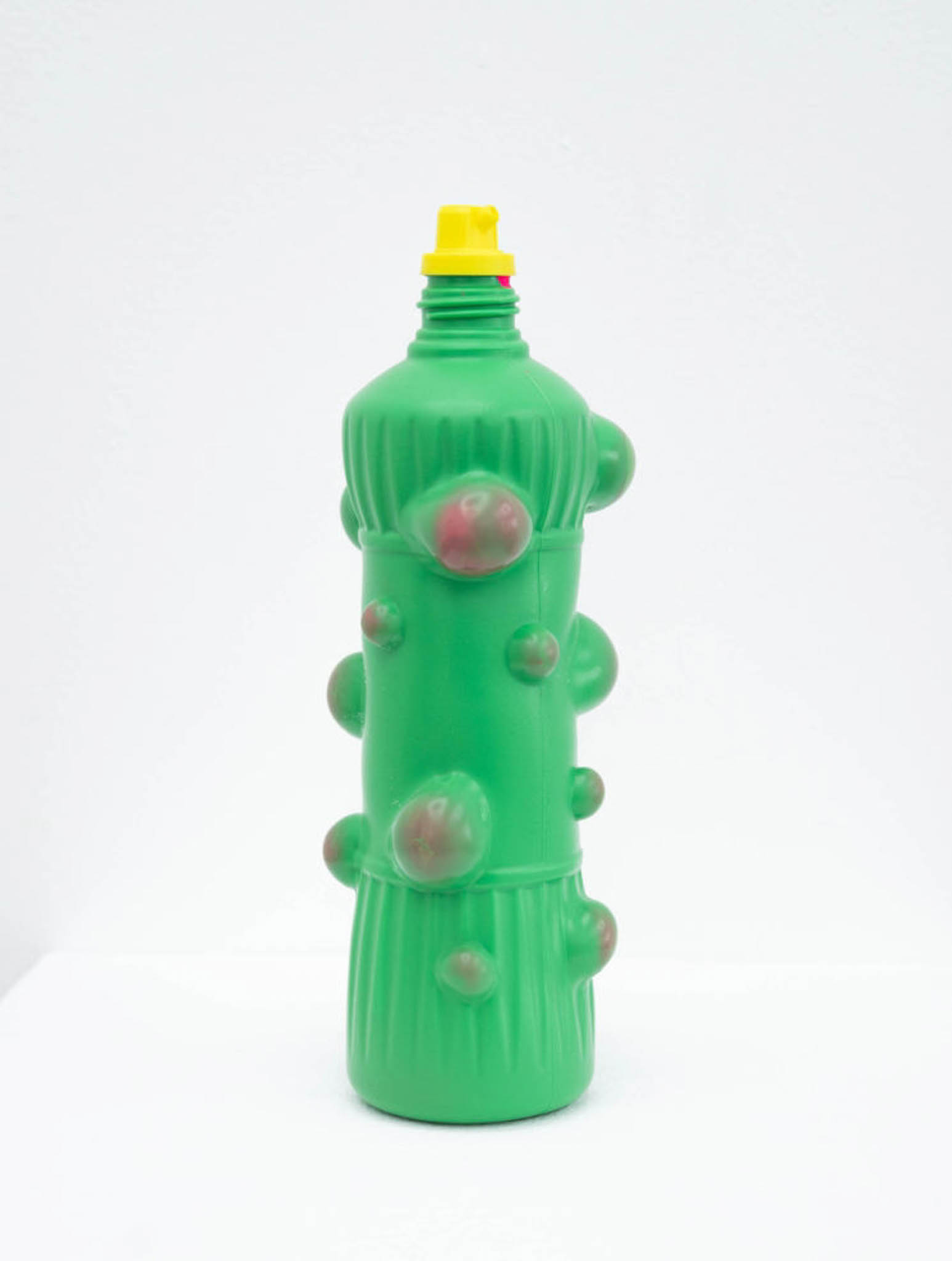
Ownerless Objects
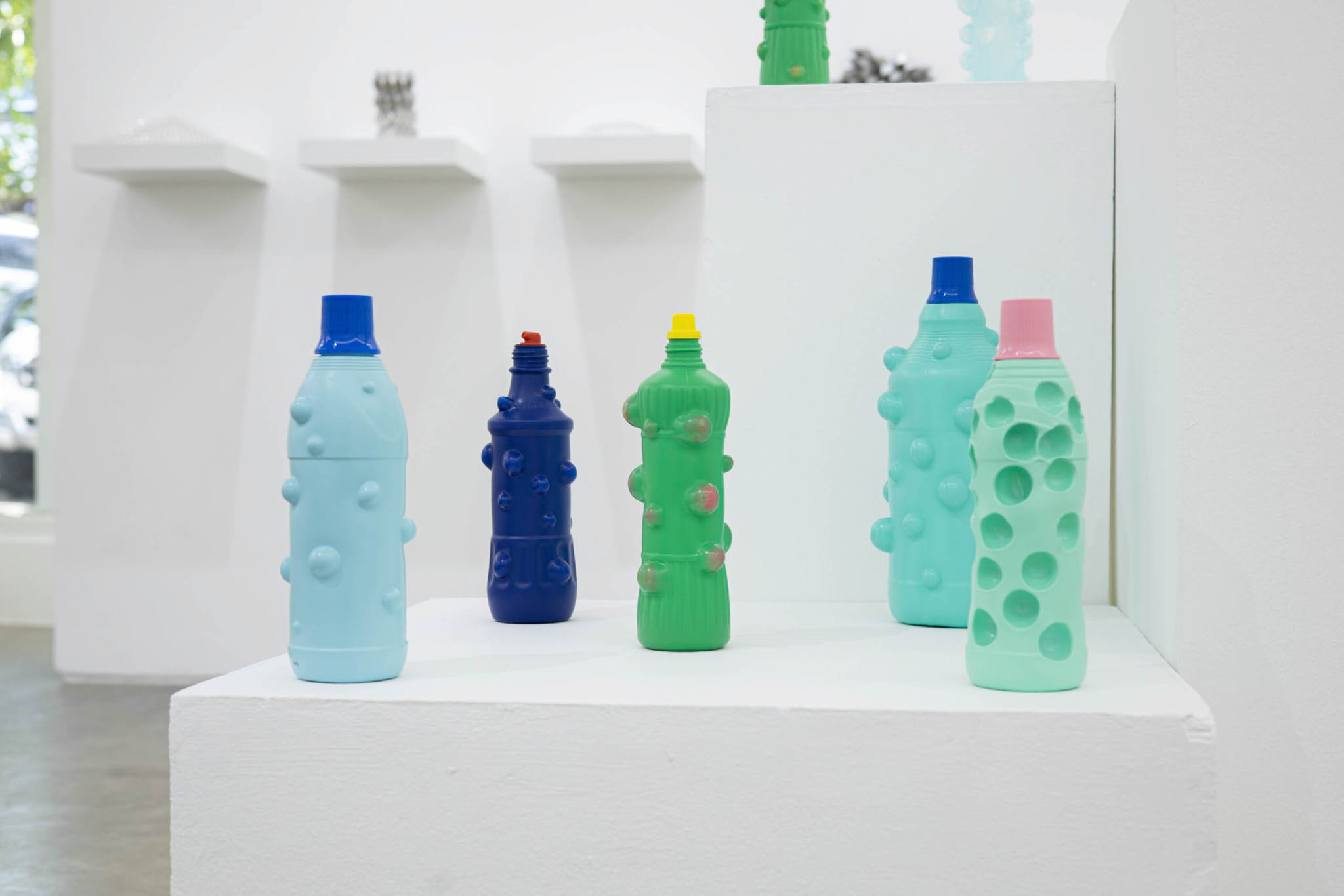
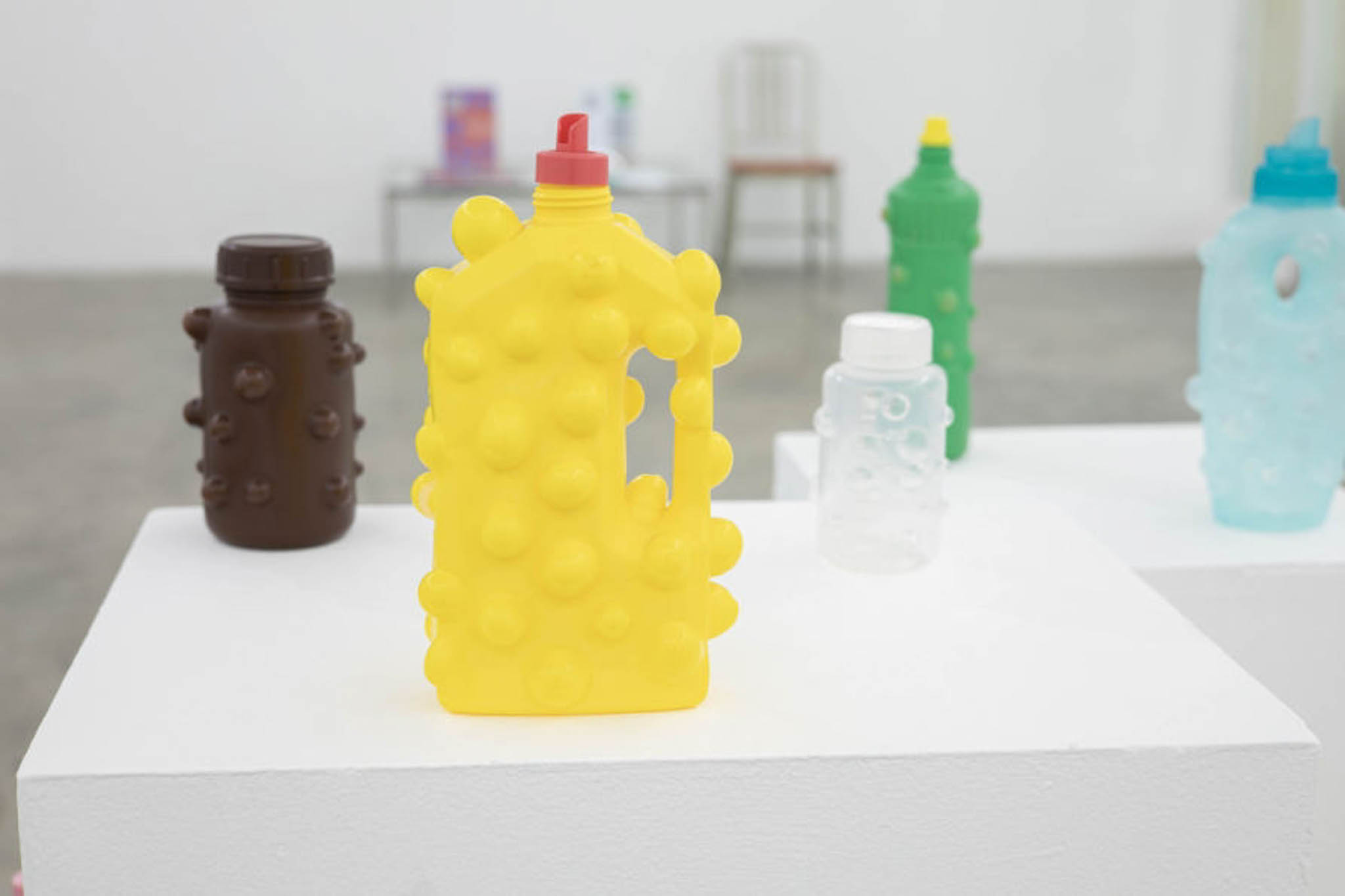
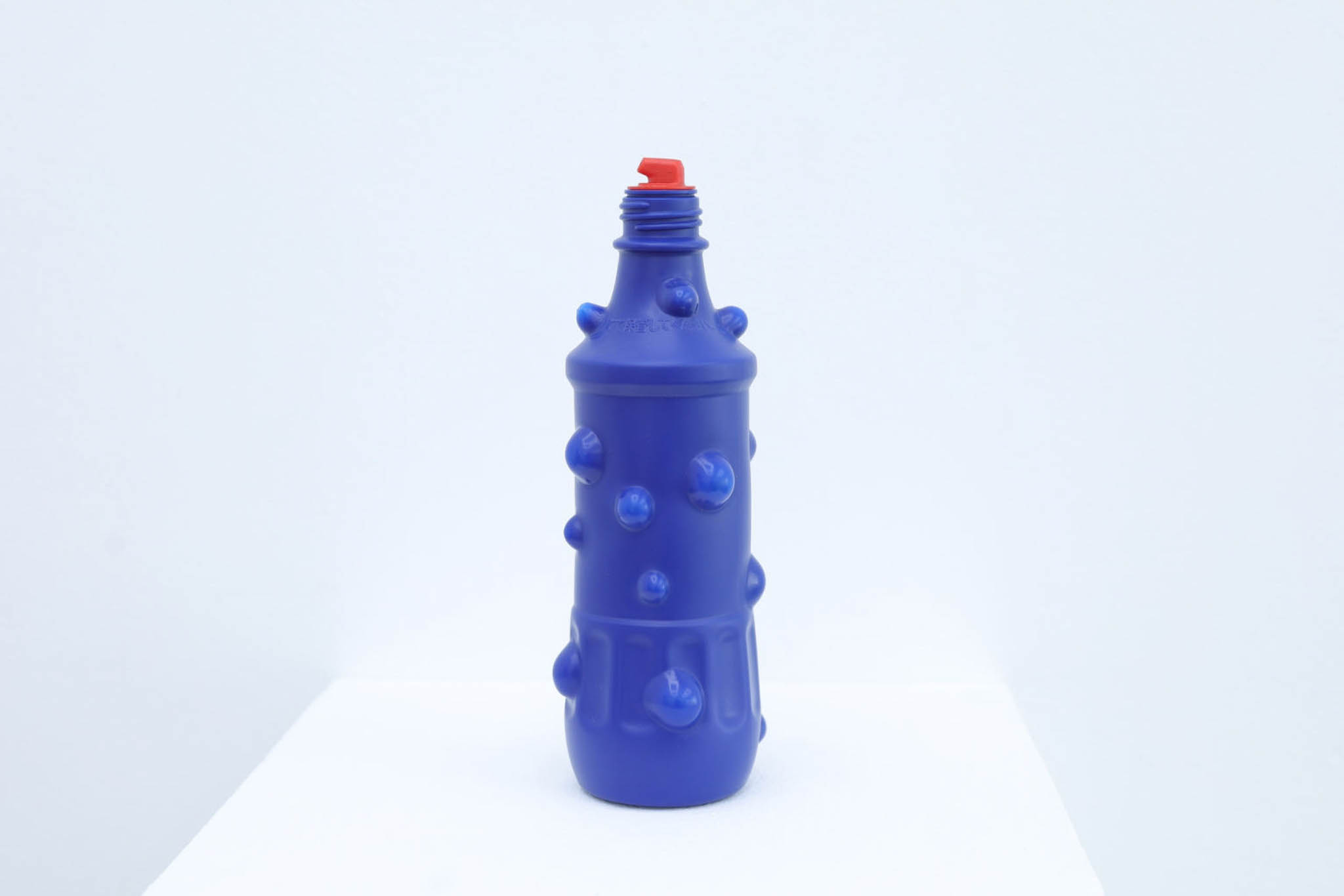
For this group show, Yugo Isaji crafts a captivating narrative using commonplace consumer goods and everyday items. While his creations may initially resemble bricolage, a concept associated with appropriation, Isaji’s approach diverges. Unlike traditional bricolage, where materials are redefined through appropriation, Isaji’s objects retain their original significance, untouched by the artist’s fingerprints. This paradoxical preservation of their inherent meaning amidst artistic manipulation lends an intriguing depth to his works.
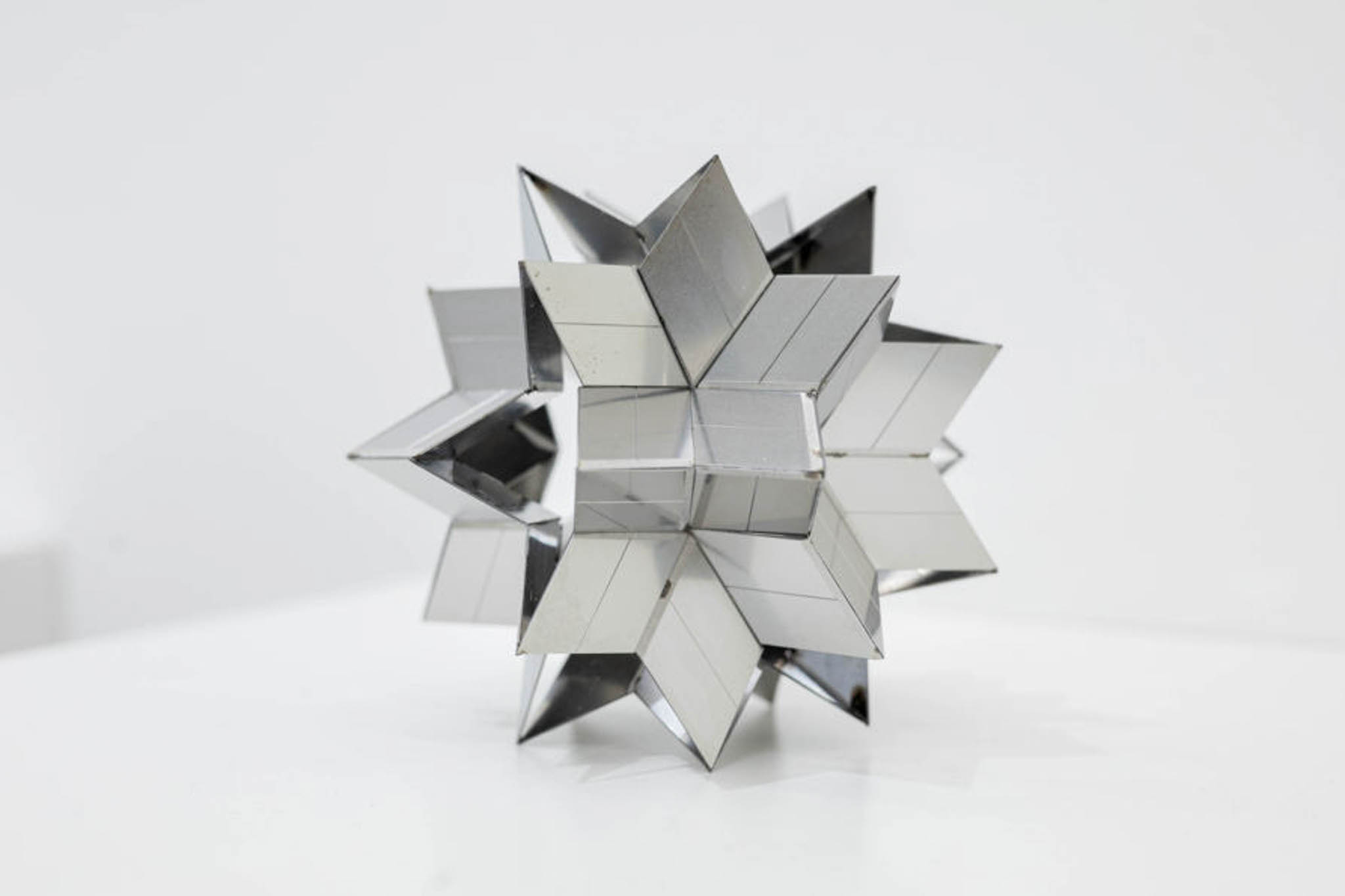
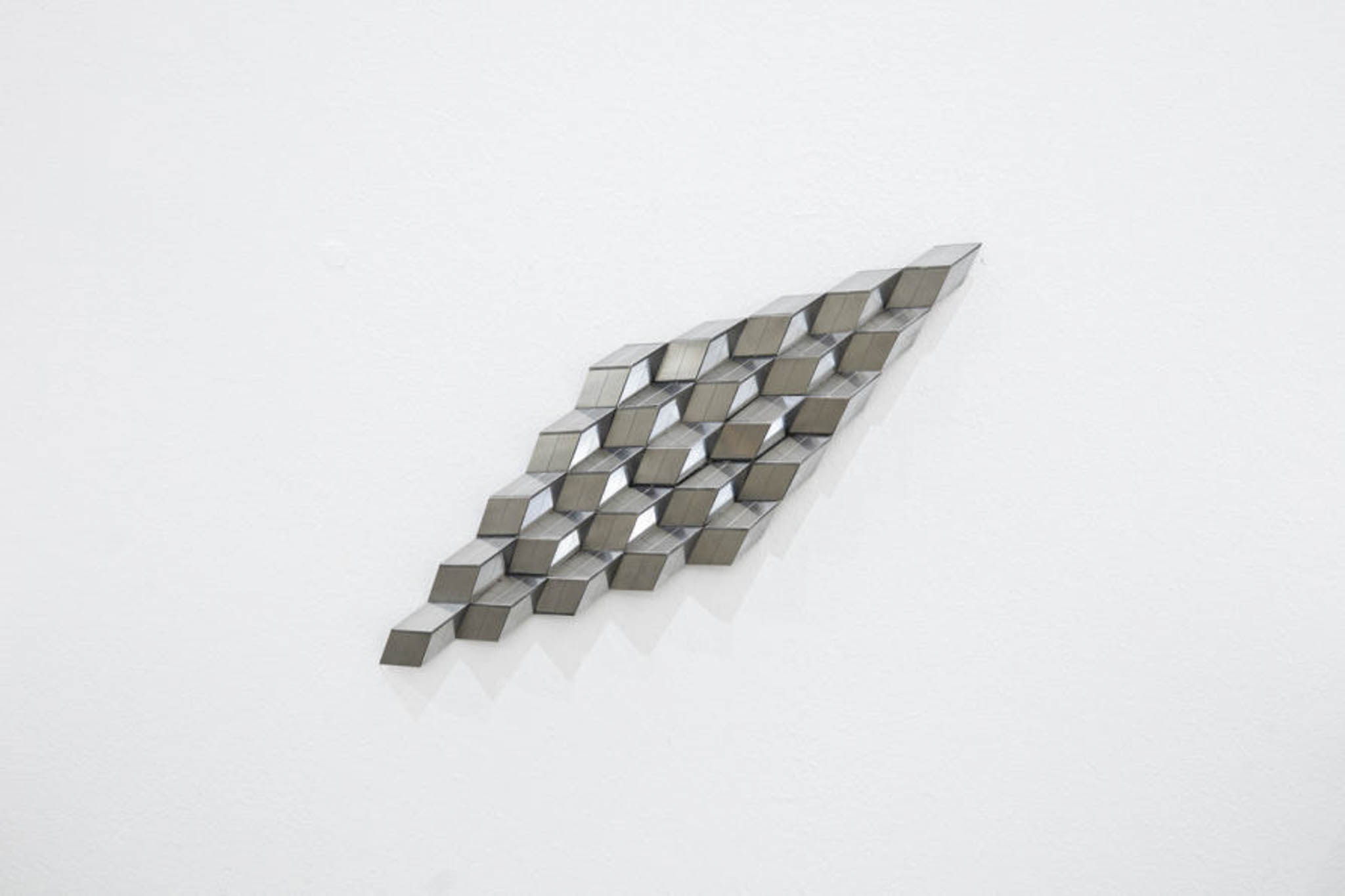
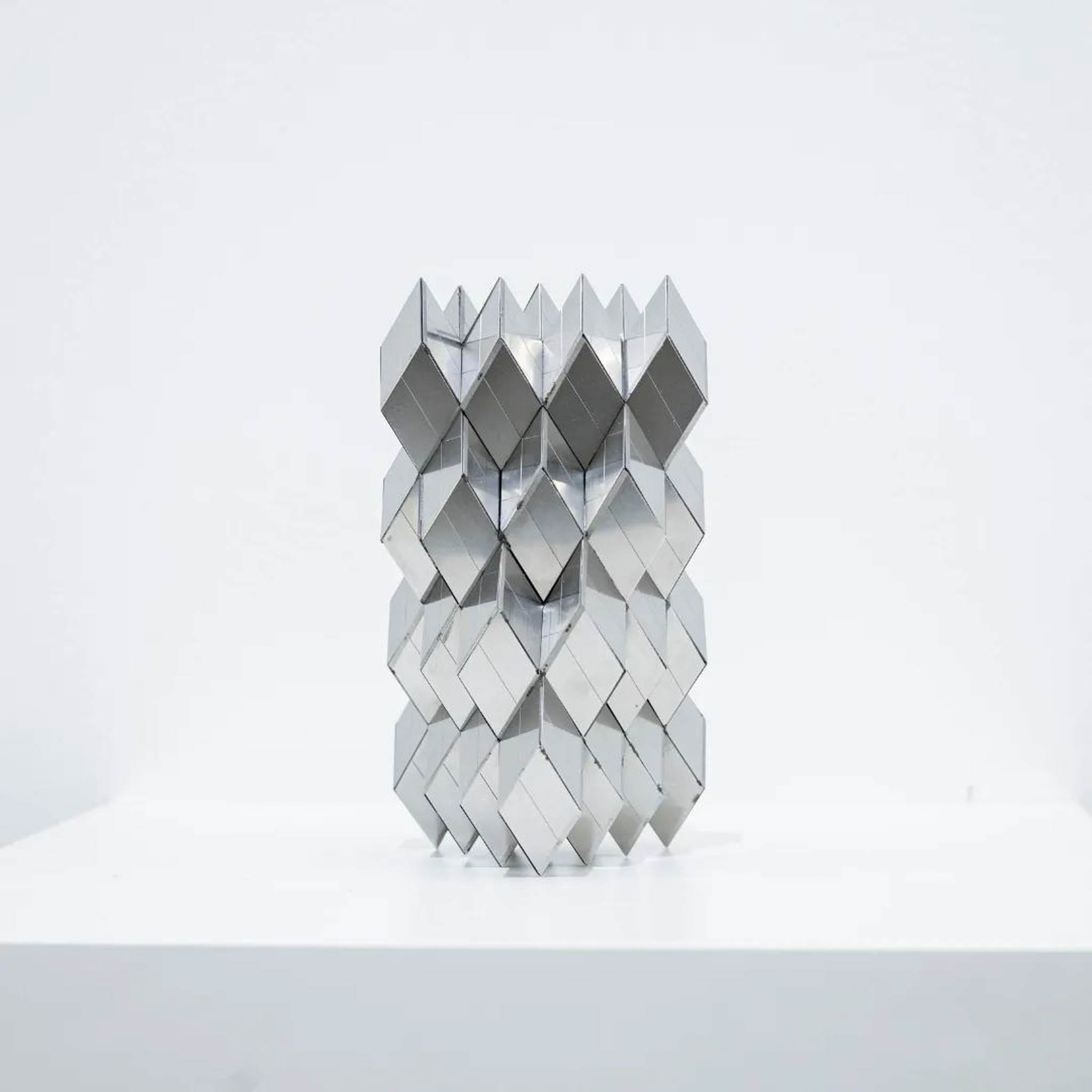
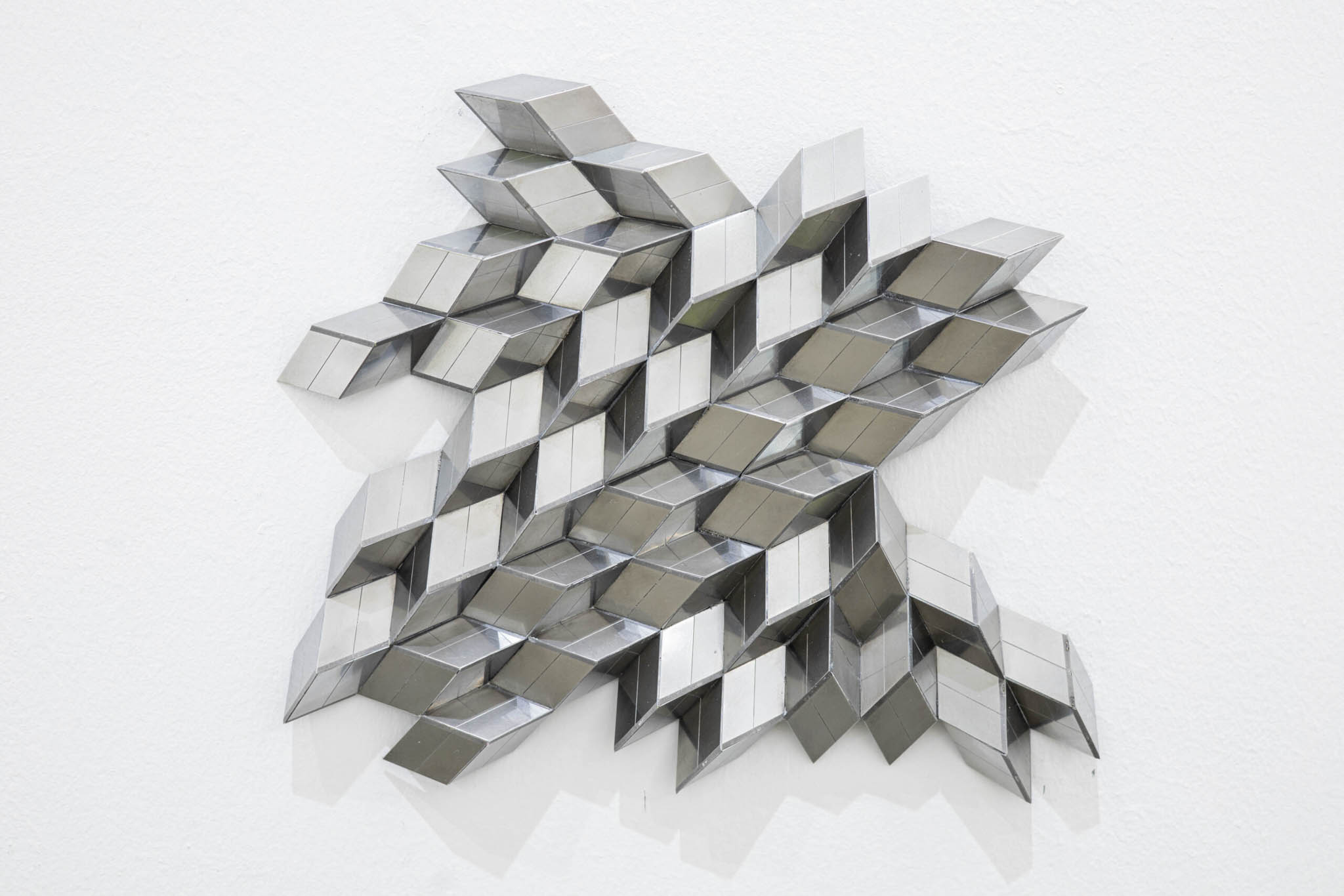
Through meticulous craftsmanship, Isaji’s creations transcend their utilitarian origins, evolving into enigmatic “ownerless objects.” Satoshi Nakashima, an art anthropologist, contemplates the essence of these pieces, proposing the notion of the “Isaji Unit.” This conceptual framework suggests that Isaji endows everyday objects with a unique essence, elevating them beyond mundane utility. In doing so, these familiar artifacts unveil an otherworldly quality, emancipated from conventional associations and narratives.
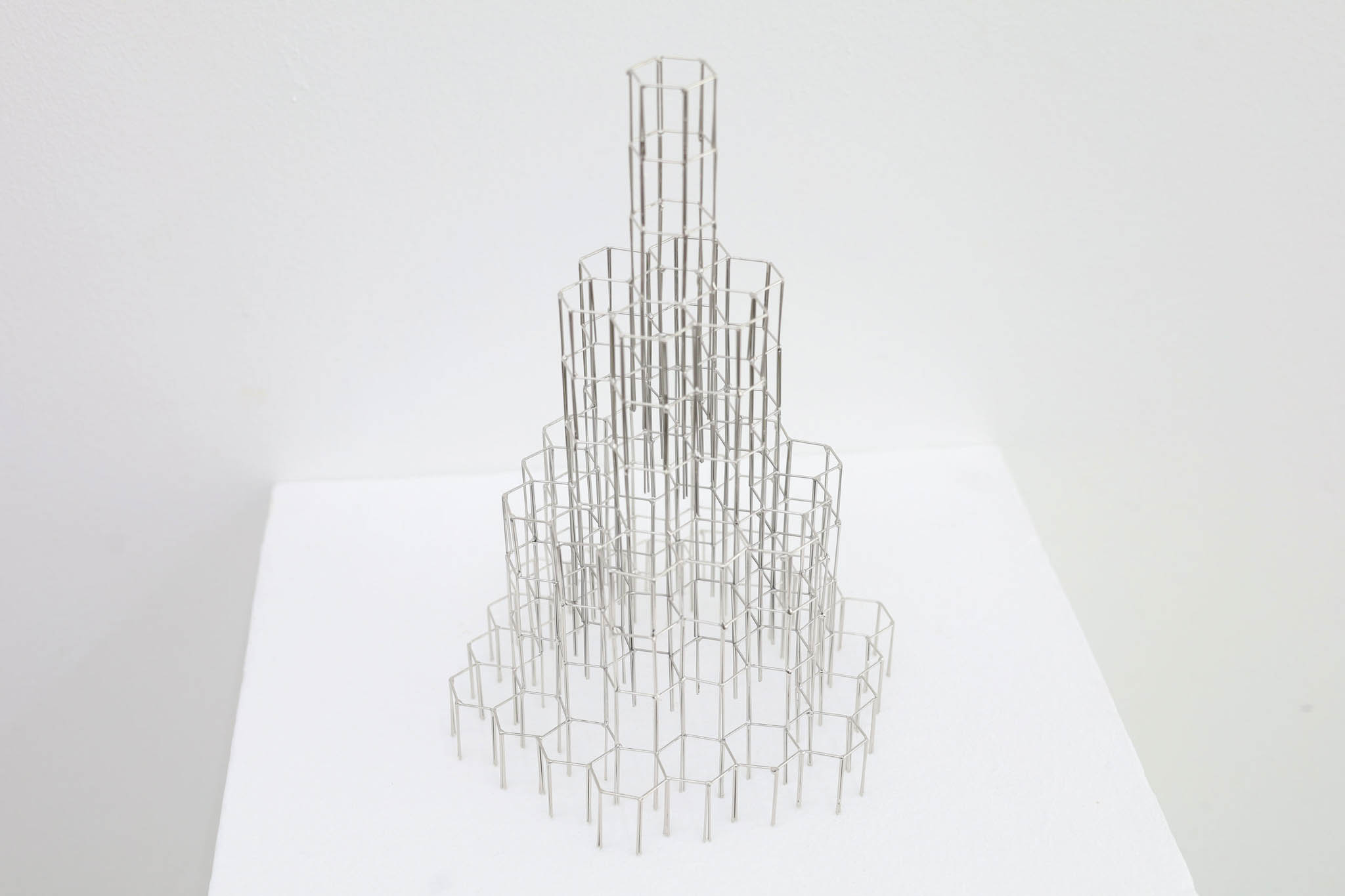
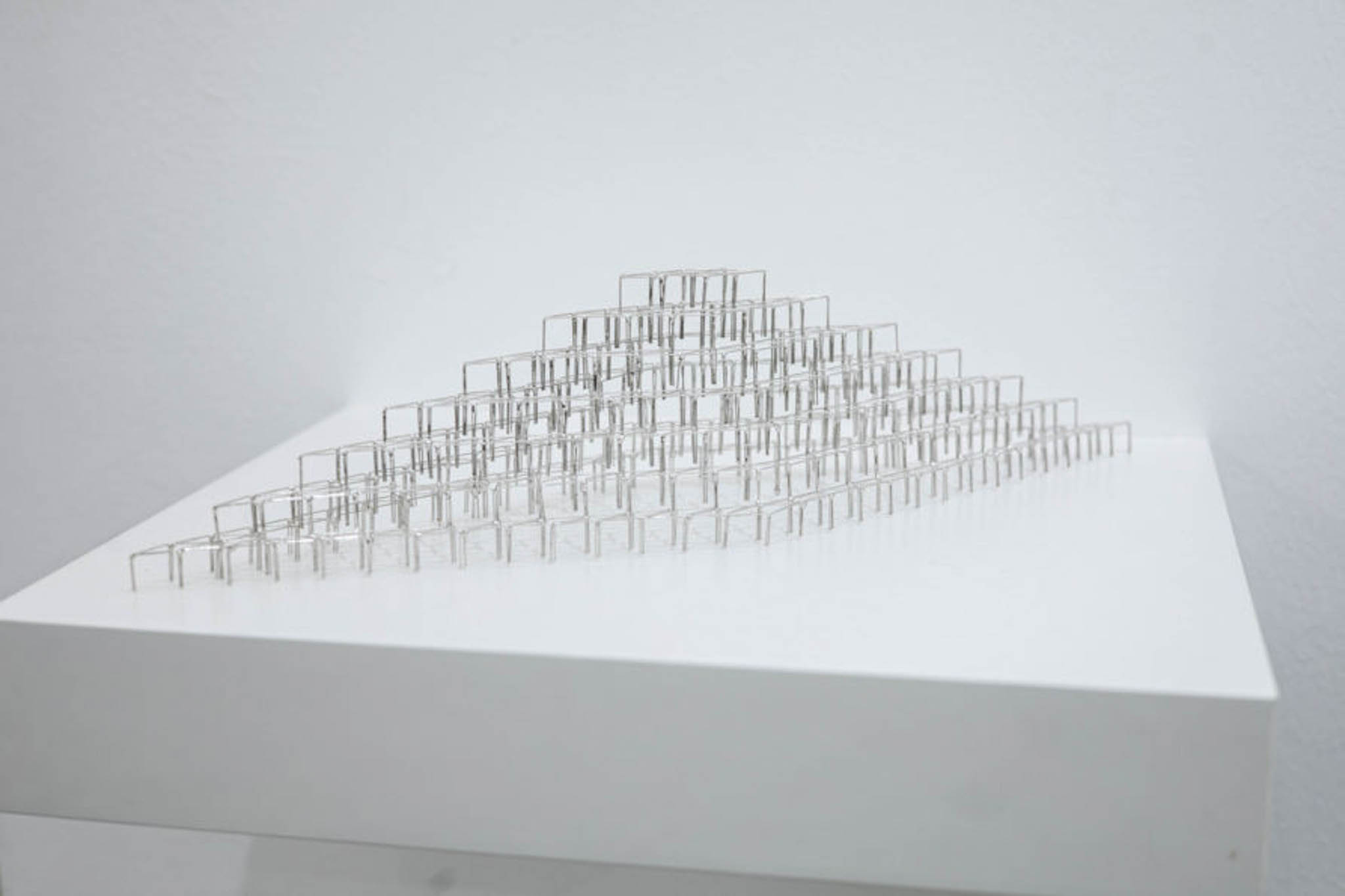
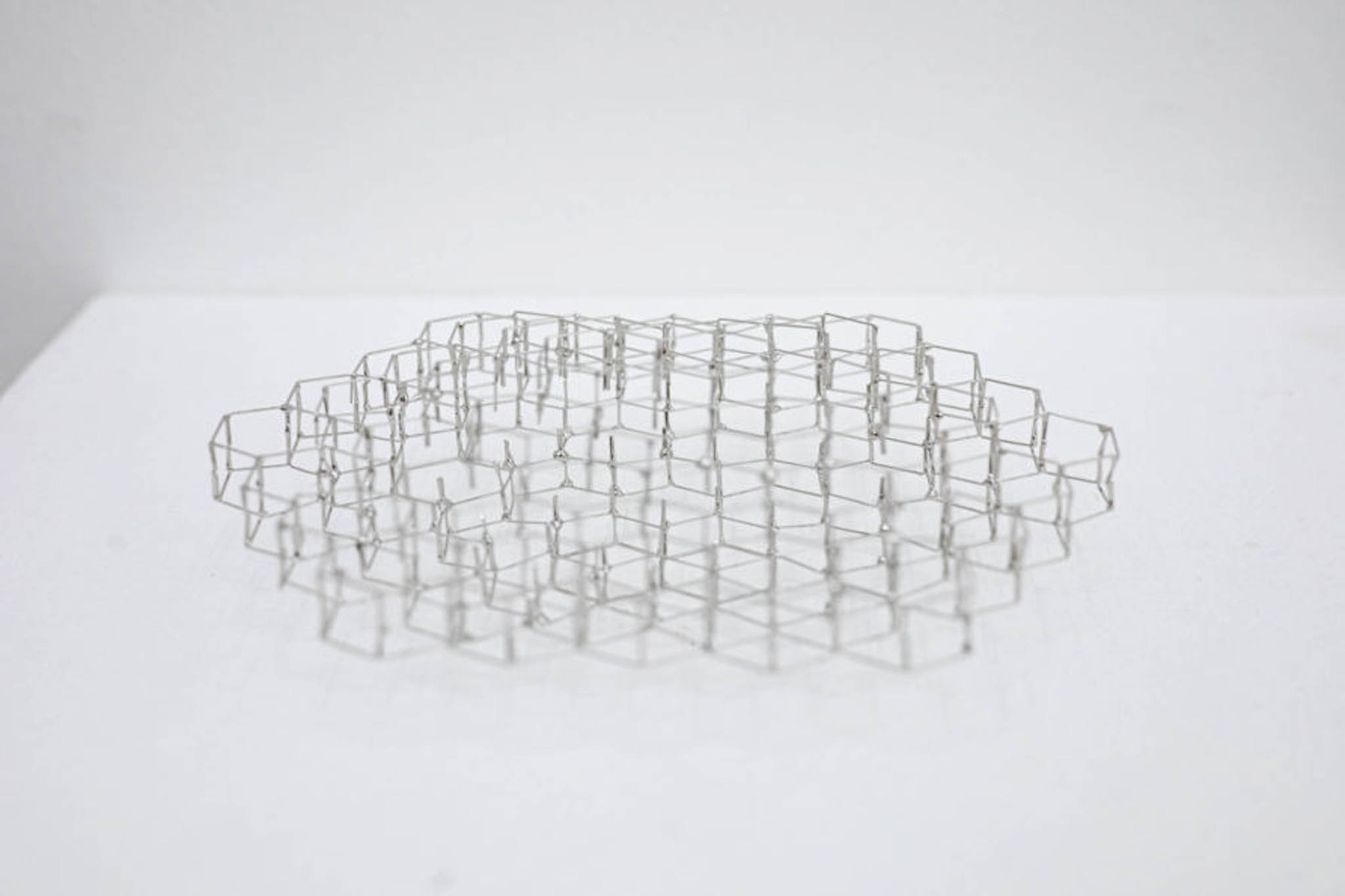
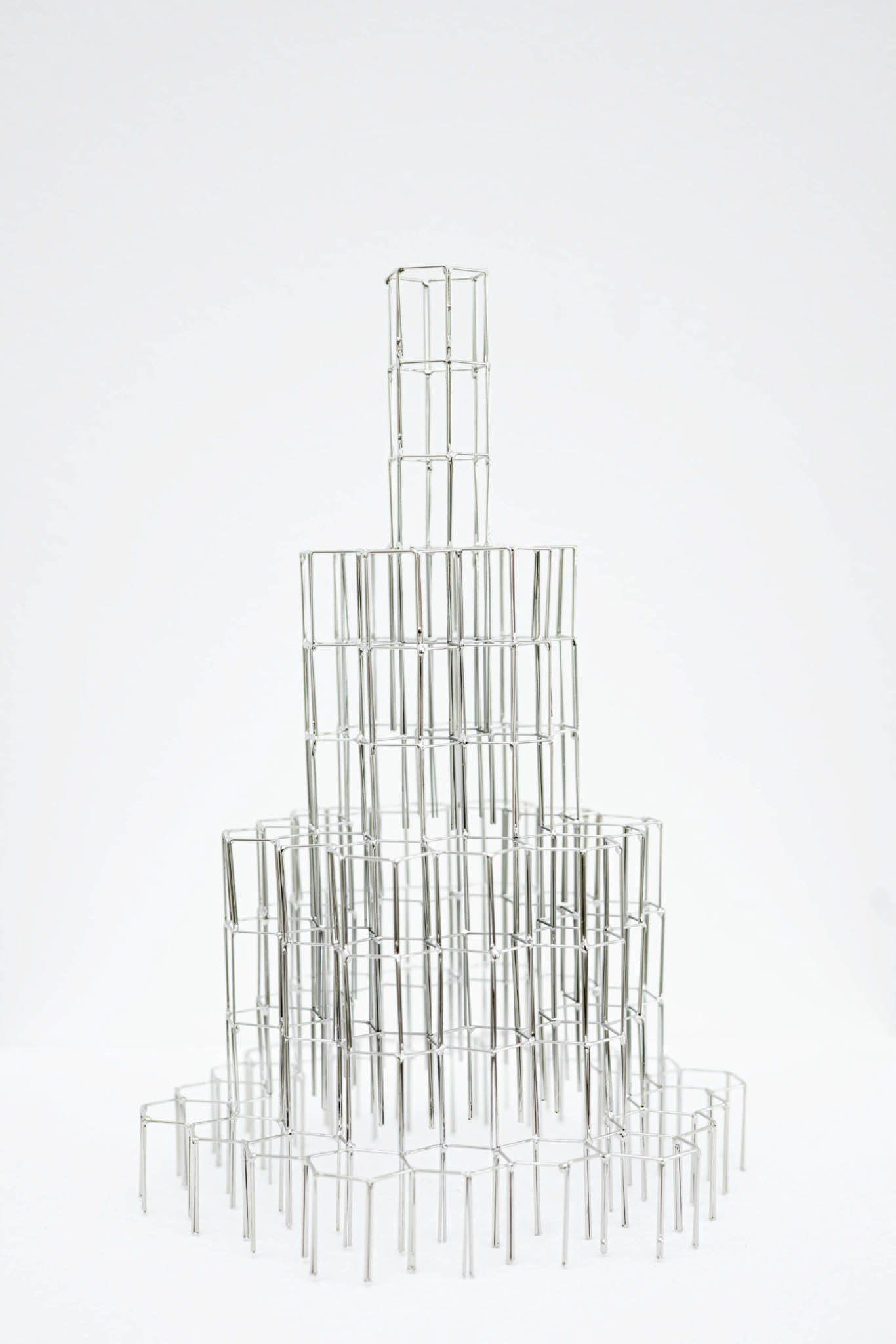
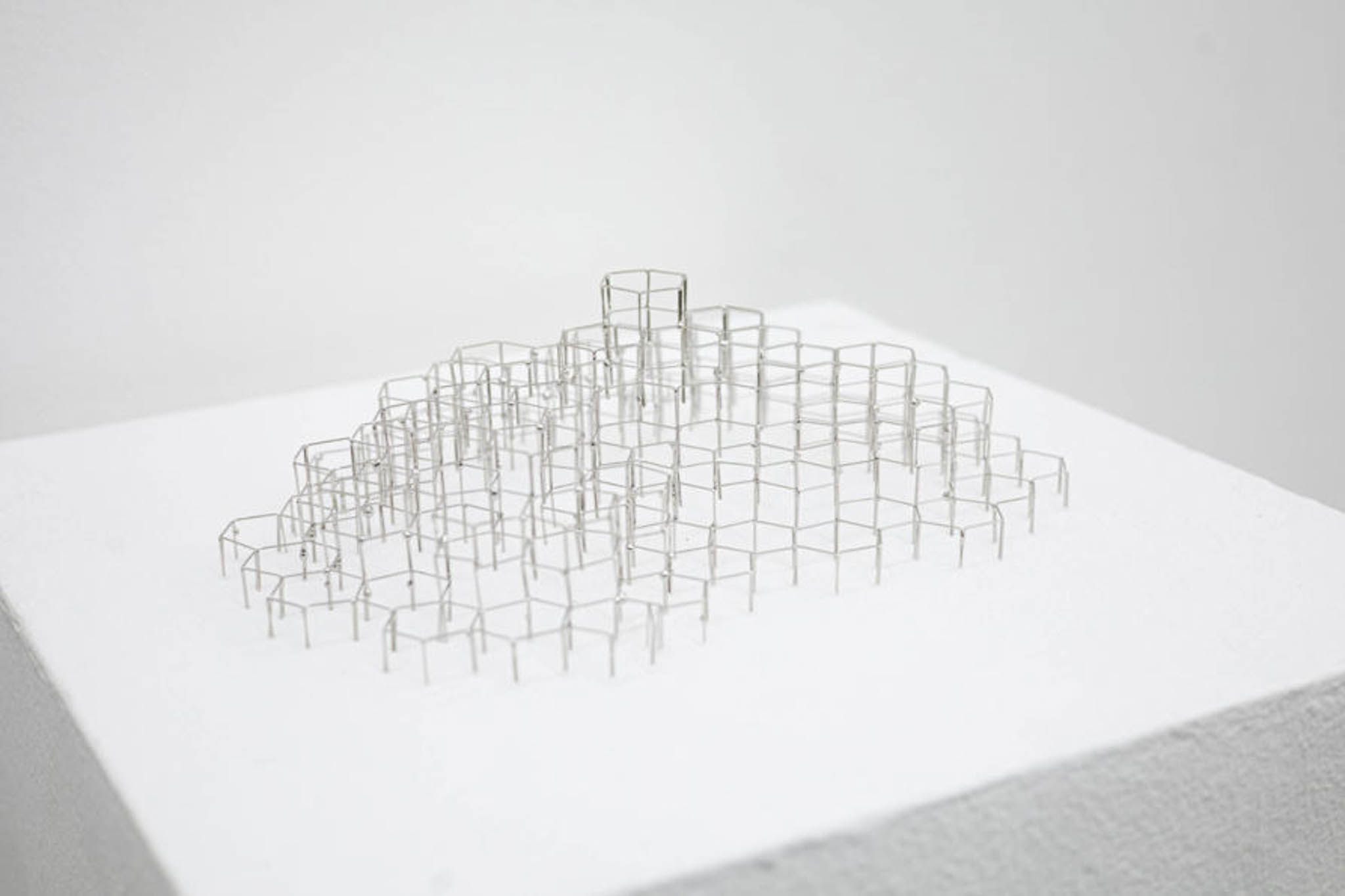
Isaji’s transformative process invites his audience to ponder the underlying essence that sustains these objects in their liberated state. They exist as autonomous entities, detached from the confines of human interpretation, functioning solely as “objects-as-objects.” Through his artistic alchemy, Isaji invites us to reconsider the boundaries between the ordinary and the extraordinary. He challenges perceptions and invites contemplation on the nature of existence itself.
Advertisement
Nobuhiko Terasawa
Nobuhiko Terasawa, born in 1977 in Shimane, Japan, graduated from Teikyo University with a degree in Japanese Literature. He participated in the 2012 artist residency program at Taipei Art Village. Museums featured his work in exhibitions such as “Exchange Program” at MOT Tokyo.
His notable solo exhibitions include “Arise from silver” at The Drawing Room in Manila in 2014 and “Not only vaulting ambition” at NOVA Gallery in Manila in 2015. He exhibited his work at the 2015 Echigo-Tsumari Triennale, where he also participated in the group exhibition “Can You See the Invisible Hands of God’s” in Niigata, Japan. That same year, he took part in the group exhibition “Speak Soft Listen Hard” at Gallery Manila.
He exhibited his work at The Drawing Room, Yiri Arts, and international events like Art Taipei and Art Taichung in 2017 and 2018.
Advertisement
The Iconoclast
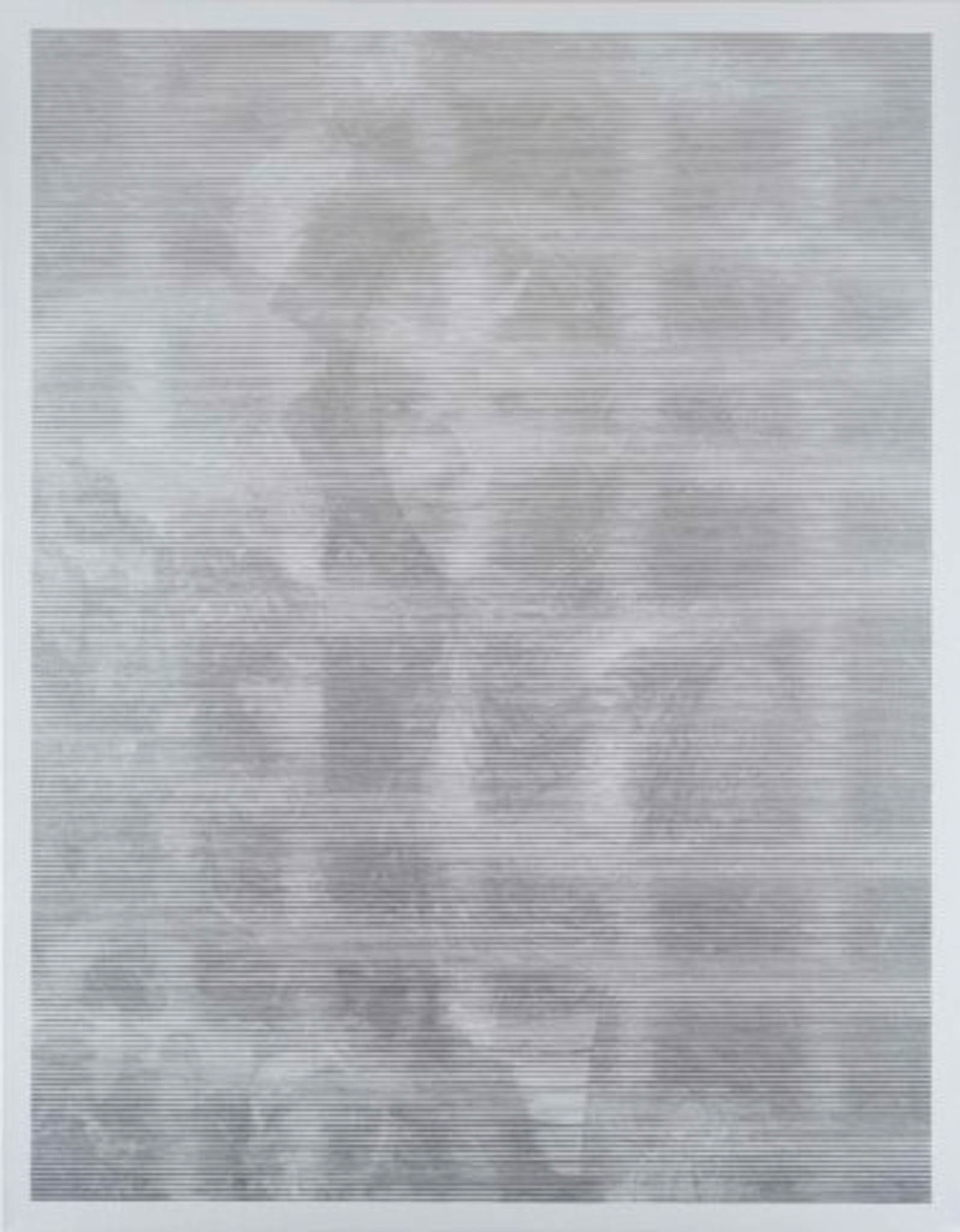
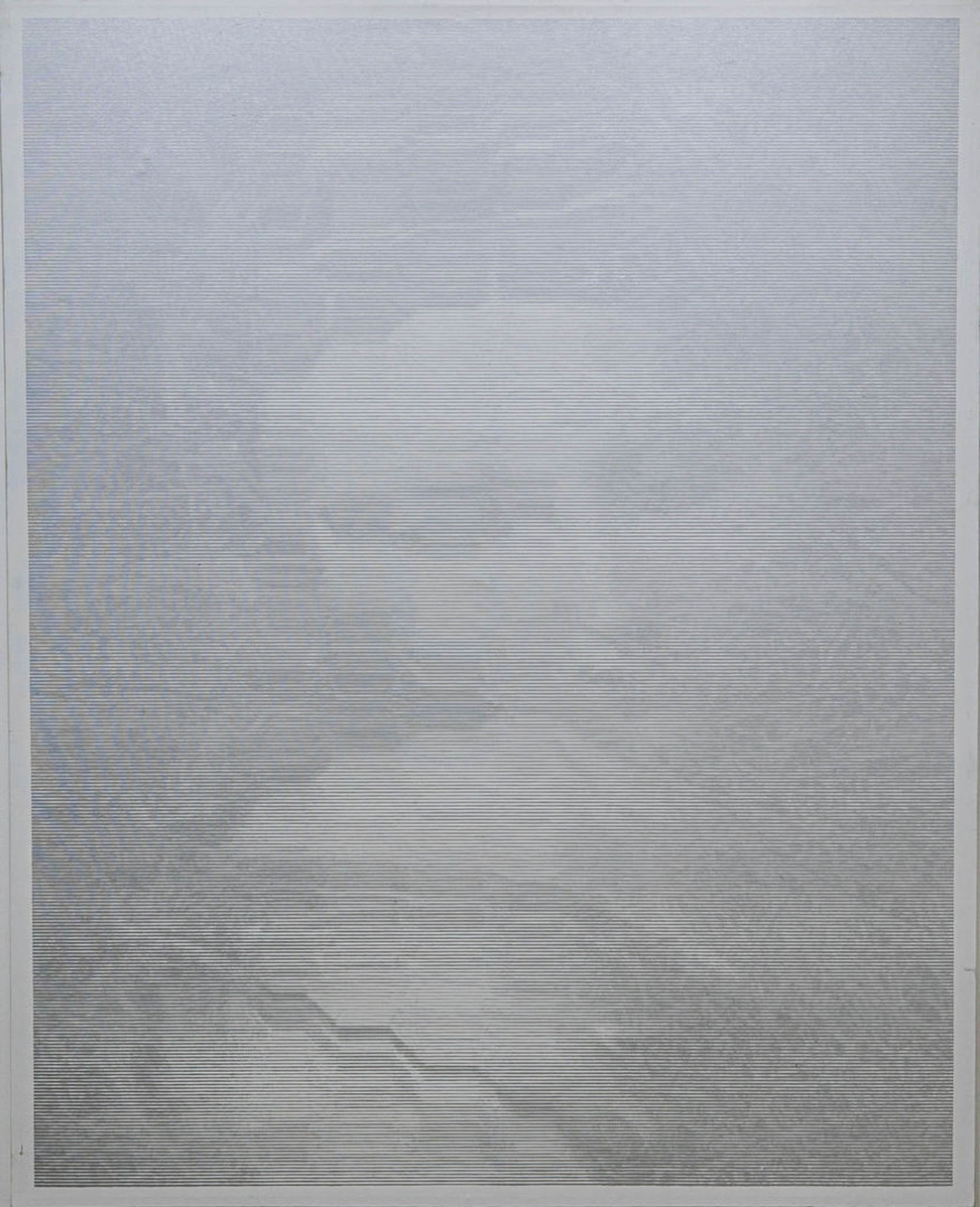
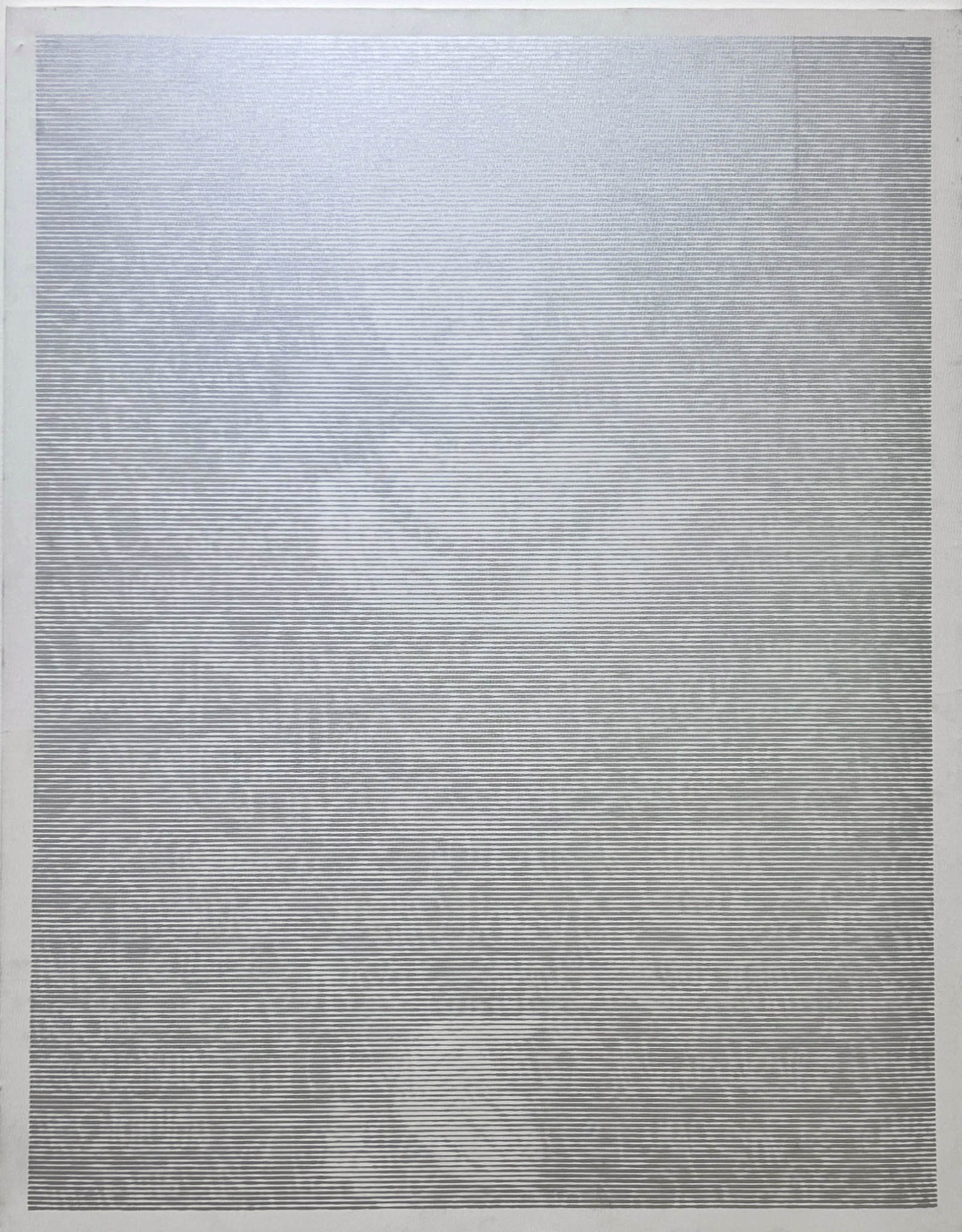
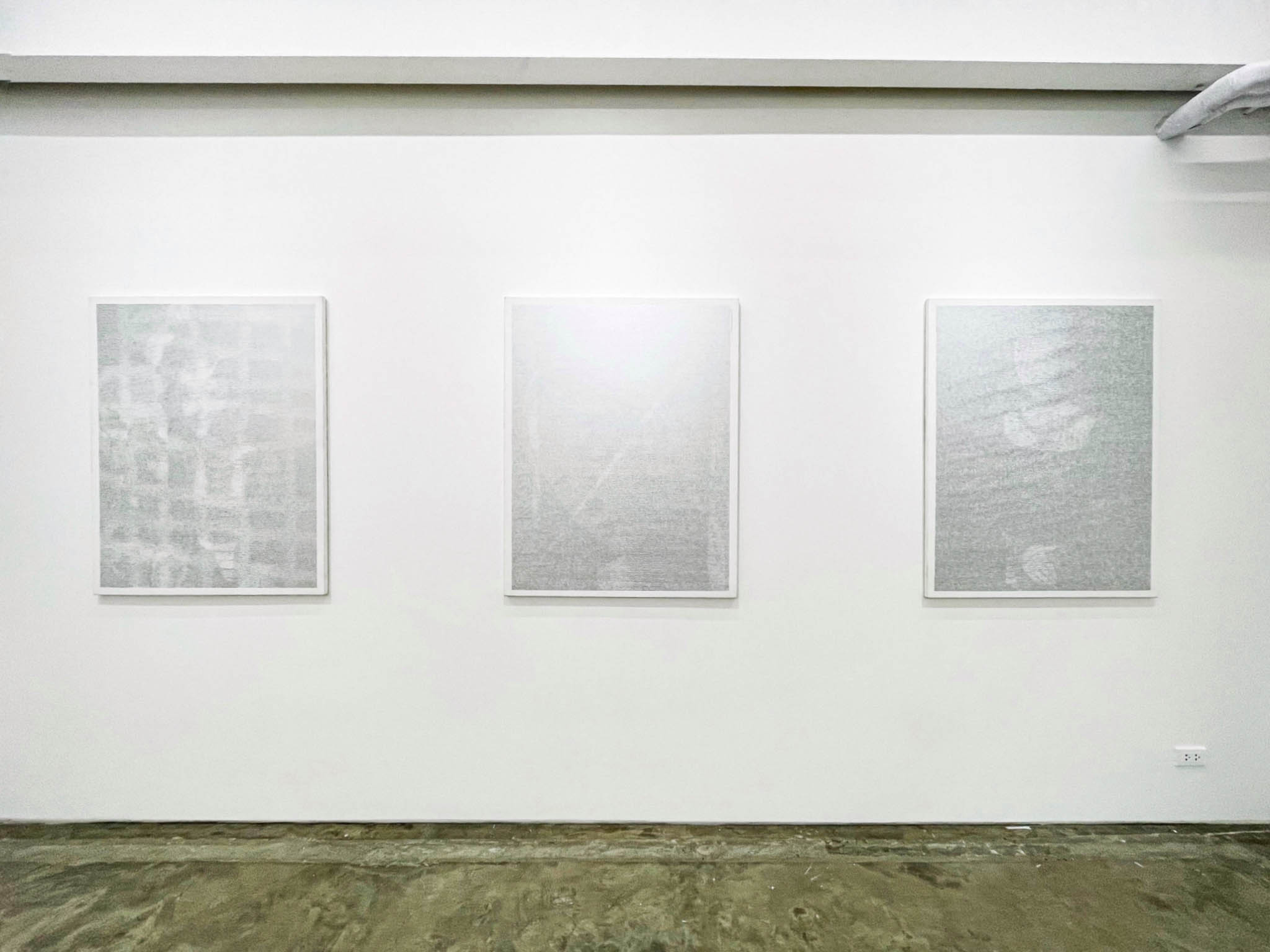
His pieces for this show challenge conventional notions of value, purpose, and meaning. Initially appearing silent, the paintings beckon viewers to explore their depths. With colors that seem to whisper rather than shout, the images remain elusive, sometimes revealing iconic elements only under specific lighting conditions. Yet, as viewers engage further, they are confronted by a jarring revelation. The familiar works upon which these paintings are based have been deliberately marred and distorted. Lucas Cranach’s “Salome,” Peter Paul Rubens’ “Portrait of a Young Girl,” and Caravaggio’s “Judith” all bear the scars of deliberate defacement.

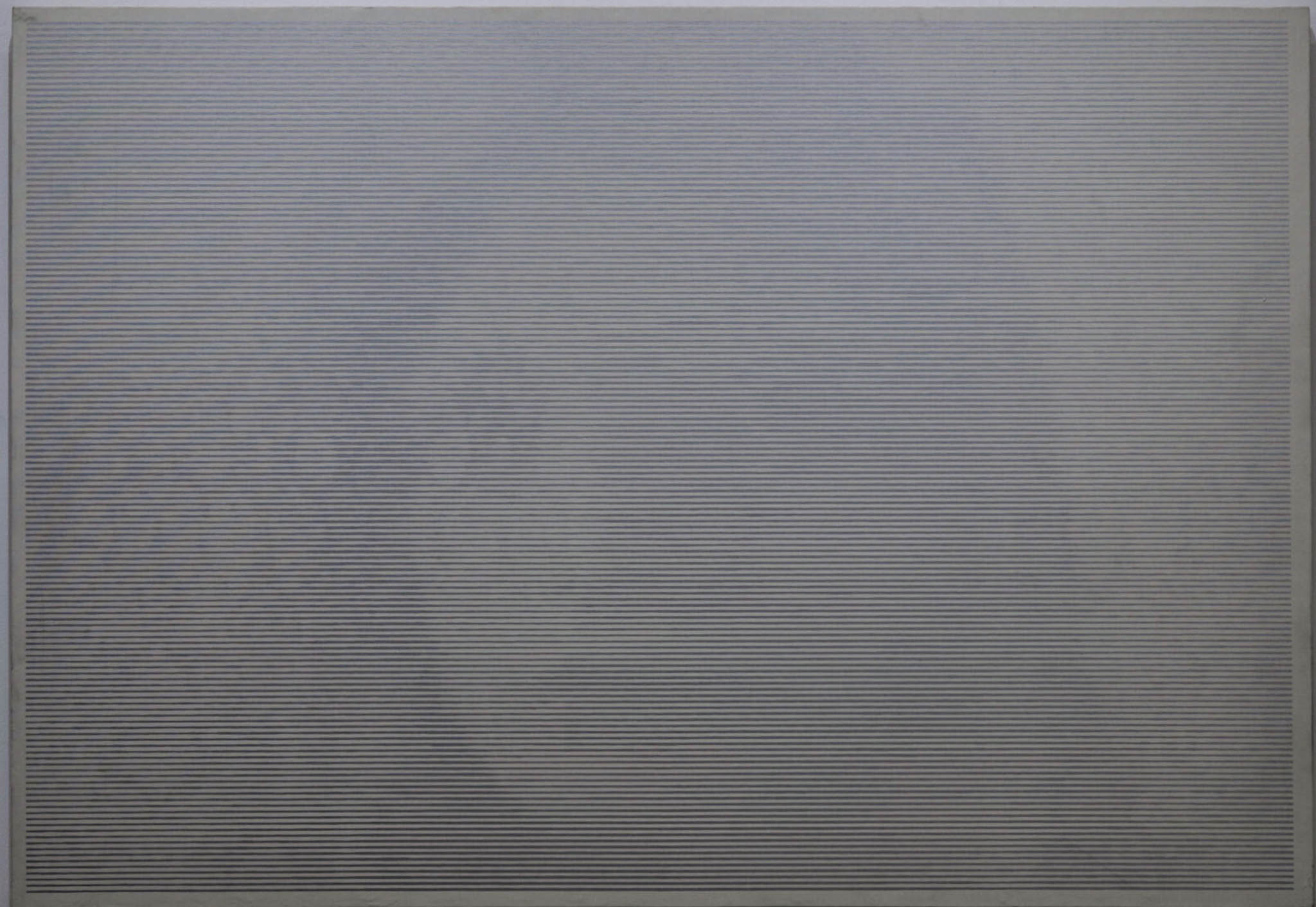

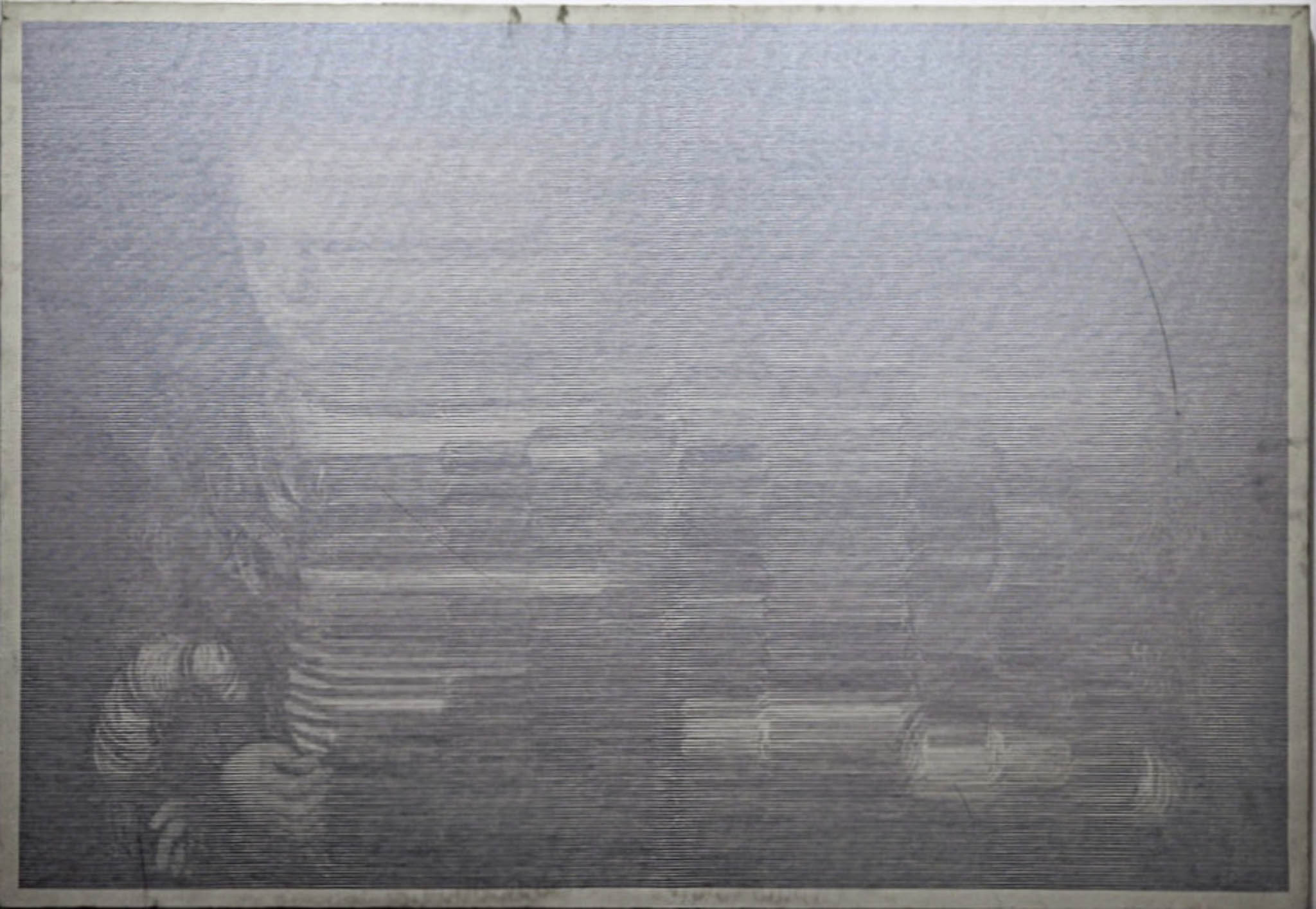
Notably, Terasawa’s figures emerge from delicate silver lines, crafted with meticulous precision. Through his deliberate attacks on icons of art history, Terasawa positions himself as a contemporary successor to the iconoclastic tradition. He aims to redefine the relationship between photography, video, and painting, reviving traditional mediums with modern sensibilities. His works are imbued with a unique temporality, their expressions shifting with the passage of natural light.
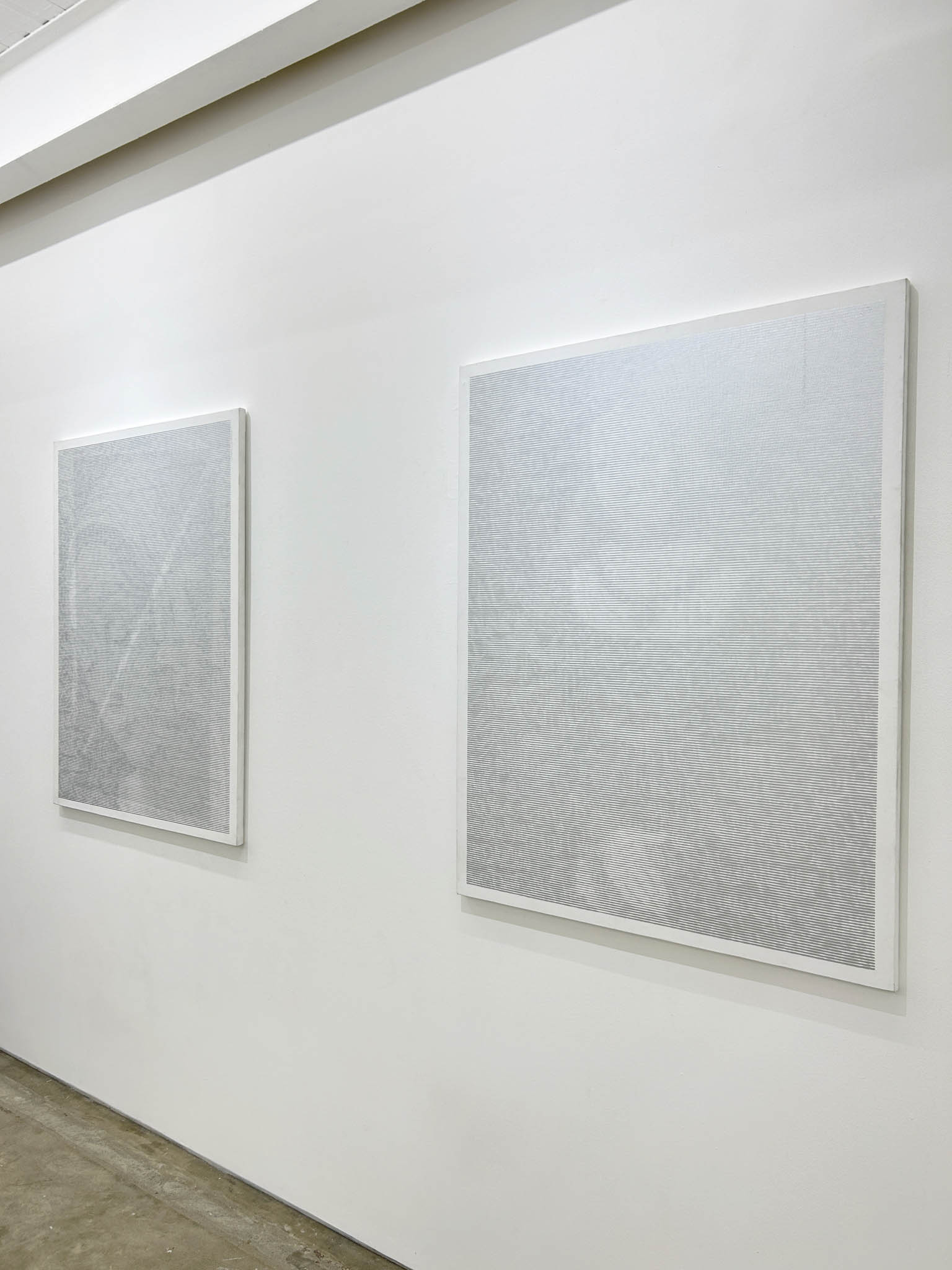
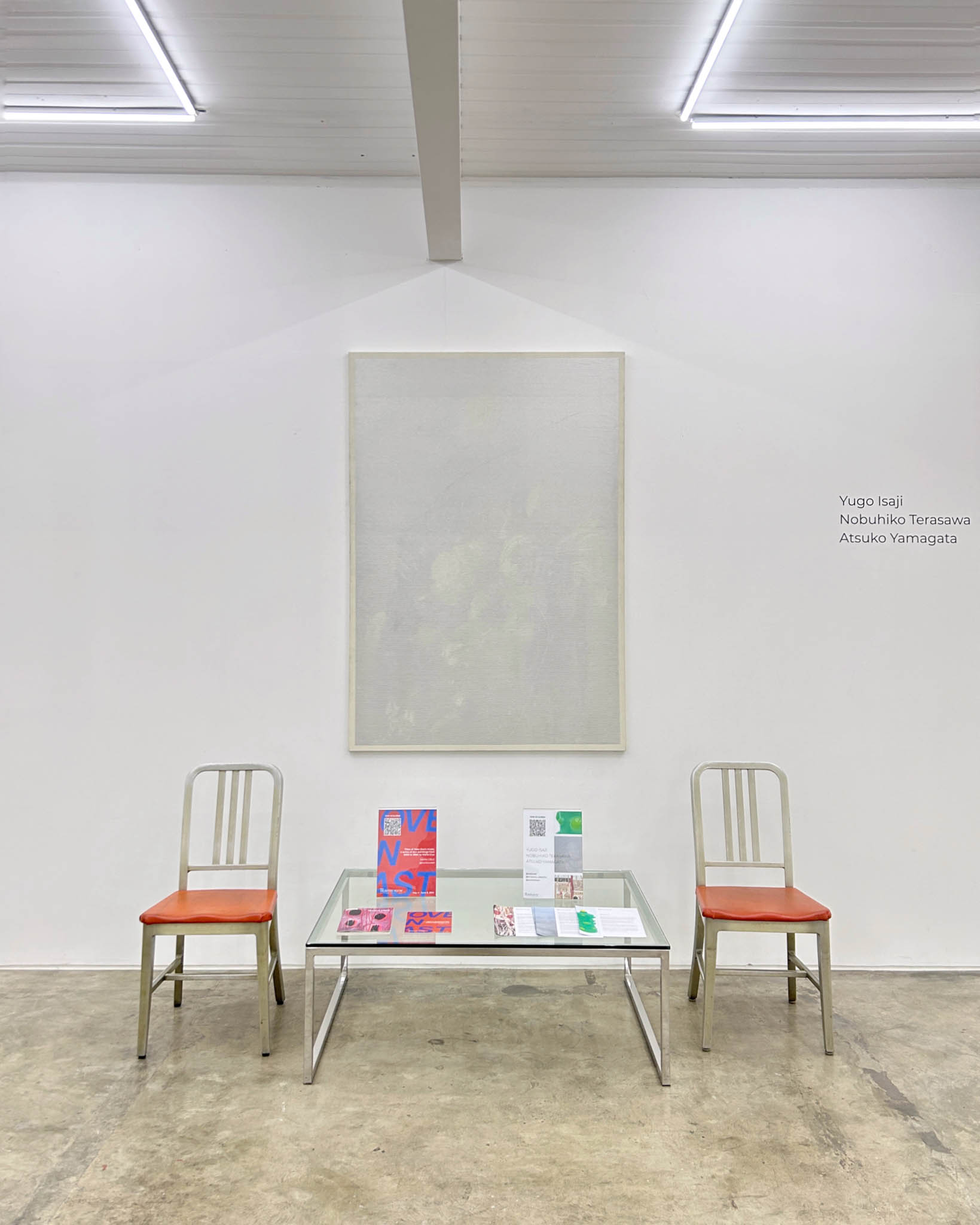
While Terasawa’s approach may initially appear confrontational, it belies a deep engagement with art history. His meticulous analysis and consideration underscore a philosophical inquiry into the nature of artistic expression. As philosopher Erika Chitanda notes, Terasawa’s work is both offensive and insightful, offering a necessary challenge to the established norms of the art world. With his formidable intellect and innovative approach, Terasawa is poised to make a significant impact on the global stage, sooner than expected.
Advertisement
Atsuko Yamagata
Atsuko Yamagata, born in 1982 in Hokkaido, Japan, is a self-taught visual artist who began her career in Tokyo in 2006. She relocated to the Philippines in 2012, where her presence in the Manila art scene flourished. She holds a BA from Tokyo University of Foreign Studies, where she majored in Indonesian language, contributing to her Southeast Asian cultural studies. Although she briefly attended Musashino Art University in Tokyo, she dropped out after a year. Notable exhibitions include solo and group shows at Artinformal Gallery, the Cultural Center of the Philippines, Vargas Museum, and Viento Arts Gallery in Japan. Her international participation encompasses events in Indonesia, Singapore, and Thailand. Yamagata was a finalist in the Sovereign Asian Art Prize 2022 in Hong Kong and showcased her work in prestigious exhibitions such as the Nakanojo Biennale and the Chiang Mai x Nakanojo International Exchange Exhibition.
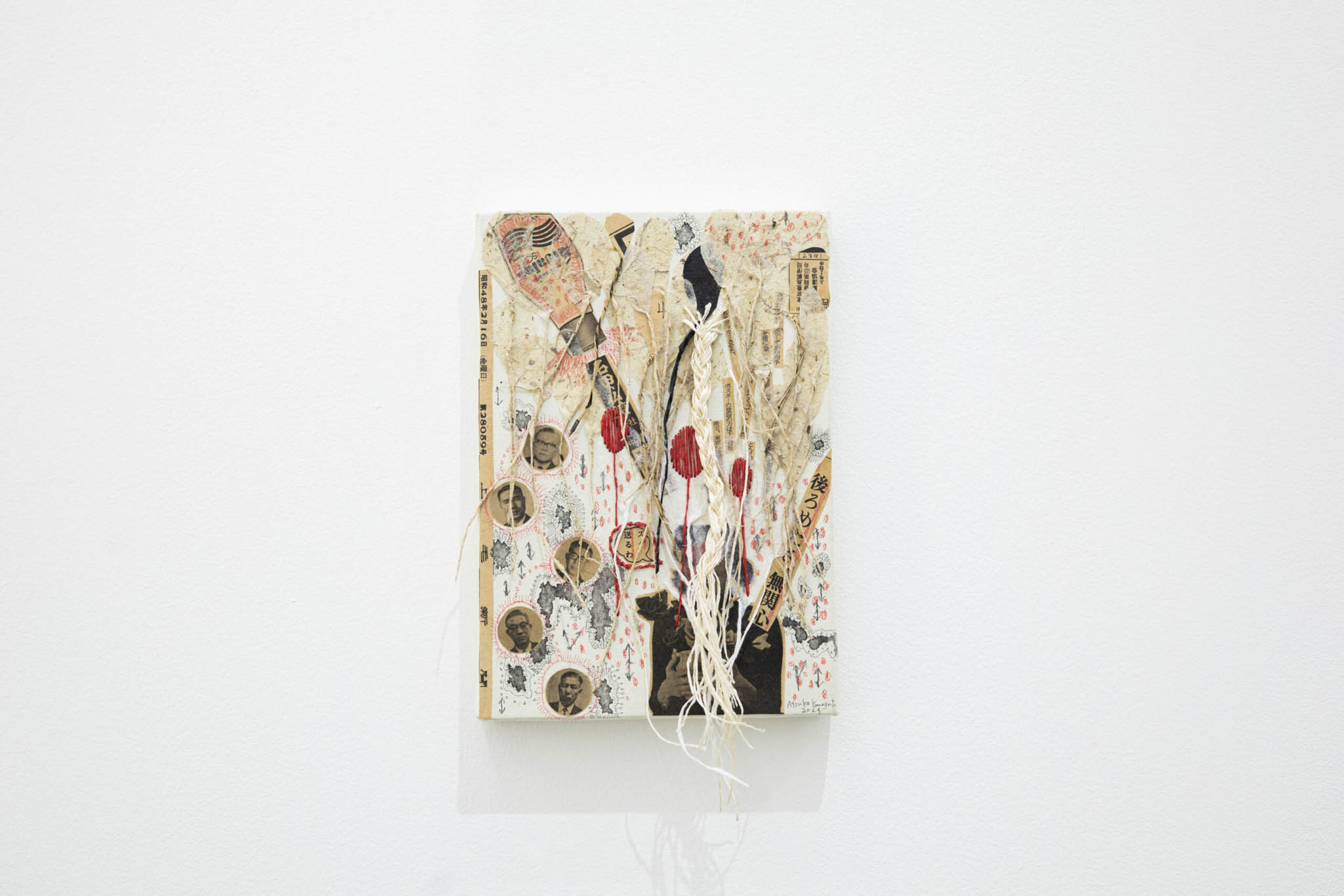
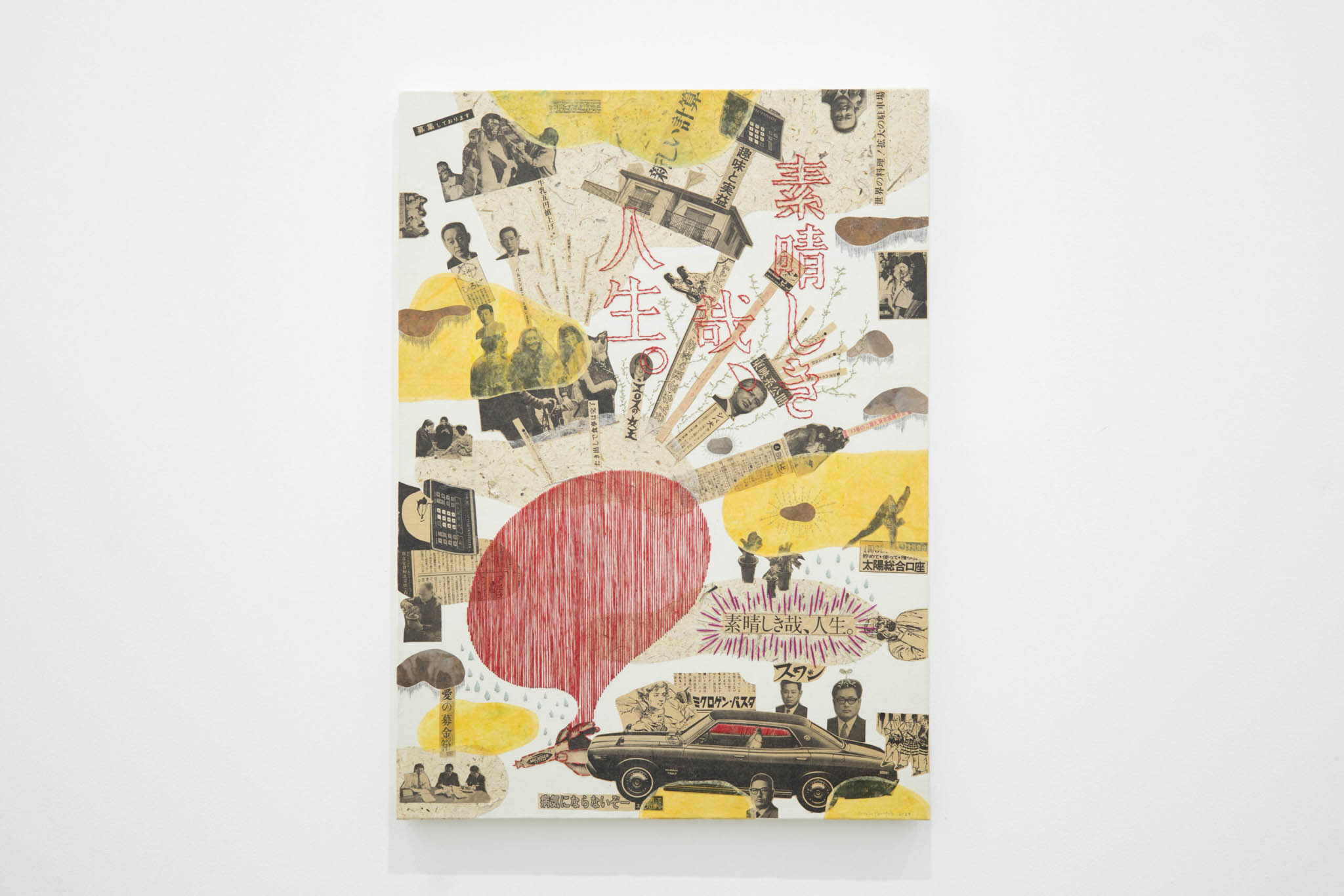
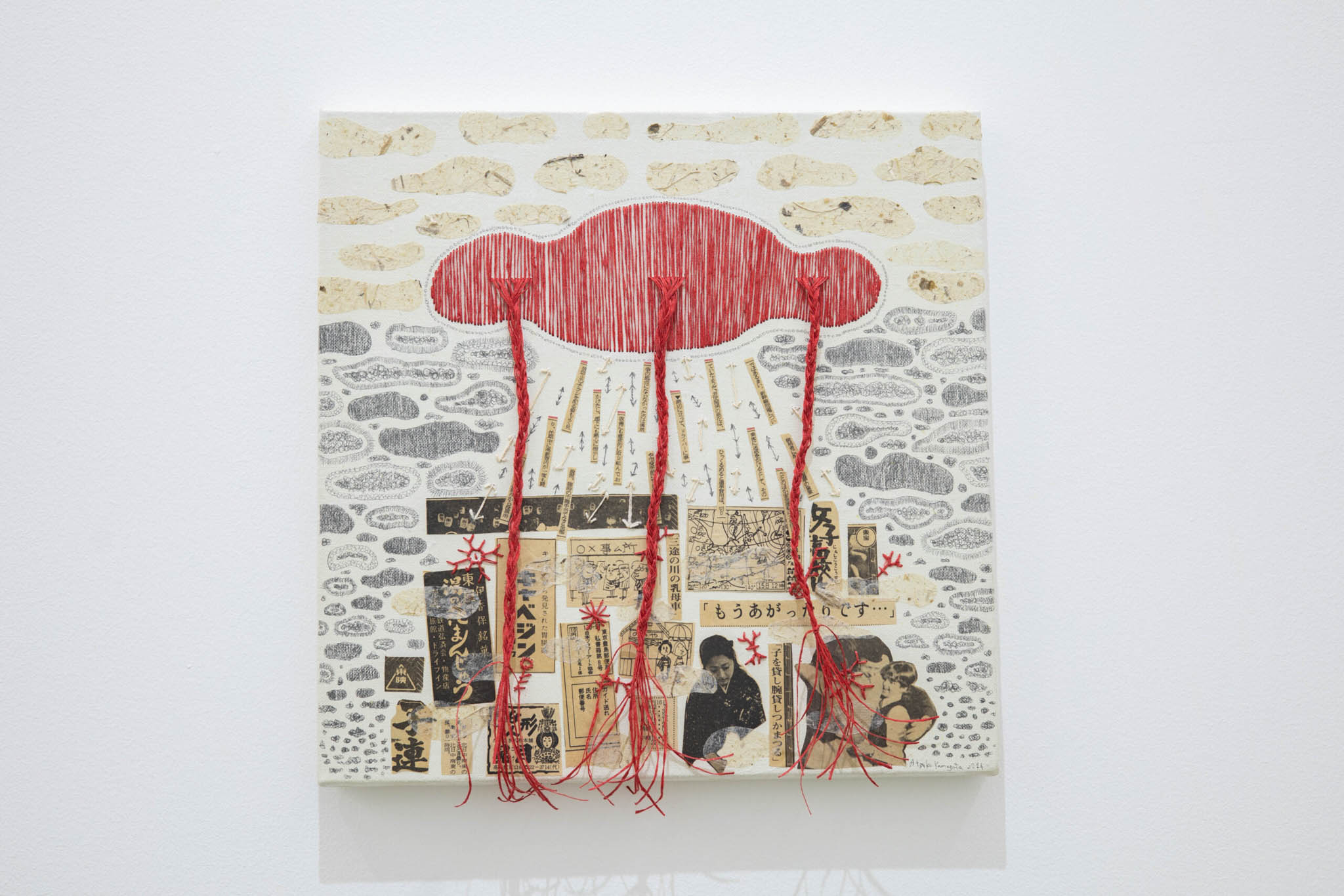
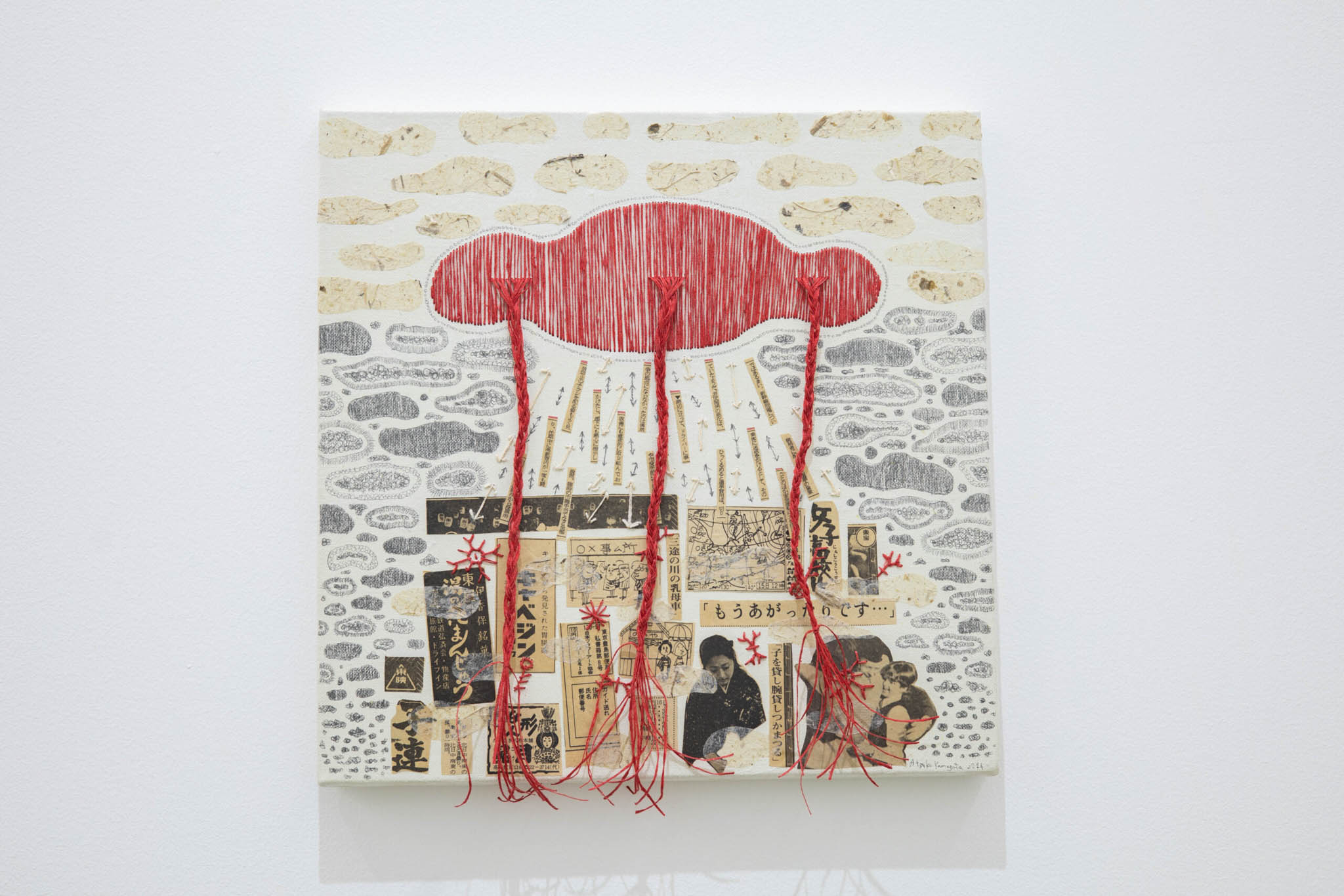
In her latest exhibition, Atsuko Yamagata takes viewers on a journey through time and space. She explores the intricate interplay between past and present, nostalgia and evolution. Residing in a century-old Japanese house nestled in a rural enclave, Yamagata stumbled upon relics of yesteryears – vintage dishes wrapped in newspapers dating back over five decades. Inspired by this serendipitous encounter, she embarked on a transformative artistic endeavor, incorporating fragments of the 1973 newspaper into her collage paintings.
Embracing the Inherent Complexities of Existence
Immersing herself in the faded print, Yamagata unearthed poignant reminders of bygone eras – from whimsical advertisements extolling the joys of life to subtle echoes of societal shifts and cultural metamorphosis. Through her artistry, she delicately weaves together threads of memory and observation, inviting viewers to contemplate the passage of time and the enduring essence of human experience.
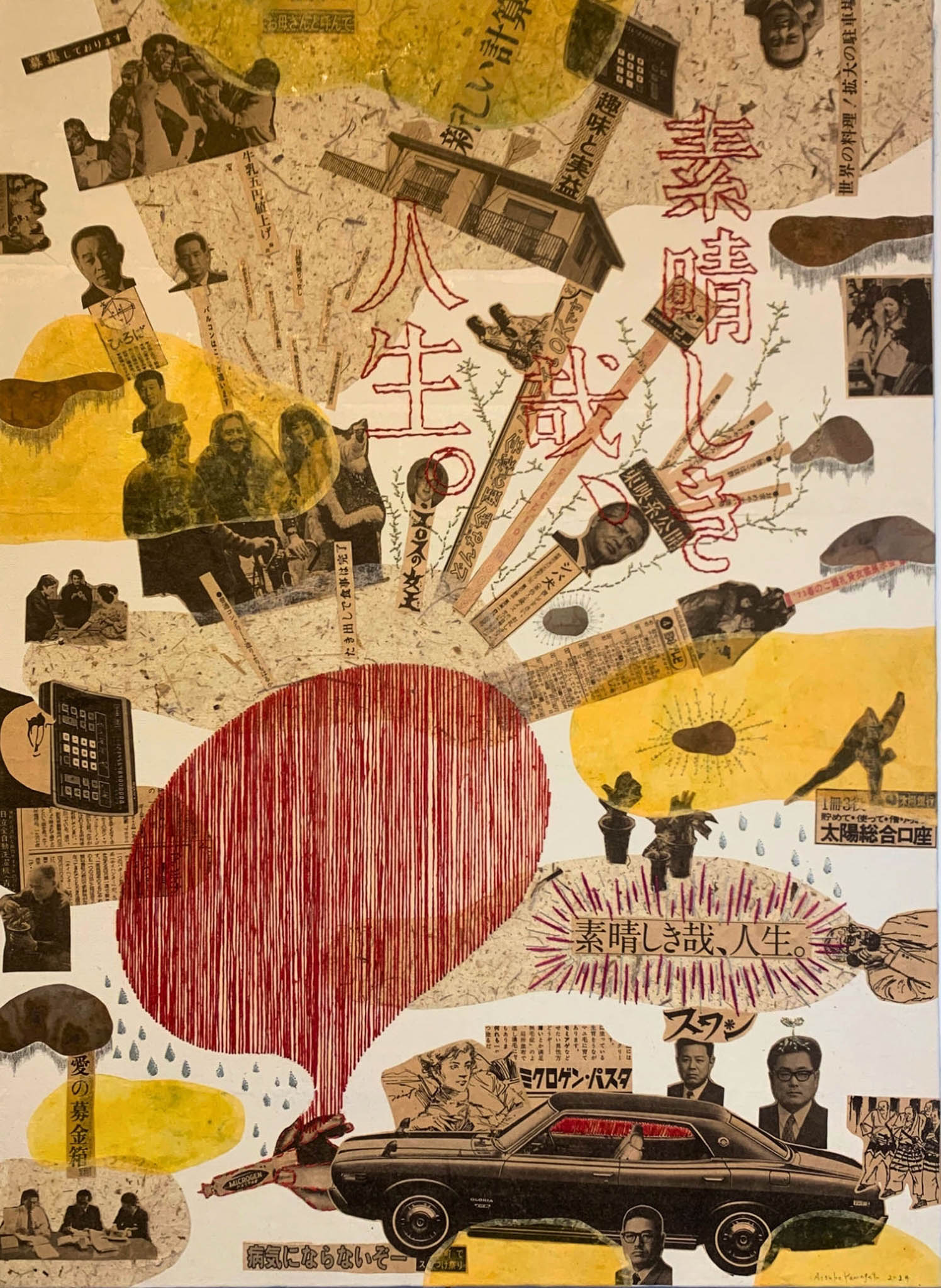
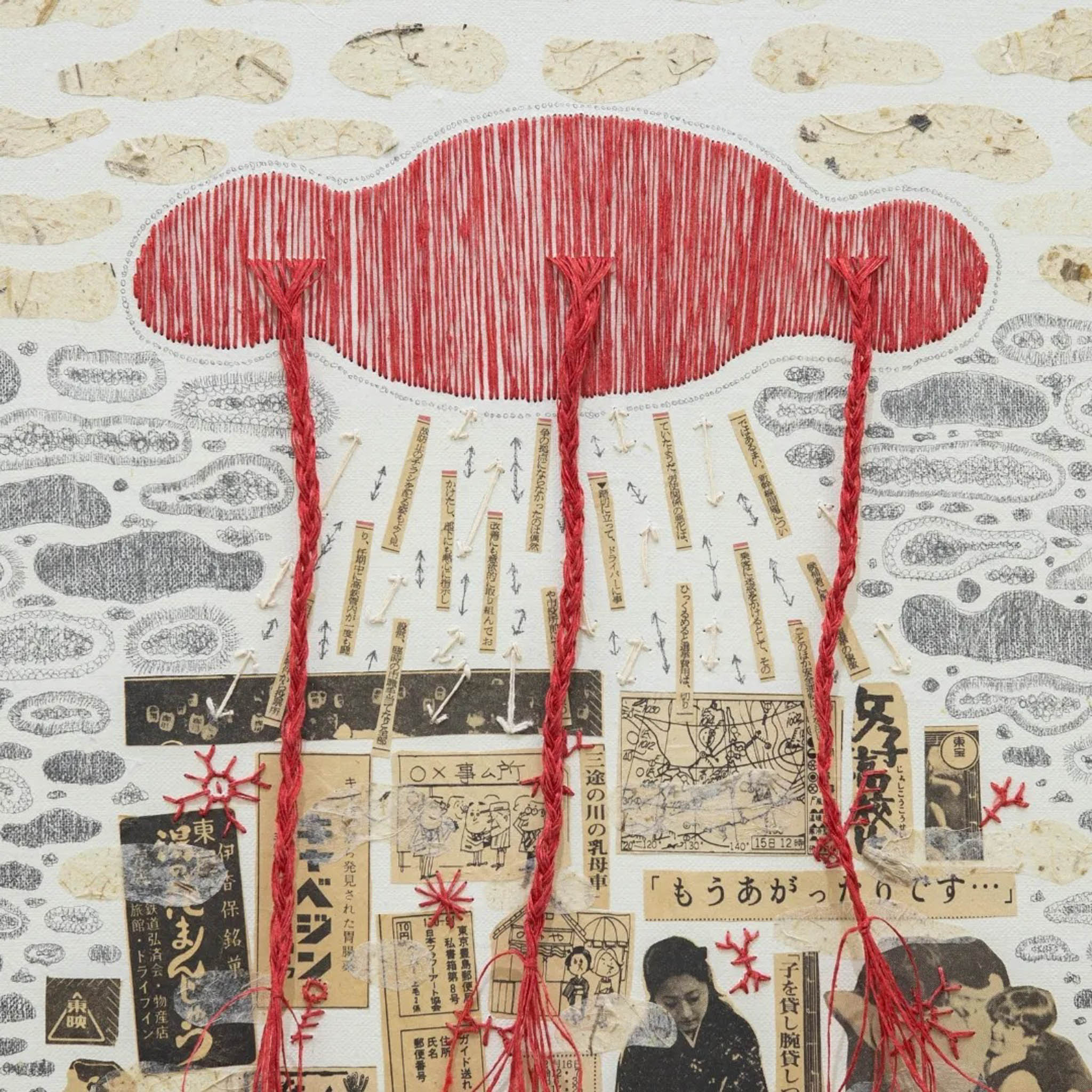
In Yamagata’s creative process, the flow of glue assumes a life of its own, guiding the formation of fragments with an organic grace. Embracing the unpredictable dance of air and water, she surrenders to the intrinsic rhythm of her craft. Each composition evolves intuitively. She meticulously selects colors to imbue her works with emotional resonance. The final outcome remains open to the whims of fate, celebrating the beauty of imperfection and the allure of the unforeseen.
Advertisement
Through her art, Yamagata invites the audience to embrace the inherent complexities of existence, navigating a landscape where past and present converge in a kaleidoscope of colors and textures. With every detail of her works, she invites us to pause, reflect, and rediscover the profound beauty that lies within the ever-changing tapestry of life.
Experience the collective brilliance of Yugo Isaji, Nobuhiko Terasawa, and Atsuko Yamagata until June 8, 2024 at The Drawing Room, Karravin Plaza, 2316, Chino Roces Extension, Makati.
Photos courtesy of Daniel Lampa and the Drawing Room.
Read more: LOY Gallery’s “A Trail to Chase” is a Fresh New Take on Art and Design
Advertisement
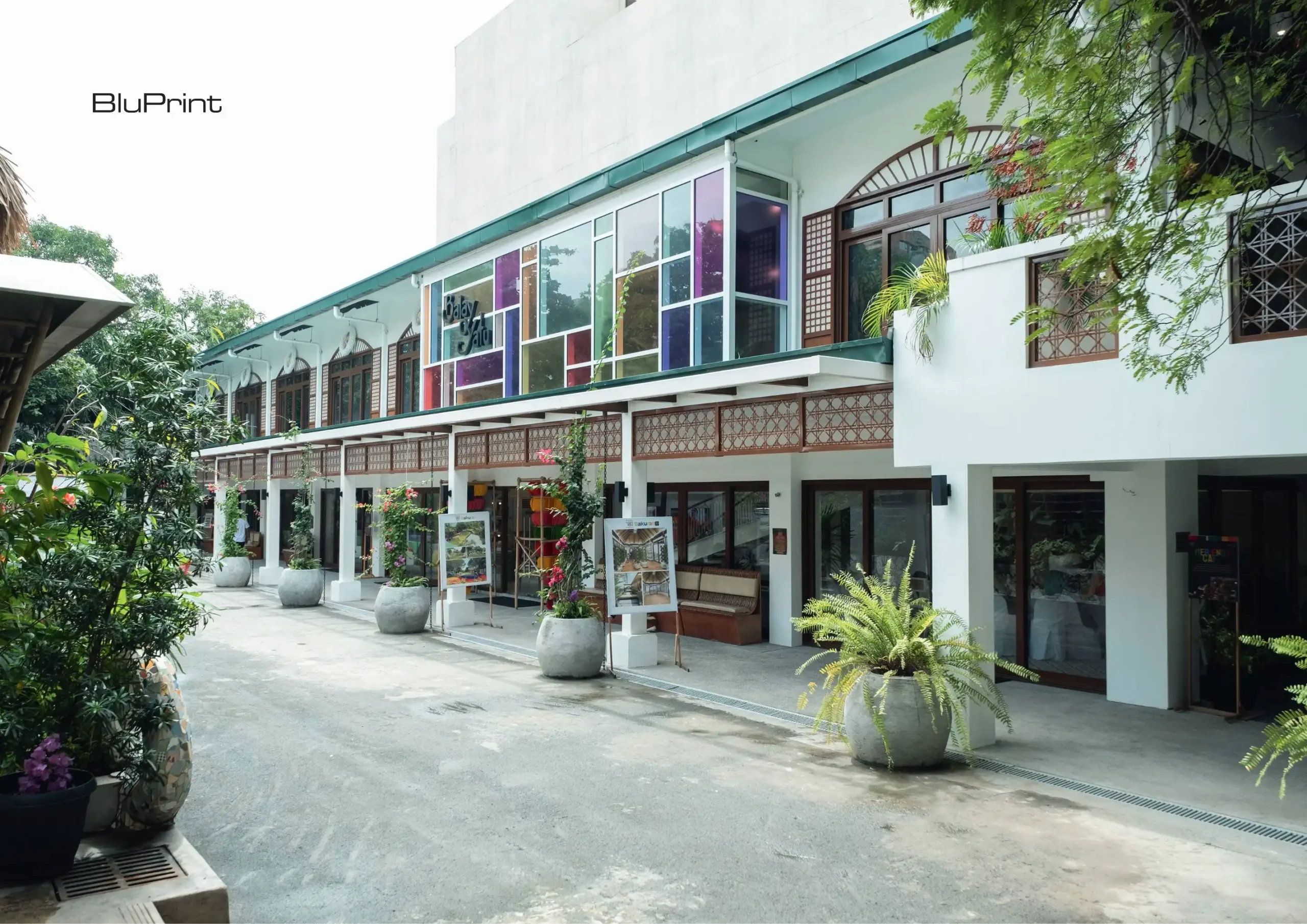
In the Philippines, adaptive reuse gained traction during the 1970s with the rise of conservation and environmental preservation movements. It offered an architectural solution that reuses existing spaces to fit modern needs. Across the country, several projects demonstrate how this approach is being applied—transforming heritage structures into active spaces for culture, hospitality, and community life. […]
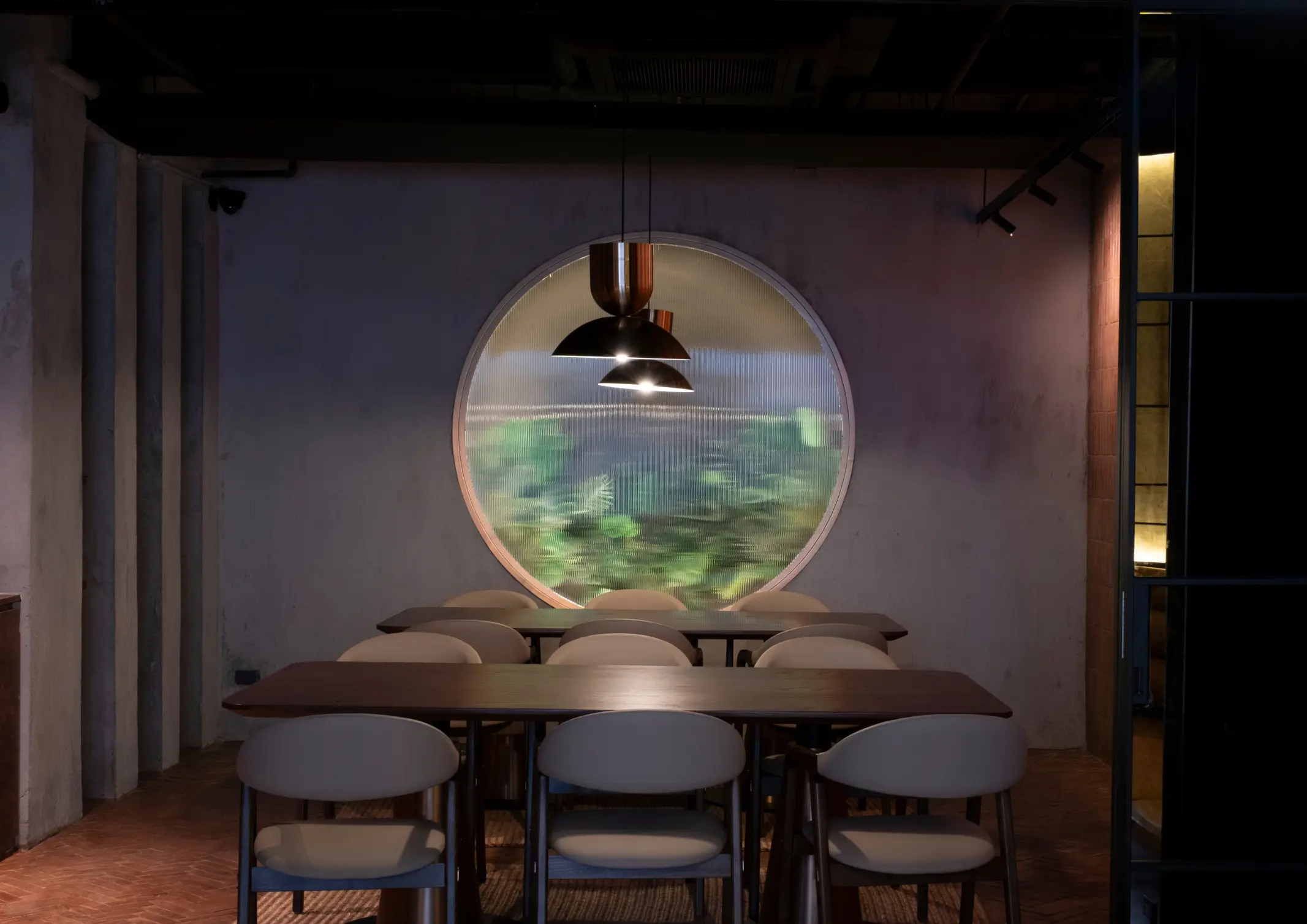
From residential spaces to civic structures, lighting dictates the mood of a space. It controls the visual dynamics of an interior, serving as a guiding tool that highlights key design elements, including materials and textures. Related Reading: Lampscaping: How to Light up Your Home like a Pro Regulating the Mood: Natural and Artificial Light in […]
Advertisement
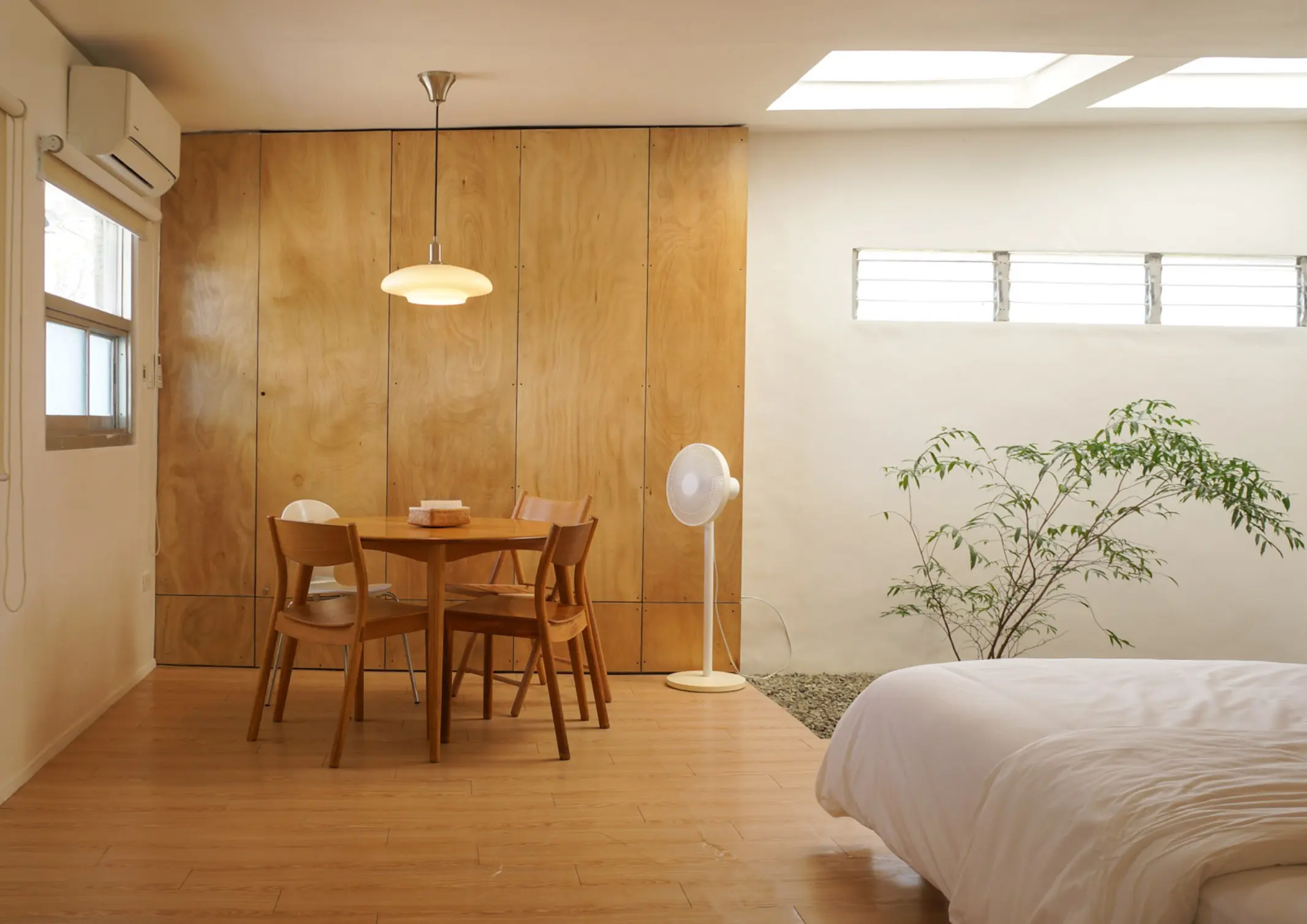
More and more Filipinos are flocking to condominium communities. Often tucked within busy city centers, condo living acts as a small respite from urban chaos. Faced with the challenge of transforming a cramped condominium into a warm living space, BluPrint lists condo interior design ideas that can maximize each square foot of small spaces. Purposeful […]
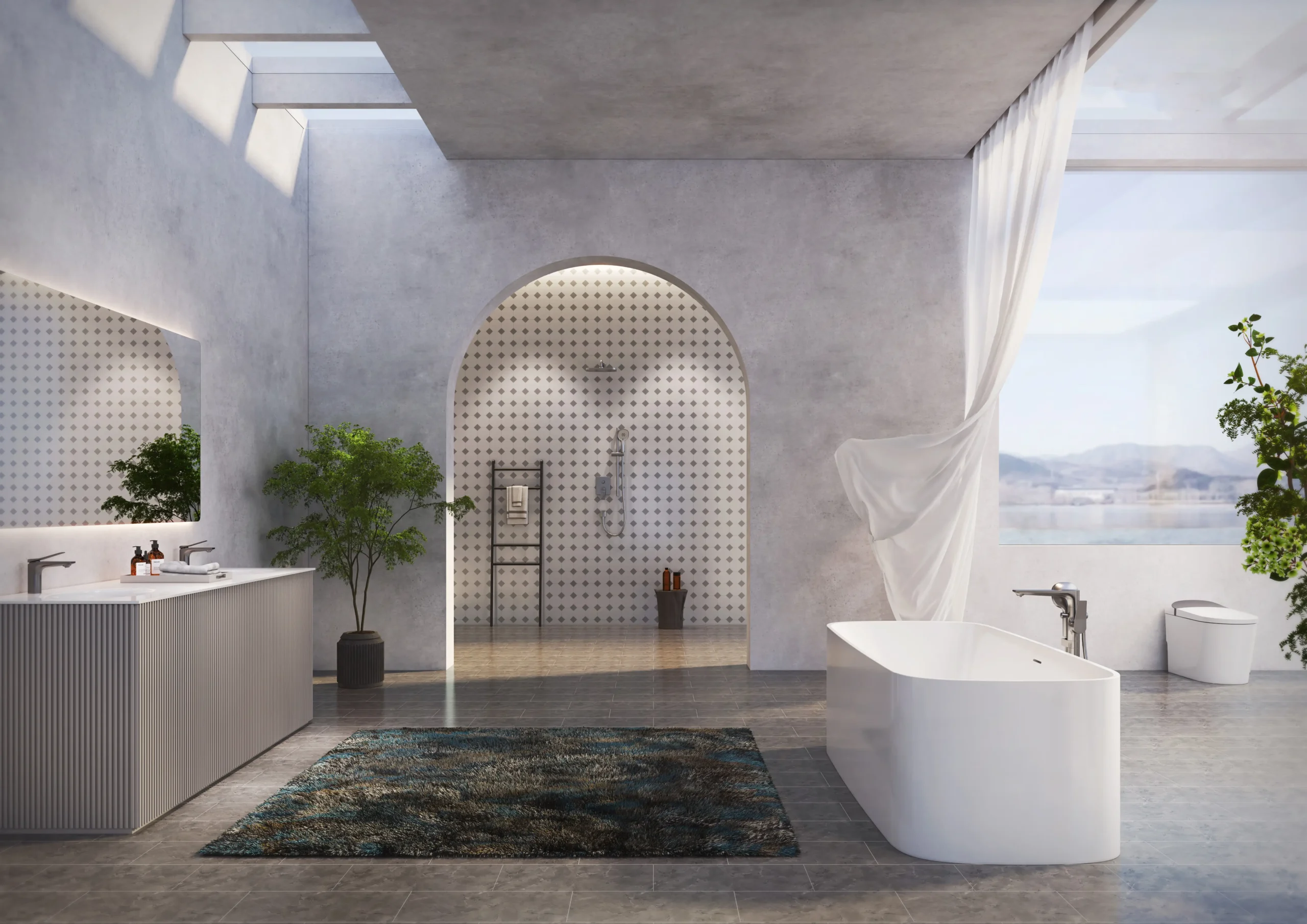
Modern bathrooms are no longer purely functional spaces. Increasingly, they are being designed as environments that support cleanliness, ease, and quiet restoration within the home. As daily life becomes more demanding and health awareness continues to rise, homeowners are beginning to expect more from the spaces where daily rituals begin and end. For architects and […]
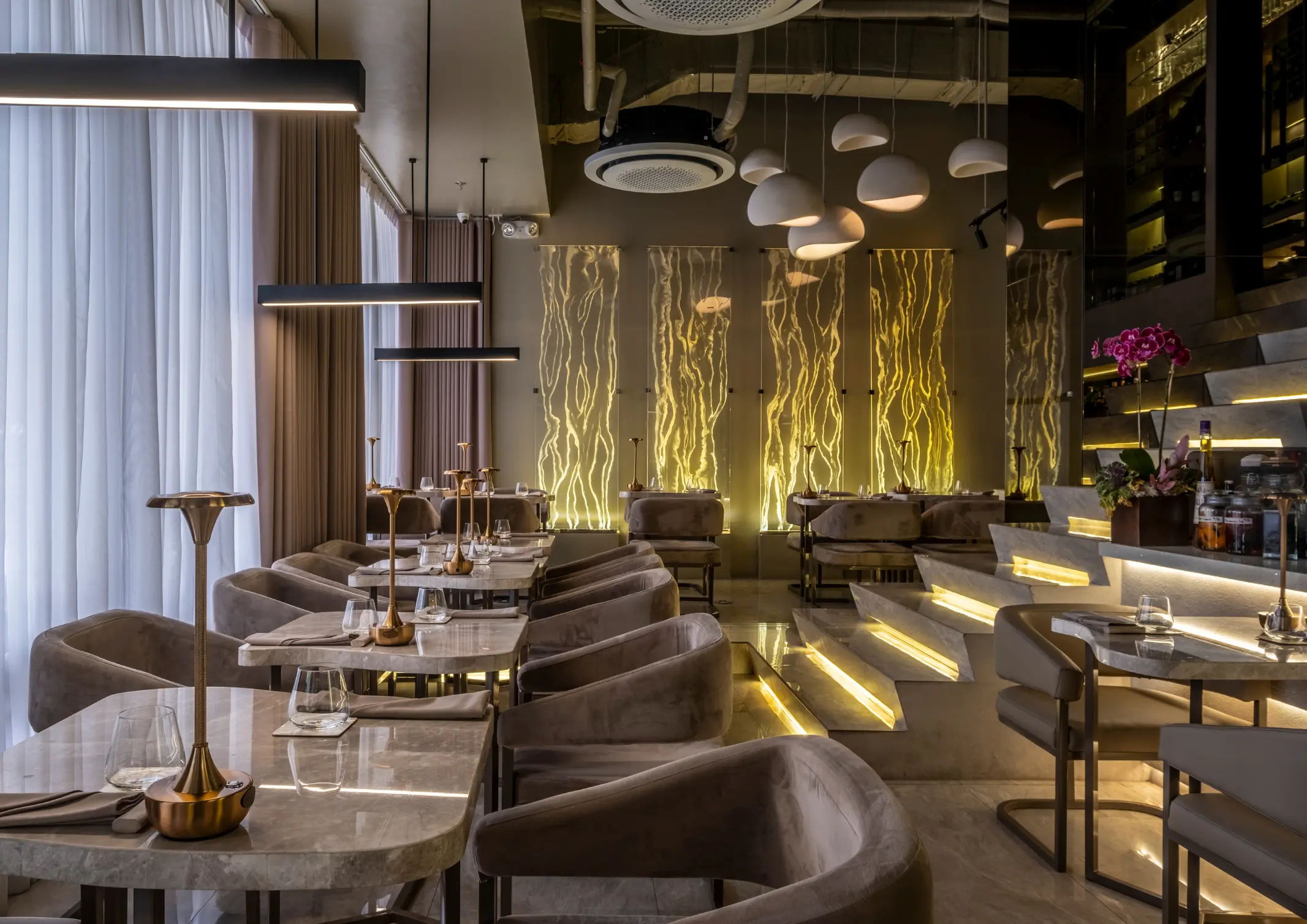
From the moment a diner steps through the door, each detail shapes how a meal is experienced. Restaurant design has evolved, with architects and culinary professionals collaborating to create built spaces that are as intentional as the menu itself. The spatial atmosphere acts as an additional ingredient that can define the culinary experience. Taupe and […]
Advertisement

Download this month's BLUPRINT magazine digital copy from:



Subscribe via [email protected]