Breaking through in their respective careers is a daunting task for any young professional. For Architect Pierre Briones, architecture has always been an intentional pursuit. Having spent much of his childhood around construction sites, Briones’s environment shaped his interest in architecture, including his fascination with how structures and buildings are built. “Choosing architecture was never […]
‘Witness of the Quiet’: Denise Weldon Finds Serenity in Past Works



For artist and photographer Denise Weldon, Witness of the Quiet showcases the ways we can find peace and quiet in our world for even the smallest things. The exhibit, assembled from thirty years of her photography, highlights how the nature of silence means that it exists in the most mundane and surprising of places.
“It builds that understanding and awareness [that] there’s a witness and a quiet in everything,” Weldon said. “Whether it’s being at home and observing a chair or how the light plays with the chair or how a leaf is slowly aging, you will have seen that there are things that are alive and are having their own life cycle, if you will.”
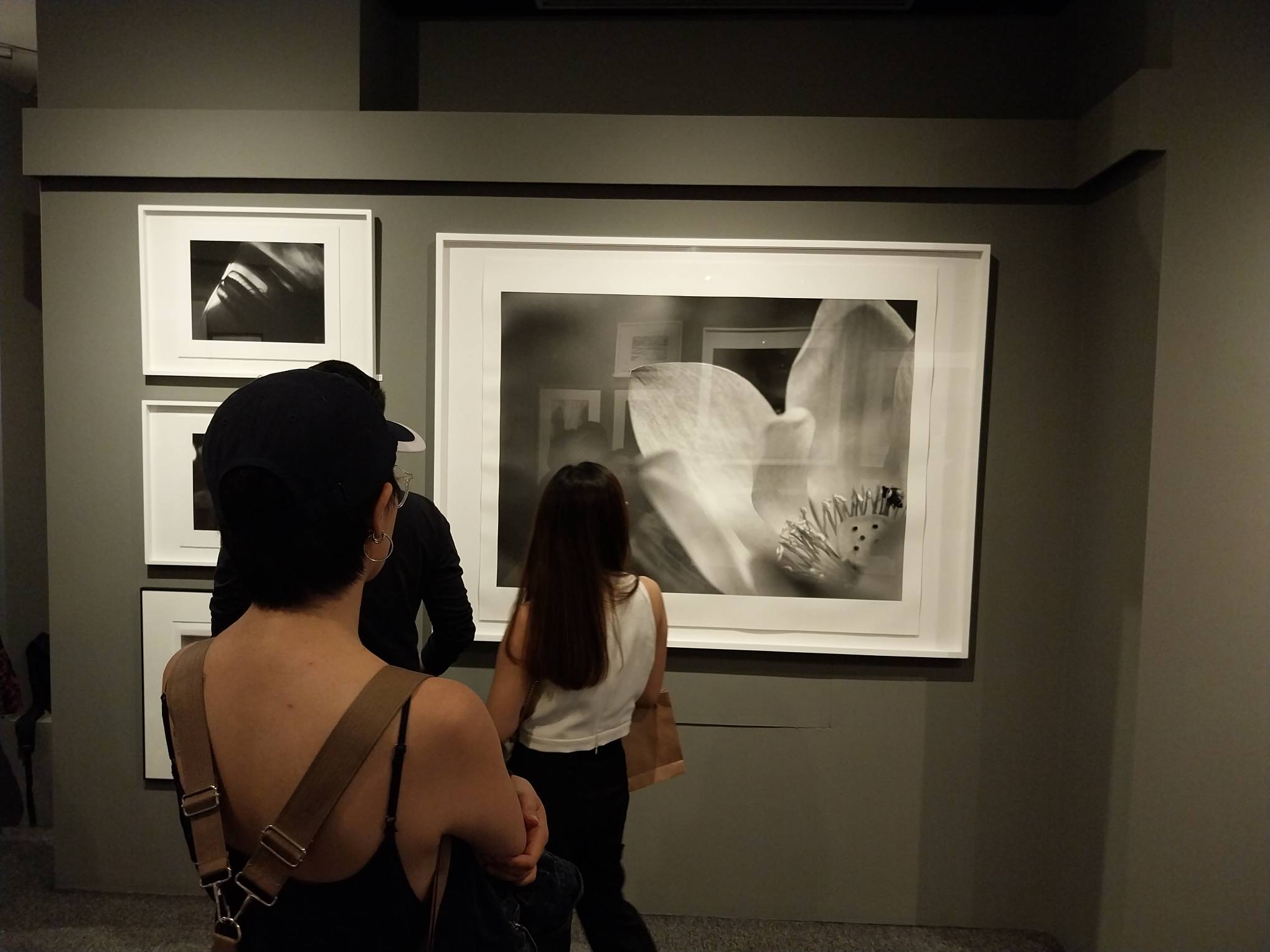
The exhibit, showing at the Yuchengco Museum in Makati, showcases different planes of existence; from domestic kitchens and rolling fields to fruits and vegetables propped up in strange places.
Advertisement
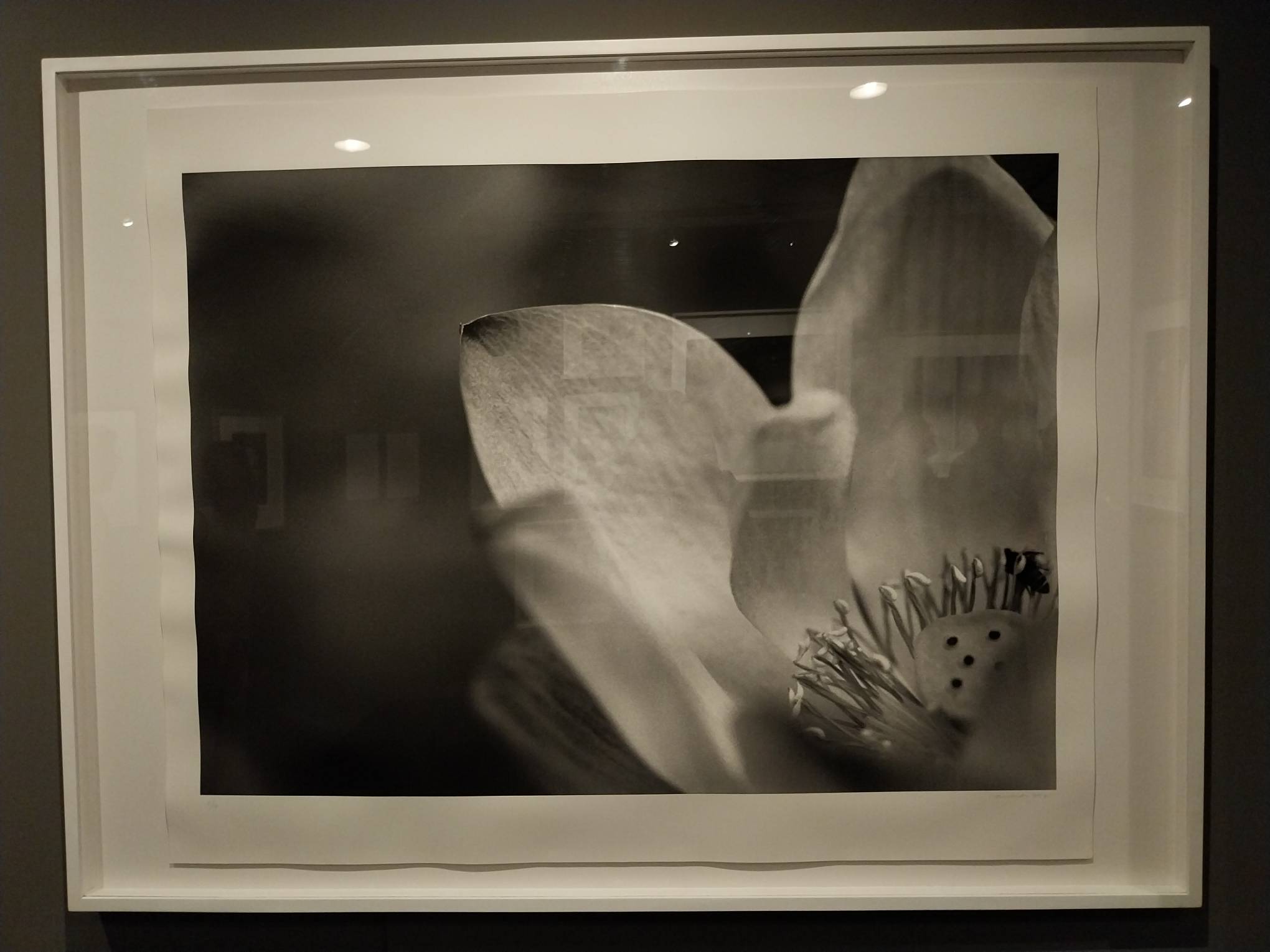
These photos add a sense of depth and poetry that affect the texture of a scene. The objects captured may be mundane, but they exist in this plane where that mundanity is elevated into an eloquence of being. The legs of a chair, a pair of feet in ballet shoes, the details of a flower; all small elements blown up to discuss bigger ideas as a whole.
Curating the Semi-Survey of Weldon’s Work
The choices for the photos in Witness of the Quiet came from Denise Weldon and from art curator Migs Rosales. His choices set out to highlight the consistent thematic ideas that come from Weldon’s work, adding only the ones that punctuated her artistry well.
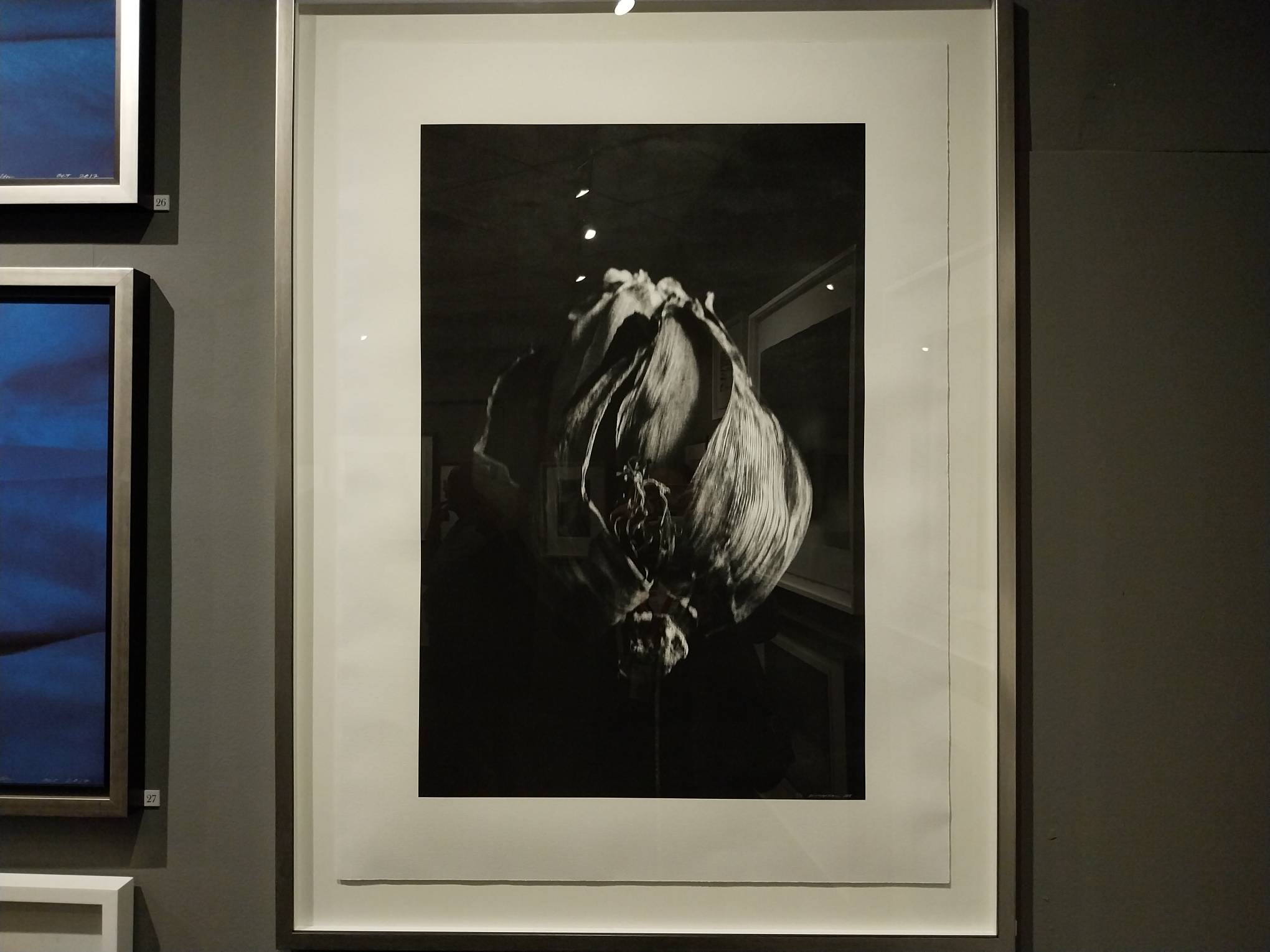
“You have to be very decisive and to the point about what you select,” he said. “I just wanted to choose key pieces—along with the artist, of course, suggesting them—just to kind of give an overview of over 30 years of work. We went one by one through the archives and we both chose what we felt would highlight her.”
Advertisement
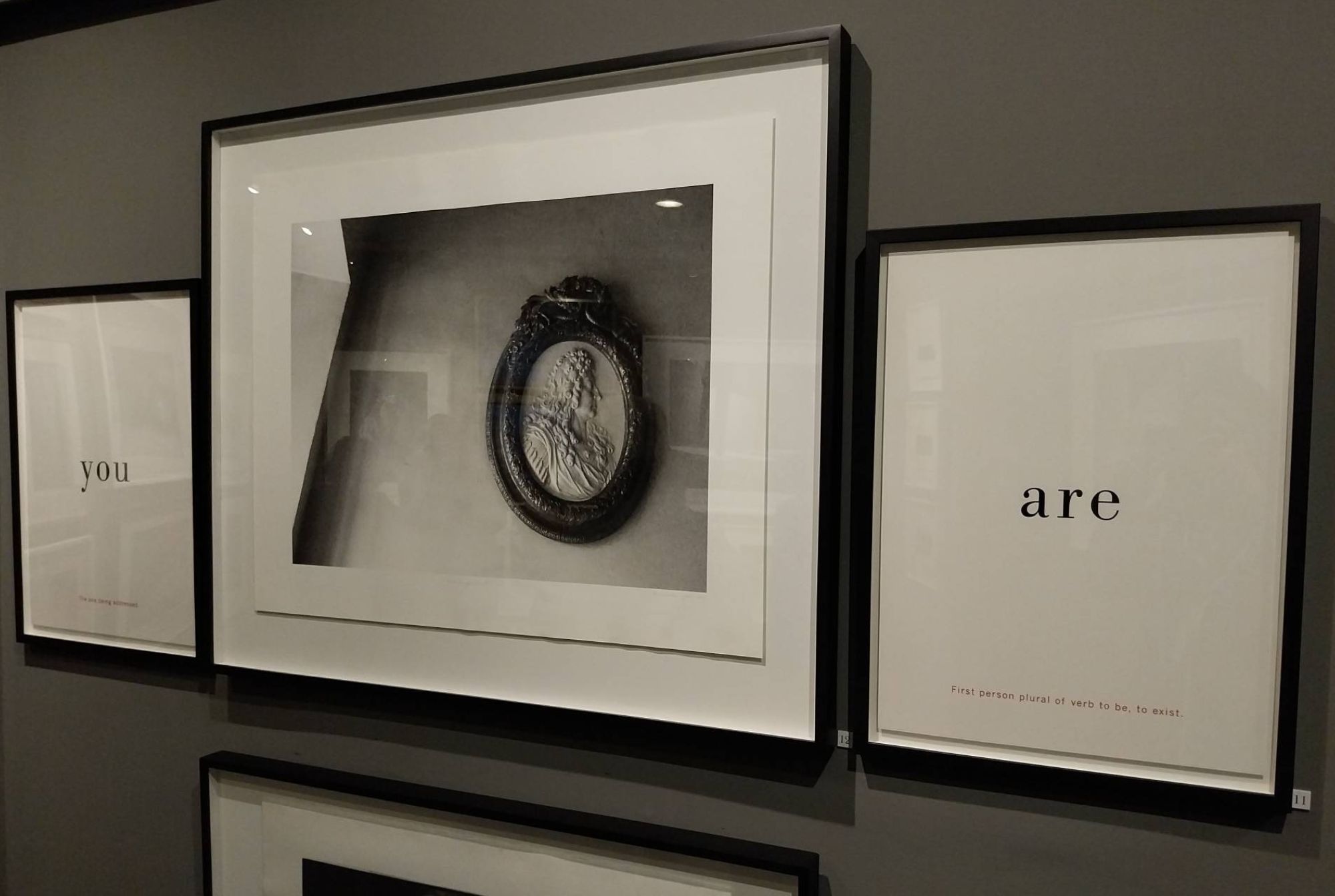
Interesting choices abound, including a provocative portion of the exhibit where the words “you” and “are” bookend a picture of a nobleman in marble. The letters, he said, came from a set in an old exhibit of Weldon that also had other words alongside it. He chose the words to highlight the impermanence of our world.
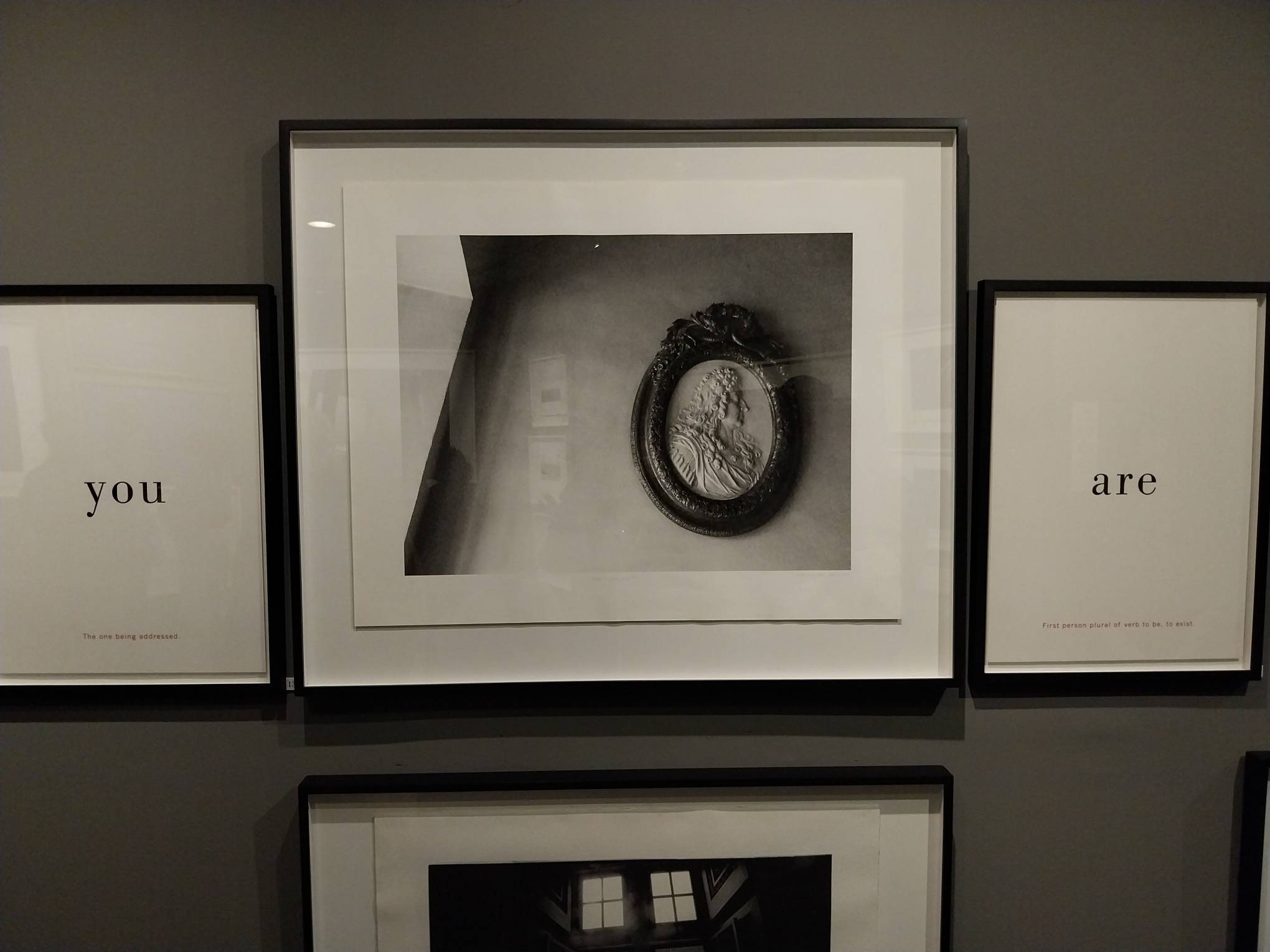
“It kind of asks that question, ‘Are you?,’” he started. “And you look at that guy, who’s obviously gone long, long, long ago already, right? It’s like, ‘who are you?’ Or ‘what are you? Where are you?’”
“It’s all these open-ended questions that were so impermanent. The show is about [bearing] witness to the quiet, and it’s like you’re searching for that quiet in this very busy world. I wanted to kind of do that for that piece and recontextualize it [for the exhibit].”
Advertisement
Black and White Ephemera
Most of the images chosen for Witness of the Quiet are in black-and-white. This came from Weldon’s own background as an artist. Her photography classes at the International School of Bangkok when she started tended to use only that kind of film.
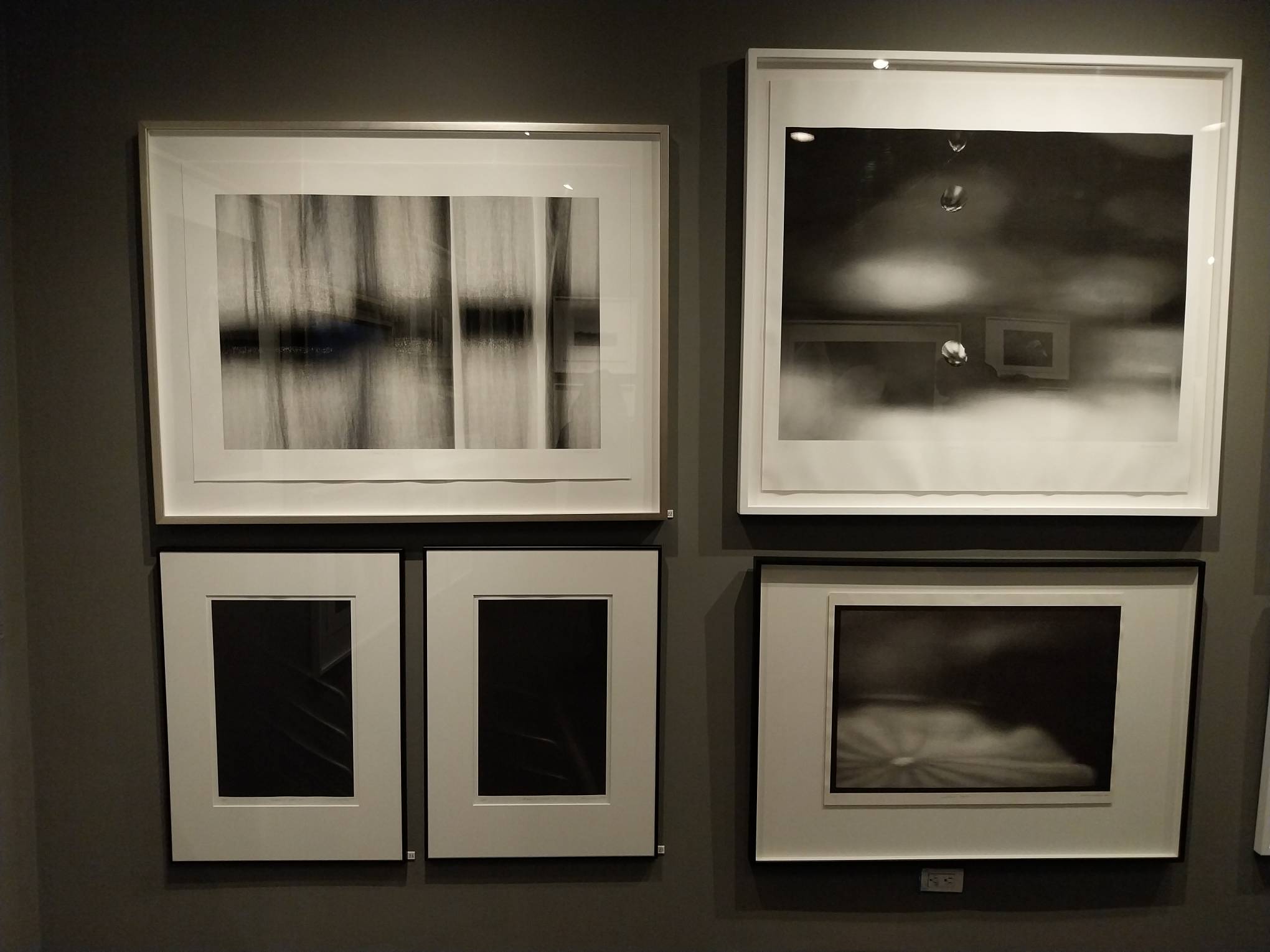
Since then, black and white has been her default. She admitted that the monochrome creates a poignancy in her images that wouldn’t be possible with colored images.
“Black and white sort of distills everything,” she said. “Color has another element of distraction, or we can look at it as distraction, or we can look at it as embellishment, or a creative, colorful voice to a situation. But a lot of things when you actually take away the color you feel the essence more.”
Advertisement
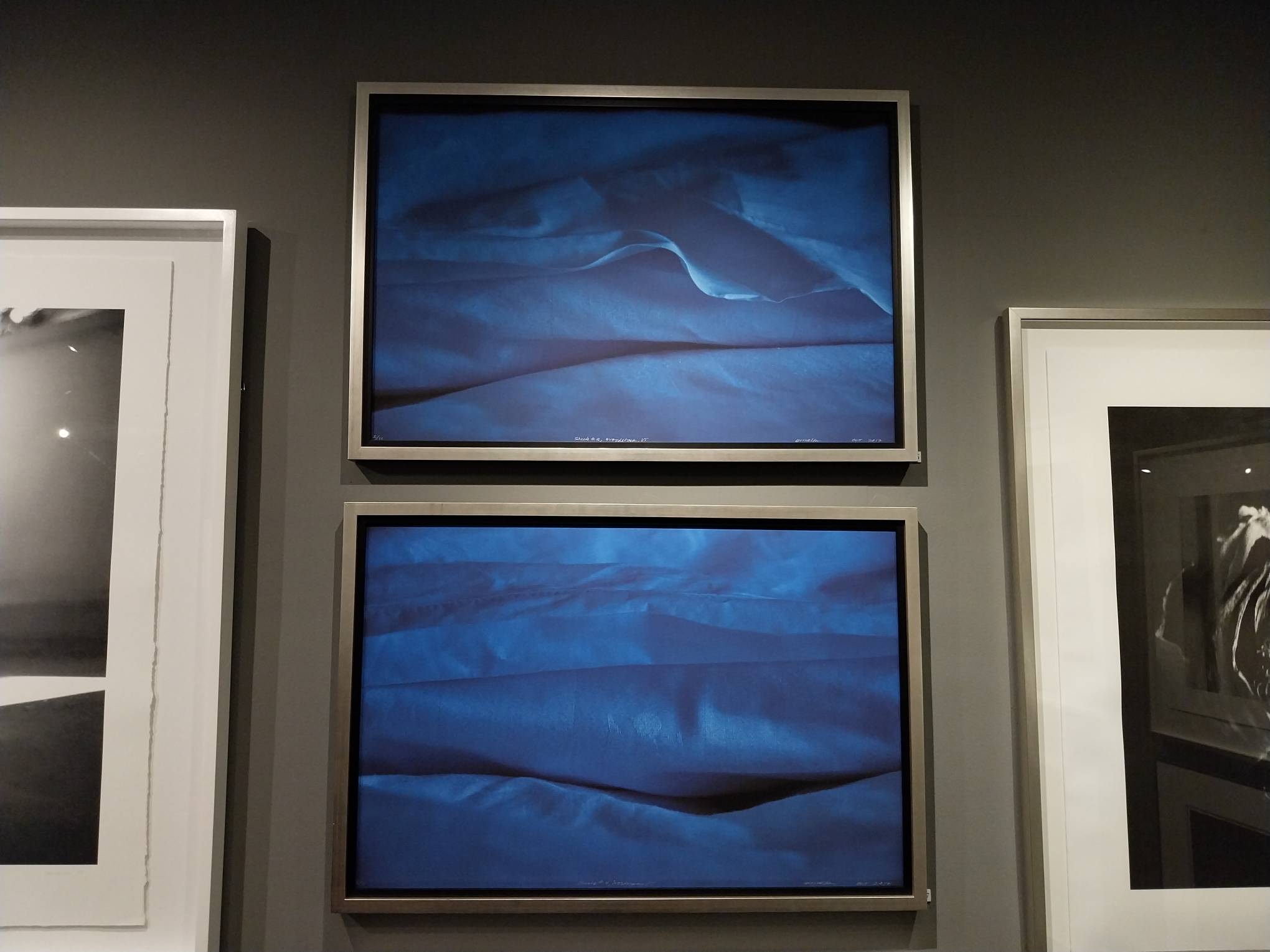
Still, the exhibit contains interesting splashes of color that add a variety to the offerings. Rosales called it a “visual anchor” that gives a punch of something new that the eye can go to. One highlight is a photograph of a lemon in a dark landscape, its bright yellowness contrasting well with the surroundings.
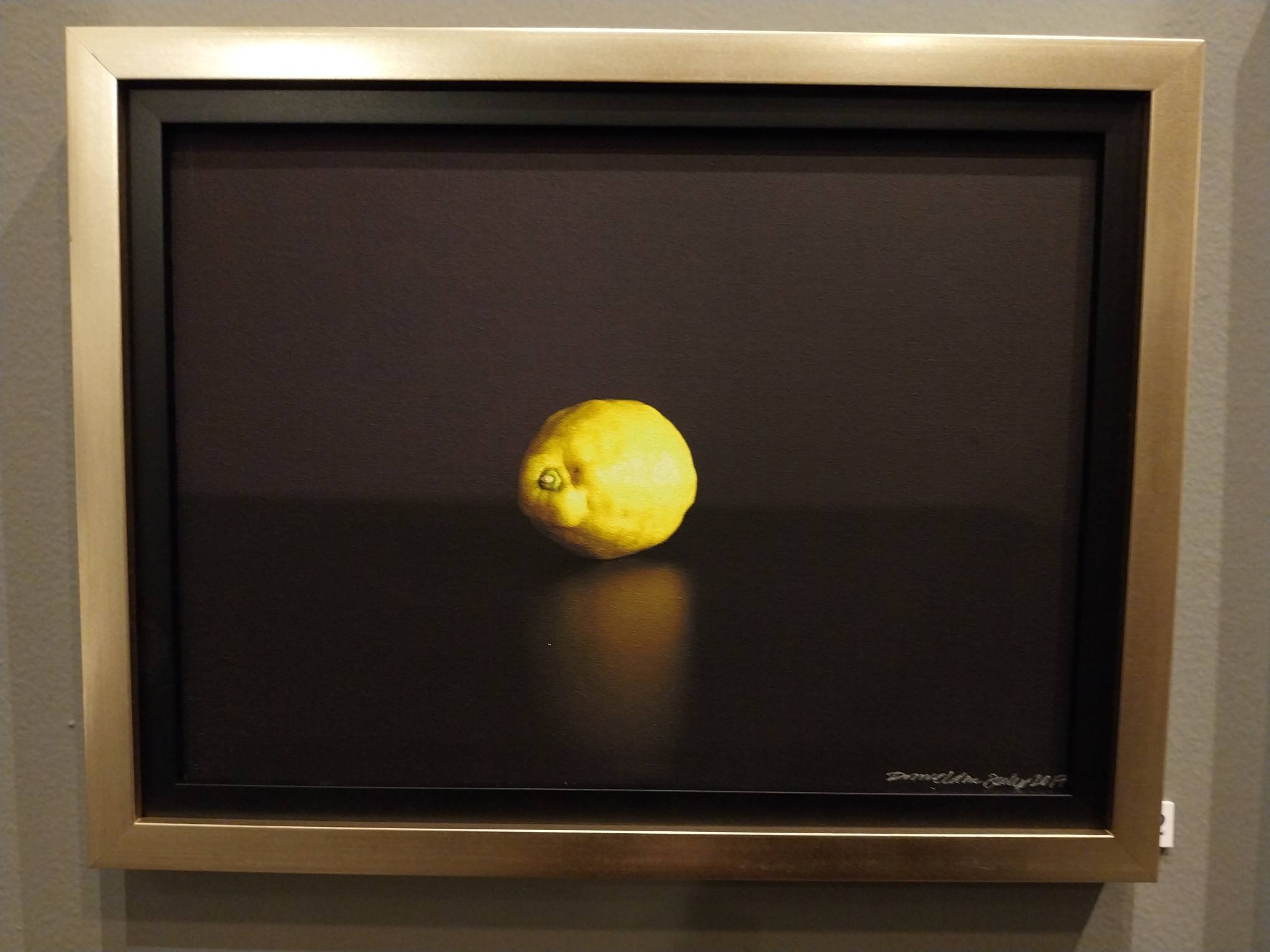
“I was in Iceland at the time,” she said. “I’d gone to the grocery [store]. The lemon was huge, it was bright, it was beautiful, and we were renting a very tiny AirBNB with a kitchen interior of a very dark slate blue, almost black. It was just that. I wasn’t trying to change it, I loved the way it was as a blue wall and as a yellow lemon.”
Finding Quiet in Our Environment
The different images of nature and domesticity meld together within Witness of the Quiet. It becomes an account of the way the ordinary can become expressive objects in their own right. Weldon calls it a “witness state,” to bring testimony to the cycles that adorn our lives silently and daily, and the way that taking time to pay attention to it creates an added meaning to our own existence.
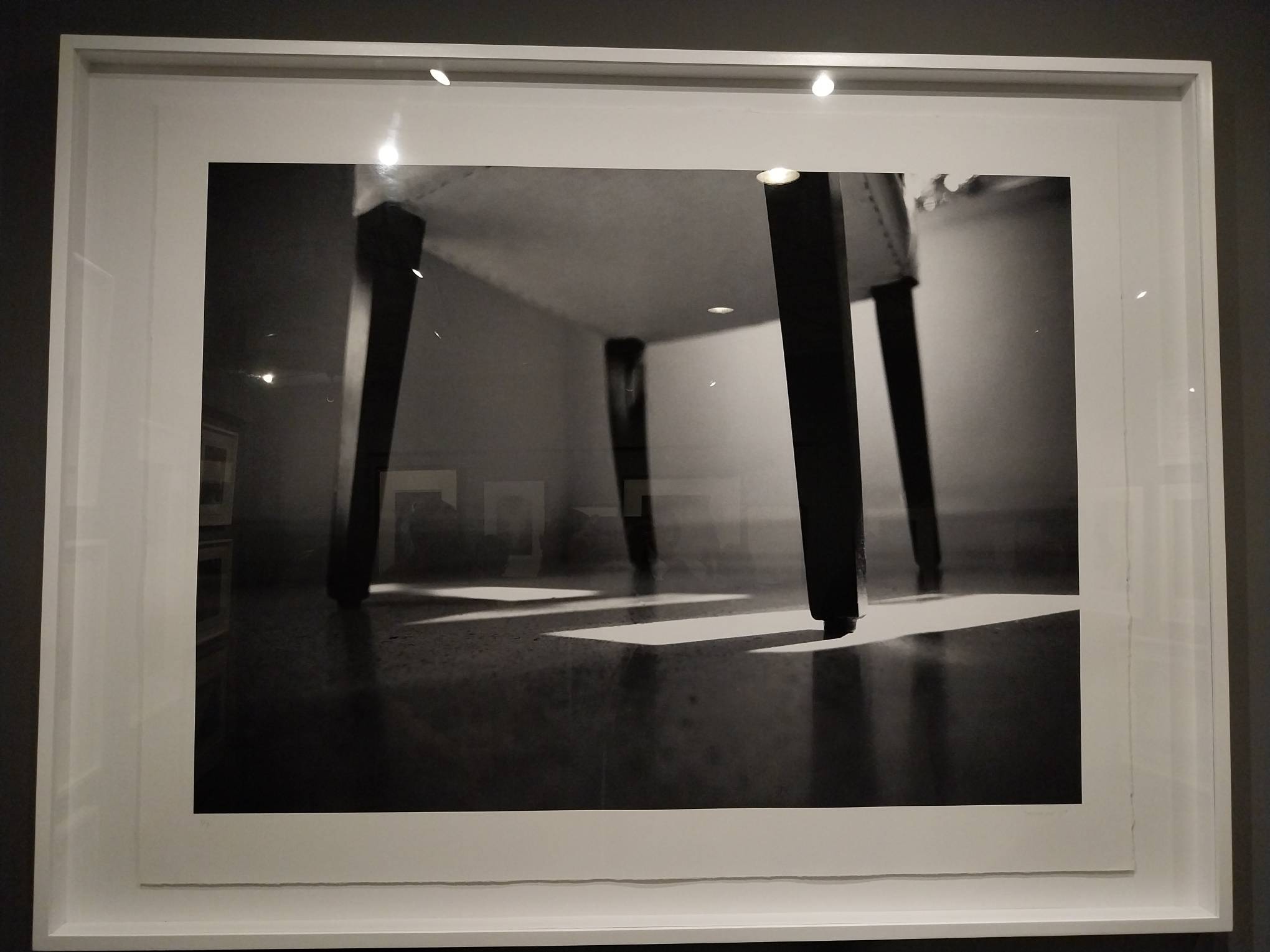
“We witness all of those states all the time,” she said. “And, to your observation, you can see it whether it’s with a chair, with a person, or with a piece of nature or a landscape. The quiet is always there. It’s really a matter of us becoming aware, cultivating a practice of that. The pull of the world is really to pull us outside. The pull of the spirit is to go within.”
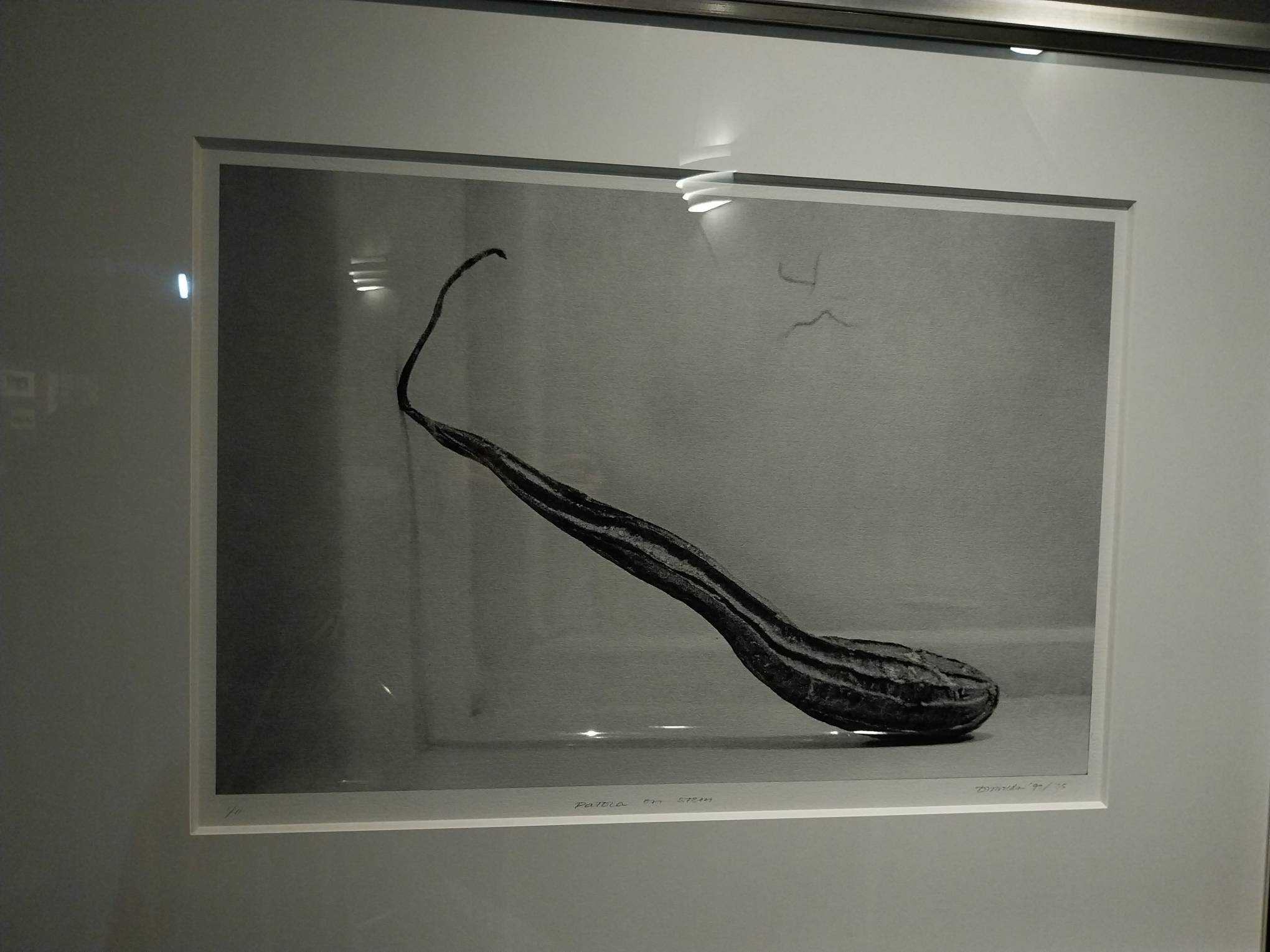
Pondering on this survey of her work, she said that it showed her the purpose, so to speak, that her works played in society as a whole. It reminds people to stop and allow moments of reflection to understand better what they are experiencing.
“I think, at the end of the day, it’s just to remind people to make quiet for themselves so that they have an inner life,” she said.
Photos by Elle Yap.
Related reading: ‘I/Land’: FotomotoPH Captures the Diversity of the Country
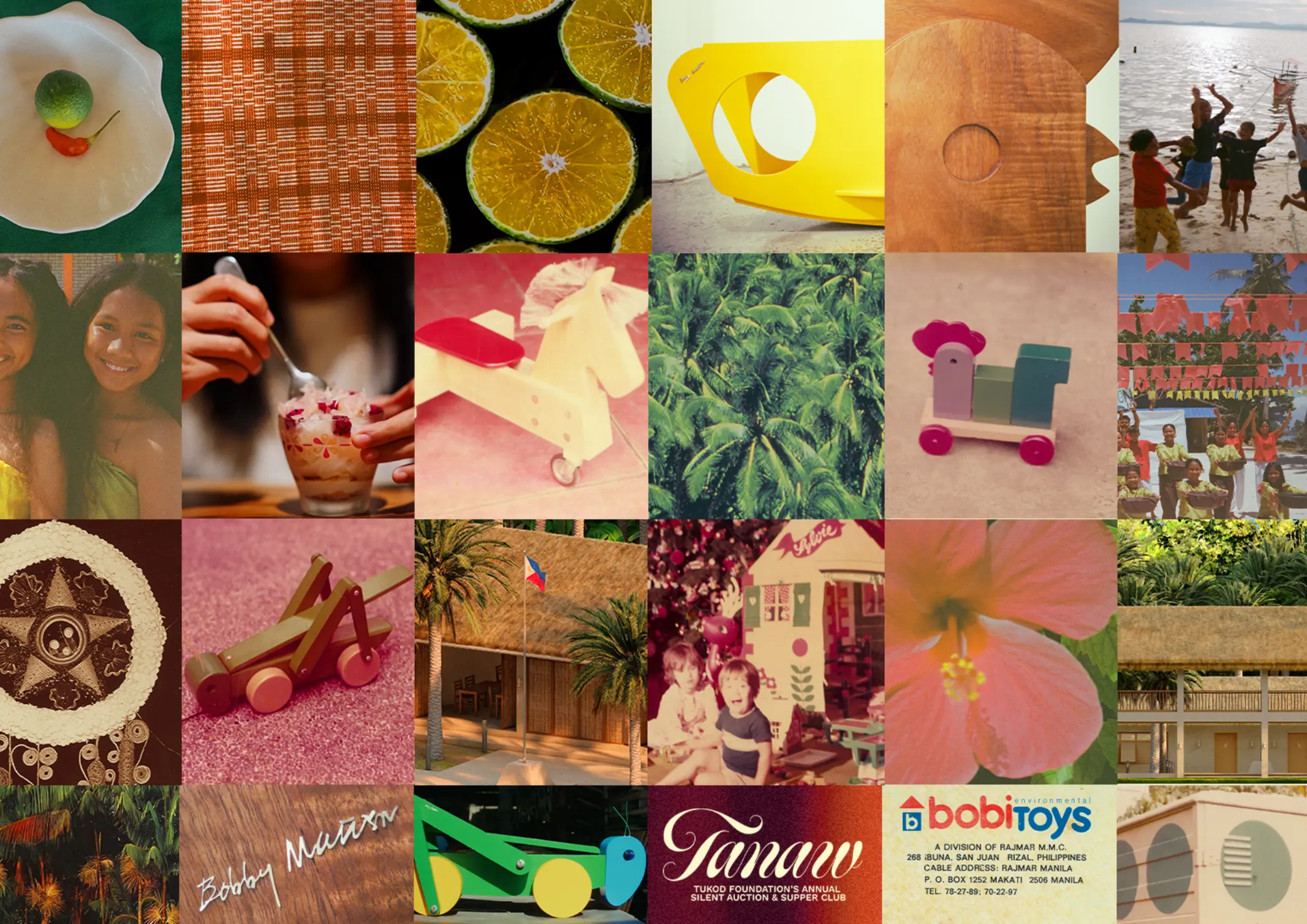
Not many people know this, but during the Martial Law era, National Artist for Architecture Bobby Mañosa was also a toy designer. He had an iconic line of toys, called “Bobi Toys,” that he sold in Makati during the 1970s and 1980s, which he discontinued as his own kids grew older. His toys have not […]
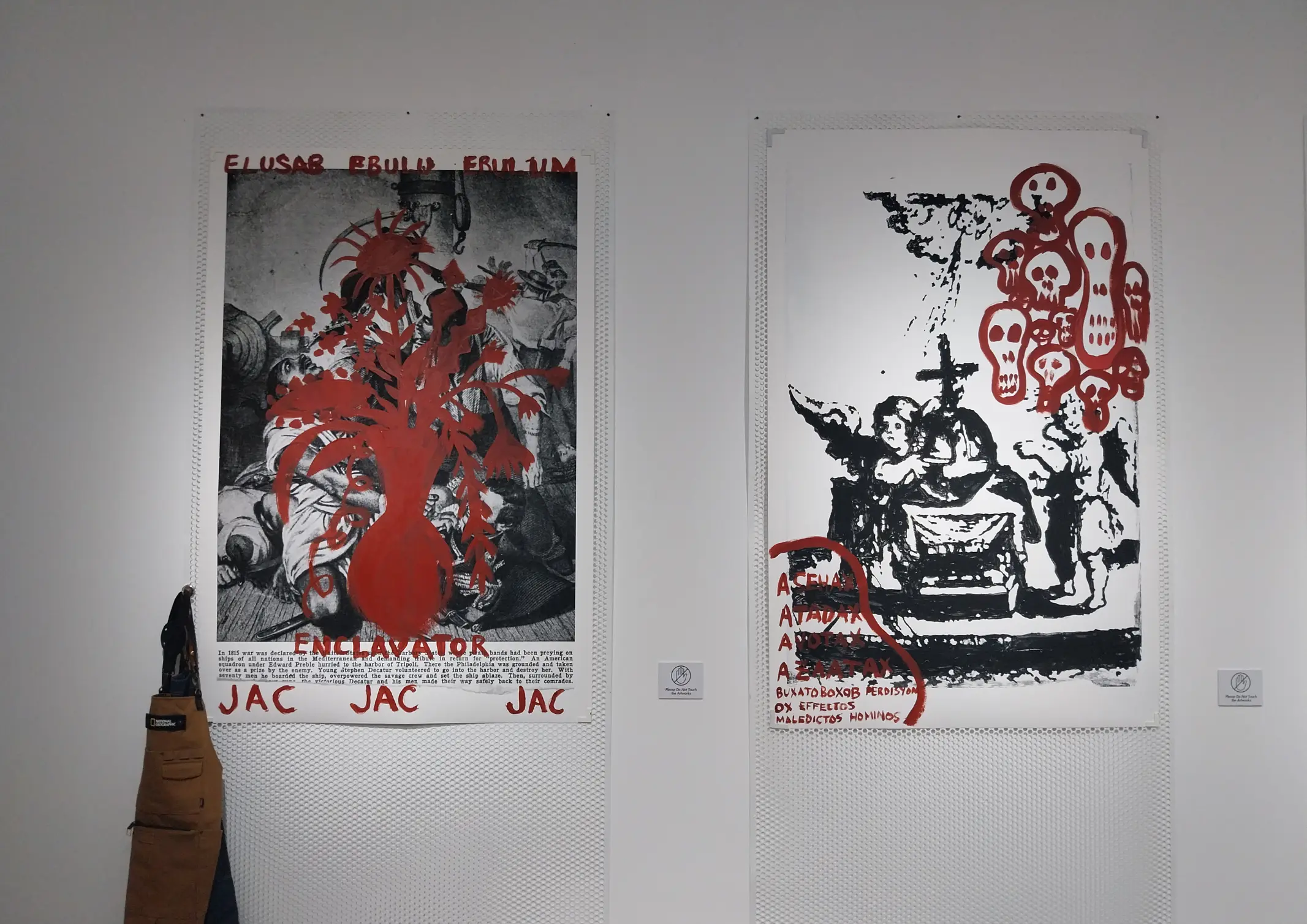
Cloud Grey Gallery put together two esteemed artists, Manuel Ocampo and Ronald Ventura, for Dialogo. As a gallery located at the Grand Hyatt Manila, Cloud Grey has a more forward-thinking approach to contemporary art movements at the time. “They’re provocations,” the gallery declared as they described their approach, “invitations to see the familiar transformed.” For […]
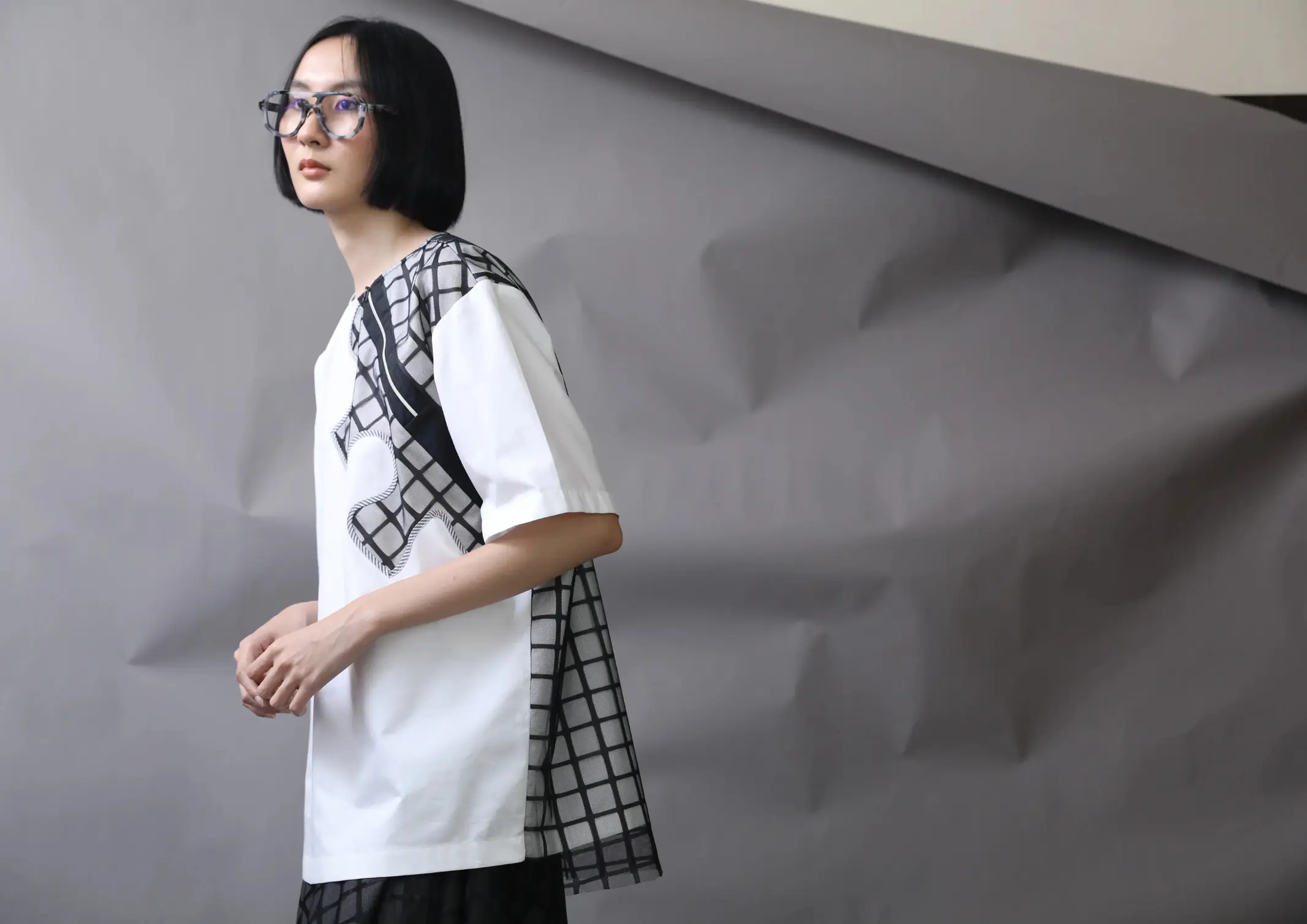
Ivarluski x Bitagcol, a pop-up store at Power Plant Mall, showcases the new collaborative fashion line from the two Filipino designers, as they seek to expand their design horizons and update their aesthetic hallmarks for the present day. The collaboration came about as the two designers, Ivarluski Aseron and Jo Ann Bitagcol, discussed their attraction […]
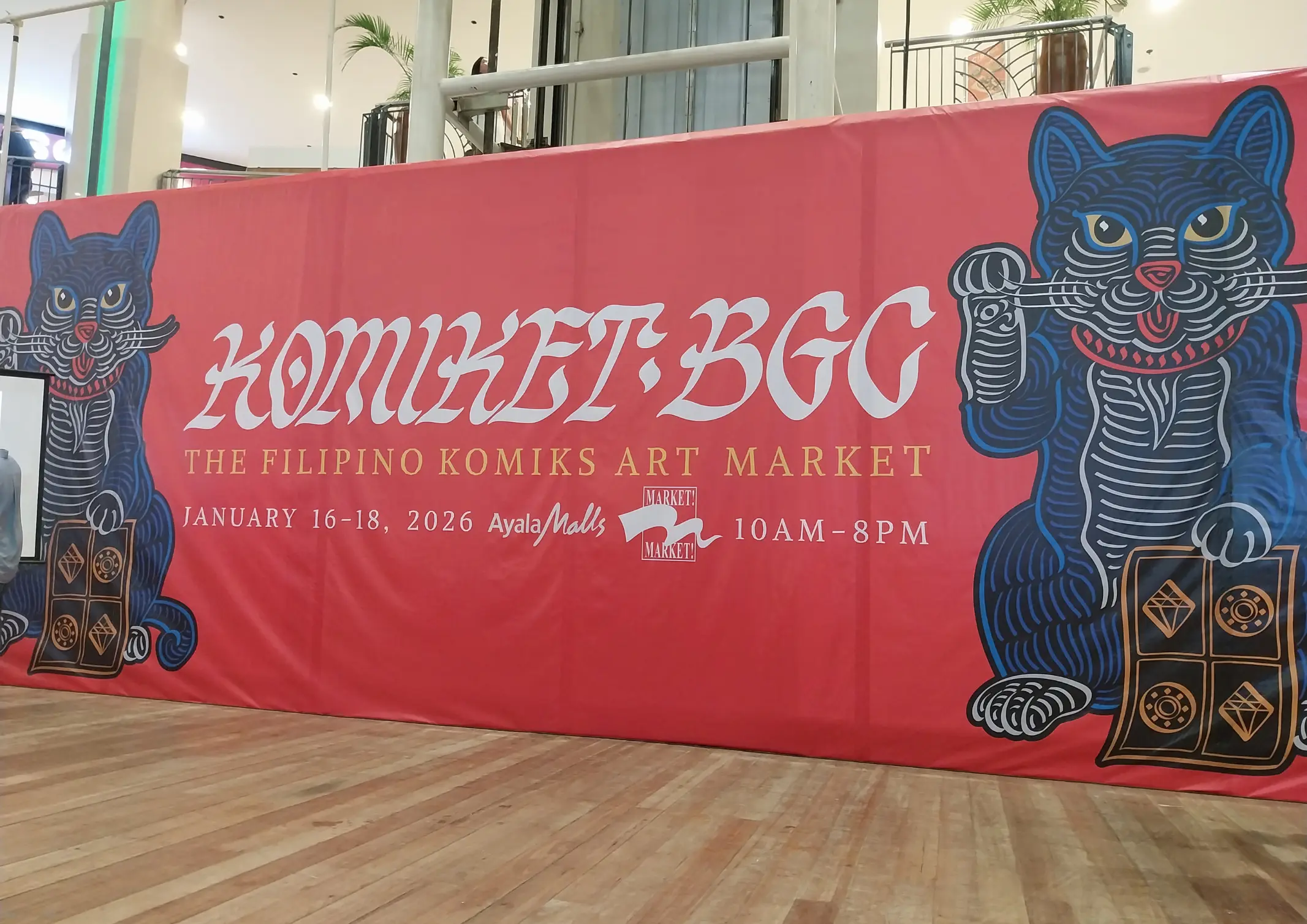
As the country’s local arts community grows steadily beyond the confines of galleries and museums, art markets have become a booming market for young artists and old artists alike. A variety of crafts, whether it’s fabric works or paintings or prints or whatnot, have become the new way of showcasing new, personal styles for a […]
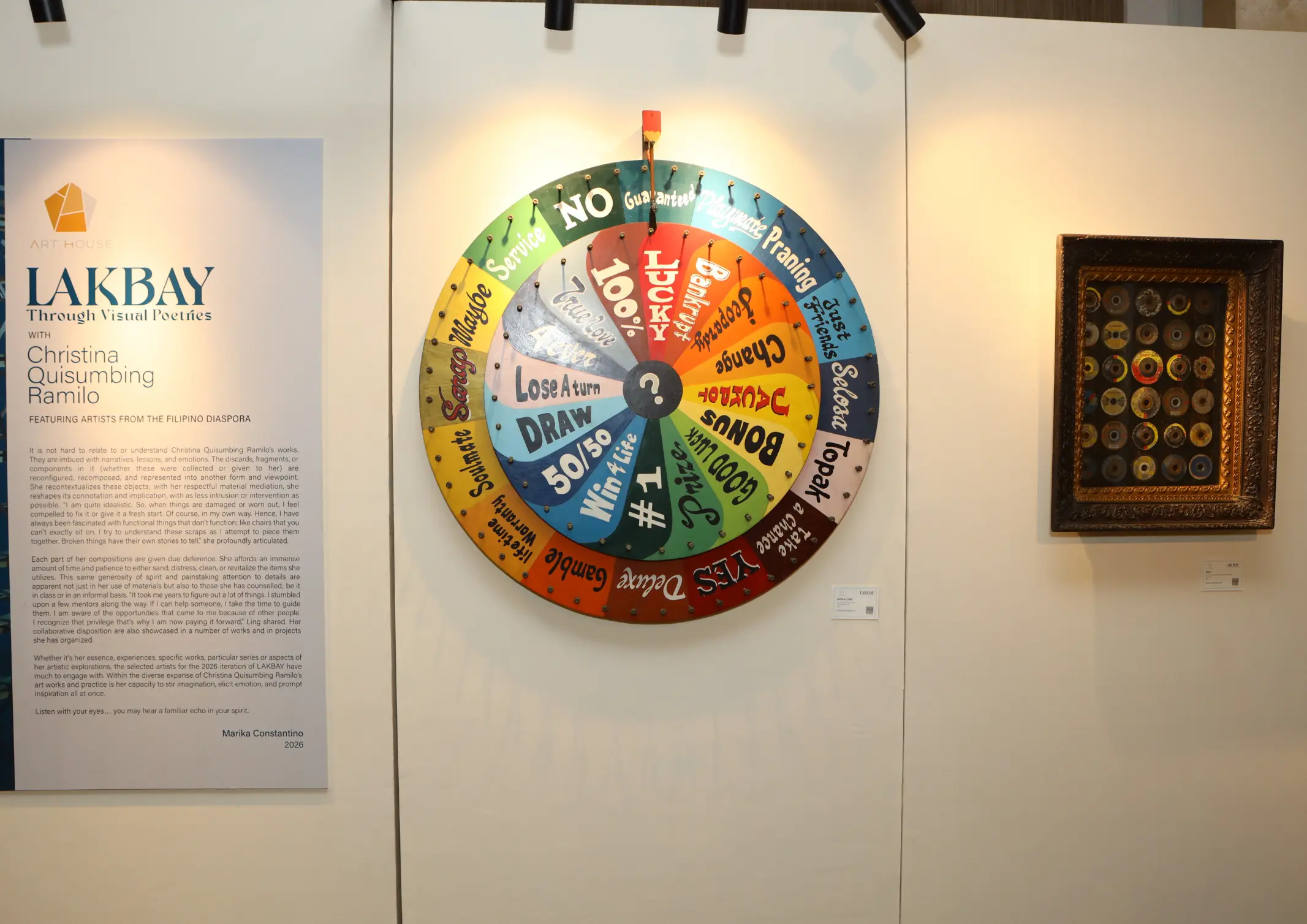
Art House’s LAKBAY series is now on its second iteration with a celebration of artist Christina “Ling” Quisumbing Ramilio’s artistic journey. In Through Visual Poetries, Quisumbing explores the Filipino diaspora experience—the longing, sense of displacement, and search for identity and expression. LAKBAY began last year with the belief that the Filipino diaspora is home to […]
Download this month's BLUPRINT magazine digital copy from:



Subscribe via [email protected]