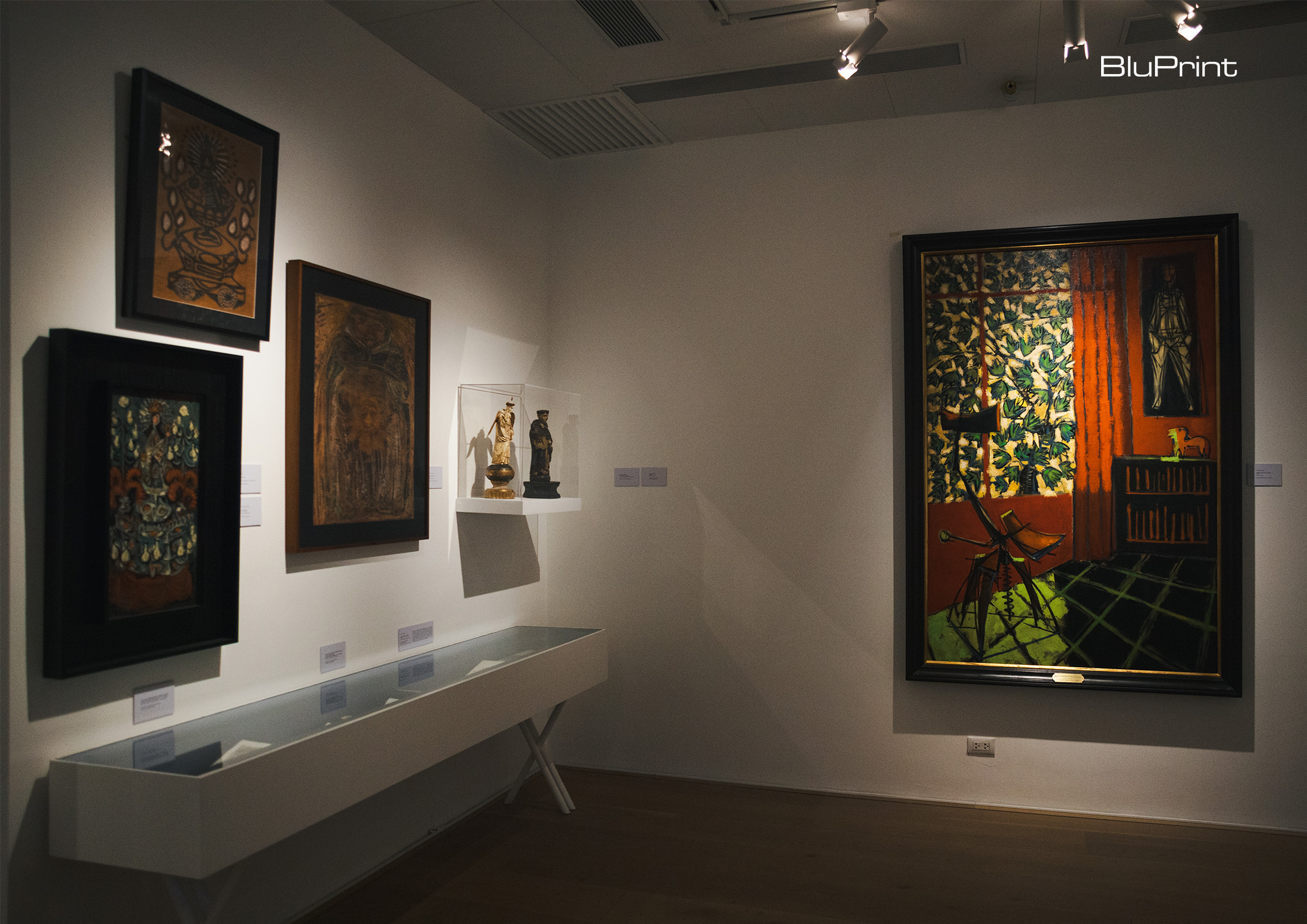
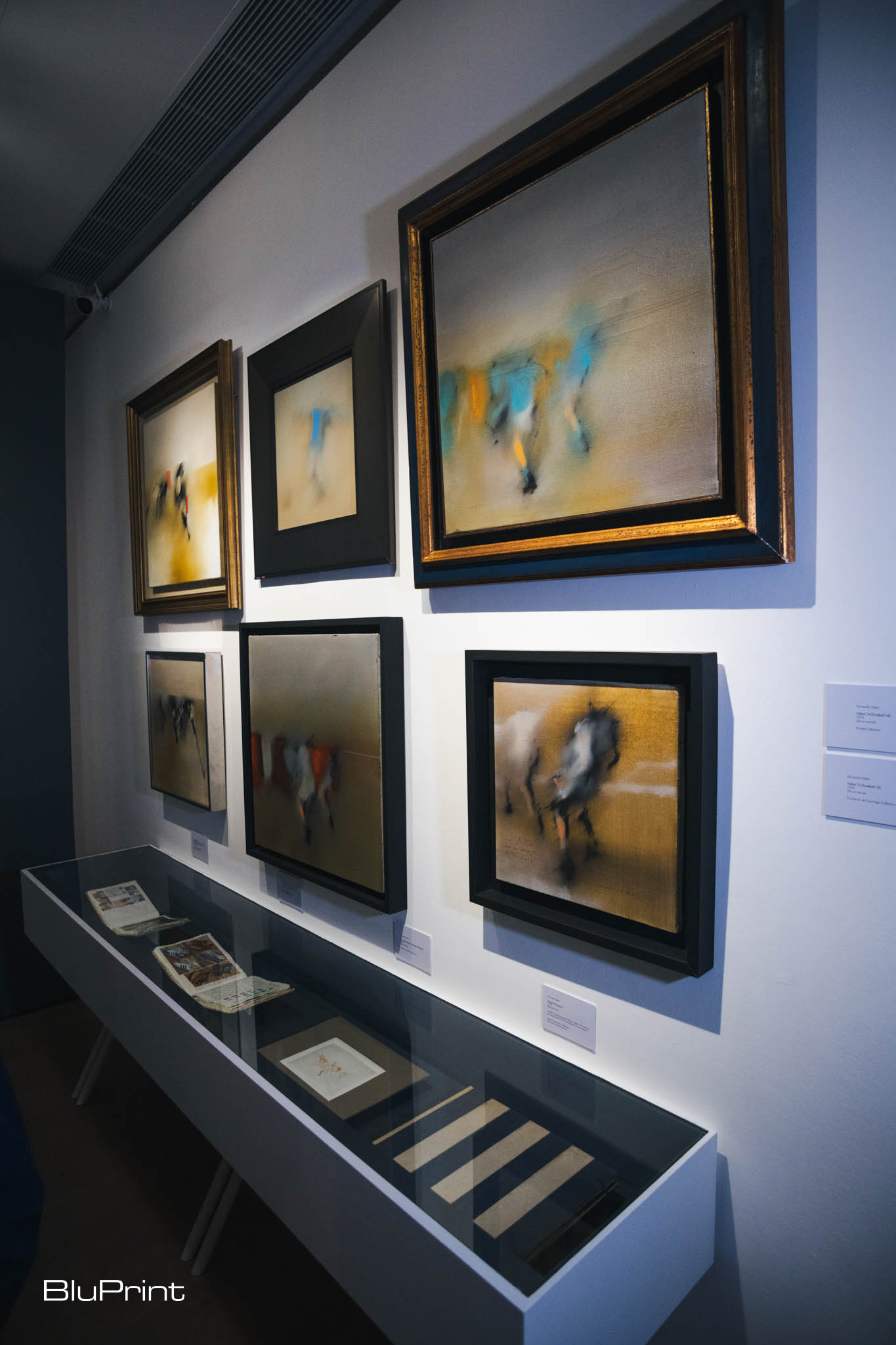
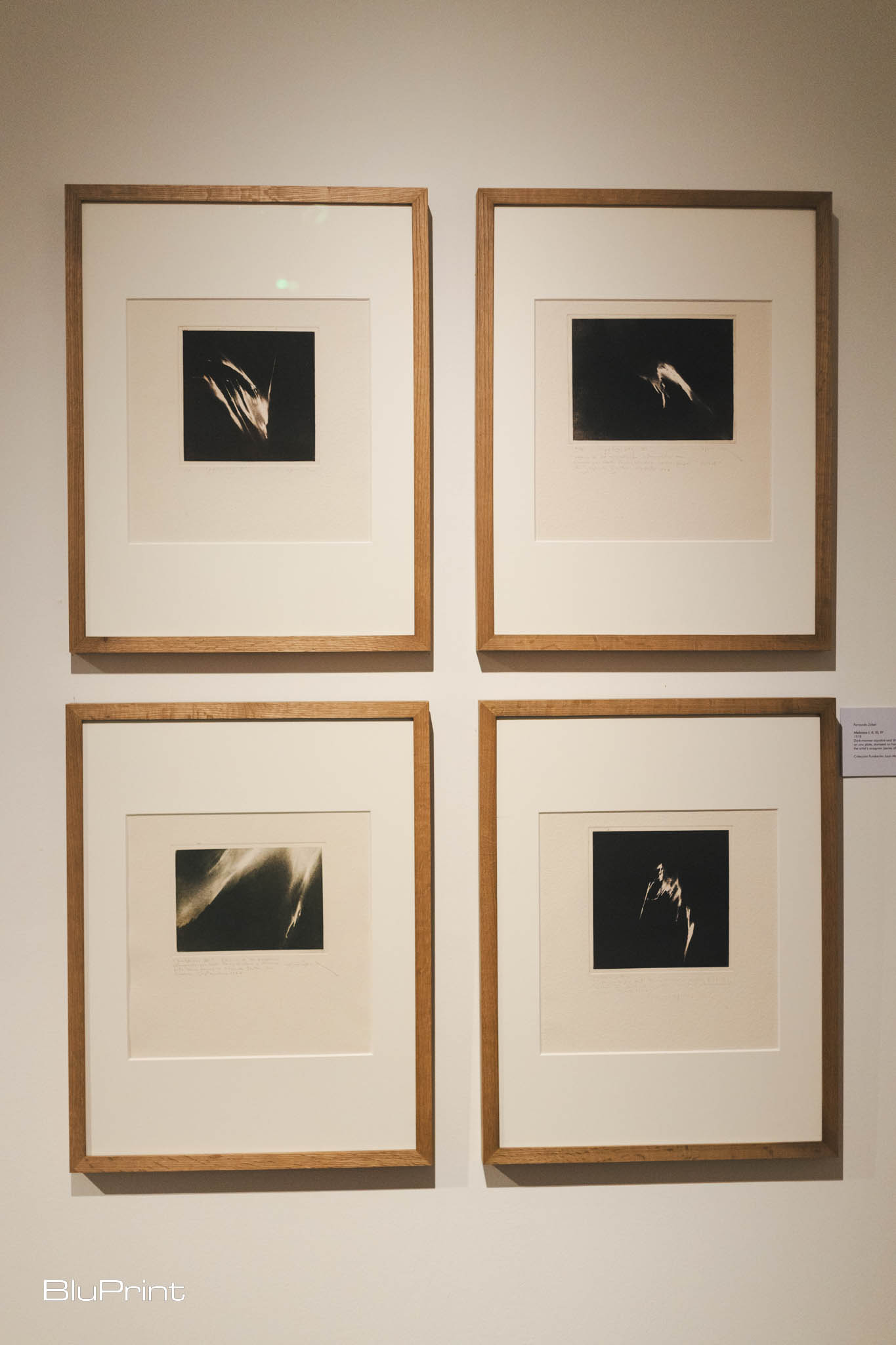
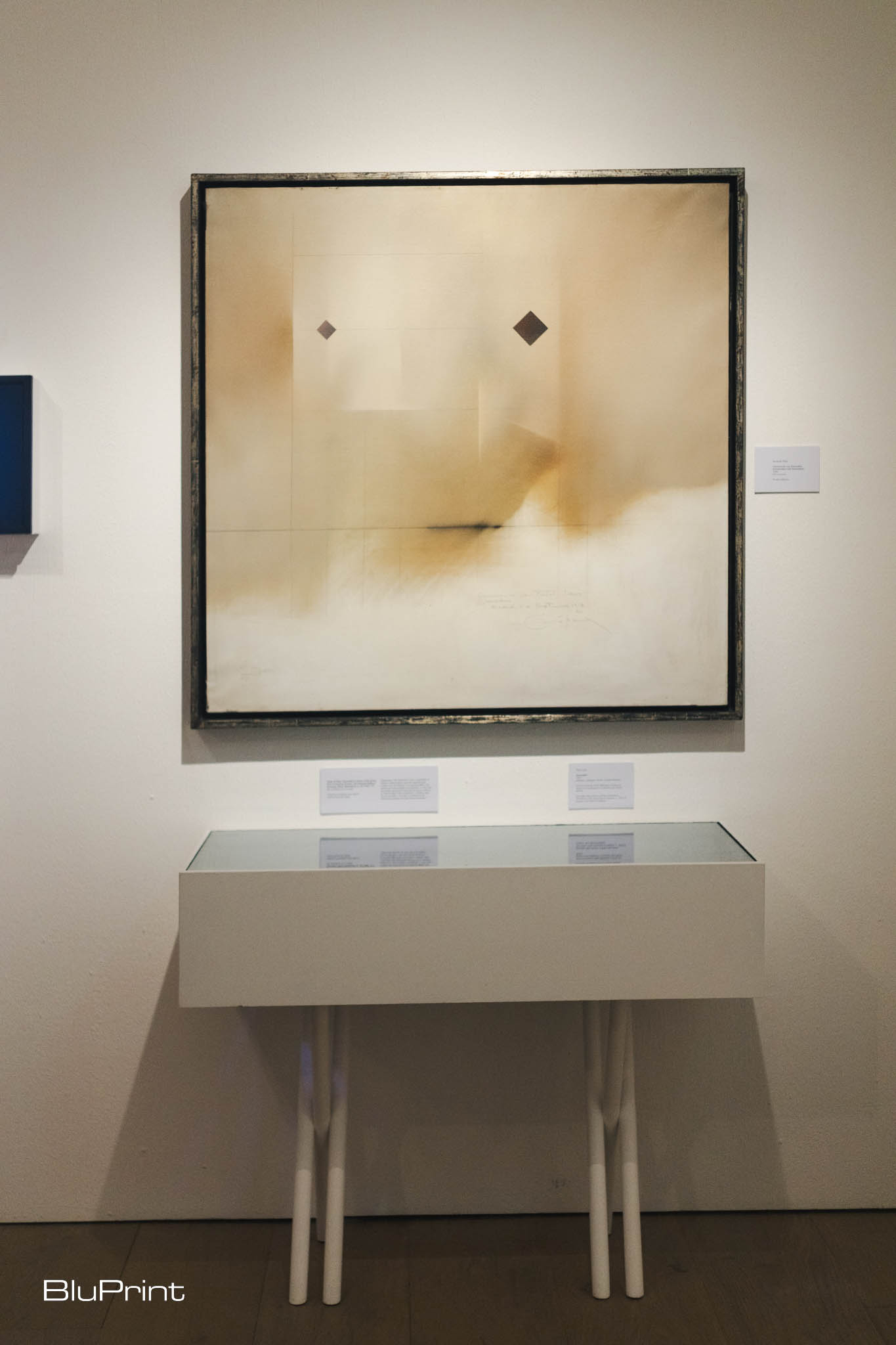
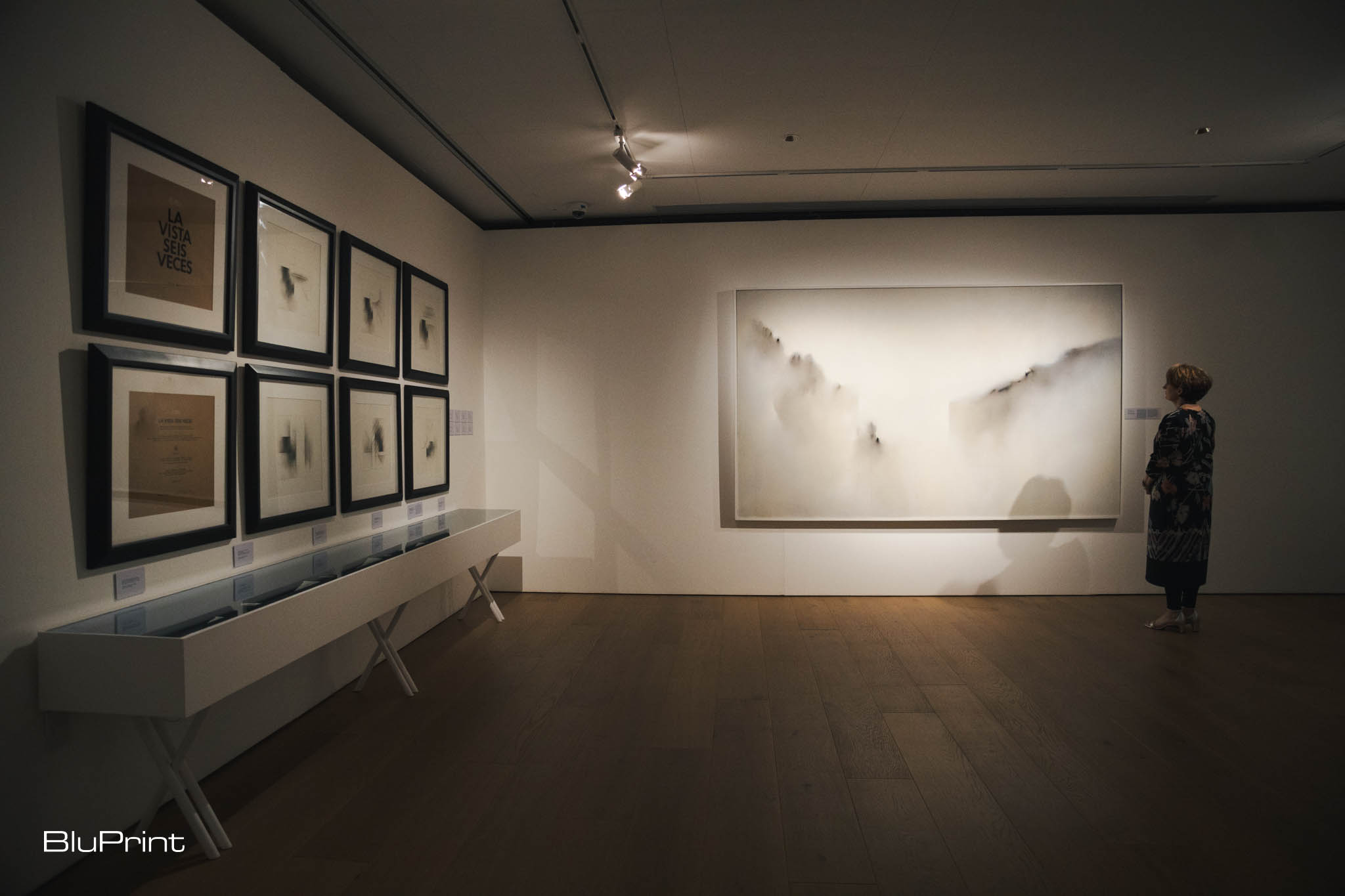
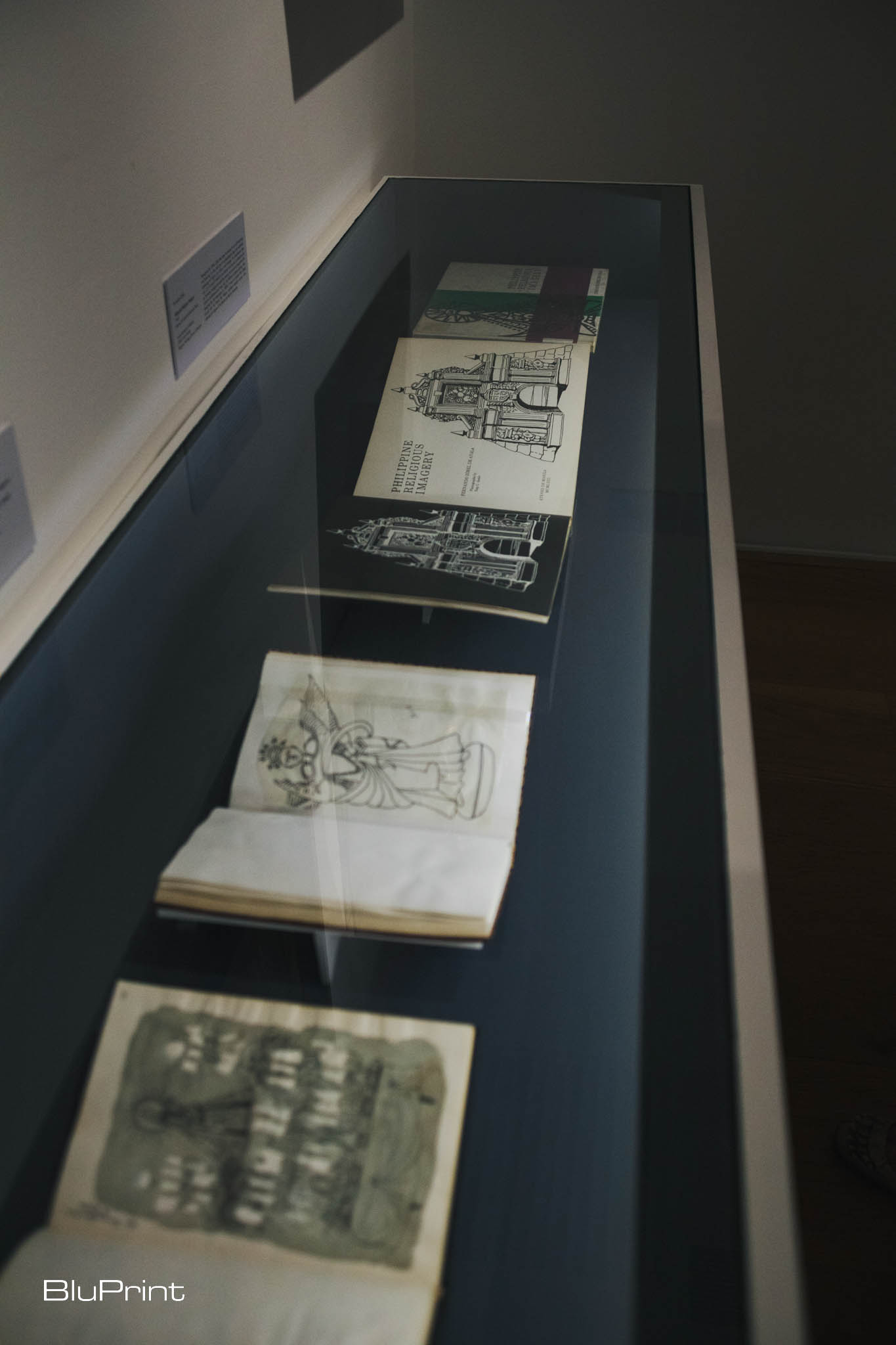
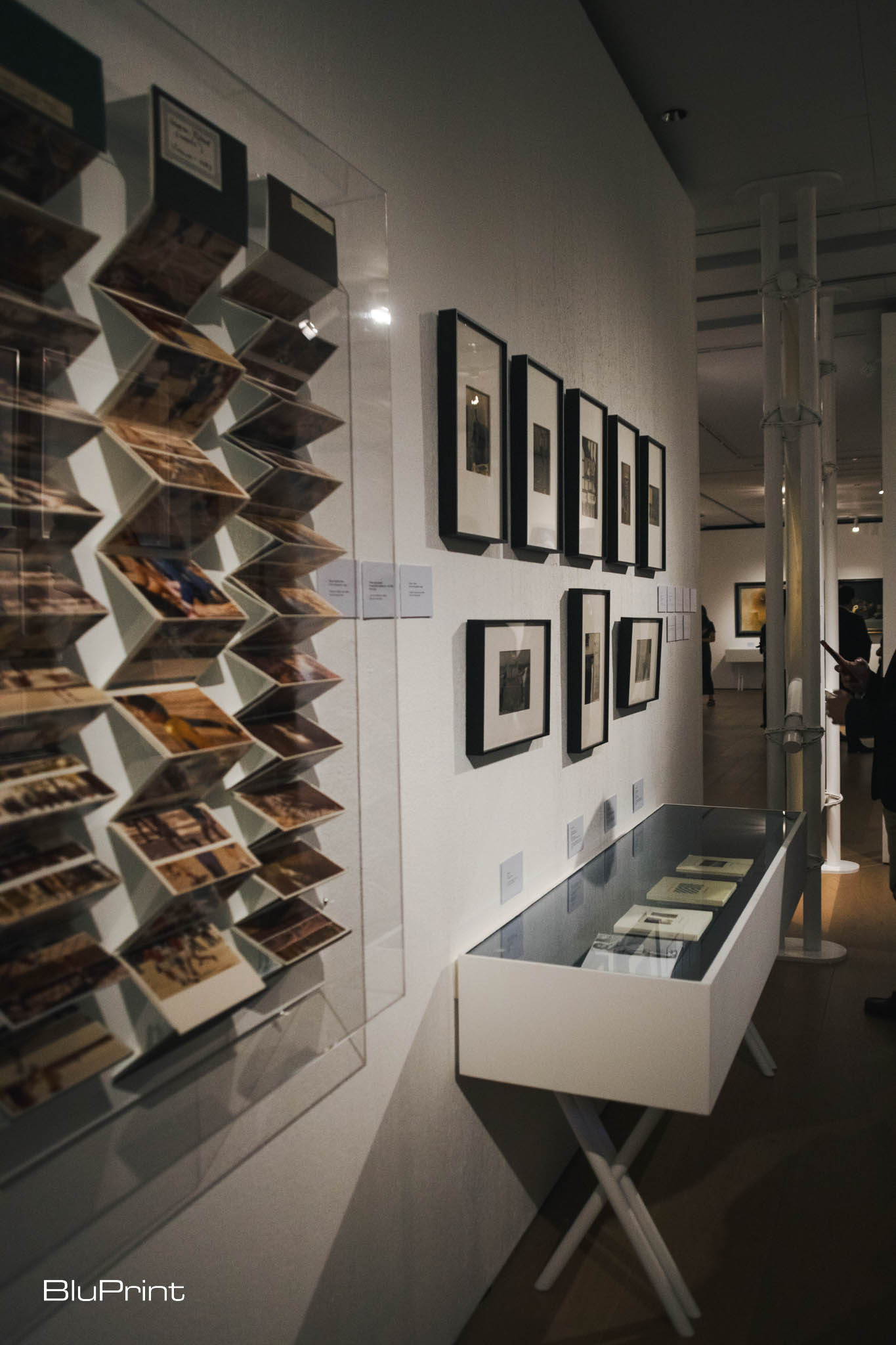
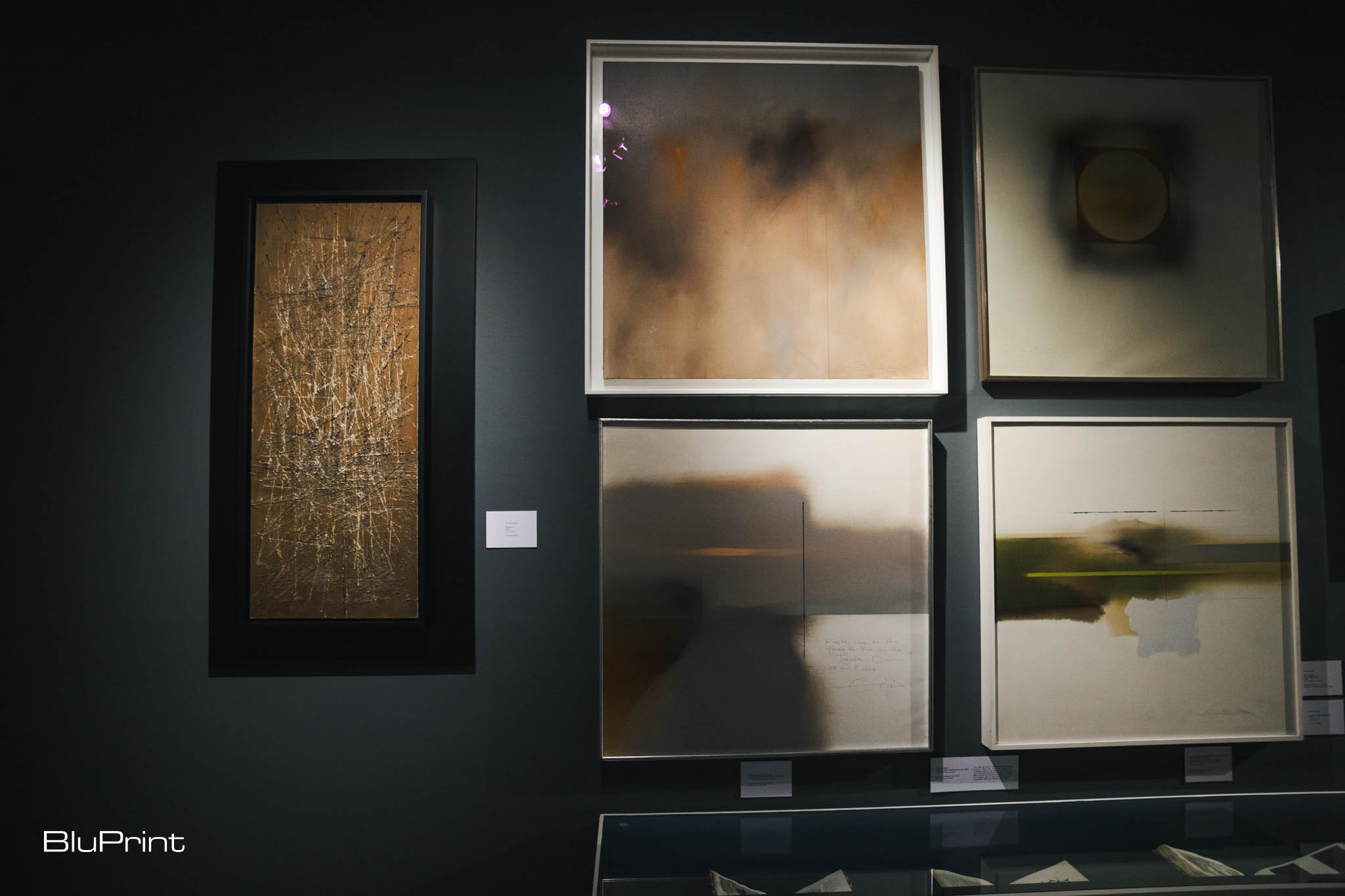
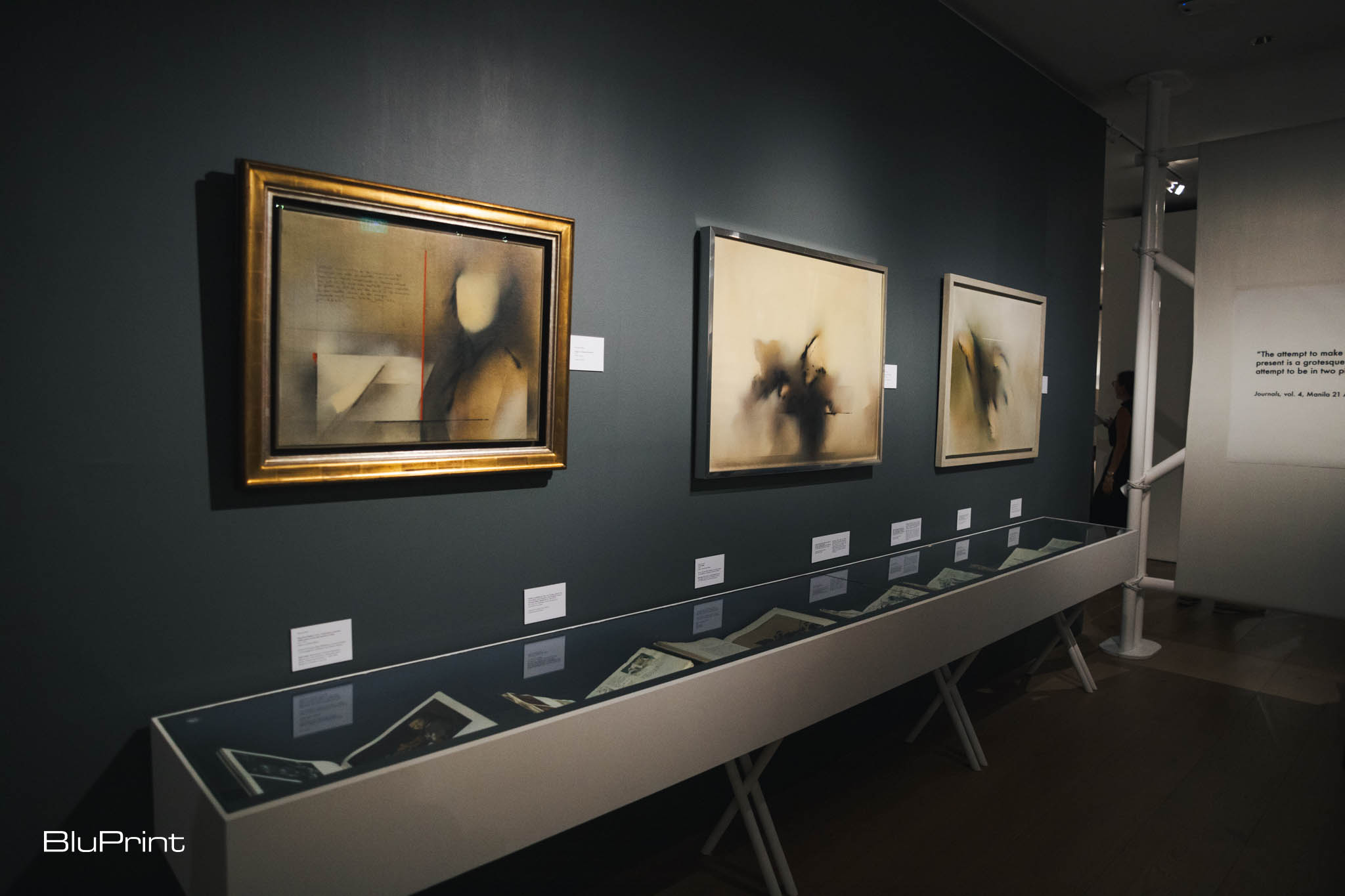
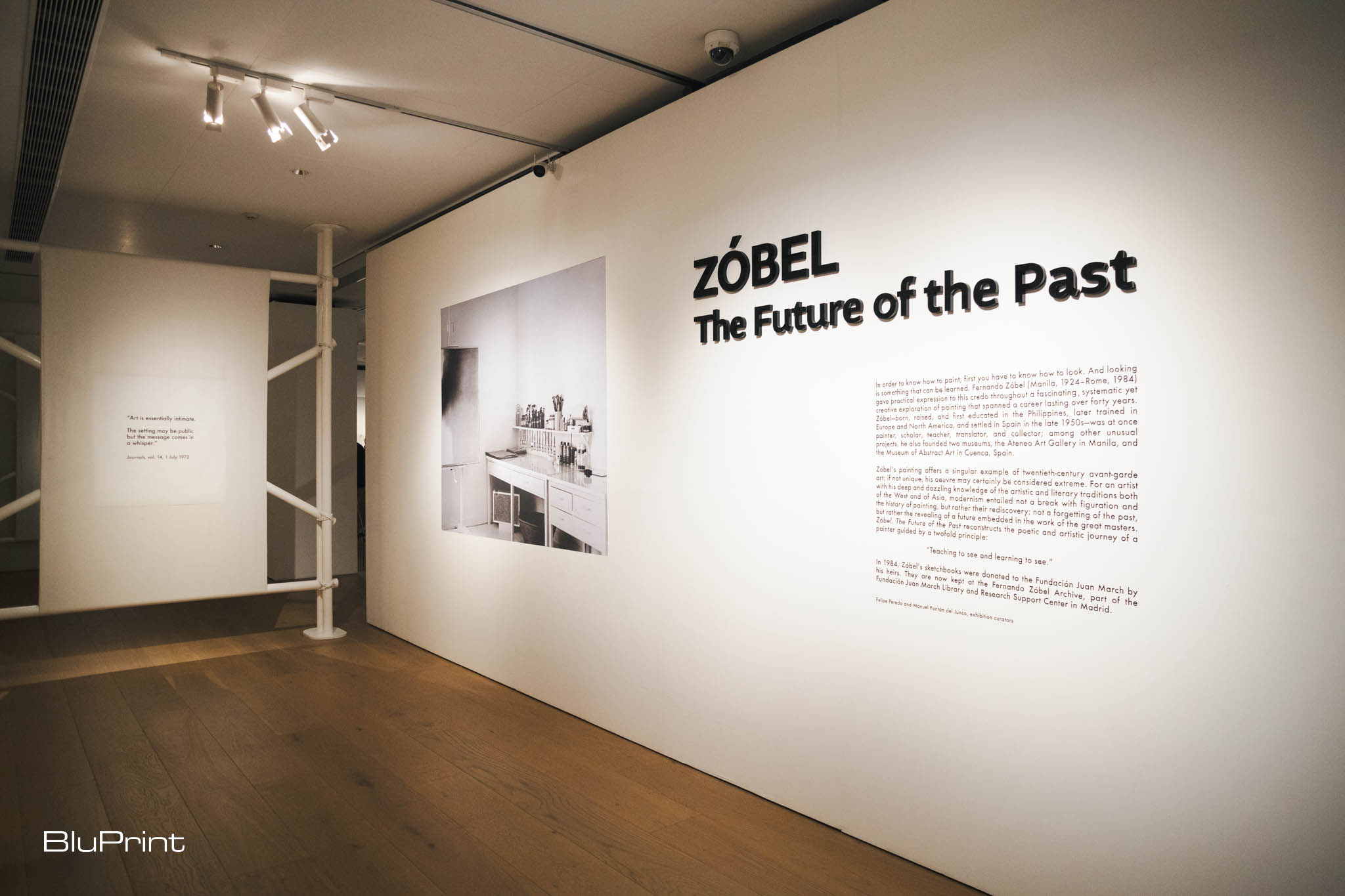
Ayala Museum proudly hosted the Asian premiere of “Zóbel: The Future of the Past” on September 14, 2024. First showcased at Spain’s Museo Nacional del Prado in 2022, this comprehensive exhibition is a tribute to Fernando Zóbel. The renowned artist and art critic played a pivotal role in shaping both Philippine and global art history.
This landmark multimedia exhibition simultaneously celebrates the museum’s 50th anniversary, Zóbel’s birth centenary, and Ayala Corporation’s 190th year. Felipe Pereda, the Fernando Zóbel de Ayala Professor of Spanish Art at Harvard University, and Manuel Fontán del Junco, Director of Museums and Exhibitions at Fundación Juan March, Madrid, co-curated “Zóbel: The Future of the Past”. Together, they trace Zóbel’s artistic journey from the figurative to the abstract.
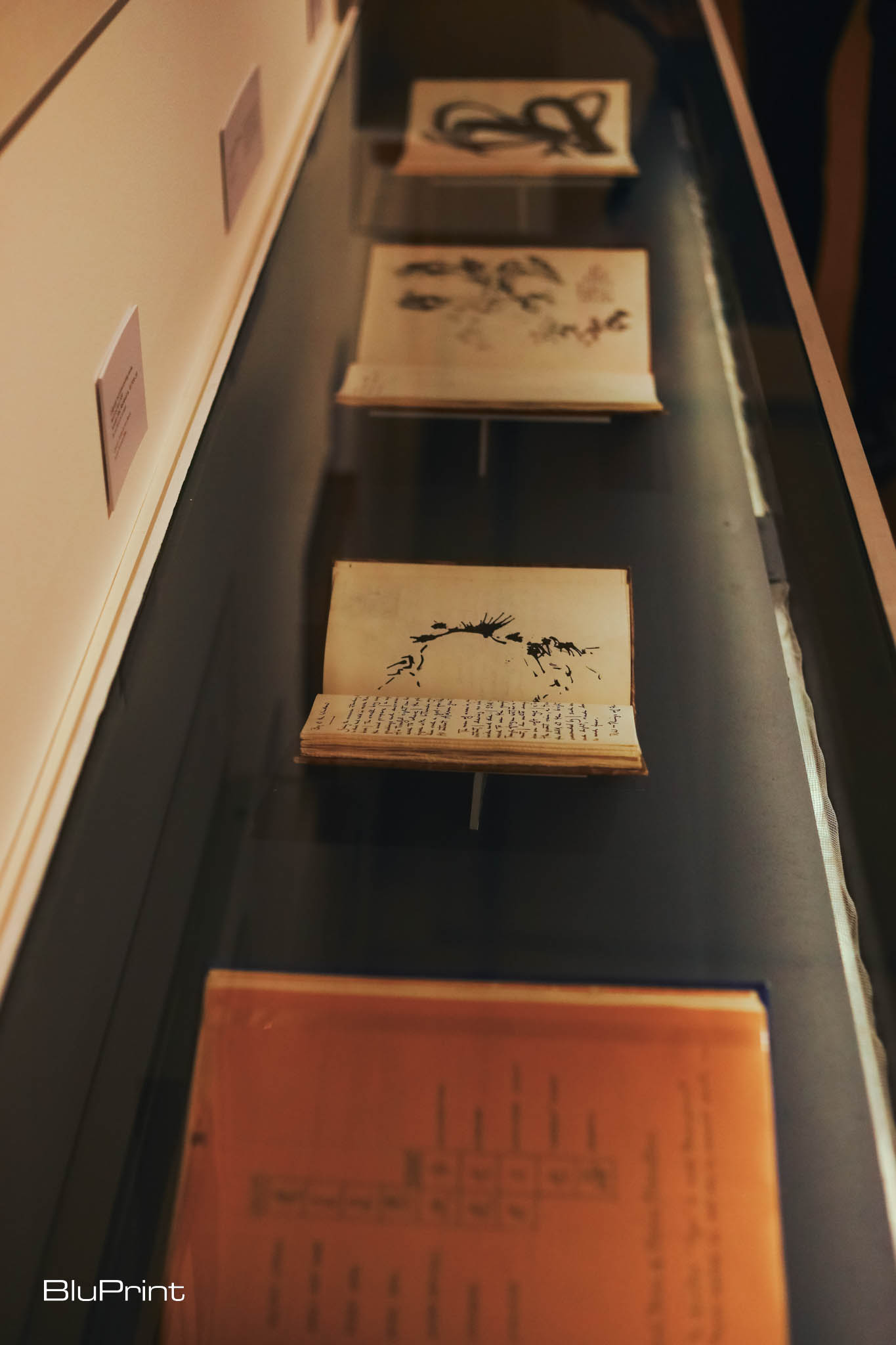
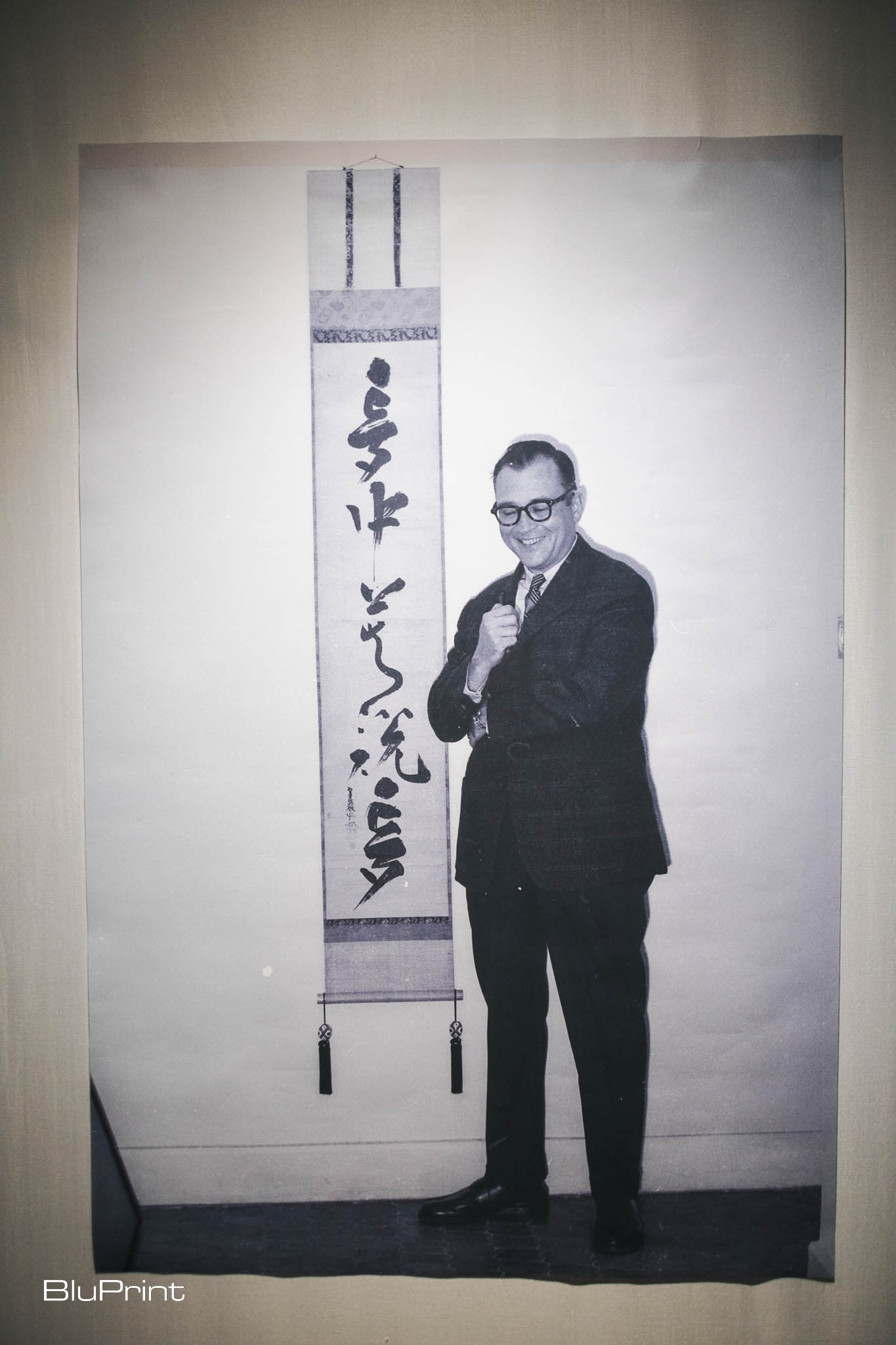
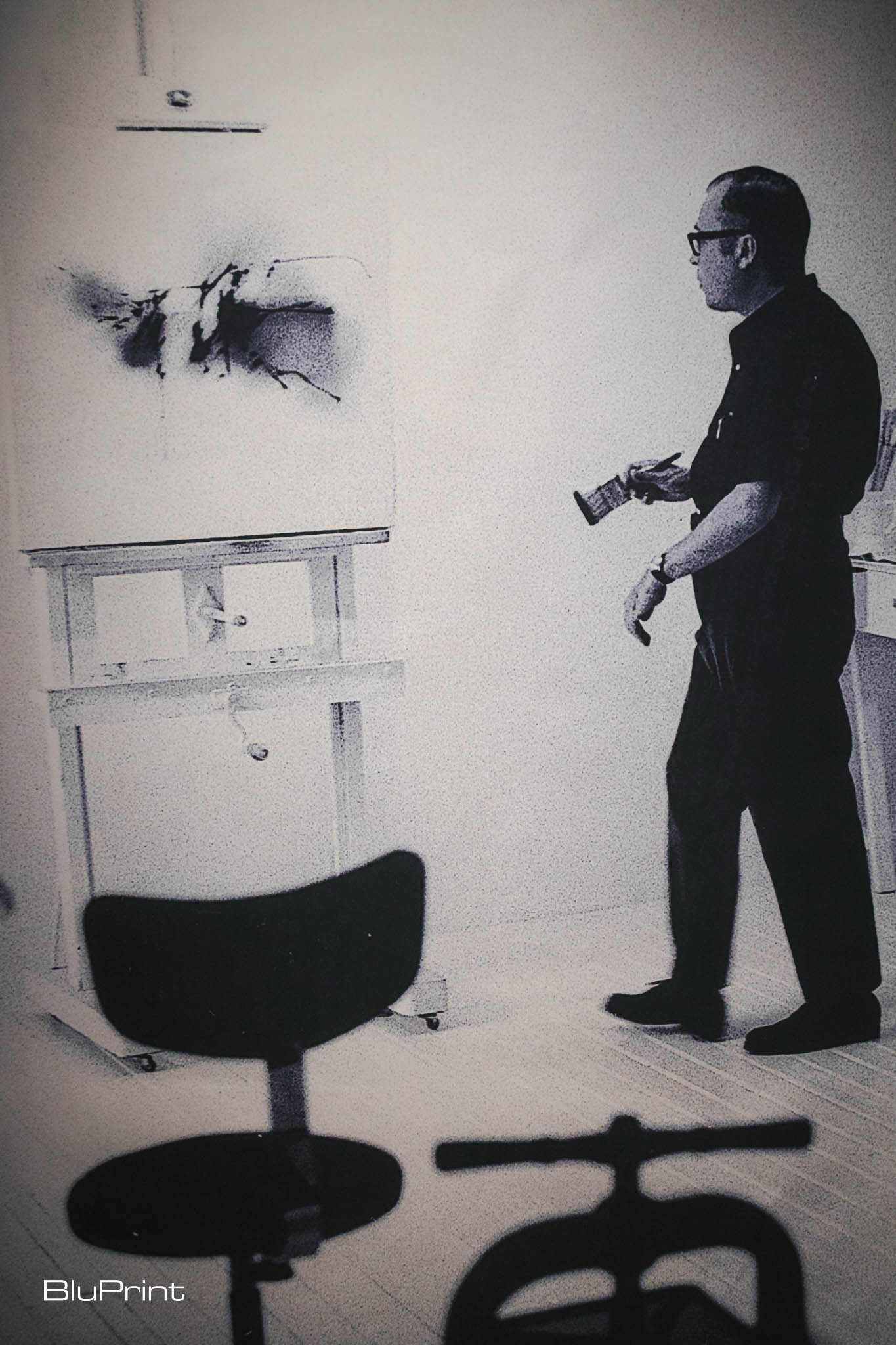
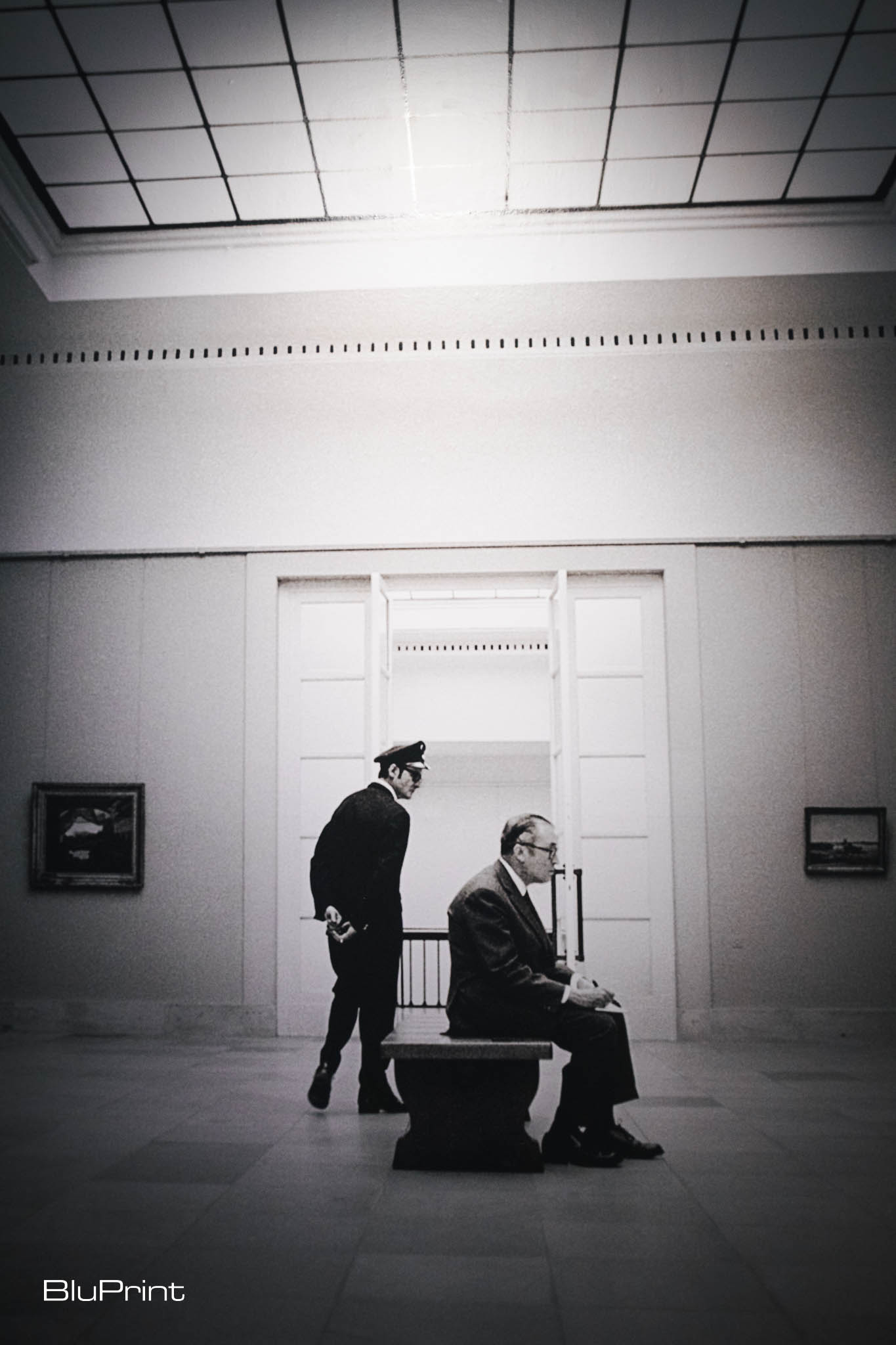
The exhibition features over 200 works, including the artist’s never-before-seen sketchbooks, offering an intimate look at Zóbel’s artistic process. His carefully composed journals and candid photographs take visitors on a journey through his global travels, museum visits, and artistic gatherings. All offer insight into his profound perception of the world around him.
Advertisement
Drawing from private collections and renowned institutions from around the globe, it showcases his ability to bridge artistic traditions across continents. It is only the second exhibition at the Prado dedicated to a 20th-century artist, following Pablo Picasso. This distinction highlights Zóbel’s unique position in the art world, having deep ties to both Spain and the Philippines,
A Global Artist with Deep Roots
Born in Manila in 1924, Fernando Zóbel’s early life and education straddled the Philippines and the United States. He studied history and literature at Harvard University. After returning to Manila, he became a key figure in the local art scene. This period saw collaborations with modernists masters like Vicente Manansala, HR Ocampo, and Cesar Legaspi.
In the late 1950s, Zóbel relocated to Spain, where the Prado Museum became Zobel’s “laboratory”. He was endlessly inspired by the masterpieces of El Greco, Francisco Goya, Francisco de Zurbarán, Jusepe de Ribera, and Diego Velázquez.
Advertisement
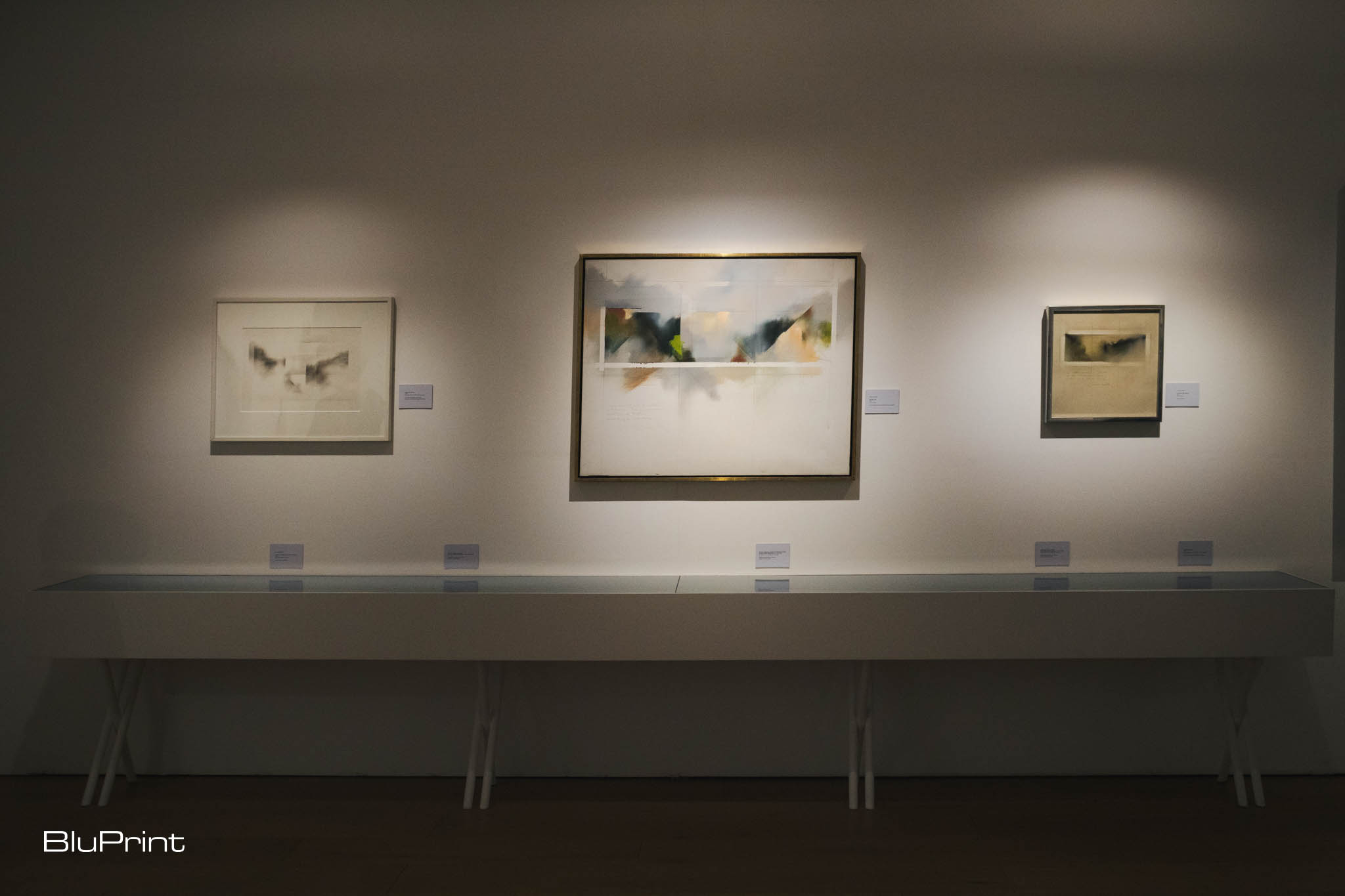
Zobel was captivated by “the sophisticated complexity of Velasquez’s realism.” He dedicated almost an entire sketchbook (which is part of the exhibition) to interpreting and deconstructing Velázquez’s “The Spinners” (1657). “Page by page, Zobel analyzes the master’s creative process, seeking to uncover the underlying, in a sense invisible, structure of the composition.”
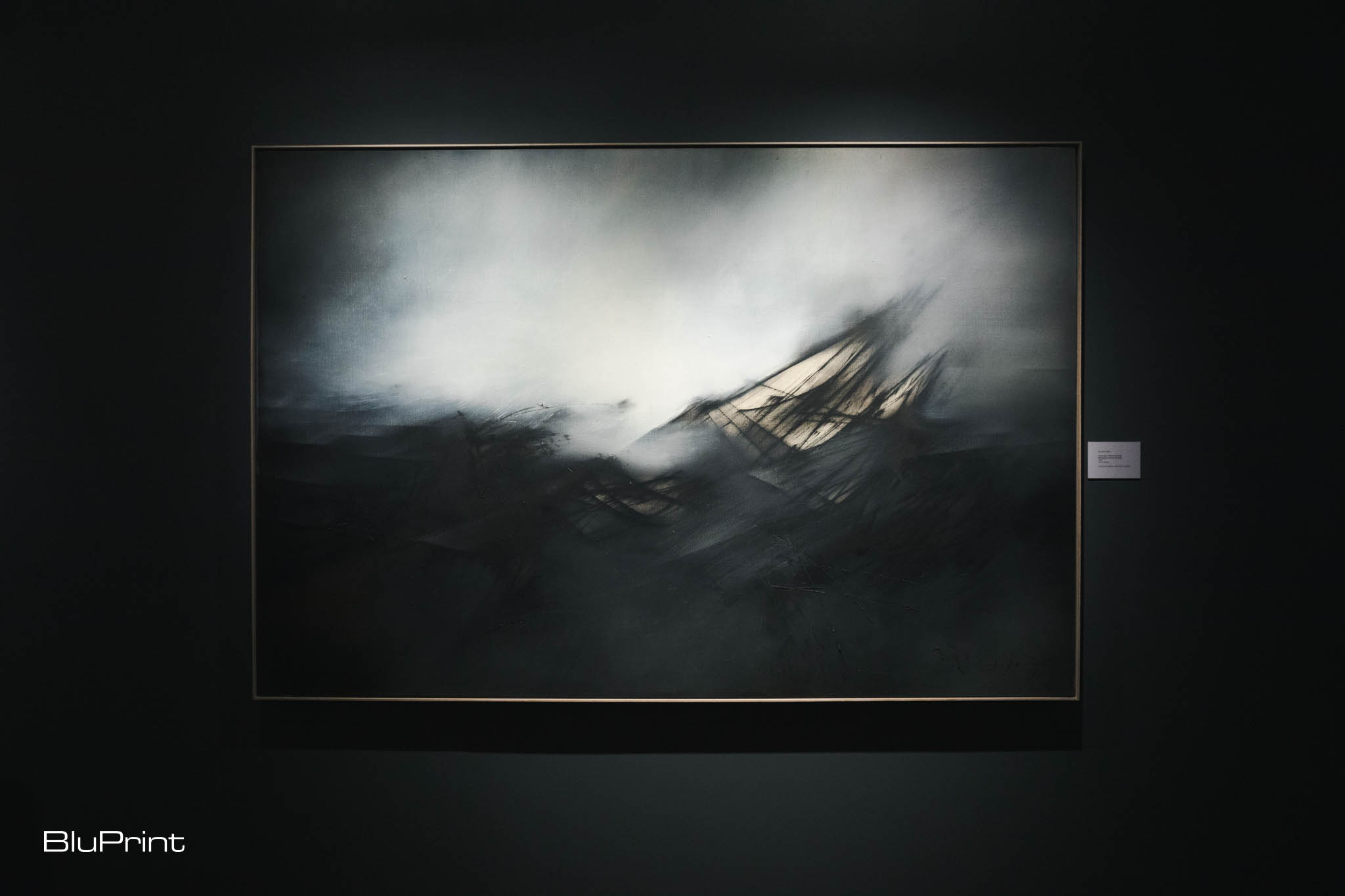
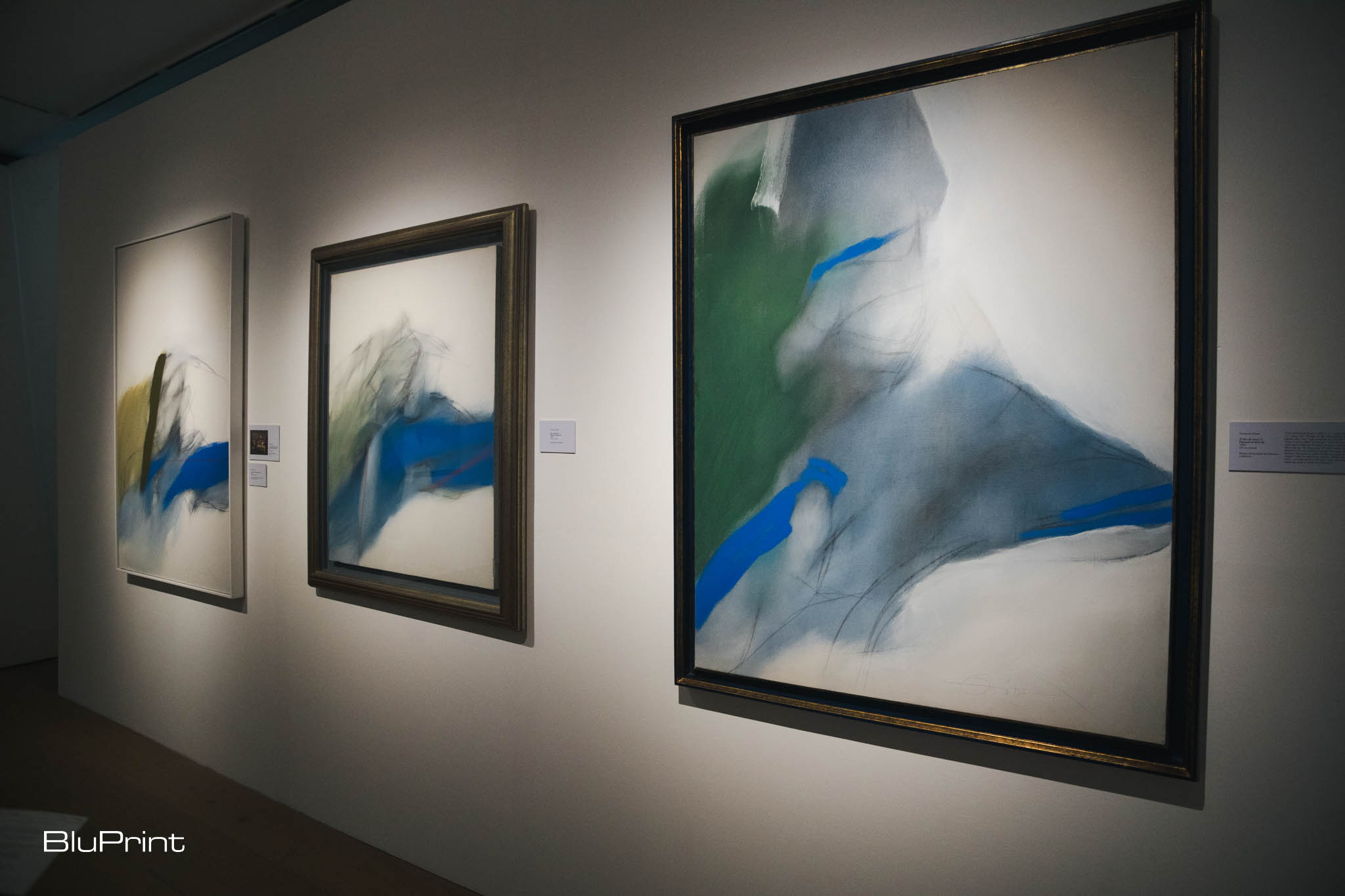
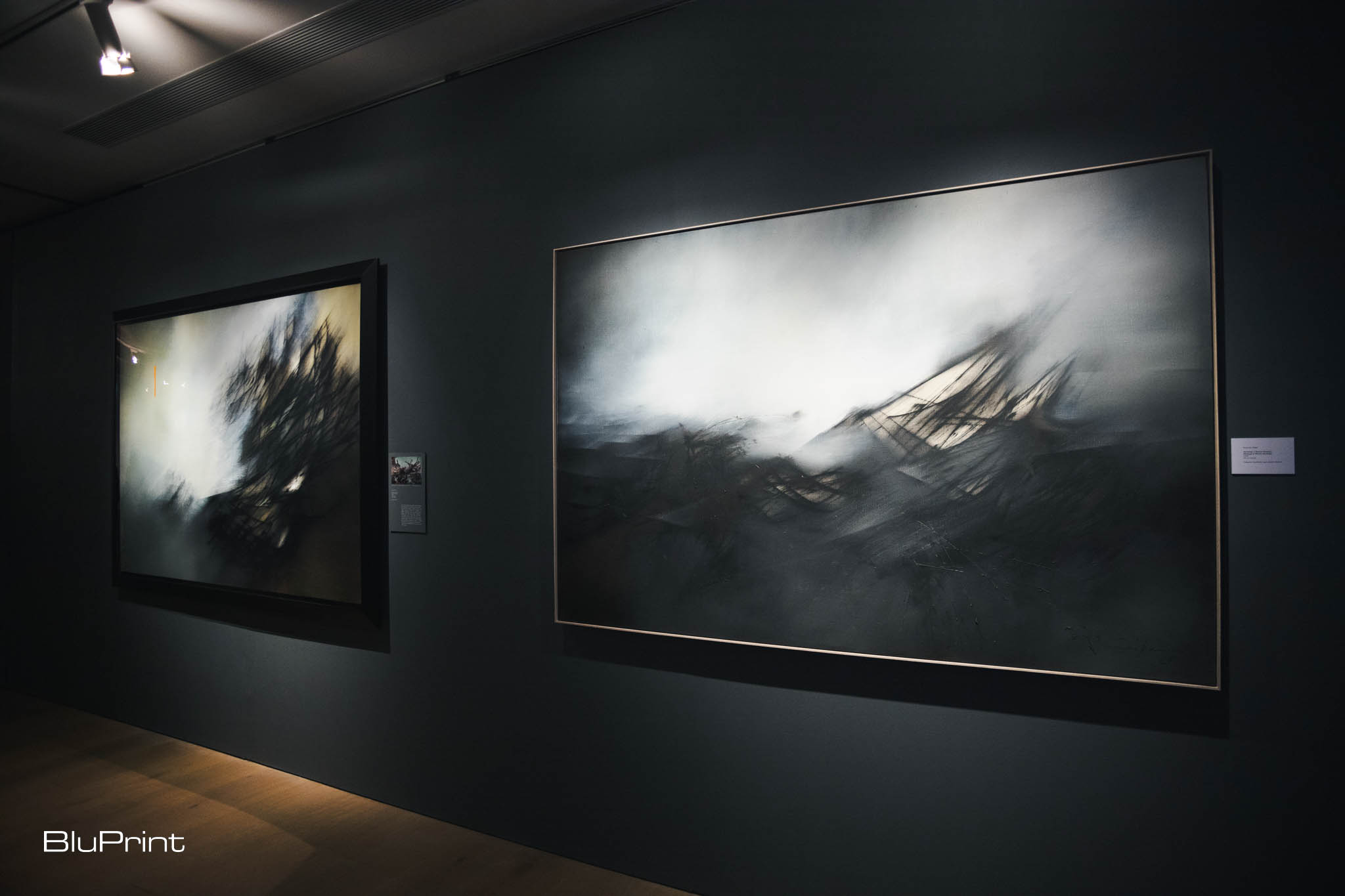
It was also around this time when his large-format pieces emerged, famously known as the Black Series. These feature “sweeping black strokes on a white canvas, and blending drawing and painting techniques in a single gesture”. American abstract expressionists like Mark Rothko, Franz Kline, and Jackson Pollock clearly influenced him. However his technique also showed a distinct Asian influence, particularly from Sino-Japanese calligraphy.
The exhibit cites artists like Munakata Shiko and Morita Shiryu, along with other Japanese, Korean, and Chinese artists. They were instrumental in Zobel’s exploration of “calligraphy as a form of abstract art”. This blend of influences helped him transcend geographical and cultural boundaries, making his work universally resonant.
Advertisement
A Dialogue with the Past and Future
Among the exhibition’s highlights are works from Zóbel’s Diálogos. Here, the artist reinterprets iconic masterpieces by artists like Degas, Thomas Eakins, and Rubens. These pieces showcase Zóbel’s unique approach to art as a form of dialogue, where he re-examines and reimagines the works of the past.
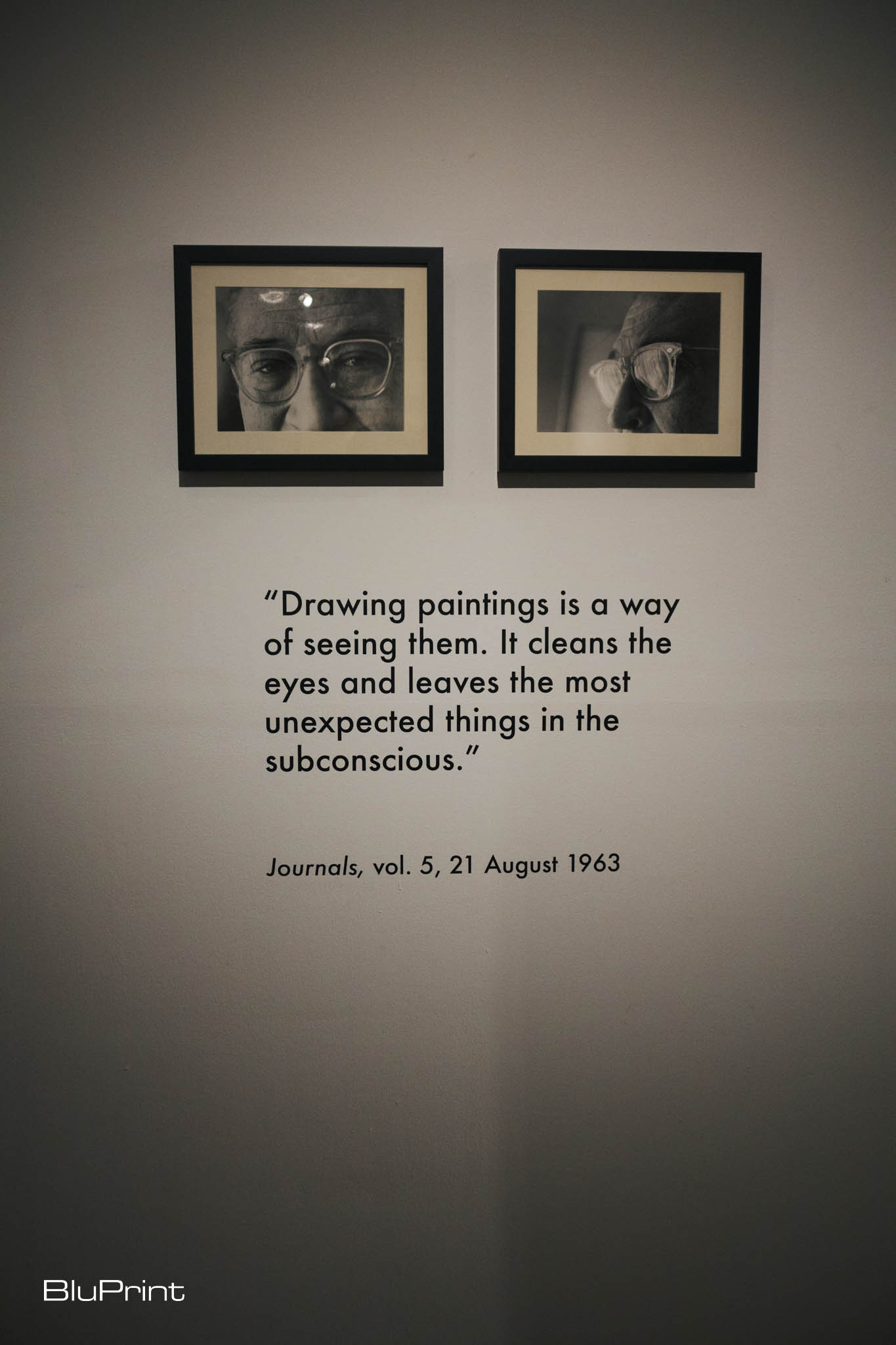
His process of drawing paintings was a way of seeing them more deeply. As he once said: “Drawing paintings is a way of seeing them. It cleans the eyes and leaves the most unexpected things in the subconscious.”
These sketches served as a foundation for many of his abstract compositions, turning his artistic exploration into a conversation across time.
The exhibition reflects Zóbel’s belief in the relevance of studying the masters to inform contemporary art. Art existed in conversation with history. His practice of copying and deconstructing classical works transformed into a dialogue with the masters. It allowed him to create modern pieces that paid homage to the past while pushing artistic boundaries.
Advertisement
For him, modernism was not a rejection of tradition but rather a rediscovery and reinterpretation of it. His works demonstrate that the future of art lies in understanding and engaging with the past. It is a philosophy that guided his entire career.
The Legacy of Fernando Zóbel
Beyond his artistic pursuits, Zóbel was a scholar, collector, and educator. In the Philippines, he helped shape the local modernist movement and promoted modern art through teaching and writing. His influence led to the founding of the Ateneo Art Gallery, the Philippines’ first modern art museum, in 1960. He later established the Museo de Arte Abstracto Español in Cuenca in 1966. This further solidified his legacy as a champion of modern art.
His contributions earned him several honors, including Spain’s Civil Order of Alfonso X and the Royal Order of Isabella the Catholic. The Philippine government also posthumously awarded him the Presidential Medal of Merit.
Advertisement
A Cultural Milestone
This Manila iteration of “Zóbel: The Future of the Past” is a tribute to Zóbel’s lasting impact on modern art. The mix of works from private collections, personal photographs, and loans from prestigious institutions, provides an intimate look into Zóbel’s life and legacy. Notably, his reinterpretations of Degas, Thomas Eakins, and Peter Paul Rubens, drawn from his Diálogos, reveal how drawing was Zóbel’s method of “seeing”—a way to cleanse the eyes and uncover the unexpected.
The Asian premiere of “Zóbel: The Future of the Past” celebrates Fernando Zóbel’s centennial and his lasting influence on Philippine and Spanish art. His ability to navigate and bridge the artistic traditions of East and West has made him a pioneer of modern art. This exhibition invites audiences to see through his eyes—whether they are art aficionados or newcomers.
The exhibition will run until January 26, 2025. It offers a unique opportunity to experience the artistic journey of a visionary who transformed the Philippine art scene and left an indelible mark on the global art community.
Advertisement
“Zóbel: The Future of the Past” is organized by Ayala Foundation and Ayala Museum, co-presented by Ayala Corporation, and supported by the Embassy of Spain and the Embassy of the United States in the Philippines. BPI, Cathay Pacific, and Makati Shangri-La serve as official partners.
Located near the equator, factors such as heat and humidity are the norm in the Philippines. This tropical climate has shaped the development of architecture in the country. As Leandro V. Locsin stated: “The first consideration of the Filipino builder and certainly the most evident in his architecture, which is after all an outgrowth of […]
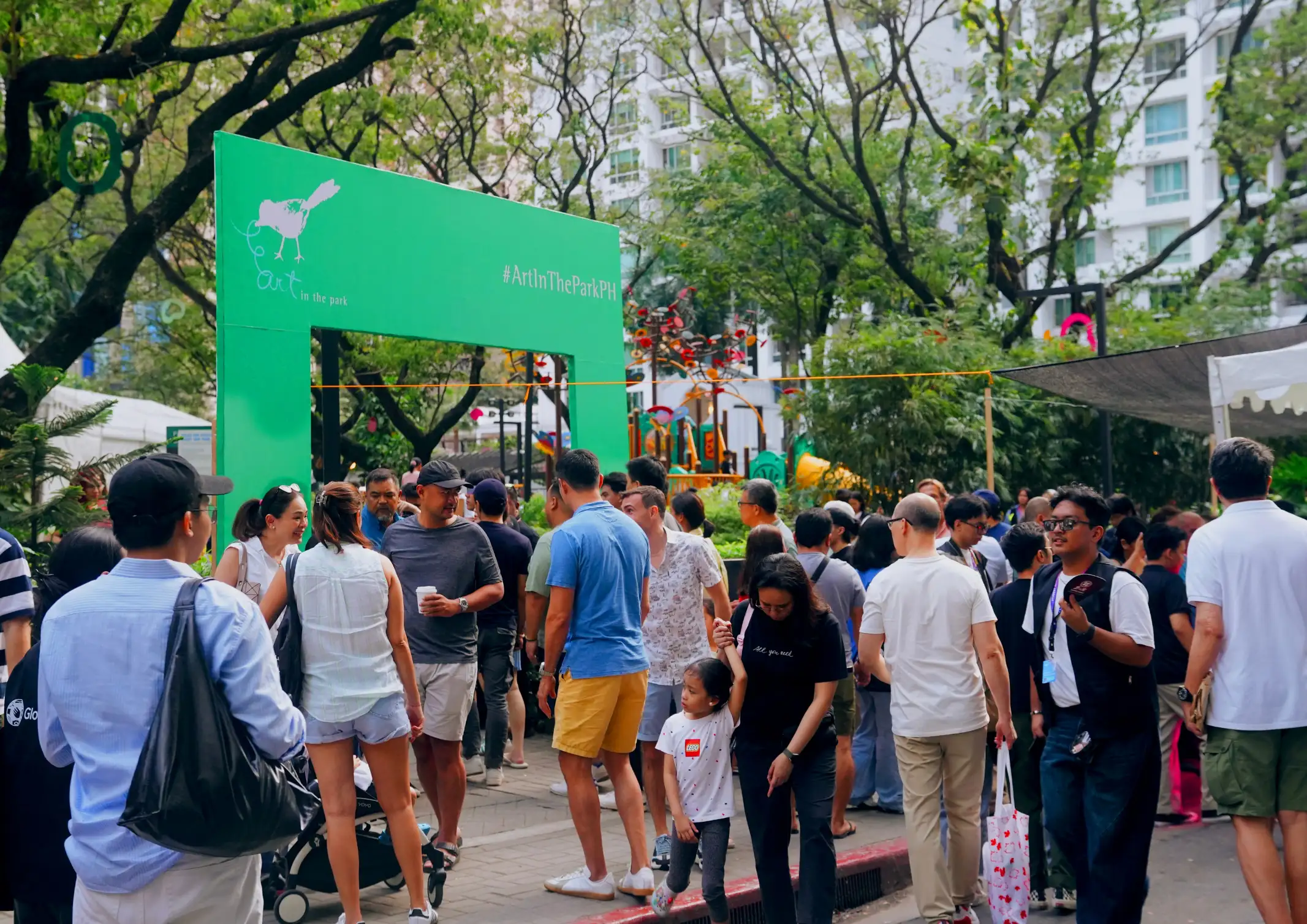
Art in the Park returned this year to Jaime Velasquez Park in Salcedo Village, Makati City, to celebrate its 20th anniversary. This year’s edition featured a curated selection of works from 55 exhibitors representing galleries, art collectives, independent art spaces, and student groups. With all artworks capped at Php 70,000, the fair continued its mission […]
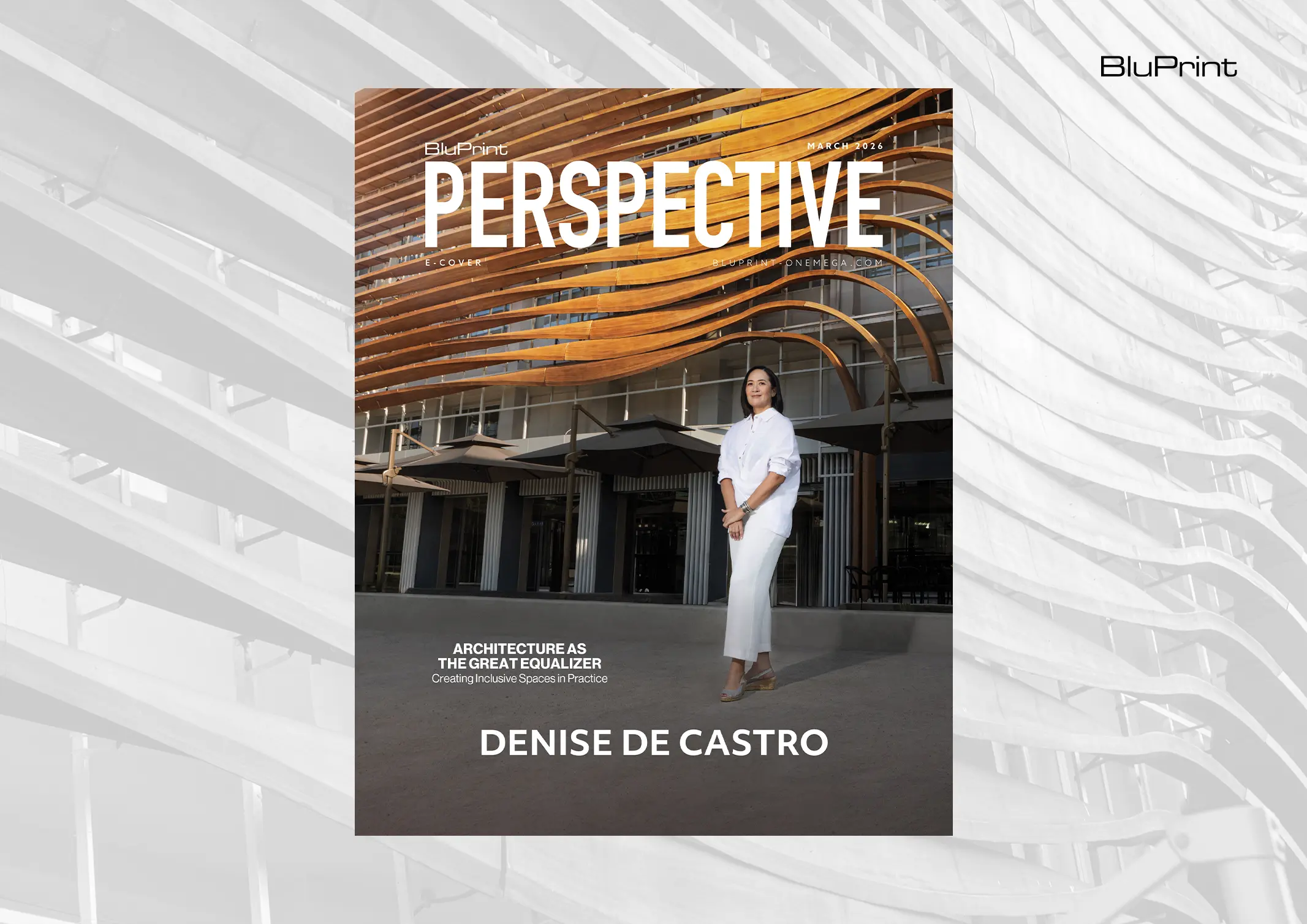
Denise de Castro, Principal Architect of DEQA Design Collaborative, believes that designing with equity in mind means starting at the workplace. Values and practices that your studio or office espouse inevitably filter down to the work that you do. Equitable design ensures that people with different needs and different backgrounds are supported through fair access, […]
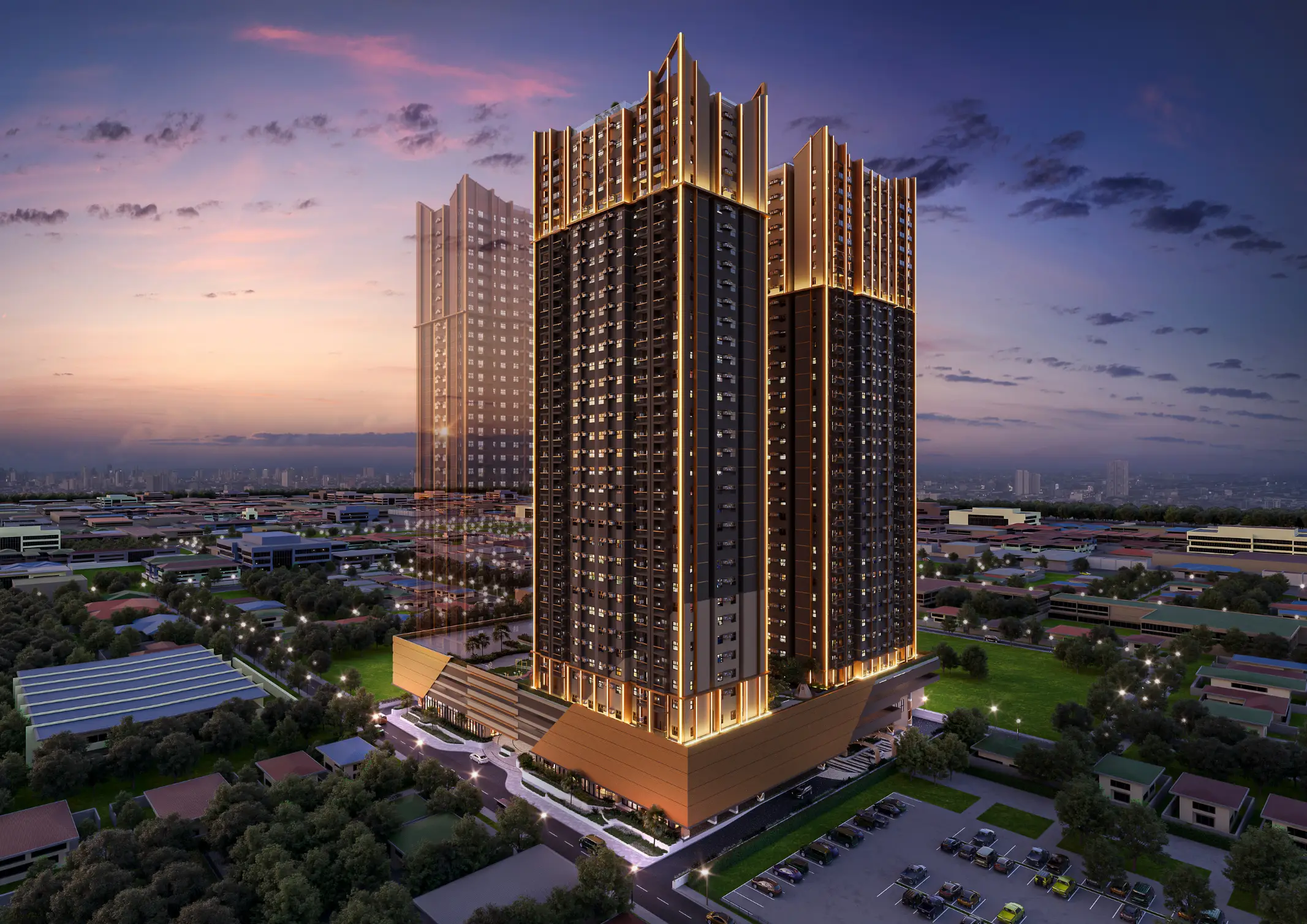
Across Metro Manila, residential developments are increasingly designed around proximity. As cities grow denser and mobility becomes more complex, new housing is often positioned near transport nodes, commercial districts, and educational institutions. This approach reflects a broader shift in urban planning. Mixed-use environments allow residents to live closer to daily necessities—reducing commute times while supporting […]
Luxury in design is undergoing a quiet shift. Where once luxury was measured primarily through visual opulence, today it is increasingly defined by responsibility—through the way spaces are built, the materials selected, and the impact those decisions leave behind. At the Philippine World Building and Construction Expo (WORLDBEX) 2026, this evolving definition of luxury takes […]
For more than nine decades, Fisher & Paykel has approached design with a simple but exacting belief: that the best living environments are those shaped by people, place, and purpose. Rooted in New Zealand and deeply attuned to island and coastal living, the brand’s philosophy centres on quiet performance, material honesty, and appliances that integrate […]
Download this month's BLUPRINT magazine digital copy from: