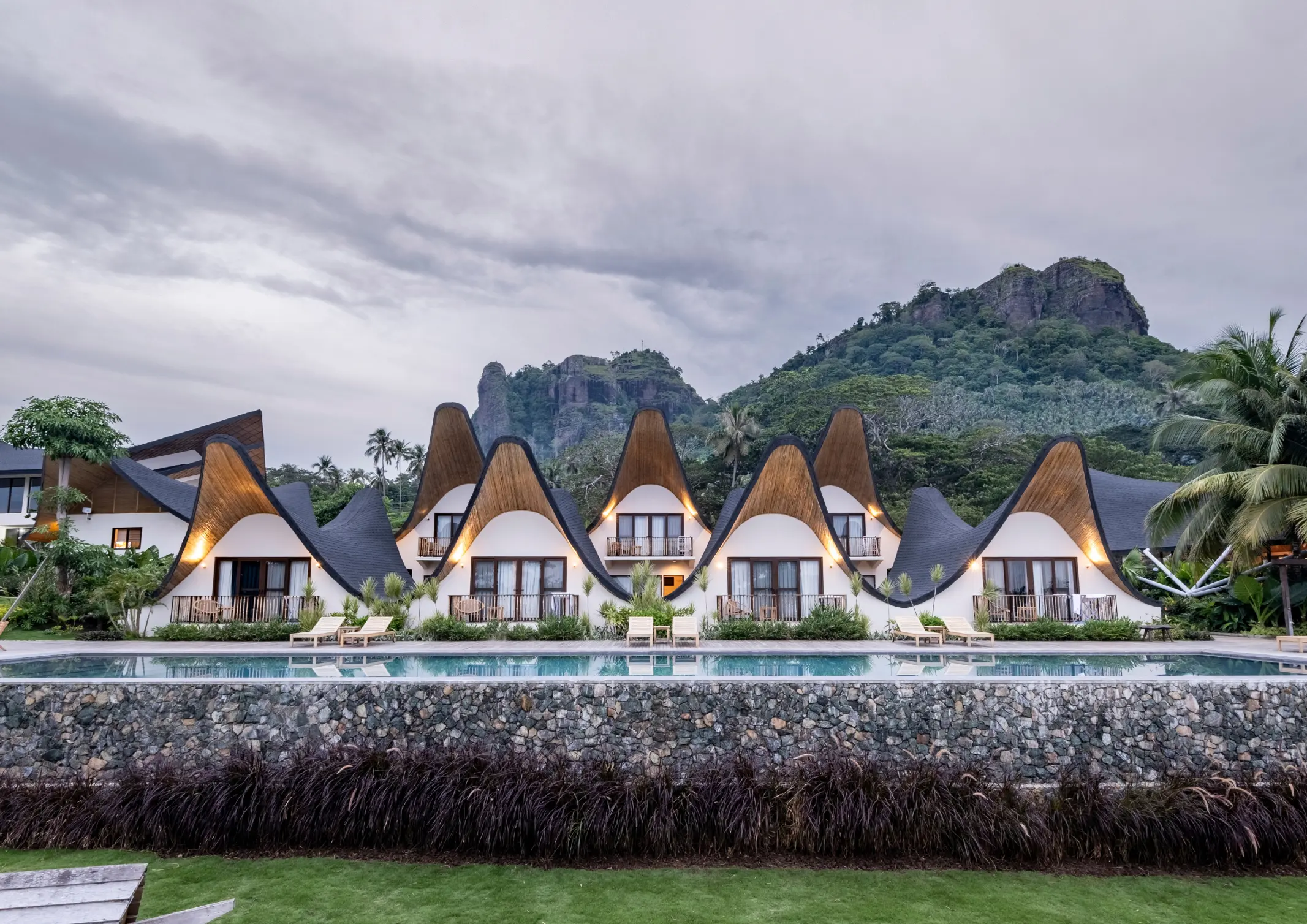
Contemporary design refers to the constantly evolving design trends of today. With the power to design our built environments, architects have been experimenting with various architectural approaches. Whether that is through unconventional forms or the integration of smart technologies, BluPrint lists down Filipino architects who are defining contemporary architecture. Deo Alam Architect Deo Alrashid Alam […]
House H: A Remarkable Tiny Home Built for a Family of Four



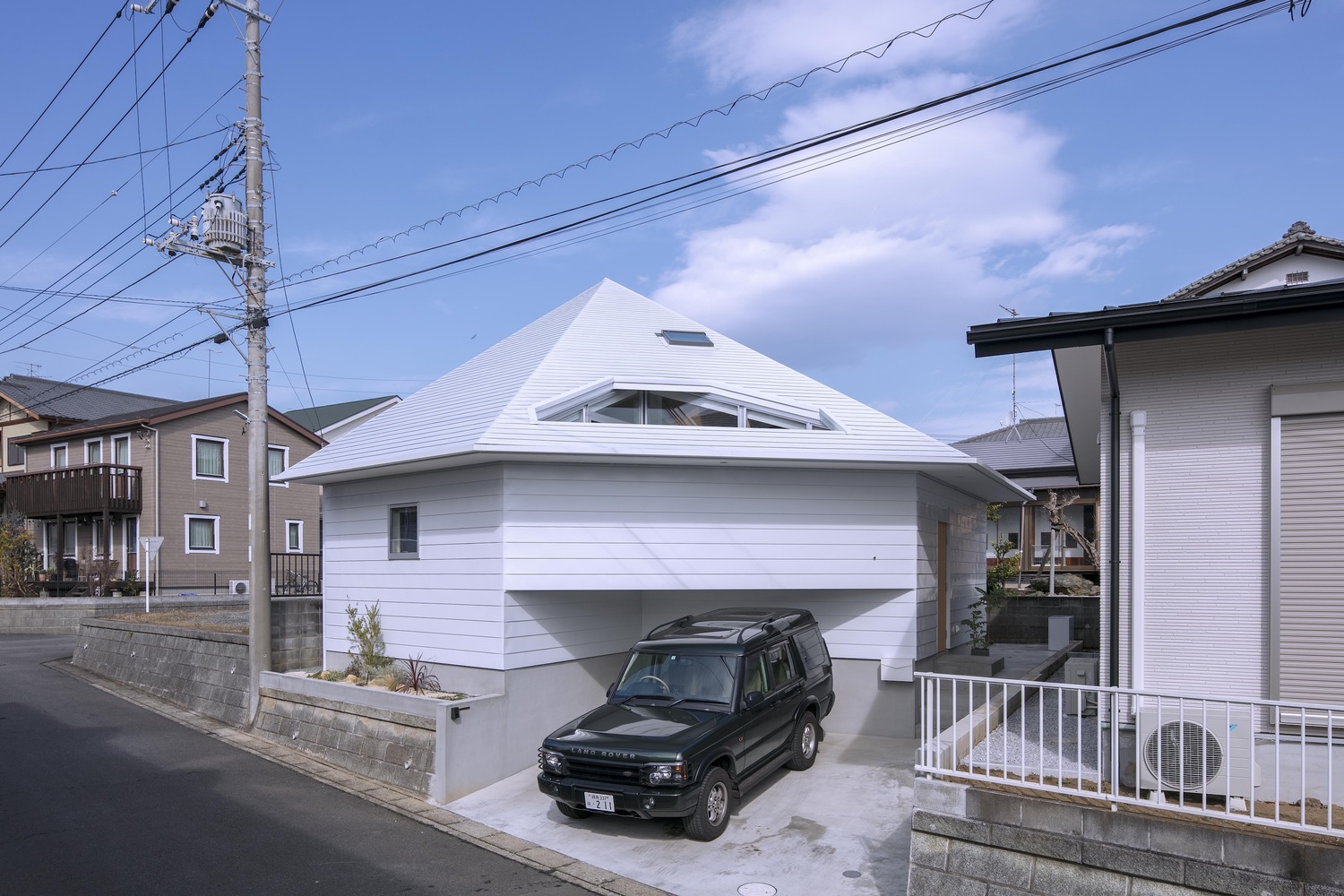
With space becoming a major factor in how people build their own homes, House H successfully attempts to use an idiosyncratic design to maximize space and open up new possibilities. Designed by Shinsuke Fujii Architects, House H utilizes only 88 square meters for the property.
That number is on the low end of tiny housing, and unlike many tiny houses, this one can accommodate an entire family. It’s a hard endeavor, but not impossible. Architect Fujii comes up with some wily solutions to maximize the space for the whole family. It’s all at once minimalist in design and maximalist in use.
A Minimalist Pentagon
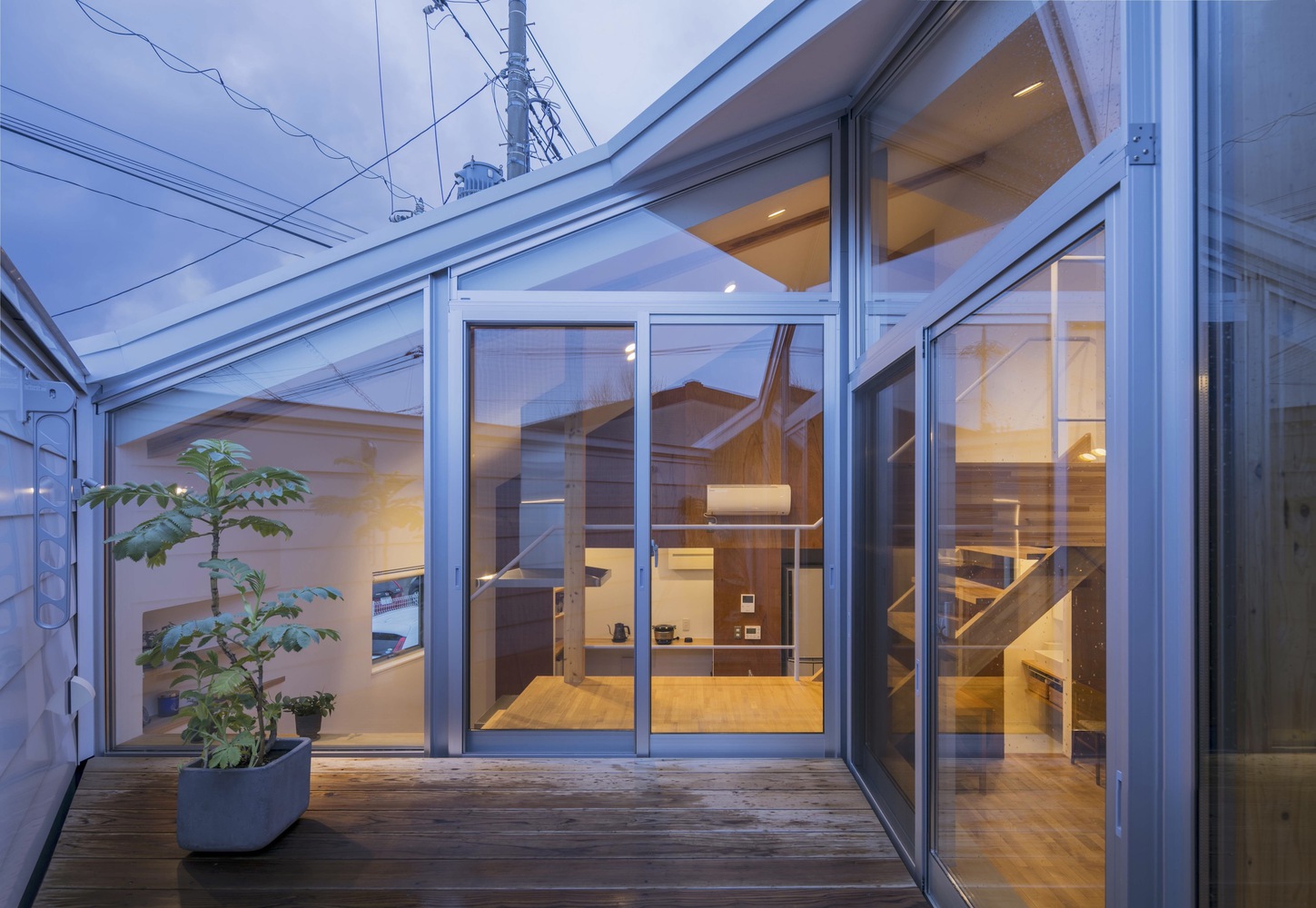
House H is unique from most houses because of its pentagon shape. While most opt for square or rectangular layouts, Fujii chose to use a pentagonal shape instead to accommodate more rooms. The shape consequently created the unusual roofline, as well as the gooseneck between the first and second floors. This works as an inner courtyard; open-air portion space ideal for a pocket garden. Another outcome of the gooseneck is that it allows room for parking within the property.
Advertisement
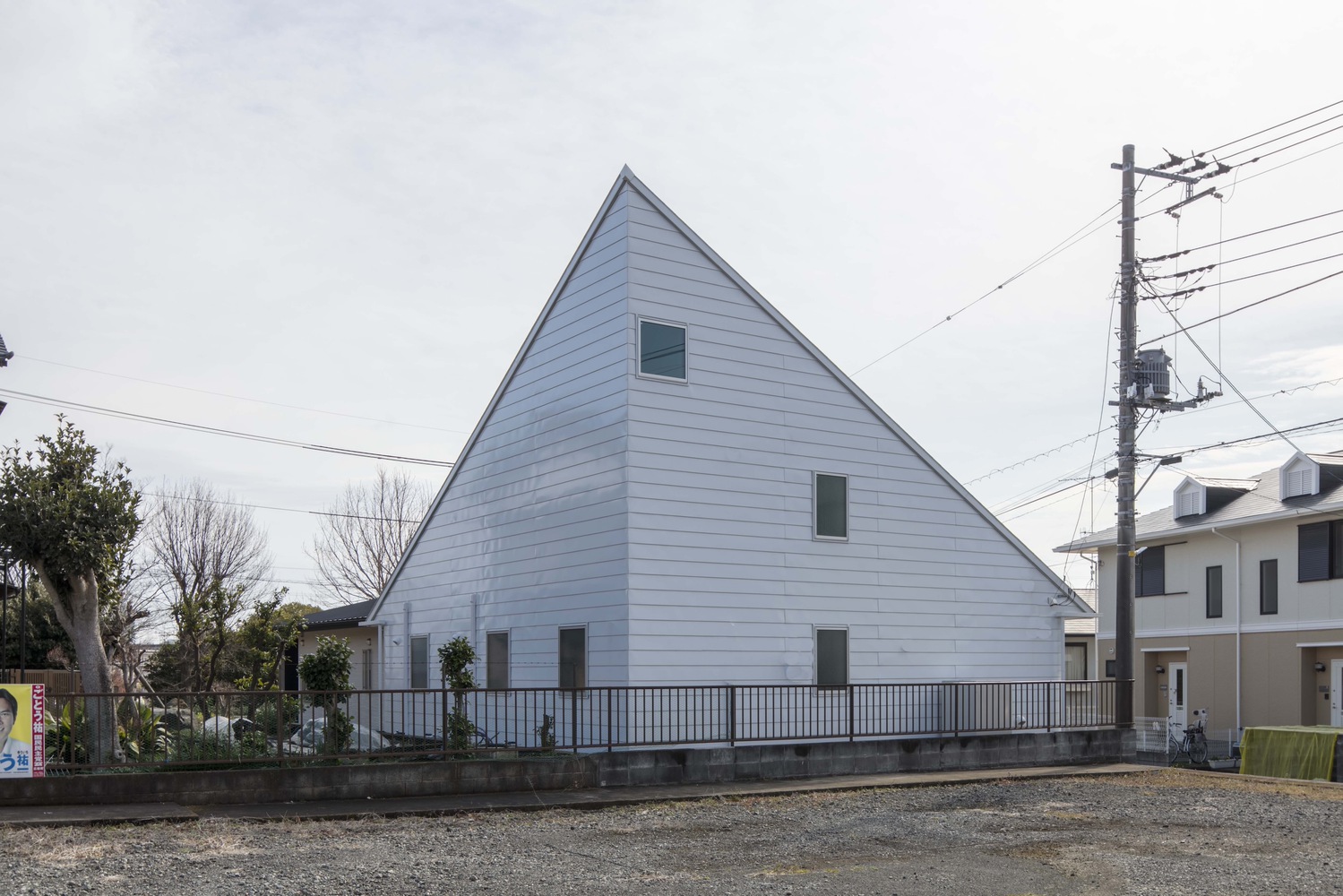
The sharp roof and the home’s overall construction is reminiscent of American colonial architecture, especially with its long rectangular beams and its minimal use of windows. It certainly stands out in a typical Japanese neighborhood.
A Balance of Height and Measure
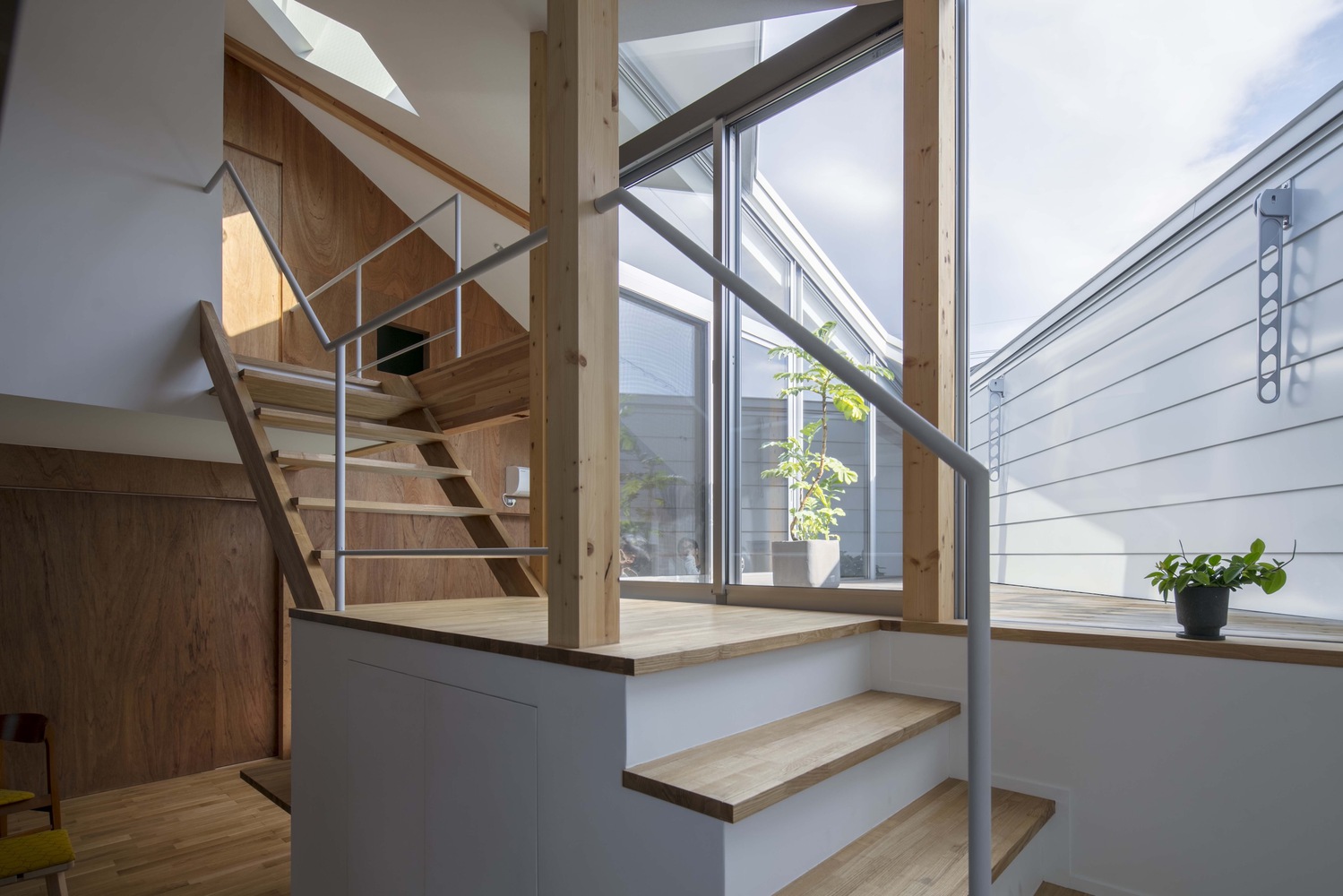
Upon entering, you come into the main living room. Off to the right are the three bedrooms arranged side by side. As you move further inside, you find the kitchen to the left with a toilet room and wash basin next to it. The home itself utilizes a lot of wood indoors, from the floors, walls, and most of the furniture. There’s a wooden shelf in the living room that transitions into a computer desk near the dining room area; an efficient piece of design for a home with not a lot of space.
Halfway up the stairs leads you to the courtyard, which serves to fill the home with natural light without sacrificing privacy. Then it’s up to the second floor, which is almost fully devoted to storage aside from the bathroom.
Advertisement
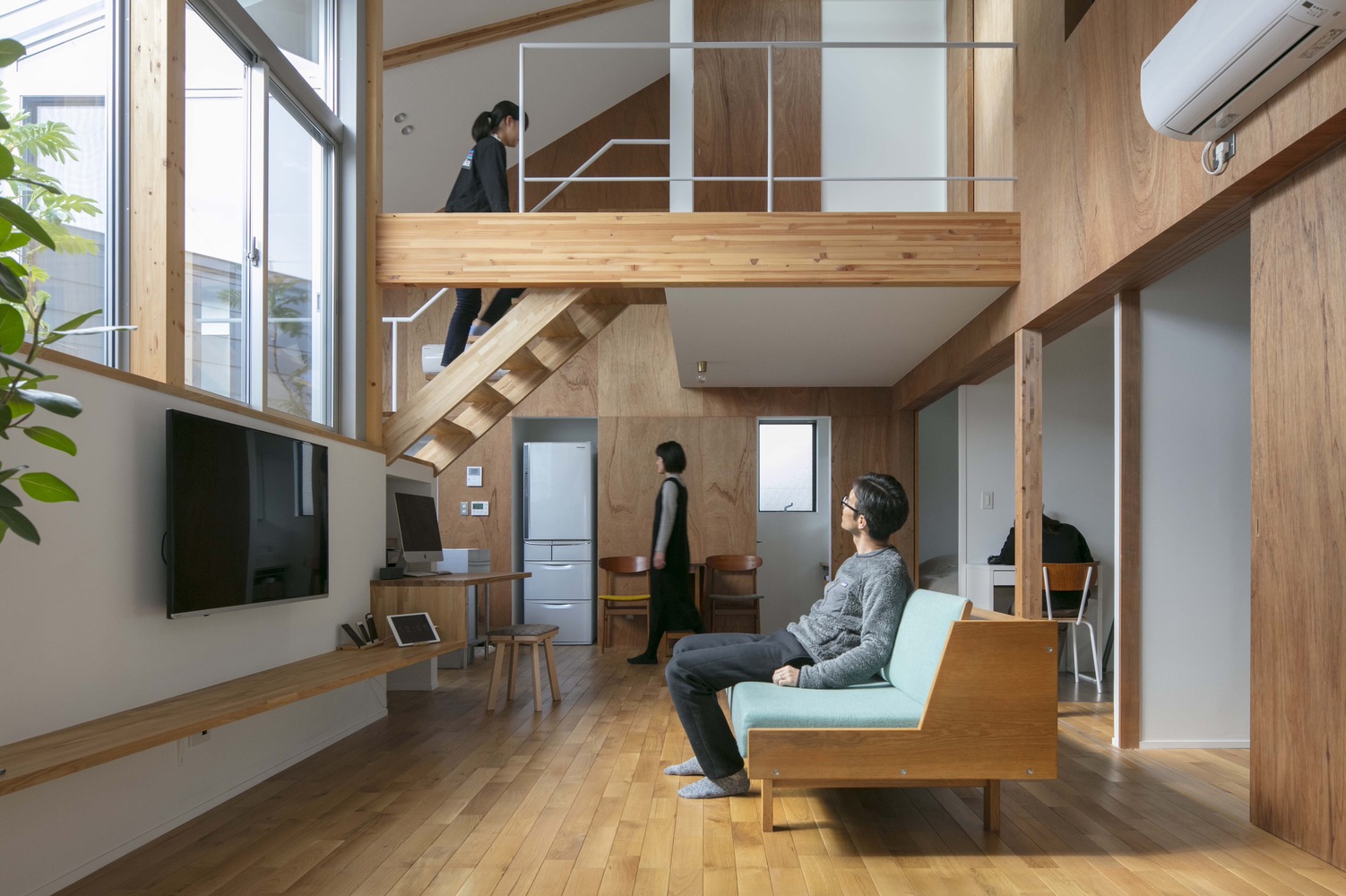
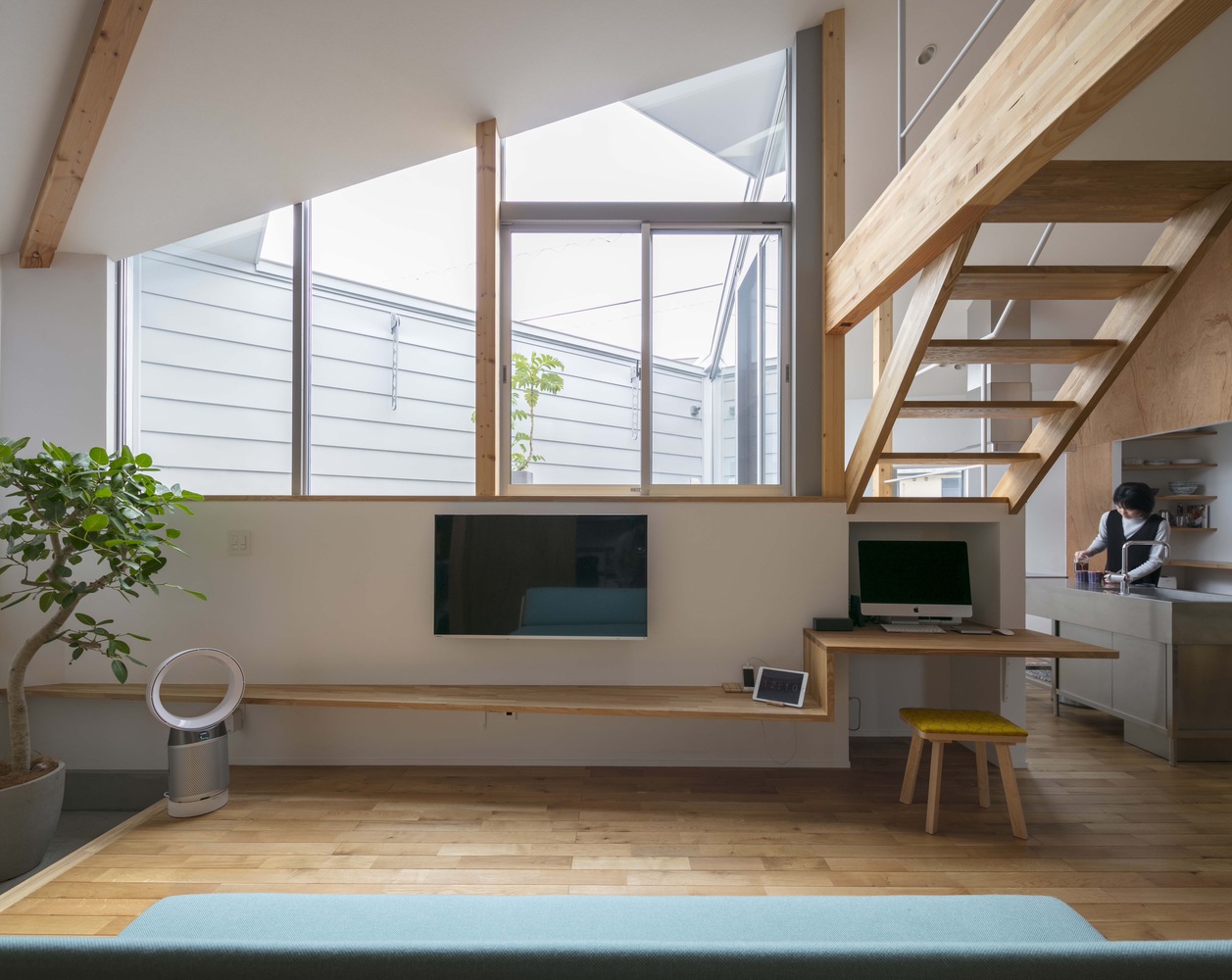
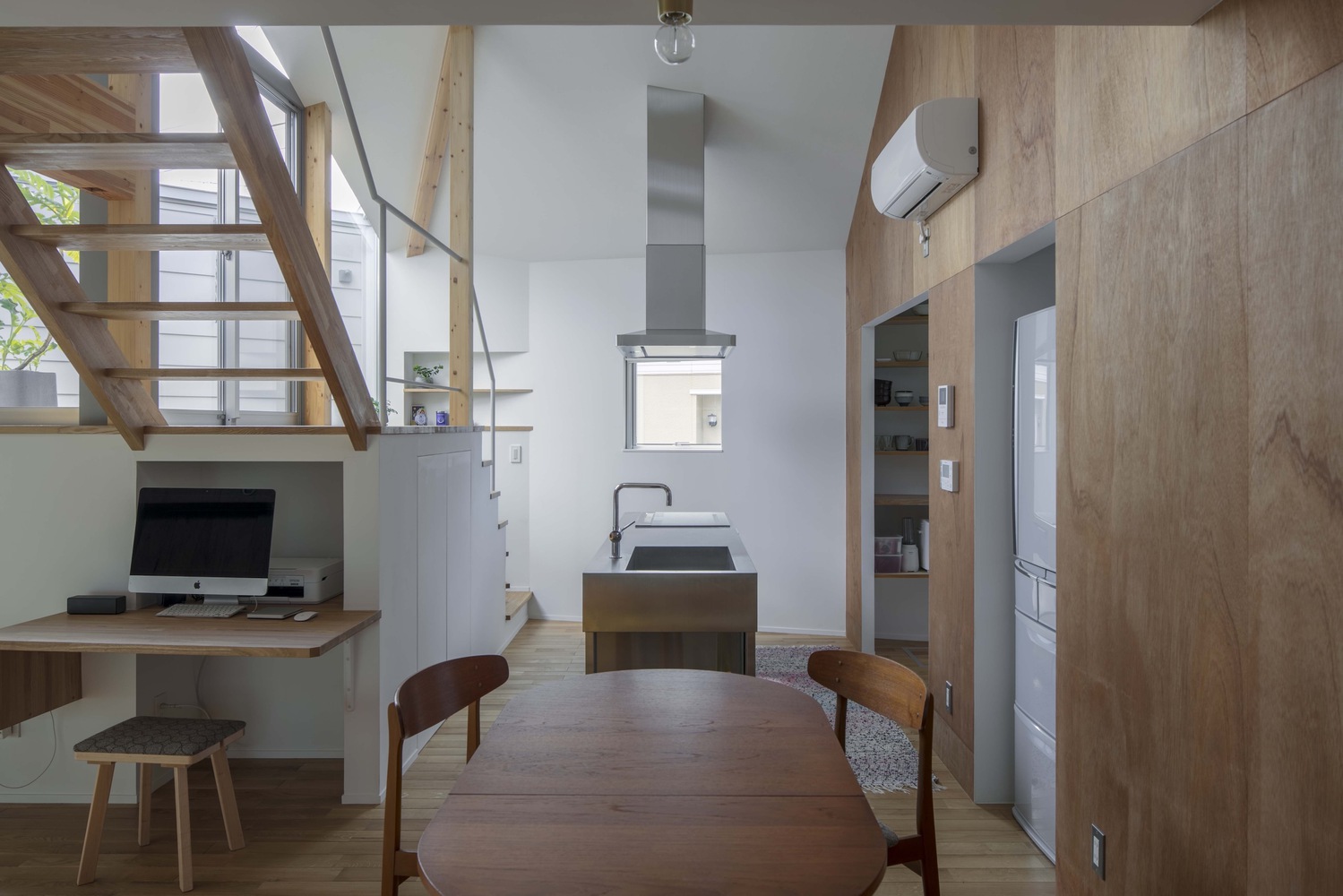
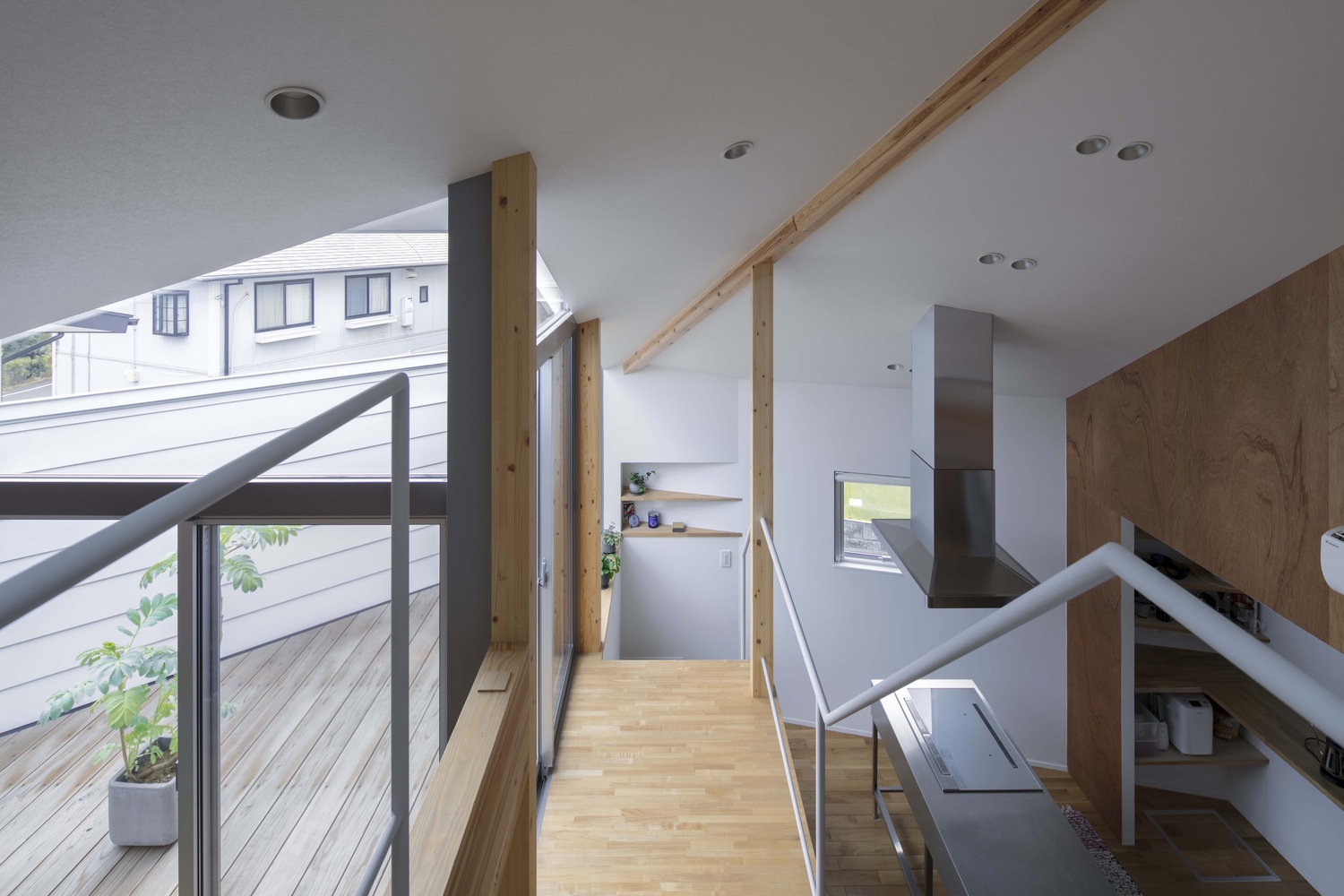
The pentagonal shape really works in the favor of the home because the triangular shape on one side provides enough space for a stainless steel kitchen island, as well as a dining table for the family to eat together.
House H shows how creativity can tackle the decreasing amount of space in many urban areas. More than that, it shows that tiny housing can accommodate families without compromising on privacy or space. The home shows how we can tackle future urban and suburban problems without losing the heart of family in the center.
Related reading: Cat-tagonal House: A Residence for Cats and Humans Living Together
Advertisement
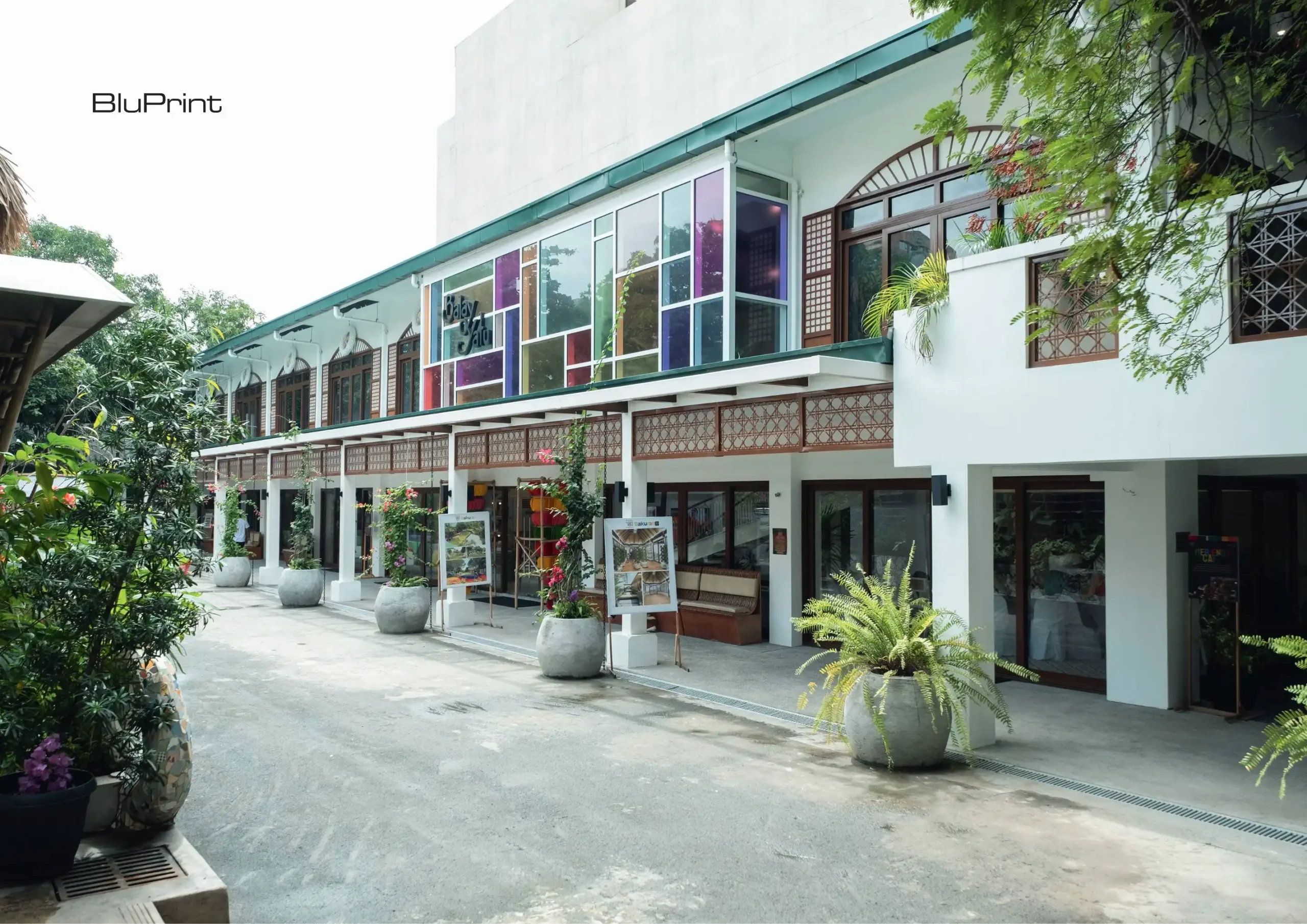
In the Philippines, adaptive reuse gained traction during the 1970s with the rise of conservation and environmental preservation movements. It offered an architectural solution that reuses existing spaces to fit modern needs. Across the country, several projects demonstrate how this approach is being applied—transforming heritage structures into active spaces for culture, hospitality, and community life. […]
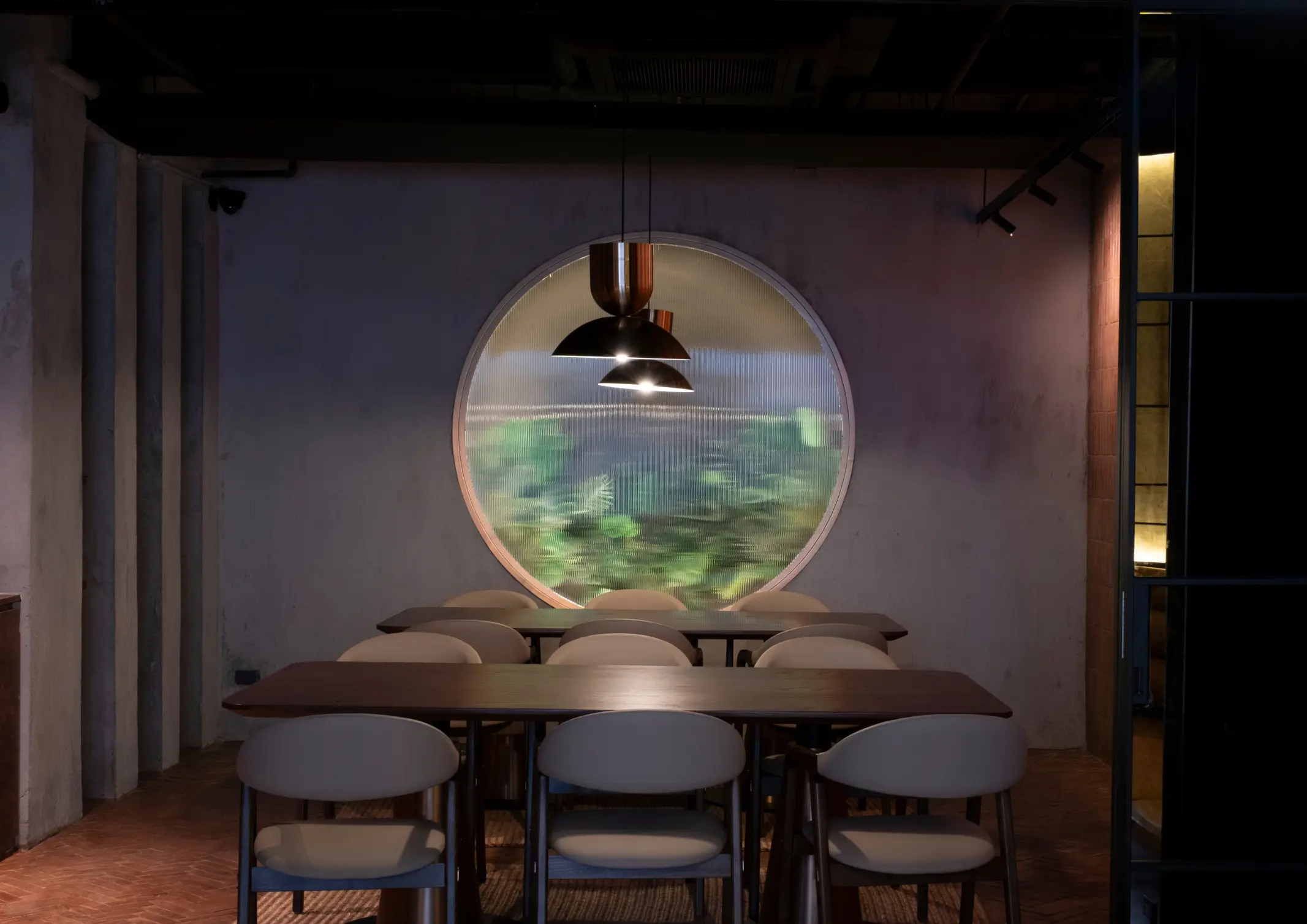
From residential spaces to civic structures, lighting dictates the mood of a space. It controls the visual dynamics of an interior, serving as a guiding tool that highlights key design elements, including materials and textures. Related Reading: Lampscaping: How to Light up Your Home like a Pro Regulating the Mood: Natural and Artificial Light in […]
Advertisement
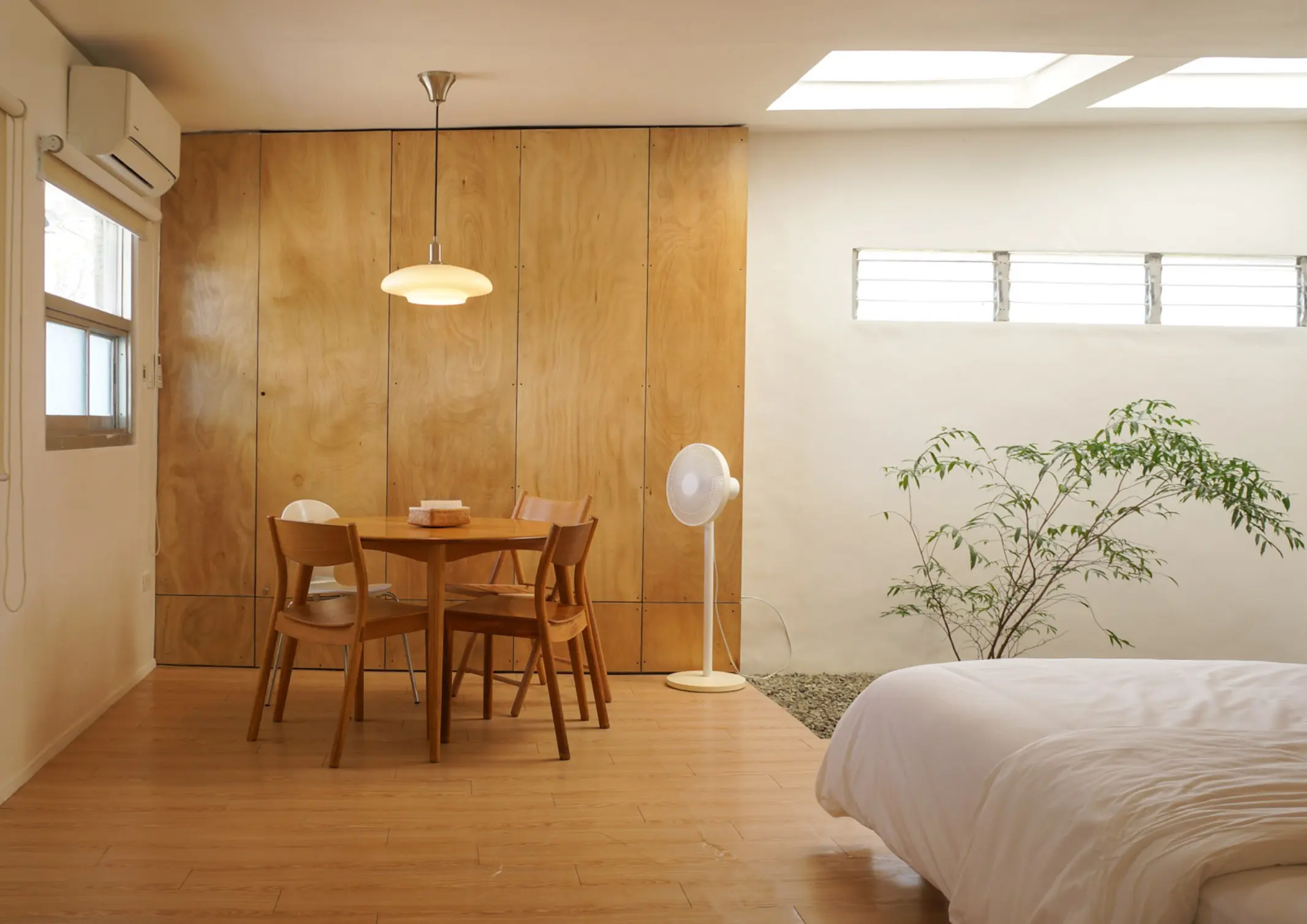
More and more Filipinos are flocking to condominium communities. Often tucked within busy city centers, condo living acts as a small respite from urban chaos. Faced with the challenge of transforming a cramped condominium into a warm living space, BluPrint lists condo interior design ideas that can maximize each square foot of small spaces. Purposeful […]
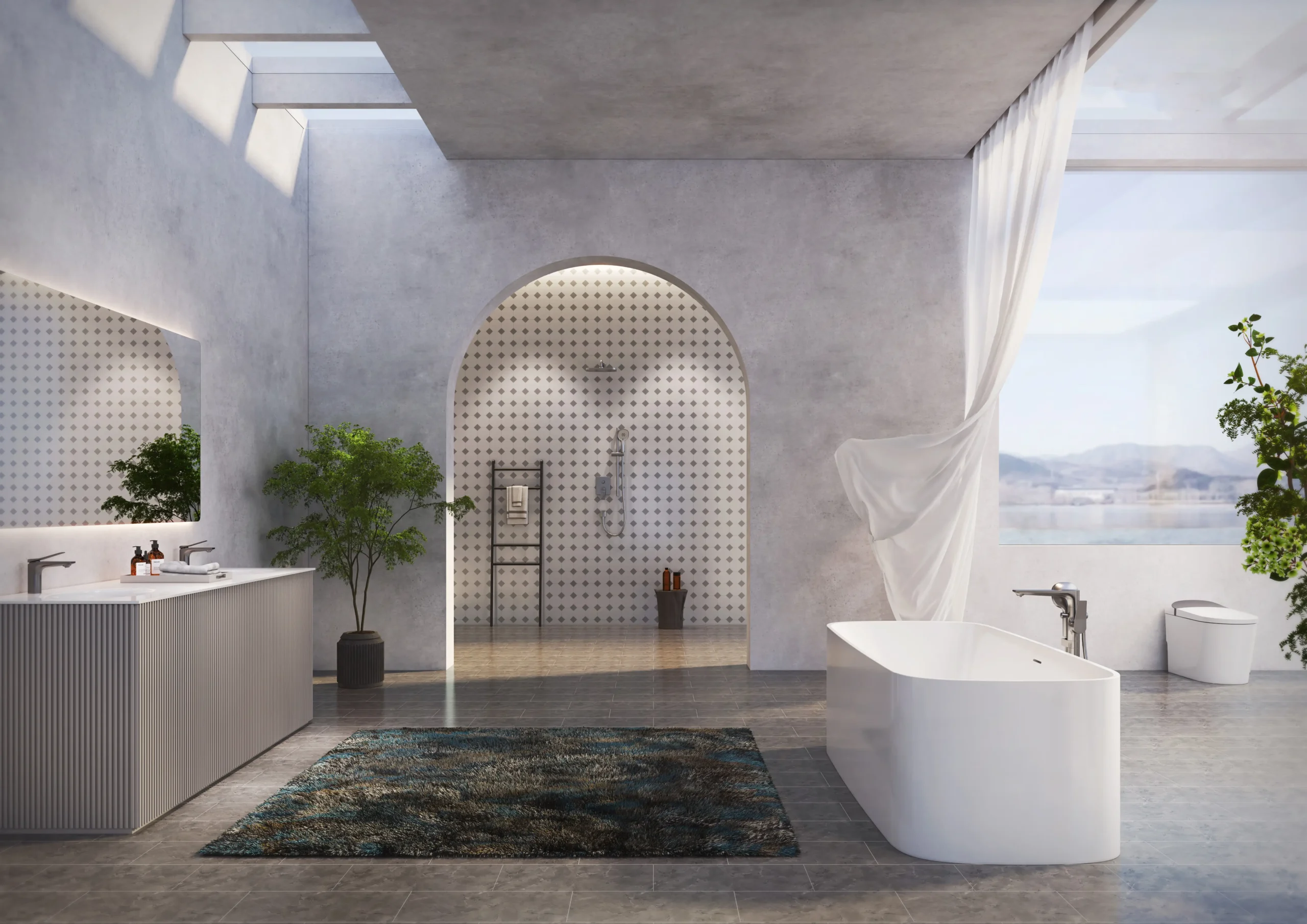
Modern bathrooms are no longer purely functional spaces. Increasingly, they are being designed as environments that support cleanliness, ease, and quiet restoration within the home. As daily life becomes more demanding and health awareness continues to rise, homeowners are beginning to expect more from the spaces where daily rituals begin and end. For architects and […]
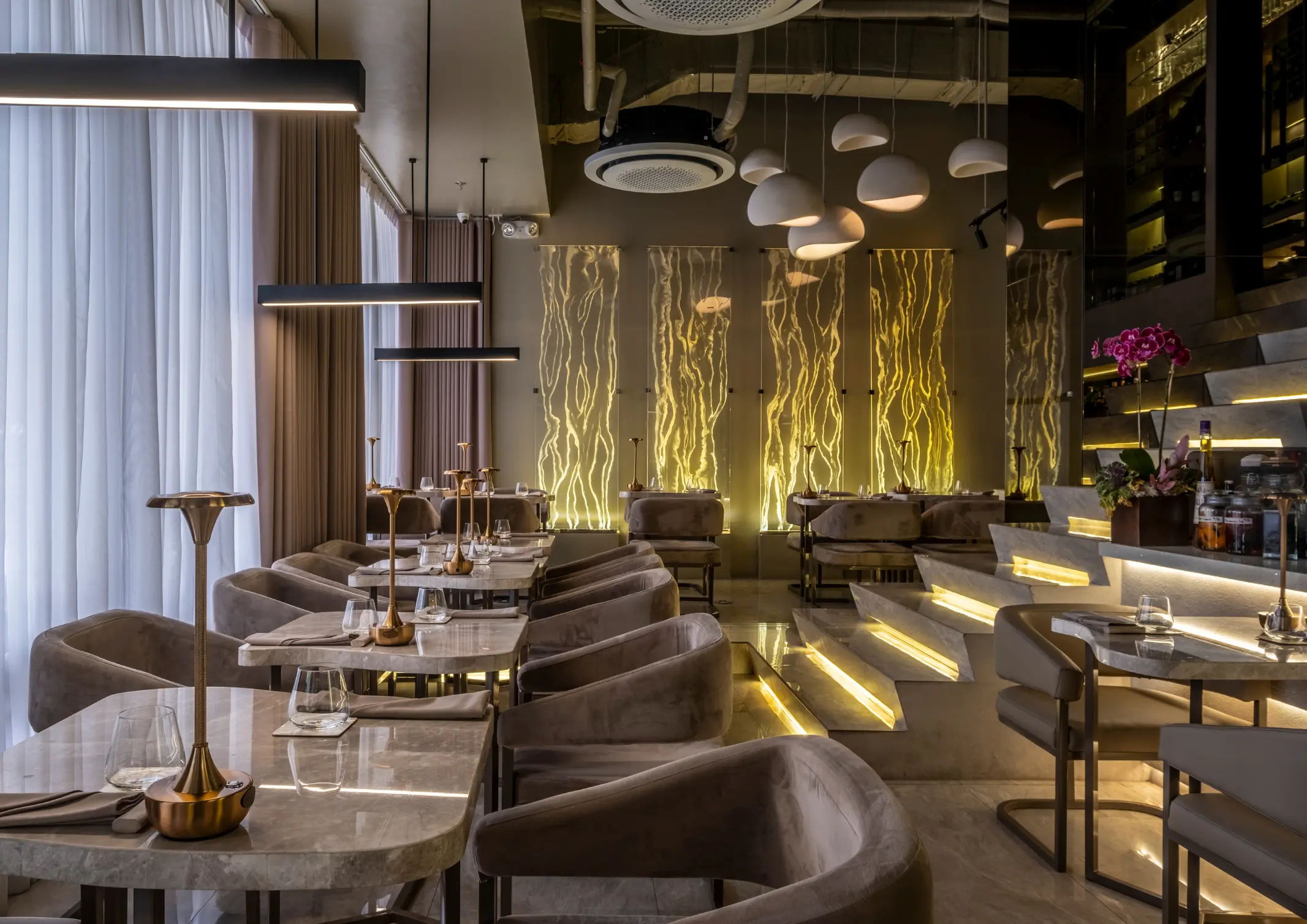
From the moment a diner steps through the door, each detail shapes how a meal is experienced. Restaurant design has evolved, with architects and culinary professionals collaborating to create built spaces that are as intentional as the menu itself. The spatial atmosphere acts as an additional ingredient that can define the culinary experience. Taupe and […]
Advertisement

Download this month's BLUPRINT magazine digital copy from:



Subscribe via [email protected]