Modern bathrooms are no longer purely functional spaces. Increasingly, they are being designed as environments that support cleanliness, ease, and quiet restoration within the home. As daily life becomes more demanding and health awareness continues to rise, homeowners are beginning to expect more from the spaces where daily rituals begin and end. For architects and […]
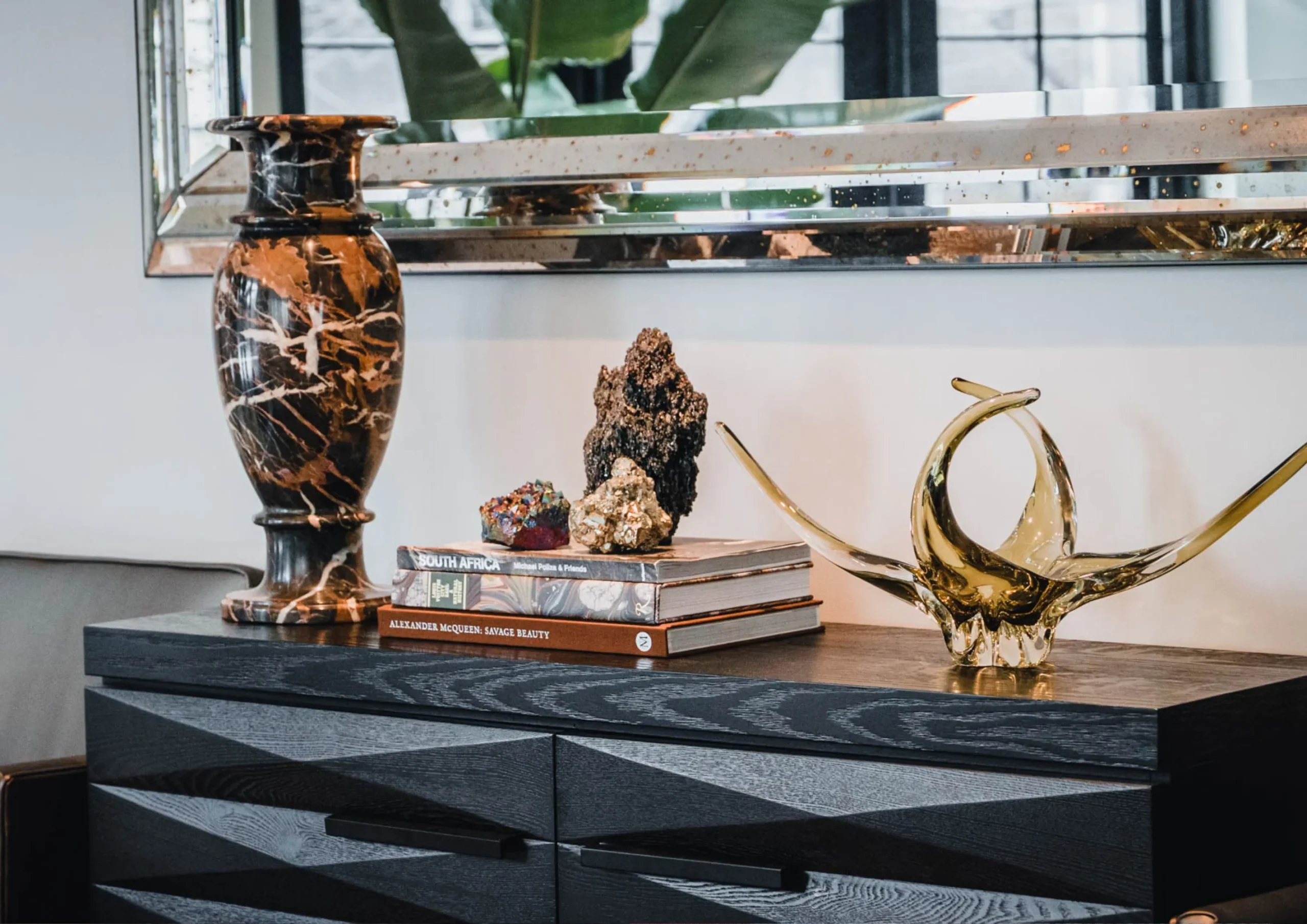
Antiques and Antiquities: Abraham Reyes Art on Decorating with Aged Pieces



The appeal of decorating with antiques and antiquities continues to strongly resonate among homeowners in 2025. It’s a growing trend, evident in everything from subtle accents to entire rooms dedicated to them. Putting these historical items in your home, however, demands more than the mere thrill of the hunt and the act of exhibition. In an insightful exchange with Abraham Reyes and Ryan Schott of Abraham Reyes Art, we uncover the essentials and nuances of their acquisition, integration, and preservation into living spaces.
Antiques vs. Antiquities
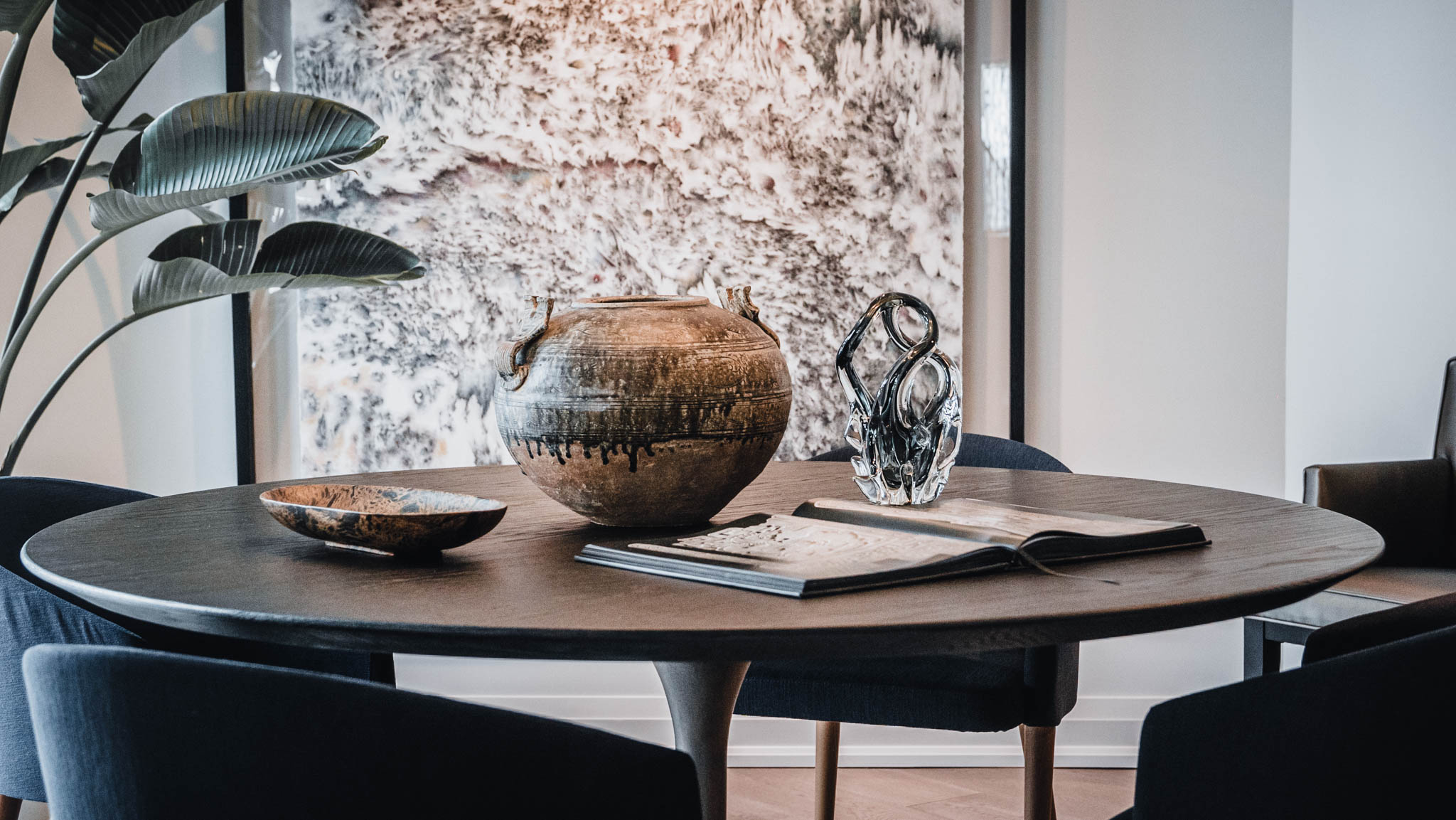
While often used in similar contexts, “antiques” and “antiquities” generally carry different connotations. Antiques are typically items at least a century old, prized for their craftsmanship, historical value, or beauty. This category encompasses furniture, art, jewelry, and decorative items originating from various periods and regions.
Meanwhile, antiquities refer to artifacts from ancient civilizations, dating back hundreds or even thousands of years. Examples include pottery, sculptures, coins, and tools that hold profound archaeological and cultural value.
For centuries, homes have commonly featured antiques and antiquities as decor. It is a practice that initially signified social status and a connection to cultural roots. Over time, their role expanded to become vehicles for artistic expression and an appreciation of historical eras. In the modern age, this significance is further strengthened by the desire to restore and repurpose existing objects as a form of environmental consciousness.
Advertisement
But for Reyes and Schott, their present popularity is due to a stronger inclination towards objects that exhibit “soul and character.” They explained that with the rise of artificial and mass-produced goods, people now seek authenticity. And the history, craftsmanship, and permanence of antiques and antiquities offer a grounding contrast to the fleeting nature of modern items.
Beyond stability, these historical pieces add warmth, depth, and individuality to a space, becoming centerpieces that invite conversation. However, the journey of living with antiques and antiquities involves practical and emotional considerations to ensure their suitable and enduring place in your home.
The Art of Living
Reyes and Schott believe that the key to appreciating old items is to slowly build a personal connection to them first. Through this deliberate consideration, the homeowner can likely develop a stronger attachment to the piece, which will contribute to a greater sense of care and commitment throughout the process of collecting and maintaining it.
Advertisement
“Connection is not always instant,” Schott states. “The objects I selected from Abraham’s collection spoke to me subtly, and my appreciation grew as I lived with them. It is about forming a relationship with objects over time.”
Acquiring with Intention
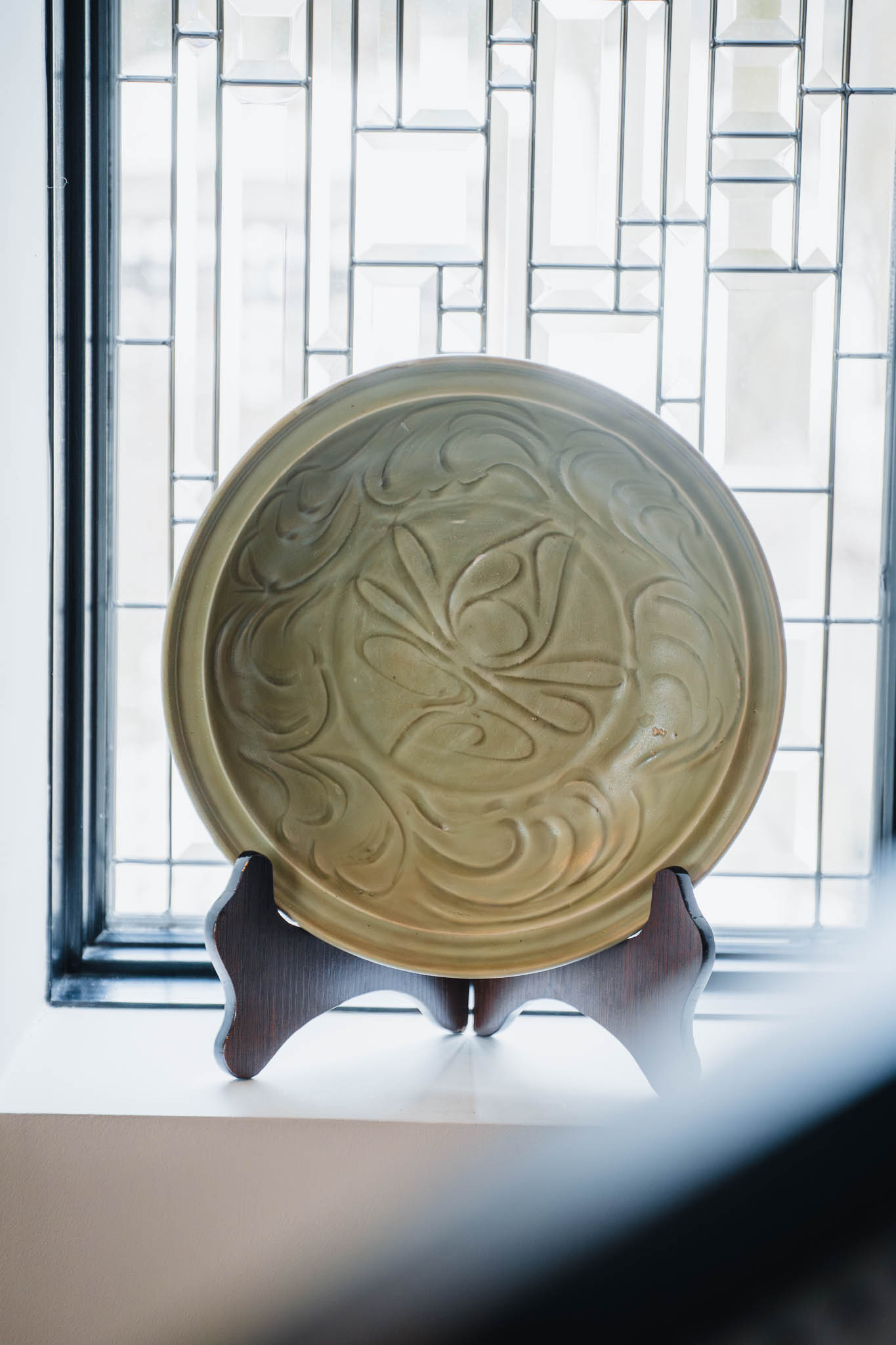
Schott highlights the importance of understanding the piece’s history when acquiring antiques and antiquities. For those new to collecting, they suggest to “start with what you are drawn to.”
“Certain categories tend to hold strong investment value like ceramics from the Chinese dynasties, ancient sculptures, and rare textiles, for example,” he emphasizes. “However, the real value lies in how much joy and inspiration a piece brings to your home and daily life.”
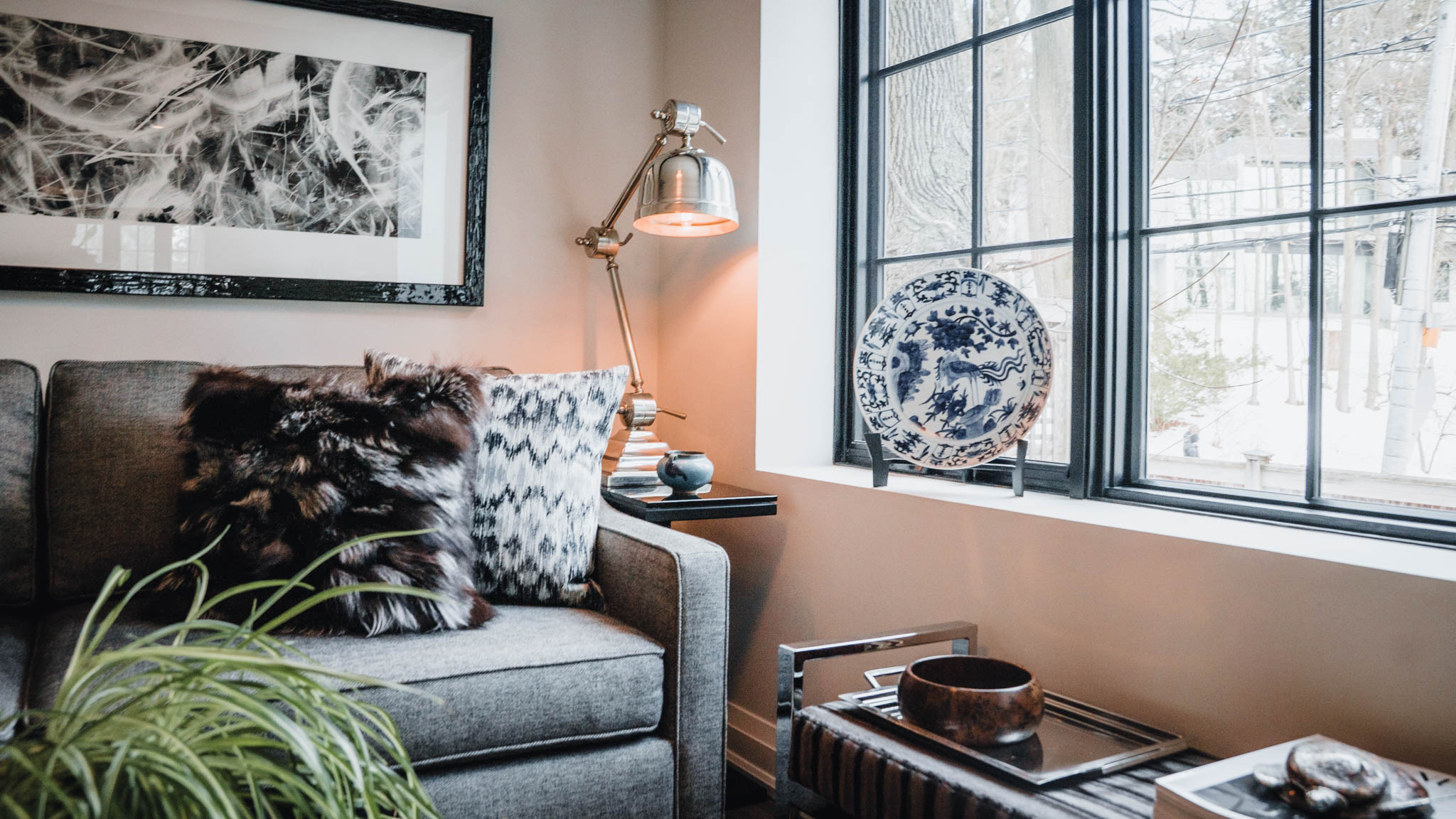
If the collector is still undecided on a specific area, Schott advises beginning with smaller, more accessible pieces. Coins, ceramics, tools, seals, and bronze artifacts not only develop your eye and understanding, but also tend to be lower-priced entry points into the world of collecting.
Advertisement
To further educate yourself along the way, you can additionally seek help from online resources, museum archives, and books on material culture. Engaging with established dealers and attending gallery exhibitions can also furnish valuable insights and direction.
In addition to understanding the objects’ provenance, or the verification of authenticity, is equally important. Abraham Reyes clarified that authentication requires different approaches.
Antiques can often be verified through existing documentation such as receipts, family records, bills of sale, and previous appraisals. Reputable antique shops, estate sales, and auctions can also provide authentication based on stylistic analysis, construction techniques, materials used, and the presence of maker’s marks or signatures.
Advertisement
On the other hand, antiquities require more careful verification and thorough research on provenance. So, it is essential to ethically source them through trusted dealers, auction houses, and institutions.
Thoughtful Placement and Display
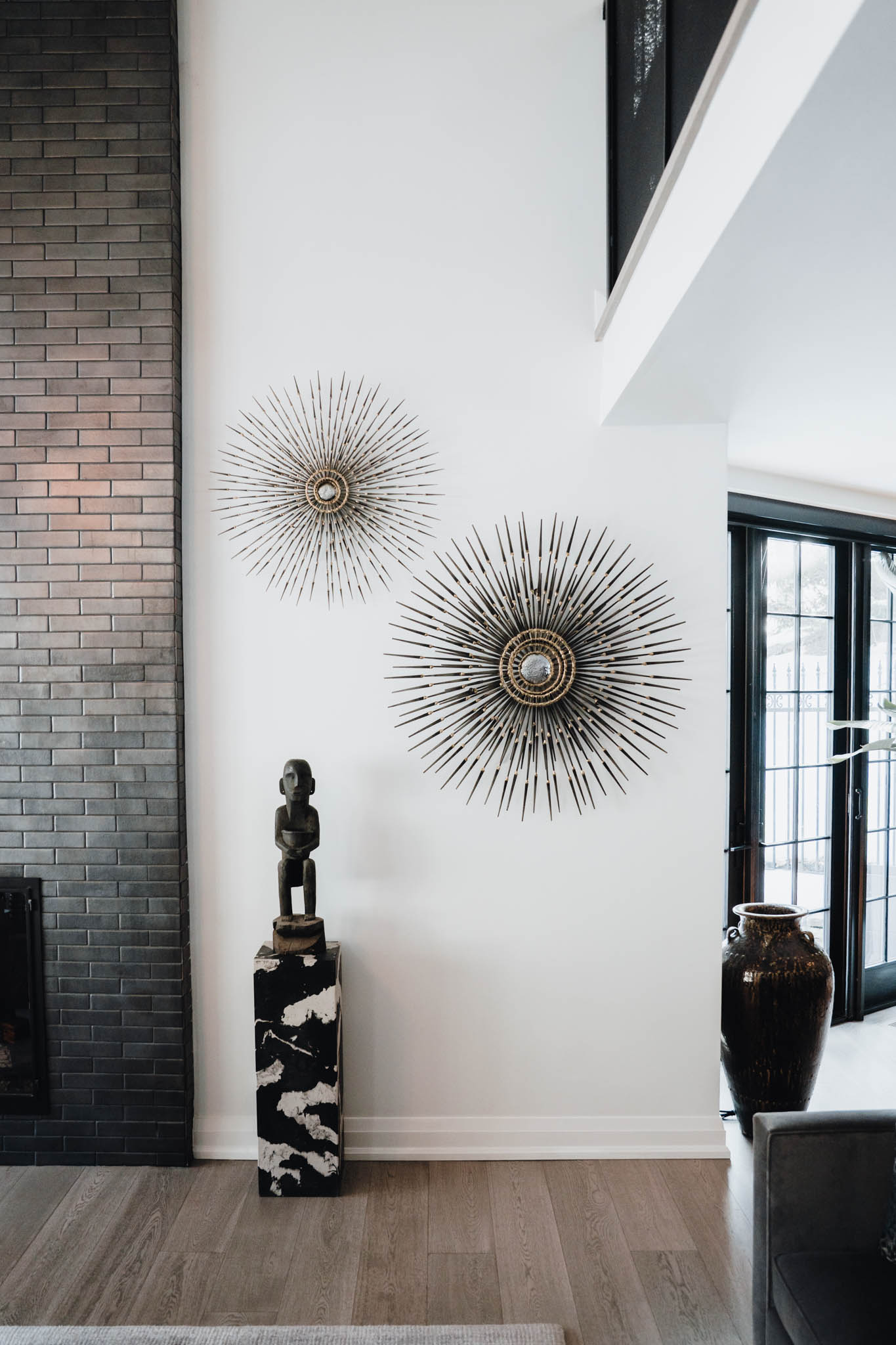
The partners at Abraham Reyes Art assert that integrating antiques and antiquities as home decor is not simply a matter of filling empty spaces. They argue that an overabundance of old items in a room dilutes the impact of each piece.
“I think we get into the habit of trying to fill [every available space], especially for new spaces or when we’re decorating rooms and houses. We try to get everything done immediately and we rush the process,” Schott observes. “When we’re talking about integrating antiques and antiquities into modern decor, what someone has to think about is balance.”
Advertisement
In this case, the use of negative spaces and dominant elements is highly advisable. Schott detailed that he likes to create focal points by subtly introducing hints of antiquities and antiques in a room. For smaller items, he enjoys the flexibility of displaying them either in cohesive clusters or dispersed arrangements. Providing ample breathing room makes these valuable old historical items easier to edit and move around.
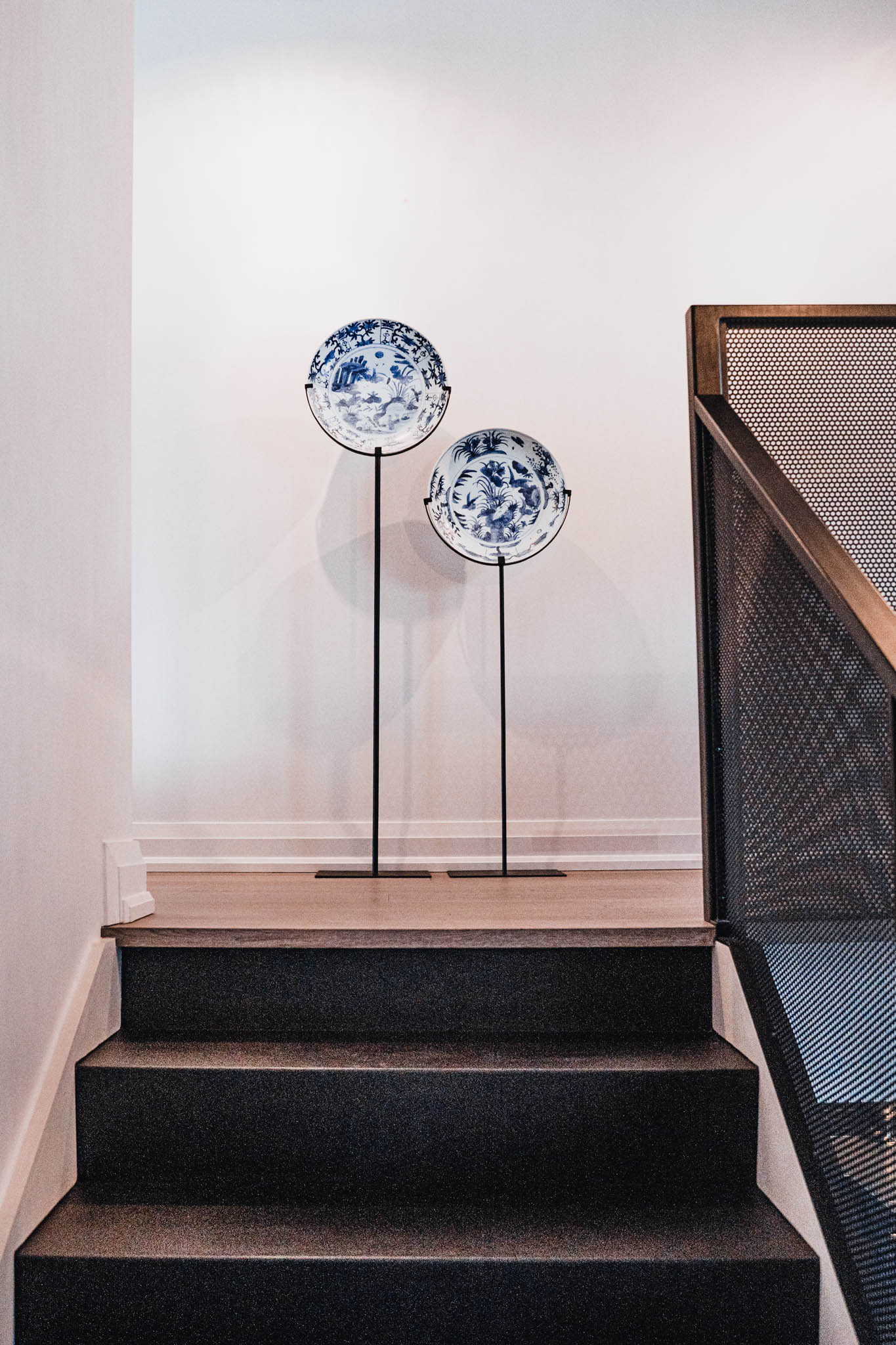
Moreover, Schott suggests enhancing the presentation of these historical pieces with custom stands, floating shelves, or shadow boxes. This not only lends a contemporary touch to the display but also allows the antiques and antiquities to blend seamlessly even within modern interior designs.
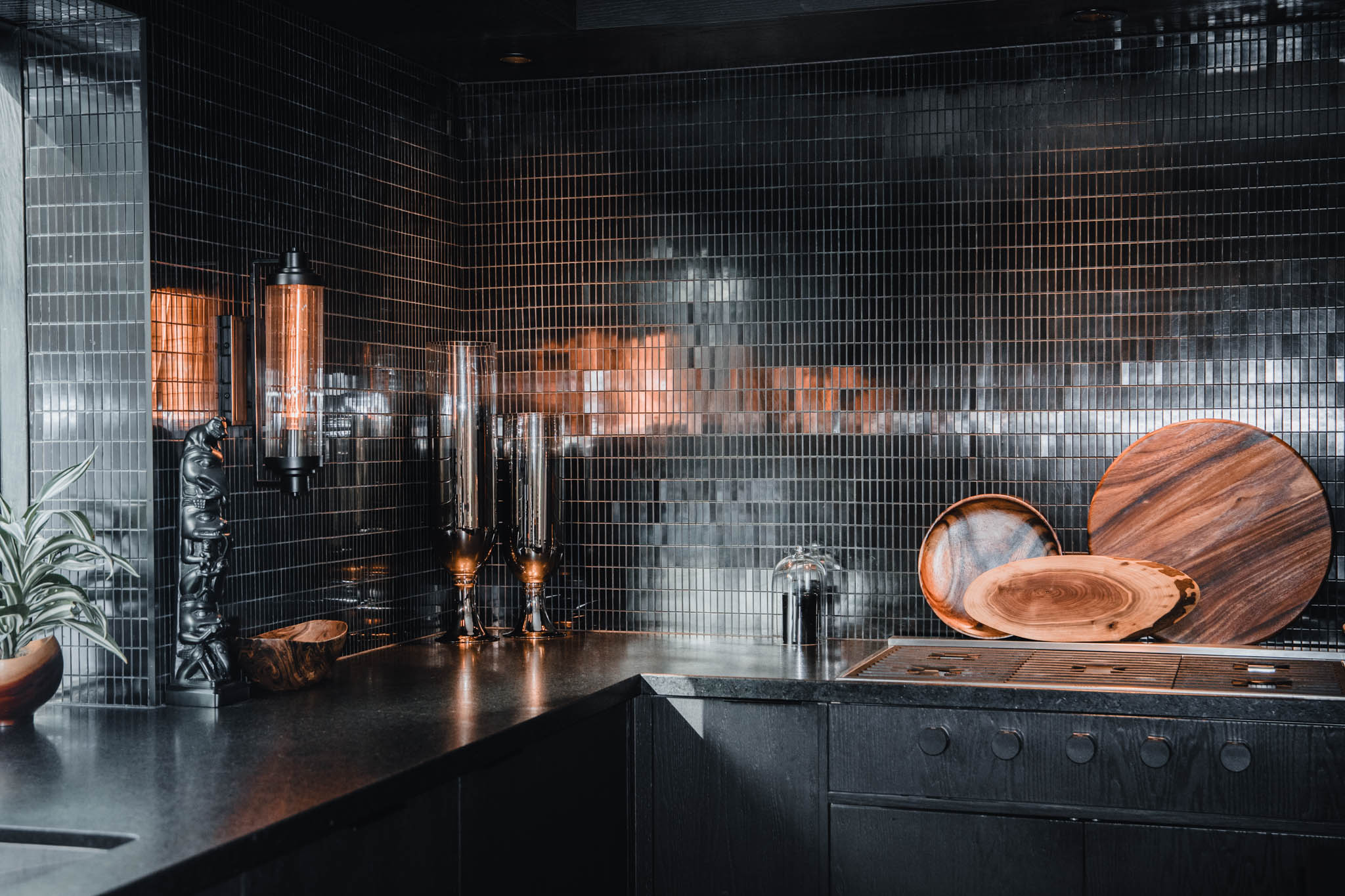
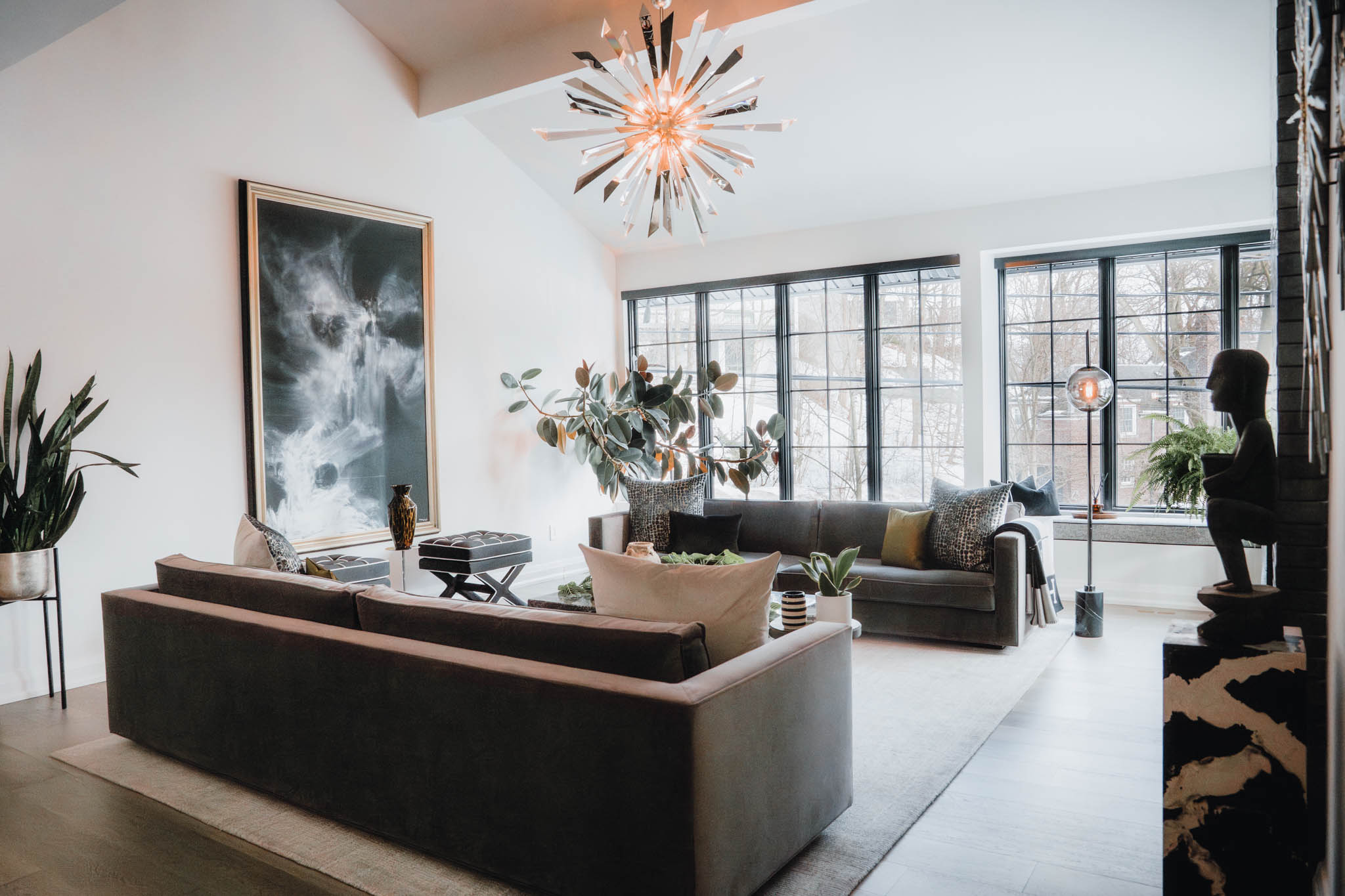
“Our home in Toronto is far from traditional, yet it is filled with antiquities from various dynasties. The color palette is primarily gunmetal, black, brown, and warm white, yet our blue and white Ming Dynasty plates integrate seamlessly,” Schott illustrates. “We [also] have an antique bulol placed on a modern black and cream stone pedestal. You can also integrate your antiques and antiquities with modern art, creating an intentional contrast that highlights both old and new.”
Advertisement
Proper Preservation
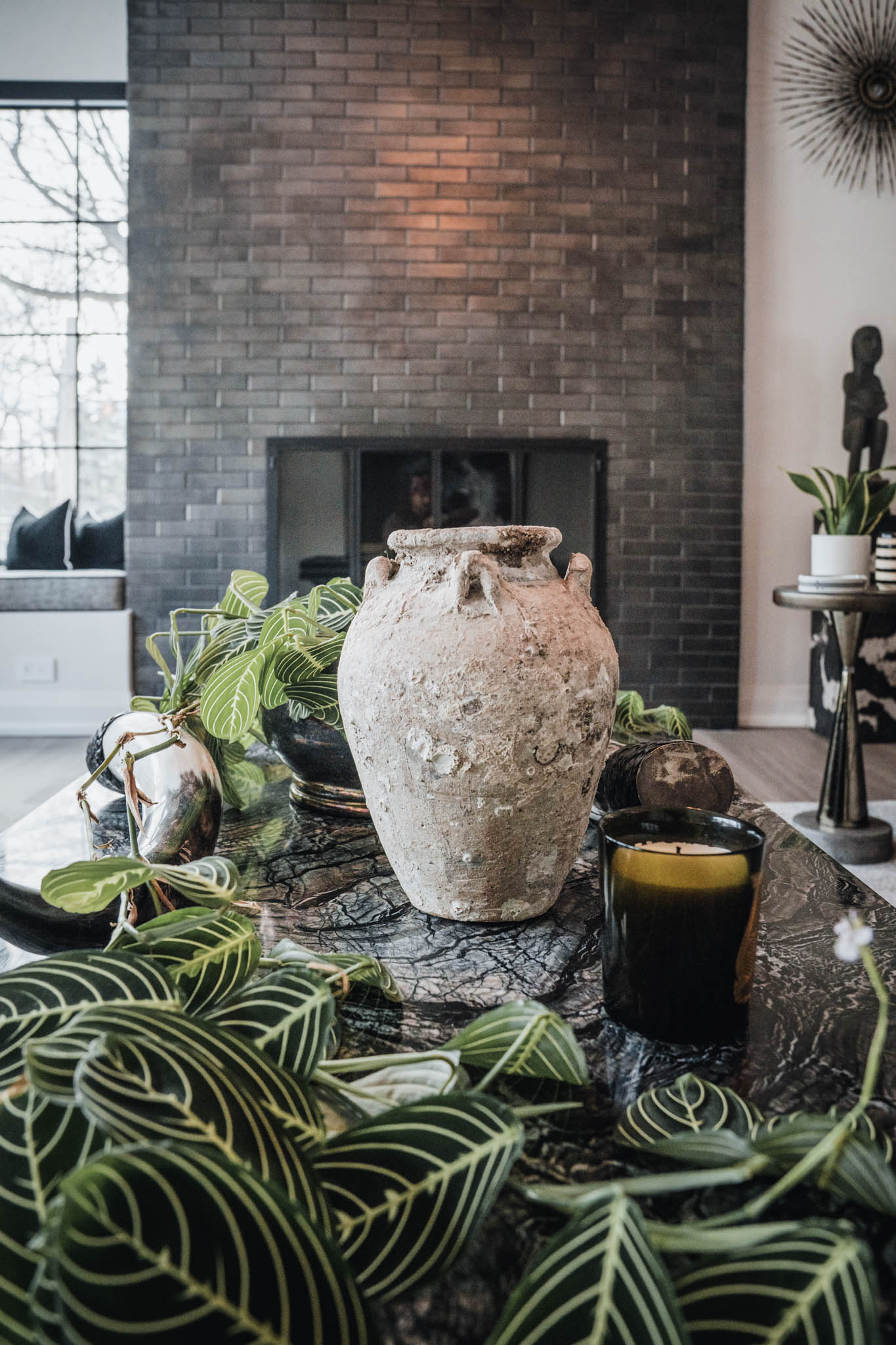
Since antiques and antiquities possess inherent fragility due to their age and materials, they require extra care and attention to preserve their delicate features for a longer time. One way to maintain these historical treasures is by putting them in acrylic cases, particularly for smaller items. Aside from providing protection against dust, fluids, and UV damage, it also gives an unobstructed view of the displayed item from all angles.
When dealing with larger or intricate pieces that cannot be encased, using museum wax to affix them is one effective solution. This is particularly useful for open displays on tables, stands, and shelves.
For additional protection, prioritize placement in low-traffic zones. While it might seem counterintuitive for display items, placing them in corners, alcoves, on dresser tops, or ideally within a dedicated room effectively minimizes deterioration and maintains their integrity over time.
Advertisement
Unfading Appeal

Schott described this current heightened interest in acquiring antiques and antiquities as likely to last. He predicts, “I see antiques and antiquities becoming even more desirable as this trend continues. They bring depth and character into a space, offering a connection to craftsmanship and history that stands in stark contrast to today’s throwaway culture. More people are realizing that these pieces are not just decorative—they have meaning and lasting value.”
At the same time, he notices a positive shift in collectors’ behavior, as they increasingly give more weight to provenance and authenticity. Particularly, he believes the new generation of collectors approach their living spaces with a different perspective by showing a greater interest towards surrounding themselves with belongings that possess character and historical value. This inspires ethical sourcing and a more thoughtful consideration of the items they put into their homes.
“I think it’s [antique and antiquity collecting] a resistance against our fake world. Especially in our home, which is such an intimate place. You go there to unwind and feel protected and you surround yourself with items that bring that comfort by having character and authenticity. That’s why I think this is a movement that’s going to stay with us,” Schott closes.
Advertisement
Photos by Zig Bundy
Read more: Rich and Rare: Art Lovers Share Advice for Collectors
Frequently Asked Questions (FAQs)
Antique wood is best preserved through controlled humidity, gentle cleaning, and non-toxic treatments to prevent pests and warping. Regular inspections and expert restoration maintain the piece’s structural integrity and historical value.
Advertisement
Yes, antique lighting can be safely rewired by professionals using modern electrical standards. This preserves the original design while ensuring safety and functionality for contemporary use.
Collecting antiques aligns with sustainable living by reducing waste and celebrating craftsmanship. The “slow home” philosophy values timeless pieces that add character, longevity, and eco-conscious appeal to interiors.
Balance is key—focus on harmony in scale, color, and material. Grouping complementary styles and using neutral backdrops allows each antique to stand out while maintaining a cohesive, curated look.
Advertisement
Large mirrors, sculptural lighting, or distinctive furniture often serve as statement pieces. Selecting one focal antique per area ensures visual impact without overpowering the overall design.
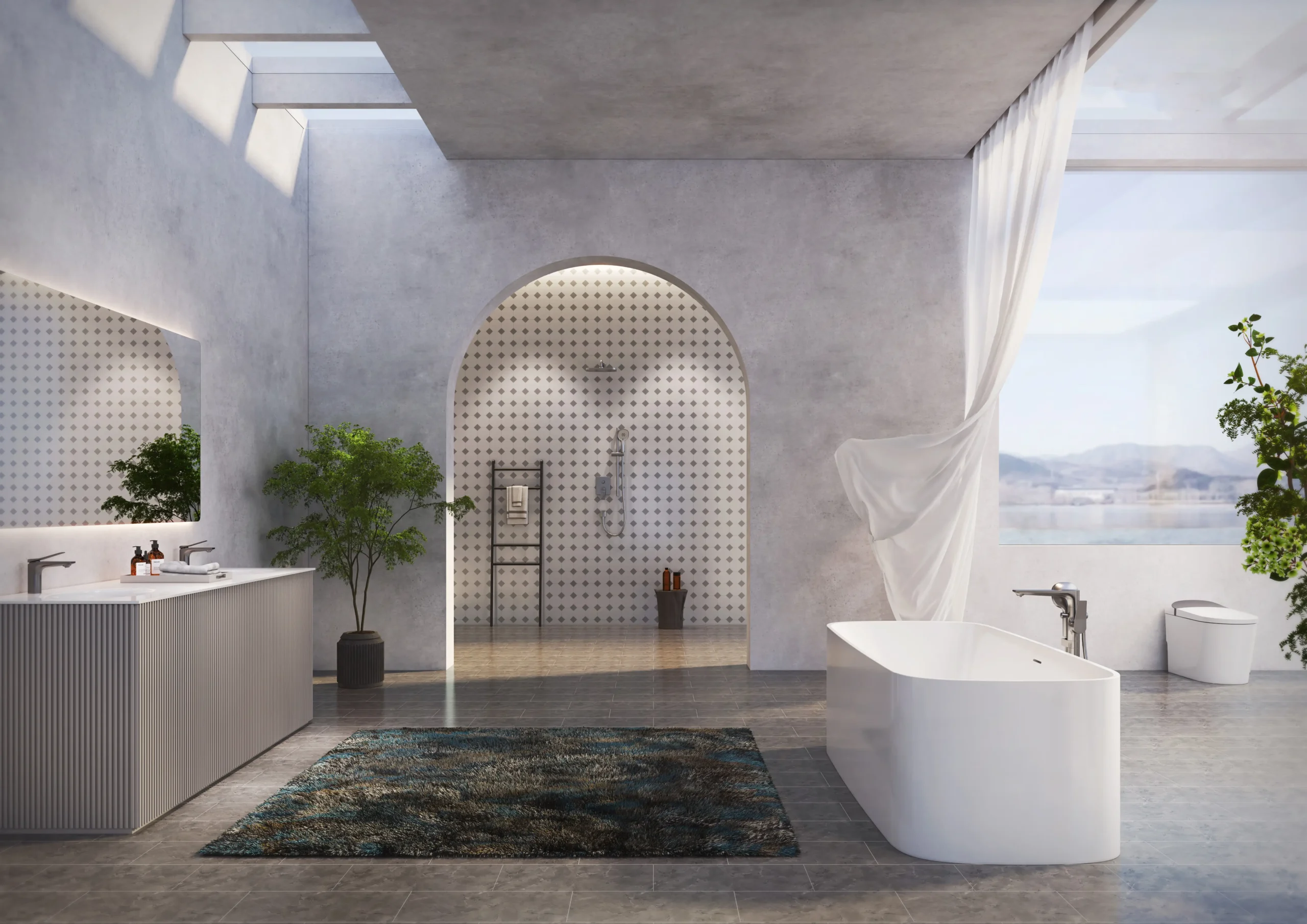

From the moment a diner steps through the door, each detail shapes how a meal is experienced. Restaurant design has evolved, with architects and culinary professionals collaborating to create built spaces that are as intentional as the menu itself. The spatial atmosphere acts as an additional ingredient that can define the culinary experience. Taupe and […]

With climate change and global warming, the Philippine climate is in constant evolution. Consequently, it is important for Filipinos to have living spaces that respond to the local environment. In this article, BluPrint lists down Filipino architects who are reimagining the tropical house, aligning the built and natural environment. BAAD Studio Principal architects Benjee Mendoza […]
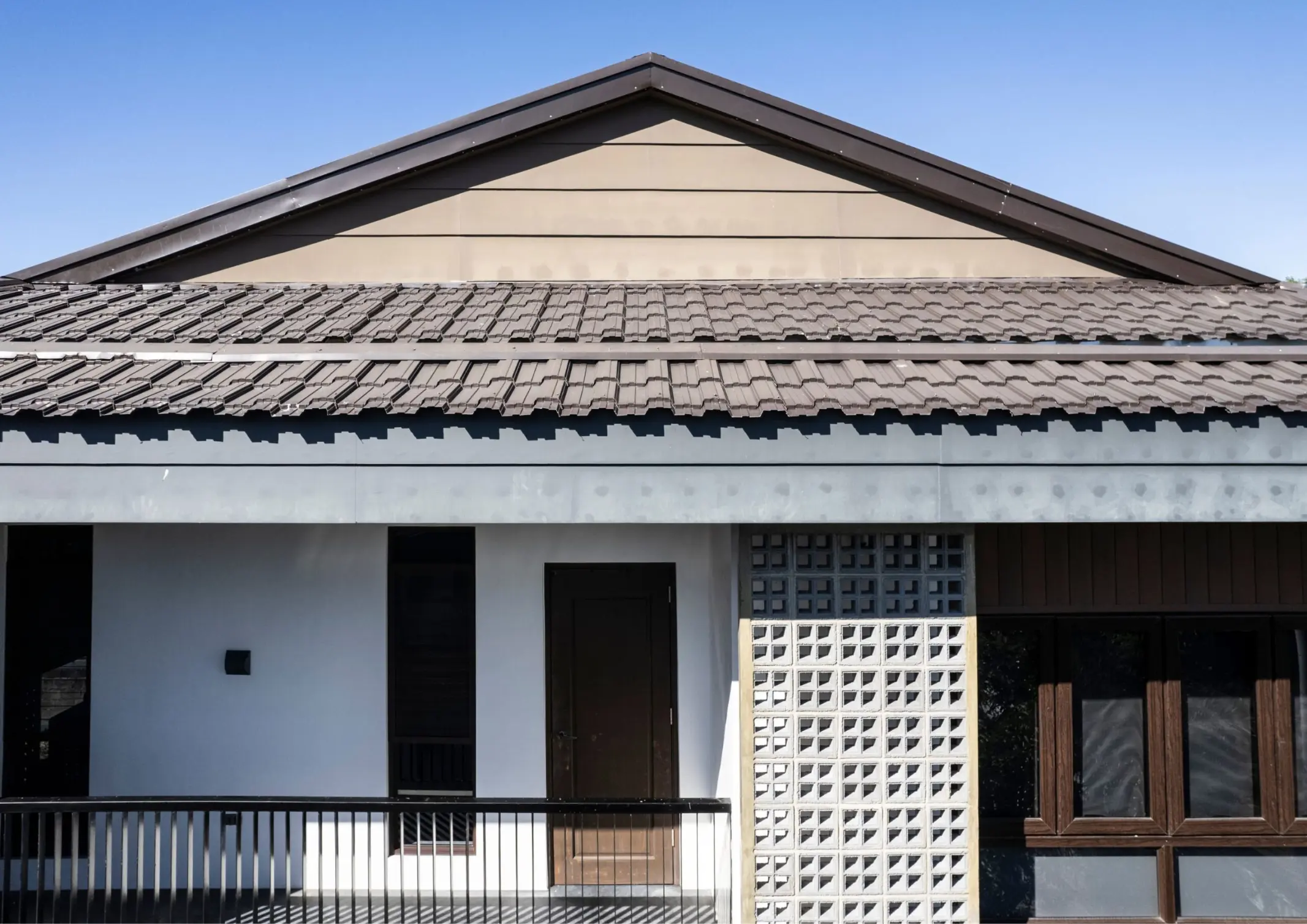
Ventilation involves the introduction of outdoor air into a room, providing occupants with their needs. Proper ventilation allows for the moderation of internal temperatures, the creation of better airflow, the dilution of carbon dioxide to acceptable levels, and the removal of contaminants. This addresses health risks associated with indoor air pollution, such as respiratory problems […]

WORLDBEX 2026, running from March 12 to 15, 2026, proves itself as the Philippines’ leading construction and design expo as it wrapped its 29th edition. It drew together 1,000 local and international exhibitors under one theme, “Building Opportunities: Sustaining Lives.” Organized by Worldbex Services International (WSI), in support of the ABS-CBN Foundation Inc., the event […]
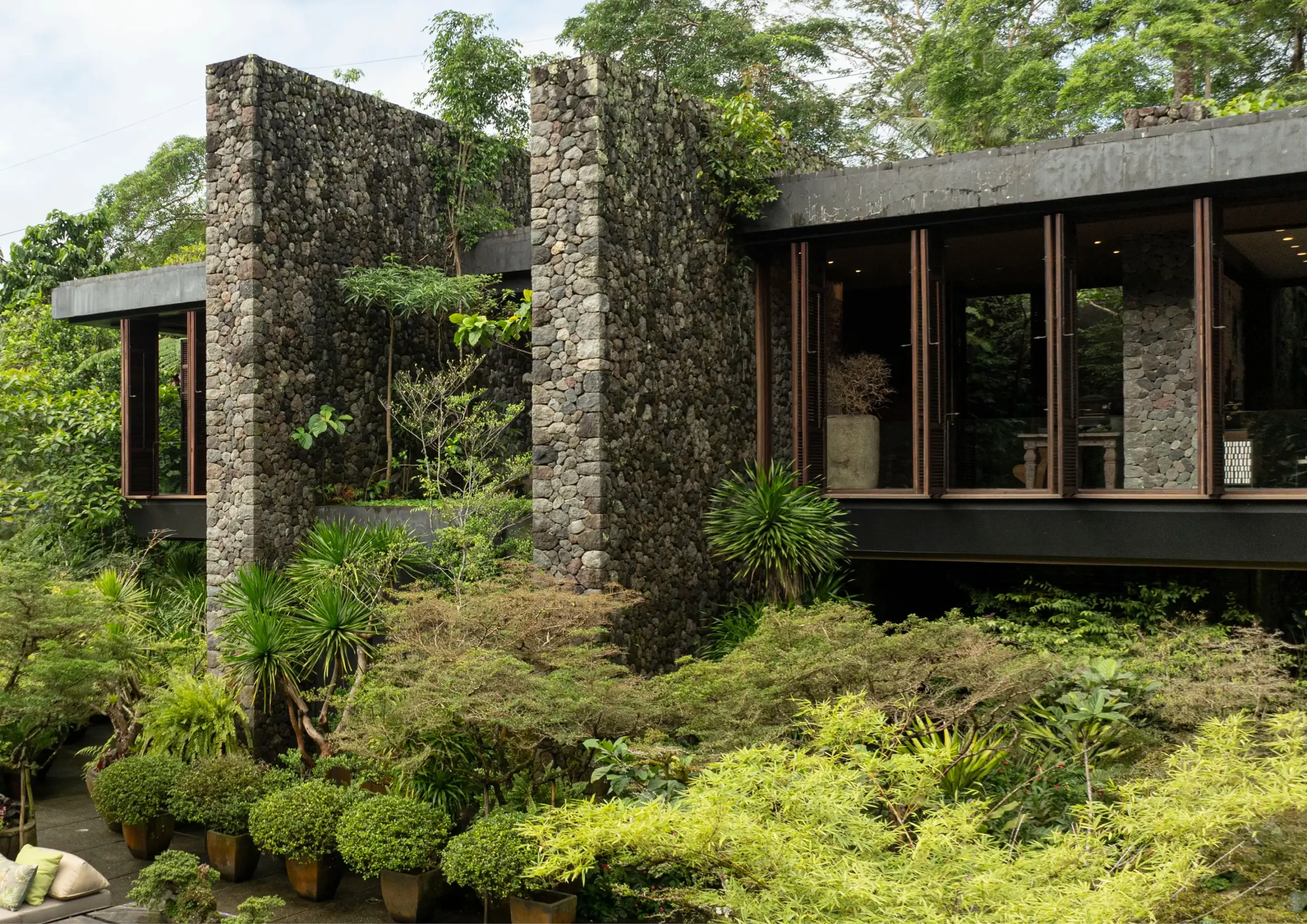
Located near the equator, factors such as heat and humidity are the norm in the Philippines. This tropical climate has shaped the development of architecture in the country. As Leandro V. Locsin stated: “The first consideration of the Filipino builder and certainly the most evident in his architecture, which is after all an outgrowth of […]

Download this month's BLUPRINT magazine digital copy from:



Subscribe via [email protected]