Bigkis is the act of binding. In Tagalog, the word can refer to something used to bind or encircle, as well as a bundle formed by tying several separate elements together. Figuratively, it can also mean a bond, union, or unity. The meanings move from the physical act of joining things together to the connection […]
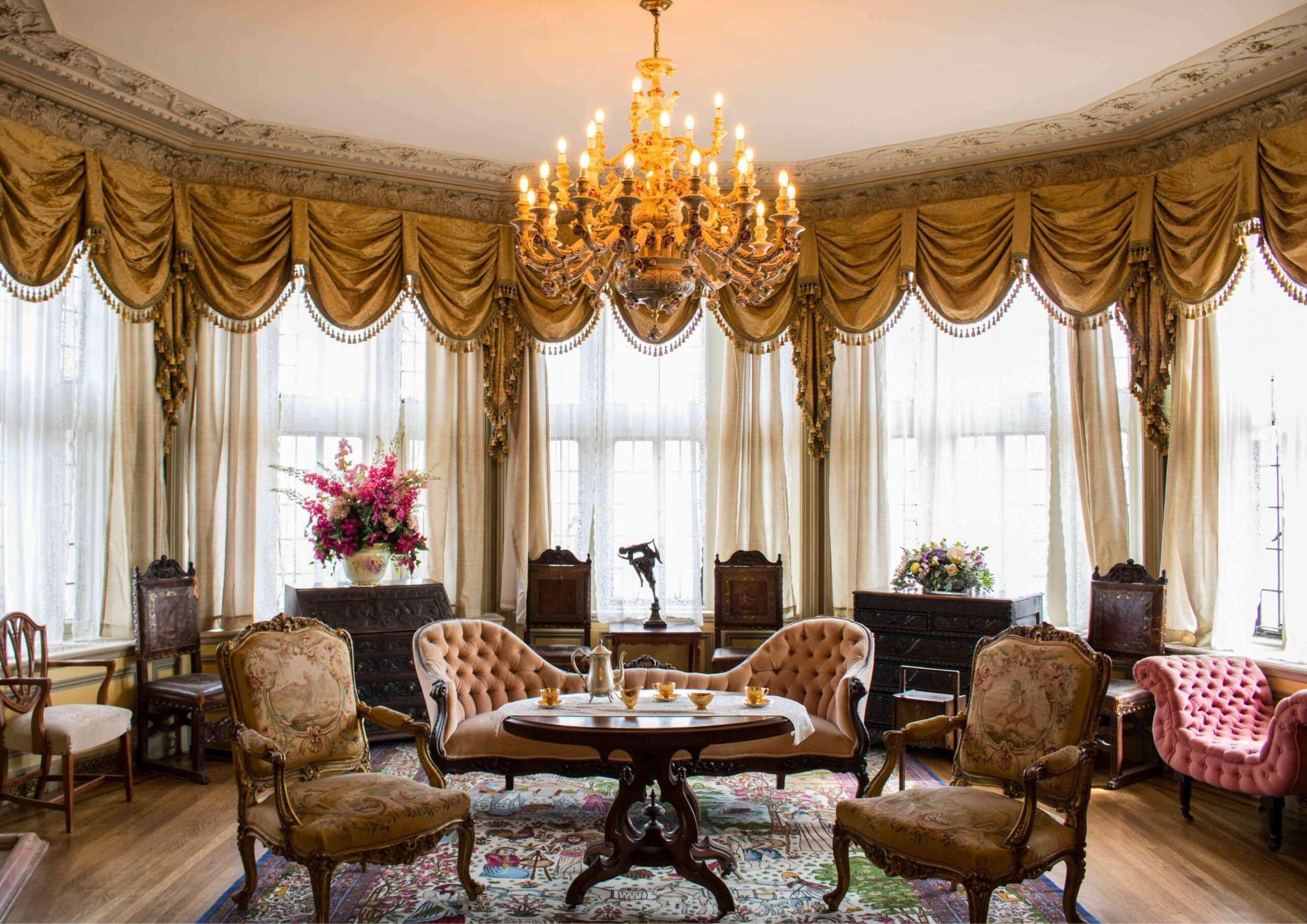
How to Spot Antique Furniture Like a Pro



Have you ever stumbled upon a beautiful piece of furniture at a garage sale or inherited a beloved heirloom? Brushing up on how to spot antique furniture can help you separate hidden gems from everyday pieces. And you don’t have to be an archeologist, historian, or antiquarian to date and factcheck a piece’s history. These simple inspections could reveal a piece’s origins and could get you a good sense of its true value.
How Antique Is an Antique?
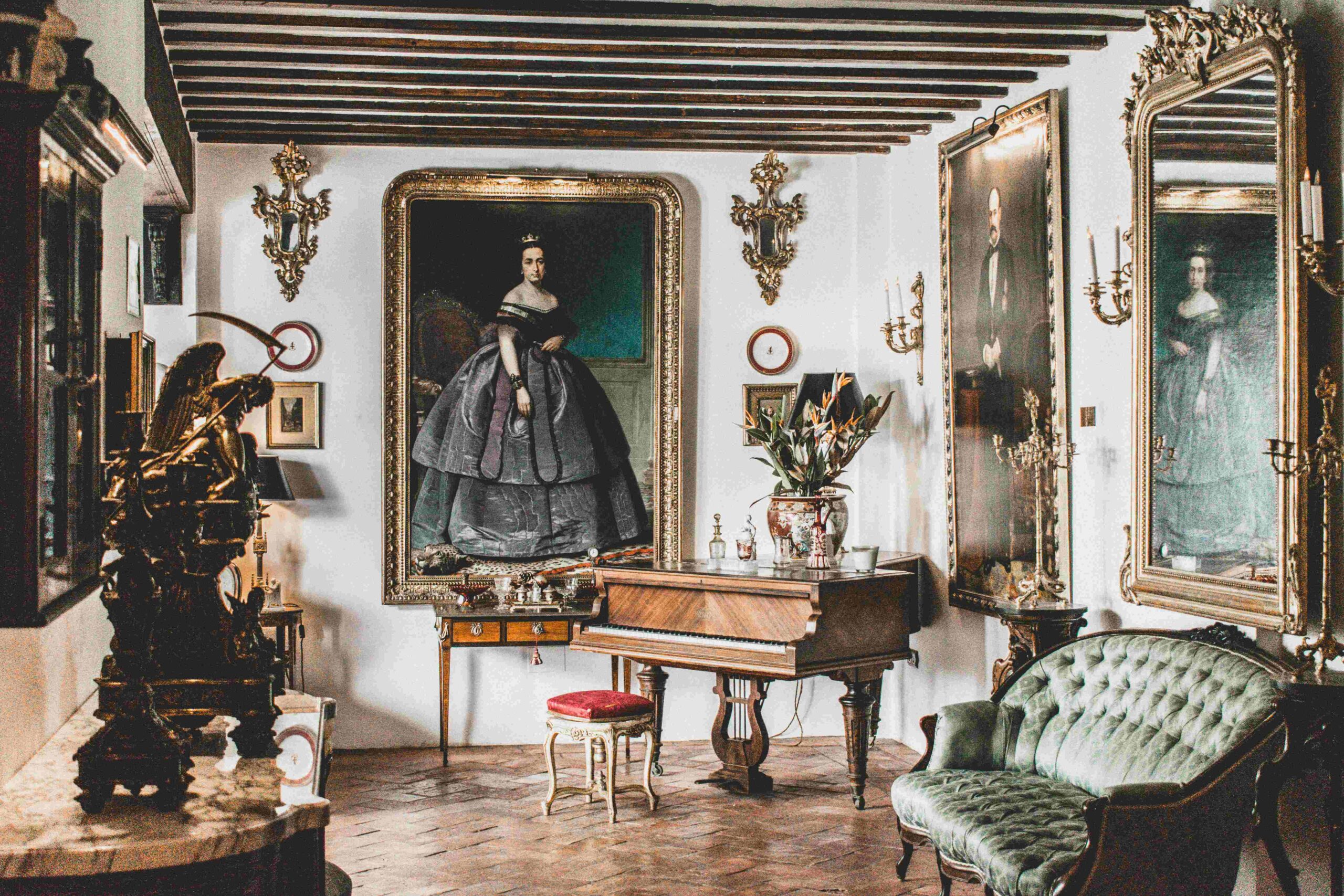
With the emerging interior revival trends featuring a mix of traditional and modern styles, old items become loosely referred to as antiques. But having time-honored characteristics doesn’t automatically translate to antiquity.
To fall under this category, an item should meet a rather strict criteria. First, antique pieces have a minimum age benchmark of 100 years old. Crafted a long time ago, these items and design elements are now rare to find.
But despite existing for a century, antiques should still be in good shape. Pieces with most of its original parts preserved and carrying only minimal damage and repairs hold higher value. This condition makes them still functional and practical, and adds to their timeless appeal.
Antique pieces should additionally reflect the design era it originated from such as Victorian, Art DecoArt DecoA decorative design style popular in the 1920s and 1930s, known for bold geometry, stepped forms, stylized ornament, and rich materials. Manila holds notable examples, including the Metropolitan Theater andGo to Art Deco Glossary, Regency, Colonial, or Chippendale. And by doing so, they bear historical significance through their association with historical people and events, which makes them more valuable. With so many replicas on the market, knowing how to spot antique furniture is crucial for savvy collectors
Antique Dating
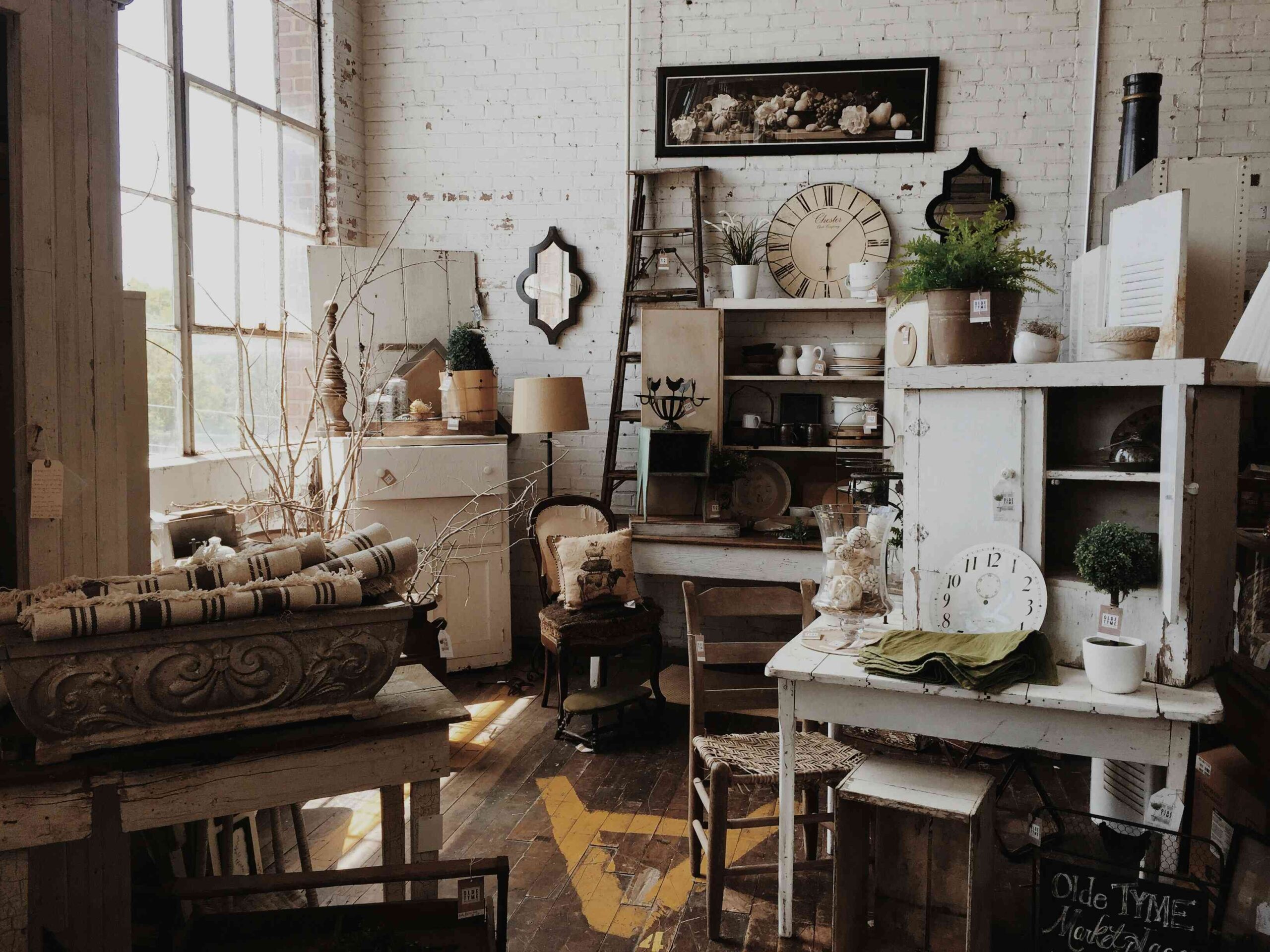
Similar to dating unearthed objects, there are telltale clues in determining the furniture’s antiquity. Its meticulous and unique craftmanship reveals the details about the item’s story. These signs etched in materials, construction, and intricate touches might be hiding in plain sight. So, here’s a DIY guide to help you perform a thorough investigation.
Look for the Maker’s Marks
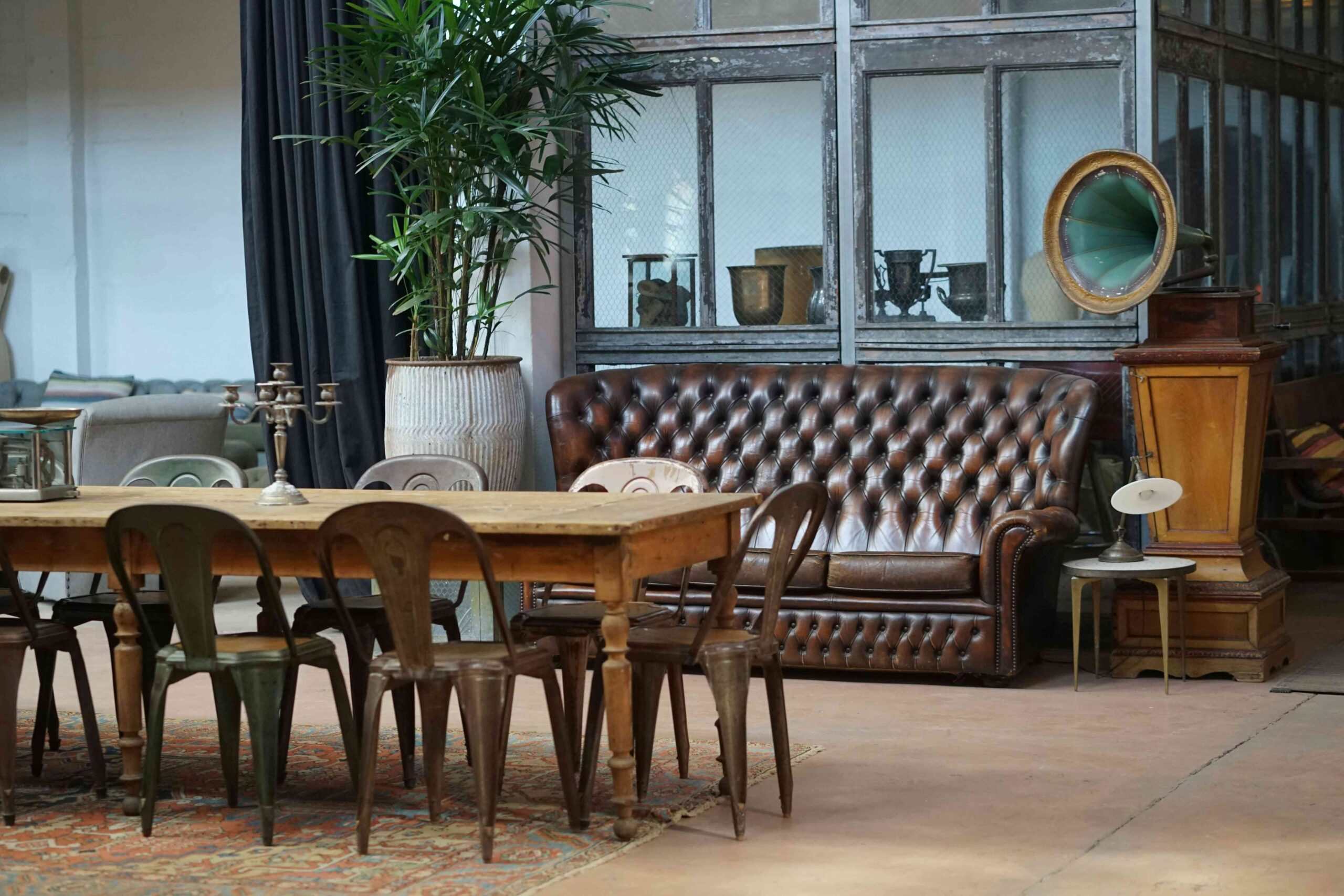
Like painters, artisans leave signatures on their crafts to show ownership. These hidden details help you know more about the origins of the furniture and can serve as a great starting point for your research.
But in order to keep the item’s aesthetics, makers will not make these markings obvious. These are typically stamps, logos, labels, or inscriptions embedded on the item’s underside, drawers, side panels, cushions, or back. They reveal the name and location of the maker, and if you’re lucky, even the date it was made. And having withstood the test of time, these markings are most likely worn out or distressed by now. So, you have to scan the entire piece to spot them.
However, if you find a five-digit zip code on it, it’s unlikely an antique piece. This format only came into use in the 1960s, which puts the item outside the antique category.
Check for Irregularities
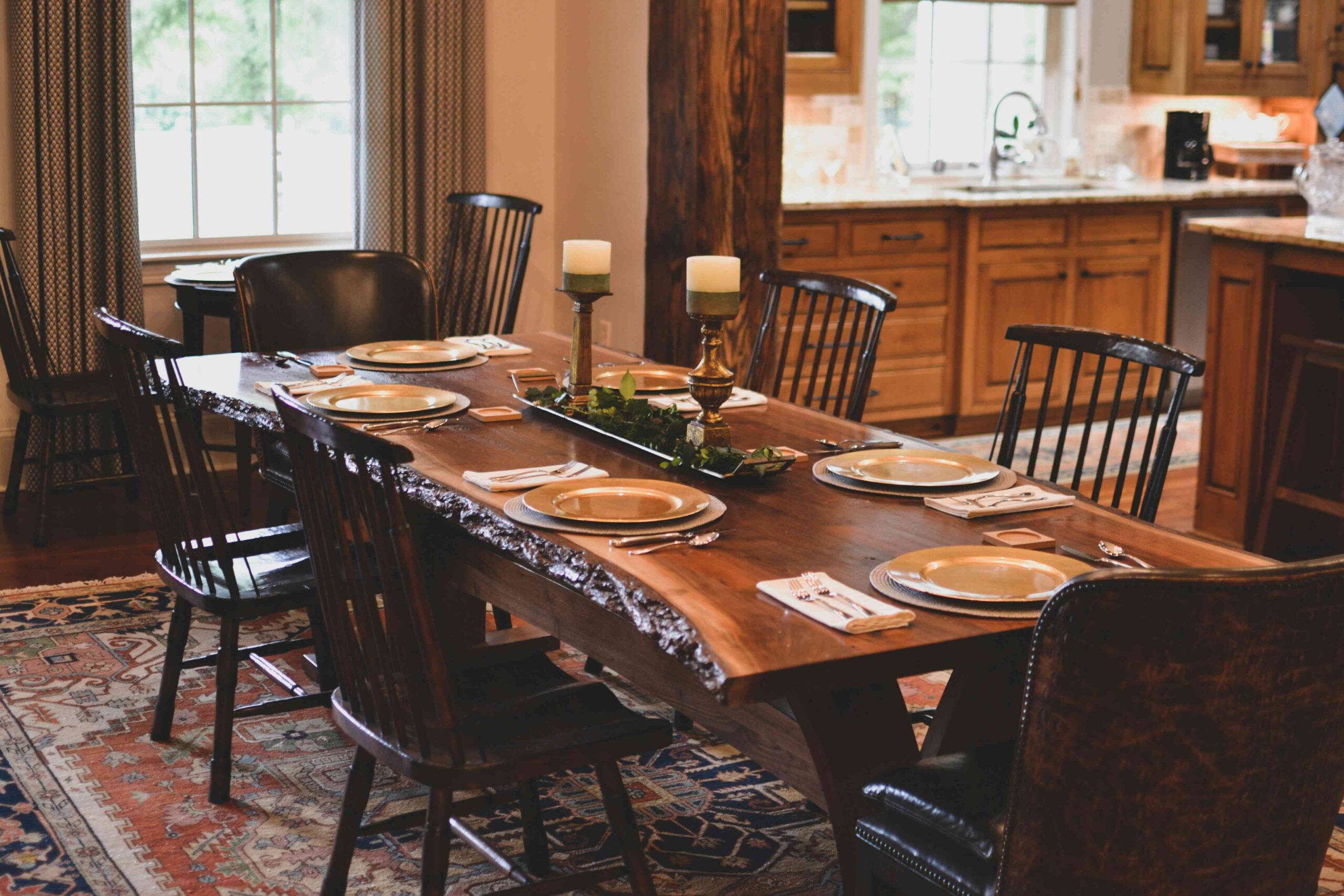
Along with its dated appearance, irregularities define antique furniture. You can confirm this by comparing the furniture’s similar parts. Observe if the knobs, spindles, or feet have a slight difference in shape, measurement, placement, and color. You can also check the surfaces if they have nicks, minor scratches, and dents. If they have these imperfections, you know they are authentically handmade.
These inconsistencies also reveal what tools were used to craft the furniture. Hand chisels and other manual wood shaping tools became popular in the mid-1800s. They usually leave cuts and nicks evident on the back or underside of the furniture. On the other hand, artisans mainly used circular saws in the mid-1900s, which leaves circular patterns on the piece.
Although you can still find these irregularities in modern hand-crafted furniture, you can use these signs to set it apart from machine-made ones. Perfectly made furniture with clean cuts and symmetrical parts are often reproduction versions made by machines.
Examine the Materials
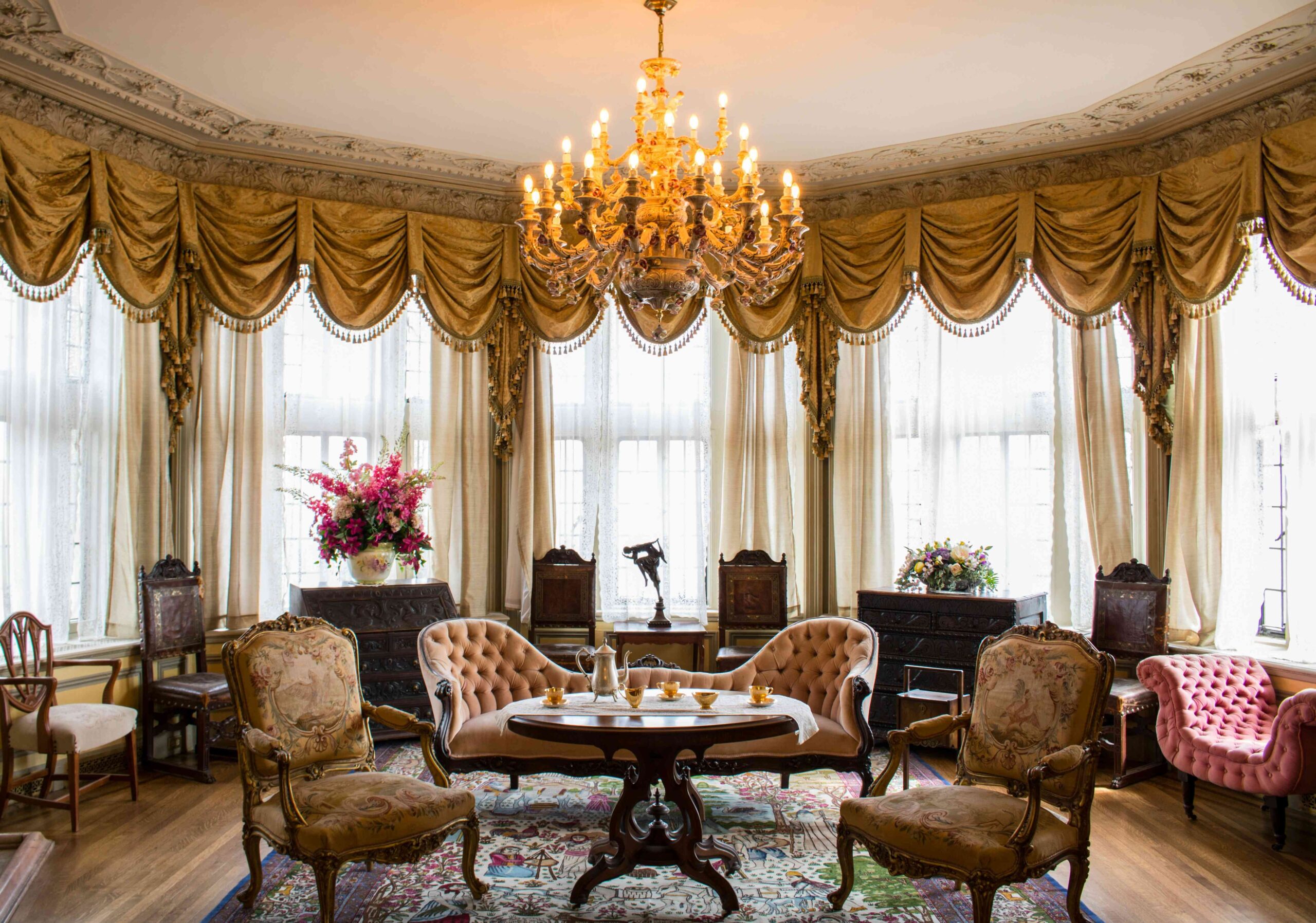
For the untrained eye, it’s impossible to distinguish the materials used. But using your digital devices, you can search for a photo reference while examining the furniture.
Oak was the primary wood material pre-16th century. Then, mahogany and walnut became widely used in the 1700s. Maple and cherry were popular in the early 1800s, while mahogany and rosewood rose again in the twilight of the 19th century. In the 1900s, oak came back and became the top material again.
For fabrics, antiques integrate patterned damasks, satins, and brocades made out of natural fibers like silk, cotton, and wool.
As for metals, antique furniture using screws with blunted tips and inconsistent shapes date back to the 1700s when blacksmiths crafted these purely by hand. From 1812 to the 1850s, screws were partially machine-made. So, if you see a threaded screw with hacksawed heads, that piece is probably from the 19th century. Fully machine-produced screws were not available until 1848. Any piece that contains pointed ended screws with round shafts and flawless heads usually date to the 1850s or later.
Antique brass has pockmarks on the back with a rough threading and a polished outward surface since they were shaped in sand molds. This hardware fell out of popularity in the late 1800s. So, if your furniture has this, it’s most likely made before its decline.
Beyond a simple label of “antique” lies the rich complexity of traditional furniture. Through close inspection, you can develop a keen eye that can unlock a piece’s age, value, and historical significance. And with each detail you uncover, you add a whole new layer of appreciation and connection to the pieces you own. Learning how to spot antique furniture equips you to identify these historical treasures and potentially add a unique piece to your home.
Photos from Unsplash
Read more: Empty Spaces to Fill: Why Filipinos Love Maximalist Houses
Frequently Asked Questions (FAQs)
You should first look for a maker’s mark, which can be a stamp, label, or inscription. You can also look for irregularities and signs of handmade craftsmanship.
A maker’s mark can provide information about the furniture’s maker, location, and date of creation. However, if the mark includes a five-digit zip code, the item is not an antique.
Slight irregularities in knobs, spindles, or feet are common in handmade antique furniture. Evidence of hand chisels or circular saw cuts can also indicate its age.
The type of wood and metal hardware can provide clues. For example, screws with inconsistent shapes and blunted tips are from the 1700s, while antique brass hardware from before the late 1800s will have pockmarks on the back.
Oak was popular before the 16th century and again in the 1900s. Mahogany and walnut were common in the 1700s, while maple and cherry were popular in the early 1800s.
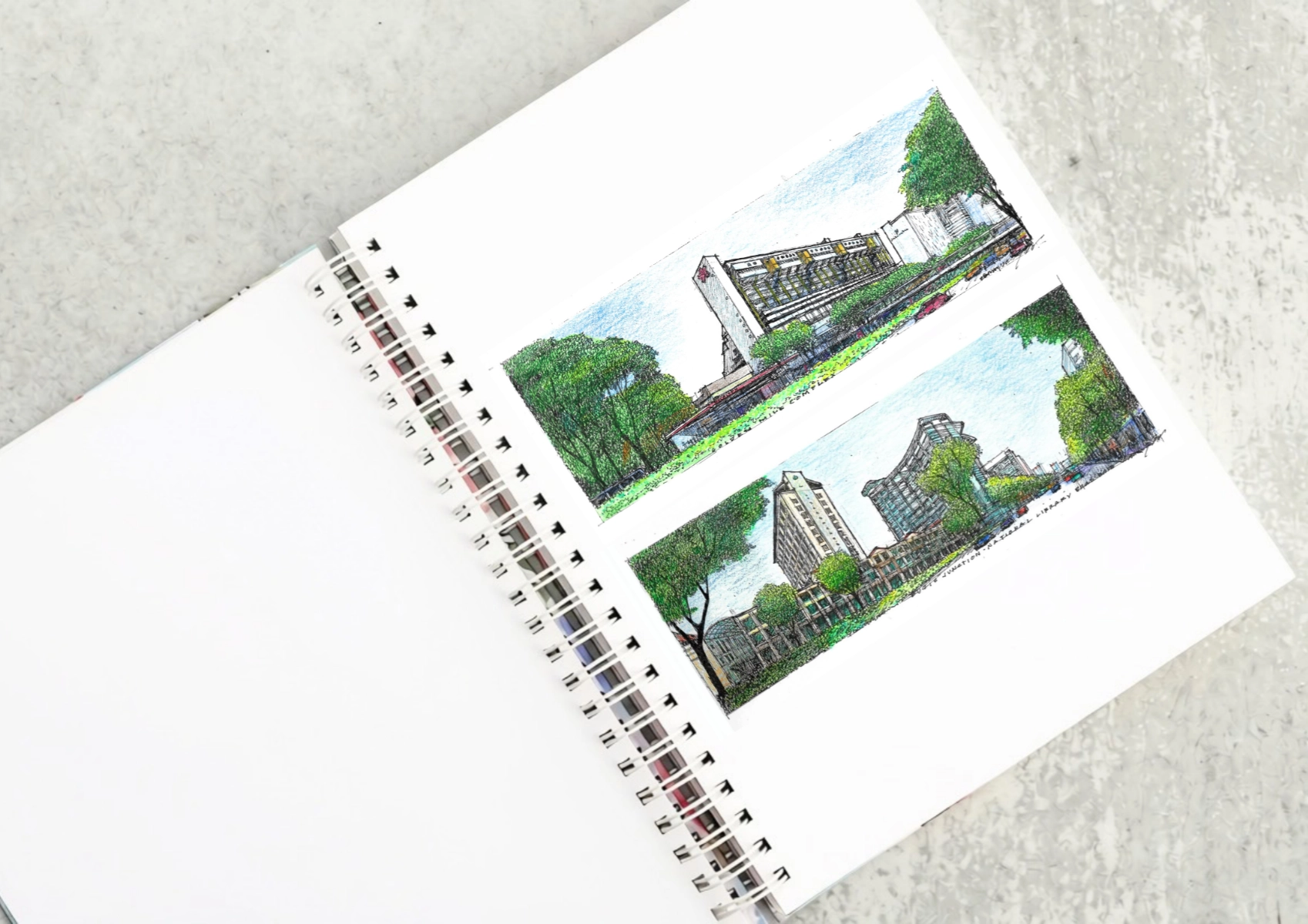
Two sketches of Singapore connect BluPrint Editor in Chief Paulo G. Alcazaren’s personal and professional history with Shared Ground: ArchitectureArchitectureThe art and science of designing and constructing buildings, structures, and spaces that are functional, safe, and aesthetically pleasing. It encompasses the planning, design, materials, and techniques used to createGo to Architecture Glossary of Care, Culture, […]
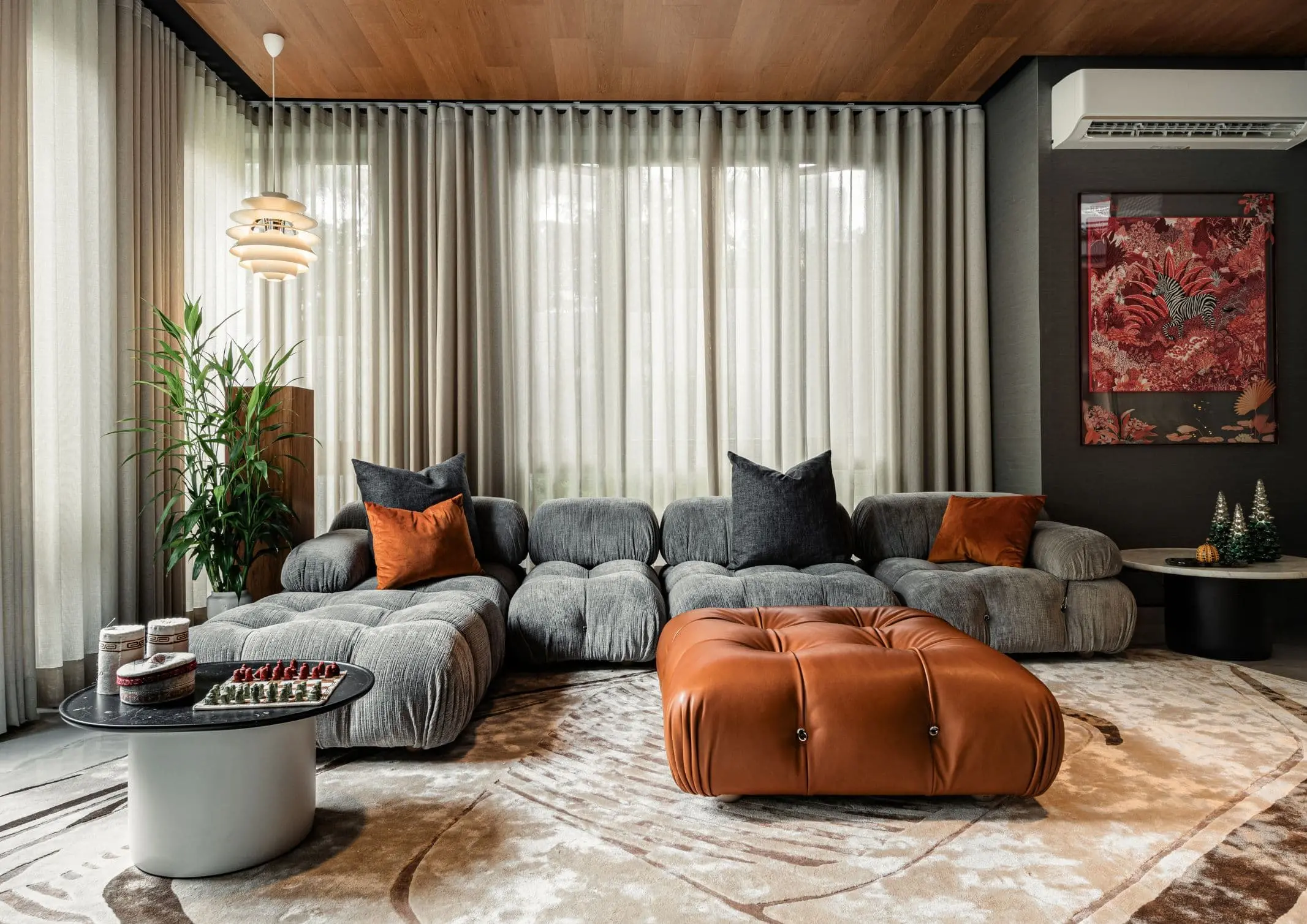
Some have become household names – Coleman, Oster, and KitchenAid – products that have found their way into Filipino kitchens, homes and family routines. In home furnishings, brands such as B&B Italia, Ethan Allen, Sub-Zero, Miele, SieMatic, Louis Poulsen, Hunter Douglas, Tempur, and Technogym, have helped shape the way Filipinos live. From everyday essentials to […]

In a way, designers are the modern-day soothsayers and prophets. They design for the future, predicting how a room, a house, a building or a whole city will be used by people. They foresee how users will interact with a space, conjure exact shades of colors to elicit specific behavior and arrange furniture to build […]
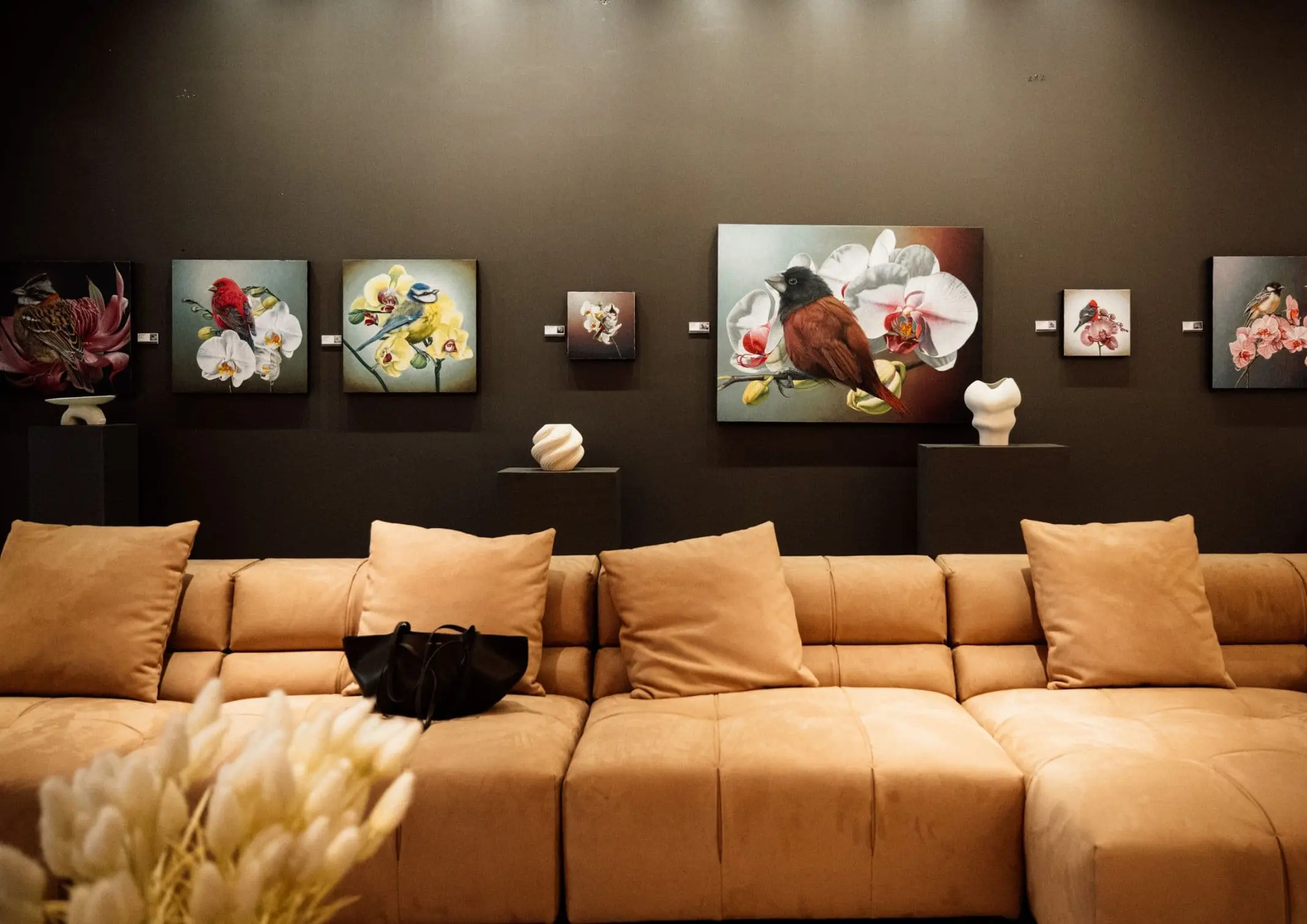
Art and furniture are often selected separately, yet their relationship can shape how a room looks and feels. The collaboration between Hooga and Galerie Joaquin explores how these elements can work together, bringing contemporary artworks into furnished residential settings at Hooga’s showroom in Uptown Mall, Bonifacio Global City. For Hooga, which curates furniture, lighting, and […]

How can better-planned cities create the conditions for more creative, livable, and resilient urban environments? “Makati Urban Recipes for a City’s Survival,” a colloquium held at the Ayala Museum on September 15, brought together architects and practitioners from the fields of urbanism and the creative economy to discuss how design, planning, and collaboration can address […]
Read the issues.

Collect the volumes.

Recommended Video
Tap to Unmute
Unmute
0:00
0:00