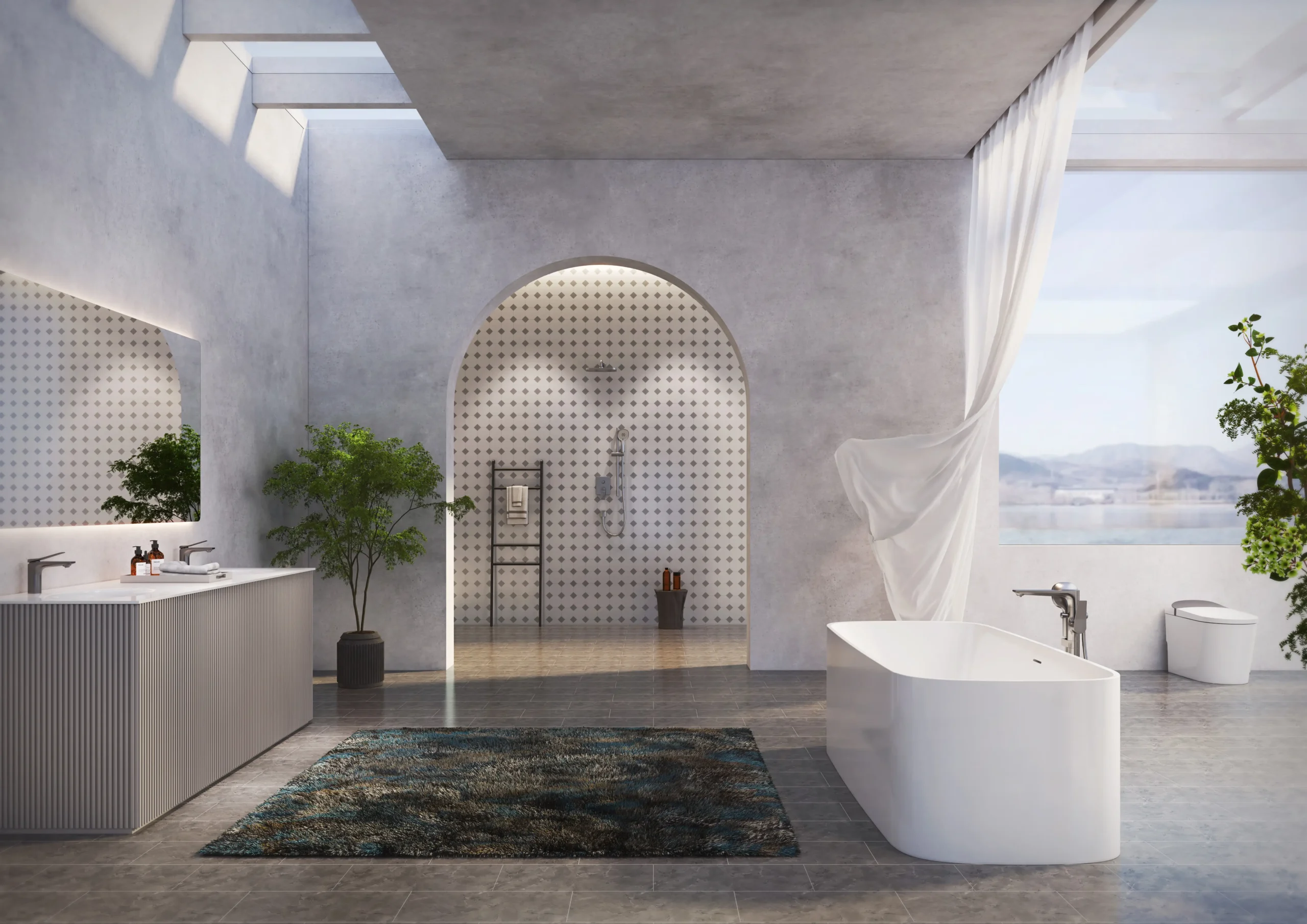
Modern bathrooms are no longer purely functional spaces. Increasingly, they are being designed as environments that support cleanliness, ease, and quiet restoration within the home. As daily life becomes more demanding and health awareness continues to rise, homeowners are beginning to expect more from the spaces where daily rituals begin and end. For architects and […]
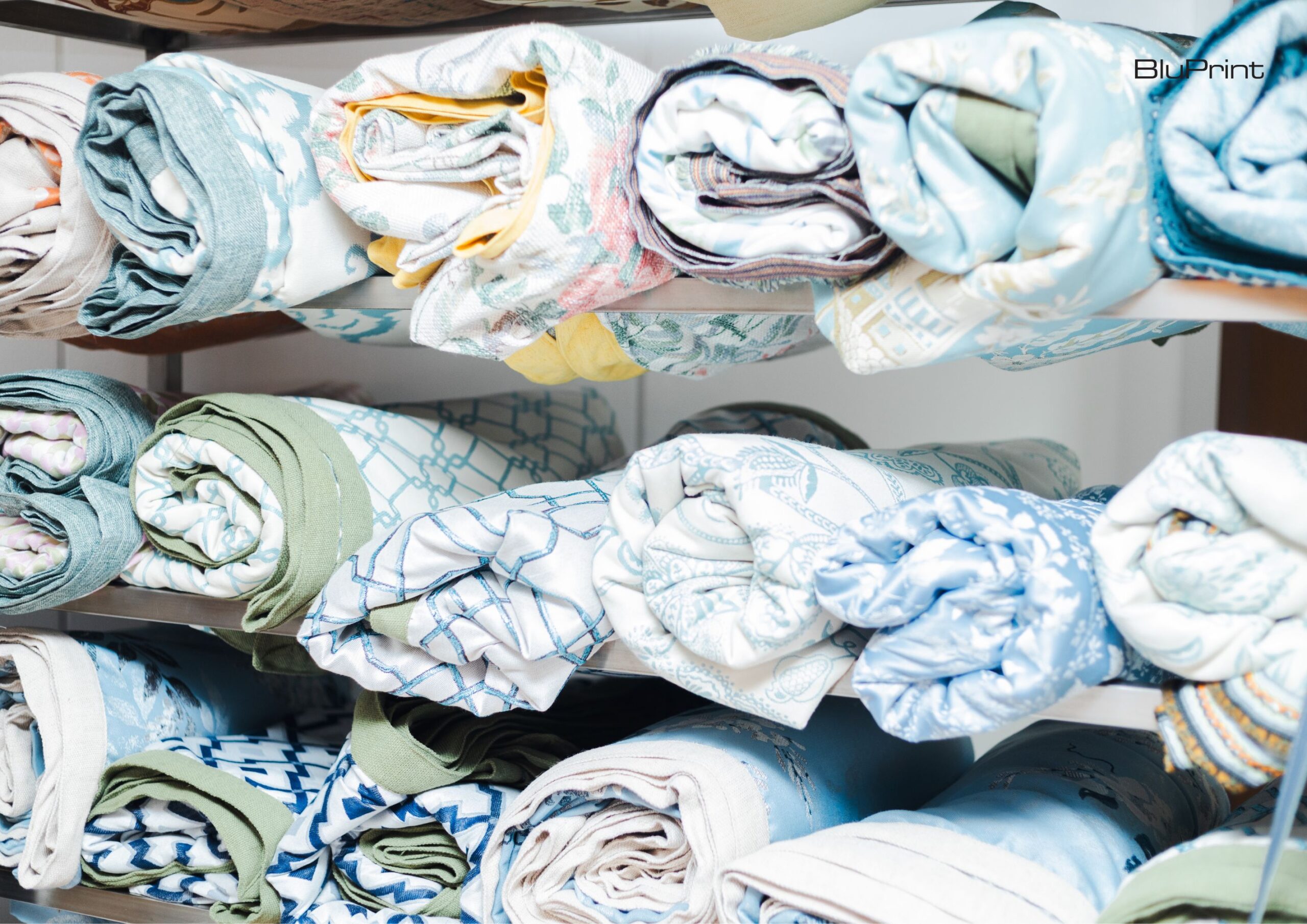
Ultimate Guide to Best Sustainable Fabrics for a Greener Home



The right fabrics can instantly elevate any furniture and interior space no matter their style. But they’re even more appealing when crafted from renewable and eco-friendly materials and practices. As the demand for responsible consumption grows, sustainable upholstery fabrics are one of the conscious choices to mirror this value in interiors. Here are the top selections you can choose for a greener home today and a healthier planet for the future.
Organic Cotton
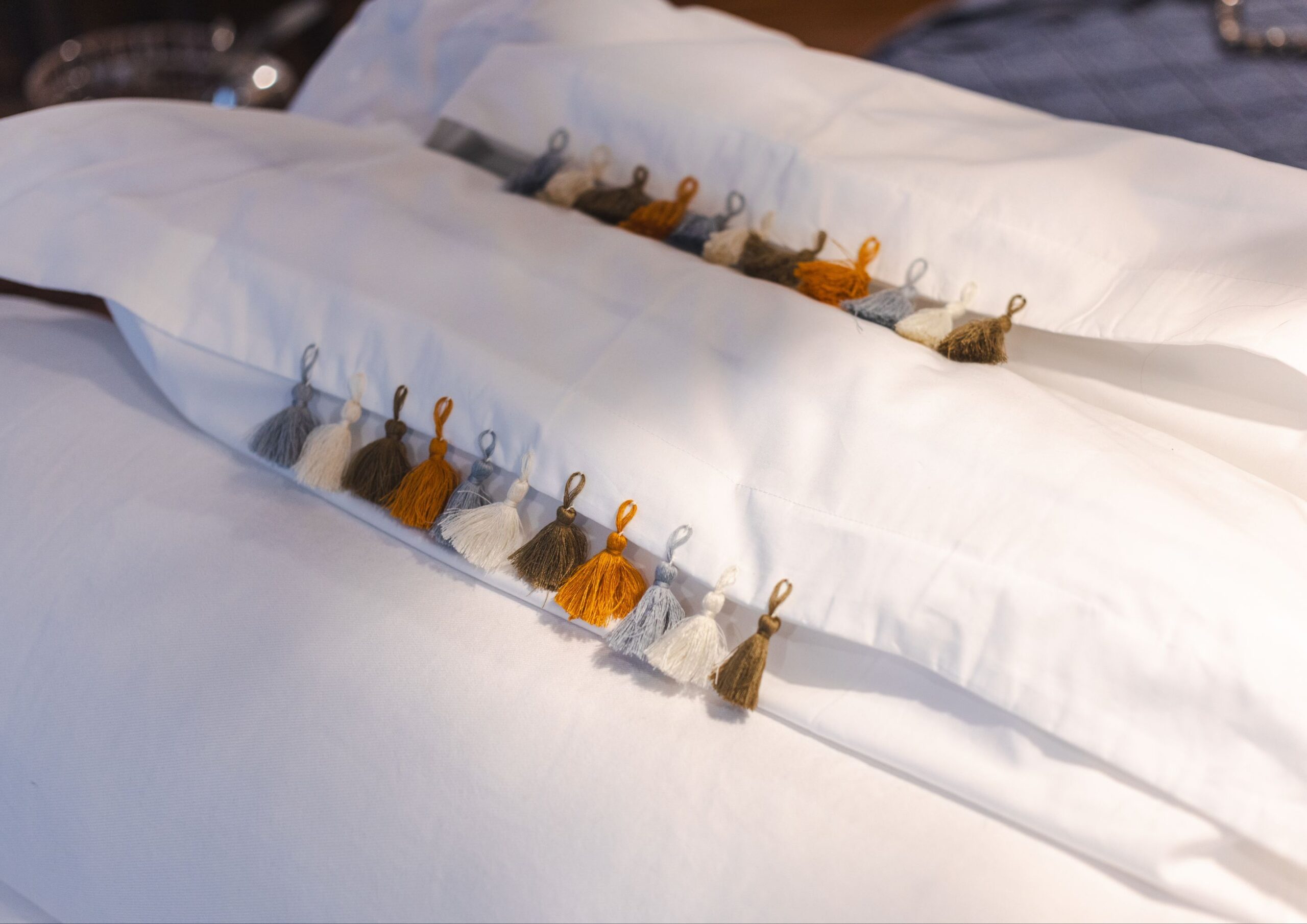
Organic cotton fabrics have a lot of advantages compared to their conventional counterparts. In terms of quality and texture, organic cotton feels softer and more durable due to their longer, healthier fibers. This is because these sustainable fabrics aren’t grown from genetically modified seeds, nor do they use pesticides and synthetic fertilizers.
Look for Global Organic Textile Standard (GOTS) or Organic Content Standard (OCS) labels to ensure authenticity. Their eco-friendly farming techniques, such as drip irrigation and rainwater harvesting, minimize water consumption compared to conventional methods. Farmers also use cover crops and crop rotation to reduce soil erosion, promote biodiversity, and enhance climate resilience.
Advertisement
With such careful cultivation methods, organic cotton fabrics make the perfect material for everyday furniture, even for nurseries. Aside from their softness and durability, their breathability is less likely to irritate sensitive skin, perfect for year-round use.
Natural Wool
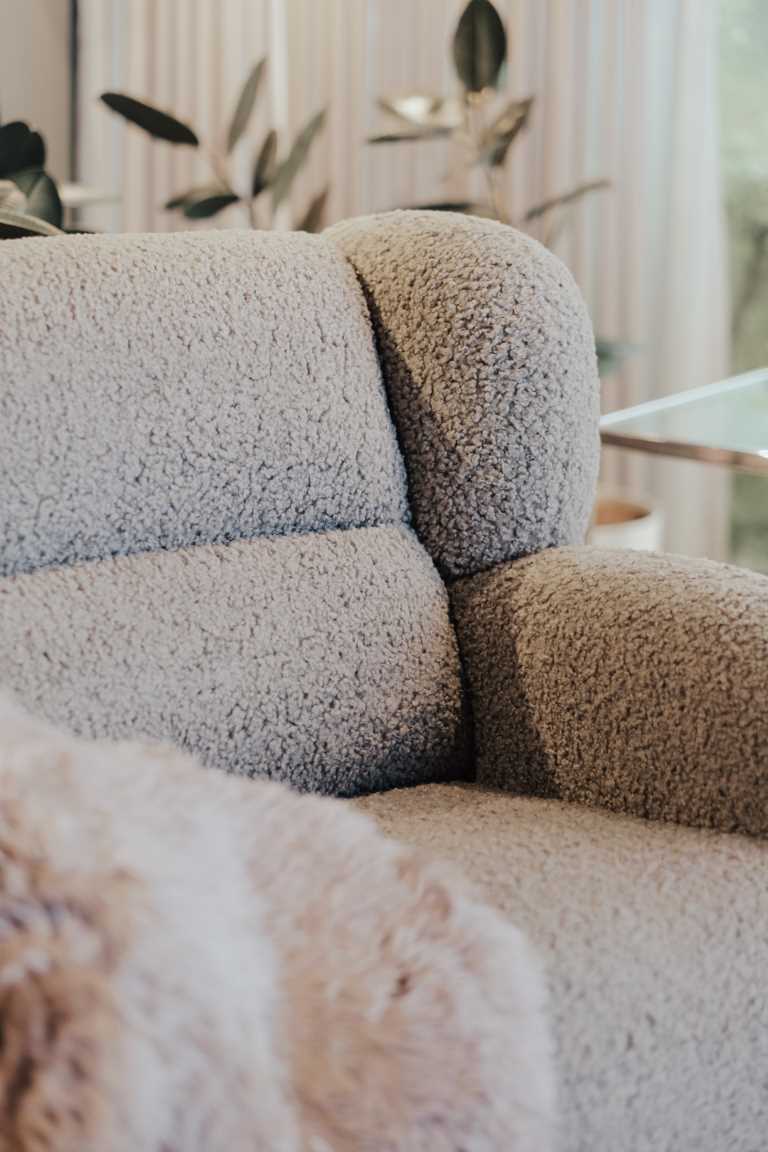
Natural wool fabrics are sustainable and biodegradable. With their coiled spring-like structure, these materials can expand up to 50 percent of their actual length when wet. This allows them to resist more than 20,000 times compression without breaking, making them incredibly resistant to wrinkles and tears.
Quick moisture absorption, thermal insulation, and fire resistance make them more versatile compared to other natural materials. This additionally prevents stains and bacteria build-up that cause odors, making them easier to maintain.
Advertisement
Aside from absorbing moisture, natural wool can improve indoor air quality by sucking up airborne pollutants like volatile organic compounds. It also helps in reducing carbon in the atmosphere as this material acts as short-term storage for pure organic carbon.
Contrary to popular belief, natural wool doesn’t only come from sheep. Goats, llamas, alpacas, Arctic muskox, camels, and vicuñas also produce other types of wool. With these wide sources and options, this eco-friendly material offers remarkable diversity in texture, warmth, and rarity, making it a popular choice for furniture upholstery.
However, despite its environmentally-friendly properties, some wool producers still practice inhumane and irresponsible methods to gather this material. These practices include mulesing and using toxic chemical sheep dip to purge parasites. To guarantee ethically-sourced natural wool fabrics, make sure they carry the Responsible Wool Standard, Woolmark, and International Wool Textile Organization labels.
Advertisement
Organic Peace Silk
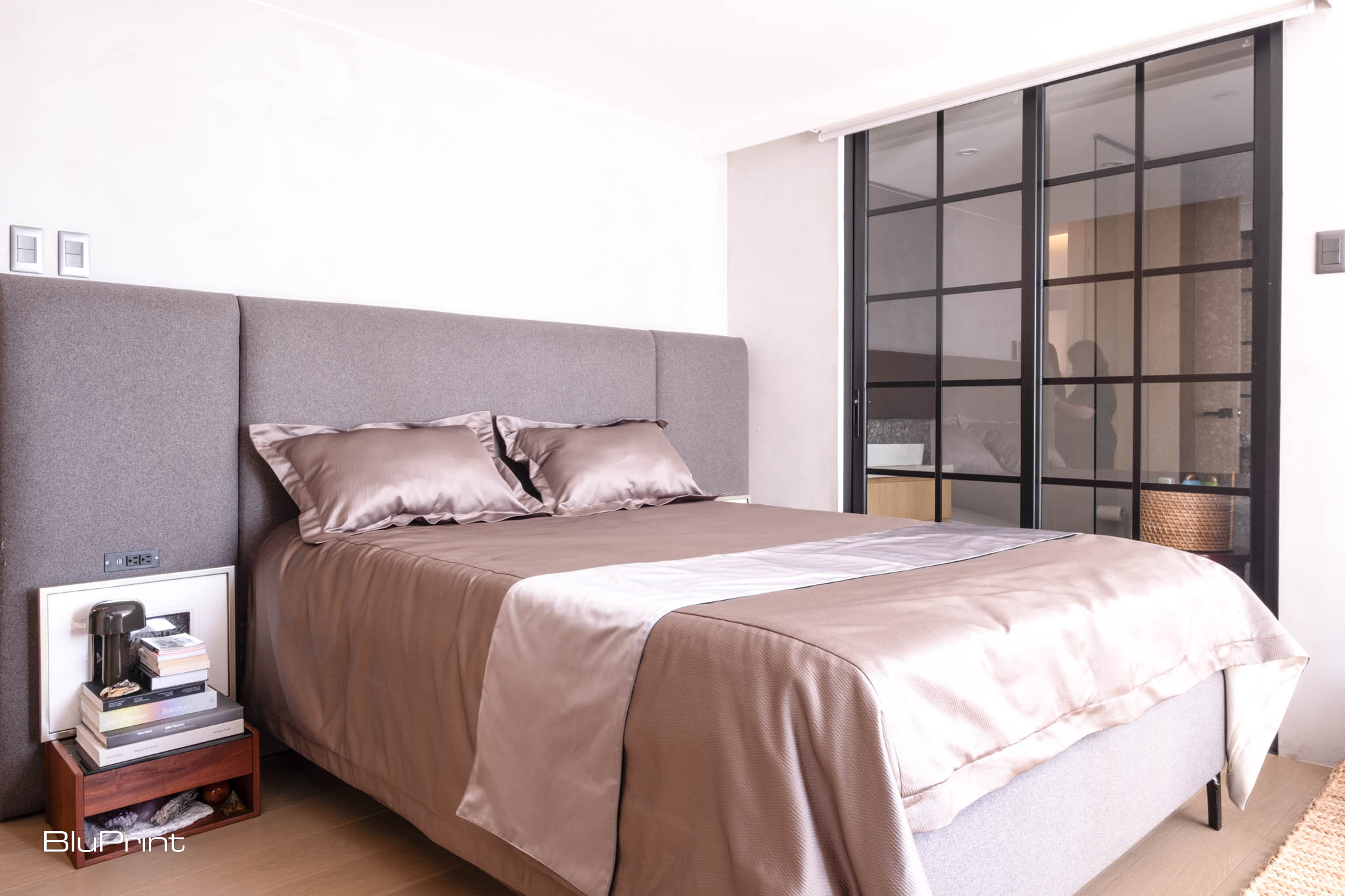
Organic peace silk, or Ahimsa silk fabrics, offer the unmatched comfort and sophistication of traditional silk without the ethical concerns. Unlike conventional and organic silks, this approach allows silkworms to complete their butterfly cycle before harvesting the cocoons. The resulting peace silk fibers may be shorter and less lustrous. But their edge lies with their silk filaments spun together to create a rope-like appearance and make it more durable.
Despite the slow production, organic peace silk promises natural and organic farming methods. The Mulberry trees, the silkworms’ food source, receive no toxic pesticides and chemicals during cultivation. This minimizes environmental impact and ensures human safety. Similar to organic cotton, organic peace silk fabrics have GOTS and OCS tags to verify their sustainable credentials.
Besides being cruelty-free and eco-friendly, organic peace silk fabrics are naturally gentle on skin. With their breathable, hypoallergenic, and antimicrobial qualities, they’re ideal for upholstery, particularly for bedroom furniture.
Advertisement
Hemp
Thanks to its impressive growth characteristics and naturally beneficial properties, hemp emerges as another frontrunner in sustainable fabrics. Its rapid growth cycle allows multiple harvests within a single season, minimizing land use and maximizing resource efficiency. On top of that, hemp possesses a natural resistance to pests and diseases, requiring minimal reliance on pesticides. In addition to their resilience, this eco-friendly material can also be planted in even in types of soil unsuited for most plants.
Moreover, their deep rooted systems naturally replenish heavy metals and other contaminants in soil. As this process happens, it contributes to trapping carbon from the atmosphere, which in turn helps mitigate the effects of climate change.
But even with their unassuming nature, hemp fibers are incredibly strong, even surpassing cotton in tensile strength. This translates to upholstery fabrics that are remarkably durable and resistant to wear and tear, ensuring your furniture looks its best for years to come. So, they make the perfect choice for furniture in high-traffic areas like sofas and armchairs.
Advertisement
Aside from their exceptional durability, hemp fabrics also boast resistance to allergens like dust mites and mold. They are additionally easier to clean due to their hollow and breathable core.
These fabrics should also have GOTS and Oeko-Tex Standard 100 certifications to ensure they’re in par with the standards.
Sustainability is achievable through conscious choices, and your home is a great place to start. There’s no reason why style and ecological methods can’t work hand-in-hand. So, the next time you’re revamping your furniture, consider these top sustainable fabrics. You’ll not only elevate your interior space but also invest in a greener tomorrow for your home.
Advertisement
Read more: Future Proofing 101: Easy Sustainable Living for Today and Tomorrow
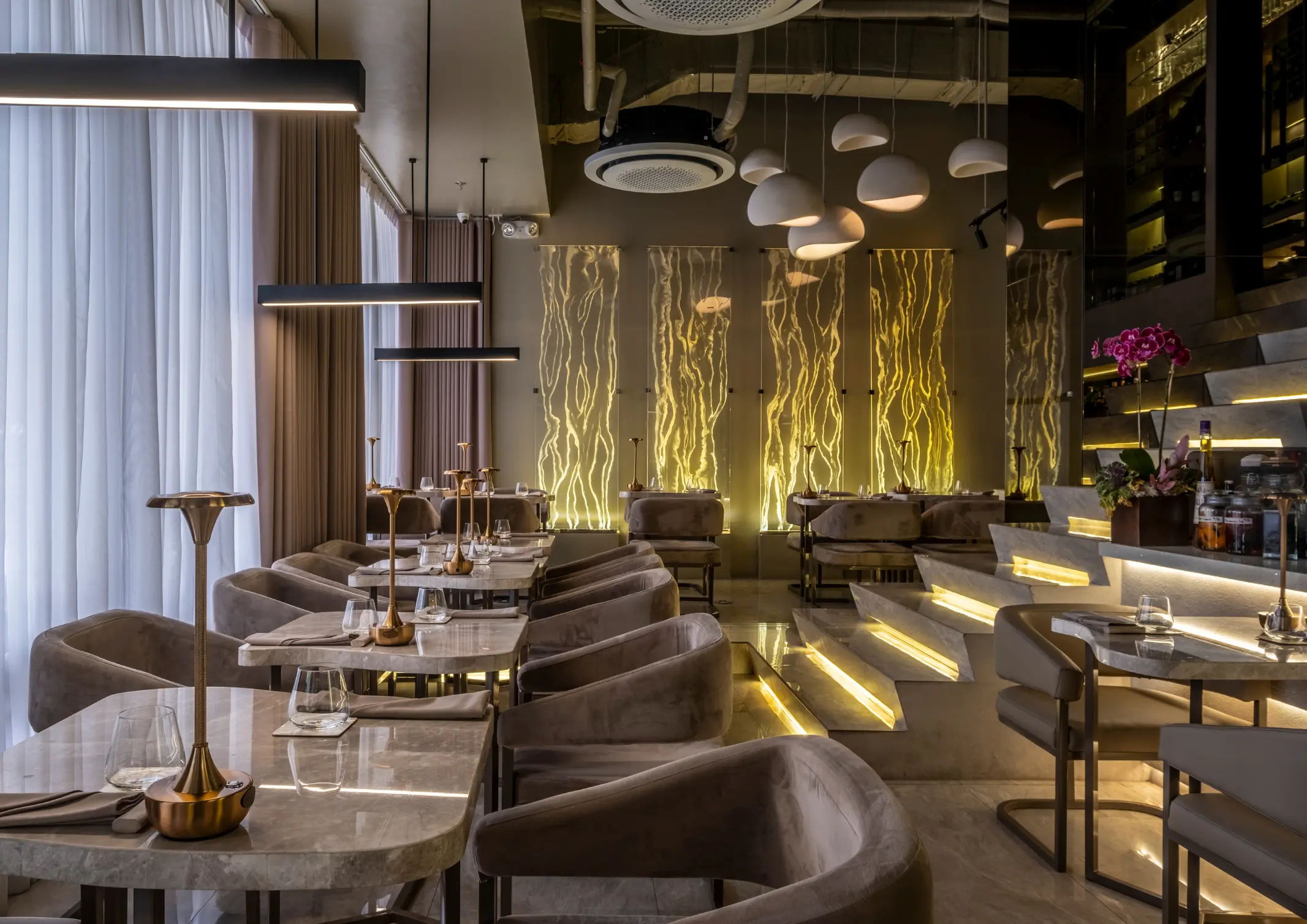
From the moment a diner steps through the door, each detail shapes how a meal is experienced. Restaurant design has evolved, with architects and culinary professionals collaborating to create built spaces that are as intentional as the menu itself. The spatial atmosphere acts as an additional ingredient that can define the culinary experience. Taupe and […]
Advertisement

With climate change and global warming, the Philippine climate is in constant evolution. Consequently, it is important for Filipinos to have living spaces that respond to the local environment. In this article, BluPrint lists down Filipino architects who are reimagining the tropical house, aligning the built and natural environment. BAAD Studio Principal architects Benjee Mendoza […]
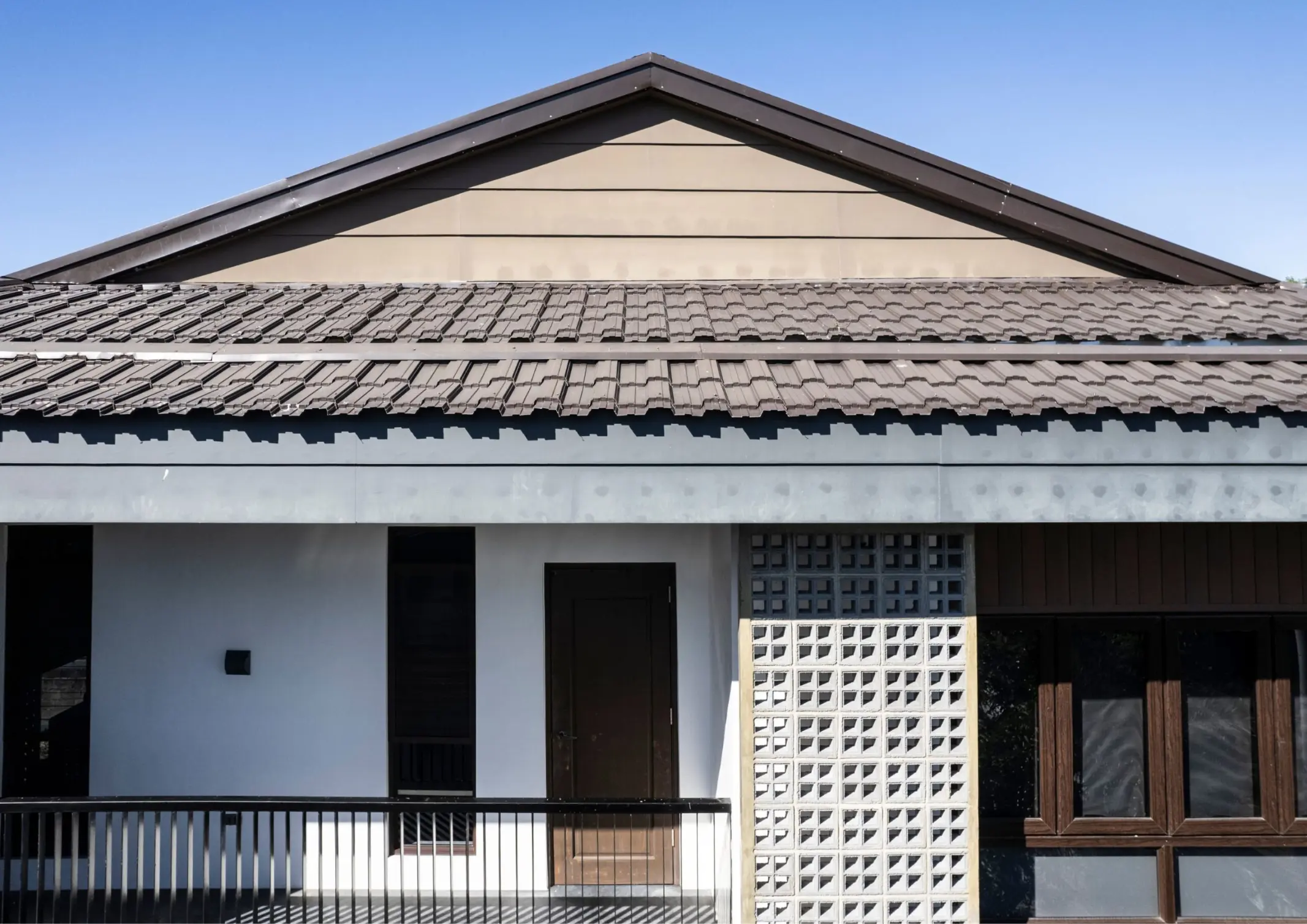
Ventilation involves the introduction of outdoor air into a room, providing occupants with their needs. Proper ventilation allows for the moderation of internal temperatures, the creation of better airflow, the dilution of carbon dioxide to acceptable levels, and the removal of contaminants. This addresses health risks associated with indoor air pollution, such as respiratory problems […]

WORLDBEX 2026, running from March 12 to 15, 2026, proves itself as the Philippines’ leading construction and design expo as it wrapped its 29th edition. It drew together 1,000 local and international exhibitors under one theme, “Building Opportunities: Sustaining Lives.” Organized by Worldbex Services International (WSI), in support of the ABS-CBN Foundation Inc., the event […]
Advertisement
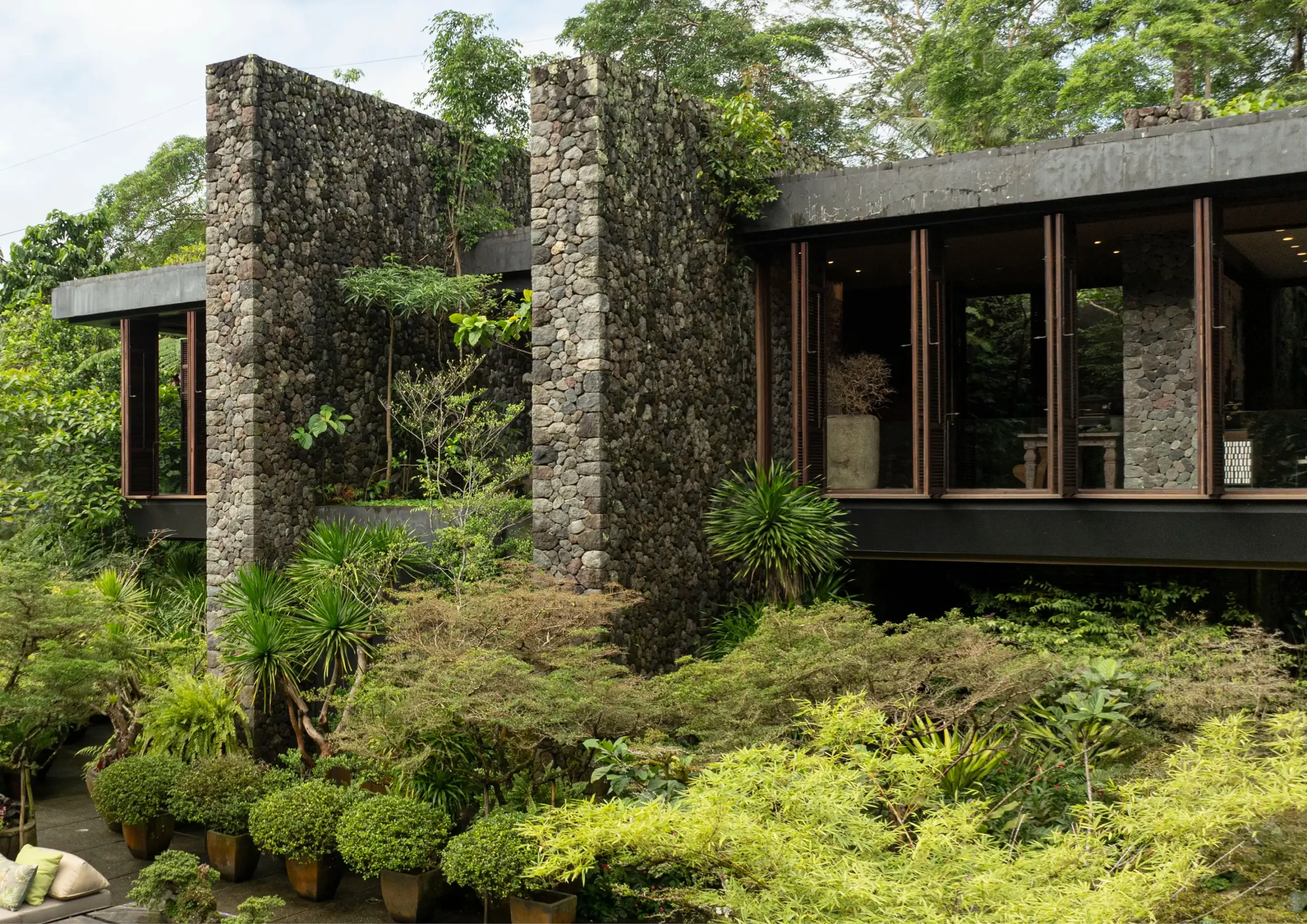
Located near the equator, factors such as heat and humidity are the norm in the Philippines. This tropical climate has shaped the development of architecture in the country. As Leandro V. Locsin stated: “The first consideration of the Filipino builder and certainly the most evident in his architecture, which is after all an outgrowth of […]

Download this month's BLUPRINT magazine digital copy from:



Subscribe via [email protected]