


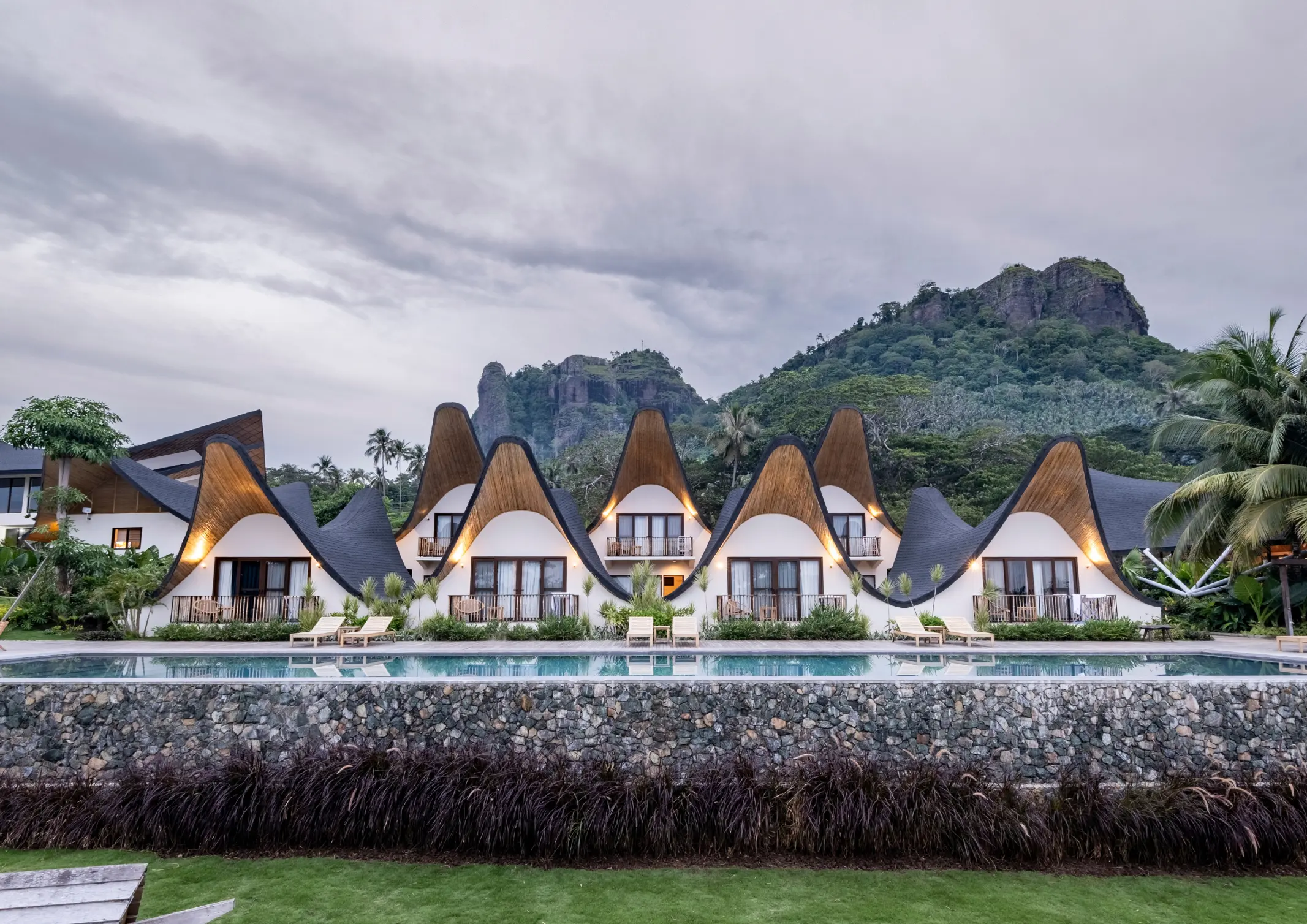
Contemporary design refers to the constantly evolving design trends of today. With the power to design our built environments, architects have been experimenting with various architectural approaches. Whether that is through unconventional forms or the integration of smart technologies, BluPrint lists down Filipino architects who are defining contemporary architecture. Deo Alam Architect Deo Alrashid Alam […]
The Bauhaus interior design style was the merging of artistic craftsmanship with the prevalence of industry from the 1920s to the 1930s. Birthed from the aftermath and widespread impact of the industrial revolution, this movement birthed and influenced the sleek and minimalist tropes we liken to modern design aesthetics.
The History of Bauhaus
The Bauhaus was a German art school that operated during the early 20th century. Among these groups of artisans was Walter Gropius, who began this iconic movement in 1919 right after World War 1. As Germany was rebuilding, Gropius saw the opportunity to introduce an engineered approach to the fine arts. The objective was to form a Gesamtkunstwerk (total work of art) wherein each component of the building worked and performed together harmoniously.
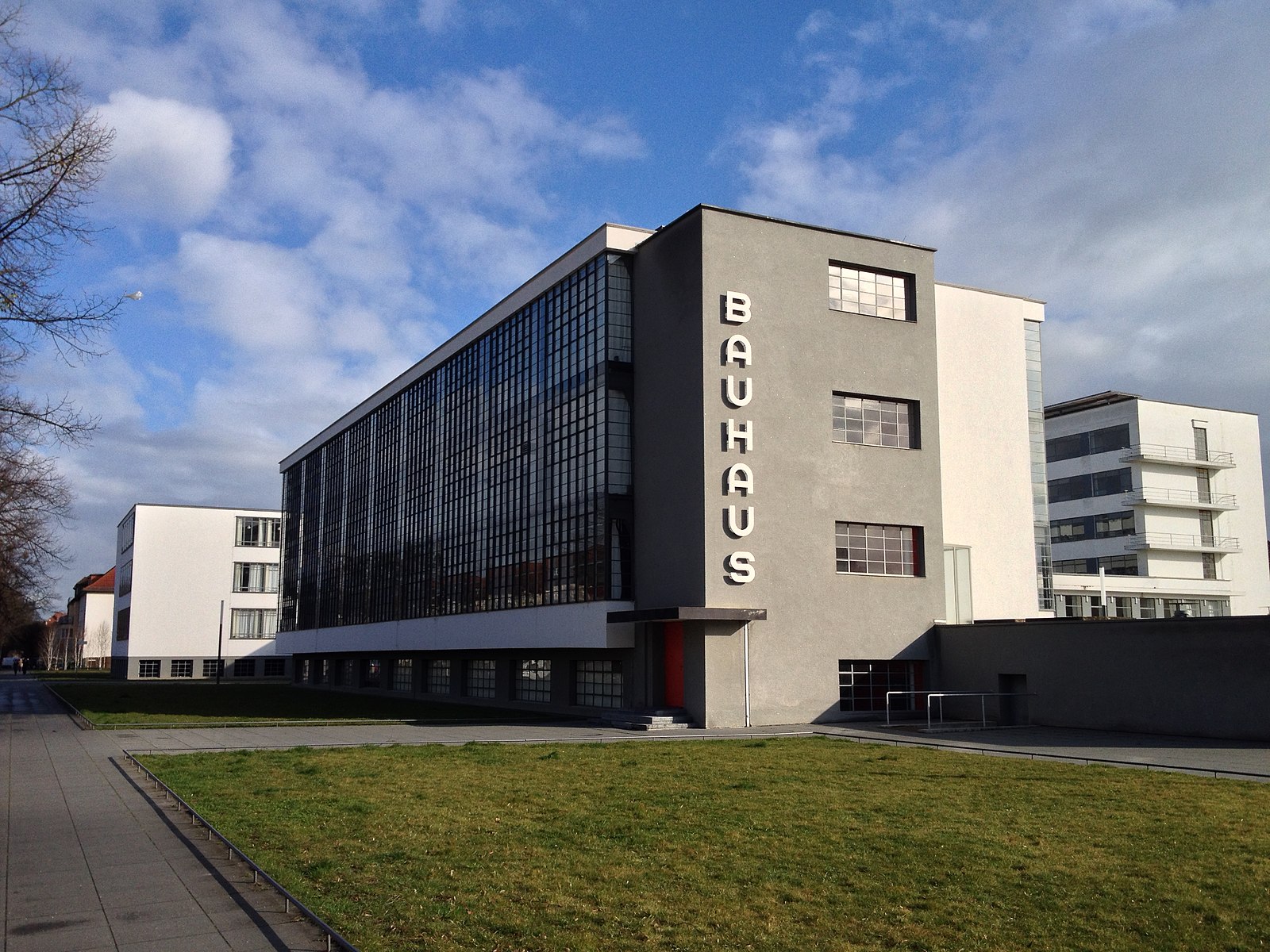
Image sourced from Wikimedia Commons
As World War II was brewing, designers fled to other countries, and the ideals of the movement became widespread globally. László Moholy-Nagy established the New Bauhaus in Chicago while Gropius was involved in the formation of modern architecture as we know it today.
Advertisement
Forms Follows Function
The premise of the aesthetic was the principle of “form follows function”. The object’s design should be based on its intended purpose in an engineered manner, rather than the symbolic and painstaking details of extraneous ornamentation for the sake of appearances. Designers that followed this trend stripped away these excesses in exchange for simplicity that focused on geometric forms.
This resulted in the prevalent use of basic shapes and primary colors. Bold hues accented asymmetrical compositions of circles, squares, and triangles. he Bauhaus mainly uses industrial materials such as steel, glass, and concrete. The consistency and control of manufacturing allows for a higher quality that designers can use to craft furniture.
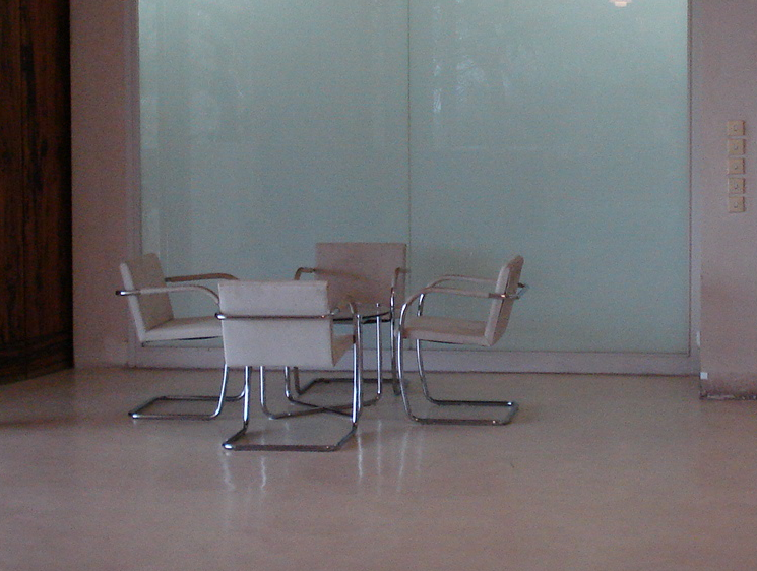
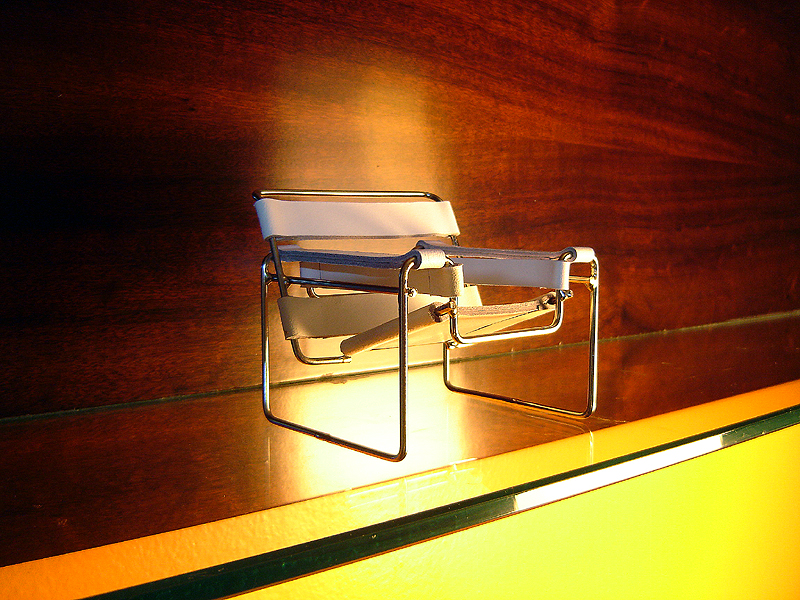
Image sourced from Wikimedia Commons
Designs such as Marcel Breuer’s Wassily Chair illustrates this with its sleek tubular steel frame that holds up the minimal leather upholstery. The exposure and raw use of these materials can be described as honest and elegant in their composition. Another example of this would be the Brno Chair by Mies van der Rohe, a modernist architect who favors a flatter but wider chrome frame with a thick leather seat. Lastly, the Baby Cradle by Peter Keler showcases a complete array of Bauhaus elements with its primary colors and form factor.
Advertisement
A Timeless Class
The lean design of the Bauhaus movement and its bare materiality makes it a strong choice if timelessness is something one looks for in their interiors. Although it may not be as detailed as compared to chiseled wood and casted plaster, it instead focused on the quality of the materials and production. To this day you’ll find that furniture and items made almost 100 years ago still fit in with contemporary fashions of industrial design. A prime example of this is Marianne Brant’s teapots with its chrome roundness. Another example are Josef Albers’ Nested Tables which features a rectilinear composition filled in with an array of primary palettes.
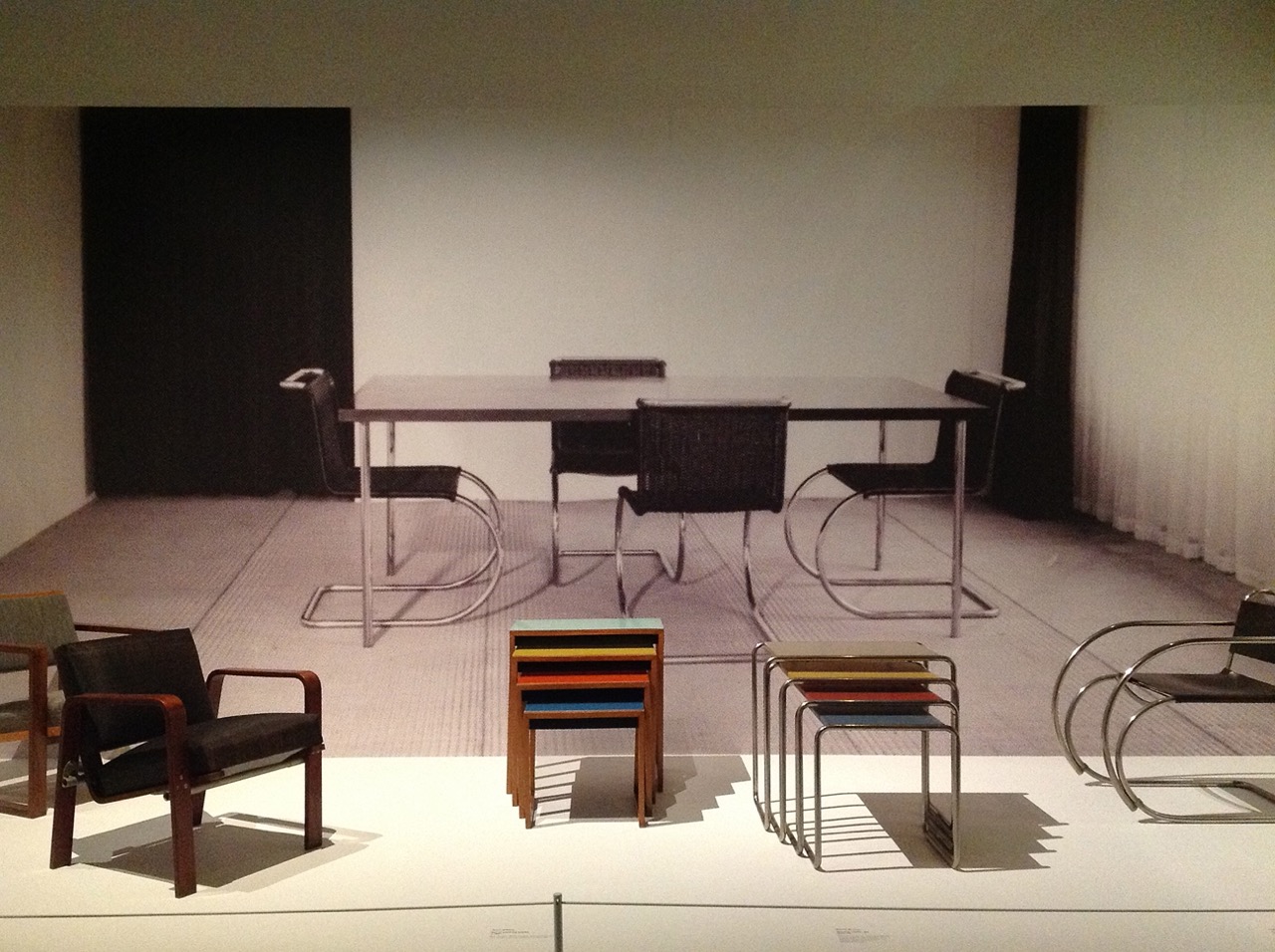
Image sourced from https://flic.kr/p/bDRvQm
The principles of the Bauhaus movement continue to inspire and inform how designers shape our objects and spaces till this day. Its context, designers harnessing mass production, is a relevant setting that the industry grapples with today. More so than ever, the function and simplicity that the style espouses tempers the unity of art and technology.
Advertisement
Read more: 5 One of a Kind Modern Two Storey House Designs
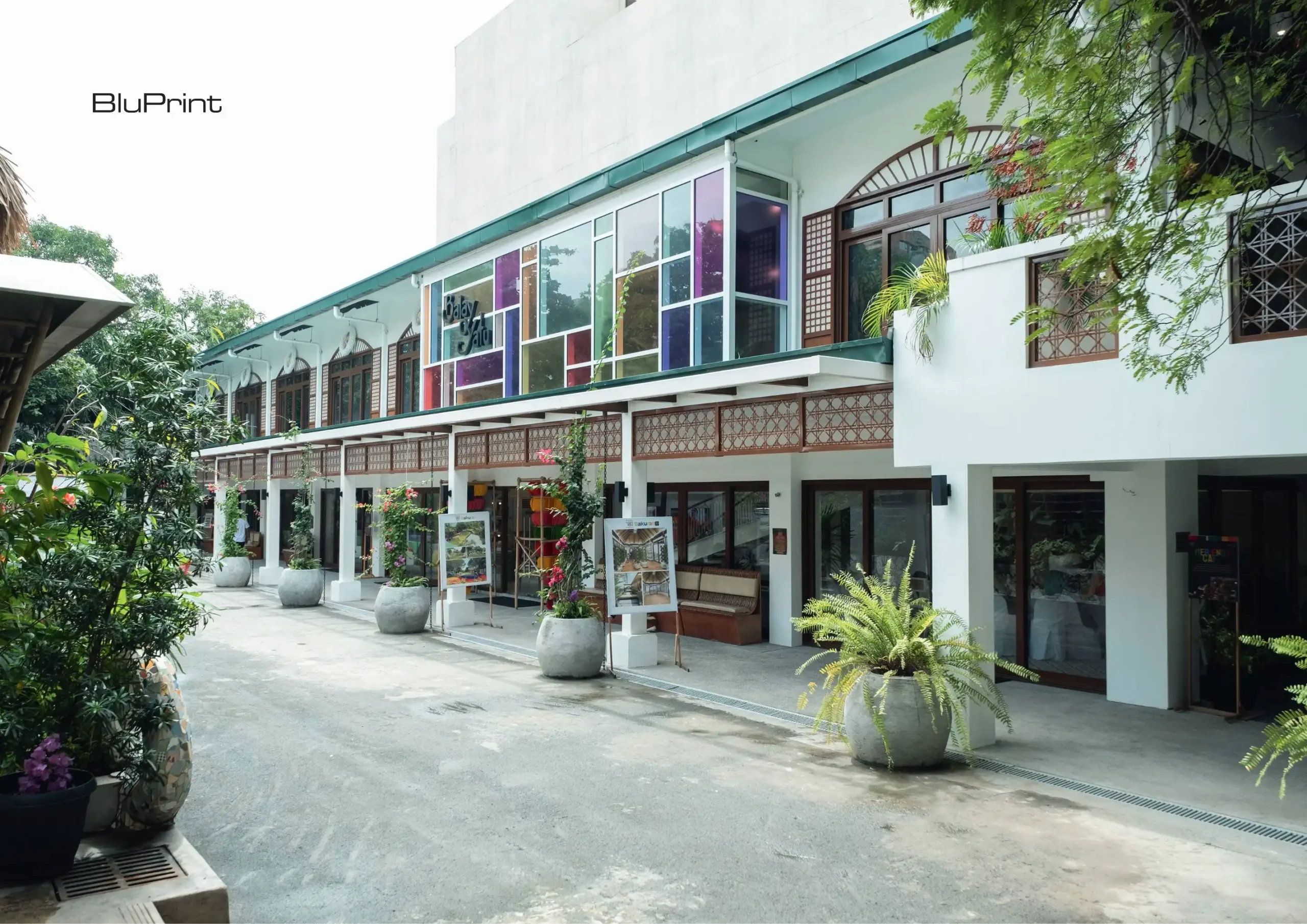
In the Philippines, adaptive reuse gained traction during the 1970s with the rise of conservation and environmental preservation movements. It offered an architectural solution that reuses existing spaces to fit modern needs. Across the country, several projects demonstrate how this approach is being applied—transforming heritage structures into active spaces for culture, hospitality, and community life. […]
Advertisement
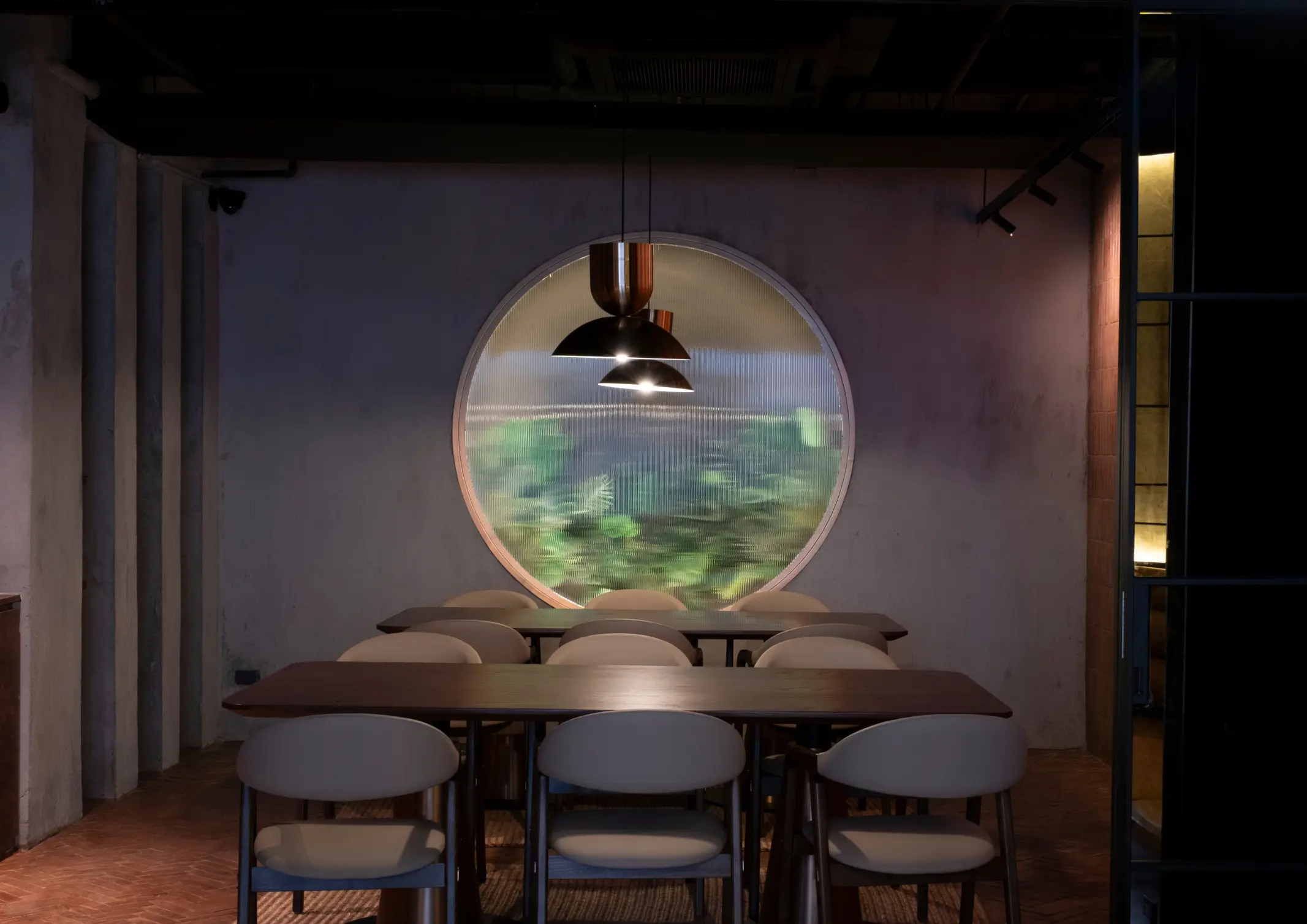
From residential spaces to civic structures, lighting dictates the mood of a space. It controls the visual dynamics of an interior, serving as a guiding tool that highlights key design elements, including materials and textures. Related Reading: Lampscaping: How to Light up Your Home like a Pro Regulating the Mood: Natural and Artificial Light in […]
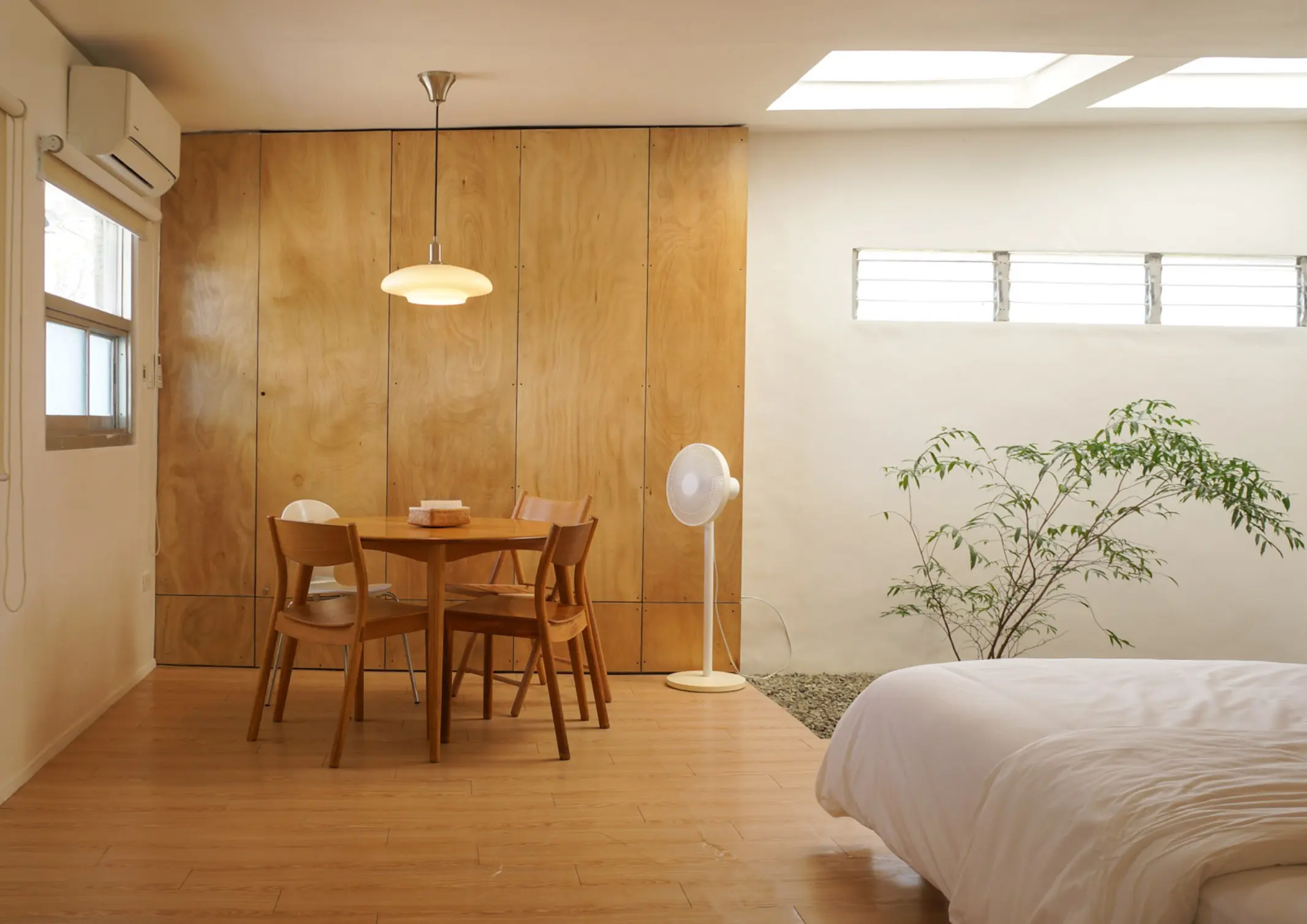
More and more Filipinos are flocking to condominium communities. Often tucked within busy city centers, condo living acts as a small respite from urban chaos. Faced with the challenge of transforming a cramped condominium into a warm living space, BluPrint lists condo interior design ideas that can maximize each square foot of small spaces. Purposeful […]
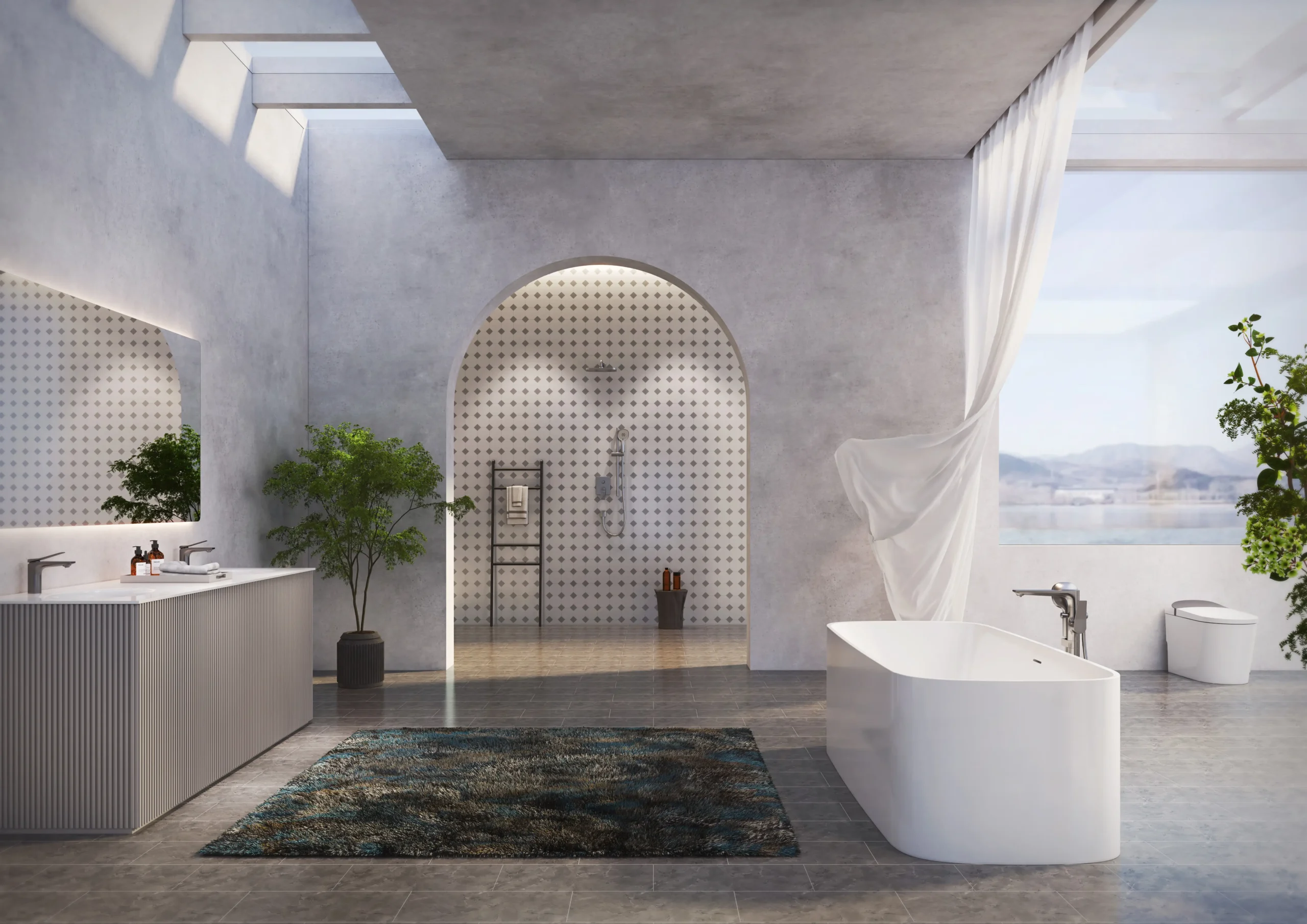
Modern bathrooms are no longer purely functional spaces. Increasingly, they are being designed as environments that support cleanliness, ease, and quiet restoration within the home. As daily life becomes more demanding and health awareness continues to rise, homeowners are beginning to expect more from the spaces where daily rituals begin and end. For architects and […]
Advertisement
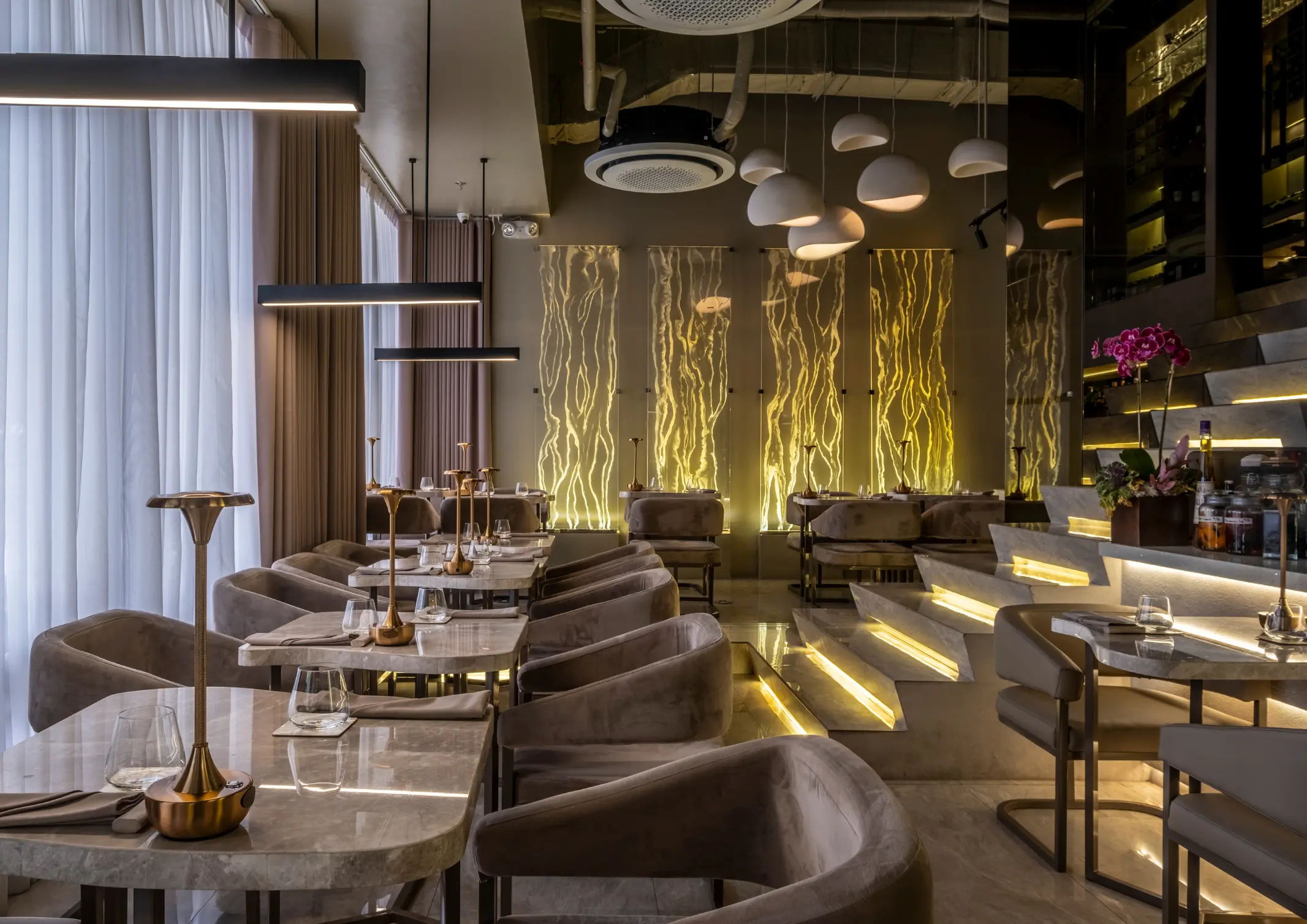
From the moment a diner steps through the door, each detail shapes how a meal is experienced. Restaurant design has evolved, with architects and culinary professionals collaborating to create built spaces that are as intentional as the menu itself. The spatial atmosphere acts as an additional ingredient that can define the culinary experience. Taupe and […]

Download this month's BLUPRINT magazine digital copy from:



Subscribe via [email protected]