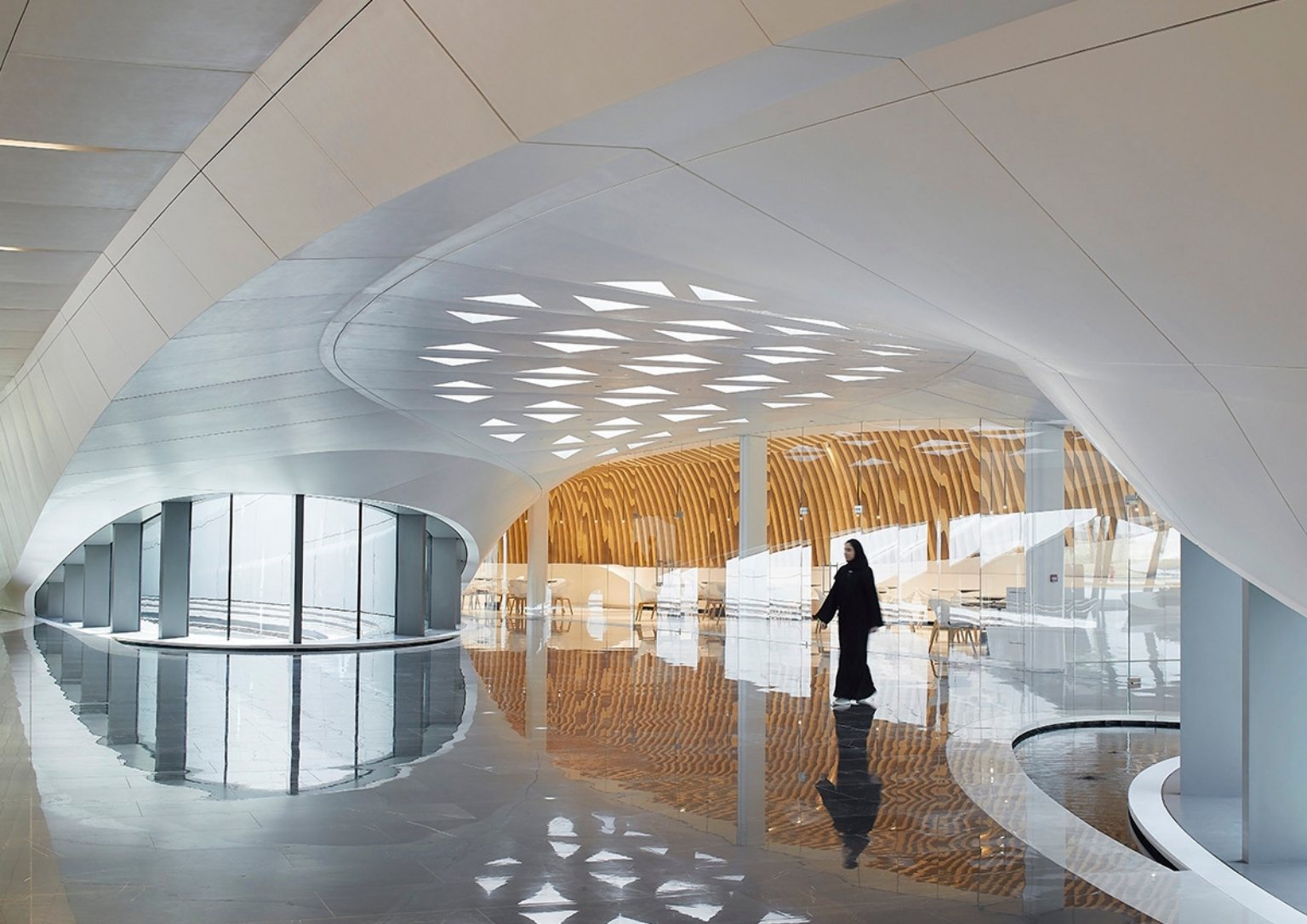
Even before the pandemic, many people were spending more time indoors. However, the strict lockdowns truly highlighted the importance of defining form and function in our living spaces. Recently, we’ve seen a growing trend towards creating flexible and versatile homes. But as technological advancements continue to drive changes in these trends, how can we ensure our homes remain timeless and adaptable to our evolving needs? Future-proofing is the key. This strategy anticipates your needs through advanced and sustainable interior designs and practices, ensuring your home remains relevant and functional for years to come.
The Future of Homes
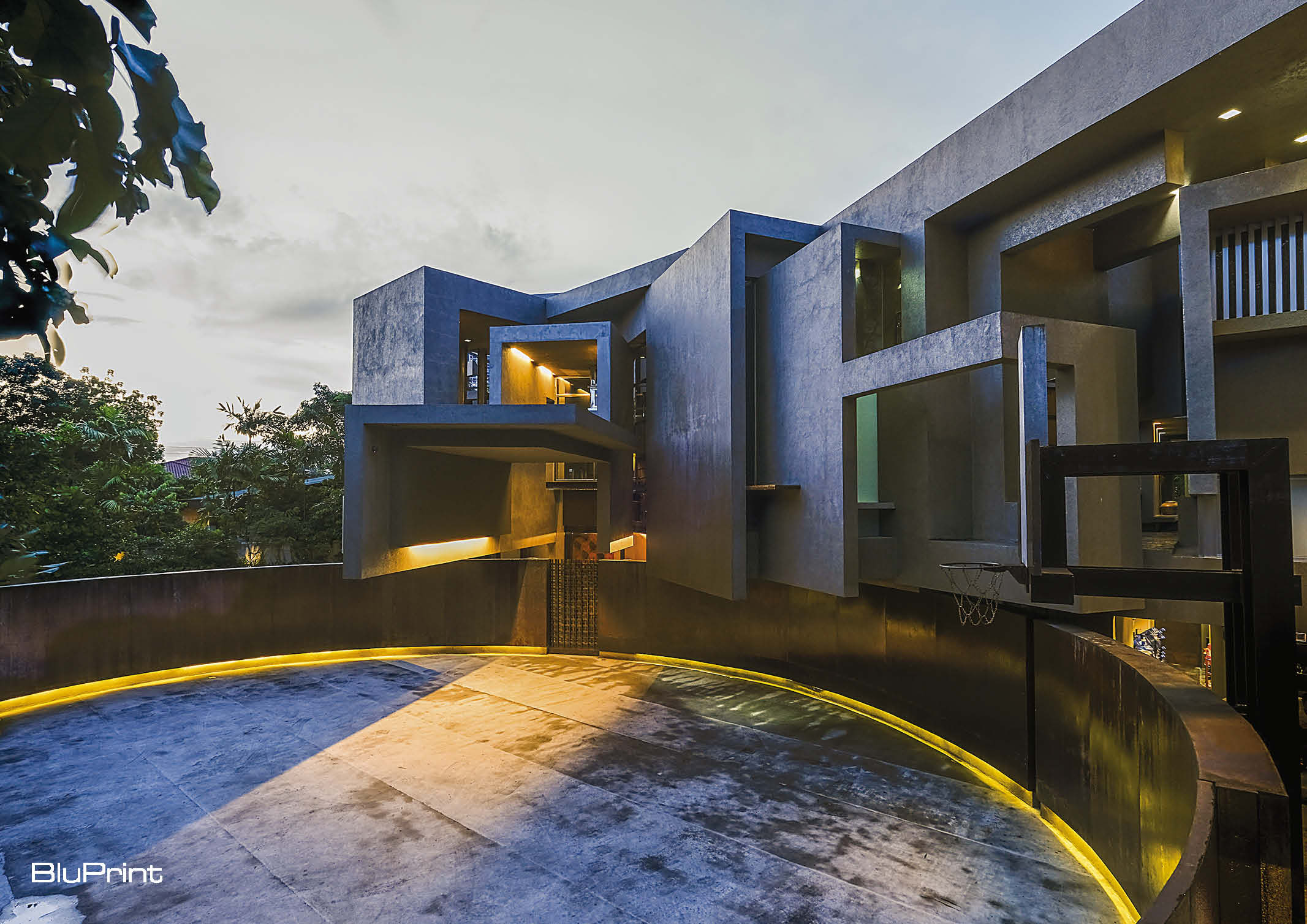
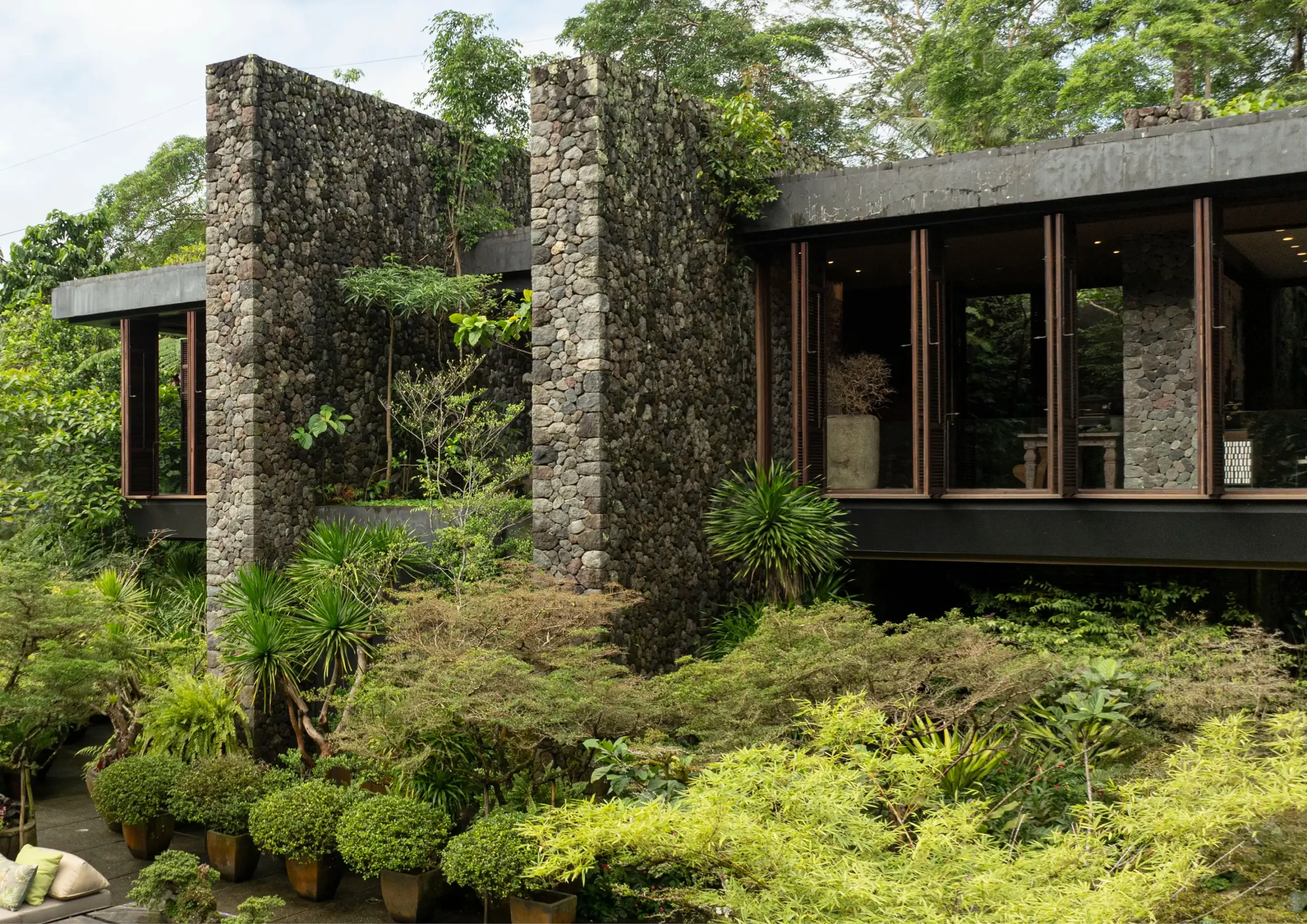
Photo by Ed Simon.
In the context of interior design, future proofing refers to creating spaces that are adaptable, flexible, and sustainable. They should be able to keep pace with the changes in your life. The conscious utilization of materials and indoor practices with minimal environmental impact are also part of its principles. And most importantly, it’s equipped with architectural details designed to integrate future technological advancements seamlessly.
Technically, it’s about forecasting how your living space will be used in the future and taking steps to ensure it remains functional and comfortable over time. This involves designing with an eye towards changeability and upgradability.
Advertisement
But it doesn’t automatically mean building new spaces to apply this principle. In fact, it also encompasses renewing historic buildings with integration of energy conservation and renewable energy systems.
This concept was first used in the late 1990s as part of the burgeoning sustainability movement. It practically emerged from the industrial industry, particularly in designing hospitals and practicing architecture in general.
Through its continuous usage with evident positive results, it becomes a crucial principle even in electronics and communication fields. And with its cost-effective strategies, it has also become an inherent part of climate change and energy conservation initiatives.
Advertisement
How Homes Are Envisioned in the Future
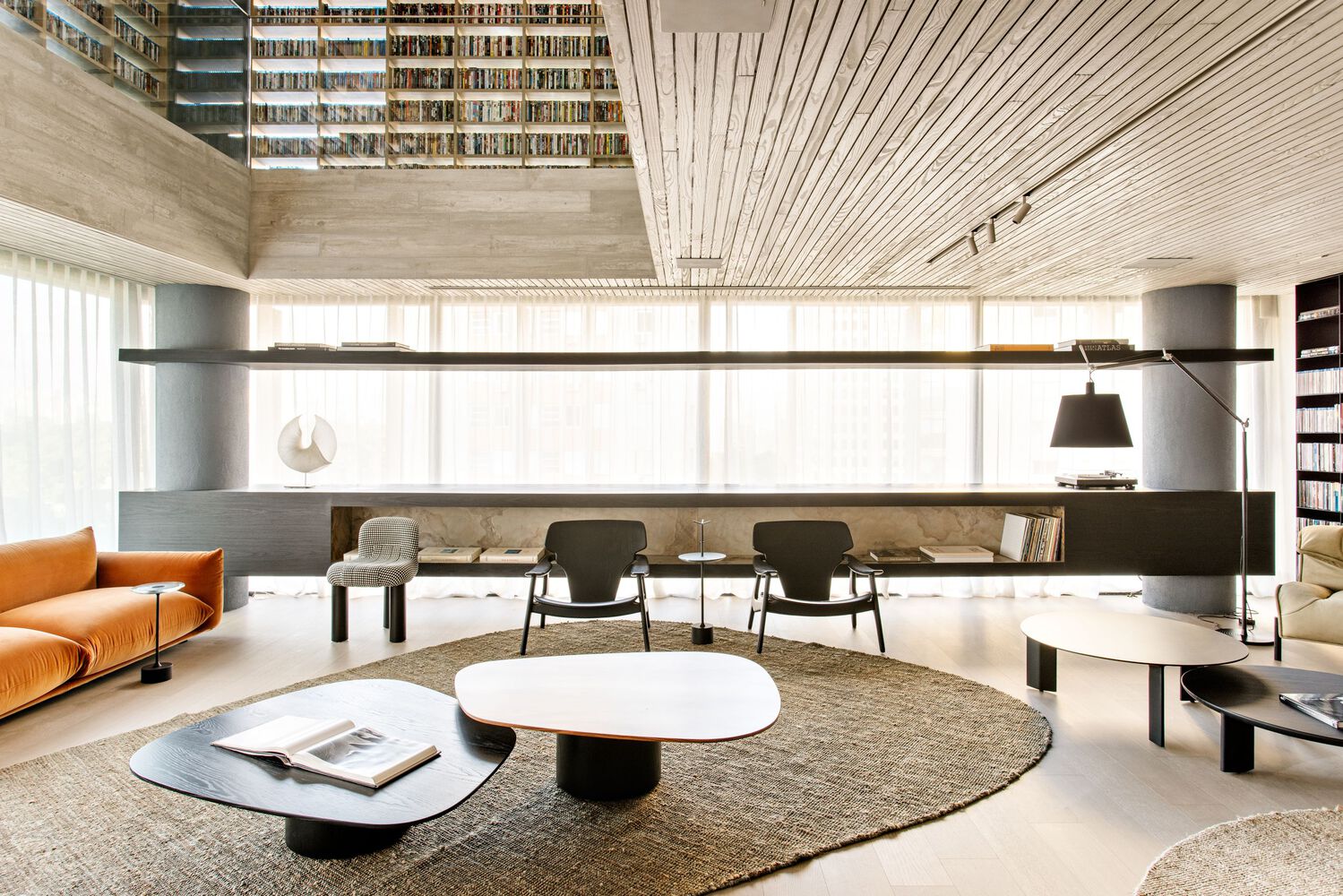
The wood paneling of the living room. Photo by Fran Parente.
In the 2022 study of Alhadedy and Gabr, the COVID-19 pandemic significantly changed people’s lifestyle to be more centered around indoor living. This caused the emergence of new home designs focused on health, safety, security, and spatial needs for daily activities.
Among the most demanded home features are proper natural ventilation and natural lighting, private terraces and gardens, and a bedroom with a private bathroom. People also regard home offices, foyers, and family entertainment spaces as equally important.
Moreover, PlanRadar discovered that people show a growing interest in biophilic designs, nature-inspired colors, outdoor areas, and communal spaces. They stated that this could either be another response to the lockdown brought about by the pandemic or to the increased cost of living.
Advertisement
There is also an increased demand for recycled, sustainable, and natural furniture. Along with its materiality, people additionally prefer locally-sourced, multi-functional pieces.
In terms of smart technology, it generally encompasses lighting systems, smart thermostats, security systems, smart speakers, and smart ventilation.
However, PlanRadar also predicted that there won’t be a single, uniform look for future homes. Several countries have shown differing interests on how they envision their indoor living for years to come. And the most prominent would be the inclusion of robotic functionality such as social companionship and self-cleaning robots. But despite these variations, one thing’s for sure—we’re all aiming for flexible and sustainable homes.
Advertisement
Future Proofing in the Philippines
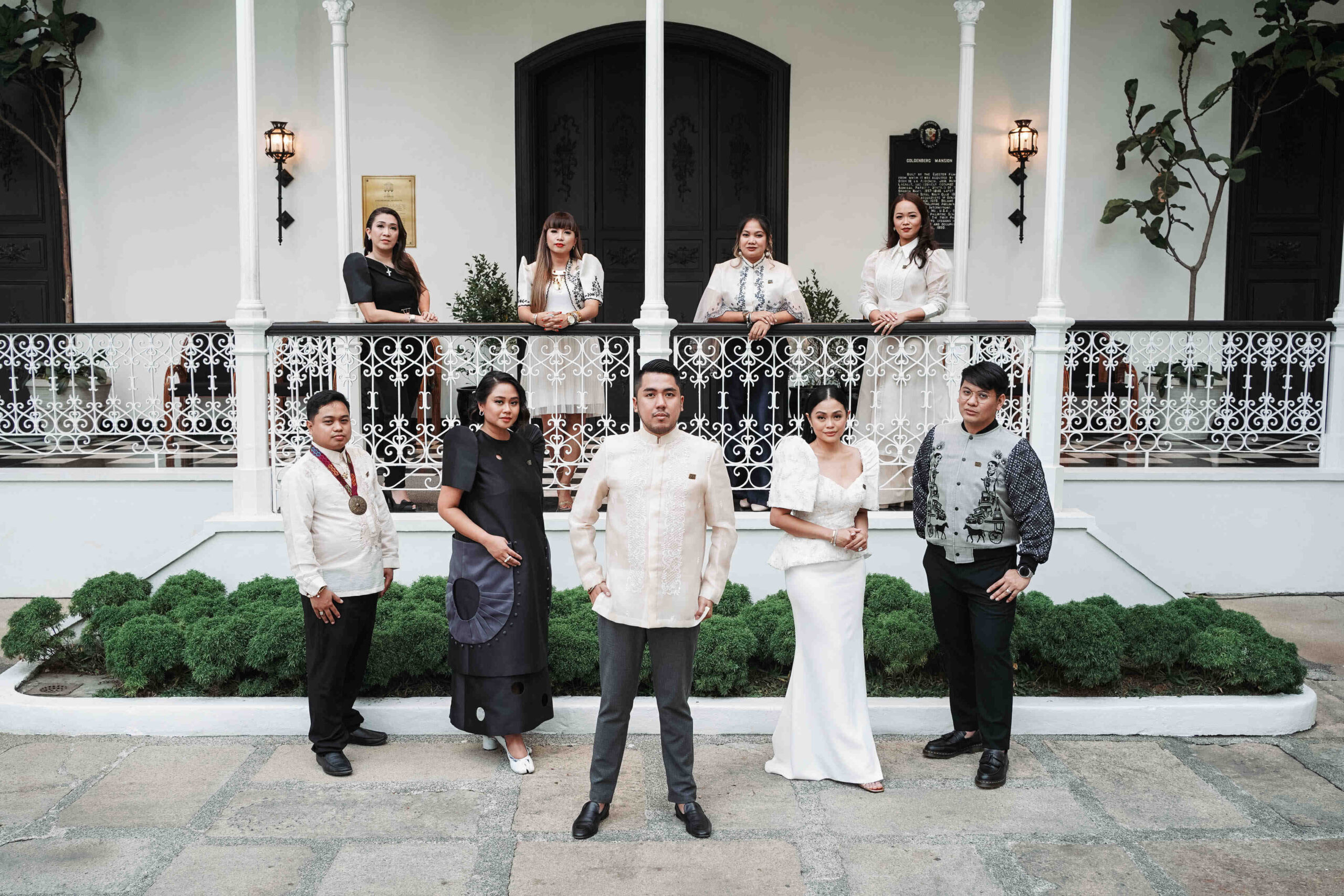
Philippine Institute of Interior Designers (PIID) President IDr. John Paolo Castro shared that they want to properly start future proofing interiors in the country by giving a fresh direction for interior designers first.
“New technologies are very fast, e. Especially AI [artificial intelligence]. So, we’re doing a lot of workshops, some seminars about current and upcoming technologies. We want to future proof interior designers. We want to be more advanced at something that we can be different.”
Castro further emphasized the crucial role of interior designers in sustainability and how it will dictate the future of indoor living:
Advertisement
“[Interiors] are where people stay most of the time of their lives. It’s in the interior, it’s inside a structure, a building, a space. So, we have a big role even in specifying materials, even lighting, energy efficiency, those appliances, those technologies. So, we want to show to the world that we’re technical in terms of our role in green building.”
Modern bathrooms are no longer purely functional spaces. Increasingly, they are being designed as environments that support cleanliness, ease, and quiet restoration within the home. As daily life becomes more demanding and health awareness continues to rise, homeowners are beginning to expect more from the spaces where daily rituals begin and end. For architects and […]
From the moment a diner steps through the door, each detail shapes how a meal is experienced. Restaurant design has evolved, with architects and culinary professionals collaborating to create built spaces that are as intentional as the menu itself. The spatial atmosphere acts as an additional ingredient that can define the culinary experience. Taupe and […]
With climate change and global warming, the Philippine climate is in constant evolution. Consequently, it is important for Filipinos to have living spaces that respond to the local environment. In this article, BluPrint lists down Filipino architects who are reimagining the tropical house, aligning the built and natural environment. BAAD Studio Principal architects Benjee Mendoza […]
Ventilation involves the introduction of outdoor air into a room, providing occupants with their needs. Proper ventilation allows for the moderation of internal temperatures, the creation of better airflow, the dilution of carbon dioxide to acceptable levels, and the removal of contaminants. This addresses health risks associated with indoor air pollution, such as respiratory problems […]
WORLDBEX 2026, running from March 12 to 15, 2026, proves itself as the Philippines’ leading construction and design expo as it wrapped its 29th edition. It drew together 1,000 local and international exhibitors under one theme, “Building Opportunities: Sustaining Lives.” Organized by Worldbex Services International (WSI), in support of the ABS-CBN Foundation Inc., the event […]
Located near the equator, factors such as heat and humidity are the norm in the Philippines. This tropical climate has shaped the development of architecture in the country. As Leandro V. Locsin stated: “The first consideration of the Filipino builder and certainly the most evident in his architecture, which is after all an outgrowth of […]