Contemporary design refers to the constantly evolving design trends of today. With the power to design our built environments, architects have been experimenting with various architectural approaches. Whether that is through unconventional forms or the integration of smart technologies, BluPrint lists down Filipino architects who are defining contemporary architecture. Deo Alam Architect Deo Alrashid Alam […]
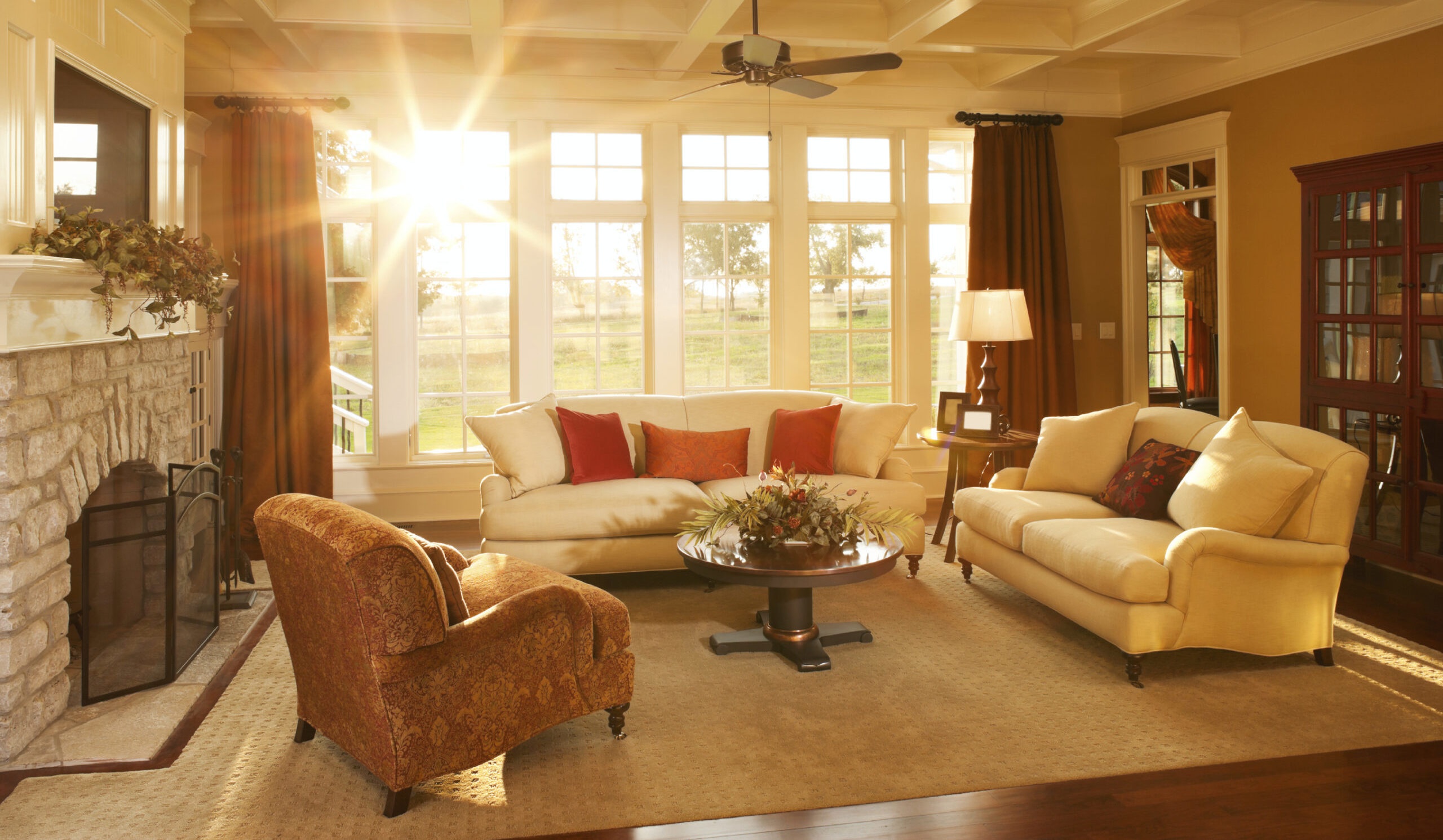
Heat Proofing: The Ultimate Guide to Keeping Your Home Cool This Summer



There’s no denying that summer fever is now felt all over the country—but not for all the good reasons. Recently, heat indexes in different regions have been drastically increasing, causing class suspensions and sudden shifts to work-from-home setups. As the scorching weather forces people to stay indoors, there is a pressing need for heat proofing your home until the dry season fades.
But don’t fret. It’s not like you have to spend a fortune installing air conditioners to protect yourself from being cooked alive. A few tweaks and tricks can create a cool space able to withstand the heat all summer round.
What is Heatproofing?
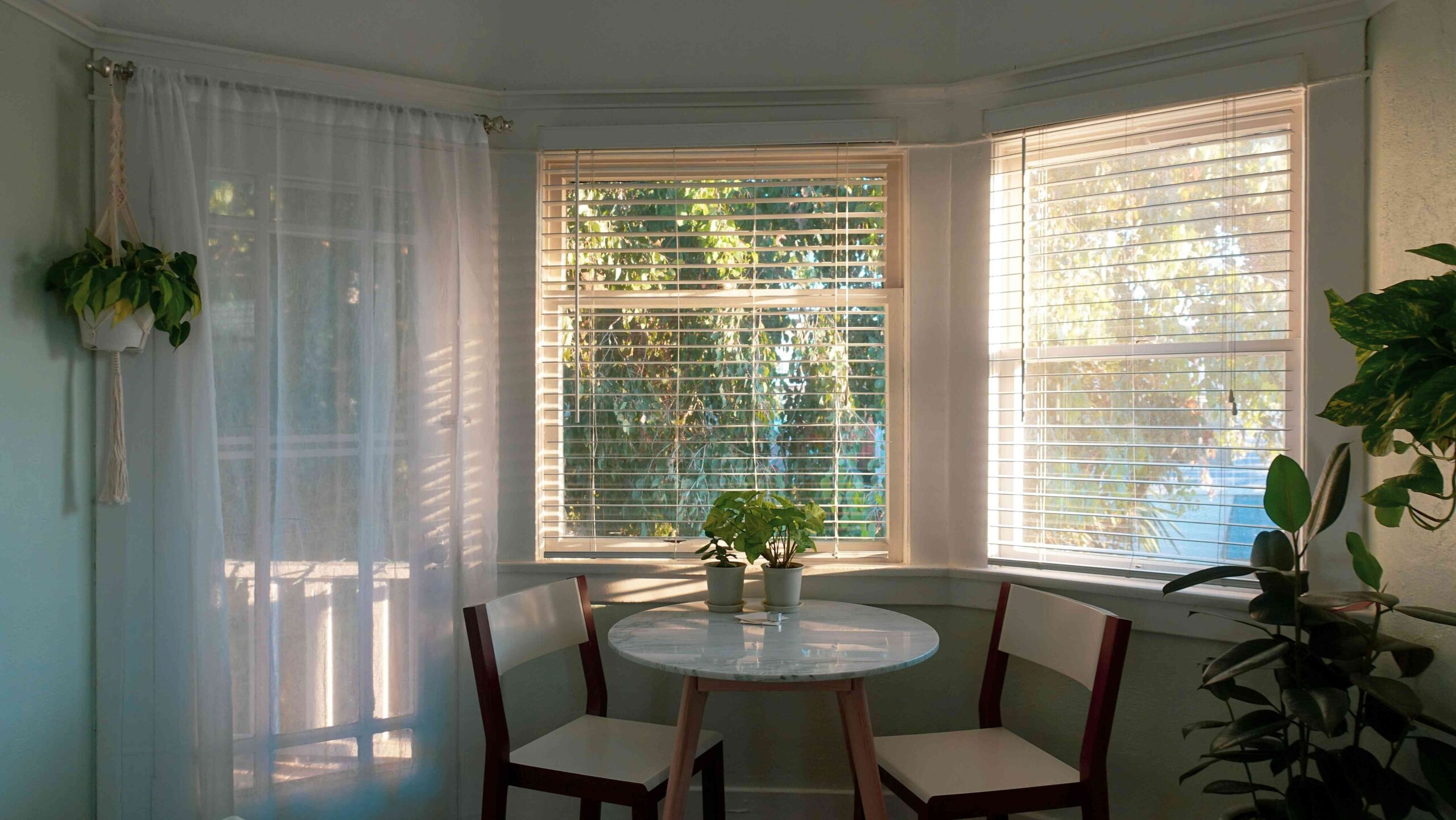
Heat proofing, also known as thermal insulation, is a technique that can lessen heat absorption or completely avoid direct sun exposure. In interior design, it addresses problems such as high indoor temperature and increased energy usage.
Advertisement
This strategy is typically applied on roofs and roads using reflective sealants and paints to prevent concrete and metal deterioration. But interior heatproofing takes a different approach by adopting alternative, budget-friendly solutions through simple furnishing adjustments, replacements, and additions.
Heat Gain Explained

Heat enters your house in three ways—radiation, conduction, and convection. And on hot summer days, they can all happen at the same time.
Heat gain may begin through radiation, where heat travels through the emitted light of natural and artificial light sources. Sun radiates heat to our homes and gets absorbed by objects it hits. Sunlight first hits the exterior walls and roof, which causes a secondary radiation inwards and warms the air and items inside. This then results in another form of heat gain called conduction.
Advertisement
Conduction is the direct transfer of heat from and through solid materials like concrete, metal, wood, and glass. It happens when the warm temperature outside comes in contact with roofs, walls, and windows. The heat then conducts through the ceilings and floors and eventually warms the air in your house. As most houses are commonly made with these materials, it’s safe to say that your home is a good thermal conductor.
As the air warms, it expands and becomes less dense and lighter, causing it to rise to the ceilings. This vertical air movement is the convection that pushes down the cooler air and creates a circulation loop until all air becomes warm.
Note that heat gain may vary depending on the structure of houses. Observe which of these heat gain mechanisms occurs the most in your home to apply the appropriate heatproofing.
Advertisement
Types of Heat Proofing
Blocking
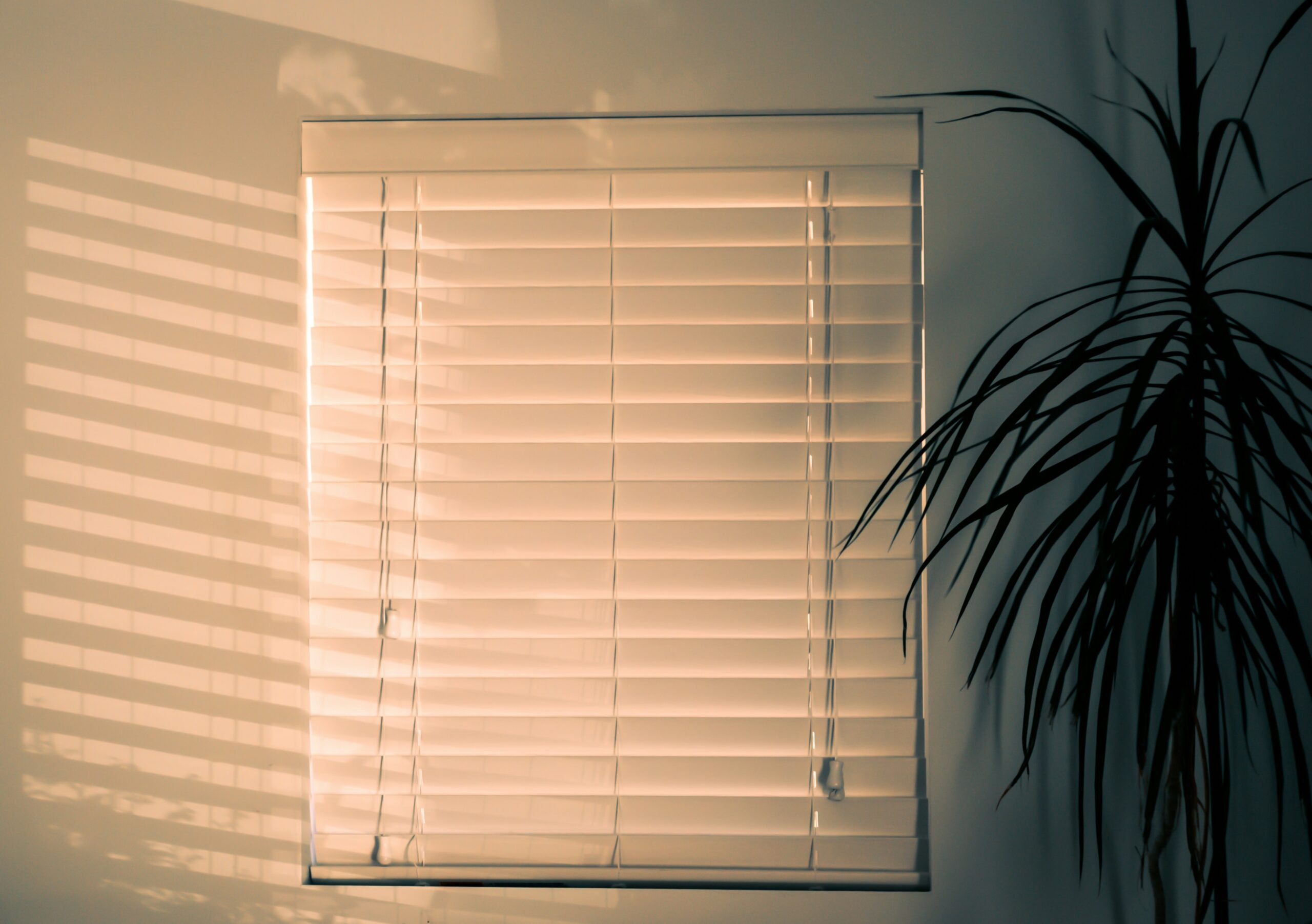
If you found out that your house acquires heat from radiation and conduction, apply blocking as your heatproofing method. Blocking, as the name suggests, creates barriers to prevent excessive amounts of heat from entering.
For houses with no natural shading like trees and plants, use reflective films as treatments to roofs and windows. These materials deflect sunlight away from the house, which controls the direct and indirect absorption of heat waves.
You can also use blinds or blackout curtains to fully block off heat. This is particularly applicable to windows facing north and west since they are more exposed to midday and afternoon sunlight. For additional coverings, you can also install awnings along your doors and windows.
Advertisement
But if you want to go all-out, make your house heatproof by installing insulation. Applying this on walls and ceilings helps slow down the heat conduction from roofs and exterior walls to the interior. For large houses, almost all insulation methods like blown-in, blanket batts and roll, and spray foam are applicable. But if you live in a condo or apartment, you can opt for window inserts, weather strips, or cellular blinds. Just make sure to inform your landlord prior to installation.
Passive Cooling
When you observe that your house has warmer ceilings and slightly cooler floors, that’s probably convection at work. Adopt passive cooling to manage a more balanced temperature and smoother air flow.
Contrary to popular belief, you don’t have to open all your doors and windows to let the air in. In fact, when you leave all rooms open all day, you’re only letting them absorb heat faster. It also evens out the air flow across the house, preventing cool air from filling the hottest areas first.
Advertisement
You can also apply passive cooling by setting your ceiling fan’s rotation counterclockwise at a high-speed. This allows the cool air to sink and create a comfortable breeze.
But aside from harnessing the air, integrating light and neutral colors affect your house’s temperature, too. You can apply them on walls or for most of your furniture and decor to reflect a larger portion of sunlight, making them absorb less heat.
And speaking of colors, you can additionally reduce indoor heat by switching to warm LED lights. Besides its energy-saving qualities, these bulbs stay cool even after long use and have lower color temperatures.
Advertisement
Fabrics can bring the same cooling effect to interiors. Use light and breathable textiles like cotton, silk, and linen for bed sheets, pillowcases, and curtains. You can even replace your upholstery with these fabrics. Not only do they allow more air to pass through, they are also hypoallergenic and absorb moisture well.
And if you have the outdoor space, you can add long-term heat proofing by planting greenery near your home’s hotspots during the humid season.
With the drastically changing climate, experts expect the dry season to be longer and harsher than before. While we can’t escape its effects even at home, heatproofing allows us to maintain a livable indoor temperature to endure (and hopefully still enjoy) the summer.
Advertisement
Read more: Quell The Summer Heat: Quintessential Homes For an Ideal Staycation


In the Philippines, adaptive reuse gained traction during the 1970s with the rise of conservation and environmental preservation movements. It offered an architectural solution that reuses existing spaces to fit modern needs. Across the country, several projects demonstrate how this approach is being applied—transforming heritage structures into active spaces for culture, hospitality, and community life. […]
Advertisement
From residential spaces to civic structures, lighting dictates the mood of a space. It controls the visual dynamics of an interior, serving as a guiding tool that highlights key design elements, including materials and textures. Related Reading: Lampscaping: How to Light up Your Home like a Pro Regulating the Mood: Natural and Artificial Light in […]
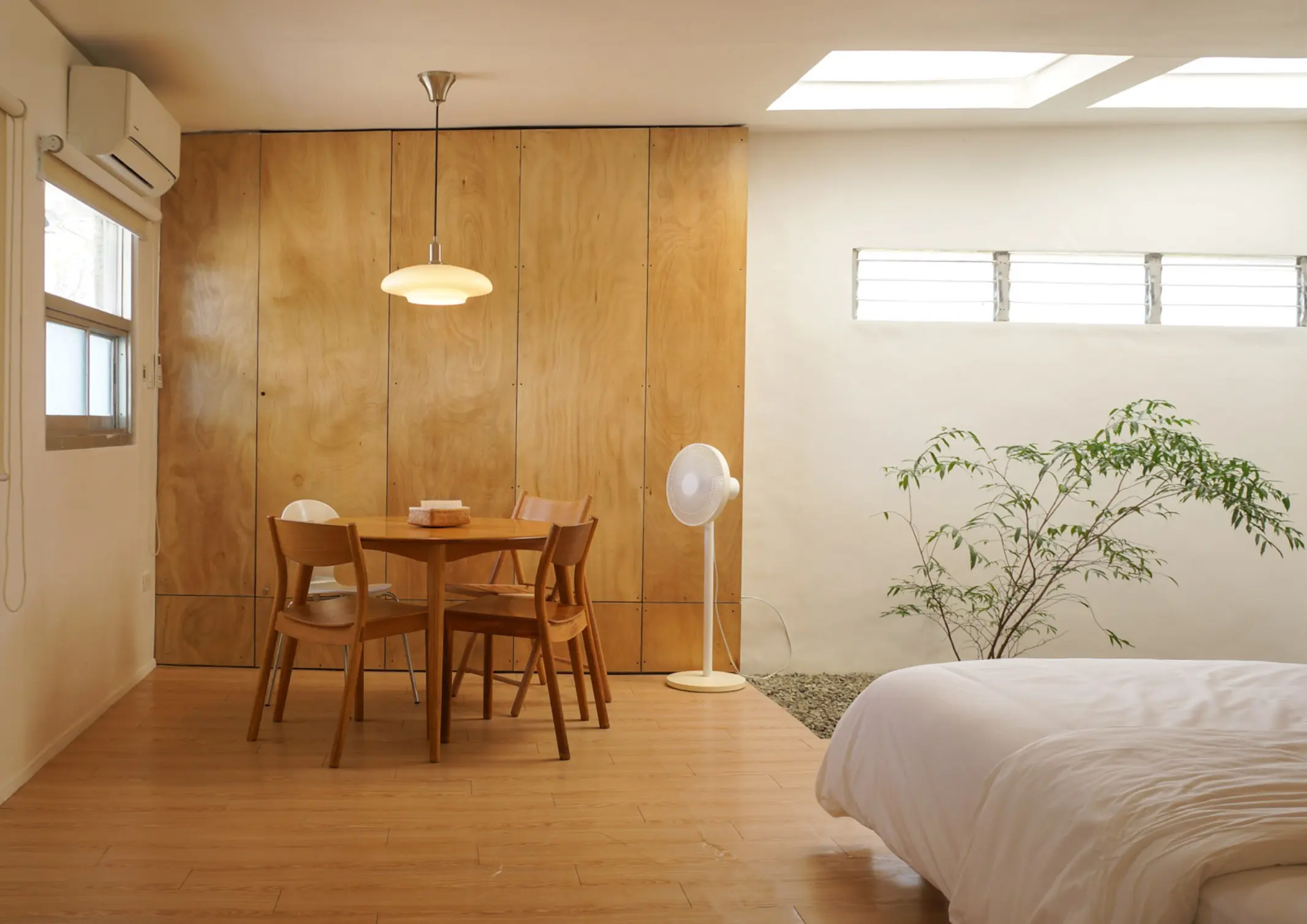
More and more Filipinos are flocking to condominium communities. Often tucked within busy city centers, condo living acts as a small respite from urban chaos. Faced with the challenge of transforming a cramped condominium into a warm living space, BluPrint lists condo interior design ideas that can maximize each square foot of small spaces. Purposeful […]
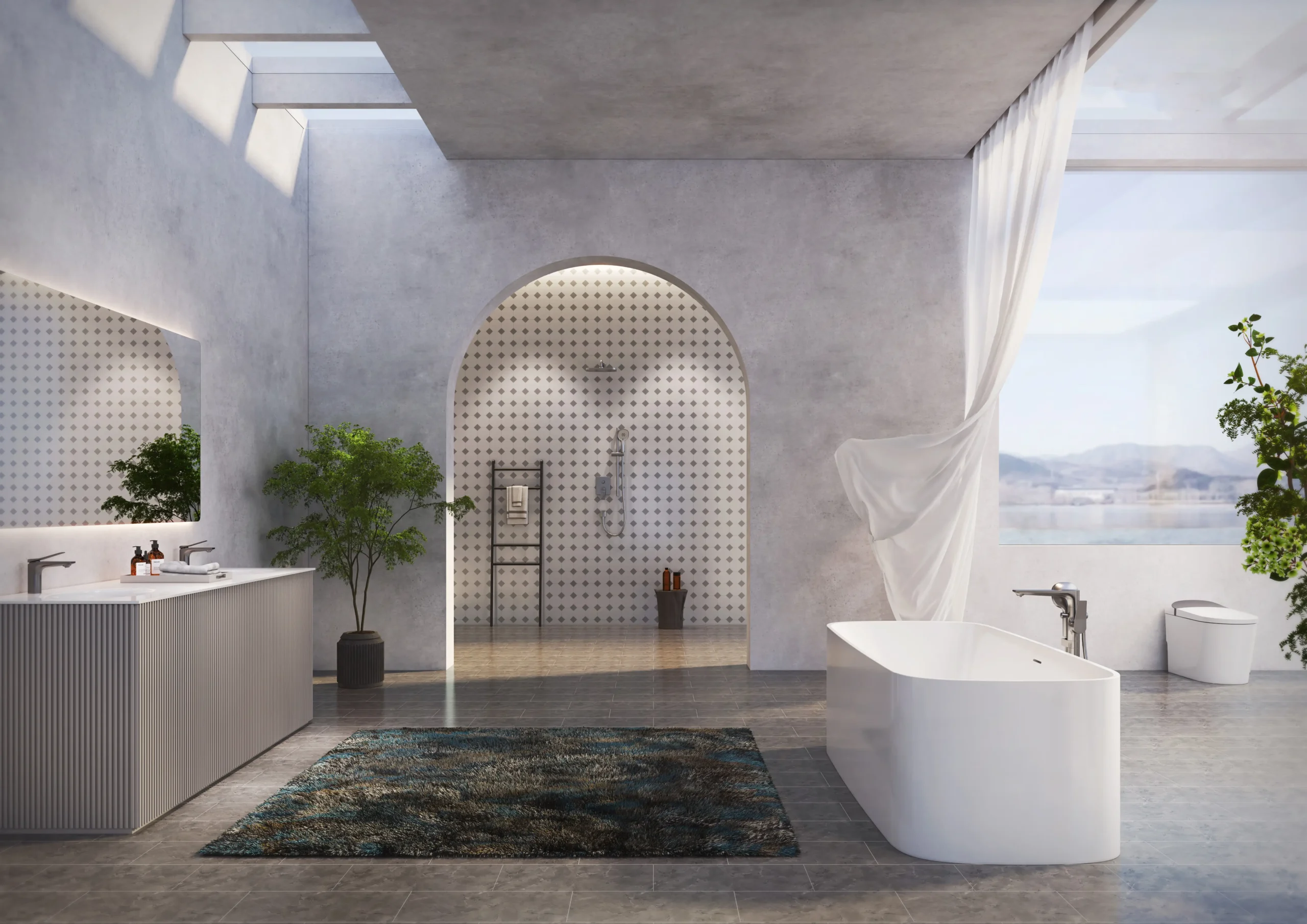
Modern bathrooms are no longer purely functional spaces. Increasingly, they are being designed as environments that support cleanliness, ease, and quiet restoration within the home. As daily life becomes more demanding and health awareness continues to rise, homeowners are beginning to expect more from the spaces where daily rituals begin and end. For architects and […]
Advertisement

From the moment a diner steps through the door, each detail shapes how a meal is experienced. Restaurant design has evolved, with architects and culinary professionals collaborating to create built spaces that are as intentional as the menu itself. The spatial atmosphere acts as an additional ingredient that can define the culinary experience. Taupe and […]

Download this month's BLUPRINT magazine digital copy from:



Subscribe via [email protected]