The seventh edition of the Anthology ASEAN ArchitectureArchitectureThe art and science of designing and constructing buildings, structures, and spaces that are functional, safe, and aesthetically pleasing. It encompasses the planning, design, materials, and techniques used to createGo to Architecture Glossary Festival brought together over 4,000 delegates from across the Philippines and Southeast Asia for three […]
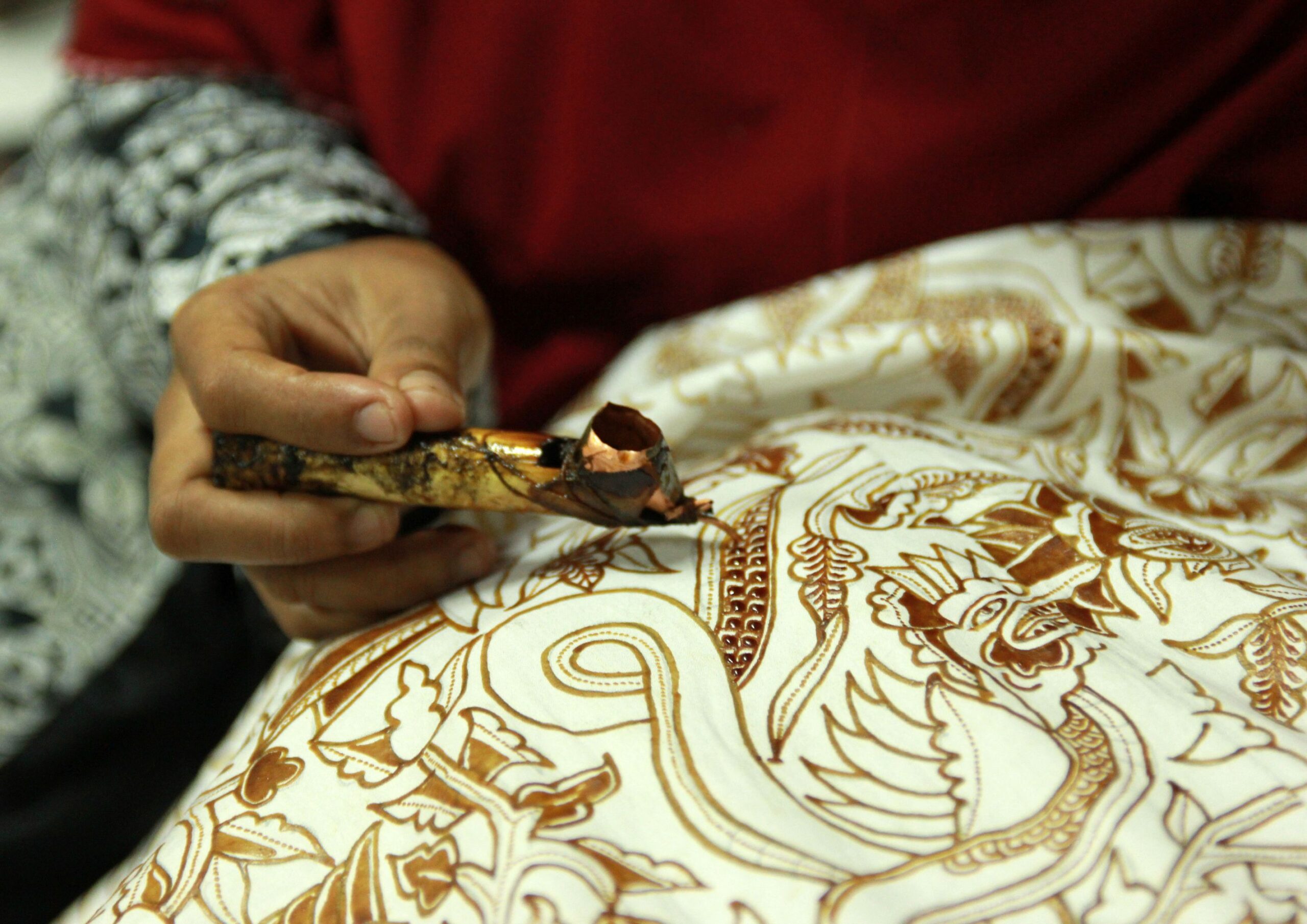
Batik: How to Elevate Your Home with This Traditional Art



Derived from the Javanese “mbatik” (a blend of “amba” meaning to write and “titik” meaning to make dots), batik is intrinsically linked to Indonesian culture. The related term “bathikan” conveys drawing, writing, or mark-making, which is precisely the essence of its artistic process.
And through modern influences and innovations, this dynamic art form remains deeply rooted in its traditional essence. Here’s everything you need to know about batik and how it can elevate your home decor.
Tracing Its Ancestral Roots
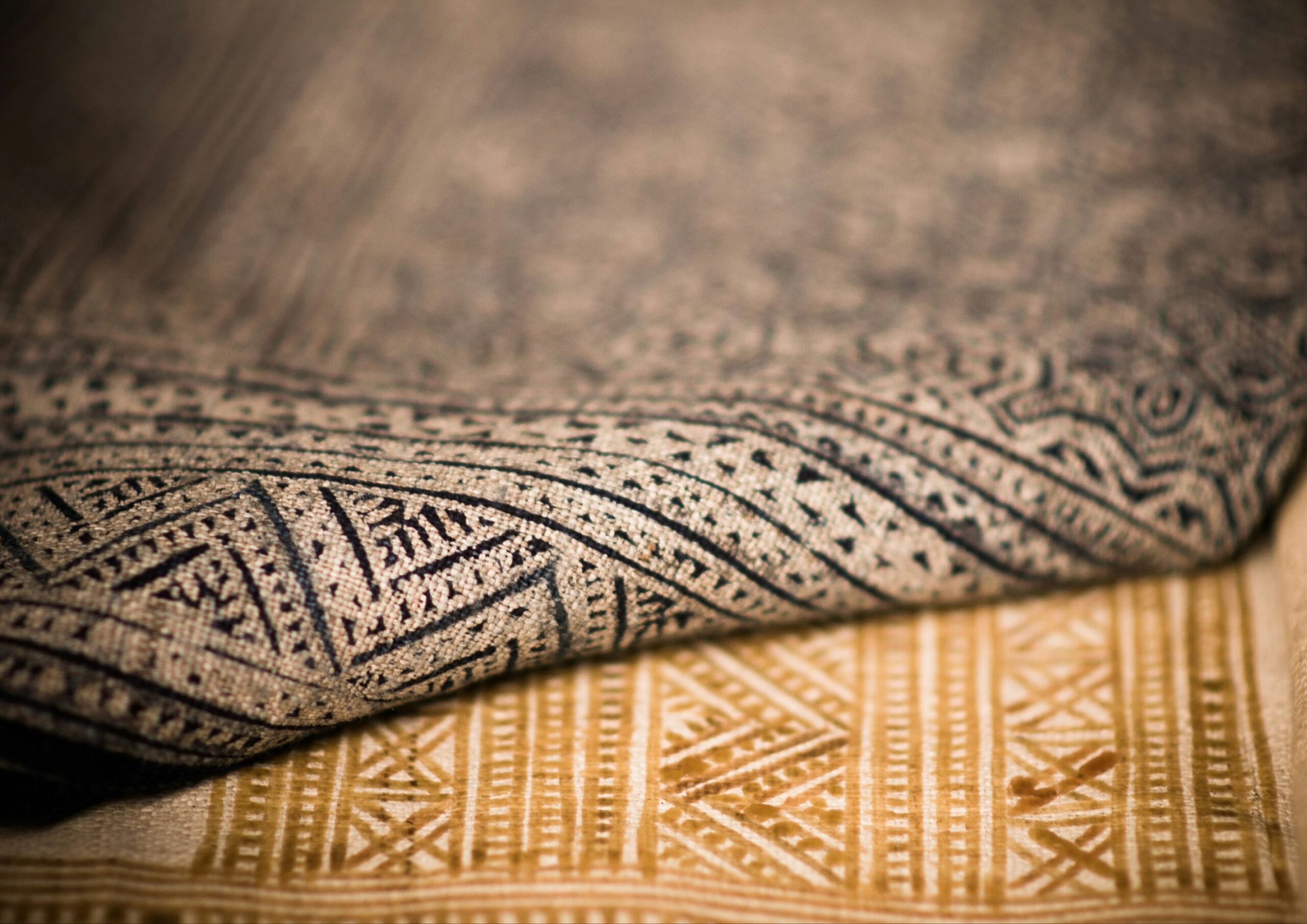
This age-old wax-resist dyeing technique preserves and propagates the cultural heritage of Southeast Asia and beyond. Embedded in its intricate patterns and symbolic motifs are the profound meanings reflecting the beliefs and aspirations of the people who created them.
Recent discoveries reveal evidence of batik across continents and is believed to have been practiced over 2000 years ago. Some theories propose that it may have originated from Africa, India, Sri Lanka, or China, spreading to Java through trade routes. Others suggest independent developments in the Middle East and Central Asia.
Regardless of its exact birthplace, this dyeing technique flourished in Java due to the abundance of natural materials like cotton, beeswax, and dye-producing plants. Even within the country, each region features its own unique take on batik, characterized by distinct patterns and symbolic imagery. In Java, batik is particularly divided into two categories: inland and coastal, depending on where it is produced.
But the design variations don’t end there. Batik’s evolution through migration and Dutch colonization led to its spread across Europe and Indonesia’s neighboring countries such as Malaysia, Southern Thailand, and Myanmar. Each version carries unique cultural imprints and artistic methods, creating a vibrant tapestry of styles and interpretation.
What Defines Batik?
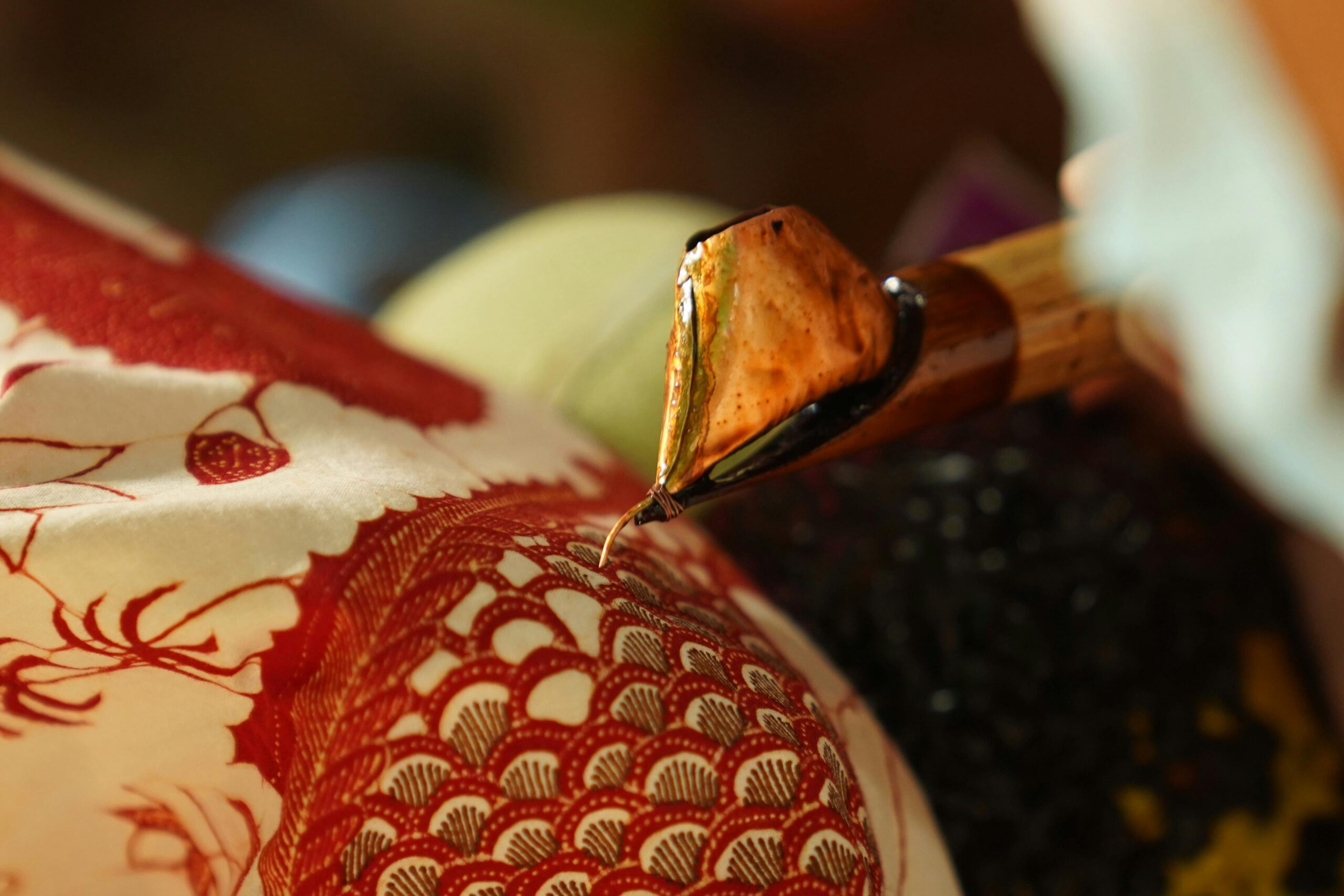
Despite having multiple versions, the authentic Indonesian batik involves a labor-intensive process.
It begins with preparing the cotton, silk, or rayon cloth by washing, soaking, and beating it with a large mallet. Then, batik artists sketch the desired pattern with a pencil and later trace it with a molten mixture of plant resin, beeswax, or paraffin using a tjanting. A tjanting is a pen-like tool with a small pipe spout, bamboo handle, and copper wax container. However, for larger cloths and patterns, workers use a stiff brush or a copper block stamp called a cap.
They then submerge the waxed fabric in the preferred dye color. Once the fabric dries, they remove the wax pattern by either boiling or scraping it, revealing the undyed resist design that forms the pattern.
Batik’s manual, time-honored process and deep-rooted significance in rituals distinguish it from other textiles. Indonesians believe that traditional symbols embedded on batik slings for infants serve as good luck and protection. There are also dedicated designs for marriage called truntum and for the royalties called parang.
Traditional performers incorporate batik into their custom-made costumes, and batik is also prevalent in formal and casual attire. Even in birth, wedding, death ceremonies, this traditional art is present.
It also holds significance in the spiritual connection between humans and nature. This is exemplified by the ceremonial casting of royal batik into volcanoes and the ritual when a child first touches the ground. Today, modern batik artists additionally translate their prayers into the symbols and designs etched on batik.
Three Different Types of Batik
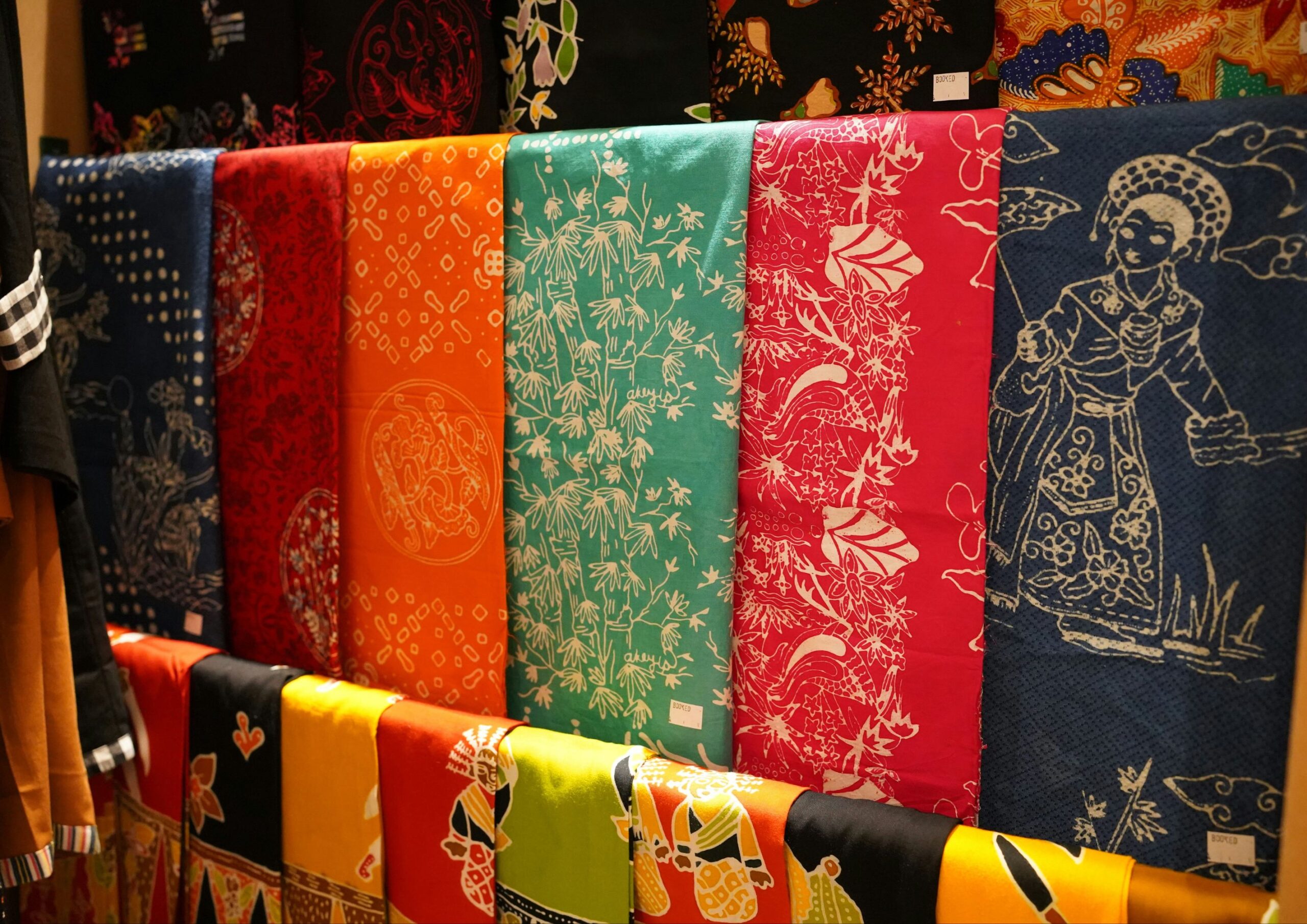
Indonesia alone boasts a vast array of batik varieties, thanks to its enduring tradition. These three types are the most prevalent of them all.
Batik Tulis. As the epitome of batik artistry, this type is considered to be the most traditional and labor-intensive method. Directly translated as “written batik,” it involves creating hand-drawn dotted patterns using tjanting, which could take weeks or a year to complete depending on how intricate the design is. Additionally, batik artists apply wax to both sides of the fabric to prevent dye bleeding. This painstaking process makes it the most expensive type, worn only by very important people on special occasions.
Batik Cap. Also known as “stamped batik,” this type is an innovation to help create wax-resist designs faster. Using a copper stamp tool called cap, batik artists can easily repeat the pattern without having the need to draw them. This easier method creates a more uniform design than batik tulis, so it is generally cheaper. But UNESCO hailed both batik types as a Masterpiece of Oral and Intangible Heritage of Humanity.
Batik Lukis. Translated as “painting batik,” it employs more forgiving methods to create batik patterns. Artists have more creative freedom to paint new designs on blank cloth with any available tools, such as toothpicks, broomsticks, and paintbrushes. This enables modern batik artists to experiment and innovate motifs, pushing the boundaries of traditional batik art. Furthermore, this less time-consuming and manual process makes this intricate artform more accessible to people who are short on time.
Batik in Modern Homes
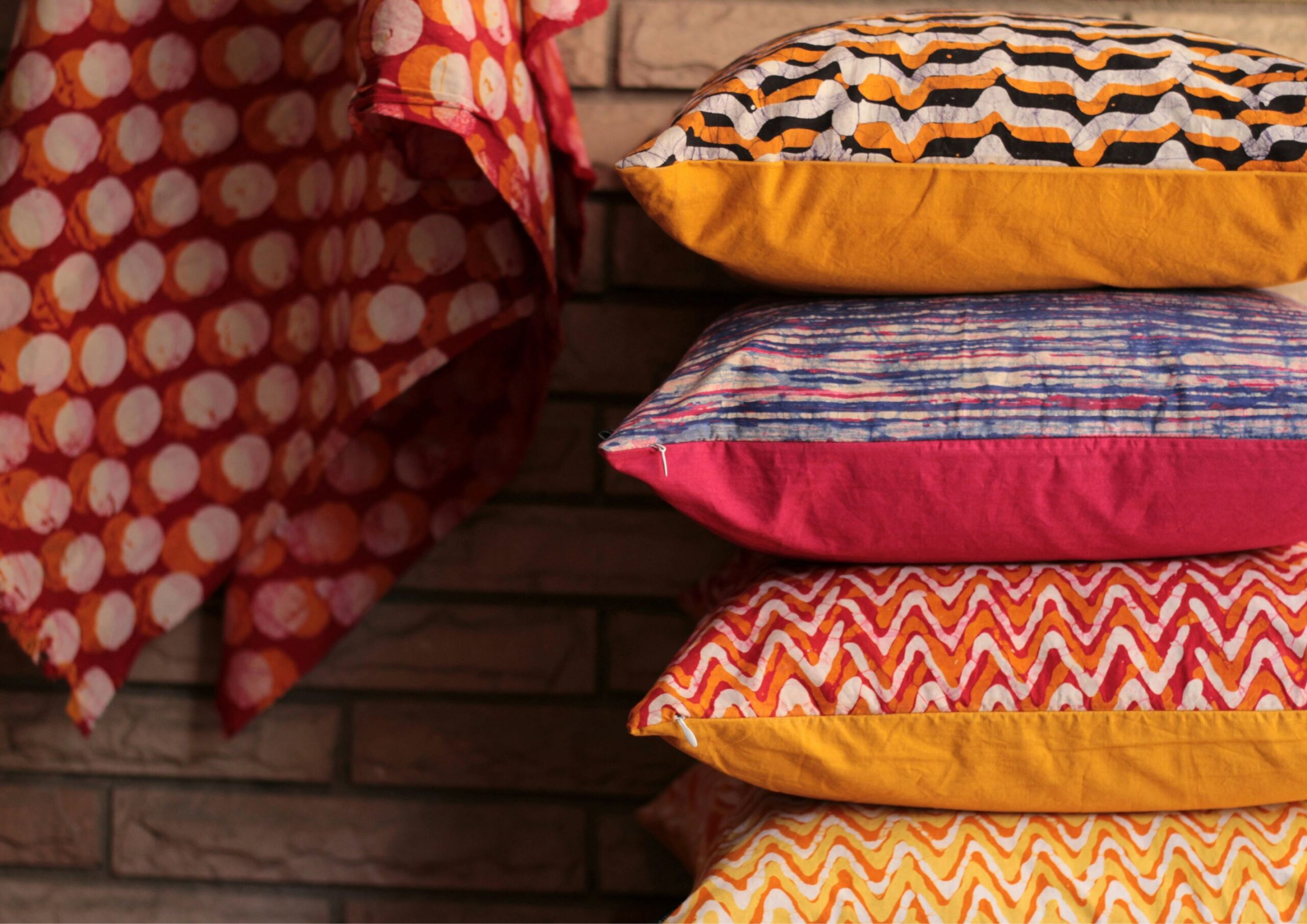
The Dutch brought batik to Europe during the colonial period in Indonesia, where it became an element of Art Nouveau. Designers, decorators, and craft enthusiasts in Western countries subsequently embraced this traditional art.
The emergence of diverse batik designs has made it increasingly flexible and feasible to use in modern homes. You can incorporate this design into your decor in countless ways, regardless of your space’s size or style.
One way to do this is by making it the focal point of your space. Integrate it in your statement furniture’s upholstery or make it an eye-catching accessory with rugs or floor-length curtains. You can also let batik shine on its own by hanging a large-scale tapestry on the wall.
When it comes to accent pieces, batik is ideal for throws, frames, and lamps and can complement other thrifted and handcrafted items. This will effectively work if you align the tones with other decor to create a cohesive look. Remember to use it sparingly as it can easily overshadow other elements and overwhelm the room.
Batik’s seamless transition from its historical roots to contemporary living spaces allows us to celebrate centuries-old craftsmanship and create dynamic, visually captivating environments. Ultimately, this traditional art continues to be relevant and timeless, reaching a wider audience and fostering a deeper appreciation for cultural heritage while enhancing the beauty of modern homes.
Read more: Shibori: How to Elevate Your Home with this Ancient Technique
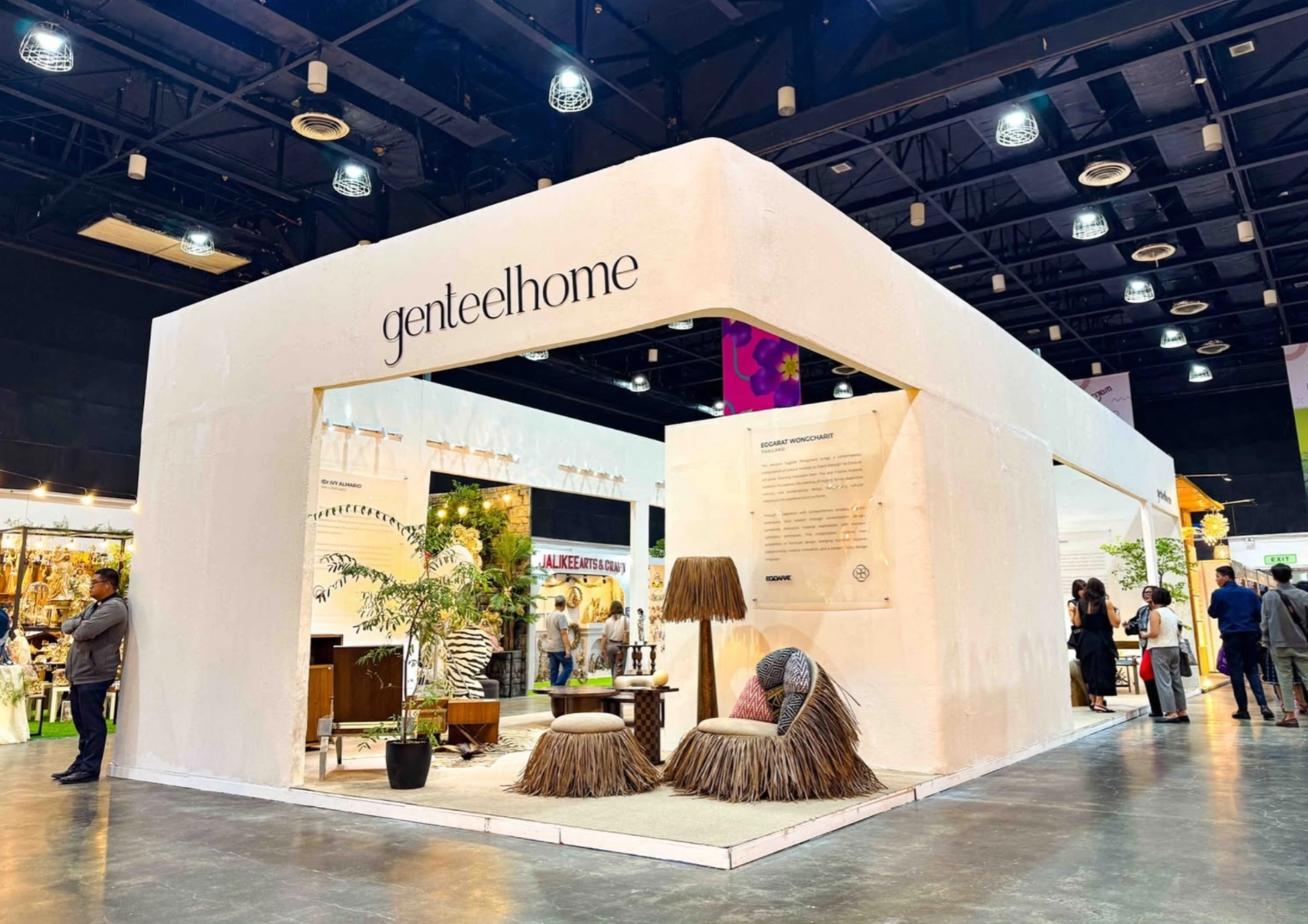
Bigkis is the act of binding. In Tagalog, the word can refer to something used to bind or encircle, as well as a bundle formed by tying several separate elements together. Figuratively, it can also mean a bond, union, or unity. The meanings move from the physical act of joining things together to the connection […]
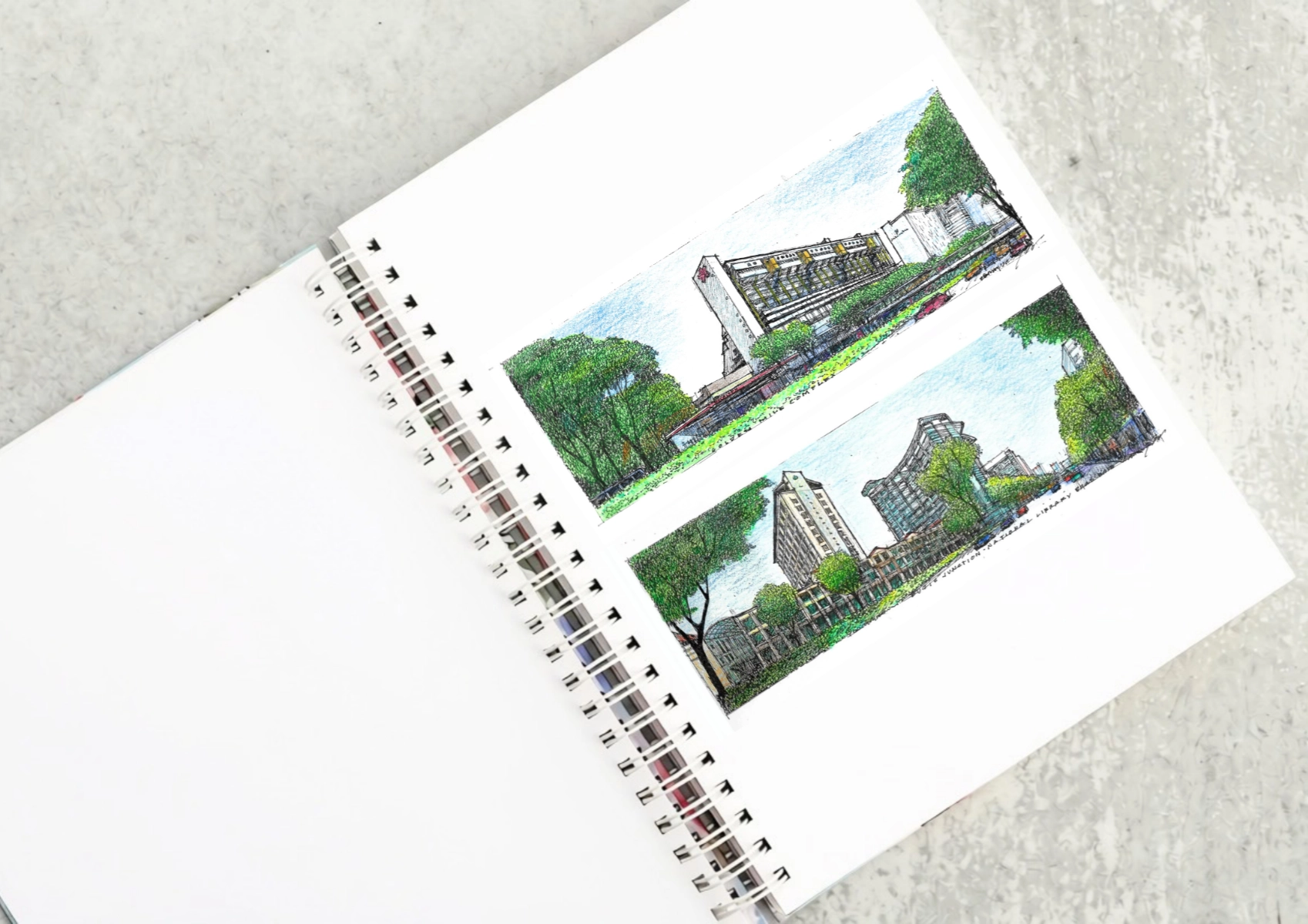
Two sketches of Singapore connect BluPrint Editor in Chief Paulo G. Alcazaren’s personal and professional history with Shared Ground: ArchitectureArchitectureThe art and science of designing and constructing buildings, structures, and spaces that are functional, safe, and aesthetically pleasing. It encompasses the planning, design, materials, and techniques used to createGo to Architecture Glossary of Care, Culture, […]
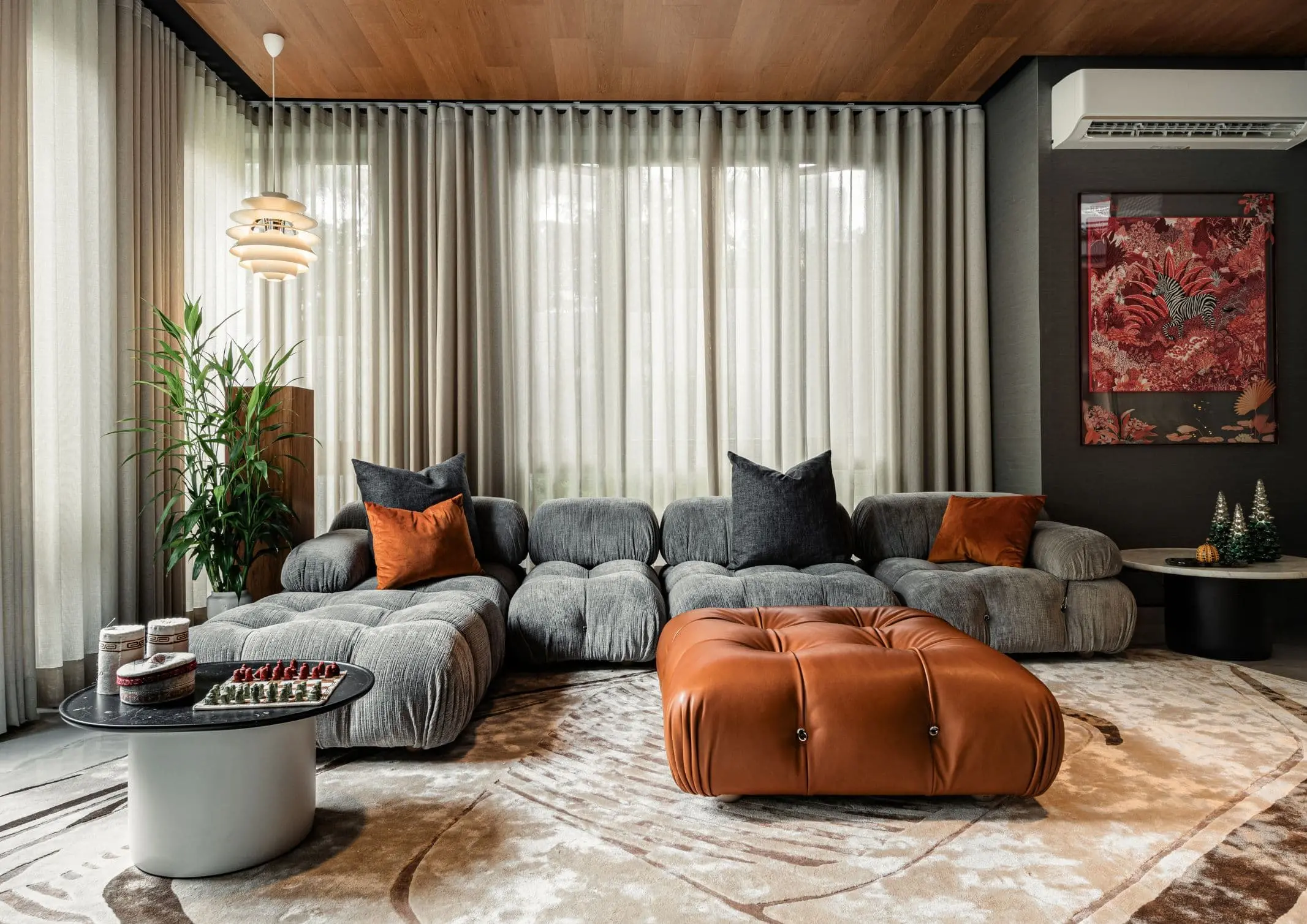
Some have become household names – Coleman, Oster, and KitchenAid – products that have found their way into Filipino kitchens, homes and family routines. In home furnishings, brands such as B&B Italia, Ethan Allen, Sub-Zero, Miele, SieMatic, Louis Poulsen, Hunter Douglas, Tempur, and Technogym, have helped shape the way Filipinos live. From everyday essentials to […]
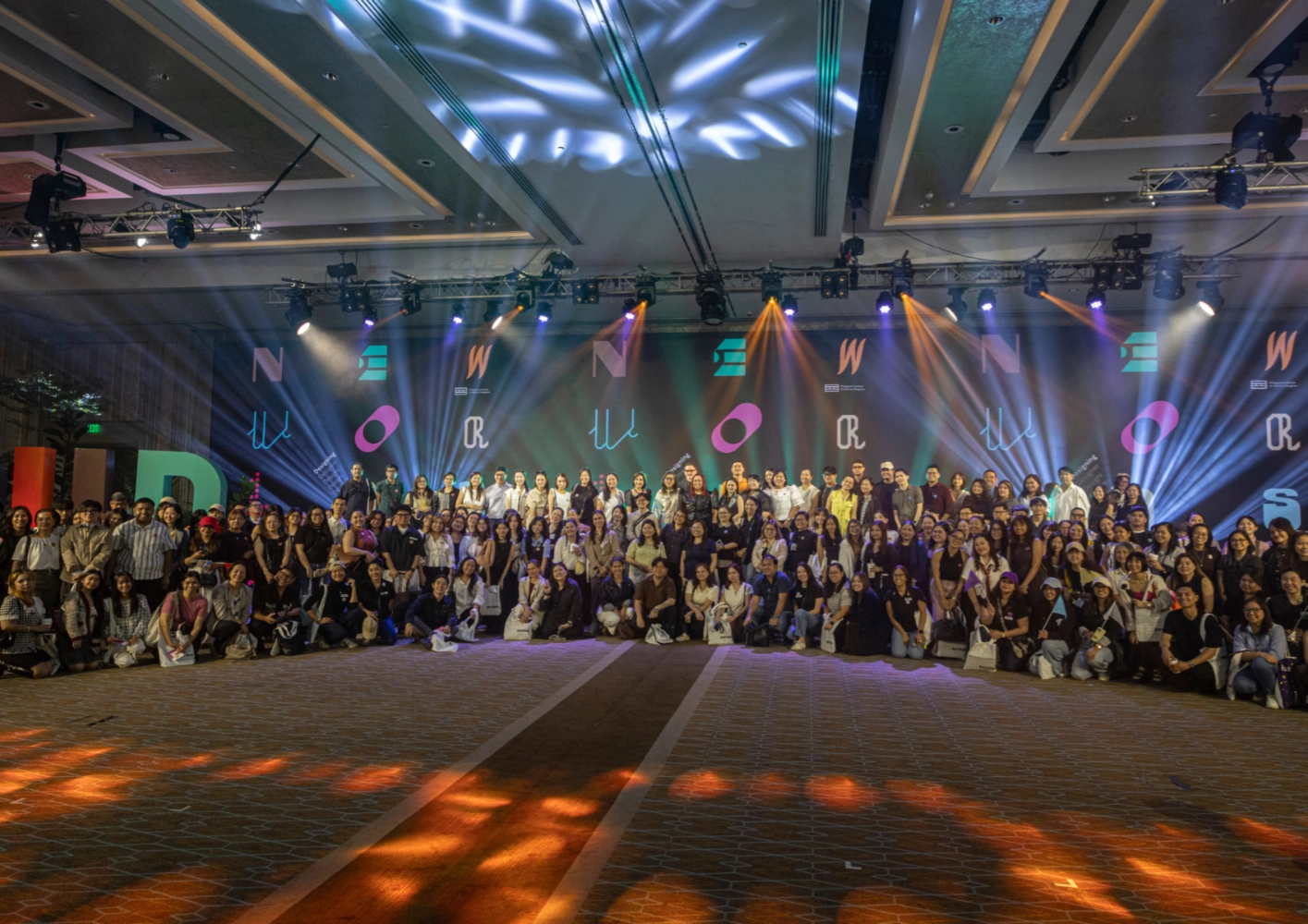
In a way, designers are the modern-day soothsayers and prophets. They design for the future, predicting how a room, a house, a building or a whole city will be used by people. They foresee how users will interact with a space, conjure exact shades of colors to elicit specific behavior and arrange furniture to build […]
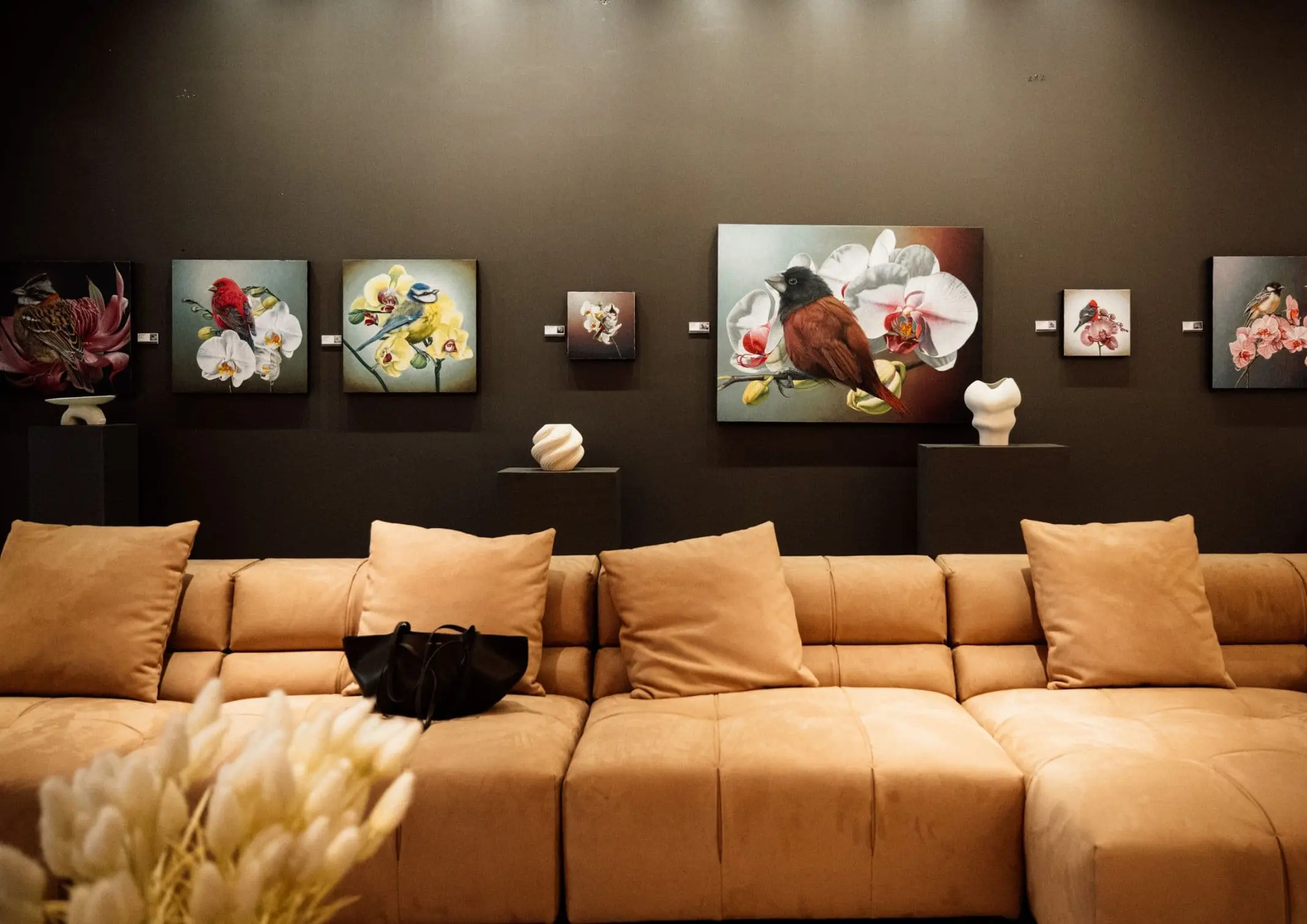
Art and furniture are often selected separately, yet their relationship can shape how a room looks and feels. The collaboration between Hooga and Galerie Joaquin explores how these elements can work together, bringing contemporary artworks into furnished residential settings at Hooga’s showroom in Uptown Mall, Bonifacio Global City. For Hooga, which curates furniture, lighting, and […]
Read the issues.

Collect the volumes.

Recommended Video
Tap to Unmute
Unmute
0:00
0:00