Bigkis is the act of binding. In Tagalog, the word can refer to something used to bind or encircle, as well as a bundle formed by tying several separate elements together. Figuratively, it can also mean a bond, union, or unity. The meanings move from the physical act of joining things together to the connection […]
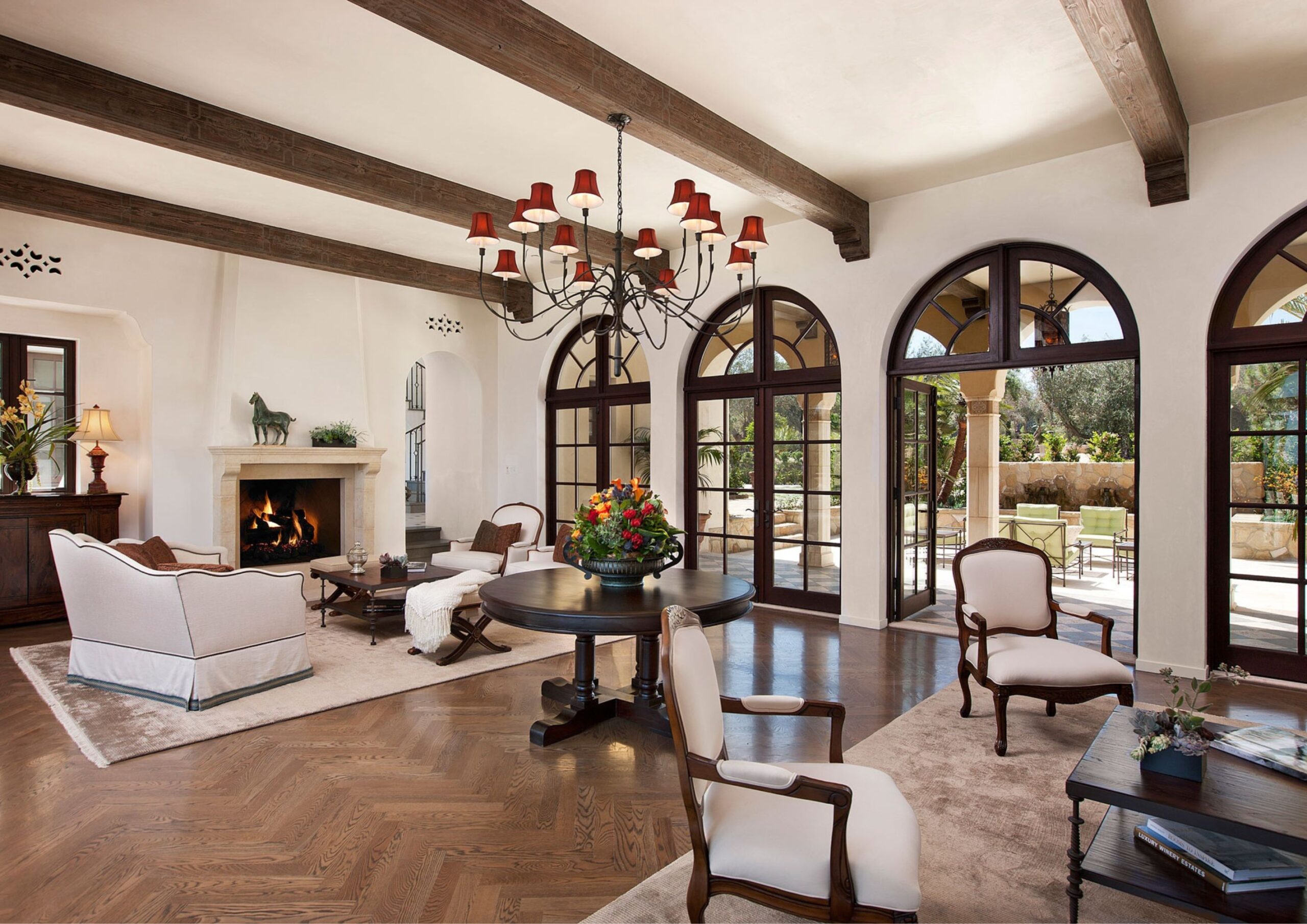
Spanish Revival Style: The Comeback of Its Enduring Appeal



Spanish influences are still embedded in its colonized countries’ culture even after centuries have passed. They remain alive in language, names, festivities, cuisine, and faith. But one cultural aspect is now making a comeback after being idle for a long time despite continuous modernization. The Spanish revival trend is having its time again to take over interiors with the perfect blend of old and new.
Reviving a Classic
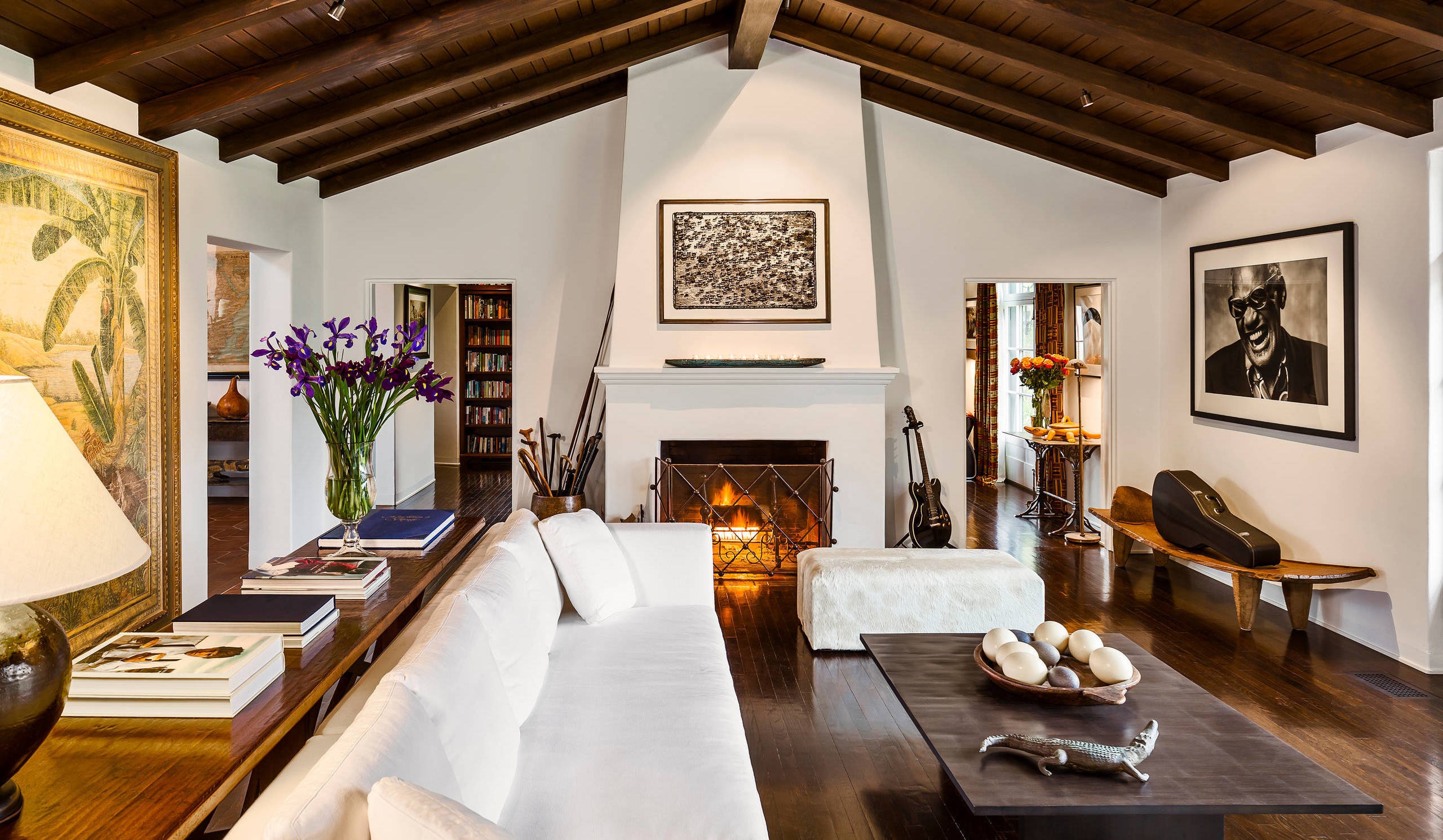
Spanish revival is a homage to its Spanish colonial and Moorish roots. Distinguished by its traditional and modern touches, it involves natural design elements like wooden beams, arched passages, and plaster walls. It also uses a blend of neutral and bold colors commonly reflected in tiles, mosaic accents, and other complex elements.
Its timeless appeal lies in showcasing conventional Spanish architectureArchitectureThe art and science of designing and constructing buildings, structures, and spaces that are functional, safe, and aesthetically pleasing. It encompasses the planning, design, materials, and techniques used to createGo to Architecture Glossary while keeping up with the demands of modern living. And with its various lighting sources, comfy furniture, and various textures, it exhibits both an inviting and authentic ambiance.
Because Spanish revival lets its original and historical merits stand out and complement contemporary details, it creates classic, character-filled spaces.
Revived from the Traces of the Past
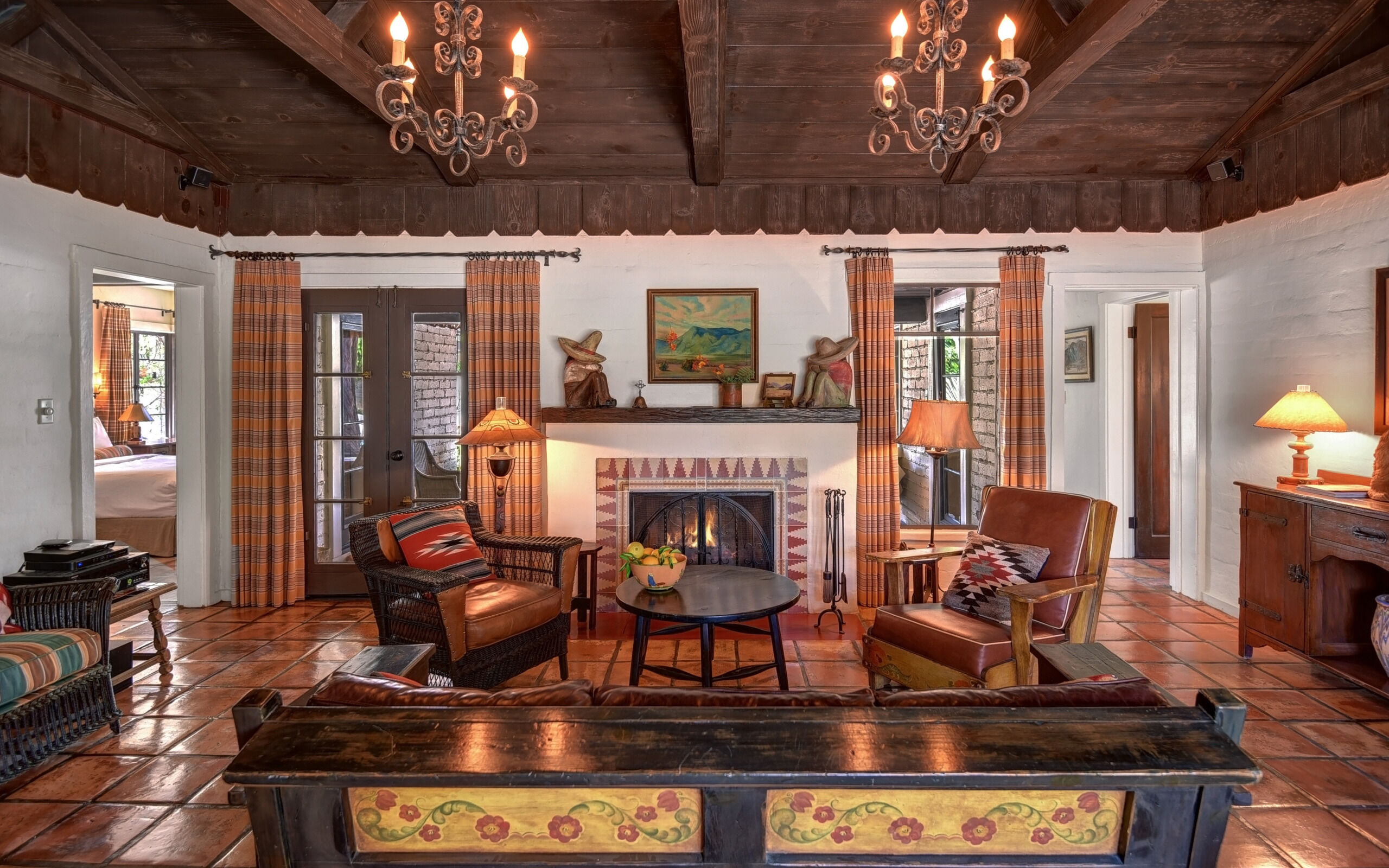
Interior designers have observed that European and Mediterranean-inspired interior styles are becoming trendier once again. Spanish revival, as one of the styles under this category, surged in popularity due to people’s sudden interest in restored interiors.
According to Dmar Interiors founder Mollie Ranize, people now fancy homes with a “cozy charm” instead of highly modernized spaces. She first noticed it in Southern California where historic Spanish-style homes established during the late 1700s are preserved. Although some of them have been renovated with the latest design trends, many of their original features remained intact. These make up the style’s unique visual interest that caught the attention of design communities.
YouTuber Lone Fox, aka Drew Michael Scott, adds that the mass production of furnishings with a Spanish revival touch further fuels this interior style’s comeback. On the other hand, interior designer Kristen Fiore regards it as more of a “revived interest and appreciation” than an interior craze. She explained that this design “has never gone out of style” because it sits in the middle of being bold and being simple. Such an aesthetic is always alluring to a wide range of homeowners and interior designers alike.
Another factor is the recent fascination for vintage and antique pieces. Since Spanish revival keeps its traditional vibe, it led to the resurgence of this design trend.
How to Achieve Spanish Revival
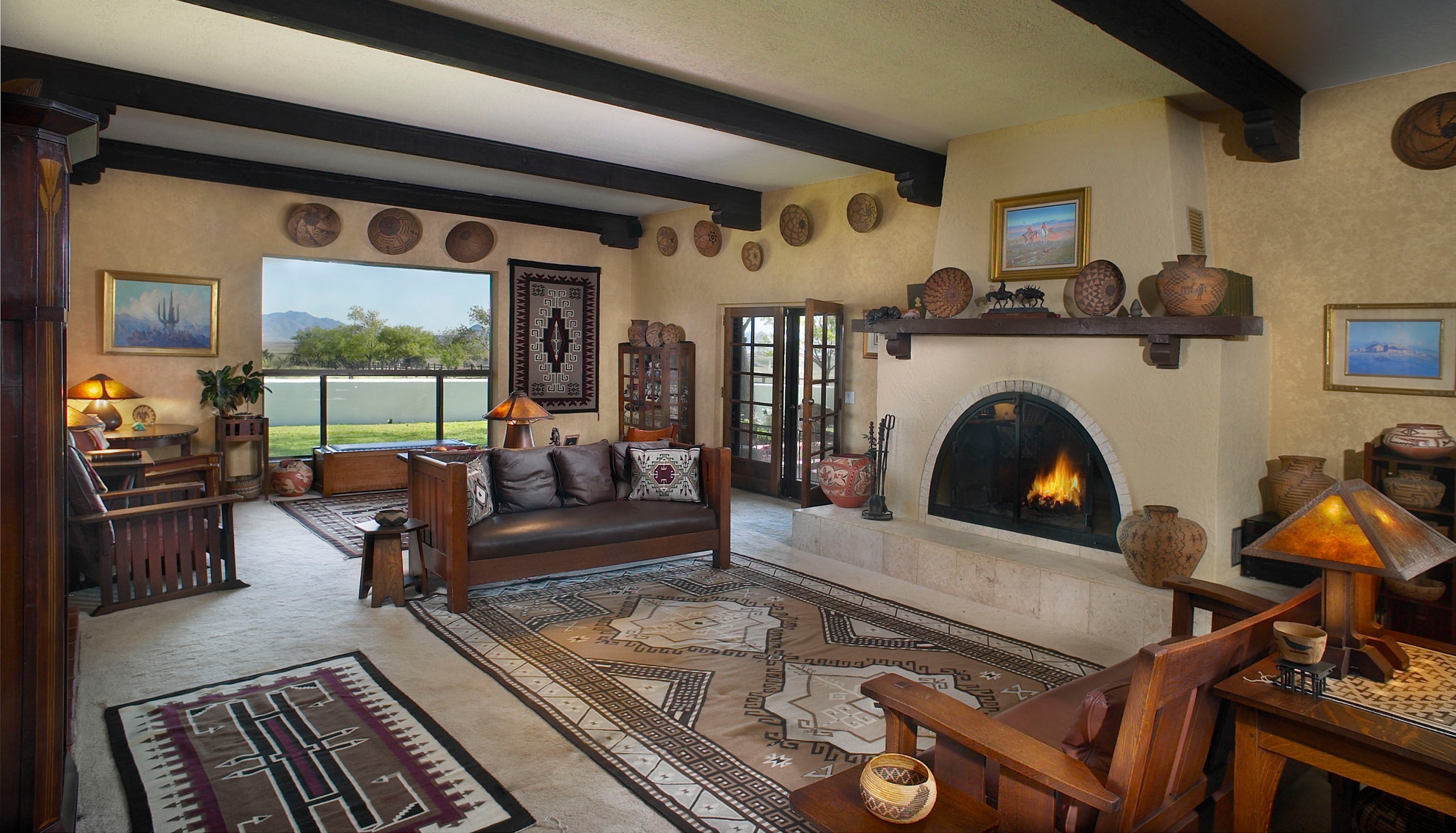
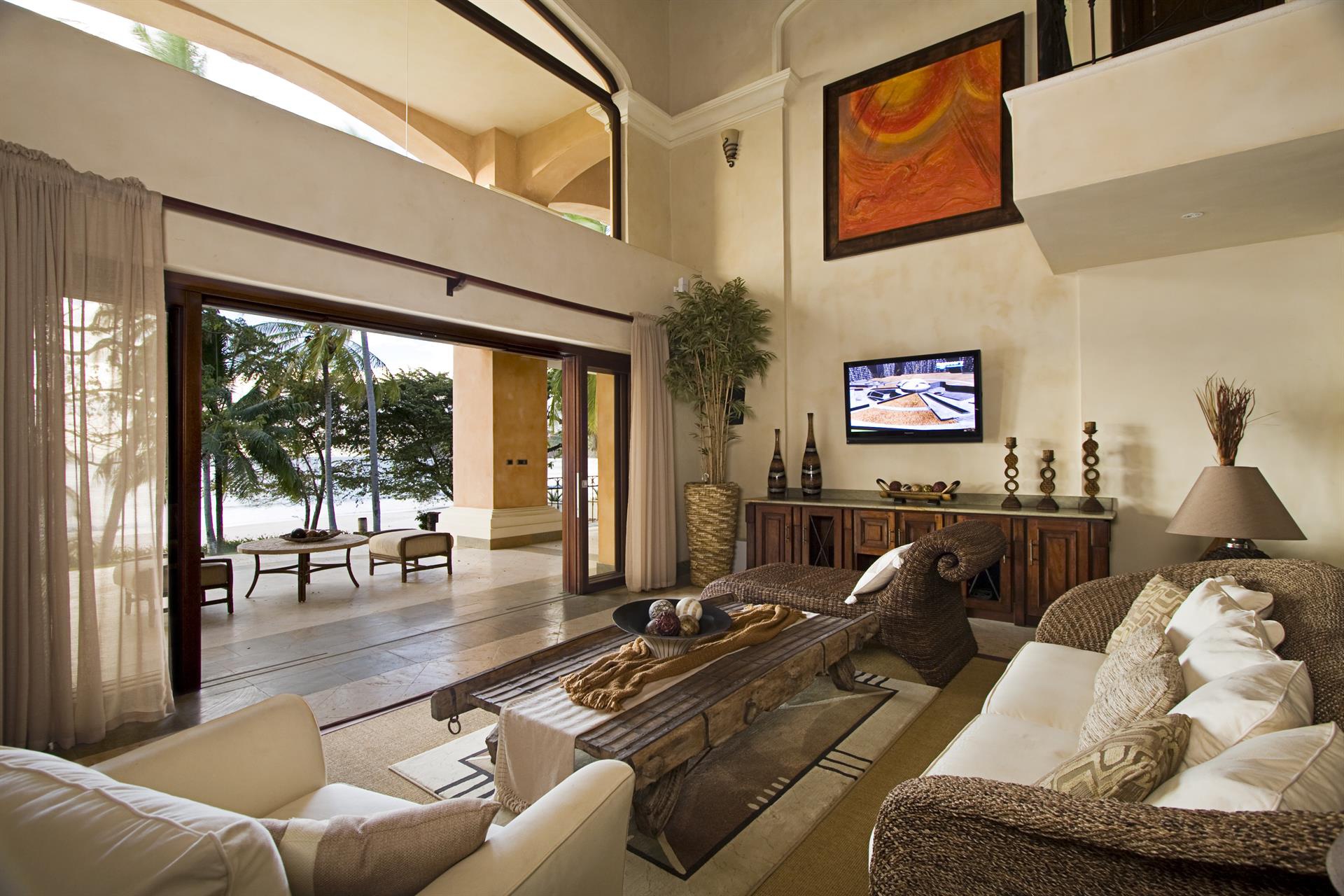
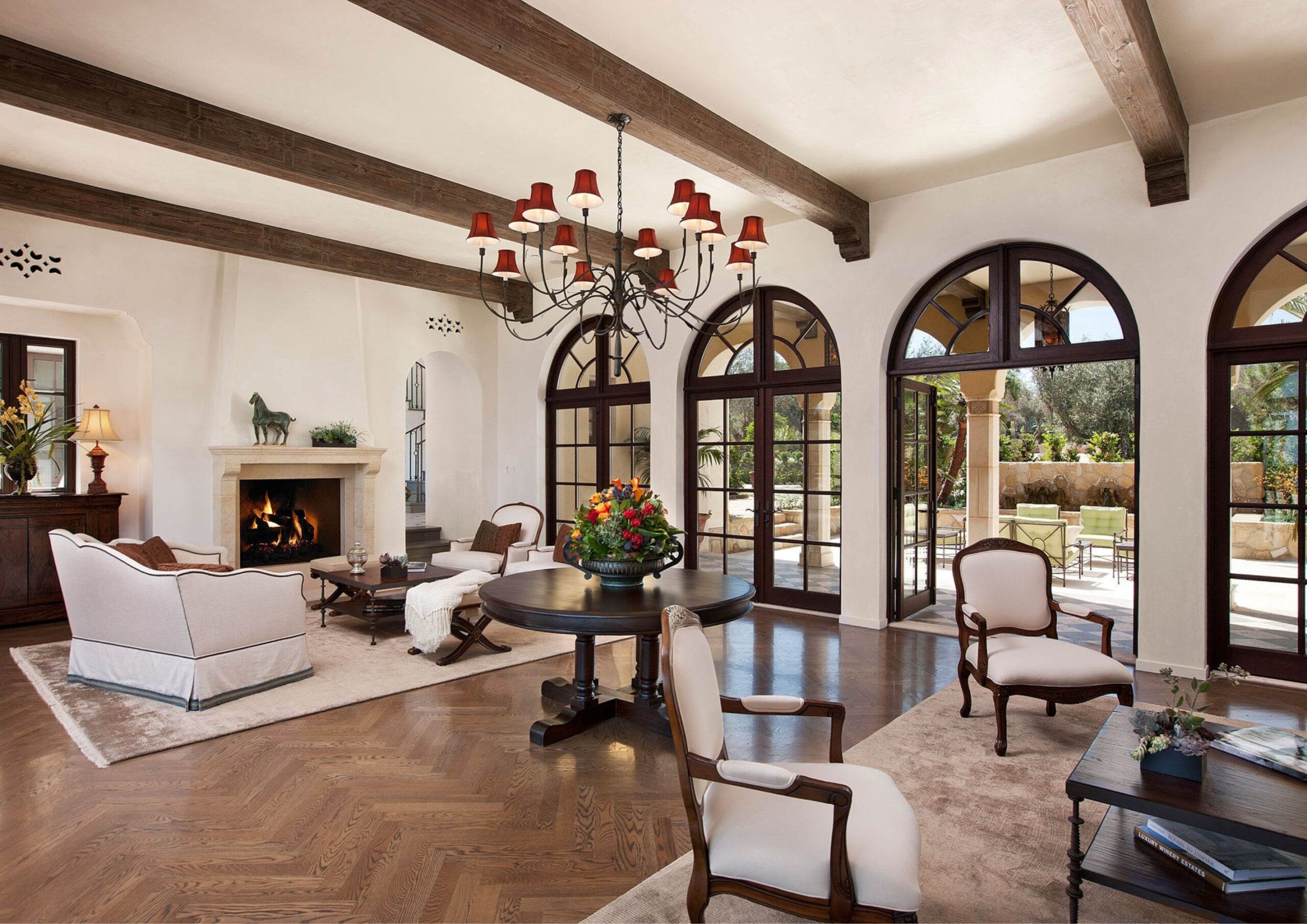
You don’t have to purchase a Spanish heritage house to achieve a revival interior. Your own home can be the perfect canvas to decorate with this style’s basic elements.
Terracotta and Earth Tones
Muted shades of red, orange, brown, green, and terracotta are all part of Spanish revival’s palette. Terracotta’s reddish brown hue is the resulting color of fired clay, often used in roof tiles.
But because it’s a strong color, incorporate this in your interiors with caution. To ensure terracotta won’t be too overpowering, apply it on floors and leave the walls and ceilings neutral. You can also use it in smaller details and items to give an unexpected pop of red.
Old and New
Antique and vintage pieces combined with modern items is the best way to manifest the Spanish revival look. But if you lack decor like these, you can opt for classic materials like rustic wood, iron, tapestries, wool, and leather. Use the fabrics for upholstery and hard materials for furniture and light fixtures. You can further embody its traditional cozy vibe by including statement lighting and oil paintings.
Architectural and Textural Interest
Spanish revival interiors are popular for their arches, coves, and exposed beams. But you don’t need to create faux architectural features to fully adopt this interior style. Instead, you can spice up the existing curves and lines by decorating them with tiles or textured paint. Apply limewash paint or plaster for your backsplash, door frames, and walls you want to accent. Or you can incorporate arabesque or mosaic tiles in bathrooms and countertops. Better if you choose eye-catching tile designs in darker earth tones to get a cohesive look.
While it can’t be denied that Spanish influences in houses are still evident, the aesthetics of these architectural remains are still stuck in the past. Spanish revival is back to bring its old world charm to modern homes, where traditional and contemporary styles can meet halfway.
Photos from GoodFon
Read more: Dopamine Decorating: Creating a Free and Happy Space at Home
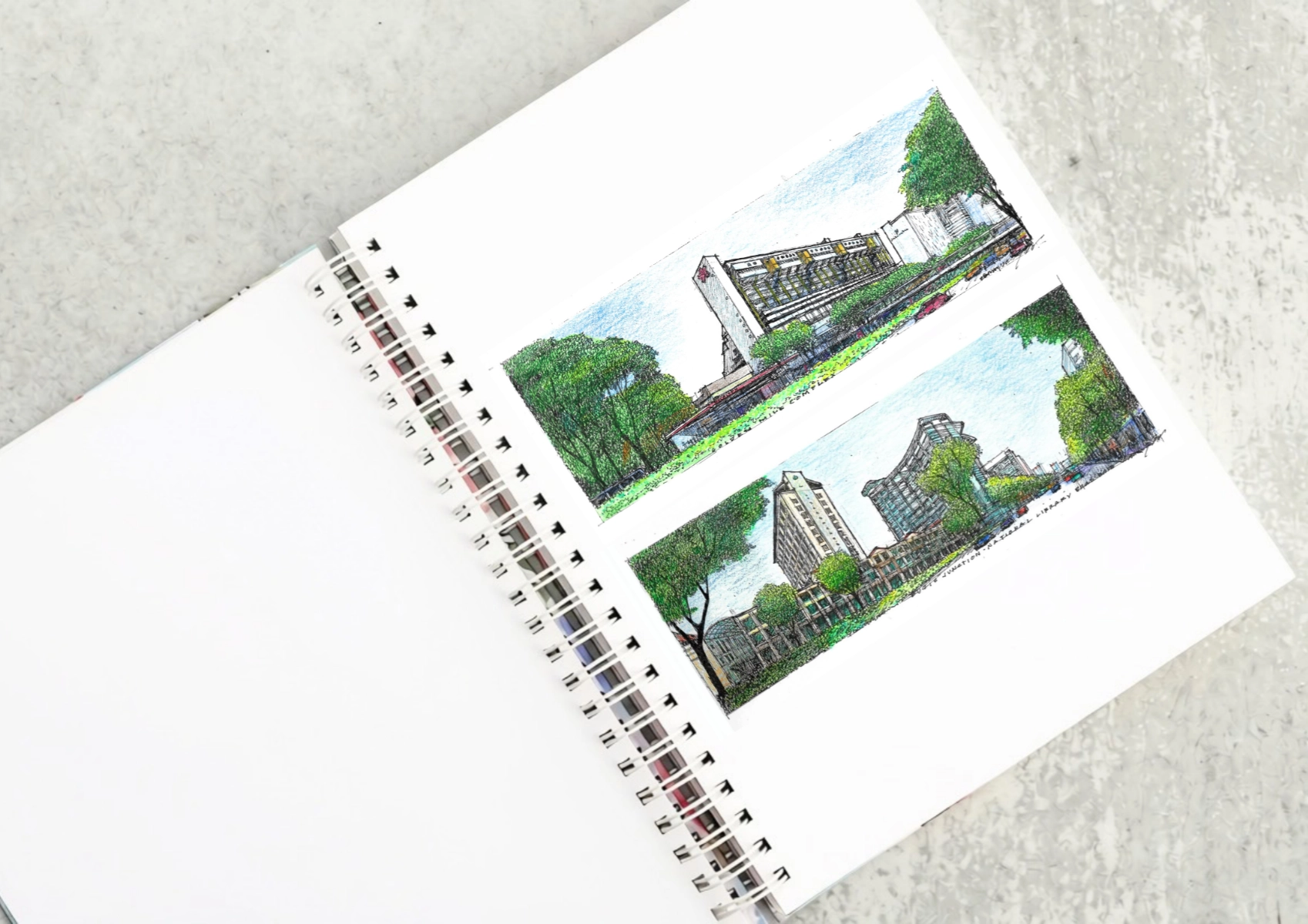
Two sketches of Singapore connect BluPrint Editor in Chief Paulo G. Alcazaren’s personal and professional history with Shared Ground: ArchitectureArchitectureThe art and science of designing and constructing buildings, structures, and spaces that are functional, safe, and aesthetically pleasing. It encompasses the planning, design, materials, and techniques used to createGo to Architecture Glossary of Care, Culture, […]

In a way, designers are the modern-day soothsayers and prophets. They design for the future, predicting how a room, a house, a building or a whole city will be used by people. They foresee how users will interact with a space, conjure exact shades of colors to elicit specific behavior and arrange furniture to build […]
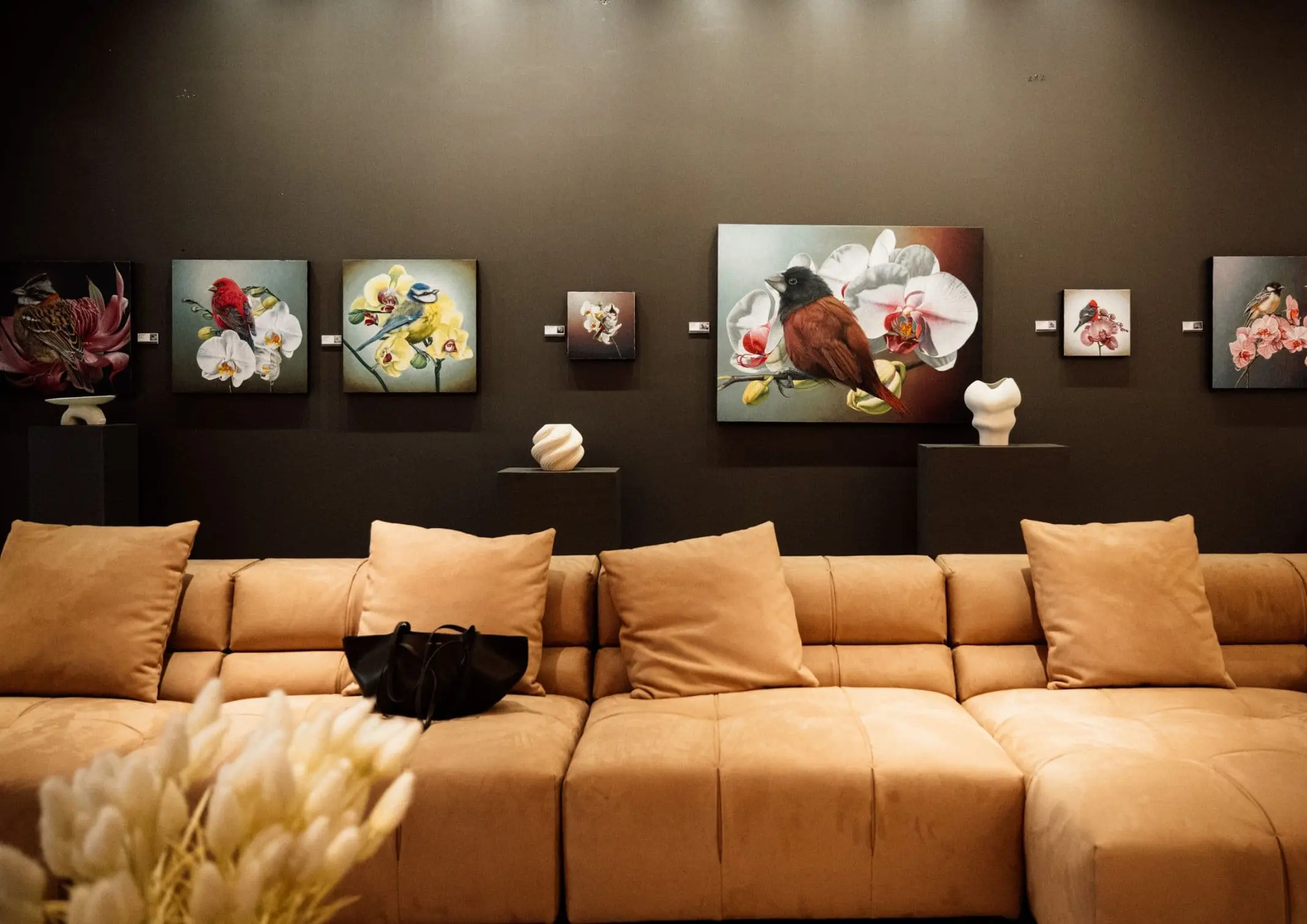
Art and furniture are often selected separately, yet their relationship can shape how a room looks and feels. The collaboration between Hooga and Galerie Joaquin explores how these elements can work together, bringing contemporary artworks into furnished residential settings at Hooga’s showroom in Uptown Mall, Bonifacio Global City. For Hooga, which curates furniture, lighting, and […]

How can better-planned cities create the conditions for more creative, livable, and resilient urban environments? “Makati Urban Recipes for a City’s Survival,” a colloquium held at the Ayala Museum on September 15, brought together architects and practitioners from the fields of urbanism and the creative economy to discuss how design, planning, and collaboration can address […]
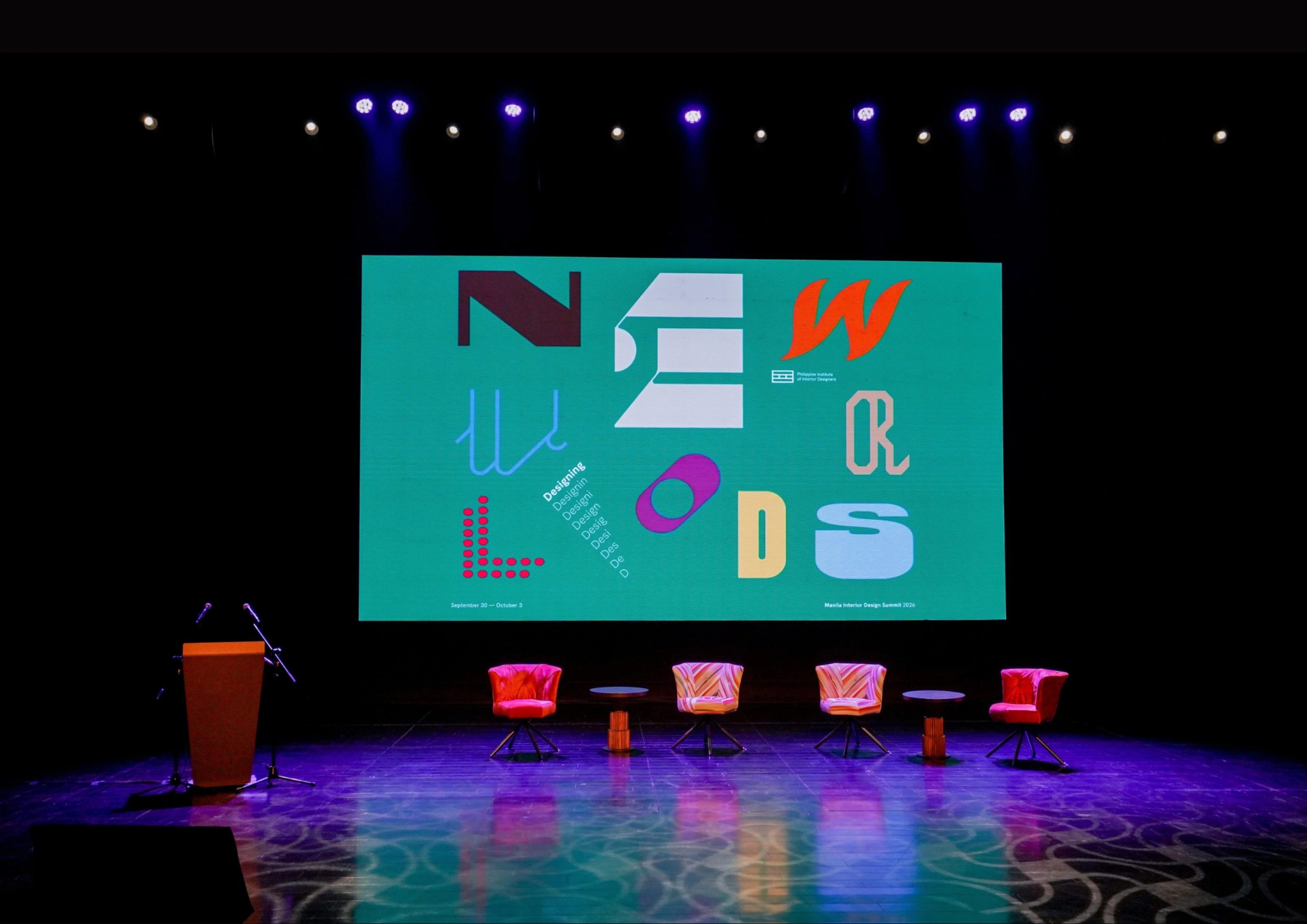
The fourth Manila Interior DesignInterior DesignThe discipline of planning and shaping interior spaces for function, comfort, safety, and beauty. It covers layout, lighting, materials, finishes, furniture, and color, and in the Philippines is a licensedGo to Interior Design Glossary Summit (MIDS) brought together more than 300 delegates for four days of conversations, exhibitions, and design […]
Read the issues.

Collect the volumes.

Recommended Video
Tap to Unmute
Unmute
0:00
0:00