The next time you’re in Ayala Triangle, swing by Kazu Cafe—whether for a cup of coffee or for a hearty, Japanese meal. Originally part of the Japanese restaurant Kazunori, this addition to the Nippon Hasha, Inc.’s group of restaurants was born from customer demand. “It’s what people gravitate towards,” shares Ryan Cruz, President and CEO of Nippon Hasha, Inc. “It became some of [the customers’] favorites consistently. We made our own design [so we] could have a proper place for it, which is what we have now.”
Kazu Cafe is influenced by the Tokyo cafe culture, which is a mishmash of items that originate from different countries. “And what is nice about it is [the Japanese] like to get inspiration from other cultures. They do their own twist and call it their own. And when you look at what the essence is, it’s really not taking yourself so seriously,” Cruz shares.
To reflect this concept in Kazu Cafe’s design, Cruz tapped architect Liza Morales, Creative Director of Ecotecture Design Studio. She also designed Ramen Yushoken, another Japanese restaurant under Nippon Hasha, Inc.
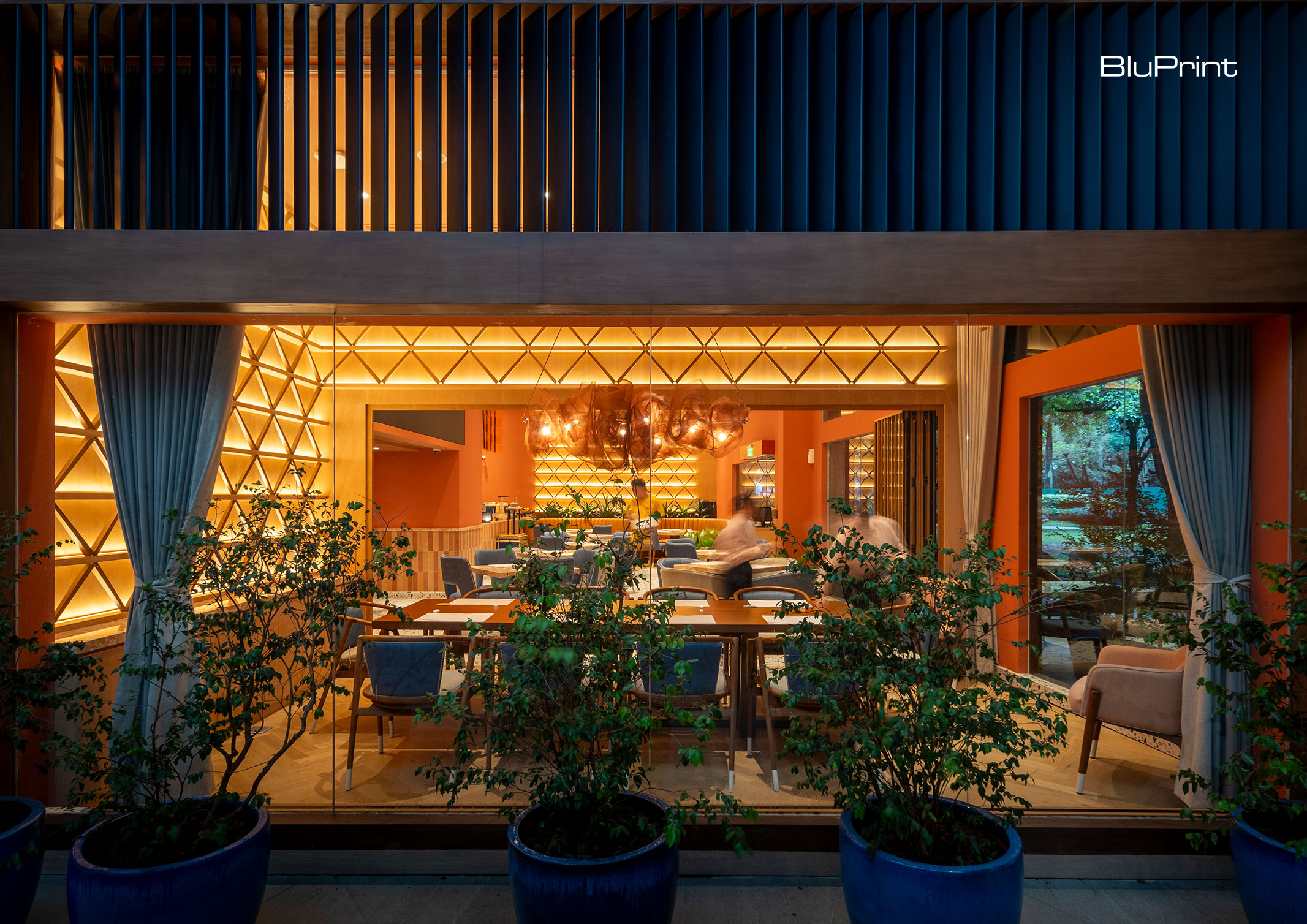
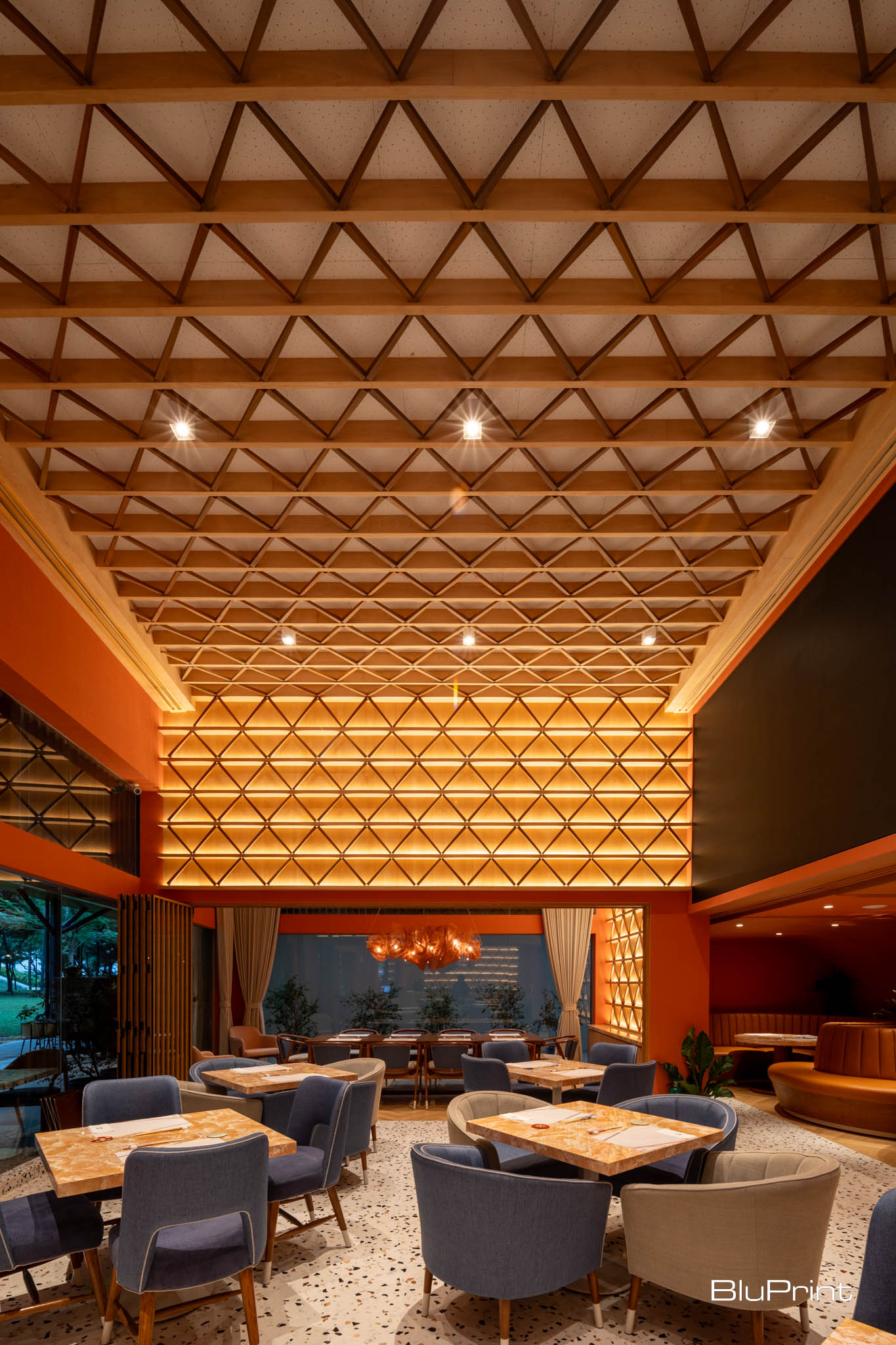
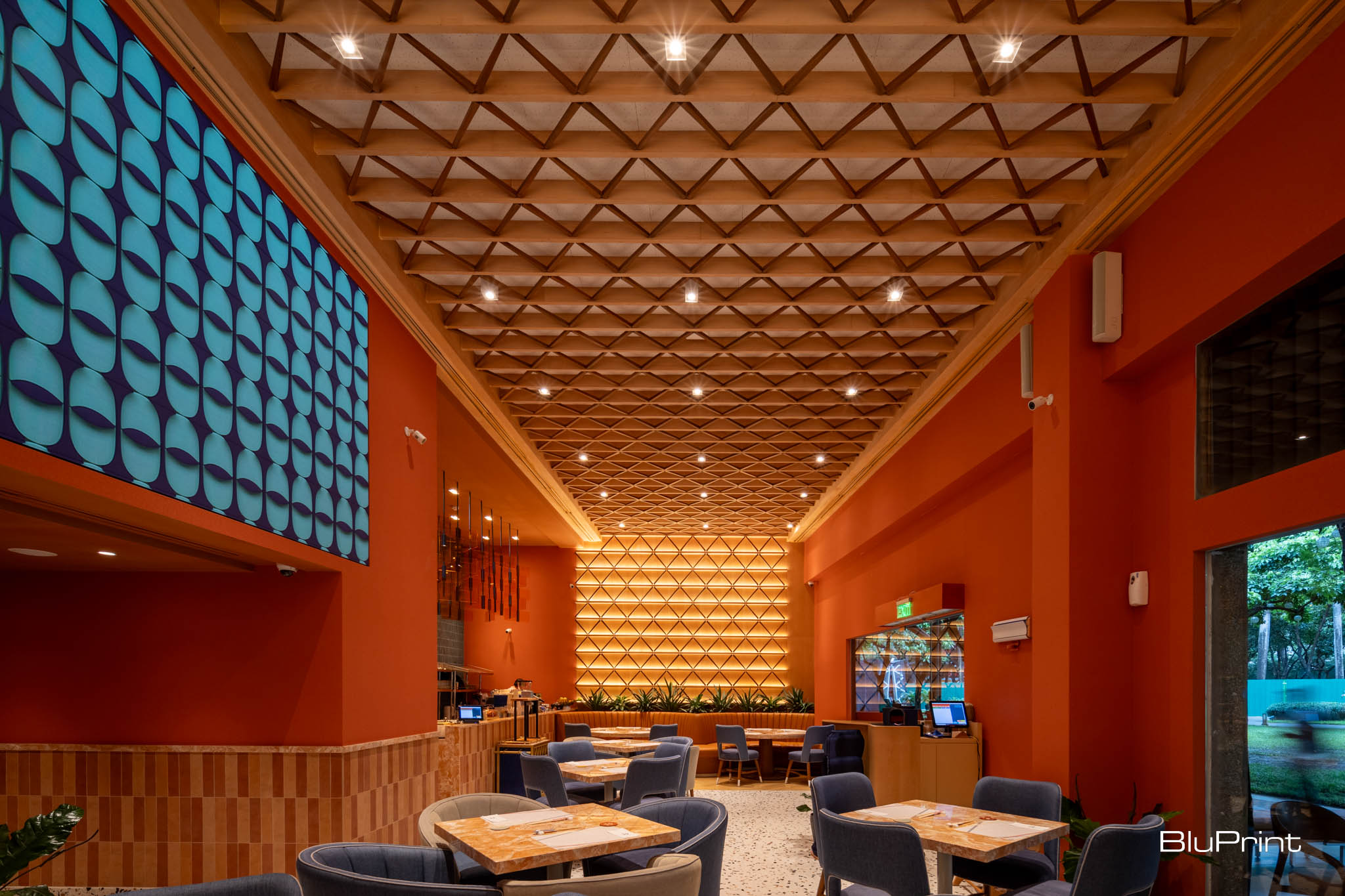
Kazu Cafe blends traditional Japanese design elements with a contemporary style.
“The design brief was to create a space that blends Japanese traditional elements with a modern aesthetic, reflecting the cultural roots while appealing to a contemporary clientele,” Morales explains. “The owner emphasized a welcoming, playful vibe, with a sophisticated touch to align with Kazu Cafe’s refined cuisine.”
Advertisement
Thoughtful and Interactive Design Elements
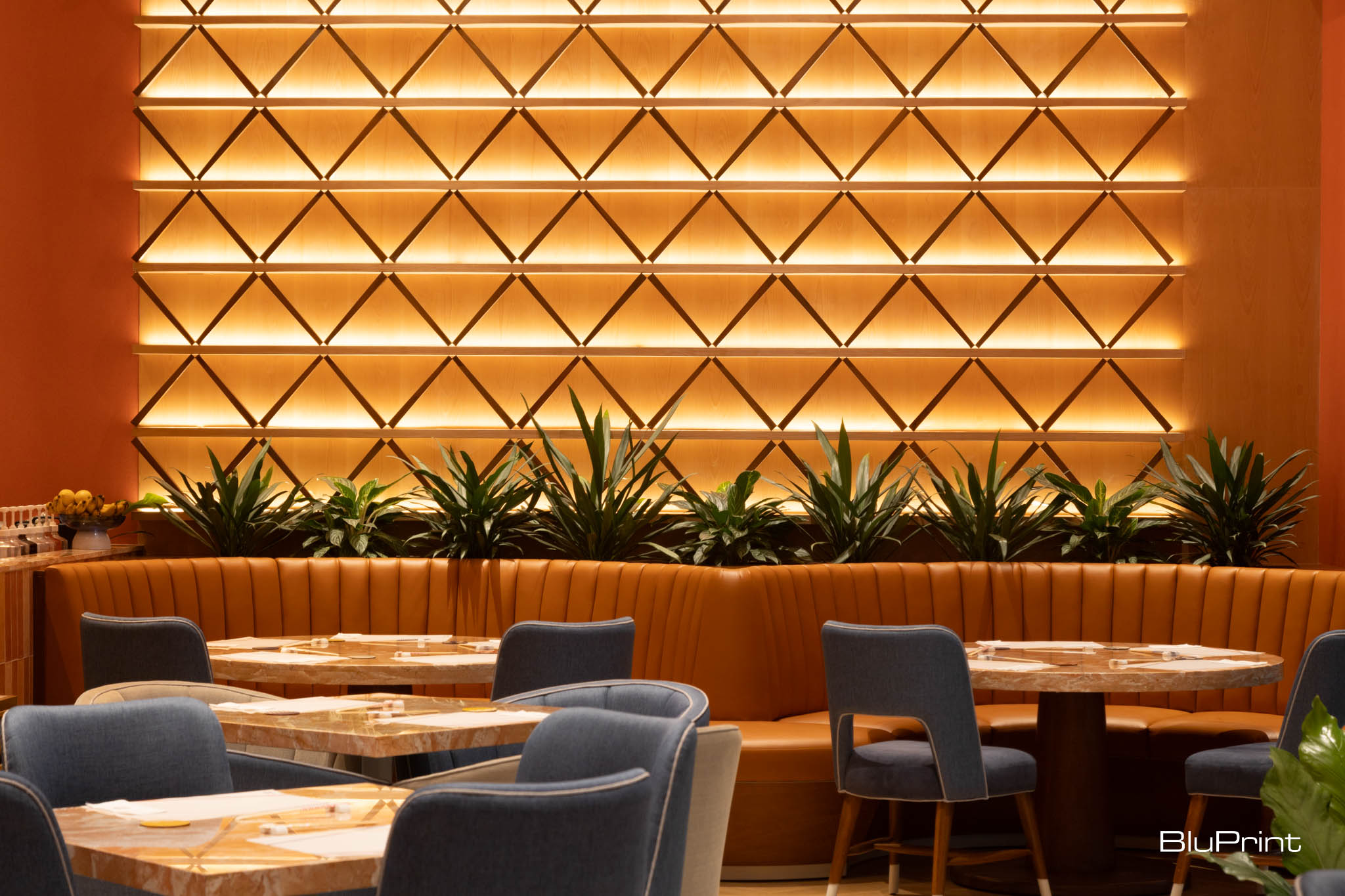
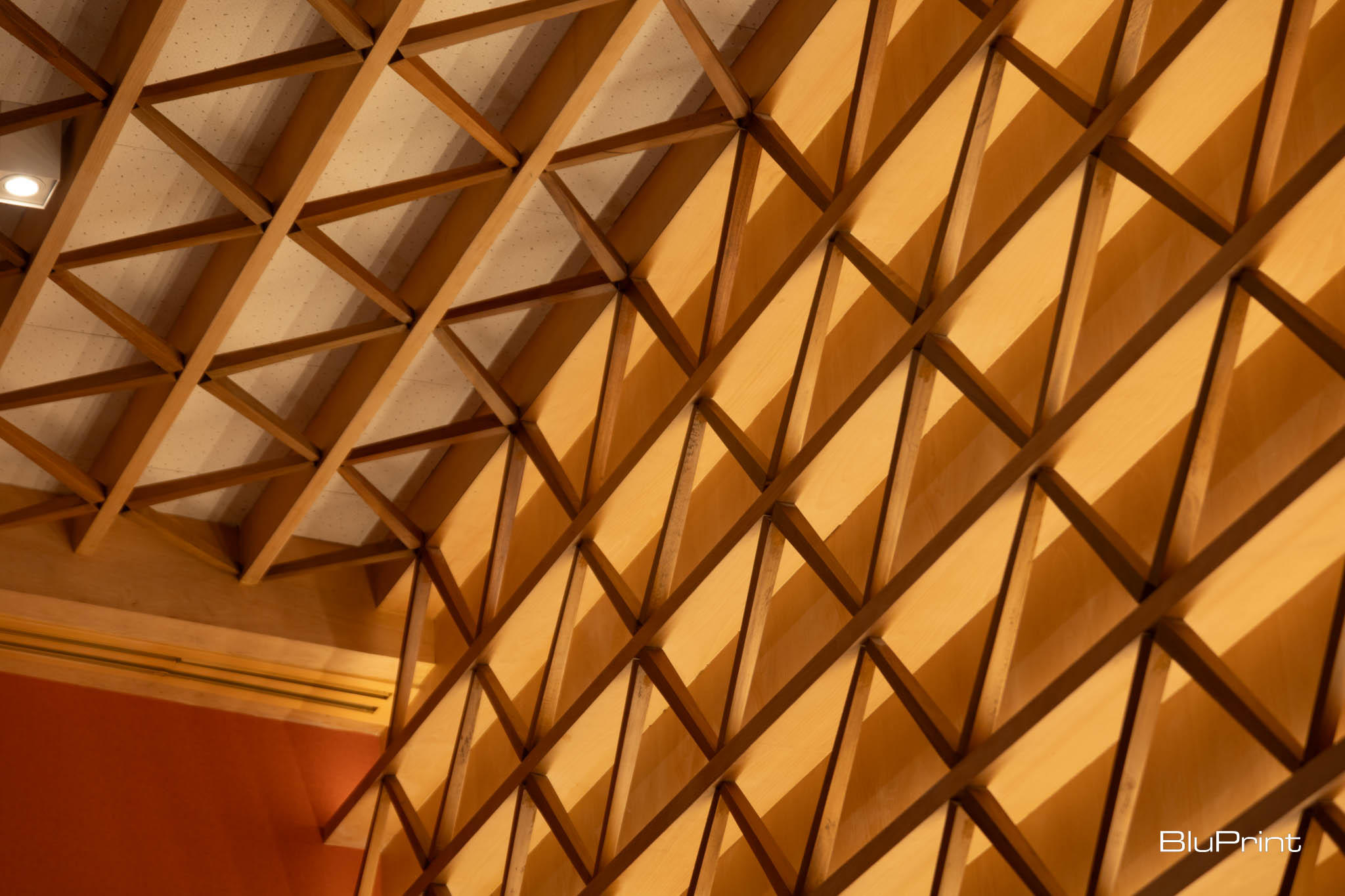
Morales’ team addressed the brief by exploring Japanese design staples and modernizing them with unique interpretations. “The wooden chopsticks as wall decor and denim upholstery allowed us to honor Japanese craftsmanship in an unexpected way,” she shares.
The chopsticks wall decor is one of the desigh highlights at Kazu Cafe.
The chopsticks wall decor is one of the desigh highlights at Kazu Cafe.
The chopsticks wall decor is one of the desigh highlights at Kazu Cafe.
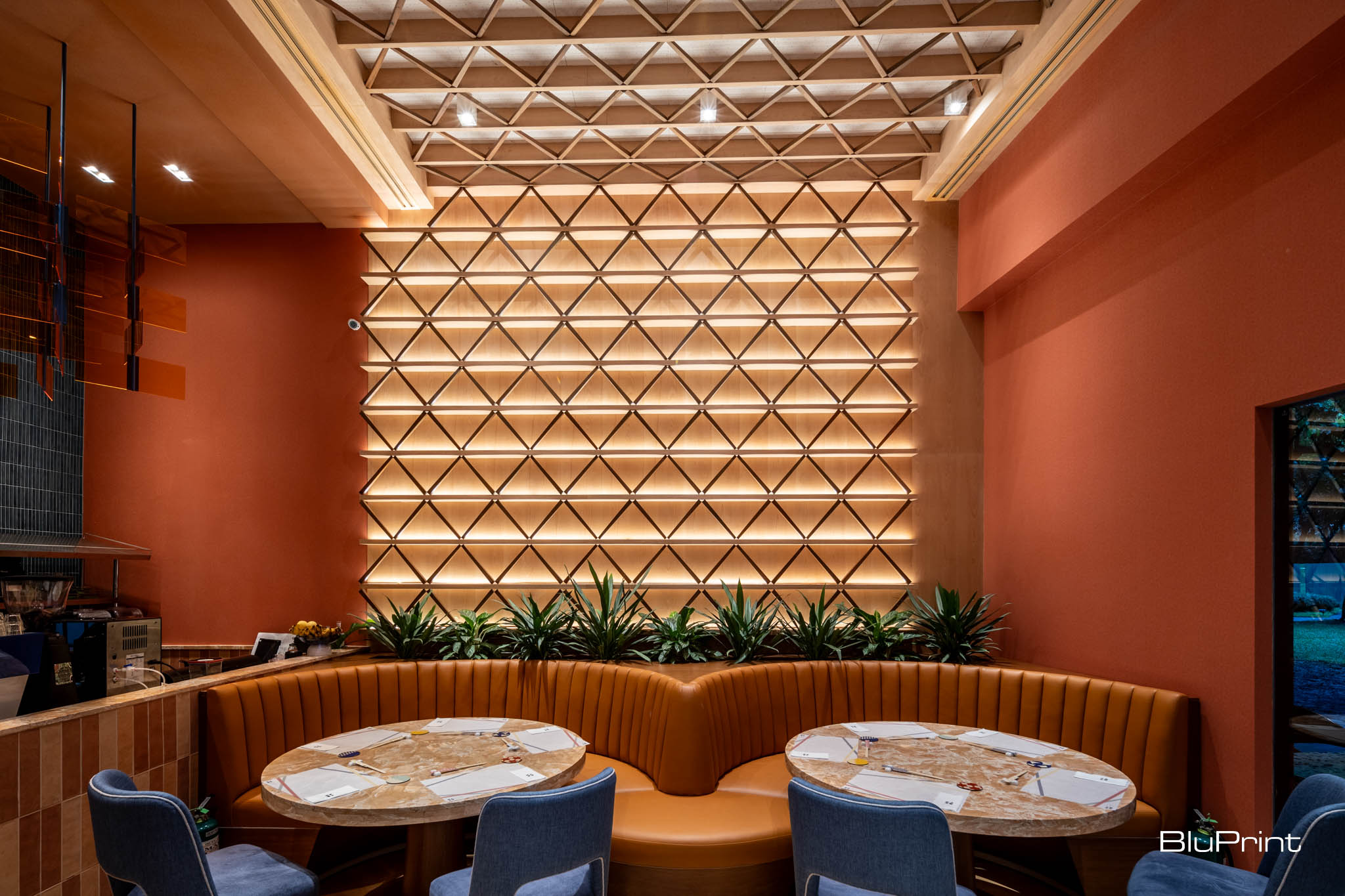
A wall treatment inspired by chopsticks is one of the design highlights at Kazu Cafe.
Terrazzo flooring exudes material durability, while marble accents add a touch of luxury. These thoughtful choices create a cohesive space, bridging rustic and polished styles. “Wes Anderson’s whimsical aesthetic [also] helped shape a distinctive atmosphere, adding a lively, memorable character to the space,” the architect adds.
Advertisement
This playful vibe sets Kazu Cafe apart from other restaurants under Nippon Hasha, Inc. The sculptural lighting serves as functional art. In addition, the LED art wall offers an interactive visual experience, thanks to its changing displays. “I imagine diners gathering around the sculptural lights or admiring the LED art wall as they wait, feeling invited to linger,” Morales muses.
The LED art wall’s constantly changing displays create a visually interactive experience for the diners.
Even the curated plants play a role in enhancing the design. “Strategically placed greenery brings warmth and comfort, softening the modern lines and balancing the interior.”
Providing Exceptional Hospitality
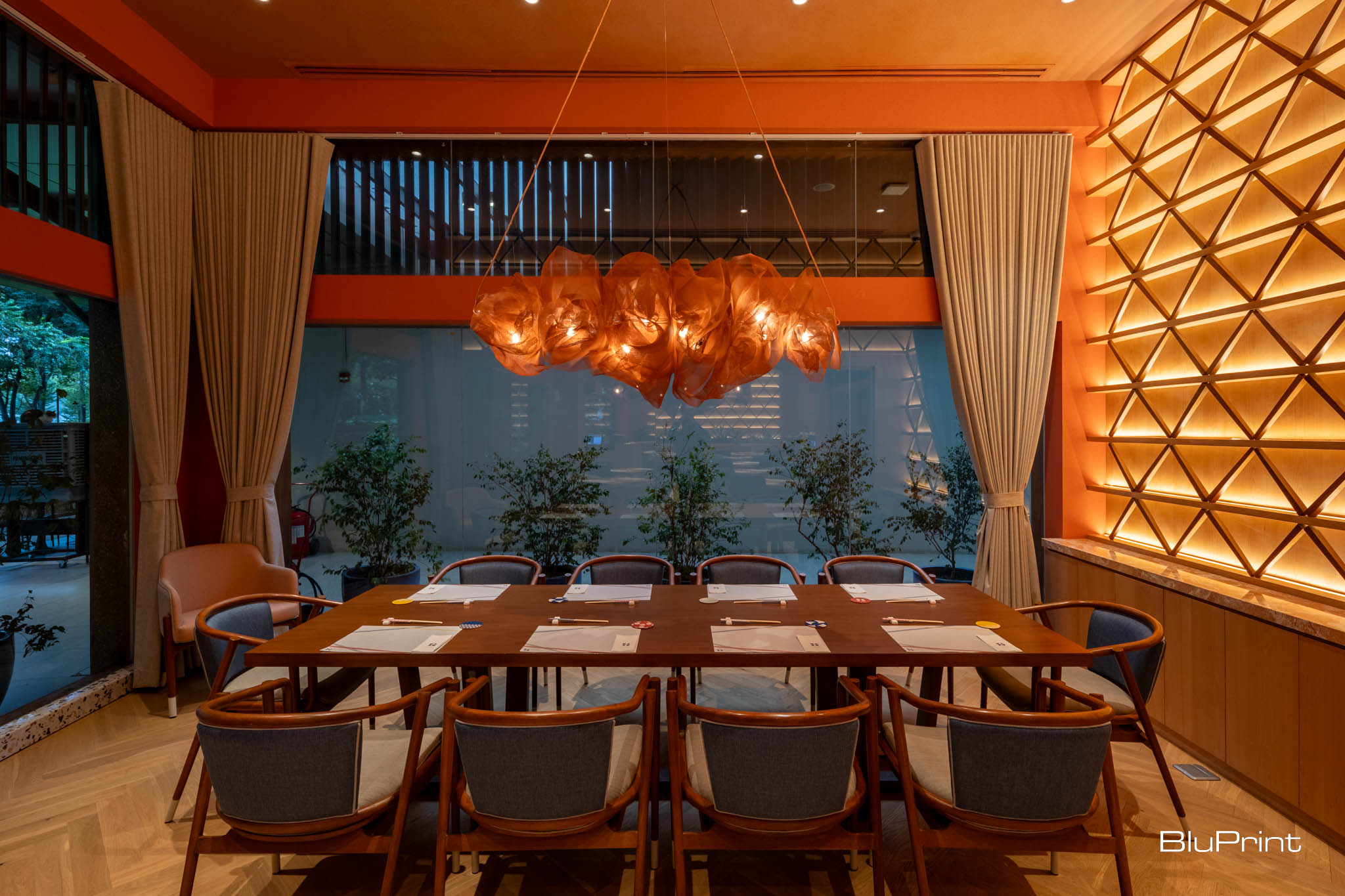
Kazu Cafe, with its almost 200-square-meter floor area, can accommodate up to 70 guests. It has tables outside for those who prefer al fresco dining. A private dining room can seat 10 to 12 guests for those seeking an intimate dining experience.
Advertisement
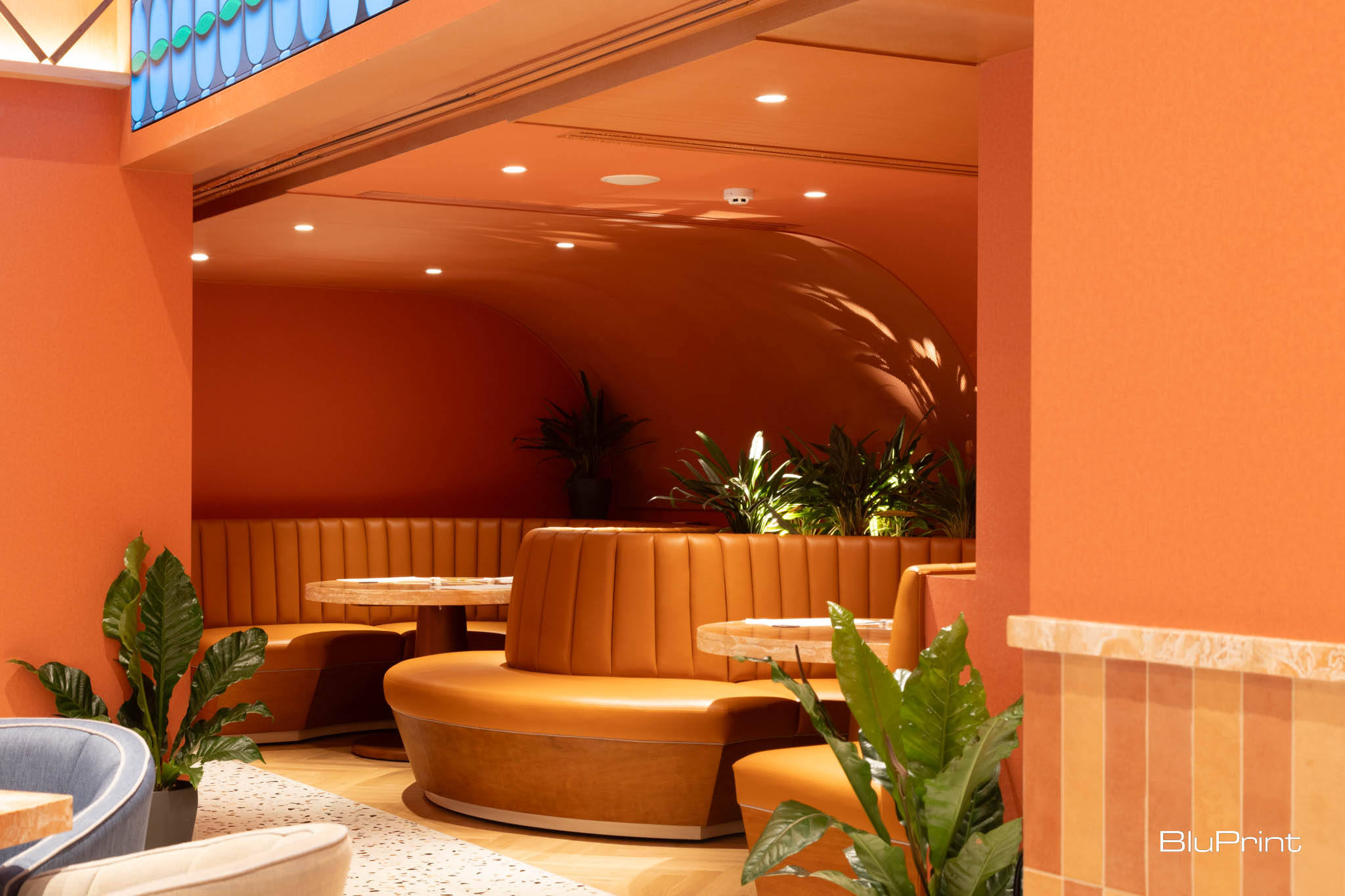
Booths with semi-circular couches in one area of the restaurant cocoon guests who would like a bit of privacy without isolating themselves from the rest of the space. Cruz says it’s an area of the restaurant “where people can’t really see you. But you can practically see the whole restaurant.”
Booth seatings offer privacy while maintaining a connection to the rest of the space.
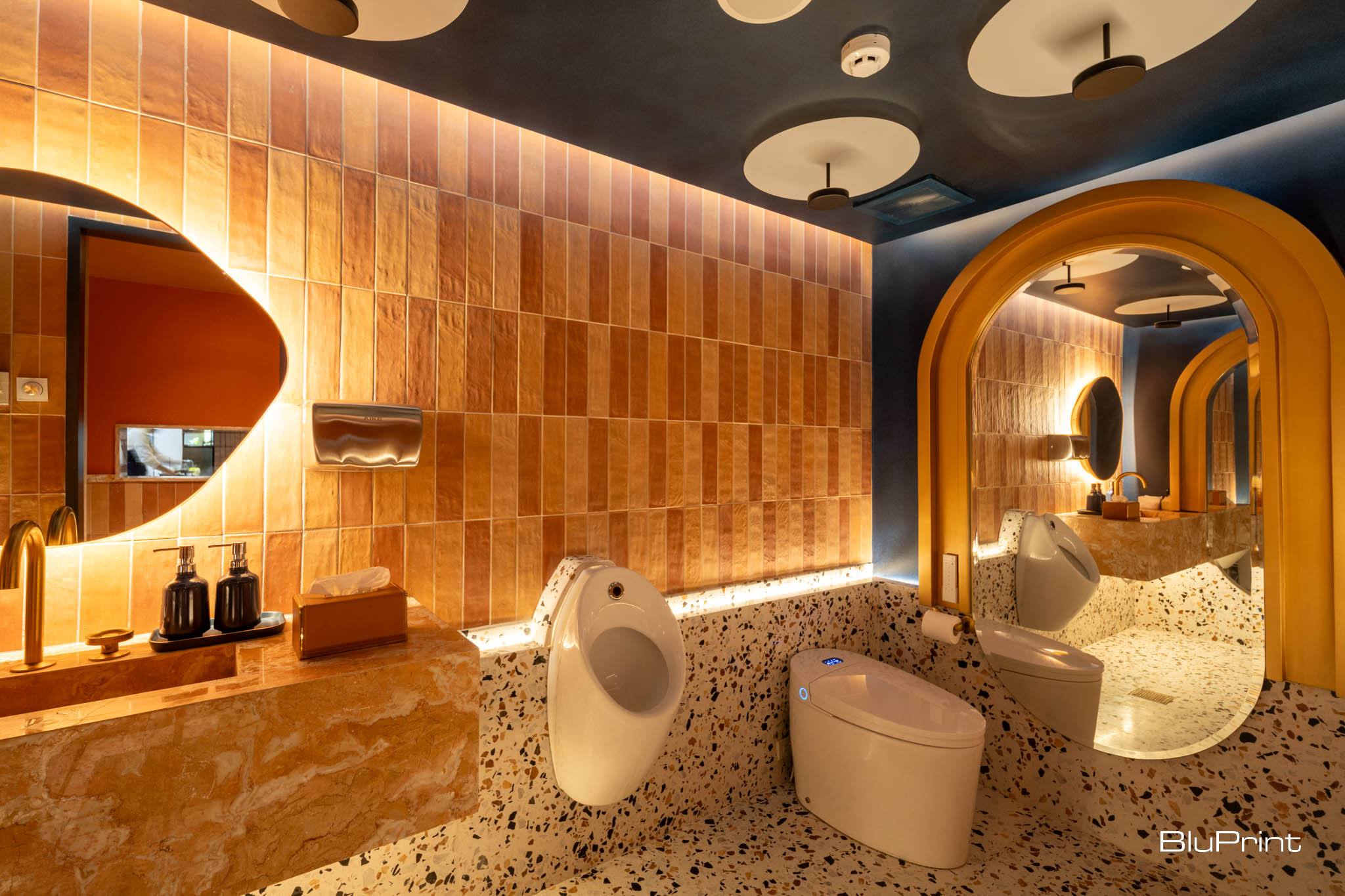
Even the bathroom reflects the whimsical vibe that the restaurant has, with its terrazzo flooring, mirrors in playful shapes, and warm lighting. “It’s a component of a restaurant that I think is most often neglected, because it is considered just a second-hand space…[but] it’s actually quite important,” Cruz says. And with people taking bathroom selfies, a well-designed bathroom like this can add to their experience.
Aside from blending traditional Japanese elements with modern aesthetics, the design concept of Kazu Cafe also aims to make the guests happy. “It sounds so overused, right? But that’s what it actually is. And it goes back to what the essence of hospitality is,” shares Cruz.
Advertisement
For him, hospitality is not only about bringing the best service to the customers but also taking care of and nurturing the team, and making sure that the kind of experience the establishment wants to give customers is aligned with them. “When you talk about consistency of service, and making people happy, and achieving their expectations, consistency is a combination of systems, which are the manuals, and the culture of the people. And that’s very important. You cannot expect people to be hospitable if you’re not hospitable to the people that are in service as well.”
Playful design elements extend to the bathroom, making it an integral part of the cafe experience
Of course, the design plays a role in enhancing the customer experience. “It sets the tone for the experience that you want your customers to have. And good design per se does not give good service and hospitality, but it enables the experience for that to actually happen,” he explains.
Inspired Cuisine and Artful Presentation
Kazu Cafe’s menu features a variety of reimagined favorites from around the world, crafted by a chef “who is used to cooking at the highest level.” The same meticulous planning, thoughtful material selection, and intentional design that shaped the restaurant are reflected in the creativity behind the preparation and presentation of each dish.
Advertisement
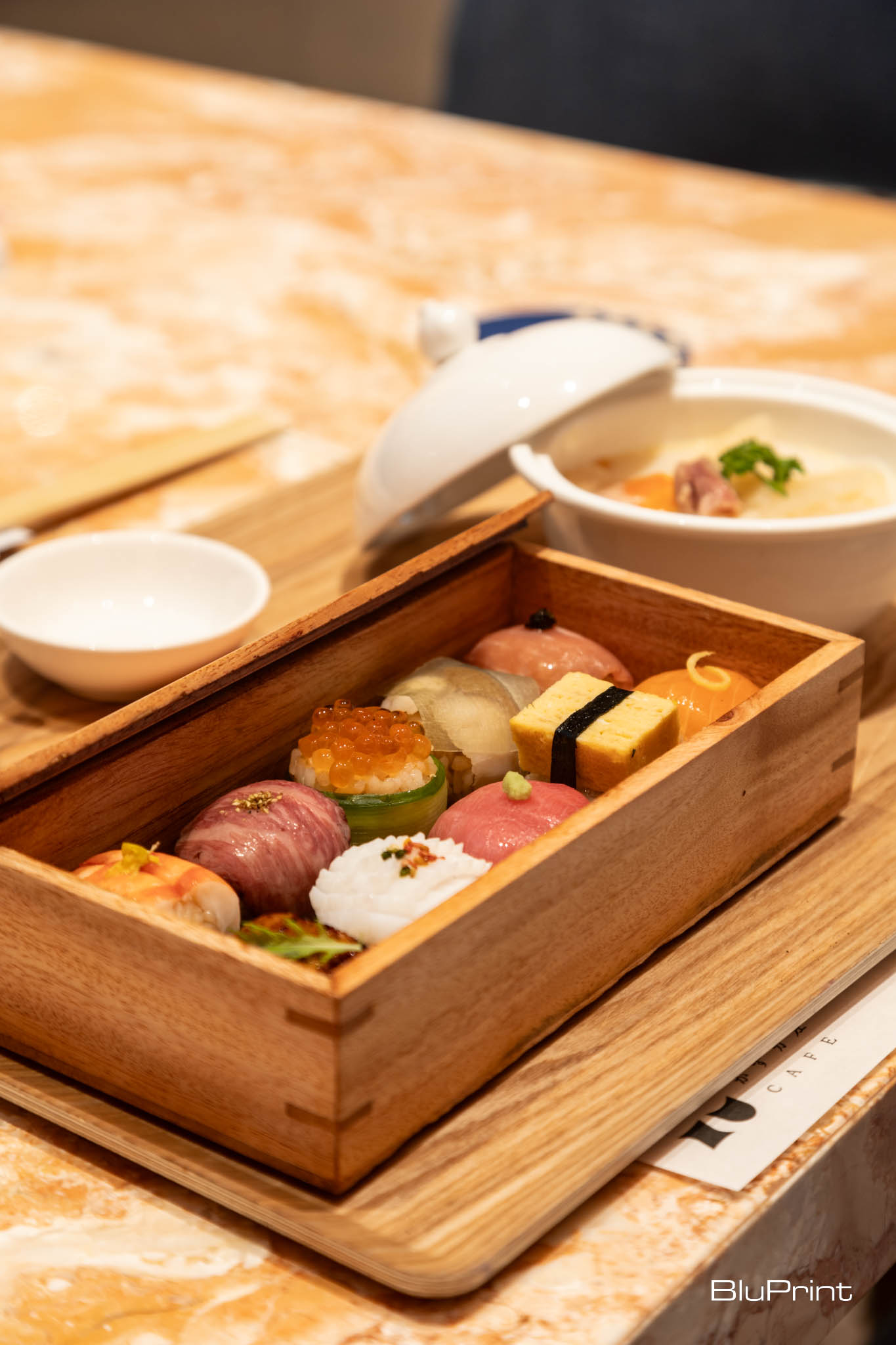
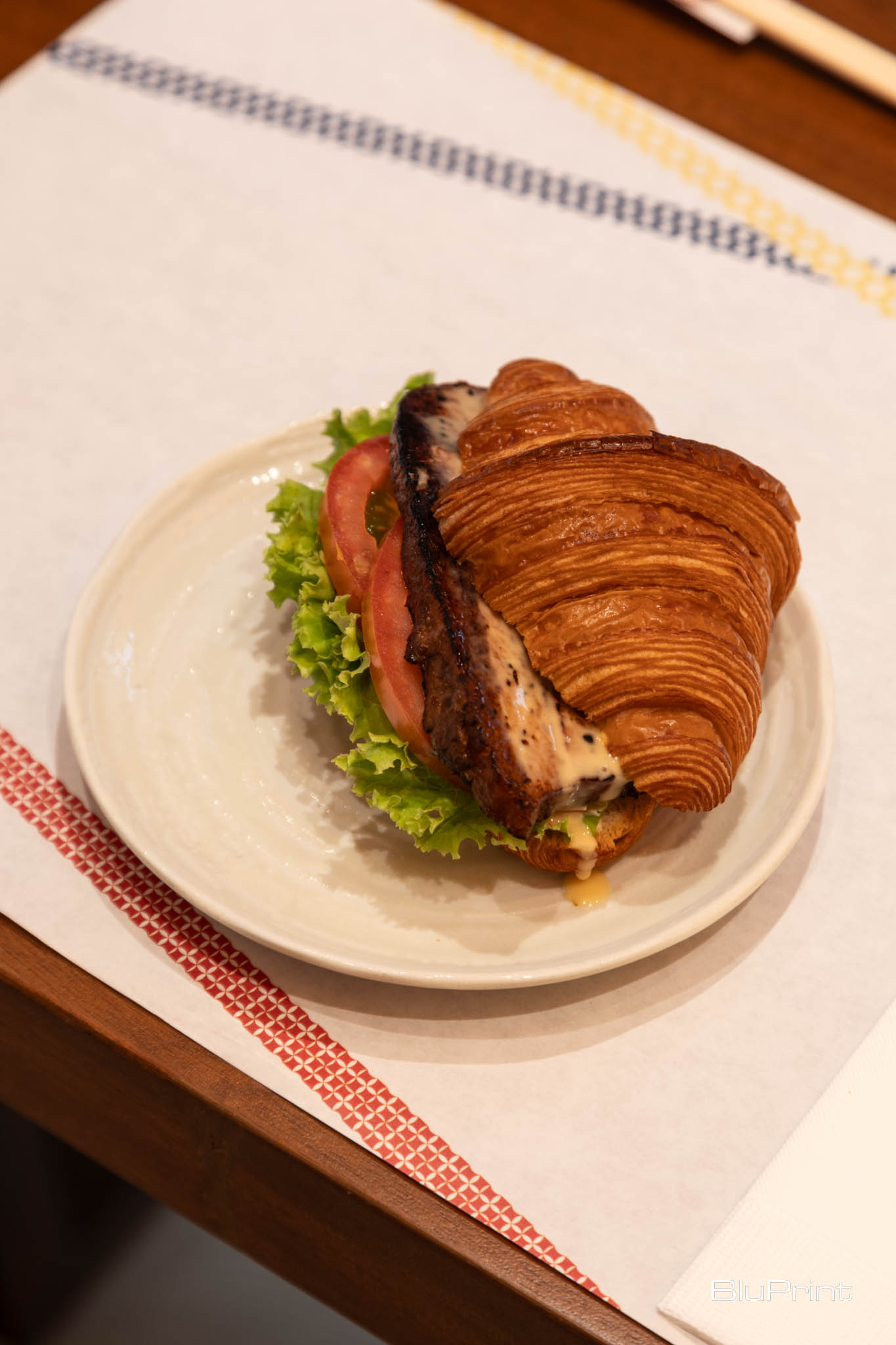
Some notable offerings in the menu include the 10 Kinds Temari, an assortment of sushi-style breakfast bites served in a wooden box; the CLT Croissant with chashu, lettuce, and tomato as filling; and Cha Soba Salad, composed of sous vide chicken breast, prosciutto, and fresh mixed vegetables.
10 Kinds Temari
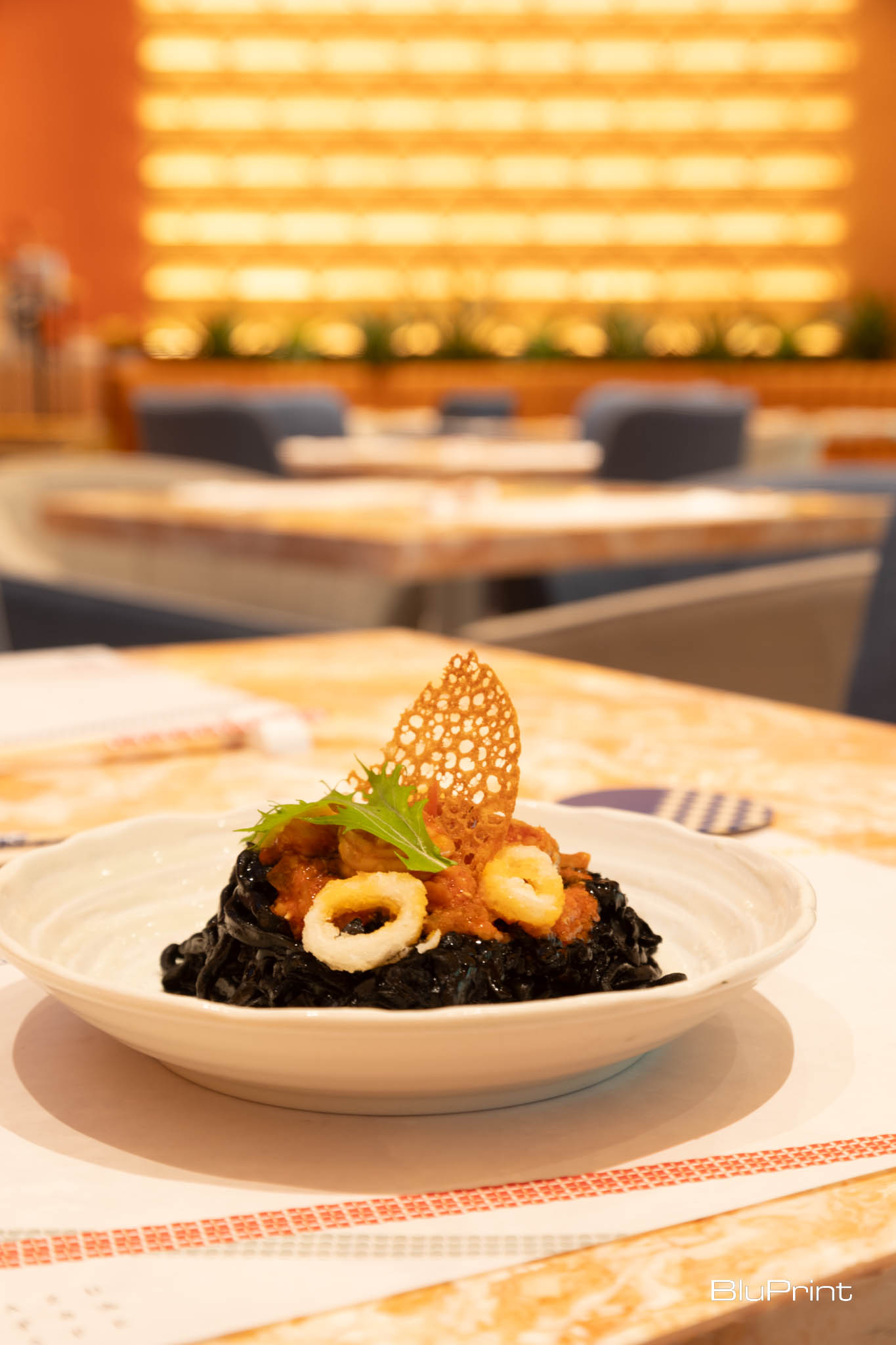
Ikasumi Pasta
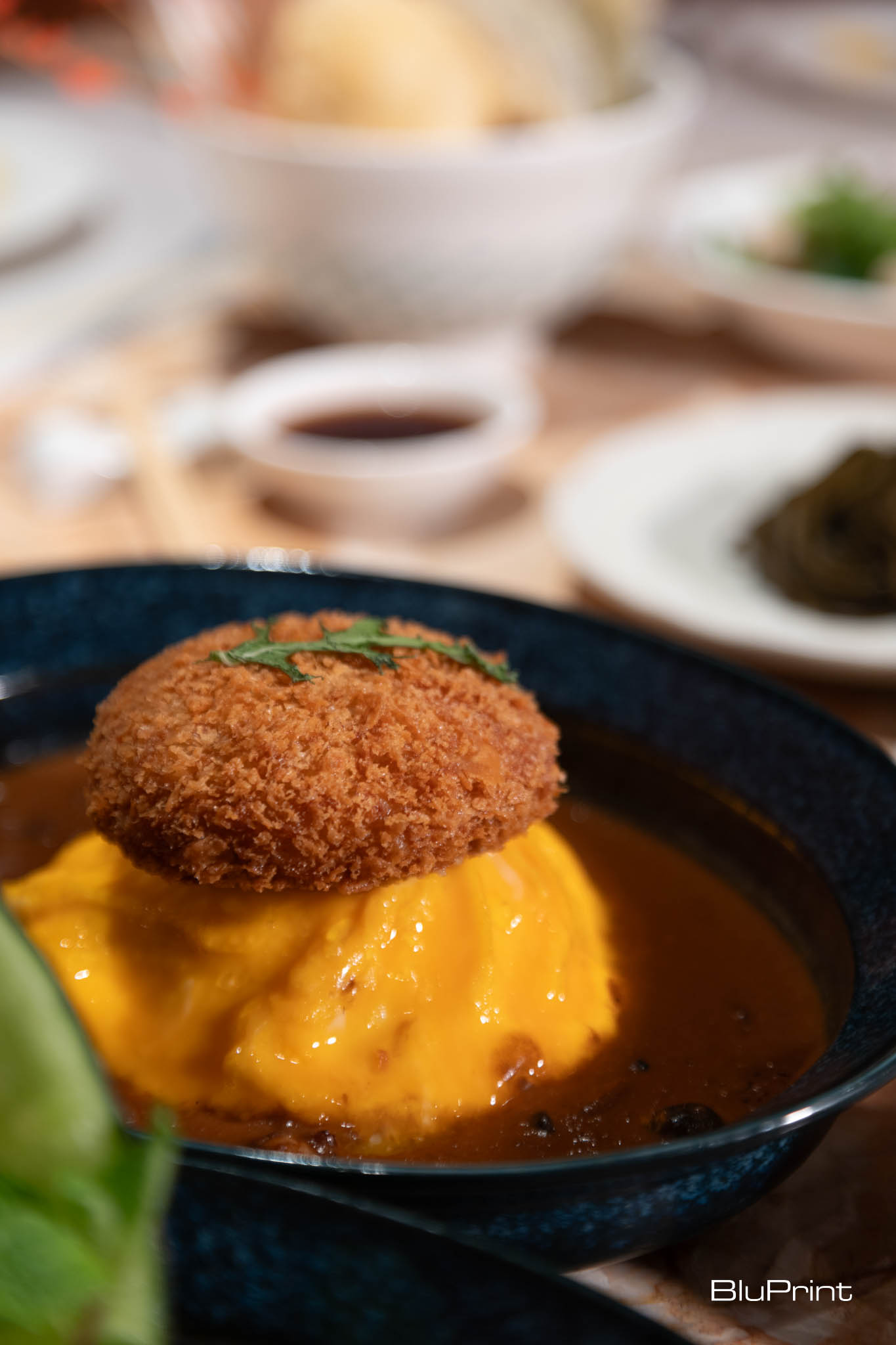
Hayashi Tamago Menchi Kare
CLT Croissant
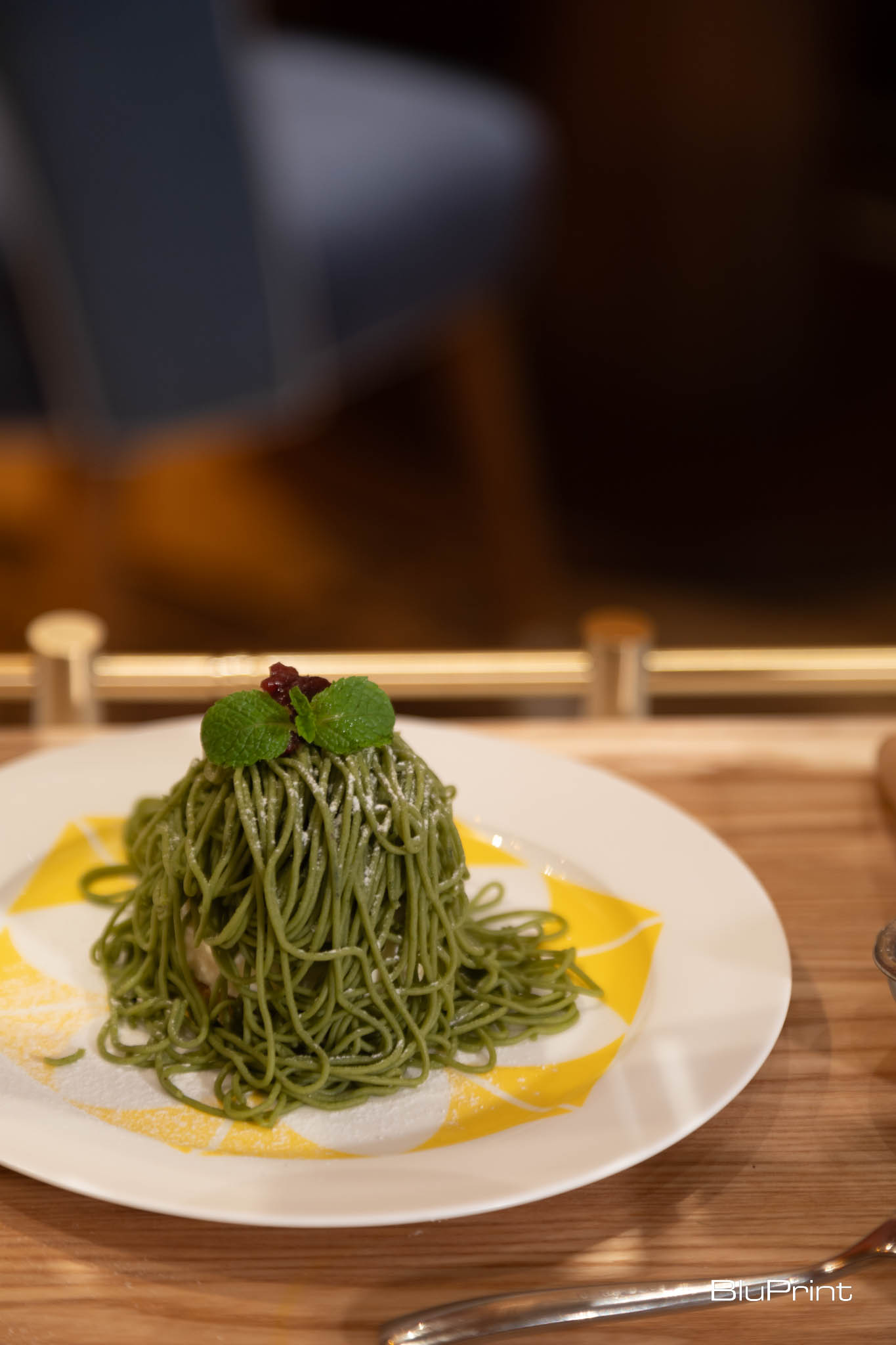
Matcha Mont Blanc
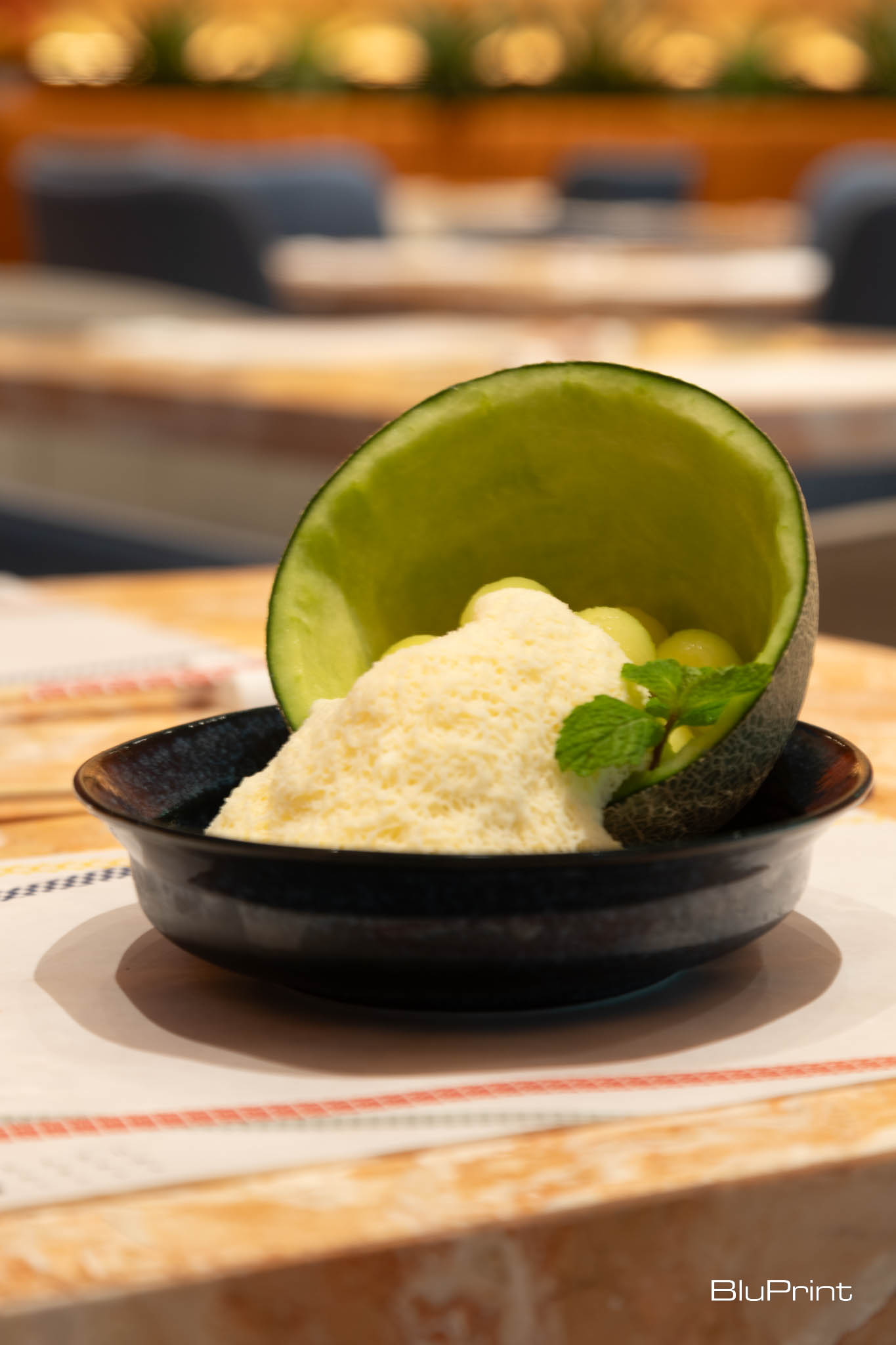
Musk Melon Kakigori
The creative plating of Kazu Cafe’s dishes—such as the 10 Kinds Temari, Ikasumi Pasta, Hayashi Tamago Menchi Kare, CLT Croissant, Matcha Mont Blanc, and Musk Melon Kakigori—is sure to catch your eye.
For those looking for a hearty, filling meal, try the Bonito & Salmon Breakfast Platter, which consists of grilled salmon, rice, salad, soup, and shaved bonito flakes. Don’t miss the Ikasumi Pasta—linguine with shrimp and ikasumi sauce—and the Hayashi Tamago Menchi Kar, a breakfast curry dish consisting of menchi patty, hayashi sauce, and omelette.
Advertisement
Then, cap your meal with desserts such as the Musk Melon Kakigori, a plate of Japanese melon with Johakuto and momo juice, and Matcha Mont Blanc, made of matcha chestnut puree, Okinawa salt ice cream, and vanilla sponge cake.
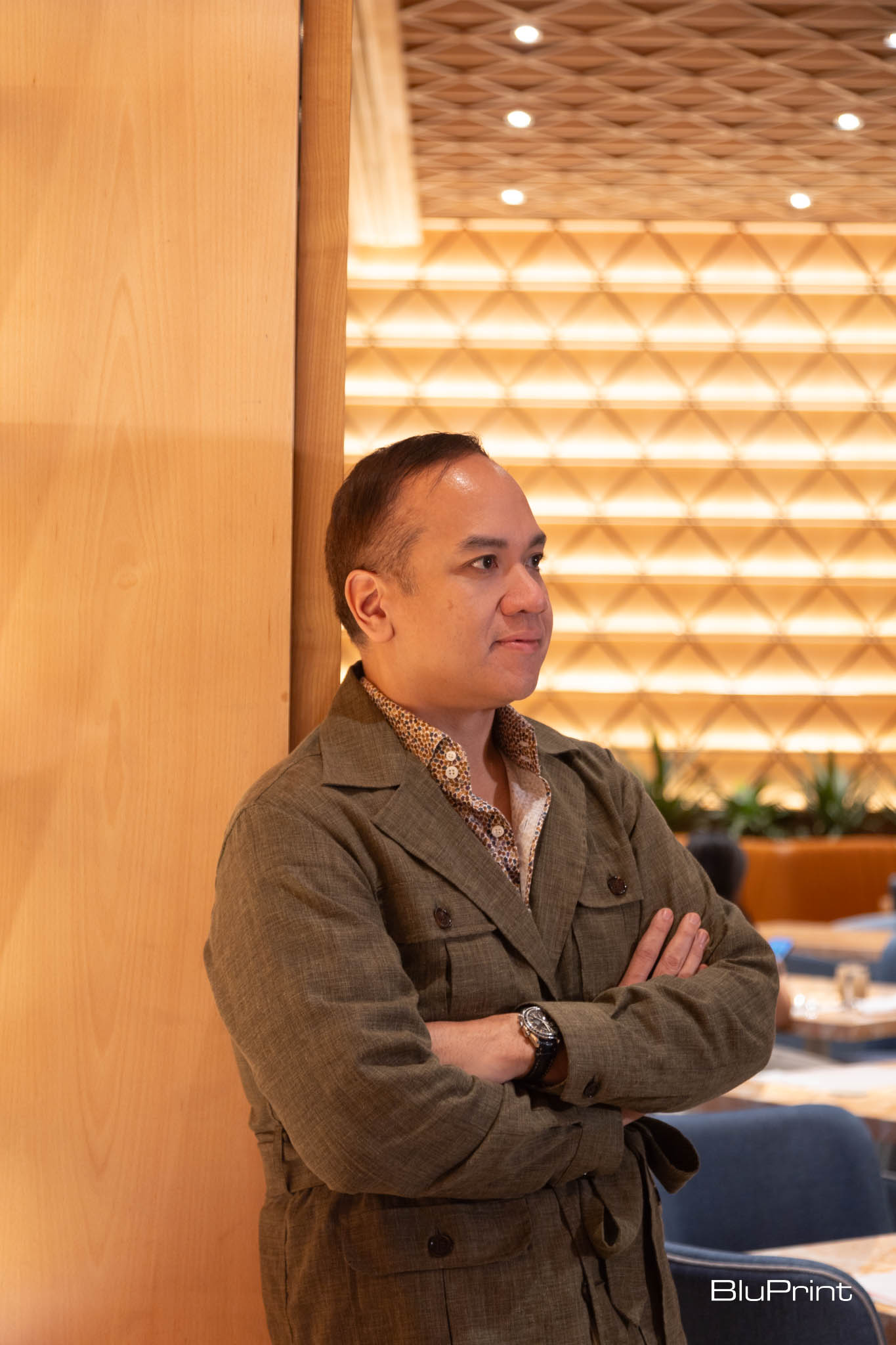
Ryan Cruz, President and CEO of Nippon Hasha, Inc., shares that Kazu Cafe is designed to make people happy.
A Fresh Take on Dining
Indeed, Kazu Cafe is made for everyone’s enjoyment. “The cafe’s layout and materials encourage a relaxed, unhurried pace, while the Wes Anderson-inspired details and curated greenery provide a backdrop that’s both comforting and visually stimulating, making each visit unique and enjoyable,” Morales remarks.
Kazu Cafe’s private dining room is ideal for meetings or small, intimate celebrations.
Kazu Cafe engages all the senses—from its whimsical interiors and intentional design details to its expertly crafted menu. It offers a visual feast as well as gastronomic treat, bringing joy from the moment you enter up to your last bite.
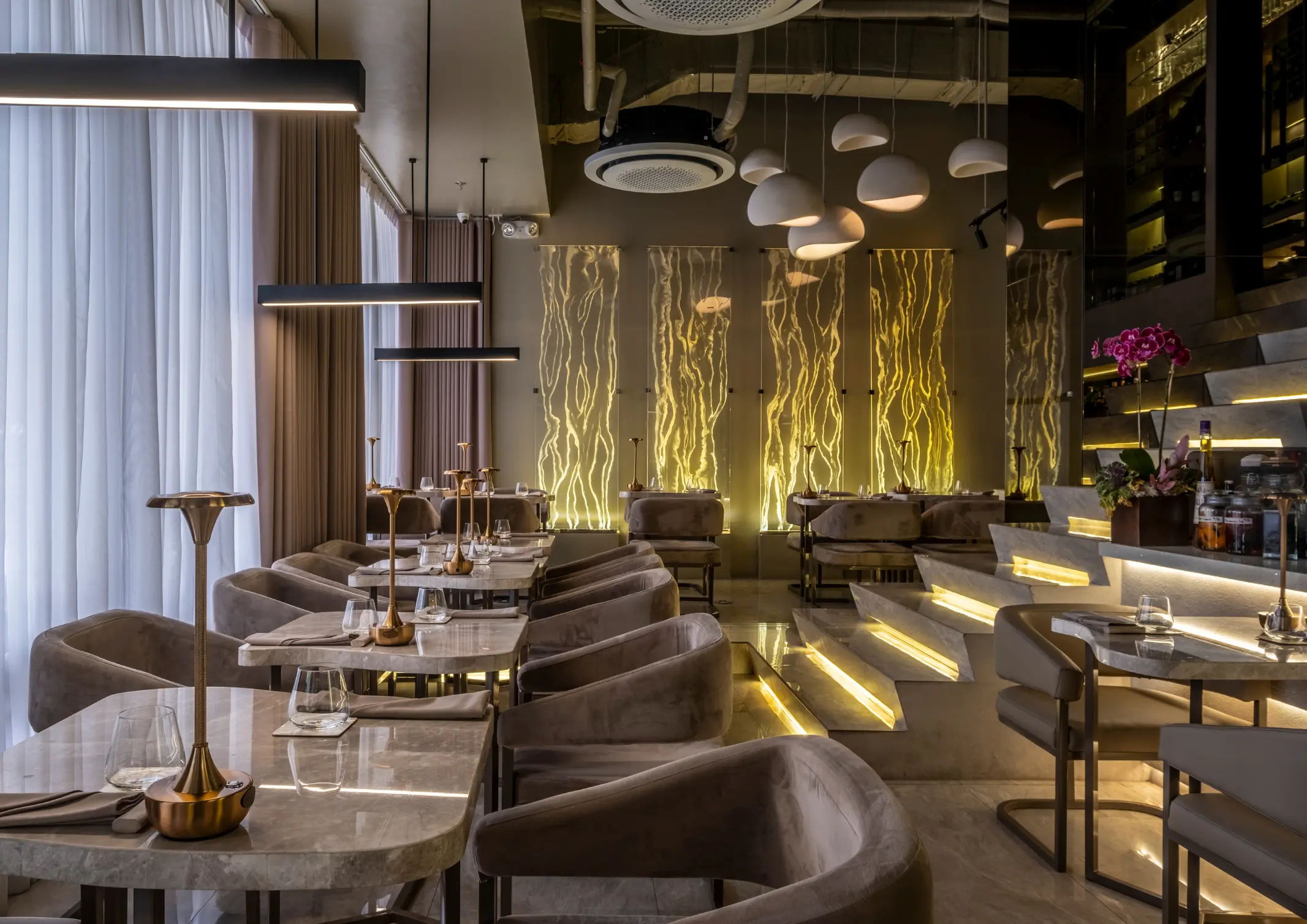
Modern bathrooms are no longer purely functional spaces. Increasingly, they are being designed as environments that support cleanliness, ease, and quiet restoration within the home. As daily life becomes more demanding and health awareness continues to rise, homeowners are beginning to expect more from the spaces where daily rituals begin and end. For architects and […]
From the moment a diner steps through the door, each detail shapes how a meal is experienced. Restaurant design has evolved, with architects and culinary professionals collaborating to create built spaces that are as intentional as the menu itself. The spatial atmosphere acts as an additional ingredient that can define the culinary experience. Taupe and […]
With climate change and global warming, the Philippine climate is in constant evolution. Consequently, it is important for Filipinos to have living spaces that respond to the local environment. In this article, BluPrint lists down Filipino architects who are reimagining the tropical house, aligning the built and natural environment. BAAD Studio Principal architects Benjee Mendoza […]
Ventilation involves the introduction of outdoor air into a room, providing occupants with their needs. Proper ventilation allows for the moderation of internal temperatures, the creation of better airflow, the dilution of carbon dioxide to acceptable levels, and the removal of contaminants. This addresses health risks associated with indoor air pollution, such as respiratory problems […]
WORLDBEX 2026, running from March 12 to 15, 2026, proves itself as the Philippines’ leading construction and design expo as it wrapped its 29th edition. It drew together 1,000 local and international exhibitors under one theme, “Building Opportunities: Sustaining Lives.” Organized by Worldbex Services International (WSI), in support of the ABS-CBN Foundation Inc., the event […]
Located near the equator, factors such as heat and humidity are the norm in the Philippines. This tropical climate has shaped the development of architecture in the country. As Leandro V. Locsin stated: “The first consideration of the Filipino builder and certainly the most evident in his architecture, which is after all an outgrowth of […]