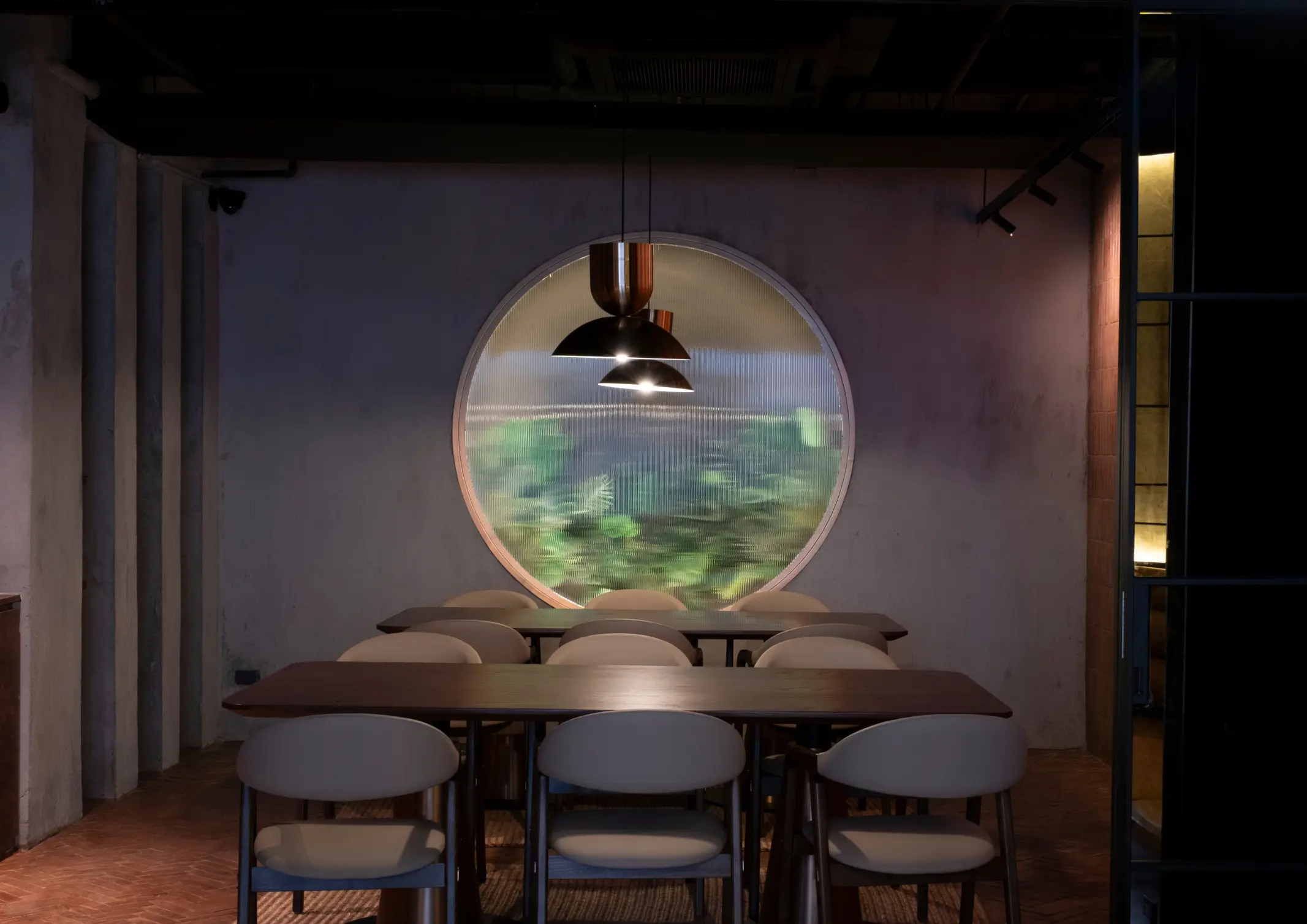
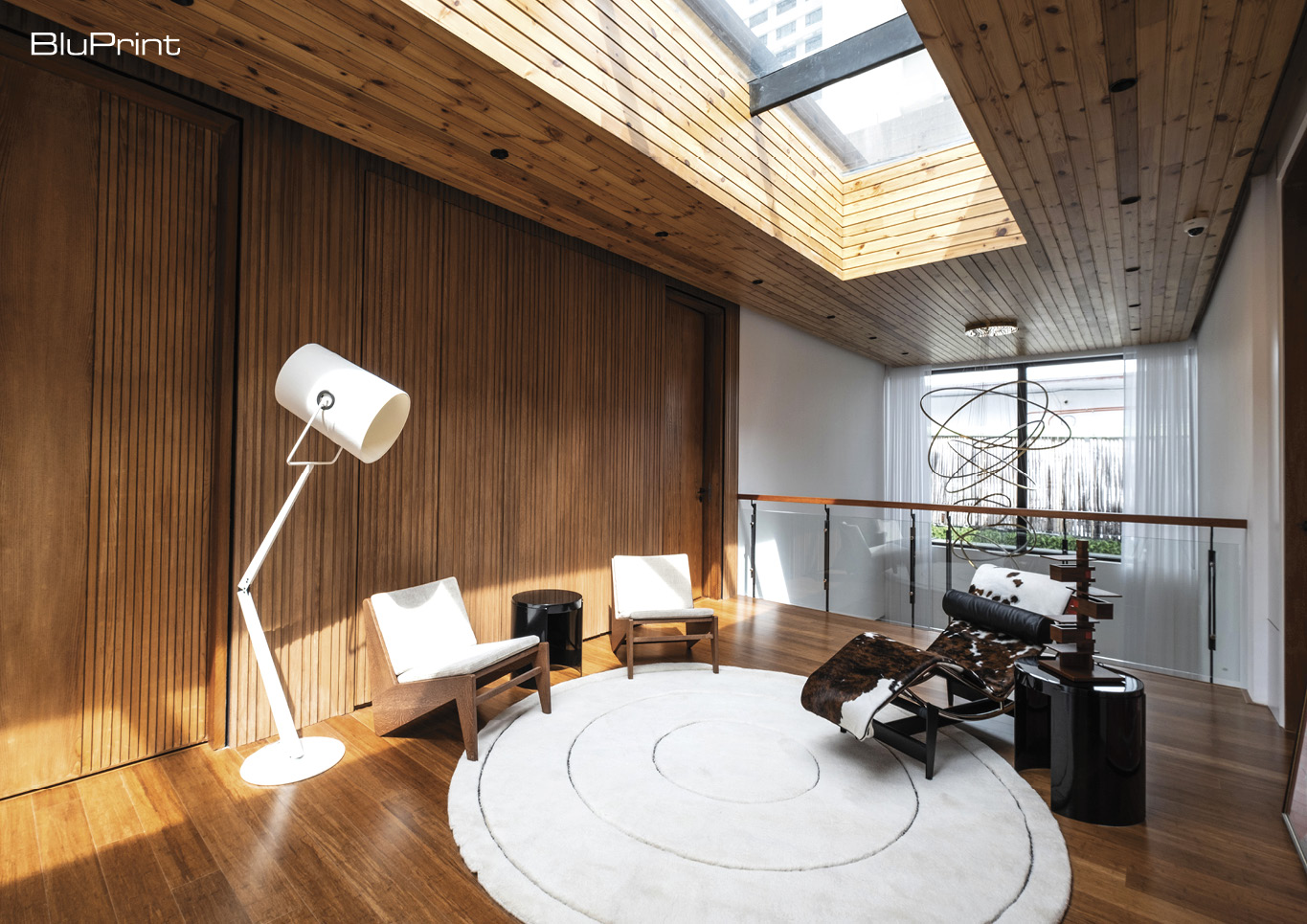
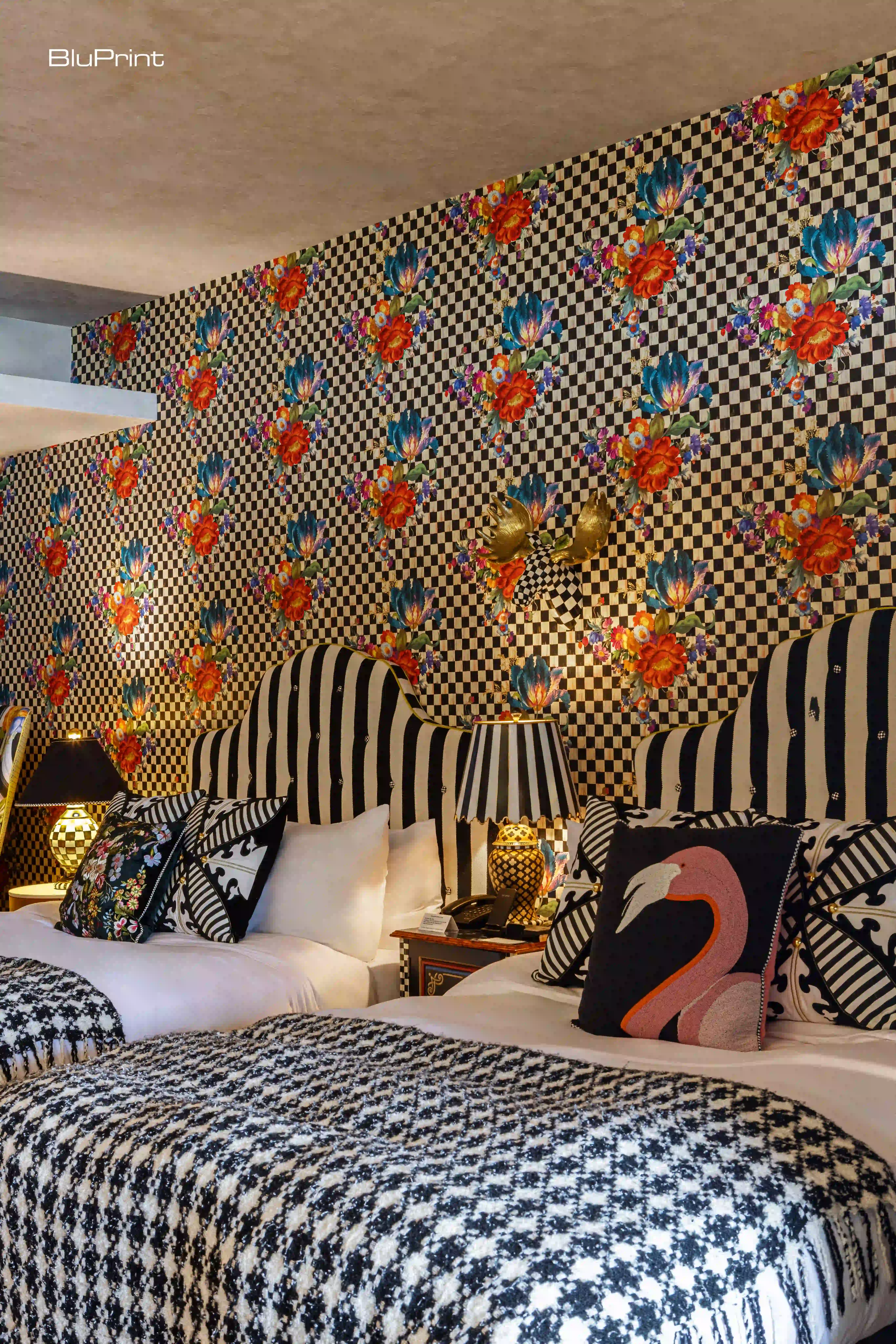
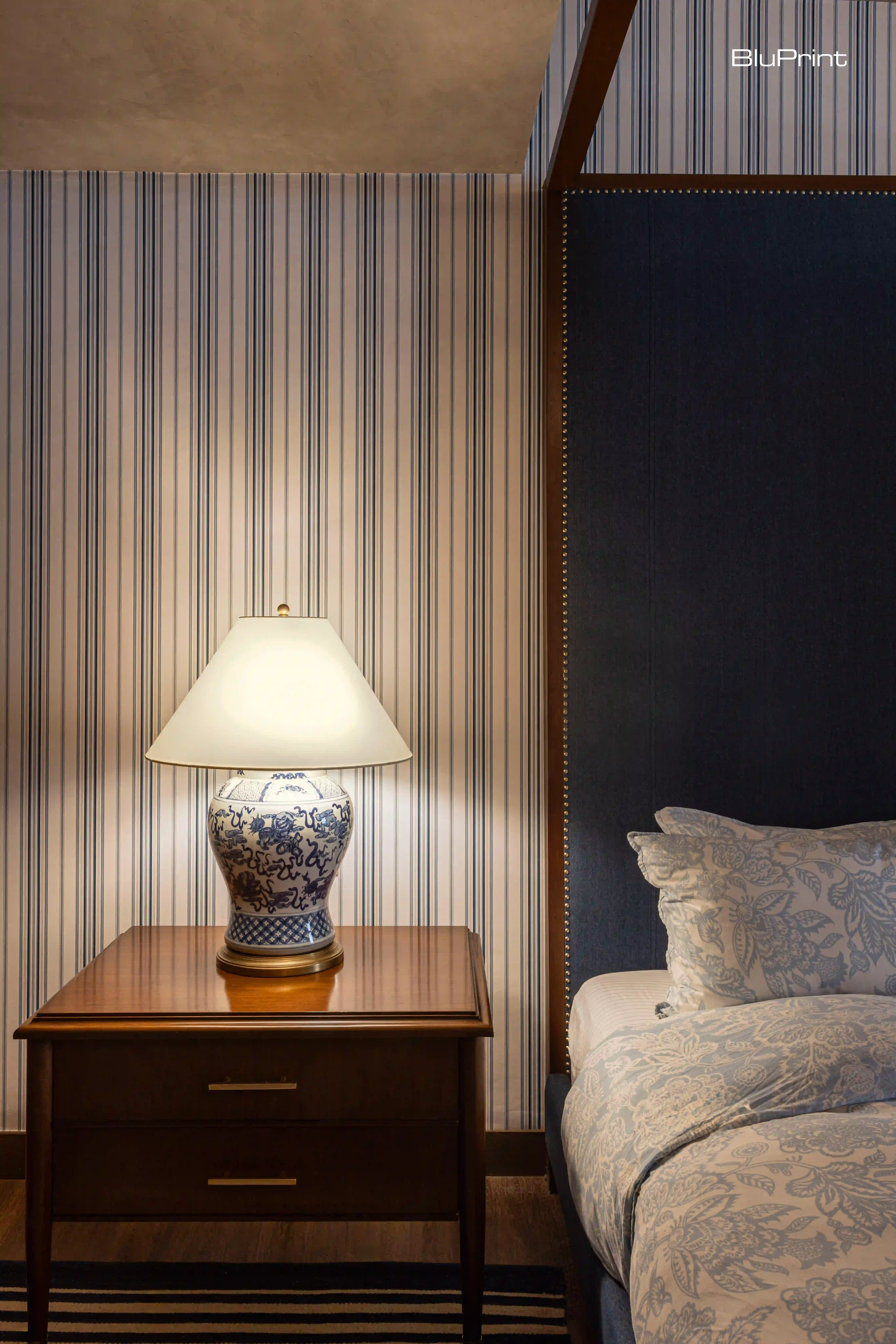
From residential spaces to civic structures, lighting dictates the mood of a space. It controls the visual dynamics of an interior, serving as a guiding tool that highlights key design elements, including materials and textures.
Regulating the Mood: Natural and Artificial Light in Interior Spaces
Lighting design involves the intentional selection and positioning of light sources—such as lamps and fixtures—to evoke a specific atmosphere. In interior design, lighting contributes to both aesthetics and functionality. Approaches vary, from layered lighting to natural and accent lighting.
Advertisement
Photographed by Jar Concengco
Photographed by Jar Concengco
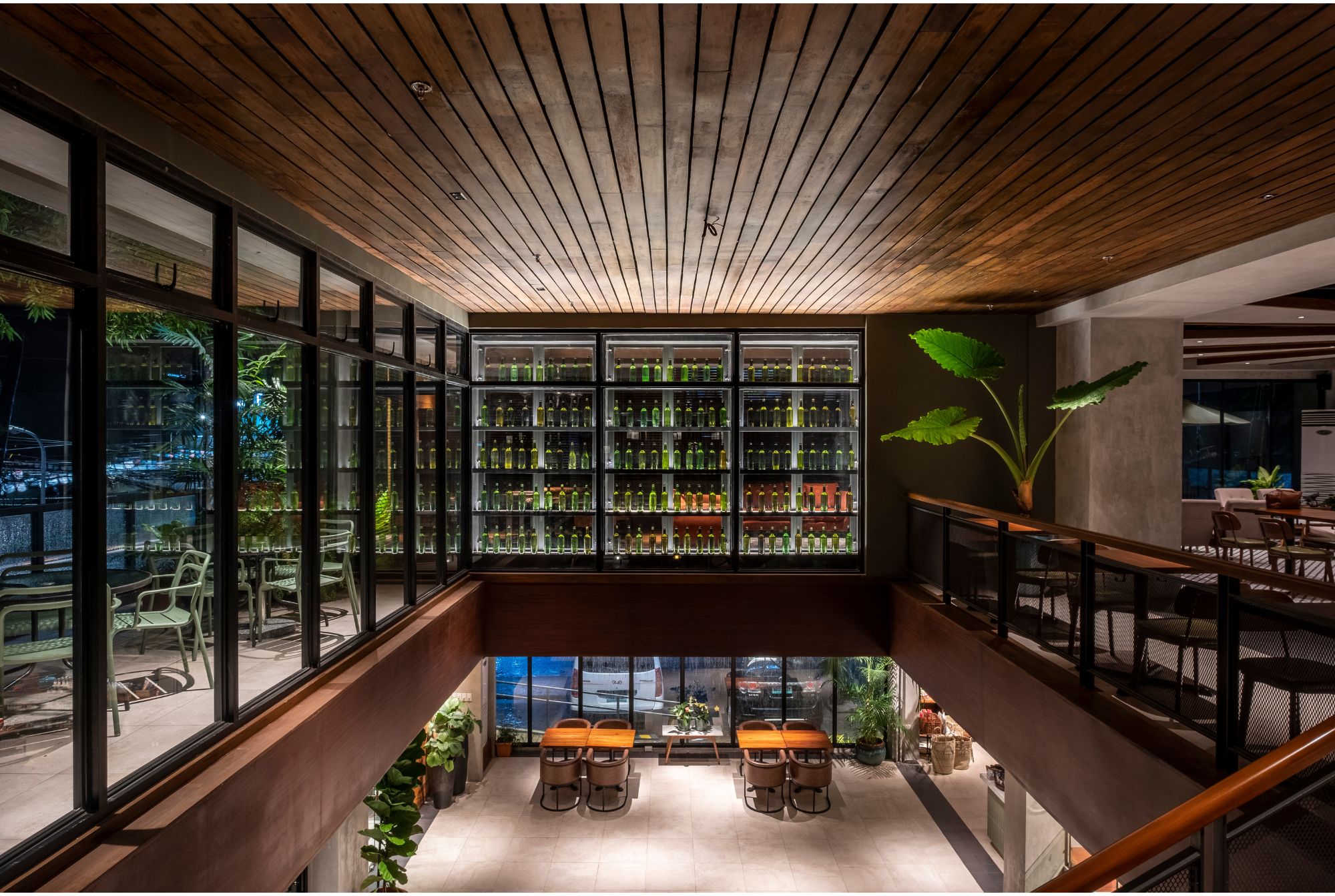
Located in Bacolod, Cafe Bobs uses lighting to reflect the vibrant spirit of its environment. Headed by Christine Sicangco of Lighting Design Inc., its lighting design aligns with the interior’s overall design language.
Photographed by Ed Simon
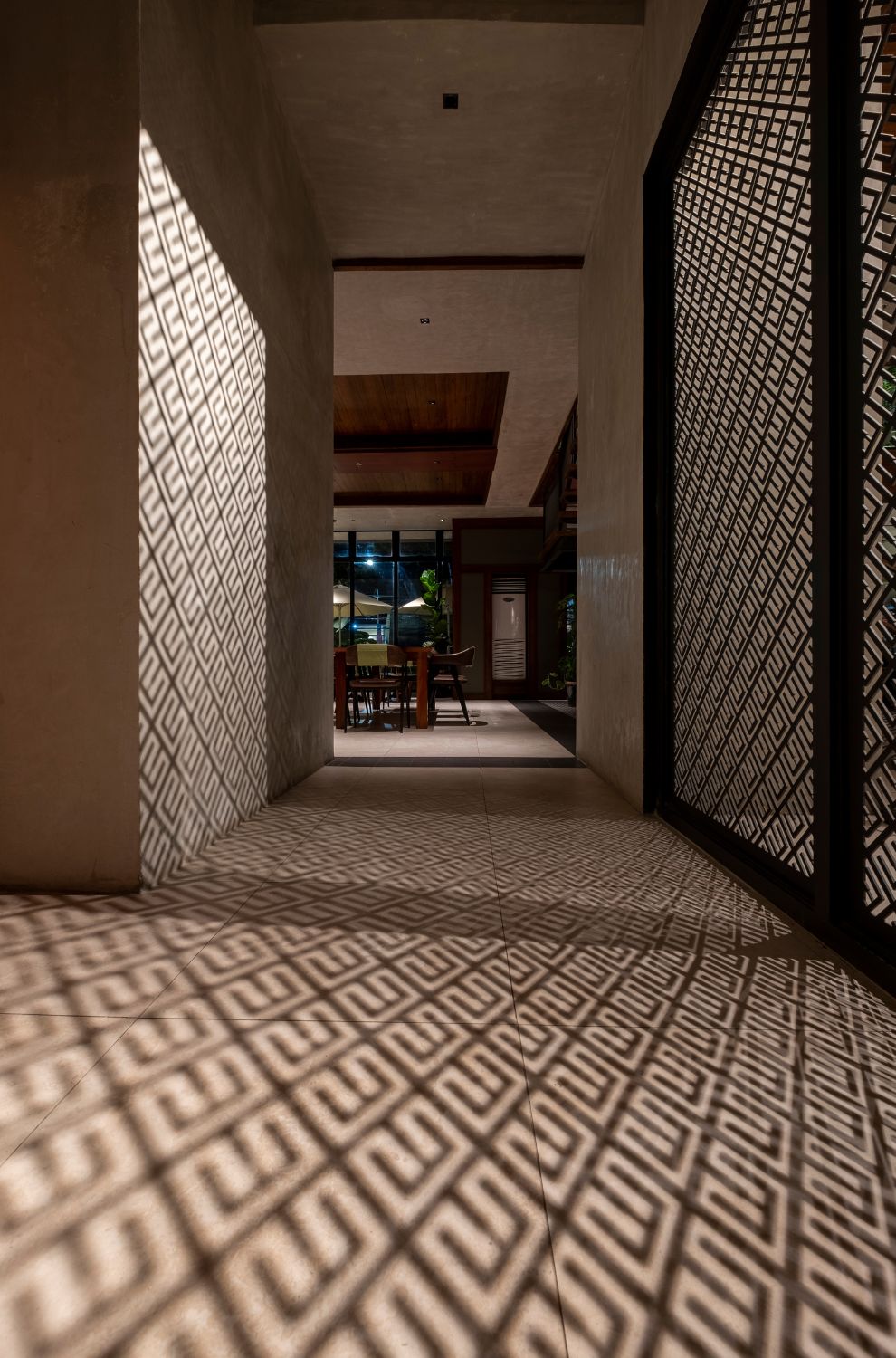
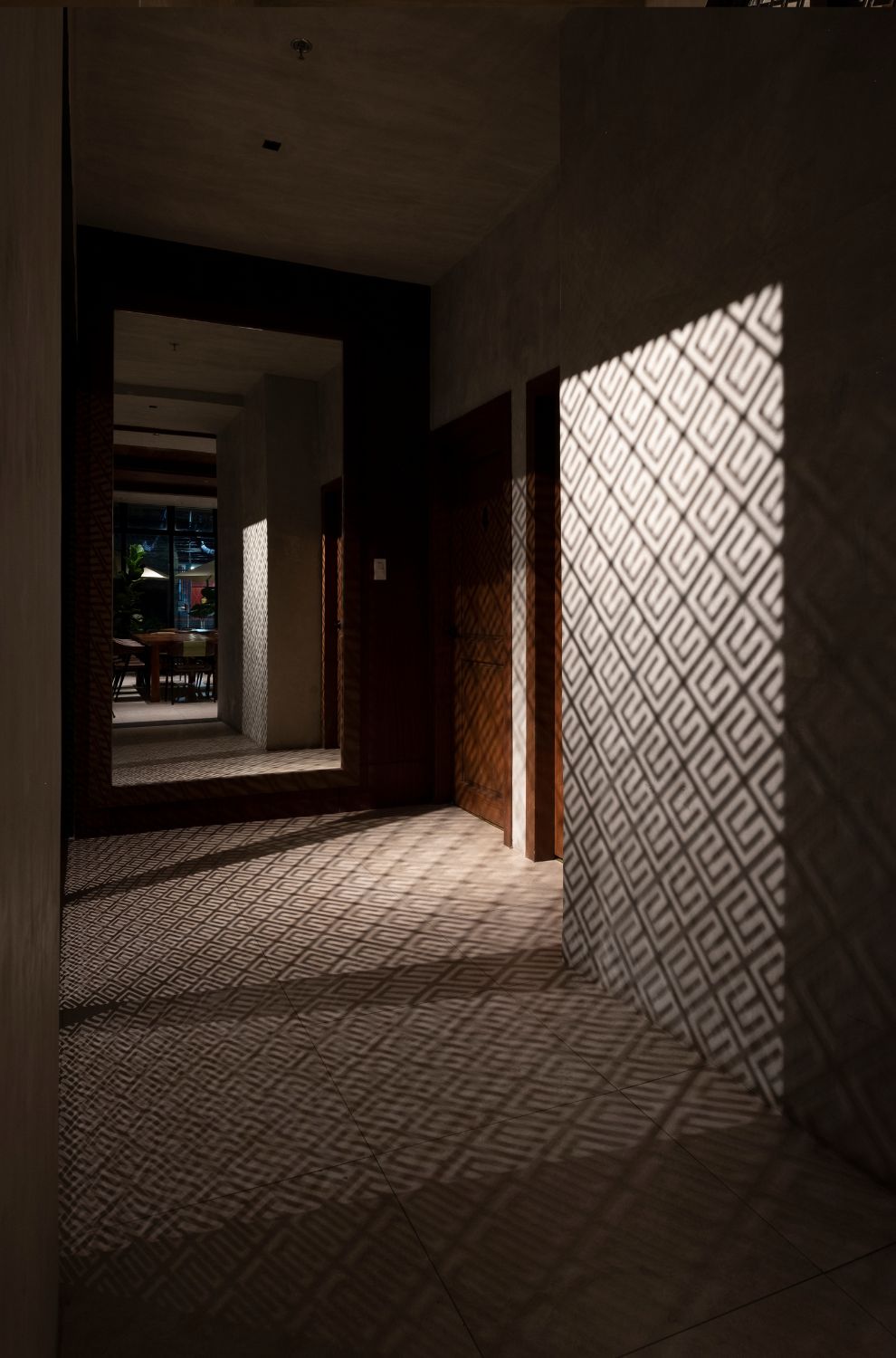
The custom laser-cut panels featuring the cafe’s logo serve as a key architectural element, dividing the space into distinct sections. Light filters through these screen dividers, casting textured shadows that add depth and pattern.
Photographed by Ed Simon
Photographed by Ed Simon
In the evening, the cafe takes on a different character through lighting. Track lighting highlights the deli, bakery, and coffee counter, emphasizing both display and task areas. For functionality, vertical illumination of walls and menu boards enhances ordering efficiency.
Advertisement
Lighting at a Large Scale: The Mactan Cebu International Airport
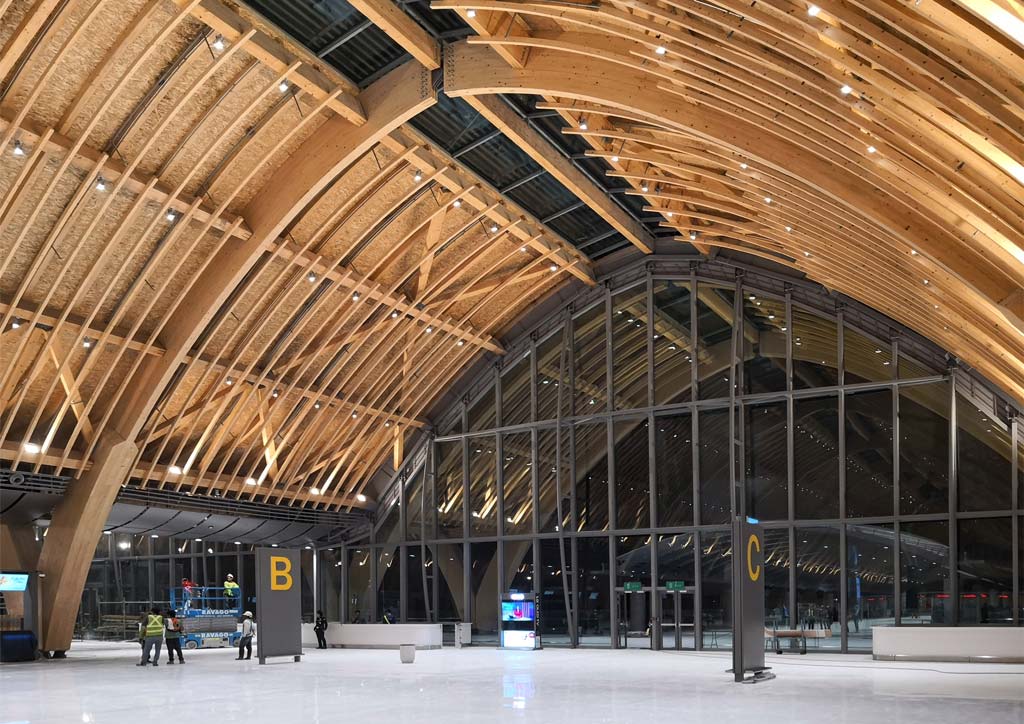
In Lapu-Lapu City, the Mactan Cebu International Airport draws from the ambiance of luxury resorts. Awarded at the World Architecture Festival in Amsterdam in the “Completed Buildings–Transport” category, its architecture is defined by its curved wooden structure.
Light Plan Inc. was responsible for the airport’s lighting design. Principal and Founder, IDr. Jinkie De Jesus stated in a BluPrint interview, “It’s an art, it’s a science, it’s storytelling at the same time. It’s just an incredible and tangible medium that really makes an impact.”
Signify used a total of 8,000 LED lightpoints throughout the airport, with the warm lighting complementing the natural hues and texture of the arch. Photographed by Patrick Kasingsing
The departure level, with its expansive wooden ceiling, features high arches illuminated by narrow-beam uplights. For general lighting, small downlights were used. In the morning, natural daylight filters into the interior through skylights along the roof. At night, carefully calibrated artificial lighting creates a warm yet grand atmosphere suited to its millions of yearly passengers
From residential spaces to civic structures, lighting dictates the mood of a space. It controls the visual dynamics of an interior, serving as a guiding tool that highlights key design elements, including materials and textures. Related Reading: Lampscaping: How to Light up Your Home like a Pro Regulating the Mood: Natural and Artificial Light in […]
More and more Filipinos are flocking to condominium communities. Often tucked within busy city centers, condo living acts as a small respite from urban chaos. Faced with the challenge of transforming a cramped condominium into a warm living space, BluPrint lists condo interior design ideas that can maximize each square foot of small spaces. Purposeful […]
Modern bathrooms are no longer purely functional spaces. Increasingly, they are being designed as environments that support cleanliness, ease, and quiet restoration within the home. As daily life becomes more demanding and health awareness continues to rise, homeowners are beginning to expect more from the spaces where daily rituals begin and end. For architects and […]
From the moment a diner steps through the door, each detail shapes how a meal is experienced. Restaurant design has evolved, with architects and culinary professionals collaborating to create built spaces that are as intentional as the menu itself. The spatial atmosphere acts as an additional ingredient that can define the culinary experience. Taupe and […]
With climate change and global warming, the Philippine climate is in constant evolution. Consequently, it is important for Filipinos to have living spaces that respond to the local environment. In this article, BluPrint lists down Filipino architects who are reimagining the tropical house, aligning the built and natural environment. BAAD Studio Principal architects Benjee Mendoza […]