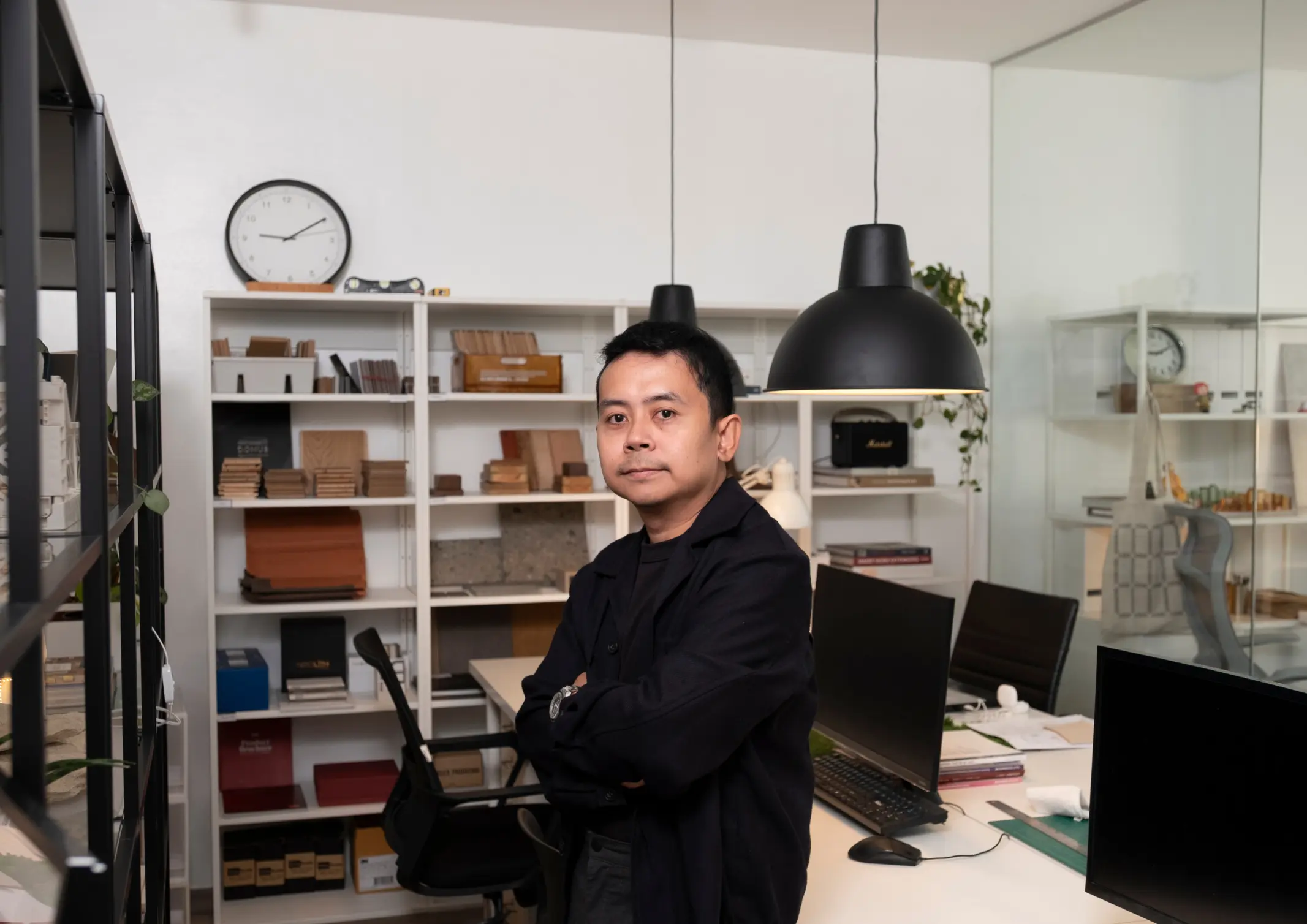
Breaking through in their respective careers is a daunting task for any young professional. For Architect Pierre Briones, architecture has always been an intentional pursuit. Having spent much of his childhood around construction sites, Briones’s environment shaped his interest in architecture, including his fascination with how structures and buildings are built. “Choosing architecture was never […]
Everything You Need to Know About the Parol



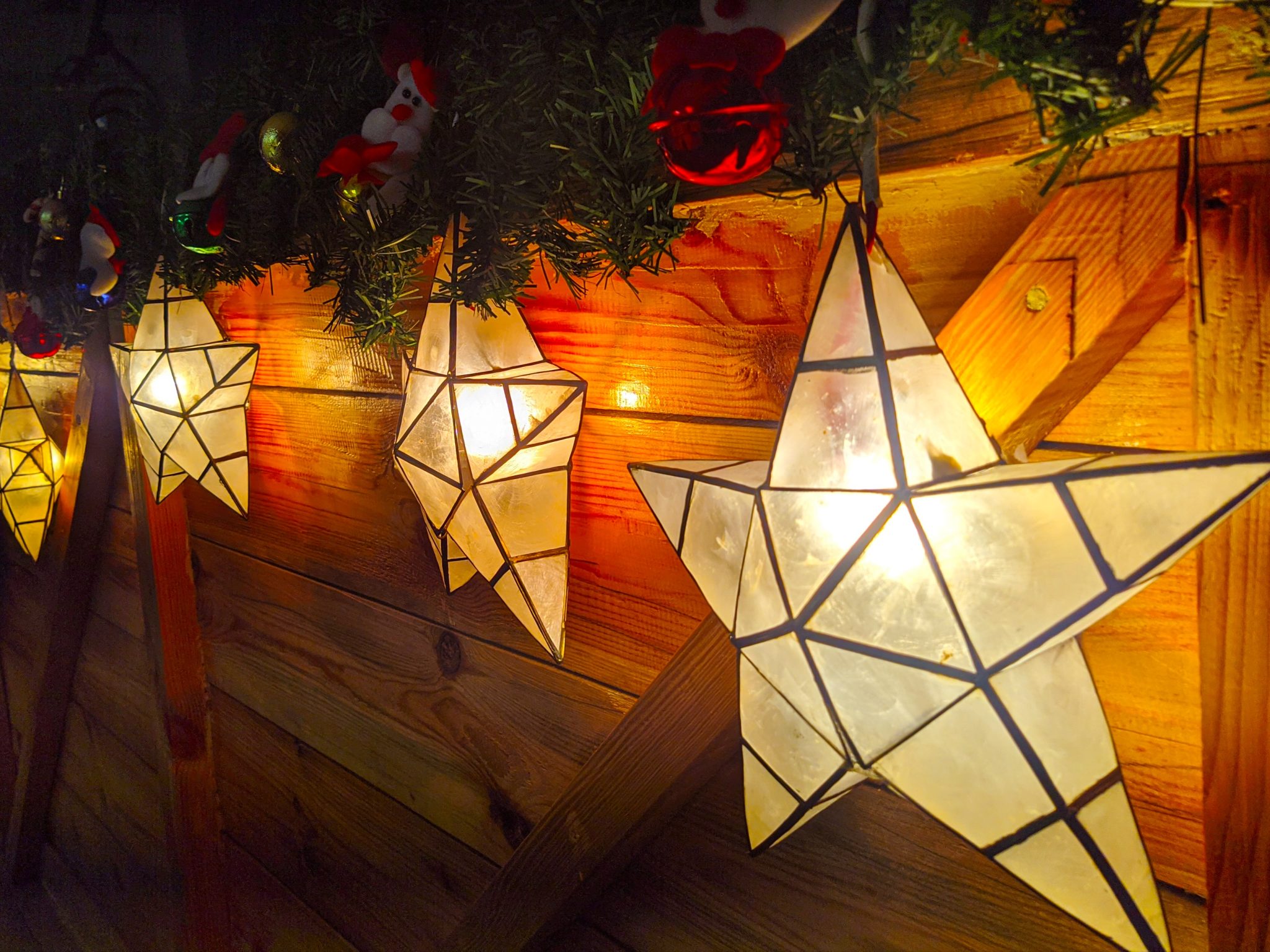
Christmas in the Philippines is a class all its own. Along with the four-month observance filled with food, family, and religious-centered festivities, vibrant decorations define its unique and lively spirit. But among the popular holiday embellishments we know, there is a particular item that deeply resonates within our soul. The parol is a cherished symbol that connects us to the heritage and nostalgia of a truly Filipino Christmas celebration.
Crafted from a Long Colonial History
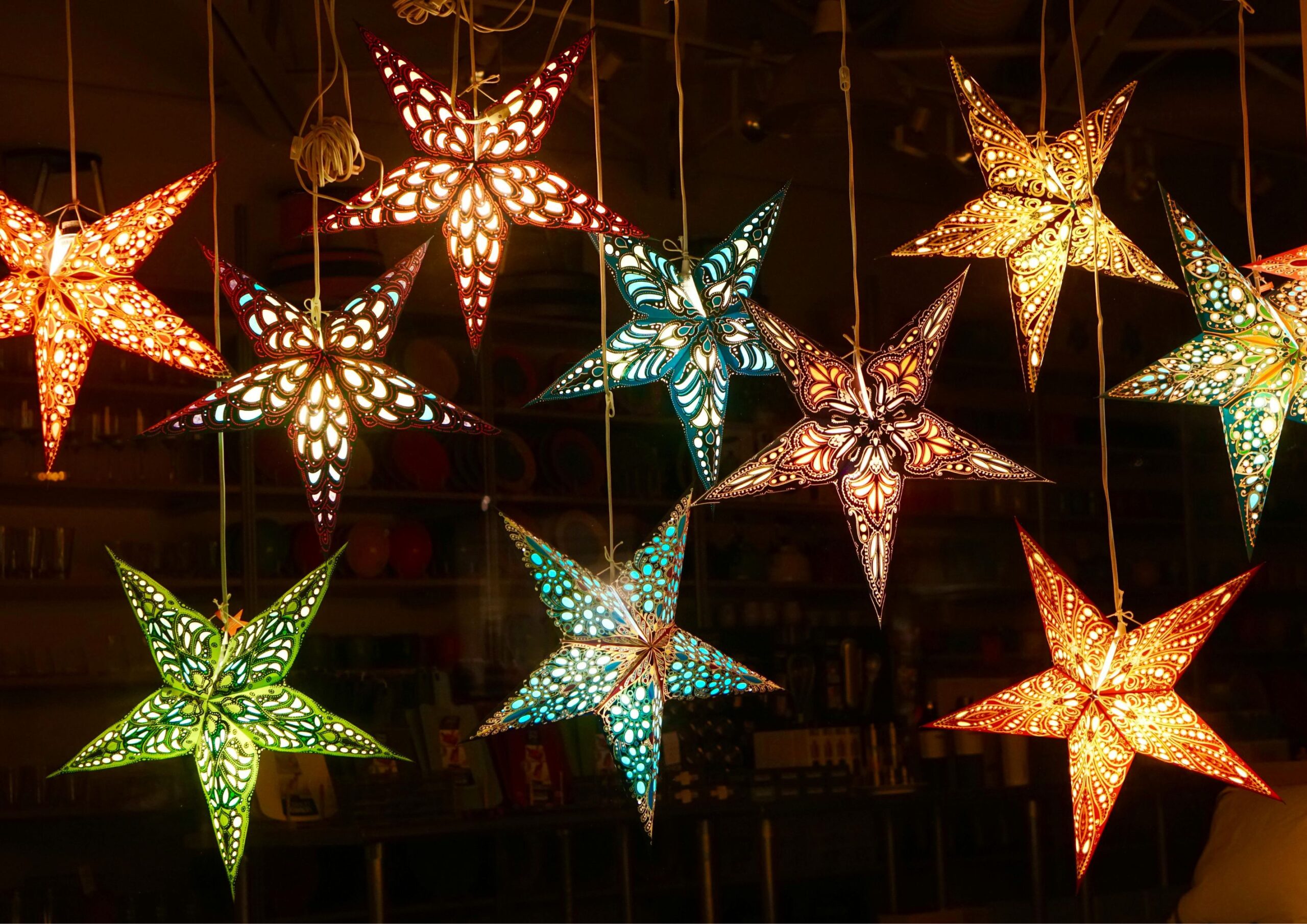
Parol is a traditional star-shaped decorative Christmas lantern, often made from lightweight or indigenous materials. Featuring simple to intricate designs, you can typically see them adorning the streets, public places, government offices, and homes. But have you ever wondered why even with the surge of modern holiday decorations, this decor remains to be an enduring emblem of Filipino Christmas?
It all started centuries ago during the Spanish colonial period. Derived from the Spanish word farol, meaning lantern, the parol is a local adaptation of the traditional glass jar that holds a candle or oil light source. It was originally used by Hispanics to light their way to church when attending the nine-day midnight mass before Christmas, which we now know as simbang gabi.
Advertisement
The parol used to guide the Panunuluyan processions, which are dramatizations of Joseph and Mary’s journey to Bethlehem. But instead of jars, they crafted lanterns out of bamboo and Japanese paper in rectangular or oblong shapes. Once the procession ended, these lanterns served as outdoor home decor.
In the 1830s, their designs began to evolve. Different shapes such as a cross, fish, lamb, dove, or angels became prominent, showcasing more complex paper-cutting techniques. But by the time Americans arrived in the Philippines, the five-pointed star model became the standard.
It was believed that the Kapampangan artisan Francisco Estanislao first produced this design in 1908. From there, parol-making developed into a more established tradition all over the country. Modern designs can be battery-powered or rotor-operated. They also come in various sizes made of synthetic, natural, or recycled materials. Together with these innovations, parol exhibitions, festivities, and competitions also thrived.
Advertisement
This only proves that the parol has been deeply ingrained in the Filipino Christmas and continues to evolve to the changing times.
Parol: A Filipino Christmas’ Cultural Icon
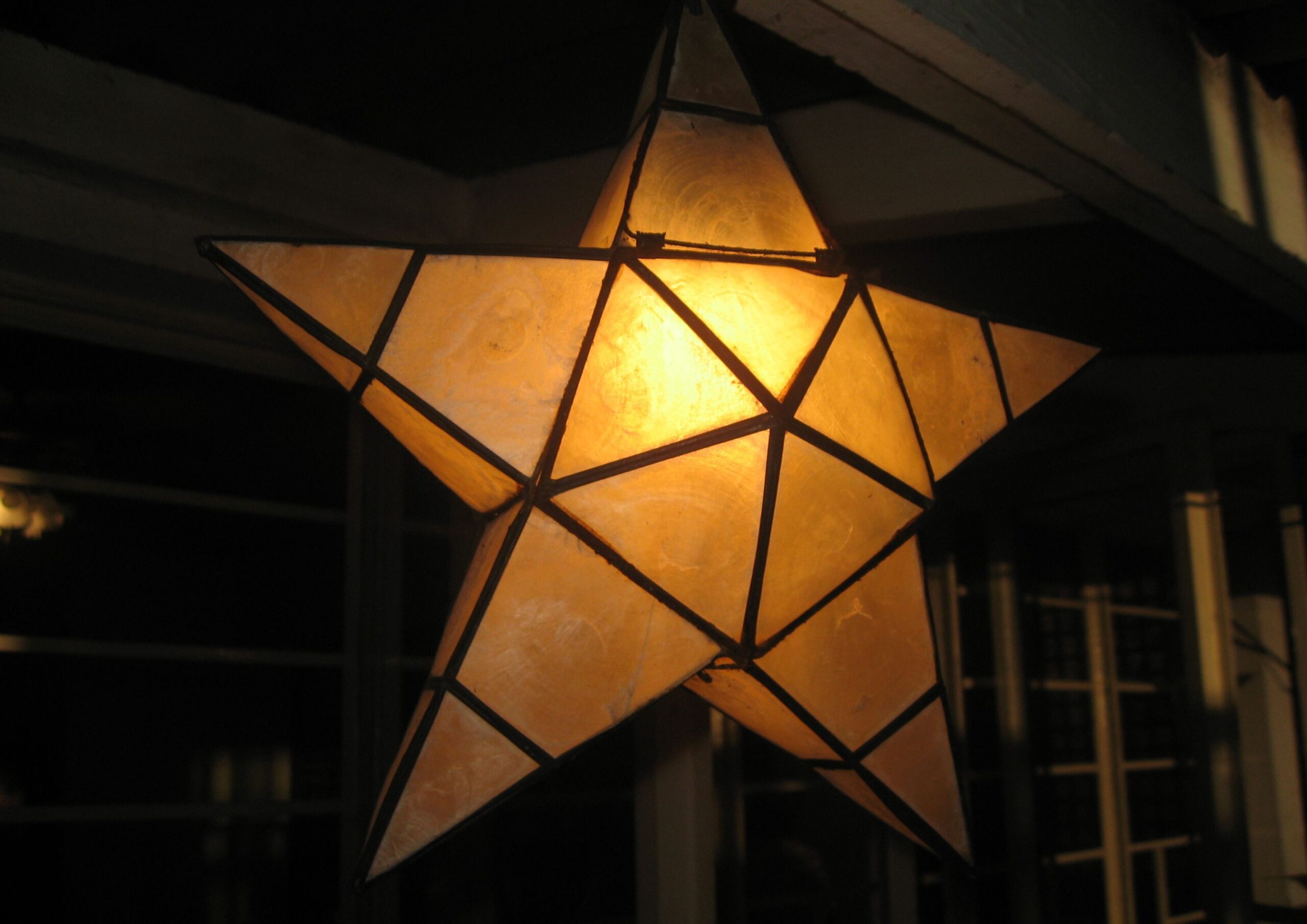
Like many Christmas figures and decor, parol also carries various meanings and significance.
Raquel Redondiez, director of SOMA Pilipinas, a San Francisco-based Filipino Cultural Heritage District, states that this staple Filipino Christmas item represents the “triumph of light over darkness, joy, and hope.” In Liana Romulo’s book entitled Filipino Celebrations: A Treasury of Feasts and Festivals, parol symbolizes the star of Bethlehem that led the Three Wise Men to the nativity scene.
But as it also continues to be a cherished cultural tradition, this holiday decor upholds innate Filipino values such as optimism, resilience, faith, and solidarity. One of the clear portrayals of this is the 2012 Christmas Station ID of a transnational media network.
In the music video, parol served as a beacon of hope and emblem of bayanihan in light of Typhoon Pablo aftermath. The superimpositions of parol in famous international landmarks also indicate how Filipinos carry their defining virtues with them no matter where they go.
Advertisement
In a nutshell, parol possesses deeper import than being a mere aesthetic holiday object.
How to Decorate with Parol
Since parol has become such a key piece of Filipino Christmas traditions, it has also ensured its presence in our homes. Offering a range of creative interpretations and innovative designs, there are different ways to grace your dwelling with it.
Traditional Exterior Placement
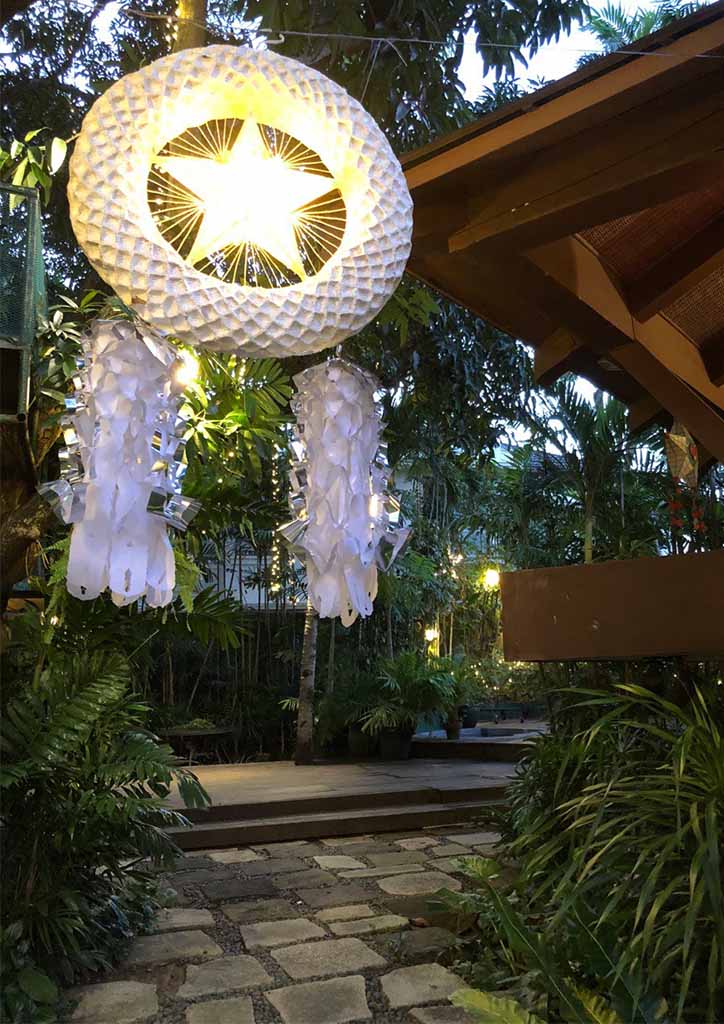
Similar to its original and usual spots, you can place parol in porches, balconies, front doors, and windows. Since these places are visible to more people, it’s the perfect opportunity to display eye-catching designs. You can even make it prominent by choosing a larger size with attractive colors and glow. Better if they’re made from weatherproof materials such as plastic, metal, or shells.
Christmas Greenery
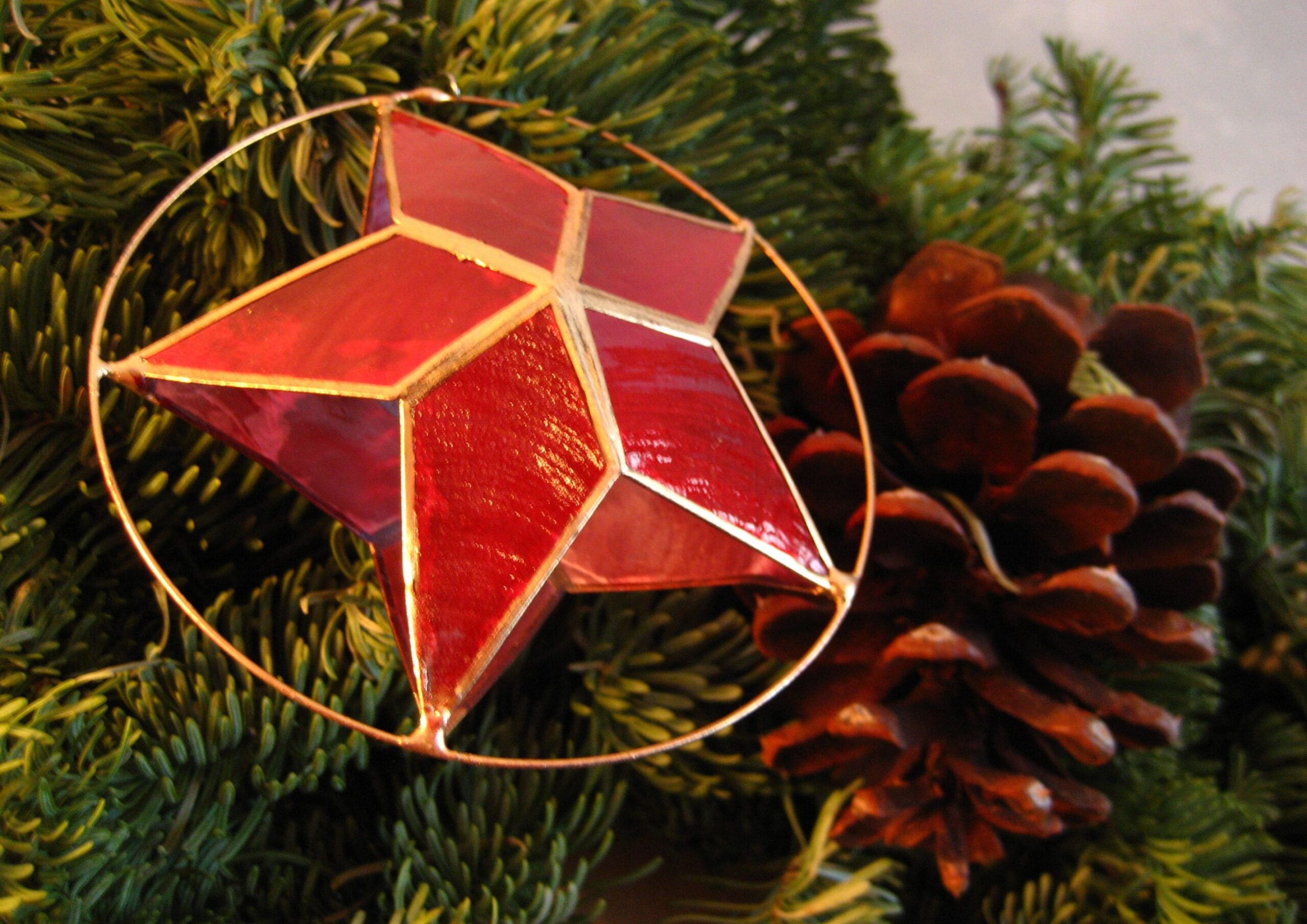
As it’s already a spectacle on its own, the parol shines even brighter when paired with the classic greenery of the Christmas season. Christmas trees, wreaths, and garlands, with their lush foliage, provide the perfect backdrop for the parol’s colorful and intricate designs. It can be a few small pieces nestled among the branches or a large one as a topper.
Advertisement
Empty and Overlooked Spaces
Given its visually captivating qualities, parol can turn even the dullest and neglected spaces into vibrant and inviting corners. Hanging them on empty walls, hallways, handrails, ceilings, and above windows and doorways. This can instantly make this Filipino Christmas decor a centerpiece while transforming the space into another focal point. Here, you can place parol with delicate designs since they are less likely to be bumped into or accidentally knocked down.
Even with the new holiday decor trends, there will always be a parol at the heart of every Filipino Christmas. It’s a cultural treasure reminding us of our heritage, our faith, and the hope that shines brightly during the holiday season.
Read more: Bows are the New Christmas Decor Must-Have of 2024
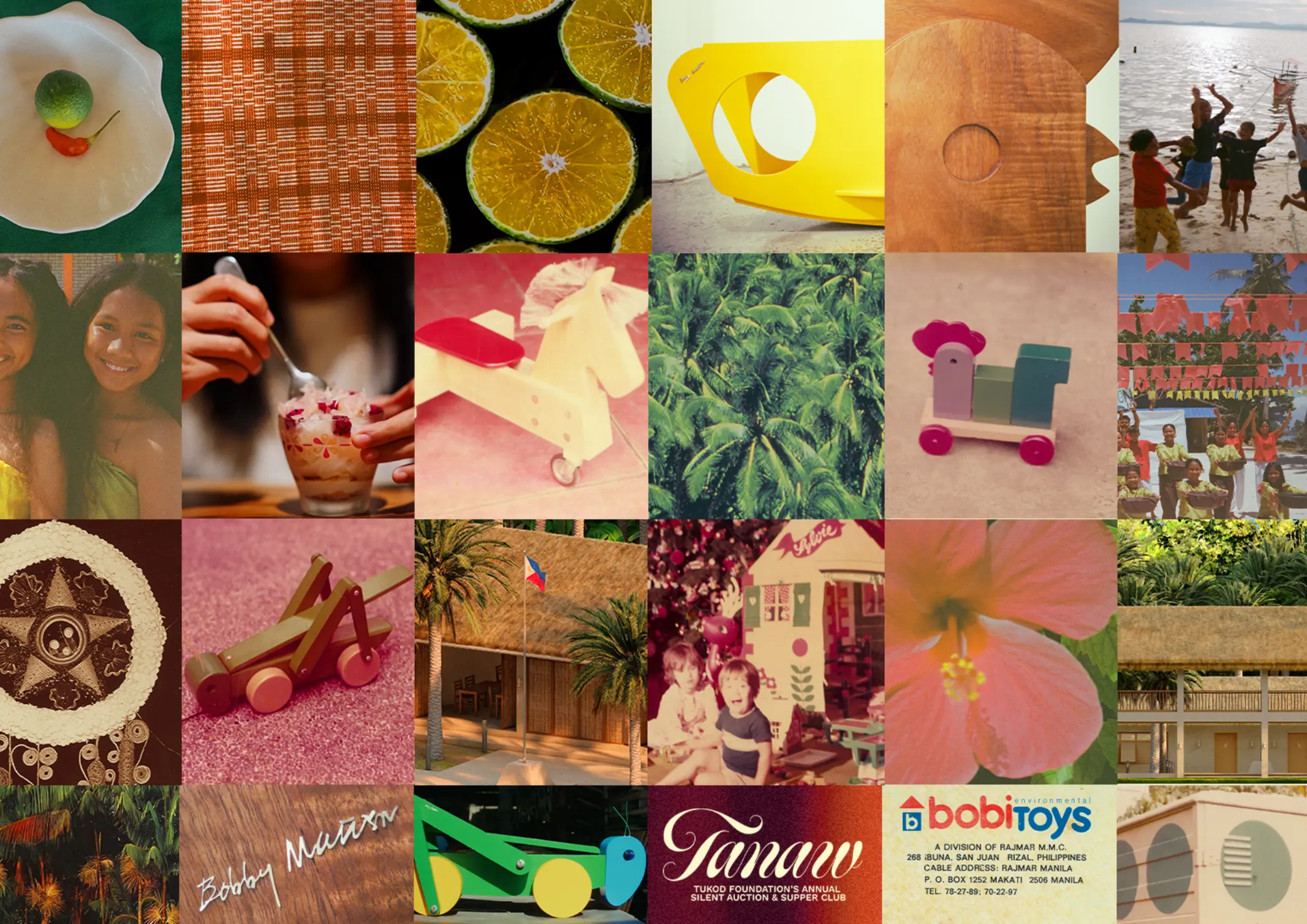
Not many people know this, but during the Martial Law era, National Artist for Architecture Bobby Mañosa was also a toy designer. He had an iconic line of toys, called “Bobi Toys,” that he sold in Makati during the 1970s and 1980s, which he discontinued as his own kids grew older. His toys have not […]
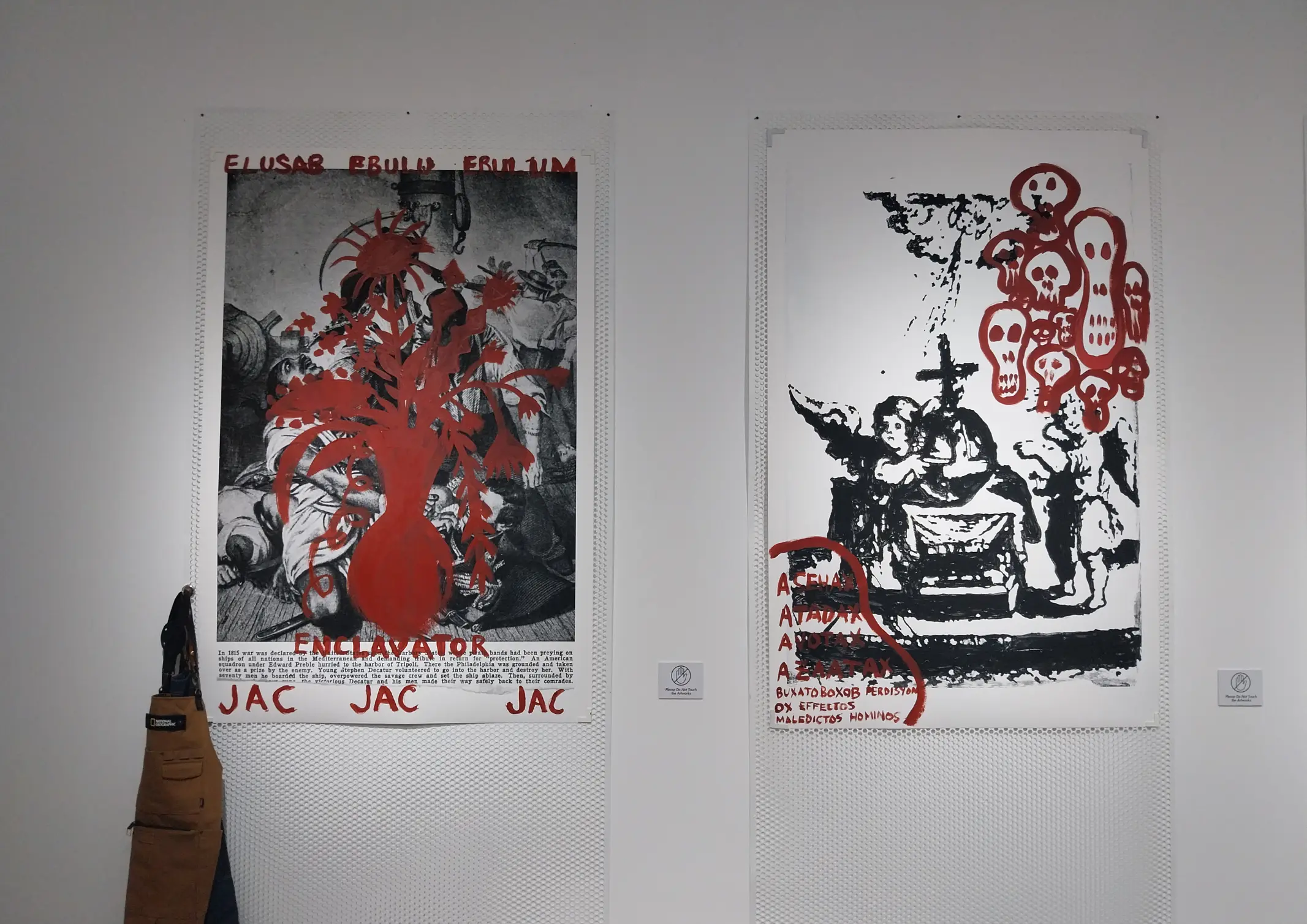
Cloud Grey Gallery put together two esteemed artists, Manuel Ocampo and Ronald Ventura, for Dialogo. As a gallery located at the Grand Hyatt Manila, Cloud Grey has a more forward-thinking approach to contemporary art movements at the time. “They’re provocations,” the gallery declared as they described their approach, “invitations to see the familiar transformed.” For […]
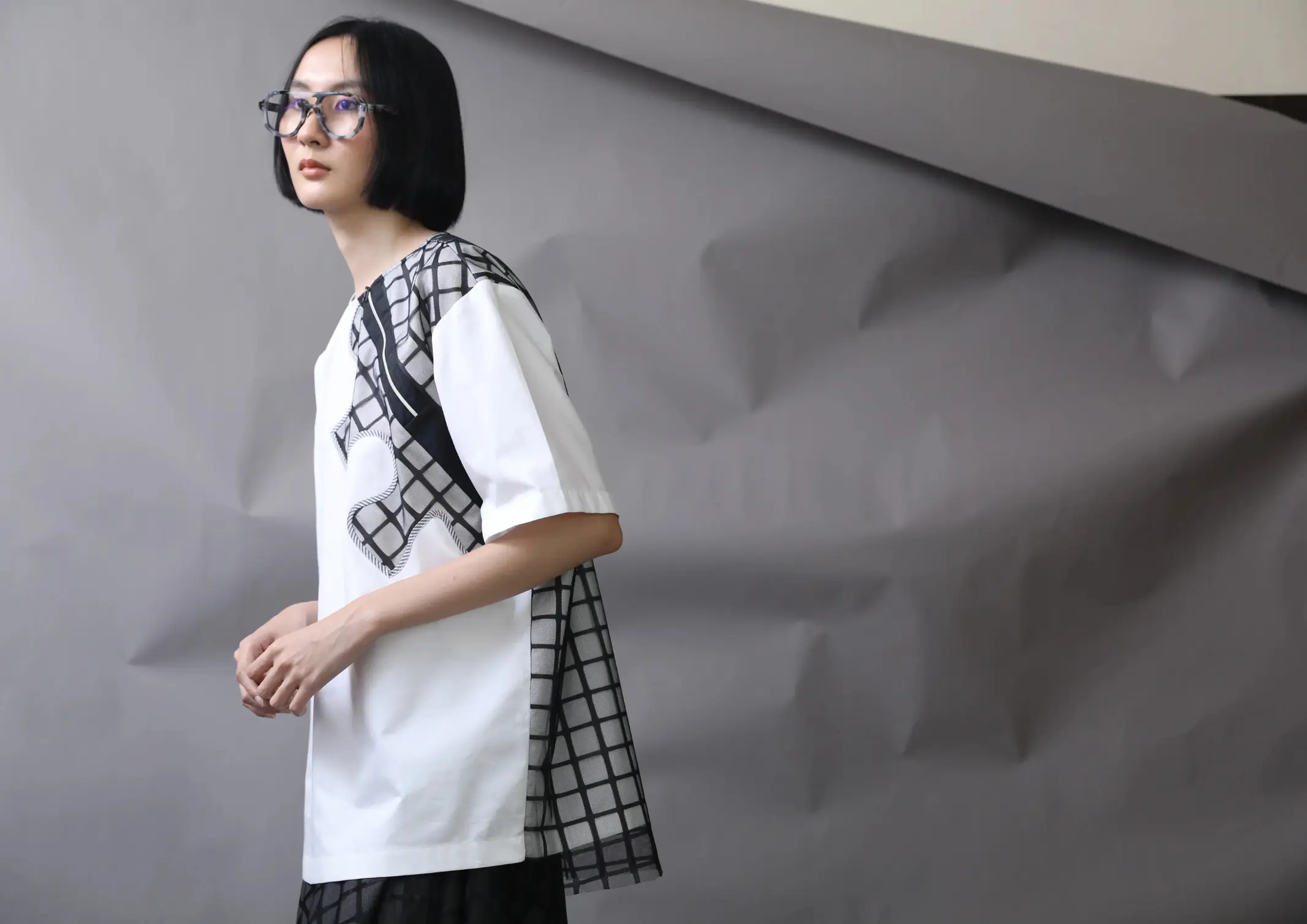
Ivarluski x Bitagcol, a pop-up store at Power Plant Mall, showcases the new collaborative fashion line from the two Filipino designers, as they seek to expand their design horizons and update their aesthetic hallmarks for the present day. The collaboration came about as the two designers, Ivarluski Aseron and Jo Ann Bitagcol, discussed their attraction […]
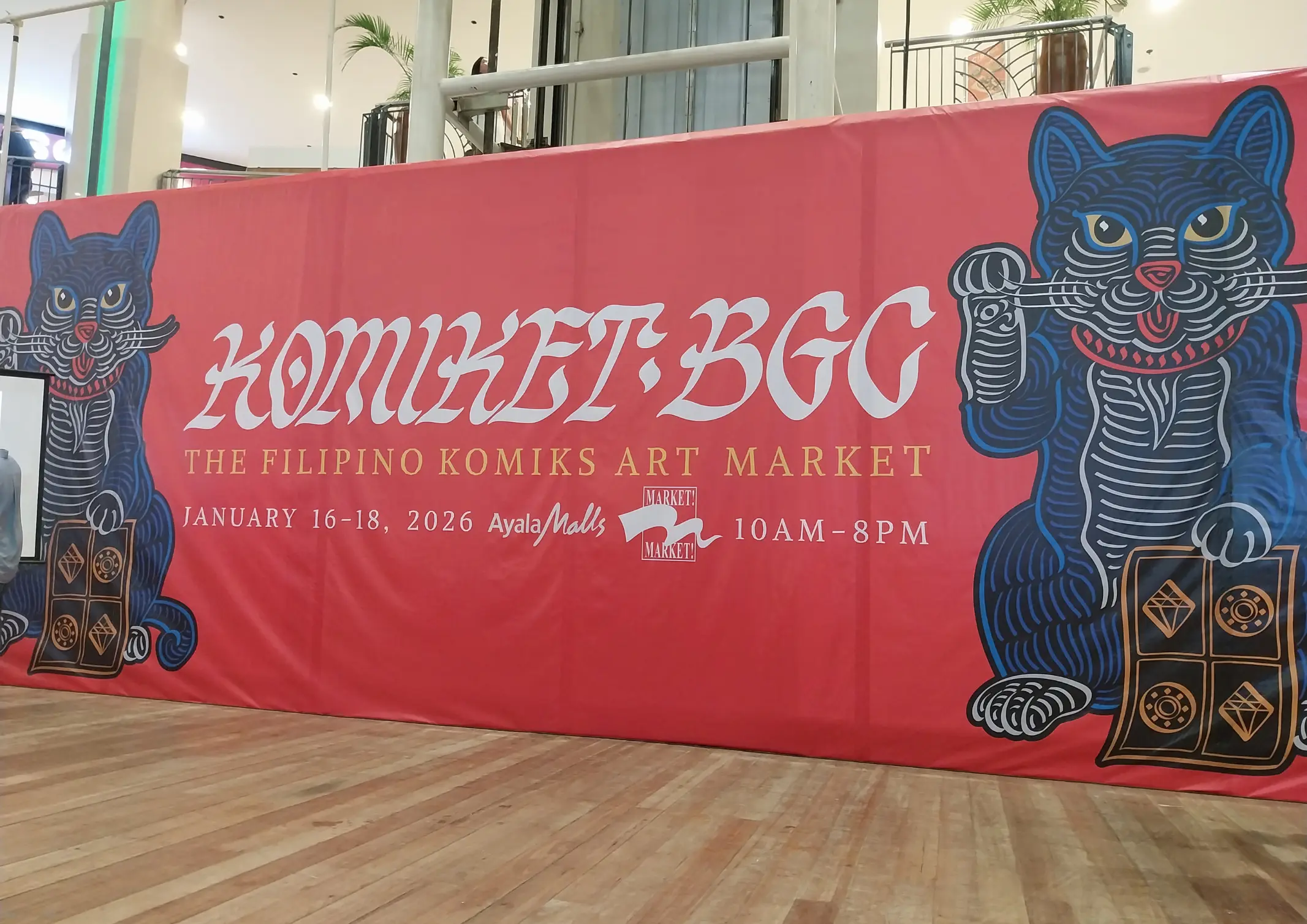
As the country’s local arts community grows steadily beyond the confines of galleries and museums, art markets have become a booming market for young artists and old artists alike. A variety of crafts, whether it’s fabric works or paintings or prints or whatnot, have become the new way of showcasing new, personal styles for a […]
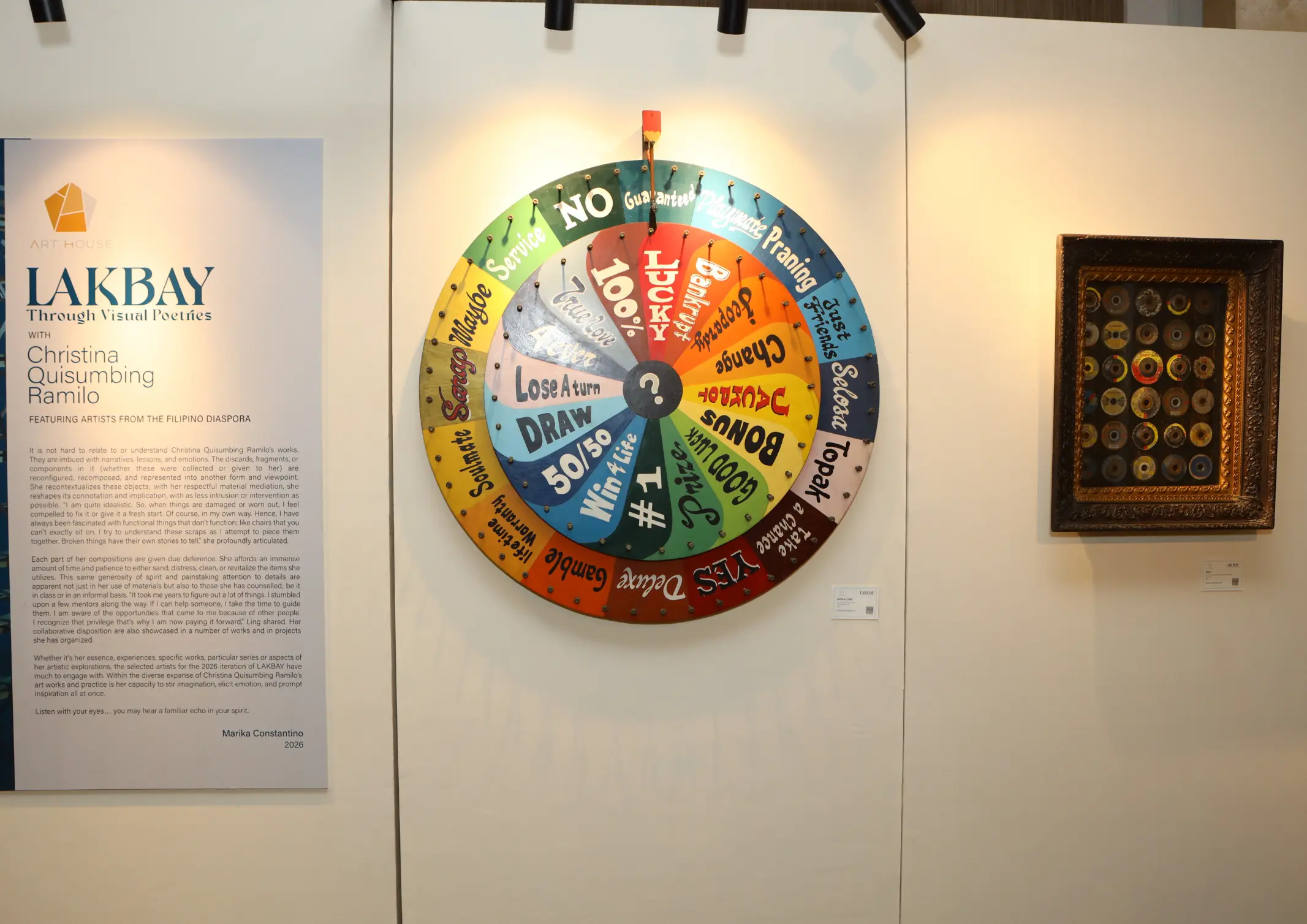
Art House’s LAKBAY series is now on its second iteration with a celebration of artist Christina “Ling” Quisumbing Ramilio’s artistic journey. In Through Visual Poetries, Quisumbing explores the Filipino diaspora experience—the longing, sense of displacement, and search for identity and expression. LAKBAY began last year with the belief that the Filipino diaspora is home to […]
Download this month's BLUPRINT magazine digital copy from:



Subscribe via [email protected]