Contemporary design refers to the constantly evolving design trends of today. With the power to design our built environments, architects have been experimenting with various architectural approaches. Whether that is through unconventional forms or the integration of smart technologies, BluPrint lists down Filipino architects who are defining contemporary architecture. Deo Alam Architect Deo Alrashid Alam […]
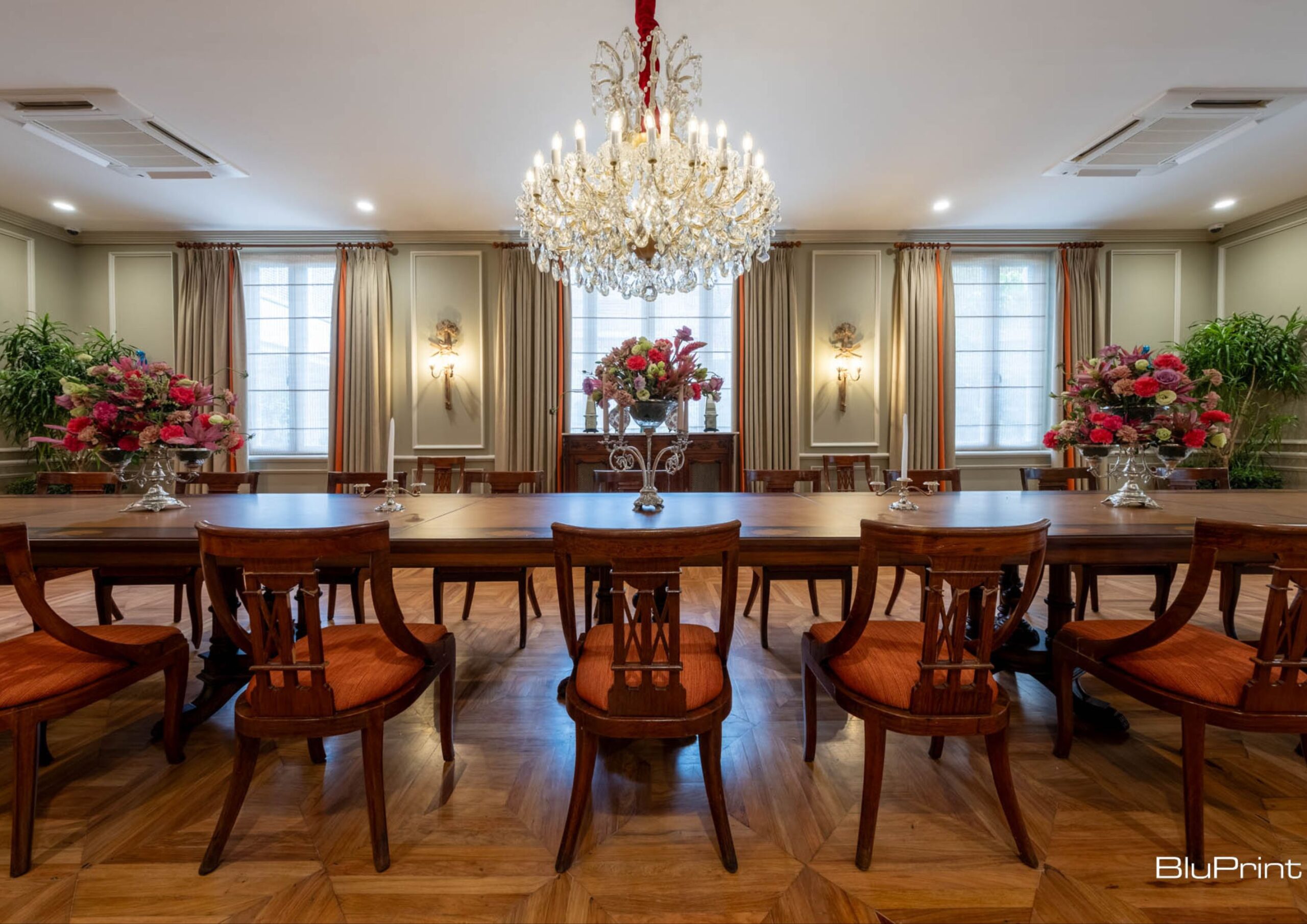
Light Academia: A Complete Guide to an Optimistic Scholarly Style



You might have heard of the established Internet subculture called “dark academia” and how it’s taking over home interiors now. But did you know that it has a lighter counterpart, ditching the aesthetic’s gloomy and moody trademark? If you’re into the gothic, preppy style but don’t want to drape your space with dark and heavy tones, then light academia is the trending design for you.
Light Academia vs. Dark Academia
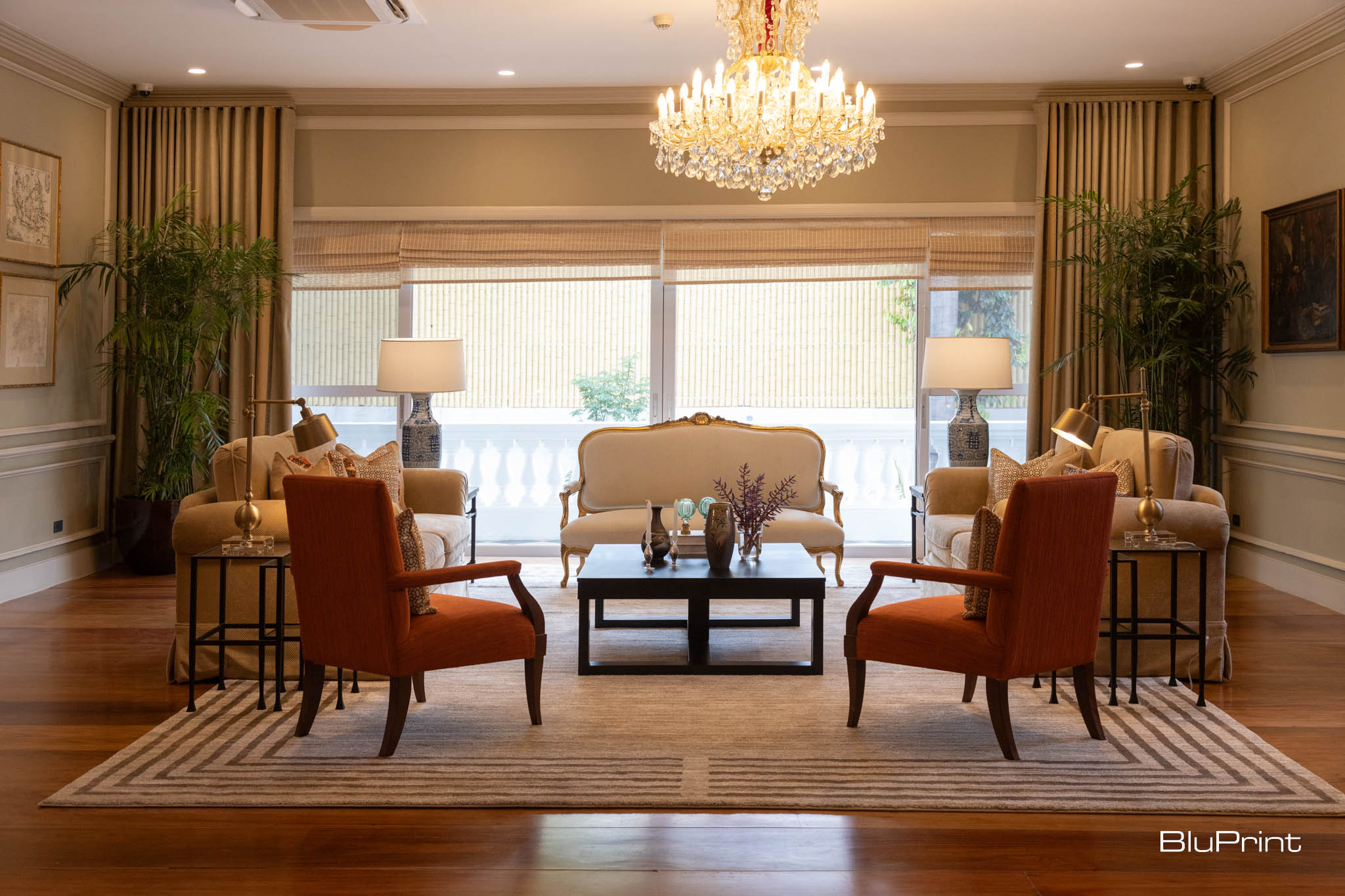
Light academia retains the same penchant for learning and classic literature as dark academia, but in a lighter and more positive way. It still includes the ambiance of old, prestigious universities and libraries, vintage pieces, bold textures, and striking architectural elements but using the opposite color palette. Rather than black, gray, and rich jewel tones, it uses shades of white, warm browns, and gold to brighten up the space.
Since it focuses on establishing a soft, joyful, and motivating atmosphere, it also features a different approach to furniture and decor. Light materials and textures like linens and wicker separate light academia from its moody and mysterious counterpart.
Advertisement
But similar to dark academia, light academia also began as an Internet subculture back in 2019. Before 2020 closed, it was hailed as the seventh most popular aesthetic and ranked up to third place in the following year. It was also among the most searched terms across social media platforms until 2022.
While it’s quite a modern take, it draws influence from various historical periods and literary genres. Taking inspiration from Euro-centric styles such as Victorian, Baroque, and Renaissance, it evokes the atmosphere of popular classical romantic novels like Pride and Prejudice and Little Women.
However, it’s important to note these aesthetics aren’t meant to be exact historical replicas. They’re curated and idealized versions of those elements, incorporating them into a modern and inviting space.
Advertisement
How to Build a Capsule Light Academia Interior
Light academia is basically dark academia in whiter walls. But to bring its full essence in your home, here are some of its core elements.
Light Color Palette
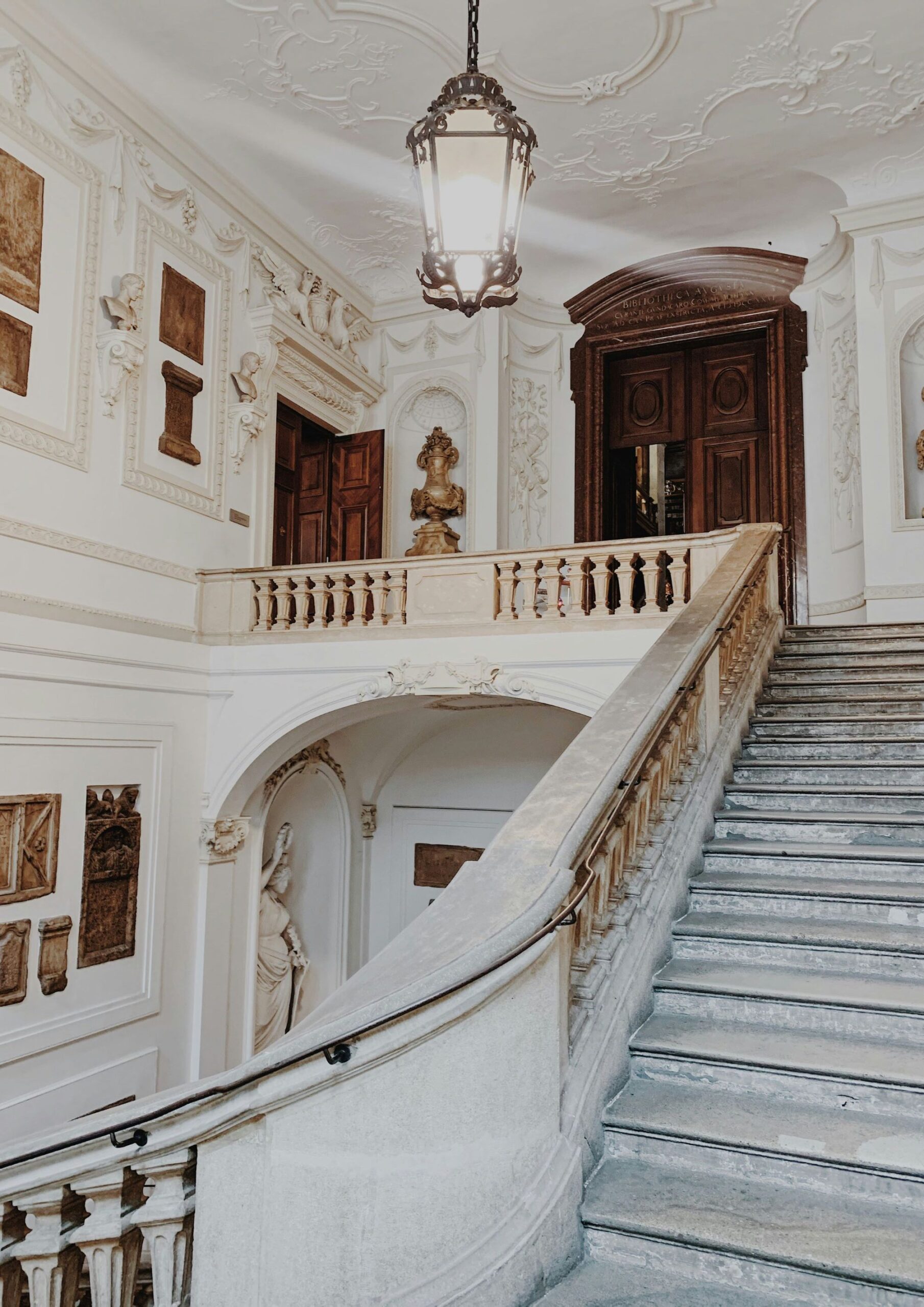
Neutral colors like creams, beiges, and whites define the foundation of a light academia home. They create a sense of spaciousness and serenity, reflecting the optimism and focus on learning inherent to the aesthetic. You can apply them on negative spaces or on anchor pieces you have to provide a complementing backdrop for other intricate elements.
Wood is a great way to integrate the warm browns into your space. Mahogany, walnut, and oak furniture, floors, and wall accents add a touch of sophistication and vintage charm. They bring a sense of history and tradition to the space, referencing the aged libraries and antique furniture often associated with academia.
Advertisement
Light academia also makes room for pastel hues. Powder blue, baby pink, and sage green bring whimsy and personality to your home. But you have to use them sparingly because, by nature, light academia leans more towards lighter and not colorful interiors. You can incorporate them in smaller pieces and details such as vases, lamps, and frames to maintain a scholarly look.
Additionally, gold accents add a touch of luxury and elegance. They can be subtle, like the hardware on a desk lamp, or more prominent, like a framed antique mirror.
Softer Architectural Elements
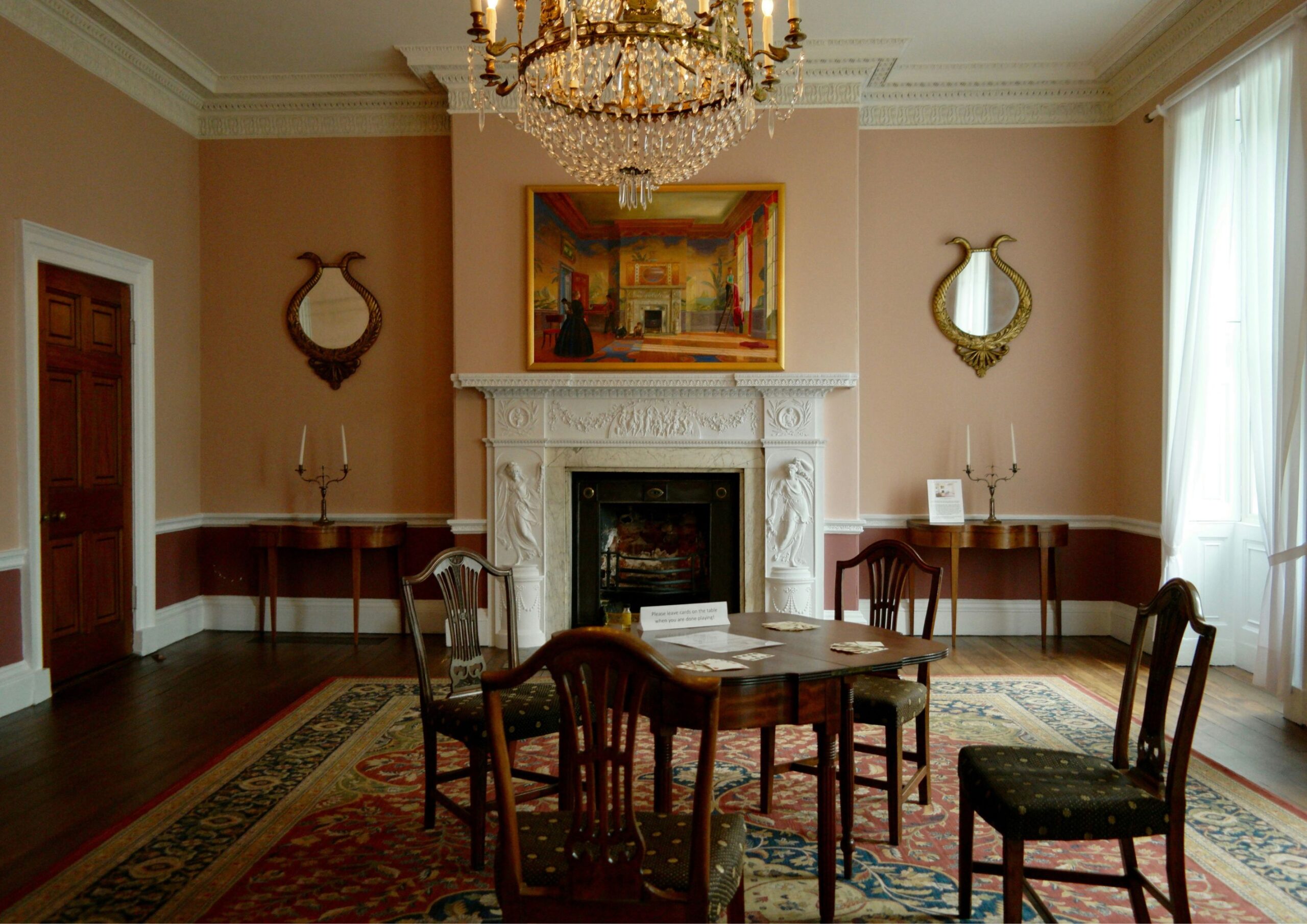
You can also use crown molding, chair rails, and window trims for architectural interest. However, they adopt a rather simpler and gentler design compared to its predecessor’s striking style.
Advertisement
Crown molding and window trim in white or light wood tones complement the airy feel. Consider painting chair rails with the same color as the walls or with a slightly darker shade to give contrast.
Wallpapers are optional, but if you want to add them, choose floral patterns with trailing vines or floral clusters. Soft colors like blue, pink, or green additionally evoke a sense of nature and femininity.
William Morris-esque designs are also a good alternative. But opt for a lighter adaptation of his works like muted floral motifs, foliage prints, or stylized birds in pastel tones. This is to maintain the intended aged yet positive look of light academia.
Advertisement
Airy Furnishings
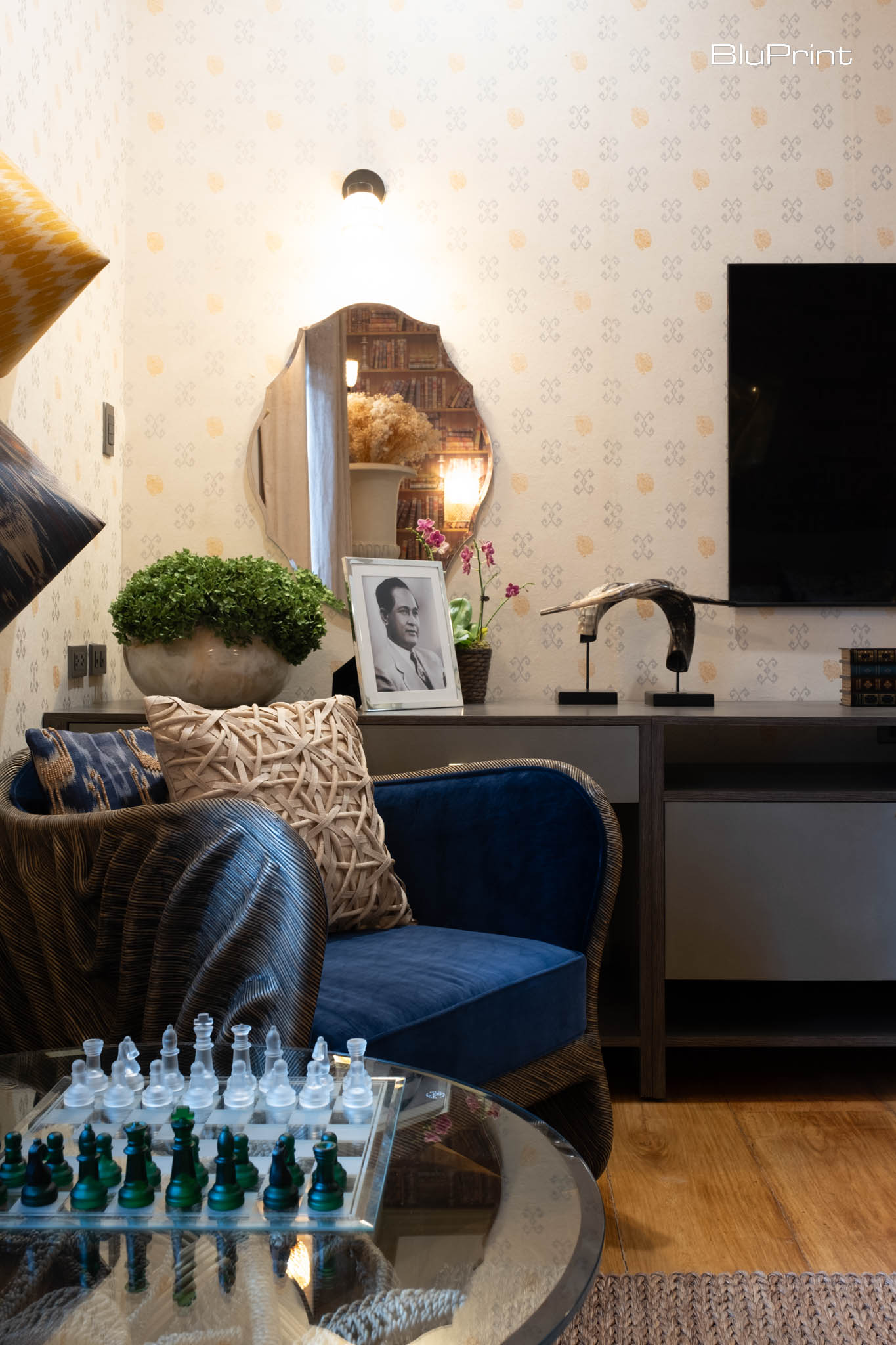
Light academia also embraces vintage and antique pieces, particularly for desks, bookcases, and armchairs. Mahogany, oak, and walnut are still the staple wood materials for this style, but instead of darker and bolder designs, look for those with lighter finishes. You can also opt for wicker and rattan to bring warmth and texture.
As for upholstery, embrace fabrics that are both comfortable and luxurious. Velvet or linen in soft colors like cream, beige, or muted pastels are ideal, but you can also find more affordable alternatives that can feel just as plush. Subtle patterns, like stripes or florals in muted tones, can add visual interest to furniture. You can also adopt the same style as the wallpapers for a more cohesive look.
Delightful Décor and Accents
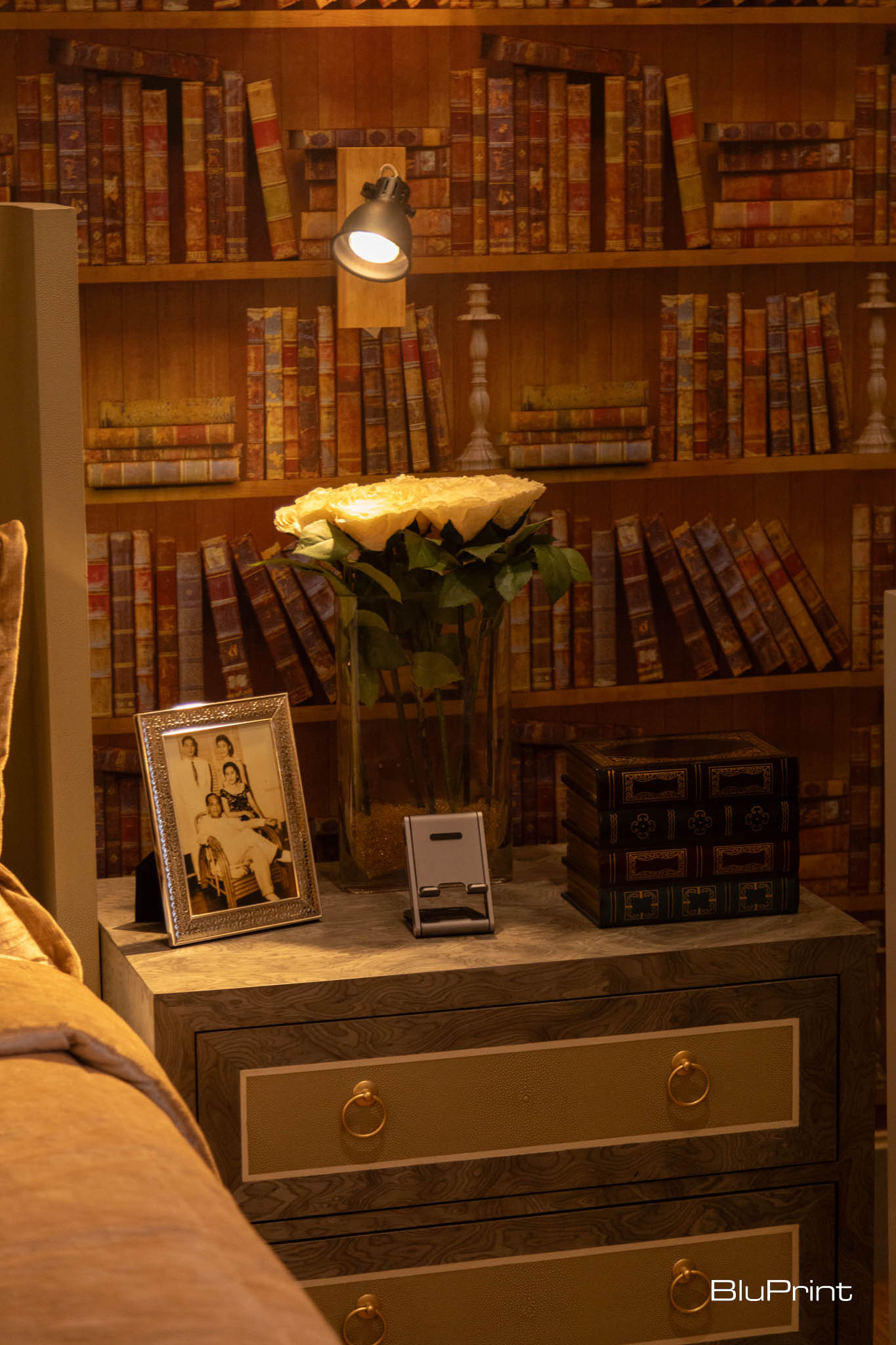
Rather than leather-bound books and old curios that exude intrigue, fill your shelves with your favorite classical, hardbound reads of various genres. Bonus points if you can include interesting antique finds or any trinkets and knick knacks that bring you joy. Display them artfully, with some books upright and others stacked to curate your bookshelf wealth.
Advertisement
Exploration instruments like globes and maps along with greenery still have a place in your space. But for plants, you can include more flowering ornamental ones compared to dark academia’s leafy types.
In terms of classical art and sculptures, you can add Renaissance paintings depicting more positive scenes. These include portraits or busts of prominent figures known for their contributions to the arts and sciences. You can additionally exhibit mythological scenes with hopeful themes, natural sceneries, and Renaissance architectural renderings.
Furthermore, placing a vintage writing desk with a quill pen and inkwell, or displaying a collection of antique stationery sets inspires creativity. These elements add a touch of history and encourage the act of writing itself.
Advertisement
Lastly, light academia’s lighting relies more on natural light than layers of multiple light sources. Other than letting natural light to filter in, lace curtains provide a touch of elegance in your space. On the other hand, roman shades in neutral tones offer a more tailored look.
For lighting fixtures, focus on lighting that creates a soft and inviting atmosphere. Consider table lamps with classic bases, antique chandeliers, or strategically placed sconces rather than those with overly gothic details.
While it retains the core love of learning and classic literature, light academia sheds the gothic gloom for a brighter, airier aesthetic. As this style steps out of dark academia’s shadows, it allows you to cultivate an optimistic atmosphere, where intellectual curiosity can flourish.
Advertisement
Read more: Unexpected Red Theory: The Trick of Random Pops of Red

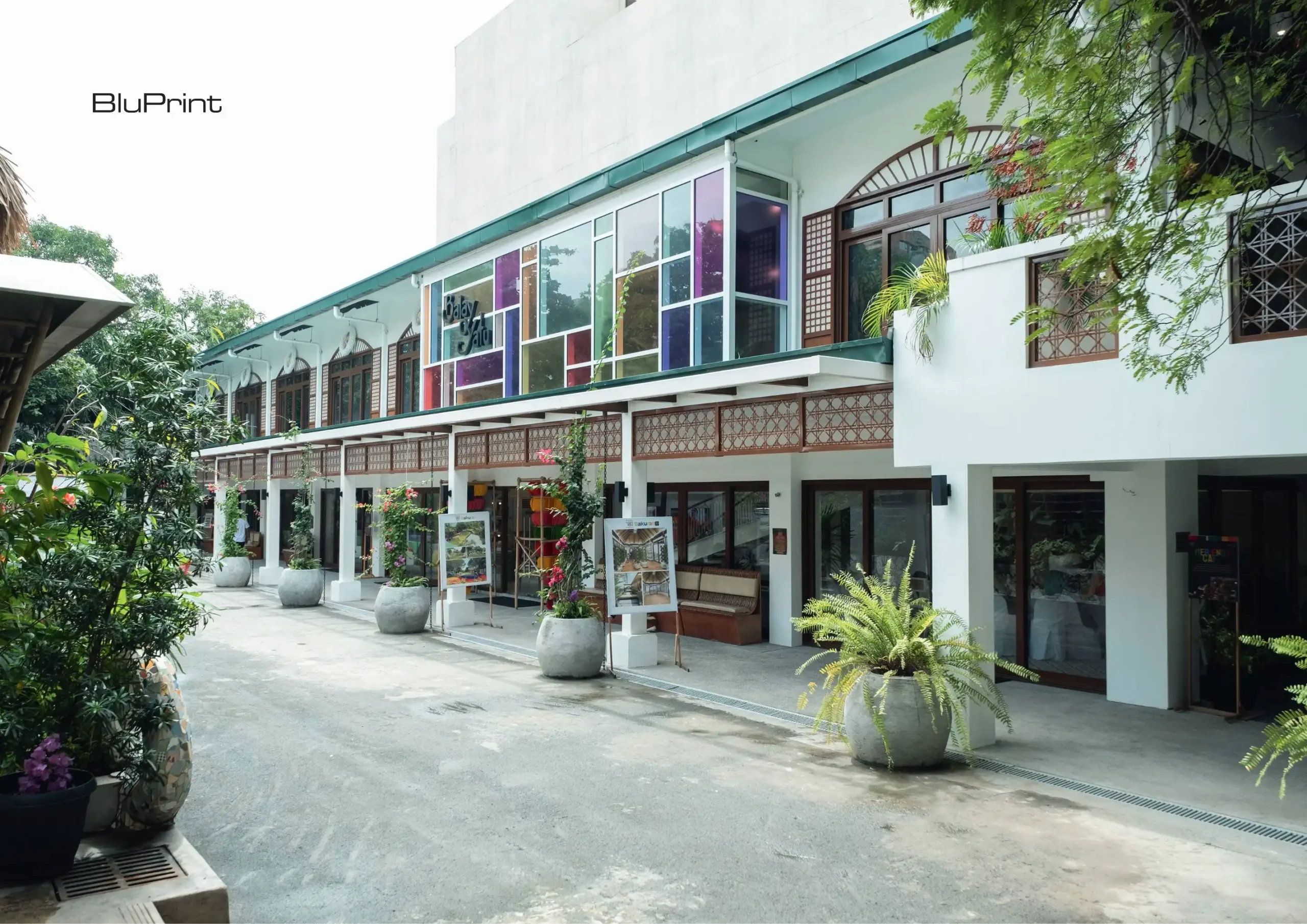
In the Philippines, adaptive reuse gained traction during the 1970s with the rise of conservation and environmental preservation movements. It offered an architectural solution that reuses existing spaces to fit modern needs. Across the country, several projects demonstrate how this approach is being applied—transforming heritage structures into active spaces for culture, hospitality, and community life. […]
Advertisement
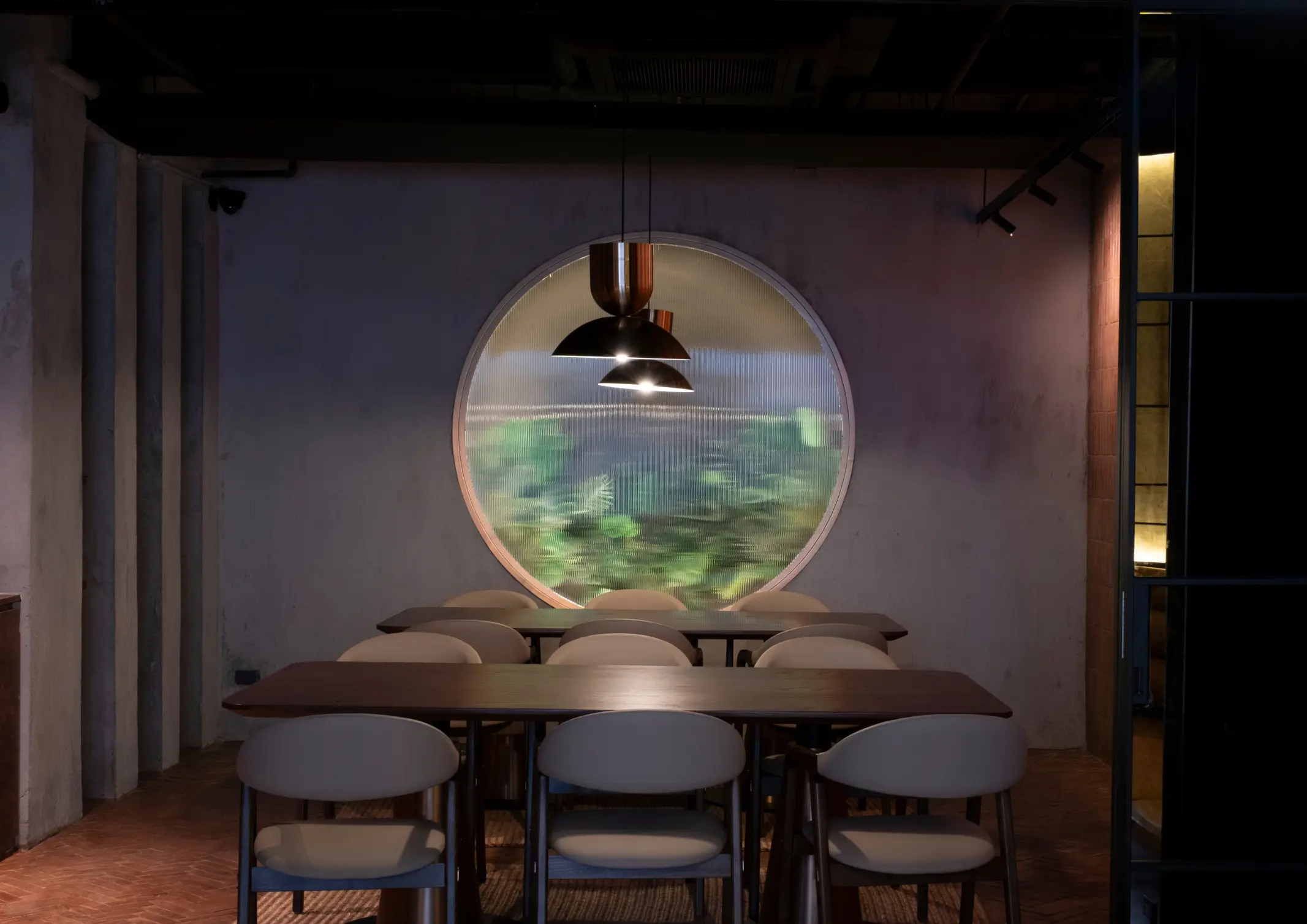
From residential spaces to civic structures, lighting dictates the mood of a space. It controls the visual dynamics of an interior, serving as a guiding tool that highlights key design elements, including materials and textures. Related Reading: Lampscaping: How to Light up Your Home like a Pro Regulating the Mood: Natural and Artificial Light in […]
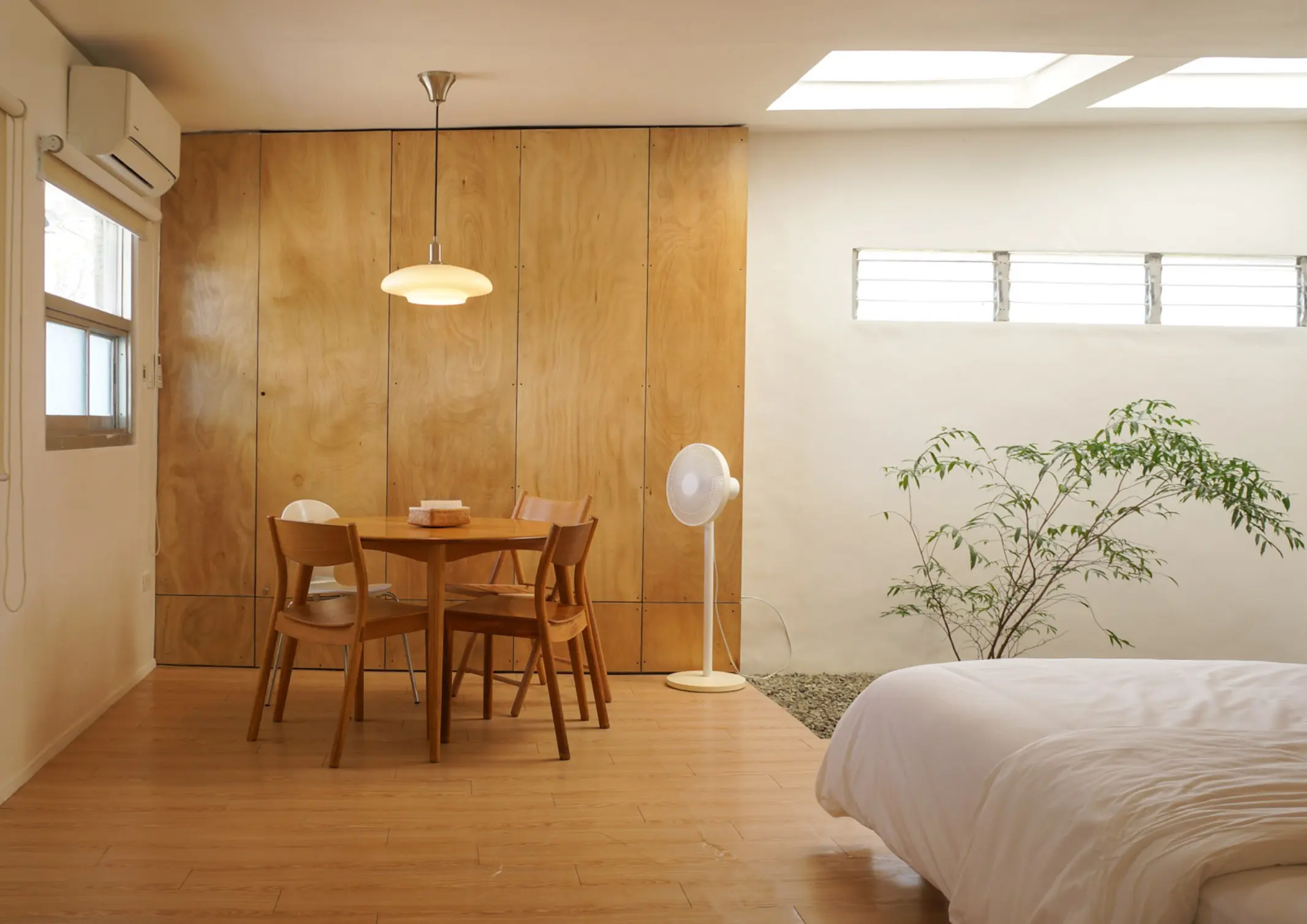
More and more Filipinos are flocking to condominium communities. Often tucked within busy city centers, condo living acts as a small respite from urban chaos. Faced with the challenge of transforming a cramped condominium into a warm living space, BluPrint lists condo interior design ideas that can maximize each square foot of small spaces. Purposeful […]
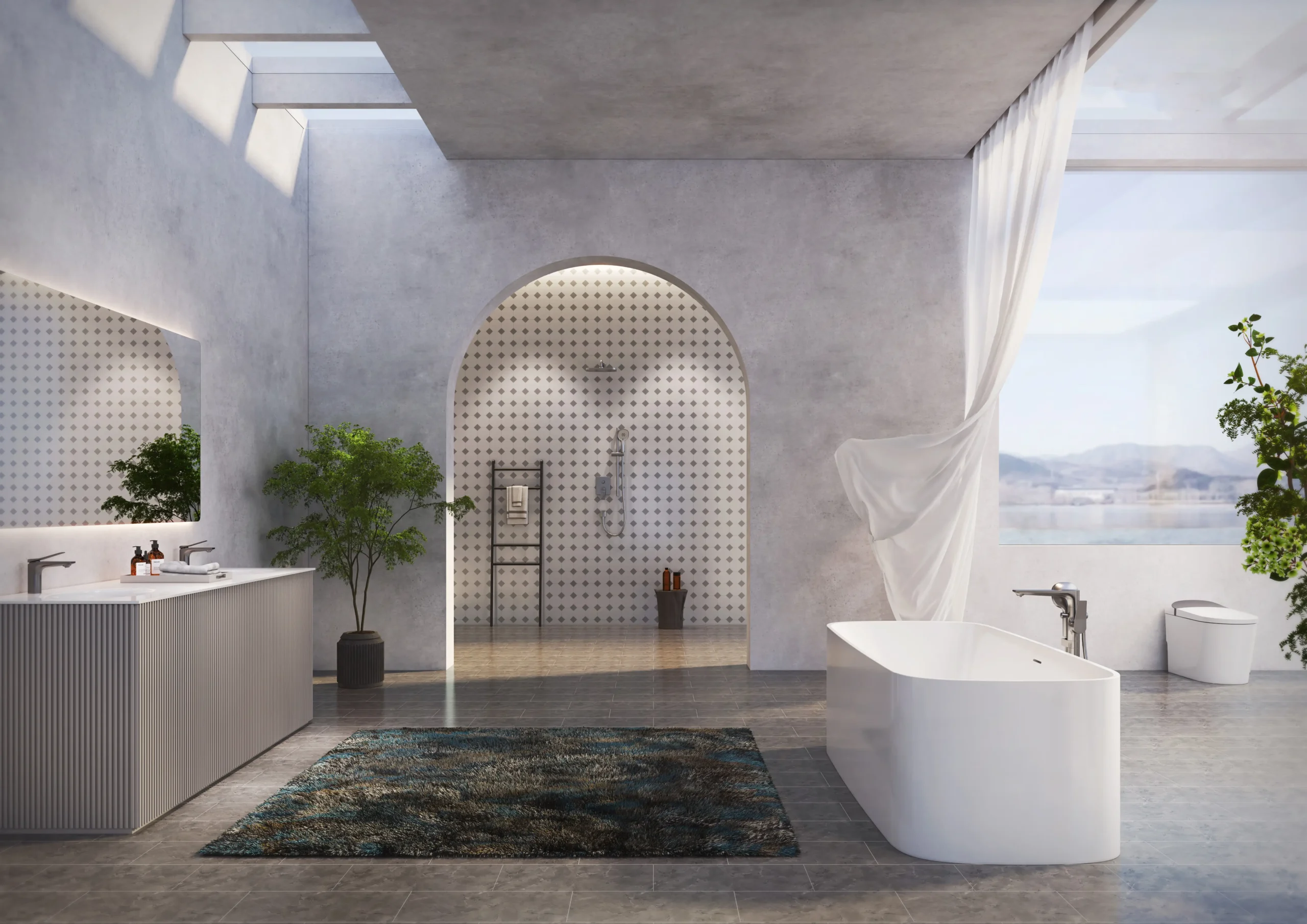
Modern bathrooms are no longer purely functional spaces. Increasingly, they are being designed as environments that support cleanliness, ease, and quiet restoration within the home. As daily life becomes more demanding and health awareness continues to rise, homeowners are beginning to expect more from the spaces where daily rituals begin and end. For architects and […]
Advertisement
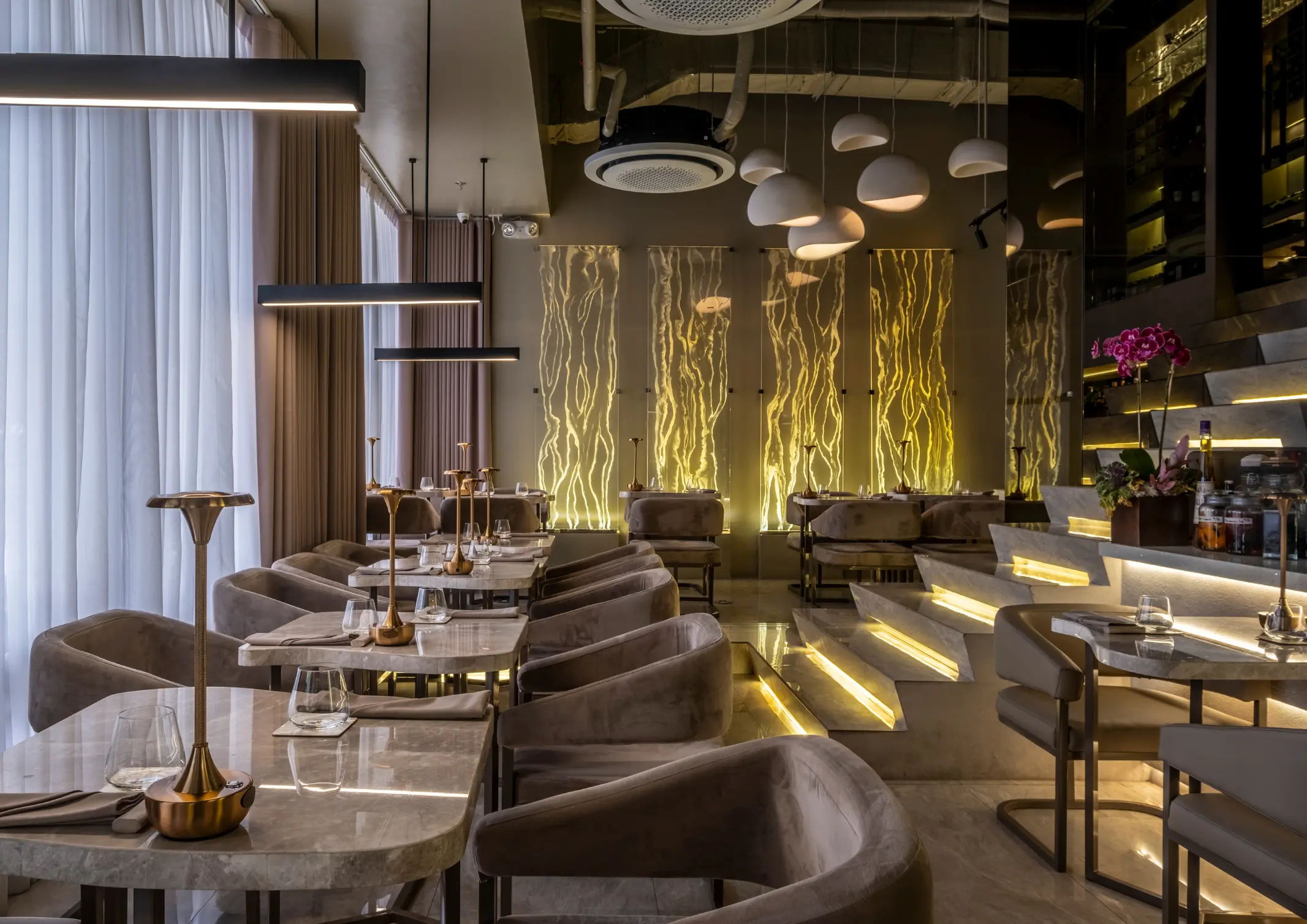
From the moment a diner steps through the door, each detail shapes how a meal is experienced. Restaurant design has evolved, with architects and culinary professionals collaborating to create built spaces that are as intentional as the menu itself. The spatial atmosphere acts as an additional ingredient that can define the culinary experience. Taupe and […]

Download this month's BLUPRINT magazine digital copy from:



Subscribe via [email protected]