Bigkis is the act of binding. In Tagalog, the word can refer to something used to bind or encircle, as well as a bundle formed by tying several separate elements together. Figuratively, it can also mean a bond, union, or unity. The meanings move from the physical act of joining things together to the connection […]
‘Design x Pinyapel’: Milo Naval Leads New Vision of Sustainable Materials



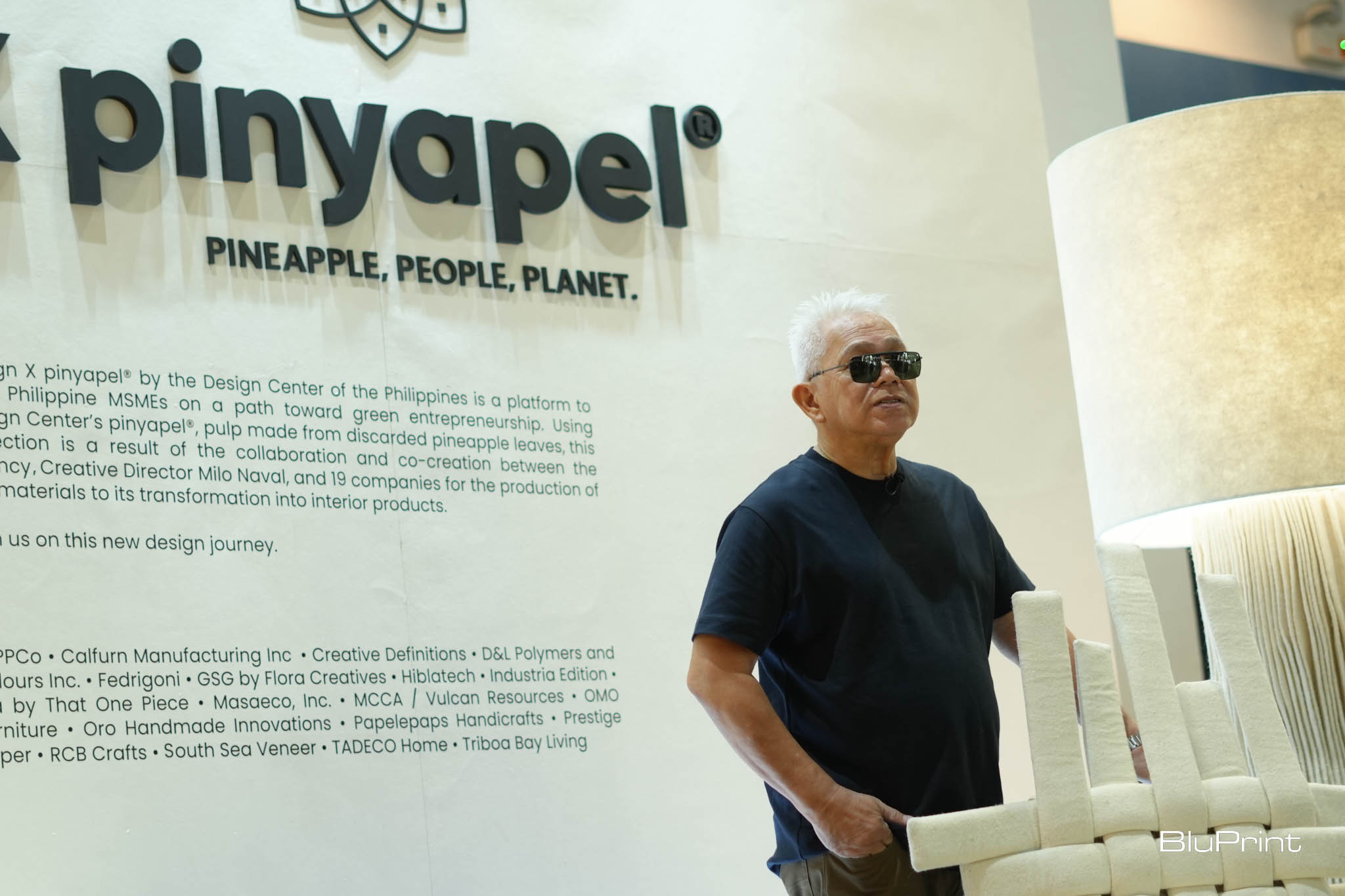
Design x Pinyapel, recently launched Manila FAME, showcased the immense potential of a groundbreaking sustainable material made from discarded pineapple leaves. Spearheaded by renowned Filipino furniture designer Milo Naval as Creative Director, the exhibit presents an innovative collection of furniture and works crafted from this eco-friendly material.
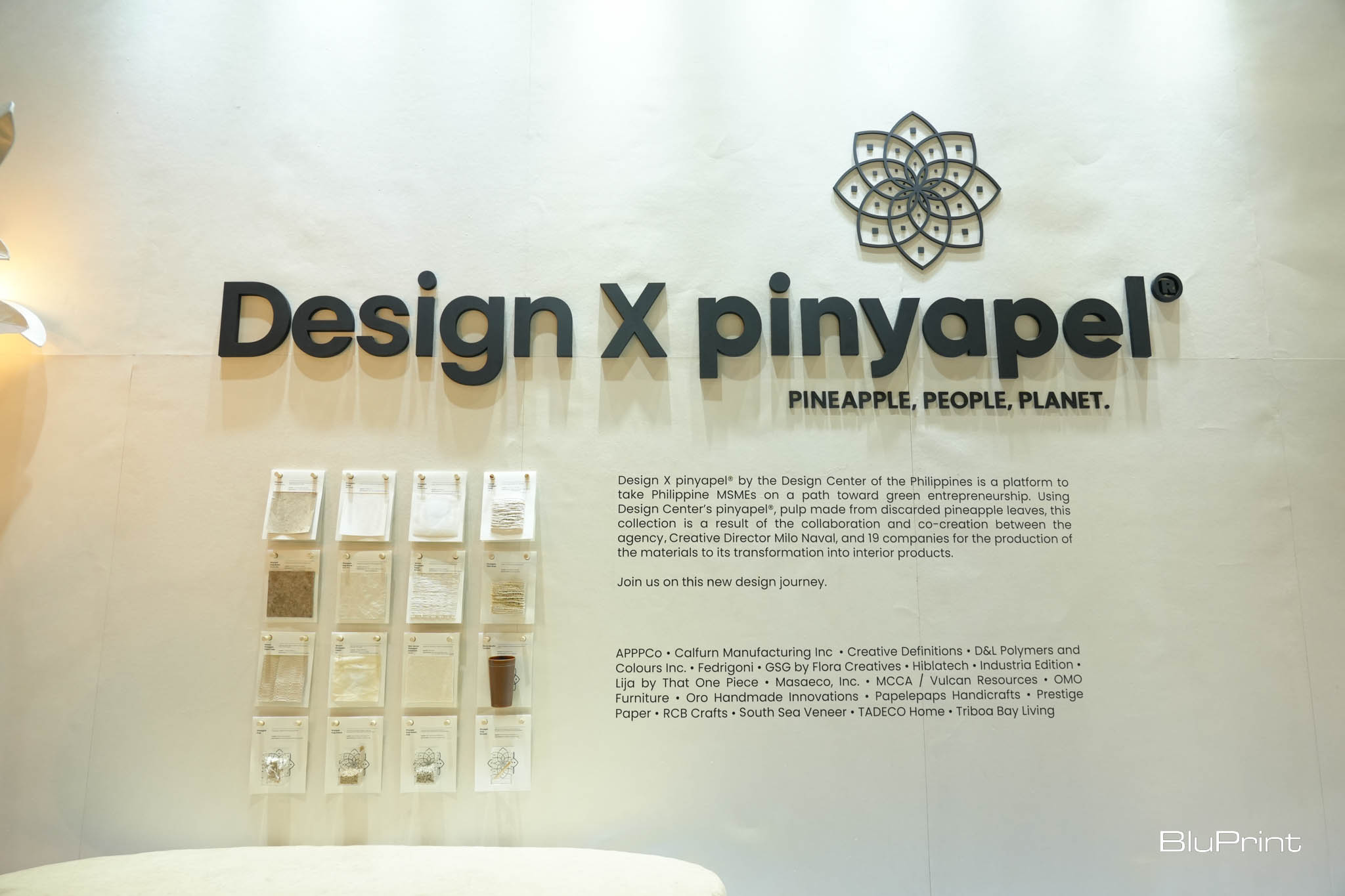
Naval collaborated with over 20 designers and brands, curating a range of products that highlights the versatility of Pinyapel. The exhibit offers viewers a glimpse into the future of sustainable designSustainable DesignAn approach to architecture and design that minimizes environmental impact while supporting human wellbeing over the long term. It considers energy, water, materials, waste, and site across a building's entireGo to Sustainable Design Glossary. From functional pieces to artistic creations, Pinyapel represents the future of eco-conscious craftsmanship in the Philippines.
Operationalizing Pinyapel
The Design Center of the Philippines developed Pinyapel as an “eco-friendly alternative to traditional paper products.” The textile comes from discarded pineapple leaves and processed to become a raw and sustainable material for different designs and products.
The Design Center got the idea for Pinyapel due to the country being a top exporter of pineapple. Over 2.8 million metric tons are harvested yearly, and yet “up to 50% of this crop is often wasted, primarily in the form of discarded leaves.” Thus, the project doesn’t just reduce plastic consumption in furniture making, but also ensures less environmental waste in the country overall.
“By providing a biodegradable solution that can replace nonbiodegradable materials, Pinyapel aims to play a pivotal role in promoting sustainable practices,” the Design Center said in a statement.
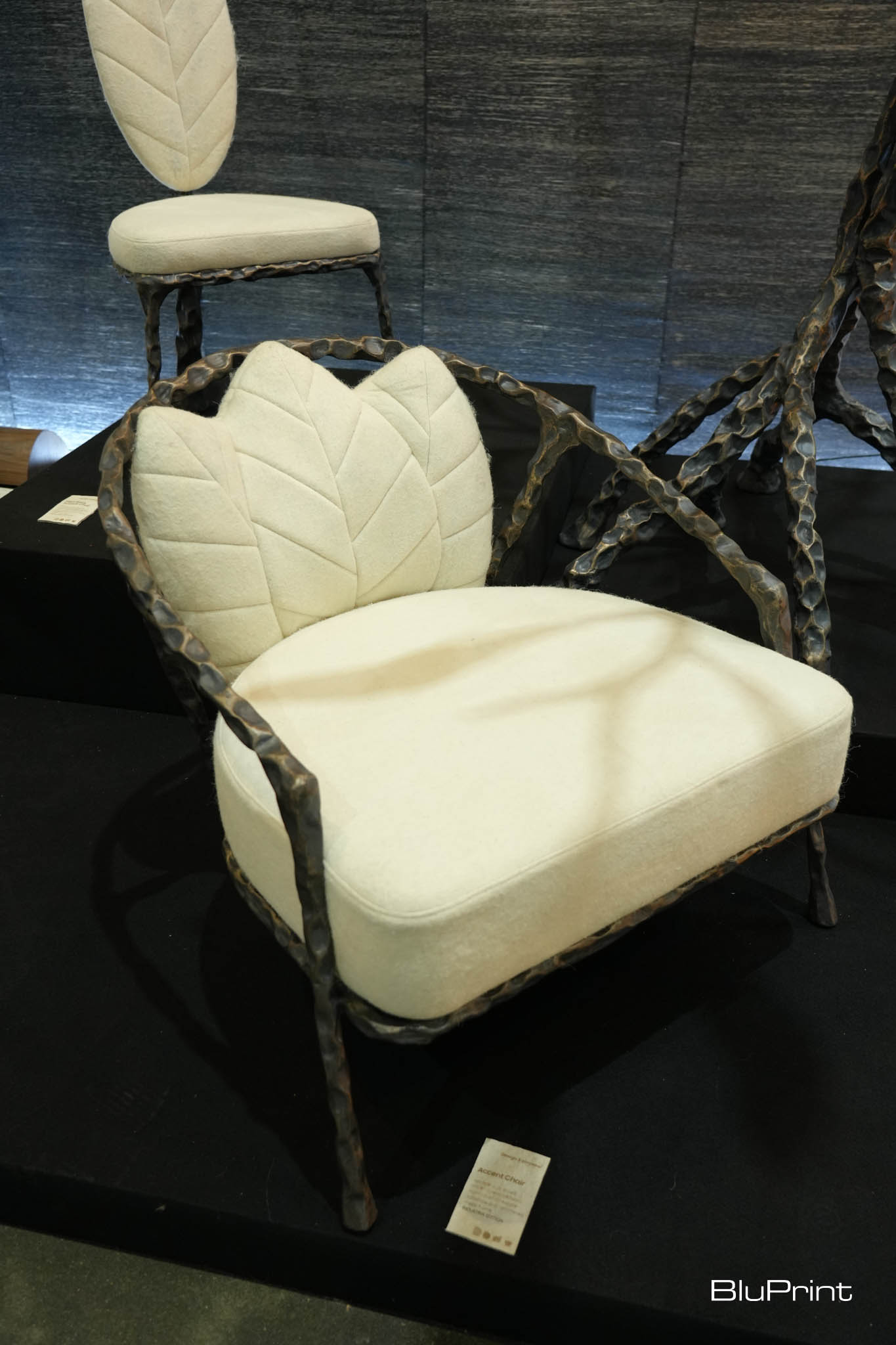
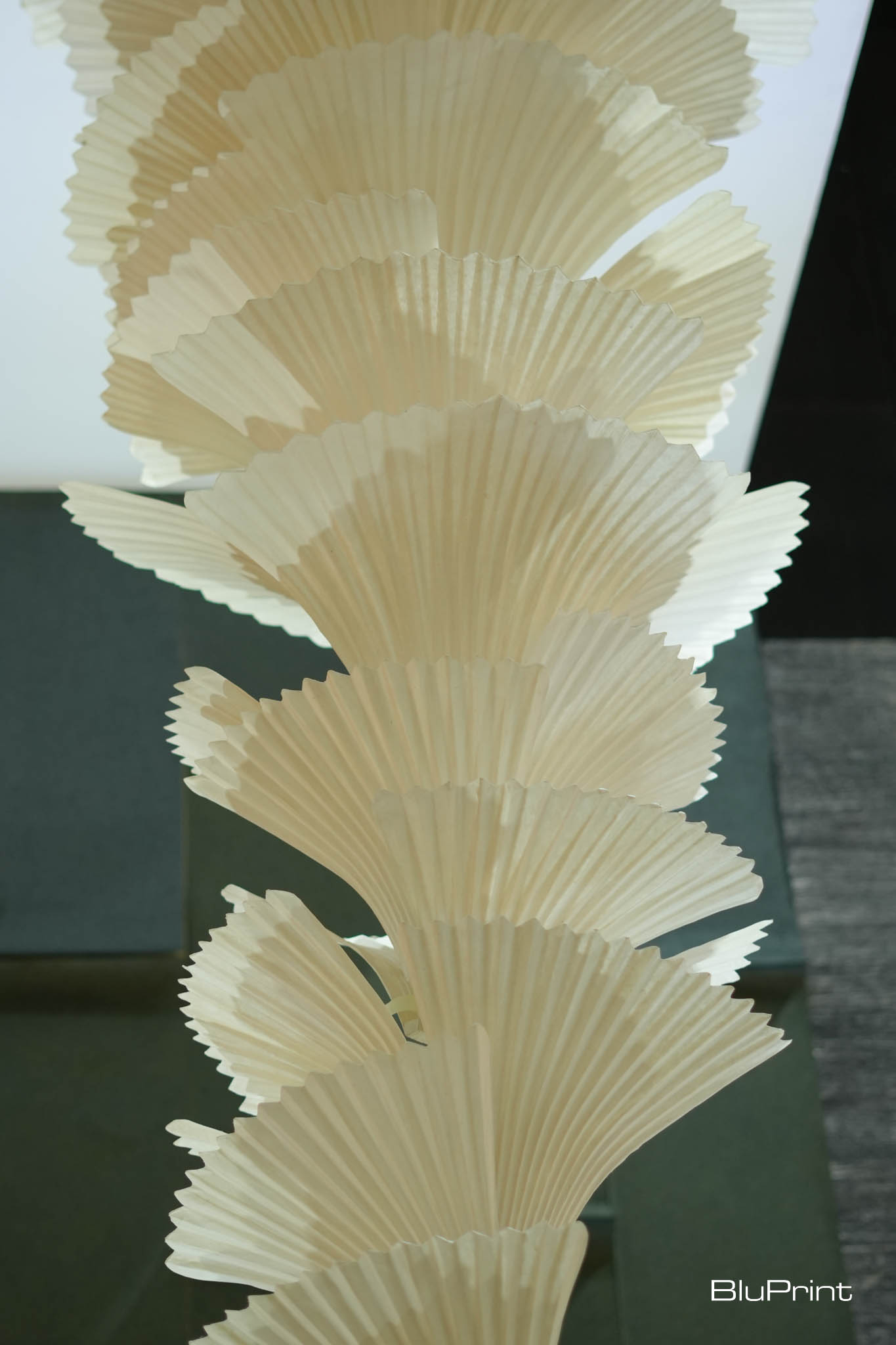
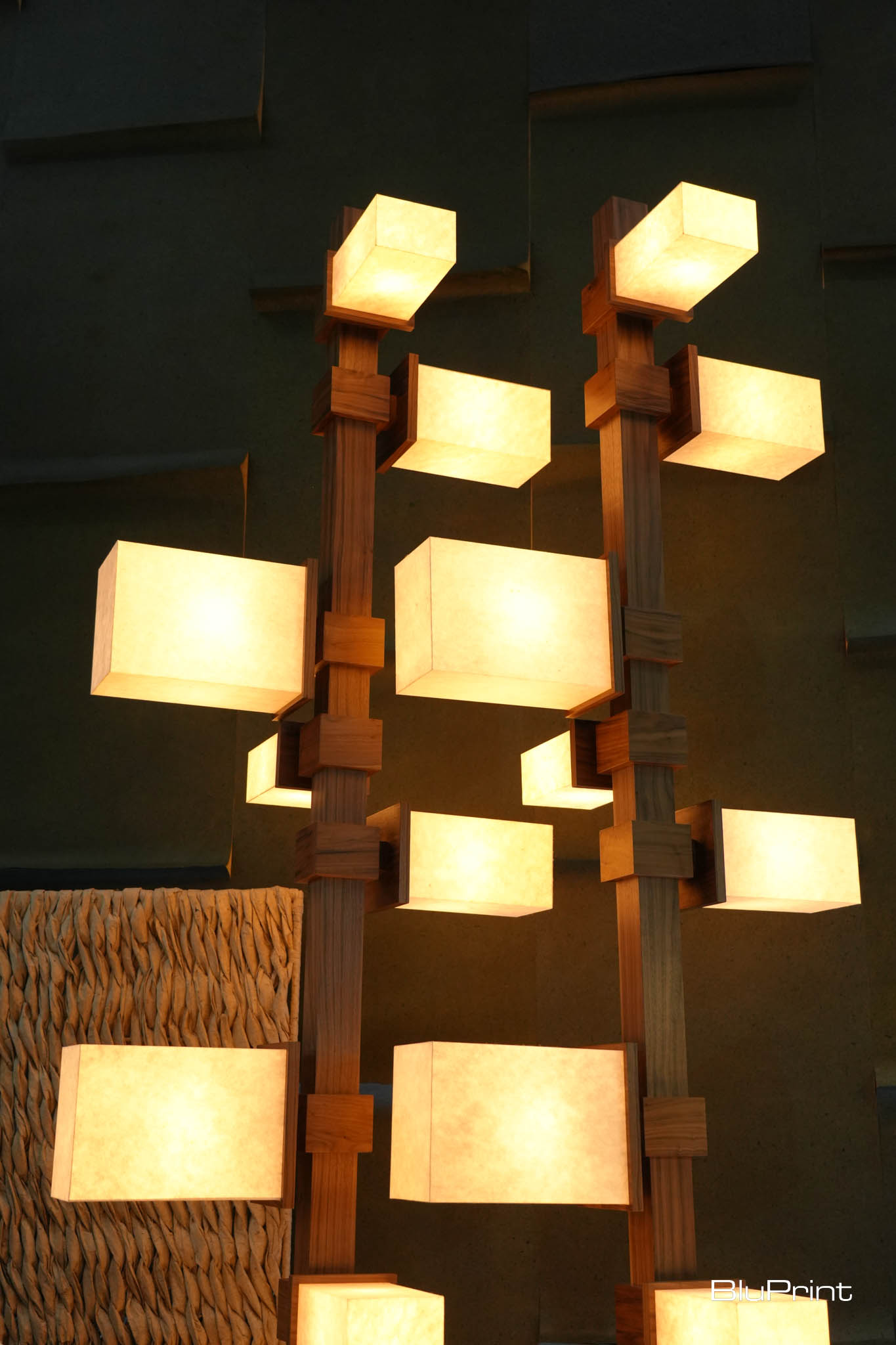
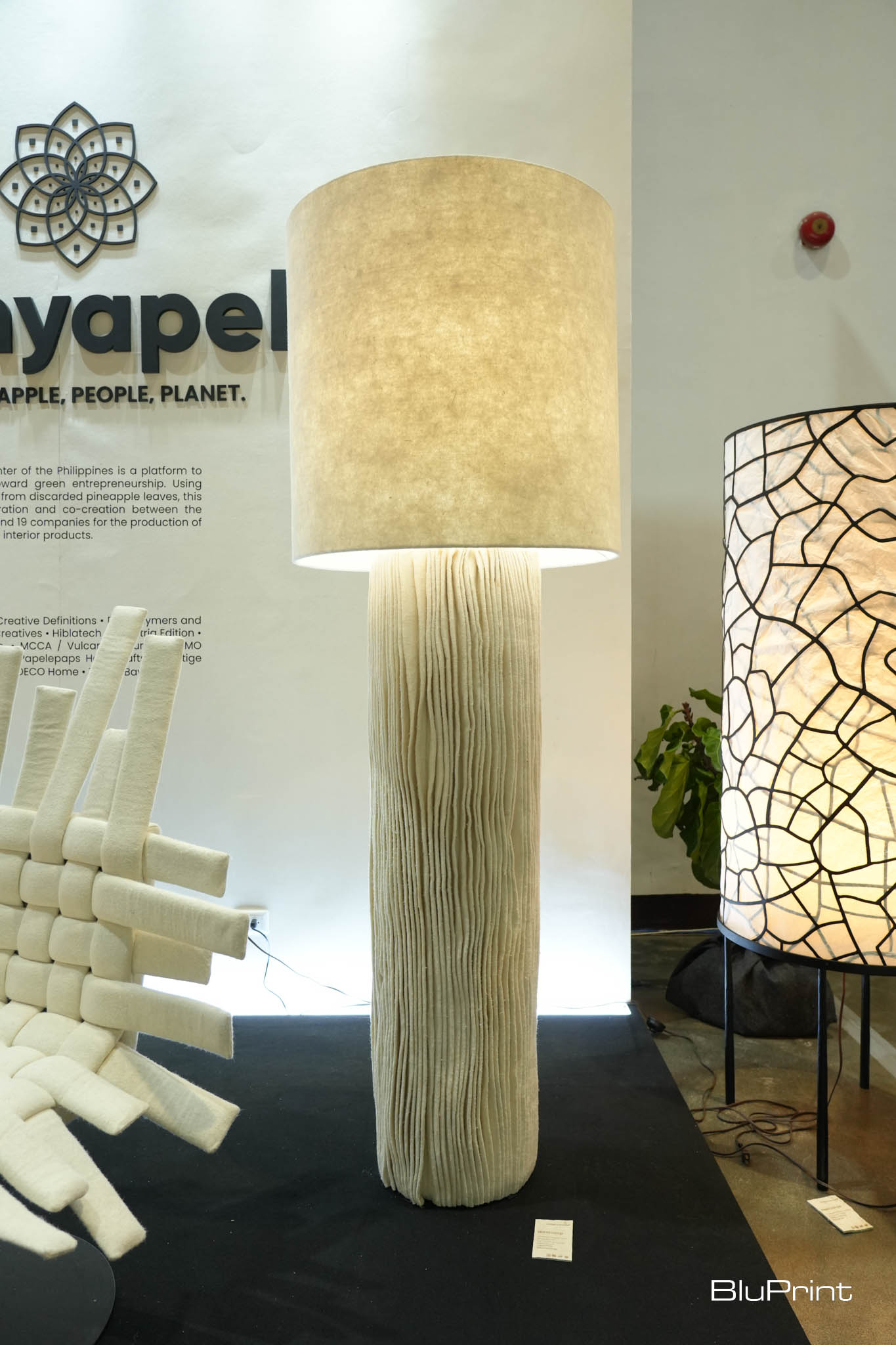
Design Services Division Chief Carla Leonor said that the Design x Pinyapel exhibit brings the material to a broader audience, giving other designers and craftspeople a better idea of how to integrate sustainable materials into their works.
“It’s not just about learning what it is, but knowing how to translate it into products, even systems that they can use to build and grow their businesses,” Leonor said.
Milo Naval and Recyclable Materials
With that in mind, Design Center brought in Milo Naval to curate an exhibit that displays its capabilities. Naval and his company OMO Furniture are forerunners of utilizing sustainable materials in their own designs and products.
“I started showing furniture that uses recycled furniture a long time ago. And I, up to this time, I feel it has come a long way already. That was like 20 years ago or more that we were already showing that we can do more. You know, help in restoring [and] helping in the climate change thing,” he said.
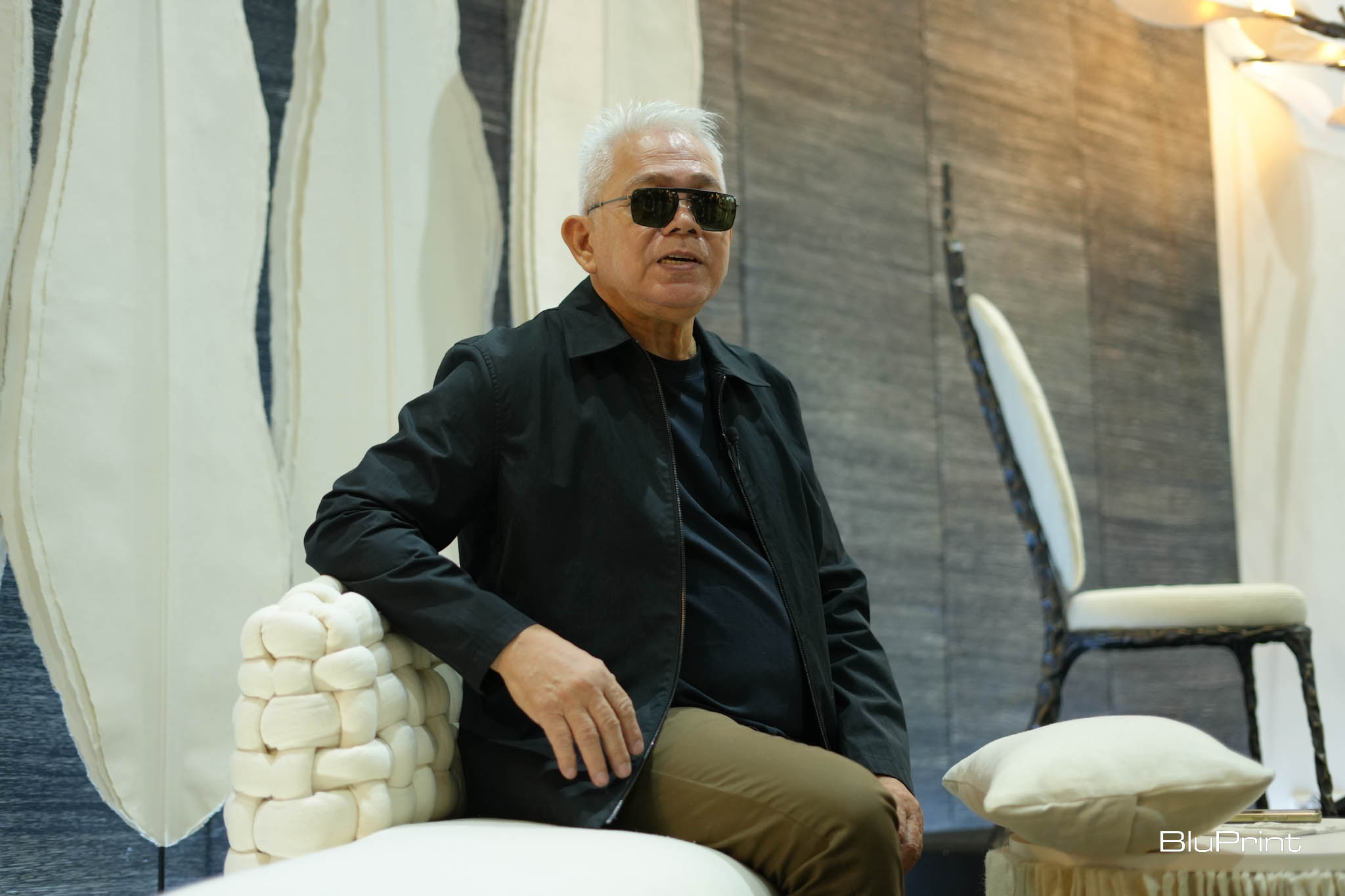
That history makes Milo Naval the perfect fit to introduce Pinyapel to the general public.
“It is one of the advocacies of the Design Center to come up with a project that would use sustainable materials using pineapple. So, initially, the Design Center tried to use pineapple materials from paper cups and other uses, no? This time, we wanted to show that we can also use it for houseware and furniture. That’s why I was asked [and] tasked to do the project with other companies who produce furniture.”
Design x Pinyapel
He came into the project with the objective of portraying the material as expansive, a creative tool flexible enough to serve the designer’s needs. He simplified the presentation to have the material as raw and white as possible, for example, as a way of giving designers their own ideas for where to push the product forward.
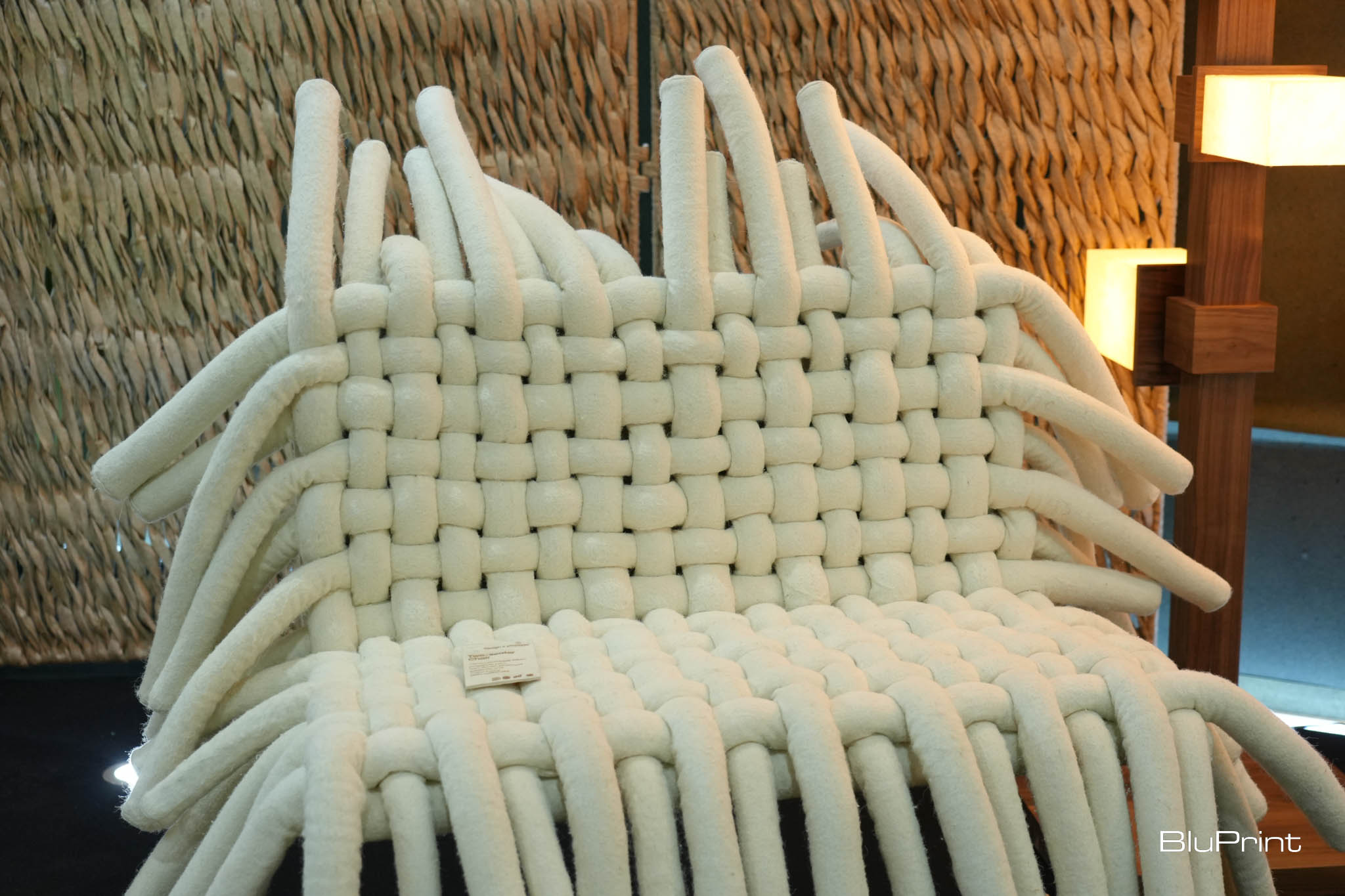
“I wanted to present it as an experimental project,” he said. “You know, I tried to use it in a way that they will view it as an experience for them. I want to introduce the use of this material in a very simple way. I wanted people to think [about] how they can use it.”
Beyond his own company, OMO Furniture, brands like Triboa Bay, Calfurn, SouthSea Veneer, TADECO Home, and others participated in crafting a variety of designs with the material.
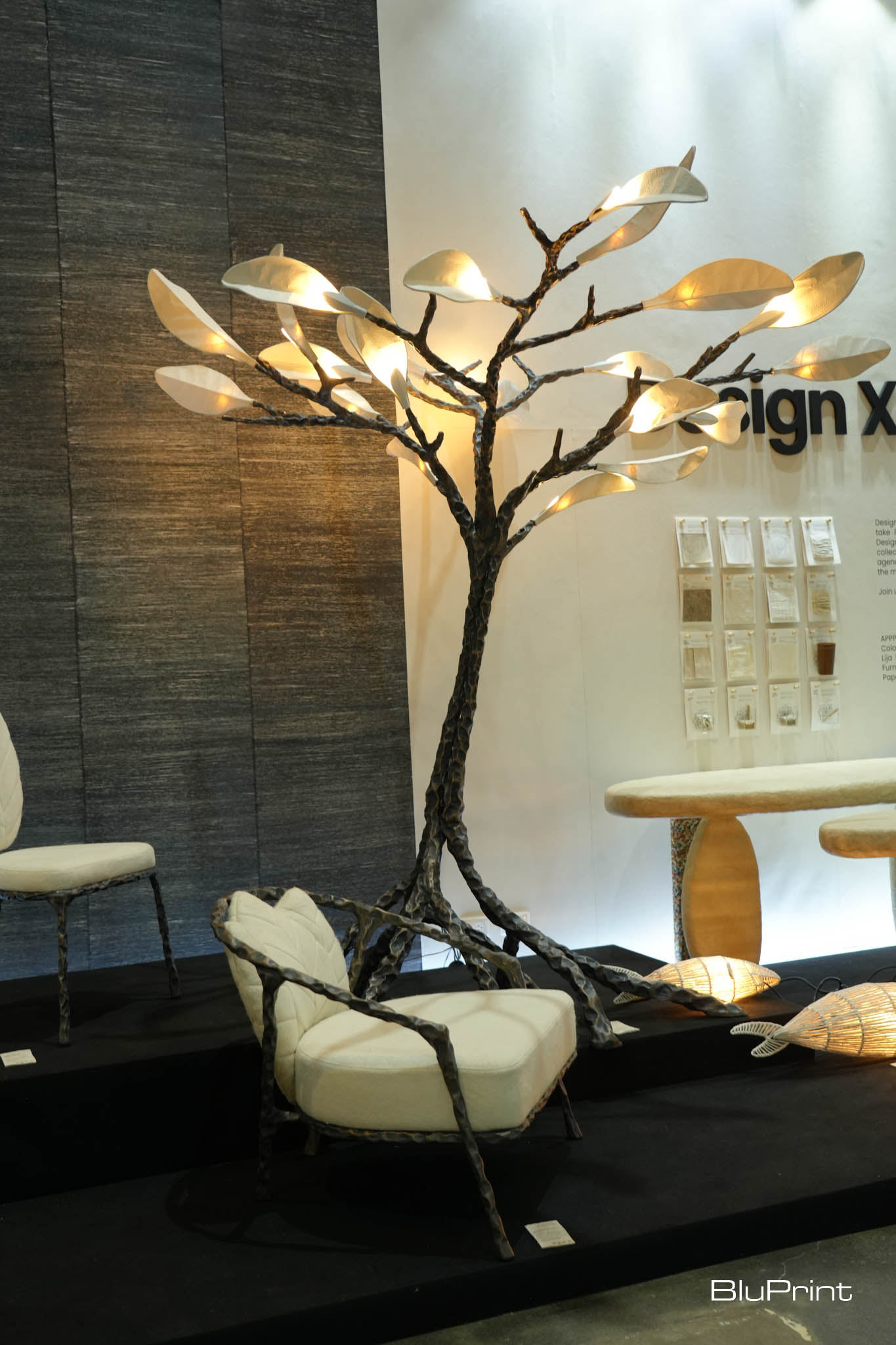
Some interesting design ideas include fish pendant lamps made of roped Pinyapel designed by Lija by That One Piece. South Sea Veneer also contributed a Stonehenge-inspired table design called the Paperhenge Console Table. Triboa Bay created floor lamps, and ORO Handmade Innovations conceived of sconces from the material.
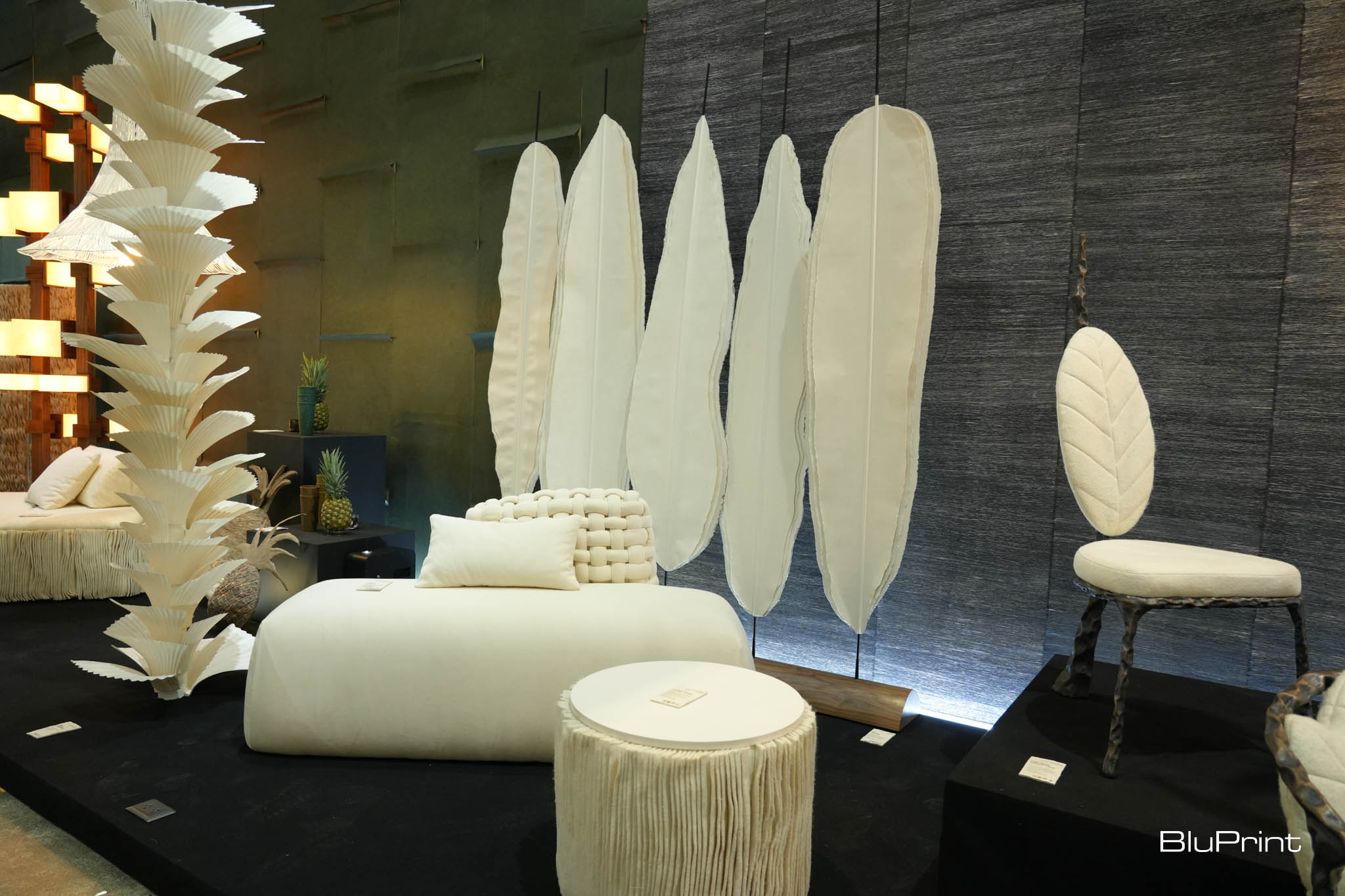
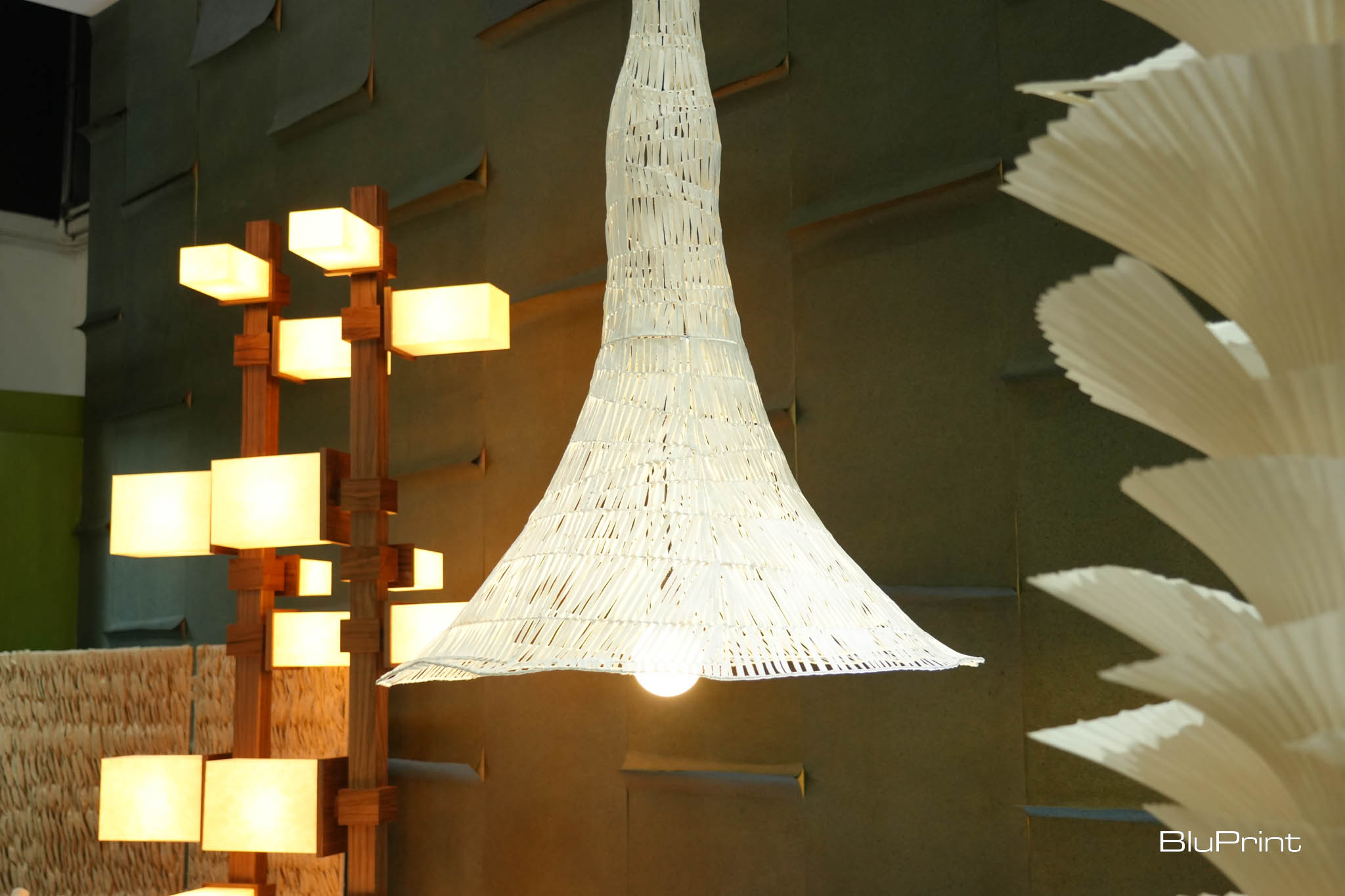
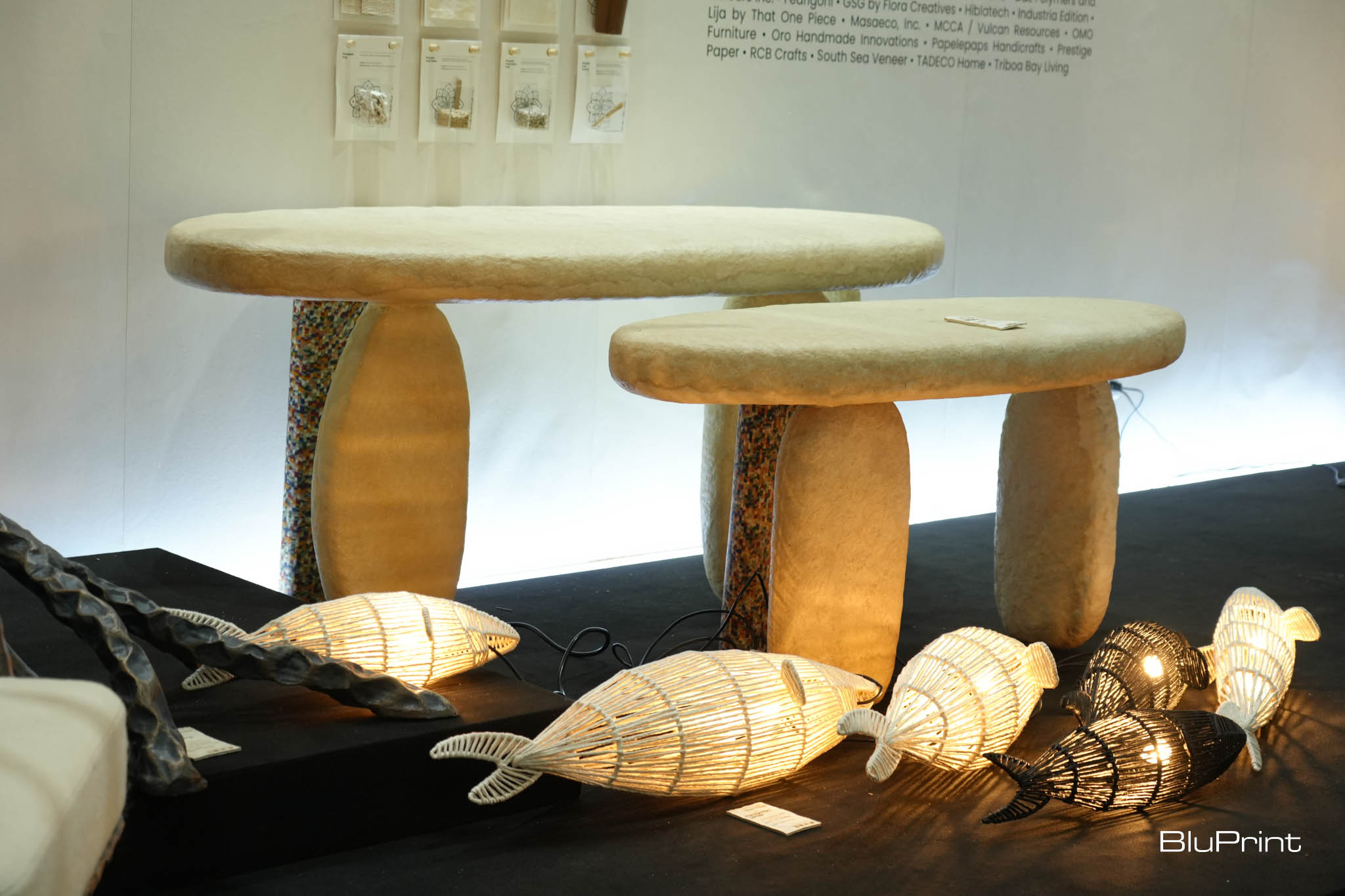
Leonor said that it showcases just how versatile the use of Pinyapel is for different purposes. Depending on its thickness, it can be combined with other materials like metal and wood to create something unique.
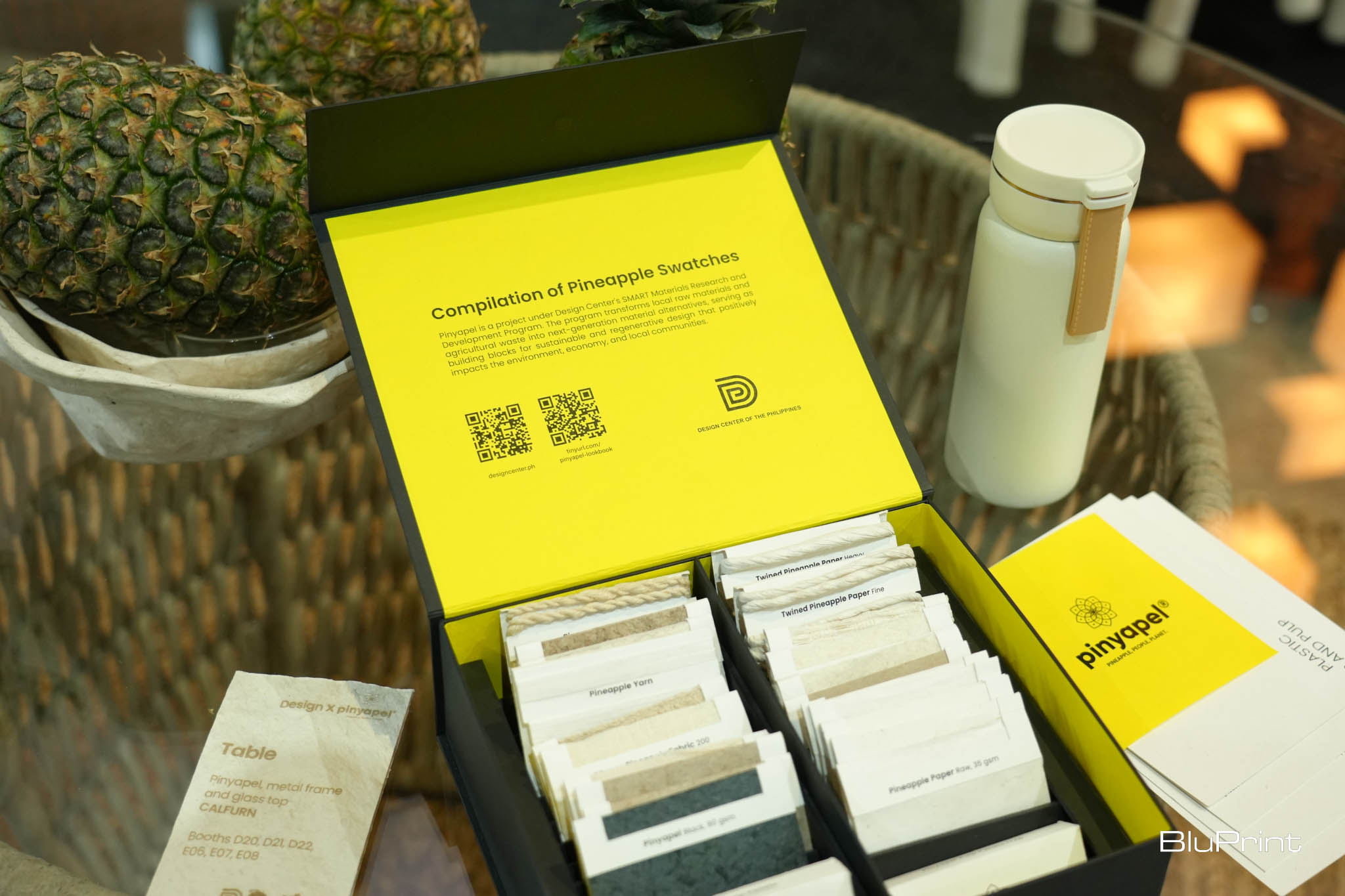
“Here you’ll notice there’s paper, pineapple-based paper. There’s pulp, there’s non-woven textile, there’s woven textile. There’s even rope, and we even have combined it with polypropylene para maging hard extruded material siya,” she said.
Sustainability, Circularity, and the Future of Design
Naval believes that sustainability is a necessary part of the future of design and manufacturing. In the context of Pinyapel and of his own past designs, he said that a sense of circularity allows designers to use everything of the material, leaving no waste behind as an afterproduct. That concept is what attracted him to Pinyapel in the first place.
“Sustainability also relates to circularity,” he said. “When you design something, you want to use something that, say, from the fruit to its waste down to using it again. That is circularity. So, we wanted something like that. The whole idea of it being sustainable from the plant down to using it again in furniture and other things.”
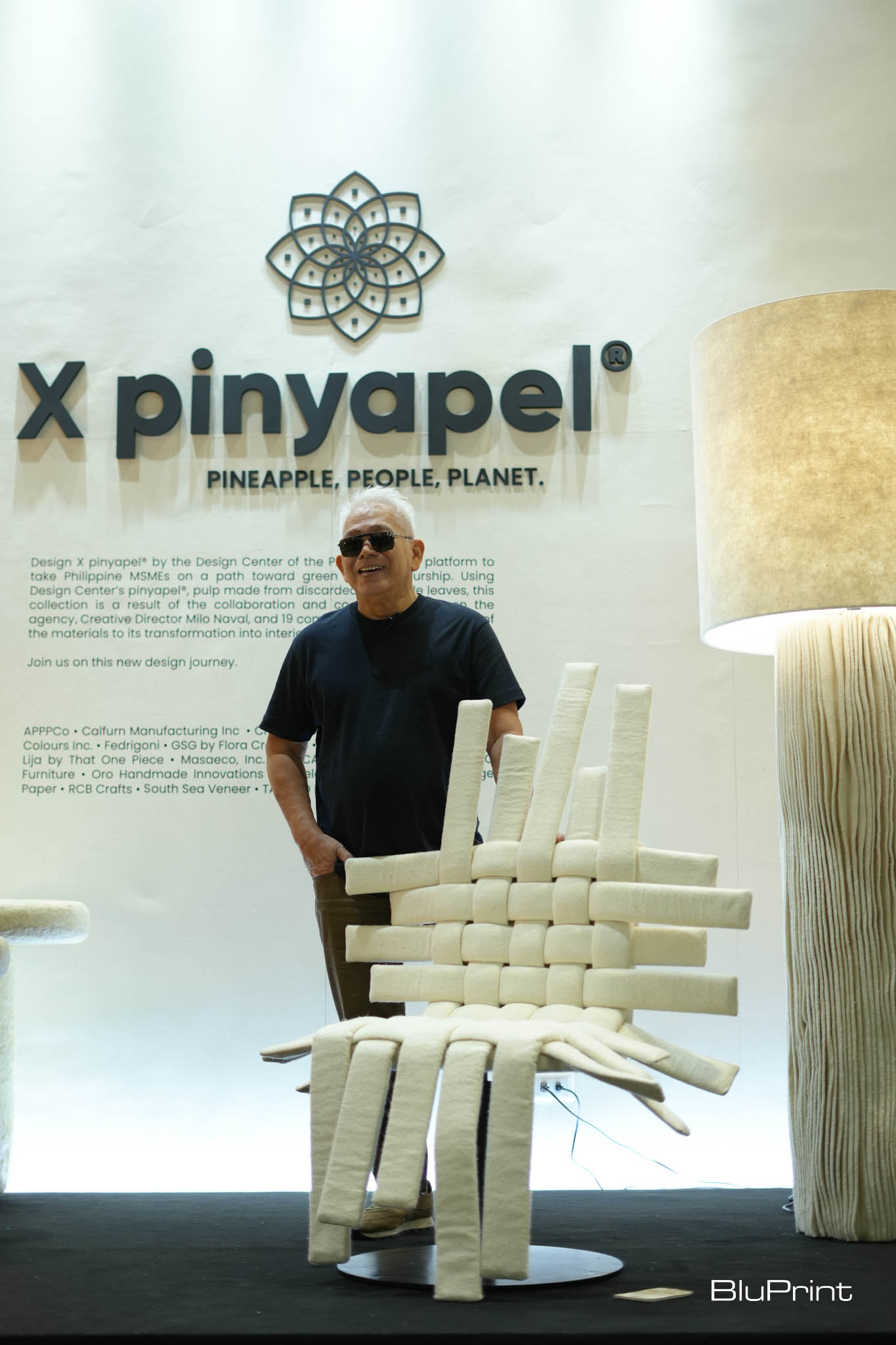
“The idea was to show something that you can still expand,” he said. “Now, people can think about expanding it.”
Leonor agreed with that assessment. She revealed that the Design Center is also working on other potential sustainable materials made from the bakong plant, seaweed, and other materials, though many of them are still in the studies phase to see their viability. It’s part of why they’re pushing Pinyapel: the Design Center believes it’s passed its tests and is ready for broader use.
“Pinyapel is ready to the market, kasi nasa staging siya ng industrialization,” Leonor said. “Meaning, they’re already looking for investors to be able to establish the production facilities. If you widen that capability, that also means… companies will be able to get the raw material at a lower price.”
Adapting to a Climate-Friendly Future
With Design x Pinyapel lighting the torch for the future, it allows us to envision the Philippines as a leader in sustainable product development and design. More than any other country, the Philippines shows the potential for adapting to a changing, climate-friendly world.
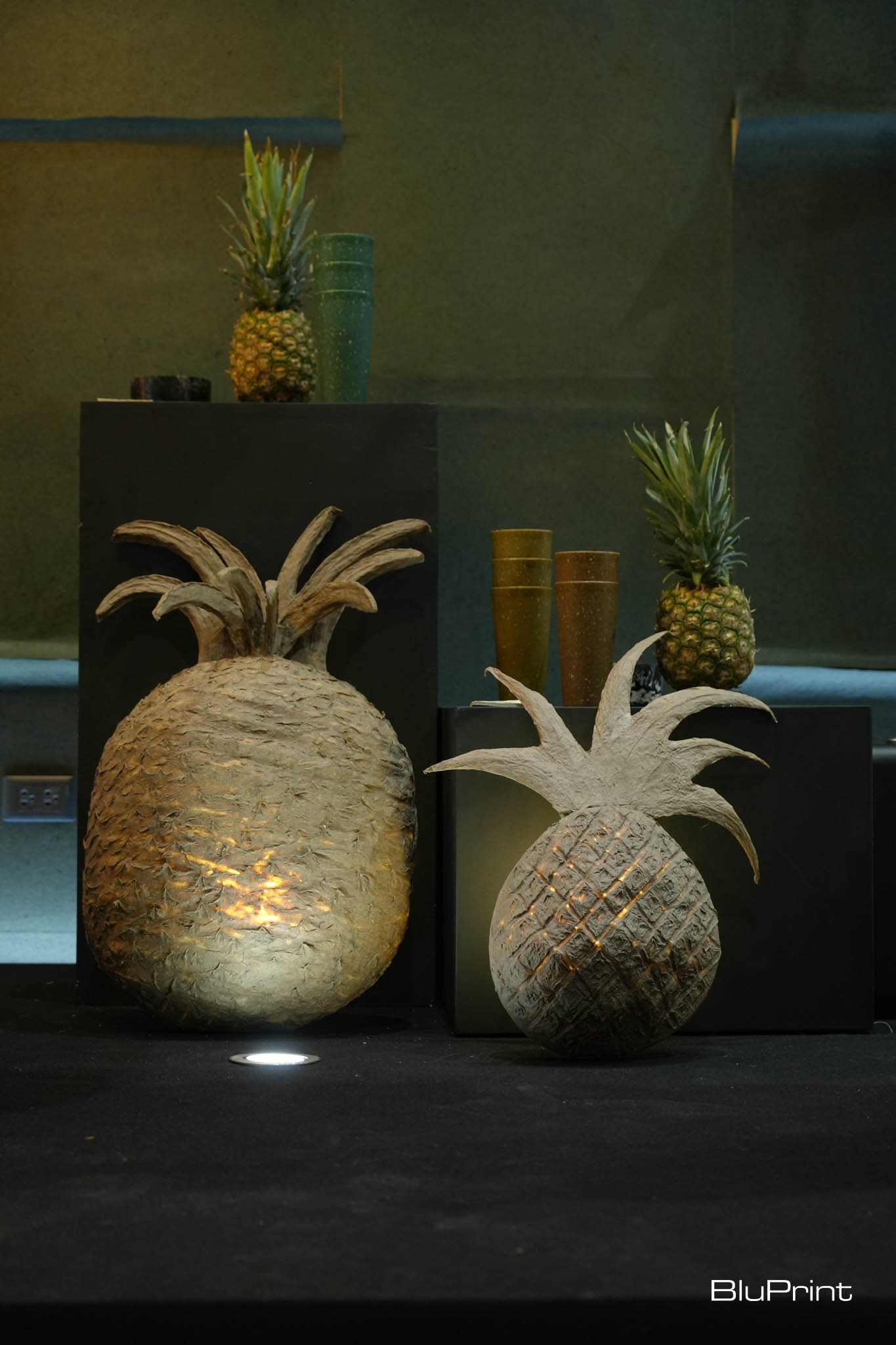
“There’s a lot of potential for the Philippines to become a good player in the green economy,” Leonor said. “[That’s because] there’s a lot of demand globally for sustainable products.”
“Remember, we are an agri-based country,” she continued. “That means [we have many] sources of these waste materials na doesn’t have that value [when you] look at it. But what we’re doing when we use it for furniture, we’re bringing it to high-value pieces. So, that really elevates everything that we’re doing and how we’re different across the world.”
Photos by Kieran Punay.
Related reading: Filipino Design: The Past, Present, and Future of Sustainability
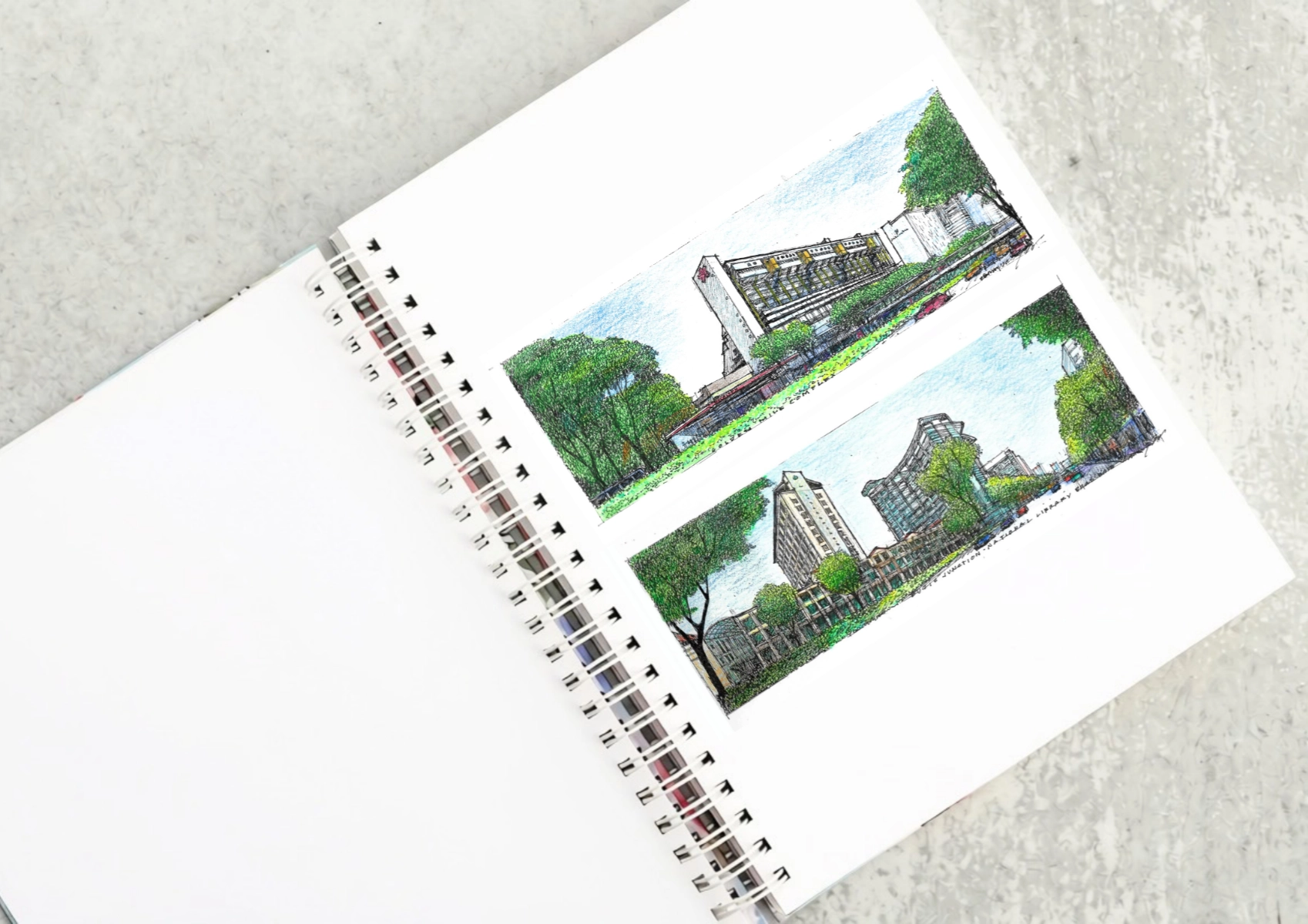
Two sketches of Singapore connect BluPrint Editor in Chief Paulo G. Alcazaren’s personal and professional history with Shared Ground: ArchitectureArchitectureThe art and science of designing and constructing buildings, structures, and spaces that are functional, safe, and aesthetically pleasing. It encompasses the planning, design, materials, and techniques used to createGo to Architecture Glossary of Care, Culture, […]
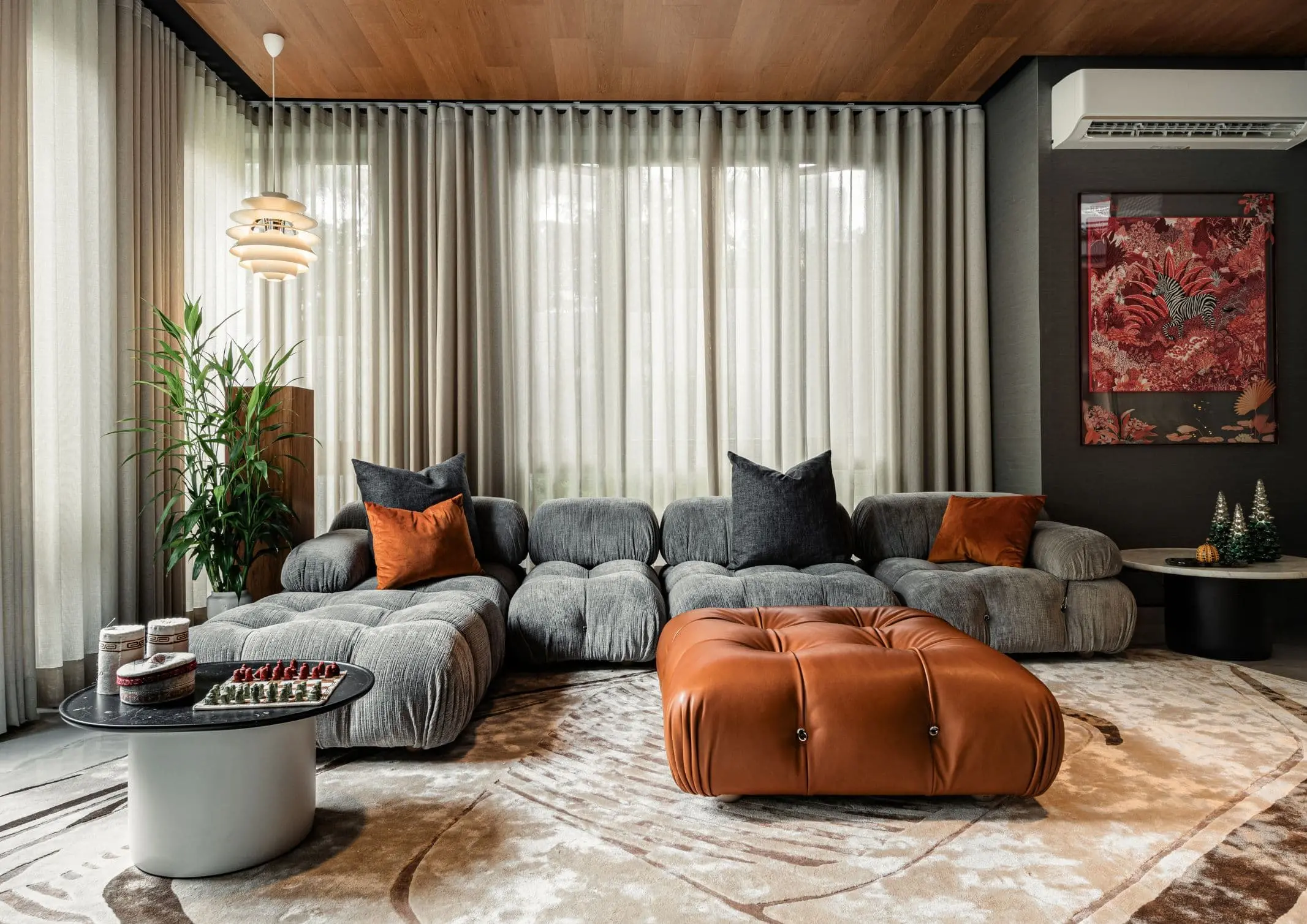
Some have become household names – Coleman, Oster, and KitchenAid – products that have found their way into Filipino kitchens, homes and family routines. In home furnishings, brands such as B&B Italia, Ethan Allen, Sub-Zero, Miele, SieMatic, Louis Poulsen, Hunter Douglas, Tempur, and Technogym, have helped shape the way Filipinos live. From everyday essentials to […]
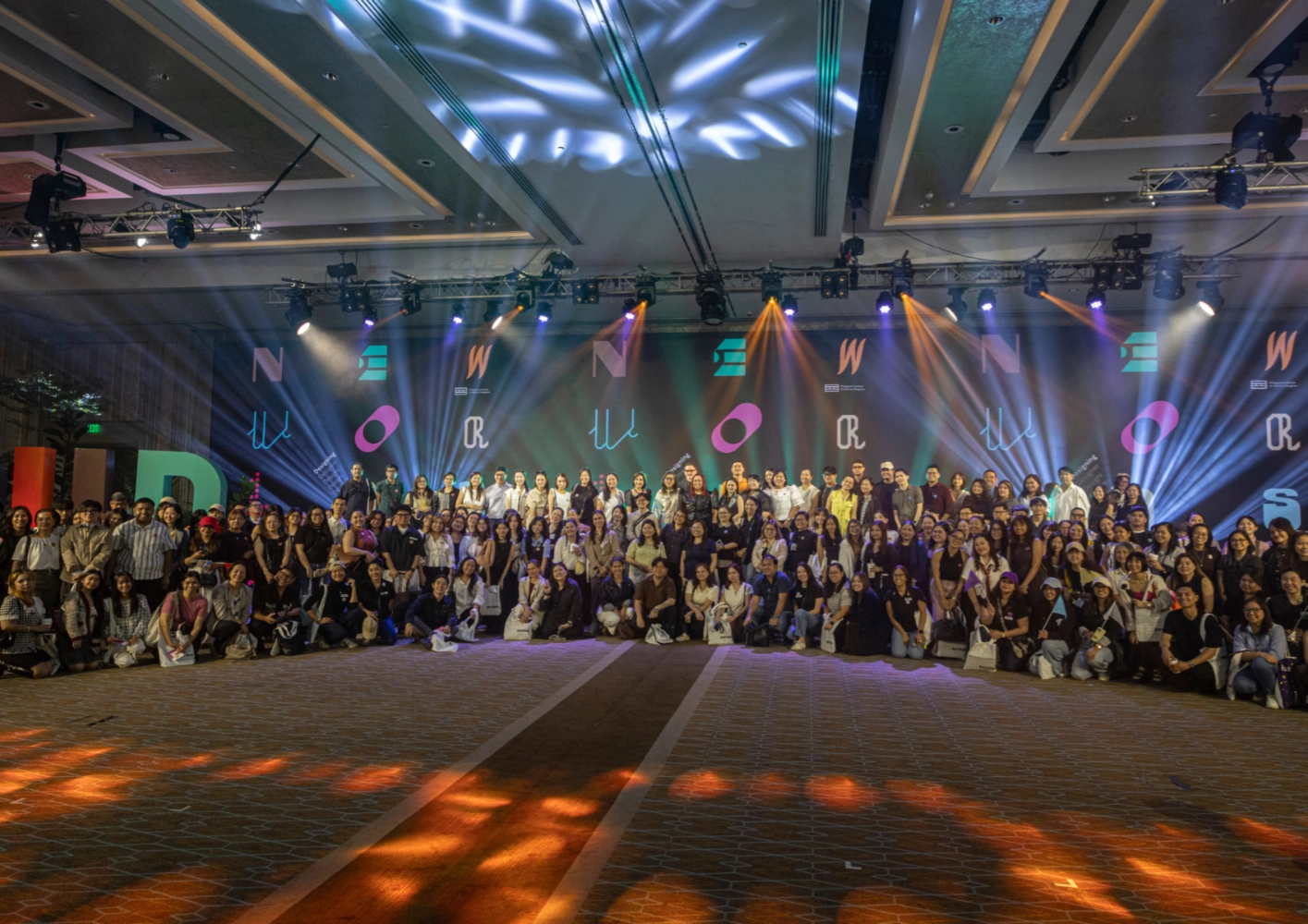
In a way, designers are the modern-day soothsayers and prophets. They design for the future, predicting how a room, a house, a building or a whole city will be used by people. They foresee how users will interact with a space, conjure exact shades of colors to elicit specific behavior and arrange furniture to build […]
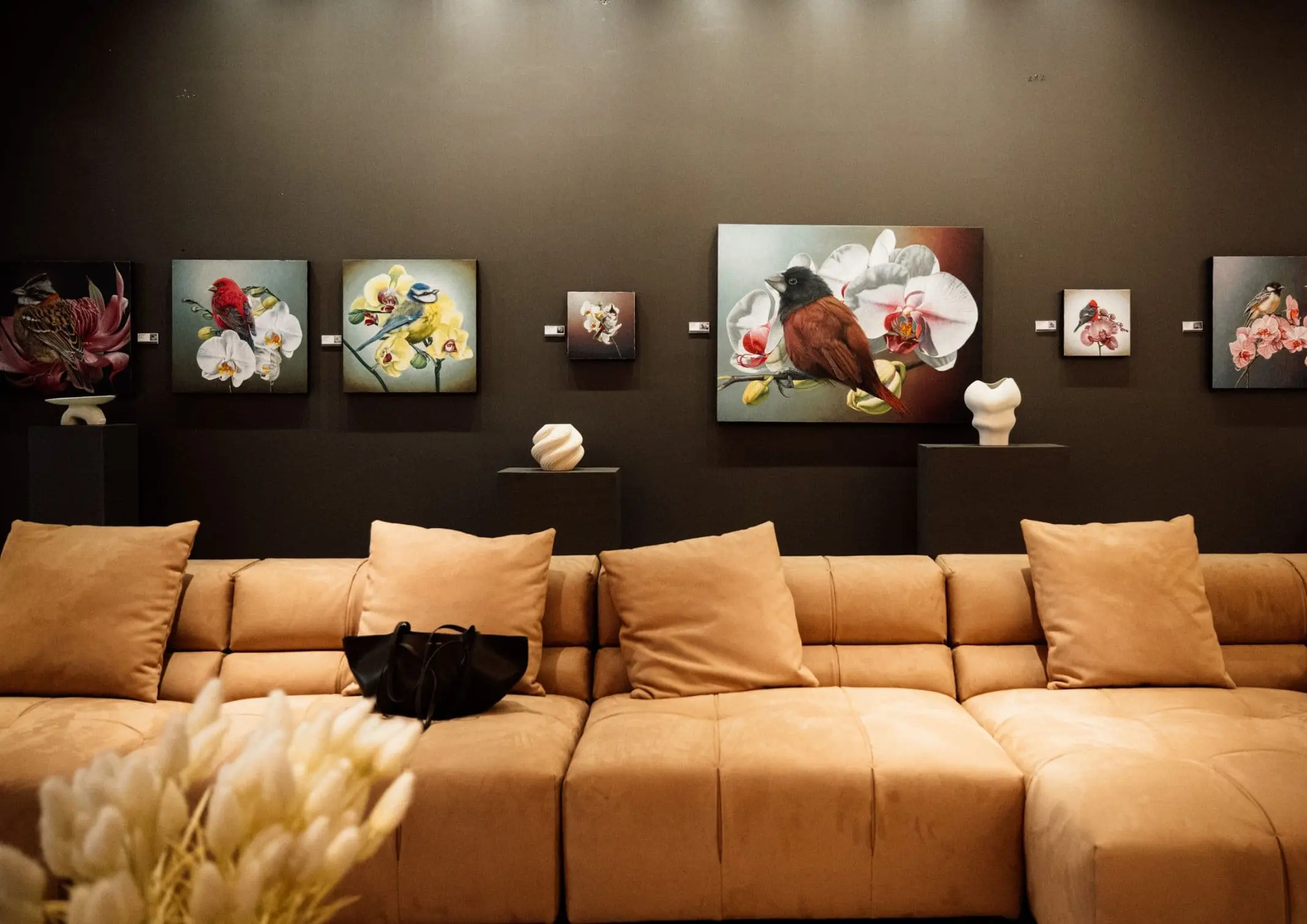
Art and furniture are often selected separately, yet their relationship can shape how a room looks and feels. The collaboration between Hooga and Galerie Joaquin explores how these elements can work together, bringing contemporary artworks into furnished residential settings at Hooga’s showroom in Uptown Mall, Bonifacio Global City. For Hooga, which curates furniture, lighting, and […]
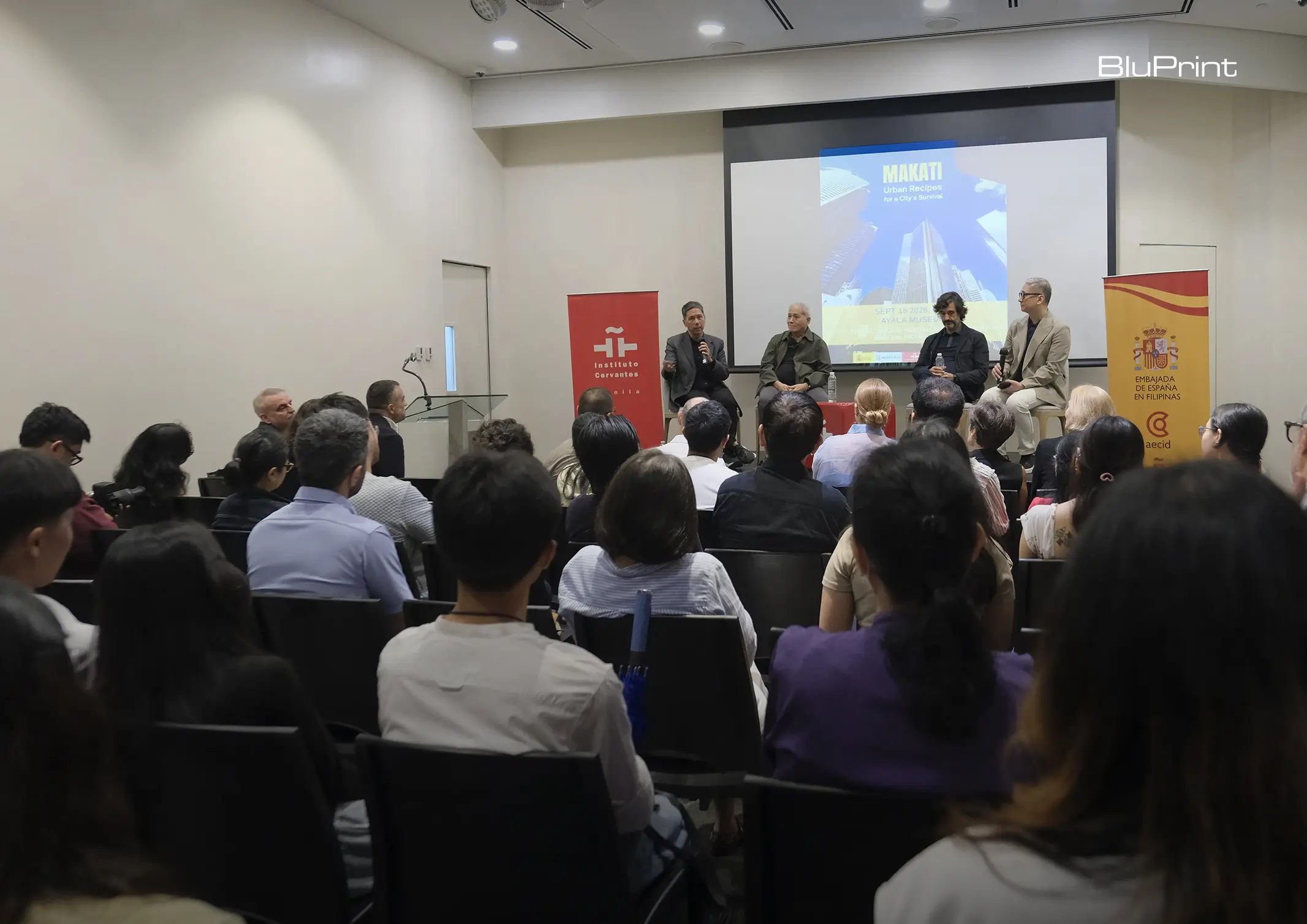
How can better-planned cities create the conditions for more creative, livable, and resilient urban environments? “Makati Urban Recipes for a City’s Survival,” a colloquium held at the Ayala Museum on September 15, brought together architects and practitioners from the fields of urbanism and the creative economy to discuss how design, planning, and collaboration can address […]
Read the issues.

Collect the volumes.

Recommended Video
Tap to Unmute
Unmute
0:00
0:00