Milo Naval, a leading figure in the Philippine design industry, has profoundly influenced furniture and interior design with his minimalist approach and innovative use of indigenous materials. Through his brand, OMO Furniture, and various collaborations, Naval highlights the artistic potential of local resources while advocating for sustainability and community development. His work showcases the beauty and functionality of Filipino craftsmanship, bringing global attention to its unique qualities.
A Journey Rooted in Filipino Heritage
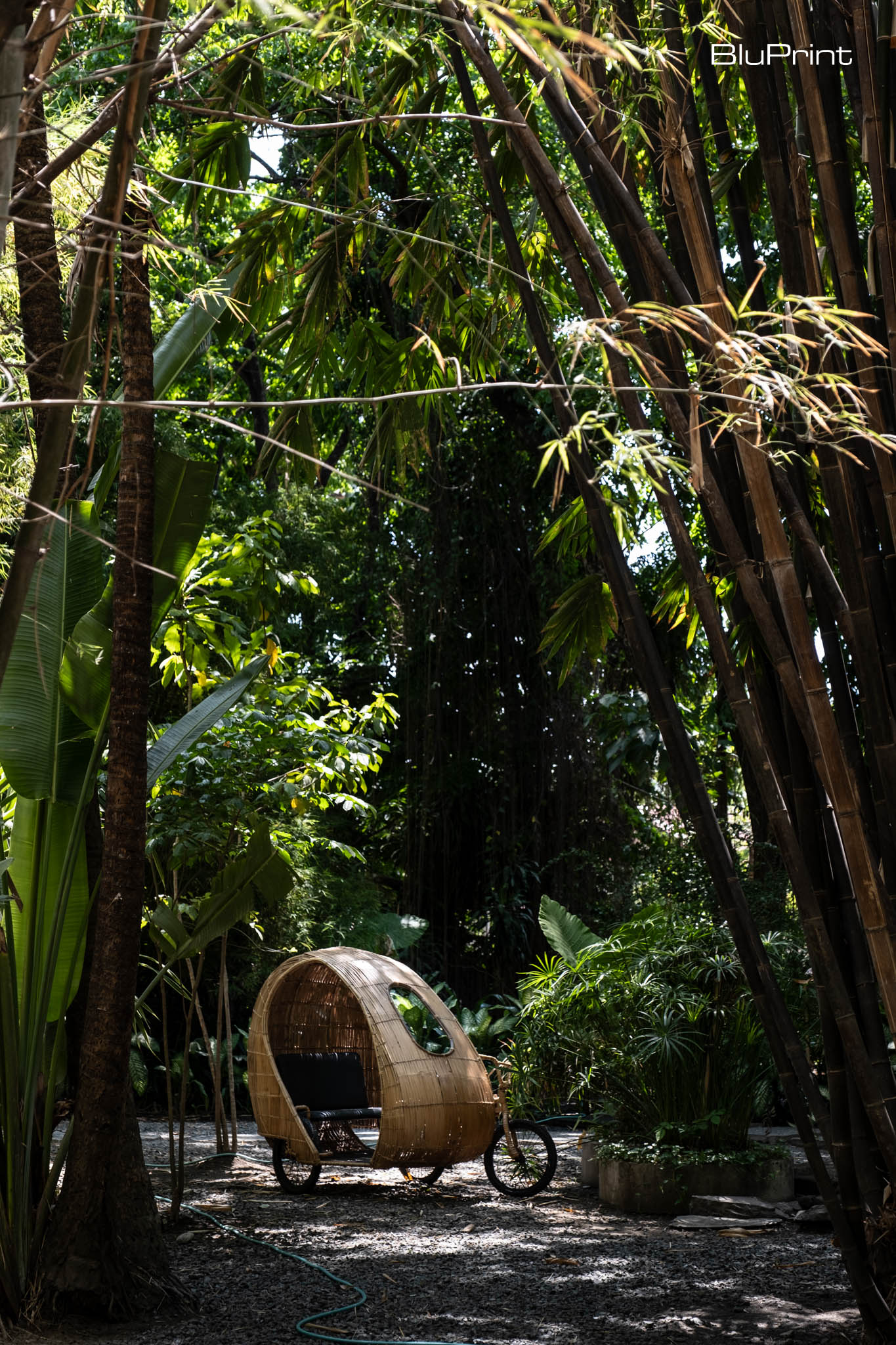
A bamboo pedicab celebrates the use of sustainable indigenous materials.
Naval’s design journey began with a deep appreciation for his Filipino heritage. After studying architecture, he transitioned into interior and furniture design, where he found his true calling. Naval’s work is deeply influenced by traditional Filipino craftsmanship and the natural resources of the Philippines, such as abaca, bamboo, and rattan. Recognizing their potential early on, he has transformed these materials into world-class furniture pieces.
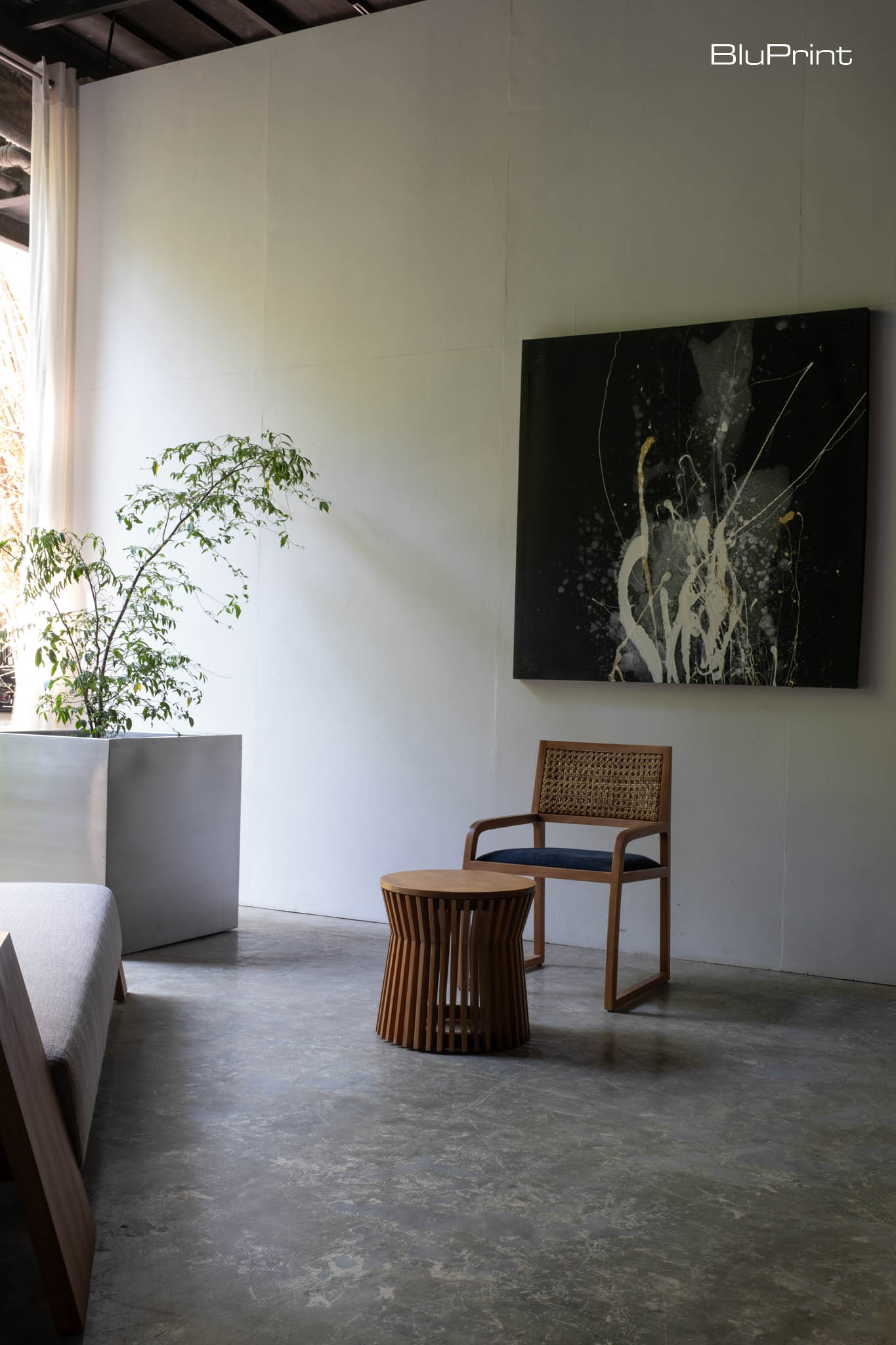
Traditional materials meet modern forms throughout OMO Furniture’s collections.
One of Naval’s standout collections, the Migo series, exemplifies his ability to transform traditional materials into modern designs. By using palm sticks bound together, he creates intricate, contemporary pieces that blend traditional craftsmanship with innovative design. This collection demonstrates Naval’s skill in merging the old with the new, creating designs that are both functional and artistic.
Advertisement
Championing Sustainability
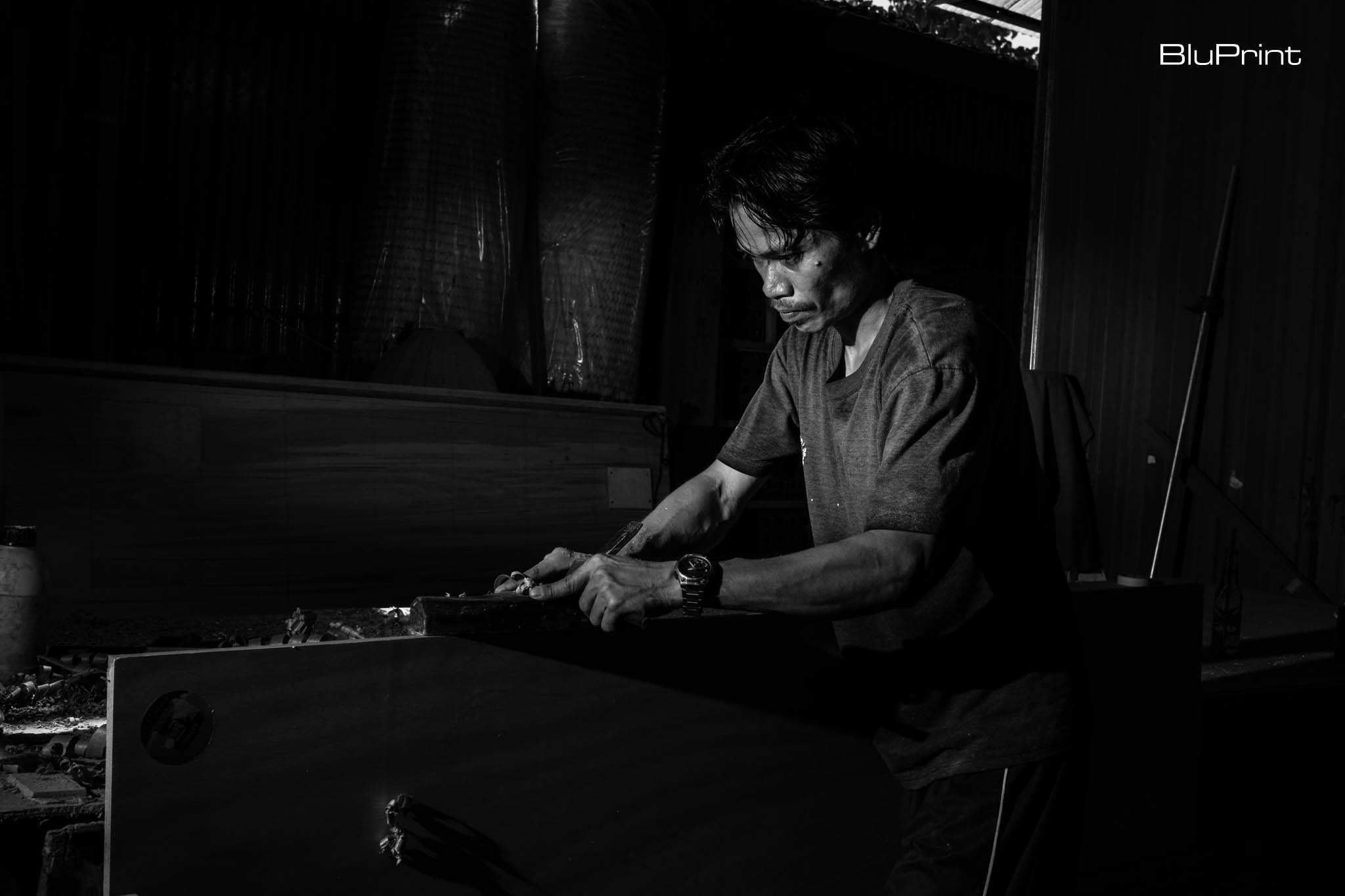
Working with local artisans is a fundamental part of OMO Furniture, ensuring the preservation of traditional skills and techniques.
Sustainability is central to Naval’s design philosophy. He advocates for environmentally friendly practices, from material sourcing to production processes. Naval uses recycled materials, such as discarded tire tubes, to create functional, eco-friendly furniture. This not only reduces waste but also highlights the potential of recycled materials in design.
Naval’s approach to sustainability extends beyond the materials he uses. He ensures that his production processes are environmentally responsible, minimizing waste and reducing the carbon footprint of his operations. By focusing on sustainable practices, Naval sets a standard for the design industry, encouraging others to adopt eco-friendly methods.
“We felt we needed to have a very good relationship with our craftsmen. Understanding them from their point of view is the best way to see how design and craftsmanship can work hand in hand.”
Milo Naval
Through these collaborations, Naval helps bring global attention to the quality and creativity of Filipino design. His efforts have not only increased the visibility of Filipino artisans but also provided them with new opportunities for growth and development. By promoting local craftsmanship, OMO Furniture contributes to the preservation of traditional skills and techniques, ensuring that they are passed down to future generations.
Advertisement
A Vision for the Future
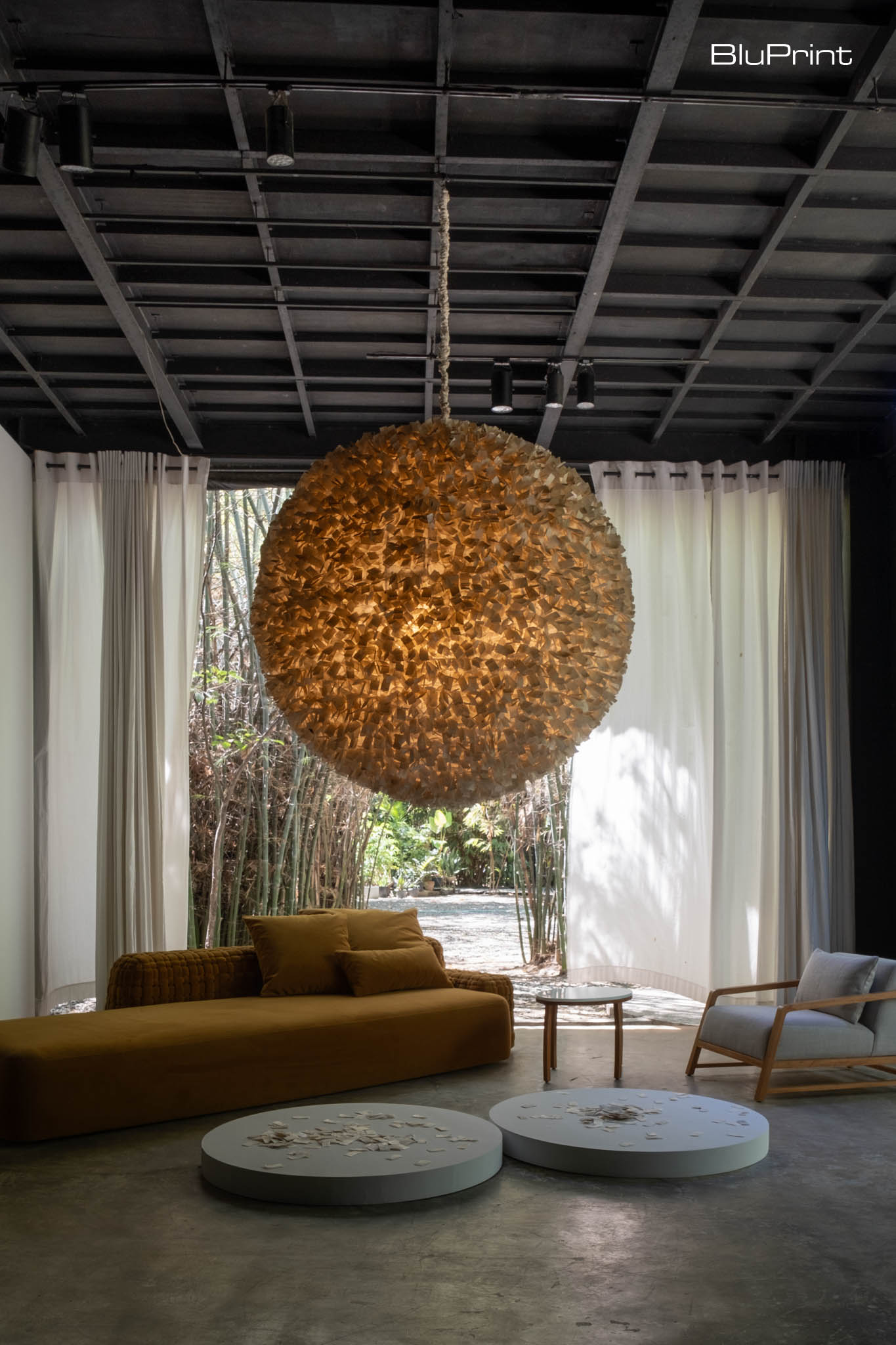
A large, spherical pendant light, textured with layered materials, hangs from the ceiling, casting a warm, ambient glow over the space.
Milo Naval’s influence on Filipino design is profound and far-reaching. His innovative use of local materials and commitment to sustainability has elevated Filipino craftsmanship on the global stage. Naval’s dedication to mentoring young designers and fostering innovation ensures that his legacy will continue to inspire future generations. Through his brand OMO Furniture and collaborative efforts, Naval champions the beauty and potential of Filipino design, making a lasting impact on the local community and beyond.
By staying true to his roots and continuously evolving, Naval demonstrates that Filipino design can be both traditional and contemporary, sustainable and luxurious. His work is a powerful reminder of the rich cultural heritage of the Philippines and its potential to contribute to the global design landscape.
Learn more about how Milo Naval innovates using local materials, builds a sustainable community, and fosters future generations of artisans by ordering your copy of BluPrint Volume 1. Available via the sarisari.shopping website, Shopee, and Lazada. E-magazines are available for download via Readly, Press Reader, and Magzter.
Contemporary design refers to the constantly evolving design trends of today. With the power to design our built environments, architects have been experimenting with various architectural approaches. Whether that is through unconventional forms or the integration of smart technologies, BluPrint lists down Filipino architects who are defining contemporary architecture. Deo Alam Architect Deo Alrashid Alam […]
In the Philippines, adaptive reuse gained traction during the 1970s with the rise of conservation and environmental preservation movements. It offered an architectural solution that reuses existing spaces to fit modern needs. Across the country, several projects demonstrate how this approach is being applied—transforming heritage structures into active spaces for culture, hospitality, and community life. […]
From residential spaces to civic structures, lighting dictates the mood of a space. It controls the visual dynamics of an interior, serving as a guiding tool that highlights key design elements, including materials and textures. Related Reading: Lampscaping: How to Light up Your Home like a Pro Regulating the Mood: Natural and Artificial Light in […]
More and more Filipinos are flocking to condominium communities. Often tucked within busy city centers, condo living acts as a small respite from urban chaos. Faced with the challenge of transforming a cramped condominium into a warm living space, BluPrint lists condo interior design ideas that can maximize each square foot of small spaces. Purposeful […]
Modern bathrooms are no longer purely functional spaces. Increasingly, they are being designed as environments that support cleanliness, ease, and quiet restoration within the home. As daily life becomes more demanding and health awareness continues to rise, homeowners are beginning to expect more from the spaces where daily rituals begin and end. For architects and […]
From the moment a diner steps through the door, each detail shapes how a meal is experienced. Restaurant design has evolved, with architects and culinary professionals collaborating to create built spaces that are as intentional as the menu itself. The spatial atmosphere acts as an additional ingredient that can define the culinary experience. Taupe and […]