In the Philippines, adaptive reuse gained traction during the 1970s with the rise of conservation and environmental preservation movements. It offered an architectural solution that reuses existing spaces to fit modern needs. Across the country, several projects demonstrate how this approach is being applied—transforming heritage structures into active spaces for culture, hospitality, and community life. […]
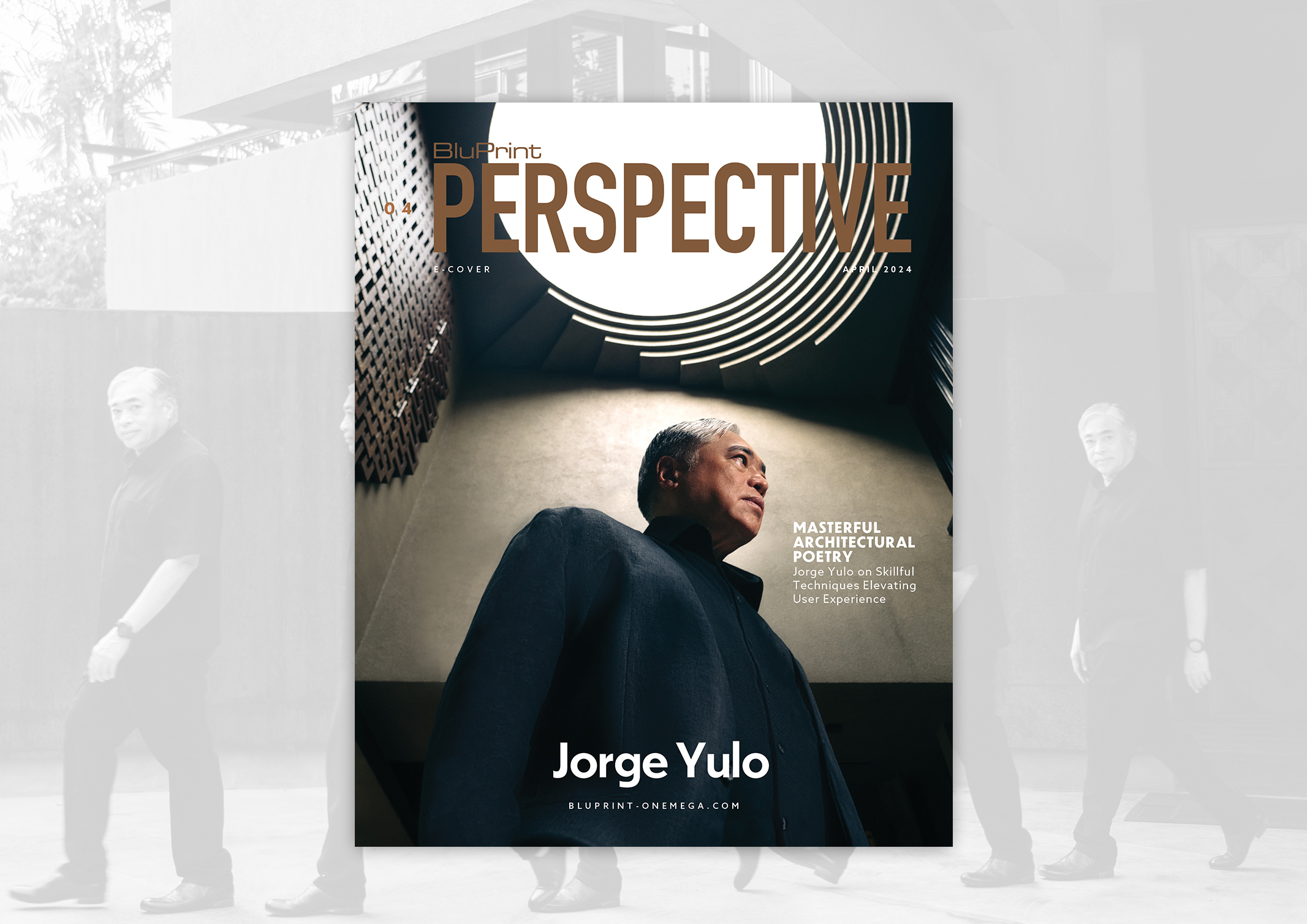
Jorge Yulo on Skillful Techniques for Impactful Design



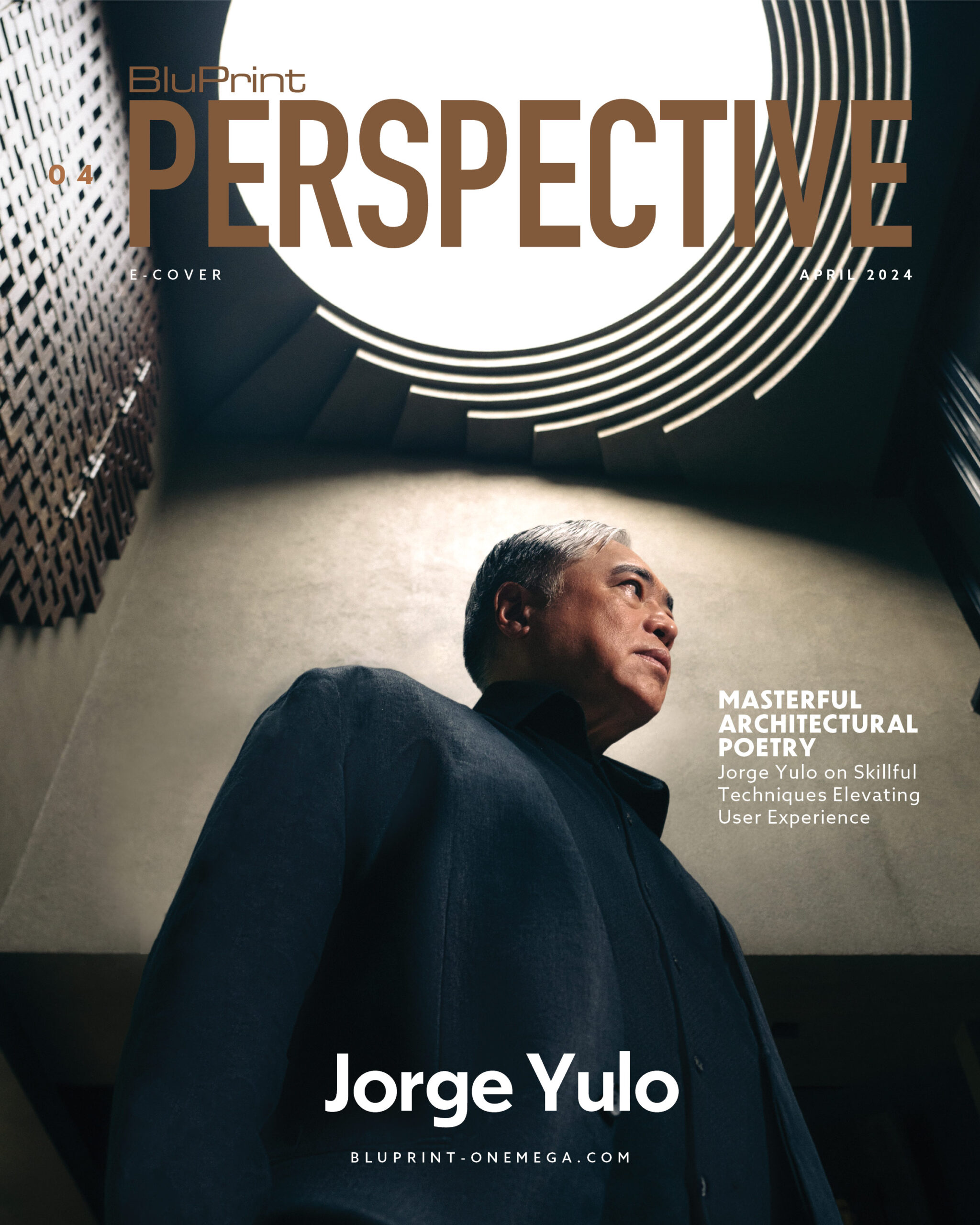
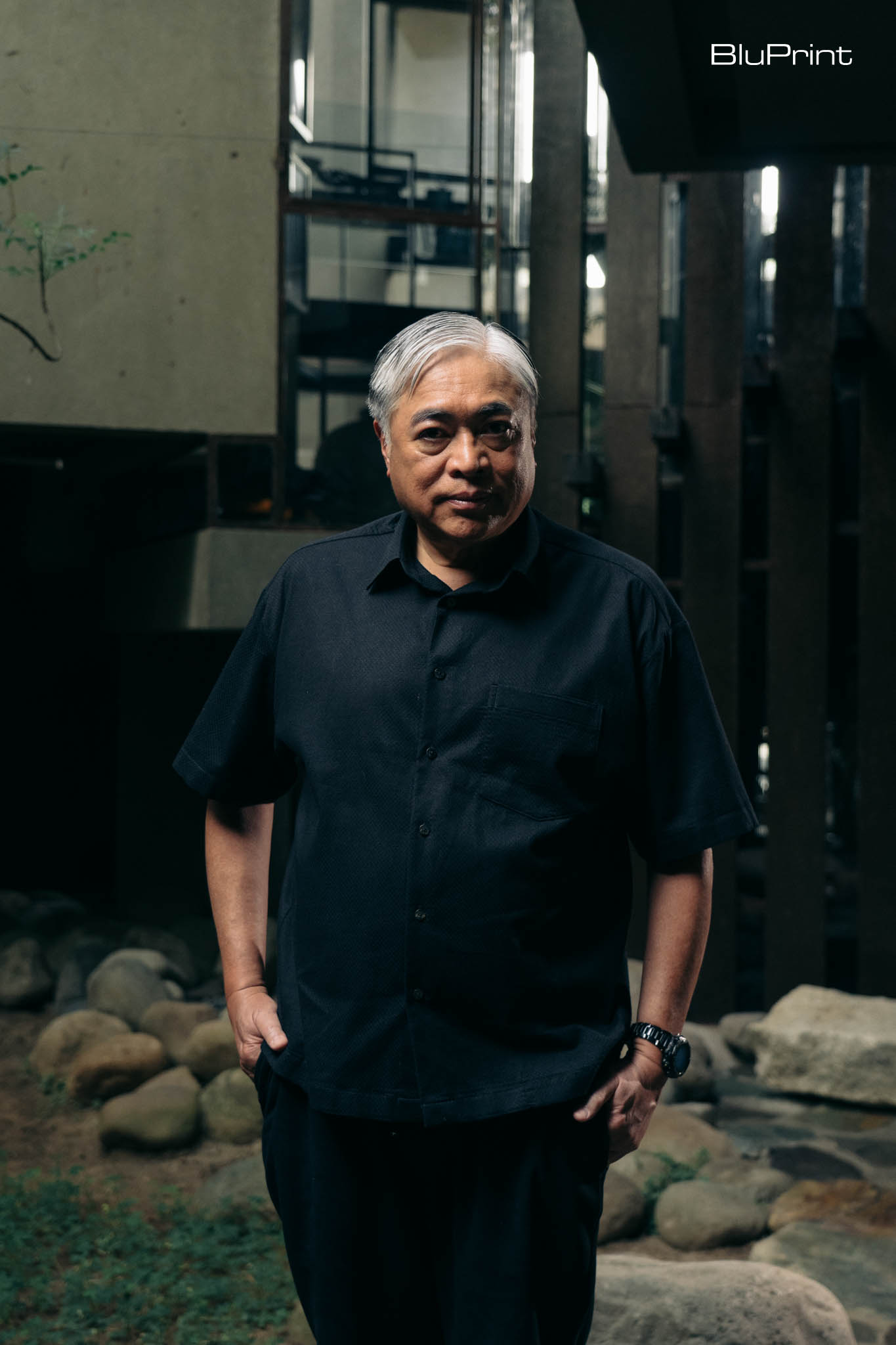
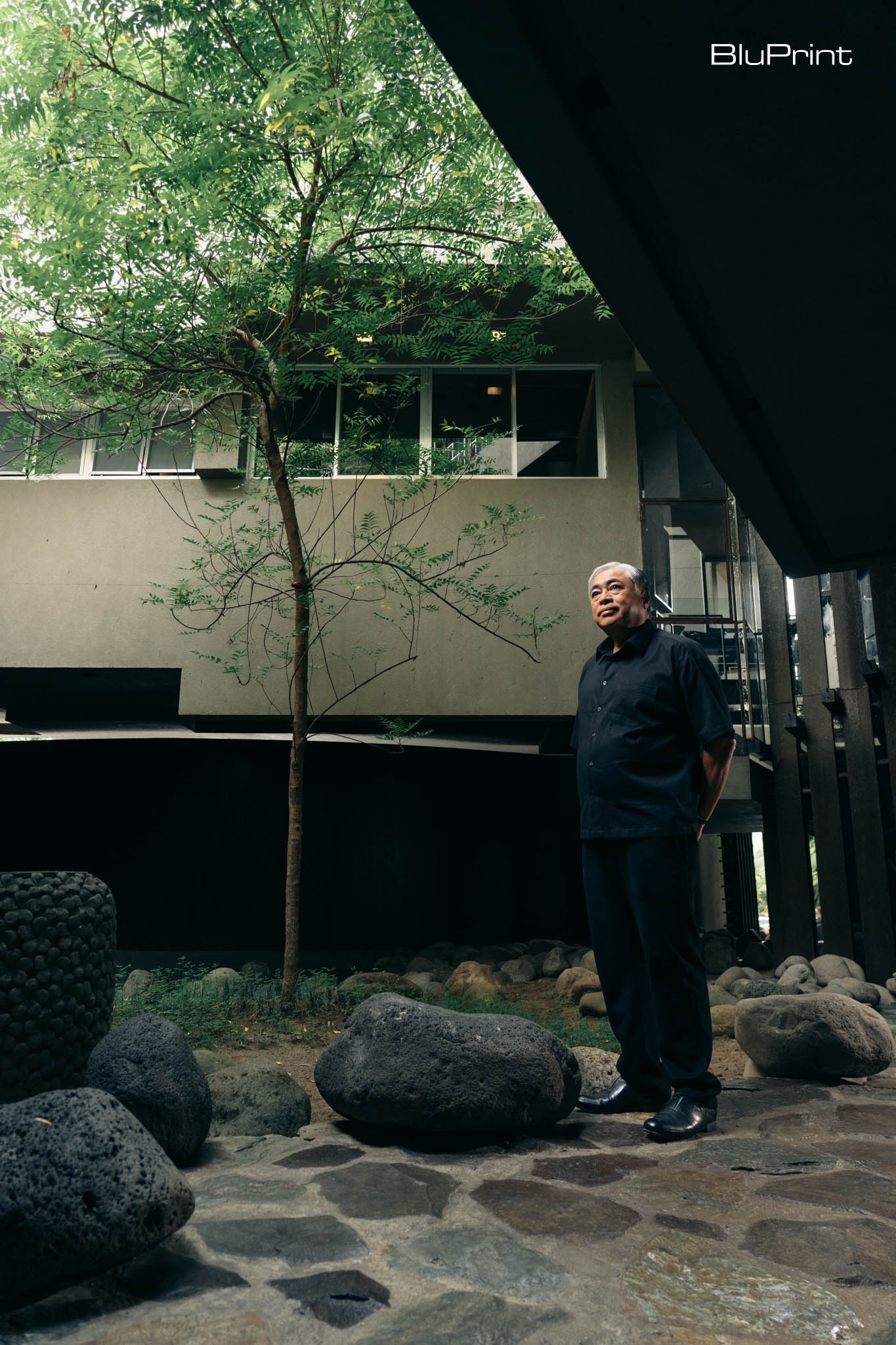
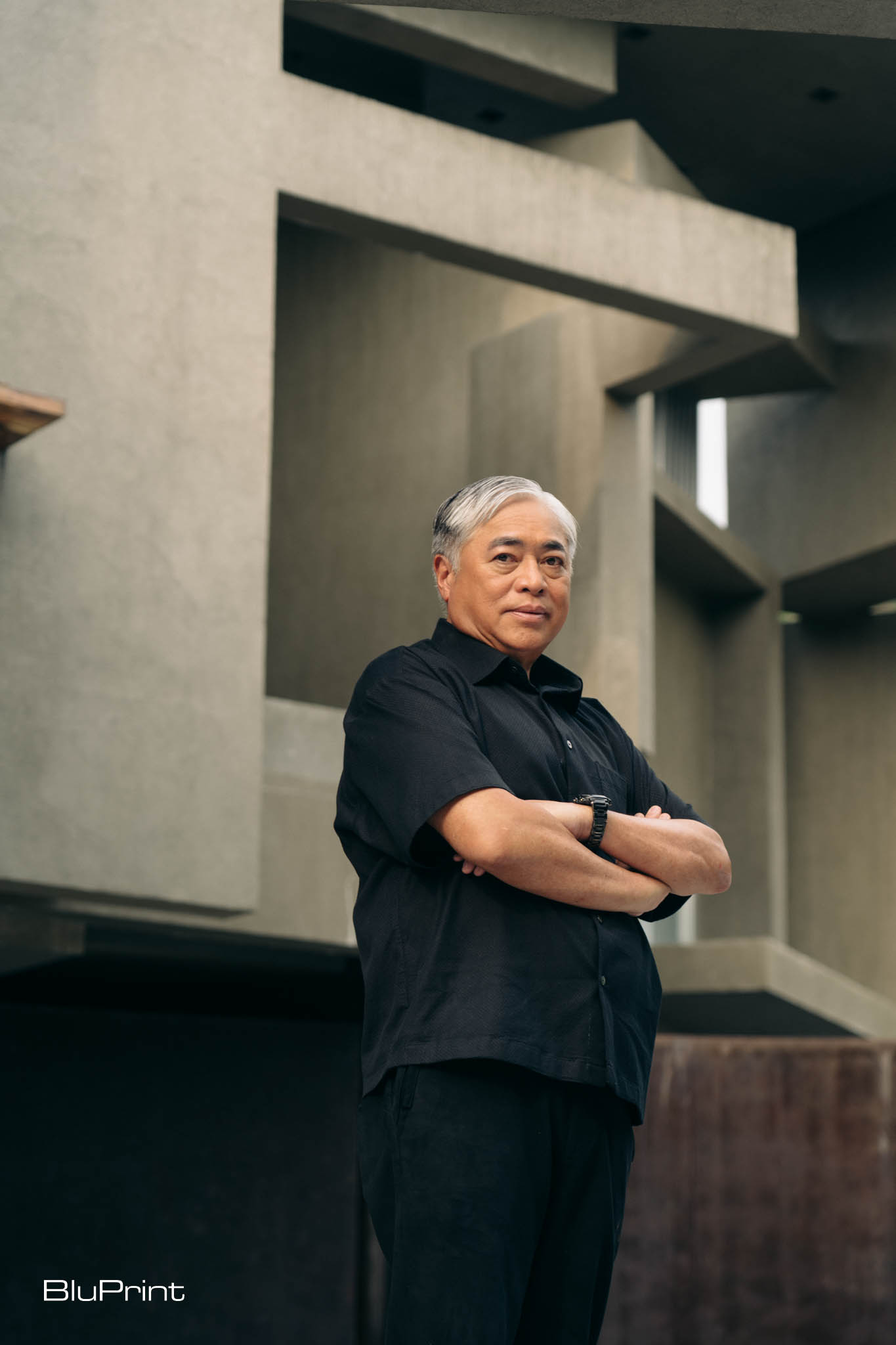
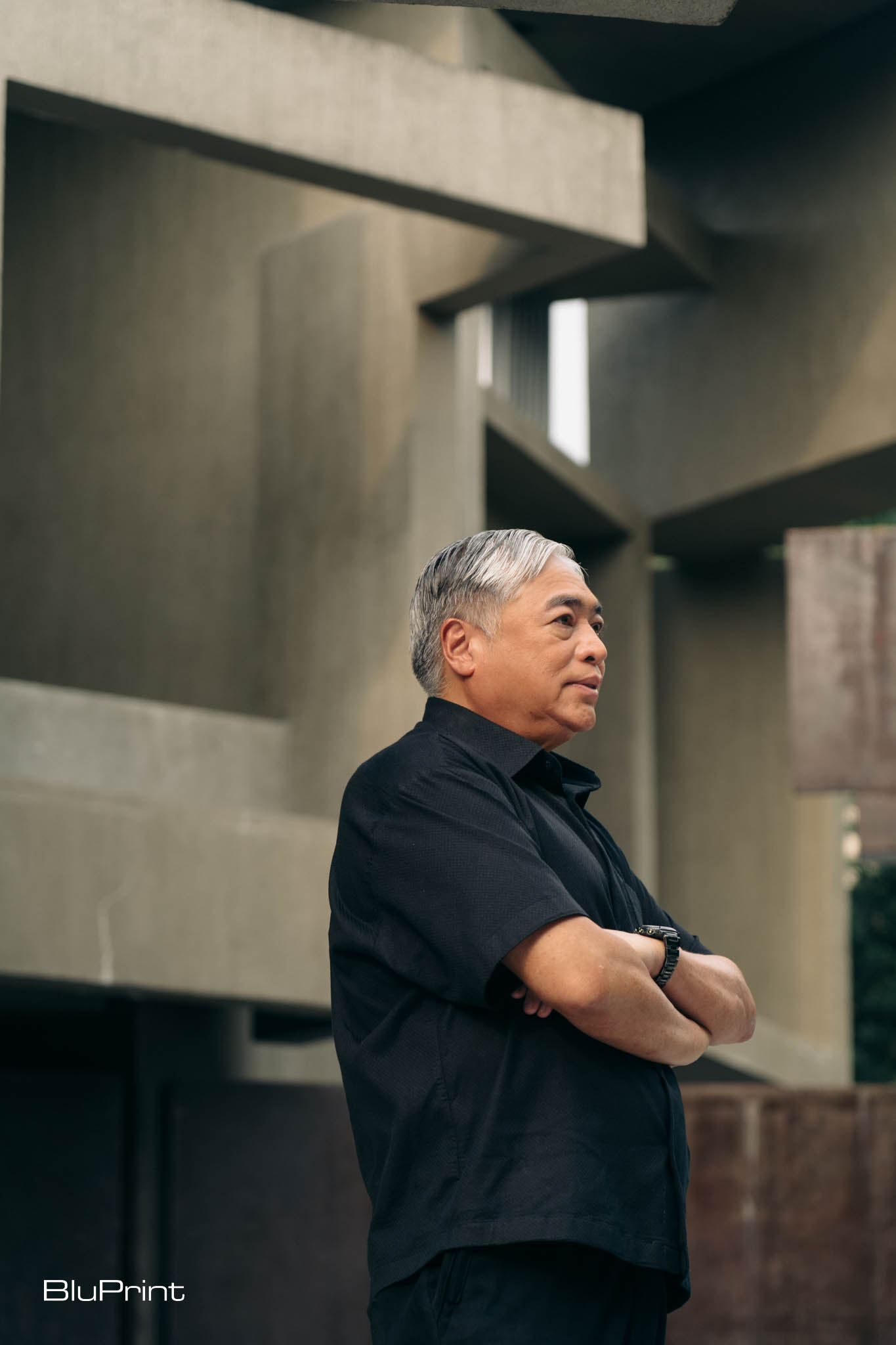
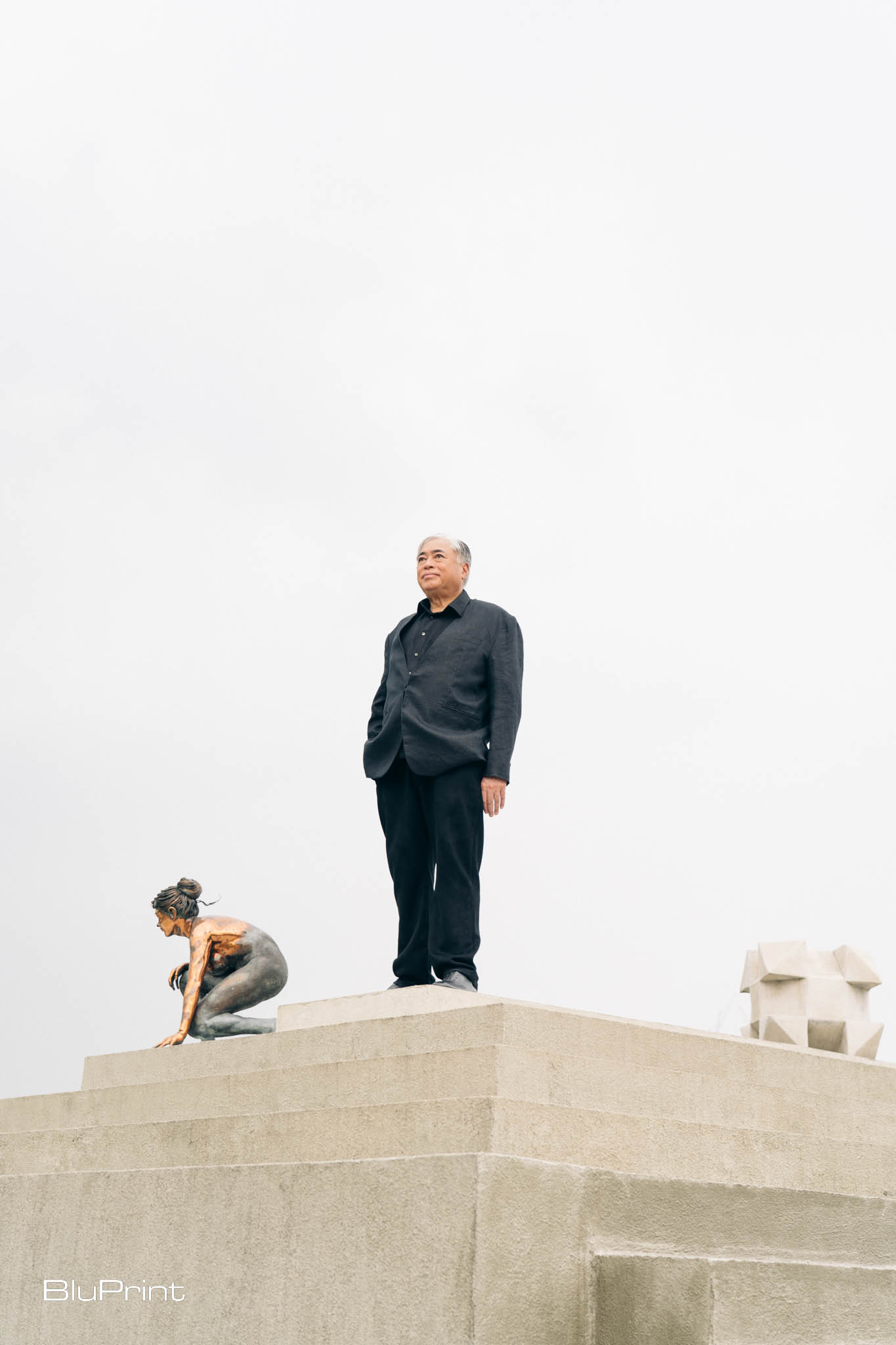
Jorge Yulo, Principal Architect of Jorge Yulo Architects & Associates, stands as a beacon of architectural excellence, his career spanning decades marked by innovation, sustainability, and a profound respect for cultural identity. From his early fascination with drawing to his renowned projects celebrated both locally and abroad, Yulo’s journey encapsulates the essence of architectural mastery.
Early Influences and Academic Pursuits
Born and raised in the Philippines, Yulo’s affinity for drawing emerged during his formative years, becoming not only a means of expression but also a gateway to social acceptance. “In my family, I was the kid who liked to draw,” he recalls fondly. This childhood passion cultivated a habit of keen observation and analytical thinking, laying the groundwork for his future endeavors in architecture.
Upon reaching a pivotal juncture in his academic journey, Yulo faced a crucial decision between pursuing a bachelor’s degree in Fine Arts with a major in Painting or Architecture. Opting for the former as a strategic pathway to financing his graduate studies in Architecture, Yulo embarked on a trajectory that would redefine the architectural landscape in the Philippines.
Advertisement
Design Philosophy: Rational Chaos and User Experience
Rejecting the notion of a signature style, Yulo embraces what he terms as “rational chaos” in his design approach. His aesthetic is rooted in user experience rather than conforming to predefined stylistic norms. “I am anti-style,” he asserts. “My Design is based on user experience rather than style or typology.”
Yulo draws inspiration from a myriad of sources, including nature, organic sciences, human behavior, and the principles of gestalt. This interdisciplinary approach infuses his work with a unique blend of functionality and aesthetic appeal, transcending conventional boundaries.
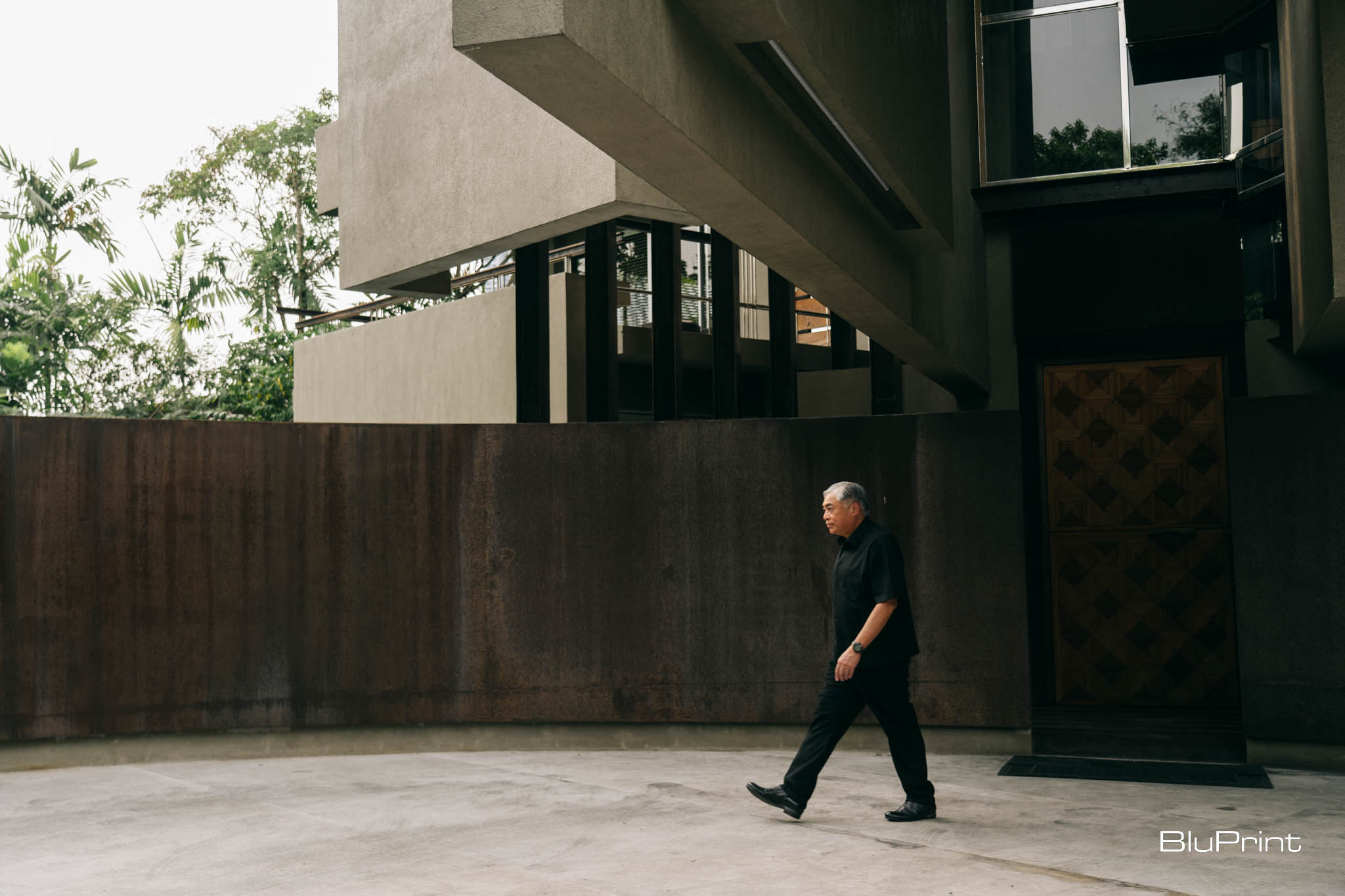
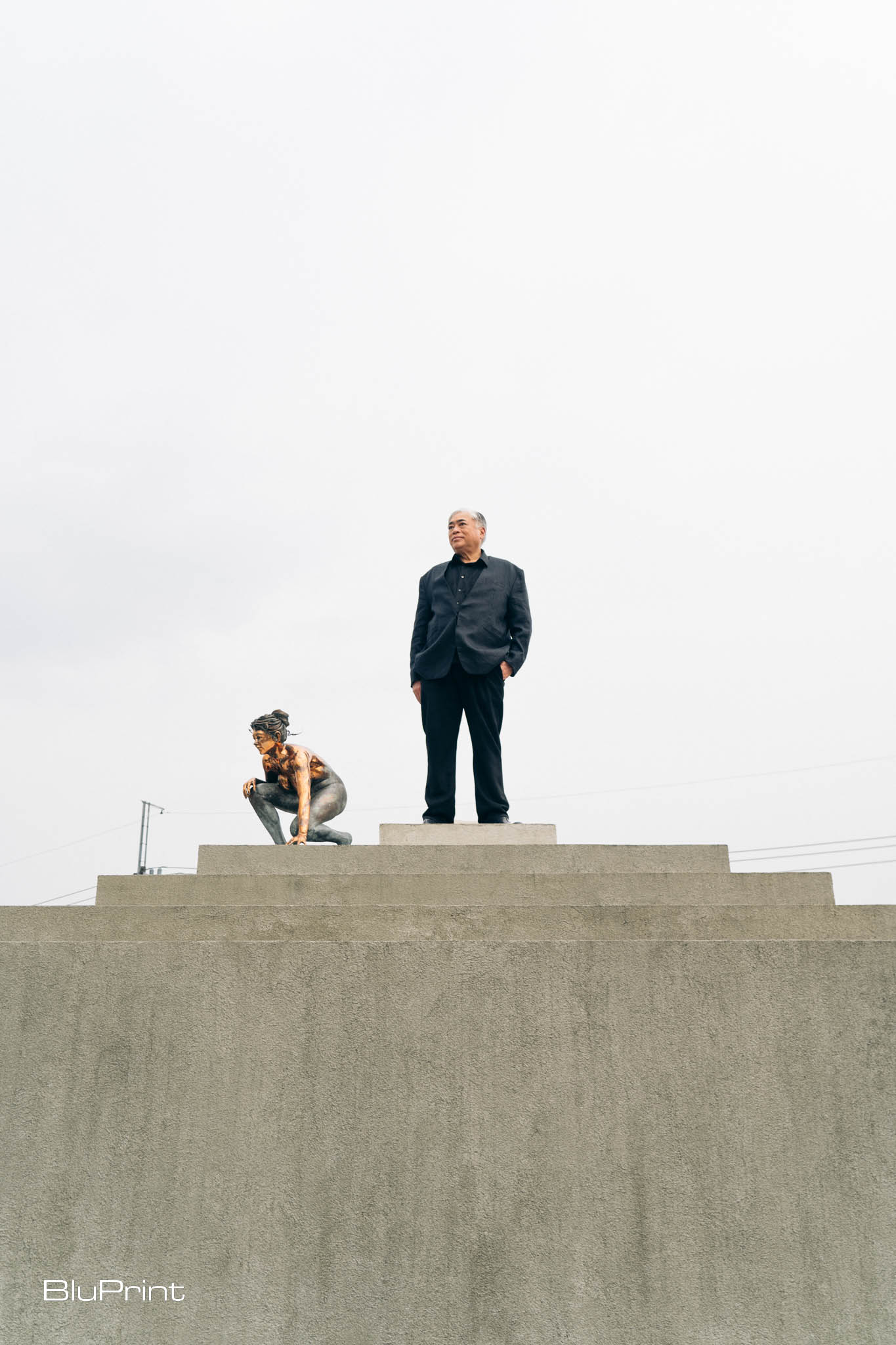
One of Yulo’s recent projects, the “Reincarnated Villa,” serves as a testament to his innovative spirit and reverence for architectural heritage. Situated within a 200-year-old compound, the villa underwent a meticulous reconstruction process after succumbing to wood rot and termite infestation.
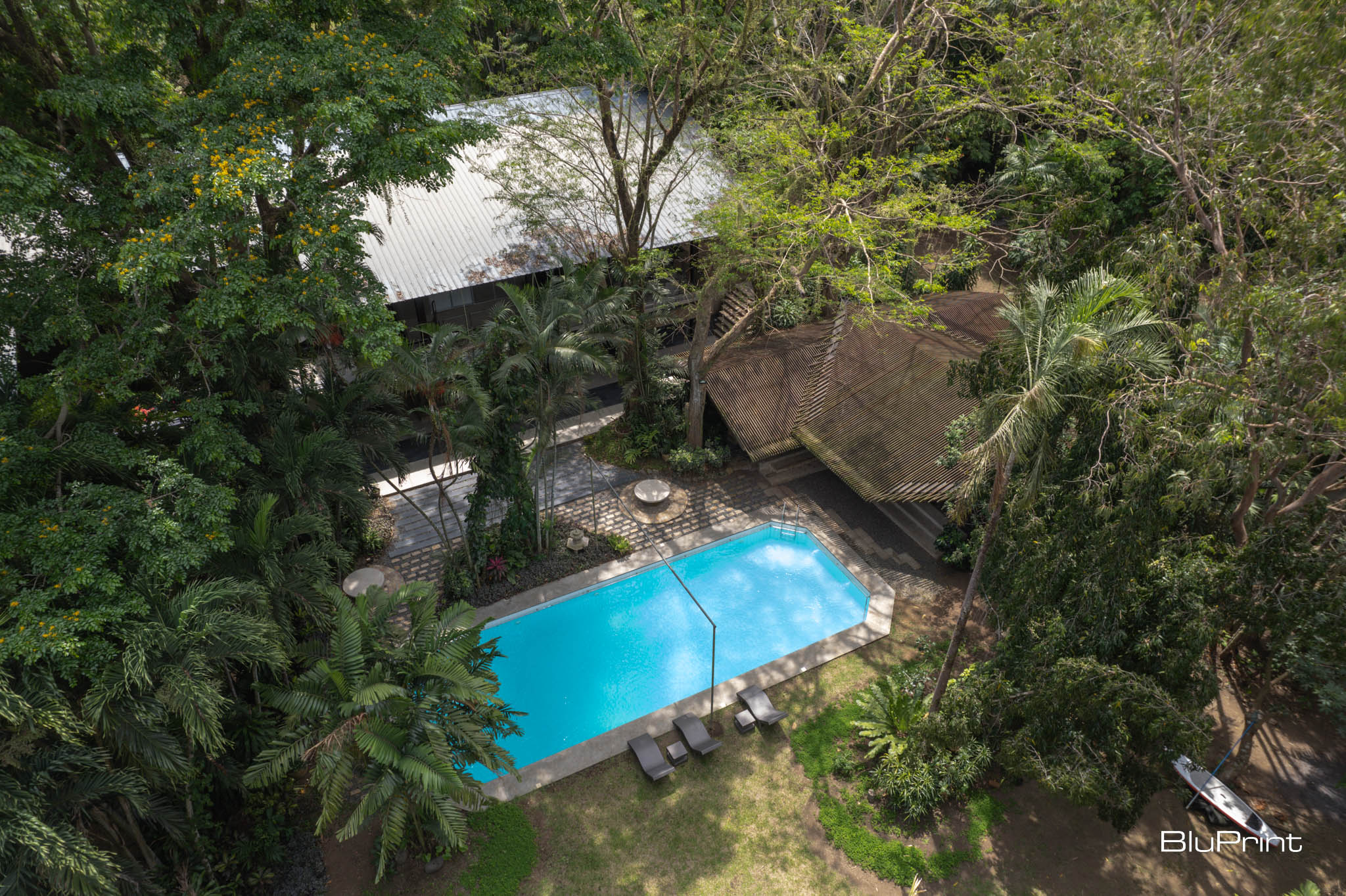
Rather than erasing the past, Yulo chose to preserve the villa’s footprint and essence while integrating modern materials and design elements. The result is a harmonious blend of old and new, where salvaged timber coexists with steel columns, and antique floor pavers meet contemporary architectural forms.
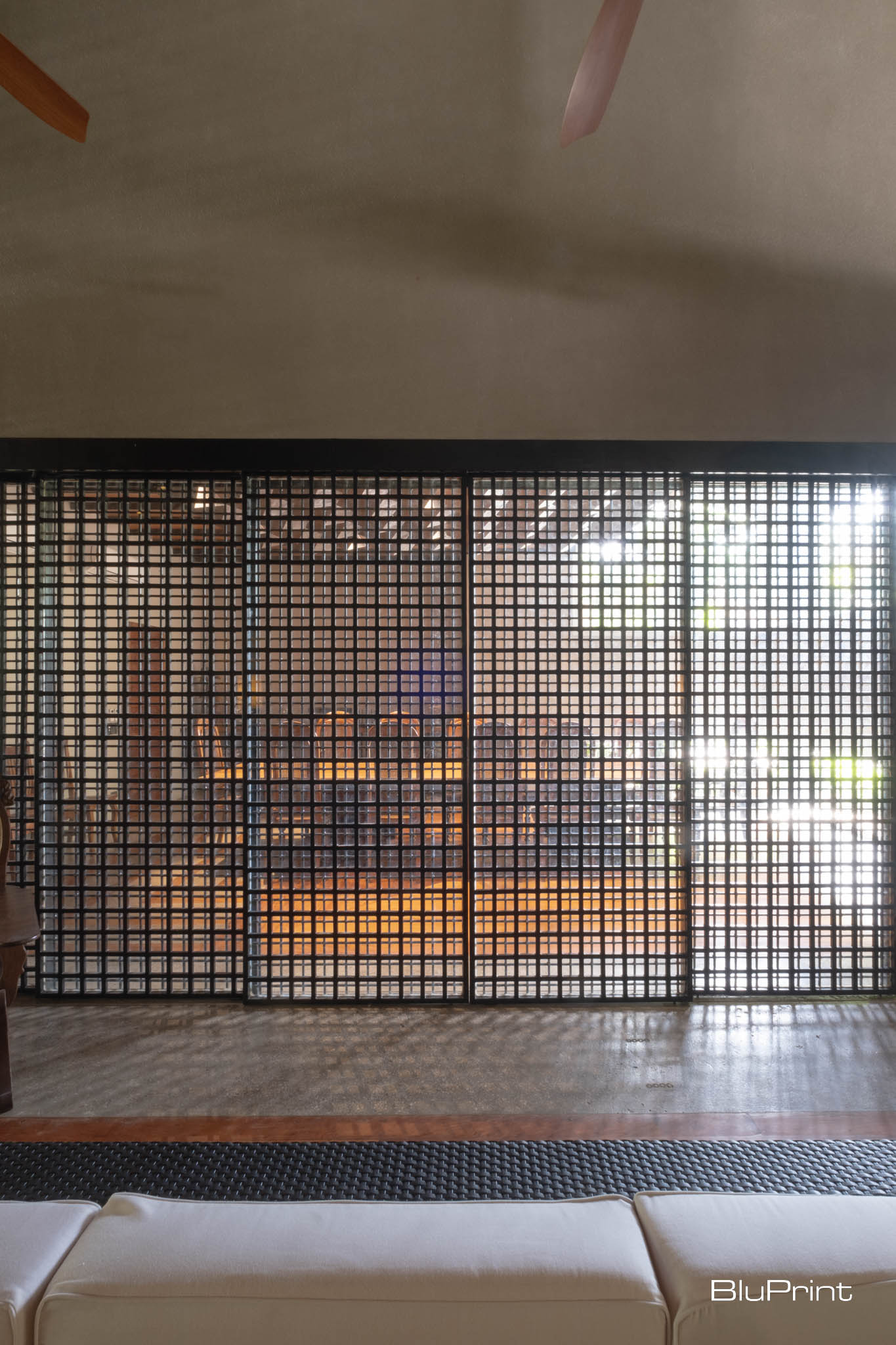
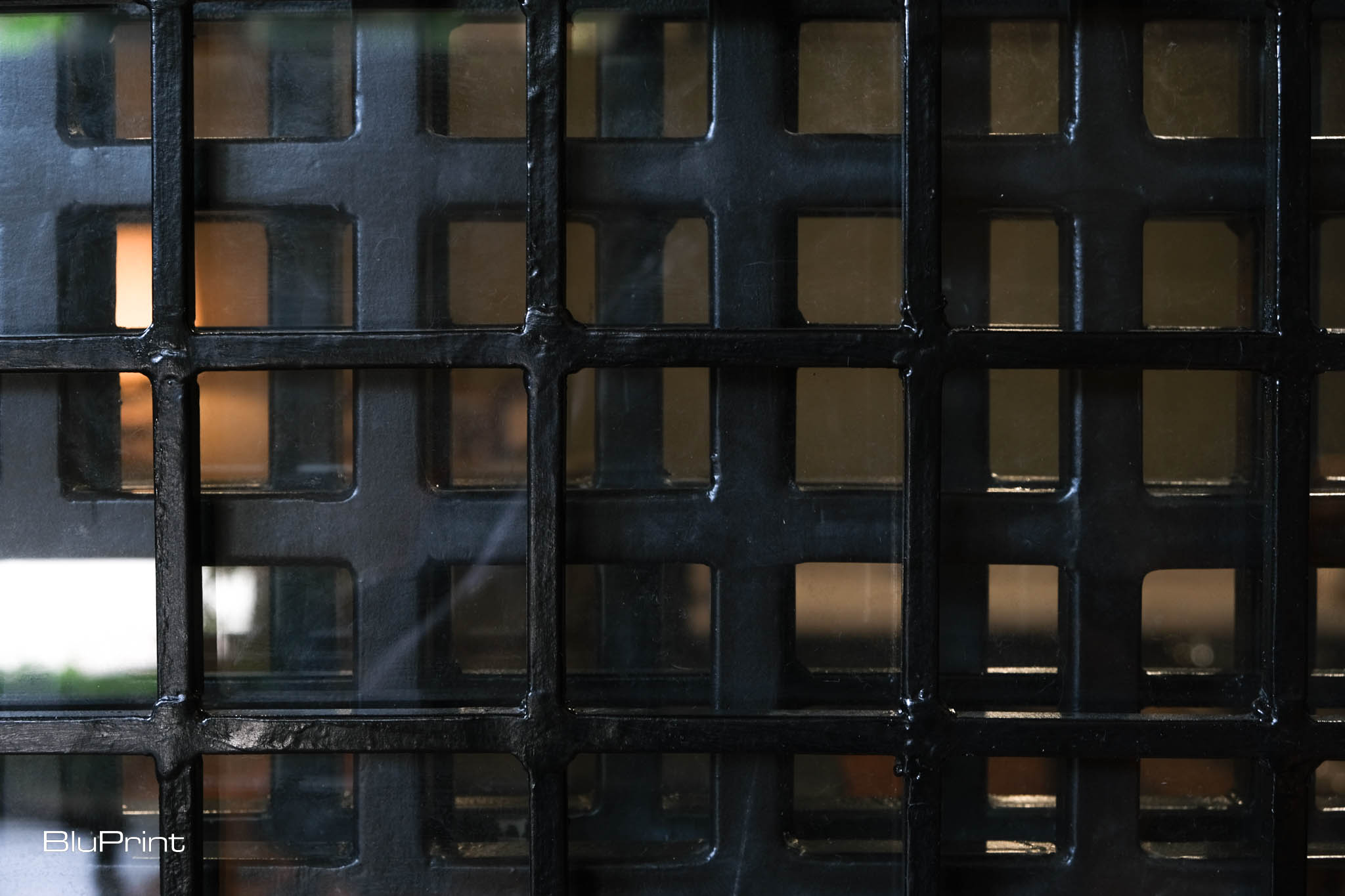
The Reincarnated Villa project involved the reconstruction of a 70-year-old villa within a 200-year-old compound. The original structure had undergone several renovations over a 35-year period before succumbing to wood rot caused by the predominantly wet weather and termite infestation. Yulo’s approach to the project was not to start afresh but to preserve the villa’s footprint and essence while integrating modern materials and design elements.
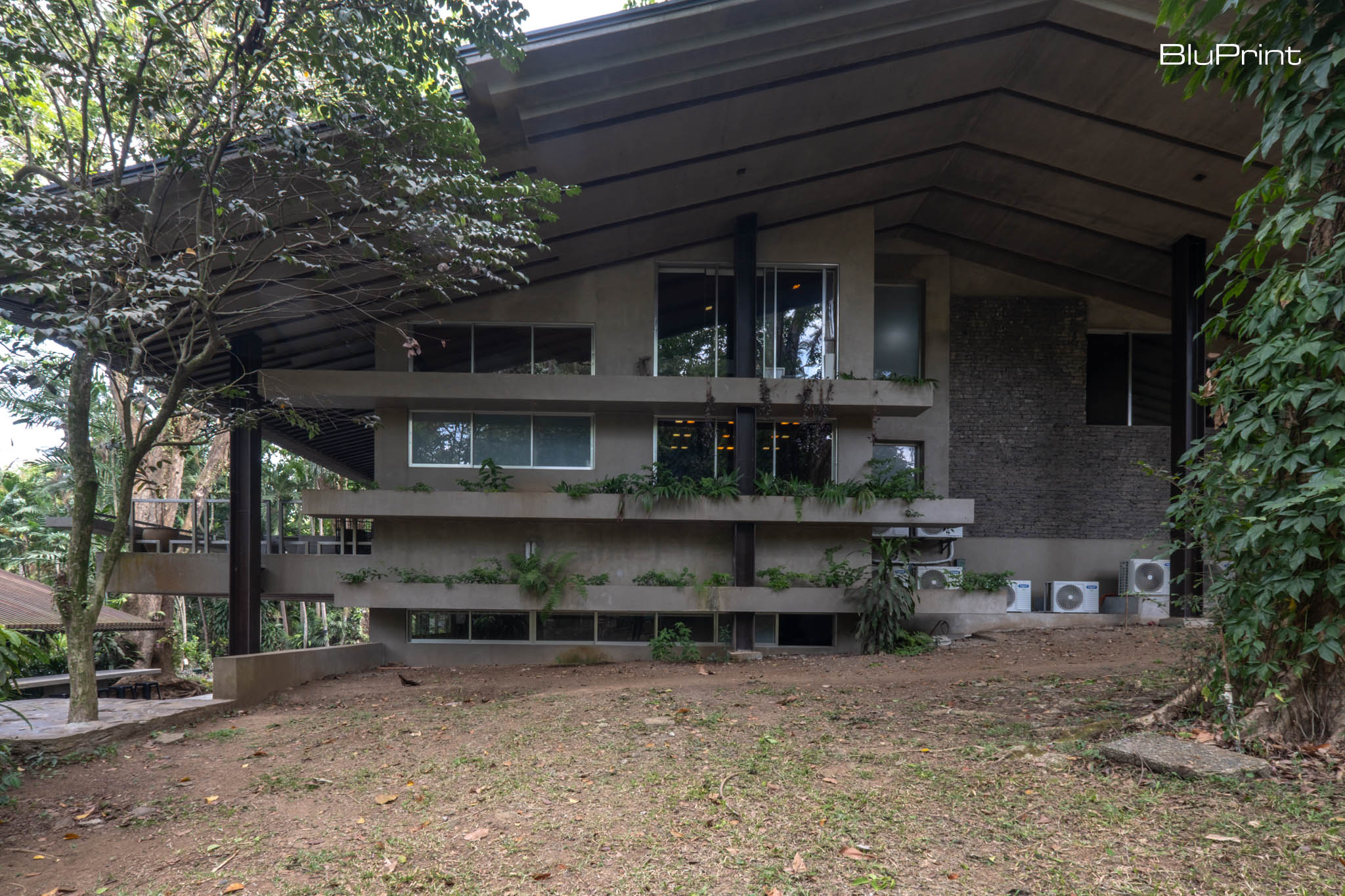
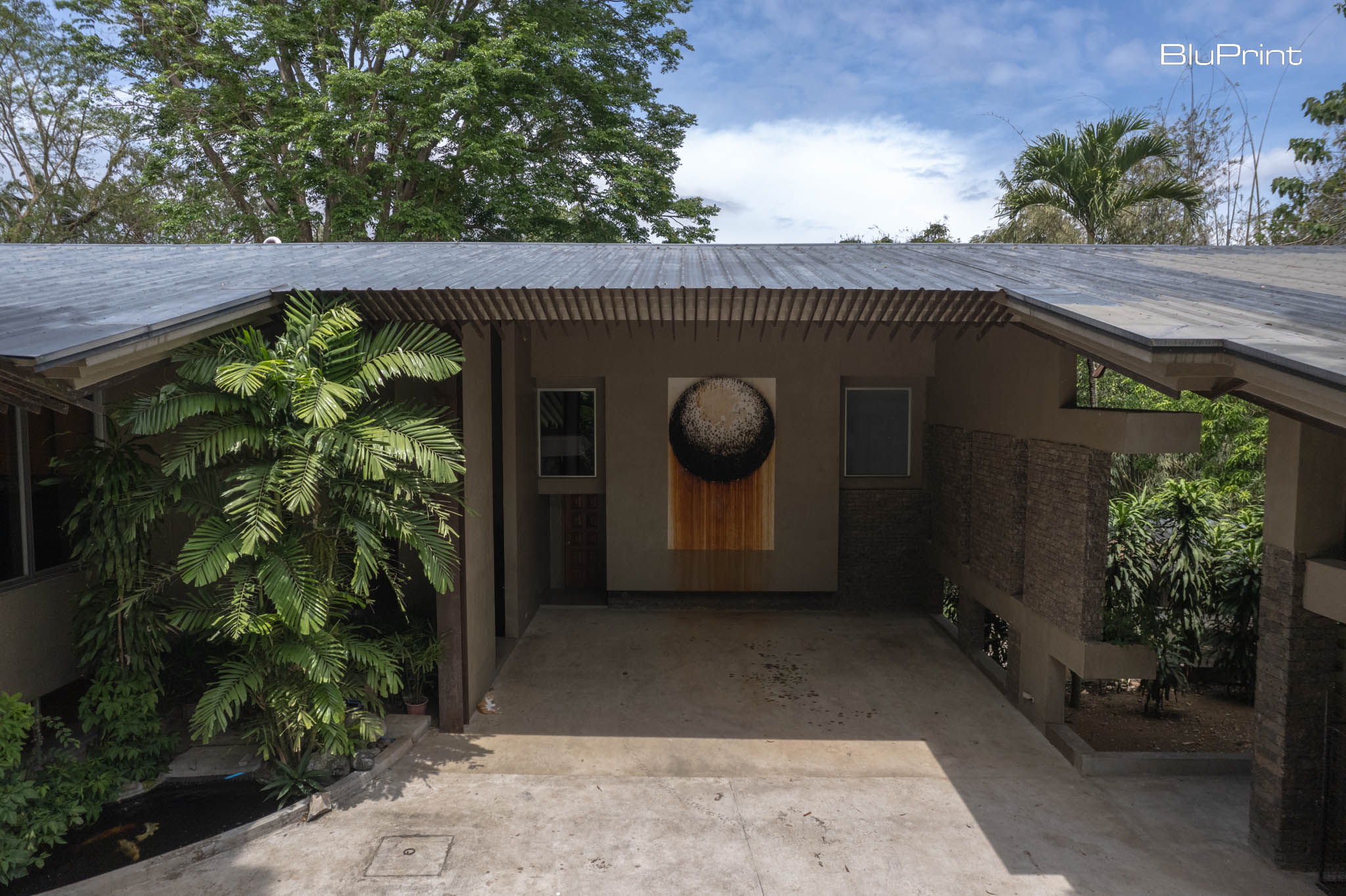
Steel columns were erected alongside the old structure’s perimeter, and a large roof was built above the entire house before it was carefully dismantled underneath. The original Narra floorboards, antique granite floor pavers, and vintage bathroom tiles from the 70s were collected and cataloged to be reinstalled in their original locations in the new structure. All salvageable timber from the walls and rafters of the old house were reused as ceiling material. The large singular roof unified the generations of partial renovations and expansion.
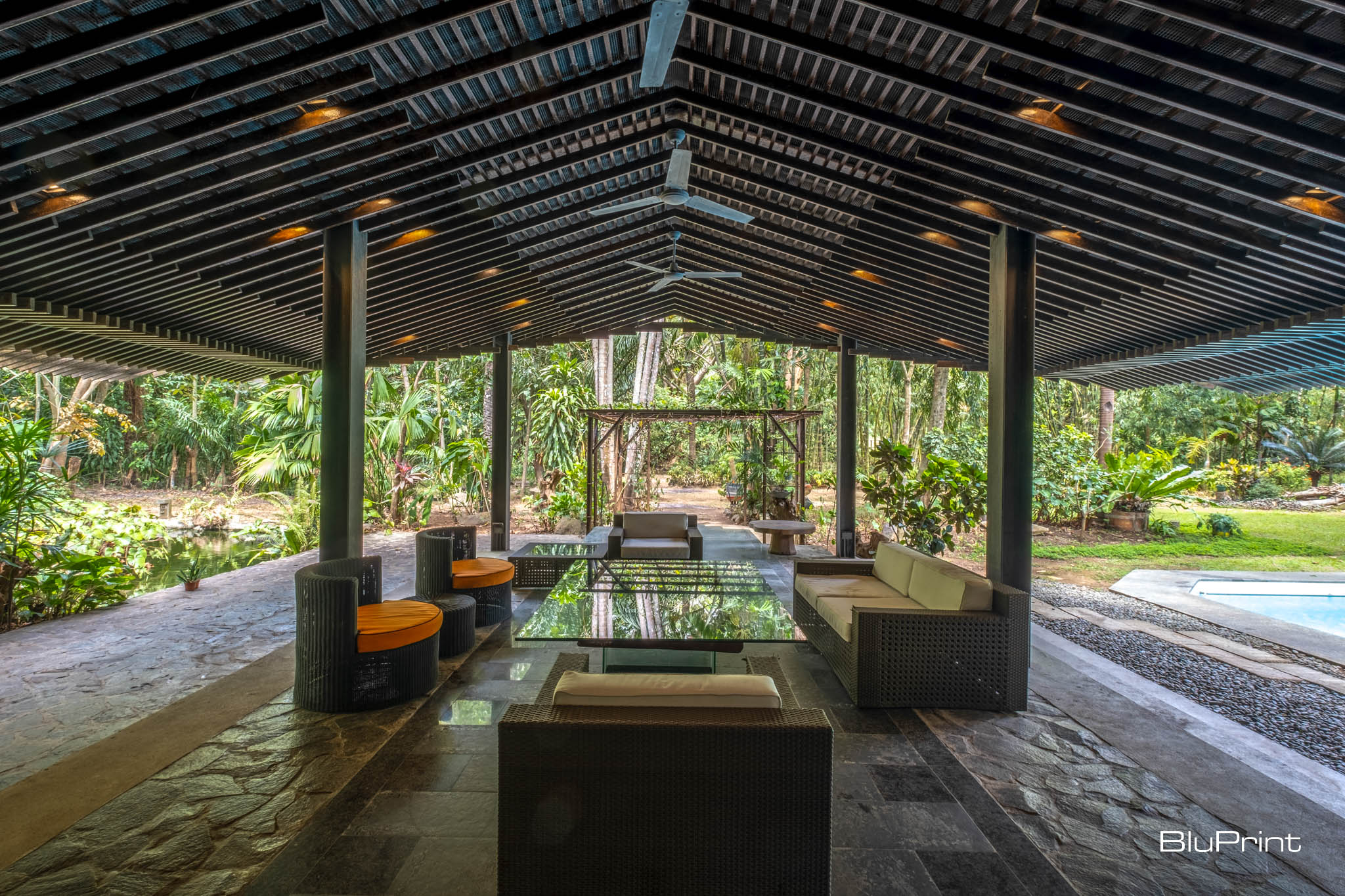
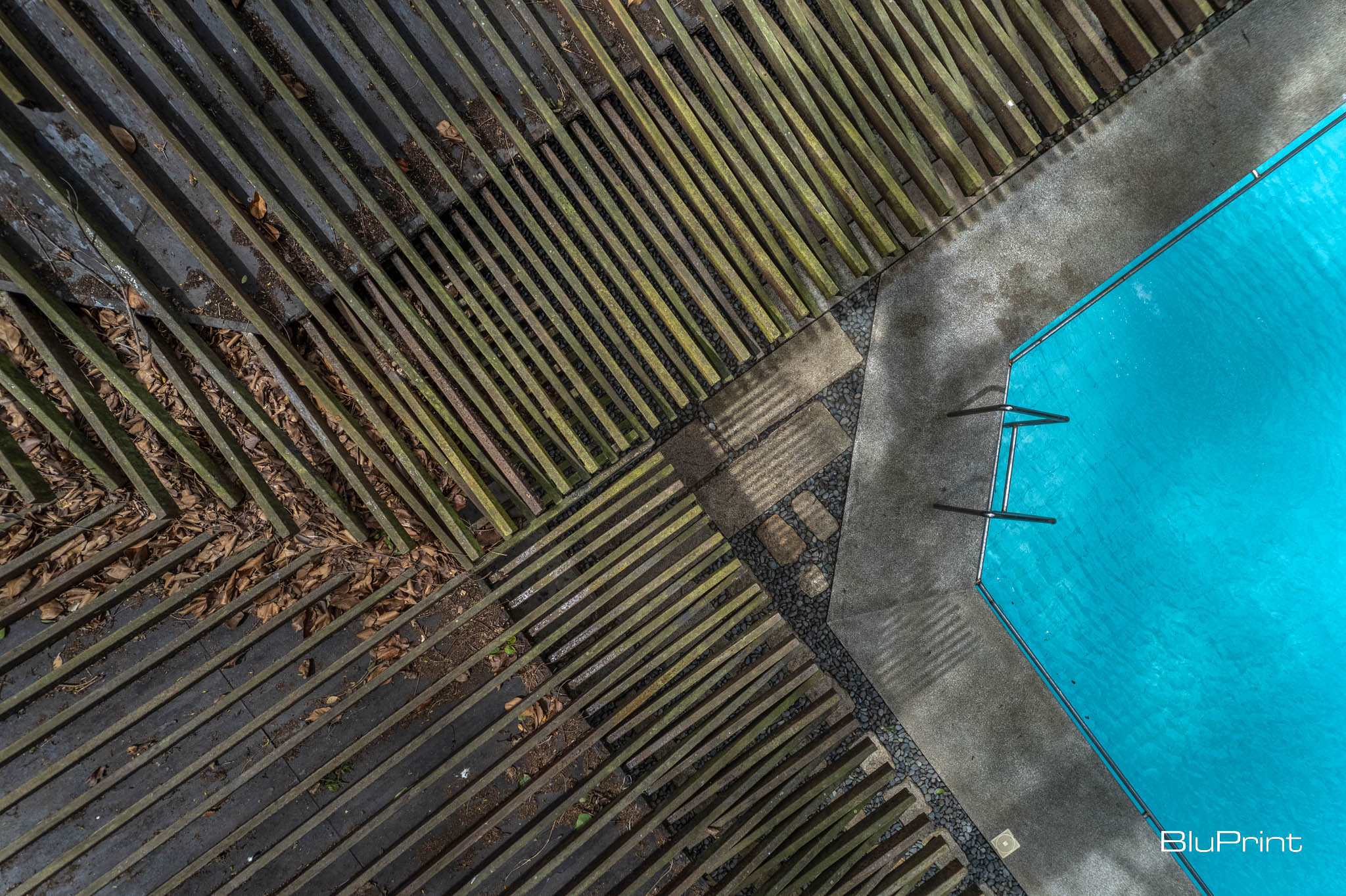
One significant modification from the old floor plan was the conversion of a vineless trellis into a bridge connecting the bedrooms on the northern side of the house. This created a canopy walk that brings the user level with the crowns of the 300-year-old Narra trees. The pool, located next to the Pool House, served as a guesthouse for overnight guests and was situated within a large garden with several fish ponds and centuries-old trees. After years of underuse and neglect, the entire wooden structure likewise succumbed to wood rot and termite infestation.
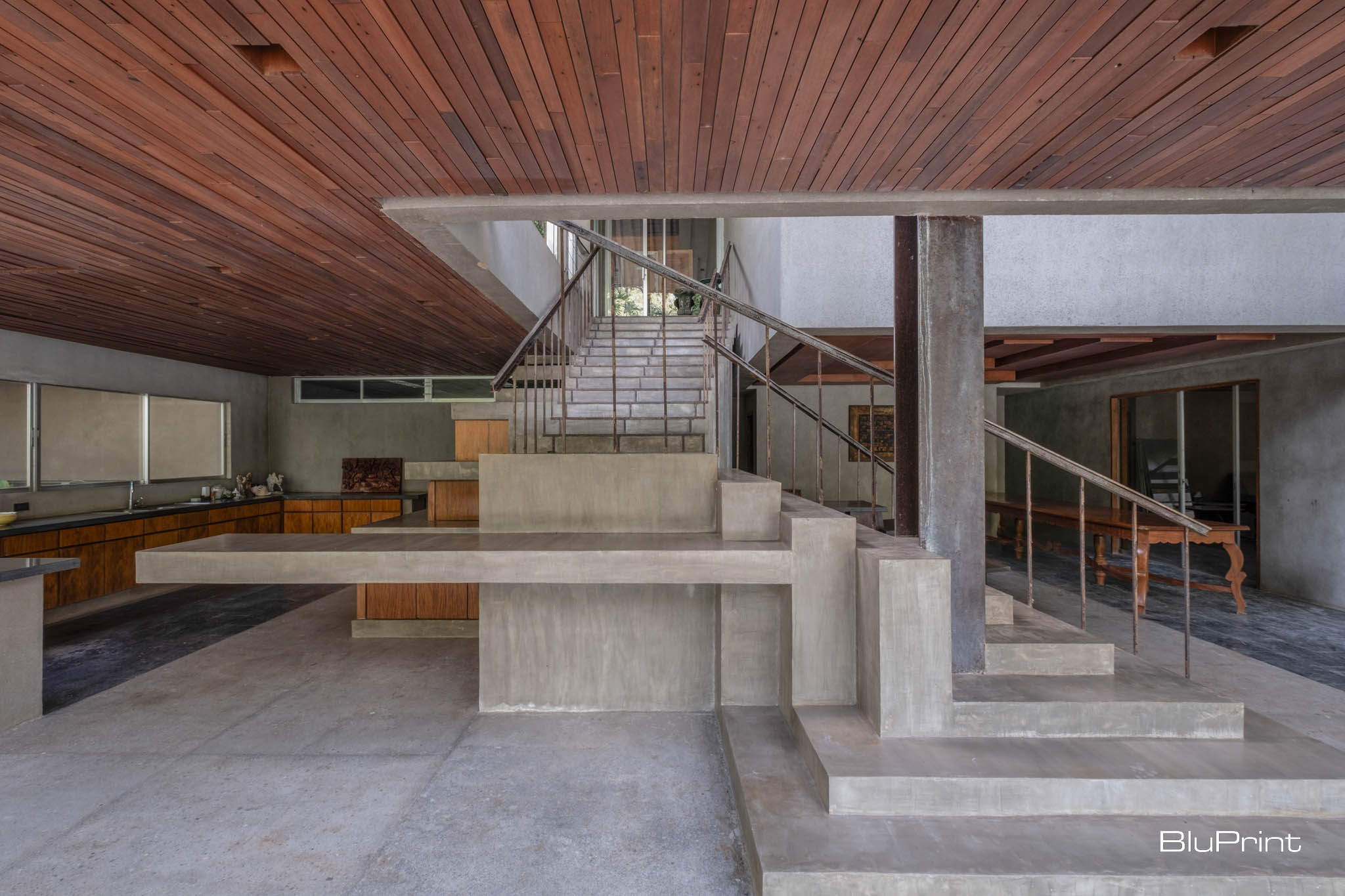
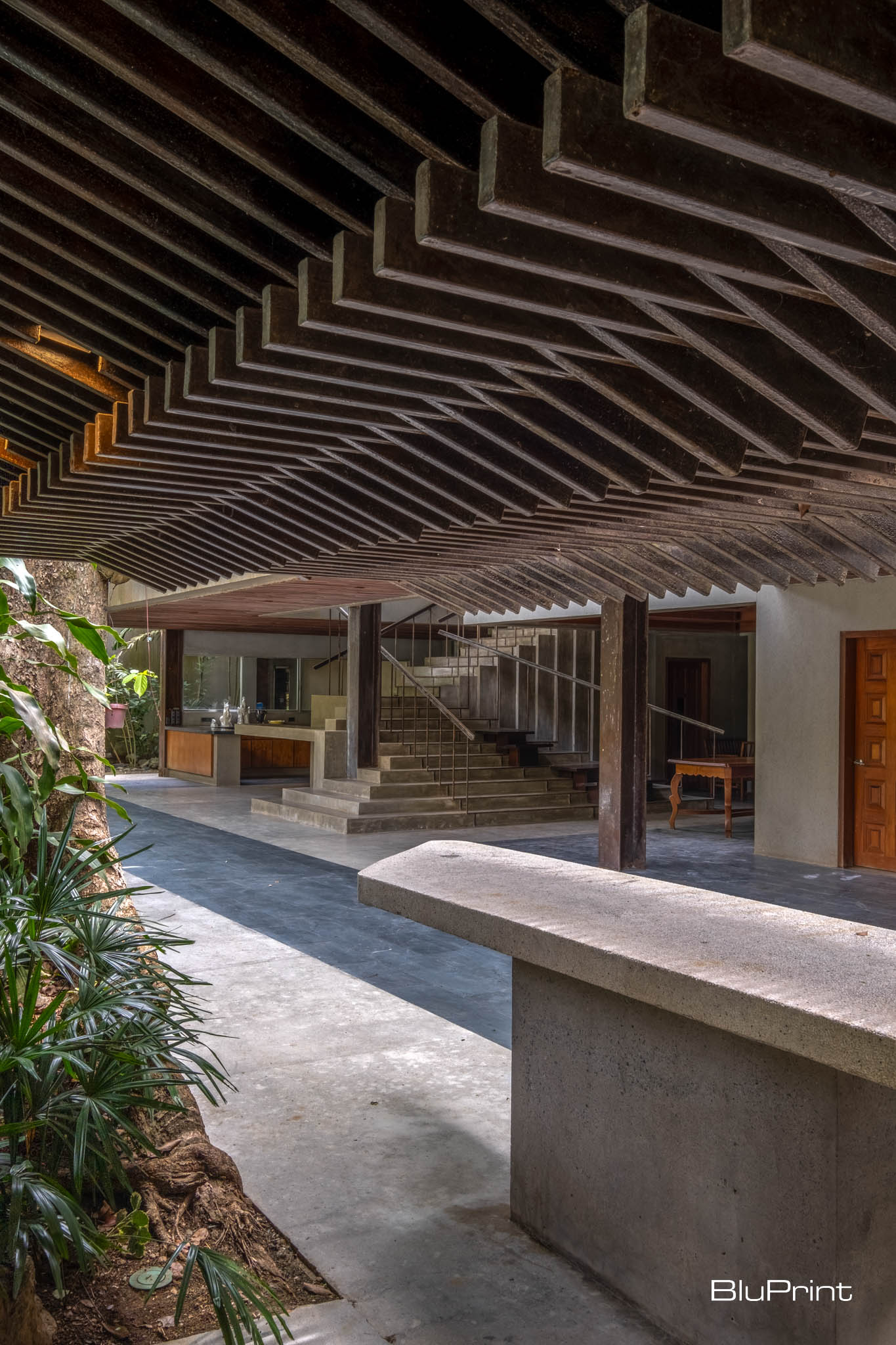
The reconstruction for both the main villa and the guest cottage occupied their original sites and footprints, as they were erected more than a half-century ago. For reasons of cost, environment, and pest control, the new structure was made of steel instead of wood, left unpainted to blend in with the mature vegetation of the compound. All elevations of the cottage, except for the bathroom, are without walls, a tropical version of Mies van der Rohe’s Farnsworth House sans glass.
Advertisement
Sustainability and Cultural Preservation
Sustainability lies at the core of Yulo’s practice, as he harnesses primitive methods utilizing passive elements such as the sun, wind, and water. Moreover, he advocates for the development of locally accessible and affordable green technologies, ensuring a harmonious coexistence between architecture and the environment.
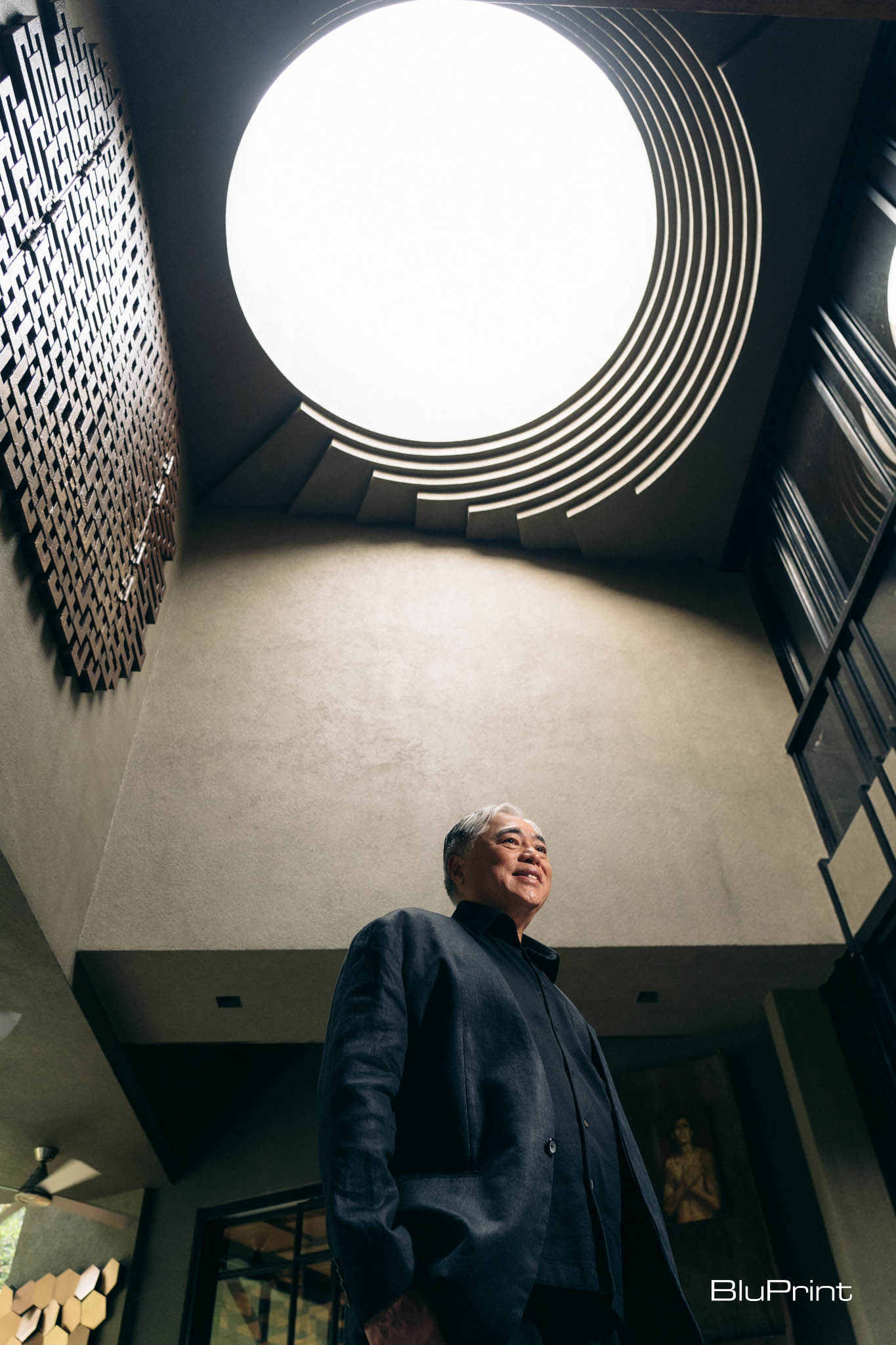
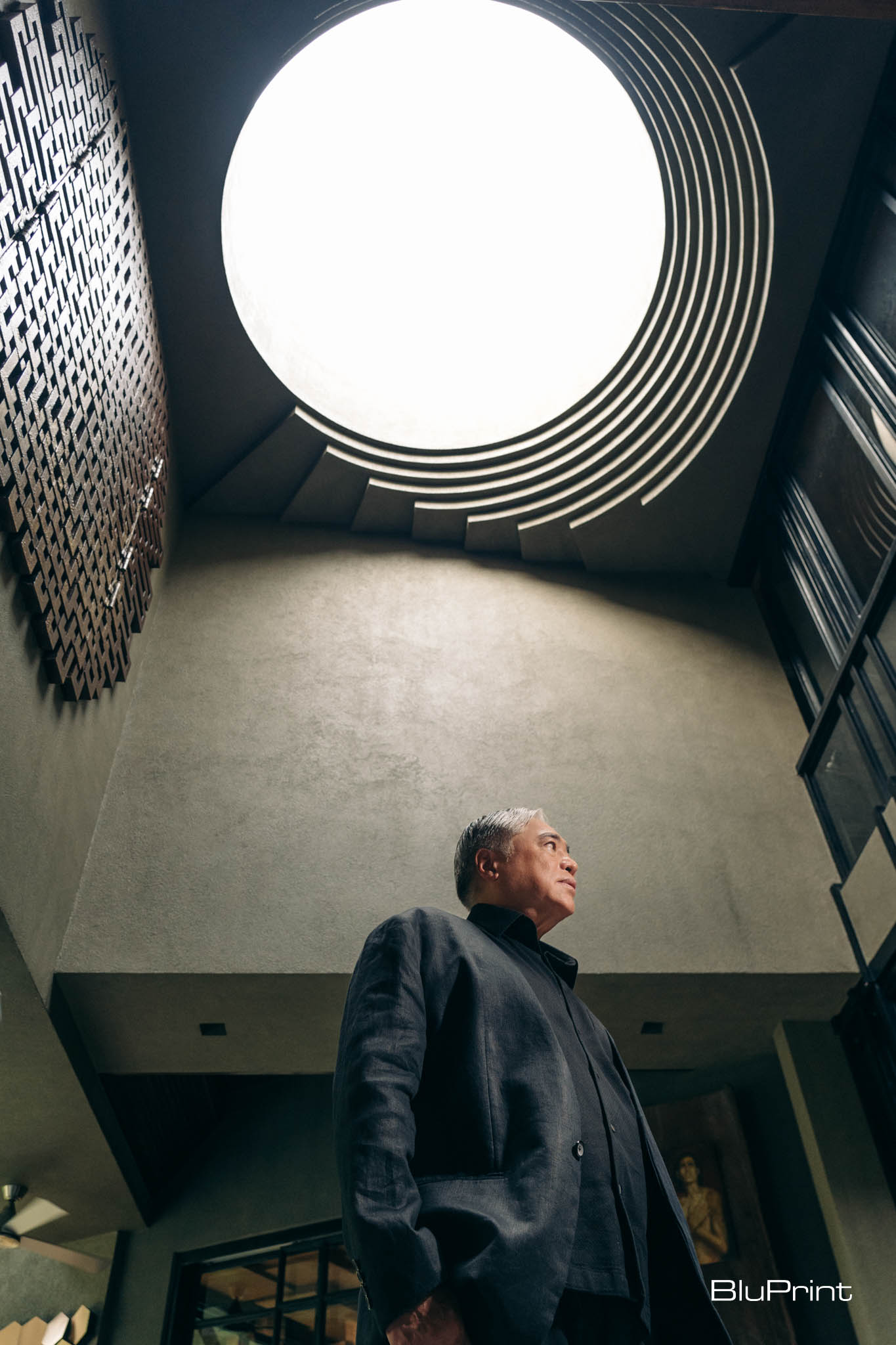
In balancing modern design elements with preserving Filipino cultural identity, Yulo prioritizes elements rooted in climatic or ecological considerations. Rather than superficially mimicking cultural objects, he integrates elements that enhance utility and spatial dynamics, fostering a deeper connection to the local context.
Jorge Yulo’s Recognition and Legacy
Throughout his illustrious career, Yulo has garnered recognition both domestically and abroad for his contributions to the architectural landscape. His projects have been celebrated for their innovative designs, sustainable practices, and unwavering commitment to cultural stewardship.
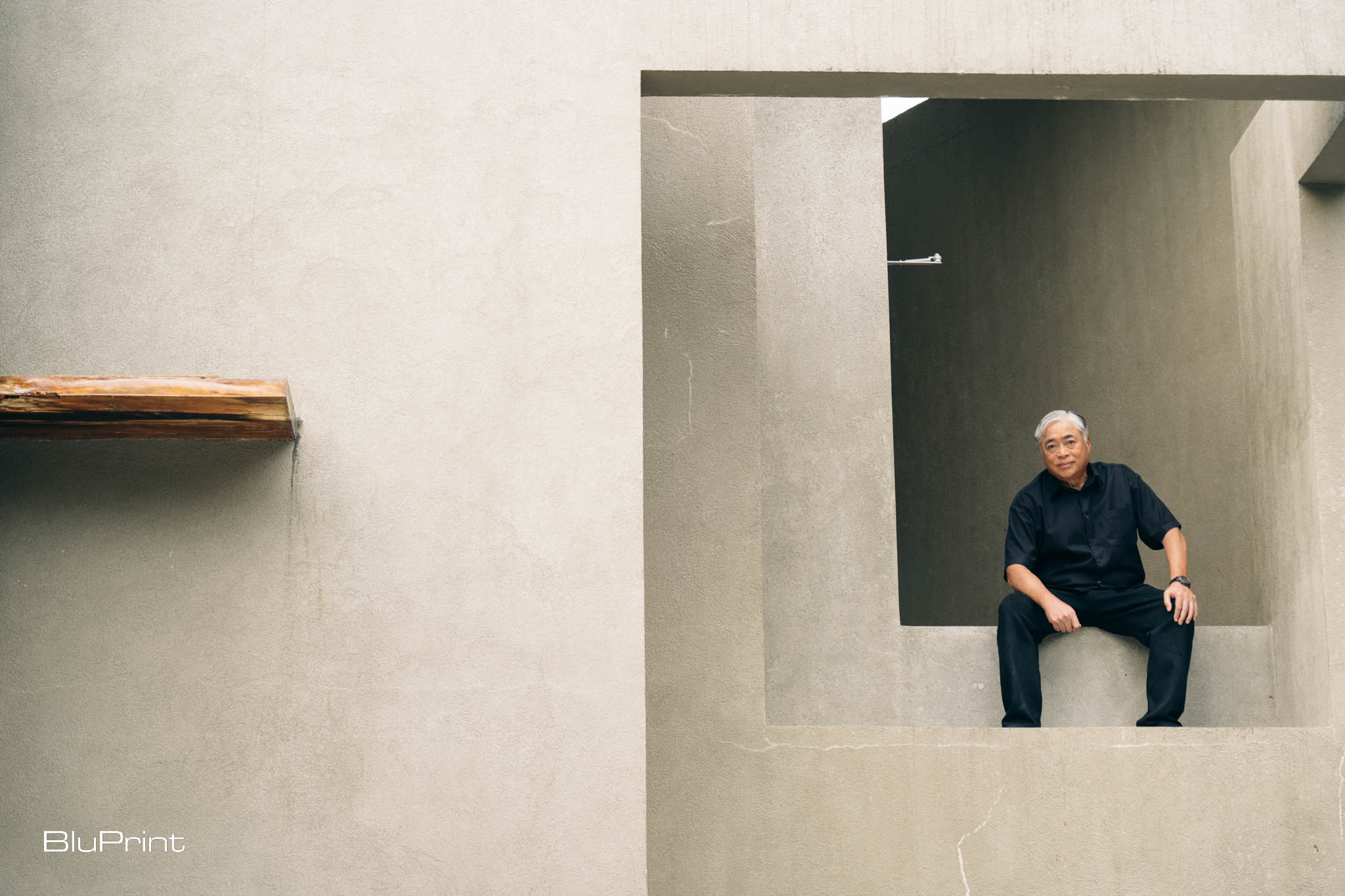
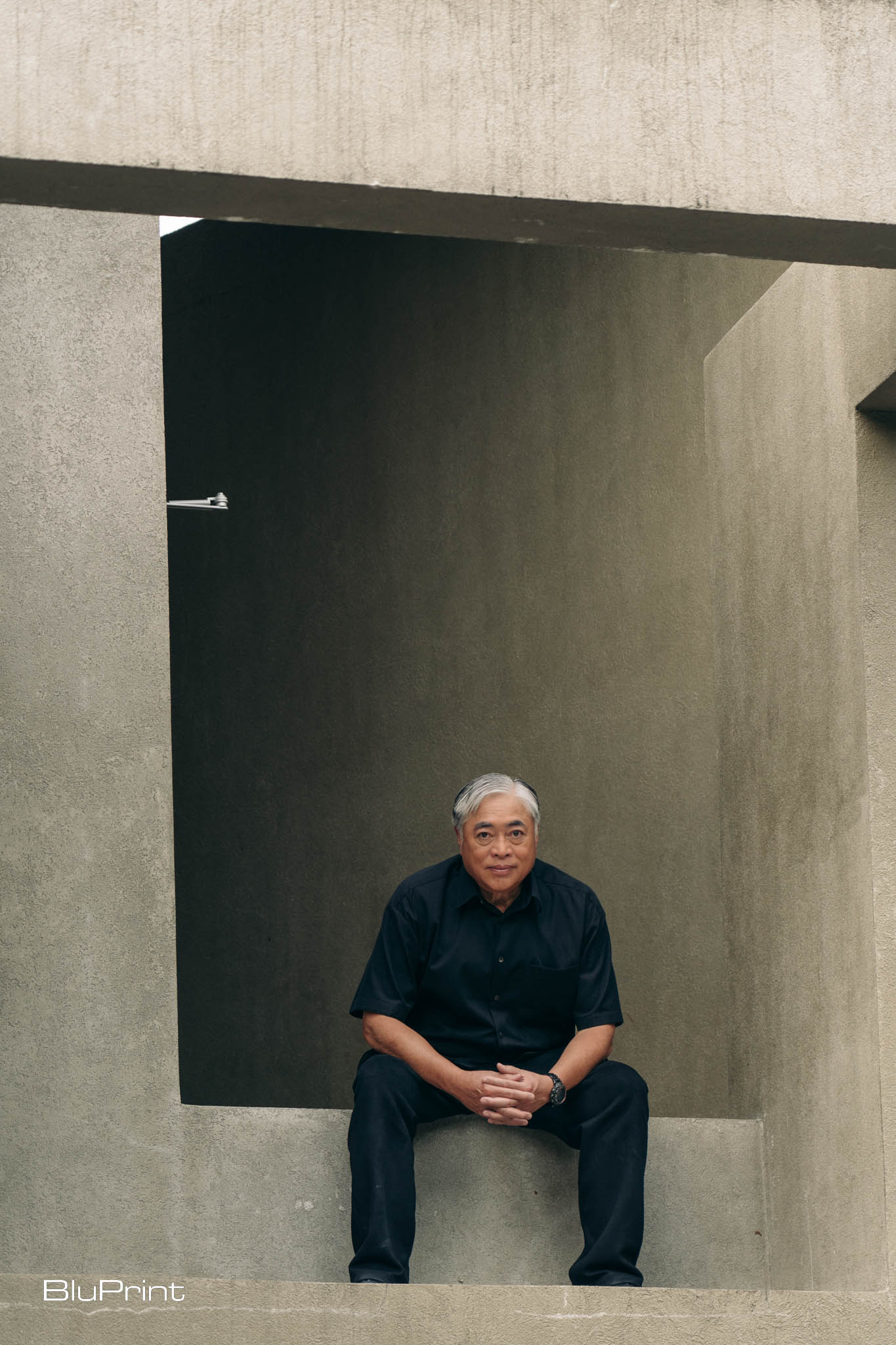
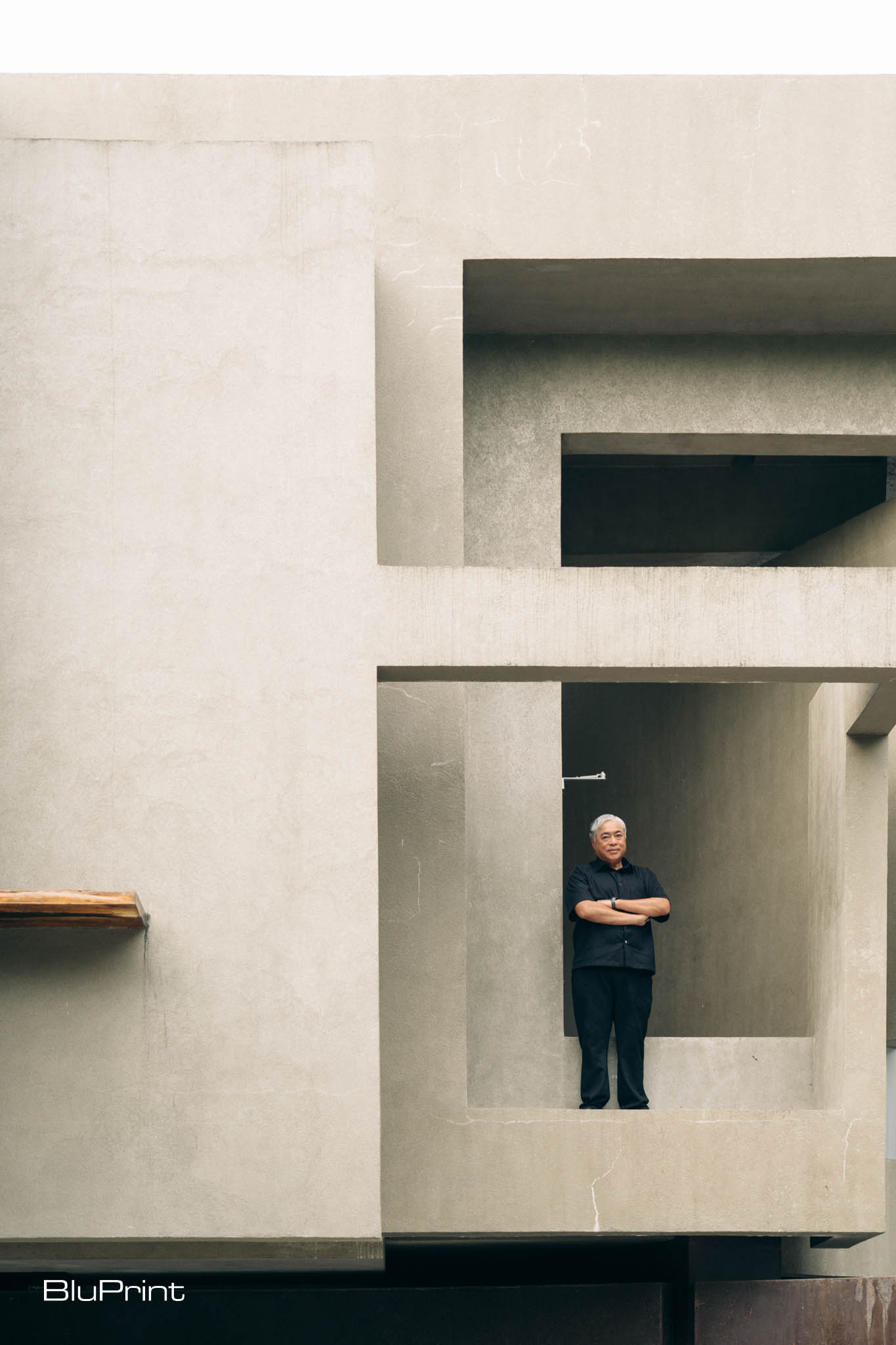
Reflecting on his career, Yulo finds immense gratification in the success of his former students who have established their own architectural firms. For him, the true reward lies in passing on knowledge and witnessing the generational advancement of architectural pedagogy.
Advertisement
Future Outlook and Exciting Collaborations
Looking ahead, Yulo envisions a more internationalized architectural landscape in the Philippines, driven by the rapid exchange of ideas and expertise. However, he remains steadfast in his commitment to preserving Filipino cultural heritage, advocating for a balance between modern innovation and traditional values.
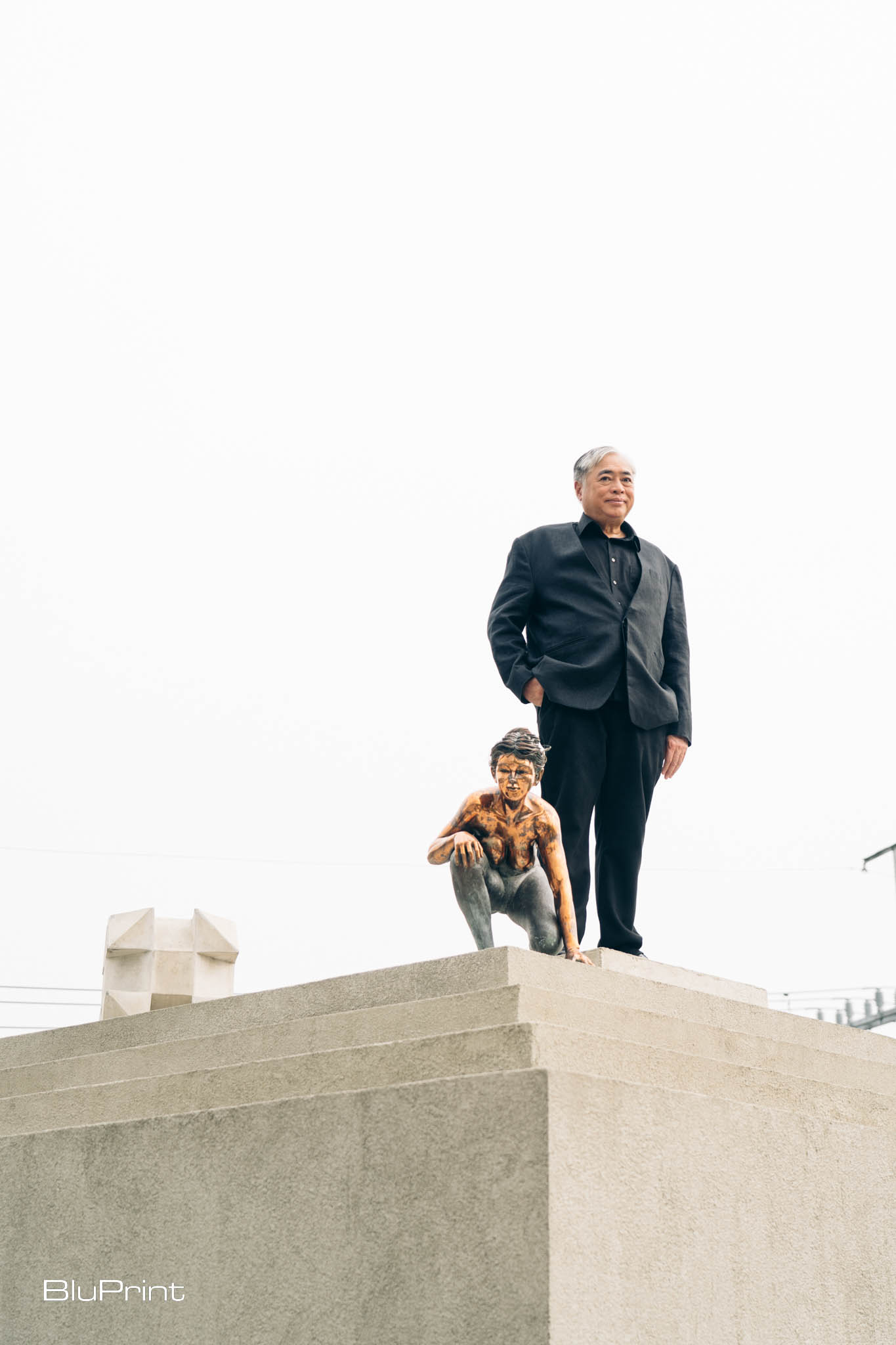
While maintaining confidentiality due to his unspoken non-disclosure agreements with clients, Yulo expresses excitement for upcoming residential projects that promise to showcase his unwavering dedication to architectural excellence. Each of Yulo’s creations serves as a testament to his enduring legacy, blending tradition with innovation in a symphony of design brilliance.
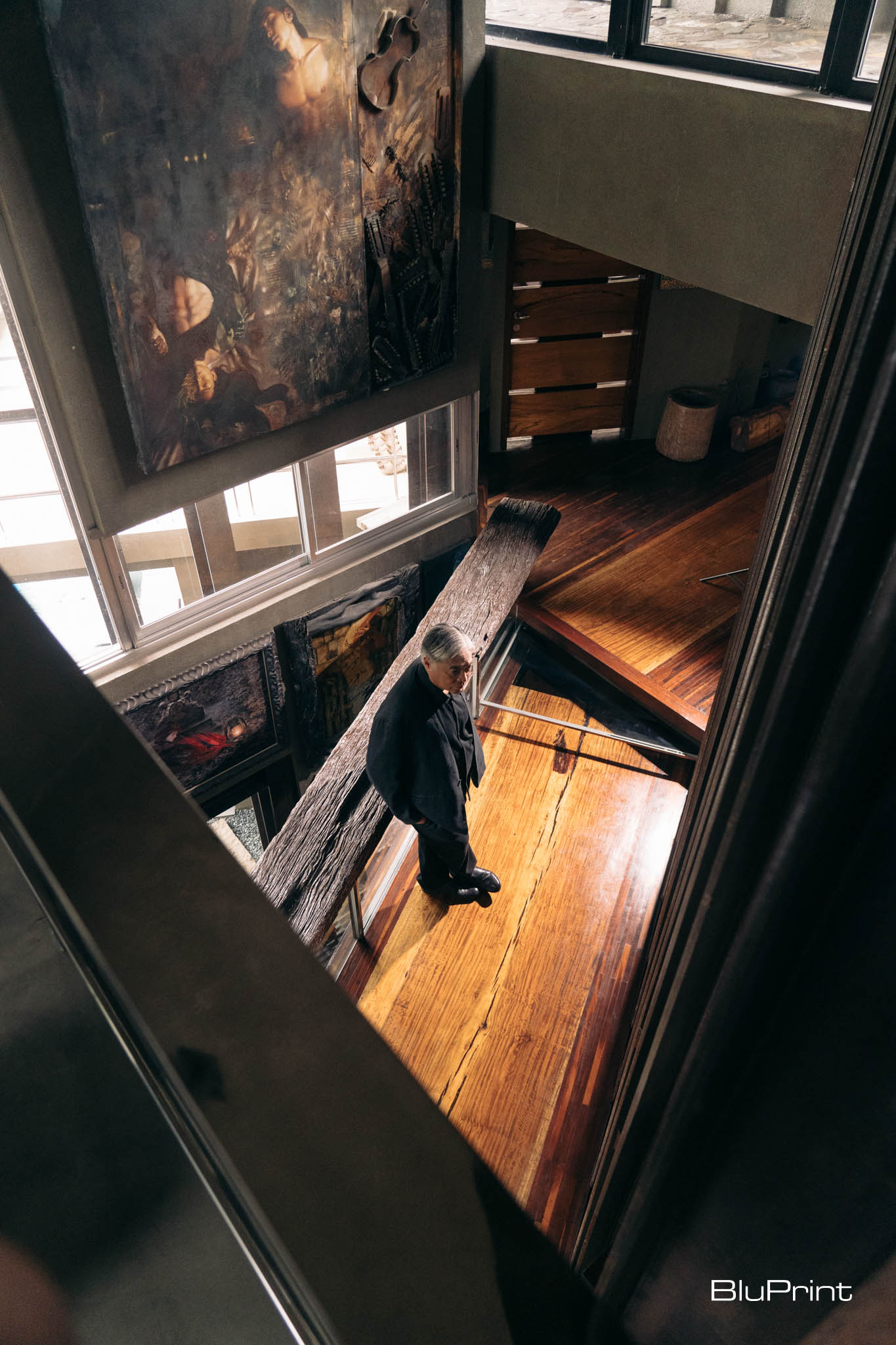
Jorge Yulo’s architectural journey embodies the fusion of creativity, sustainability, and cultural preservation, leaving an indelible mark on the built environment and inspiring generations to come. As he continues to push the boundaries of architectural expression, Yulo remains a guiding light for aspiring architects, reminding them of the transformative power of design to shape our world.
Advertisement
Related Read: Preserving Heritage, Embracing Hospitality: The Renaissance of The Laperal Mansion in Malacañang
Project Credits
Text: Rick Formalejo
Photographer: Kim Santos of Kliq Inc. (Portrait) and Ed Simon (Reincarnated Villa)
Videographer: JR Ramirez
Video Editor: Brylle Sarmiento
Sittings Editor: Arch. Geewel Fuster
Art Director: Marc Yellow
Creative Direction: Jehd Francisco
Grooming: Cats Del Rosario
Shoot Coordination: Mae Talaid
Advertisement
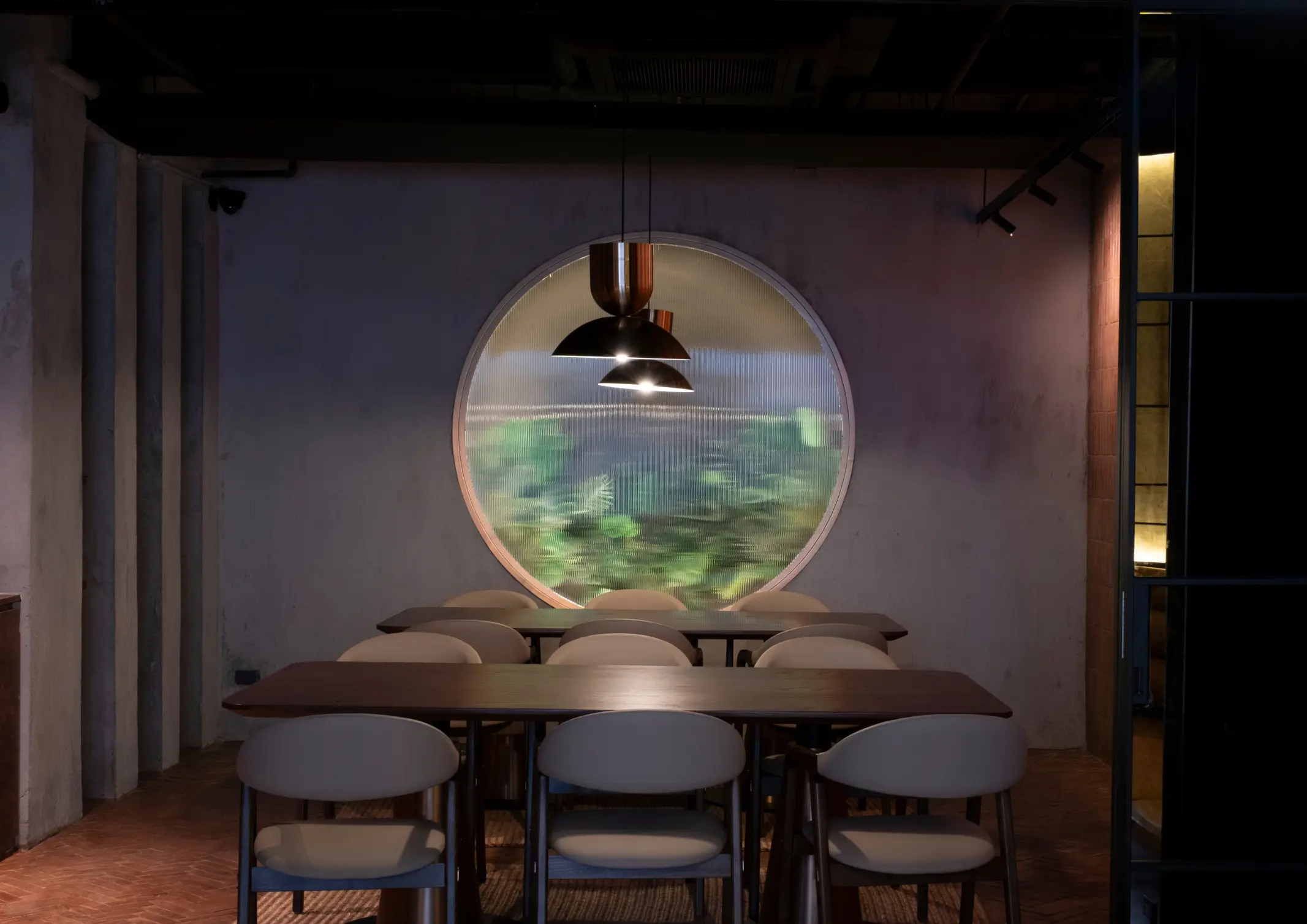
From residential spaces to civic structures, lighting dictates the mood of a space. It controls the visual dynamics of an interior, serving as a guiding tool that highlights key design elements, including materials and textures. Related Reading: Lampscaping: How to Light up Your Home like a Pro Regulating the Mood: Natural and Artificial Light in […]
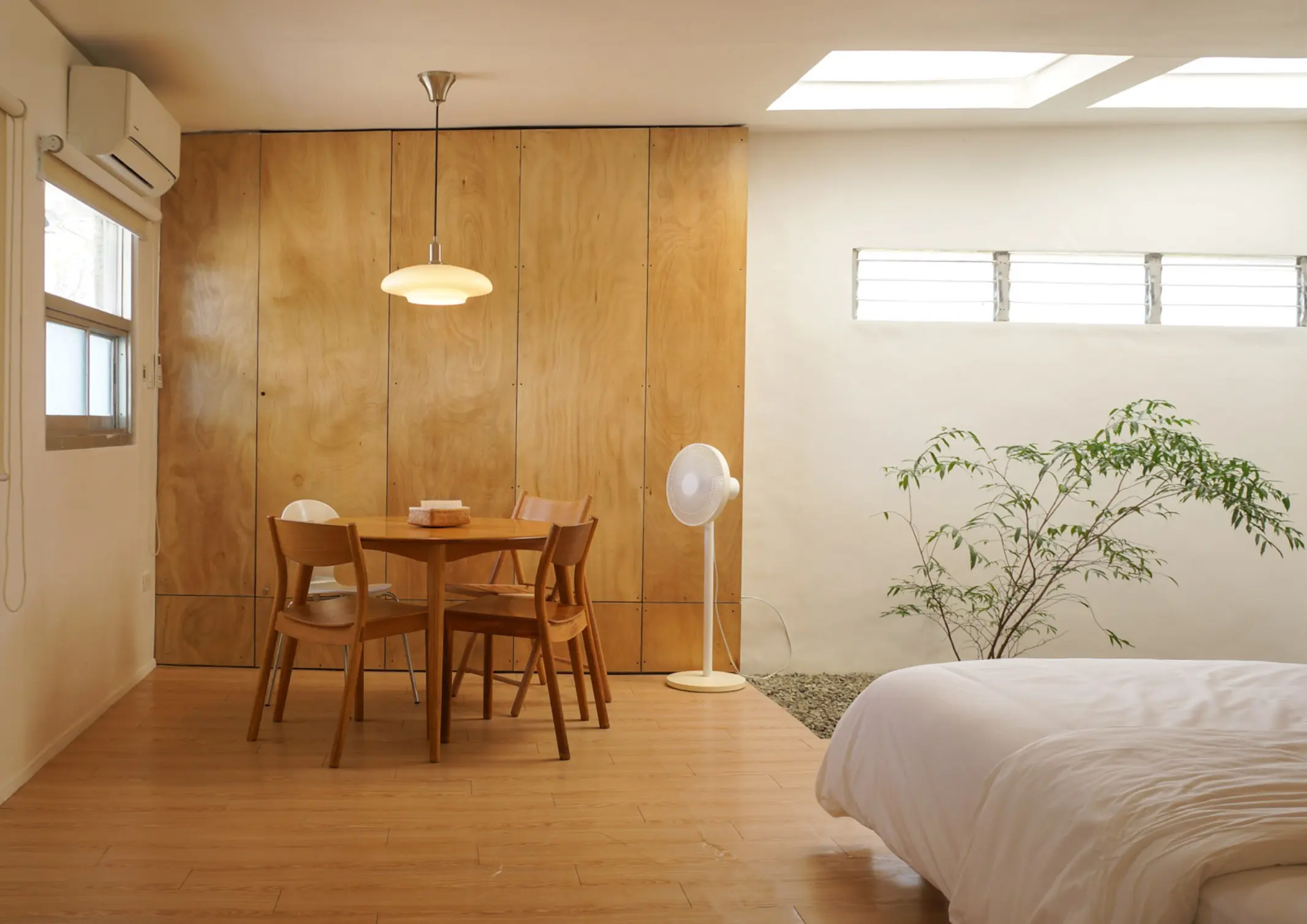
More and more Filipinos are flocking to condominium communities. Often tucked within busy city centers, condo living acts as a small respite from urban chaos. Faced with the challenge of transforming a cramped condominium into a warm living space, BluPrint lists condo interior design ideas that can maximize each square foot of small spaces. Purposeful […]
Advertisement
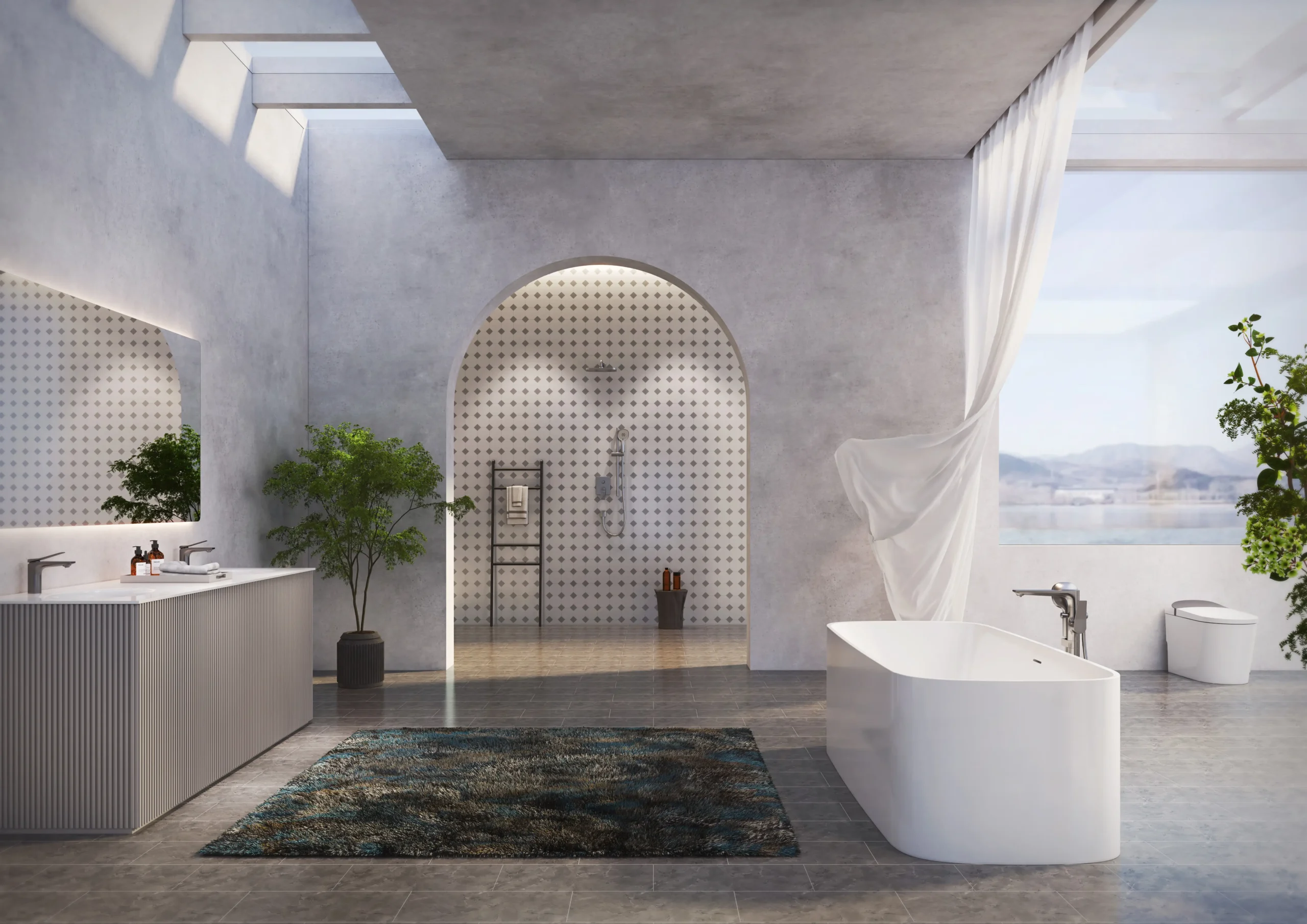
Modern bathrooms are no longer purely functional spaces. Increasingly, they are being designed as environments that support cleanliness, ease, and quiet restoration within the home. As daily life becomes more demanding and health awareness continues to rise, homeowners are beginning to expect more from the spaces where daily rituals begin and end. For architects and […]
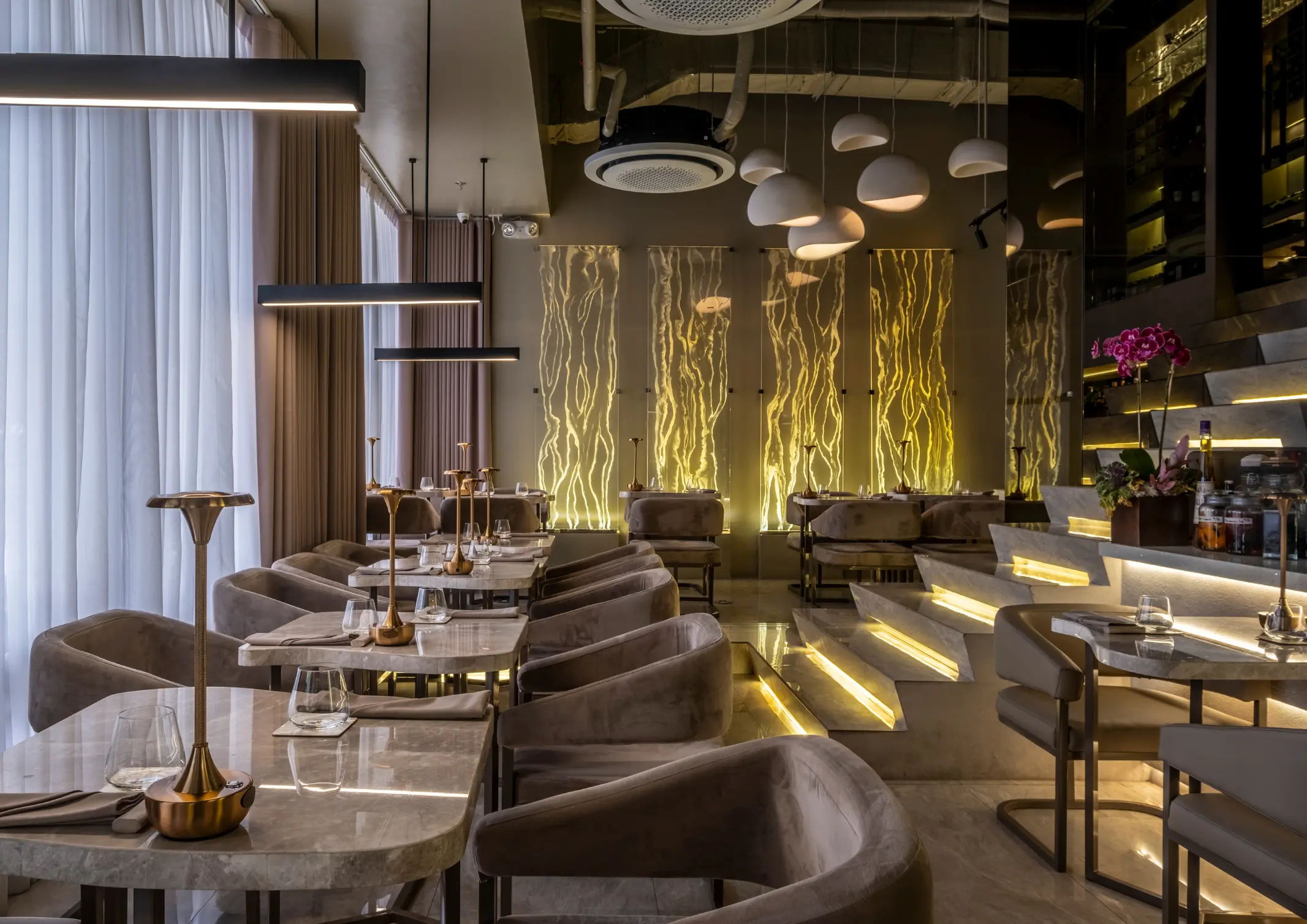
From the moment a diner steps through the door, each detail shapes how a meal is experienced. Restaurant design has evolved, with architects and culinary professionals collaborating to create built spaces that are as intentional as the menu itself. The spatial atmosphere acts as an additional ingredient that can define the culinary experience. Taupe and […]
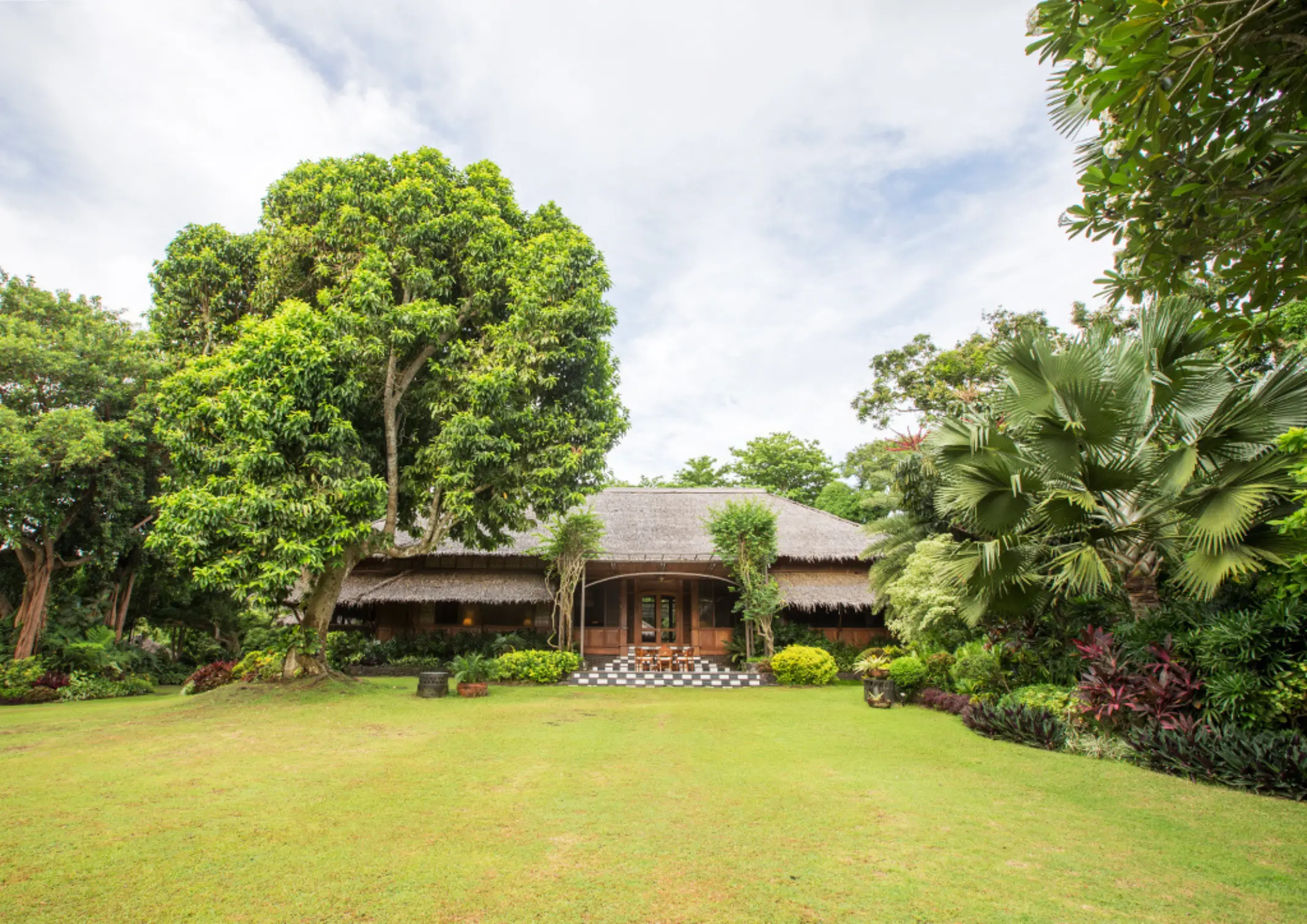
With climate change and global warming, the Philippine climate is in constant evolution. Consequently, it is important for Filipinos to have living spaces that respond to the local environment. In this article, BluPrint lists down Filipino architects who are reimagining the tropical house, aligning the built and natural environment. BAAD Studio Principal architects Benjee Mendoza […]
Advertisement

Download this month's BLUPRINT magazine digital copy from:



Subscribe via [email protected]