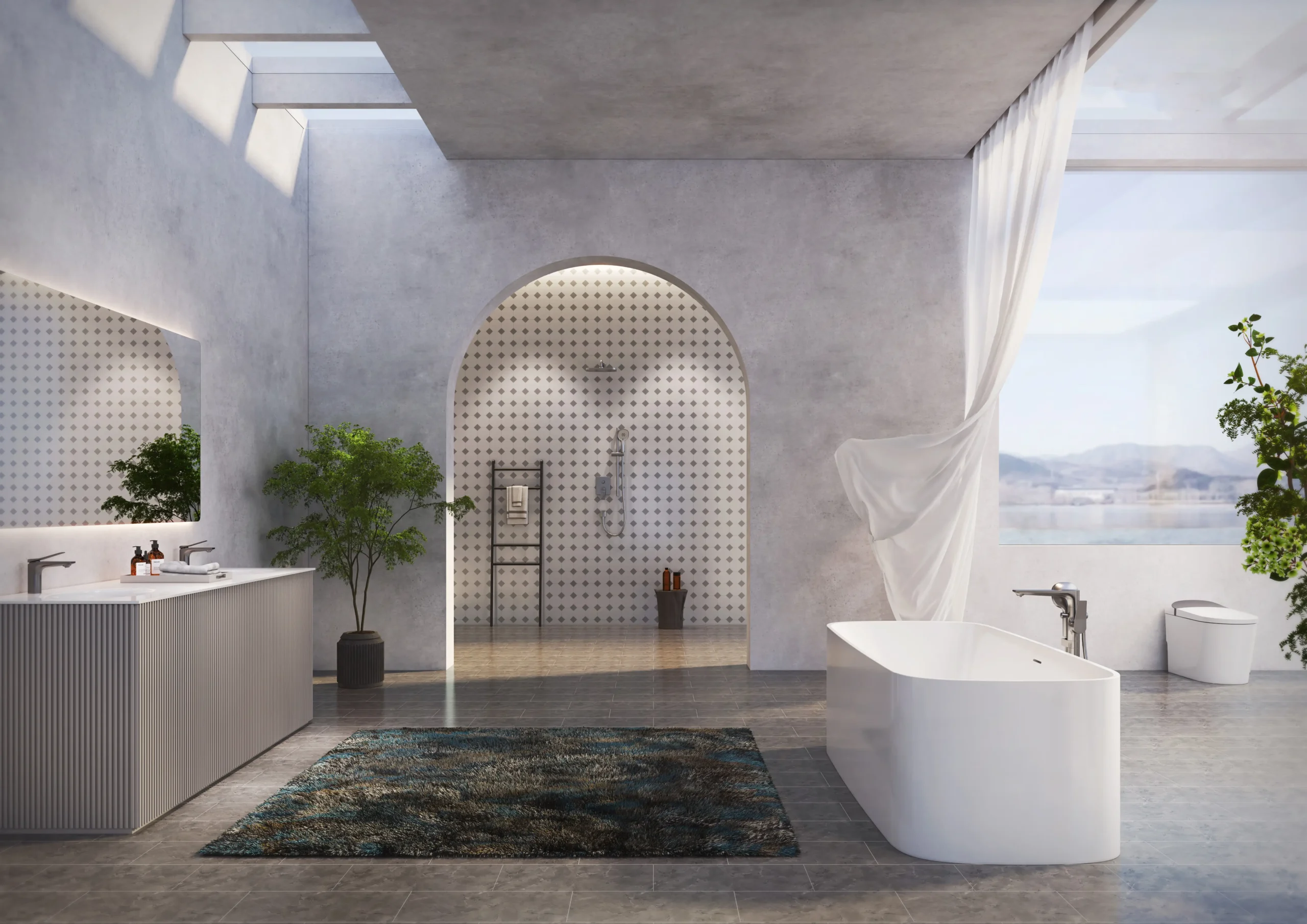
Modern bathrooms are no longer purely functional spaces. Increasingly, they are being designed as environments that support cleanliness, ease, and quiet restoration within the home. As daily life becomes more demanding and health awareness continues to rise, homeowners are beginning to expect more from the spaces where daily rituals begin and end. For architects and […]
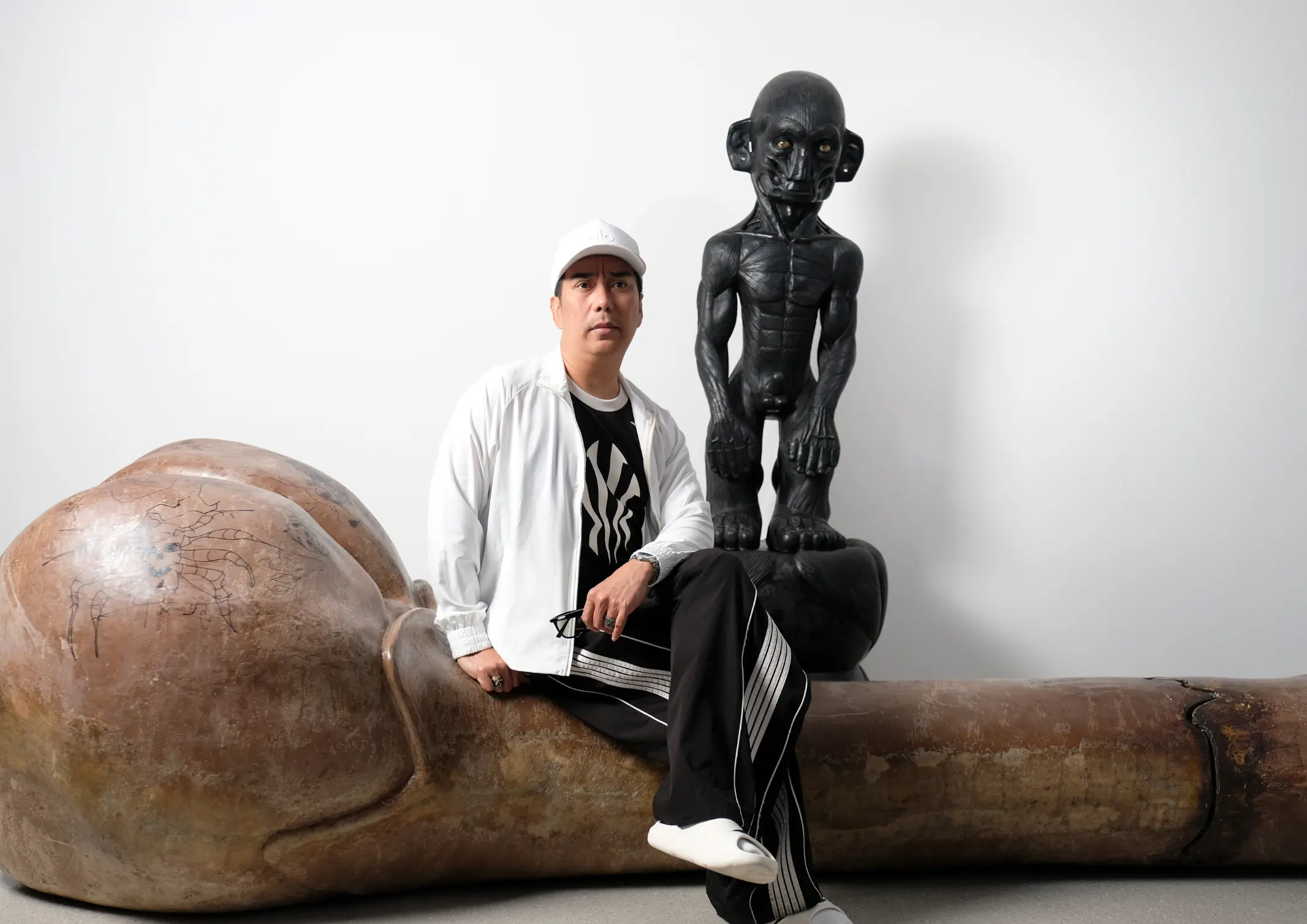
Filipino Contemporary Artist Ronald Ventura on Reinvention and Layered Identity



Ronald Ventura is one of the most recognizable figures in Southeast Asian contemporary art. Since his first solo exhibitions in the 2000s, Ventura has become known for his signature multi-layered paintings. Featuring hyperrealism, cartoons, graffiti, and other recurring motifs, hisworks—from paintings to sculptures—are pluralistic in both form and material.
Throughout his career, his art has remained central to his identity and self-expression. Despite international exhibitions, he continues to live and work in the Philippines—where the foundations of his visual language first took shape.
The Genesis of an Artist and His Early Influences
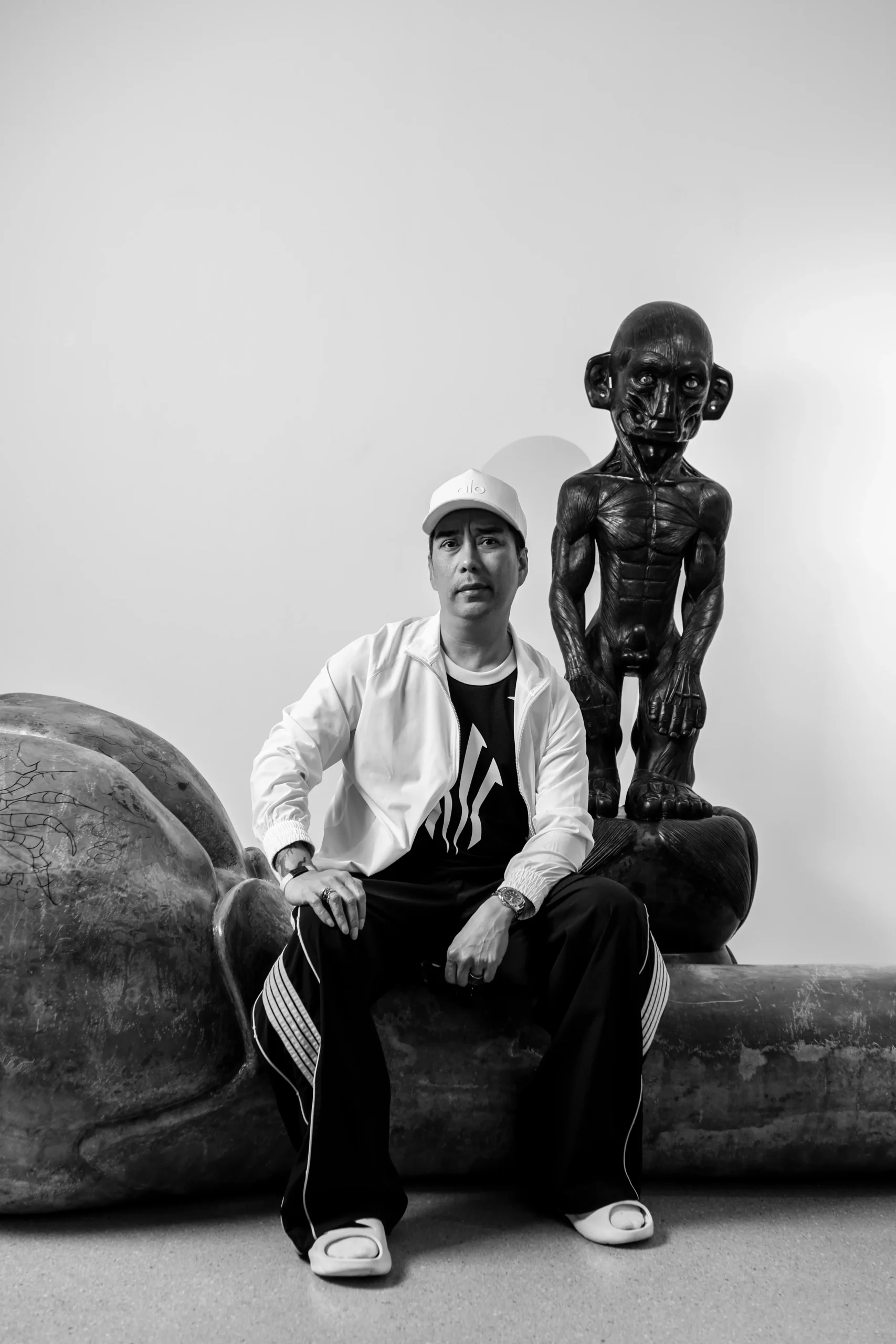
Ventura began to recognize his artistic inclination when he returned to his family home as a university student. On the door of his home, there was a drawing of Voltes V. Next to it was his attempt at the alphabet that ended with the letter “J,” surrounded by scribbles and doodles. “Before I learned the alphabet, I already knew how to draw,” Ventura recalls.
Advertisement
In the fifth grade, a friend of his invited him to a free art workshop. He accepted after seeing his friend’s drawings and their vibrant use of color. He recounts: “I only used crayons. He used pastels. So, I became interested [in the workshop]. Why was it that no matter how hard I colored, nahuhukay lang [yung papel]?”
From the workshop, he learned fundamental form and composition while experimenting with alternative mediums, including water-based and polymer materials. Another formative influence came from encyclopedias and reference books. Through them, he encountered reproductions of European masters and other influential artists.
Surrounded by art from an early age, his direction became increasingly defined. After high school, he enrolled at the University of Santo Tomas to pursue a BFA in Painting. After graduating, he joined the faculty at the invitation of his dean.
Advertisement
Symbiosis: Between Student and Professor
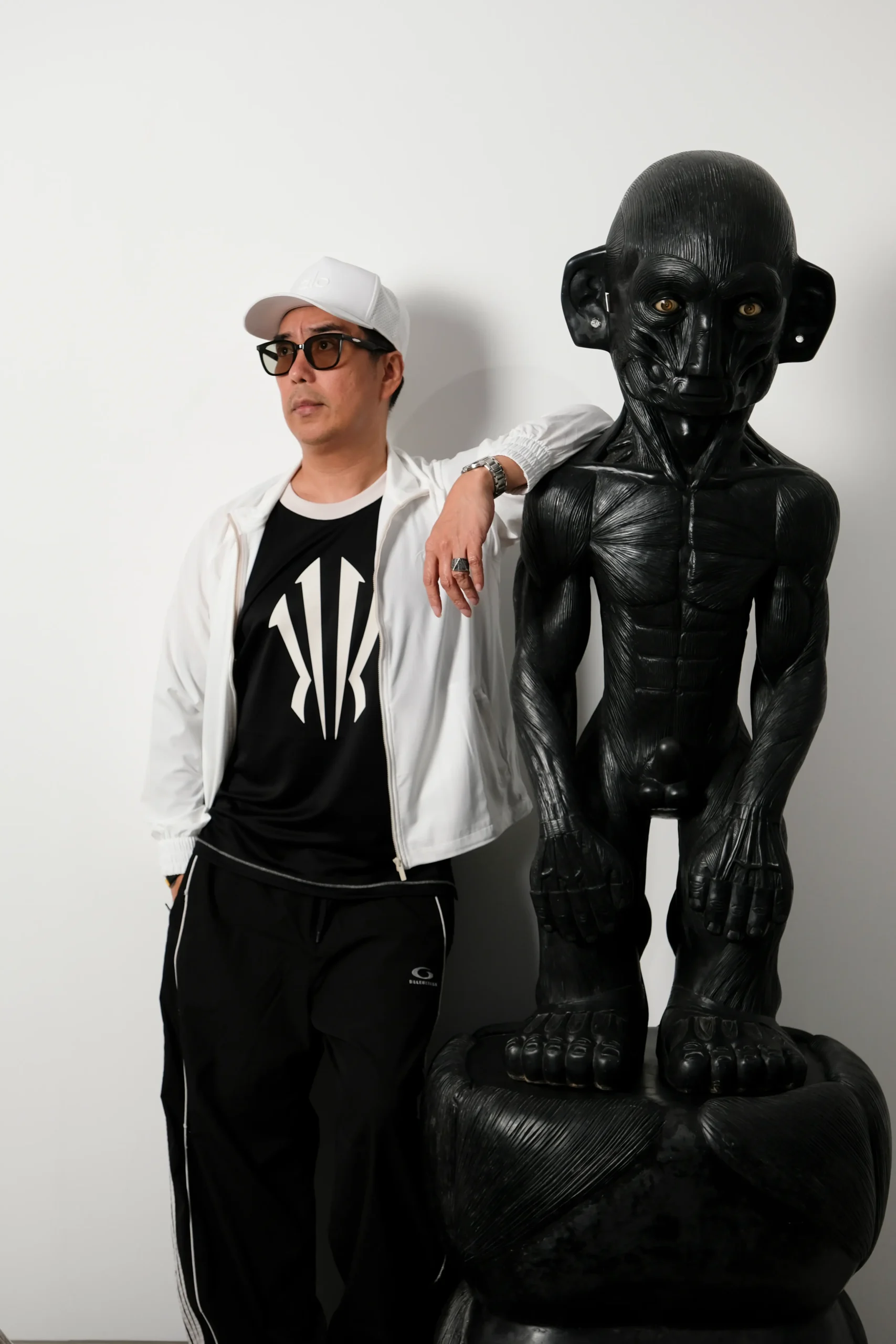
Ventura served as a professor at the University of Santo Tomas for nine years. Beyond instruction, the classroom became a space for intellectual exchange. Observing how his students painted and conceptualized their work expanded his own approach to art. Thesis courses, in particular, fostered open dialogue and critical deliberation.
“There are learnings in those conversations, such as in how he or she responds to your questions. In their answers, that’s also a question for them because they’re from a different generation,” Ventura points out.
As generations shift, so does art. For Ventura, artists must prepare for new contexts, possibilities, and materials. Ventura reflects: “You have to study. You have to research all of them—not just the materials, but also the exhibitions […] research other artists.”
Advertisement
Visualizing the Self through Art
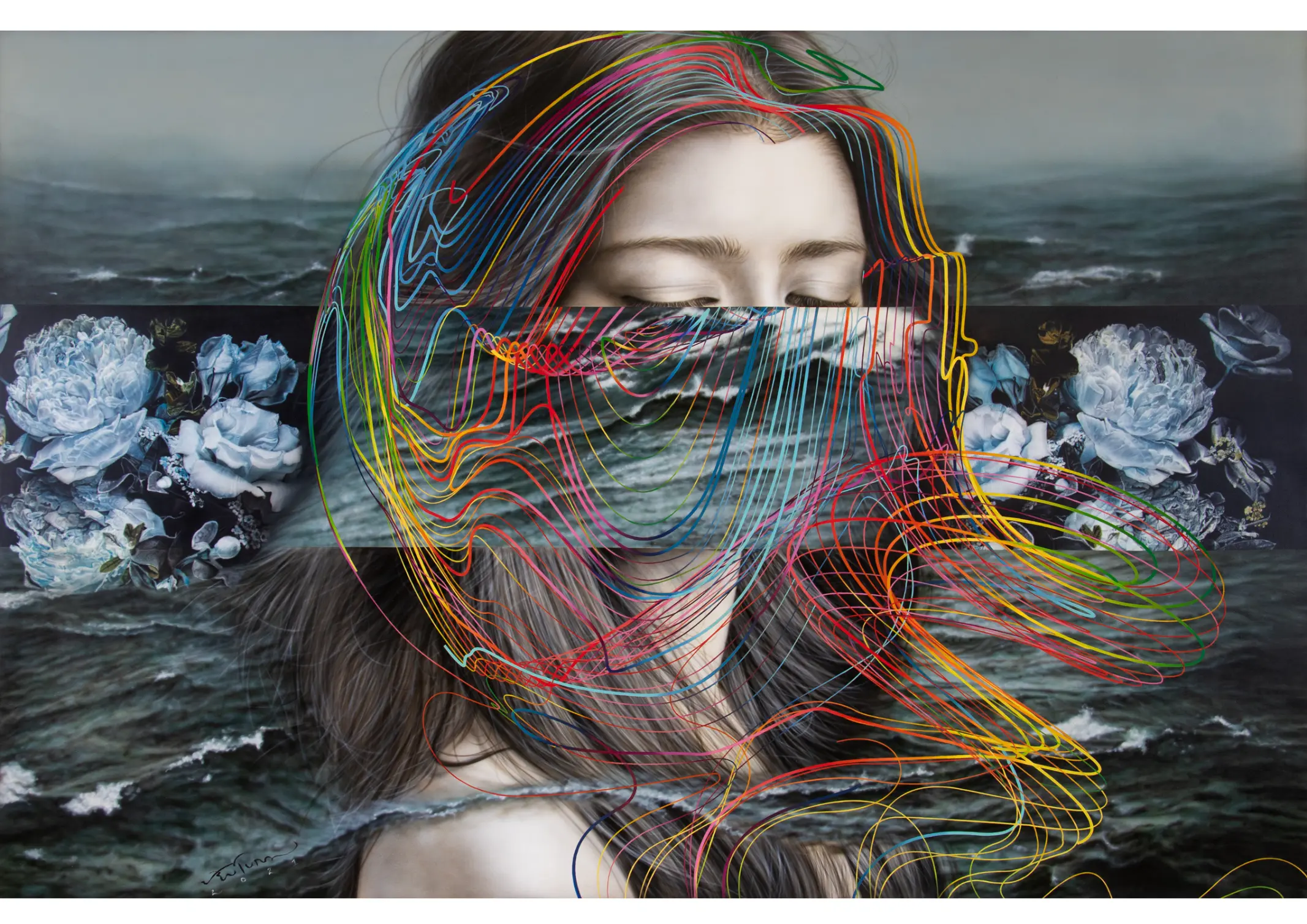
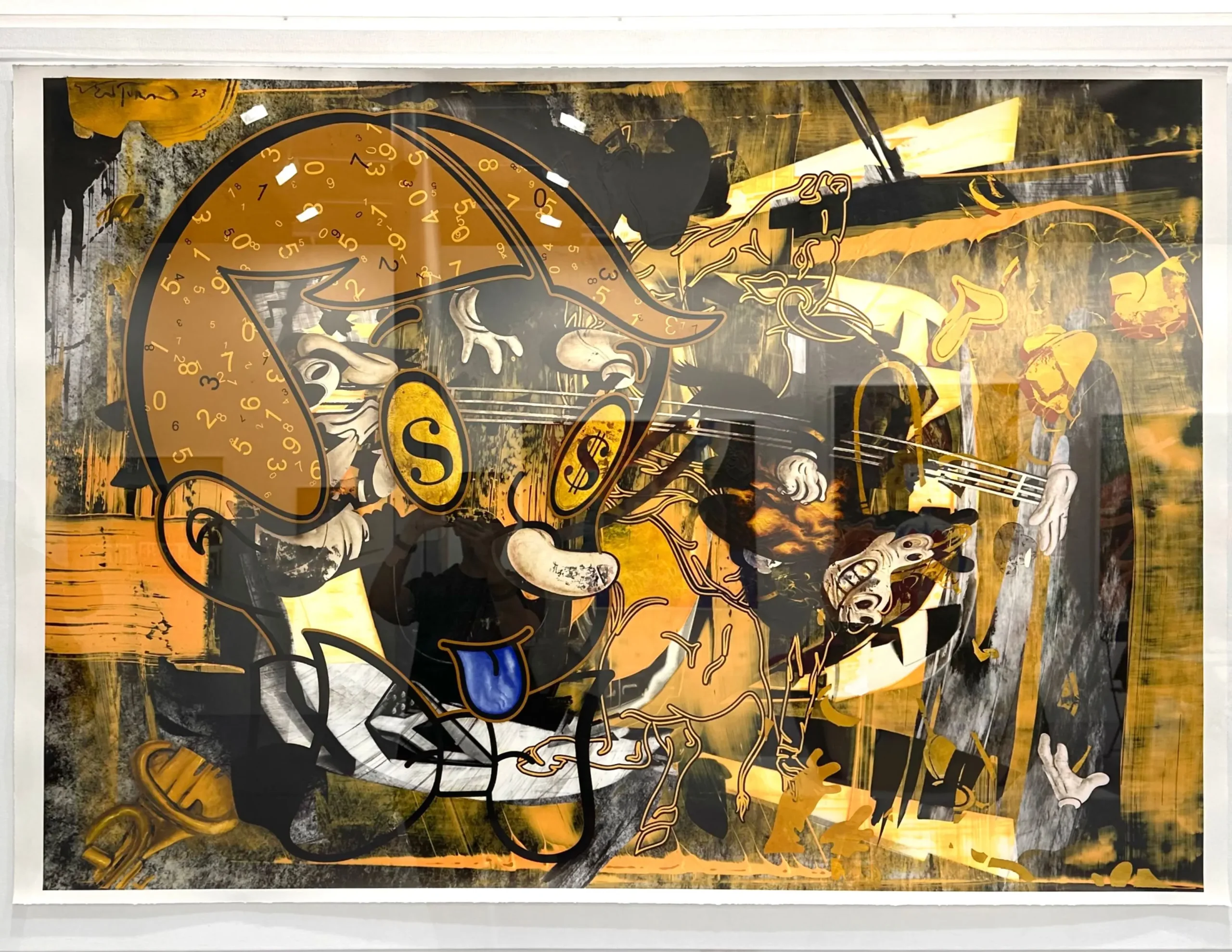
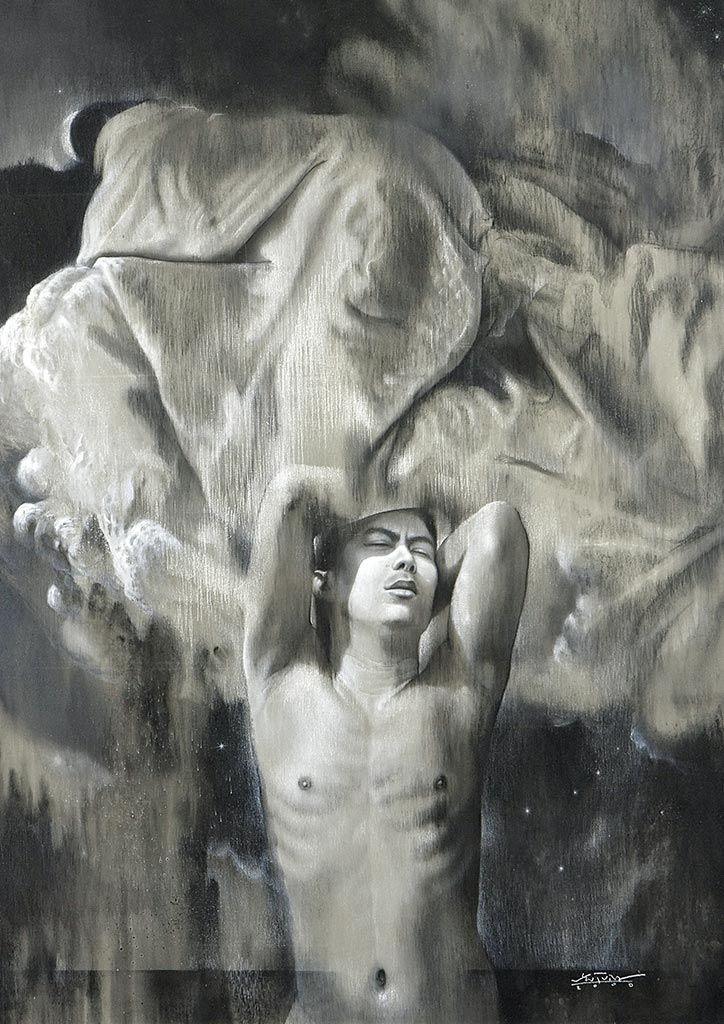
During the 1980s and 1990s, Ventura witnessed the exploration of Indigenous and Western materials within the Filipino art scene. Early in his career, he experimented across materials, subject matter, and context. As art continues to evolve, he draws from movements ranging from modernism to postmodernism.
Across these shifts, Ventura continues to prioritize self-expression. “I’m not creating my own style. It’s visualizing my own self,” Ventura states. He does not view art as a profession, but as a way of life—often spending twelve to fourteen hours a day in his studio.
Ventura adds: “If you’re an artist, expression comes to us naturally. You don’t expect when the idea or concept will come. Sometimes, it’s in an instant. Sometimes, it takes a long period of time.” Within that span—whether instant or prolonged—lies a range of processes and possibilities. As a result, his work spans printmaking, sculpture, drawing, and painting.
Advertisement
Within the Philippine contemporary art scene, he is known for layered narratives of cultural identity and symbolic references to history.
The Presentation of Art and Its Audience
Ventura believes that an image does not have a fixed meaning. The cross, a recurring symbol in his art, carries multiple meanings. In hospitals, it signals an emergency. In mathematics, it denotes addition. As such, the symbol invites multiple interpretations.
This philosophy extends to how audiences engage with his art. “We can experience each other’s perception. I’m not saying that it’s this or that, but I can share my own thoughts with you, and you can share your thoughts with me. It’s a dialogue between the viewer and the artist,” Ventura shares.
Advertisement
For Ventura, style is fluid, and meaning is never singular. Art accumulates through layering—image over image, history over present, self over symbol. Across his career, his art remains in a constant state of becoming.
Photographed by Ed Simon.
Read More: ‘Dialogo’: Two Artists Collaborative and Find Middle Ground in New Exhibit
Advertisement
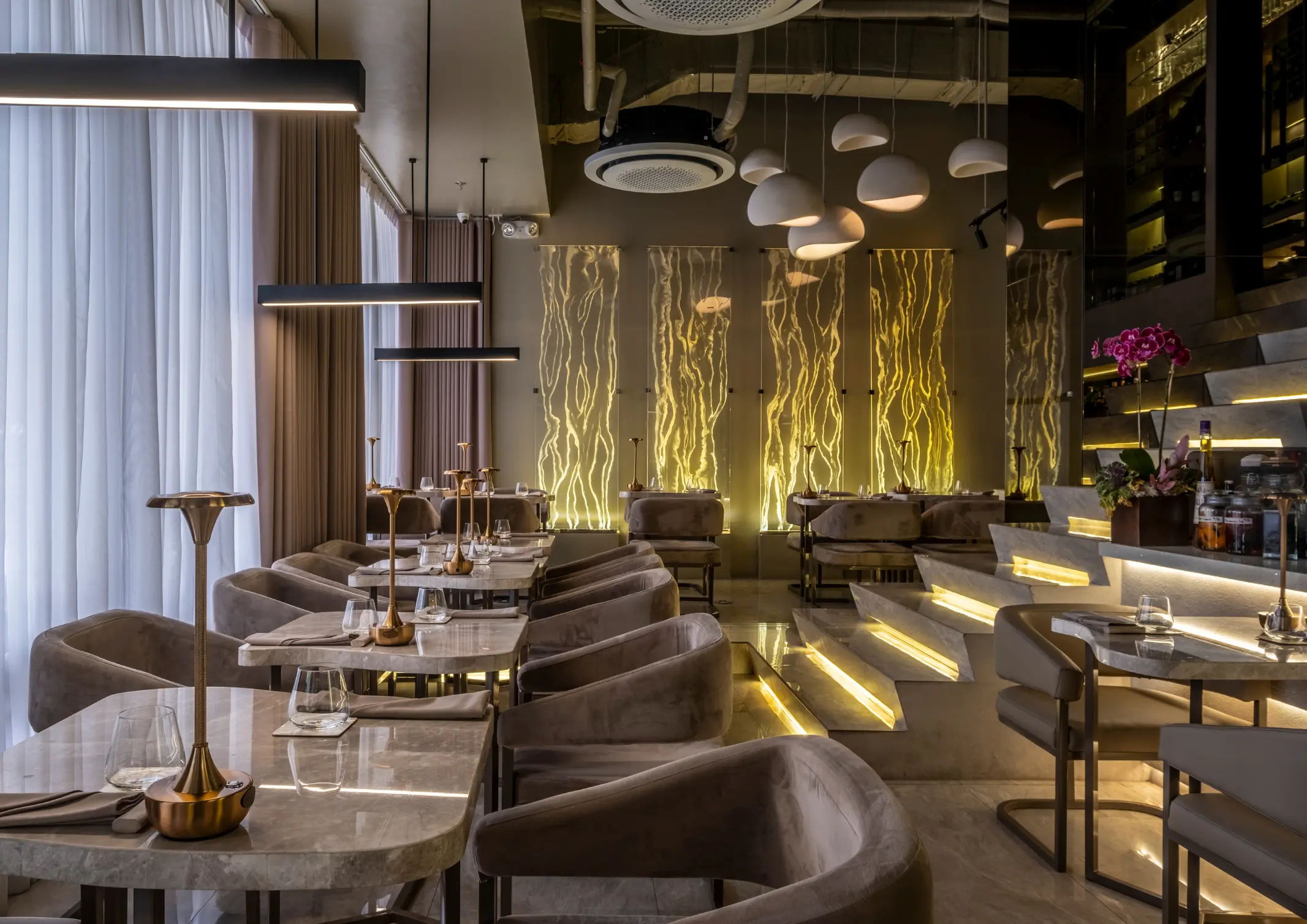
From the moment a diner steps through the door, each detail shapes how a meal is experienced. Restaurant design has evolved, with architects and culinary professionals collaborating to create built spaces that are as intentional as the menu itself. The spatial atmosphere acts as an additional ingredient that can define the culinary experience. Taupe and […]
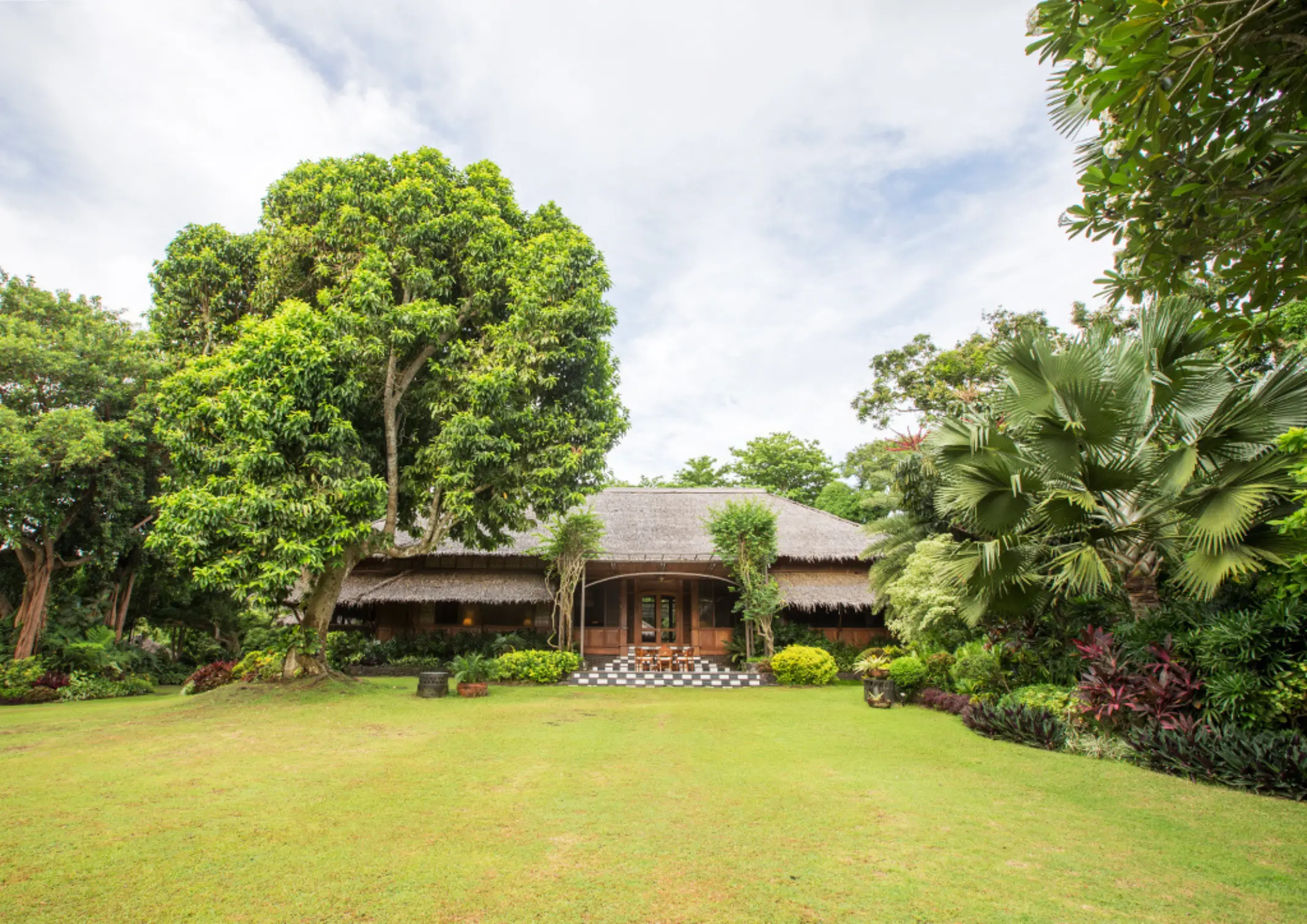
With climate change and global warming, the Philippine climate is in constant evolution. Consequently, it is important for Filipinos to have living spaces that respond to the local environment. In this article, BluPrint lists down Filipino architects who are reimagining the tropical house, aligning the built and natural environment. BAAD Studio Principal architects Benjee Mendoza […]
Advertisement
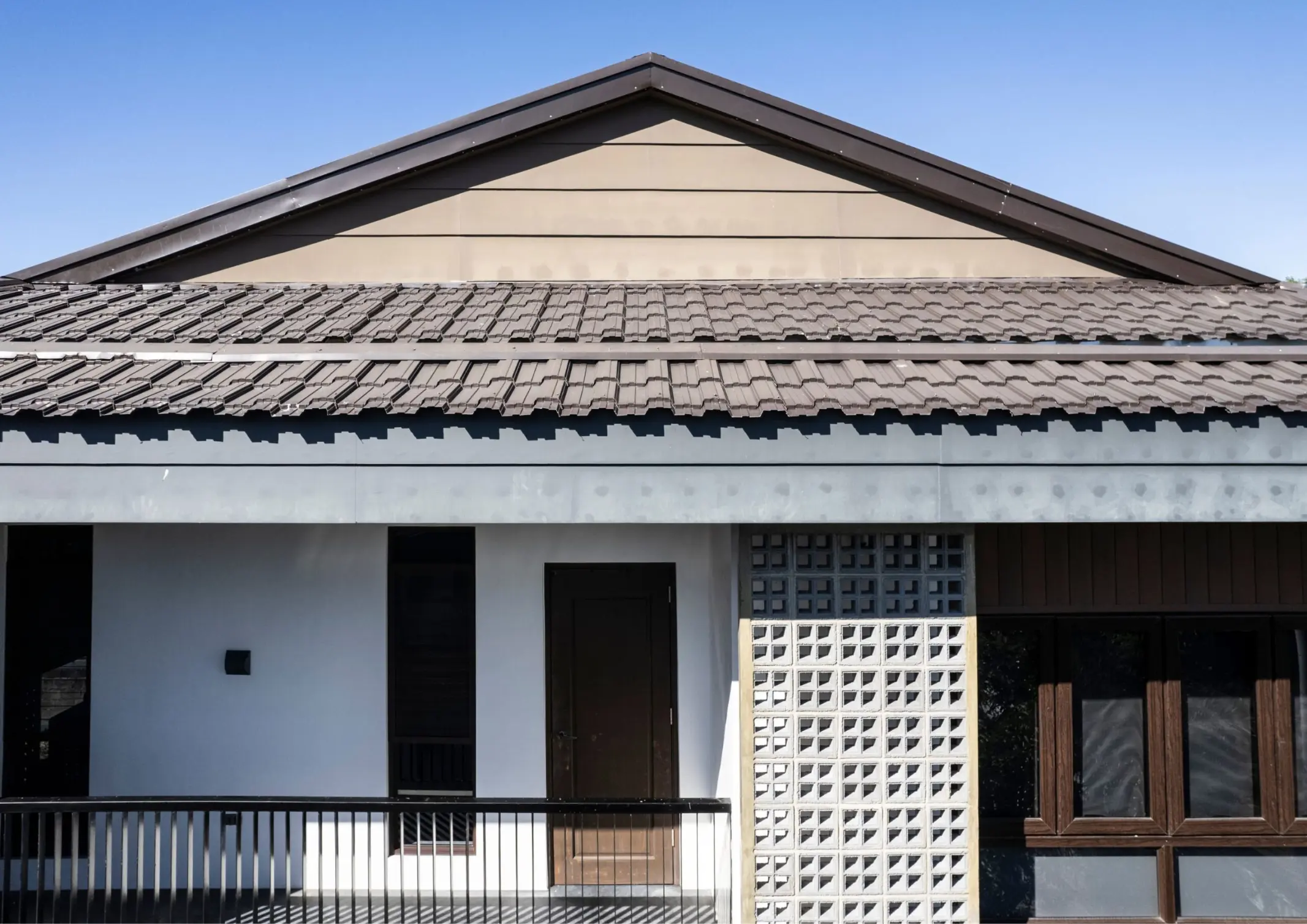
Ventilation involves the introduction of outdoor air into a room, providing occupants with their needs. Proper ventilation allows for the moderation of internal temperatures, the creation of better airflow, the dilution of carbon dioxide to acceptable levels, and the removal of contaminants. This addresses health risks associated with indoor air pollution, such as respiratory problems […]
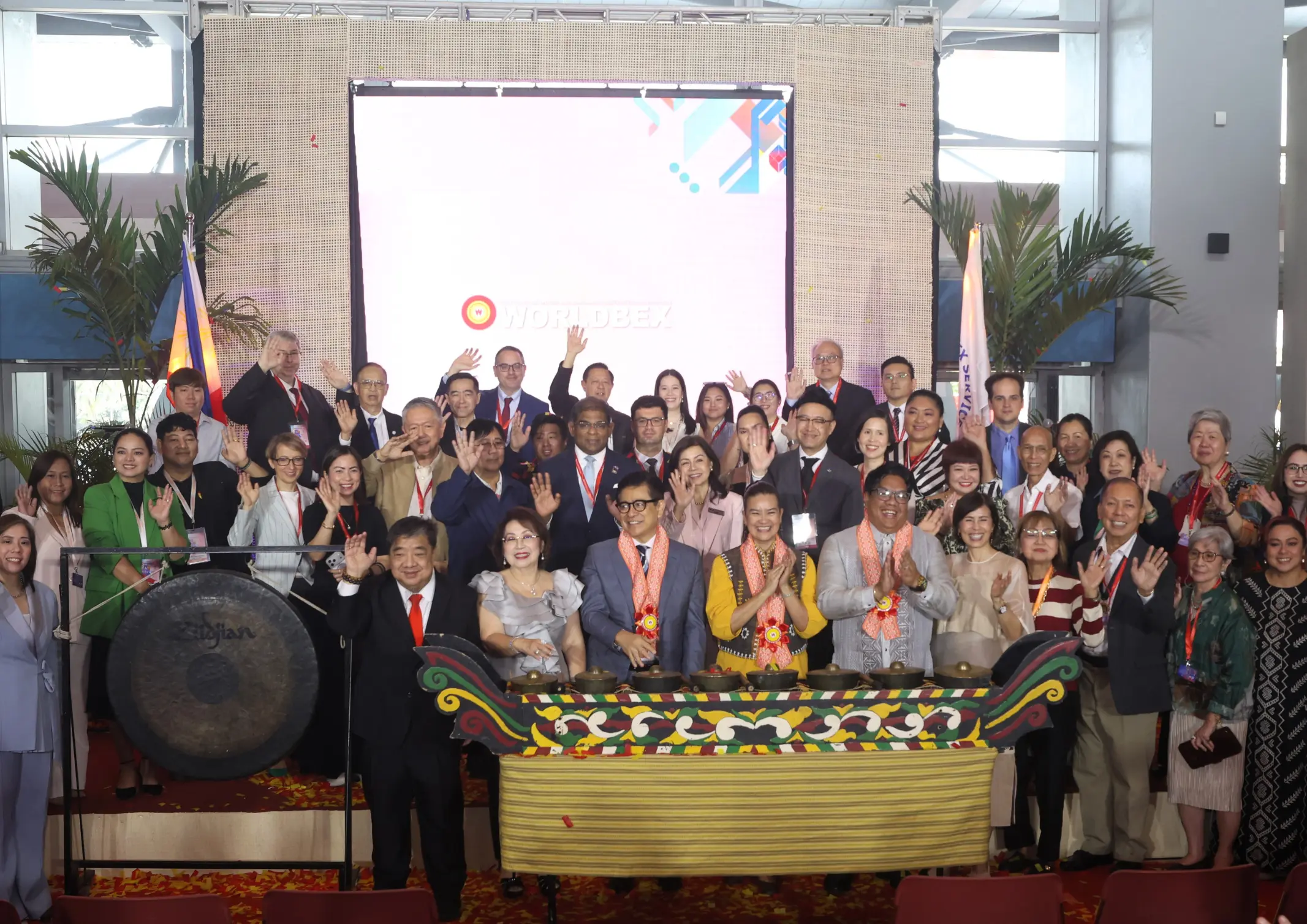
WORLDBEX 2026, running from March 12 to 15, 2026, proves itself as the Philippines’ leading construction and design expo as it wrapped its 29th edition. It drew together 1,000 local and international exhibitors under one theme, “Building Opportunities: Sustaining Lives.” Organized by Worldbex Services International (WSI), in support of the ABS-CBN Foundation Inc., the event […]

Download this month's BLUPRINT magazine digital copy from:



Subscribe via [email protected]