Rinna Soriano’s favorite part of her work is sanding. At her workbench, she stays focused, following the grain, adjusting to changes in its direction. Narra, she has learned, can have interlocking grain. A piece of mango once proved particularly difficult until a worker explained that she had reached the point where a branch once grew […]
Navigating the Margins: DEMOGO’s Urban Regeneration Project in Bologna



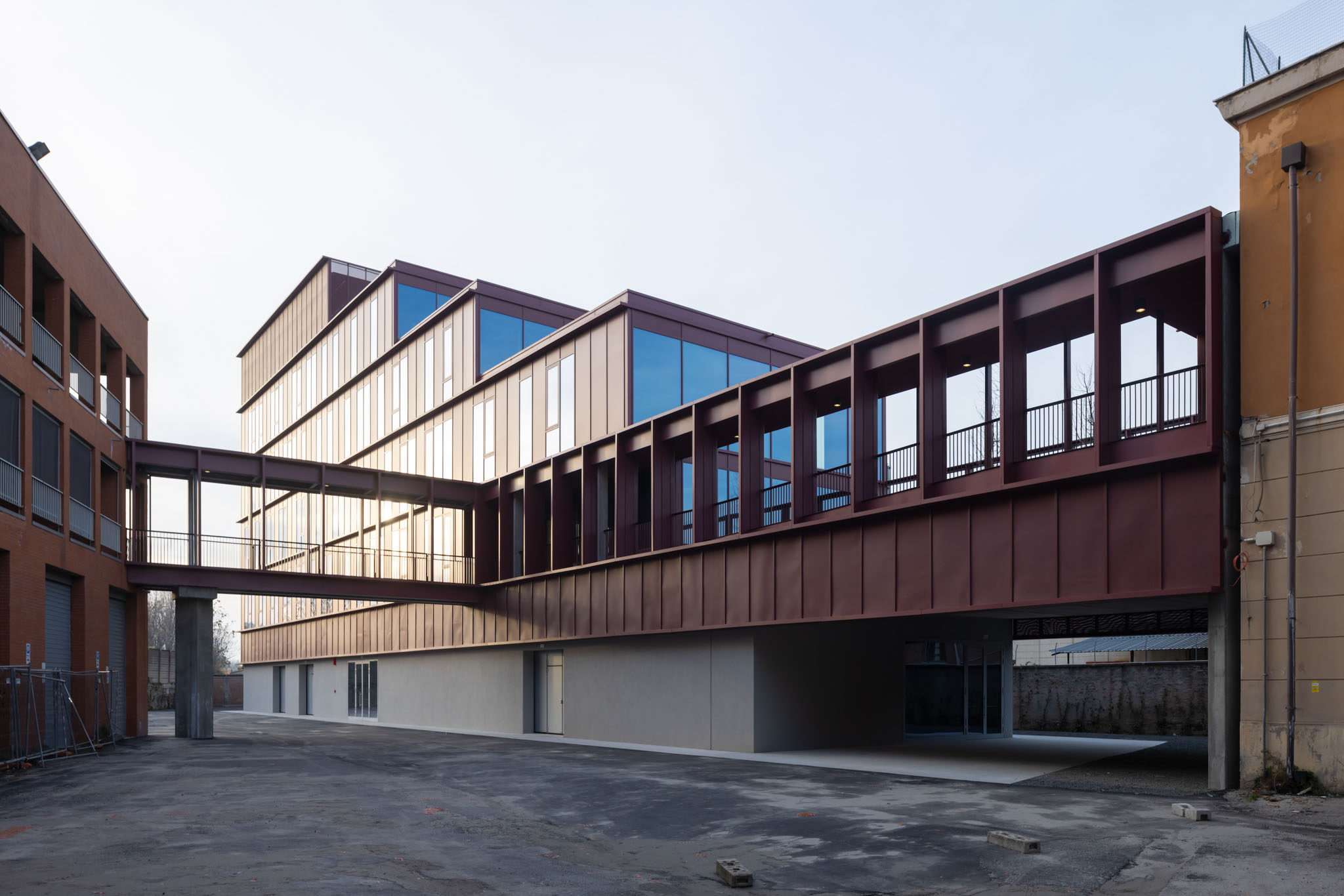
In the bustling city of Bologna, Italy, nestled within a tapestry of urban partitions and diverse landscapes, lies the new regional headquarters of the Guardia di Finanza offices. This architectural endeavor, undertaken by DEMOGO, a prominent Italian architectural firm, is not just about erecting a building; it’s about transforming a marginal condition into an opportunity for connection and regeneration within the district.
When There is An Opportunity for Connections
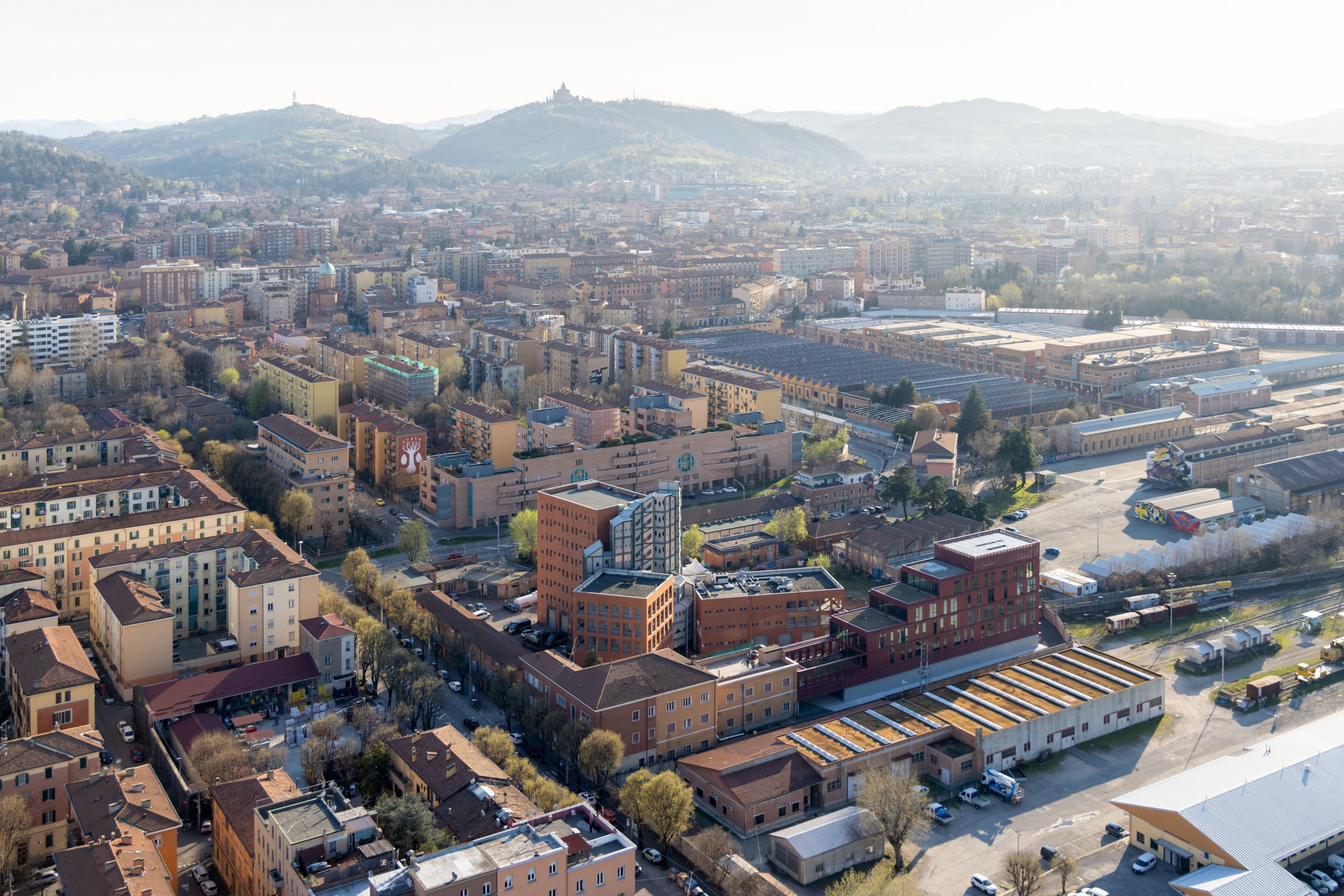
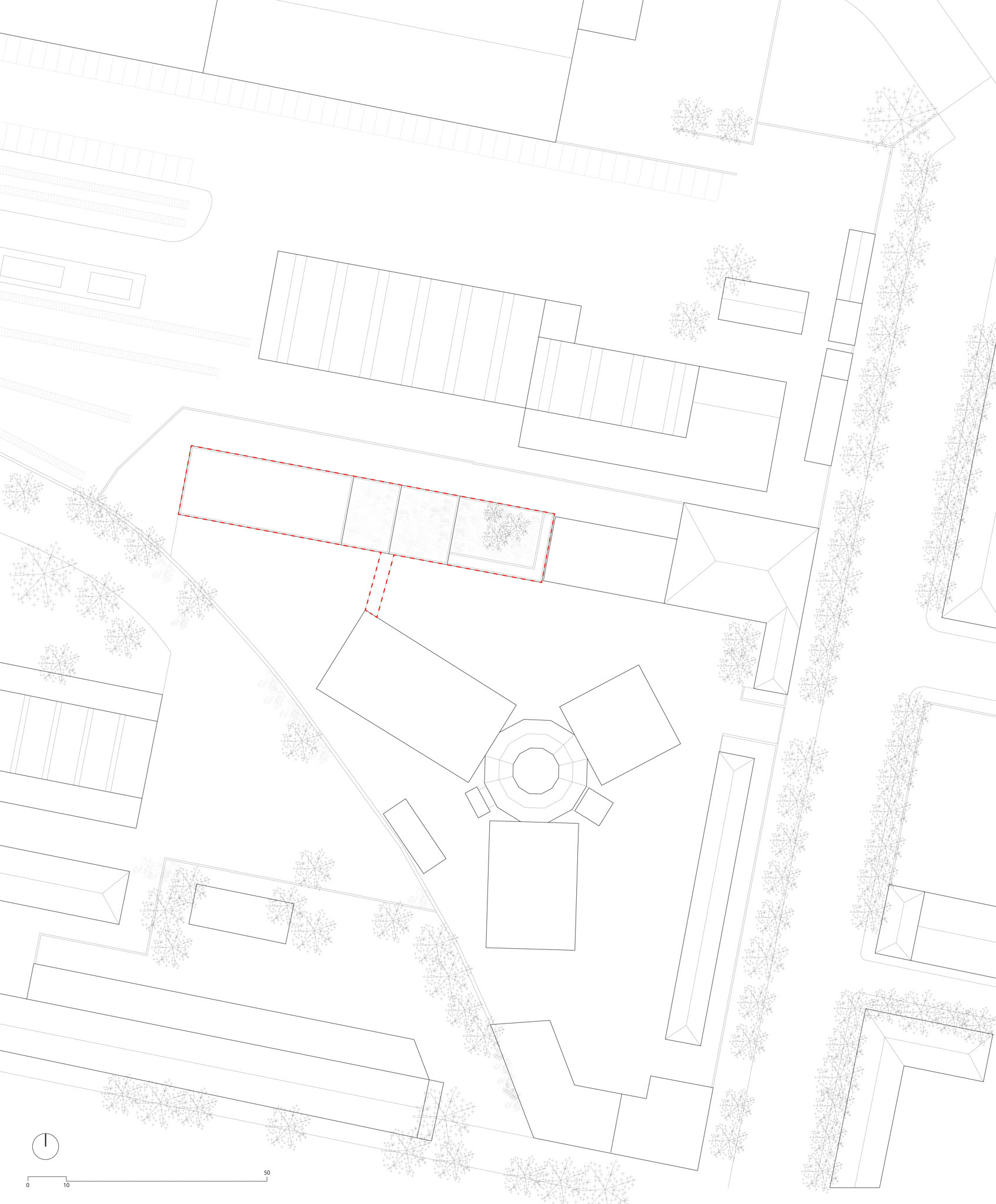
The site itself is emblematic of urban complexity. To the north, the imposing presence of the railway line and Bologna’s high-speed train station creates a continuous barrier, symbolizing the city’s industrial legacy. In stark contrast, the south boasts the dynamic and evolving DumBO Social Center, a hub of cultural activity and community engagement. To the east, the landscape is defined by Via Tanari and the layered edges of the stratified city of Bologna, each layer bearing witness to the city’s rich history and architectural heritage.
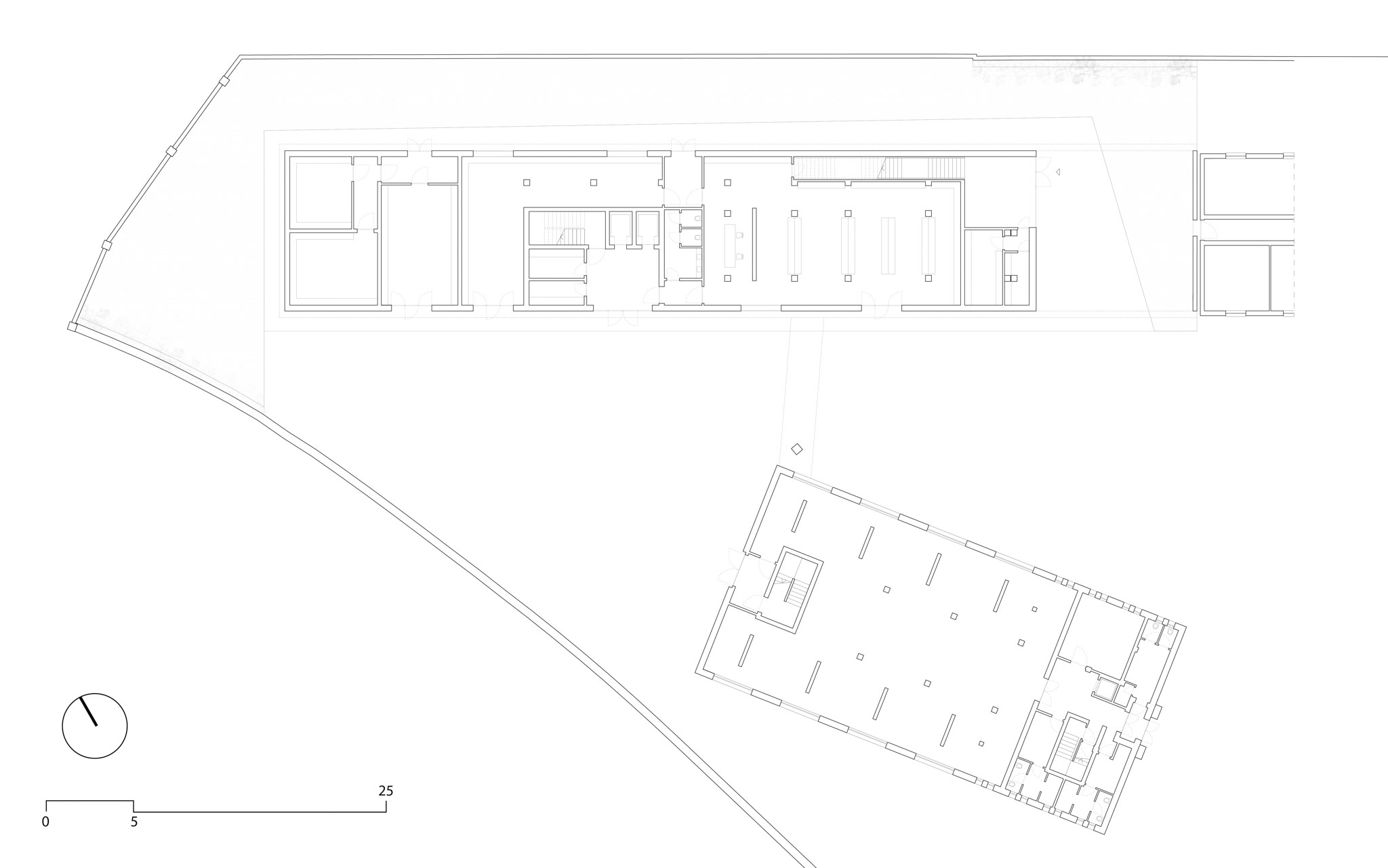
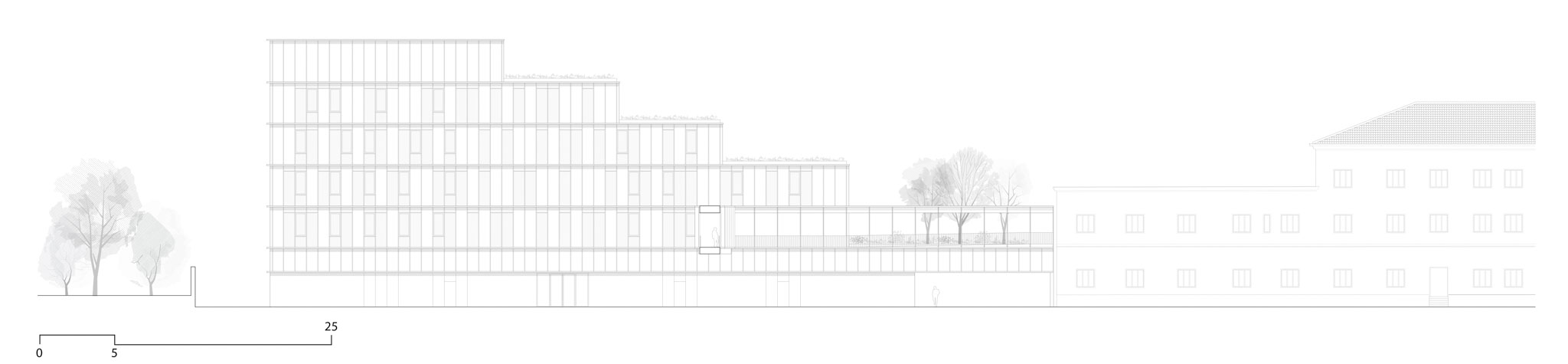
DEMOGO’s interpretation of this marginal urban condition is nothing short of transformative. Instead of seeing barriers, they see opportunities. The new structure, strategically positioned perpendicular to Via Tanari and seamlessly integrated with the original core of the Bertarini Barracks, serves as a beacon of connectivity and regeneration. Its compact yet articulated elevation is a testament to the firm’s commitment to both form and function.
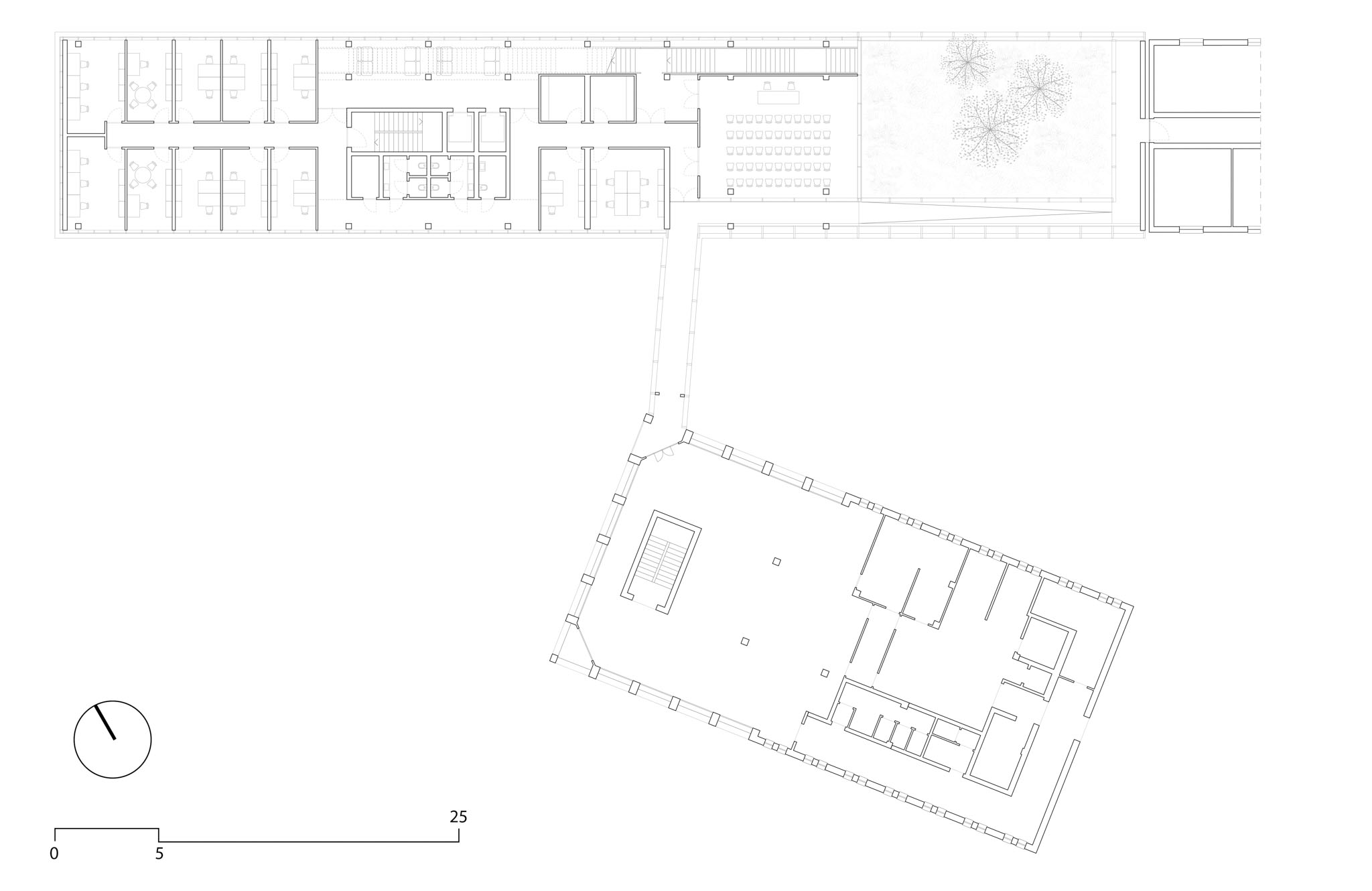
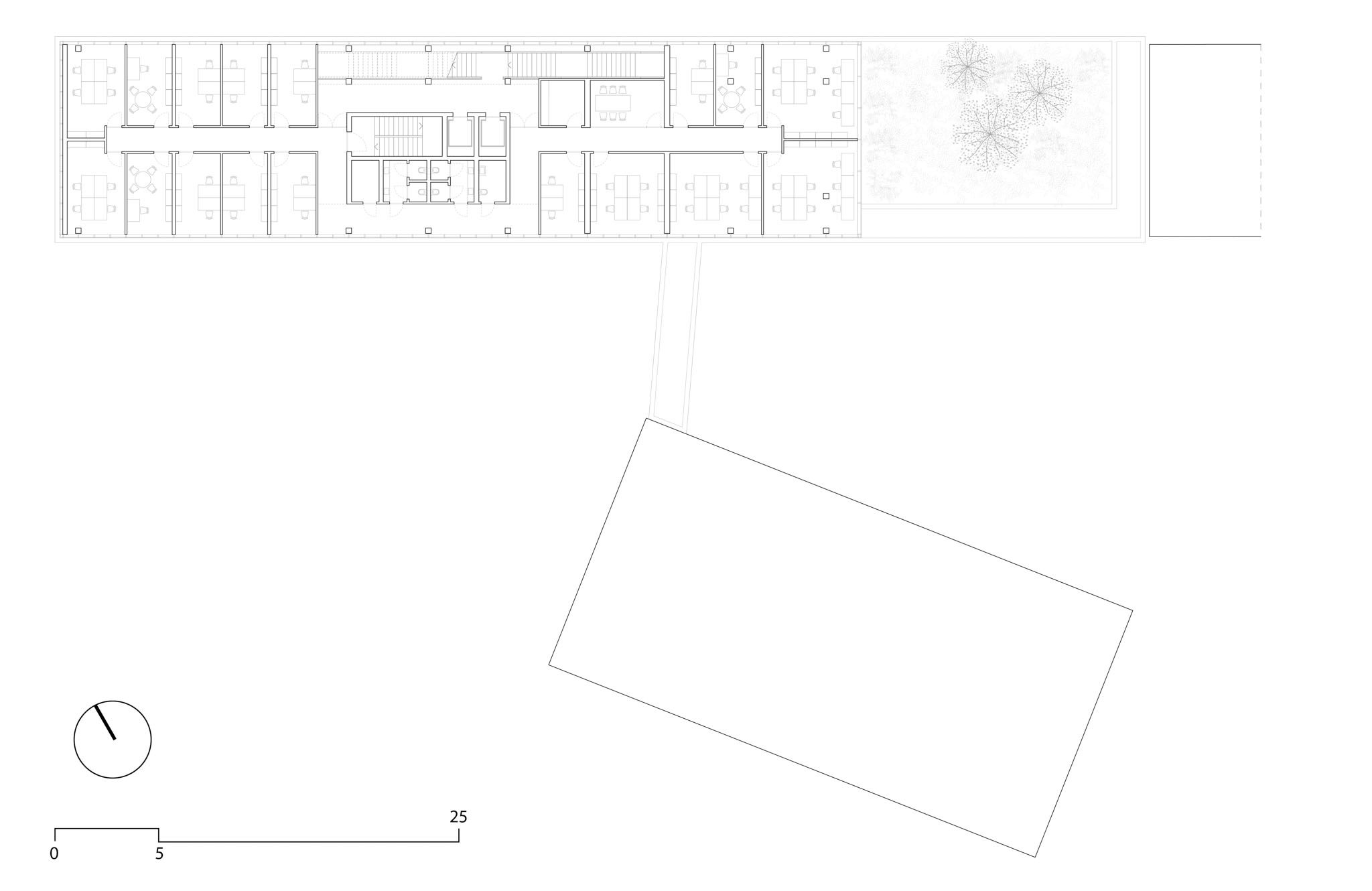
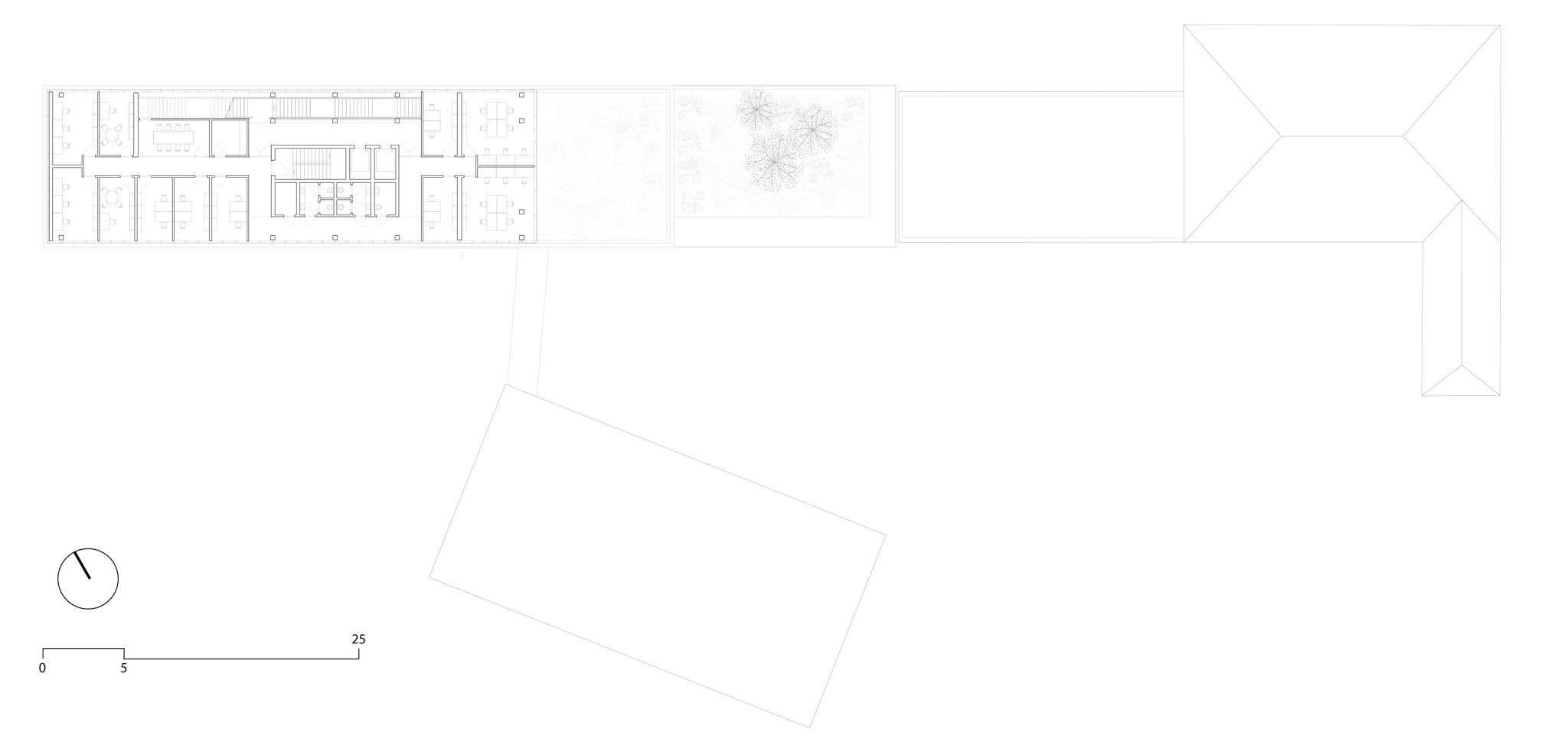
One of the most striking features of the design is the series of terraces that adorn the building’s exterior. These outdoor extensions not only enhance the environmental quality of the workspaces but also establish a visual connection with the urban landscape of Bologna. As one ascends along the five above-ground floors of the building, these elevated gardens gradually descend, creating a seamless transition between interior and exterior spaces.
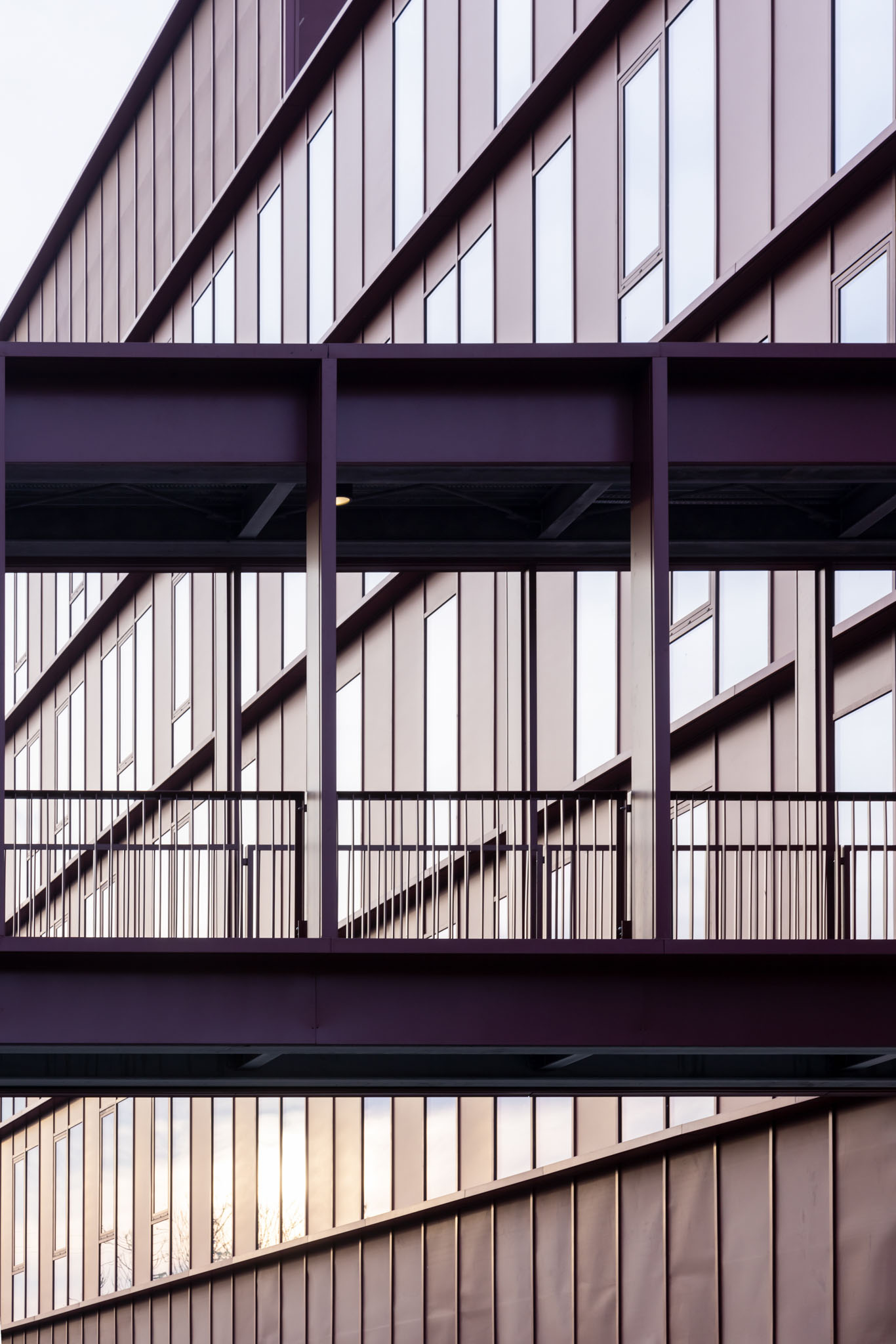
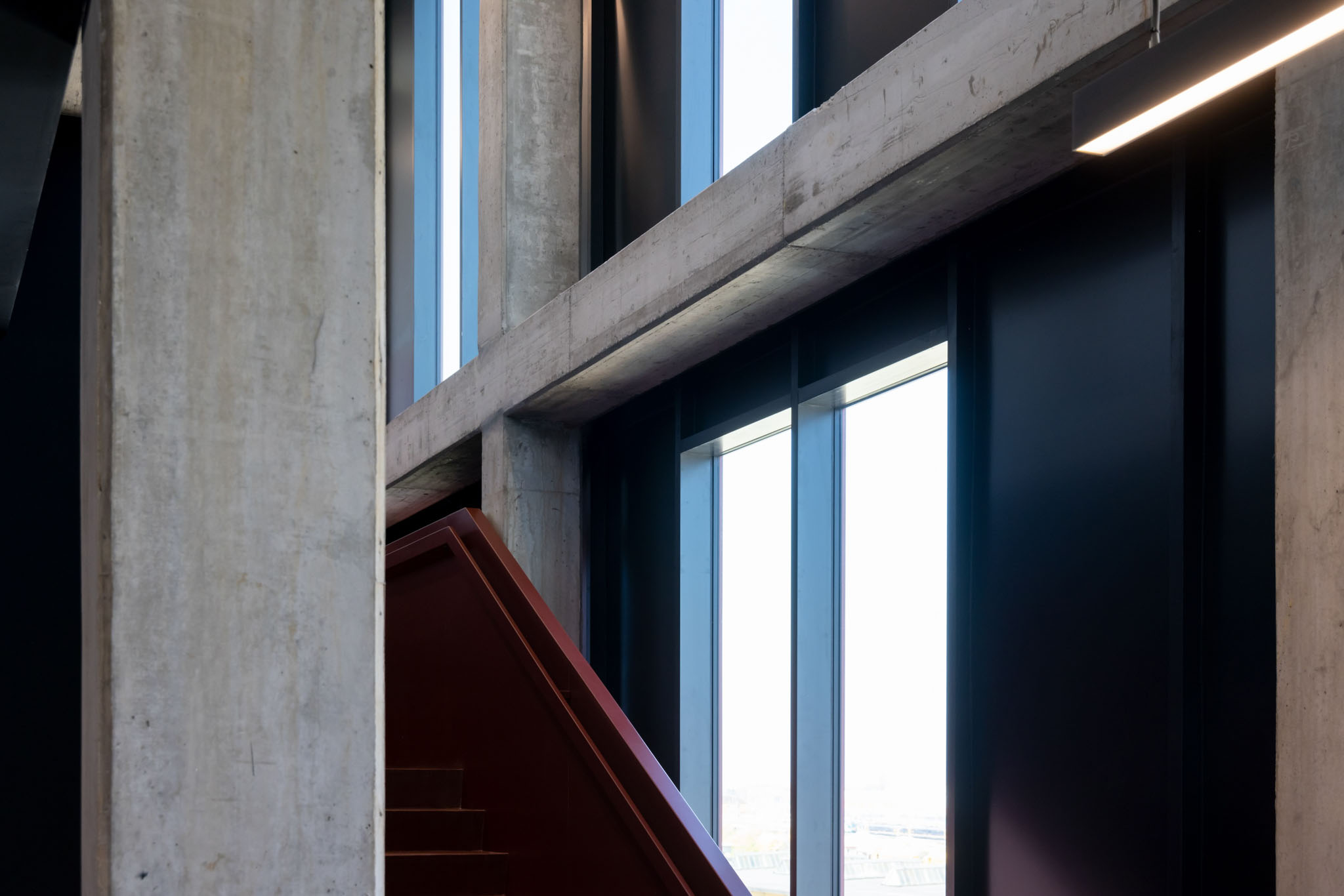
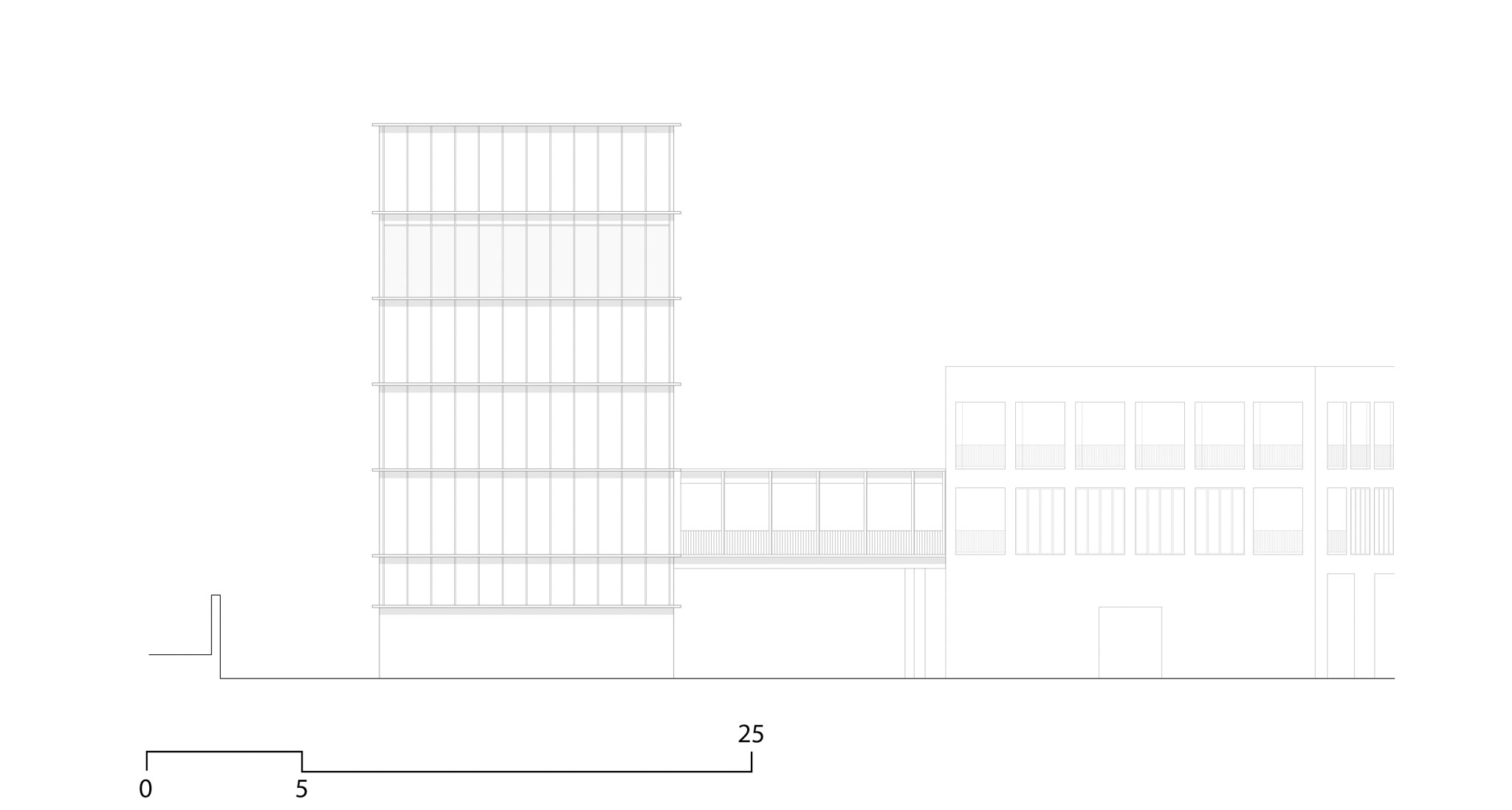
Despite being part of a military complex, the new office building of the Guardia di Finanza is not an isolated fortress. On the contrary, DEMOGO has strategically established a series of connections with the surrounding urban system. Take, for example, the southern facade, which is articulated with the incorporation of an elevated footbridge designed to connect the new offices to the existing spaces of the Bertarini Barracks. This thoughtful integration ensures that the building remains not just a symbol of authority but also a part of the fabric of the city itself.
Turning towards the west, the new architectureArchitectureThe art and science of designing and constructing buildings, structures, and spaces that are functional, safe, and aesthetically pleasing. It encompasses the planning, design, materials, and techniques used to createGo to Architecture Glossary rises in front of the partition separating the barracks area from the temporary urban regeneration space of DumBO. This creates yet another opportunity for visual interaction between the military complex and the vibrant social life of the city, bridging the gap between tradition and modernity, authority and community.
Ambiguous Spatiality
DEMOGO’s vision goes beyond mere aesthetics. The building itself is a study in balance and harmony, with facades unfolding according to a precise composition of string courses and profiles, creating minimal variations in relief that evoke the dominant red tones found in the material textures of Bologna. This attention to detail not only enhances the building’s visual appeal but also strengthens its relationship with the surrounding environment.
The relationship between the facades and their environment is further emphasized by the incorporation of various vantage points, each offering a unique perspective on the building and its surroundings. Whether viewed from a distance or up close, the building’s form unfolds in a series of perceptual sequences, inviting exploration and discovery.
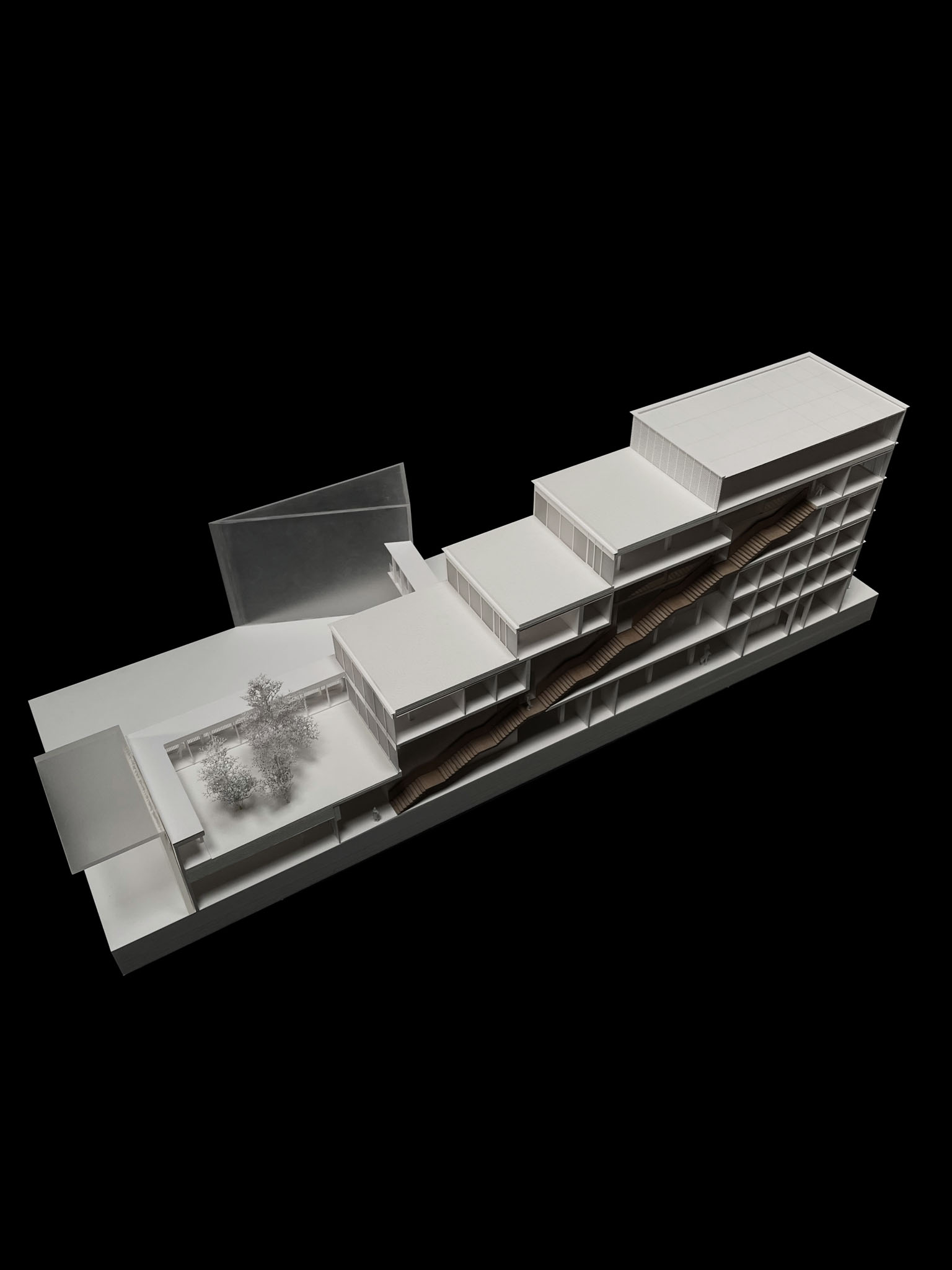
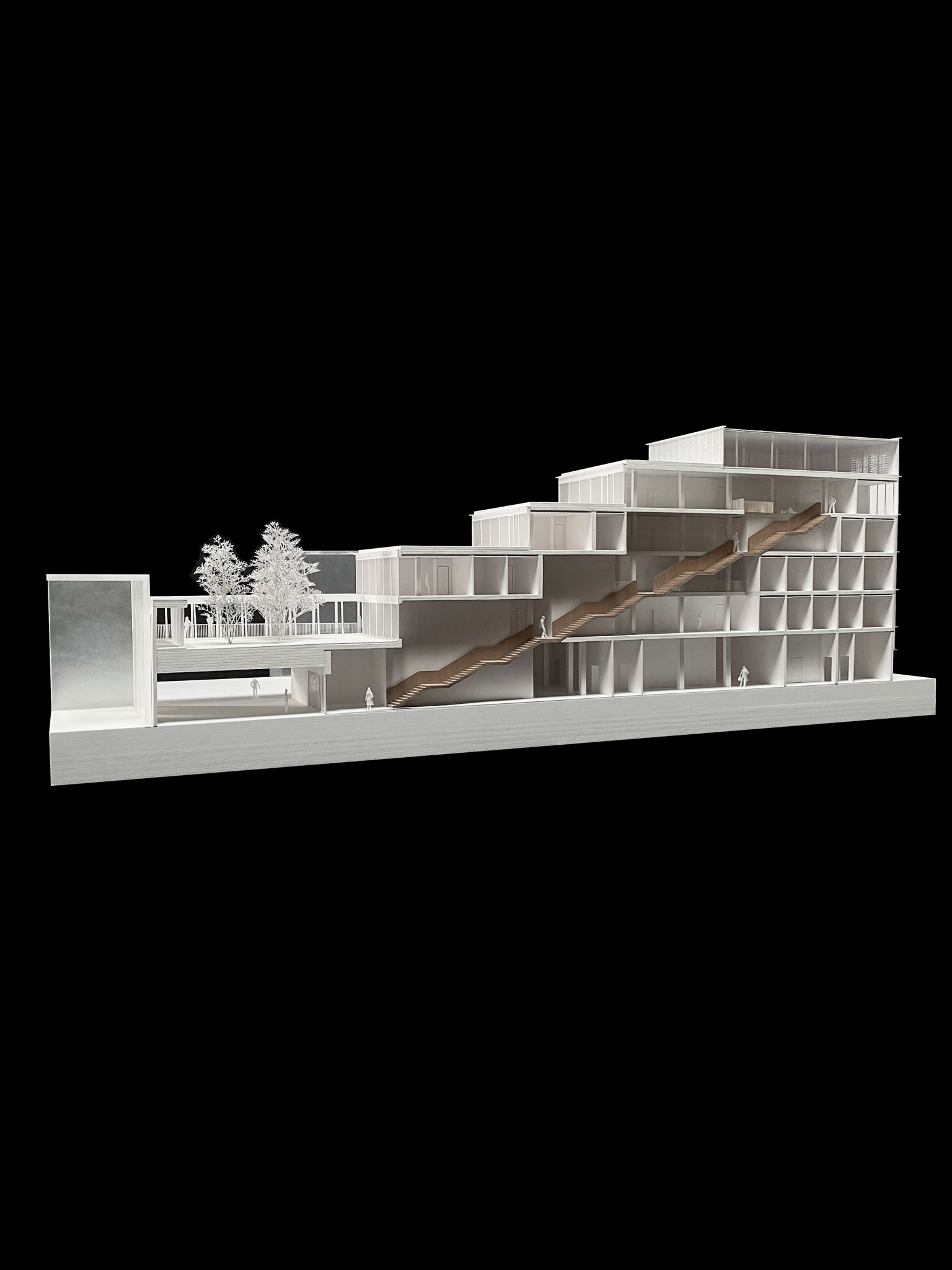
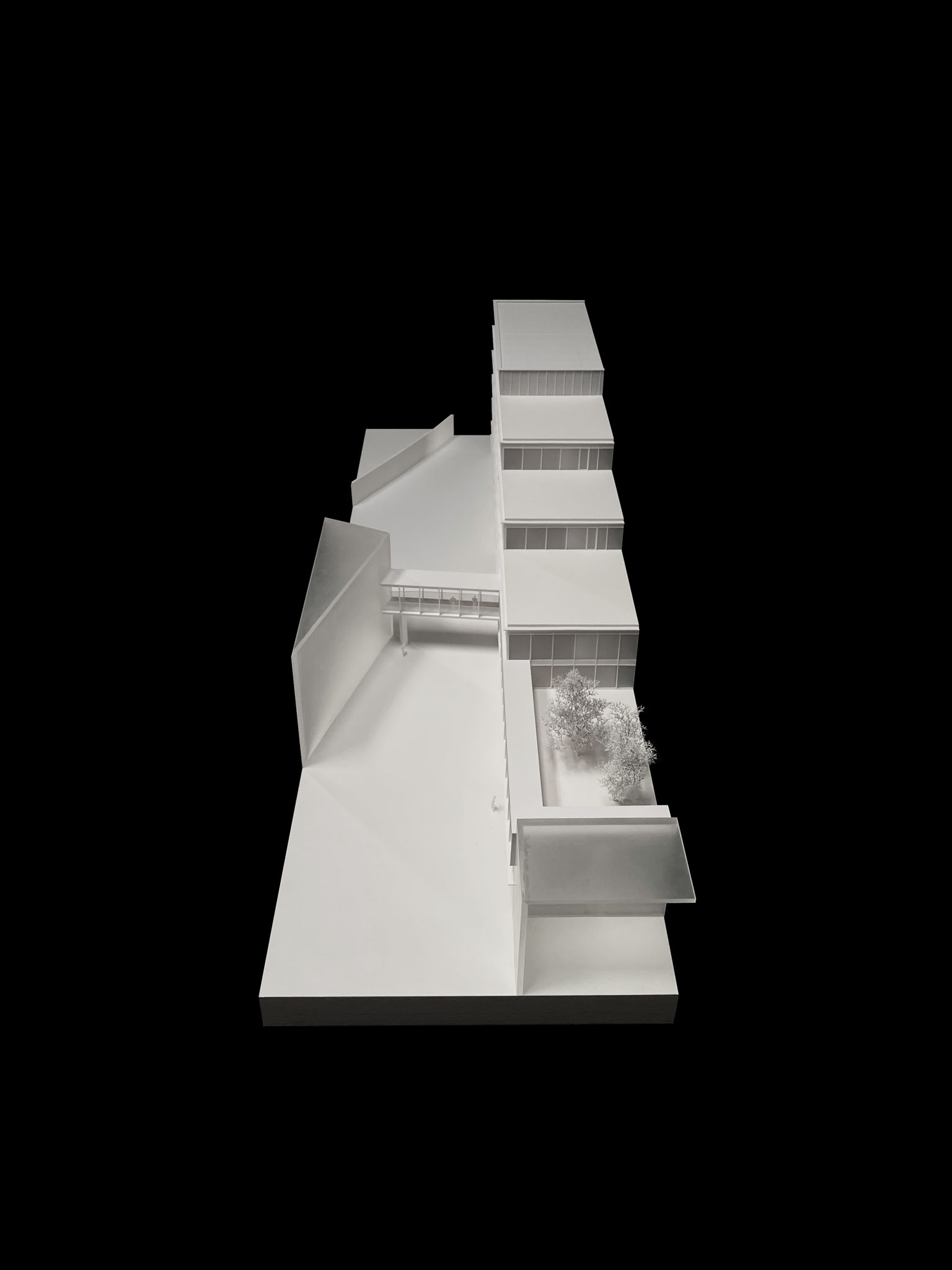
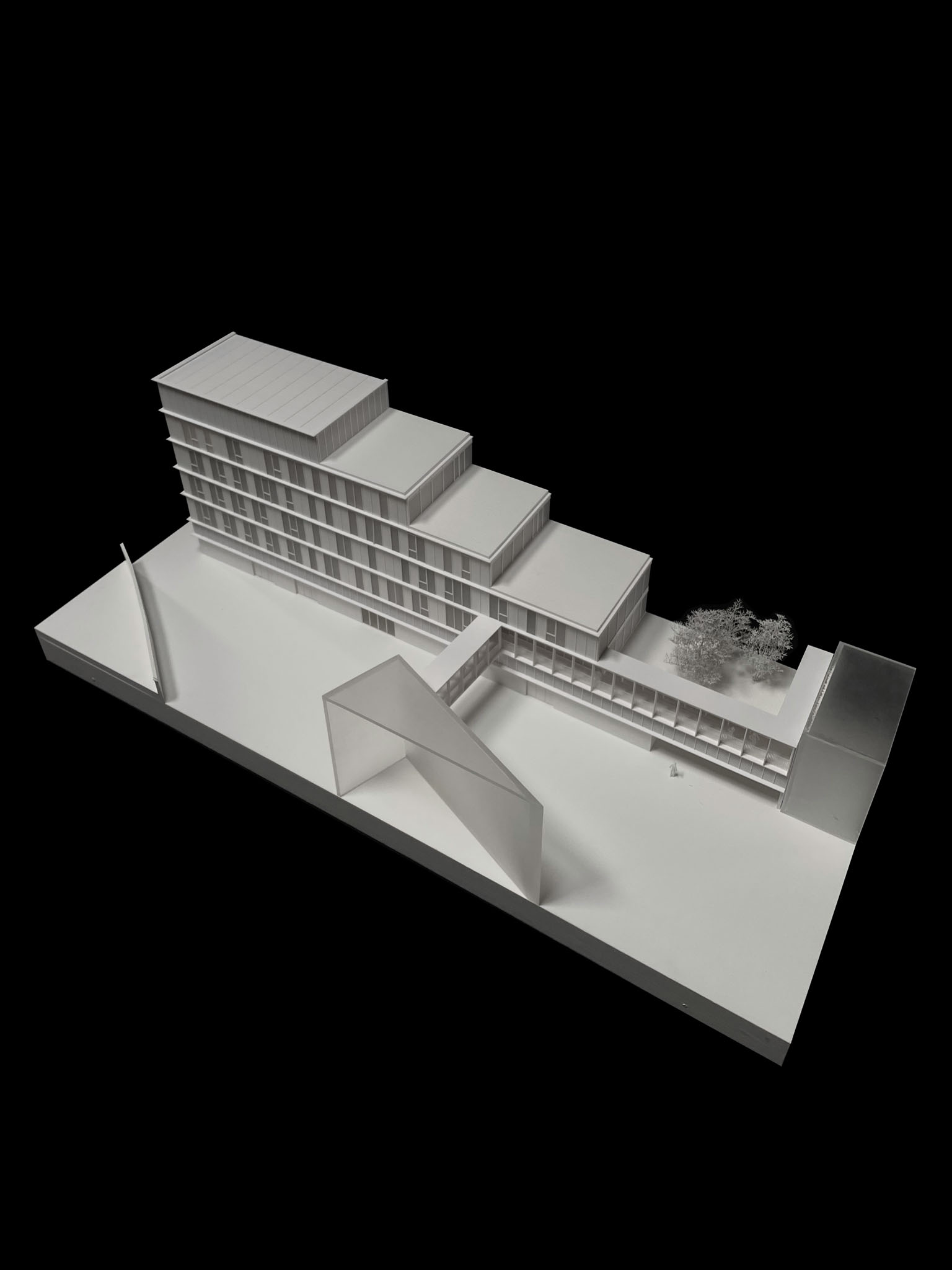
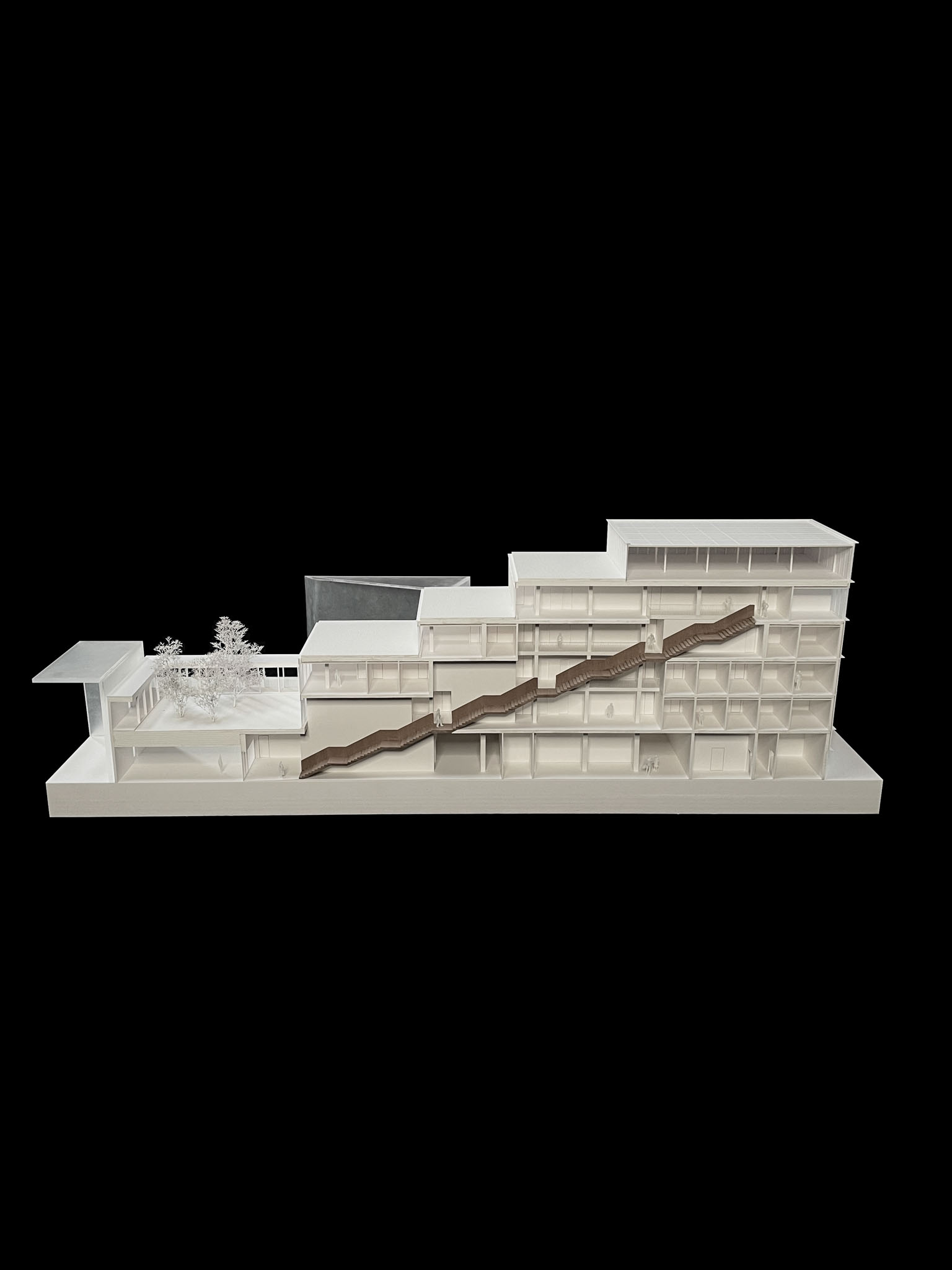
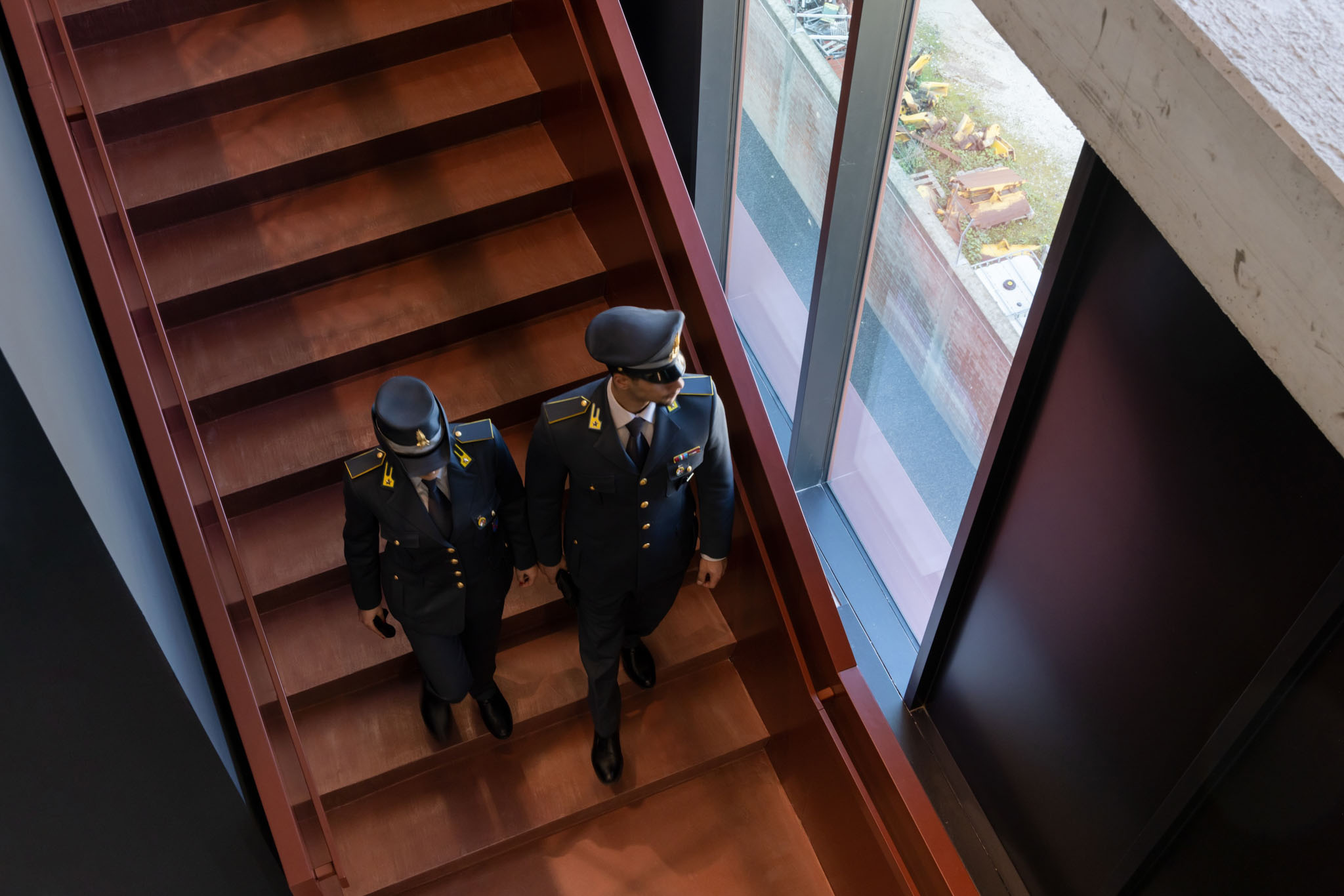
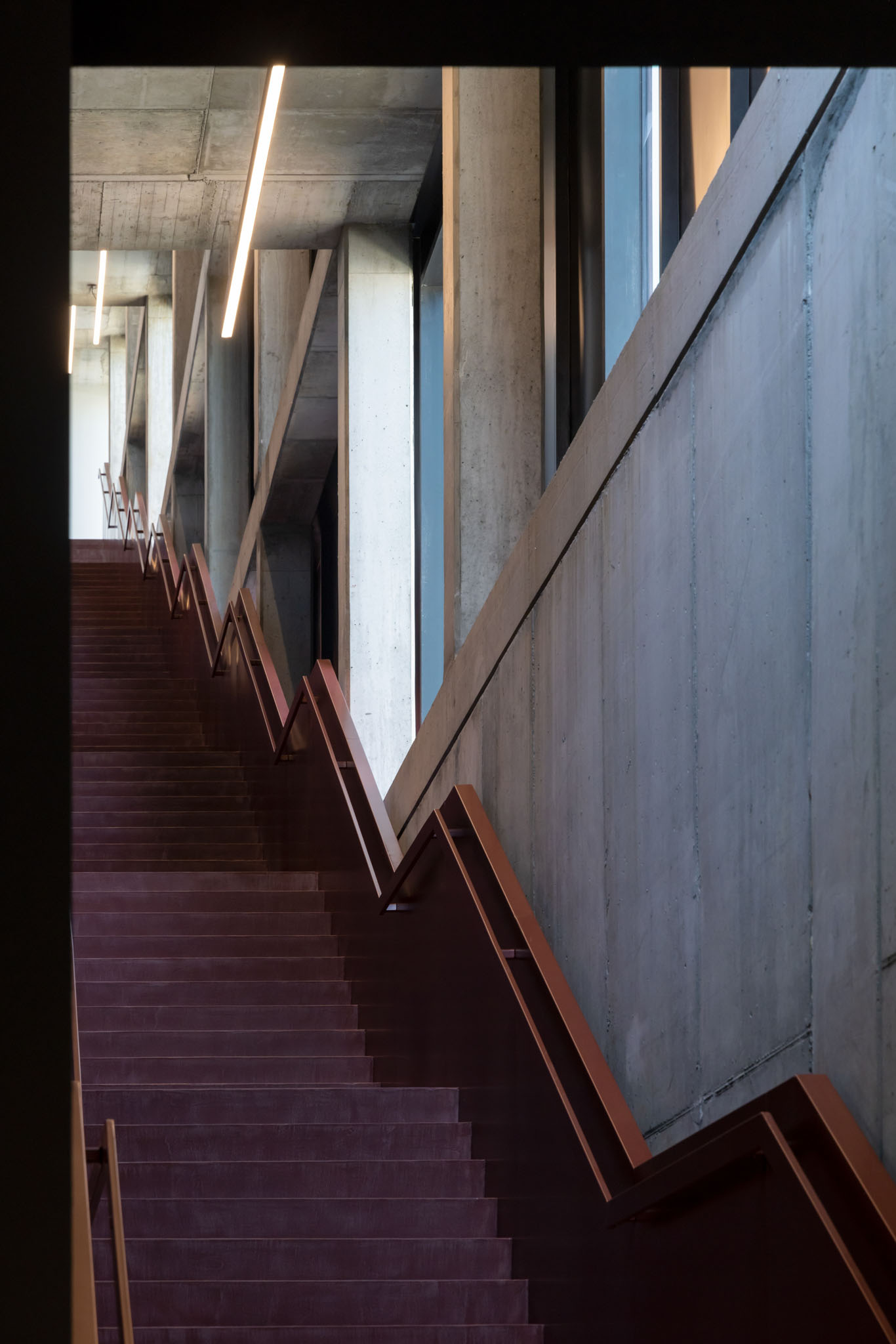
But perhaps the true genius of DEMOGO’s design lies in its ability to disrupt and reconfigure internal spaces. Upon entry, visitors are greeted by a long staircase that unfolds linearly along the entire length of the building. This architectural element not only emphasizes the upward direction of the volume but also visually connects all levels, guiding movement and gaze in a promenade that ascends within its surroundings.
Within the building itself, there is an ambivalent spatiality that alternates between private operational areas and spaces for interaction among personnel. This interplay between confinement and openness is further accentuated by the large balconies that intersect along the staircase at various levels, offering panoramic views of the surrounding landscape and fostering a sense of continuity between interior and exterior spaces.
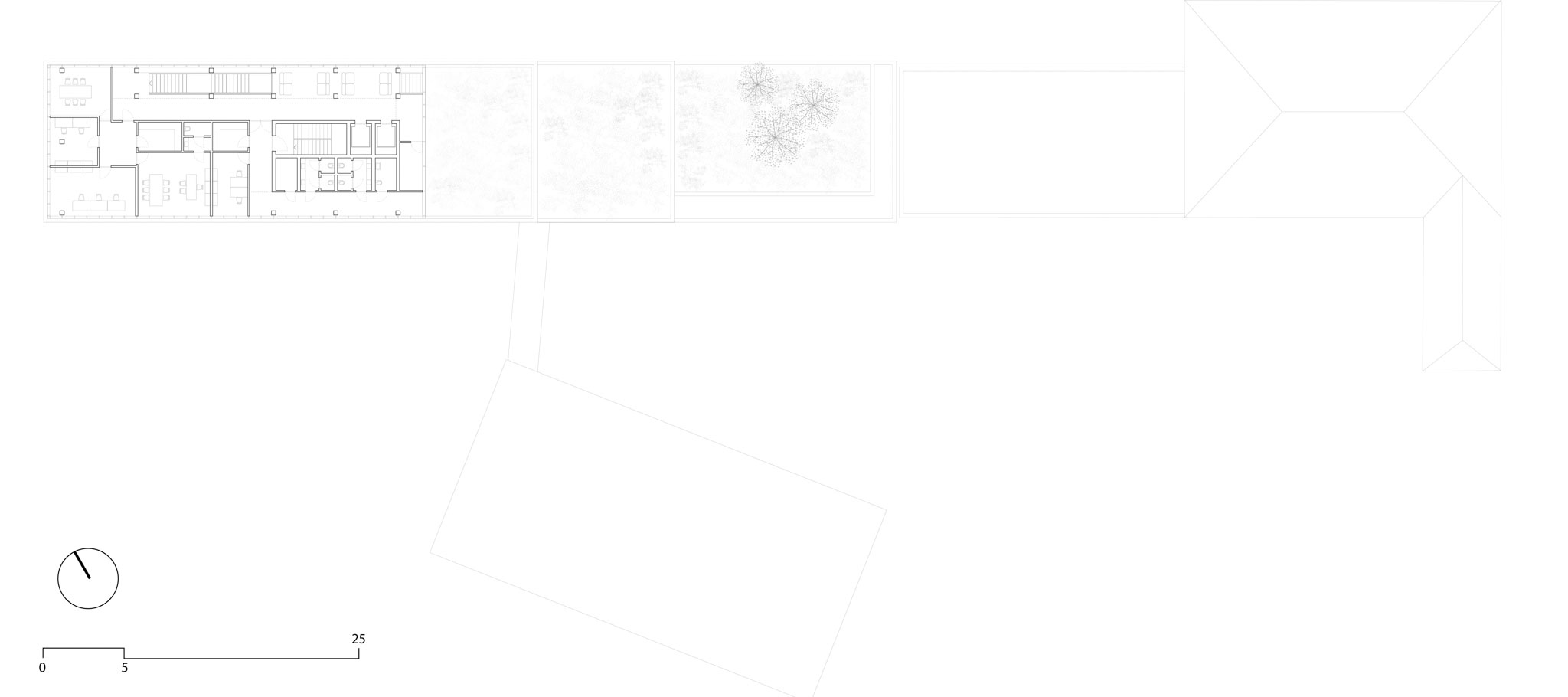
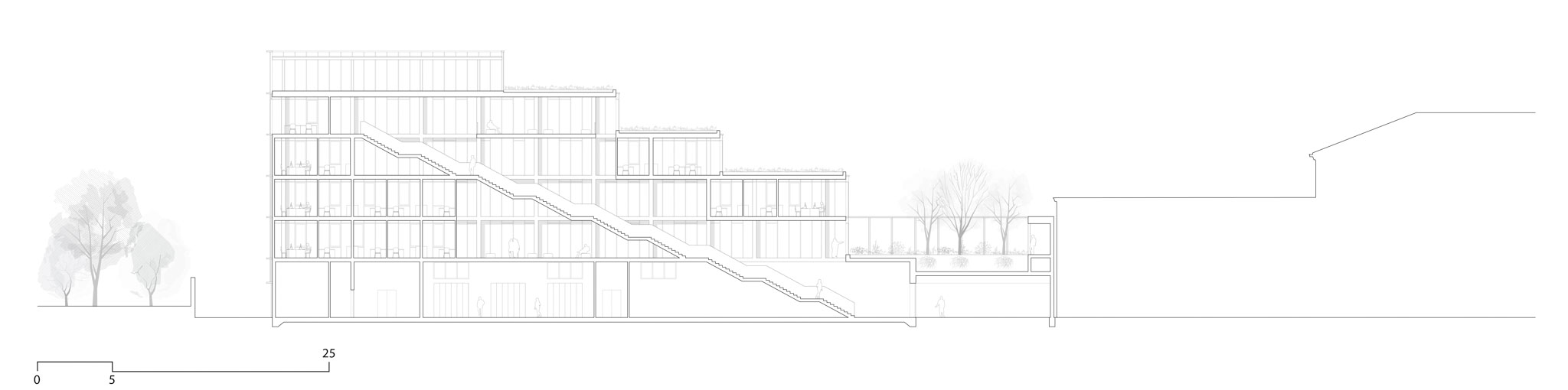
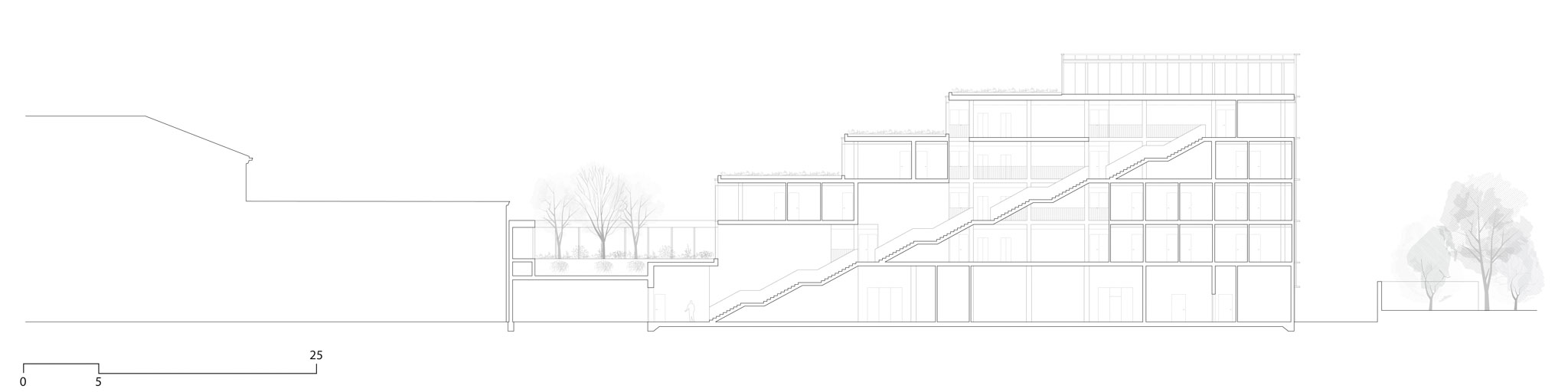
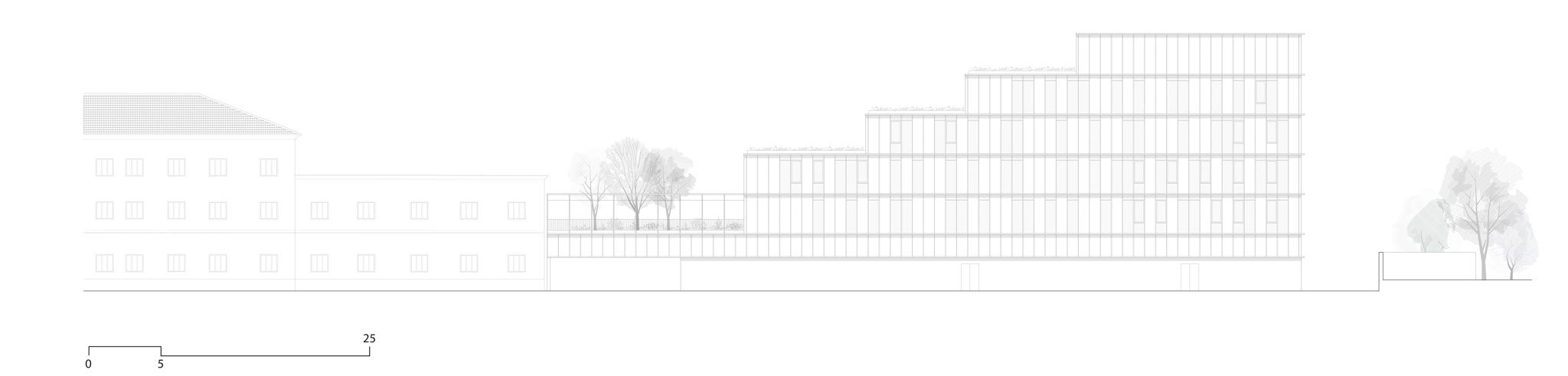
DEMOGO’s latest project is more than just a building; it’s a testament to the firm’s expertise in navigating complex urban landscapes and its commitment to creating spaces that foster connection and regeneration. As the architectural firm continues to push the boundaries of design, it reaffirms its position as a prominent player in Italy’s architectural scene, with an exciting portfolio of projects that promise to shape the future of the built environment for years to come.
Read More: The Odd Origins of Contemporary Minimalist Architecture
Photography by: Iwan Baan


Large-format porcelain is no longer limited to conventional floor and wall applications. Advances in scale, finish, and fabrication have expanded its role across architectureArchitectureThe art and science of designing and constructing buildings, structures, and spaces that are functional, safe, and aesthetically pleasing. It encompasses the planning, design, materials, and techniques used to createGo to Architecture […]
Mindanaoan architectureArchitectureThe art and science of designing and constructing buildings, structures, and spaces that are functional, safe, and aesthetically pleasing. It encompasses the planning, design, materials, and techniques used to createGo to Architecture Glossary student Ejhay L. Durias of the University of Mindanao made history after becoming the first Filipino to receive the AYDA International […]
From Brutalism to Contemporary Modernism The Ayala Museum designed by the firm of Leandro V. Locsin Partners (LVLP) sits at the corner of Makati Avenue and Dela Rosa Street in Legaspi Village, Makati. This is actually the second museum of the same name in the area. The original, which was designed by National artist for […]
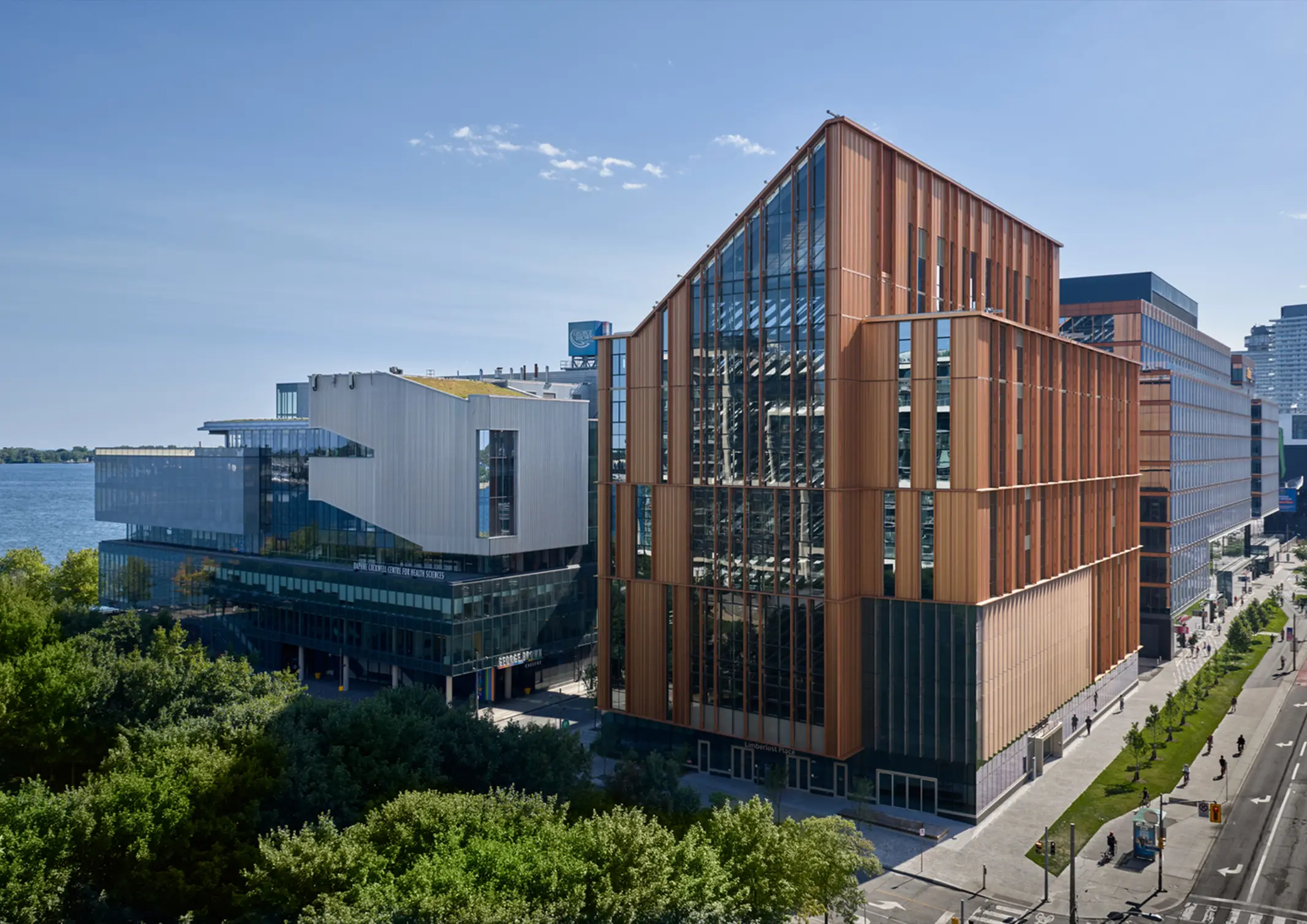
The projects recognized by Architizer’s 14th Annual A+Awards span architectureArchitectureThe art and science of designing and constructing buildings, structures, and spaces that are functional, safe, and aesthetically pleasing. It encompasses the planning, design, materials, and techniques used to createGo to Architecture Glossary, interiors, landscape, urban design, and sustainability. Organized by Architizer, one of the world’s […]
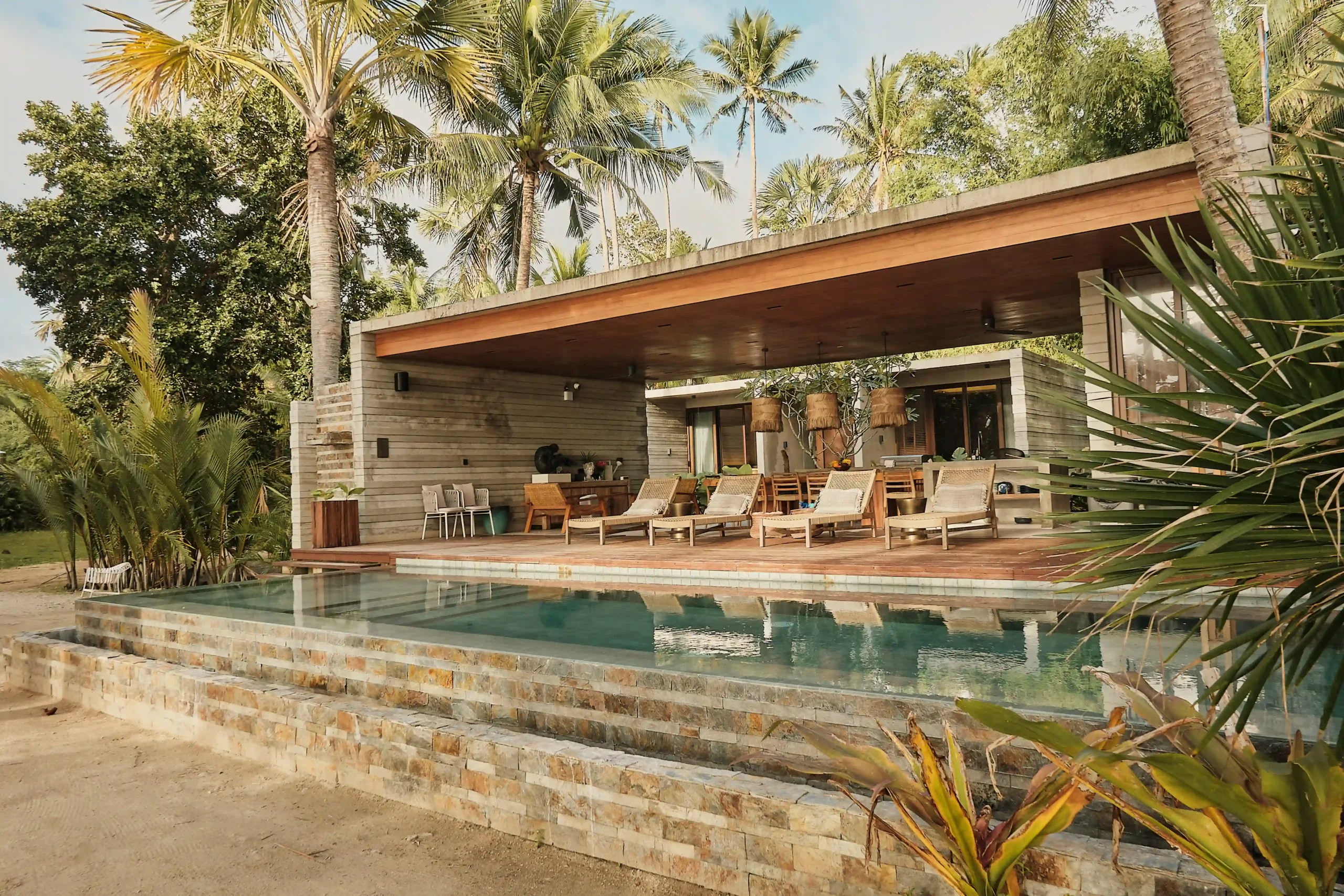
Overlooking Tayabas Bay, Agda Beach Villas occupies a one-hectare hilly property where the terrain descends toward the coast. Designed by VBo Architects + Engineers, the tropical retreat responds to the sloping terrain through villas and shared spaces oriented toward the surrounding landscape. Before construction began, Bocalid was drawn to the property’s steep terrain and secluded […]
Read the issues.

Collect the volumes.

Recommended Video
Tap to Unmute
Unmute
0:00
0:00