Mindanaoan architectureArchitectureThe art and science of designing and constructing buildings, structures, and spaces that are functional, safe, and aesthetically pleasing. It encompasses the planning, design, materials, and techniques used to createGo to Architecture Glossary student Ejhay L. Durias of the University of Mindanao made history after becoming the first Filipino to receive the AYDA International […]
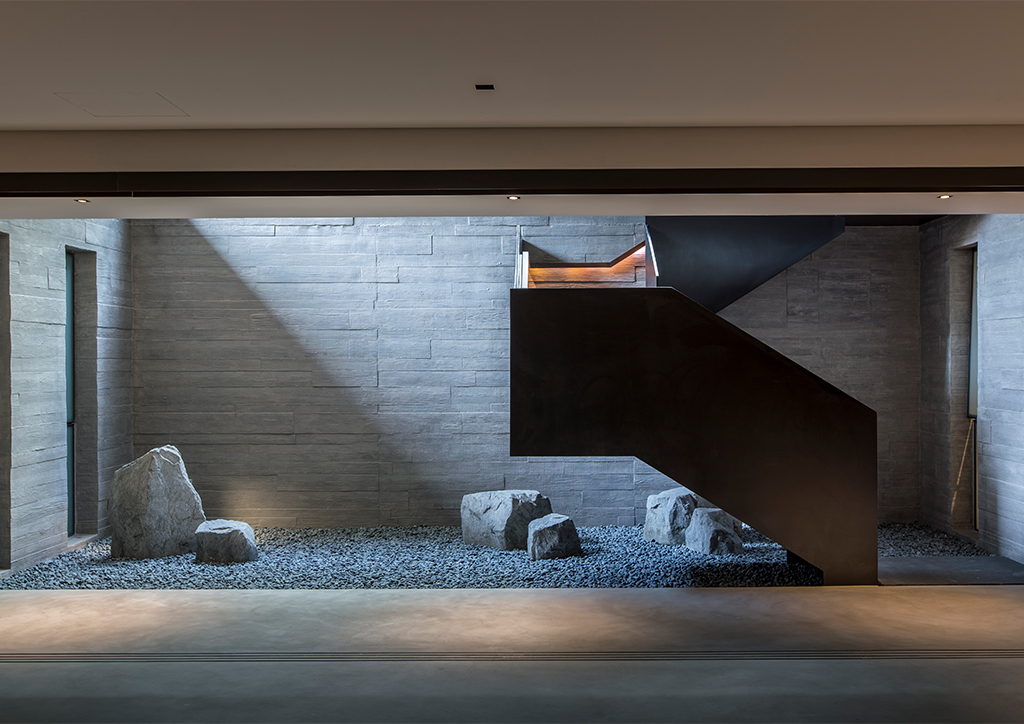
The Serene Simplicity of Zen Interior Design



Asian Zen is an interior design style characterized by oriental aesthetics mixed in with modern sensibilities. This results in a serene and calming home environment. It’s a style that reflects a certain approach towards spirituality and achieving a state that nurtures the soul.
A Philosophy of Mindfulness
The origins of this style can be traced back to ancient philosophies and traditions of Japan and China. The Japanese concept of “wabi-sabi” relates to finding beauty in imperfection and transience. It espouses the thinking that less is more. The concept also focuses more on the natural world and the idea of oneness.
On the other hand, Feng shui covers the energy of our environments and categorizes them using the elements. The practice is about tempering the flow of energy towards abundance and the wellbeing of its inhabitants. Its objectives are primarily realized based on the layout of spaces and the orientation of furniture.
As per its name, Zen itself is a concept of buddhism that values meditation, intuition and self restraint. It finds joy in an undisturbed state of being by inviting a conscious awareness of the mind. The practice does away with the intrusive nature of our thoughts and invites one to zazen or simply sit.
Achieving Tranquility Through Essentialism
These eastern modes of thought give a strong framework in dictating what the make up of Asian Zen interior design should be like. It embraces minimalism and simplicity by only focusing on what is truly needed. These spaces create a sense of calm and spaciousness that invite the mind and spirit to breathe and relax.
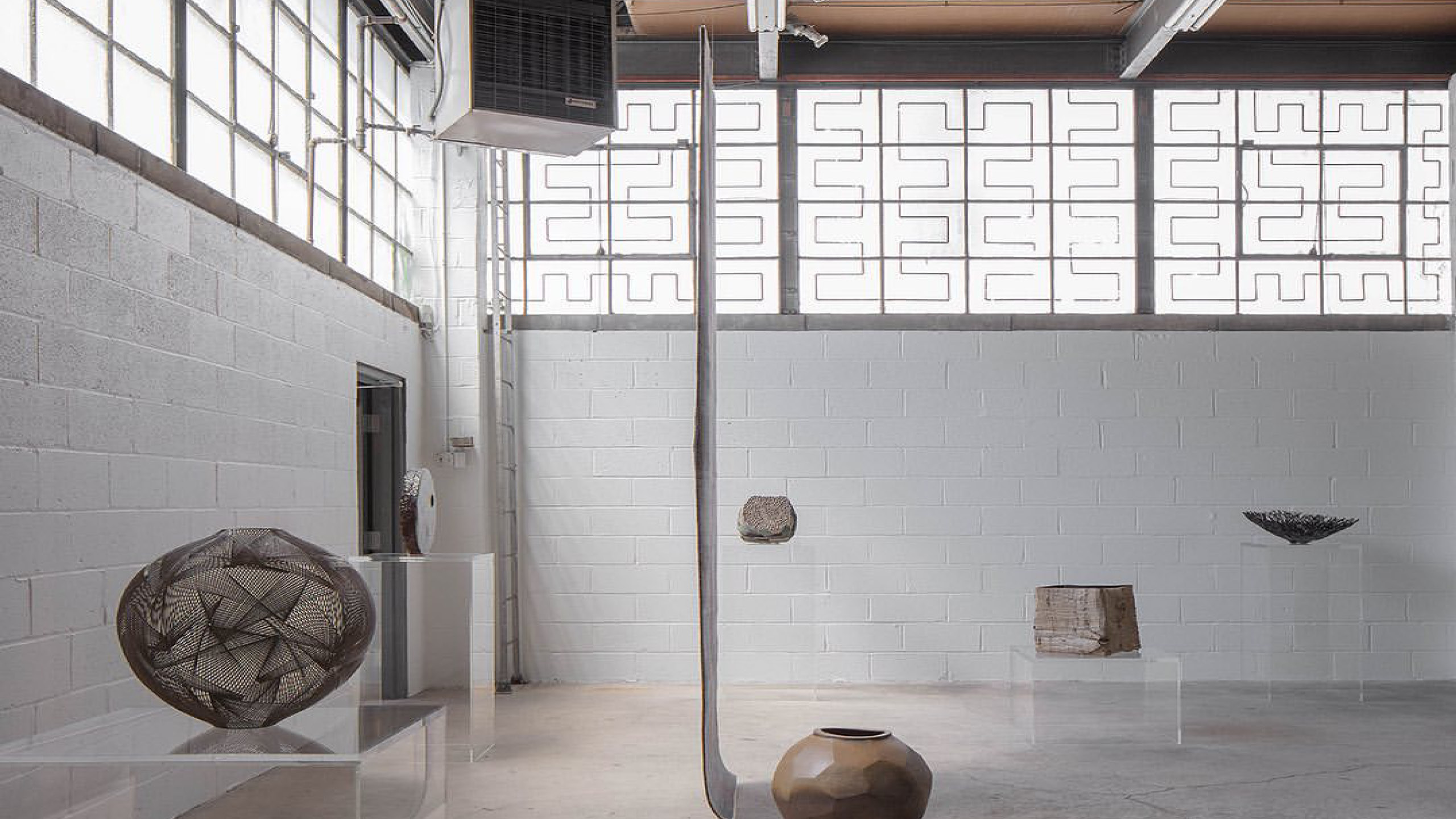
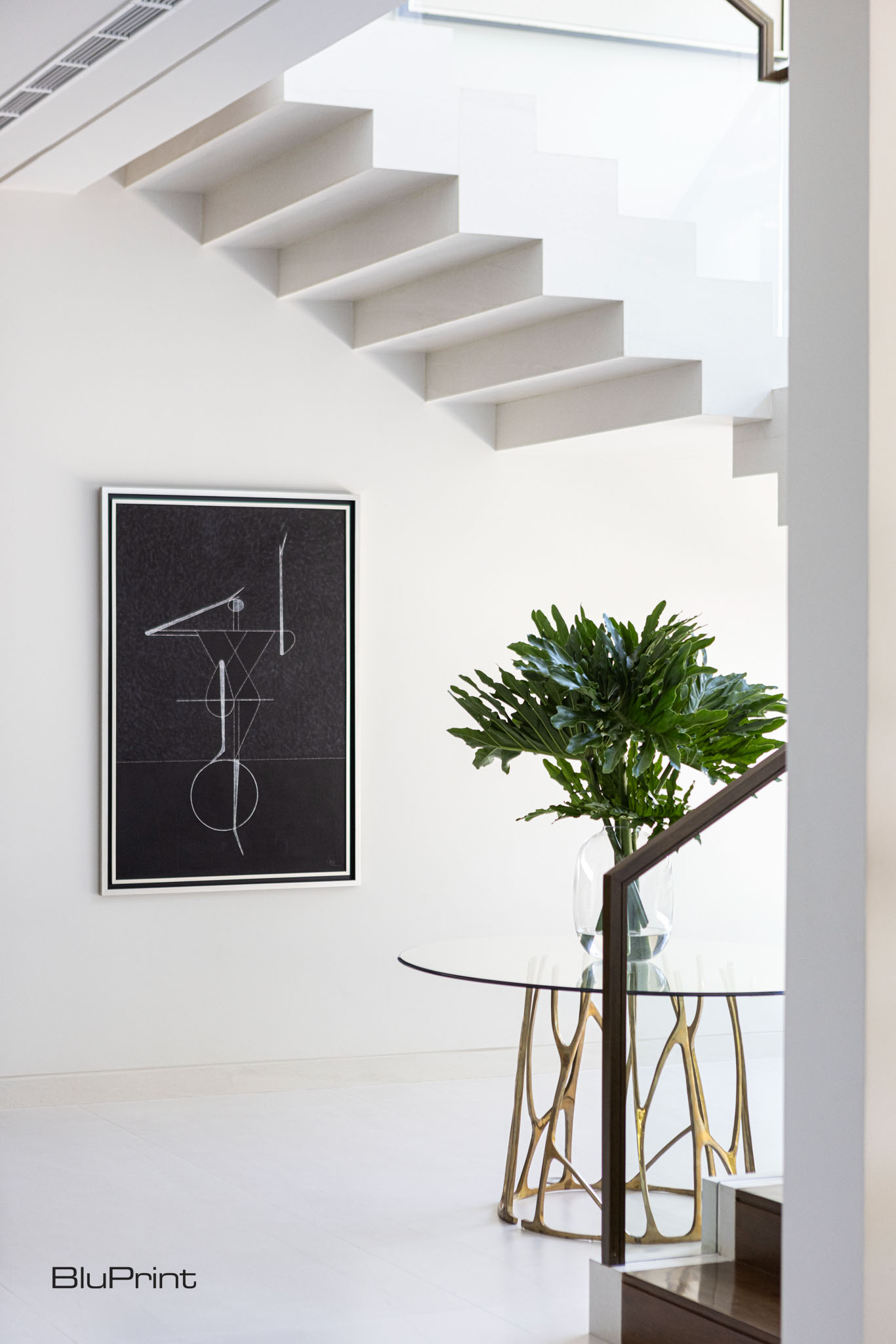
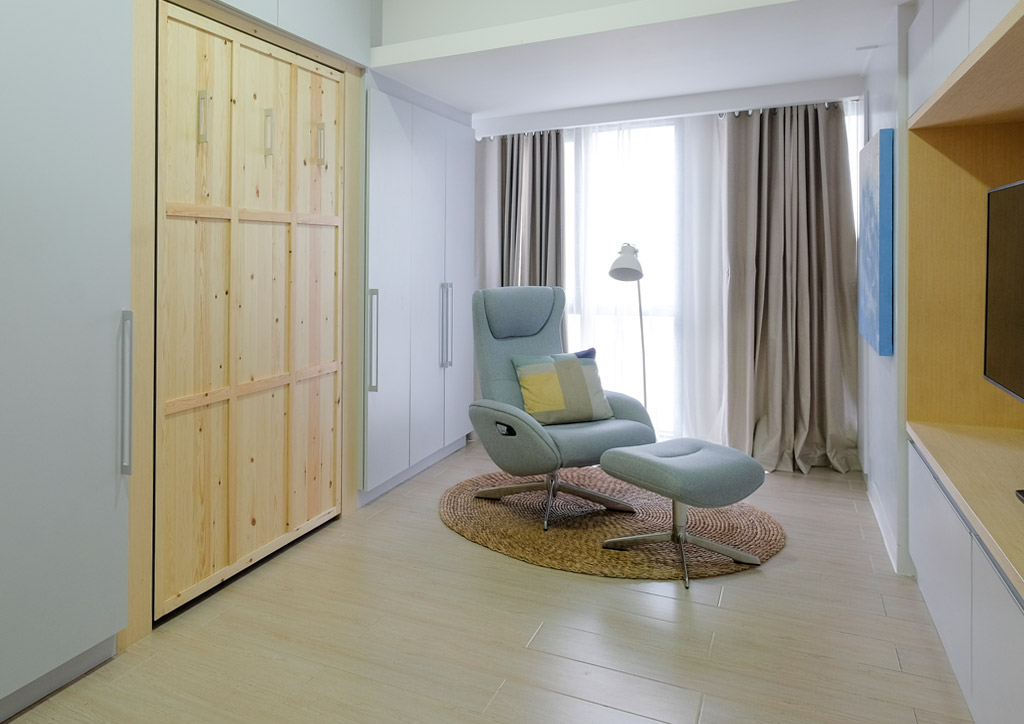
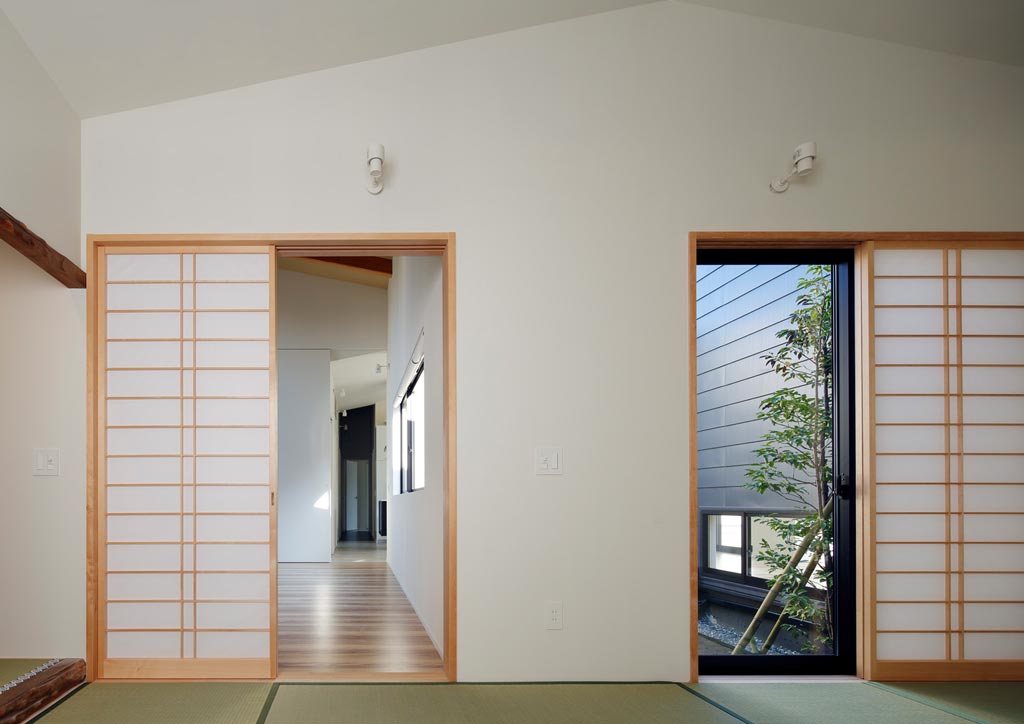
By only retaining what is essential, it creates a feeling of lightness in terms of its use and appearance. Physical spaces appear to be sparse and meaningful. Clean lines and a clear functional purpose directs a more intentional way of living. The lack of heavy walls and doors, opting for more open-spaces, eases movement and gently lulls in a perception of flow.
Furnishing is typically features a lower-profile. Platform beds, floor cushions, and tea tables are a few examples of furniture that retain visual flow as they promote spaciousness in scale. With that, decor often pares down to a few focal pieces to promote a more discerning taste in what should be present within.
Grounded in Nature
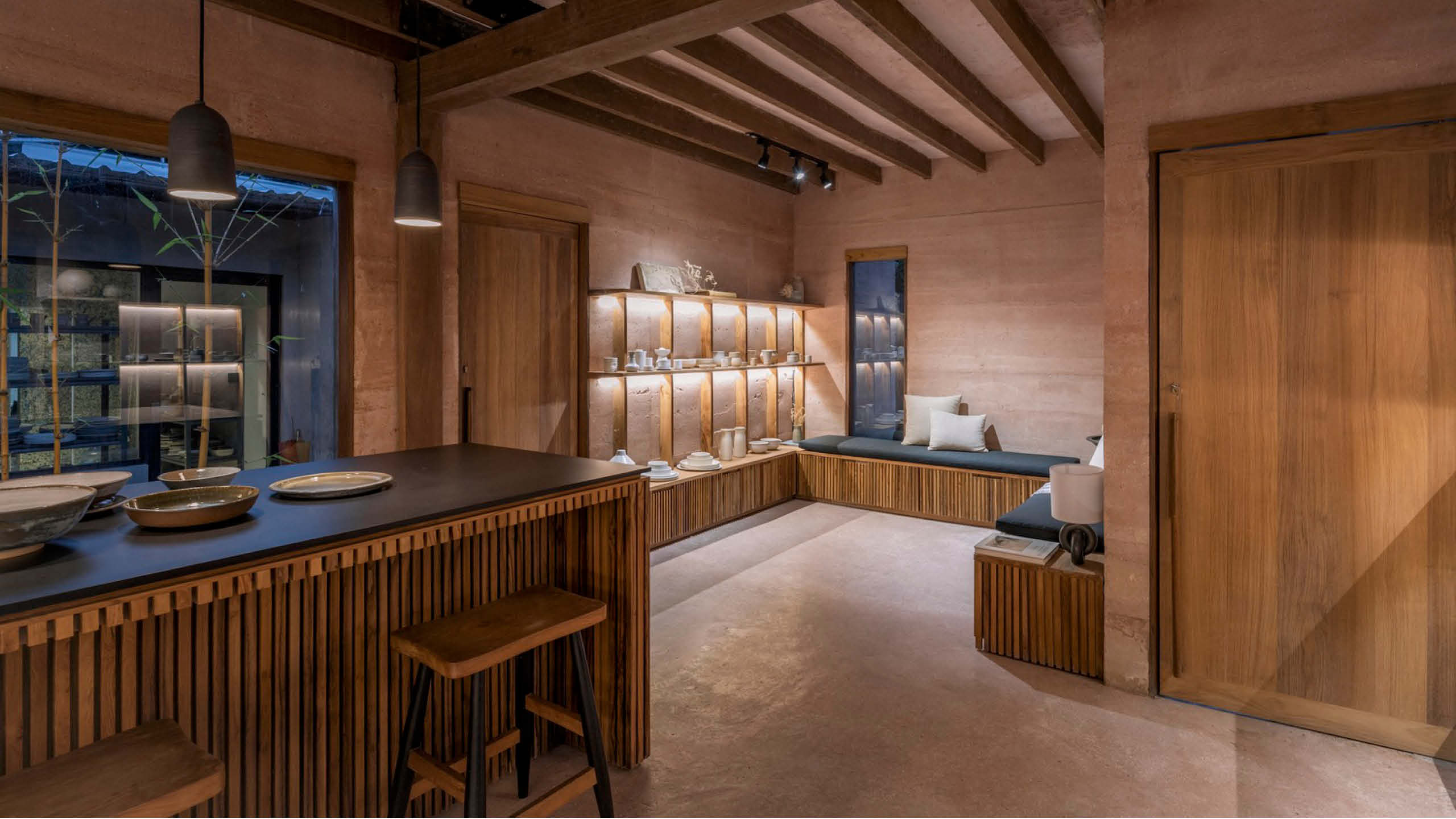
Asian Zen prioritizes the integration of nature and the outdoors into a living space. It harnesses the beneficial qualities of the natural world and appreciates its beauty. In this regard, interior gardens, courtyards, and water features are staple design choices.
Neutral hues evokes these states of mind. Colors of beige, white, gray, and natural wood tones dominate this style. Greens, browns, and blues are accent colors that add depth and visual interest while keeping in theme with natural palettes.
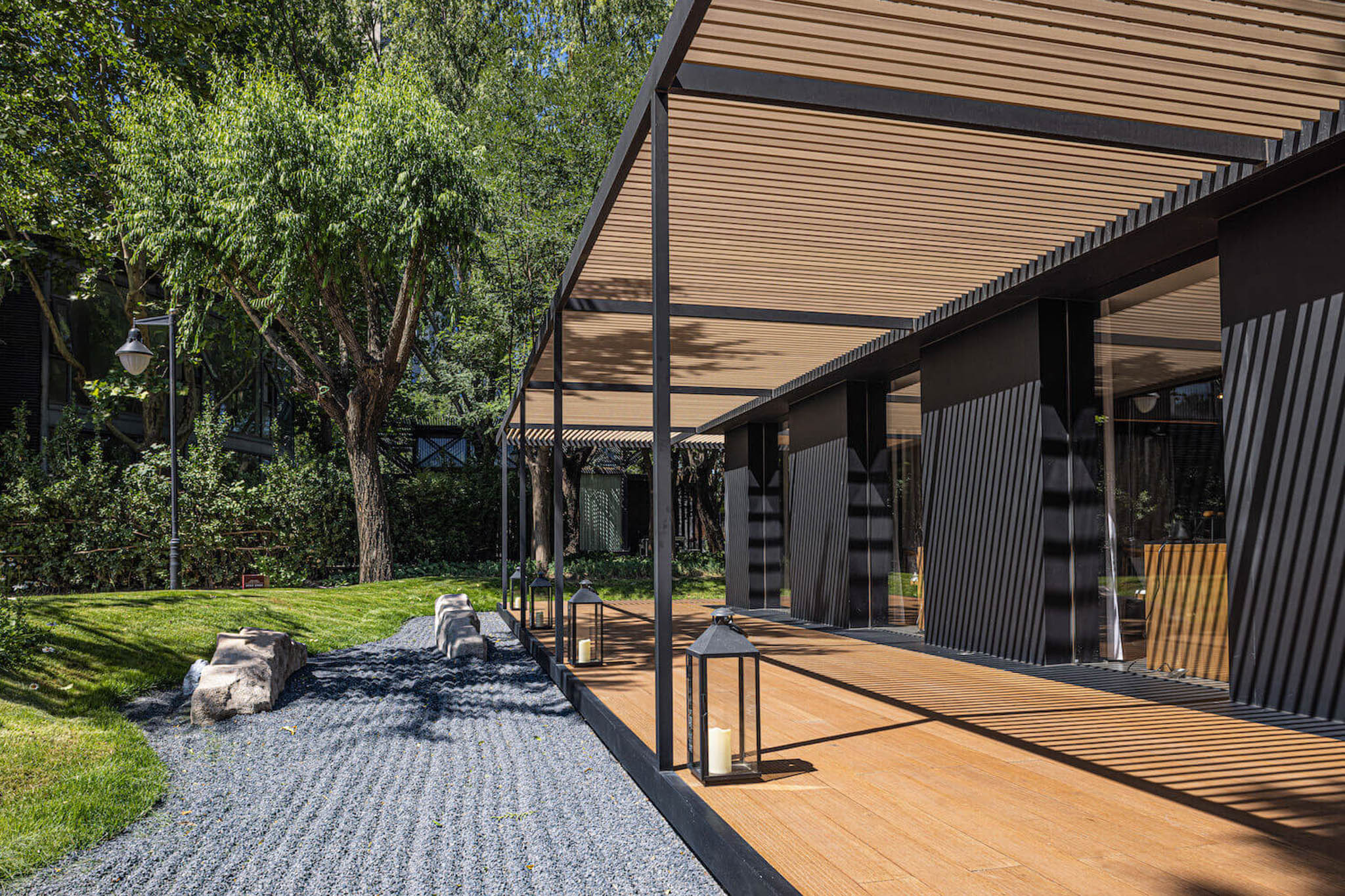
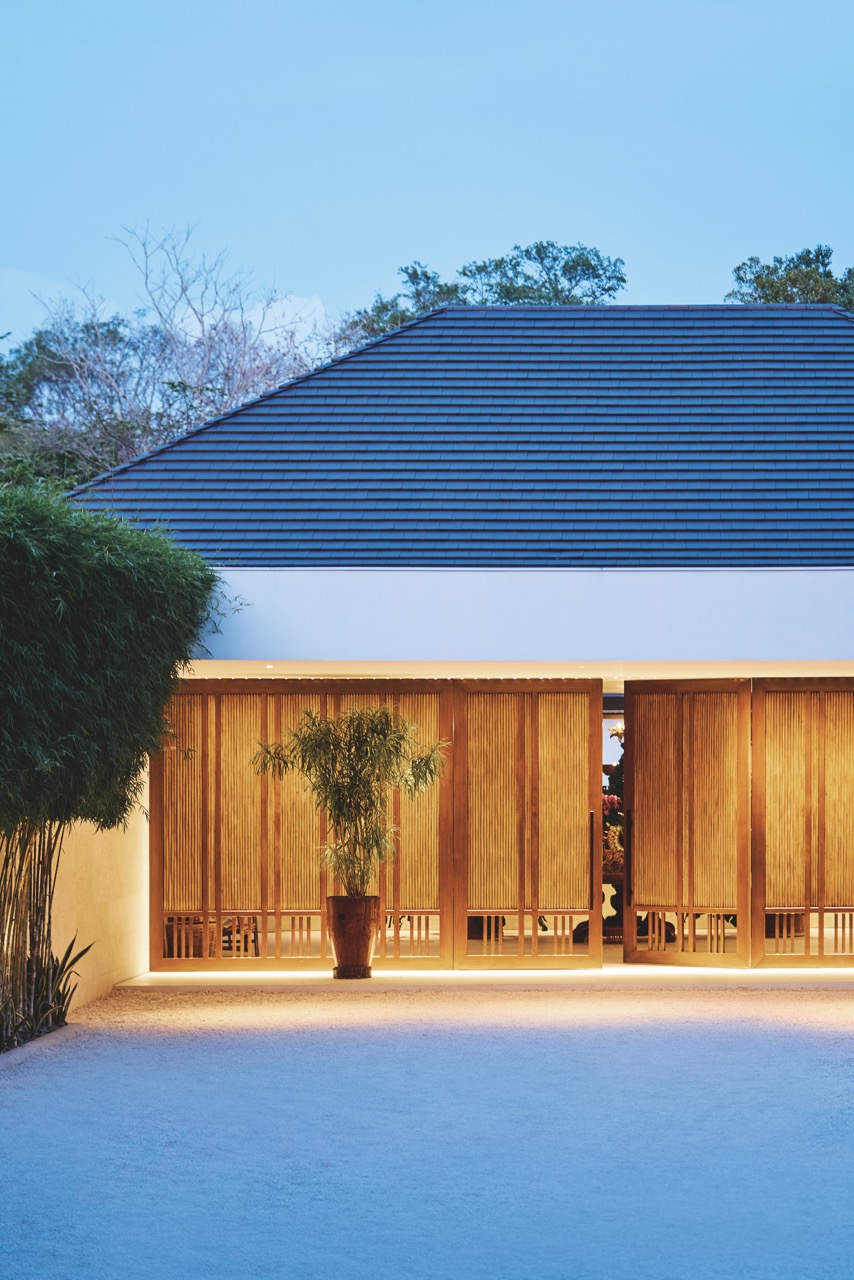
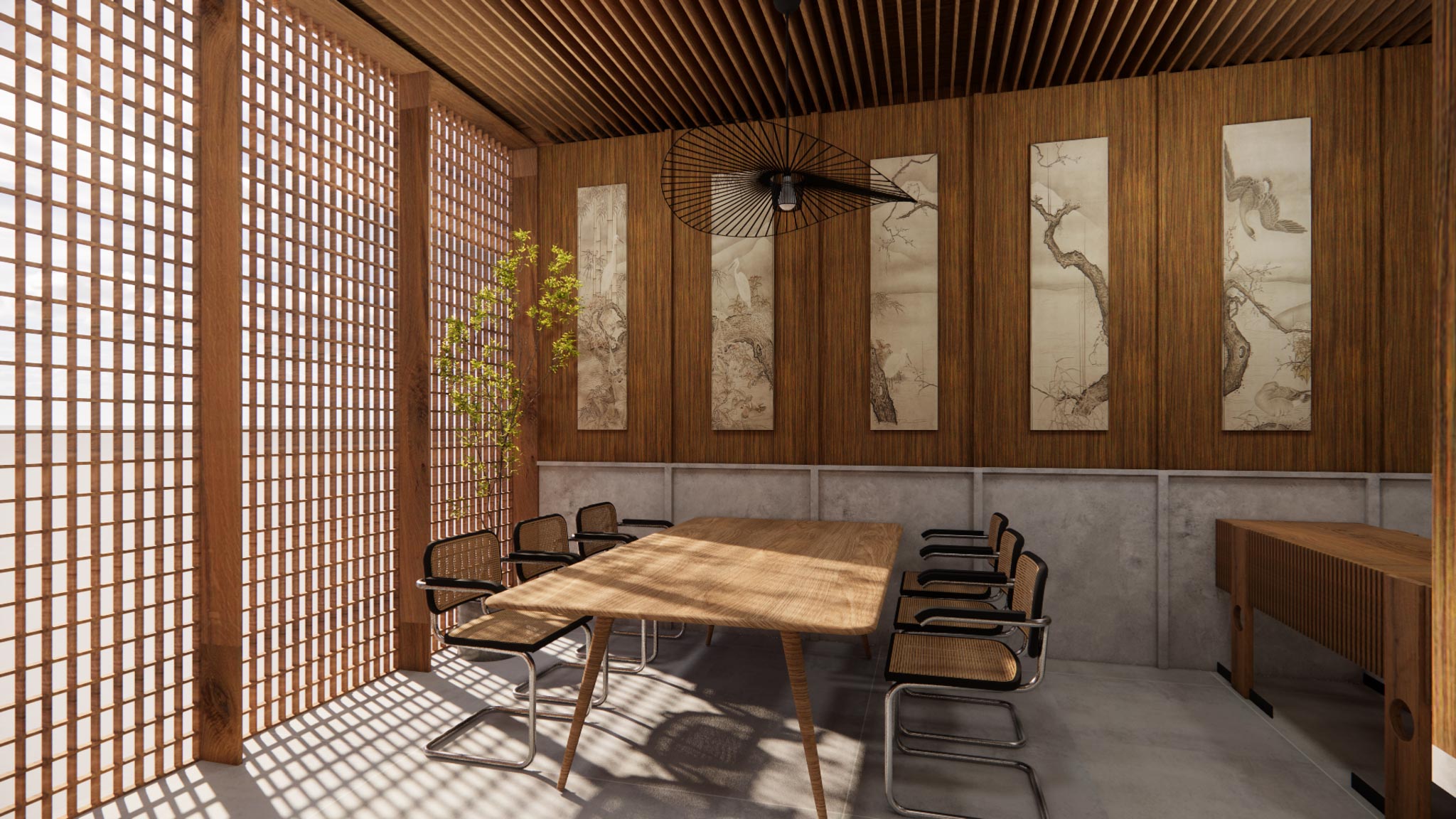
The style celebrates the use of natural materials and textures. Wood ,stone, bamboo, paper, and textiles are prominent features that translate to an even deeper connection to the earth. The warm and authenticity that they bring in creates visual interest with their colors and grains. The less-is-more philosophy brings these subtle details closer to users.
A More Intentional Way of Living
The true beauty of Asian Zen is its underlying philosophies that resonate with the mind, body, and spirit. There’s a focus on simplicity and quality that form a clutter-free setting that lets one to live at a more present state. It’s a design style with a profound depth to the user experience that it provides.

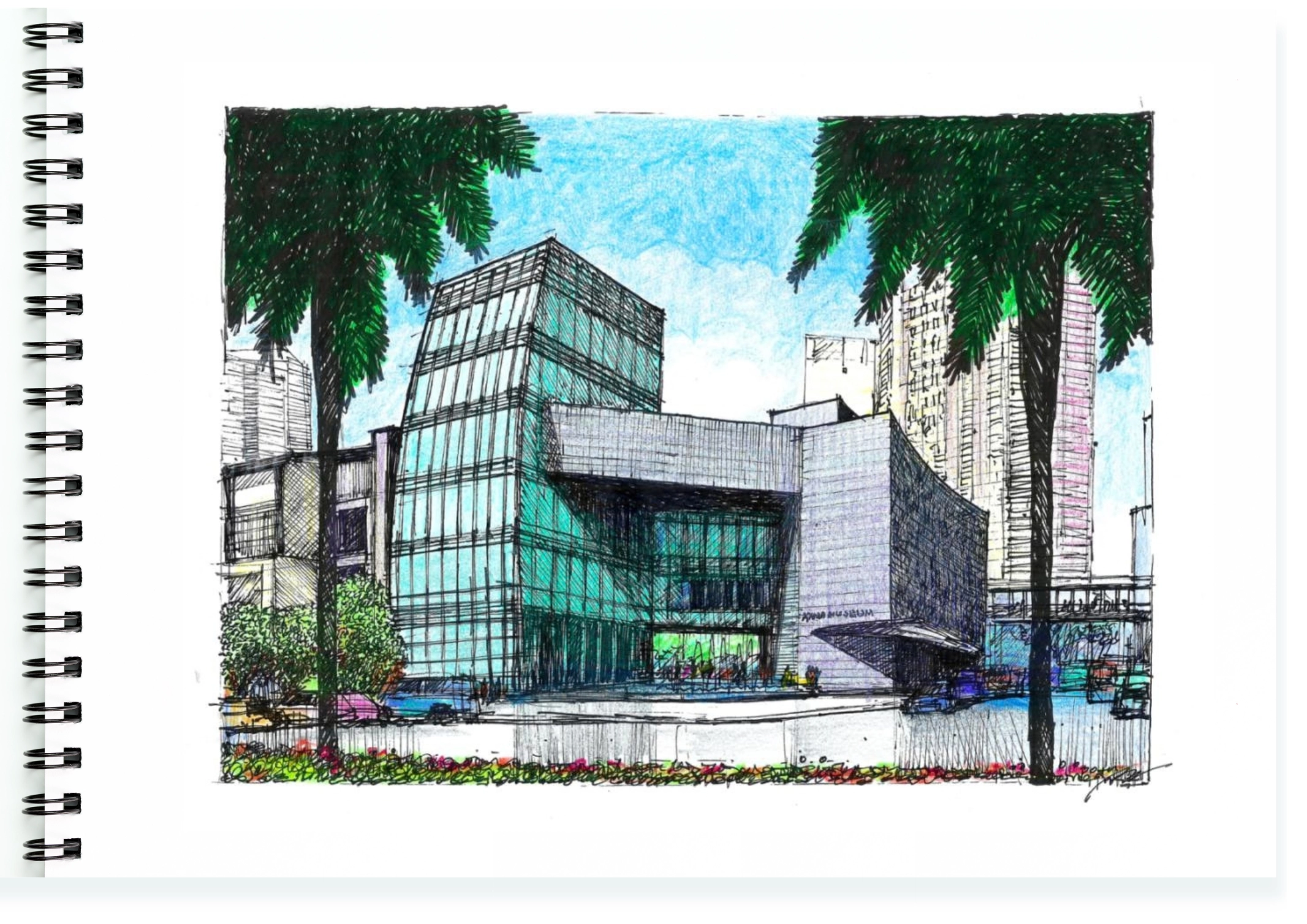
The Ayala Museum designed by the firm of Leandro V. Locsin Partners (LVLP) sits at the corner of Makati Avenue and Dela Rosa Street in Legaspi Village, Makati. This is actually the second museum of the same name in the area. The original, which was designed by National artist for ArchitectureArchitectureThe art and science of […]
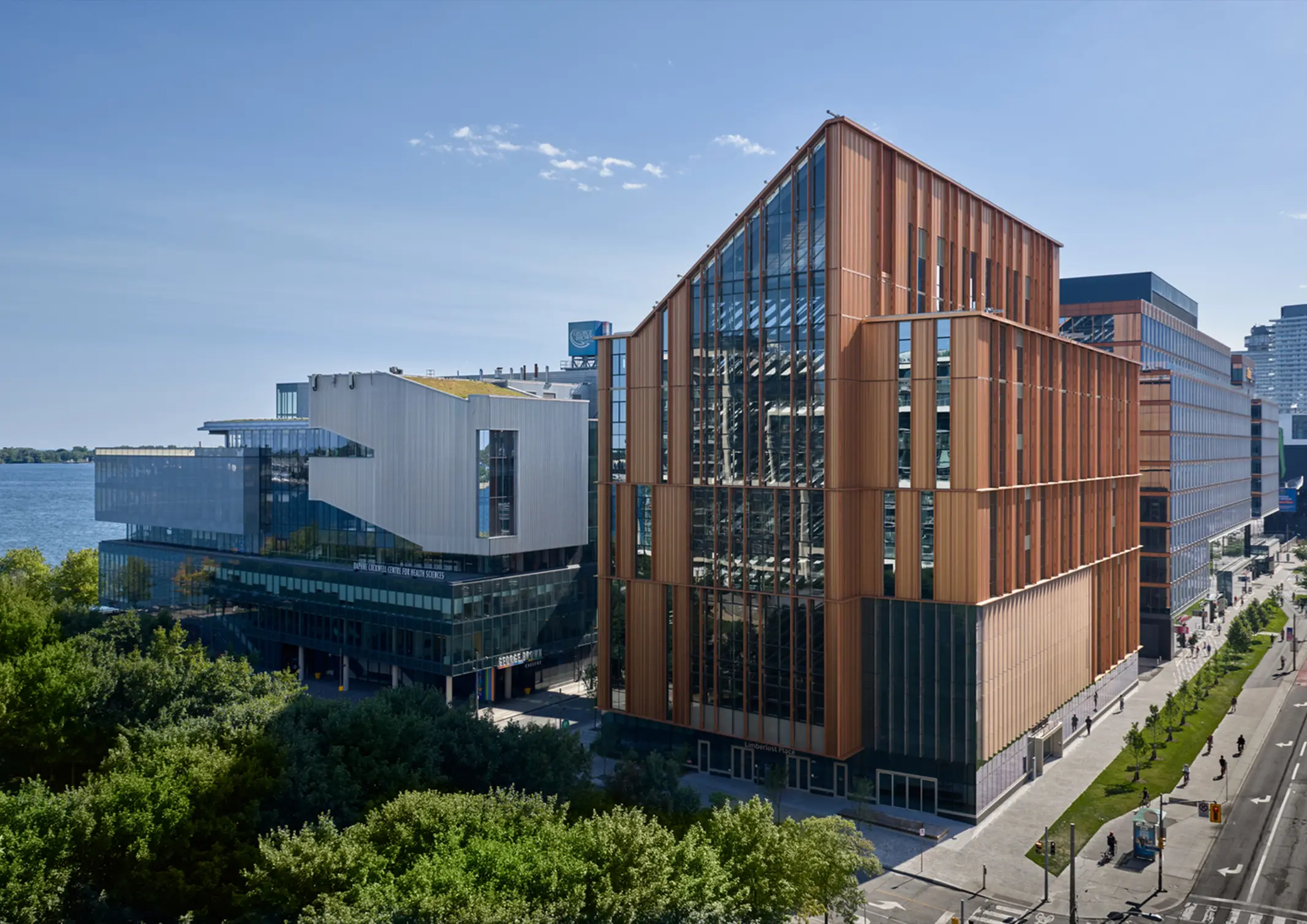
The projects recognized by Architizer’s 14th Annual A+Awards span architectureArchitectureThe art and science of designing and constructing buildings, structures, and spaces that are functional, safe, and aesthetically pleasing. It encompasses the planning, design, materials, and techniques used to createGo to Architecture Glossary, interiors, landscape, urban design, and sustainability. Organized by Architizer, one of the world’s […]
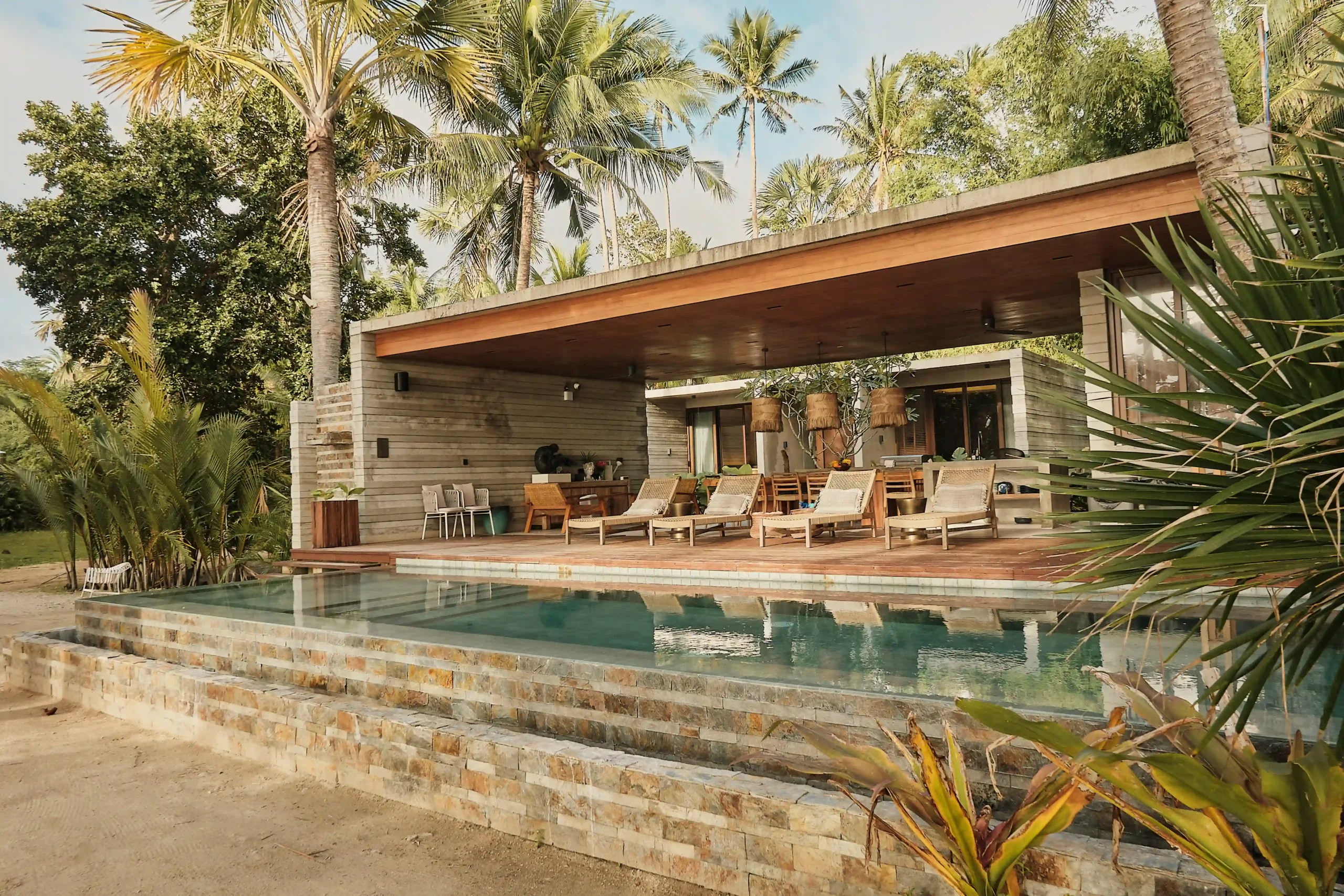
Overlooking Tayabas Bay, Agda Beach Villas occupies a one-hectare hilly property where the terrain descends toward the coast. Designed by VBo Architects + Engineers, the tropical retreat responds to the sloping terrain through villas and shared spaces oriented toward the surrounding landscape. Before construction began, Bocalid was drawn to the property’s steep terrain and secluded […]
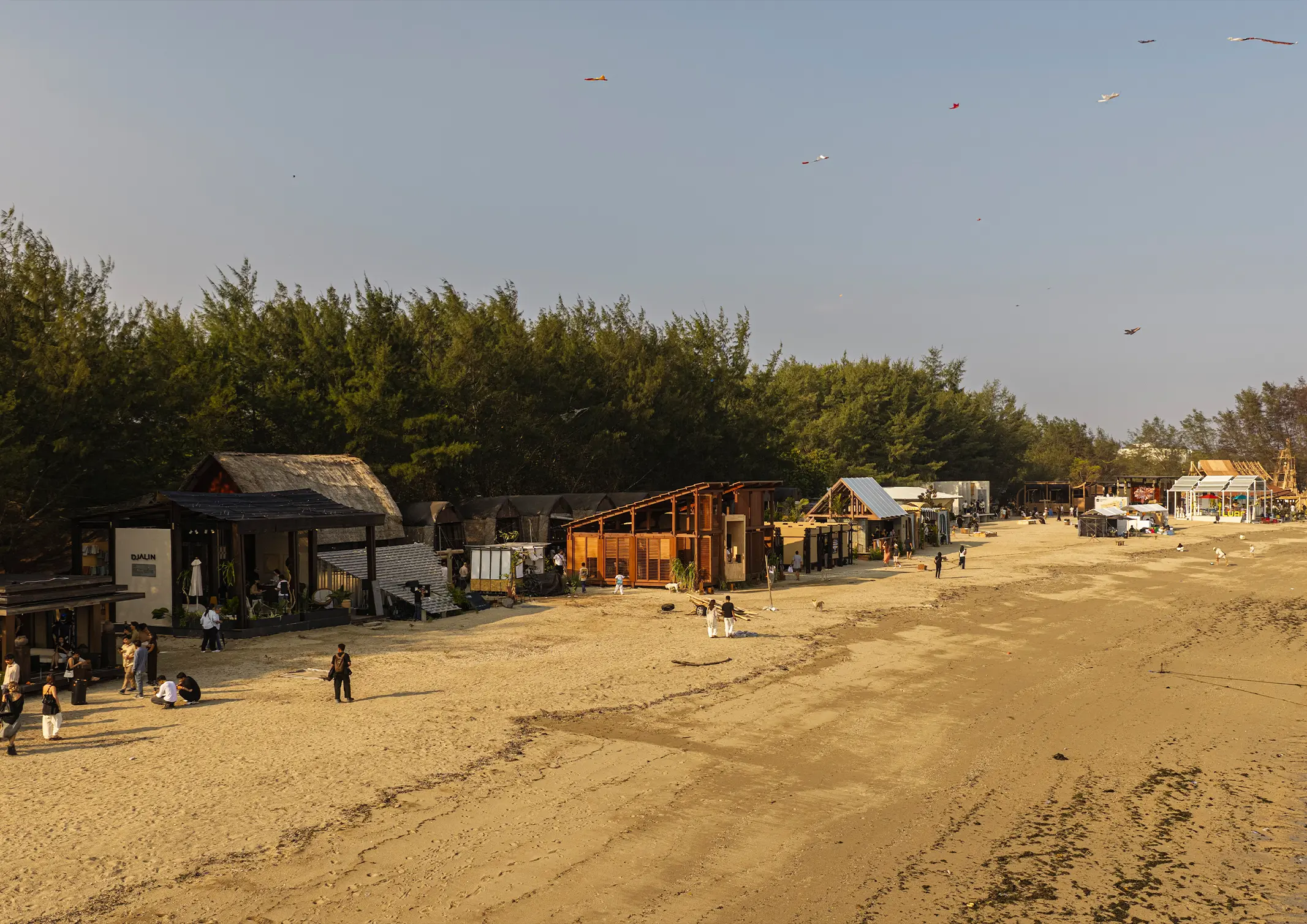
After being set amongst the ruins of an abandoned theme park in the past years, Jia CURATED found a home on the shores of Pengembak Beach, Bali for this year’s installment. It’s a unique location with multiple natural features like Sanur’s coastline, pine and mangrove forests, and a stream—making nature an important participant for how […]
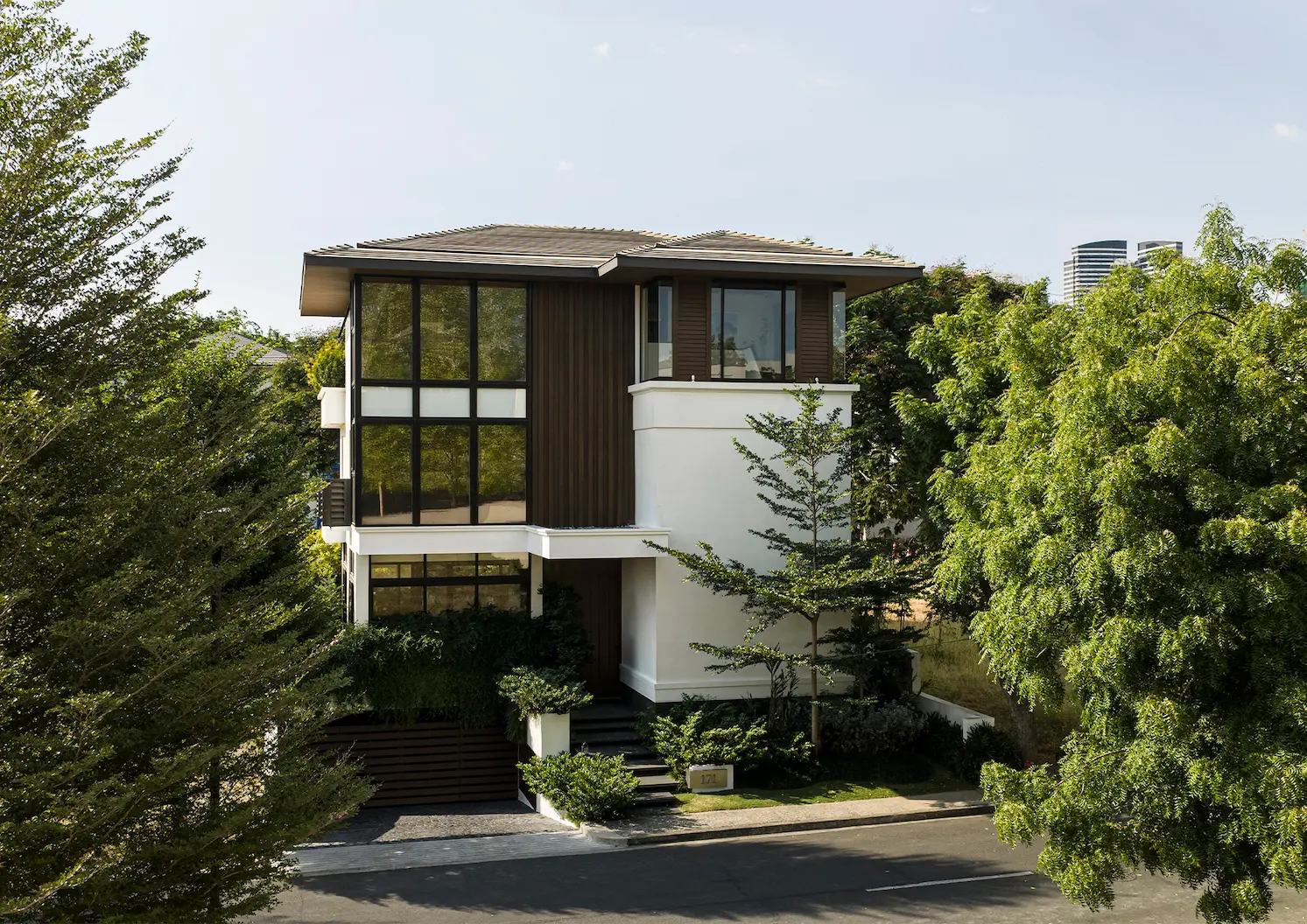
Just moments away from the bustling area of Bonifacio Global City is 171, a multi-level villa set on a 302-square-meter lot. M.CAL Architecture Design Studio, headed by Ar. Monique C. Albert-Lopez, built the residence as a minimalist modern sanctuary surrounded by landscaped gardens. This creative direction was drawn from the homeowners’ brief to create a […]
Read the issues.

Collect the volumes.

Recommended Video
Tap to Unmute
Unmute
0:00
0:00