Organized biennially by the Design Center of the Philippines, the Good Design Award Philippines (GDA) champions a distinctly Filipino approach to design rooted in malasakit (caring). It posits that good design goes beyond balancing form, function, and innovation—it creates meaningful solutions that respond to society’s most pressing challenges. The awards also advances the United Nations […]
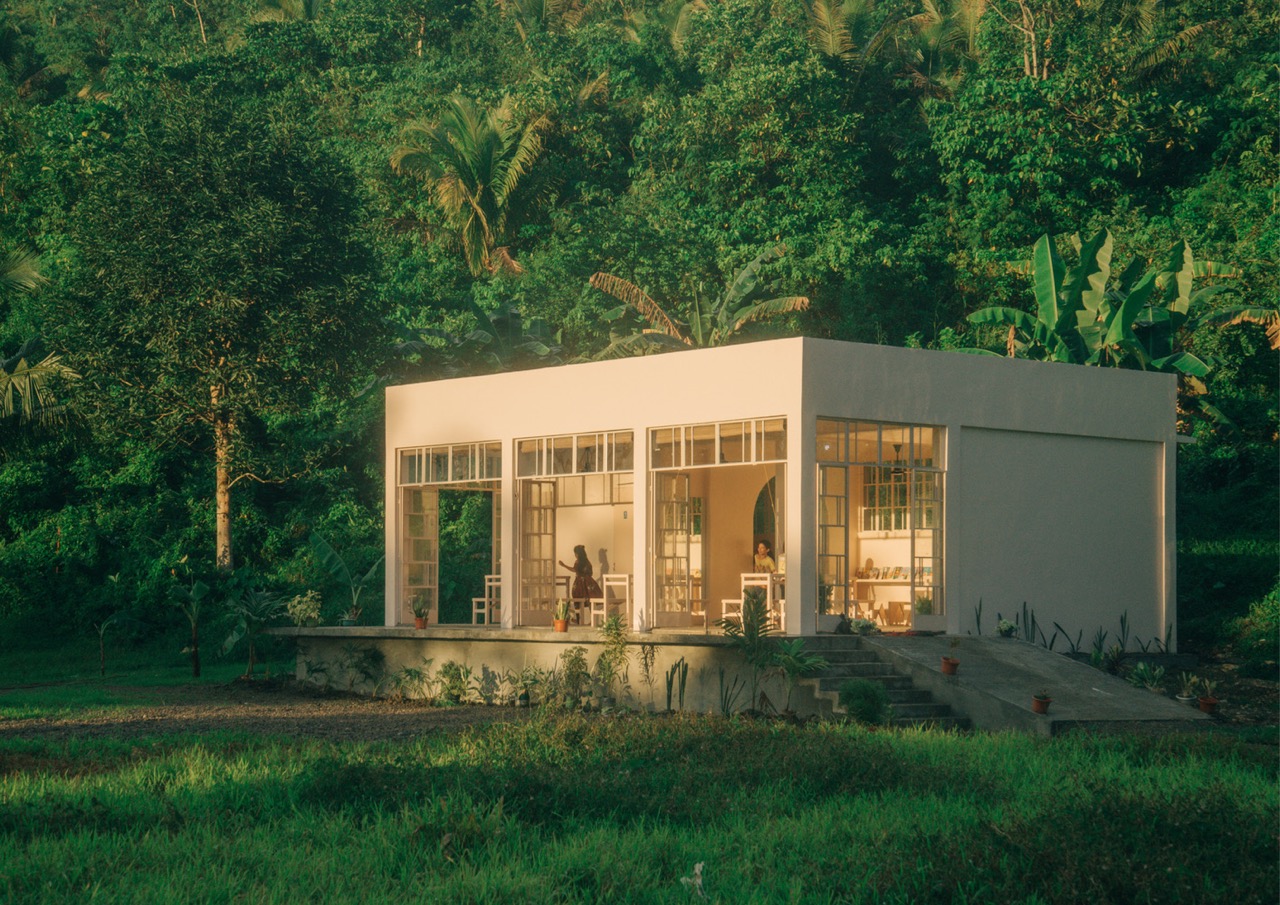
The Children’s Learning Center Designed for Leyte’s Youth



The Children’s Learning Center in Mas-in Village is a multi-use structure designed to cater to the needs of a small village in Leyte. Scandinavian design studio Native Narrative uplifts the local community with a venue that enriches the mind and protects lives. Their design serves as an educational hub while doubling as an emergency shelter through its well-thought out planning and construction.
Designing for the Youth of Leyte
The origins of the structure began with a collaborative spirit. Numerous stakeholders shared their needs and aspirations with the designers, prioritizing development and protection. Working hand in hand, they determined the best direction to build for the future generations of the area. The project aims to be a safe haven where children aged 4-17 could learn, grow, and thrive. A major concern they wanted to address is the need for sanctuary amidst the frequency of natural disasters that plague the region.
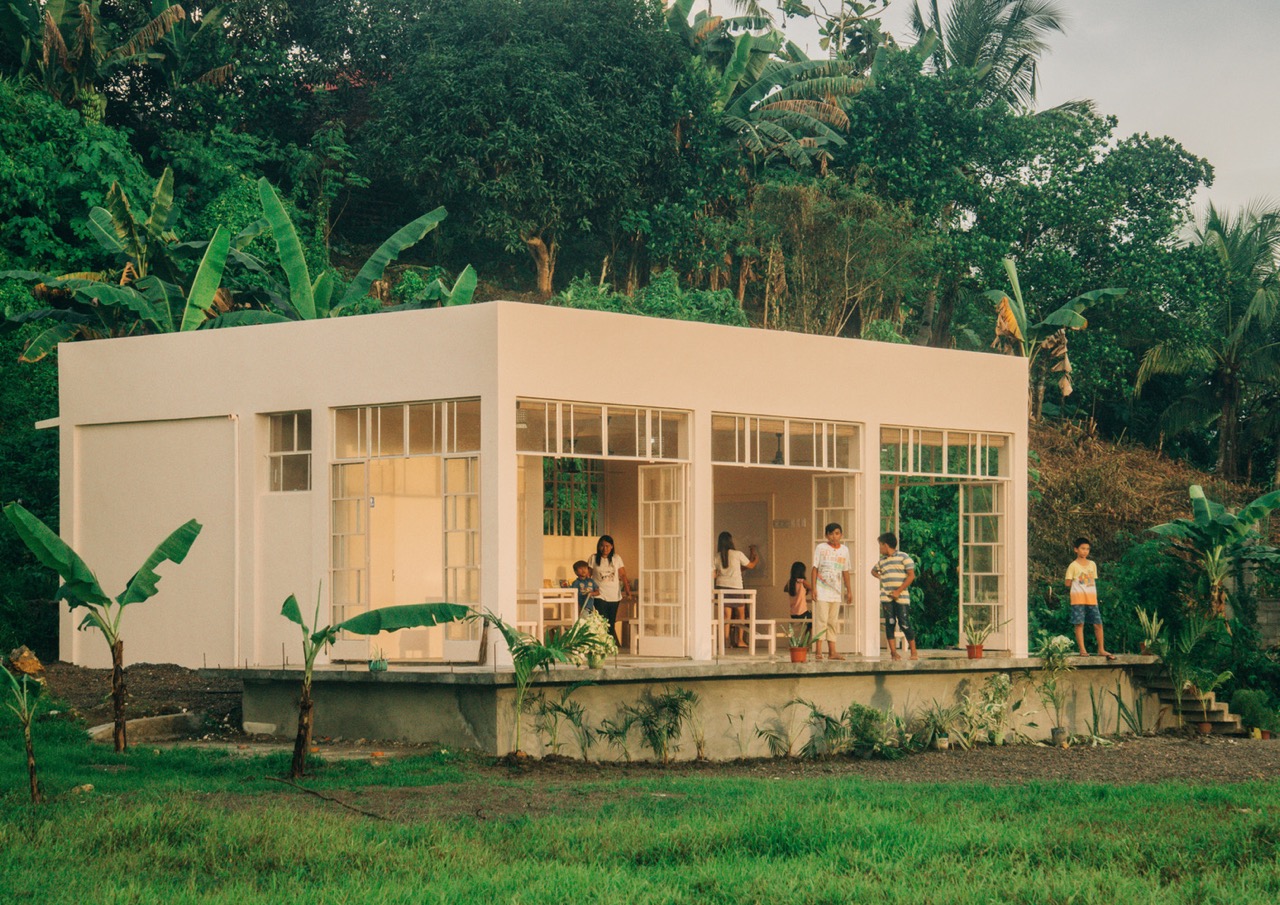
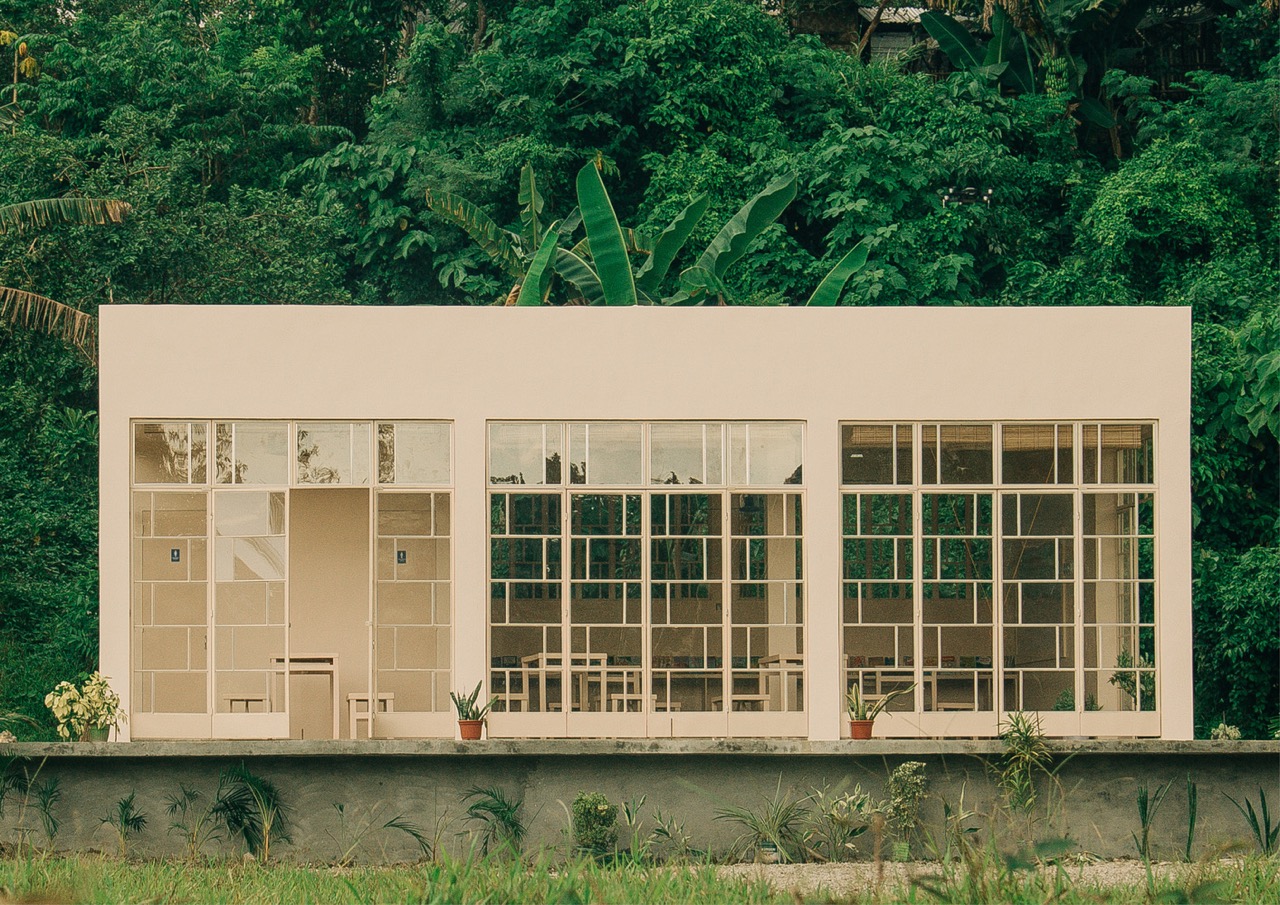
The design patterns itself from the vernacular architecture of the Philippines. The Scandinavian design firm reinterprets traditional elements through a contemporary lens. Furthermore, designing for children requires a more accessible and “kinder” type of spatial designing. Safety, ease of use, and sensory needs have to be met to make it conducive for learning.
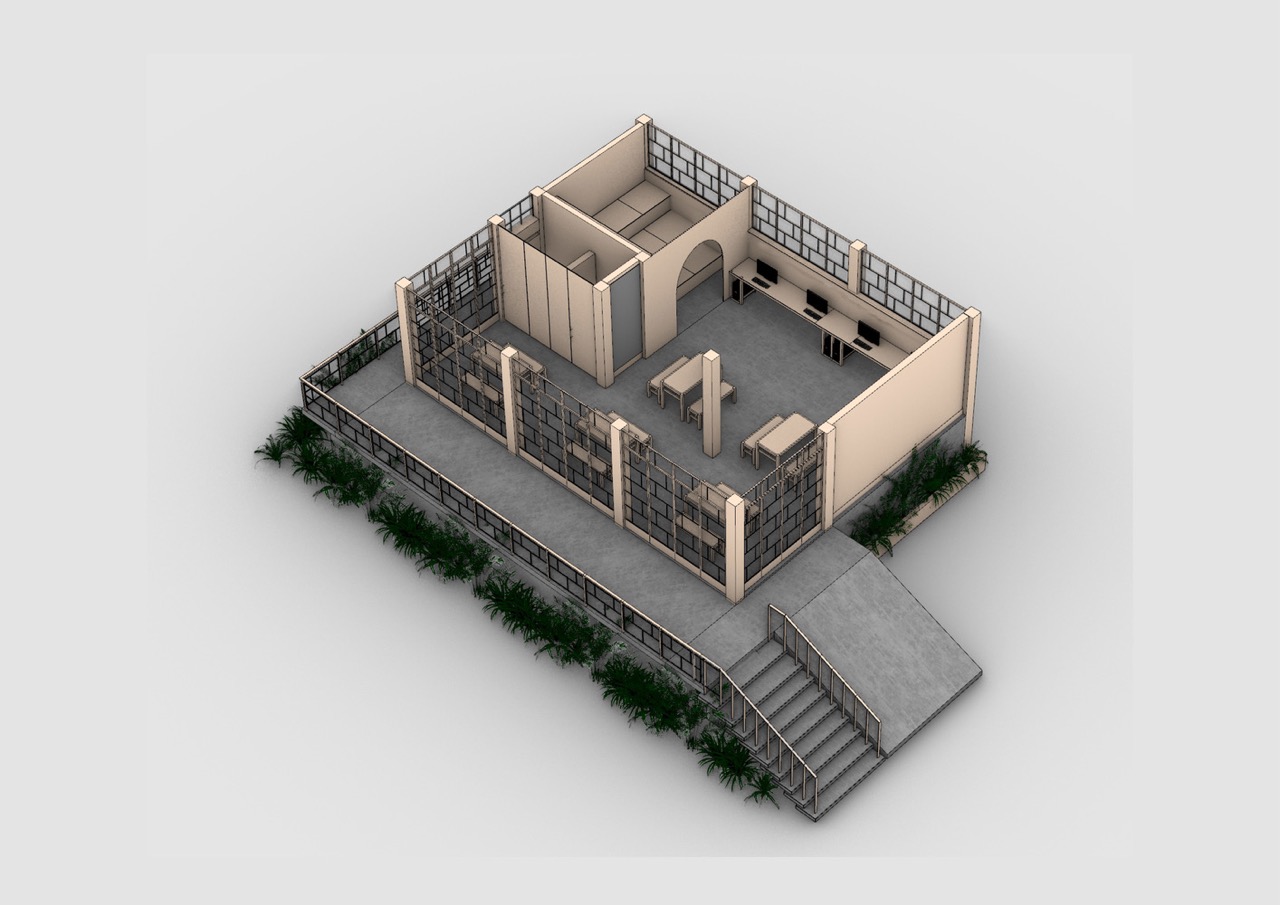
The design’s clean lines, symmetrical layout, and minimalist build pay homage to the simplicity and functionality of our native structures. The elevated massing, for flood protection, and flat roof creates a sense of visual lightness. The center is able to blend in better with its tropical surroundings. Its modern twist is derived from its forward-looking spirit as new motifs are introduced.
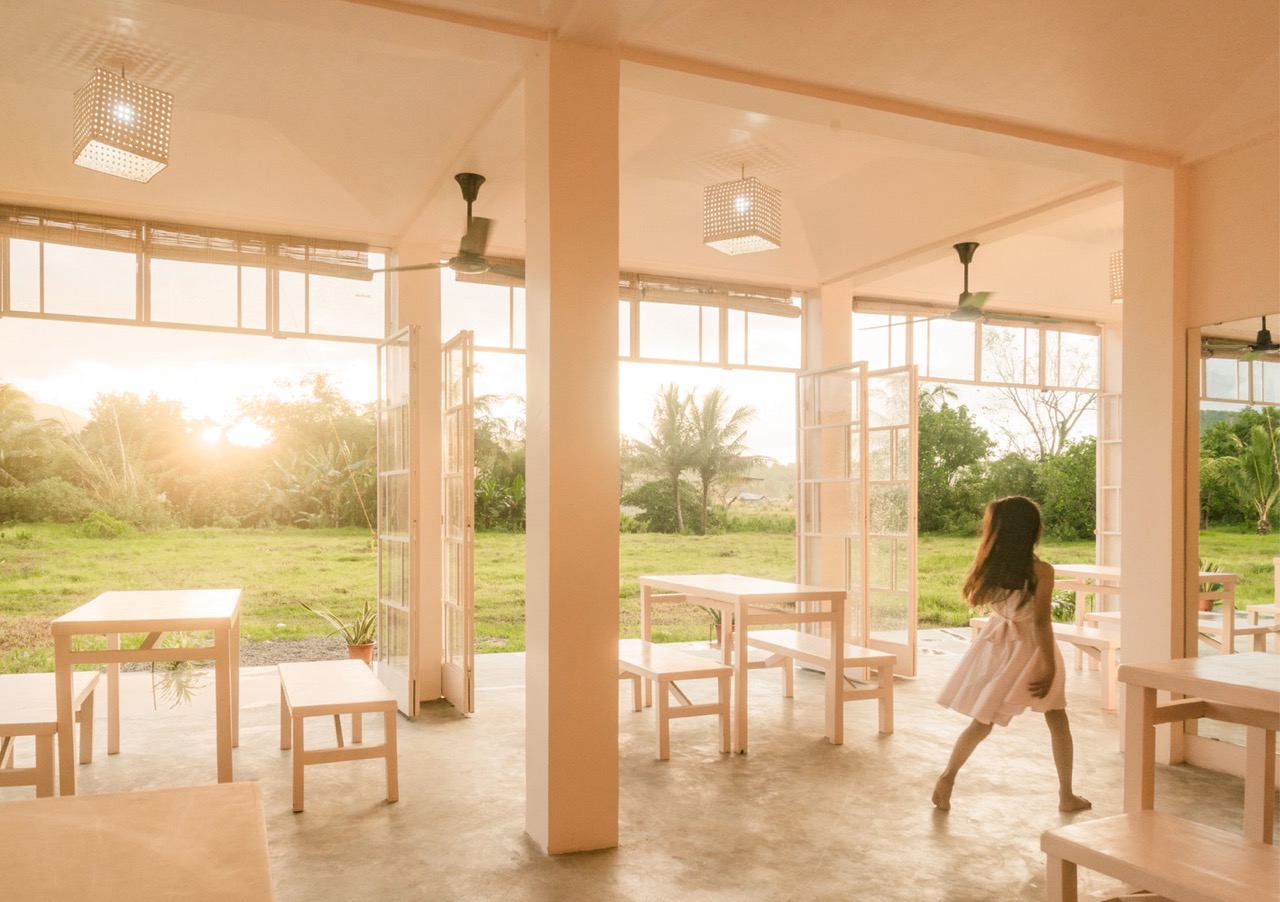
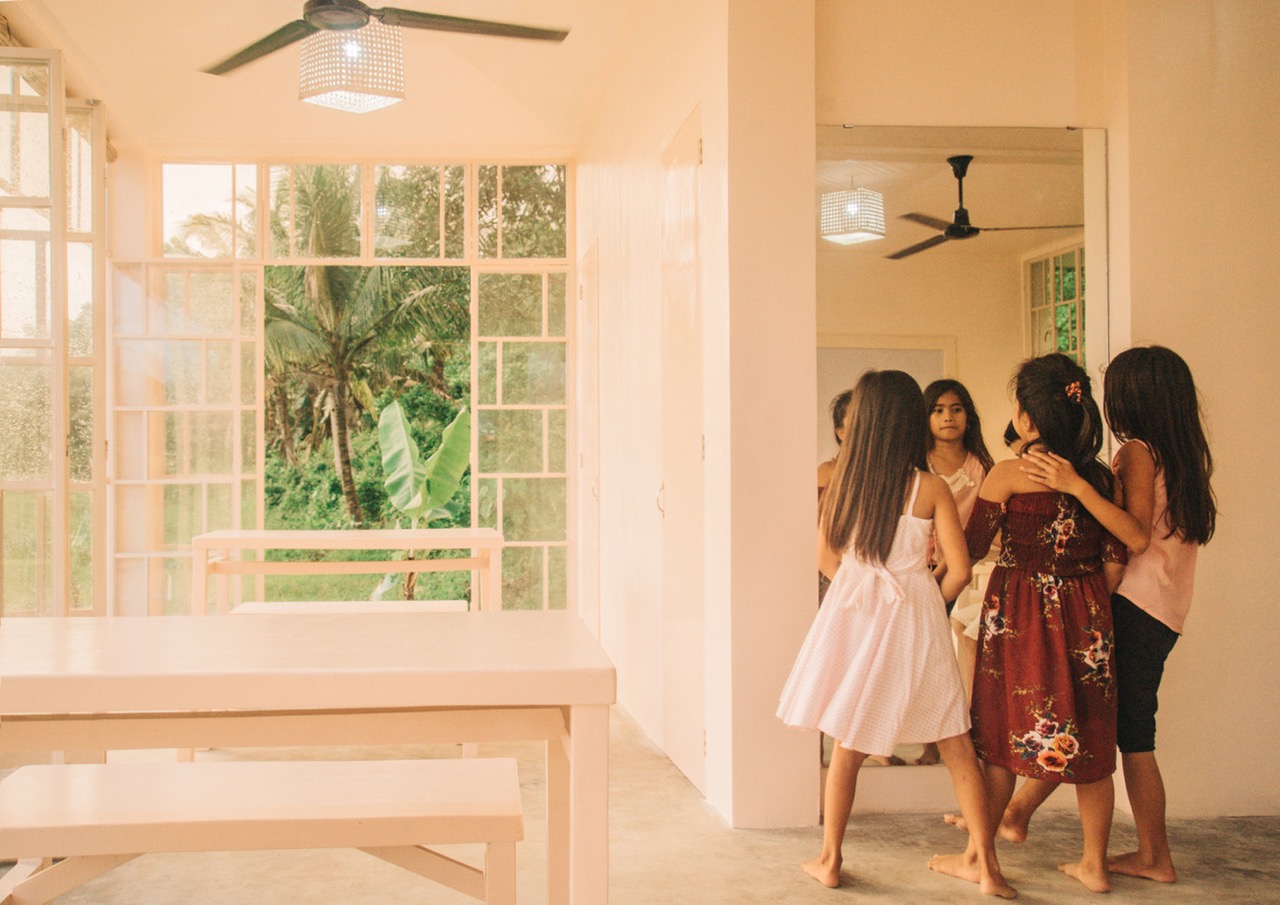
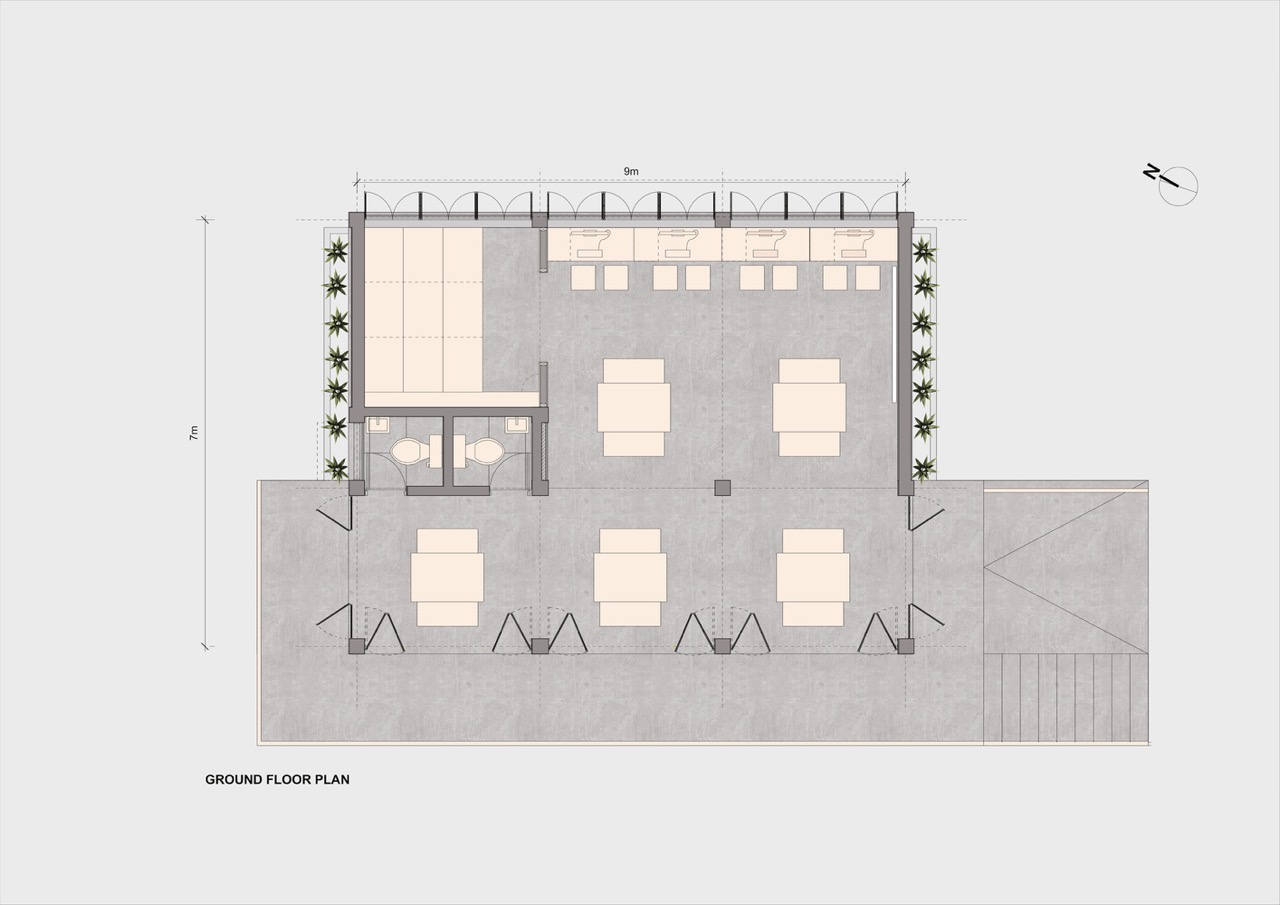
Large glazings make up the fenestrations as they allow ample natural light and ventilation to enter into the site. They’re structured in a repetitive grid-like arrangement that gives rhythm and order. The extended overhang forms a “lanai” and establishes a strong indoor-outdoor connection while buffering the hot humid climate. The choice of the location immerses children to grow up around the lush landscapes of Leyte as they can freely play in and engage with the natural world.
Resilience and Growth
Disaster-resilience is a major guiding principle in the design. The Children’s Learning Center draws upon ingenious forms of engineering to meet the conditions such as typhoons, earthquakes, and floods. A robust system of reinforced concrete columns, hollow block walls, and a lightweight metal roof meets these disasters heads on. The symmetrical layout and raised foundation further strengthens these structural elements. In totality, the center is well-poised to withstand any natural phenomena that comes its way.
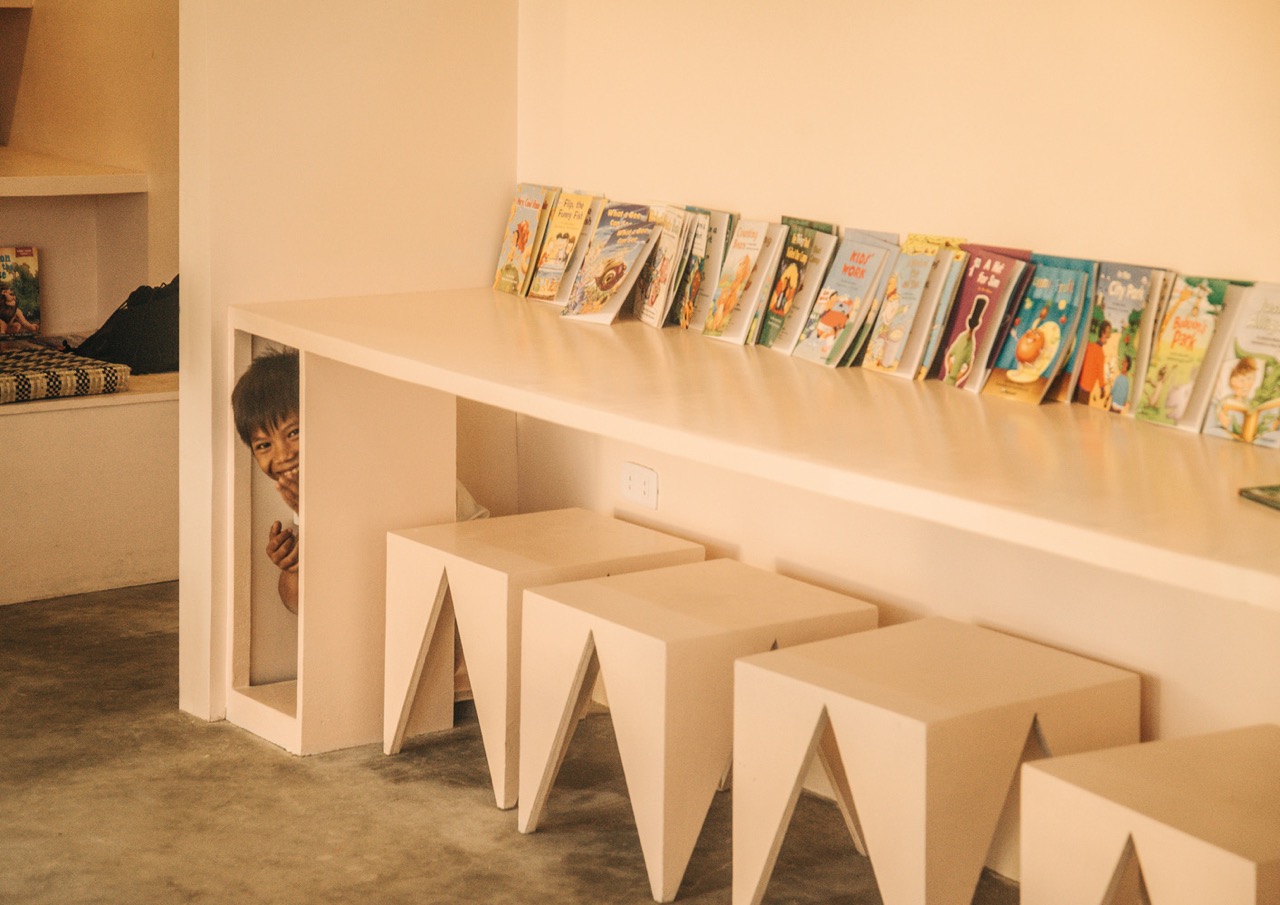
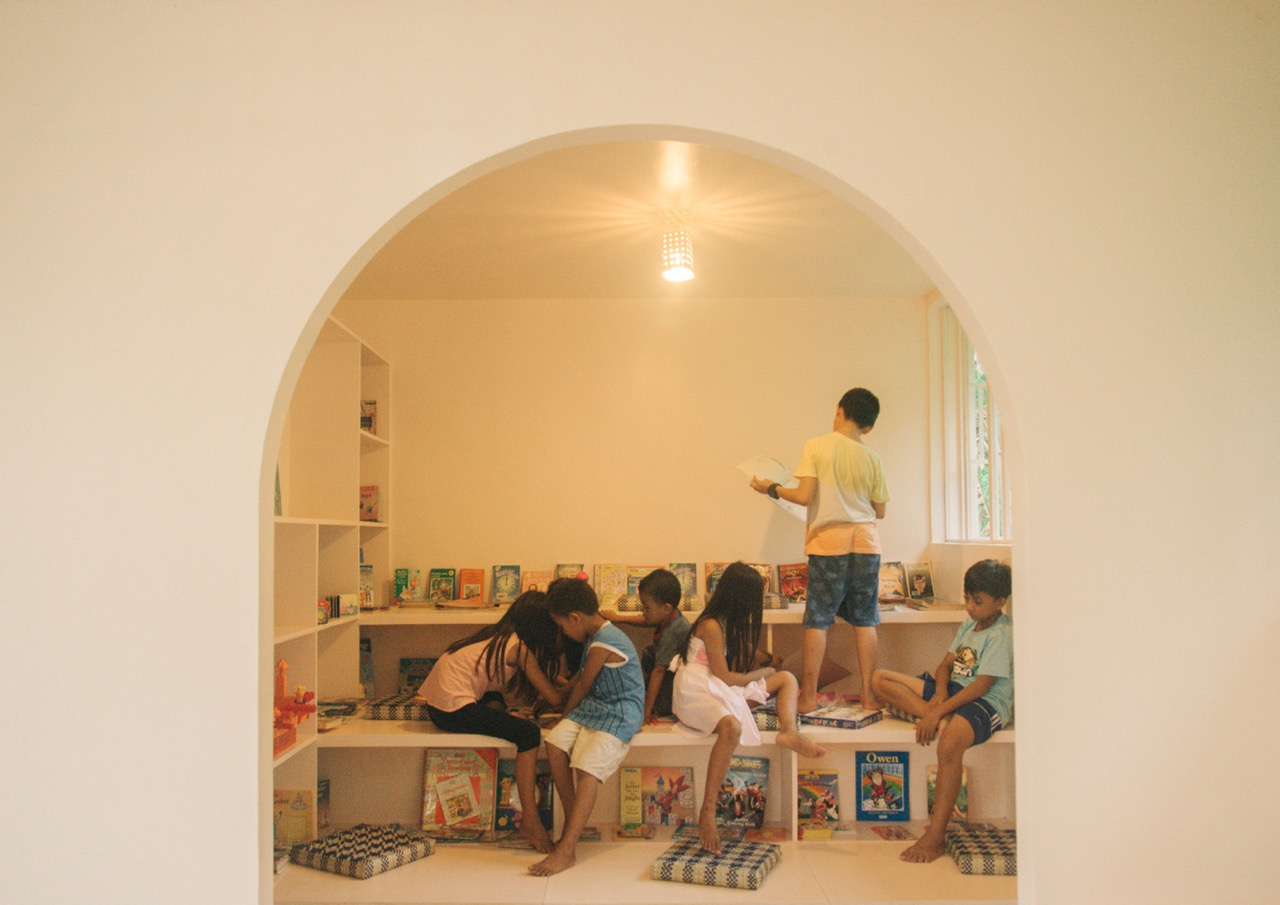
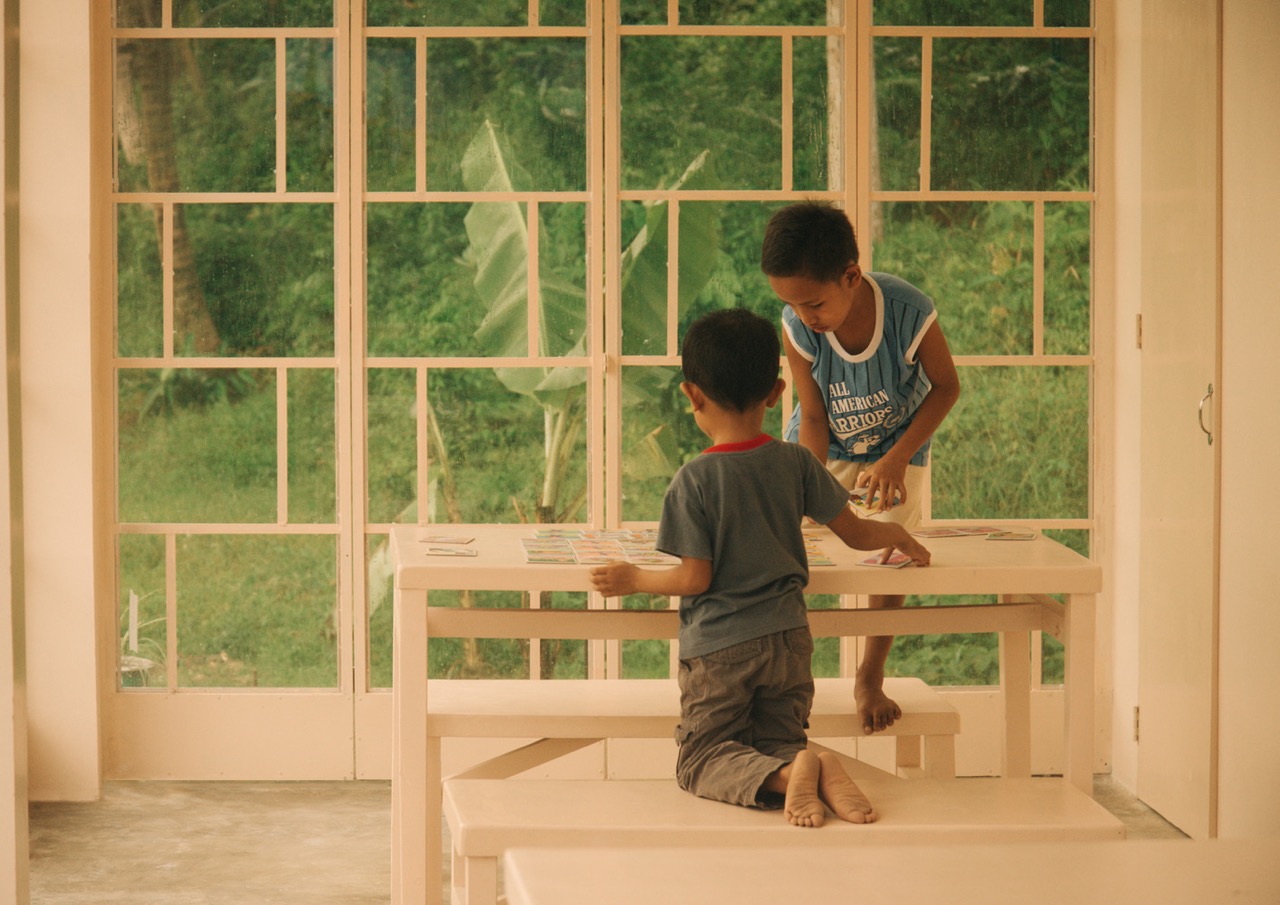
These elements protect the interiors, which are designed to be a haven for children. The open and flexible interior is a blank canvas meant to cater for the diversity of education. As with its intended age range, the structure can adapt to the youths’ evolving needs as they grow older. Every square meter ignites curiosity and foster growth thanks to its thoughtful planning. From quiet reading nooks to expansive spaces, the space manages to accommodate these various facts of development.
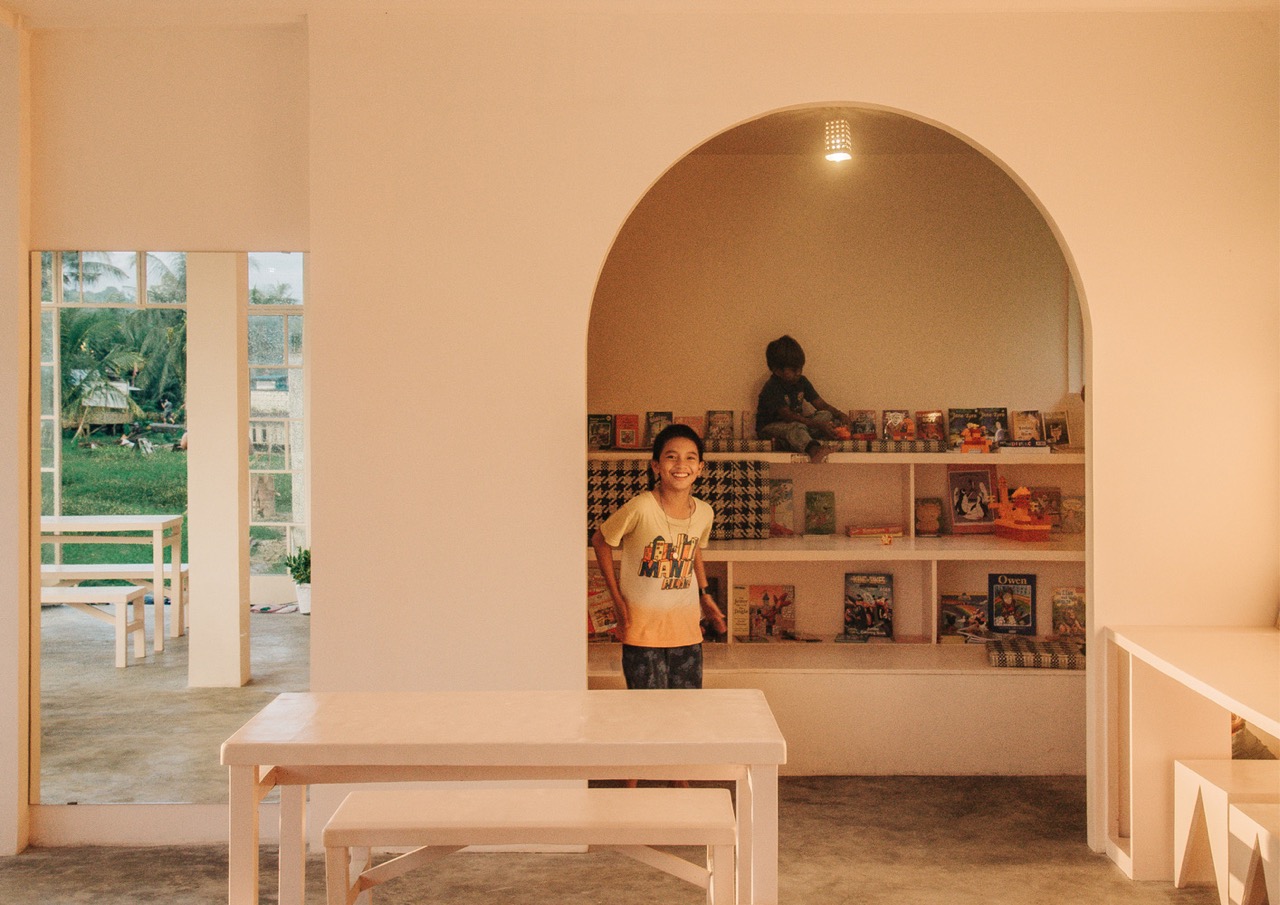
The restrained material and color palette creates a calm and uncluttered environment. The natural light and air that floods into the space further adds to this ambience. The polished concrete floors provide a smooth surface for the kids to play while also being durable enough to endure such wear and tear. Movable lightweight plywood furniture makes rearrangement and adaptability easy. Locally crafted woven pandan mats add character as they connect to native weaving traditions. Likewise, the lighting fixtures appear to use woven rattan as they playfully filter light.
Sustainable Support for the Future
The Children’s Learning Center uses the power of architecture to drive positive change in underserved communities. The design’s simple and yet excellent planning manages to achieve a sustainable, resilient, and empowering model for youth infrastructure. Choosing locally available materials and construction techniques make it easier to replicate. Additionally, local labor constructed the facility under supervision, supporting the village’s economy and capacities.
Native Narrative’s consultative approach with a variety of stakeholders and entities births this community asset for the betterment of the community it serves. Its multi-functional approach to resilience, investing in the future while protecting the present, is a classic example of the role that architecture can play in building up a populace with its design.
Read more: Mastering Resilient Architecture in the Face of Climate Change
Photo credit: Jakob Gate
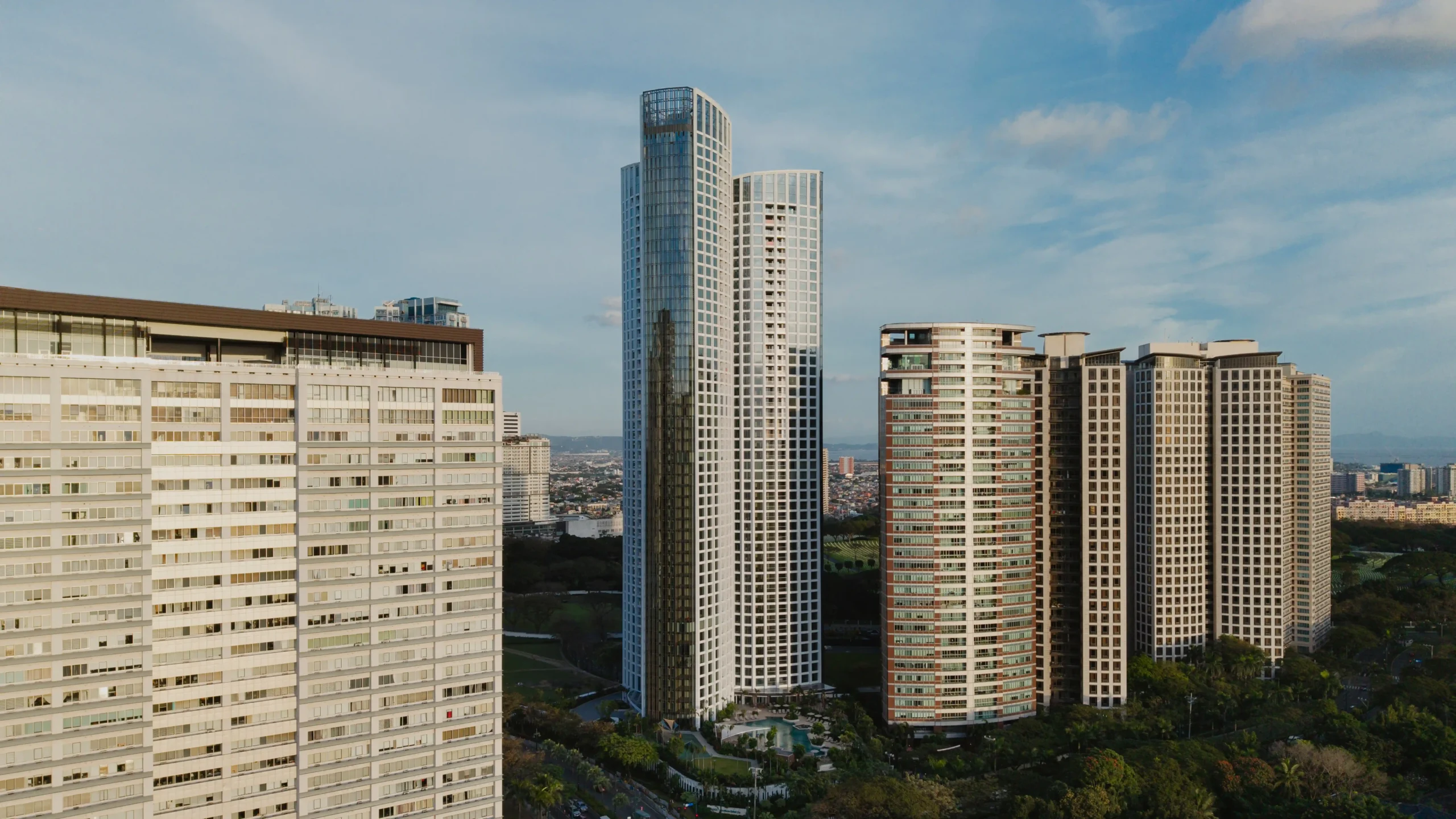
In the business district of Bonifacio Global City rises a residential development designed around low-density living. Aurelia Residences brings together architecture, interiors, landscape, and art to create an elegant and culturally-resonant living environment. Related Reading: Shang Summit: Shang Properties Unveils New 250-Meter High Rise Architecture, Interiors, and Landscape Design Arrival plays a central role in […]
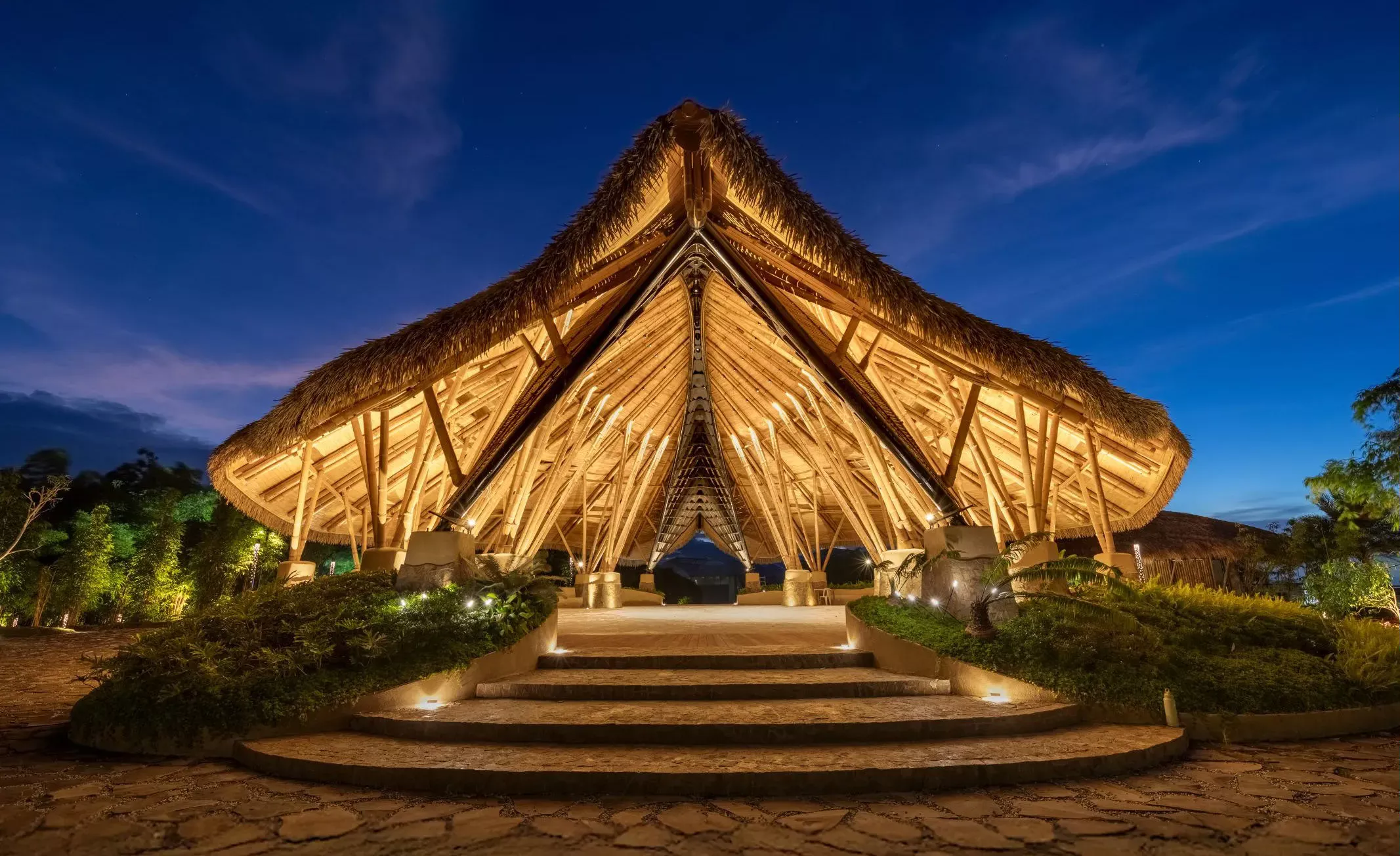
Architecture awards often document more than just individual achievements. They also recognize the work, effort, and vision behind any architecture project, revealing the priorities, values, and trajectories of a profession at a given moment. The United Architects of the Philippines’ (UAP) Outstanding and Beyond Recognition Awards (OBRA) continues to serve as one such marker, recognizing […]
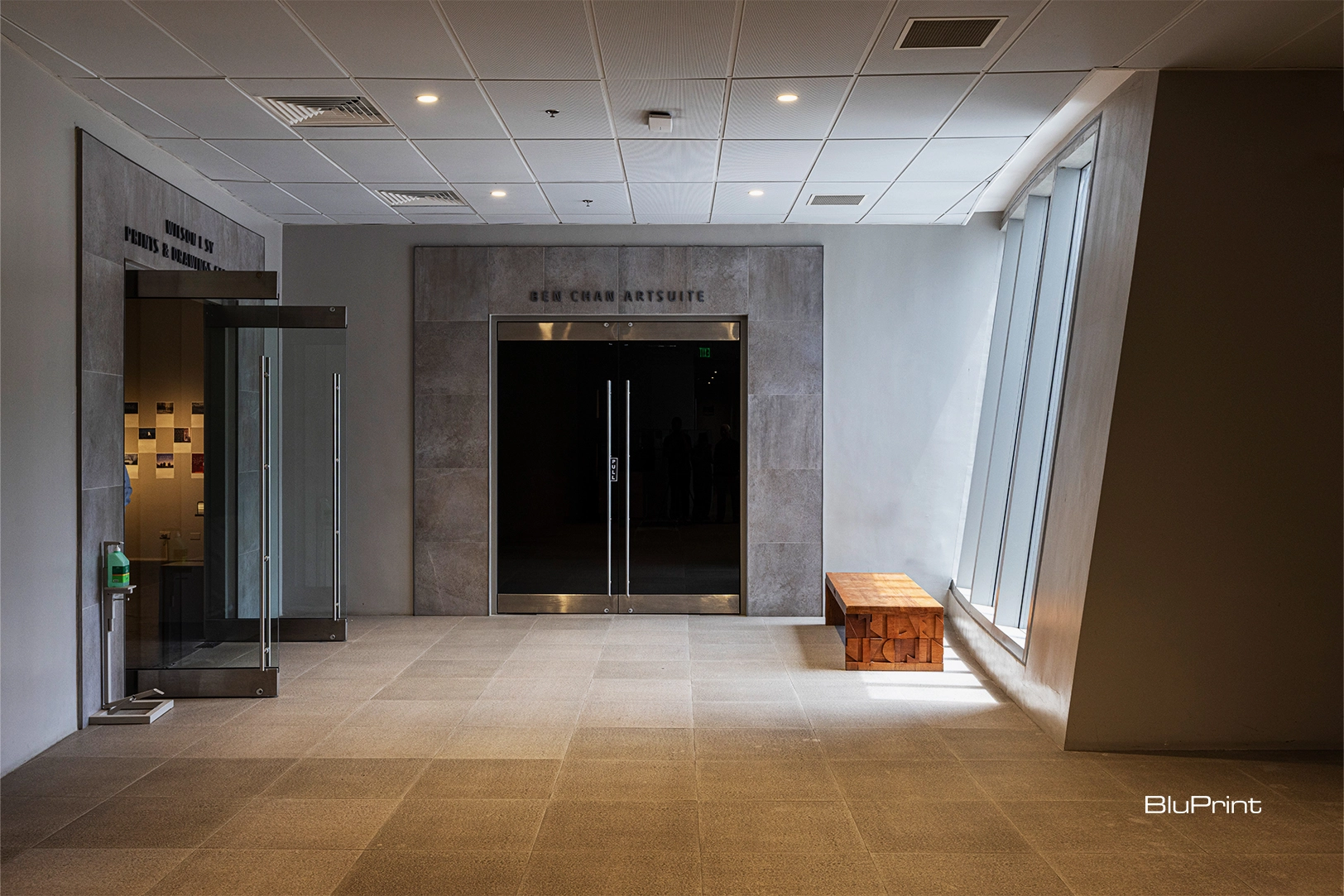
For 66 years, the Ateneo Art Gallery (AAG) has been at the forefront of preserving modern and contemporary Philippine art. Today, its home at Areté reflects an expanded mission: to extend beyond exhibitions to cultivating education and creative exchange. Building a Home for Contemporary Art The AAG was founded in 1960 after artist, collector, and […]
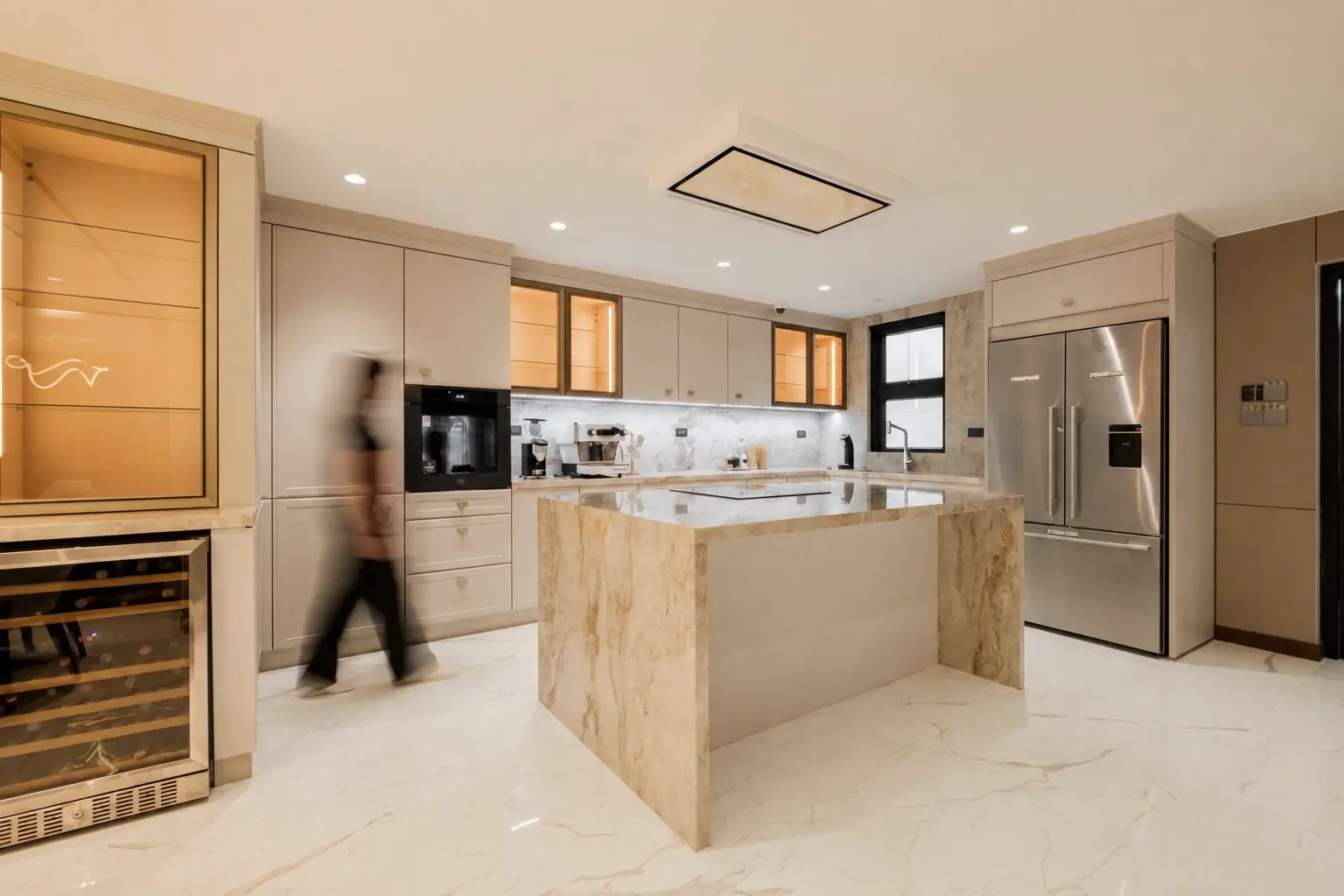
A kitchen is one of the hardest-working spaces in a home. It must withstand daily wear, changing routines, evolving technologies, and shifting lifestyle needs while remaining visually coherent within the larger architectural narrative. While every project has its own requirements, experienced designers often return to a similar set of considerations when evaluating a kitchen. Here […]
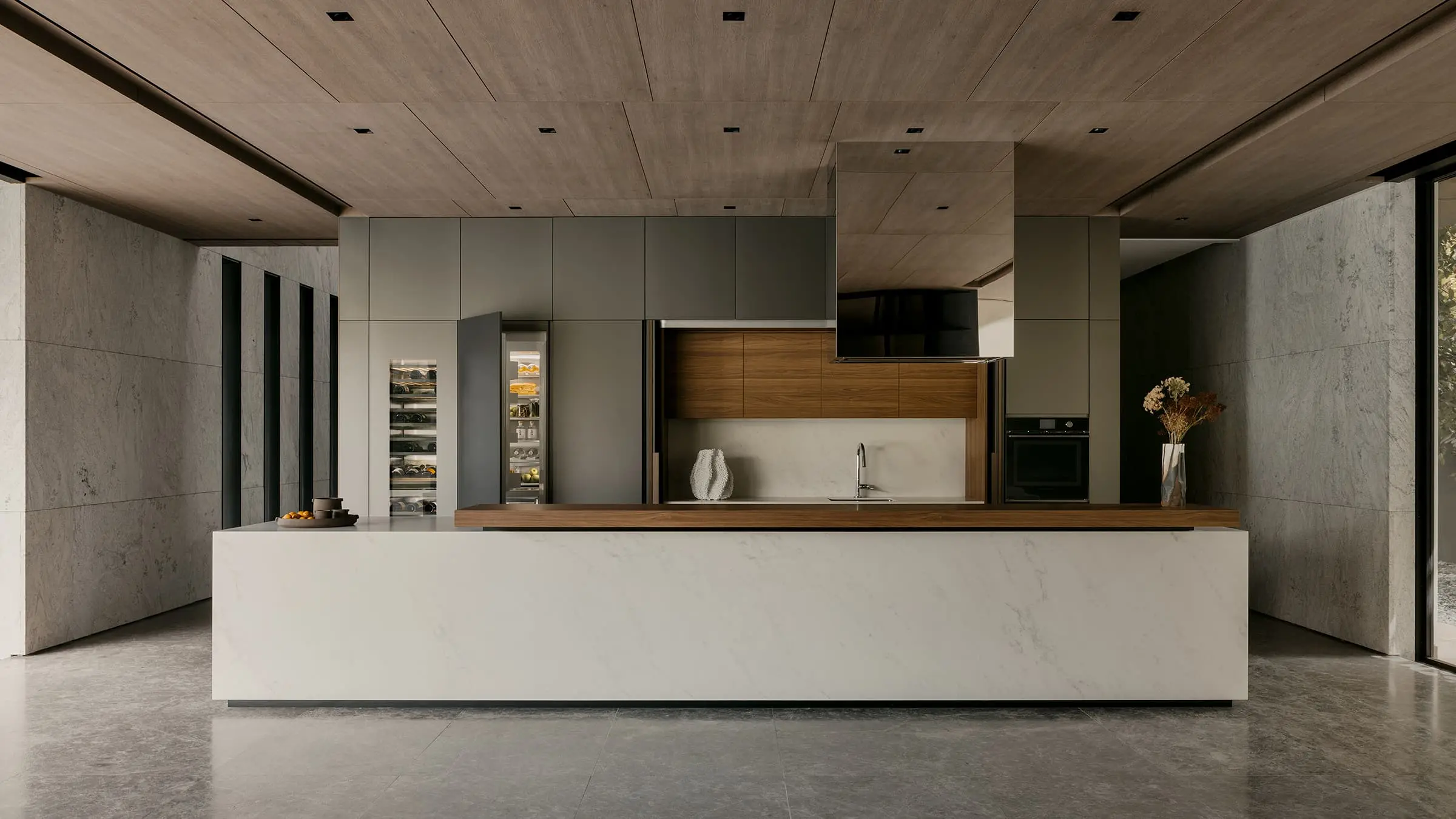
The modern kitchen has evolved beyond its traditional role as a place for preparing meals. It is the heart of the home – a space where daily rituals unfold, conversations linger and the rhythm of everyday life takes shape. As open-plan living continues to redefine residential design, the kitchen is no longer a separate room, […]
Download this month's BLUPRINT magazine digital copy from:



Subscribe via [email protected]
Recommended Video
Tap to Unmute
Unmute
0:00
0:00