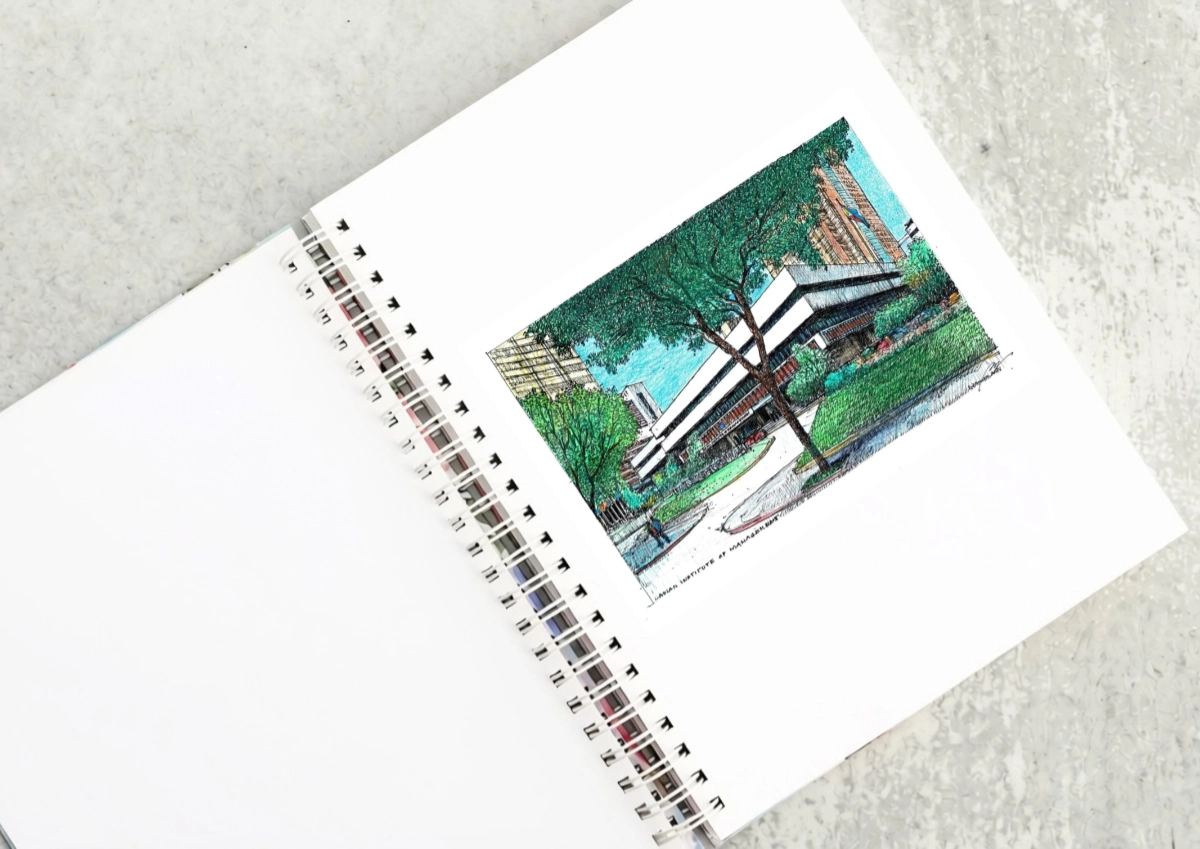
A Filipino Interpretation of Modernist Architecture Unlike the rest of Makati today, the northern end of Paseo de Roxas in Makati is anchored by a low complex rather than a tall skyscraper. This is the elegant Asian Institute of Management, designed by architect Gabriel Formoso and completed in 1971. In my opinion, the building is […]
Why Won’t the UK Return Looted Artifacts to Their Countries of Origin?



Recently, the news reported that the United Kingdom is sending looted artifacts from Ghana 150 years ago back to the country. All well and good, except the twist was these stolen Ghanaian artifacts were on loan from the British Museum, and were expected to be returned in six years.
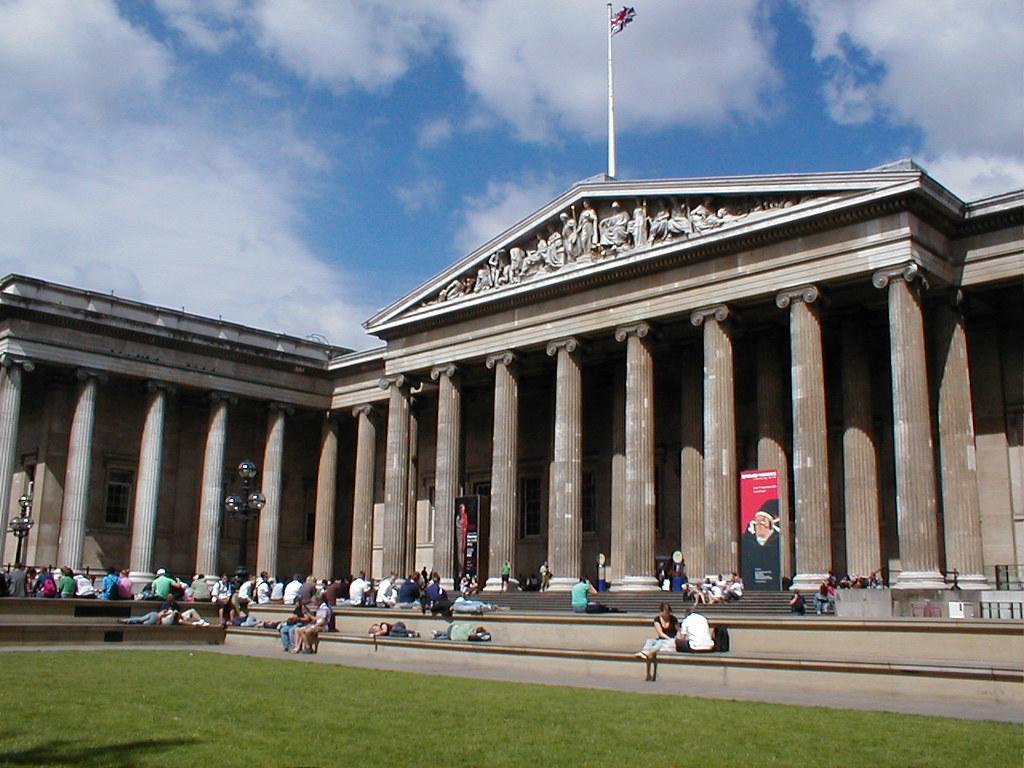
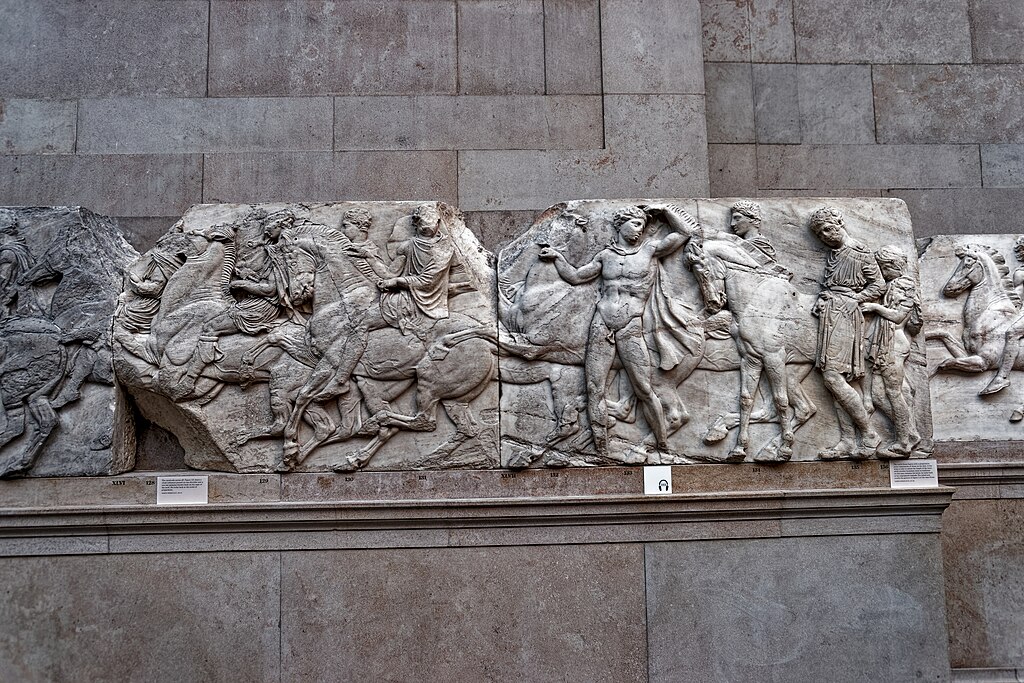
It revives an interesting question regarding the British “keeping” artifacts from other countries in their museums. Countries like Nigeria and Greece, looted by the British Empire at the peak of their imperial power, have been demanding the return of their historical artifacts for decades. Many of these artifacts are currently on display in the British Museum right now, to the consternation of these countries.
In combination with recent and controversial losses and decay of artifacts currently in their purview, one has to wonder: why hasn’t the British government returned some of these artifacts to other countries.
The Spoils of War?
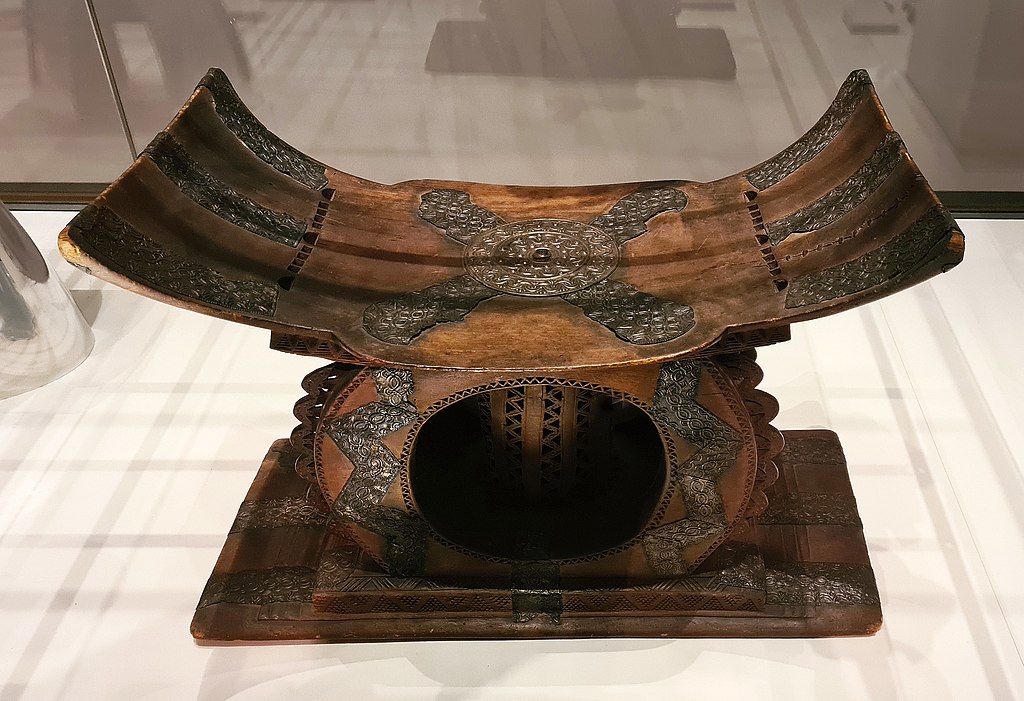
The Ghanaian artifacts being returned were pillaged by the British in the 19th century. Included in these were multiple gold and silver relics from the Asante Royal Court. That includes a gold pipe, a ceremonial sword, and gold discs worn by the king.
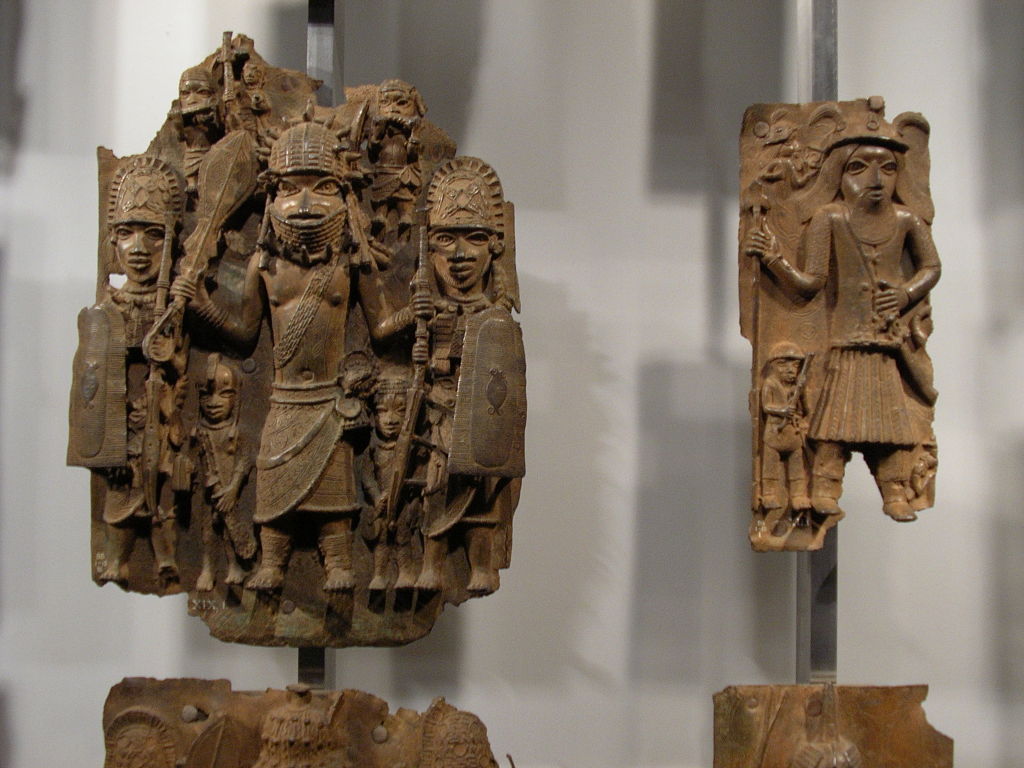
Other accounts have similar strength of force in how these looted artifacts were obtained. Nigeria’s Benin Bronzes were also looted from the country by the British in 1897 as retaliation for the massacre of unarmed British envoys in the country.
Over 23,000 Chinese artifacts are in the British Museum’s permanent collection. The British reportedly looted or stole them during its tumultuous 19th century period. (The British went through the first Opium War with China to force the country to continue buying their products).
A British nobleman took statues from the Parthenon in Athens, Greece to the United Kingdom. He claimed that the ruling Ottoman government permitted him to do so.
The British also took the Rosetta Stone, permanently displayed in the British Museum, from Egypt in 1801 after they were able to take possession of it from the French. (They were at war with France at the time).
In many of these stories, the British took the artifacts by force. It can be, and has very much been, argued that these artifacts do not belong to the British at all. They are part of other nations’ cultural heritage that the British is purposefully keeping from them despite their pleas of return.
Why Won’t They Return Them?
The British government and academics are well-aware of the contested nature of many of their artifacts. The website for the British Museum literally contains a page on “contested objects.” So the question remains: why won’t the British return them?
The most blatant reason for the return isn’t the oft-repeated message that the artifacts are safer with them. Recent scandals on their handling have shown that this truism doesn’t stand up to reality. Rather, the most blatant reason is that the British have made it illegal for them to do so.
Forbes recently released an article that summarized different laws that prevent any sort of repatriation of cultural artifacts. The British Museum Act of 1963 prevents them from giving away any artifacts unless it’s a duplicate, which also applies to the broader National Heritage Act of 1983.
The adviser to Ghana’s cultural ministry Nana Oforiatta Ayim herself has said that the Ghana loan was the best that they were able to do within the confines of the law. She said that Ghana sees the loan as a first step towards potential repatriation in the future.
“We know the objects were stolen in violent circumstances, we know the items belong to the Asante people,” she said.
Repatriating Heritage
There appears to be no solution in sight for what can be done in this scenario. The British government has staunchly refused to push for reparations for any of their previously colonized states. And in the current political climate in the country, xenophobic beliefs may undermine any push towards it.
But the importance of returning these items to their country of origin are clear: it is their culture, and it is their history, and seeing them in the context of where they belong creates a sense of national identity in their country that is more valuable than it is sitting in a museum thousands of miles away.
Related Reading: San Agustin Museum: A Legacy of Love in Art and Architecture
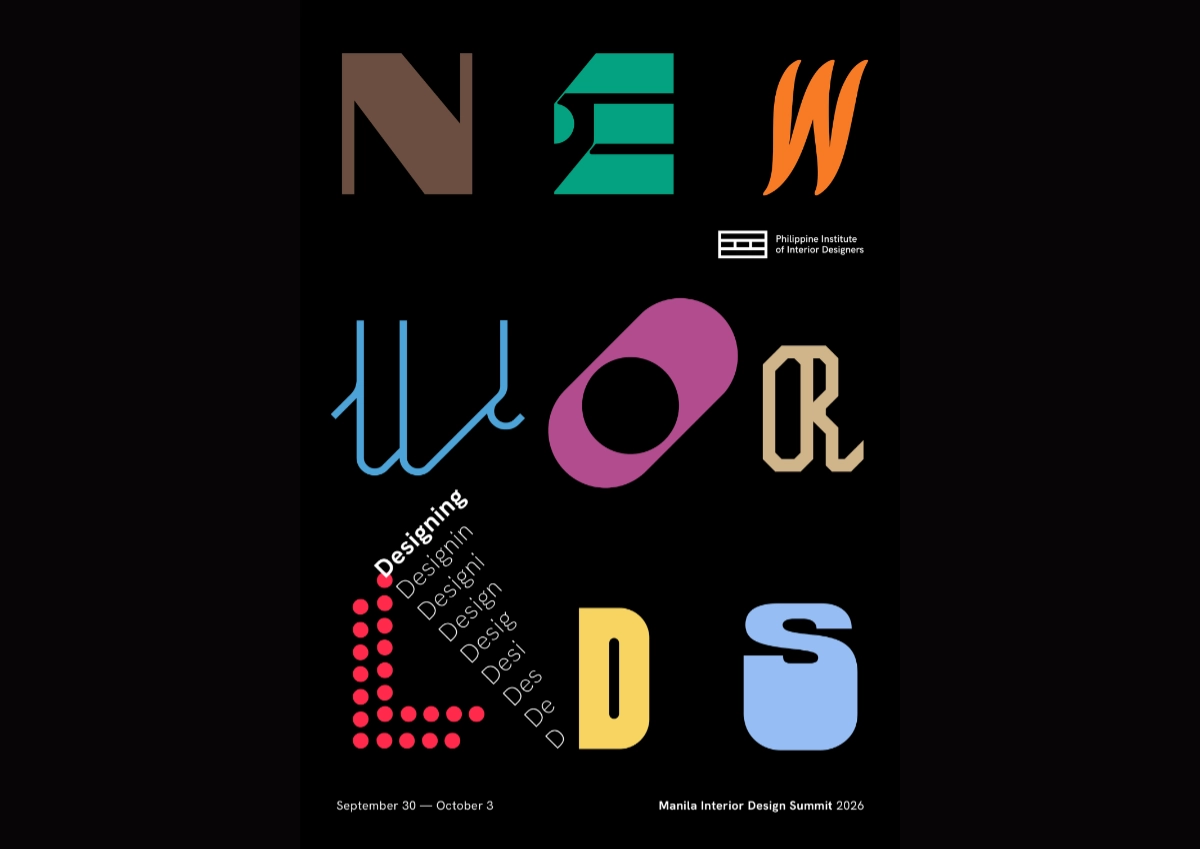
“Thailand has claimed urban creativity and livability. Singapore has institutional design leadership. Indonesia is emerging as a design hub. Vietnam is moving into design innovation. And the Philippines? Its position is not weak. It is simply unclaimed.” For IDr. Cecil Ravelas, National President of the Philippine Institute of Interior Designers (PIID), the challenge is not […]
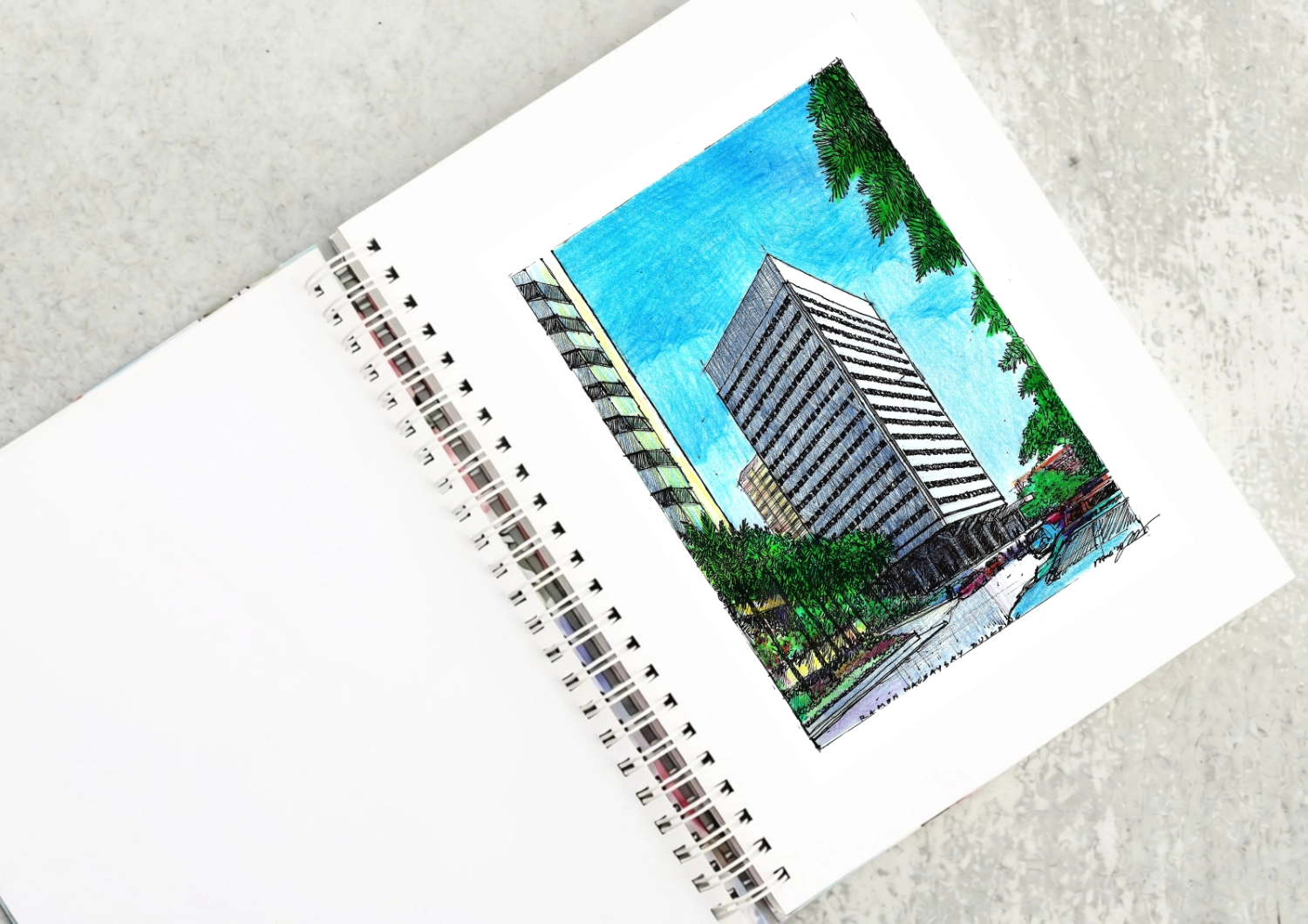
The Ramon Magsaysay Center as a Modernist Landmark Driving down Roxas boulevard from Rizal Park, what will catch your eye is the most elegant modernist structure in the country, the Ramon Magsaysay Center. Most established Filipino architects put it in their top ten lists of favorite buildings. It was designed by Alfredo J. Luz, who […]

Rinna Soriano’s favorite part of her work is sanding. At her workbench, she stays focused, following the grain, adjusting to changes in its direction. Narra, she has learned, can have interlocking grain. A piece of mango once proved particularly difficult until a worker explained that she had reached the point where a branch once grew […]

Filipino architectureArchitectureThe art and science of designing and constructing buildings, structures, and spaces that are functional, safe, and aesthetically pleasing. It encompasses the planning, design, materials, and techniques used to createGo to Architecture Glossary has long been associated with indigenous materials and vernacular design strategies, from bamboo and timber construction to jalousie windows, generous spaces, […]
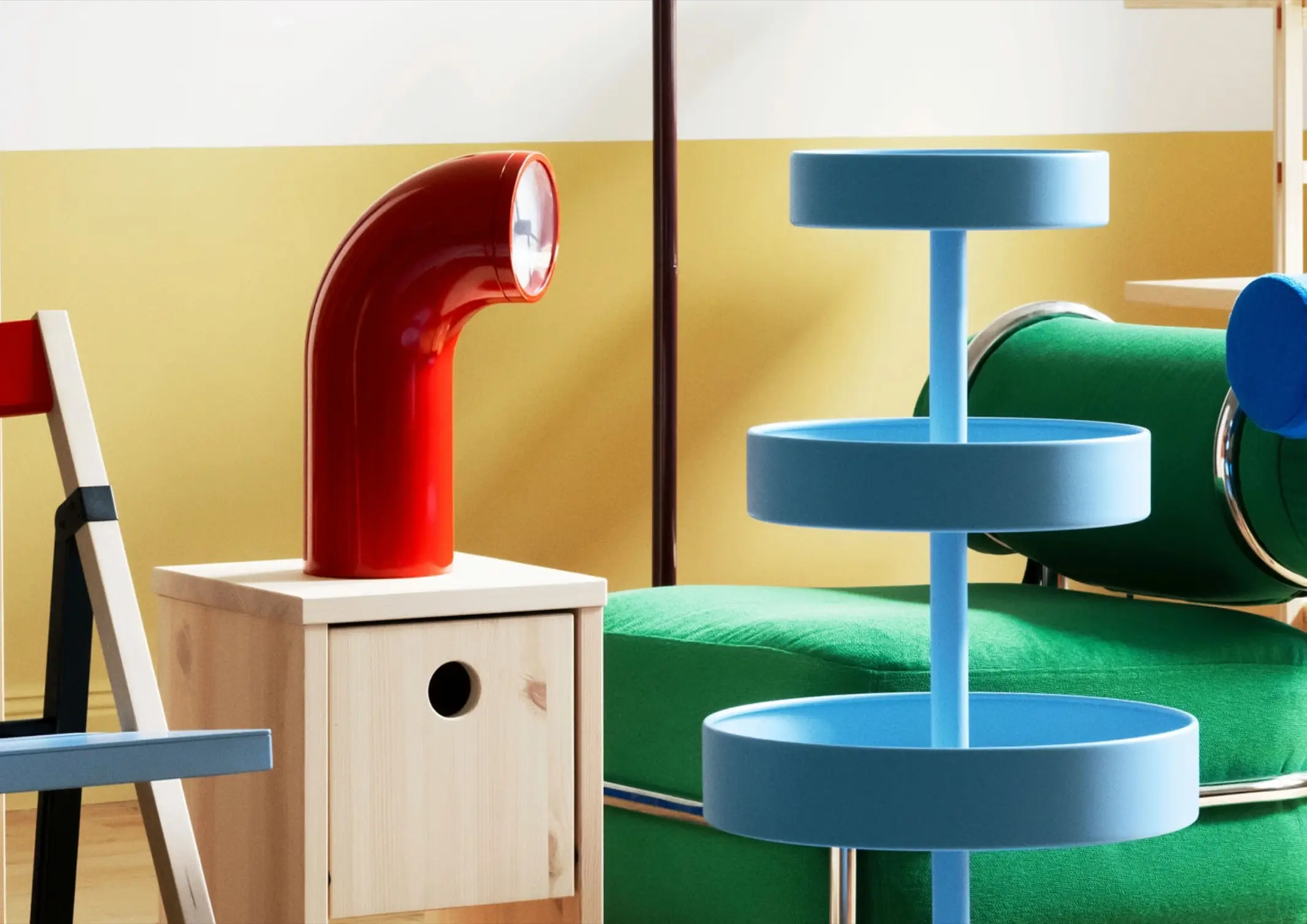
A chair does not always prescribe how to sit in it. A lamp can be more than a source of light. A clock can be more than a way to tell the time.These small departures from convention are at the center of IKEA PS 2026. The latest iteration of IKEA’s experimental PS series comprises more […]
Read the issues.

Collect the volumes.

Recommended Video
Tap to Unmute
Unmute
0:00
0:00