In a way, designers are the modern-day soothsayers and prophets. They design for the future, predicting how a room, a house, a building or a whole city will be used by people. They foresee how users will interact with a space, conjure exact shades of colors to elicit specific behavior and arrange furniture to build […]
Elmer Borlongan’s ‘Morning Rituals’ is an Exercise and Negotiation



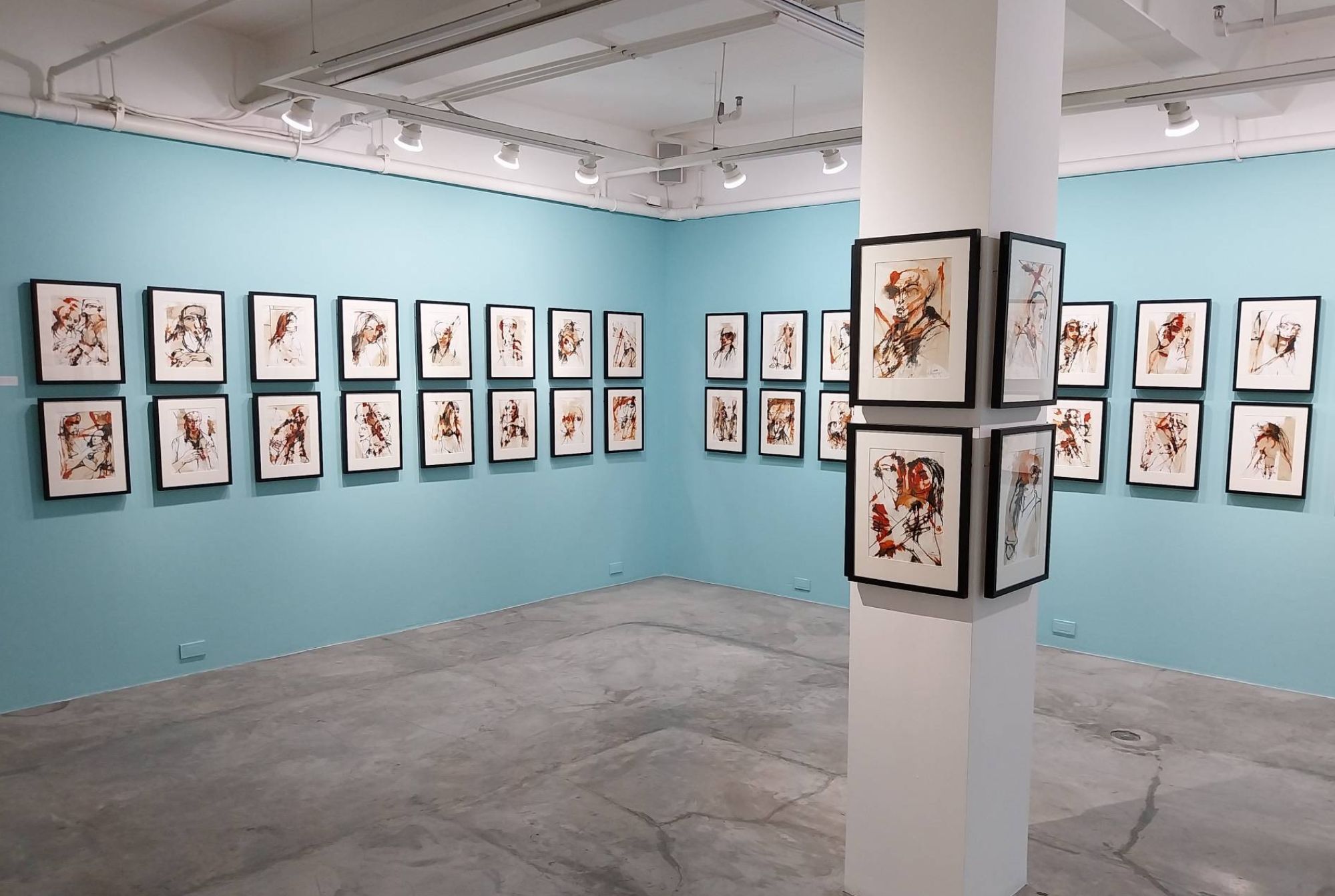
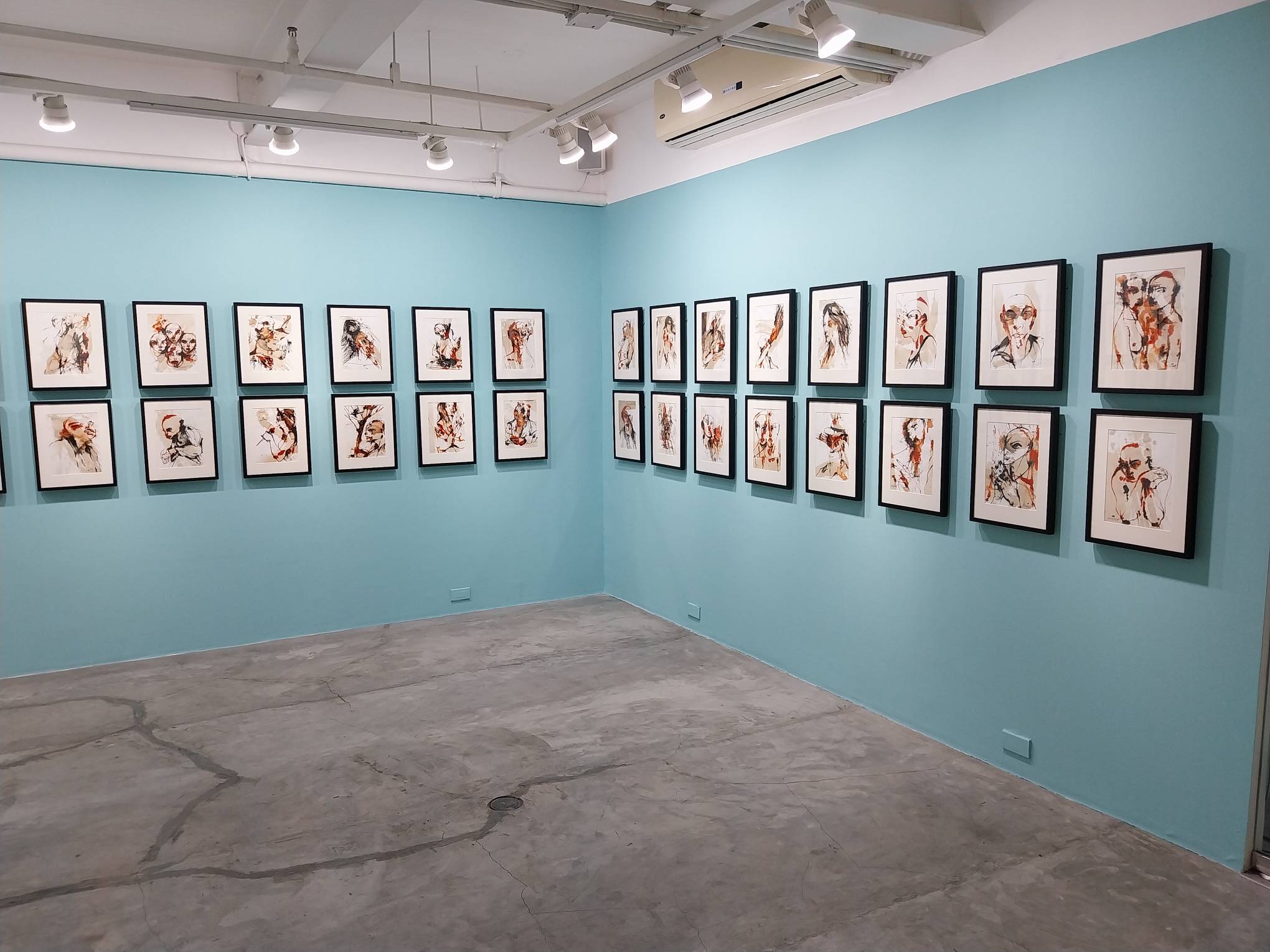
Morning Rituals: 100 Paintings is the new exhibit from esteemed painter Elmer Borlongan at West Gallery in Quezon City. As the title suggests, the exhibit contains over 100 paintings, which are a variety of different portraits that Borlongan made since 2021.
Borlongan’s career as a painter and artist greatly impacted our contemporary art scene. First finding prominence in the 1980s, his paintings and murals of working-class Filipinos in Manila and Zambales captured the attention of people locally and worldwide.
Creativity in the Morning
For Morning Rituals: 100 Paintings, Elmer Borlongan allows himself the room and opportunity to experiment with spontaneity. He created a makeshift cola pen in 2021, and then started mixing his morning coffee with ink in 2023 in an attempt to create honest portraits of people.
“After breakfast, the dregs of coffee left in his cup are used to stain sheets of paper with a large Hake brush, a soft pliant brush used in dispensing large amounts of ink or paint,” Carina Santos wrote for the exhibit. “While the coffee is still wet on the paper, Borlongan begins to draw.”
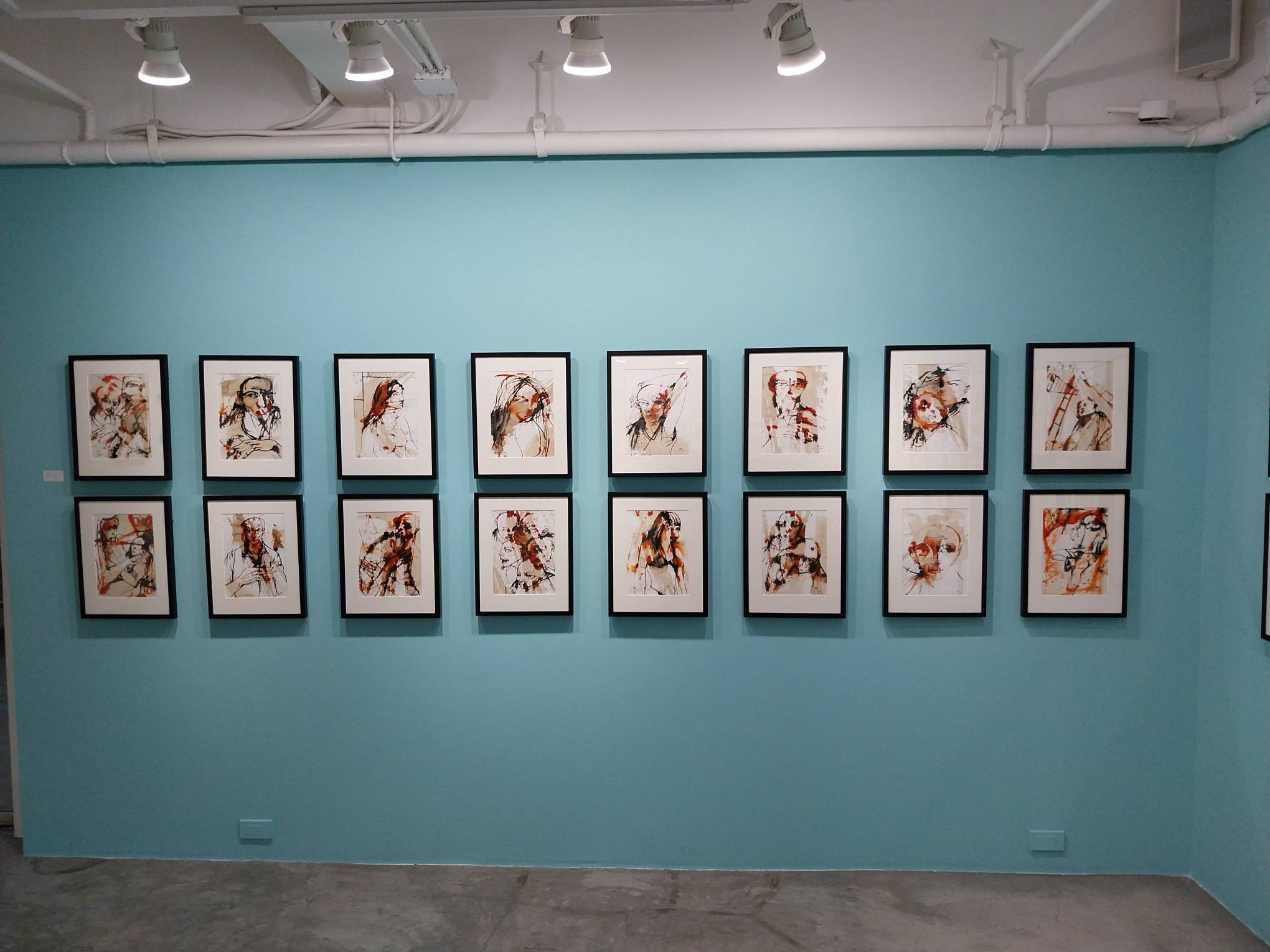
Borlongan appeared to be inspired by different artists when it comes to the concept of creating 100 paintings with differing amounts of spontaneity. Among the inspirations listed by Santos are BenCab’s 101 drawings at the Luz Gallery, Hokusai’s One Hundred View of Mount Fuji, and the artist’s previous professor in UP, Roberto Chabet, who required students to finish 100 drawings by the end of the semester.
Rituals of Being
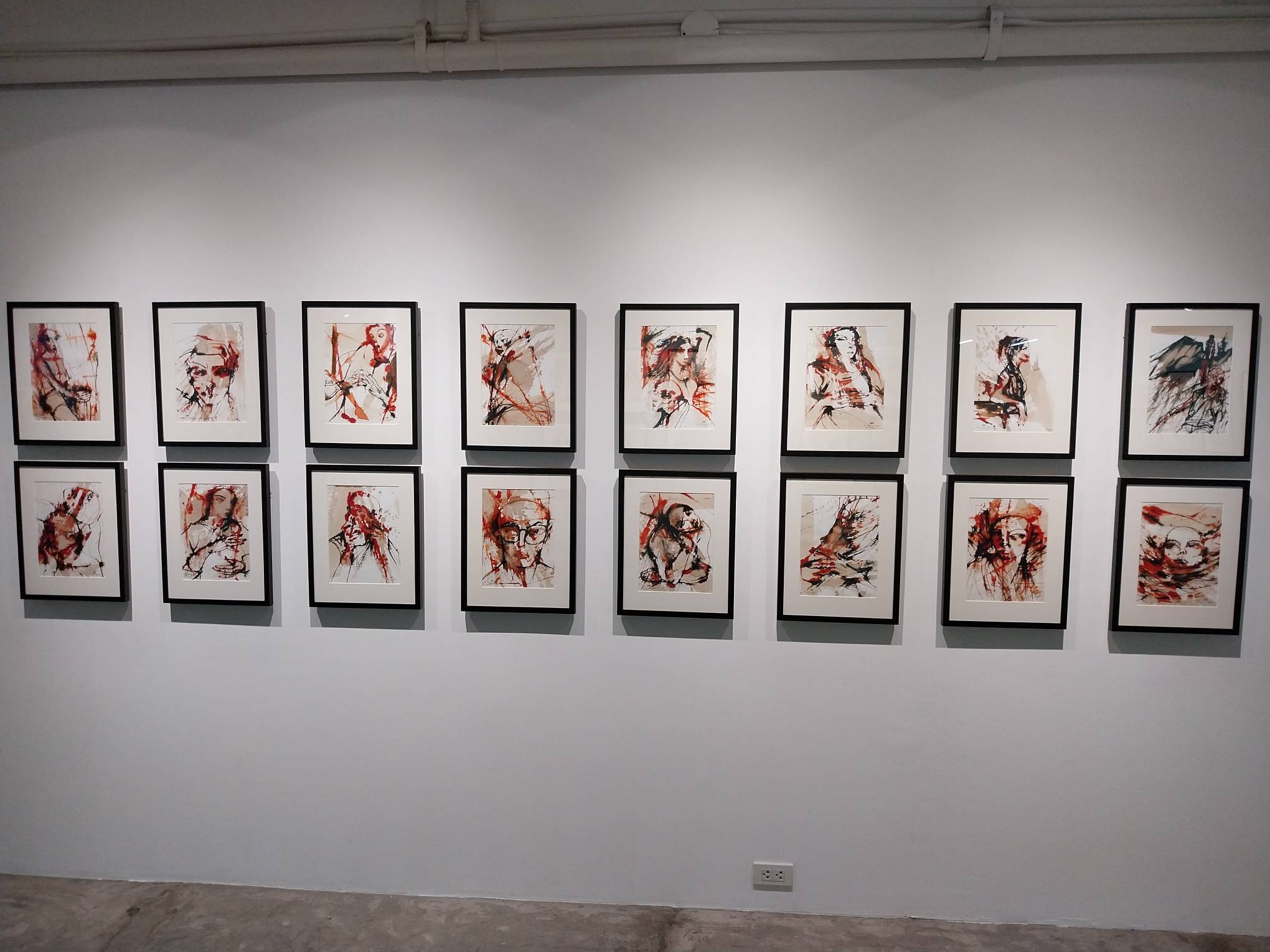
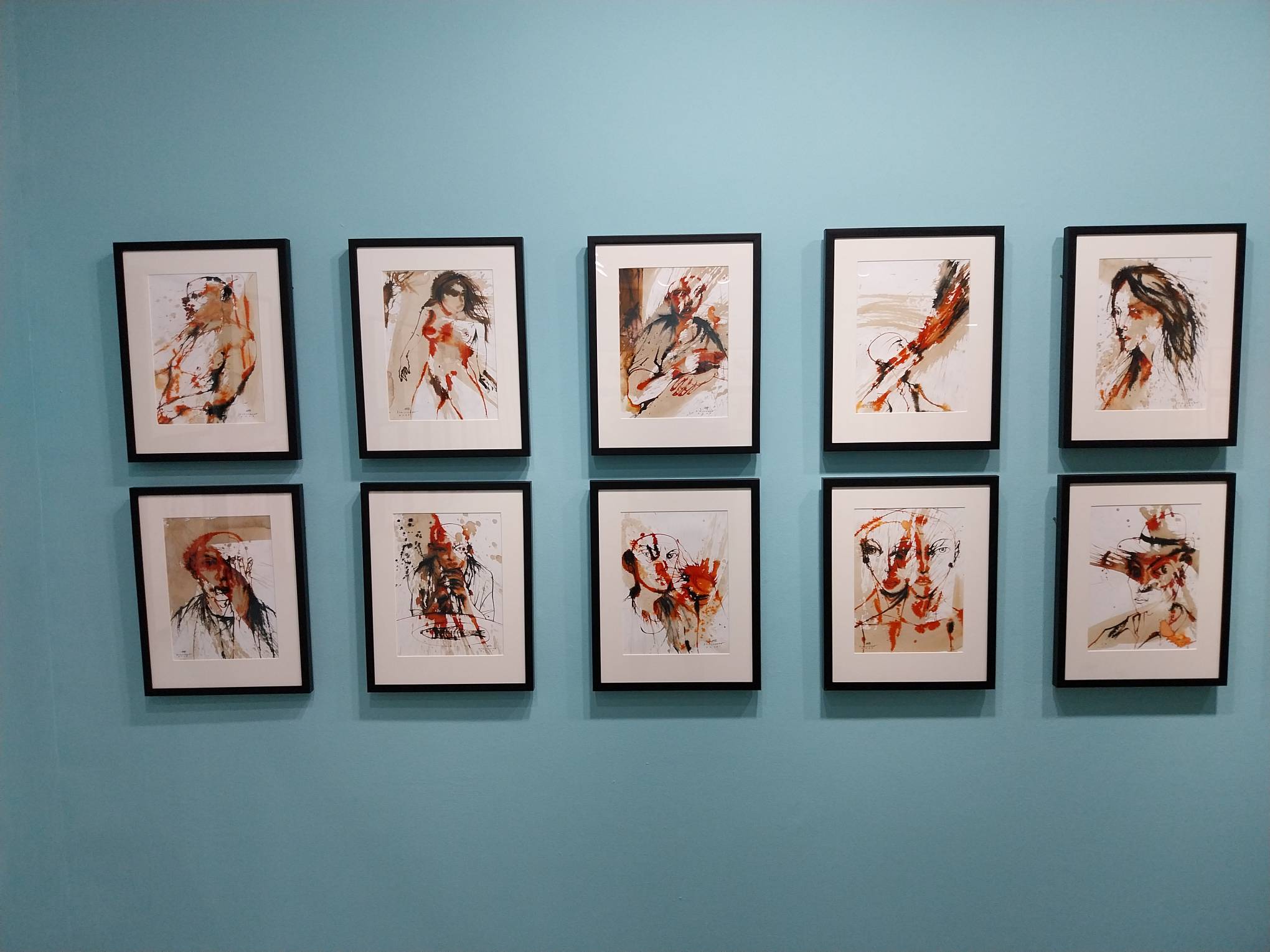
With these inspirations, the artist’s final products are these expressive, frenzied portraits of figures in various states of motion. At times, the coffee tint showers itself across the canvas of the final product. In other works, there’s a restraint in his approach as the coffee stains become the background for greater intrigue.
“The drawings in [Morning Rituals] are less controlled and more gestural than Borlongan’s oil paintings,” Santos said in their write-up. “[Though it is] still distinctly rendered in his visual language. The strokes in each drawing communicate and connect with the foundation of wash laid down on it, as though in constant negotiation as to what the final image will be.”
The paintings use a variety of subjects in different states of nudity as they pose for the artist. Some of them have a relaxed aura around them. Others look bloodied as the spills that surround their figures find themselves in the midst of a sinister movement.
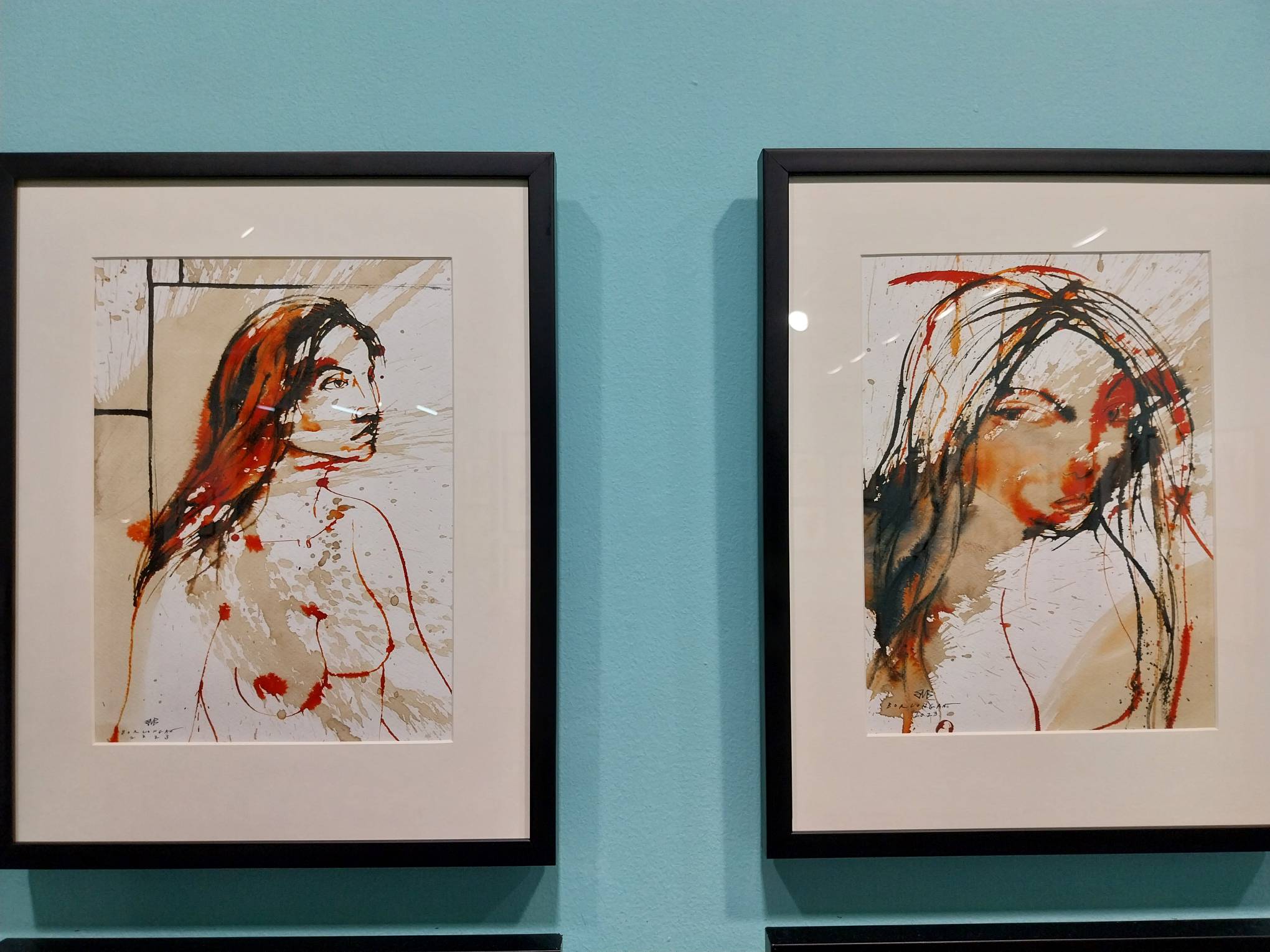
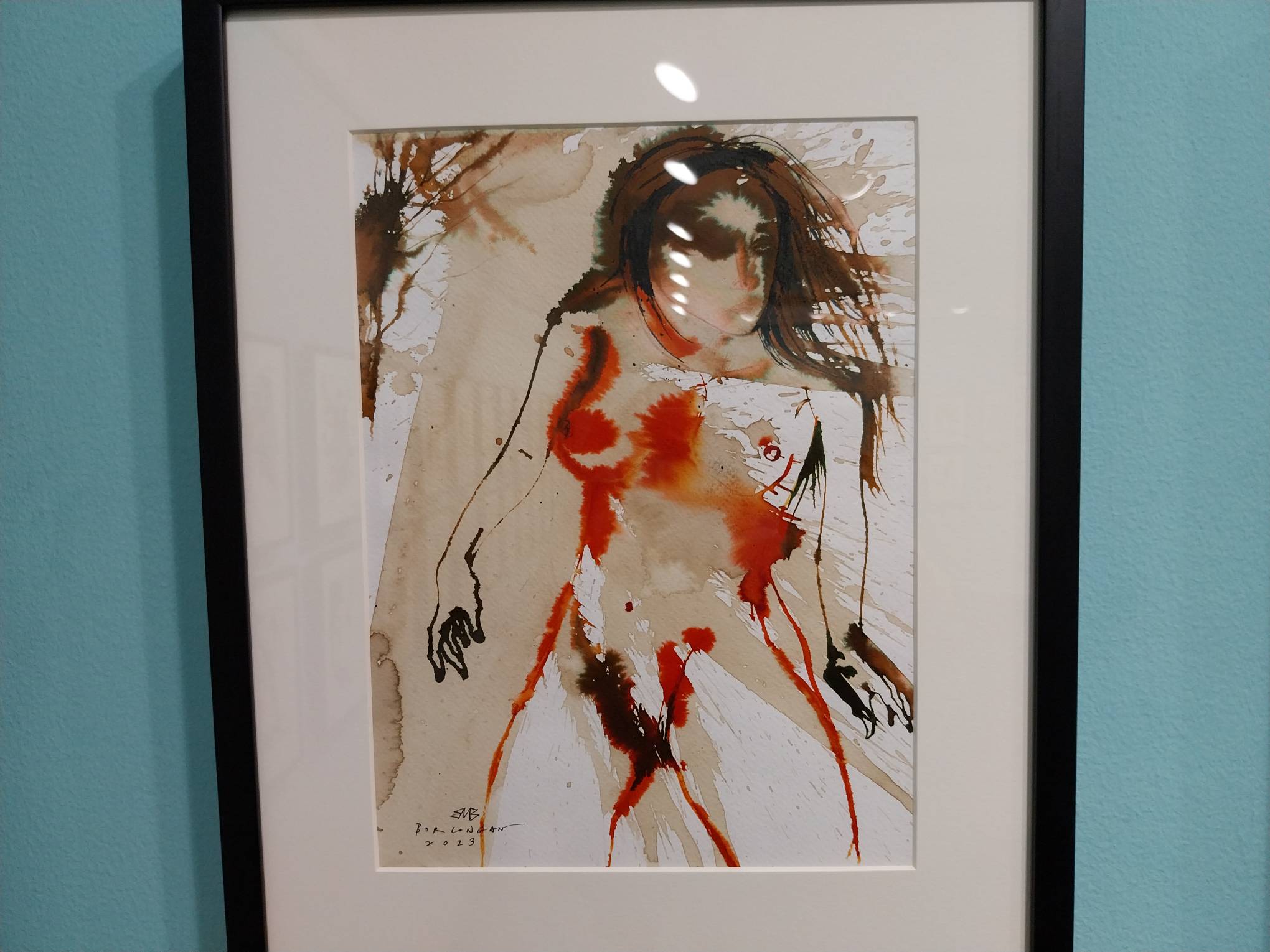
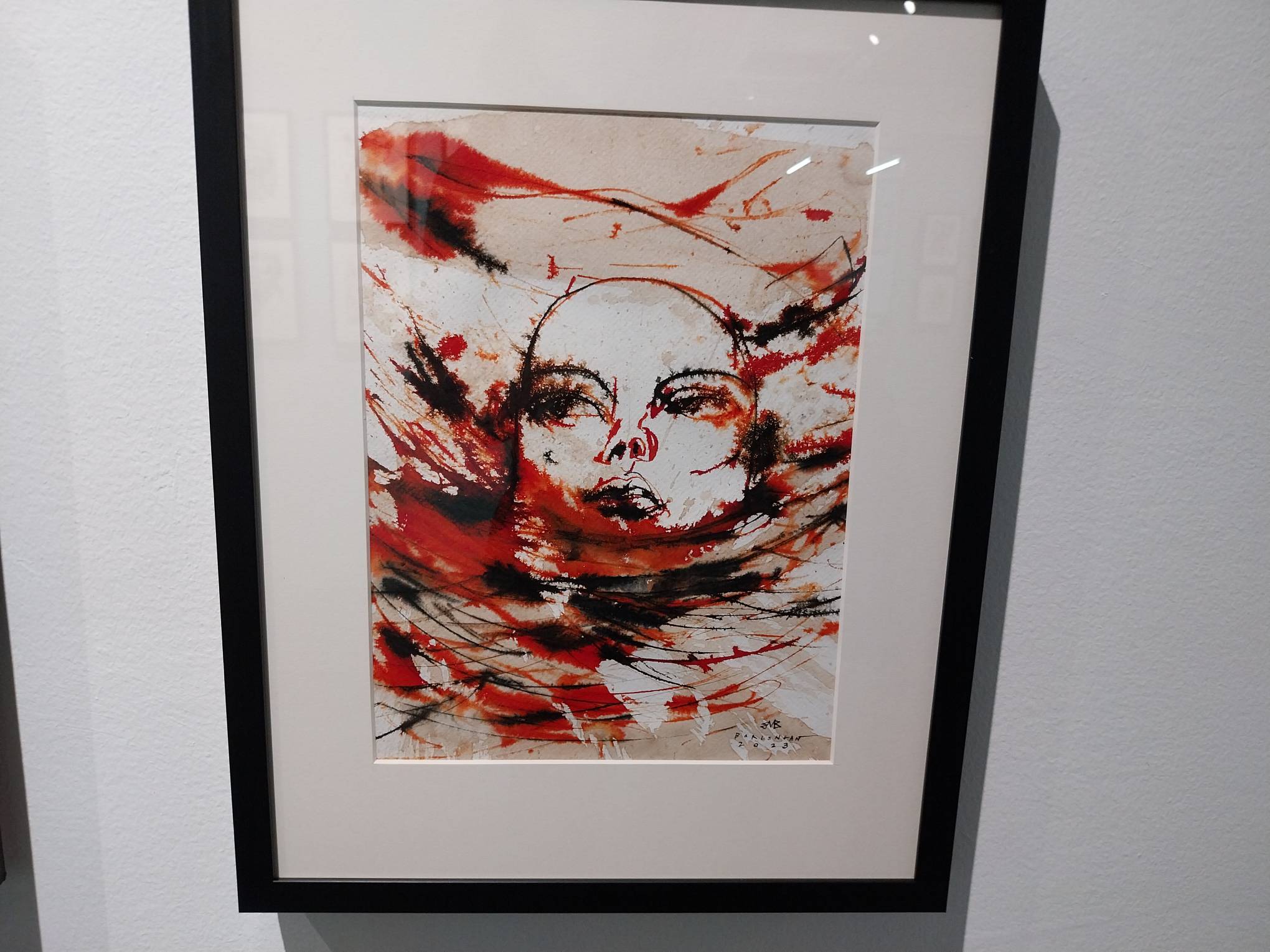
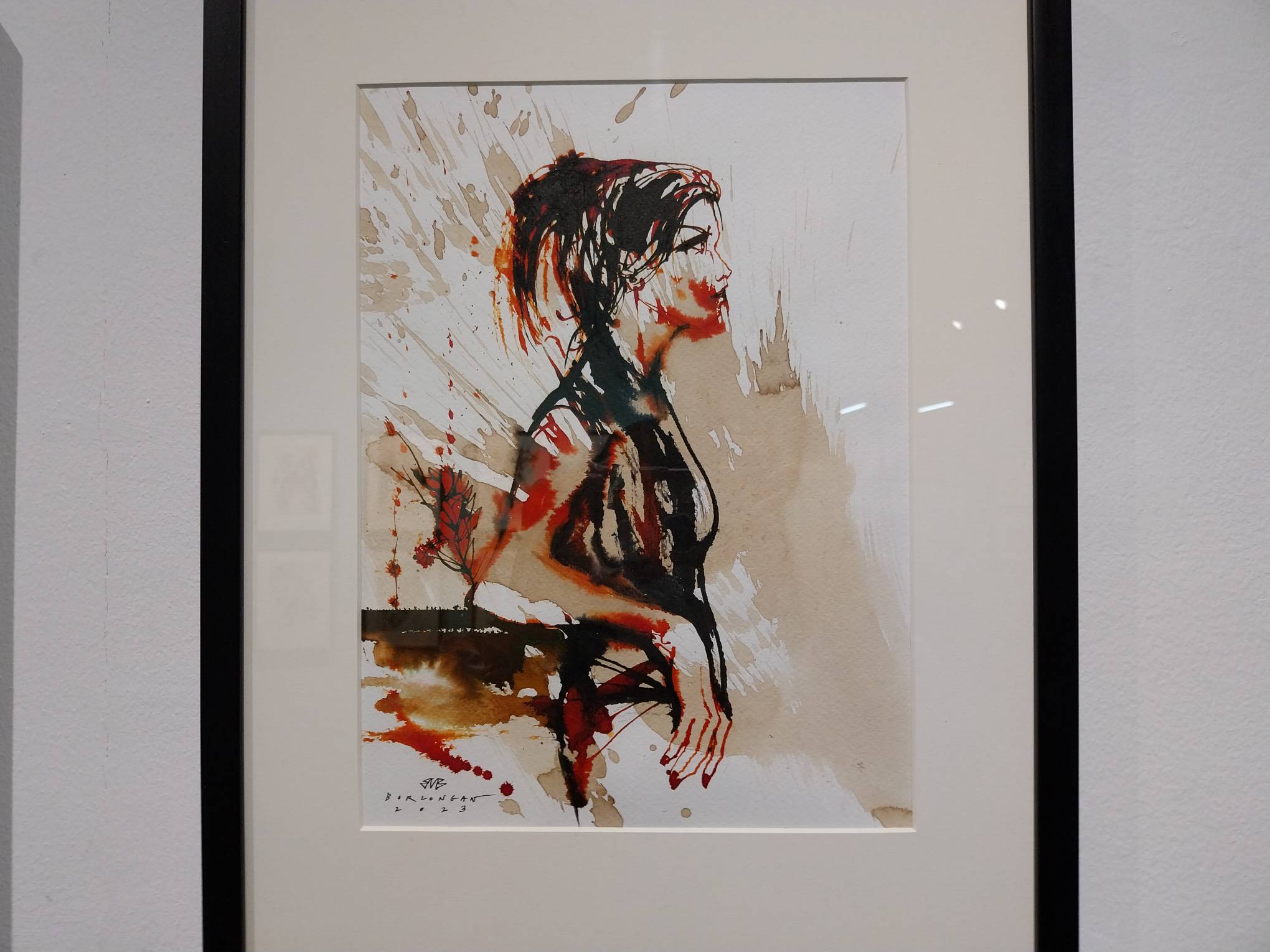
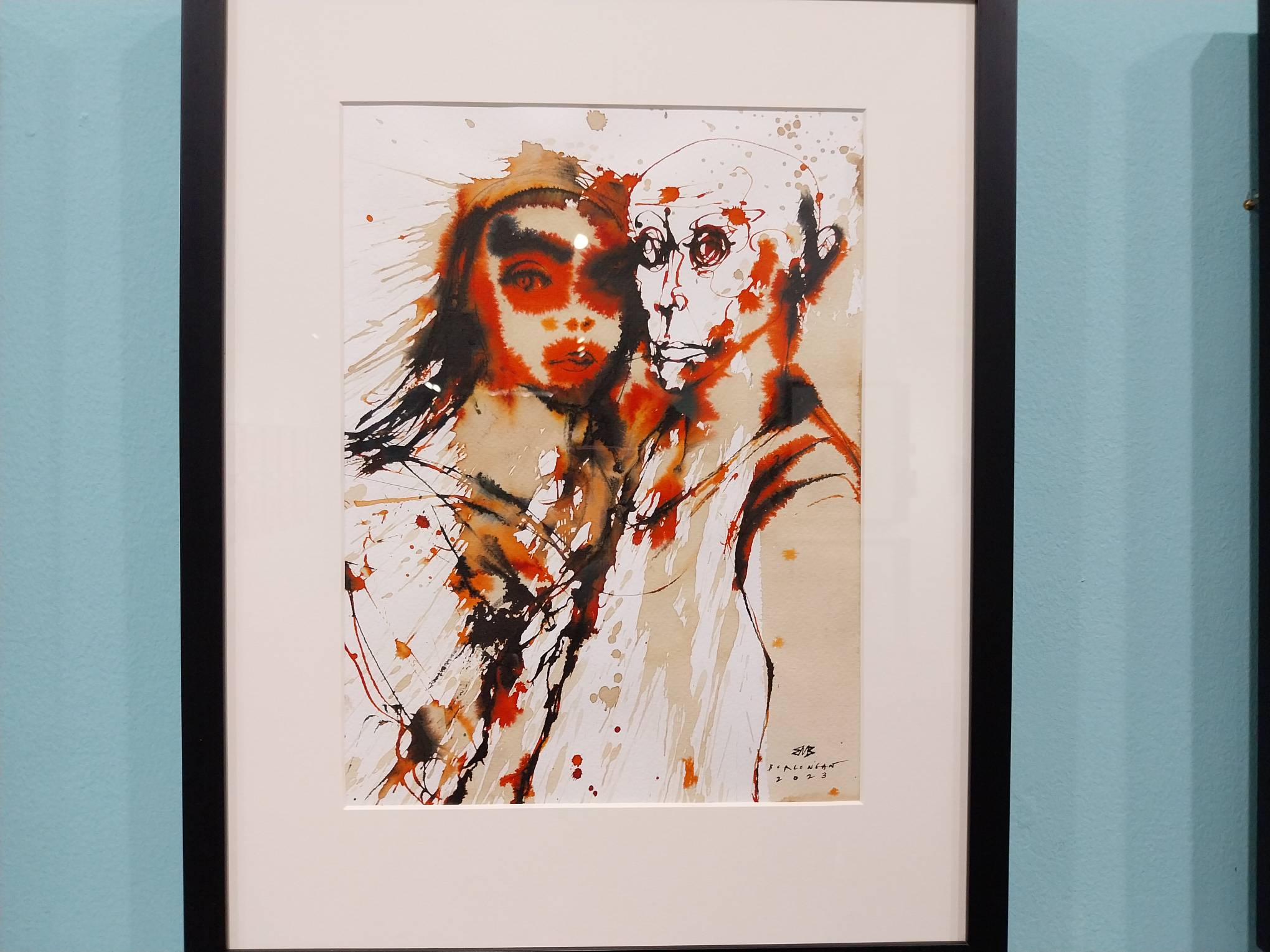
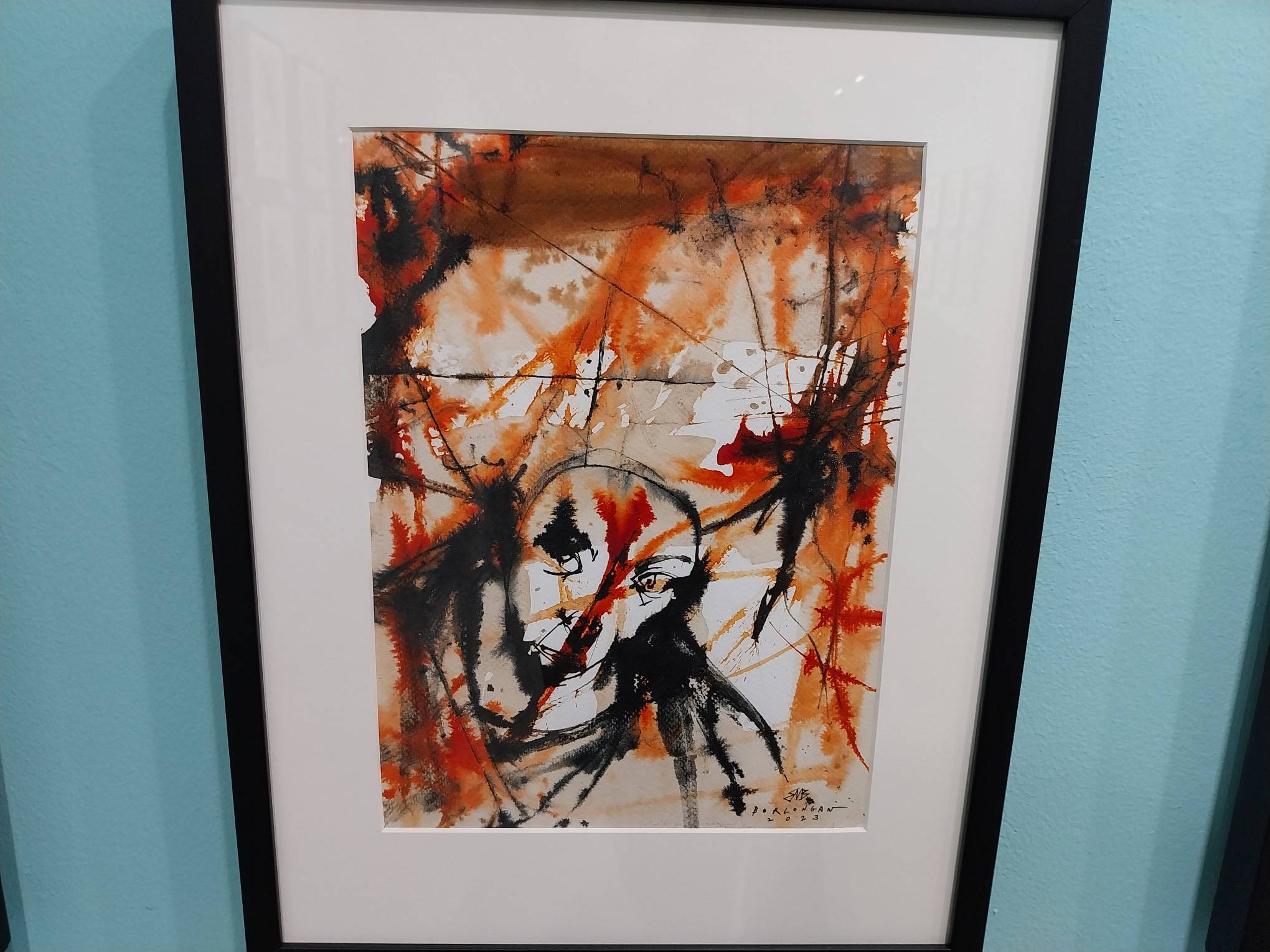
But a commonality between these figures across the paintings is a sense of loneliness. Most of these figures appear to look ahead into the horizon in wonder, and whether they’re drowning in blood or just the stains, it feels like Borlongan painted figures filled with hopelessness.
Morning Rituals: 100 Paintings may have been an exercise on Elmer Borlongan’s part, but the works still carry a provocative look throughout that gives the work a unique sense of grime that grounds it to our contemporary art scene. These are works that find meaning in their motifs and consistency, exploring various themes of humanity without needing to engage in those meanings specifically.
Related reading: Elmer Borlongan’s extraordinary eye for the ordinary in our cities
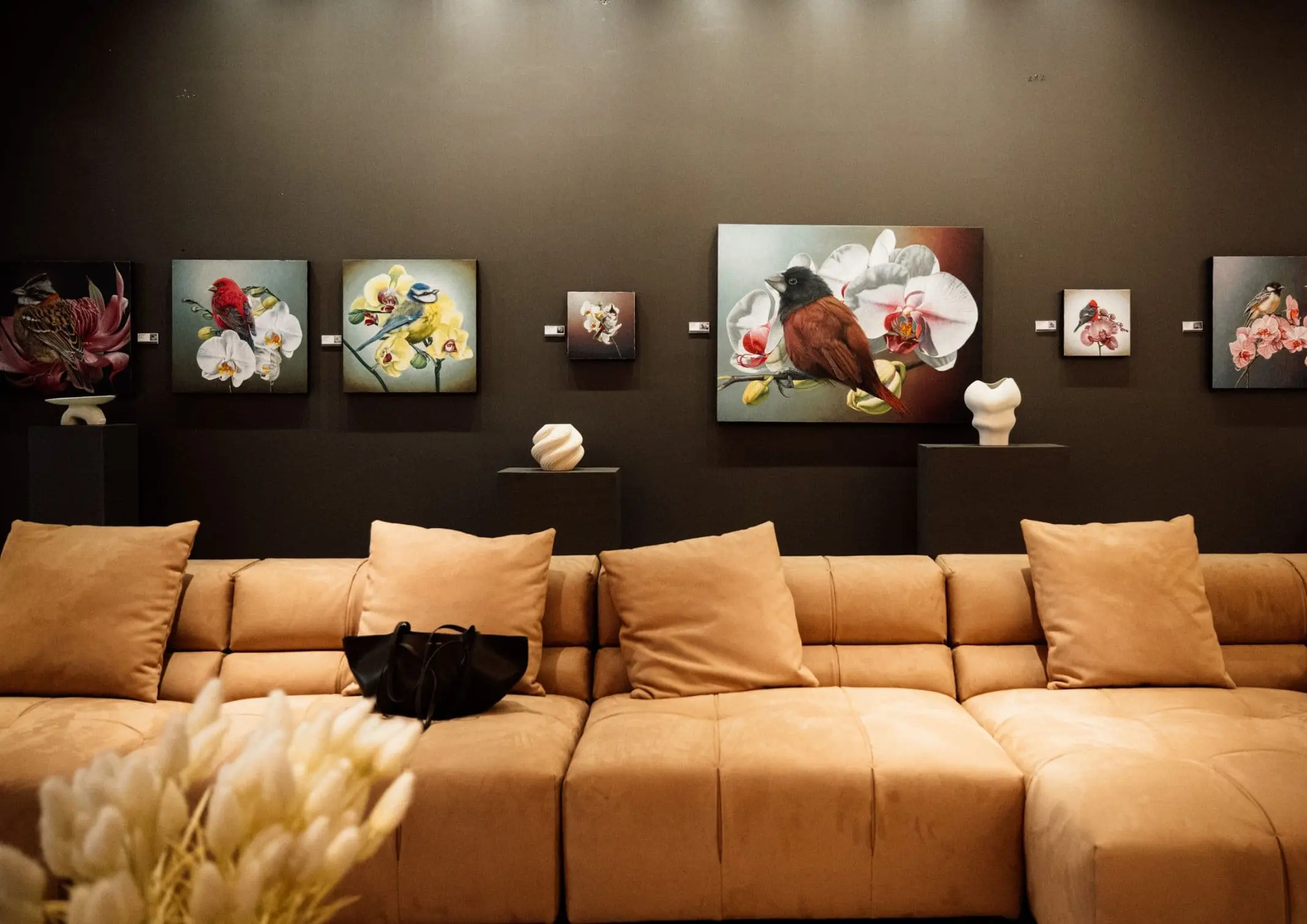
Art and furniture are often selected separately, yet their relationship can shape how a room looks and feels. The collaboration between Hooga and Galerie Joaquin explores how these elements can work together, bringing contemporary artworks into furnished residential settings at Hooga’s showroom in Uptown Mall, Bonifacio Global City. For Hooga, which curates furniture, lighting, and […]
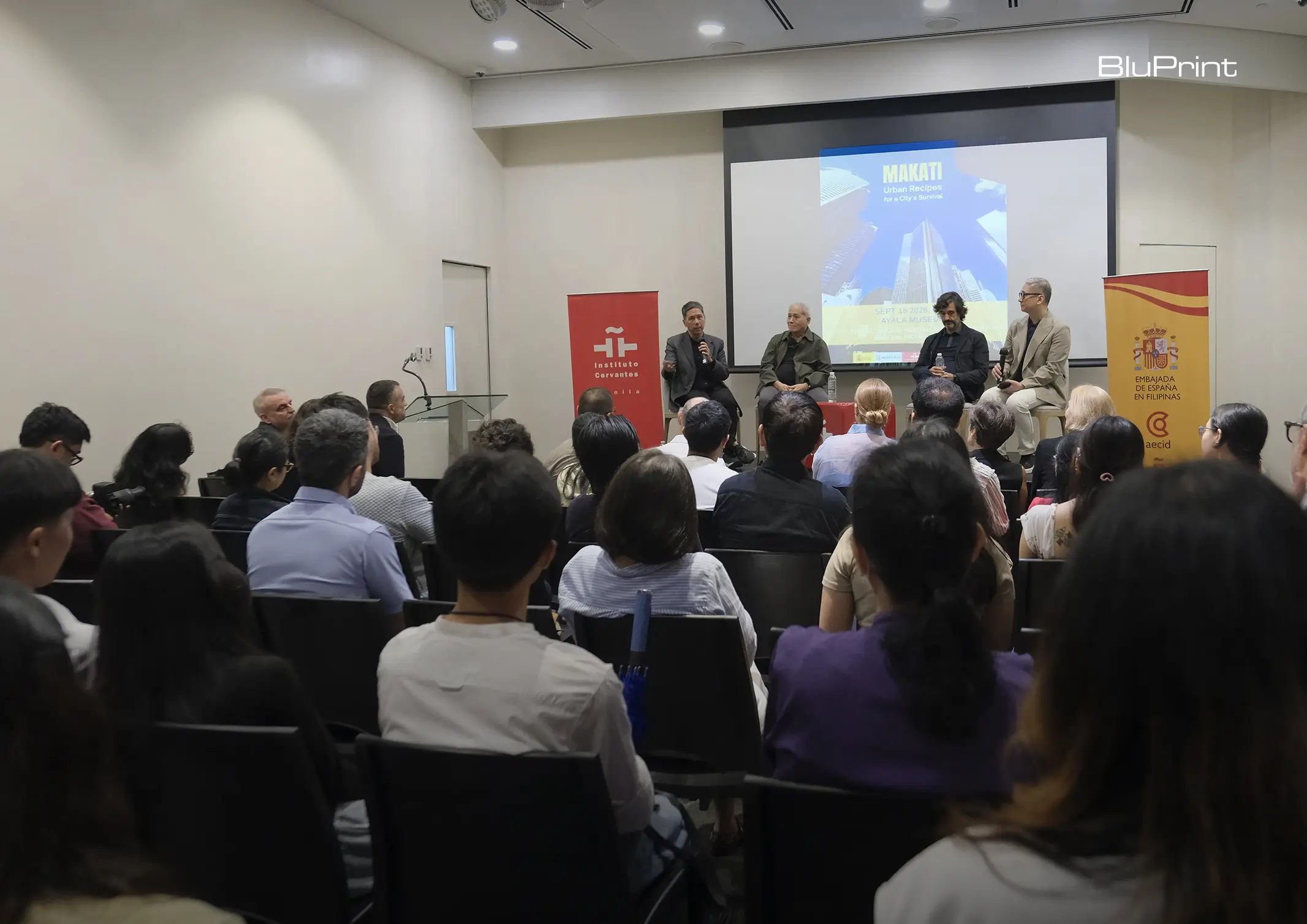
How can better-planned cities create the conditions for more creative, livable, and resilient urban environments? “Makati Urban Recipes for a City’s Survival,” a colloquium held at the Ayala Museum on September 15, brought together architects and practitioners from the fields of urbanism and the creative economy to discuss how design, planning, and collaboration can address […]
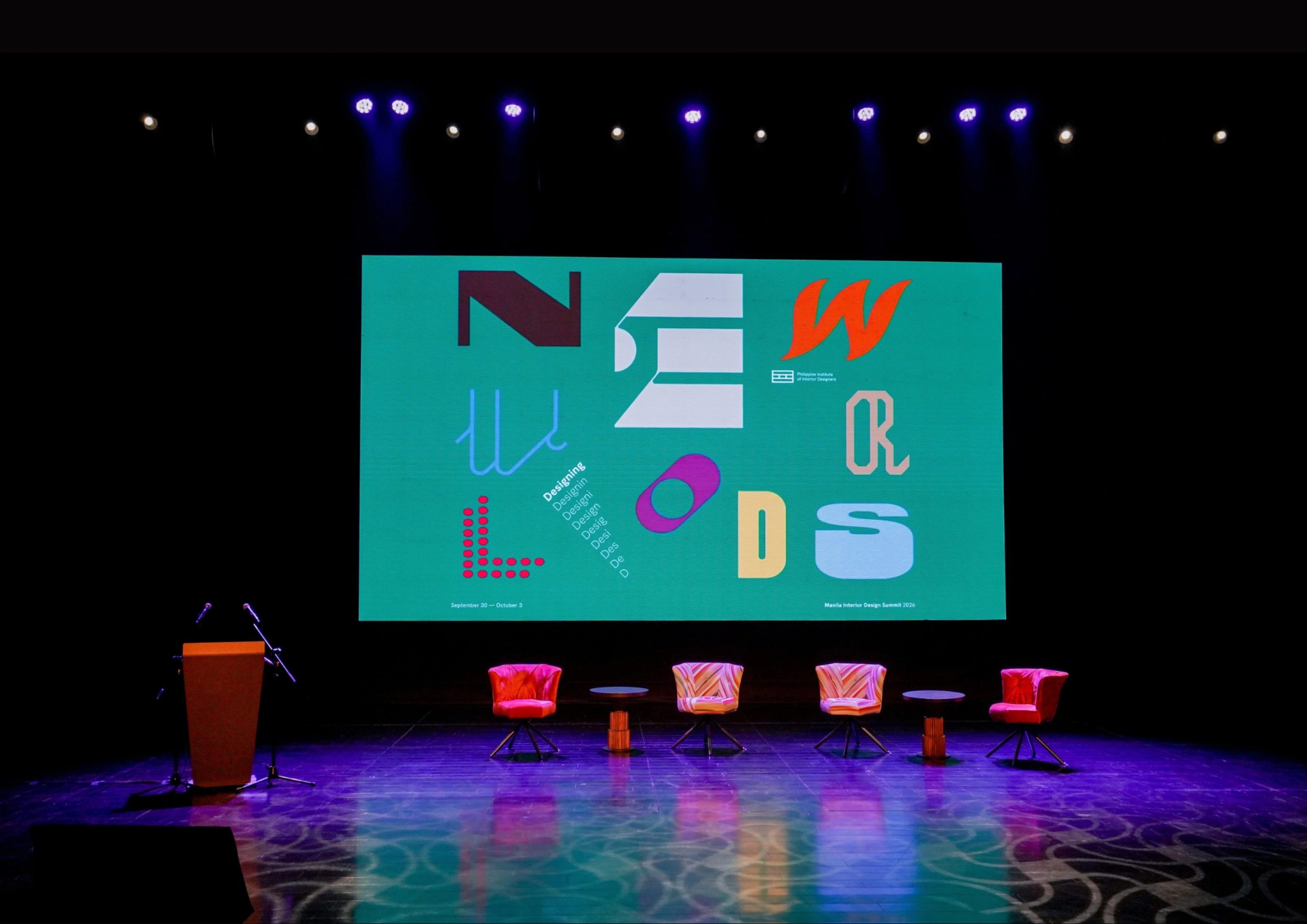
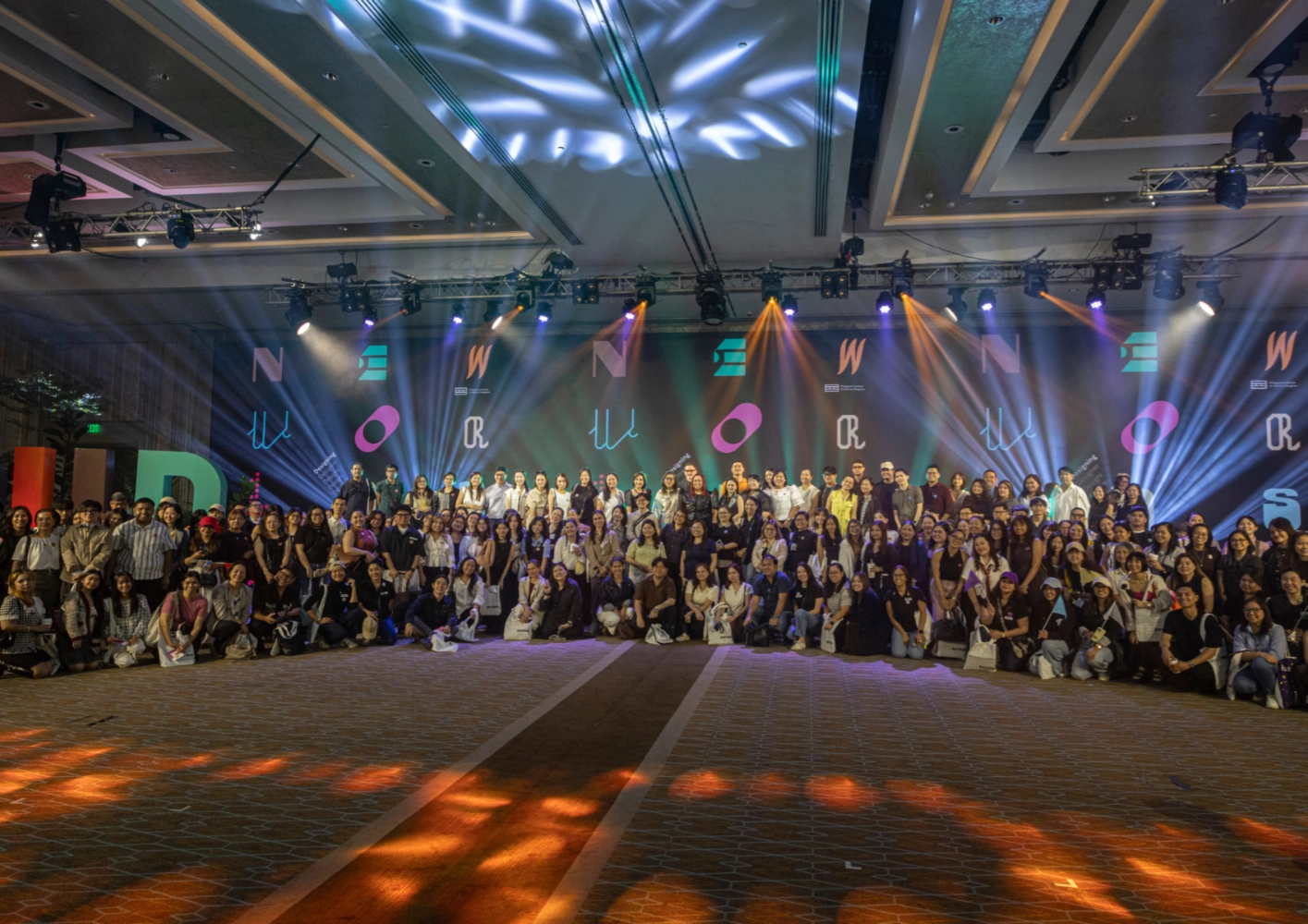
The fourth Manila Interior DesignInterior DesignThe discipline of planning and shaping interior spaces for function, comfort, safety, and beauty. It covers layout, lighting, materials, finishes, furniture, and color, and in the Philippines is a licensedGo to Interior Design Glossary Summit (MIDS) brought together more than 300 delegates for four days of conversations, exhibitions, and design […]
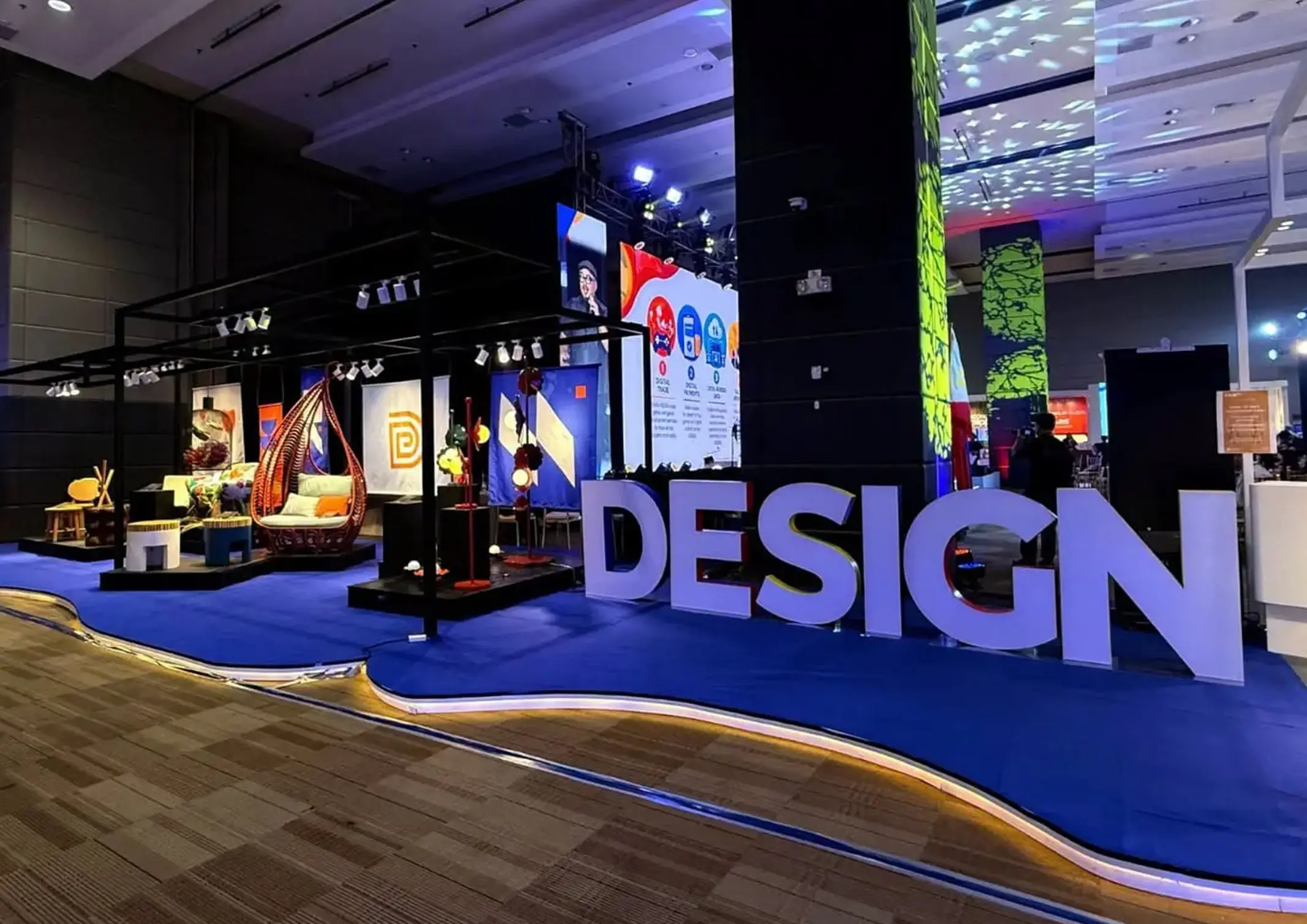
Held at the SMX Convention Center Aura in Taguig City, the first ASEAN Creative Industries Expo by Malikhaing Pinoy (ASEAN MPEx) features nine creative domains, including design, visual arts, digital interactive media, and performing arts. Organized by the Department of Trade and Industry (DTI), the event includes exhibitions, cultural performances, industry talks, and pitching sessions […]
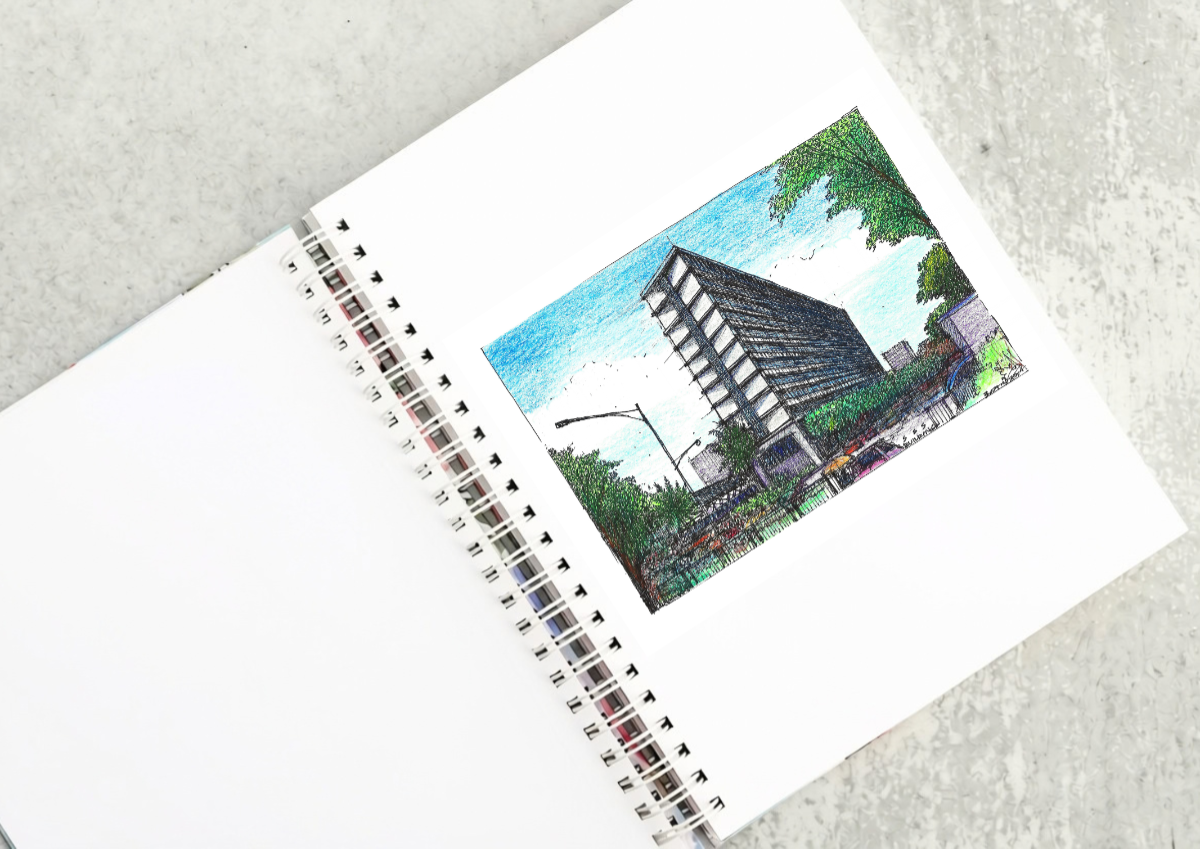
The SSS Building as an Expression of Civic Modernism My favorite modernist landmark in Quezon City is the SSS building on East Avenue. Designed by National Artist for ArchitectureArchitectureThe art and science of designing and constructing buildings, structures, and spaces that are functional, safe, and aesthetically pleasing. It encompasses the planning, design, materials, and techniques […]
Read the issues.

Collect the volumes.

Recommended Video
Tap to Unmute
Unmute
0:00
0:00