Culture in design does not always announce itself through a recognizable motif, material, or symbol. It can also be embedded in the relationships designers build, the knowledge they listen to, the materials they choose, and the decisions they make in response to communities and their environments. This distinction emerged throughout the 2026 International Design Conference […]
How Hollyhock House Forged a New Architectural Language



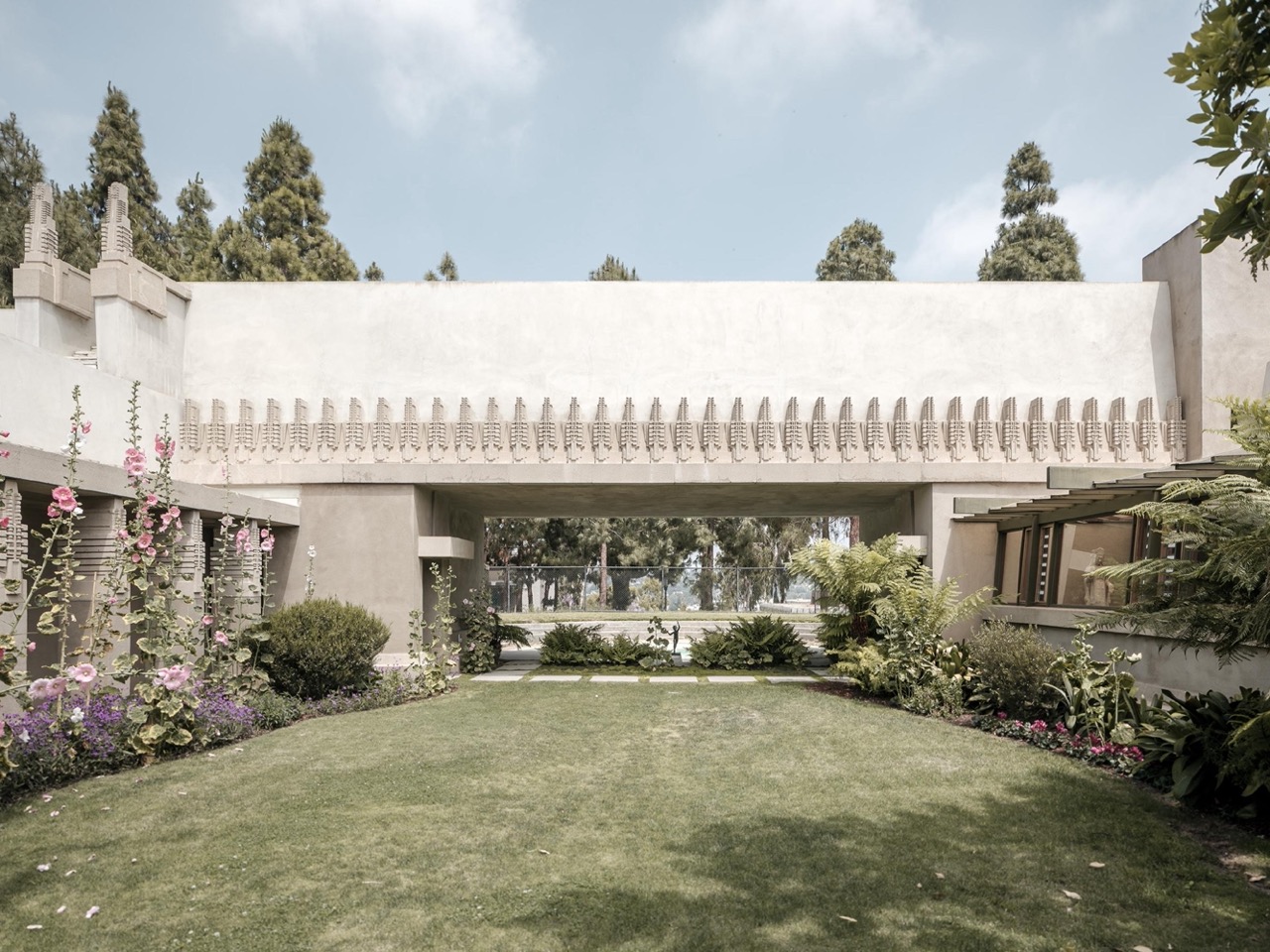
Designed by the legendary architect Frank Lloyd Wright, the Hollyhock House is an iconic milestone in the history of residential design. The home’s design served as a catalyst for California Modernism that introduced pioneering concepts. Its harmonization of art, nature, and innovations earned its recognition as a UNESCO World Heritage Site.
Originally intended to be part of an artist colony, the owner instead donated the estate in 1927 to the City of Los Angeles to be a public art park, now known as Barnsdall Art Park. The project stalled after a rumored disagreement between Wright and the owner.
Creating a New Style
The owner in question, Aline Barnsdall, was an oil heiress and a patron of the arts. She envisioned developing a cultural complex along Olive Hill. It was to be a place for artists to freely produce and express their work. Her favorite flower was the hollyhock, which serves as the main inspiration behind the design’s ornamentation.
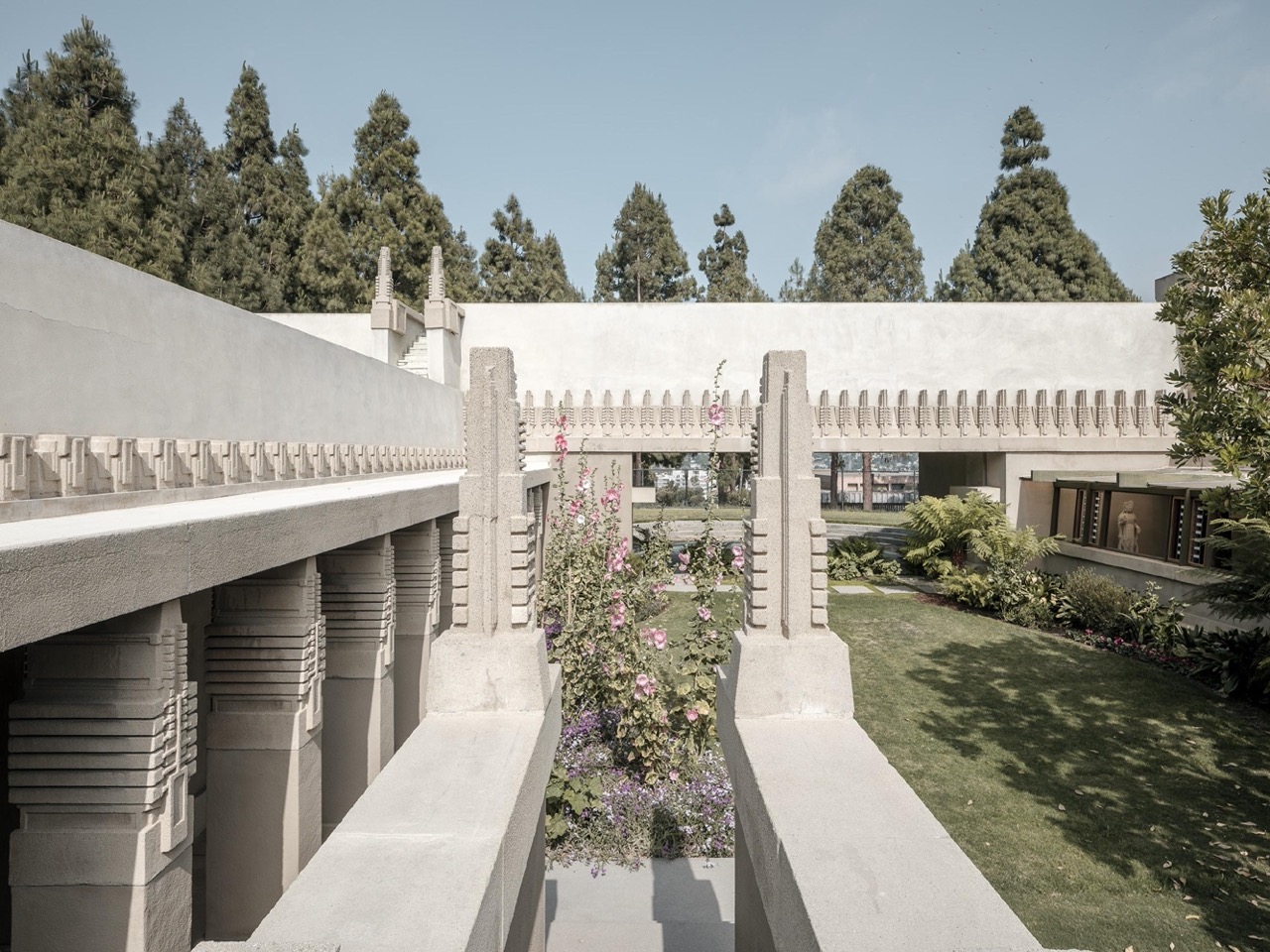
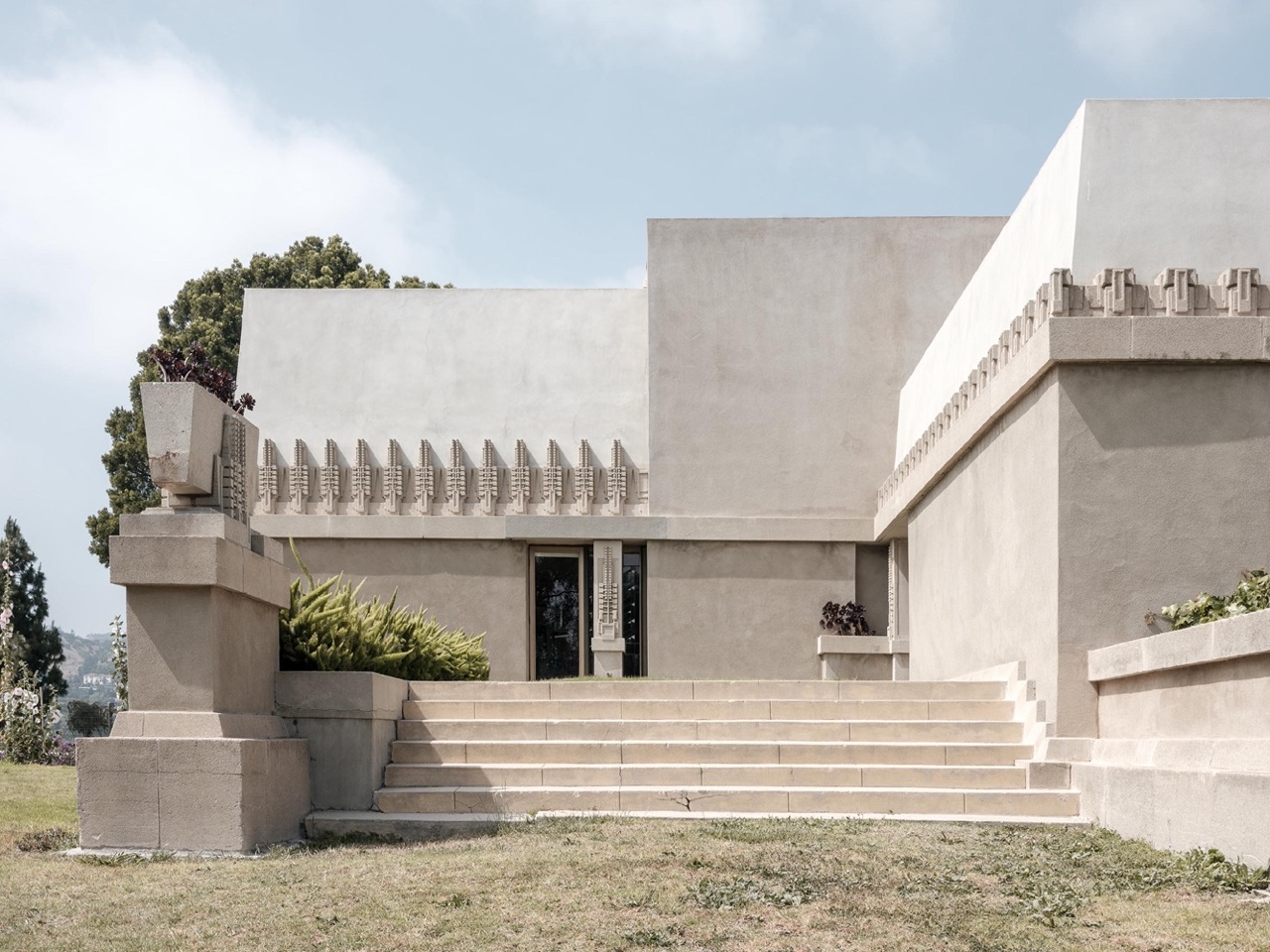
Frank Lloyd Wright saw this creative brief as an opportunity to forge a new architectural language. The unique style of the home, aptly named “California Romanza”, embodies the spirit of its location, emphasizing artistic freedom in its form. The design reflects the spirit of innovation by celebrating creative energy in the midst of natural beauty.
A series of terraces, colonnades, and pergolas bring together interior and exterior spaces. The design language departs from Wright’s earlier Prairie style, with its extensive application of textile block constructions. Rooftop terraces offer breathtaking views of the hills. The living room hearth is a central feature, with its floating hearthstone and stone mural illuminated from above by a skylight.
A Blend Of Cultures
The house dominates its hilltop site with its rigid form and garden walls anchored against the landscape. Its stylistic influences evoke Maya structures, such as the Palace at Palenque, and pre-Hispanic ArchitectureArchitectureThe art and science of designing and constructing buildings, structures, and spaces that are functional, safe, and aesthetically pleasing. It encompasses the planning, design, materials, and techniques used to createGo to Architecture Glossary. The walls’ pronounced form, dense patterns, and casted ornamentations translates these motifs. The central courtyard garden draws upon Spanish Colonial elements with its columns and surrounding terraces.
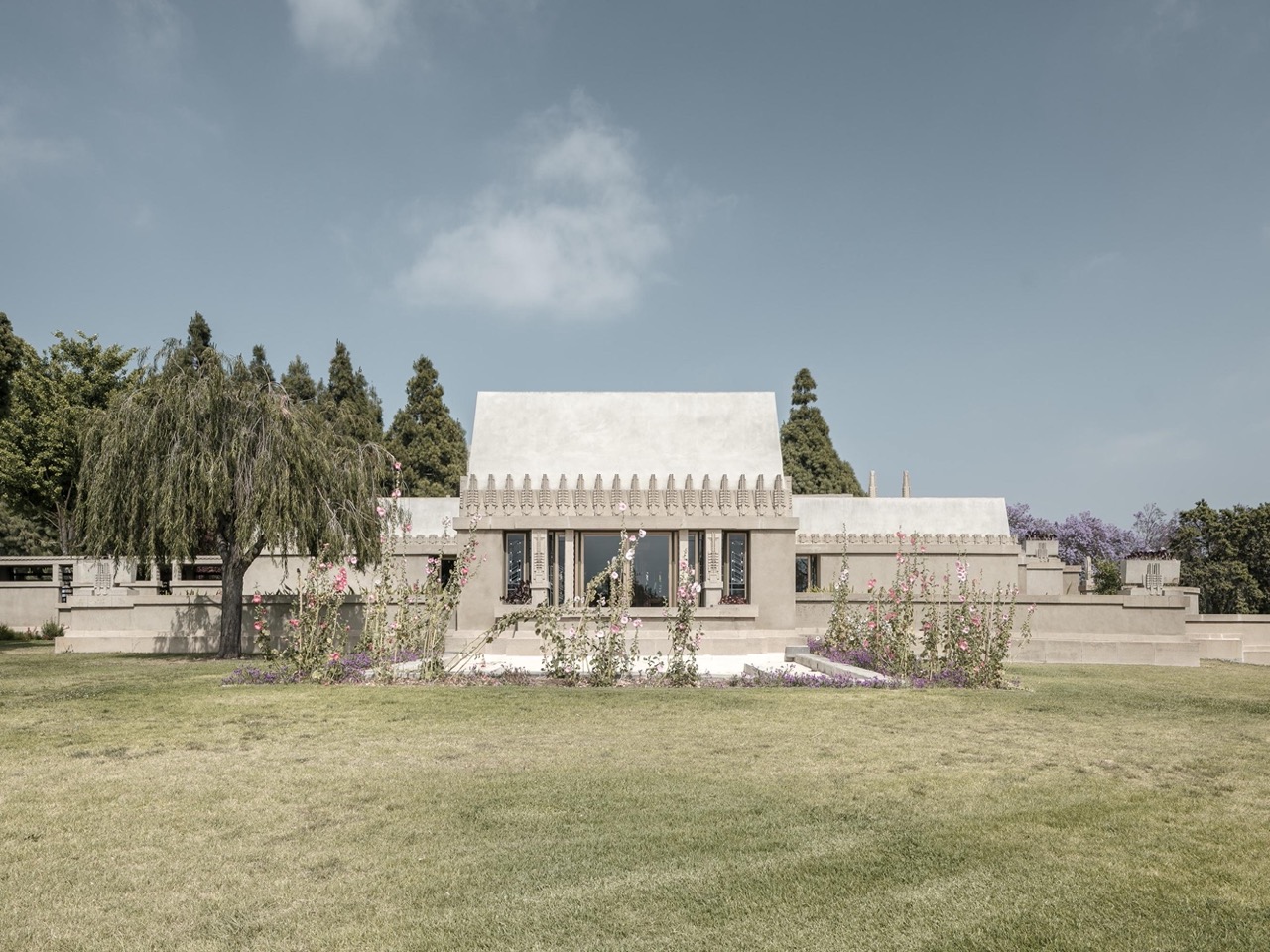
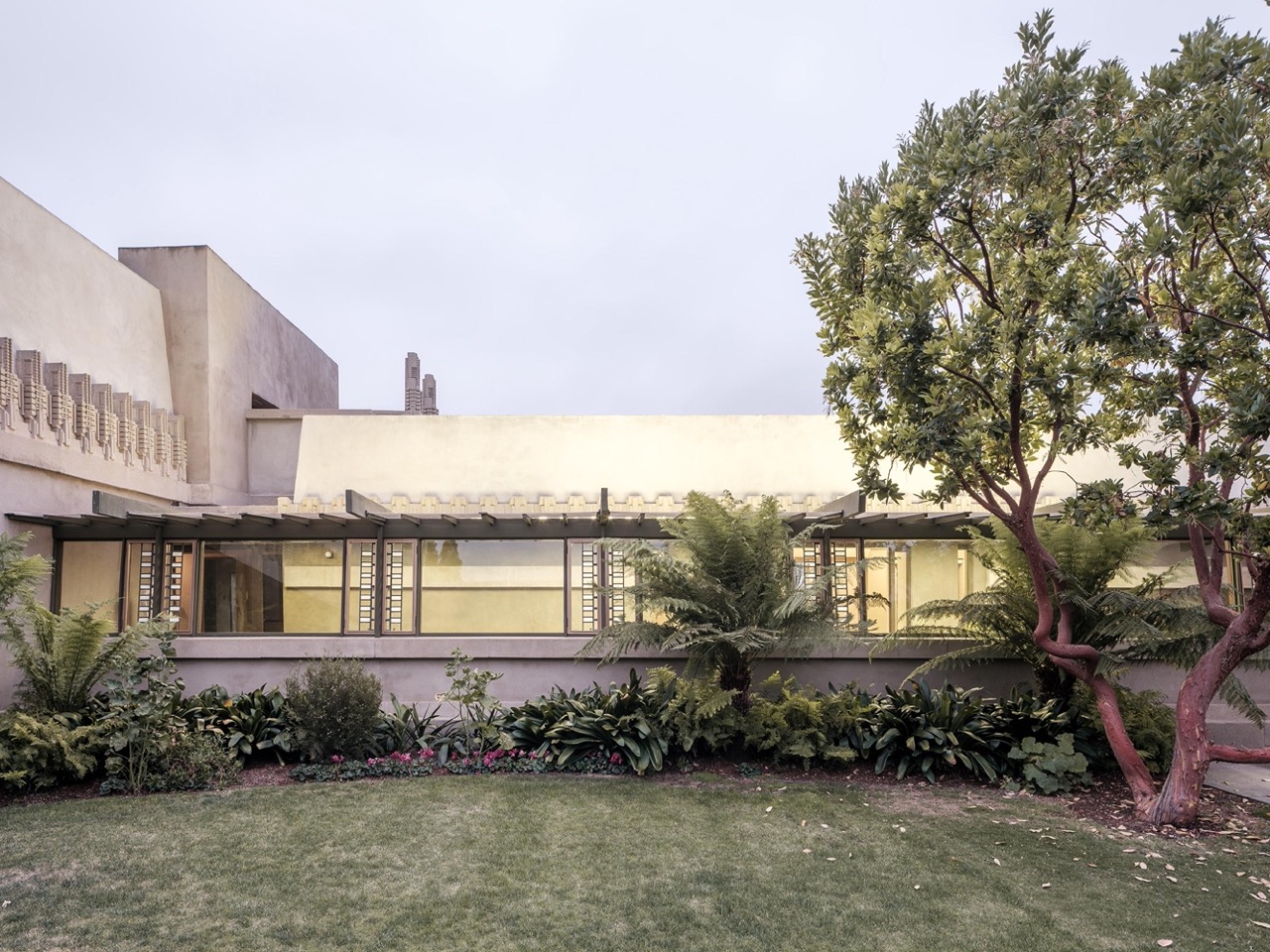
Materially, the home uses hollow clay blocks with a stucco coating. An accent of decorative hollyhock style bands brings together the ornamental aesthetic. It brings a sculptural quality within the interiors that express California’s regional culture.
The Heart of the Home
Inside the Hollyhock House is a unified design as Wright showcases his acumen for harmony. Custom furniture, textiles, art glass windows, and even the dishes are intentionally matched to make a cohesive artistic statement. The hollyhock motif acts as a unifying element to the overall themes inside. Material accents are tastefully added as rich woods and brass metals add a subtle yet impactful touch.
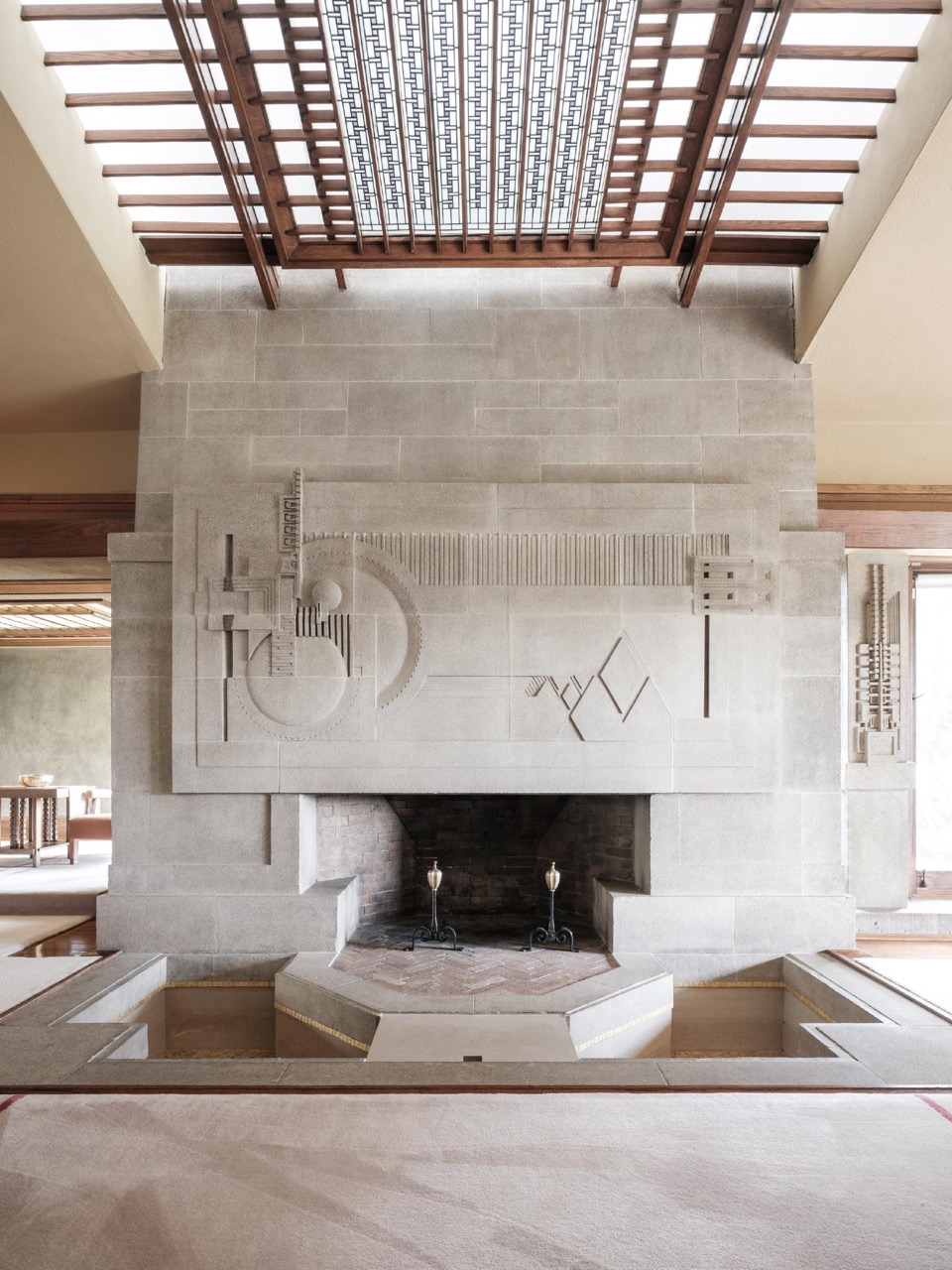
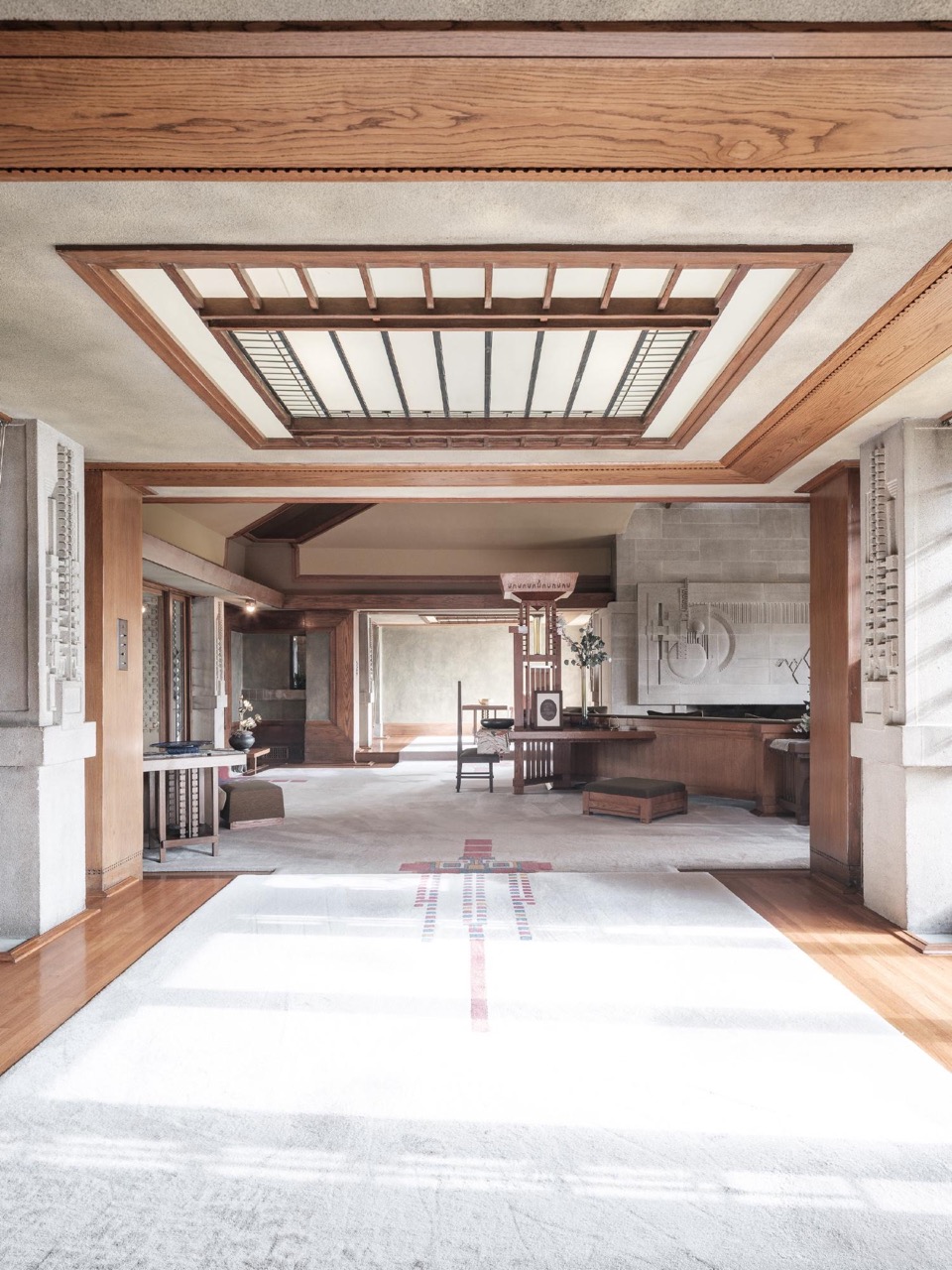
A classic of Wright’s style, an open floor planFloor PlanA scaled drawing showing a building's layout as seen from above, as if sliced horizontally at roughly waist height. It maps rooms, walls, doors, windows, circulation, and fixed furniture, helpingGo to Floor Plan Glossary utilizes ceiling heights and spatial proportion to delineate different areas. The living room features a monumental fireplace with a dramatic bas relief and a reflecting pool. The heart integrates a complex interplay of fire, water, earth (stone), and air (skylight). It emphasizes and clearly indicates this social space as the heart of the home.
An Endearing Legacy
It can be said that the Hollyhock House was a starting point for the illustrious portfolio that Wright built up after. The home’s design language serves as a link between his previous work and later explorations. A unique structural system and incorporation of water elements foreshadow his other iconic works, like Fallingwater.
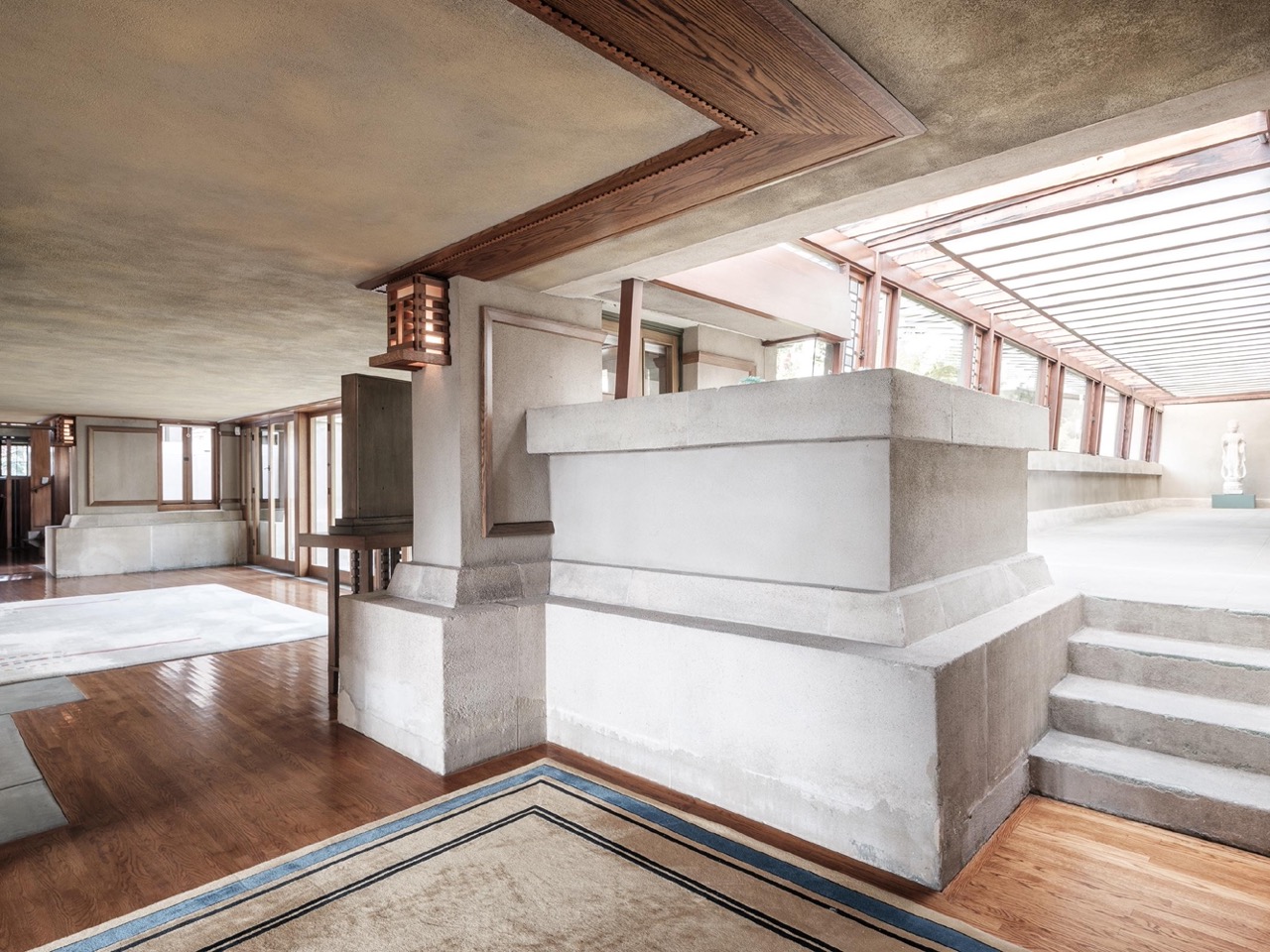
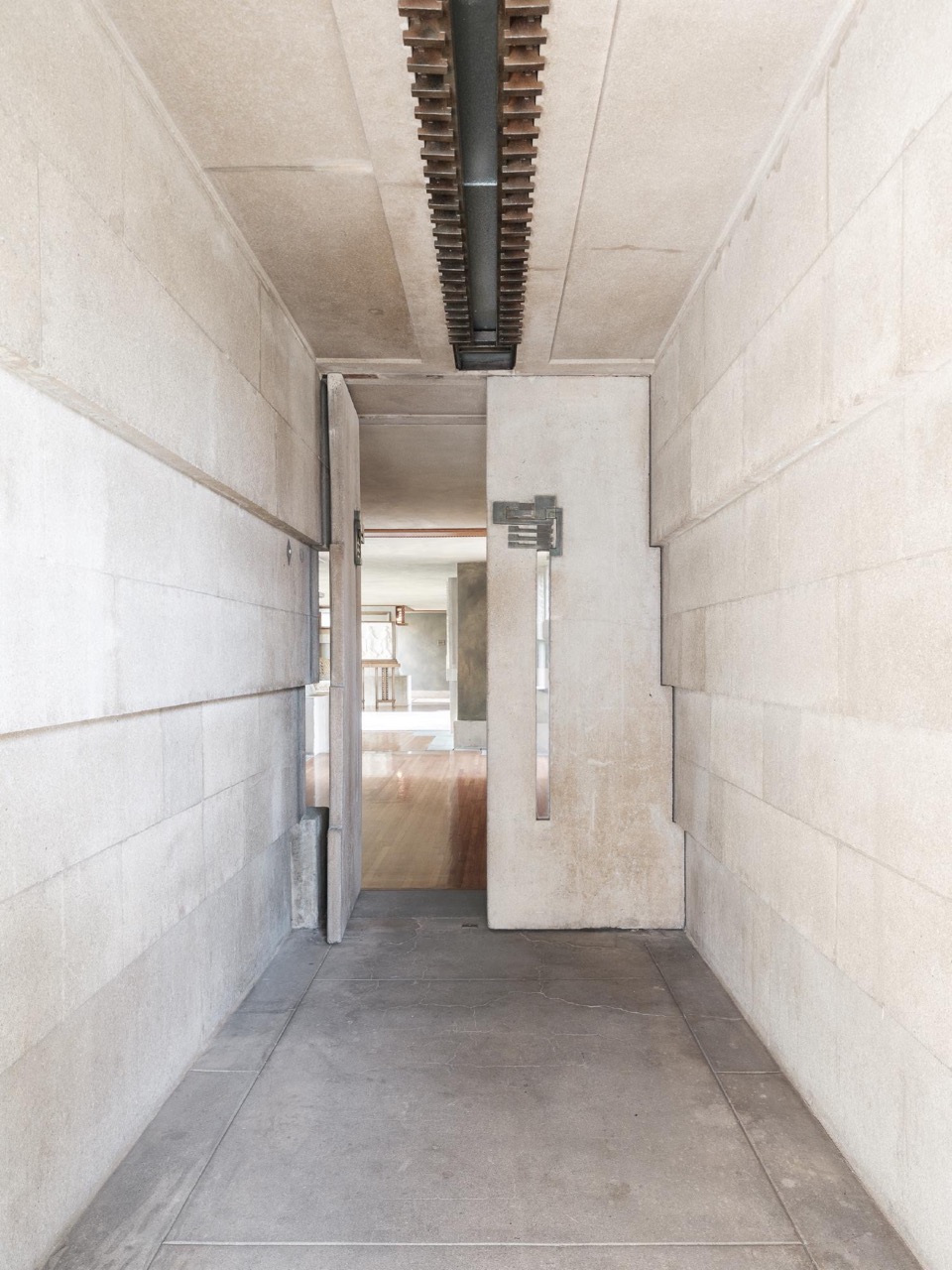
The home still remains close to the community around it. It has undergone extensive restoration and preservation efforts. The structure is safeguarded and reinforced to ensure that it lasts for future generations to explore. Today, it stands proudly as one of Wright’s great works, offering the public a chance to enjoy its creative wonders within its beautifully ornamented spaces.
Legacy-wise, the Hollyhock House is an iconic symbol of California Modernism and is a major work of Frank Lloyd Wright. Its halls continue to captivate visitors with its artistic design that inspires with its unique and pioneering concepts.
Read more: 3 Iconic Frank Lloyd Wright Structures
Photo credit:Filippo Poli
Resources: https://hollyhockhouse.org/

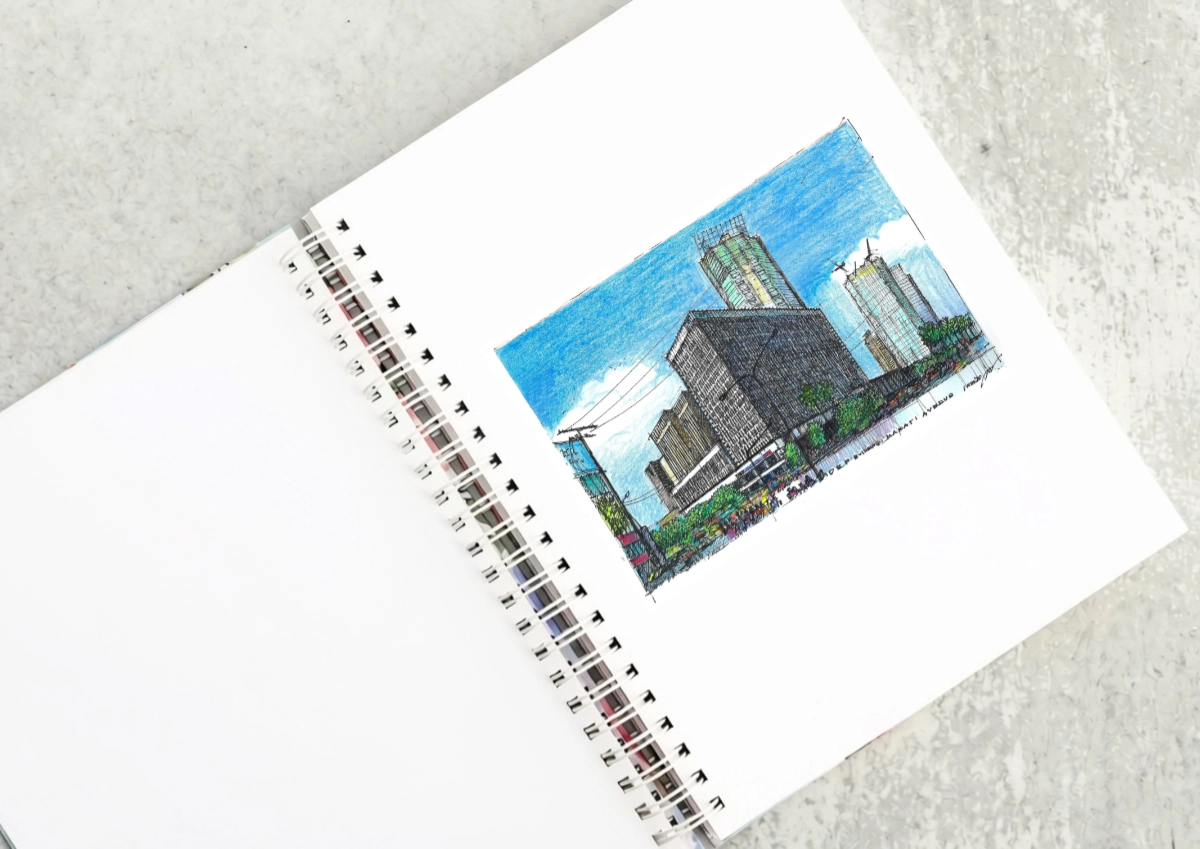
The DBP Building as a Landmark of the International Style At the corner of Sen. Gil Puyat Avenue and Makati Avenue stands a landmark of the Makati Central Business District. It is one of the last still standing that were built in the first wave of construction in district fifty years ago. The Development Bank […]

“Buildings only become architectureArchitectureThe art and science of designing and constructing buildings, structures, and spaces that are functional, safe, and aesthetically pleasing. It encompasses the planning, design, materials, and techniques used to createGo to Architecture Glossary when they are shared,” said William Ti Jr., founder of the Anthology Festival and WTA Architecture and Design Studio, […]
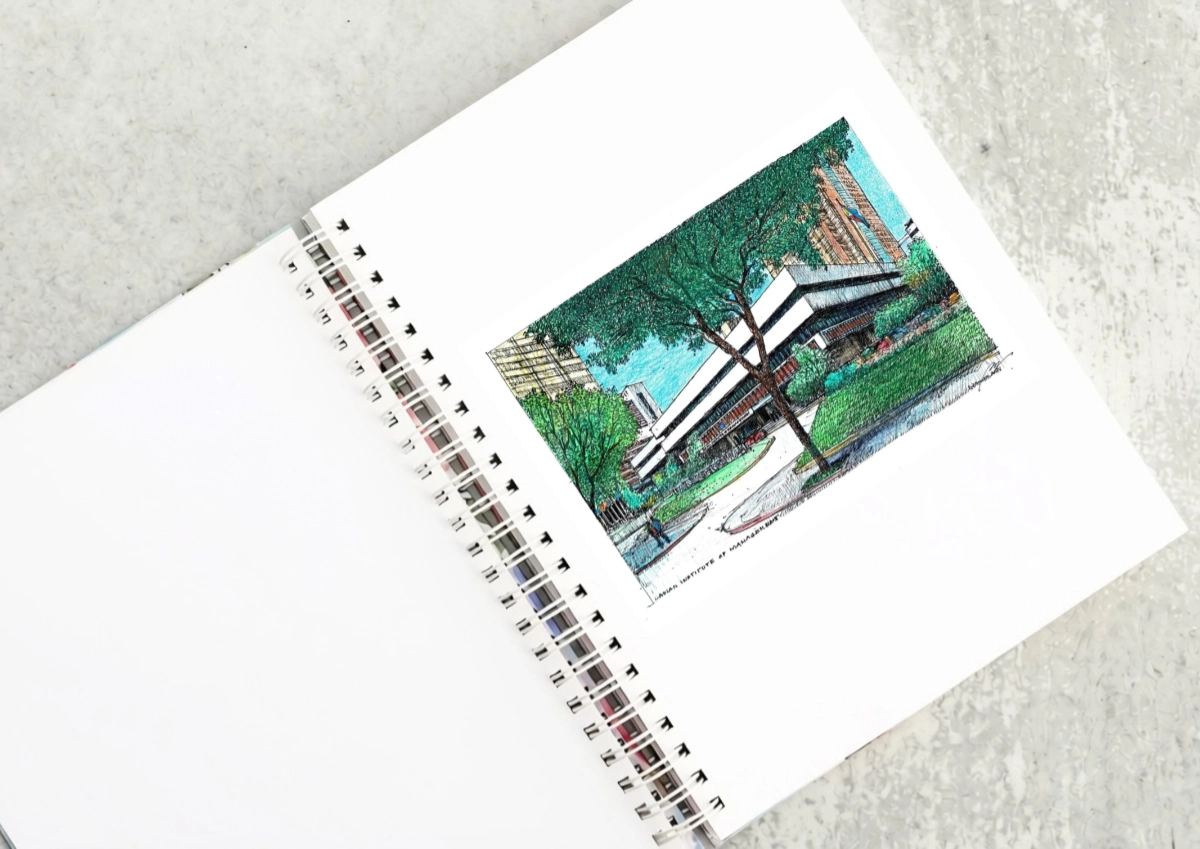
A Filipino Interpretation of Modernist Architecture Unlike the rest of Makati today, the northern end of Paseo de Roxas in Makati is anchored by a low complex rather than a tall skyscraper. This is the elegant Asian Institute of Management, designed by architect Gabriel Formoso and completed in 1971. In my opinion, the building is […]
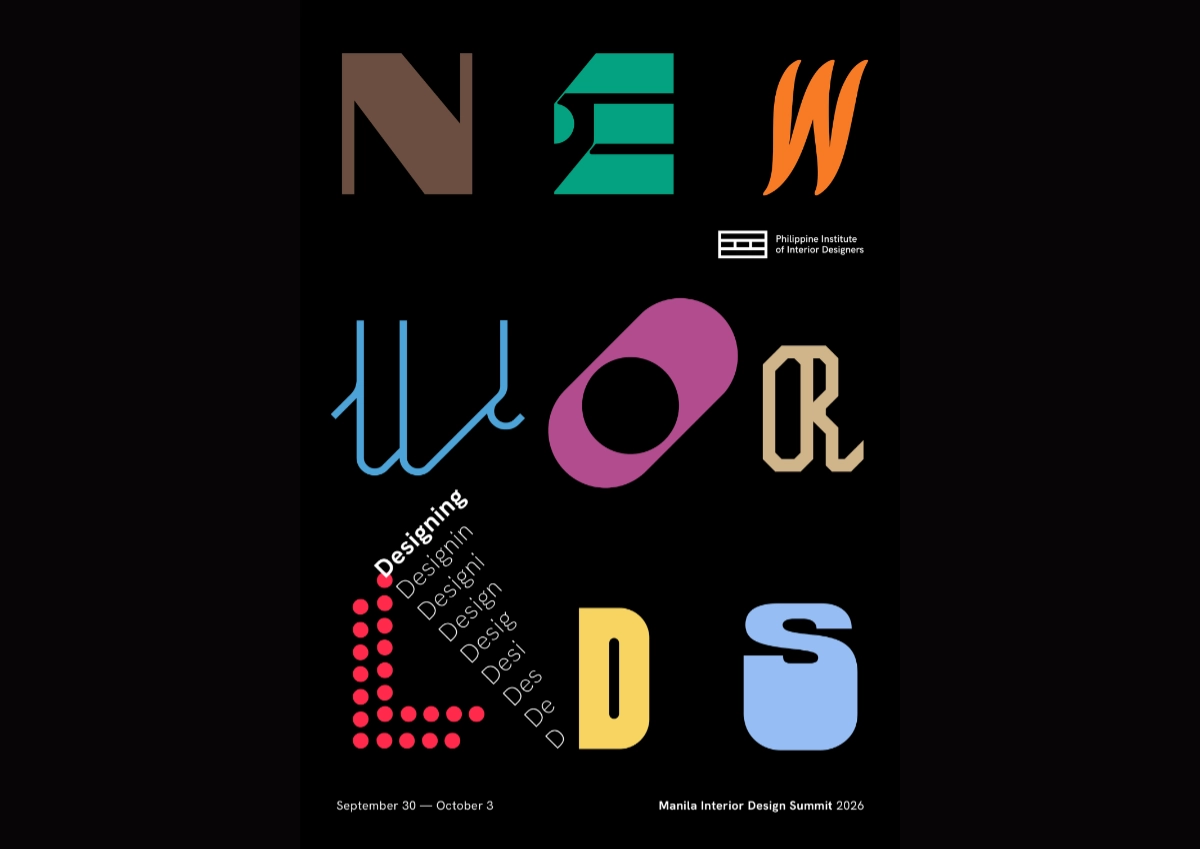
“Thailand has claimed urban creativity and livability. Singapore has institutional design leadership. Indonesia is emerging as a design hub. Vietnam is moving into design innovation. And the Philippines? Its position is not weak. It is simply unclaimed.” For IDr. Cecil Ravelas, National President of the Philippine Institute of Interior Designers (PIID), the challenge is not […]
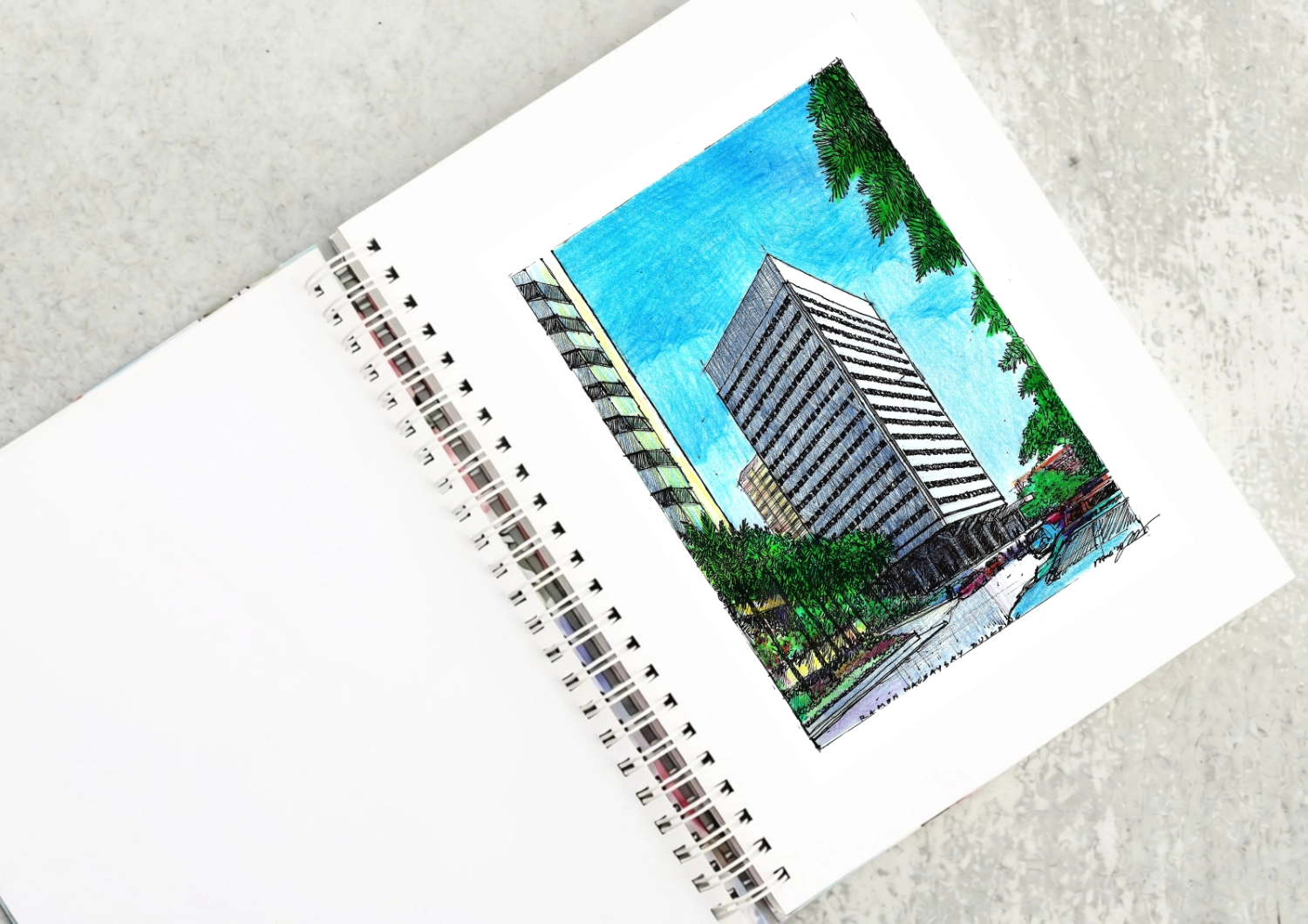
The Ramon Magsaysay Center as a Modernist Landmark Driving down Roxas boulevard from Rizal Park, what will catch your eye is the most elegant modernist structure in the country, the Ramon Magsaysay Center. Most established Filipino architects put it in their top ten lists of favorite buildings. It was designed by Alfredo J. Luz, who […]
Read the issues.

Collect the volumes.

Recommended Video
Tap to Unmute
Unmute
0:00
0:00