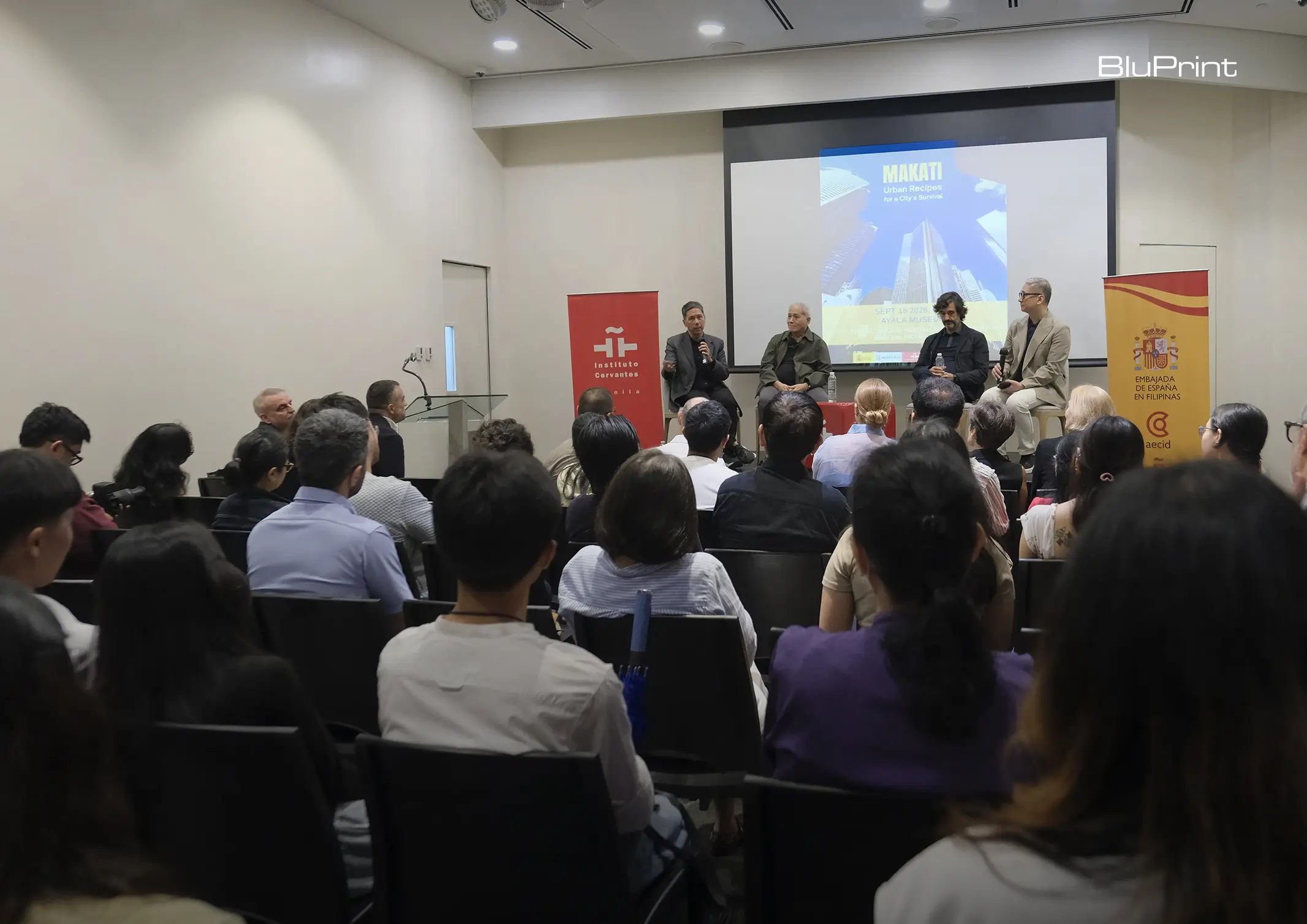
How can better-planned cities create the conditions for more creative, livable, and resilient urban environments? “Makati Urban Recipes for a City’s Survival,” a colloquium held at the Ayala Museum on September 15, brought together architects and practitioners from the fields of urbanism and the creative economy to discuss how design, planning, and collaboration can address […]
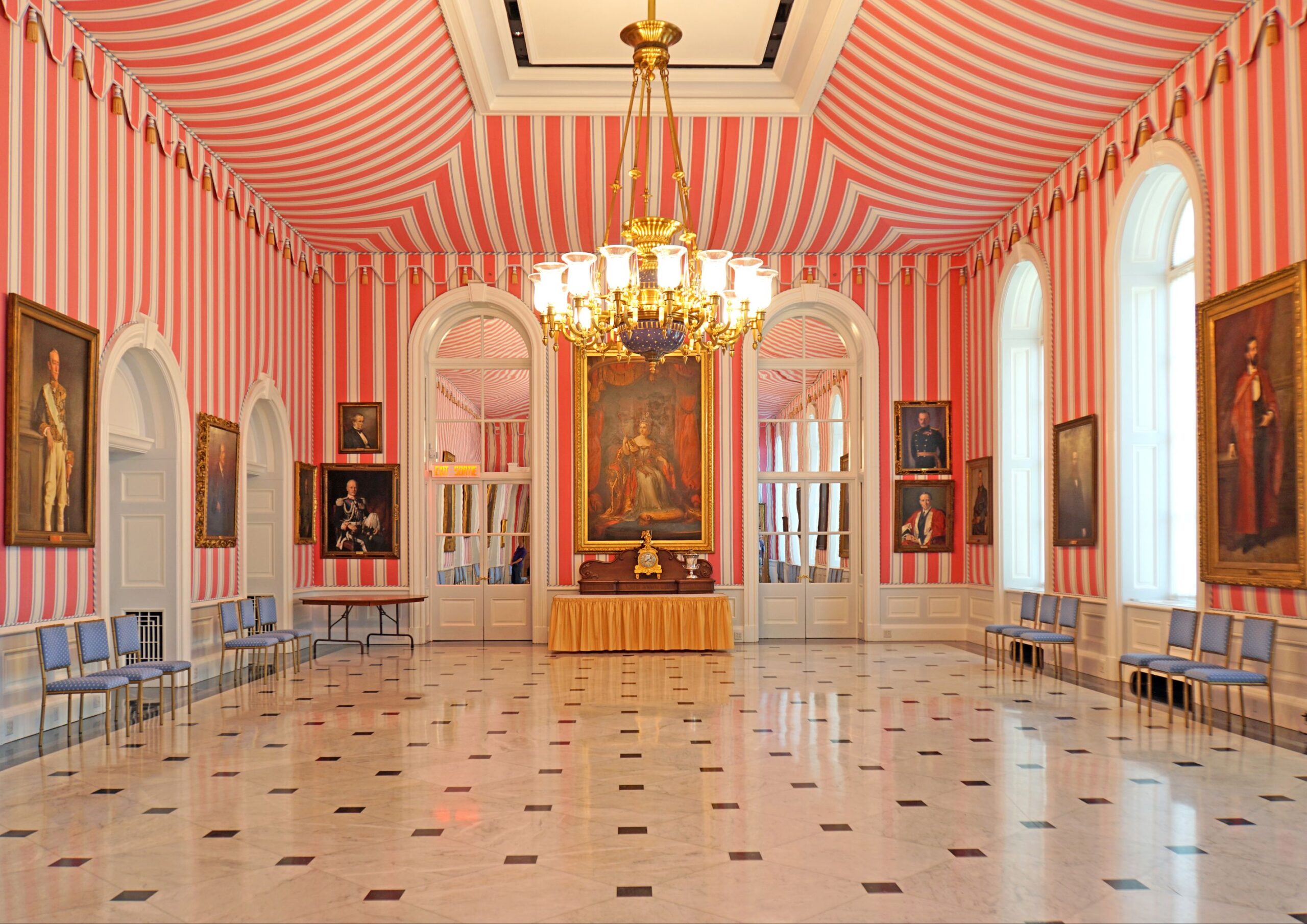
Tented Rooms: How to Design a Luxurious Whimsical Interior
Bring the grandeur of historic dignitaries' into your home with the resurgent trend of tented rooms!



Who knew the opulent style of 18th-century Europe could feel so fresh today? Tented rooms are making a grand comeback to bring a whimsical and dramatic flair to your home. With its billowing fabrics inspired by the theatrical tents of emperors and dignitaries, this age-old luxurious interior style offers a welcome departure from the clean lines and cool palettes that dominated design in recent years. Here’s a guide to achieve this trend’s cozy and lavish look.
Tented Rooms From Past to Present
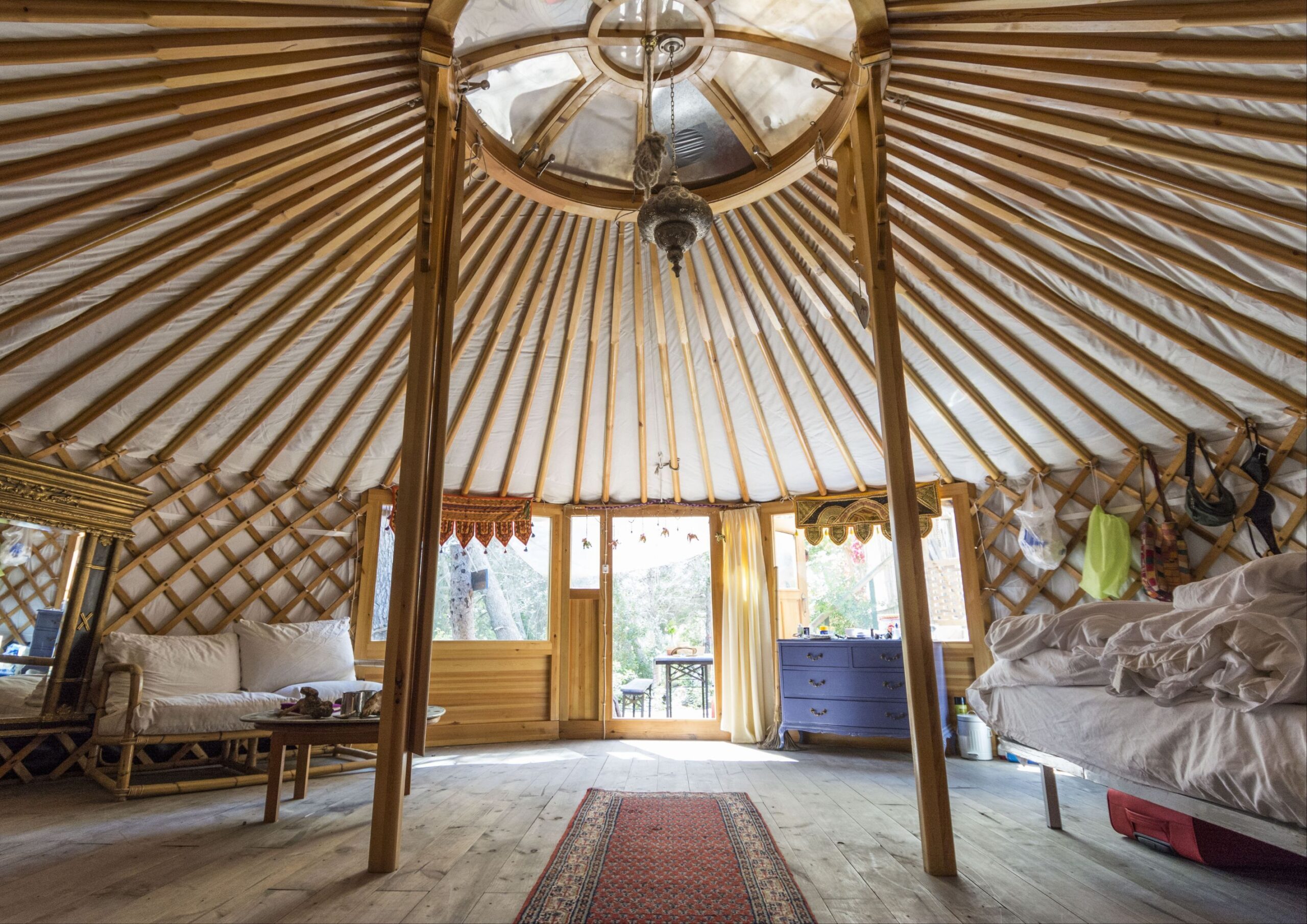
Tented rooms are interior spaces designed to resemble the inside of a luxurious tent. Fabrics take center stage as their defining feature, replacing drywall or plaster on walls and ceilings. This is typically done by installing a fabric ceiling canopy with pelmets and covering negative spaces with drapes.
Traditionally, this design boasts richly colored or patterned fabrics with decorative trimmings. But modern interpretations include a variety of fabrics and materials like paint and wallpaper to achieve the same effect.
Tented rooms are likely rooted in nomadic cultures who used them for hunting encampments. However, its earliest documented use for luxury and grandeur appeared around ancient Roman times as a more elaborate shelter for military leaders.
Then, it bloomed in the 18th century when Napoleon Bonaparte began recreating military campaigns in his residence, Château de Malmaison. His architects, Percier and Fontaine, were the first to bring tented rooms in the context of interiors.
Following this design innovation, tented rooms spread across Europe amongst wealthy and reputable families and admirers of the Napoleonic style. During that time, it became a way to showcase power and sophistication, with variations emerging as it proliferated to different countries.
But by the early 20th century, tented rooms gradually fell out of favor as more practical elements gained popularity. They only gained traction again in recent years as homeowners seek unique and dramatic designs from older and historic styles.
Setting Up Your Own Theatrical Tent Room
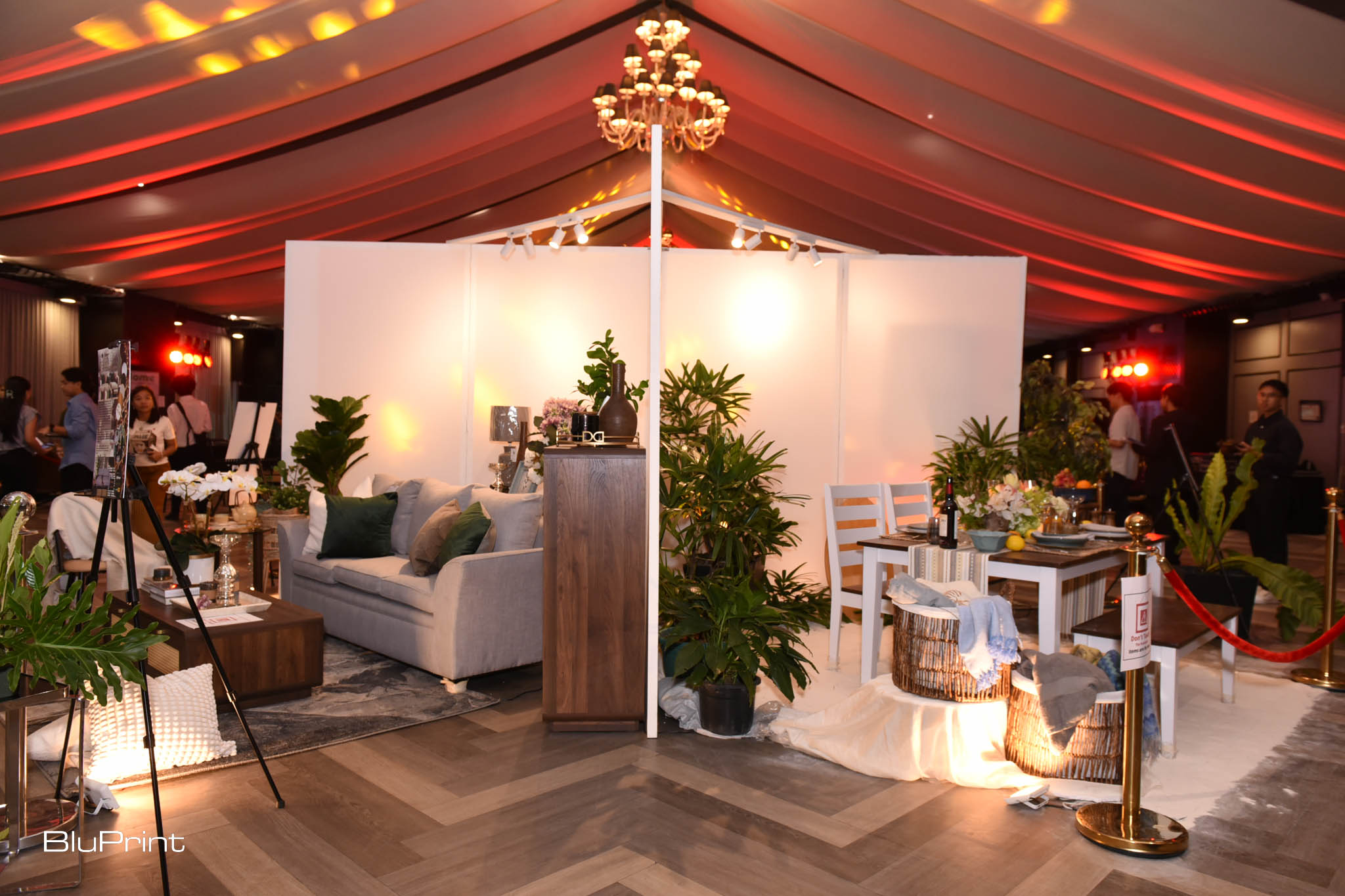
Due to fresh perspectives on old-age design trends, modern tented rooms offer more versatility compared to their traditional counterparts. From the type of material to the kind of ambiance, you now have more freedom to customize it according to your liking. This allows you to incorporate them into various areas in your home like bedrooms, living rooms, and playrooms. Here’s how to bring their luxurious allure into your space.
Measure Negative Spaces
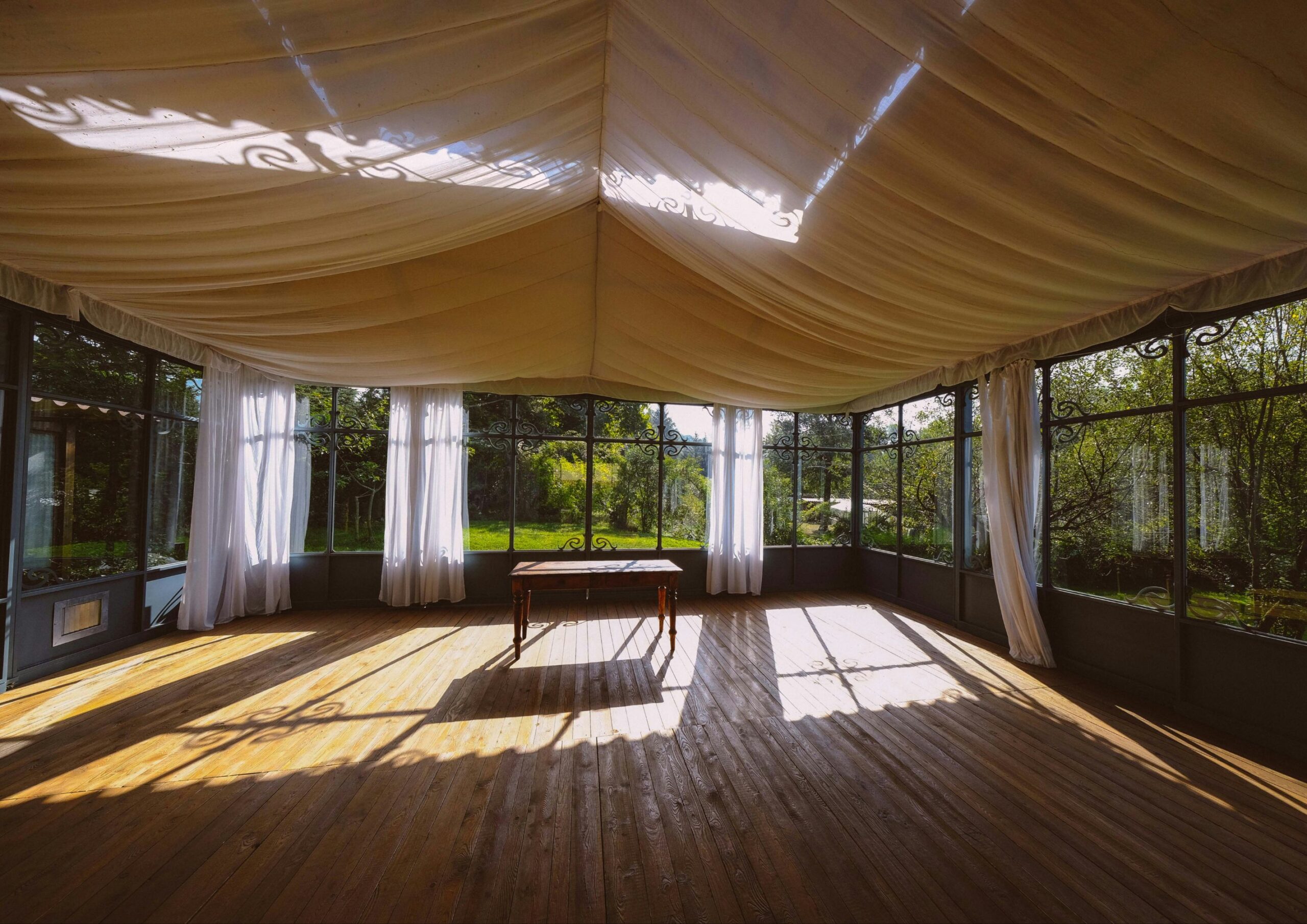
Before diving into enveloping your space with fabrics, wallpapers, or paint, carefully measure your walls and ceilings. This gives you accurate measurements for the material you’ll choose.
For walls, account for their height, width, and any baseboards or trim that might affect the material’s placement. As for ceilings, take note of vaults or slopes to ensure proper coverage.
If you opt for fabrics, consider if you want to drape them around windows or create openings for them. As fabrics require meticulous templating and sewing, designer Leandra Fremont-Smith advised sketching a plan beforehand to visualize the final look.
Better to add 10 to 20 percent extra fabric of your total wall area for seams, gathers, and potential mistakes. Flat ceilings need 10 to 15 percent extra while vaulted and sloped ceilings require professional or online calculations.
Select Your Main Material
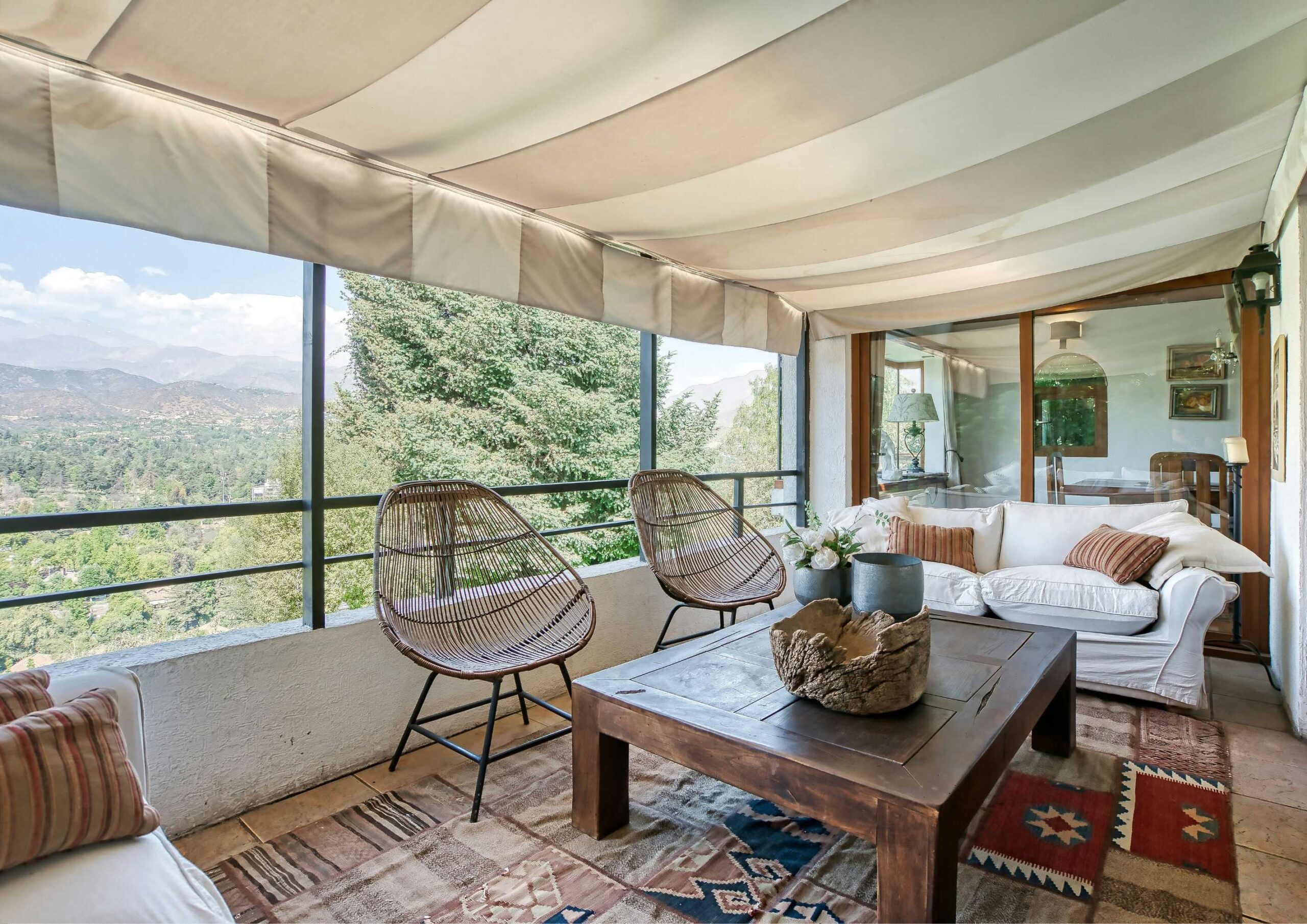
At its core, tented rooms heavily rely on rich fabrics like velvets, silks, and damasks. Decorative trimmings such as fringes, tassels, and braids add another layer of shadow and drama to the interior.
On the other hand, if you want more natural light to seep through, opt or lightweight fabrics. Voile, muslin, and linen offer a softer and more subtle, ethereal feel.
For a low-maintenance approach, wallpapers are the perfect solution. Unlike fabric, this material eliminates the need for measuring, cutting, and potentially complex installations. You can also choose from the various styles and patterns it offers.
In addition, paint can achieve the illusion of a tented room. Monochromatic colors create a clean and cohesive look, emphasizing the tent-like structure. You can also try a gradient effect by painting the ceiling a slightly lighter or darker shade than the walls. This helps draw the eye upwards and creates a sense of height, mimicking the peak of a tent.
Install Chosen Tented Room Feature
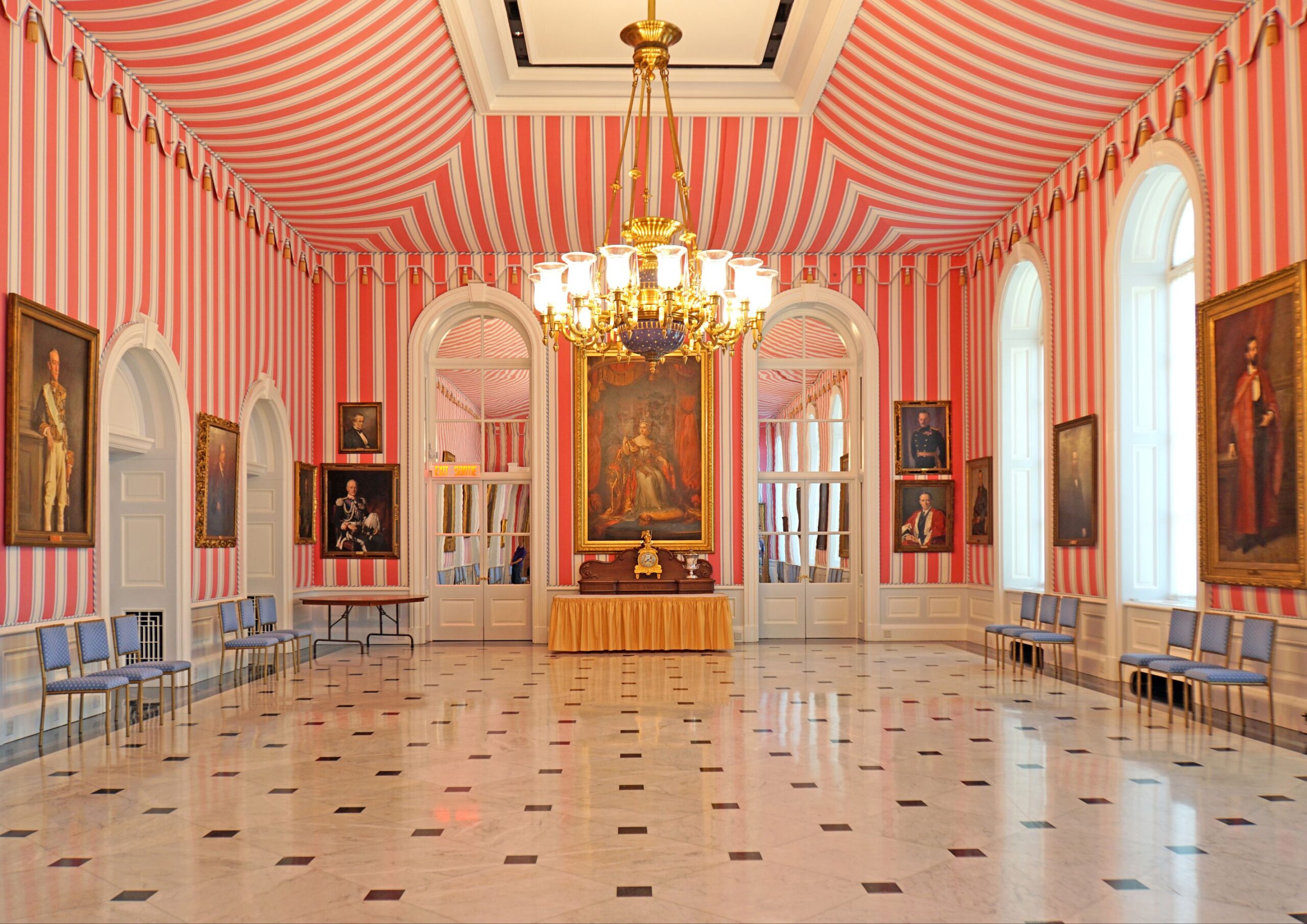
Depending on your selected material, there are specific ways to install and design a tented room.
Fabrics need a sturdy framework according to your space’s dimensions. Build a wooden frame for rich heavy drapes to support their weight. Adding thicker beams work best for larger spaces. Alternatively, explore heavy-duty tension rod systems for smaller areas. For a more secure installation, sew the fabric panels together and attach them to the frame.
Lighter fabrics can be installed to lighter wooden frames or tension rods. But for a more budget-friendly option, opt for PVC pipes. You can also secure the fabrics by sewing them over the frame. Avoid snagging by using more delicate approaches like decorative fabric ties and drapery hooks.
Wallpapers, unless they’re simple peel-and-sticks, need nothing aside from wallpaper paste, a smoothing tool, level, utility knife, and seam roller. Start applying the paste from the corner of the wall. Carefully hang the wallpaper strips by making sure they’re level, then smooth out any air bubbles with a squeegee. Repeat the process for all wall sections and run a seam roller for a secure bond. Once the wallpaper is dry, use the utility knife to trim any excess around the edges
When using paint, ensure your walls and ceiling are clean, dry, and in good condition. Patch any holes or cracks. Apply painter’s tape to protect areas you don’t want painted. Consider using a primer, especially if using bold colors. Monochromatic looks need a paint roller for large areas and a brush for edges and corners. But for a striped effect and stenciling, you need more planned tape placements and painting methods.
Complete the Look with Dramatic Touches
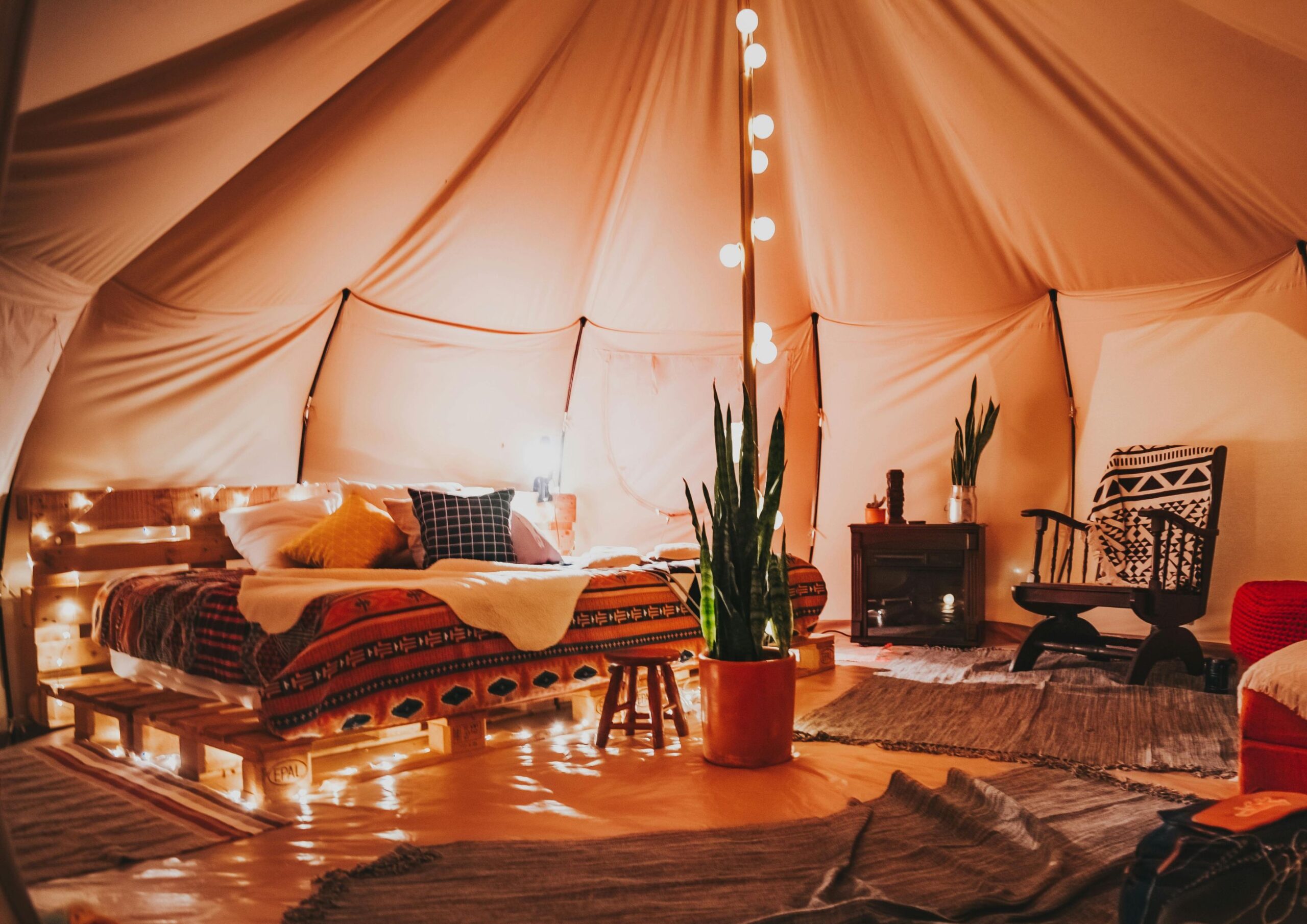
While fabric is the defining feature of a tented room, other design elements play a crucial role in enhancing the overall ambiance.
Begin by implementing warm and diffused lampscaping. Steer clear of harsh big, overhead lights. Instead, include floor lamps with fabric shades or table lamps with soft diffusers.Adding string, fairy, or twinkle lights further accentuate the room’s whimsical appeal.
Since the tented room’s cohesive design tends to draw eyes upwards, use low-profile furniture to maintain a sense of visual balance. Versatile pieces like ottomans, daybeds, and armchairs blend seamlessly into the curved lines of the overall draped aesthetic.
Layer rugs, throw pillows, artwork with metallic, earthy, or whimsical accents to add a luxurious and exotic feel.
Tented rooms are a delightful resurgence of old European opulence that are a fresh departure from minimalist design. Whether you opt for grand fabrics, cleverly placed wallpaper, or magical paints, this guide lets you experience cozy and lavish interiors like the ancient dignitaries of old.
Read more: Open vs. Traditional Floor Plans: Choosing the Best Layout
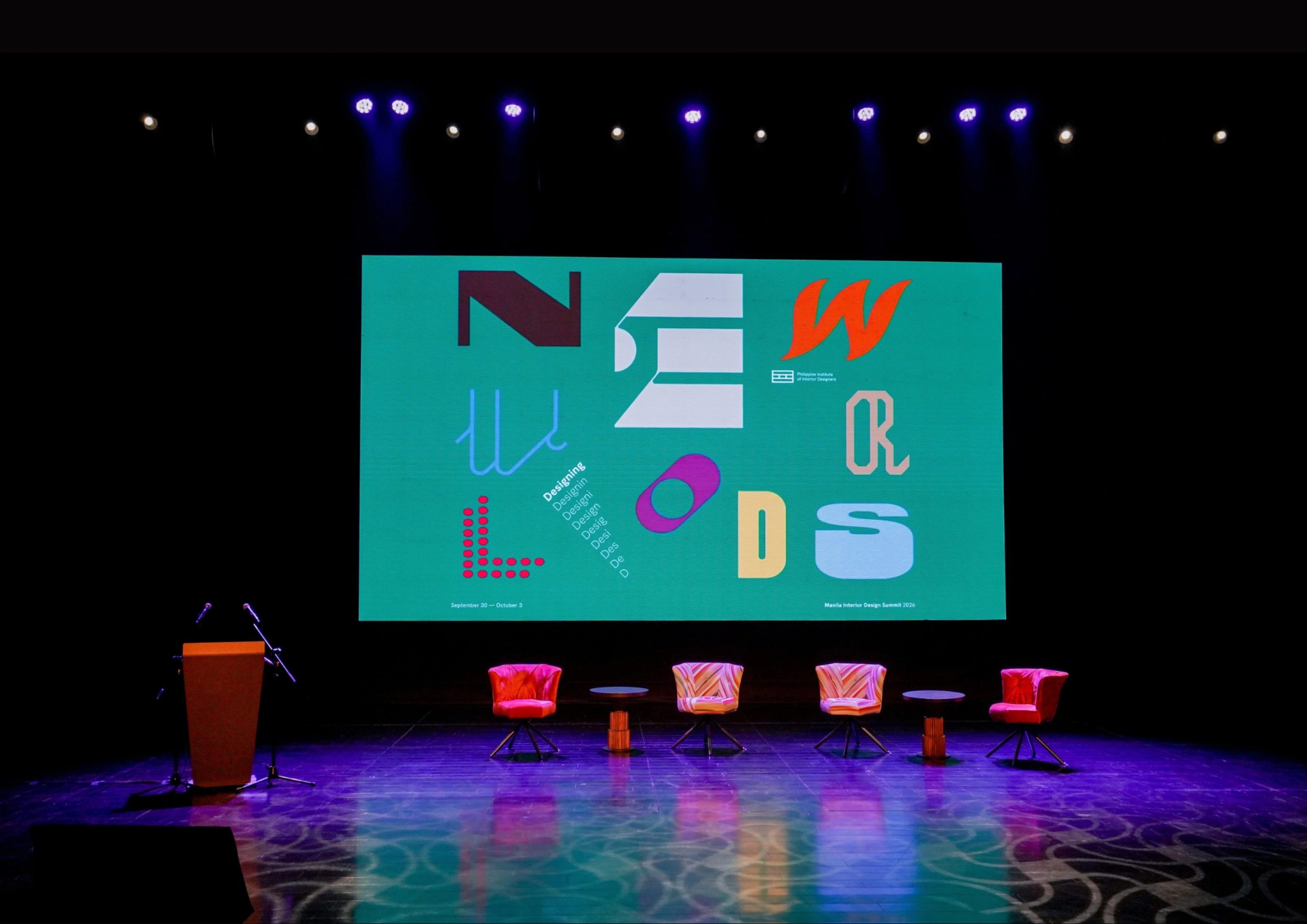
The fourth Manila Interior DesignInterior DesignThe discipline of planning and shaping interior spaces for function, comfort, safety, and beauty. It covers layout, lighting, materials, finishes, furniture, and color, and in the Philippines is a licensedGo to Interior Design Glossary Summit (MIDS) brought together more than 300 delegates for four days of conversations, exhibitions, and design […]

Held at the SMX Convention Center Aura in Taguig City, the first ASEAN Creative Industries Expo by Malikhaing Pinoy (ASEAN MPEx) features nine creative domains, including design, visual arts, digital interactive media, and performing arts. Organized by the Department of Trade and Industry (DTI), the event includes exhibitions, cultural performances, industry talks, and pitching sessions […]
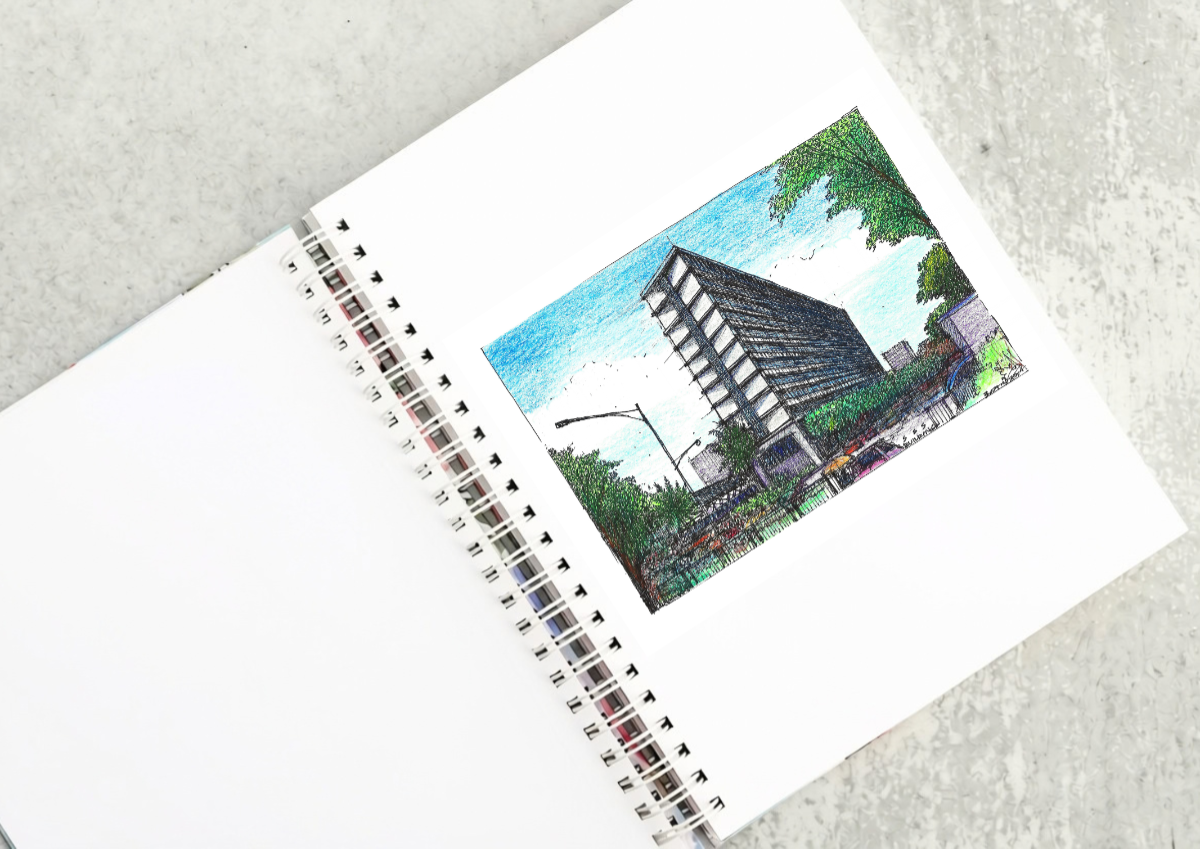
The SSS Building as an Expression of Civic Modernism My favorite modernist landmark in Quezon City is the SSS building on East Avenue. Designed by National Artist for ArchitectureArchitectureThe art and science of designing and constructing buildings, structures, and spaces that are functional, safe, and aesthetically pleasing. It encompasses the planning, design, materials, and techniques […]

Archie G. Carrasco, Chairman and CEO of AGC Power Holdings Corp. (AGC PHC), has been named to The BoF 500 Class of 2026 under the Media category, joining The Business of Fashion’s global community of individuals shaping the fashion industry. Carrasco is among 100 new members from 33 countries and 48 nationalities selected for the […]

Culture in design does not always announce itself through a recognizable motif, material, or symbol. It can also be embedded in the relationships designers build, the knowledge they listen to, the materials they choose, and the decisions they make in response to communities and their environments. This distinction emerged throughout the 2026 International Design Conference […]
Read the issues.

Collect the volumes.

Recommended Video
Tap to Unmute
Unmute
0:00
0:00