The seventh edition of the Anthology ASEAN ArchitectureArchitectureThe art and science of designing and constructing buildings, structures, and spaces that are functional, safe, and aesthetically pleasing. It encompasses the planning, design, materials, and techniques used to createGo to Architecture Glossary Festival brought together over 4,000 delegates from across the Philippines and Southeast Asia for three […]
The Tiny Art Trend and Its Big Impact on Interiors



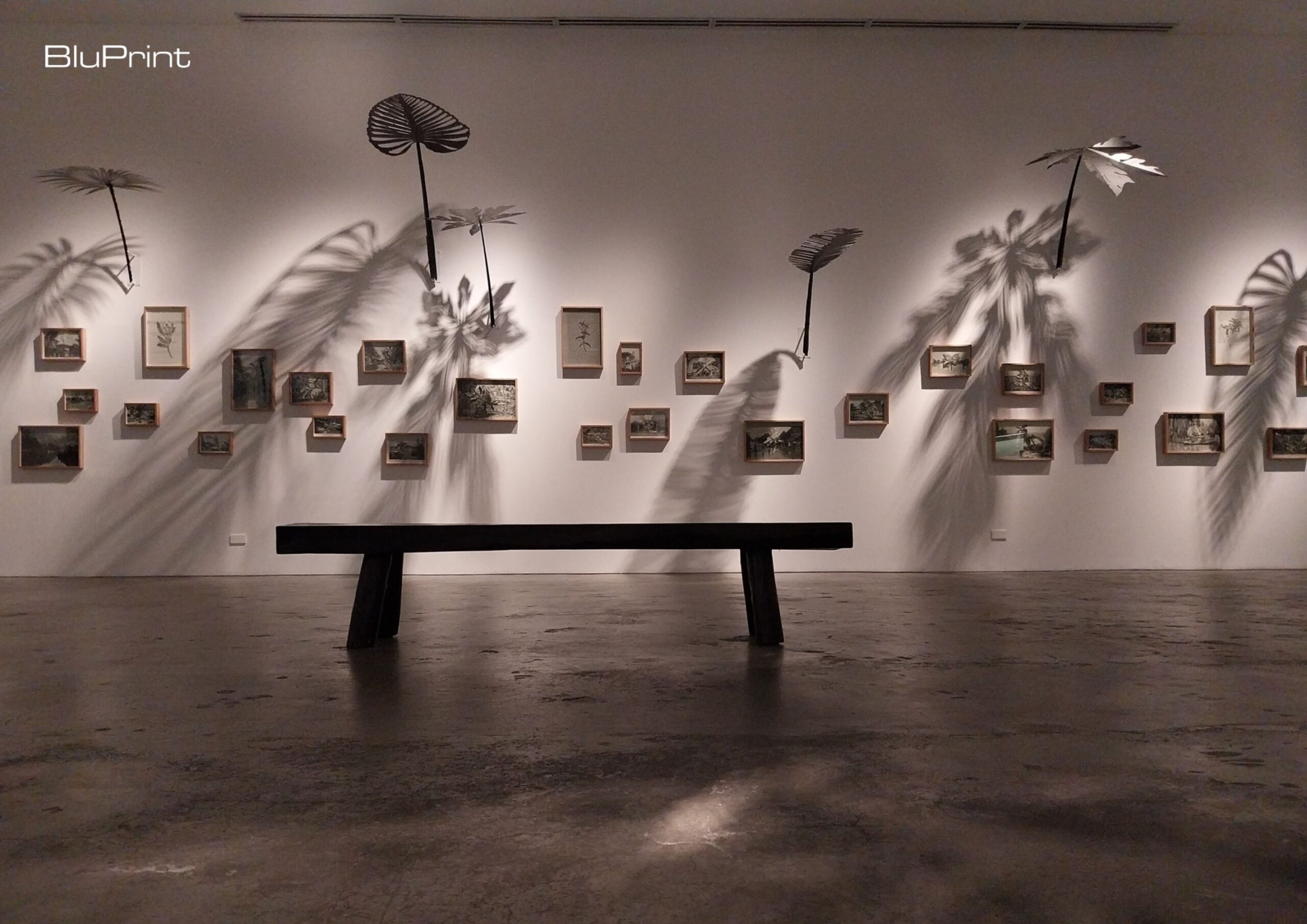
When it comes to artwork, you might picture statement pieces of classic paintings on huge canvases or oversized sculptures. However, smaller pieces offer a different allure, drawing viewers in to appreciate their more delicate details. These tiny treasures create intimate moments within a space, making them perfect for adding a touch of charm and sophistication to any room. As the microtrend of tiny art gains popularity, it’s clear that less can indeed be more, transforming interiors with a subtle elegance.
The Biggest Microtrend
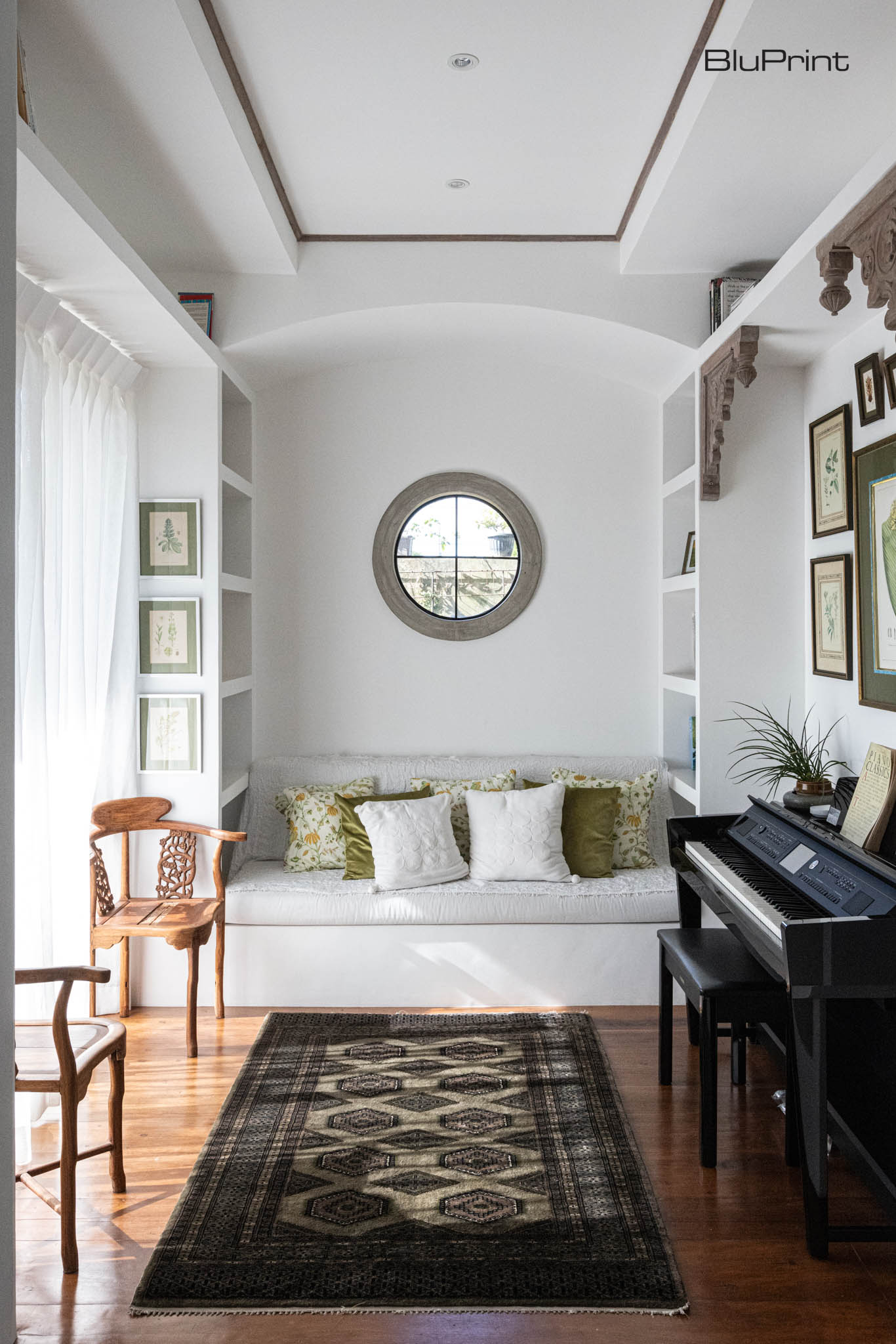
The tiny art trend simply refers to displaying small-scale artwork, typically around 14 inches in dimension. This takes advantage of available negative space, allowing smaller pieces to shine through all on their own without being too imposing. At its core, it encourages a minimalistic approach in terms of size and number when choosing the decor you’ll display.
This microtrend is another brainchild of Taylor Migliazzo Simon, the proponent of the Unexpected Red Theory. In her TikTok video, she claims that “there’s no such thing as art that is too small.” Integrating small art pieces on a clean, empty wall helps draw the eye to that area. This in turn allows the space surrounding it to breathe while creating visual interest.
But aside from empty spaces, Simon added that tiny art also belongs in areas that are often left bare. Despite their size, they can make often-overlooked and awkward corners more interesting and personal.
Tiny Art’s Big Impact
Beyond improving spaces, the tiny art trend also comes with a great deal of advantages. Leveraging their small size, this microtrend is easily customizable. Pieces can effortlessly fit in various locations, which gives you the flexibility to mix and match what art goes in what space.
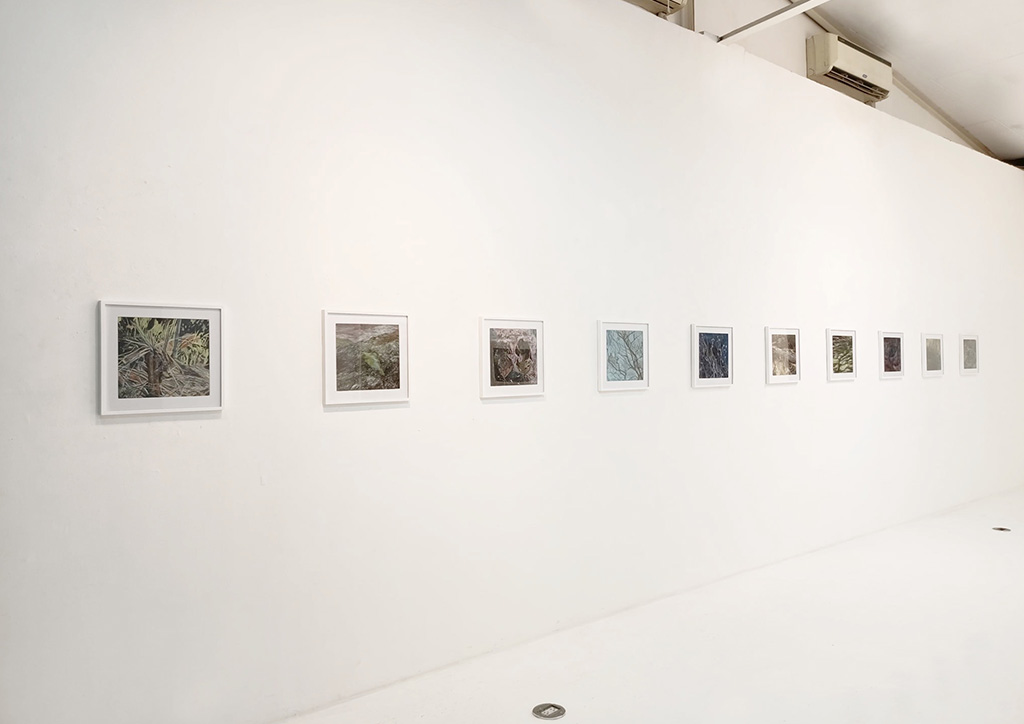
Small-scale art is also far more affordable, allowing you to buy various pieces that suit your style and space. Just one piece can make a huge difference, or you can put together multiple pieces to create a unique and whimsical gallery wall.
And aside from buying already-made ones, it also gives you the freedom to showcase your creativity little by little. This can be DIY wall decor projects, a piece from your art class, or framing the artwork by your kids.
Whether in experimenting pieces that match or making your own tiny art, this microtrend curates an environment where small things can have a big impact.
How to Decorate with Tiny Art
The purpose of the tiny art trend is to highlight small things and make them impactful. Here’s how you can effectively include tiny art into your space.
Embrace the Unexpected Places
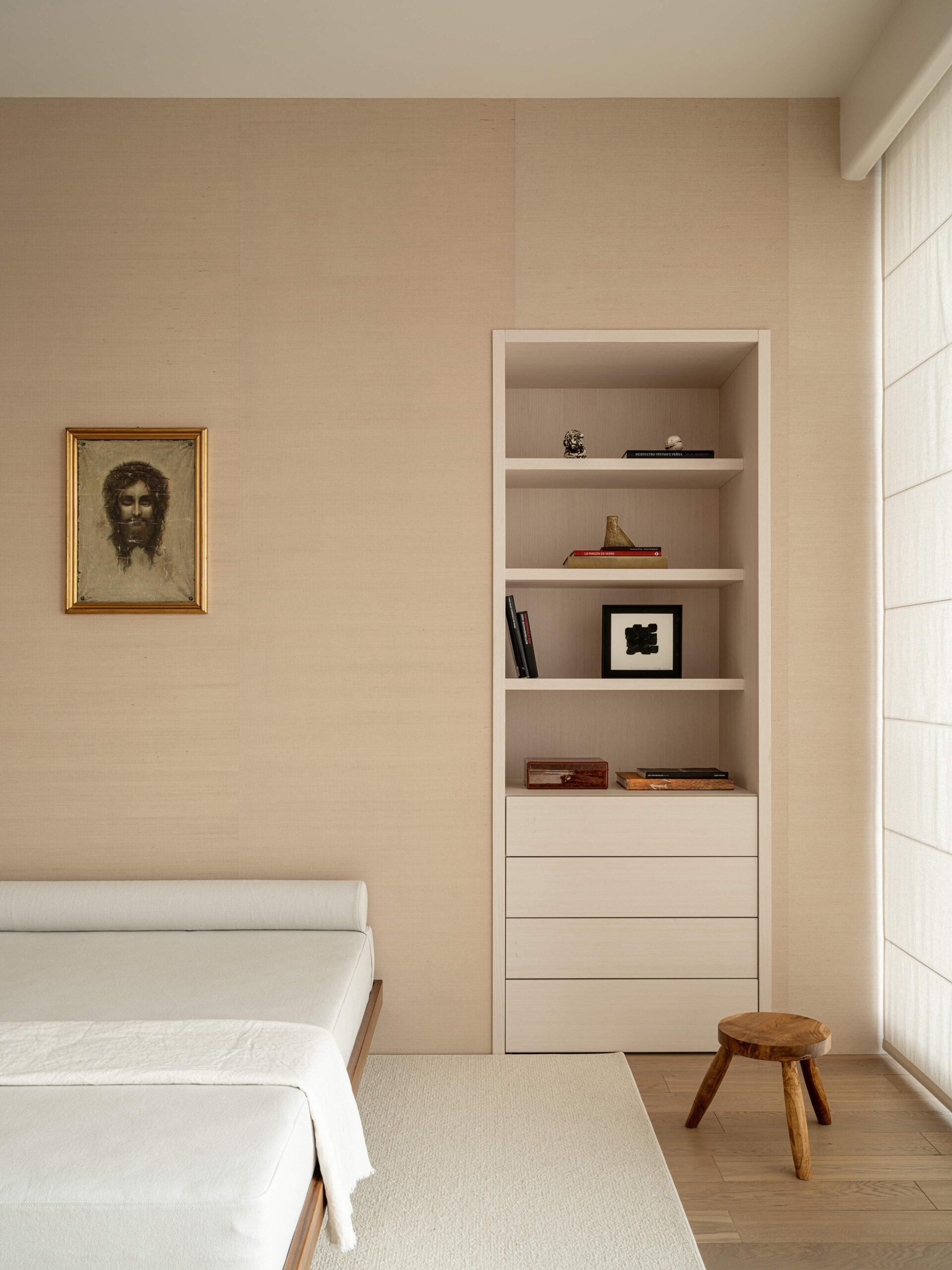
Martha Stewart Senior Home Editor Alexandra Kelly advises that artwork should be hung at midpoint on bare walls and should span at least two-thirds of the furniture size. However, due to their scale, tiny art effectively defies these rules.
The great thing about tiny art is that it can occupy awkward spots in your home, which is exactly what makes this trend appealing. While you can still place art at the wall’s midpoint, you’re also free to explore mounting it above and below eye level. Placing tiny art on the center, however, could work best in nooks and crannies to add depth and intrigue. Plus, it gives the illusion that the space is larger than it actually is.
It’s important to determine what areas you’ll fill with tiny art to decide the arrangement that will suit them best.
Standalone Arrangement
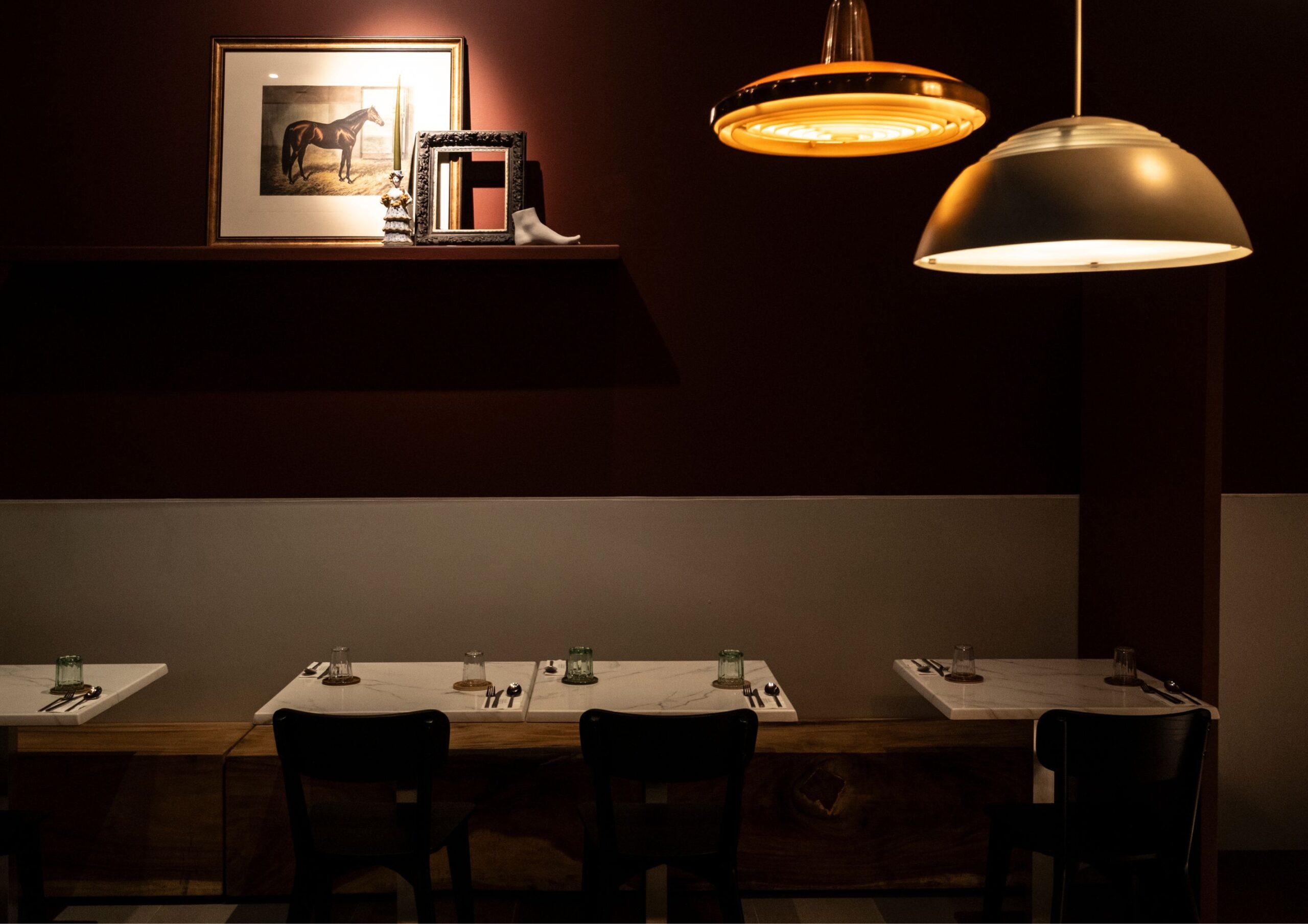
Tiny art pieces, though small in stature, can pack a powerful visual punch in the right context. And a standalone arrangement is all about letting the artwork command attention on its own.
The simplest way to follow this approach is to display tiny art in a clean, negative space. The artwork creates a striking contrast against the emptiness surrounding it, making it the focal point.
You can continue introducing juxtapositions by playing with texture. For instance, a wood-paneled wall makes a compelling backdrop for a metal sculpture, while a light-colored surface can accentuate the delicate details of a miniature painting.
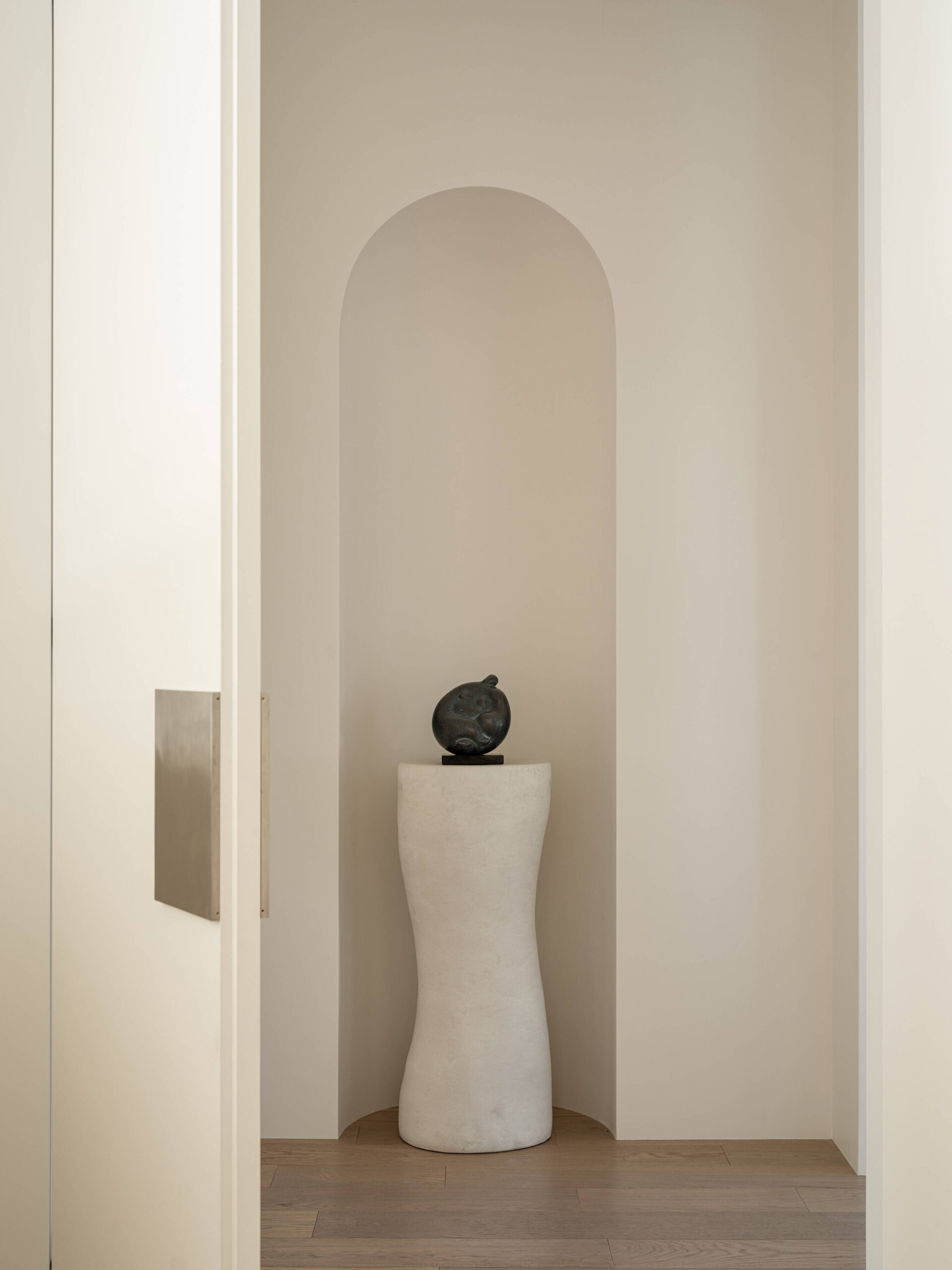
Consider a pedestal, a plinth, or a ledge to elevate the artwork. This lends an air of importance to these miniature pieces, much like a museum display.
Grouped Arrangement
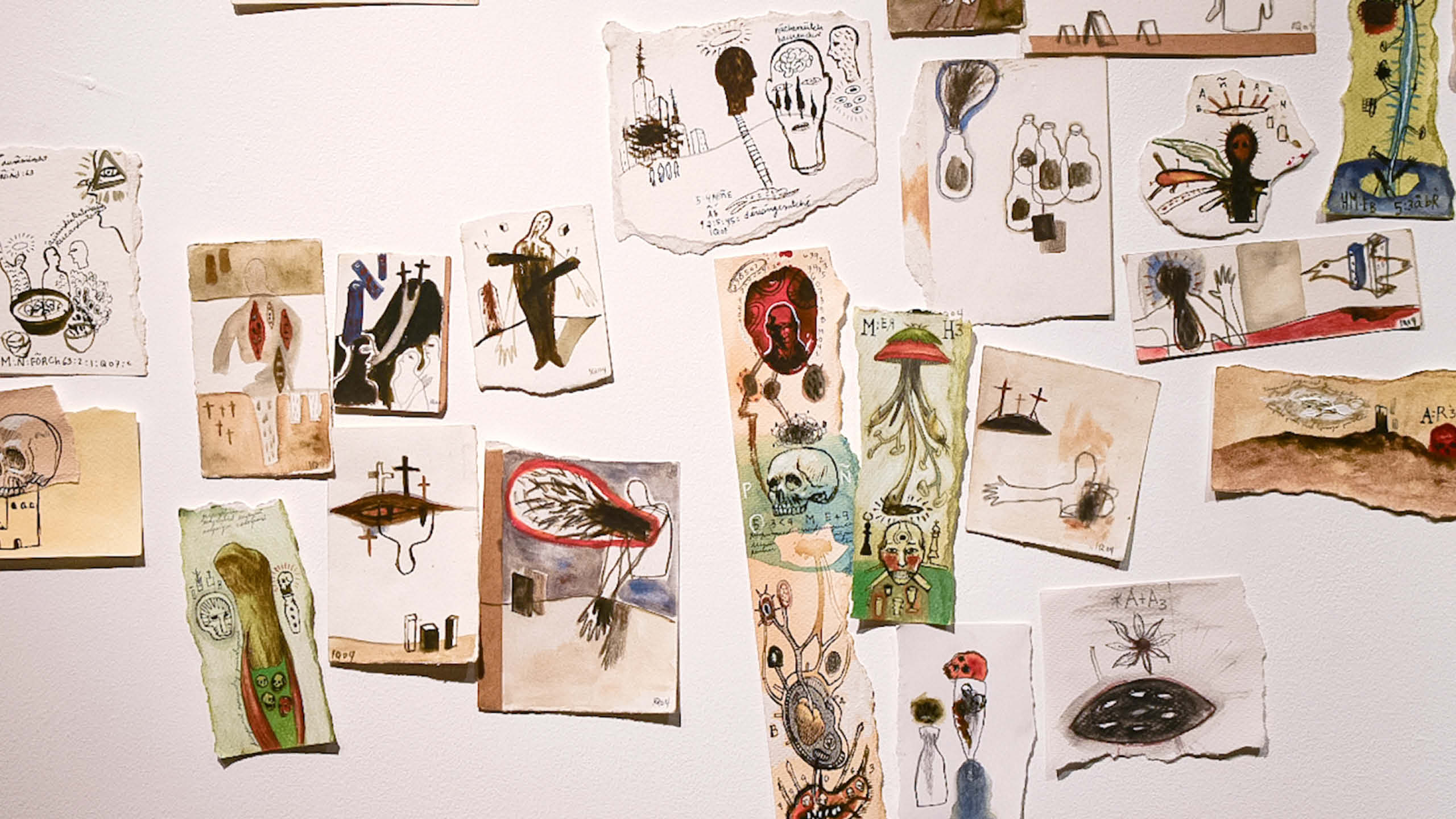
With the advantage of their size, you’ll have more flexibility to put multiple pieces together. And these grouped arrangements can make a dynamic and eclectic gallery wall.
For a harmonious aesthetic, consider grouping tiny artworks that share a common thread. This could be a similar subject matter, such as a collection of miniature portraits or botanical prints, or a consistent color palette that ties the pieces together.
But if you prefer a more playful and unpredictable look, experiment with mixing and matching different styles and mediums. Combine geometric sculptures with whimsical illustrations, or pair abstract paintings with figurative pieces.
The key lies with your careful selection and composition to make a group arrangement of tiny art not just a collection of small pieces but an impactful display, too.
In a world dominated by oversized statement pieces, this microtrend teaches us to appreciate artistry in the smallest details. The tiny art trend is proof that sometimes, less is truly more. And that big impact can come in the smallest of packages, too.
Read more: Riviera Interior Design: How to Curate a Timeless Mediterranean Retreat

Bigkis is the act of binding. In Tagalog, the word can refer to something used to bind or encircle, as well as a bundle formed by tying several separate elements together. Figuratively, it can also mean a bond, union, or unity. The meanings move from the physical act of joining things together to the connection […]
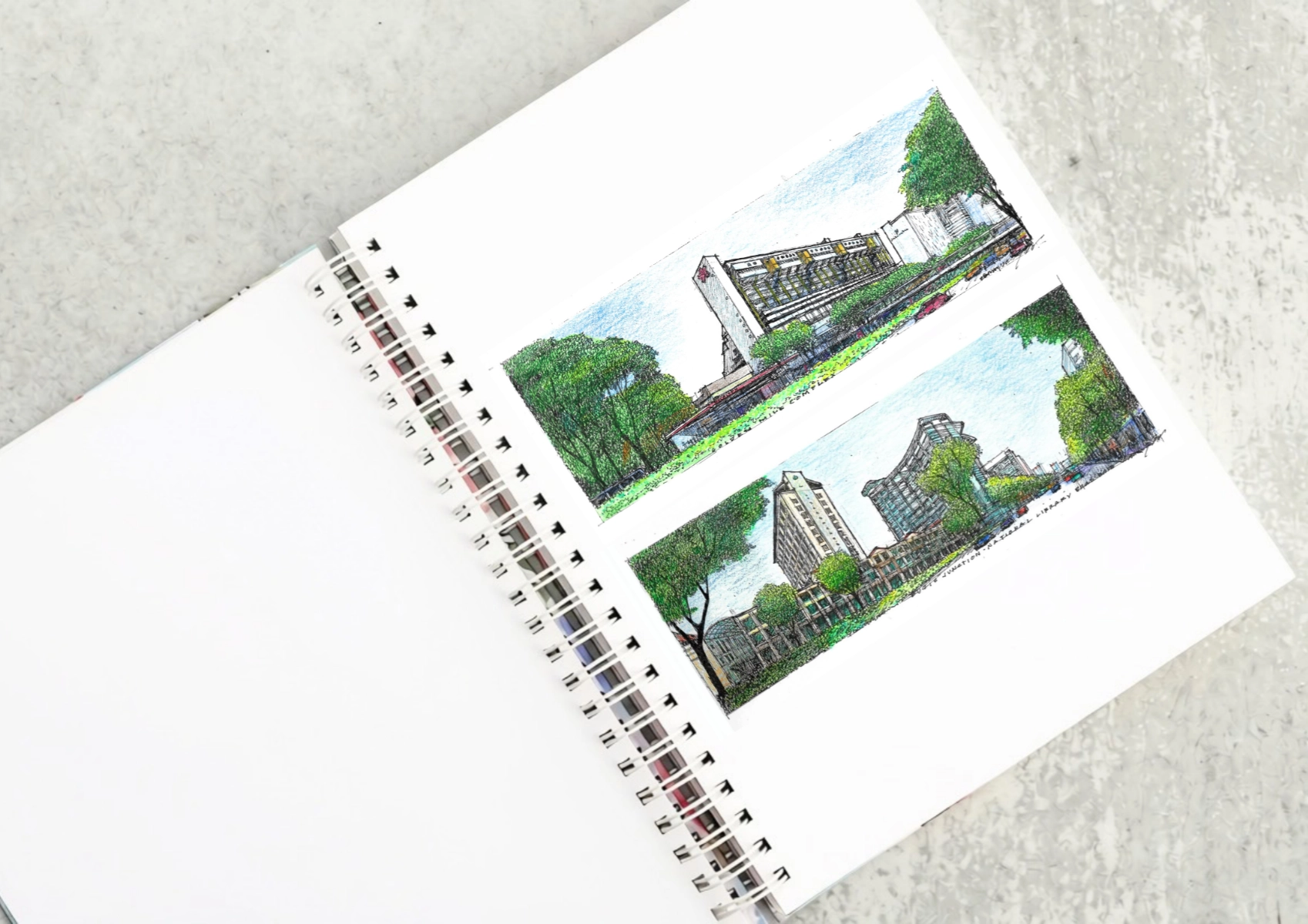
Two sketches of Singapore connect BluPrint Editor in Chief Paulo G. Alcazaren’s personal and professional history with Shared Ground: ArchitectureArchitectureThe art and science of designing and constructing buildings, structures, and spaces that are functional, safe, and aesthetically pleasing. It encompasses the planning, design, materials, and techniques used to createGo to Architecture Glossary of Care, Culture, […]
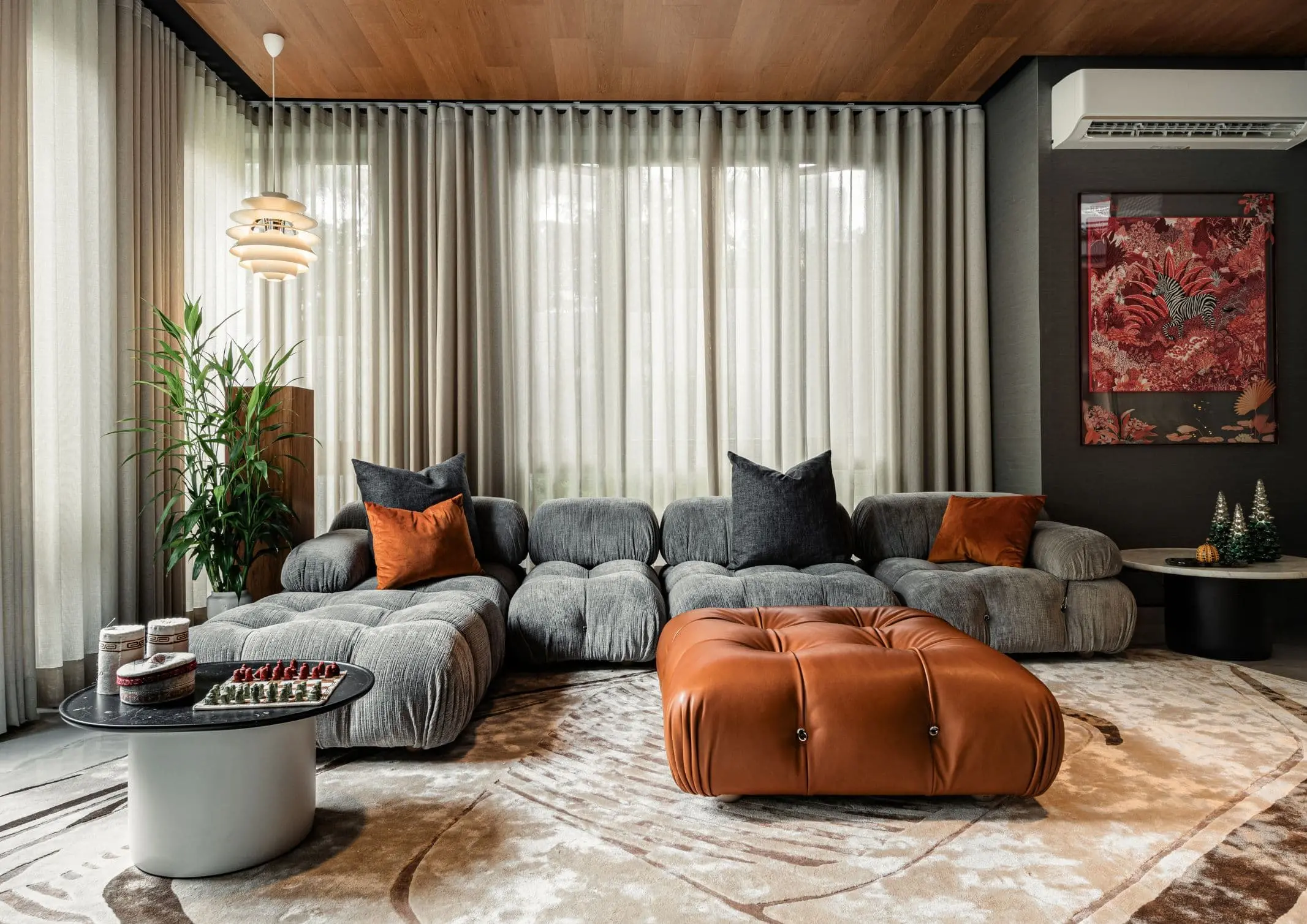
Some have become household names – Coleman, Oster, and KitchenAid – products that have found their way into Filipino kitchens, homes and family routines. In home furnishings, brands such as B&B Italia, Ethan Allen, Sub-Zero, Miele, SieMatic, Louis Poulsen, Hunter Douglas, Tempur, and Technogym, have helped shape the way Filipinos live. From everyday essentials to […]

In a way, designers are the modern-day soothsayers and prophets. They design for the future, predicting how a room, a house, a building or a whole city will be used by people. They foresee how users will interact with a space, conjure exact shades of colors to elicit specific behavior and arrange furniture to build […]
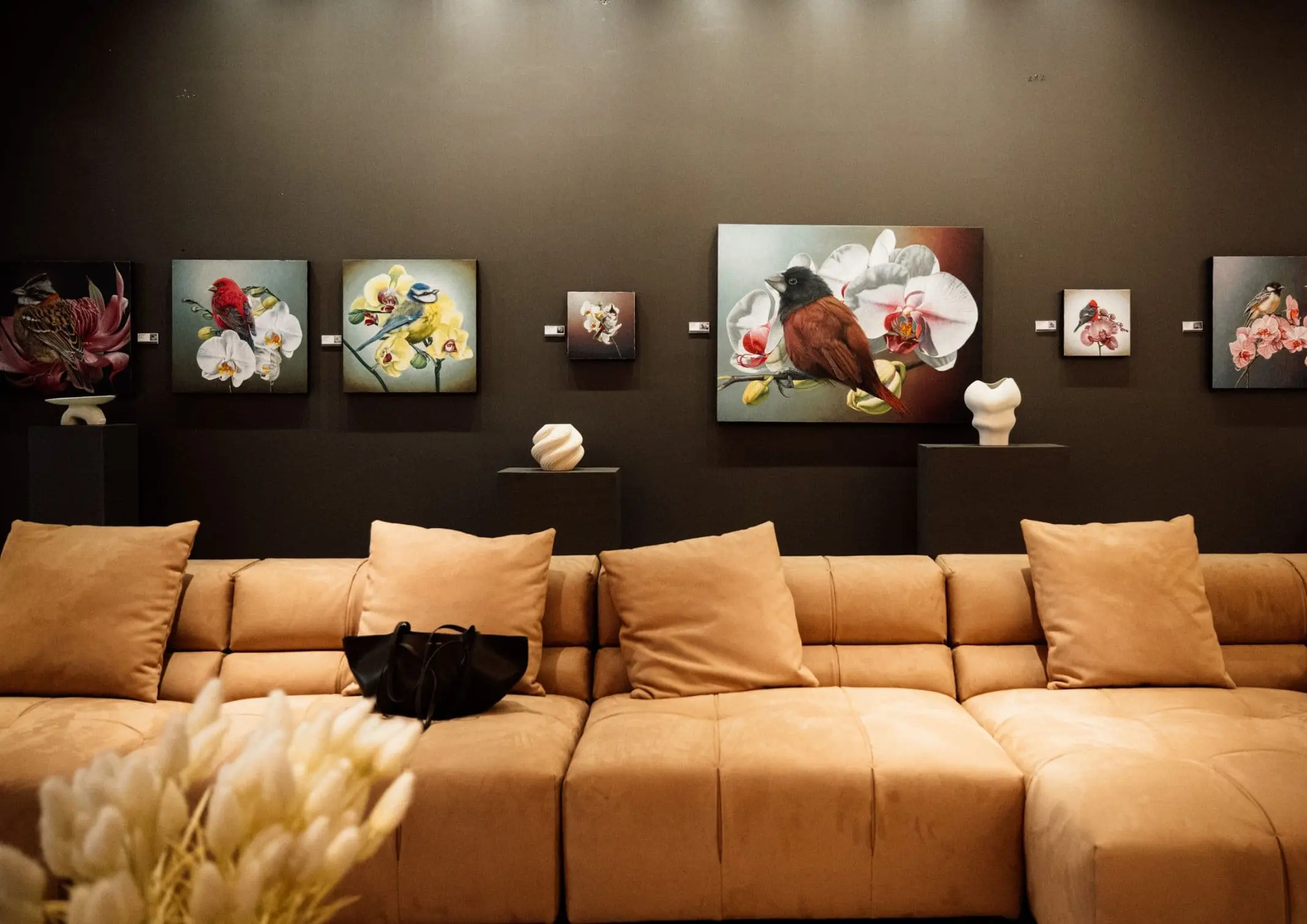
Art and furniture are often selected separately, yet their relationship can shape how a room looks and feels. The collaboration between Hooga and Galerie Joaquin explores how these elements can work together, bringing contemporary artworks into furnished residential settings at Hooga’s showroom in Uptown Mall, Bonifacio Global City. For Hooga, which curates furniture, lighting, and […]
Read the issues.

Collect the volumes.

Recommended Video
Tap to Unmute
Unmute
0:00
0:00