Organized biennially by the Design Center of the Philippines, the Good Design Award Philippines (GDA) champions a distinctly Filipino approach to design rooted in malasakit (caring). It posits that good design goes beyond balancing form, function, and innovation—it creates meaningful solutions that respond to society’s most pressing challenges. The awards also advances the United Nations […]

OMO Furniture: Innovating Filipino Design with Sustainability



Milo Naval, a leading figure in the Philippine design industry, has profoundly influenced furniture and interior design with his minimalist approach and innovative use of indigenous materials. Through his brand, OMO Furniture, and various collaborations, Naval highlights the artistic potential of local resources while advocating for sustainability and community development. His work showcases the beauty and functionality of Filipino craftsmanship, bringing global attention to its unique qualities.
A Journey Rooted in Filipino Heritage

Naval’s design journey began with a deep appreciation for his Filipino heritage. After studying architecture, he transitioned into interior and furniture design, where he found his true calling. Naval’s work is deeply influenced by traditional Filipino craftsmanship and the natural resources of the Philippines, such as abaca, bamboo, and rattan. Recognizing their potential early on, he has transformed these materials into world-class furniture pieces.
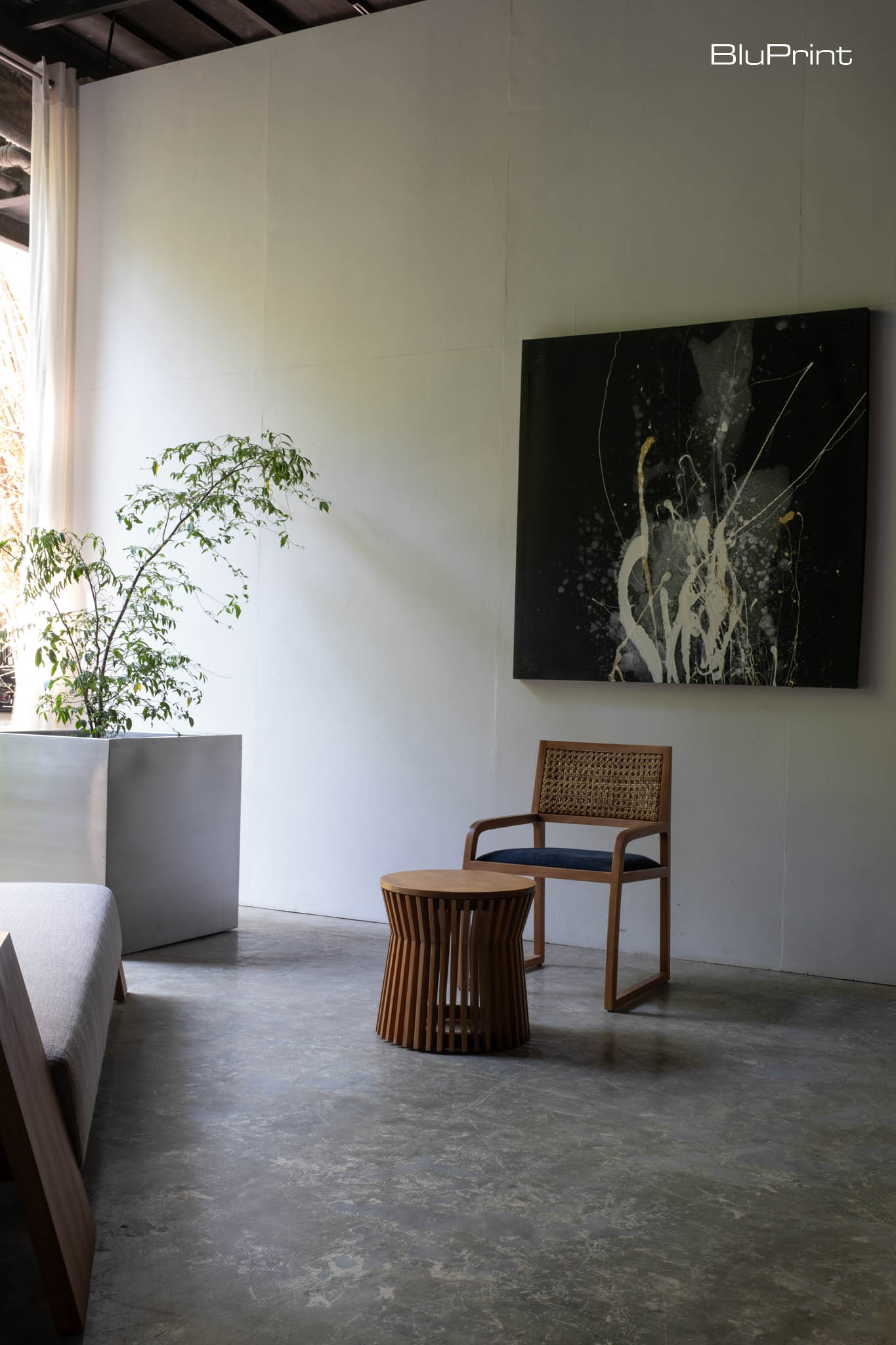
One of Naval’s standout collections, the Migo series, exemplifies his ability to transform traditional materials into modern designs. By using palm sticks bound together, he creates intricate, contemporary pieces that blend traditional craftsmanship with innovative design. This collection demonstrates Naval’s skill in merging the old with the new, creating designs that are both functional and artistic.
Championing Sustainability
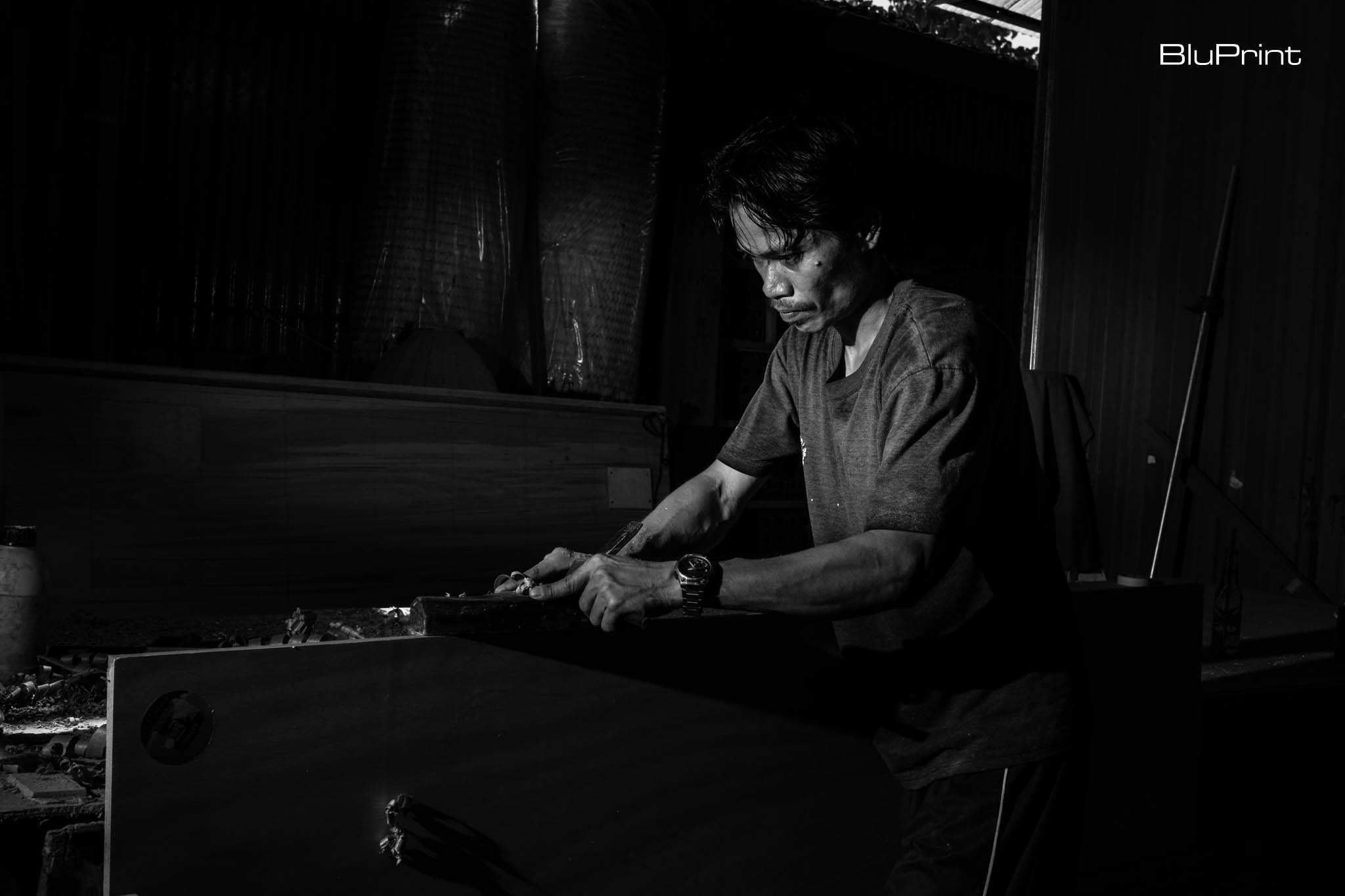
Sustainability is central to Naval’s design philosophy. He advocates for environmentally friendly practices, from material sourcing to production processes. Naval uses recycled materials, such as discarded tire tubes, to create functional, eco-friendly furniture. This not only reduces waste but also highlights the potential of recycled materials in design.
Naval’s approach to sustainability extends beyond the materials he uses. He ensures that his production processes are environmentally responsible, minimizing waste and reducing the carbon footprint of his operations. By focusing on sustainable practices, Naval sets a standard for the design industry, encouraging others to adopt eco-friendly methods.
“We felt we needed to have a very good relationship with our craftsmen. Understanding them from their point of view is the best way to see how design and craftsmanship can work hand in hand.”
Milo Naval
Through these collaborations, Naval helps bring global attention to the quality and creativity of Filipino design. His efforts have not only increased the visibility of Filipino artisans but also provided them with new opportunities for growth and development. By promoting local craftsmanship, OMO Furniture contributes to the preservation of traditional skills and techniques, ensuring that they are passed down to future generations.
A Vision for the Future
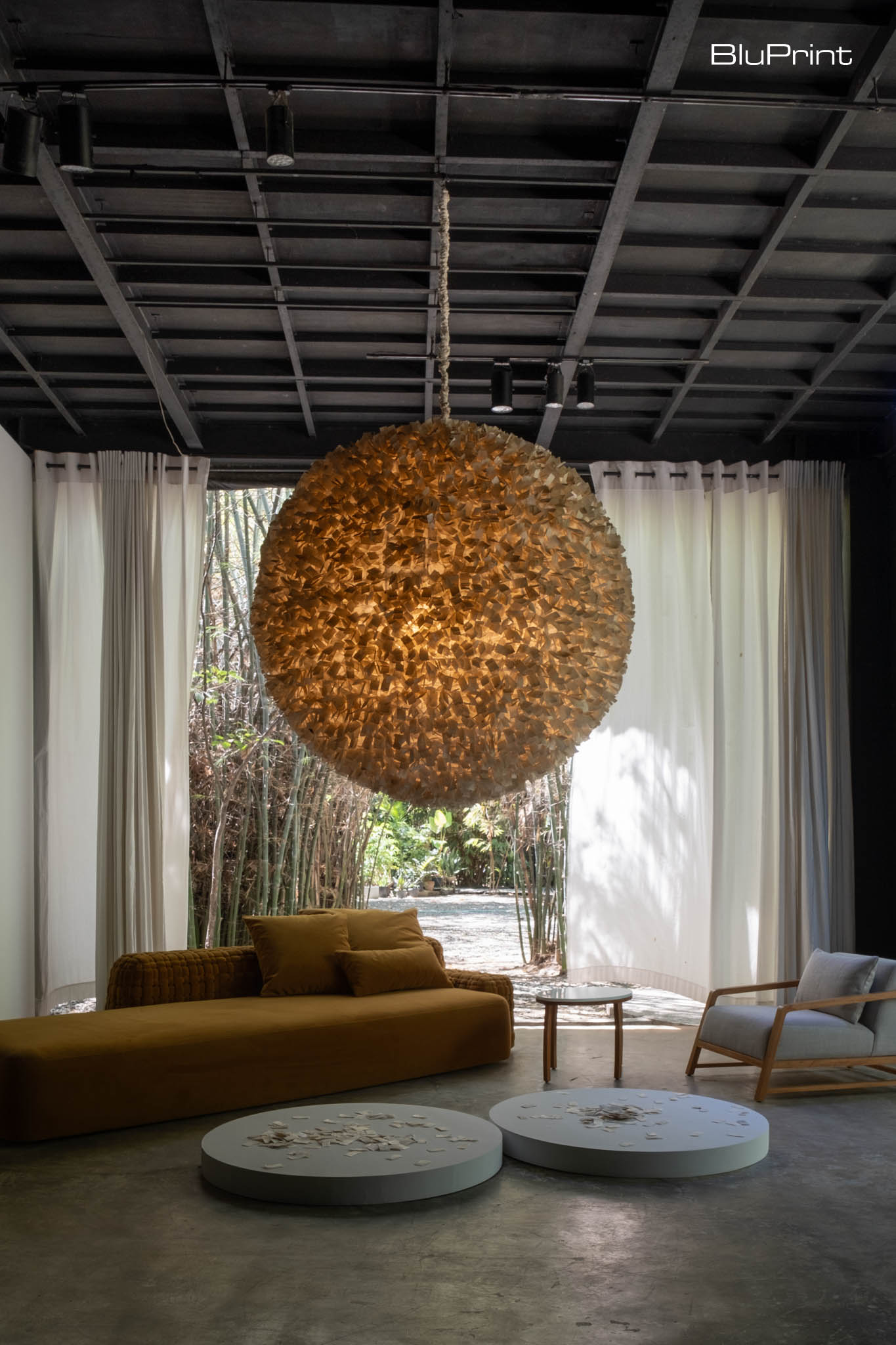
Milo Naval’s influence on Filipino design is profound and far-reaching. His innovative use of local materials and commitment to sustainability has elevated Filipino craftsmanship on the global stage. Naval’s dedication to mentoring young designers and fostering innovation ensures that his legacy will continue to inspire future generations. Through his brand OMO Furniture and collaborative efforts, Naval champions the beauty and potential of Filipino design, making a lasting impact on the local community and beyond.
By staying true to his roots and continuously evolving, Naval demonstrates that Filipino design can be both traditional and contemporary, sustainable and luxurious. His work is a powerful reminder of the rich cultural heritage of the Philippines and its potential to contribute to the global design landscape.
Learn more about how Milo Naval innovates using local materials, builds a sustainable community, and fosters future generations of artisans by ordering your copy of BluPrint Volume 1. Available via the sarisari.shopping website, Shopee, and Lazada. E-magazines are available for download via Readly, Press Reader, and Magzter.
Photographed by Ed Simon.
Read more: Asador Alfonso
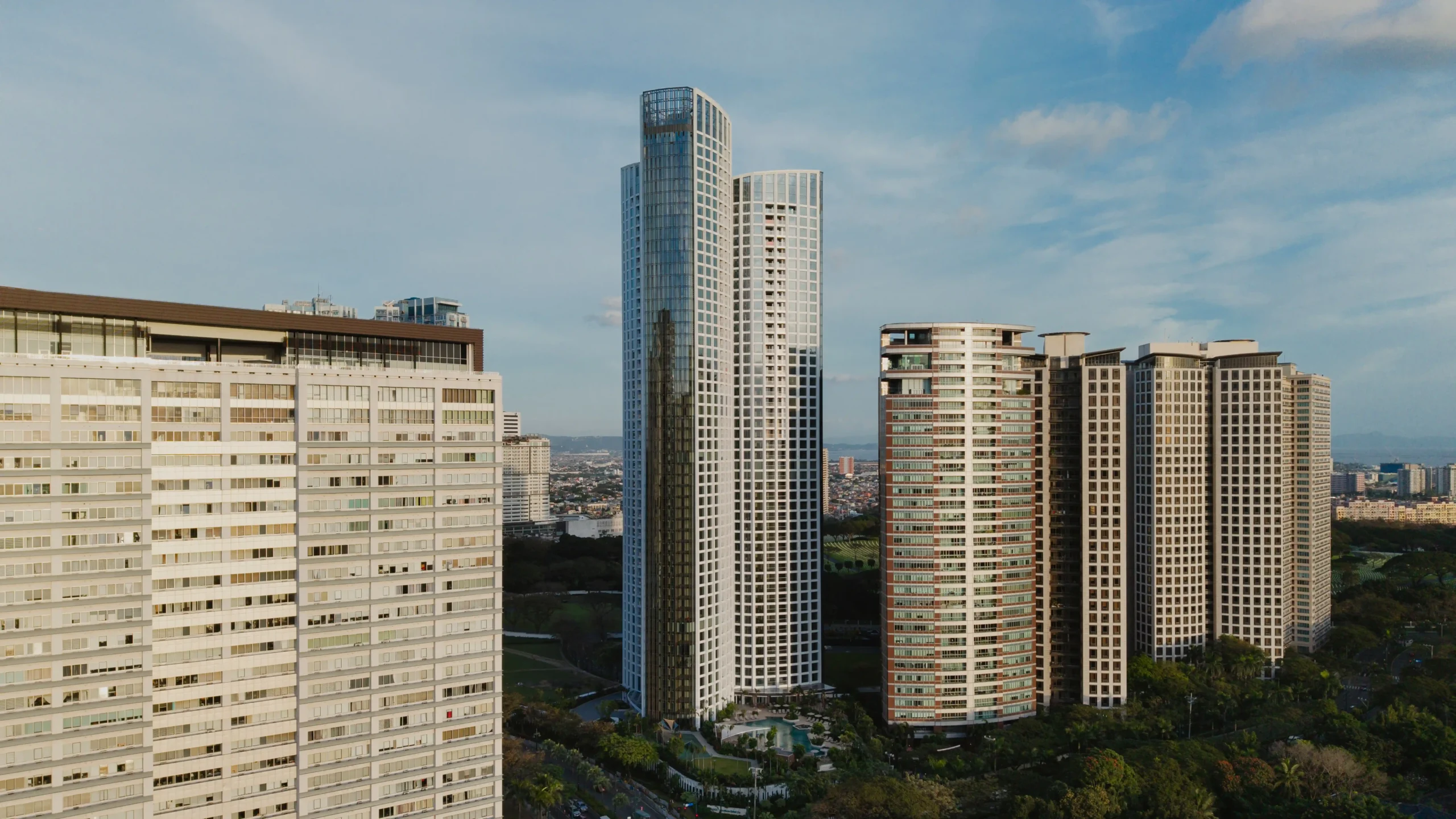
In the business district of Bonifacio Global City rises a residential development designed around low-density living. Aurelia Residences brings together architecture, interiors, landscape, and art to create an elegant and culturally-resonant living environment. Related Reading: Shang Summit: Shang Properties Unveils New 250-Meter High Rise Architecture, Interiors, and Landscape Design Arrival plays a central role in […]

Architecture awards often document more than just individual achievements. They also recognize the work, effort, and vision behind any architecture project, revealing the priorities, values, and trajectories of a profession at a given moment. The United Architects of the Philippines’ (UAP) Outstanding and Beyond Recognition Awards (OBRA) continues to serve as one such marker, recognizing […]
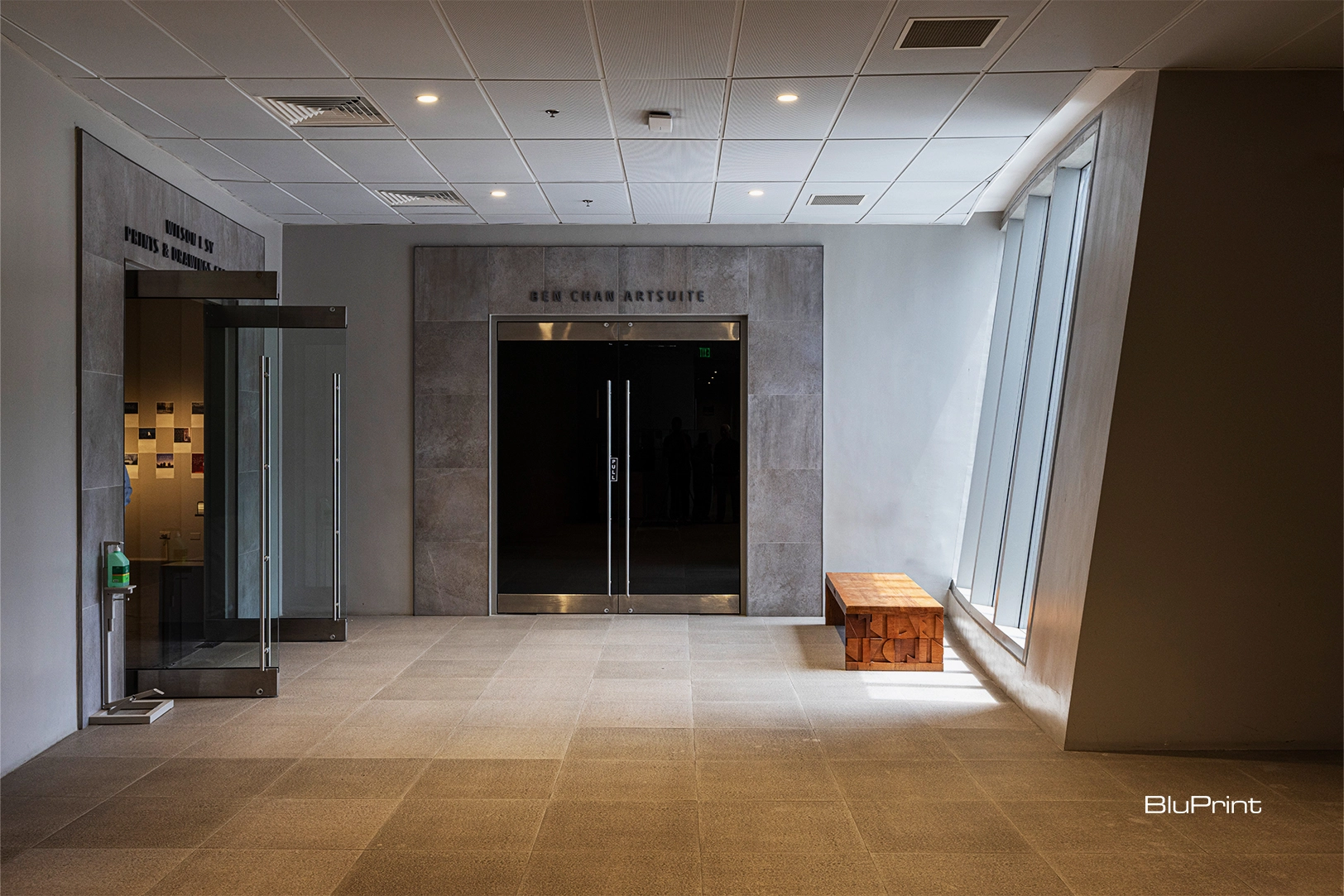
For 66 years, the Ateneo Art Gallery (AAG) has been at the forefront of preserving modern and contemporary Philippine art. Today, its home at Areté reflects an expanded mission: to extend beyond exhibitions to cultivating education and creative exchange. Building a Home for Contemporary Art The AAG was founded in 1960 after artist, collector, and […]
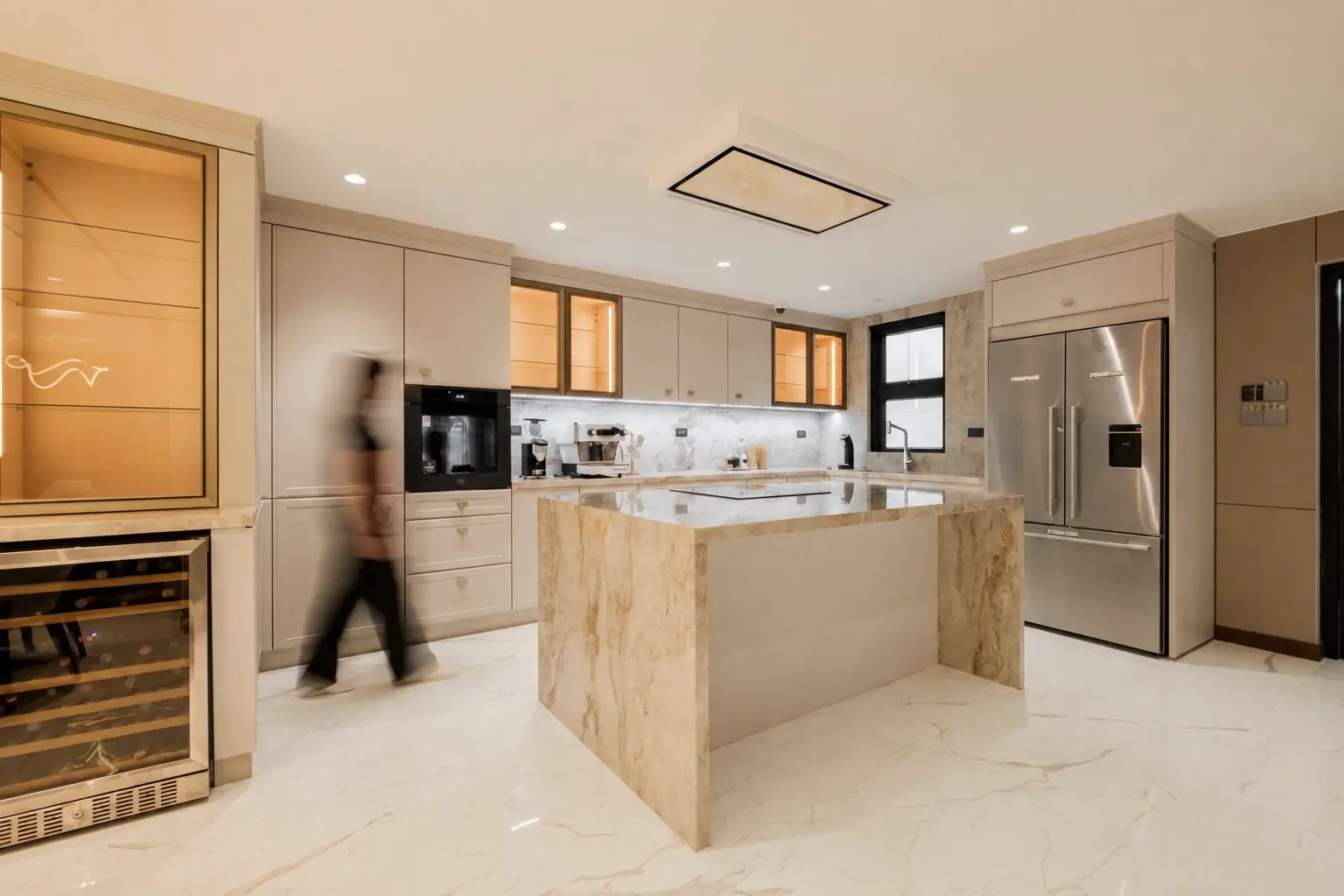
A kitchen is one of the hardest-working spaces in a home. It must withstand daily wear, changing routines, evolving technologies, and shifting lifestyle needs while remaining visually coherent within the larger architectural narrative. While every project has its own requirements, experienced designers often return to a similar set of considerations when evaluating a kitchen. Here […]
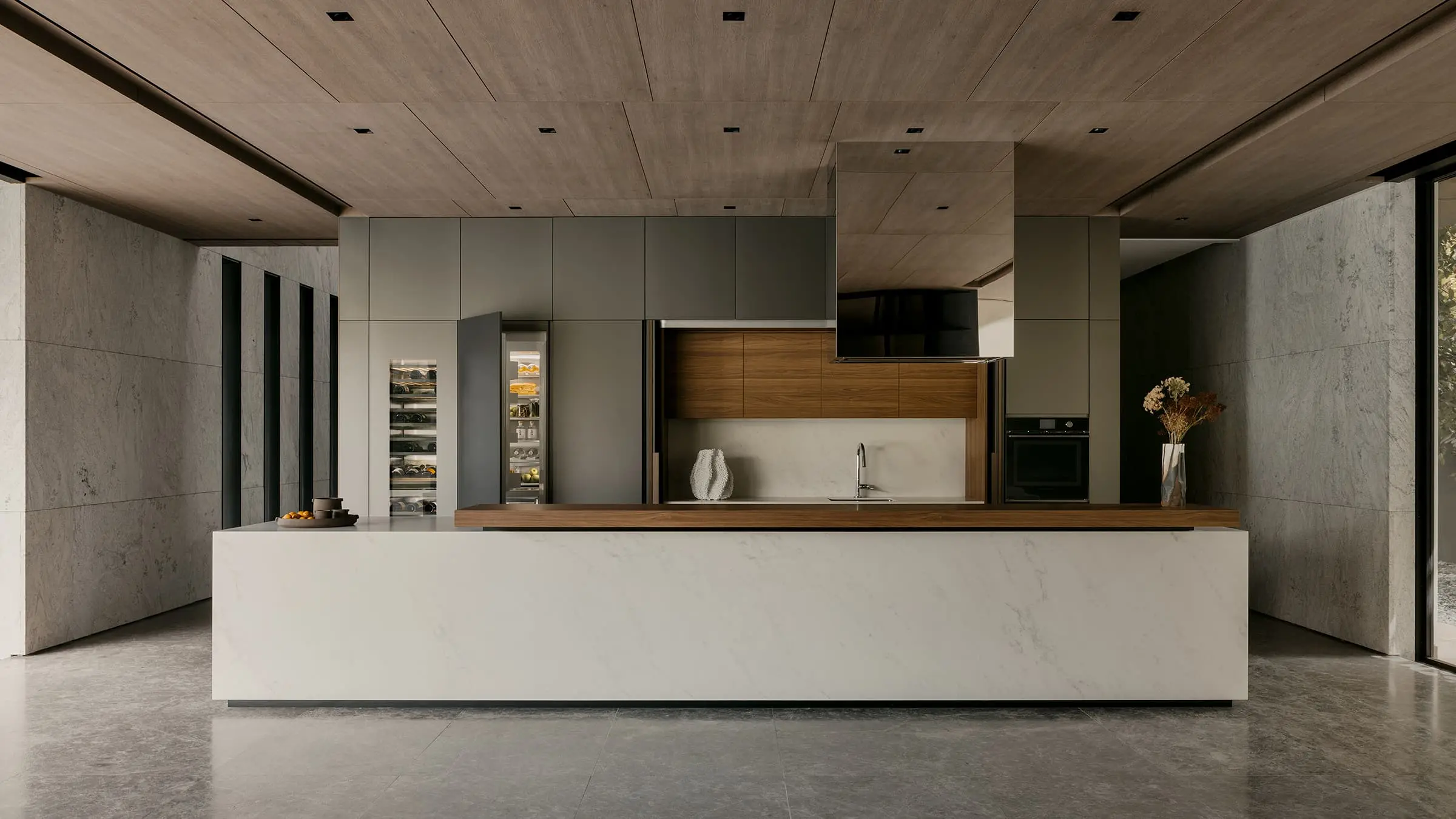
The modern kitchen has evolved beyond its traditional role as a place for preparing meals. It is the heart of the home – a space where daily rituals unfold, conversations linger and the rhythm of everyday life takes shape. As open-plan living continues to redefine residential design, the kitchen is no longer a separate room, […]
Download this month's BLUPRINT magazine digital copy from:



Subscribe via [email protected]
Recommended Video
Tap to Unmute
Unmute
0:00
0:00