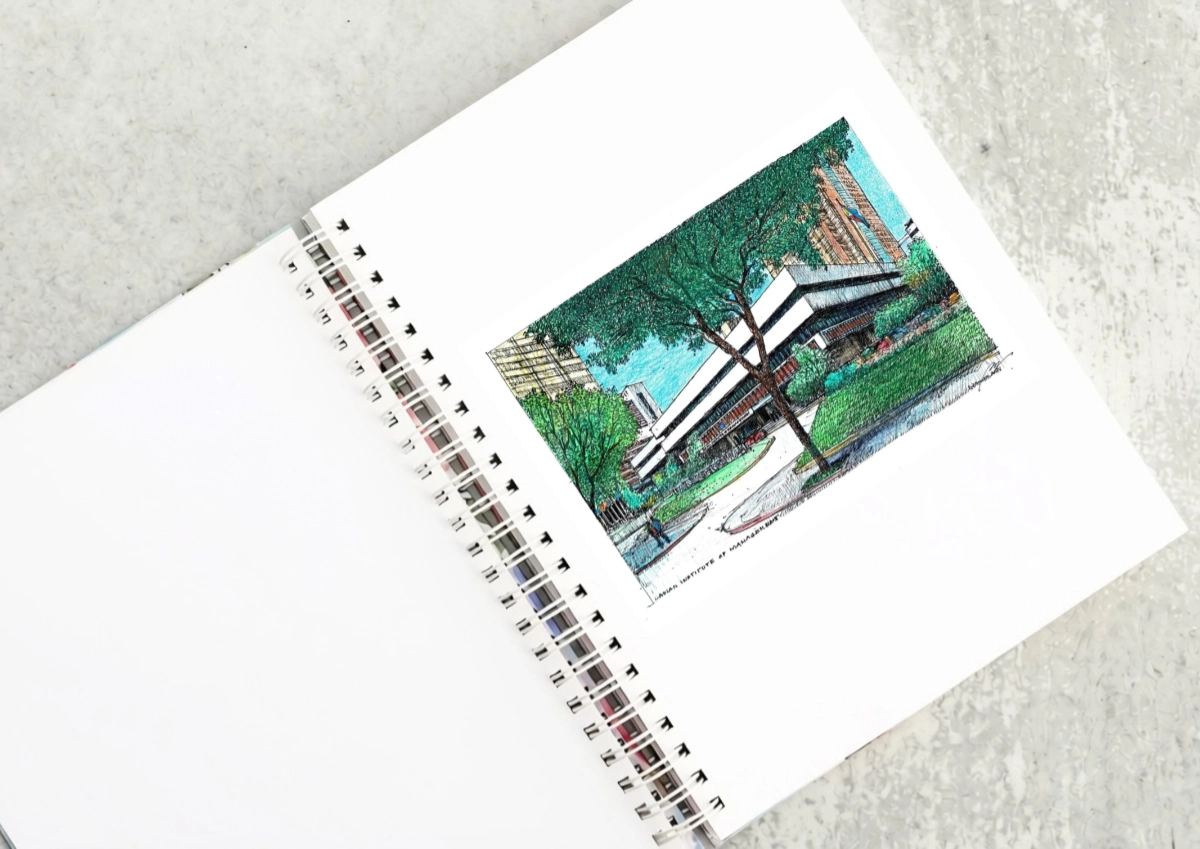
A Filipino Interpretation of Modernist Architecture Unlike the rest of Makati today, the northern end of Paseo de Roxas in Makati is anchored by a low complex rather than a tall skyscraper. This is the elegant Asian Institute of Management, designed by architect Gabriel Formoso and completed in 1971. In my opinion, the building is […]
‘On Appropriation’ Explores the Nuances of Repurposing in Art



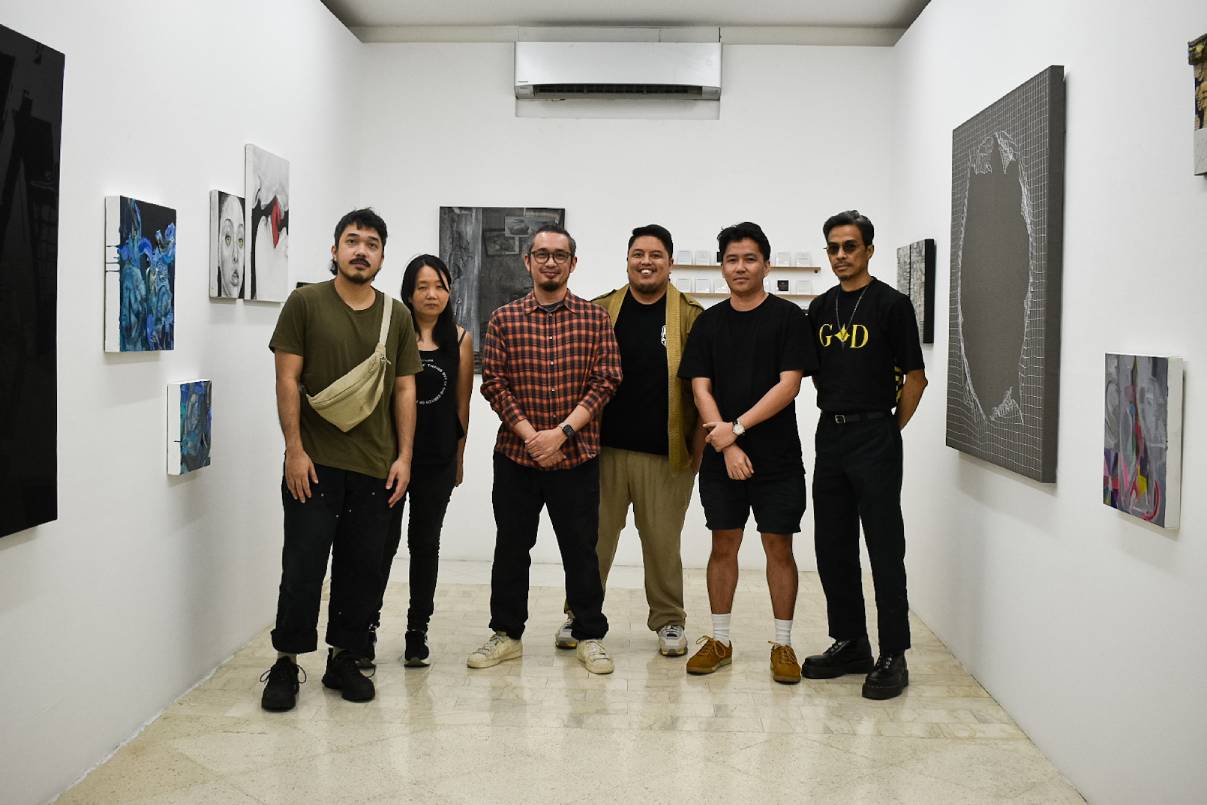
On Appropriation, the new exhibit at Faculty Projects, focuses on “contemporary visual culture” with regards to using pre-existing works by other artists in the past to craft new works which speaks to the artists of today. Curated by Patrick de Veyra, it digs down on the prevalence and importance of appropriation in social and art commentary as a whole.
Faculty Projects is an “artist-run initiative dedicated to fostering study, play and collaboration.” Their exhibits focus on academic ideas that could pop up in art school as a way to hone the craft. It provides an open space for discourse that goes beyond the typical classroom experience.
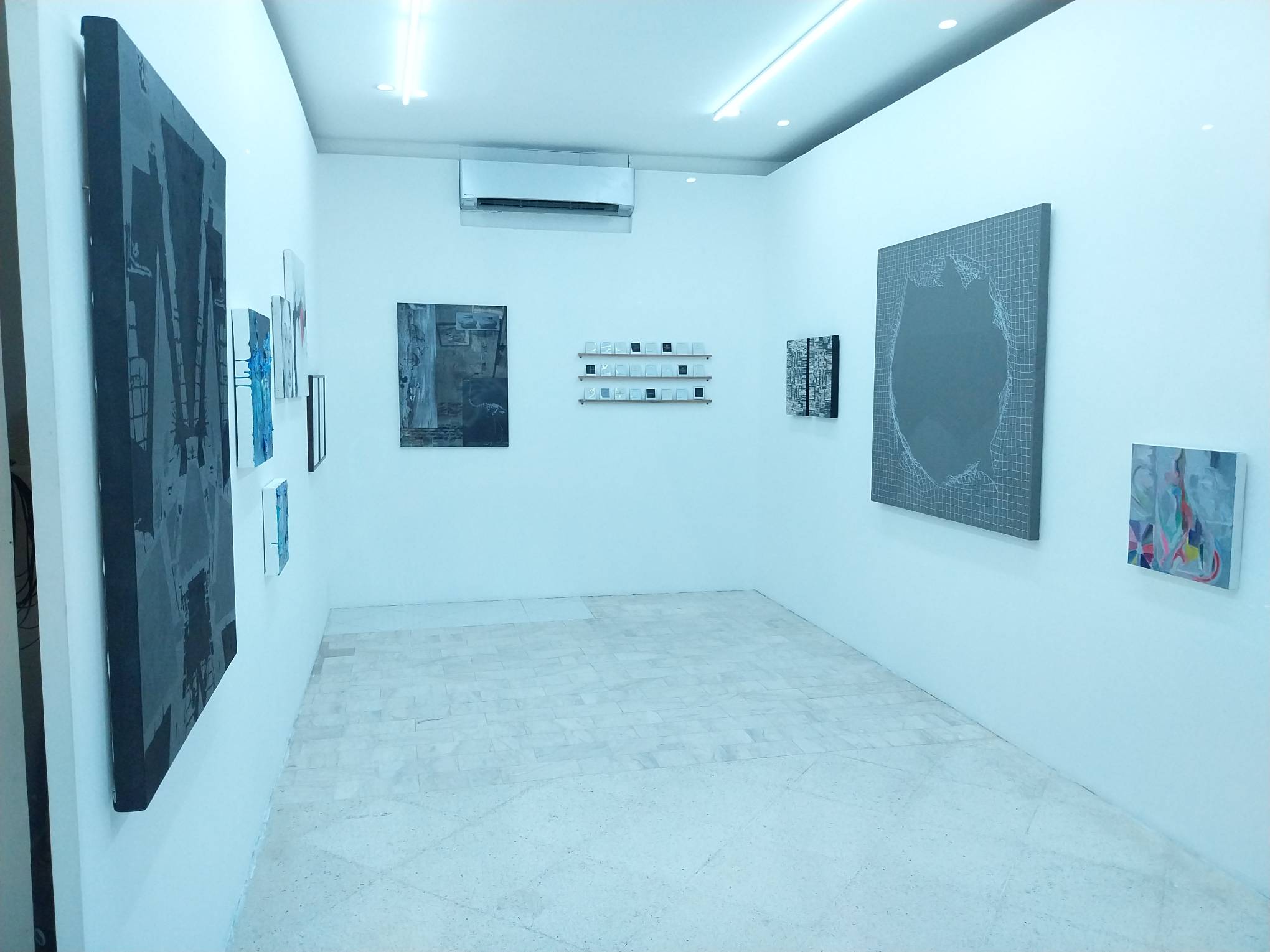
For this exhibit in particular, de Veyra set out to focus on the ubiquity of borrowing and recontextualizing pre-existing artworks and its importance to today’s society as a whole. “I want you to consider appropriation as a core process of artmaking in this particular show,” he said.
Making the New From the Old
Ten artists, including de Veyra, contributed to the works being shown in the exhibit. Among the ten artists who contributed include Soler Santos, Kiko Escora, Costantino Zicarelli, and Luis Antonio Santos. Many lean towards the transformative aspect of appropriation, as the artists seek to find new ideas in the old.
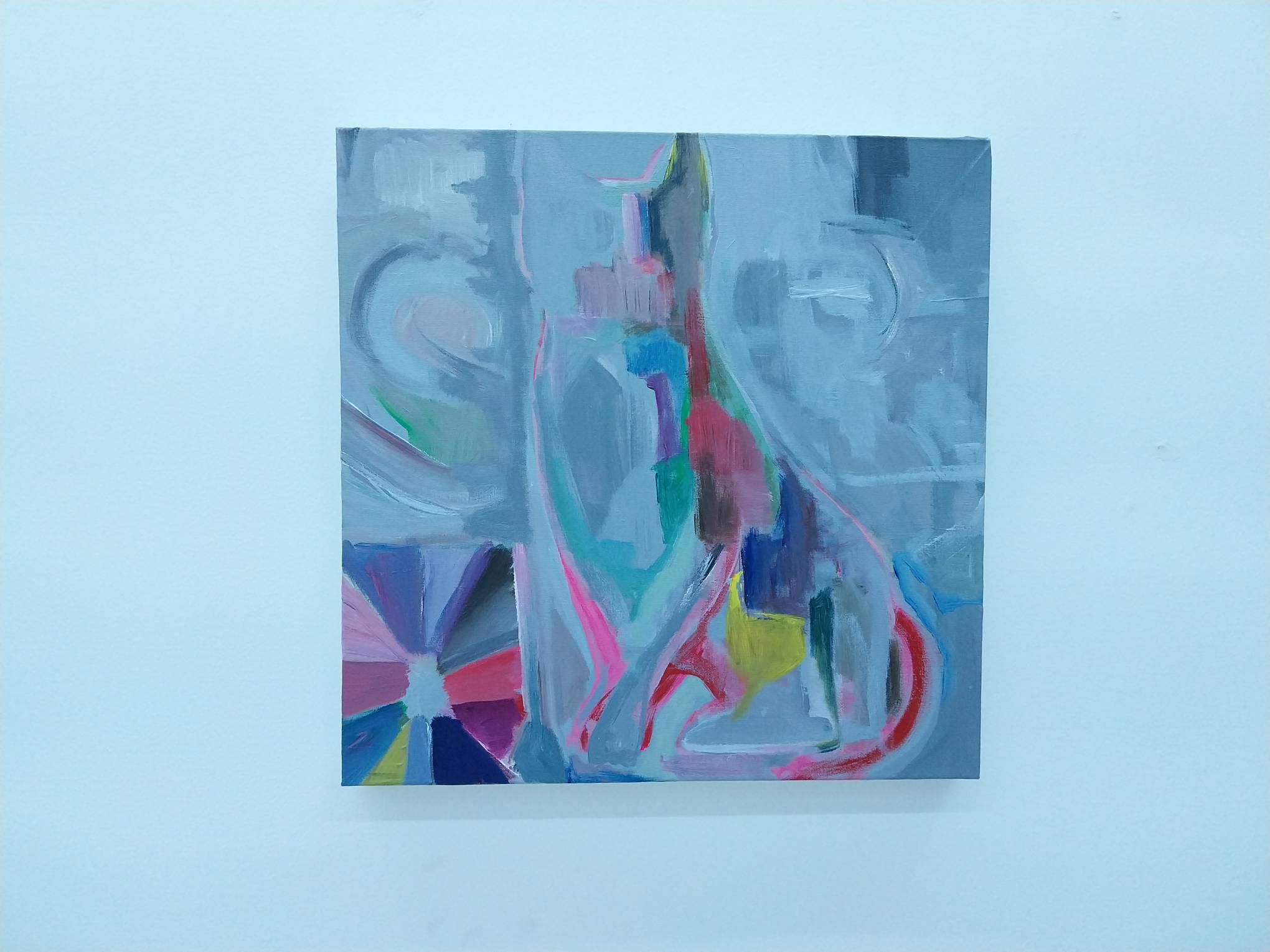
An example of this is Don Dalmacio’s “Camouflaged Copycat.” The artist uses Warhol’s cat paintings as inspiration, depicting a cat cycling through different colors as it attempts to hide itself from the audience.
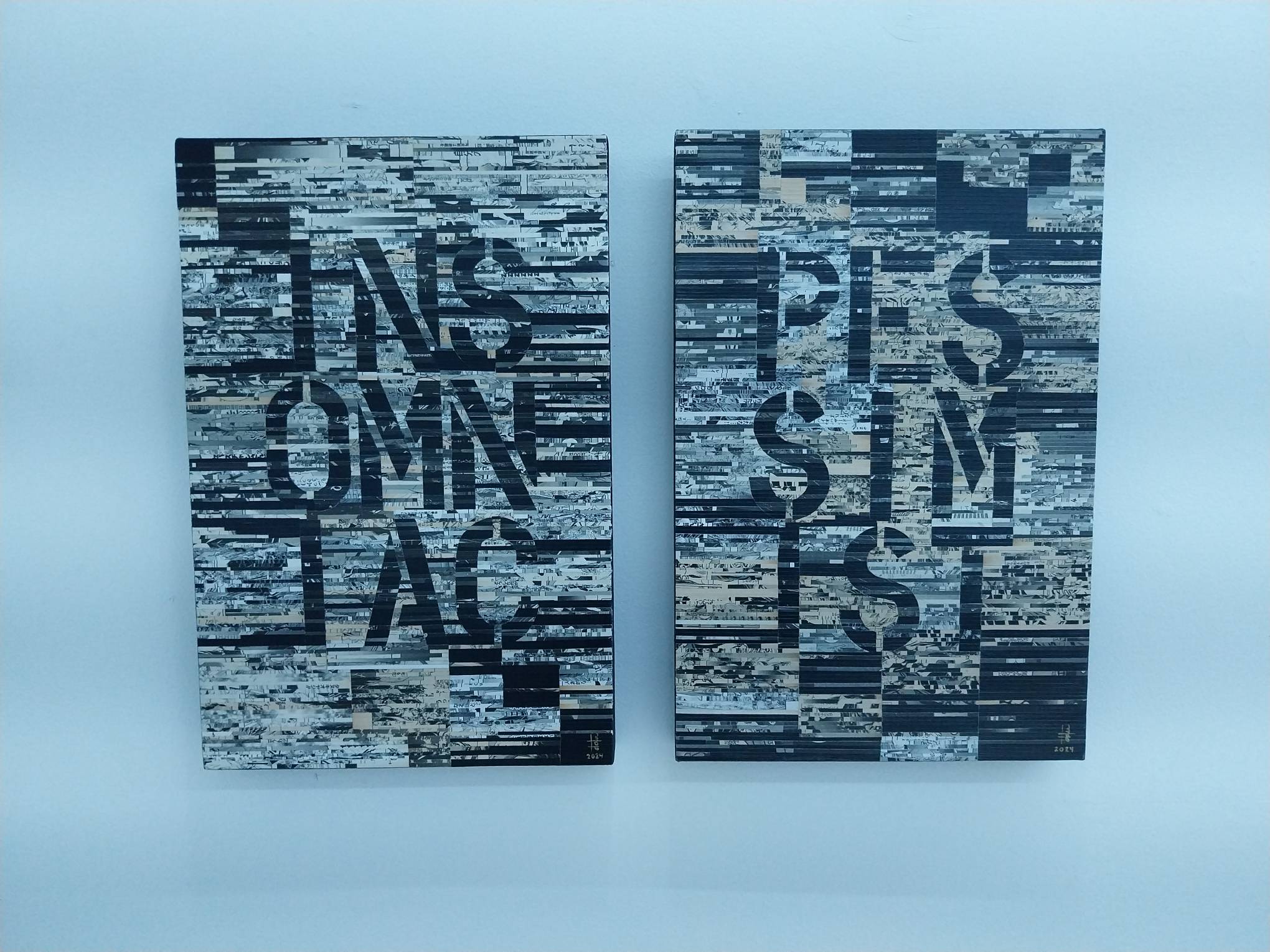
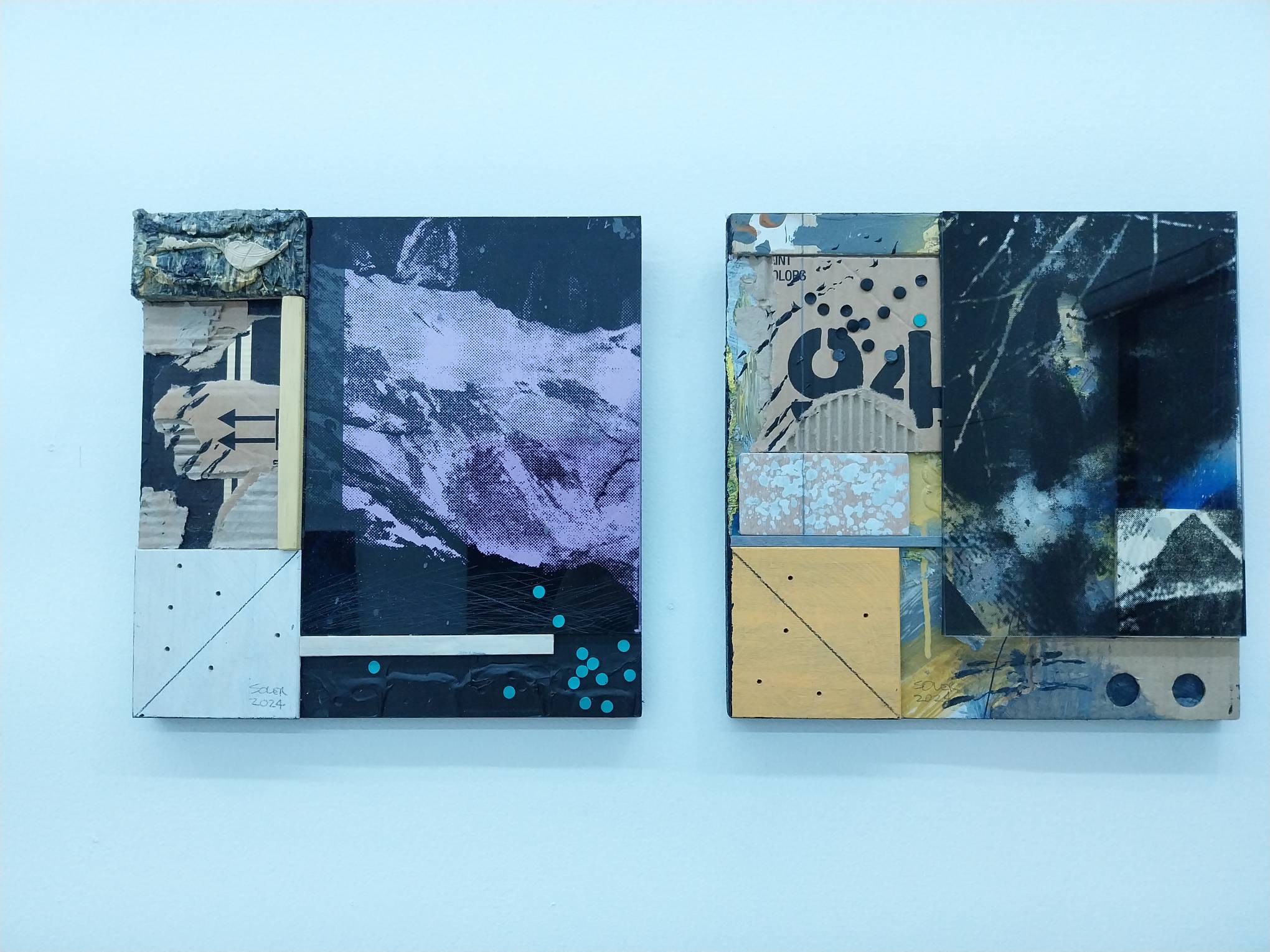
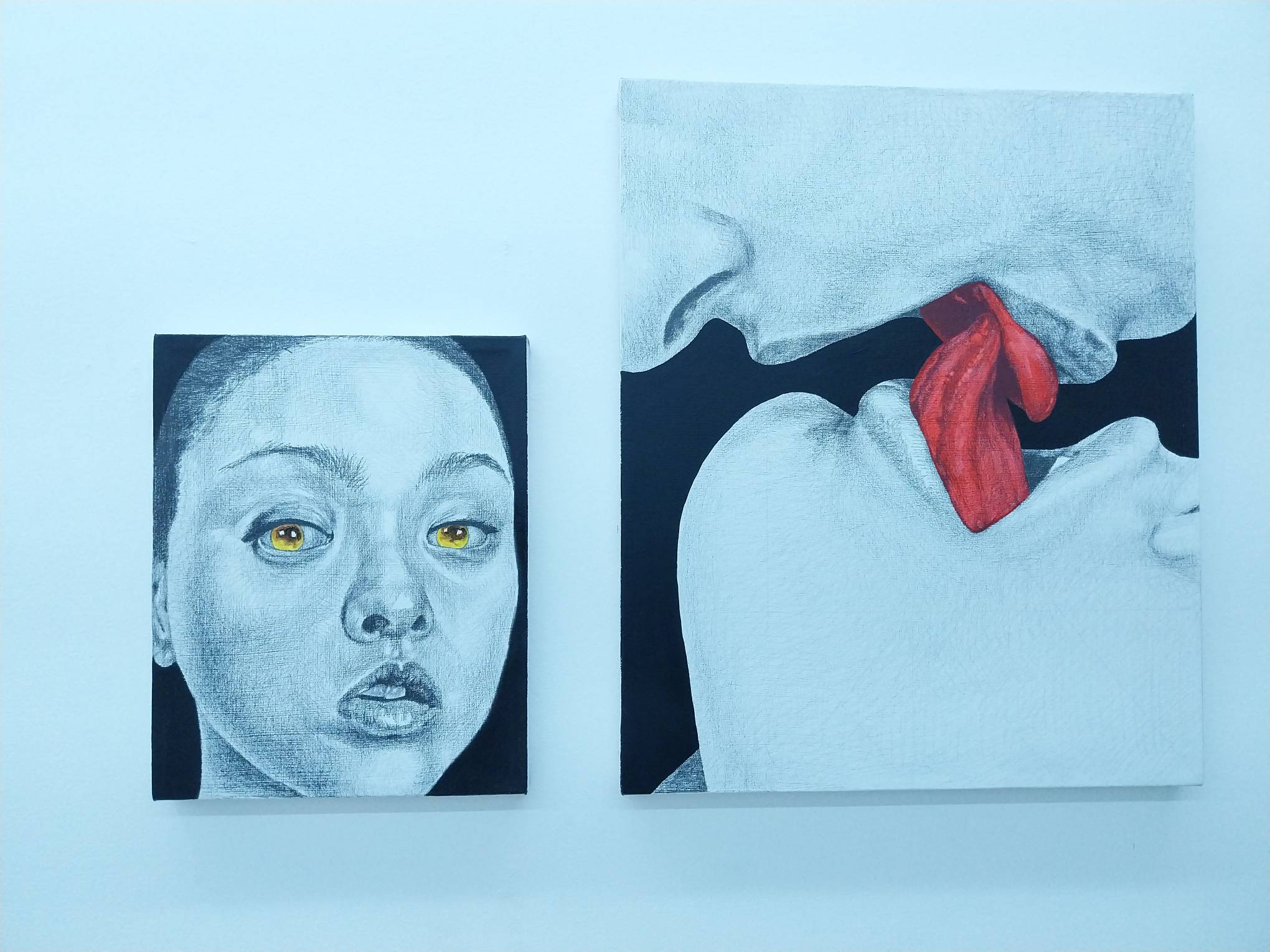
Datu Arellano’s two works for the exhibit, meanwhile, carries the baggage of at least two levels of appropriation in the work. For “INSOMNIAC” and “PESSIMIST,” he cuts up Japanese manga into strips that he combines to create collages.
The end product re-appropriates the artwork of post-conceptual artist Christopher Wool, and navigates the plane between “randomness and intentionality.” Stylistically, it also harkens back to the idea of “glitch art,” putting the ephemeral nature of this art form center stage.
Reappropriating Architecture
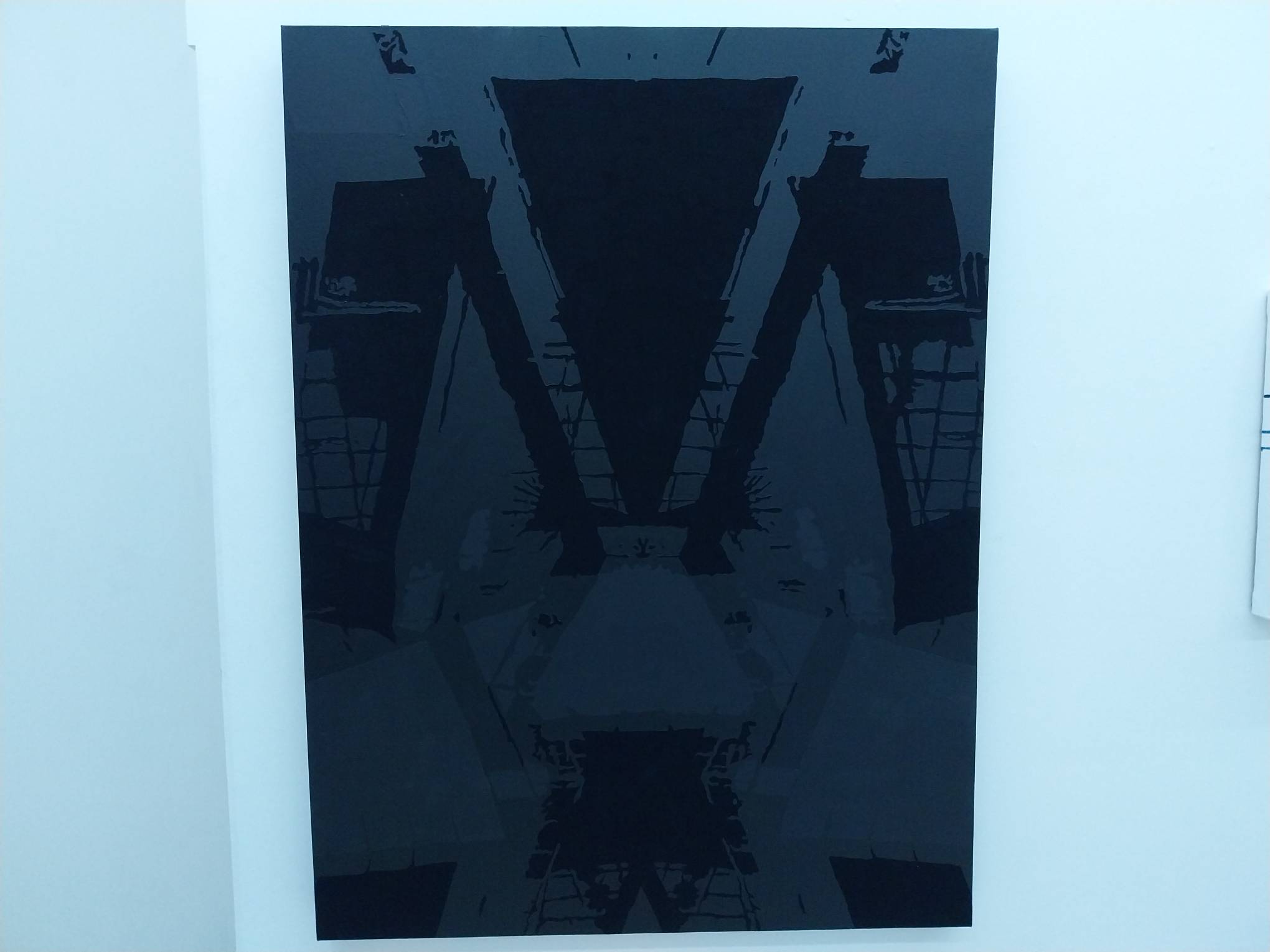
Two works featured here were inspired by architectural design. Miguel Lorenzo Uy’s “Black Painting (Symmetry)” uses a photo of a structure that he then made into a “bilateral symmetrical” work. The painting utilizes three different pigments of black to allow the image to come to life despite its darkness.
Celine Lee’s “Untitled,” meanwhile, appropriates architectural templates to create the unique thread work on a grey canvas of aida cloth. The canvas looks like a matrix field in the midst of unravelling. It adds further dimensionality to the final artwork, giving the feel of being undone and opened to the empty world before us.
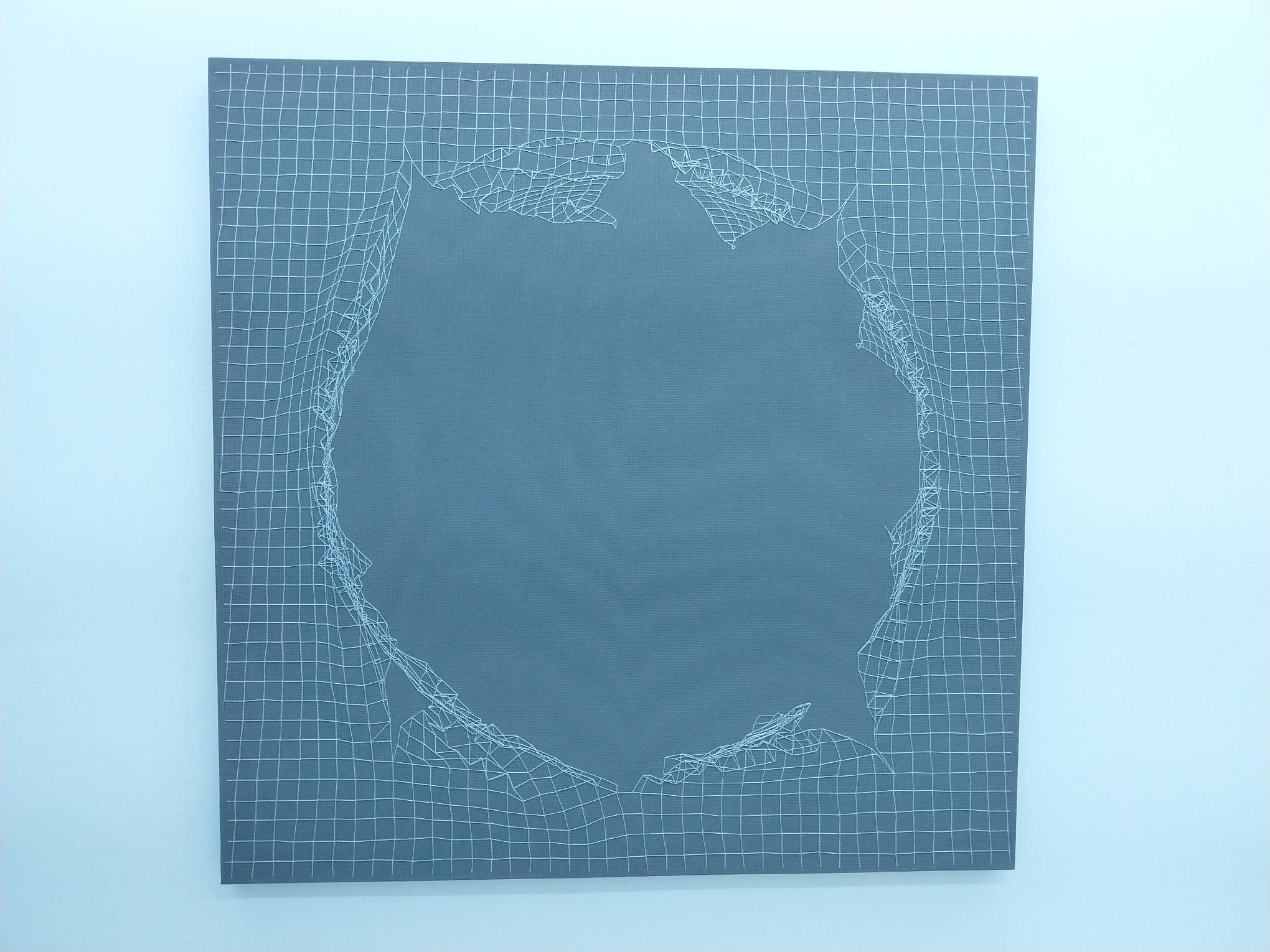
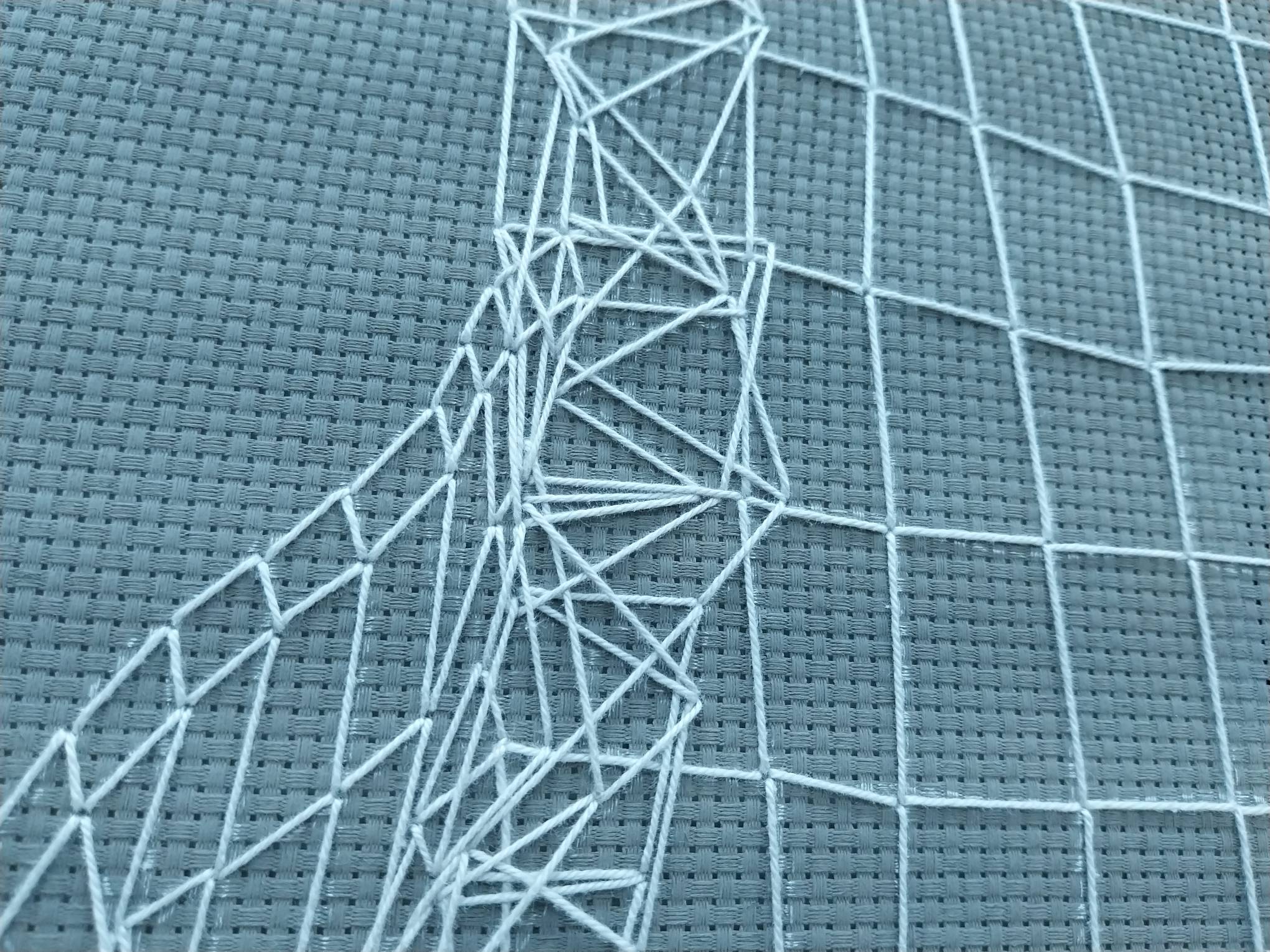
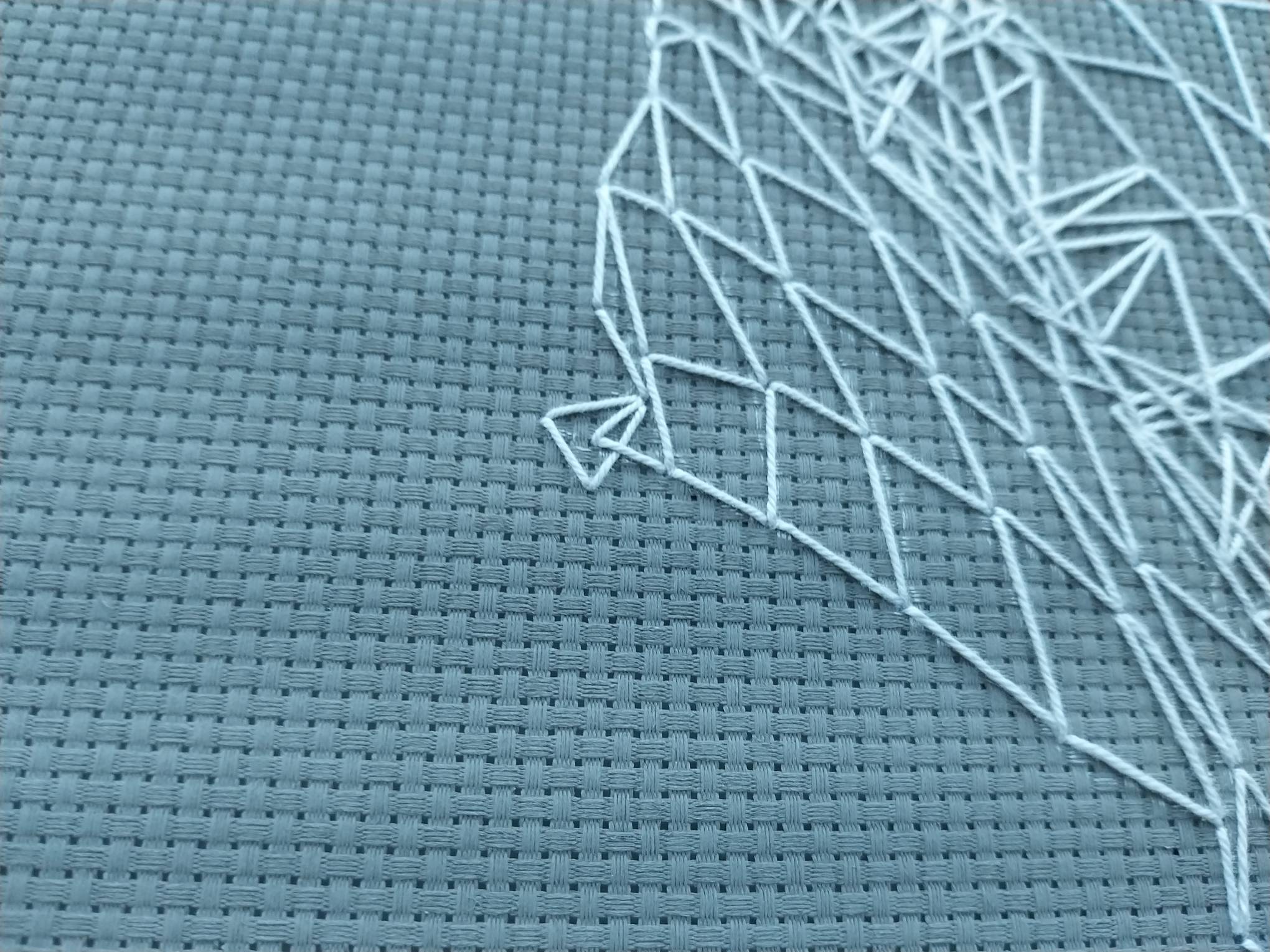
“I’ve been doing works on aida cloth since 2017,” she said. “It was initially about a representation of an unseen dimension by looking at the cloth as a cartesian plane. Now it has evolved to have its own life by becoming its own iconography.”
Commenting on Society Today
Probably the most intriguing work of the exhibit is MM YU’s “image may contain:.” The artist uses a collection of Polaroids of images lost online. Instead of showing the actual pictures, it shows the different metatexts and icons that indicate a work deleted or lost in time.
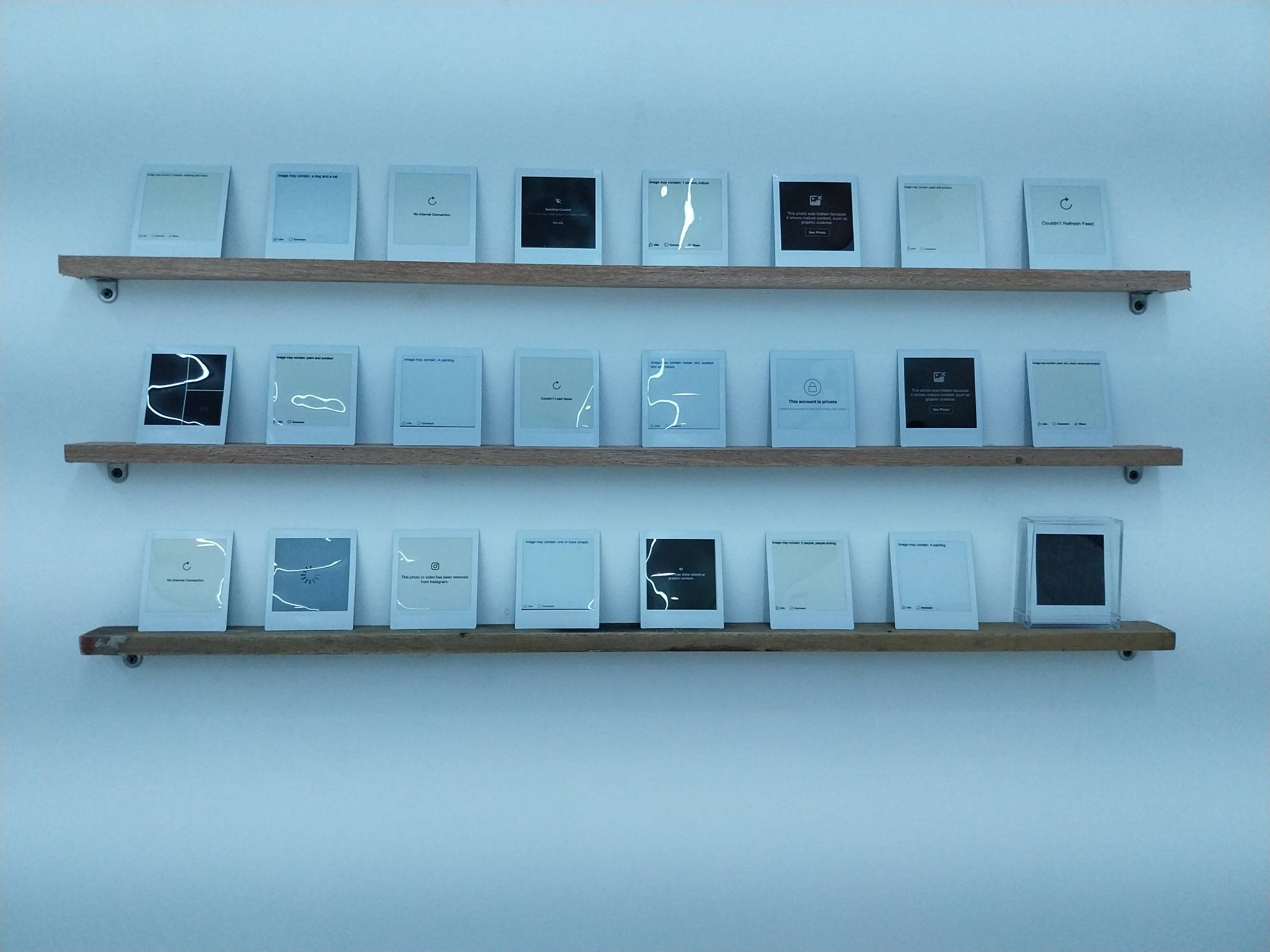
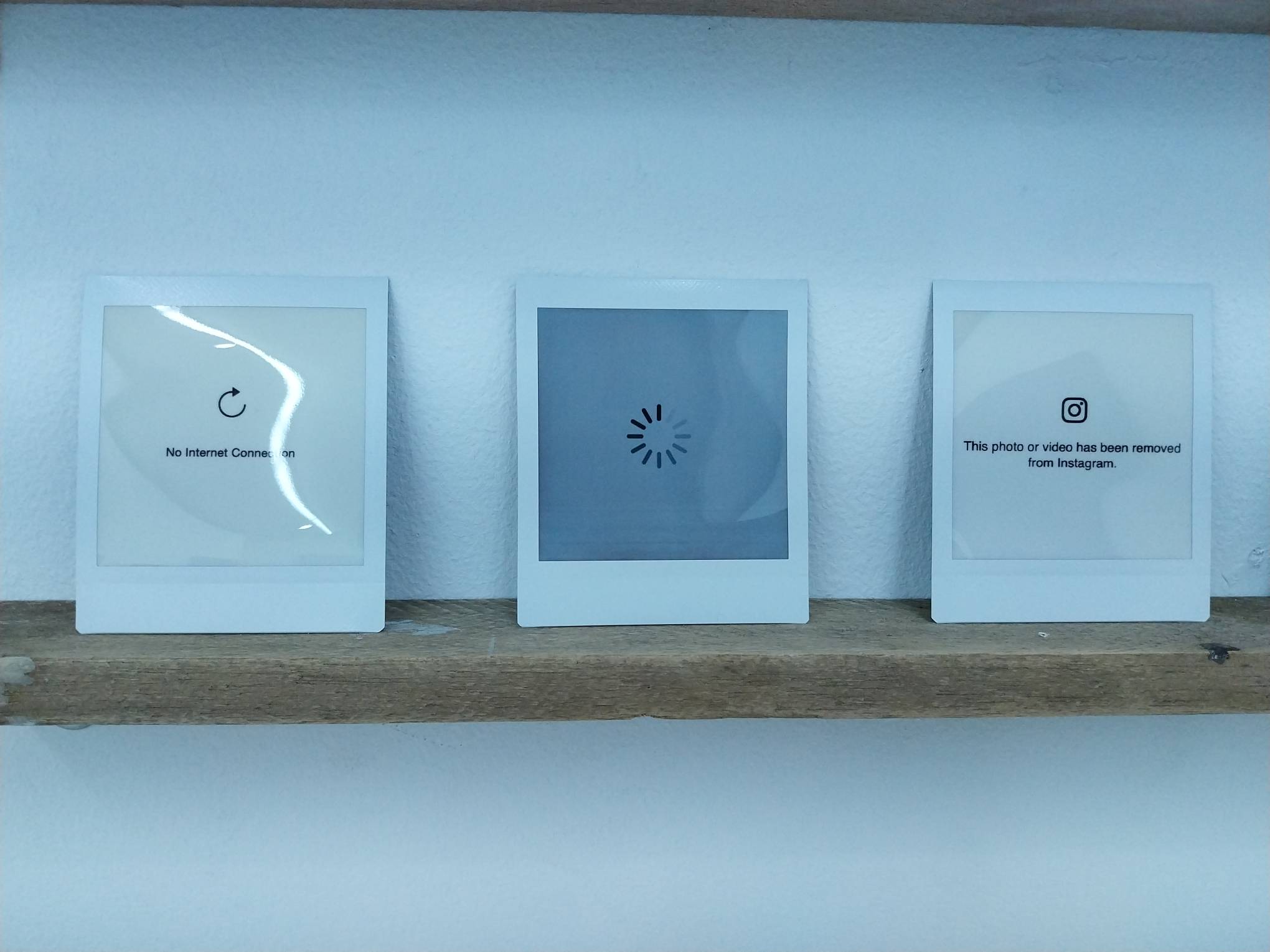
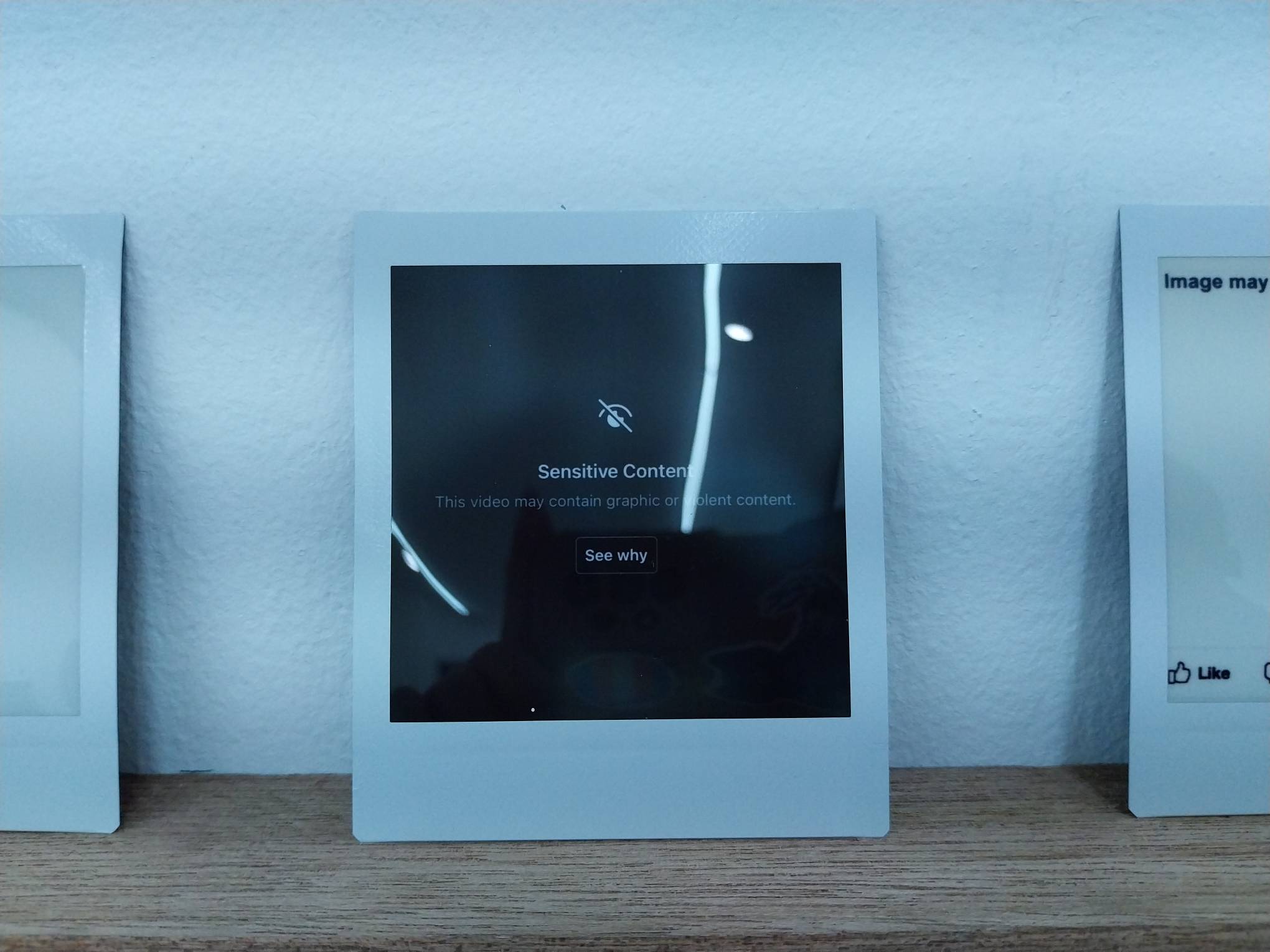
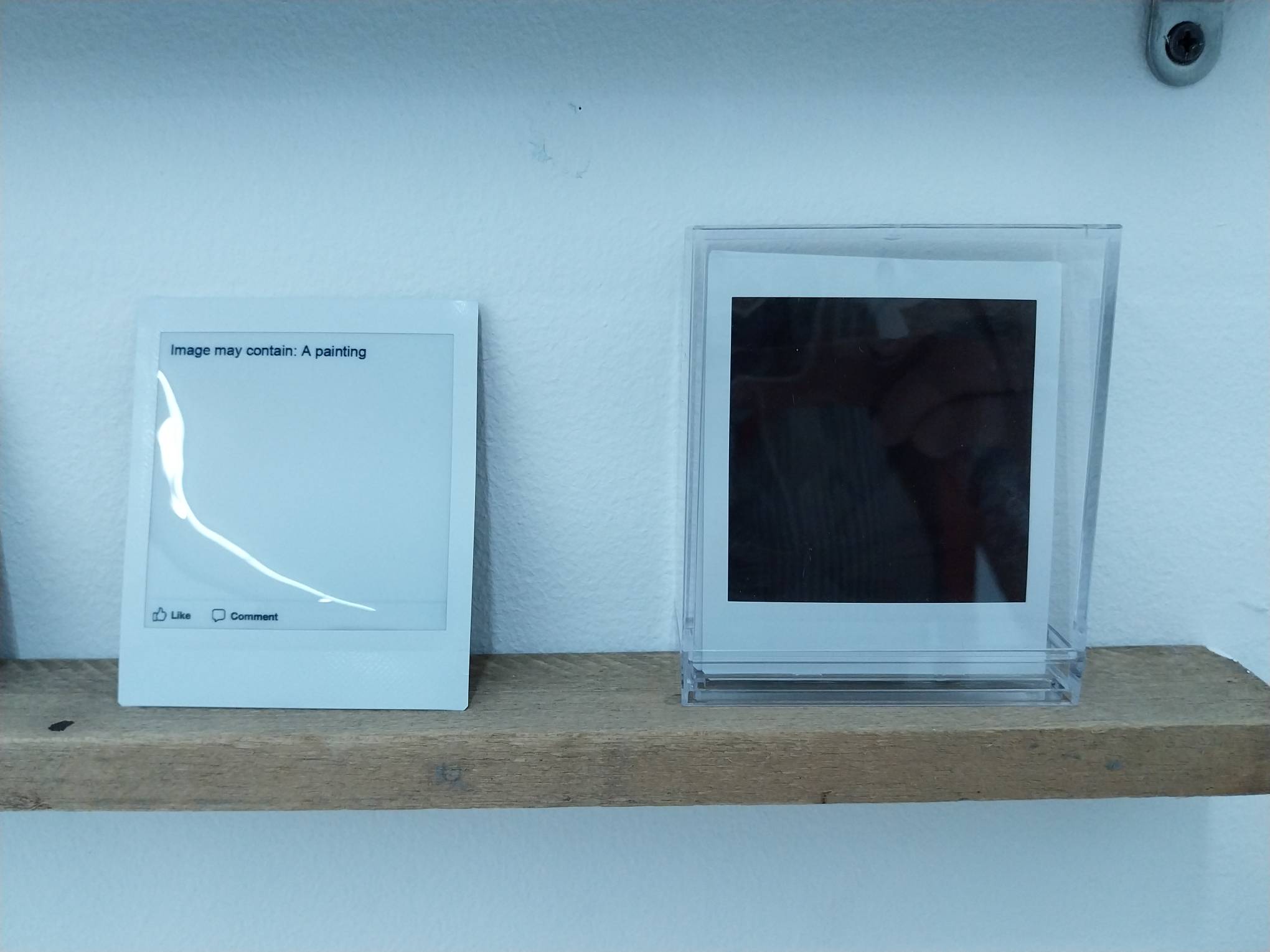
That work really expands what “appropriation” could mean in this context. It points out that missing art leaves a void that can only be taken from context clues, and how that, in itself, forms a new type of art and discussion built around what’s missing.
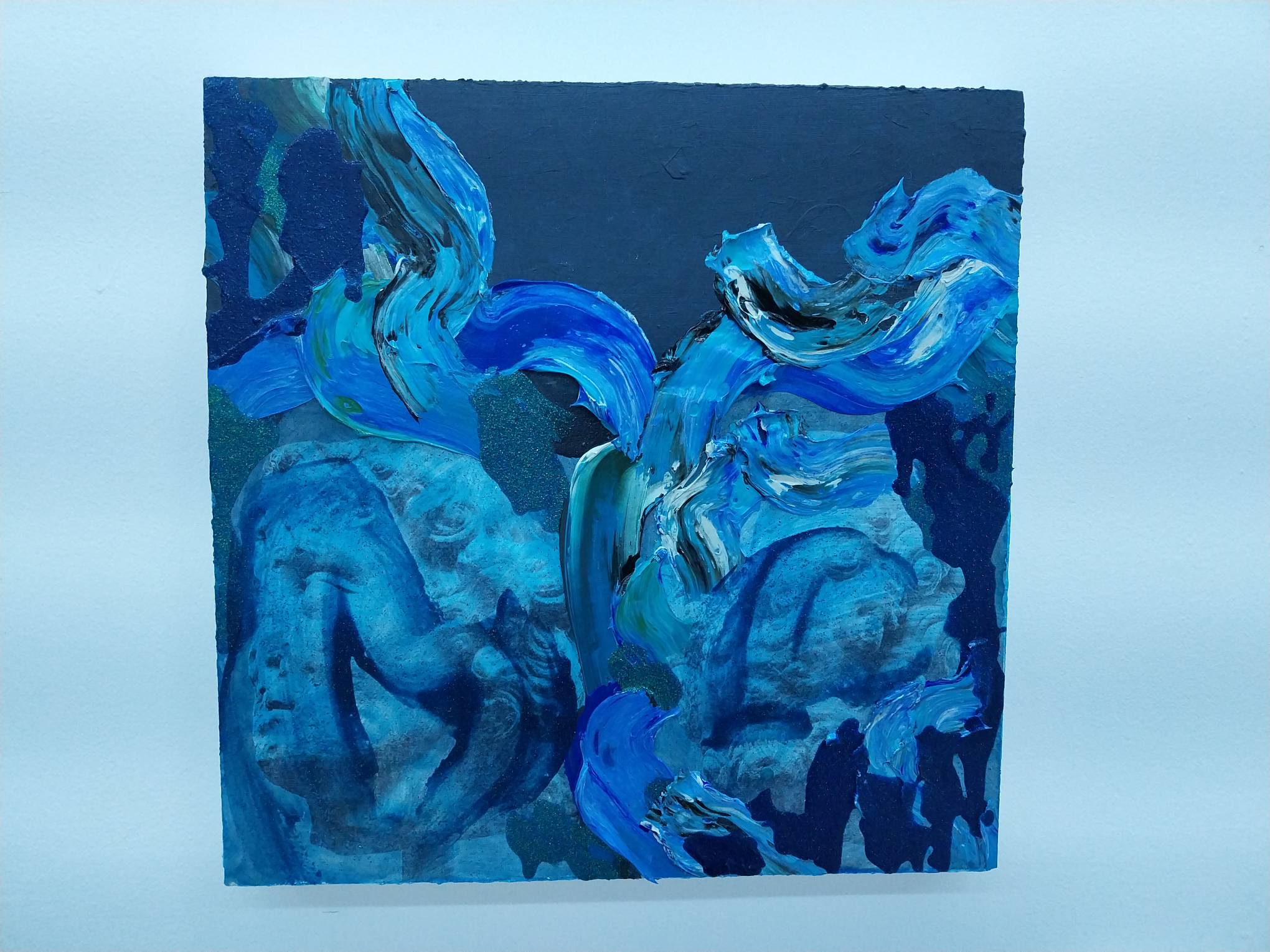
De Veyra’s own work for the exhibit, “Après moi, le déluge I-II,” adopts public domain images of a broken angel’s head and immerses them in paint with brushstrokes that “depict objects overwhelmed by a deluge.”
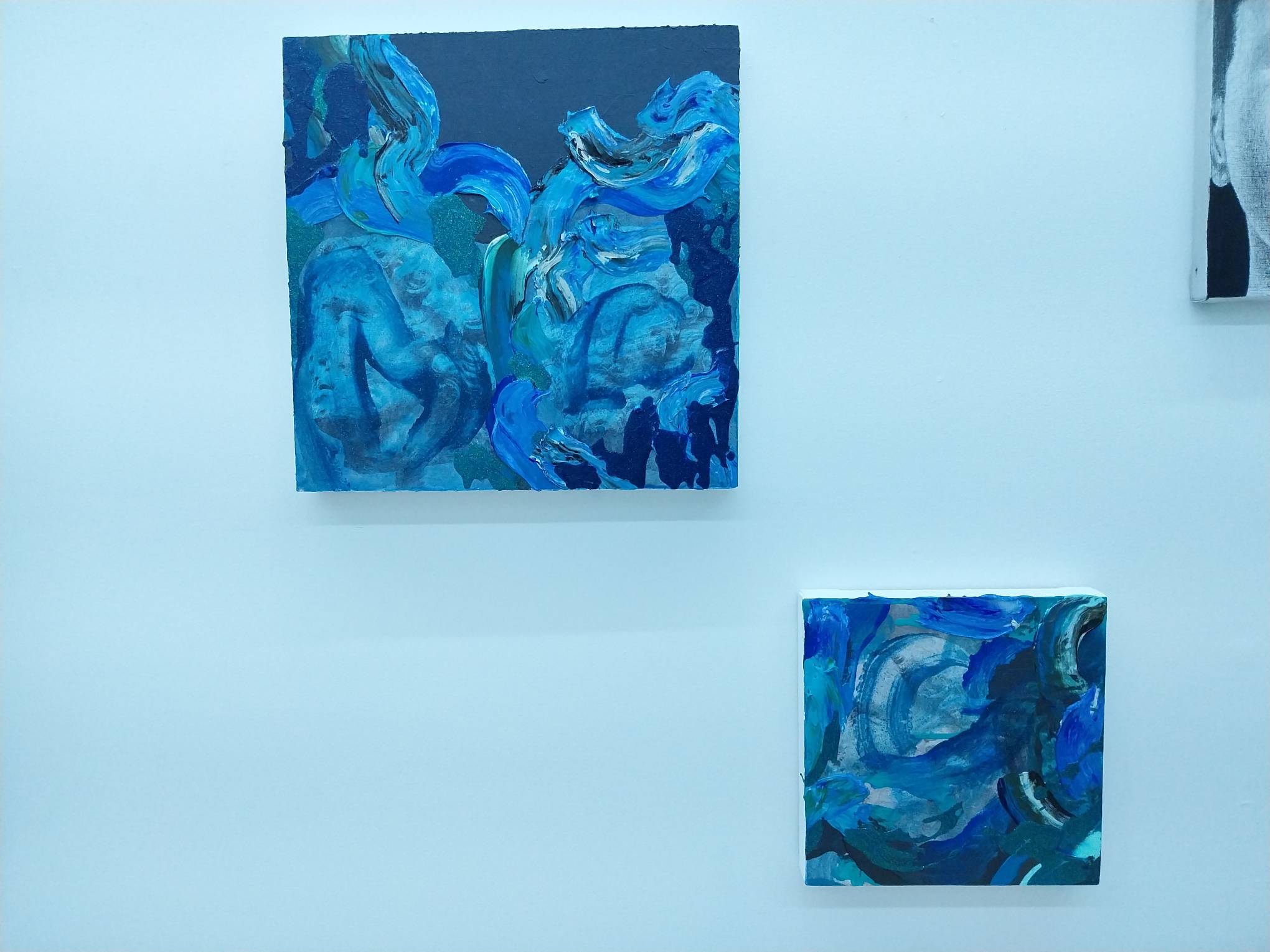
“[The painting serves] as a visual representation of the expression of nihilistic indifference famously attributed to King Louis XV,” he said. “[My] work also comments on the history of painting, appropriation, and the ebb and flow of Western art history.”
Interconnectivity of Art
On Appropriation clearly gives its audience a lot to ruminate about with regards to the visual language of art. While most artists and art students know that every movement builds itself on top of each other, this exhibit really pushes how interconnected everything is. It all connects, in conversation with each other, mapping out where we were and where we can go.
Related reading: ‘The Soup Can Factory’ Parodies Popular Culture and Consumerism
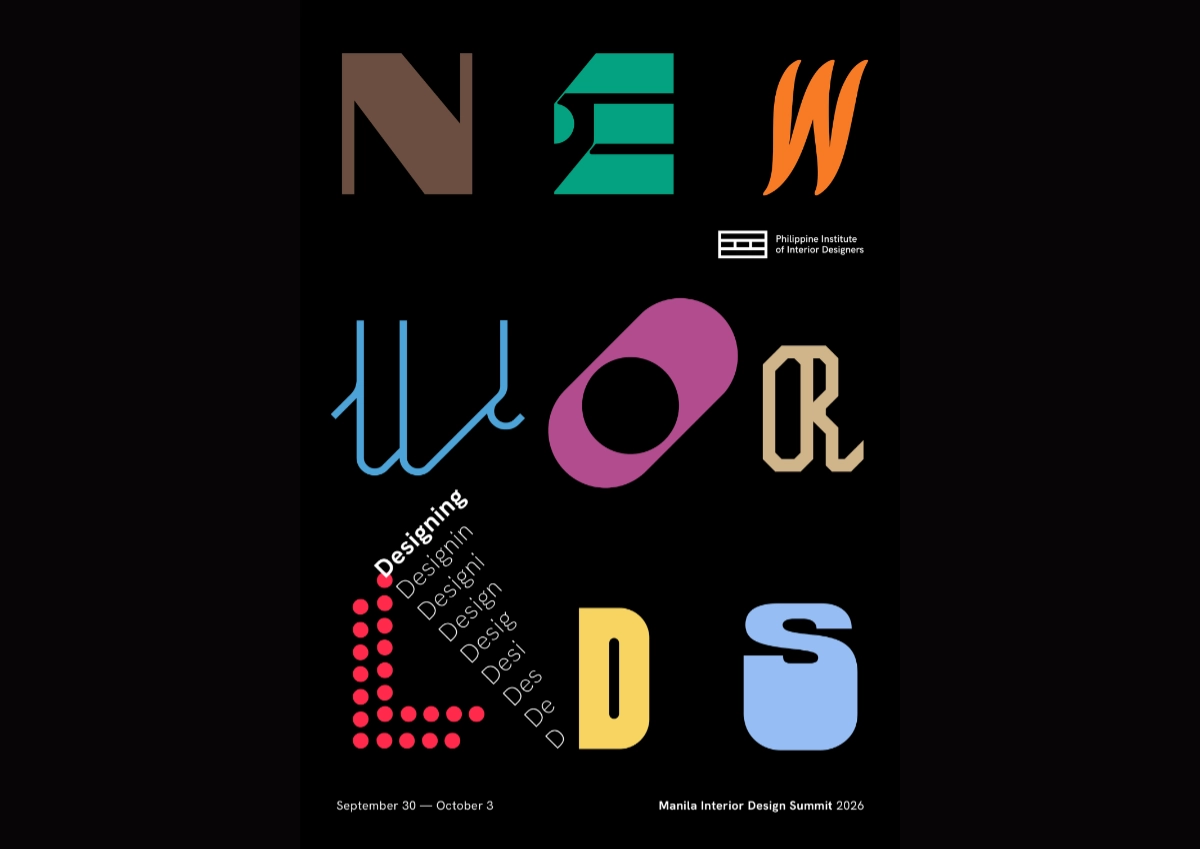
“Thailand has claimed urban creativity and livability. Singapore has institutional design leadership. Indonesia is emerging as a design hub. Vietnam is moving into design innovation. And the Philippines? Its position is not weak. It is simply unclaimed.” For IDr. Cecil Ravelas, National President of the Philippine Institute of Interior Designers (PIID), the challenge is not […]
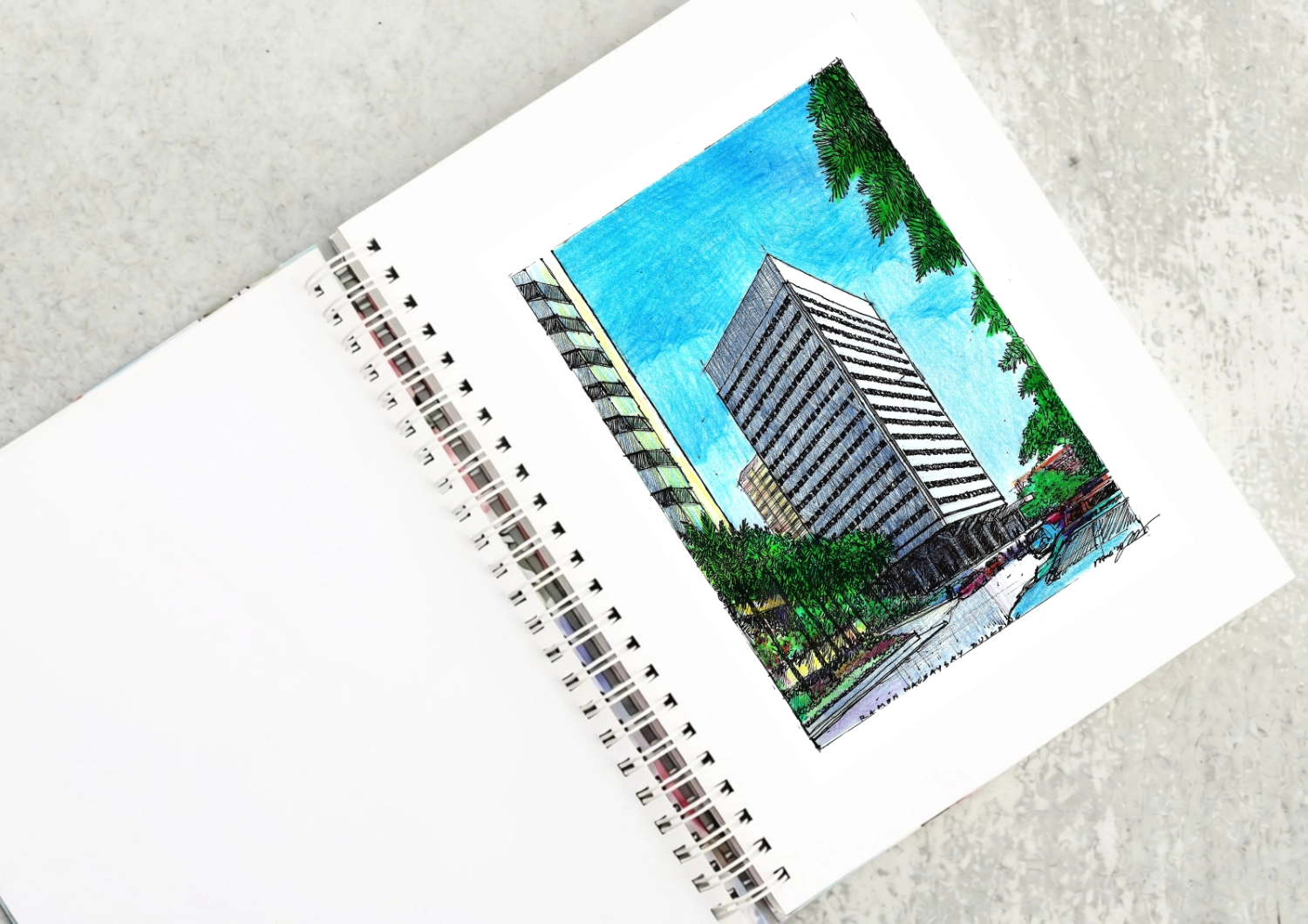
The Ramon Magsaysay Center as a Modernist Landmark Driving down Roxas boulevard from Rizal Park, what will catch your eye is the most elegant modernist structure in the country, the Ramon Magsaysay Center. Most established Filipino architects put it in their top ten lists of favorite buildings. It was designed by Alfredo J. Luz, who […]

Rinna Soriano’s favorite part of her work is sanding. At her workbench, she stays focused, following the grain, adjusting to changes in its direction. Narra, she has learned, can have interlocking grain. A piece of mango once proved particularly difficult until a worker explained that she had reached the point where a branch once grew […]
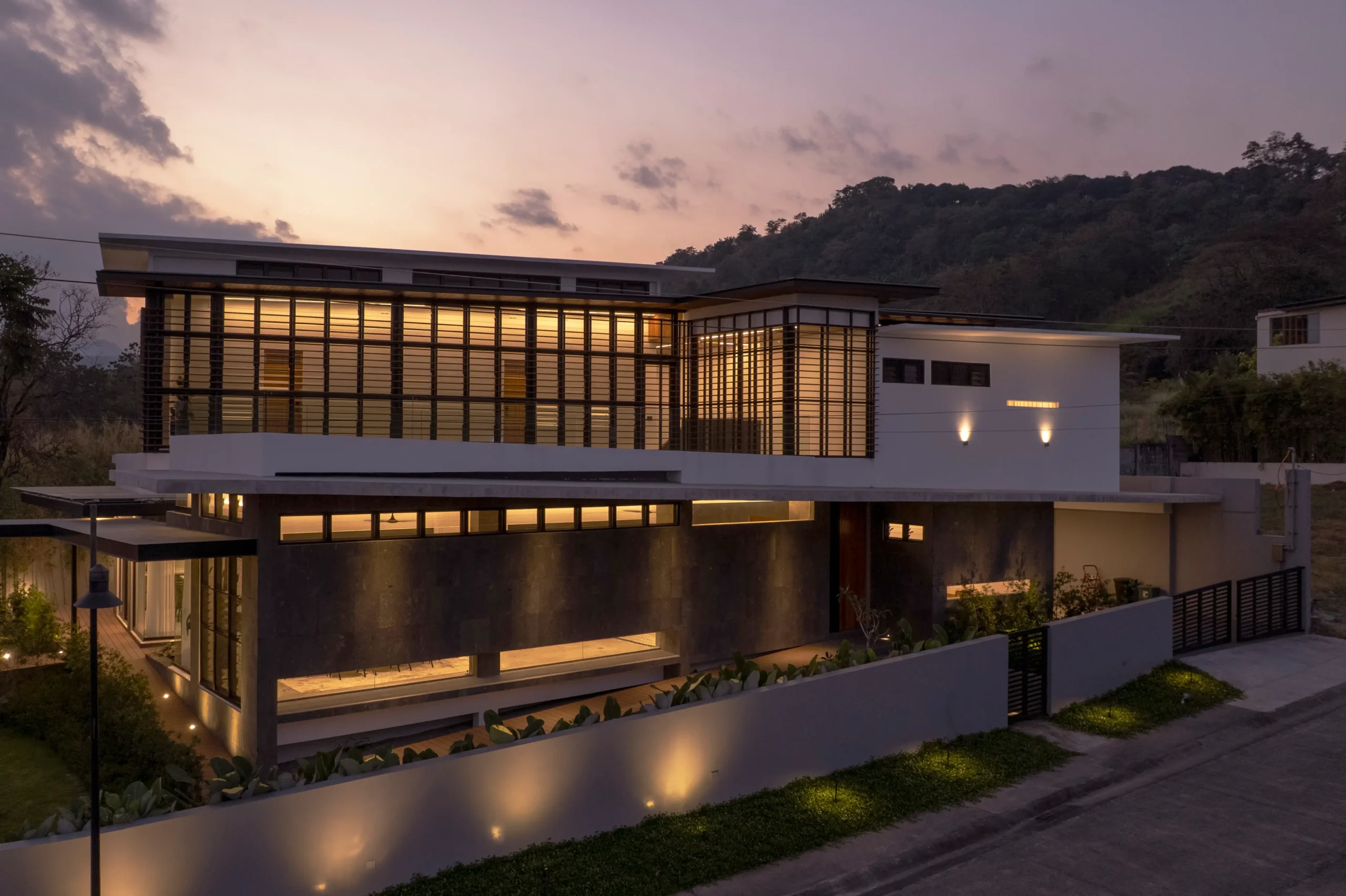
Filipino architectureArchitectureThe art and science of designing and constructing buildings, structures, and spaces that are functional, safe, and aesthetically pleasing. It encompasses the planning, design, materials, and techniques used to createGo to Architecture Glossary has long been associated with indigenous materials and vernacular design strategies, from bamboo and timber construction to jalousie windows, generous spaces, […]
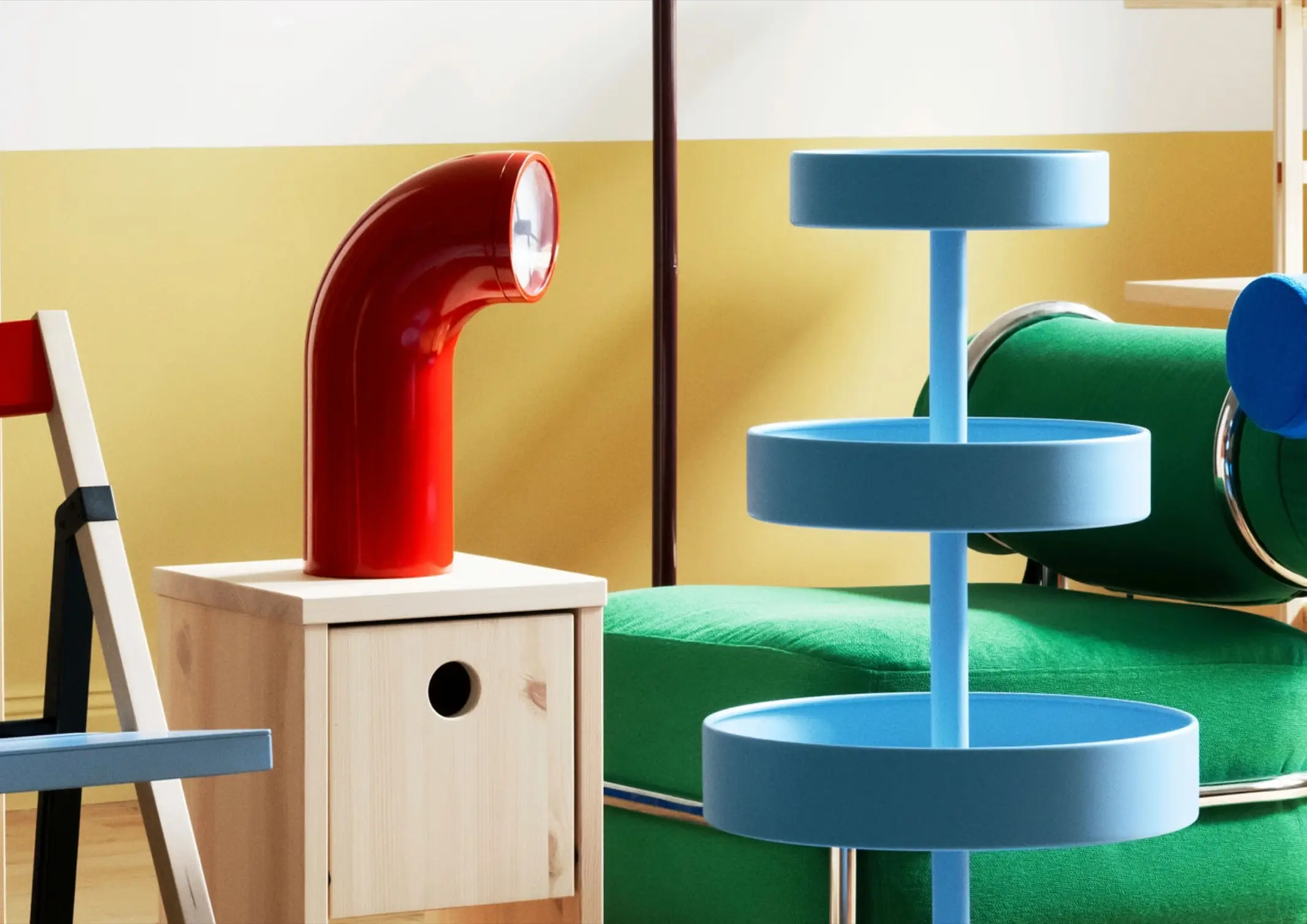
A chair does not always prescribe how to sit in it. A lamp can be more than a source of light. A clock can be more than a way to tell the time.These small departures from convention are at the center of IKEA PS 2026. The latest iteration of IKEA’s experimental PS series comprises more […]
Read the issues.

Collect the volumes.

Recommended Video
Tap to Unmute
Unmute
0:00
0:00