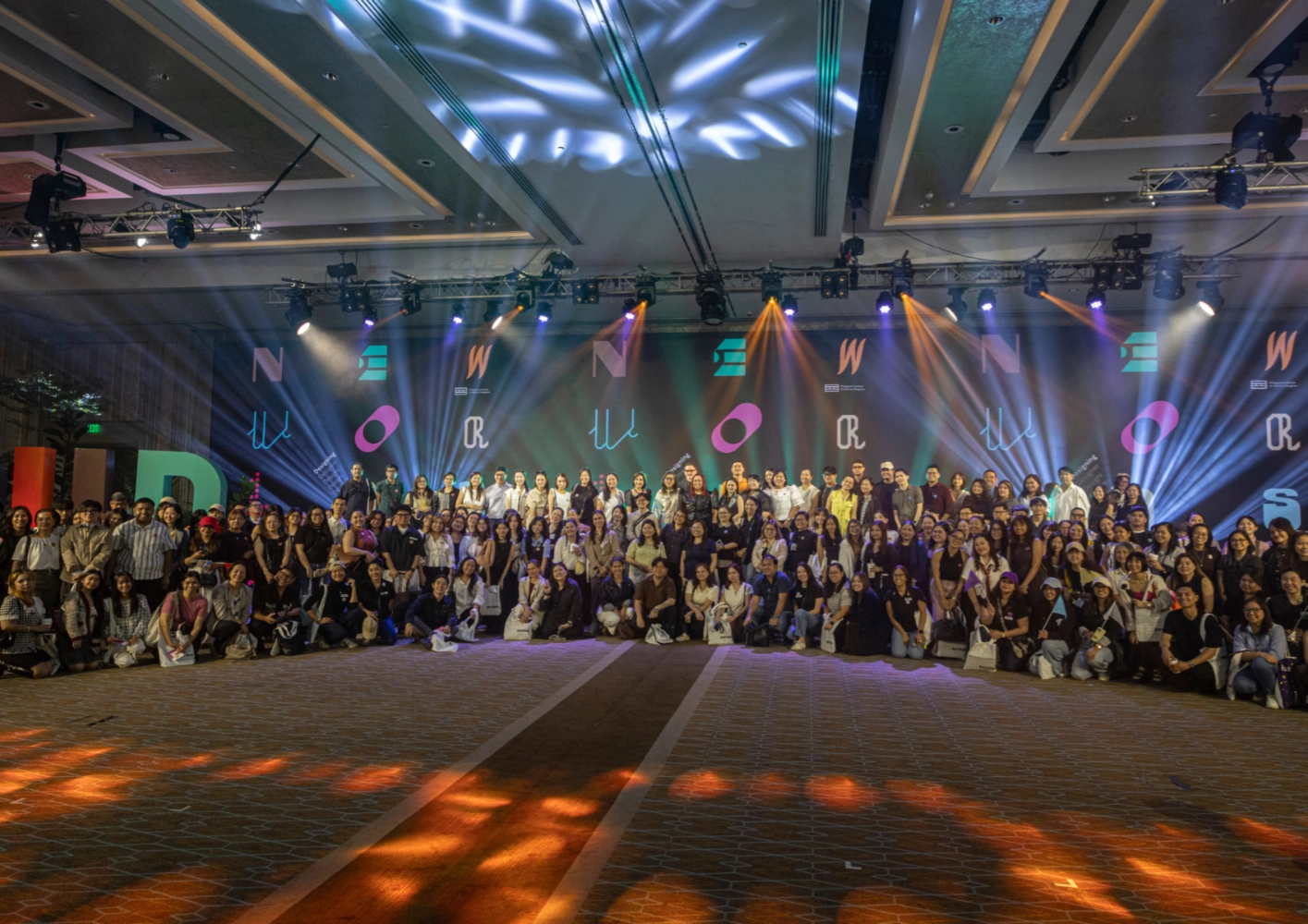
The seventh edition of the Anthology ASEAN ArchitectureArchitectureThe art and science of designing and constructing buildings, structures, and spaces that are functional, safe, and aesthetically pleasing. It encompasses the planning, design, materials, and techniques used to createGo to Architecture Glossary Festival brought together over 4,000 delegates from across the Philippines and Southeast Asia for three […]
V House: A 3-Level Haven in a Post-Pandemic World



The V House, a project by Olos Architects, exemplifies adaptability and innovation in design. Originally conceived as two separate structures—a house and a business office with a warehouse—the project evolved into an integrated space during the pandemic. Spurred by the rise of work-from-home trends, it led to the creation of a multifunctional haven that seamlessly blends work and living areas, prioritizing privacy, security, and safety.
Designed for Harmony
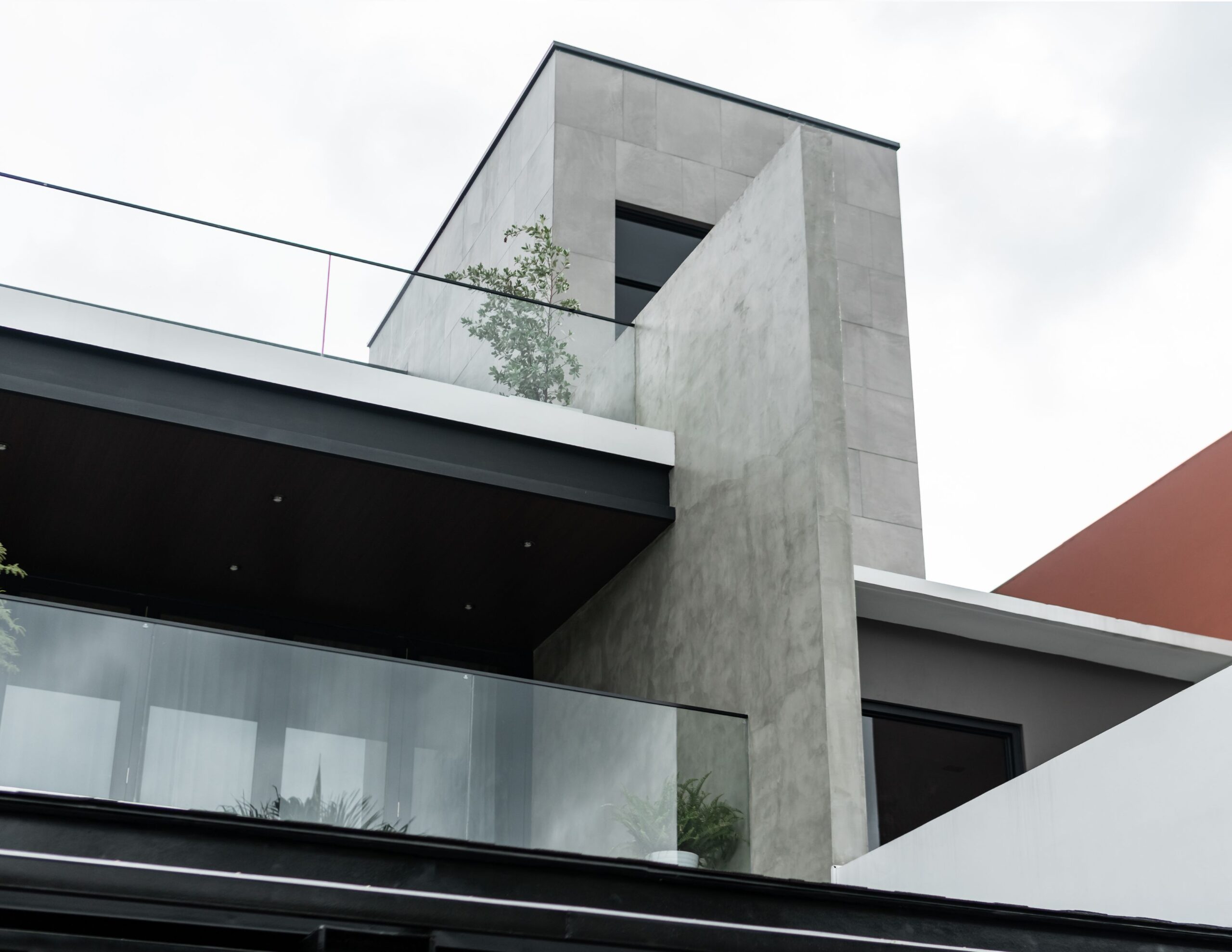
The exterior of V House features an unassuming minimalist geometry. The mix of concrete, glass, and metal contribute to the Zen-like aesthetic, which is also reflected in the interiors. Upon entering through the impressive solid wood main door, you’re welcomed by the double-height foyer and stairwell. The area also doubles as a showroom for the client’s prized motorcycle and bicycle collection.
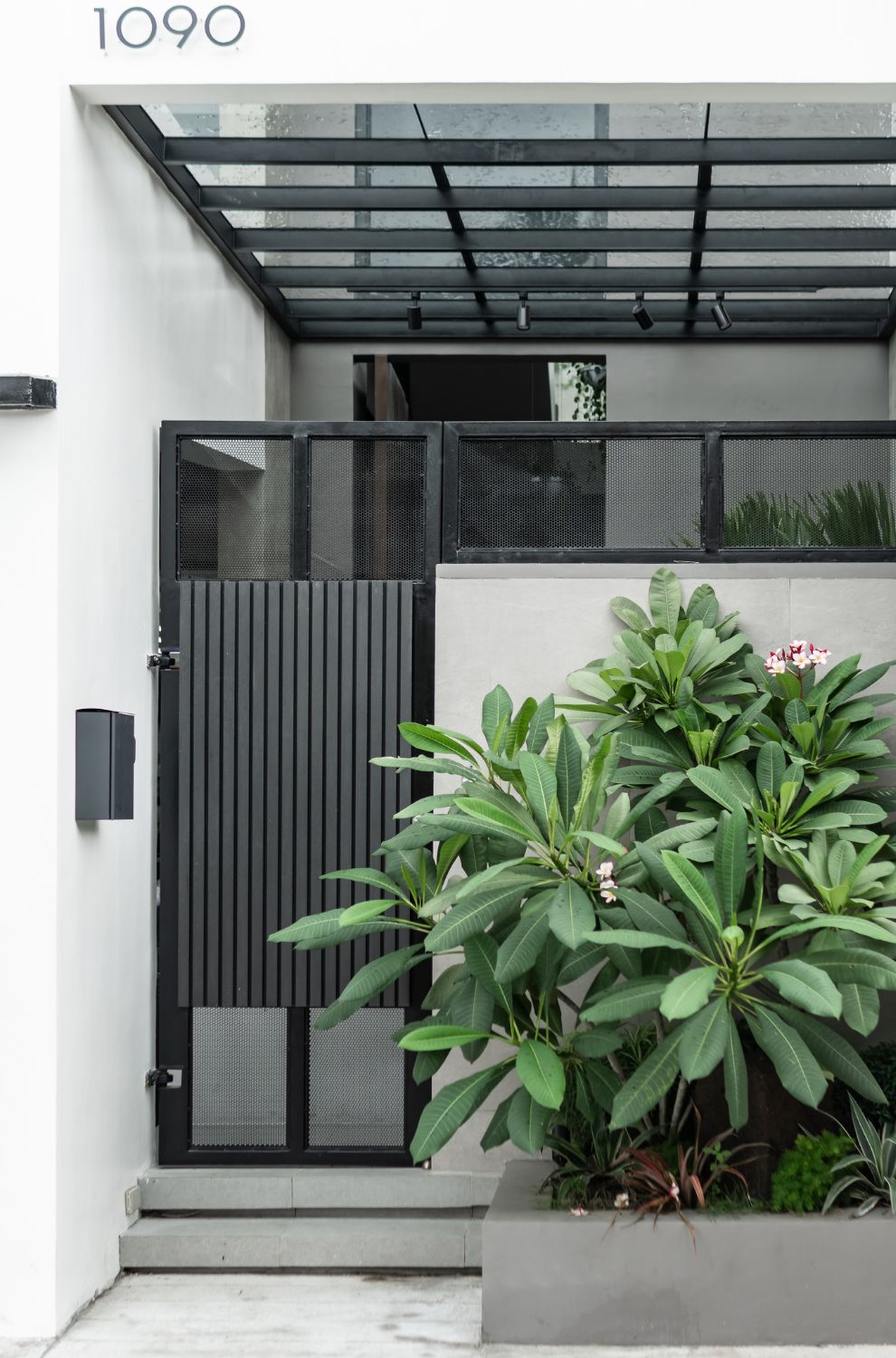
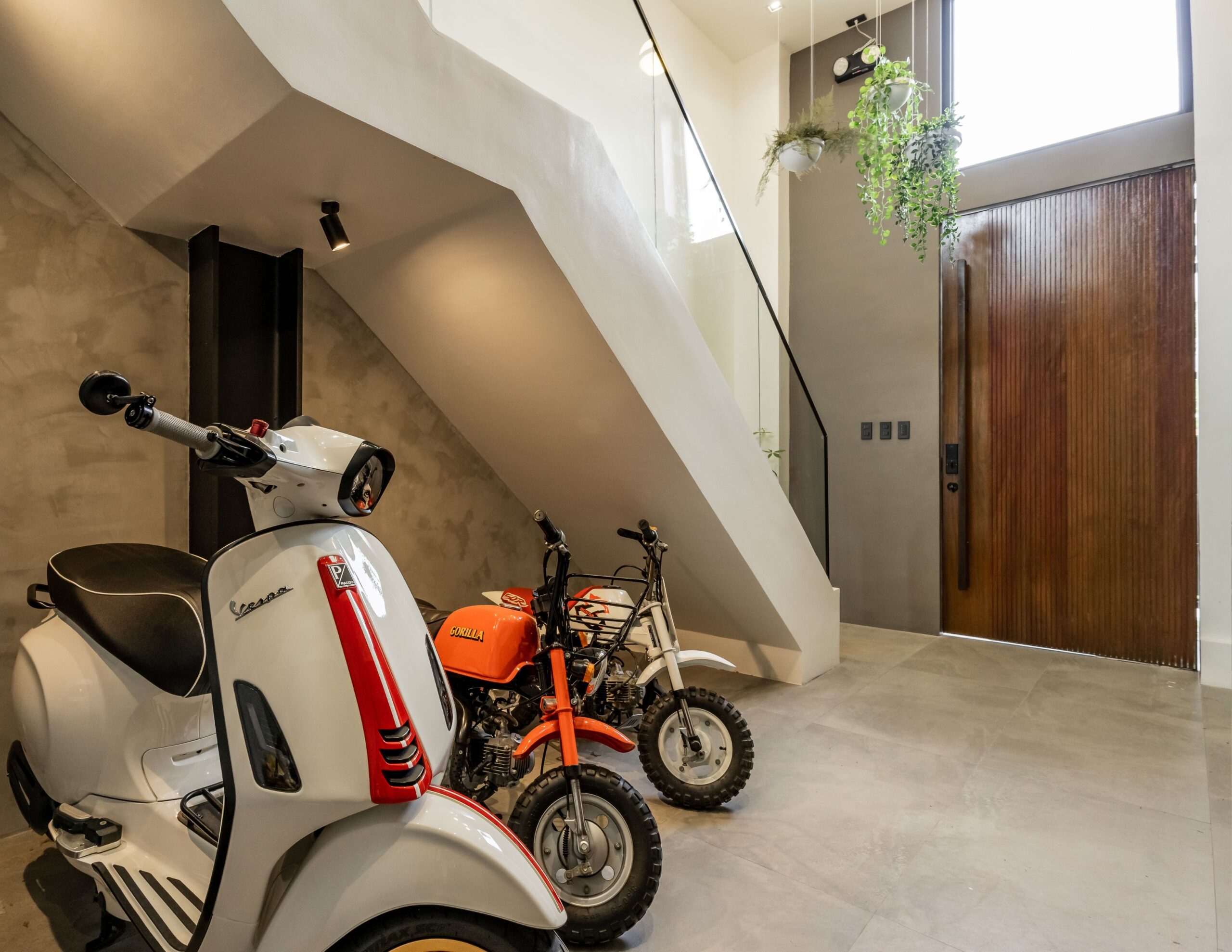
From the foyer, residents have access to the ground floor office and warehouse for the family’s clothing business. The office area, bathed in natural light from strategically placed windows, promotes productivity, with the storage and warehouse spaces optimized for efficient inventory management.
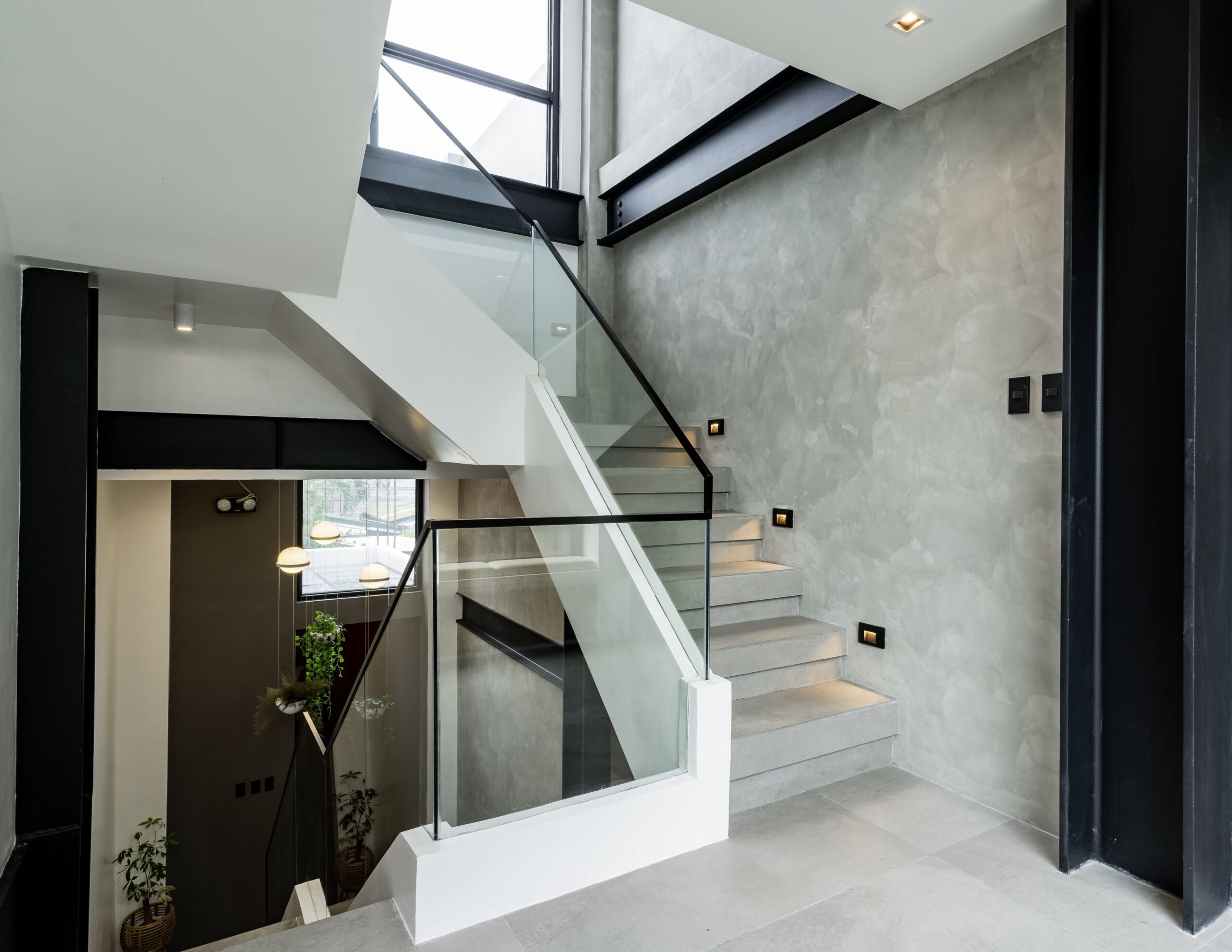
The stairwell, illuminated by ample natural light through large windows, provides access to all three floors while ensuring privacy and security. Glass banisters further reinforce the feeling of openness.
Celebrating Togetherness
Ascending to the second floor of V House, you enter the family’s private sanctuary, contained on a single level with its own entryway. This floor features a minimalist Zen courtyard, a multifunctional oasis that greets guests with a warm ambiance. The courtyard is visible through a full clear glass panel. It serves as an air scoop, drawing cool breezes into the entire house. Additionally, it acts as an elevated urban sanctuary for meditation and relaxation.
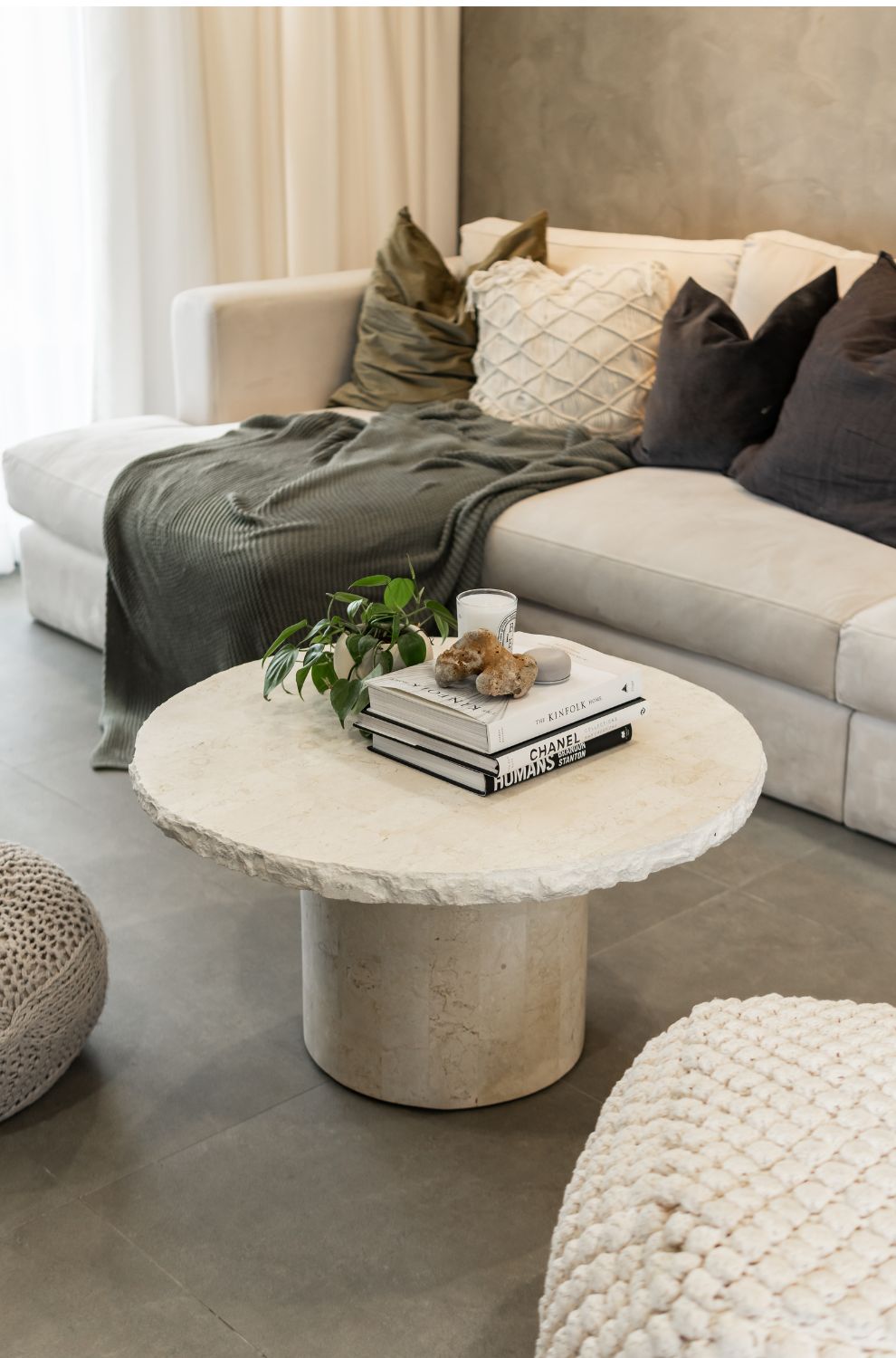
A spacious open planOpen PlanA layout that removes most interior walls between living, dining, and kitchen areas to create one continuous, flexible space. Open plans improve natural light, cross-ventilation, and social interaction, making themGo to Open Plan Glossary living area is designed with a minimalist aesthetic. It features a neutral color palette dominated by shades of gray, white, and beige. The living room includes a large L-shaped white sofa adorned with throw pillows in muted tones, creating a cozy and inviting seating area. A concrete-finished wall serves as a subtle backdrop, adding texture to the space. The light gray floor tiles complement the overall decor.
A wooden console sits against a black slatted wall, which adds a touch of warmth and contrast to the room. In the center, a stone table with a natural texture and a knitted ottoman add functionality and a soft touch. A sculptural black chair and a small knit pouf complete the seating arrangement, providing additional spots for relaxation.
Optimized for Entertaining
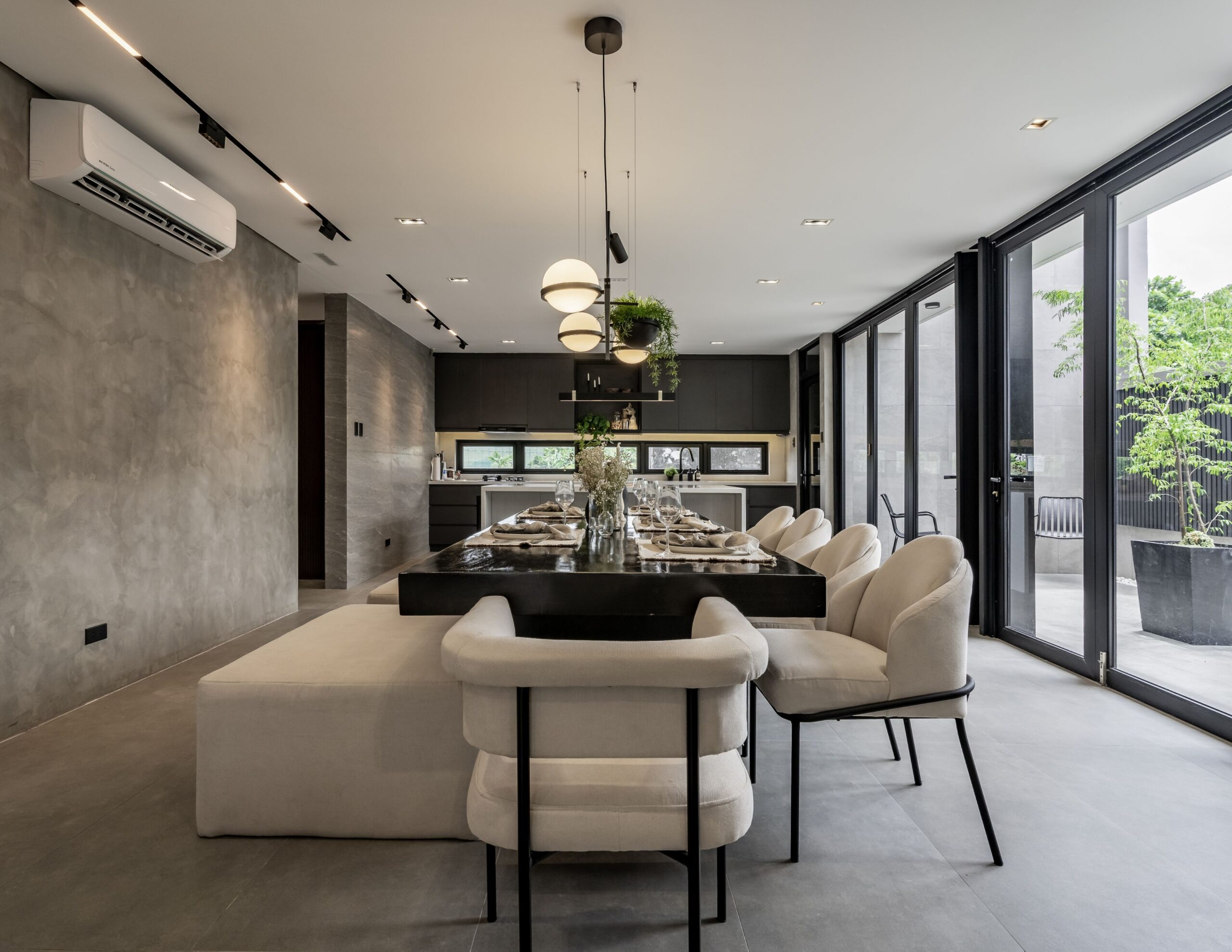
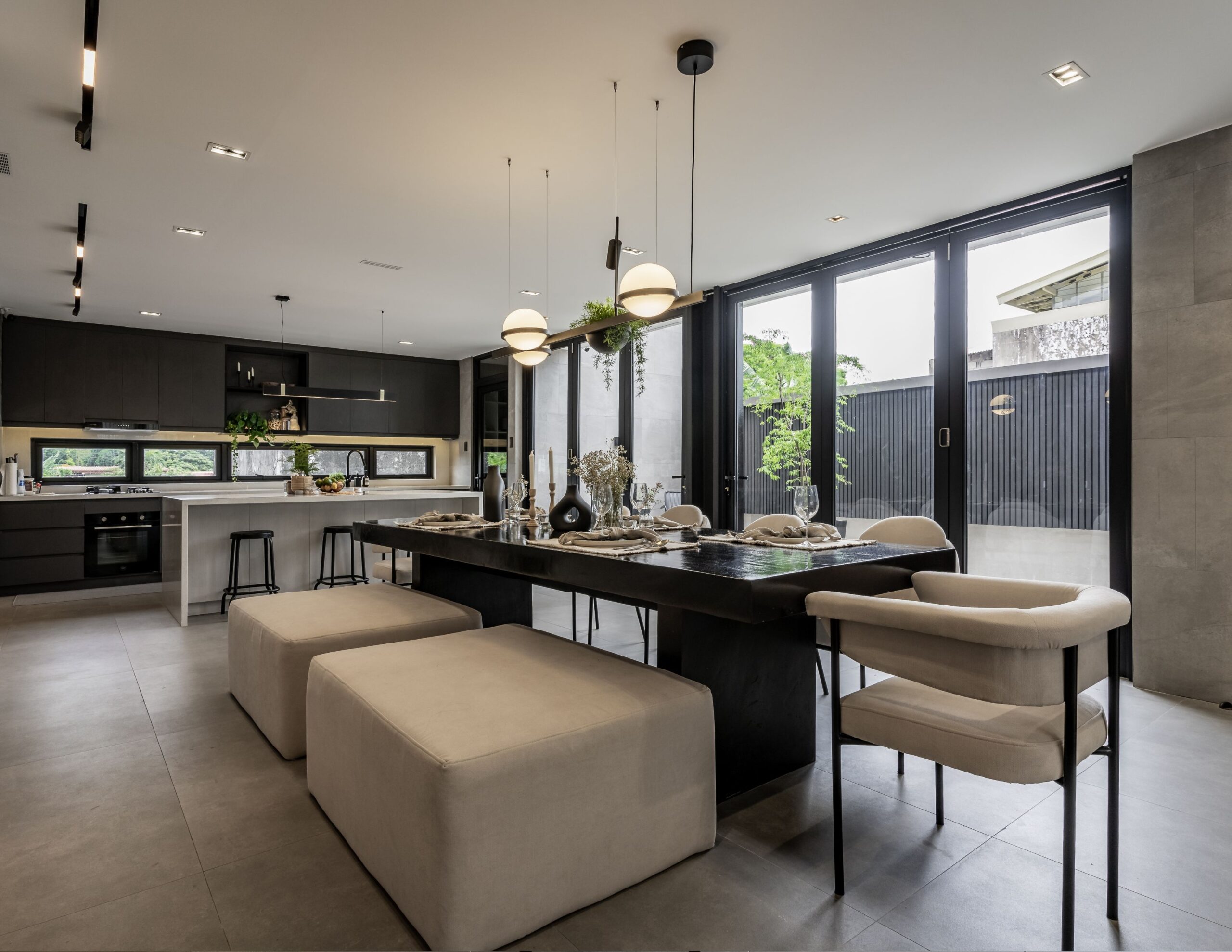
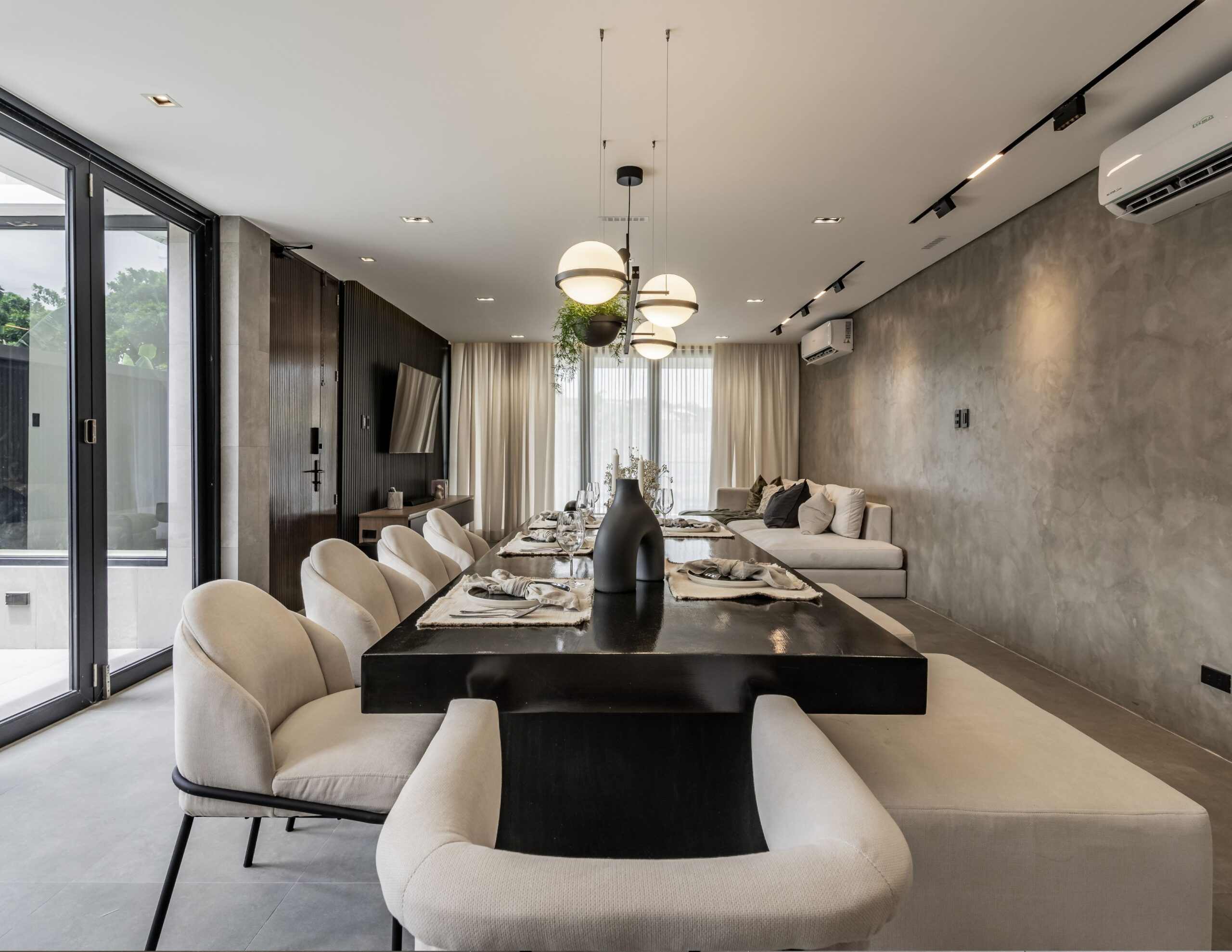
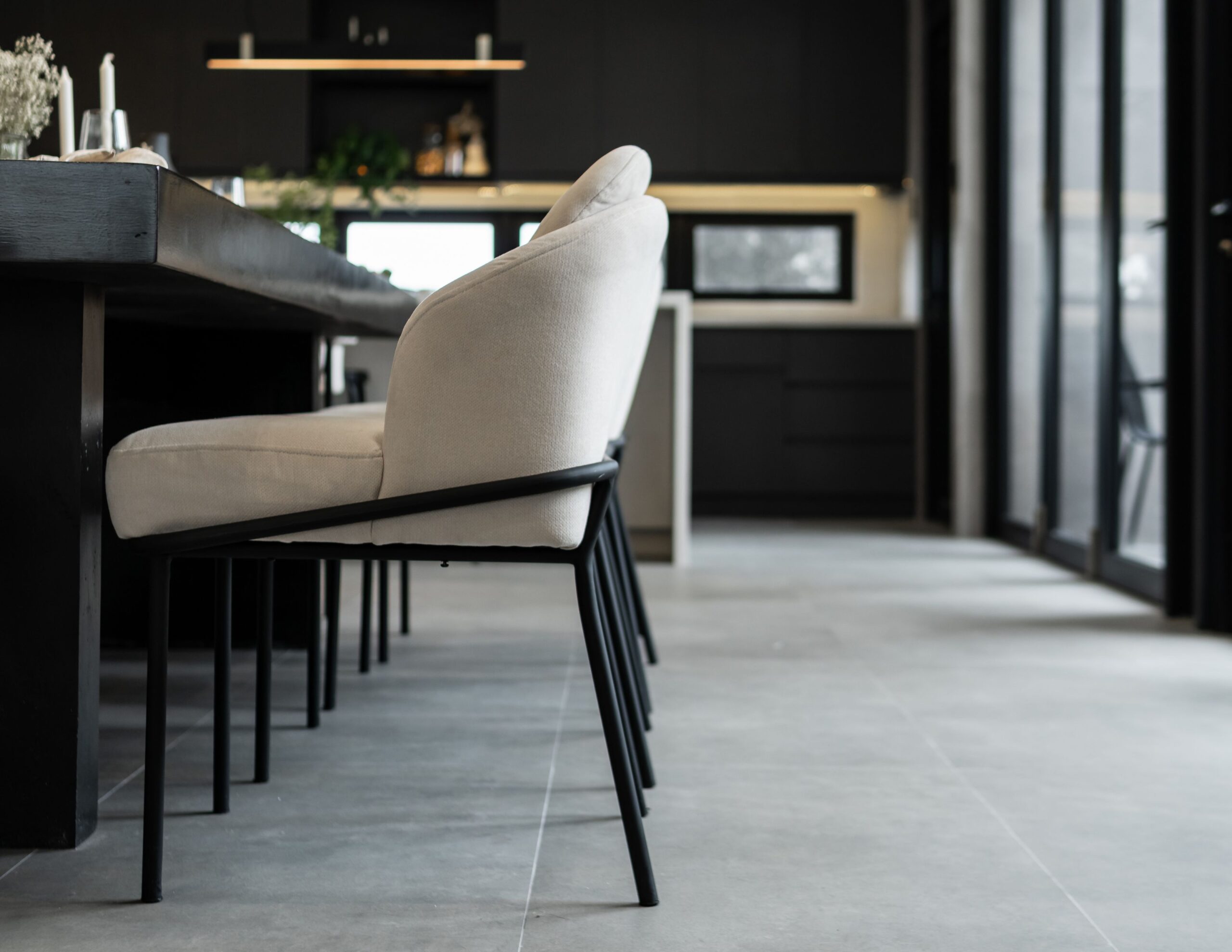
Adjacent to the living room is a sleek and modern dining and kitchen area. A large rectangular dining table, made of dark wood, serves as the centerpiece. The table seats ten, ideal for both everyday meals and special gatherings. Surrounding the table are a mix of comfortable, upholstered chairs with slender metal legs. Two large beige ottomans offer additional seating.
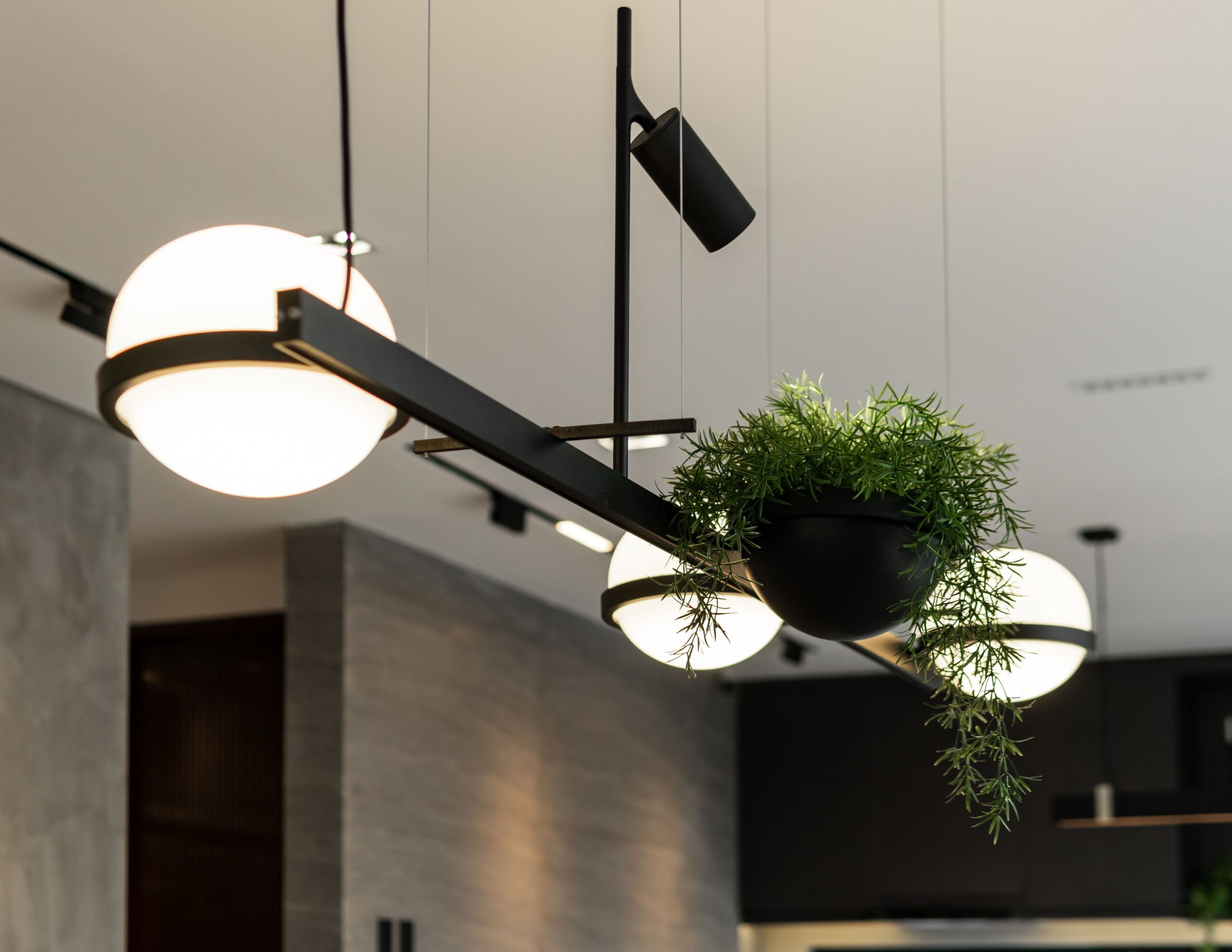
Overhead, three pendant lights with spherical white shades hang from the ceiling, casting a soft, warm glow over the dining area. A floating planter with trailing greenery adds a touch of nature to the modern space, enhancing the ambiance with a subtle organic element.
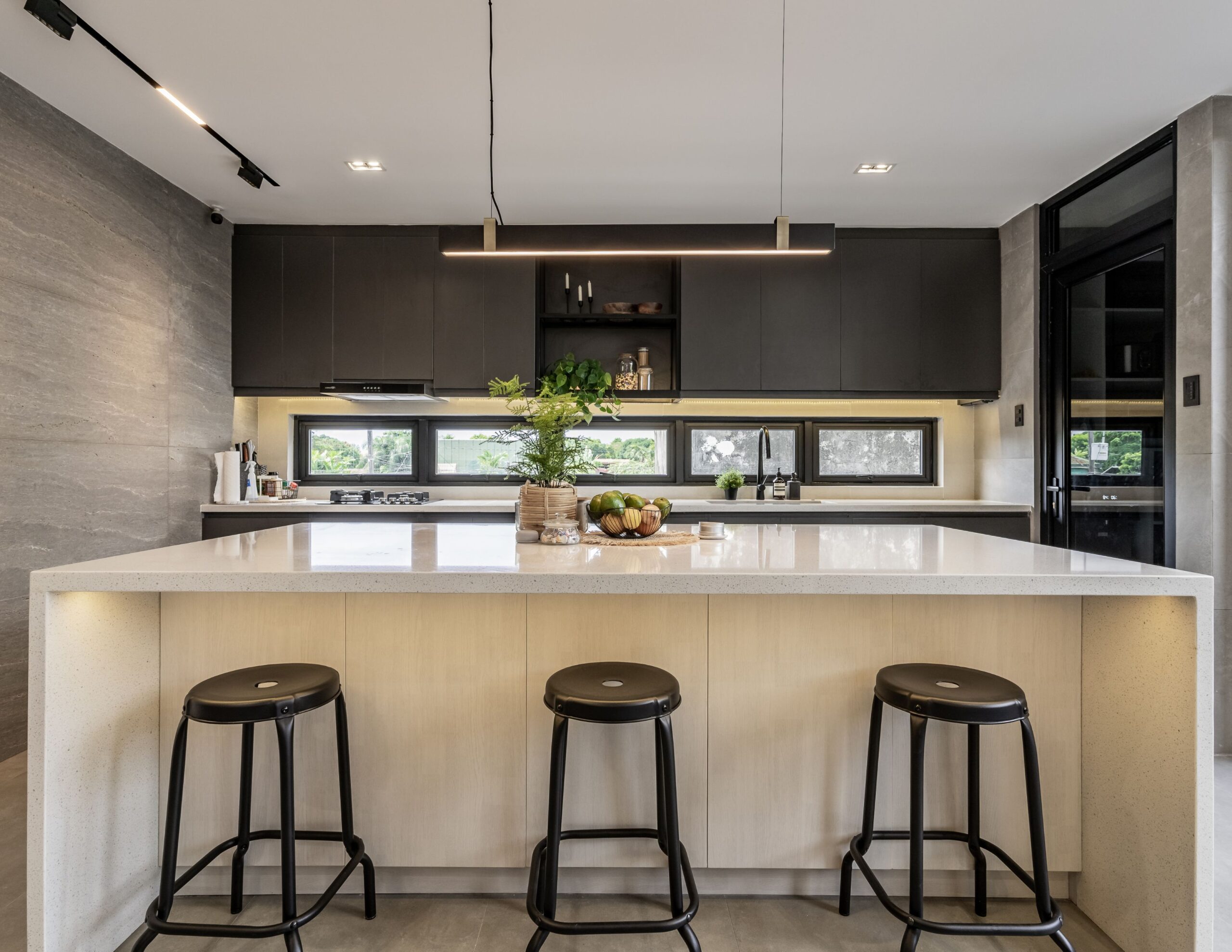
The kitchen’s dark cabinetry contrasts with the light countertops, creating a striking visual effect. Equipped with modern appliances, it includes a built-in oven and cooktop, all seamlessly integrated into the design. A white island with a minimalist bar offers extra workspace and seating with two black stools.
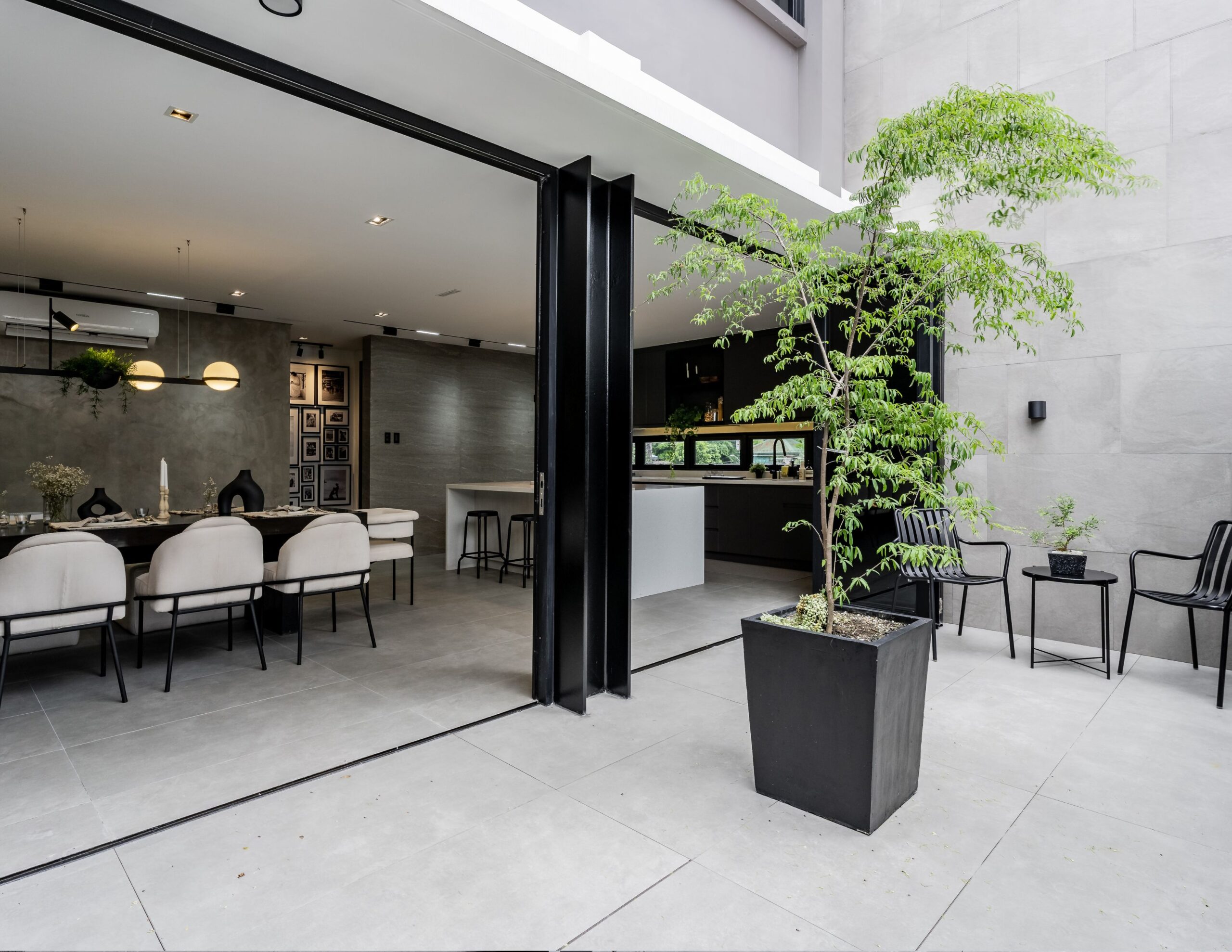
Accordion glass doors open to the second floor courtyard, connecting the indoors to the outdoors. This effectively extends the living space. The combination of modern design elements, clean lines, and a neutral color palette makes this space a perfect blend of style and practicality, ideal for both dining and entertaining in V House.
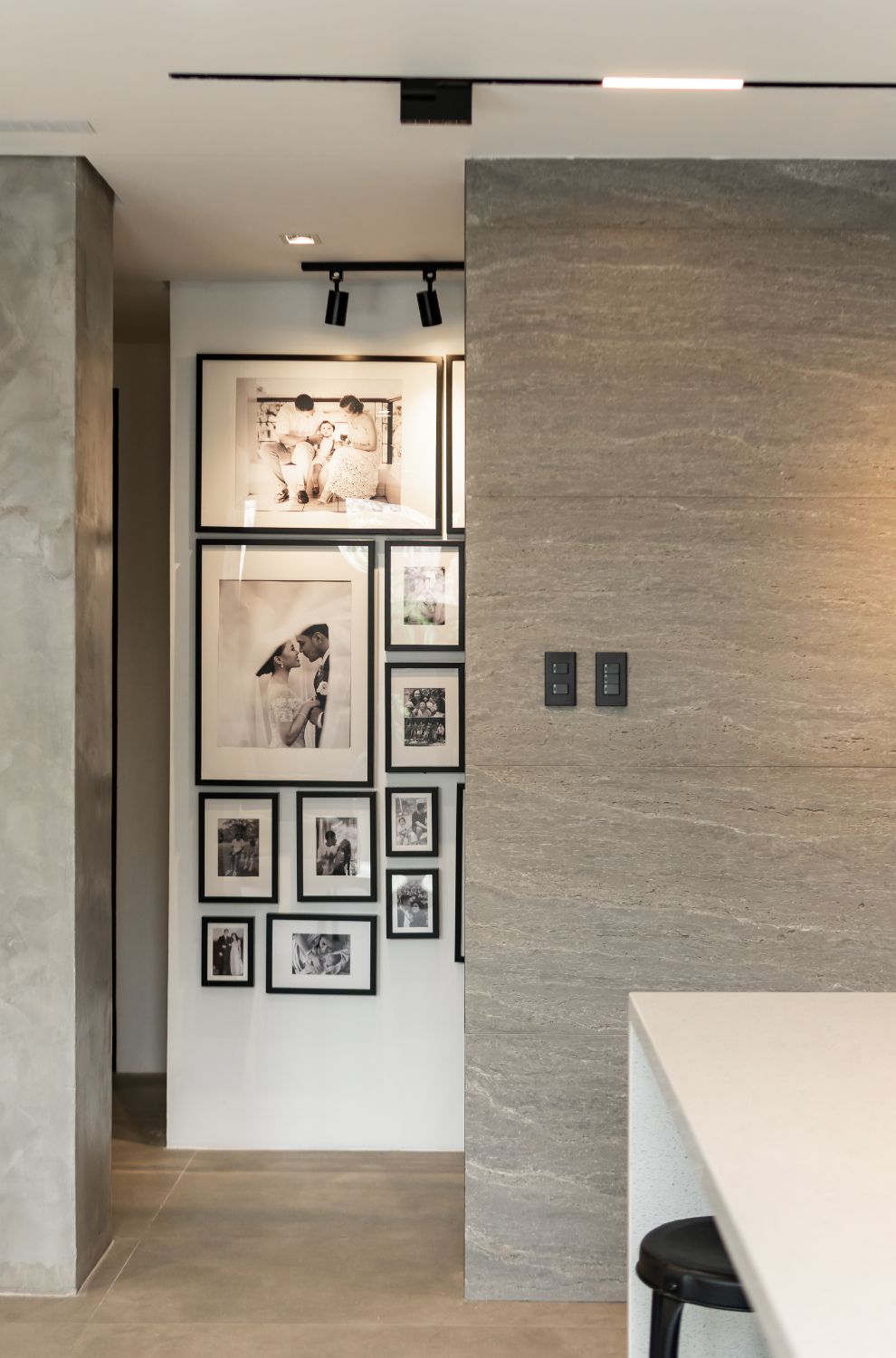
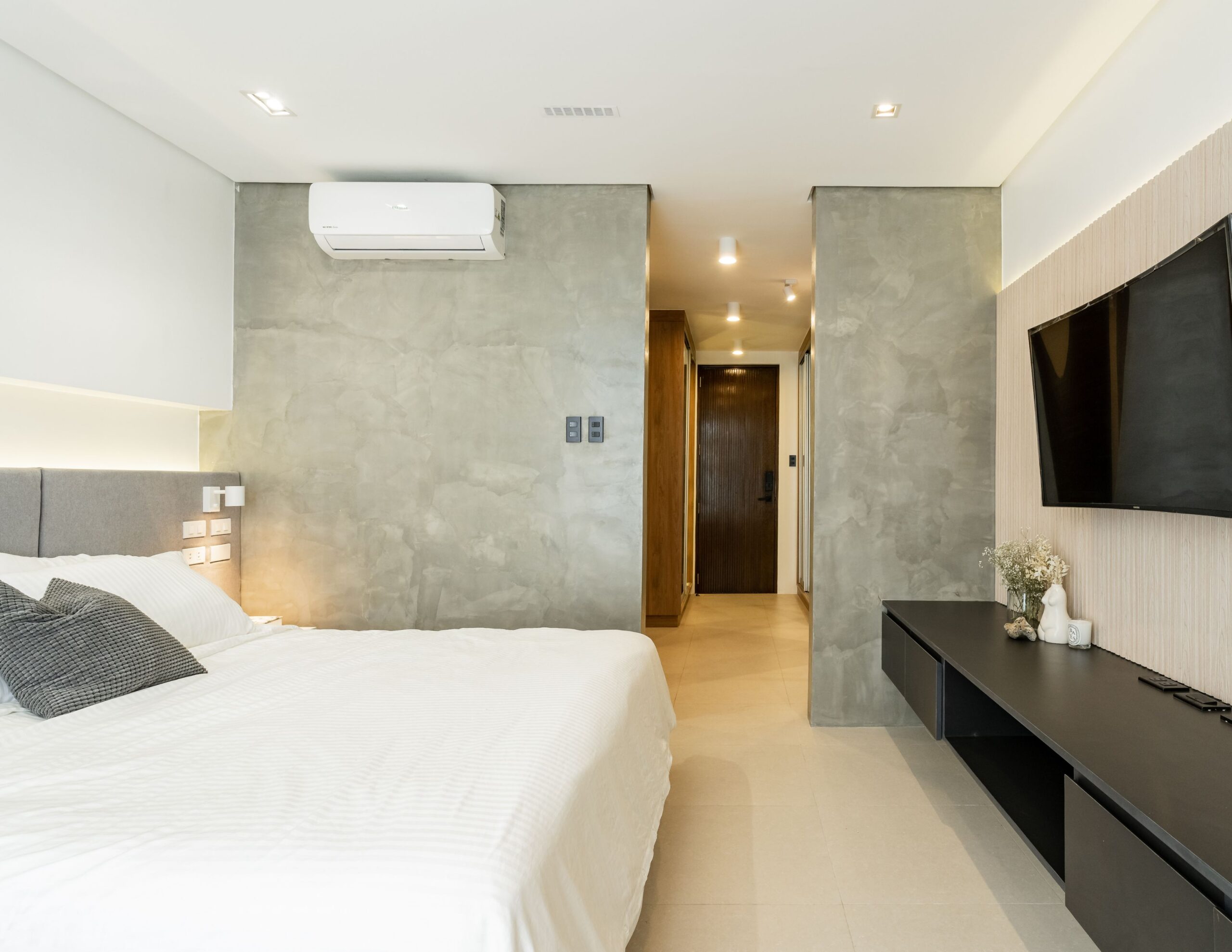
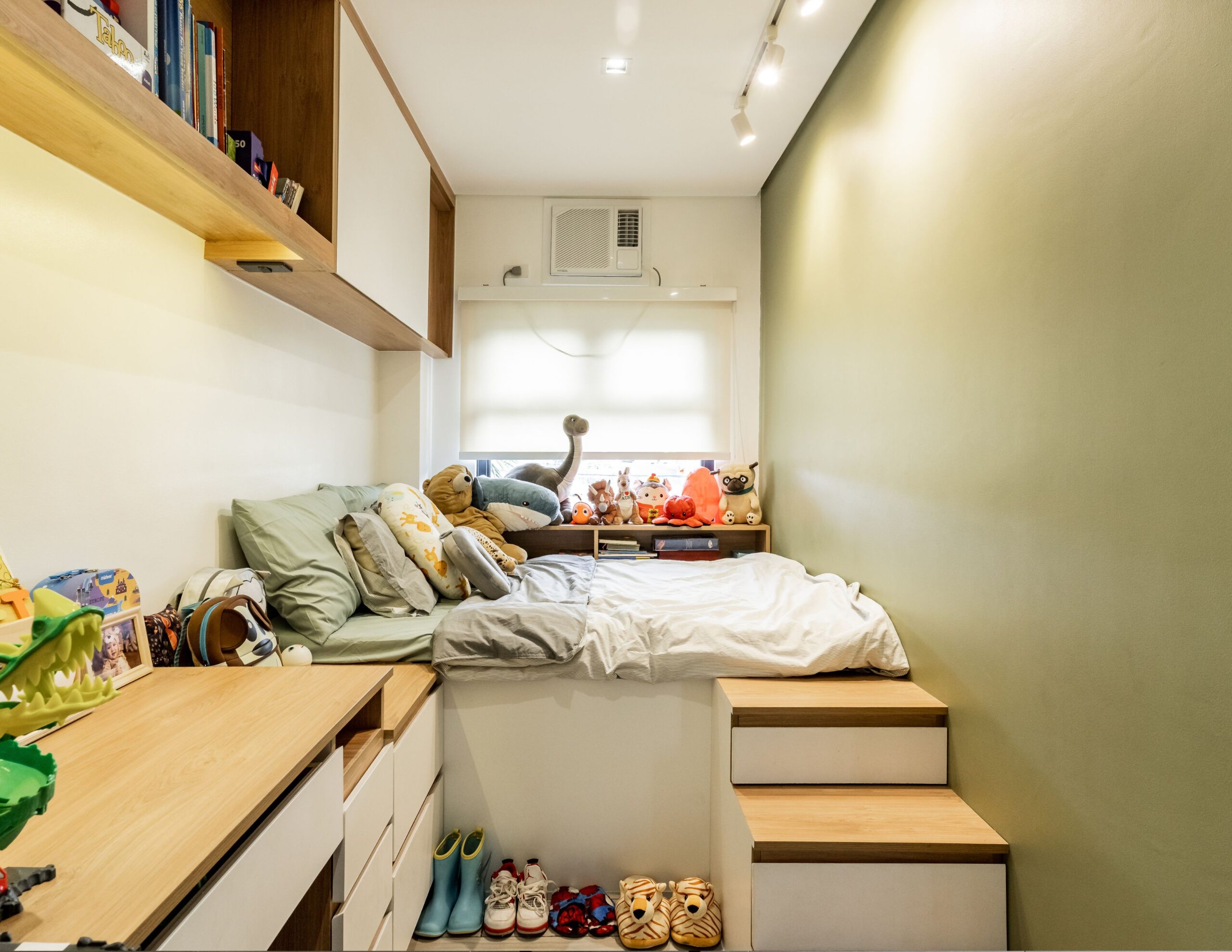
Tucked away on the far side of the home are the bedrooms. Each offers a comfortable retreat, featuring well-sized closets and en-suite bathrooms. The primary bedroom stands out with its linear walk-in closet and a cozy bathroom designed to provide a hotel-like experience.
A Versatile Third Level
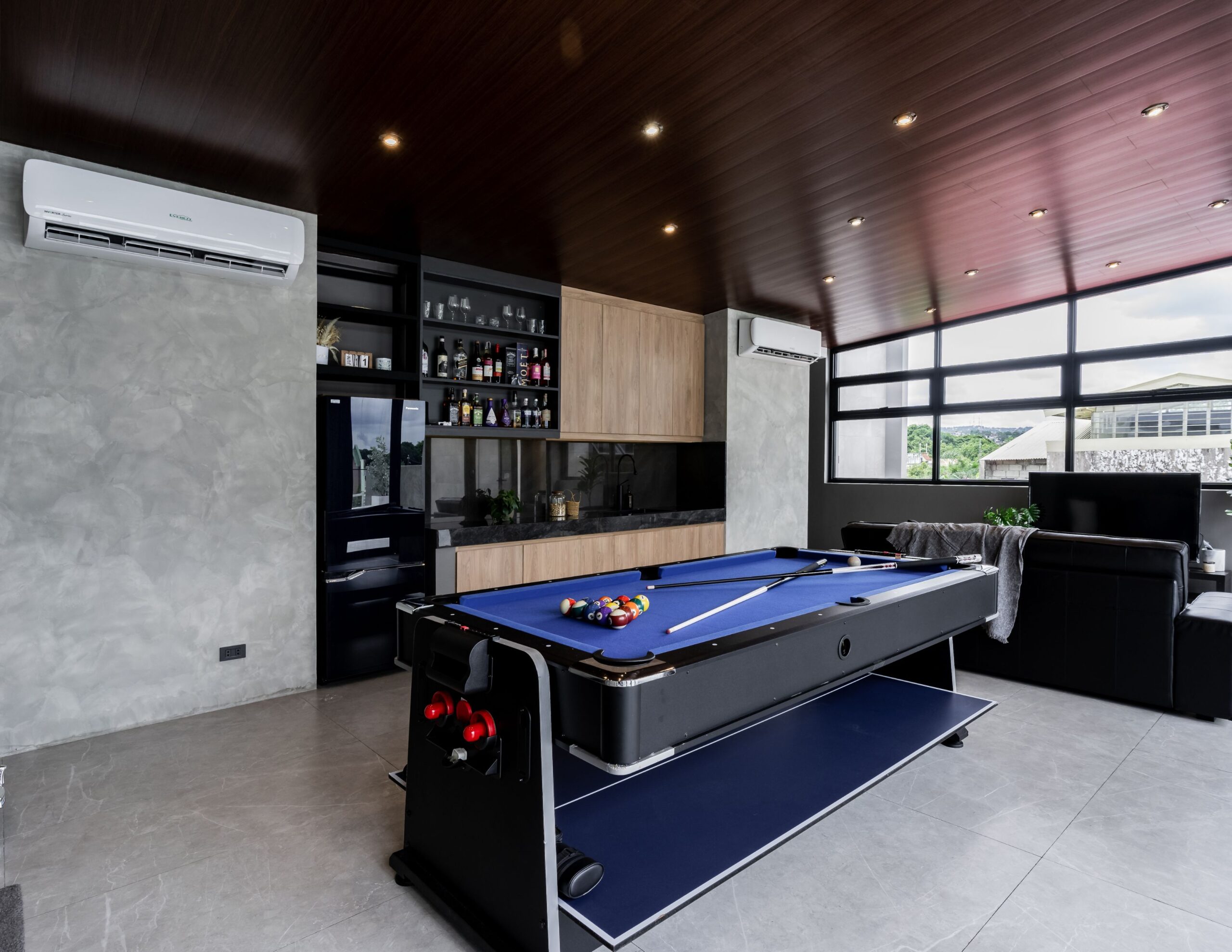
Visitors or those needing quarantine can access the third floor directly from the foyer, maintaining a contactless entry to protect the residents. This level offers versatility, featuring a separate living space with a functional kitchen and dining area. It’s currently staged as a recreation area, housing a pool table, gym, and viewing room. When needed, the area can transform into a quarantine facility or serve as a leisure space for gatherings. Another set of accordion glass panels open to an expansive roof deck, ensuring optimal ventilation—a crucial factor for virus control and faster recovery.
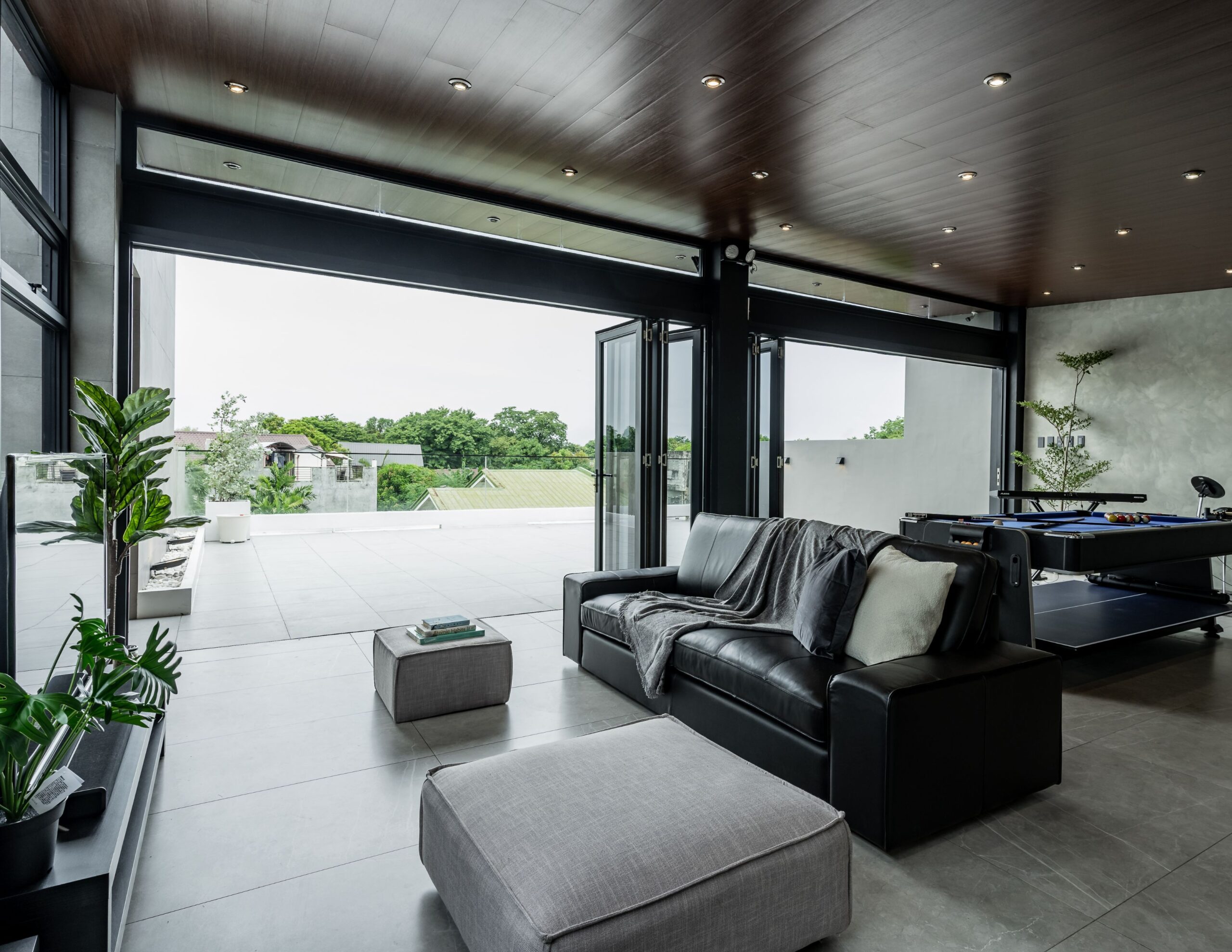
The overall design reflects a blend of modernity and comfort, emphasizing simplicity while maintaining a strong sense of style. Through thoughtful zoning, the V House addresses urban challenges like heat and limited space. Together, it creates a harmonious and secure haven for the modern Filipino family. It seamlessly integrates work and life, prioritizing safety, privacy, and a connection to nature.
About Olos
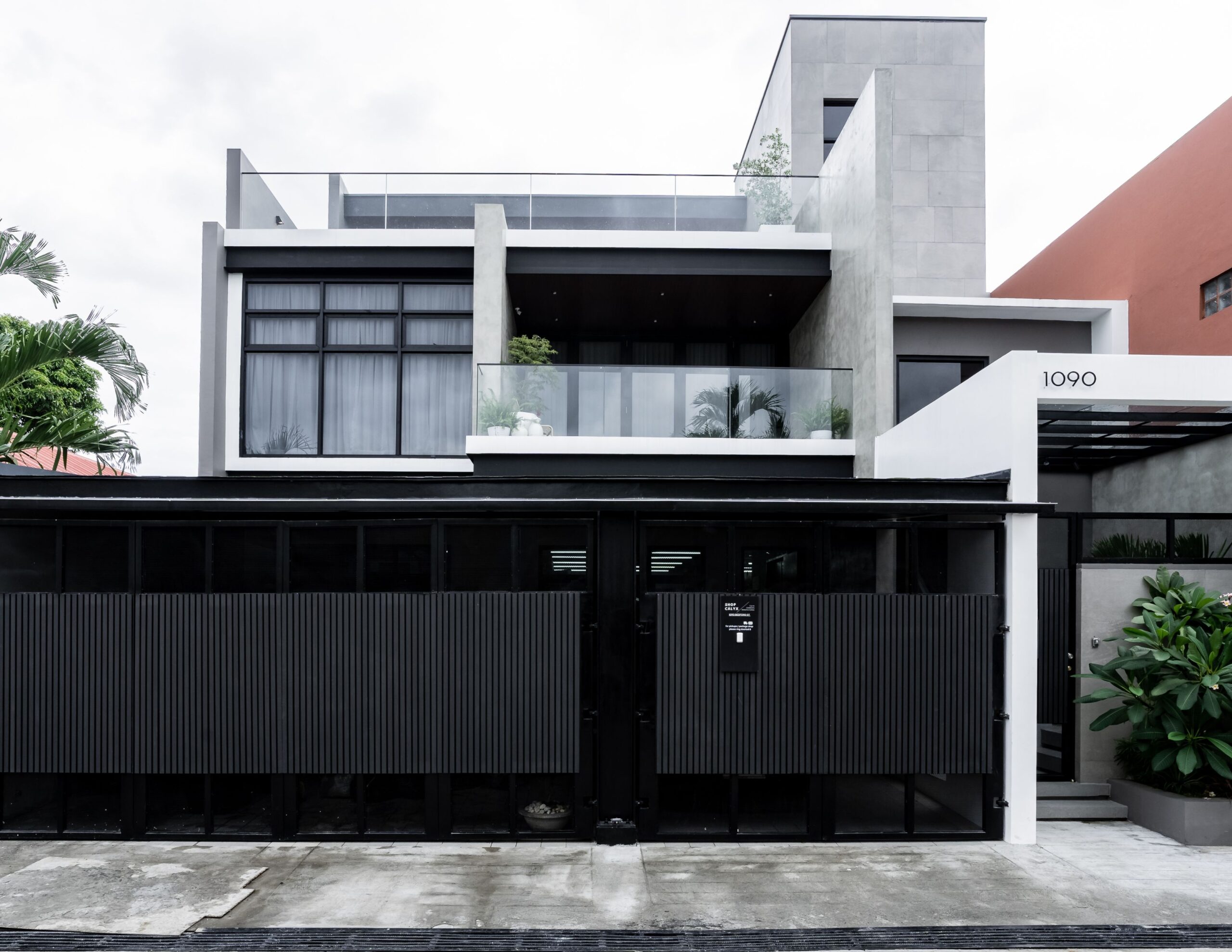
Olos Architects & Builders, Inc. is a design-build firm specializing in high-end residential projects and real estate developments. Founded in 2017 by Jerome Olos, the firm expanded in 2020 to include a team of builders and engineers, offering a seamless design-build experience for clients.
The firm focuses on creating “quiet luxury,” where thoughtful design, meticulous material selection, and careful planning converge to offer an unparalleled living experience. The team works closely with clients to understand their vision and translate it into spaces that are both aesthetically pleasing and functional. The firm prioritizes well-thought planning, high-quality and sustainable materials, and an overall immersive living environment.
Images provided by Olos Architects.
Read more: K2 Residence: Designing Narratives for a Globe Trotting Couple
Bigkis is the act of binding. In Tagalog, the word can refer to something used to bind or encircle, as well as a bundle formed by tying several separate elements together. Figuratively, it can also mean a bond, union, or unity. The meanings move from the physical act of joining things together to the connection […]
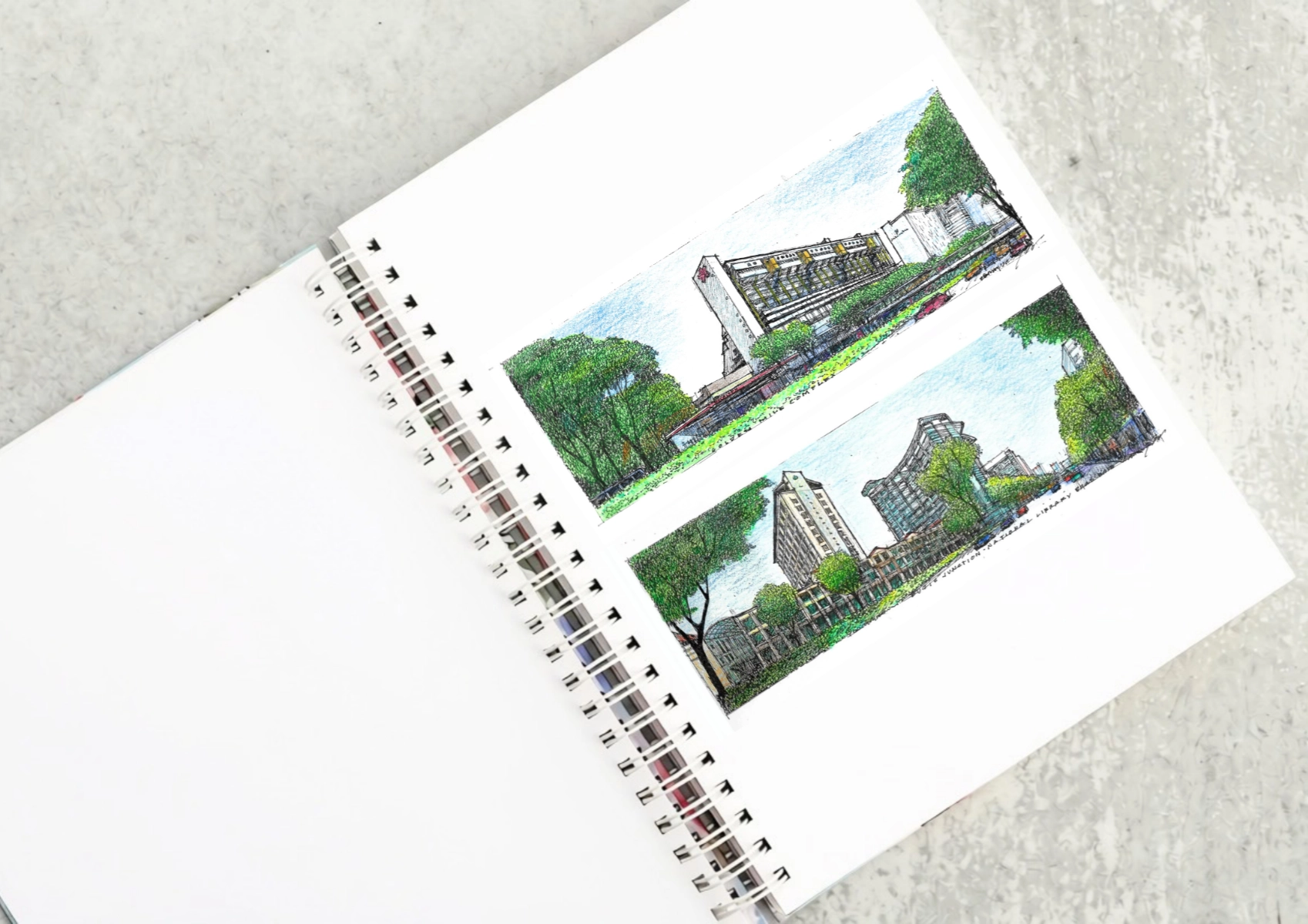
Two sketches of Singapore connect BluPrint Editor in Chief Paulo G. Alcazaren’s personal and professional history with Shared Ground: ArchitectureArchitectureThe art and science of designing and constructing buildings, structures, and spaces that are functional, safe, and aesthetically pleasing. It encompasses the planning, design, materials, and techniques used to createGo to Architecture Glossary of Care, Culture, […]
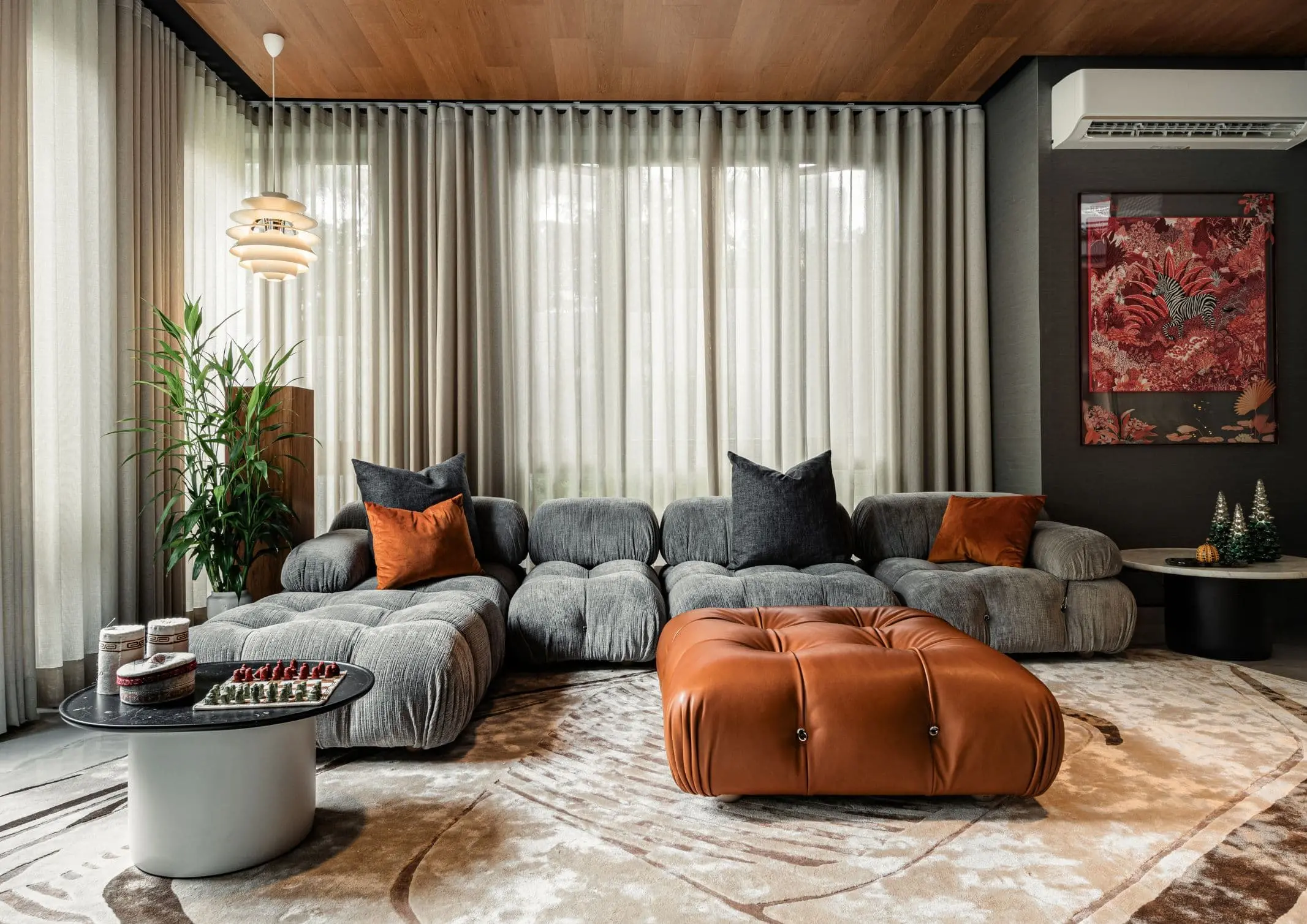
Some have become household names – Coleman, Oster, and KitchenAid – products that have found their way into Filipino kitchens, homes and family routines. In home furnishings, brands such as B&B Italia, Ethan Allen, Sub-Zero, Miele, SieMatic, Louis Poulsen, Hunter Douglas, Tempur, and Technogym, have helped shape the way Filipinos live. From everyday essentials to […]
In a way, designers are the modern-day soothsayers and prophets. They design for the future, predicting how a room, a house, a building or a whole city will be used by people. They foresee how users will interact with a space, conjure exact shades of colors to elicit specific behavior and arrange furniture to build […]
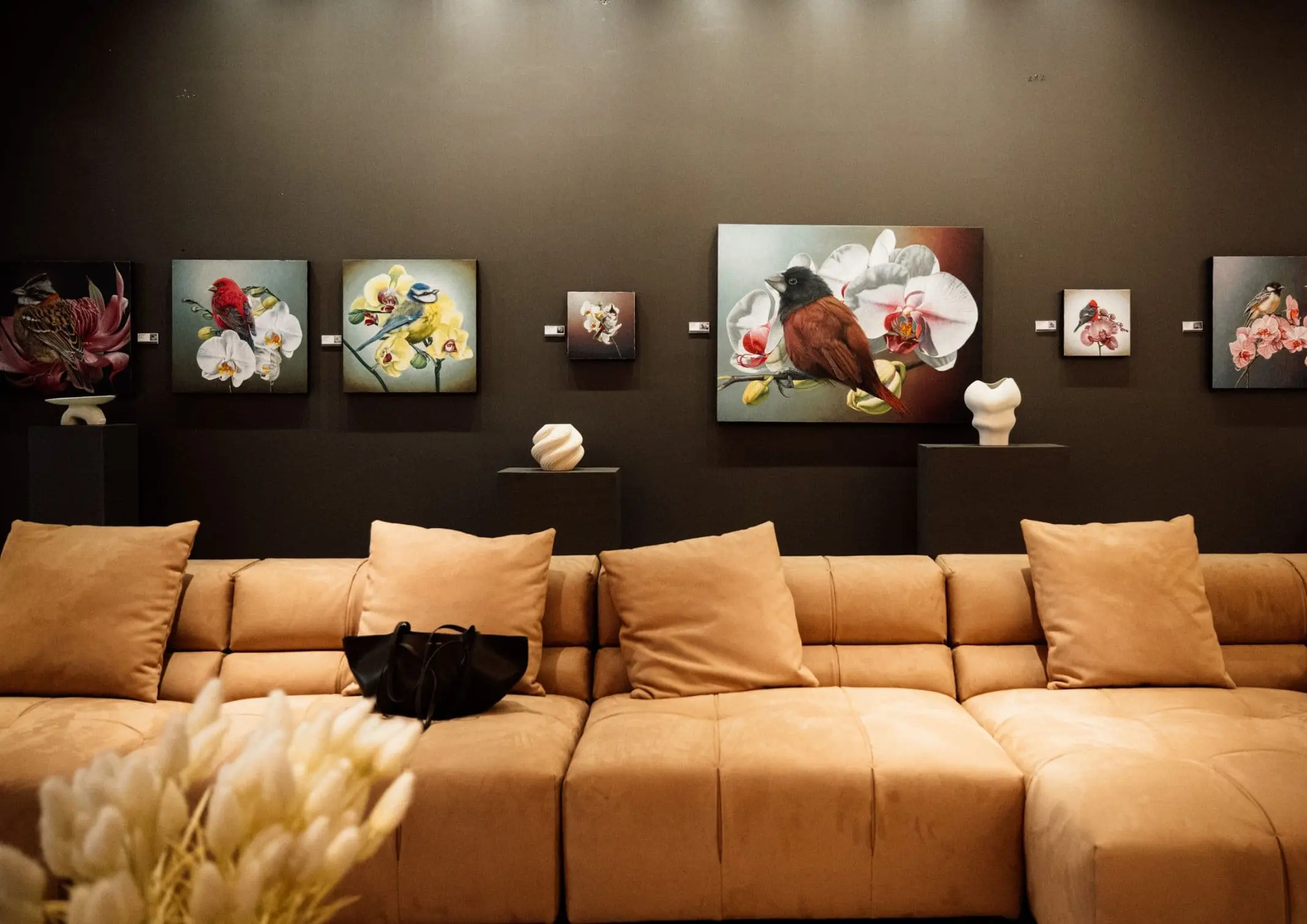
Art and furniture are often selected separately, yet their relationship can shape how a room looks and feels. The collaboration between Hooga and Galerie Joaquin explores how these elements can work together, bringing contemporary artworks into furnished residential settings at Hooga’s showroom in Uptown Mall, Bonifacio Global City. For Hooga, which curates furniture, lighting, and […]
Read the issues.

Collect the volumes.

Recommended Video
Tap to Unmute
Unmute
0:00
0:00