Bigkis is the act of binding. In Tagalog, the word can refer to something used to bind or encircle, as well as a bundle formed by tying several separate elements together. Figuratively, it can also mean a bond, union, or unity. The meanings move from the physical act of joining things together to the connection […]
CC House: A Modern Filipino Family Haven



Living Innovations Design Unlimited, Inc. (LiDU) is known for creating minimalist, free-flowing spaces tailored to their clients’ personalities and preferences. The CC House, one of the firm’s projects in Iloilo, is a perfect example of this design aesthetic. Created for a young family, the house features open spaces, an airy feel, and warm, cozy interiors.
Isabella Robles Go, Principal Designer of LiDU, shares that the clients initially approached architect Paolo Valencia to design the house but expressed their desire for LiDU to handle the interiors. Go notes that her design firm has consistently worked harmoniously with Valencia on various projects. The clients were also familiar with LiDU’s design approach, allowing the creation of this family home to proceed seamlessly.
Fluid Layouts and Family-Oriented Features
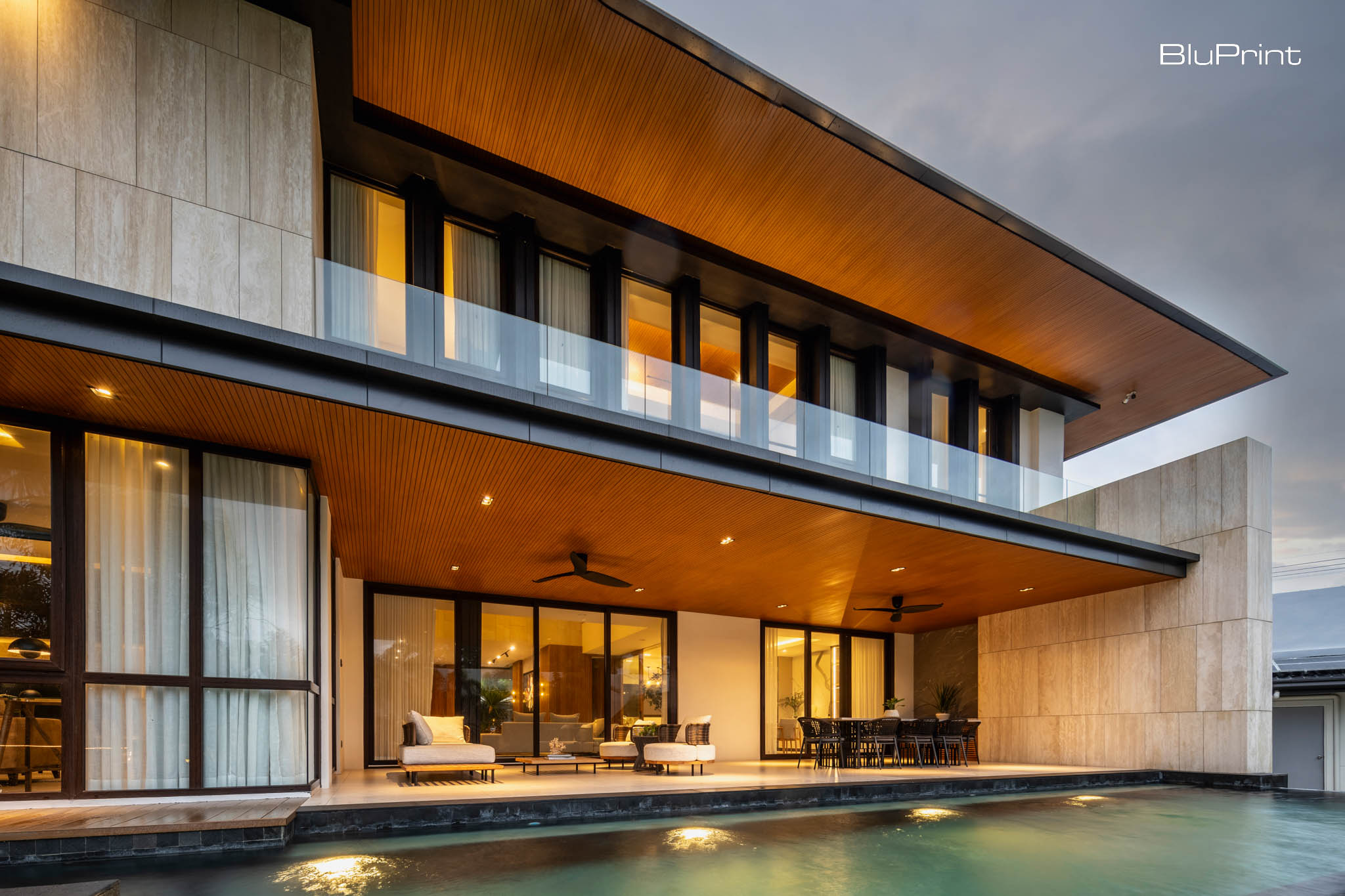
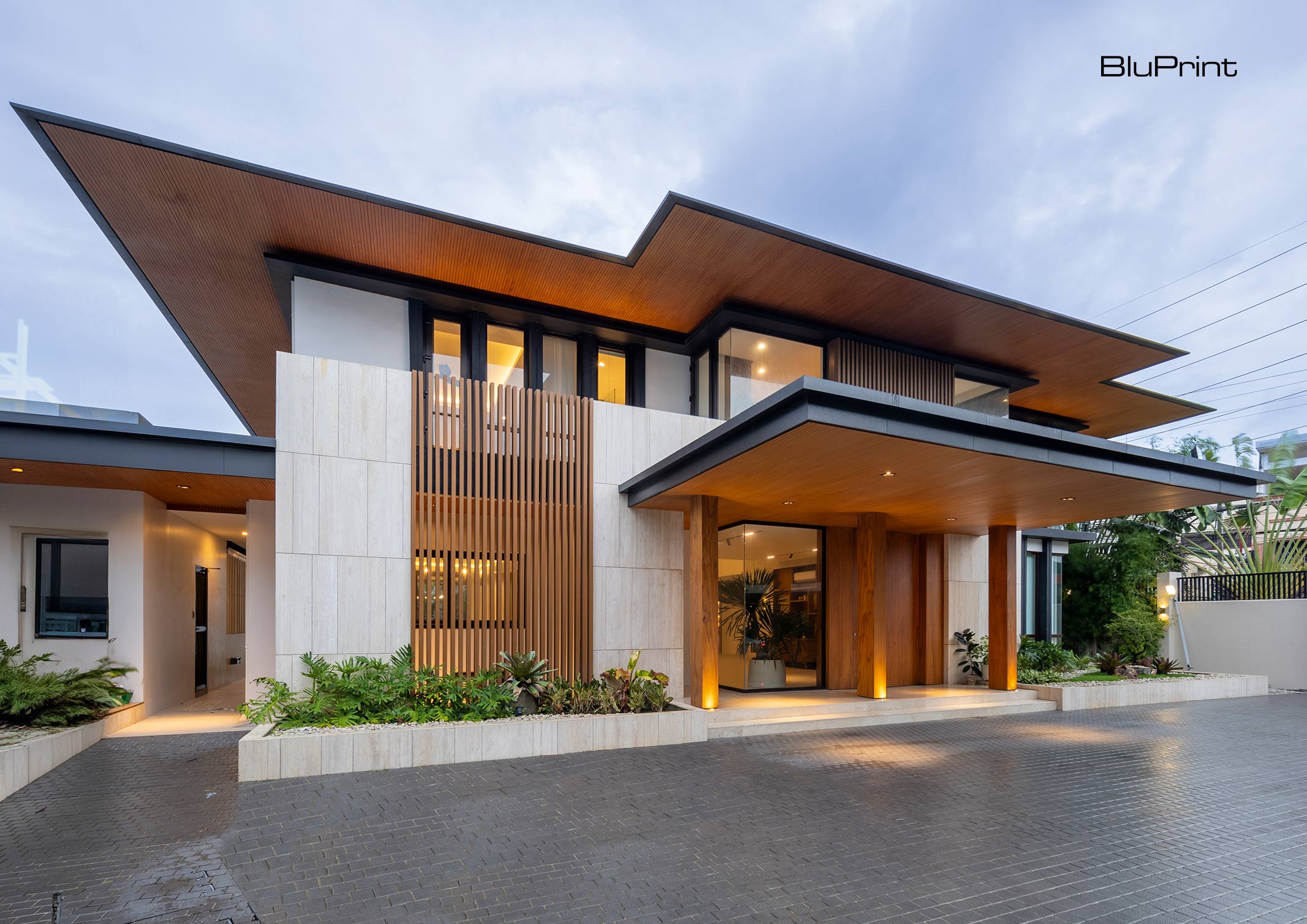
The exterior of the house exudes a contemporary Filipino vibe with the use of Wood Plastic Composite (WPC) fluted panels and marble cladding. Wide eavesEavesThe lower edges of a roof that project beyond a building's exterior walls. Deep eaves are essential in tropical Philippine architecture, shielding walls and windows from intense sun and heavyGo to Eaves Glossary help shade the house from the harsh sunlight, creating comfortable indoor and outdoor spaces. Rock gardens flanking the front door create a welcoming entrance while incorporating a minimalist touch of greenery at the facade.
In the foyer, a Katrina Cuenca artwork and Kenneth Cobonpue chairs give a hint of the homeowners’ penchant for Filipino art and design. A baul—an heirloom piece handed down by the lady of the house’s mother—gives character to the space. Opposite this vignette, a console table and shelves house the family’s travel finds. This is also where the homeowners can display knickknacks and art pieces they will acquire in the future. Meanwhile, a discreet room functions as a shoe closet, where the family can leave everyday footwear instead of bringing them inside the house.
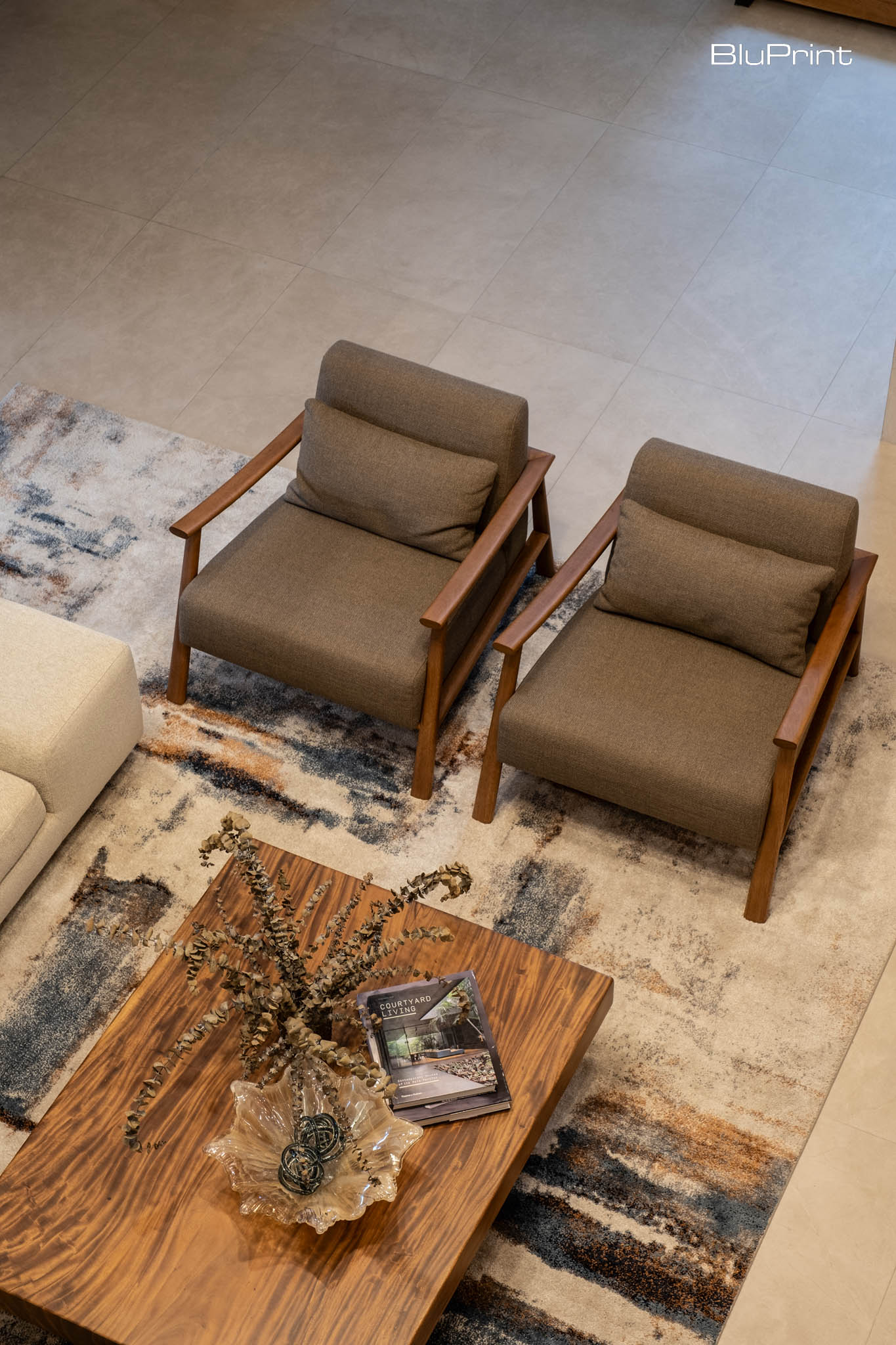
Choosing locally sourced furniture —like the chairs, sofa, and coffee table from OMO Furniture by Milo Naval—is one way LiDU promotes sustainability.
An atrium anchors the living area and from this spot, one can see the hallway leading to the bedrooms. The high ceiling also makes the space look expansive, giving the home LiDU’s signature maaliwalas interiors. Tiles that resemble natural stone deck the walls, creating texture without deviating from the clean, minimalist aesthetic.
Designing for Functionality and Comfort
Aside from being a warm, cozy home that the family desires, the CC house also prioritizes comfort for its residents. Go explains that all the doors and windows can be fully opened to allow fresh air in, ensuring well-ventilated interiors. The living and dining areas feature glass sliding doors that can be closed when only one area is in use, enabling more efficient cooling and reducing the strain on the air conditioner—all while maintaining the openness of the layout.
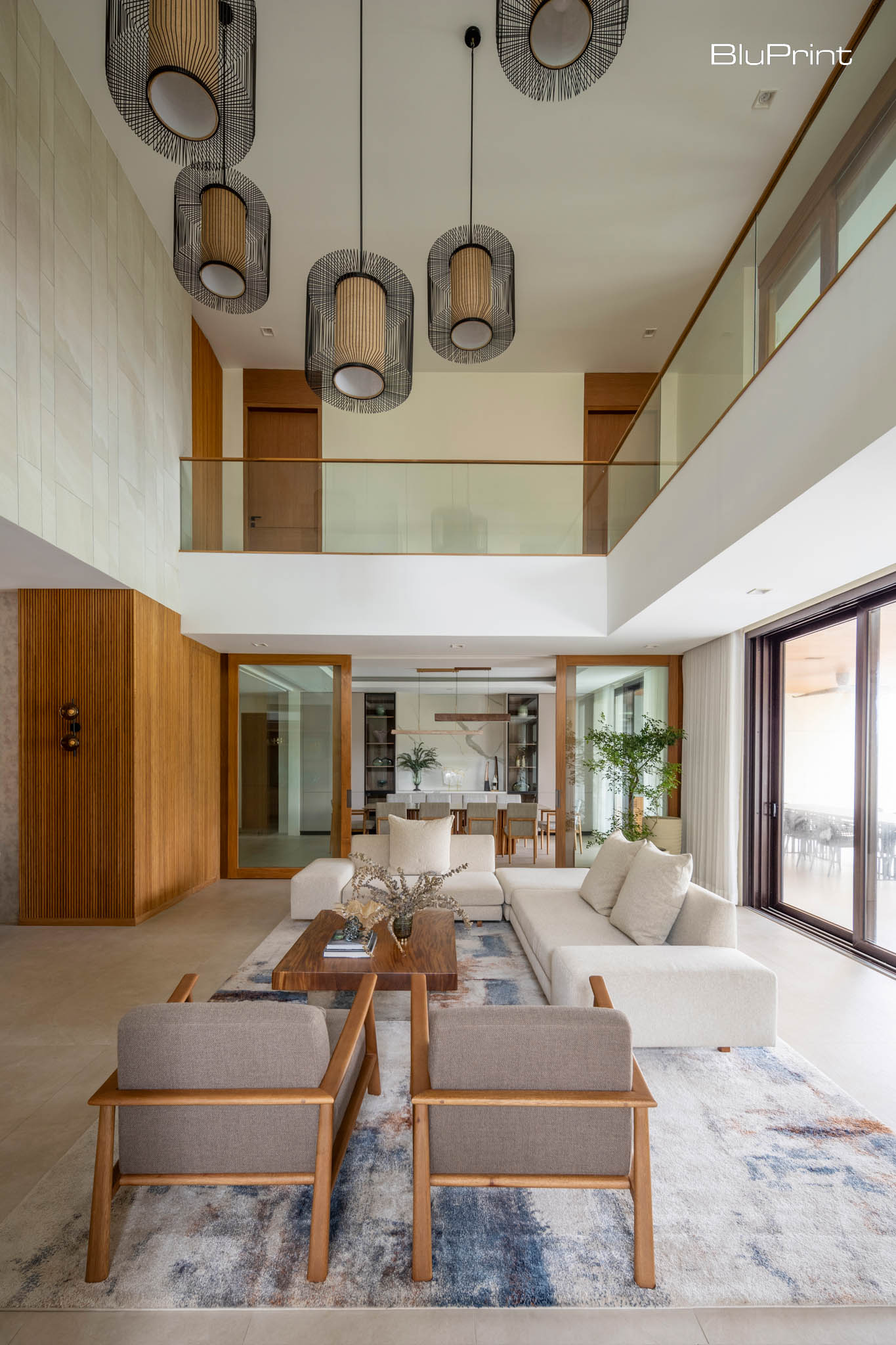
A high ceiling gives the living space an expansive, airy feel. From this area, one can see the hallway that leads to the rooms upstairs.
Functionality is also a priority. Go says when they design spaces, they ask their clients to visualize themselves using the space, walking them through the areas to determine the right layout flow. “We really make sure that they can enjoy the spaces,” the interior designer shares.
Versatile Design for Personalization
Go envisions the CC house becoming cozier as the family settles in and makes it their own. “Right now, it’s very clean [and] minimalist. But maybe the decor, the art pieces will evolve,” Go predicts, adding that the homeowners can also rearrange the furniture easily because of the open layout.
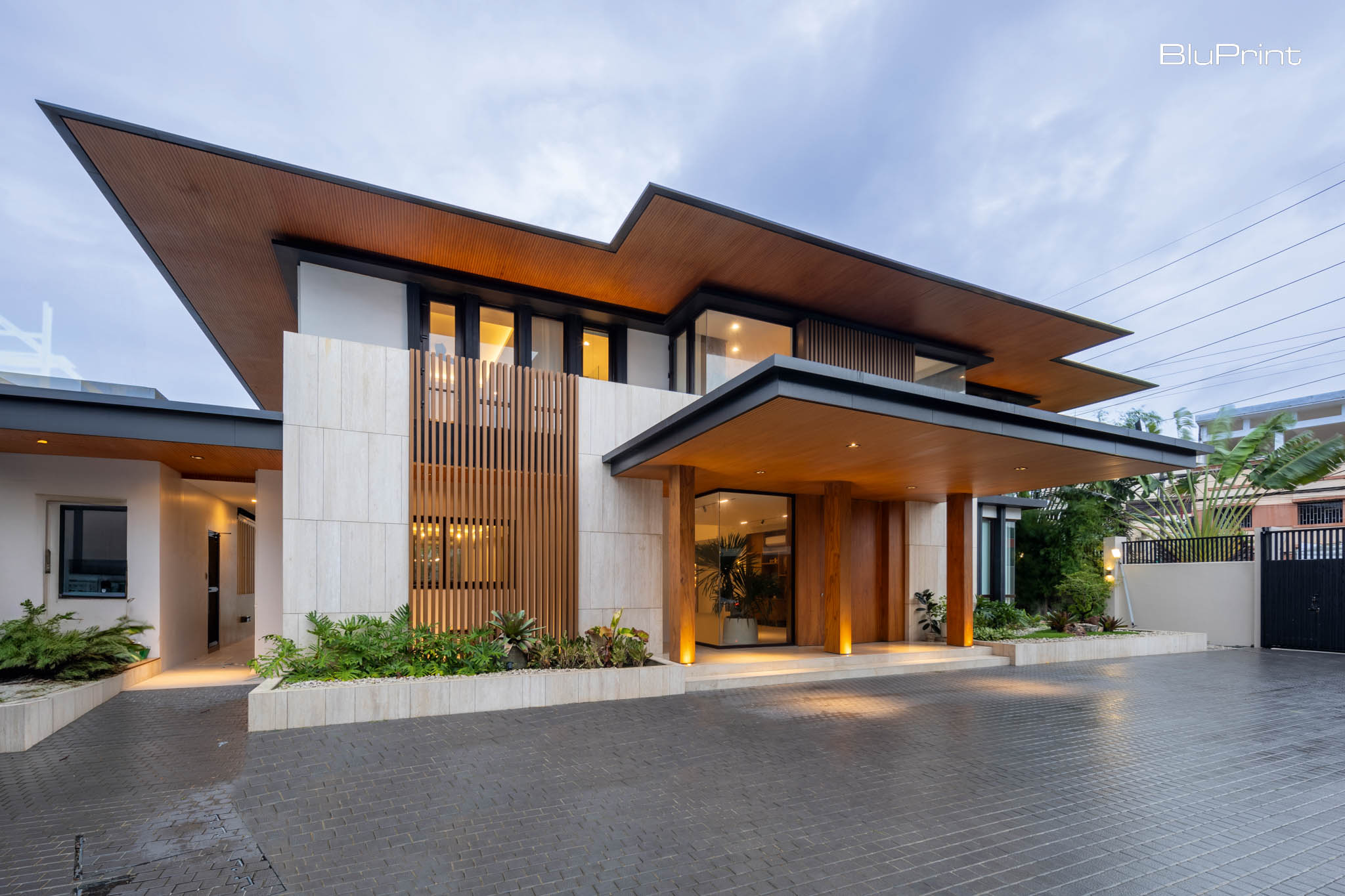
The exterior of the house features Wood Plastic Composite (WPC) and marble cladding, achieving a contemporary Filipino aesthetic.
The designer also looks forward to seeing the family add more pieces to their budding art collection and display more mementoes. The beauty of LiDU’s design lies not just in the comfortability and functionality of the areas but also in the flexibility of the spaces. “The colors will change, the [furniture] orientation will change, but the soul of the house will still be there,” Go says.
Get the full article in BluPrint Volume 2, available via the sarisari.shopping website, Shopee, and Lazada. E-magazines are available for download via Readly, Press Reader, and Magzter.
Photographed by Ed Simon.
Read more: S Residence: Shelter in Place
Frequently Asked Questions
The CC House features a contemporary Filipino aesthetic characterized by a minimalist, “maaliwalas” (airy) design philosophy. Designed by LiDU and Paolo Valencia, the home focuses on fluid layouts, high ceilings, and an open atrium that promotes natural light and cross-ventilation, creating a seamless connection between indoor and outdoor spaces.
Sustainability is integrated through the use of wide eaves for natural shading and the selection of locally sourced furniture from OMO Furniture by Milo Naval. Additionally, the home utilizes glass sliding doors to compartmentalize cooling zones, which reduces the overall load on air conditioning systems while maintaining the home’s visual openness.
The exterior utilizes Wood Plastic Composite (WPC) fluted panels and marble cladding to achieve a modern look that withstands the tropical climate. Inside, the walls are decked with tiles that resemble natural stone to provide texture, complemented by heirloom pieces like a traditional baul and contemporary Filipino artworks by Katrina Cuenca.
The layout was developed by walking the clients through their daily routines to ensure a logical flow. Key functional features include a dedicated shoe closet in the foyer to keep the main living areas clean and a versatile open layout that allows the family to rearrange furniture and art as their needs evolve over time.
The identity is expressed through a curated mix of modern minimalism and local heritage. This includes featuring iconic pieces from Filipino designers like Kenneth Cobonpue and Milo Naval, alongside personal heirlooms and rock gardens that reflect the minimalist greenery often found in high-end Filipino residential architecture.
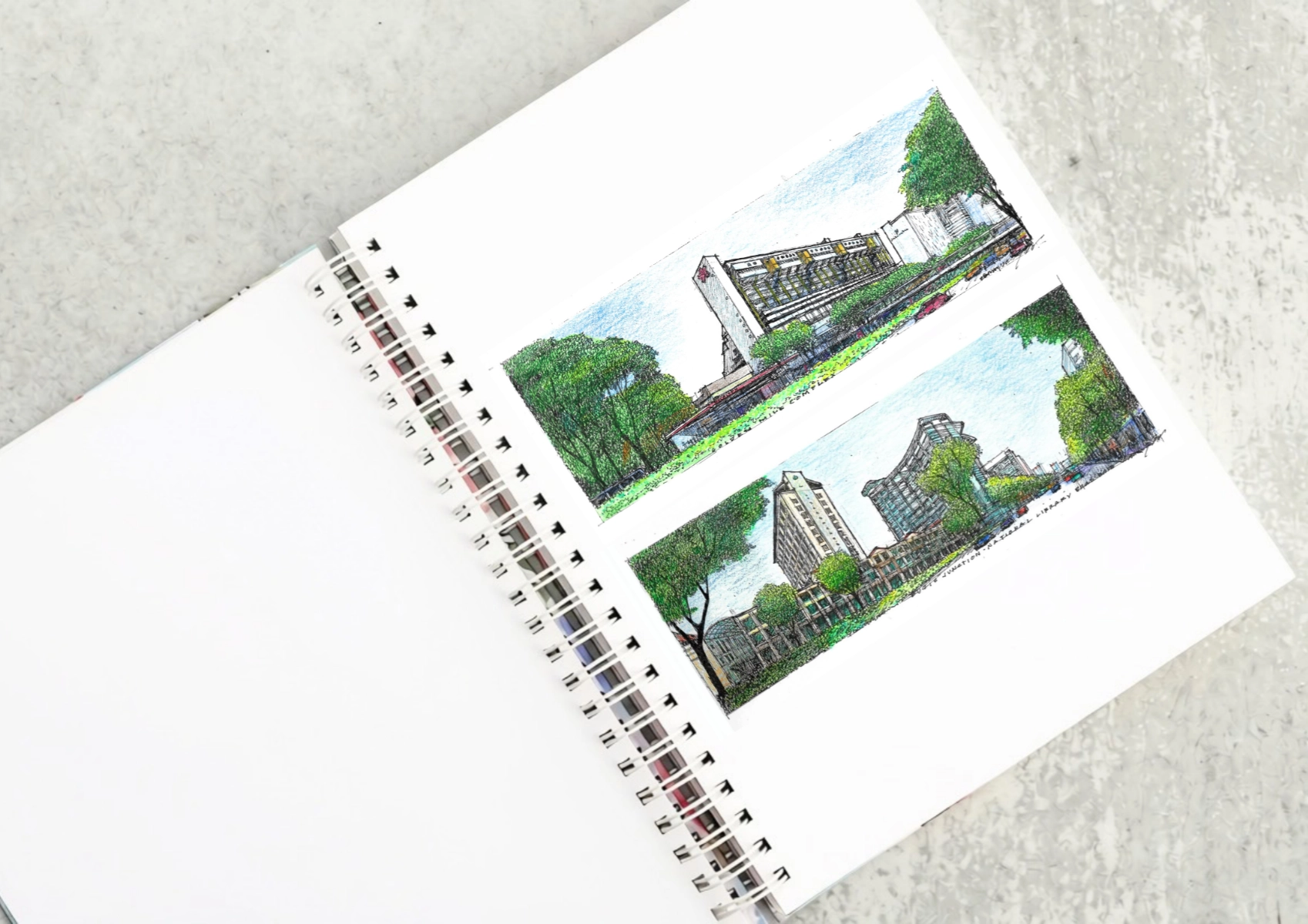
Two sketches of Singapore connect BluPrint Editor in Chief Paulo G. Alcazaren’s personal and professional history with Shared Ground: ArchitectureArchitectureThe art and science of designing and constructing buildings, structures, and spaces that are functional, safe, and aesthetically pleasing. It encompasses the planning, design, materials, and techniques used to createGo to Architecture Glossary of Care, Culture, […]
In a way, designers are the modern-day soothsayers and prophets. They design for the future, predicting how a room, a house, a building or a whole city will be used by people. They foresee how users will interact with a space, conjure exact shades of colors to elicit specific behavior and arrange furniture to build […]
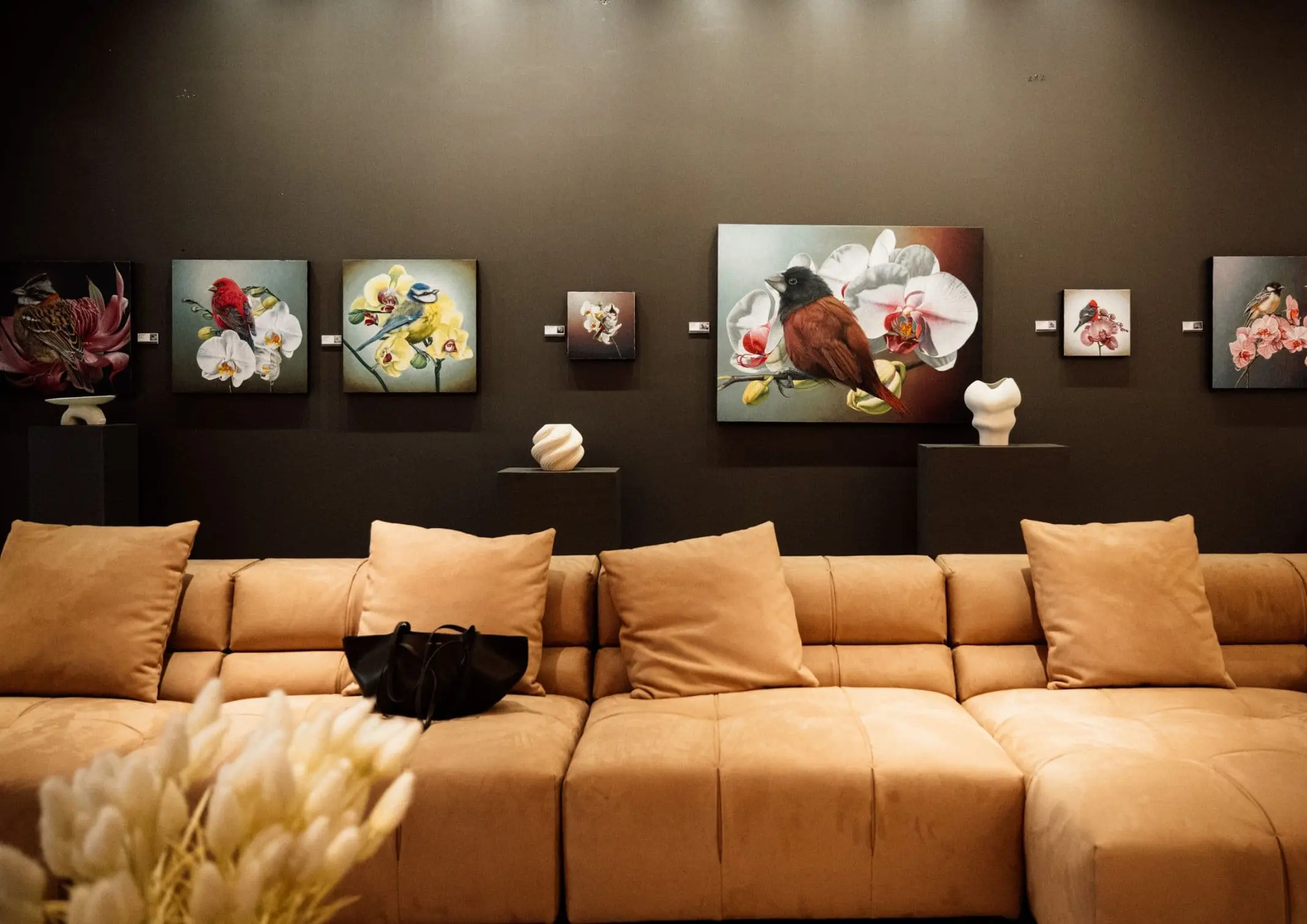
Art and furniture are often selected separately, yet their relationship can shape how a room looks and feels. The collaboration between Hooga and Galerie Joaquin explores how these elements can work together, bringing contemporary artworks into furnished residential settings at Hooga’s showroom in Uptown Mall, Bonifacio Global City. For Hooga, which curates furniture, lighting, and […]
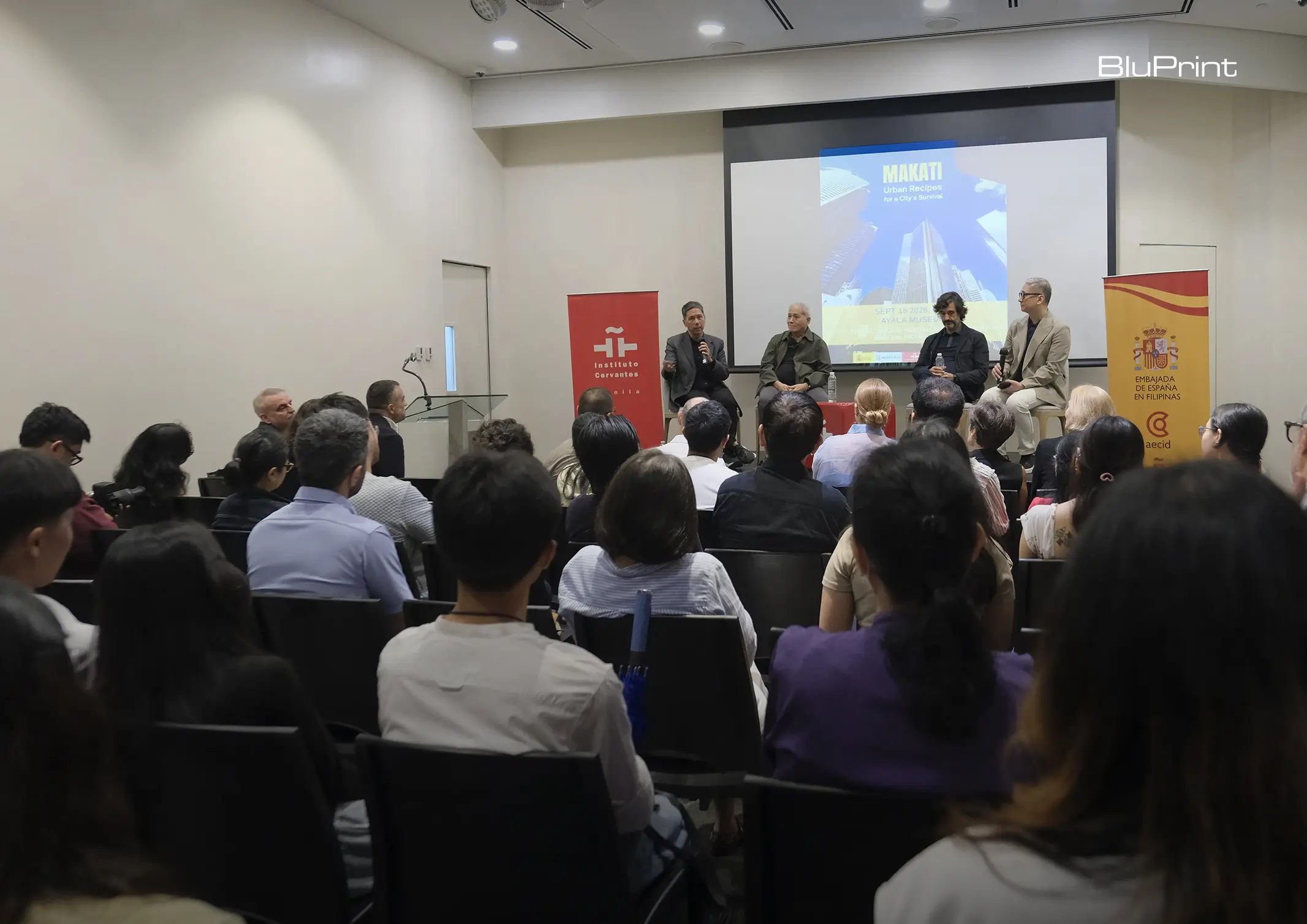
How can better-planned cities create the conditions for more creative, livable, and resilient urban environments? “Makati Urban Recipes for a City’s Survival,” a colloquium held at the Ayala Museum on September 15, brought together architects and practitioners from the fields of urbanism and the creative economy to discuss how design, planning, and collaboration can address […]
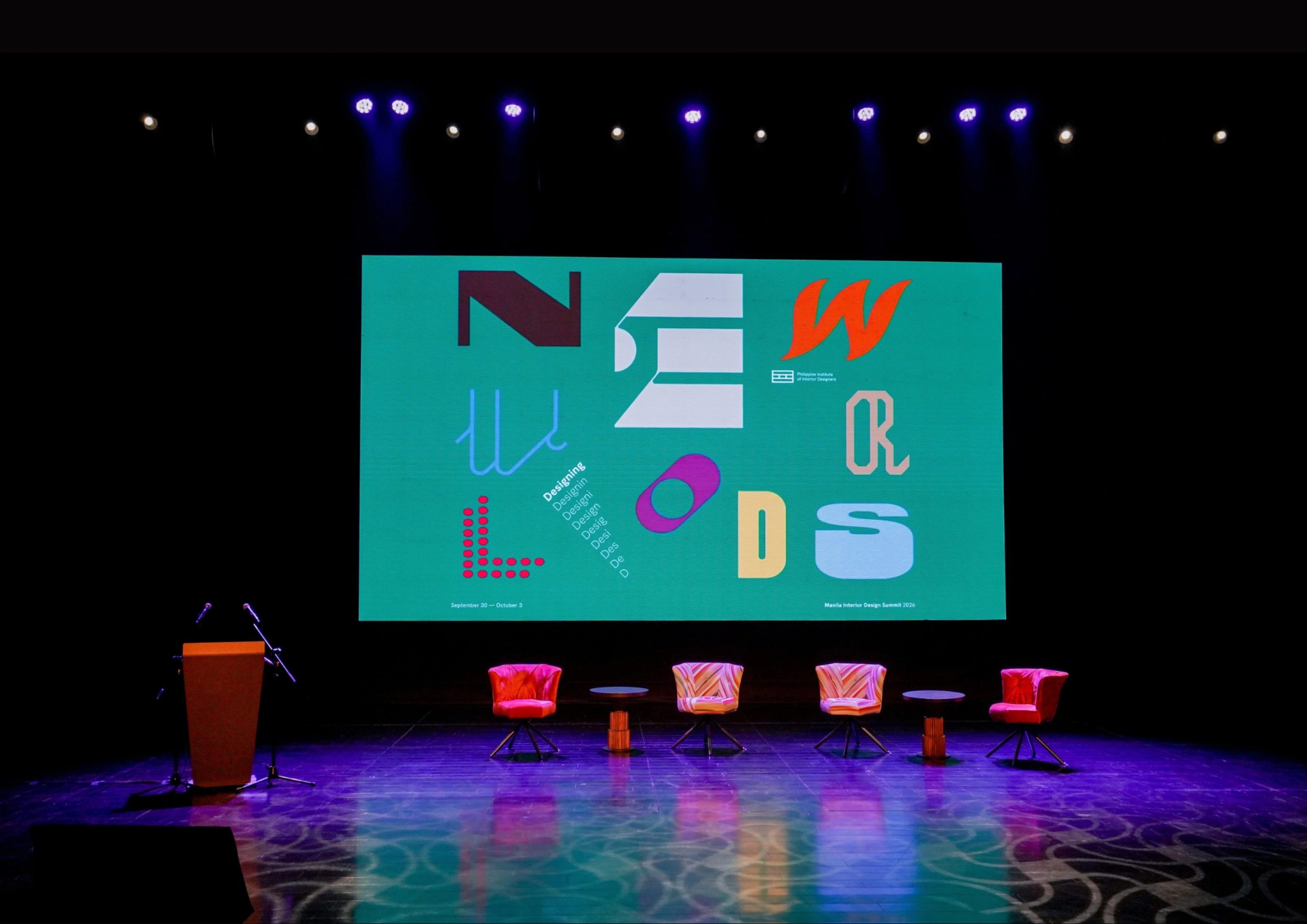
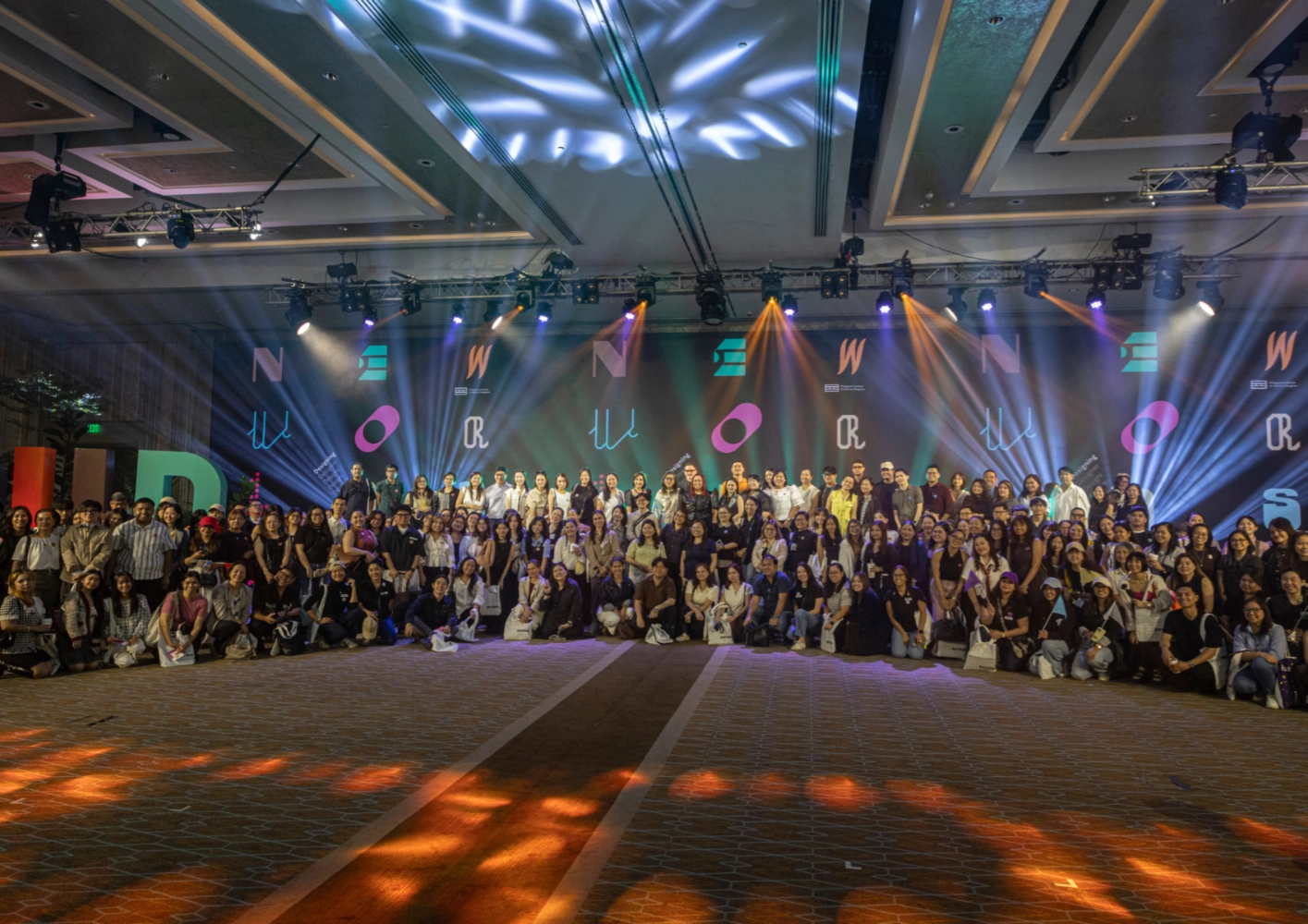
The fourth Manila Interior DesignInterior DesignThe discipline of planning and shaping interior spaces for function, comfort, safety, and beauty. It covers layout, lighting, materials, finishes, furniture, and color, and in the Philippines is a licensedGo to Interior Design Glossary Summit (MIDS) brought together more than 300 delegates for four days of conversations, exhibitions, and design […]
Read the issues.

Collect the volumes.

Recommended Video
Tap to Unmute
Unmute
0:00
0:00