Culture in design does not always announce itself through a recognizable motif, material, or symbol. It can also be embedded in the relationships designers build, the knowledge they listen to, the materials they choose, and the decisions they make in response to communities and their environments. This distinction emerged throughout the 2026 International Design Conference […]
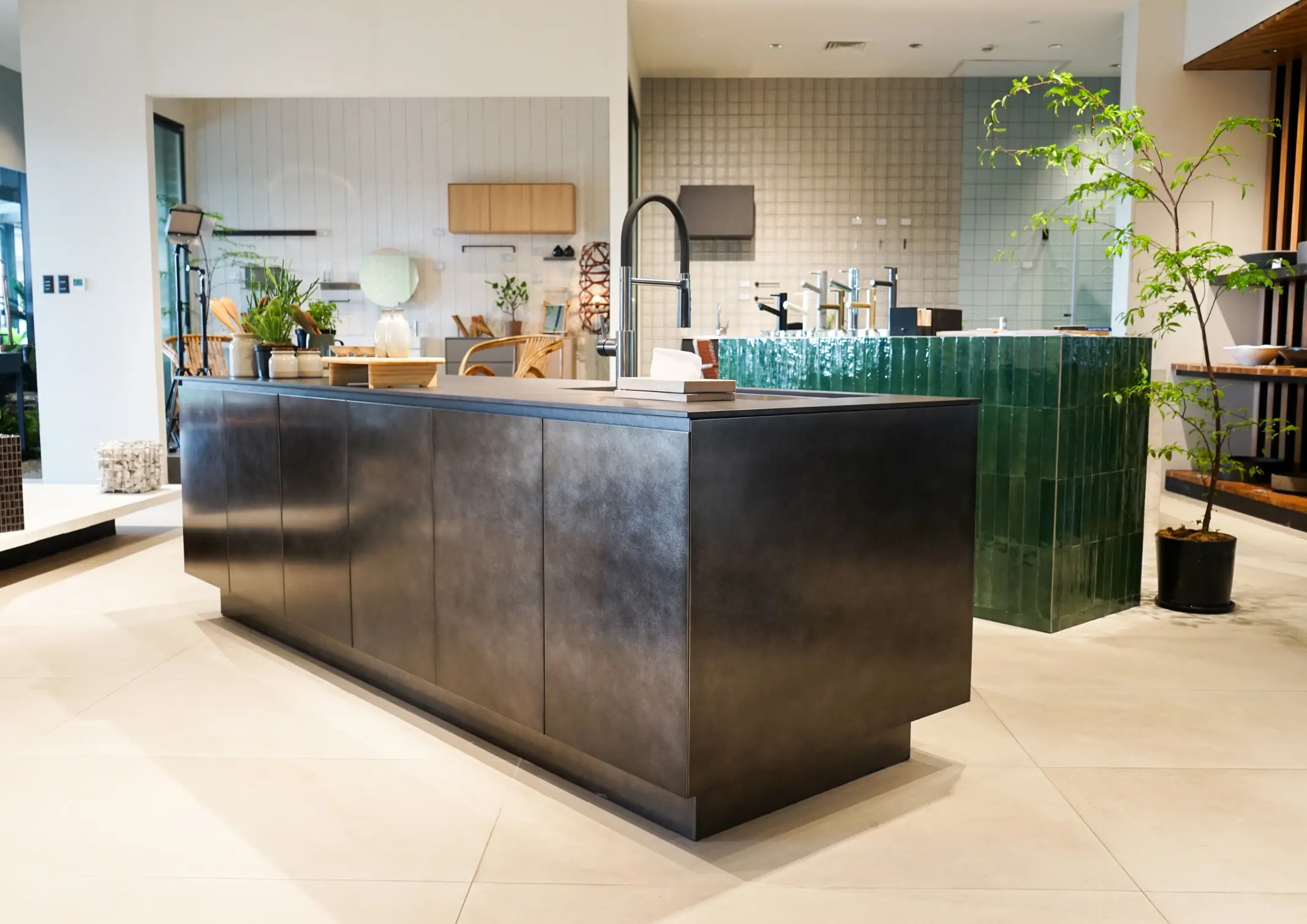
miratap Lands in the Philippines: Osaka-born Brand Featured in New Greenhills Dexterton Showroom



Arriving from Osaka, Japan, esteemed minimalist brand miratap opened its first flagship showroom in the Philippines, located in Greenhills Mall. Dating back to 1979, the brand’s name combines “mirai,” meaning future in Japanese, and the word “tap.” This aligns with its objective of being a forward-looking brand with a commitment to minimalist and future-ready design.
Through miratap’s partnership with Dexterton, Filipino homeowners and design professionals are introduced to the brand’s philosophy. “We really liked the fact that they knew what they were trying to be, what they were trying to sell as a brand,” states Dexterton CEO Audrey Go-Liu.
miratap President Taro Yamane remarks, “Dexterton shares our passion for creating environments that harmonize form and function. Through this partnership, we’re bringing to a wider audience our design philosophy of Japanese minimalismMinimalismA design philosophy centered on simplicity, restraint, and the idea that less is more. Minimalist spaces reduce ornament and clutter, favoring clean lines, open space, limited palettes, and carefully chosenGo to Minimalism Glossary that evolves with the times yet stays true to its origins.”

Carefully Crafting Contemporary Living
The theme of miratap’s debut is kanaeru, which means to “grant, realize, or fulfill” in Japanese. In the newly inaugurated 300-sqm area showroom, the brand provided an immersive experience where guests are shown exactly what they aim to fulfill as a brand: minimalist designs that segment functionality and Japanese timeless craftsmanship.
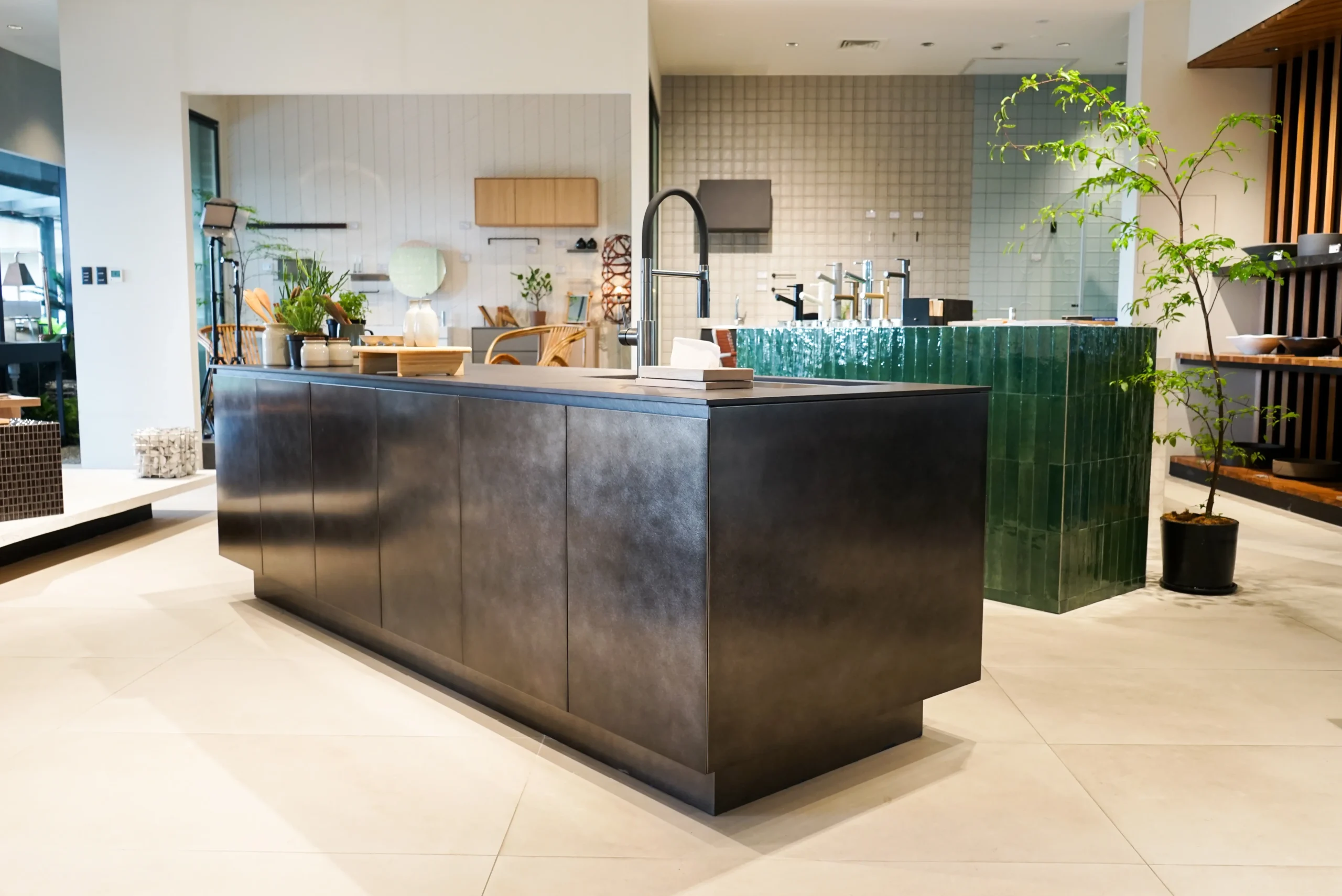
Guests can view the brand’s kitchen systems, vanities, washbasins, bathroom fixtures, doors, partitions, and other interior and exterior elements. The showroom carefully arranged the products within intentional spaces. This gives guests a picture of how miratap’s products can be integrated into their everyday lives.
Among the highlighted products is the Washbowl Shigaraki Concrete series. Known for its long history of pottery product production, Shigaraki is a region in the Shiga Prefecture that is recognized as one of Japan’s Six Ancient Kilns–ceramic production sites with long histories. Utilizing Shigaraki clay, the product has a simple, unglazed texture seen in Shigaraki ware. This series features the signature miratap minimal design, with traditional craftsmanship that allows these products to last for many years to come while complementing contemporary living spaces.
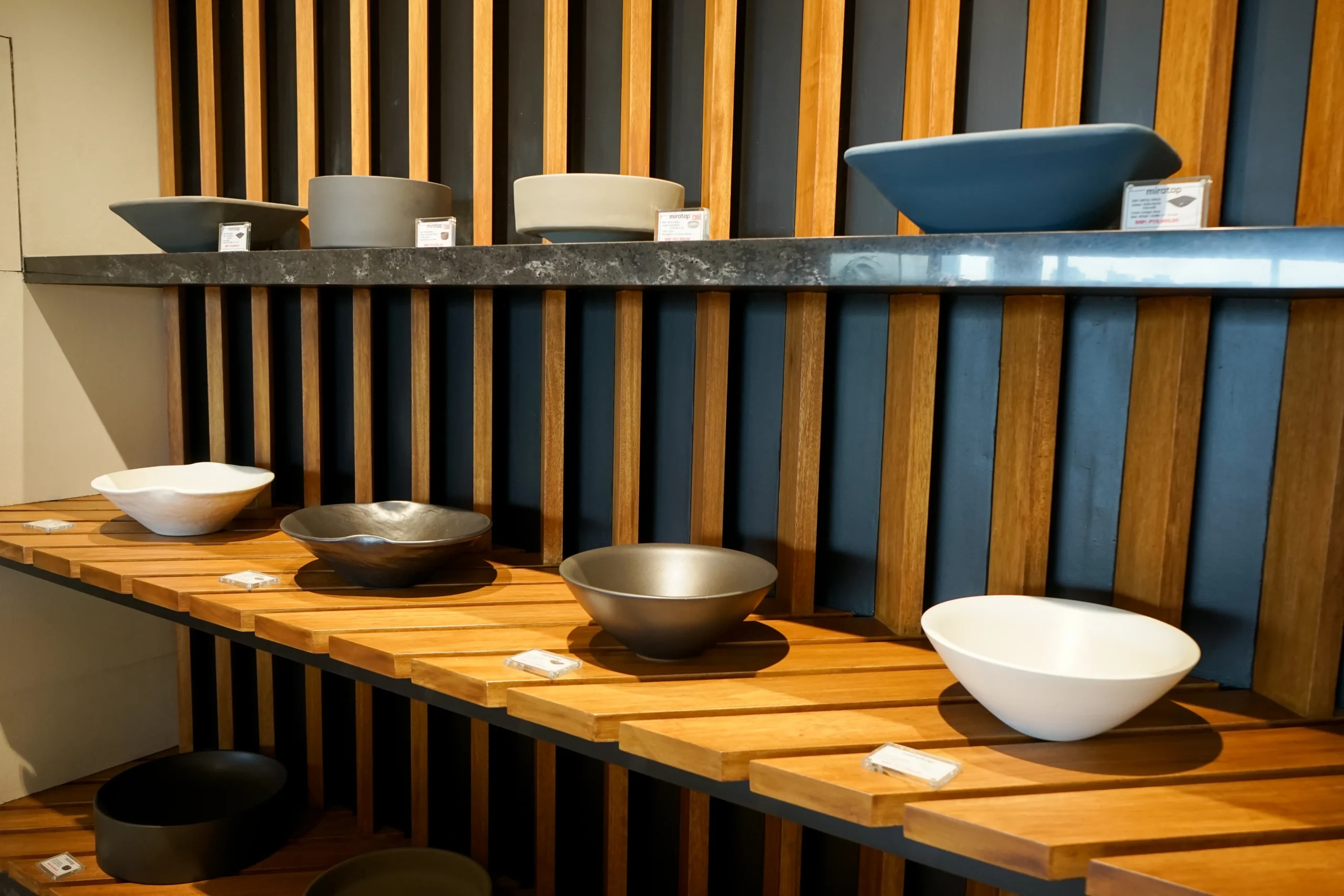
This careful craftsmanship that people have come to expect from Japanese brands is present in each of miratap’s products. Their kitchen systems, for instance, address the needs of homeowners through functional design. Their Grad45 System Kitchen is made out of stainless steel, which tackles kitchen concerns such as waste and mold. Features such as the fine hairline patterns, rounded sink edges, and easy-to-grip drawers indicate the brand’s amalgamation of attention to detail and simplicity. Aside from this full kitchen system, miratap also offers compact kitchen systems that are ideal for smaller spaces.
Japanese Designs, Filipino Home
miratap President Yamane has always wanted to enter the Philippine market, stating, “There [are] many young people in the Philippines, and they are trying to build their houses. That is why we’ve always wanted to go into the Philippine market.” Meanwhile, Go-Liu highlighted the growing appreciation for Japanese design culture among Filipinos: “We’ve seen a rising demand for sleek, functional, and minimalistic living solutions.”

Alongside miratap, Dexteron bridges the gap between Japanese design and precision to Filipino homes. Anchored on Japanese minimalism and an innovative approach, the brand seeks to cement itself in the Filipino market. While miratap is still building its foundation in the Philippines, President Yamane is already envisioning a bright future for the brand, expressing, “In the future, we want to be a brand that young people aspire to get when they build their houses.”
Photographs provided by miratap.
Read More: Miratap: The Latest Innovator of Kitchen Systems
Frequently Asked Questions
The name is a portmanteau of “mirai” (Japanese for “future”) and “tap.” This reflects the brand’s objective to be a forward-looking entity. Its core philosophy is centered on Japanese minimalism—a “sleek and functional” approach that evolves with modern times while remaining rooted in traditional craftsmanship. The goal is to harmonize form and function, creating products that segment functionality without visual clutter.
Kanaeru translates to “to grant, realize, or fulfill.” miratap uses this theme to define its debut in the Philippines, aiming to fulfill the needs of homeowners for intentional living spaces. In their 300-sqm Greenhills showroom, products are not merely displayed but arranged within “intentional spaces.” This spatial strategy allows architects and homeowners to visualize how minimalist fixtures integrate into everyday life, realizing a “future-ready” home environment.
This series utilizes clay from Shigaraki, one of Japan’s “Six Ancient Kilns” with a centuries-old history of pottery. By using traditional Shigaraki clay but applying a modern, unglazed texture that mimics concrete, miratap creates a “washbowl” that bridges the gap between historical craftsmanship and contemporary interior design. The result is a durable, tactile product that carries the “soul” of Japanese ceramic history into a minimalist modern bathroom.
The Grad45 is engineered using stainless steel, specifically chosen to address common kitchen issues such as mold, odors, and waste. Its design is a study in precision and simplicity, featuring:
Fine Hairline Patterns: For a sophisticated matte finish.
Rounded Sink Edges: For easier cleaning and a softer geometric profile.
Ergonomic Drawers: Designed for an easy-to-grip experience without the need for bulky hardware.
For urban dwellers, miratap also offers “compact kitchen systems” designed for high-density condominium living.
President Taro Yamane identified the Philippines as a key market due to its large population of young people who are currently in the phase of building or acquiring their first homes. There is a “rising demand” among Filipino homeowners for sleek, functional, and minimalist solutions that maximize space and offer high precision. By partnering with Dexterton, miratap aims to become an “aspirational brand” for the next generation of Filipino leaders and homeowners.

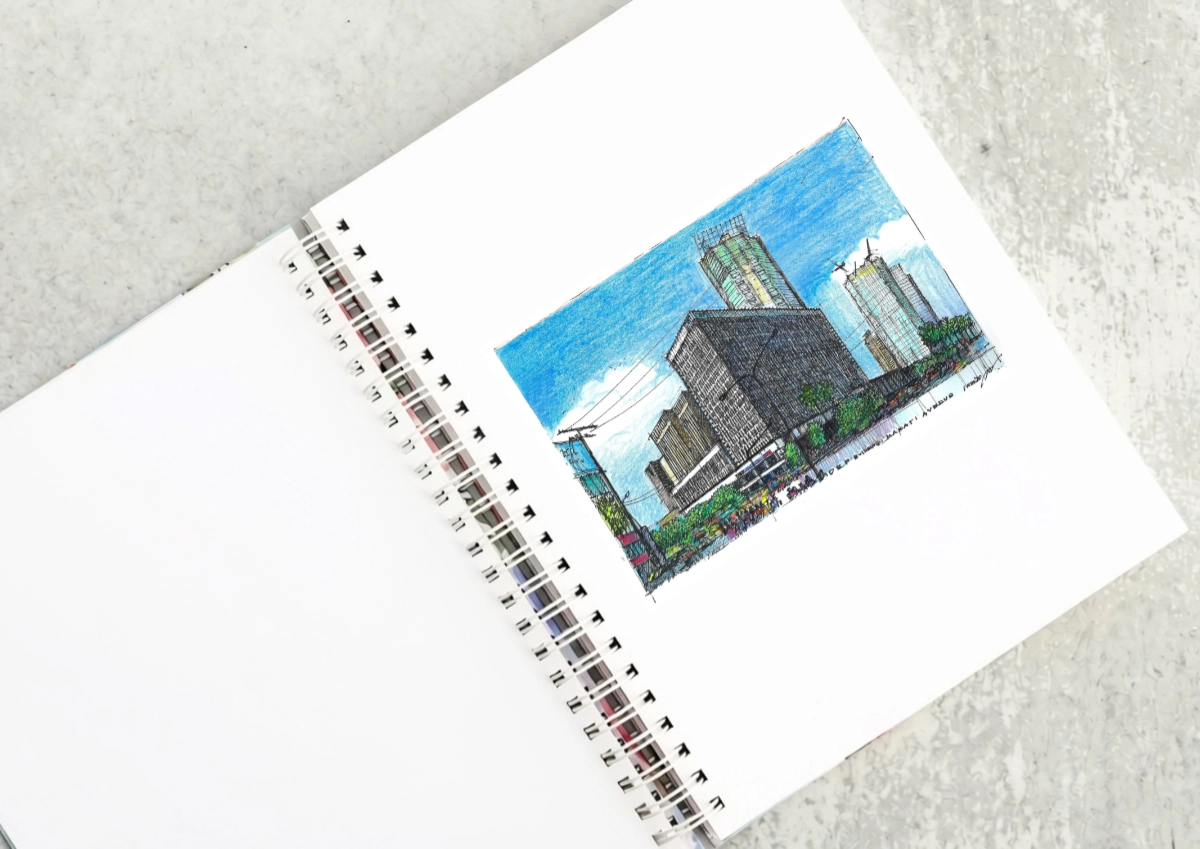
The DBP Building as a Landmark of the International Style At the corner of Sen. Gil Puyat Avenue and Makati Avenue stands a landmark of the Makati Central Business District. It is one of the last still standing that were built in the first wave of construction in district fifty years ago. The Development Bank […]

“Buildings only become architectureArchitectureThe art and science of designing and constructing buildings, structures, and spaces that are functional, safe, and aesthetically pleasing. It encompasses the planning, design, materials, and techniques used to createGo to Architecture Glossary when they are shared,” said William Ti Jr., founder of the Anthology Festival and WTA Architecture and Design Studio, […]
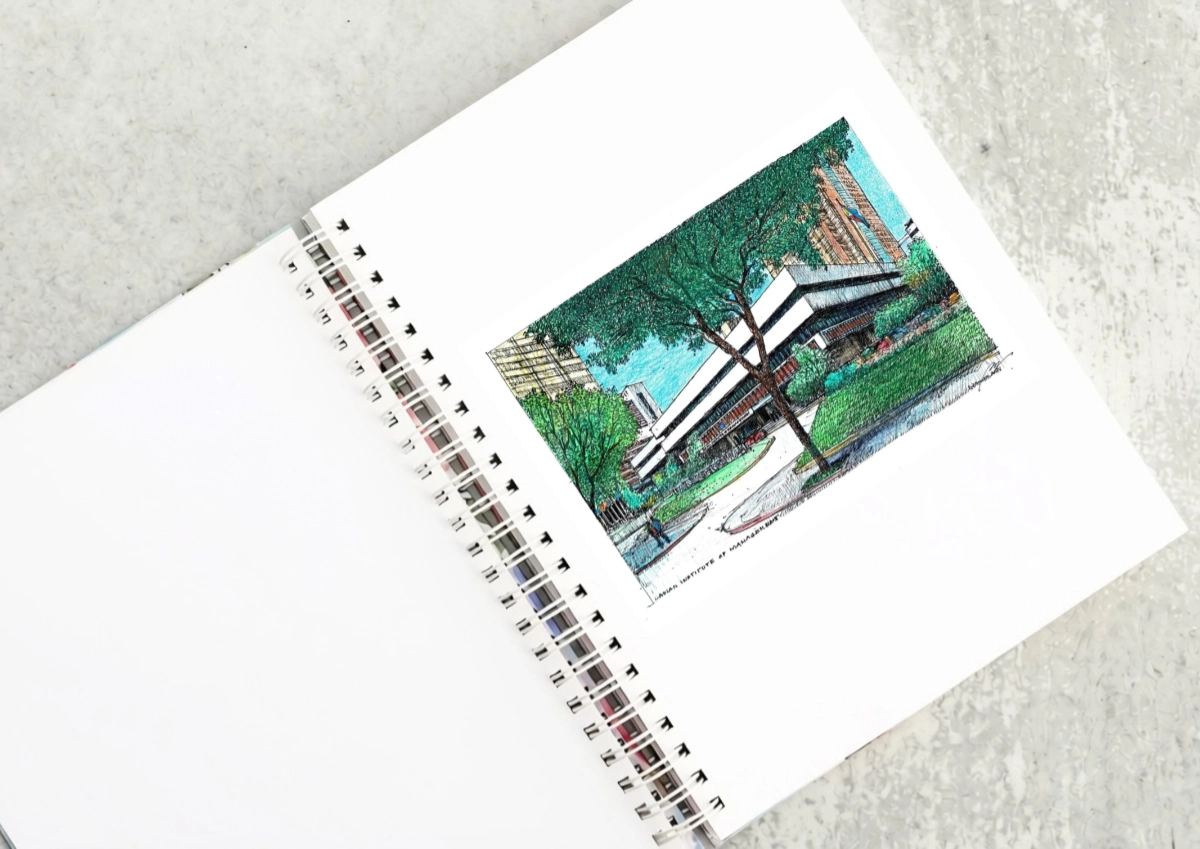
A Filipino Interpretation of Modernist Architecture Unlike the rest of Makati today, the northern end of Paseo de Roxas in Makati is anchored by a low complex rather than a tall skyscraper. This is the elegant Asian Institute of Management, designed by architect Gabriel Formoso and completed in 1971. In my opinion, the building is […]
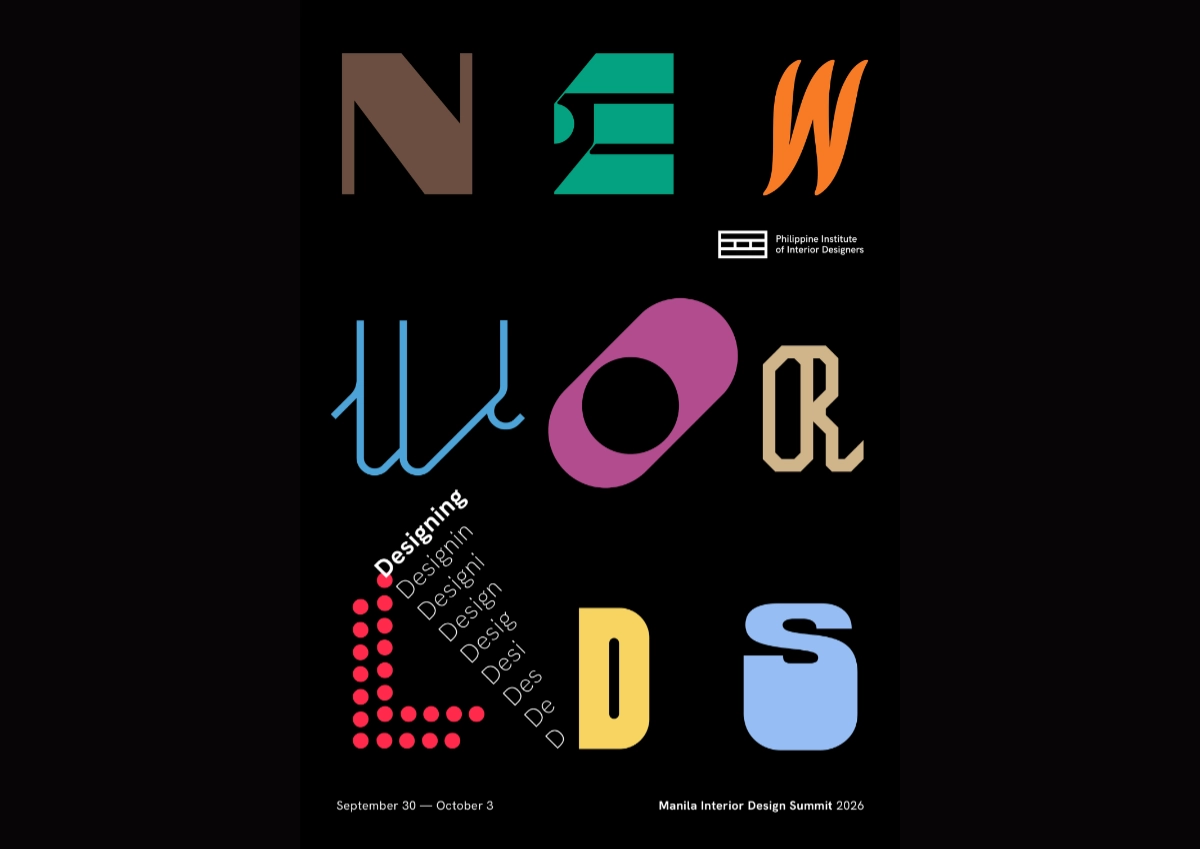
“Thailand has claimed urban creativity and livability. Singapore has institutional design leadership. Indonesia is emerging as a design hub. Vietnam is moving into design innovation. And the Philippines? Its position is not weak. It is simply unclaimed.” For IDr. Cecil Ravelas, National President of the Philippine Institute of Interior Designers (PIID), the challenge is not […]
Read the issues.

Collect the volumes.

Recommended Video
Tap to Unmute
Unmute
0:00
0:00