Rinna Soriano’s favorite part of her work is sanding. At her workbench, she stays focused, following the grain, adjusting to changes in its direction. Narra, she has learned, can have interlocking grain. A piece of mango once proved particularly difficult until a worker explained that she had reached the point where a branch once grew […]
Beyond Exhibitions: How the Ateneo Art Gallery Became a Place of Discourse



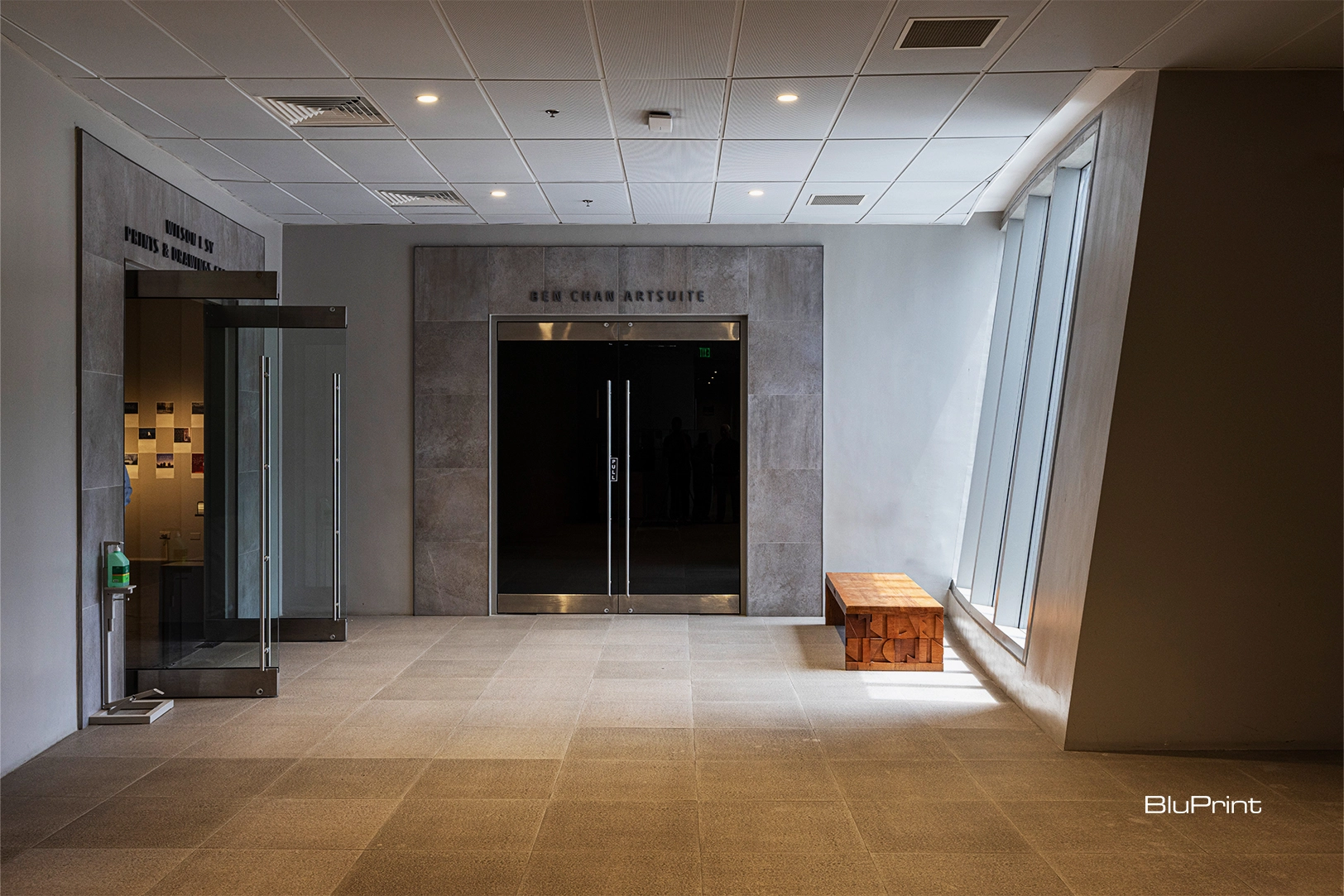
For 66 years, the Ateneo Art Gallery (AAG) has been at the forefront of preserving modern and contemporary Philippine art. Today, its home at Areté reflects an expanded mission: to extend beyond exhibitions to cultivating education and creative exchange.
Building a Home for Contemporary Art
The AAG was founded in 1960 after artist, collector, and philanthropist Fernando Zóbel donated his personal collection of more than 200 works of modern Philippine art to Ateneo de Manila University. Conceived as a teaching collection, the donation laid the foundation for what would become the country’s first museum of modern Philippine art.
The collection was initially housed at Ateneo’s Padre Faura campus in Ermita, Manila, where it served as a valuable resource for students studying the development of modern Philippine art.
As Ateneo de Manila University gradually transferred its campus to Loyola Heights, Quezon City, the gallery was likewise relocated. In 1967, it found a new home on the ground floor of the Rizal Library, where it continued to expand its collections and educational programs for the next five decades.
Related Reading: ‘A Synergy of Ventures’ Showcases Collection of Post-WWII Artwork
Ateneo Art Gallery at Areté: Spatial Program and Public Engagement
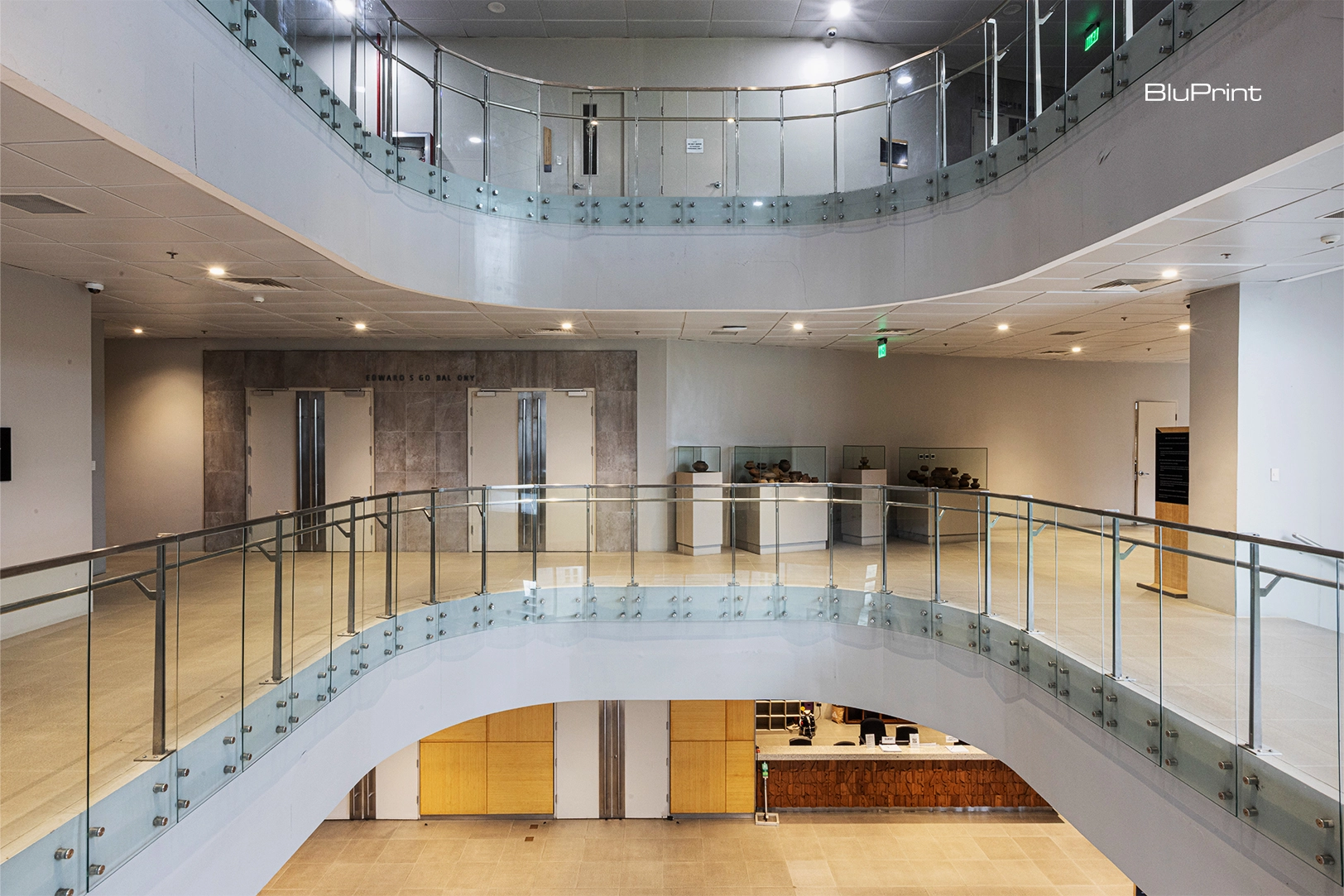
In 2017, portions of the gallery began moving into the newly completed Areté Arts Wing, before fully opening in its purpose-built home in 2018. Today, AAG occupies all three floors of the wing, with dedicated spaces for permanent and rotating exhibitions, media arts, and learning.
More than expanding its physical footprint, the move marked a turning point in how the gallery engaged with its audiences.
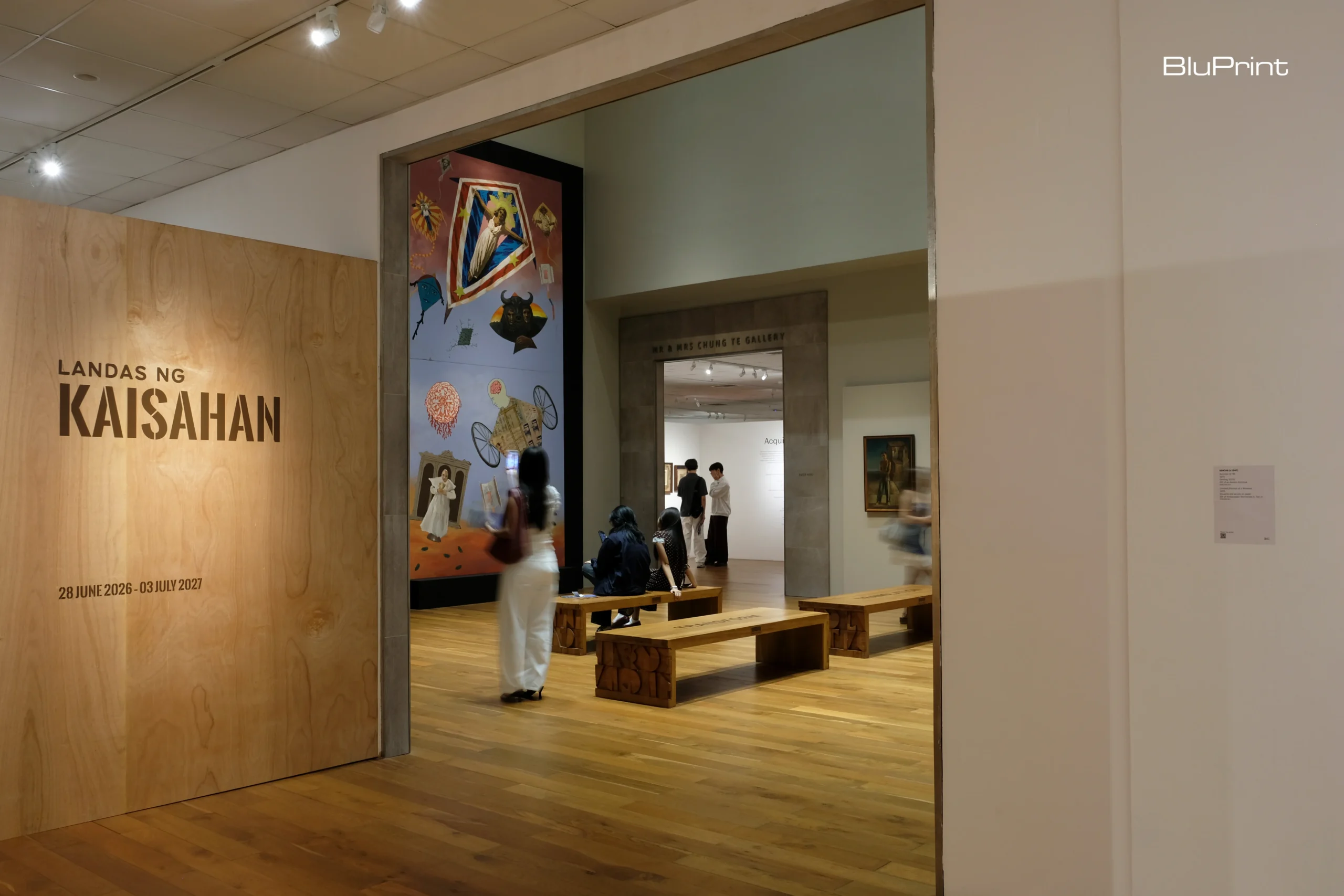
For Ma. Victoria Herrera, AAG’s Director and Chief Curator, relocating to Areté created opportunities to broaden the institution’s role—not only by being able to present its growing collection, but also by strengthening its educational and community initiatives.
“We were very deliberate in developing our public engagement, not only through promotions, but through education programs. When I say education programs, hindi lang guided tours (not just guided tours), [but also] conversations, panel discussions, film screenings, and other public-related programs,” Herrera says.
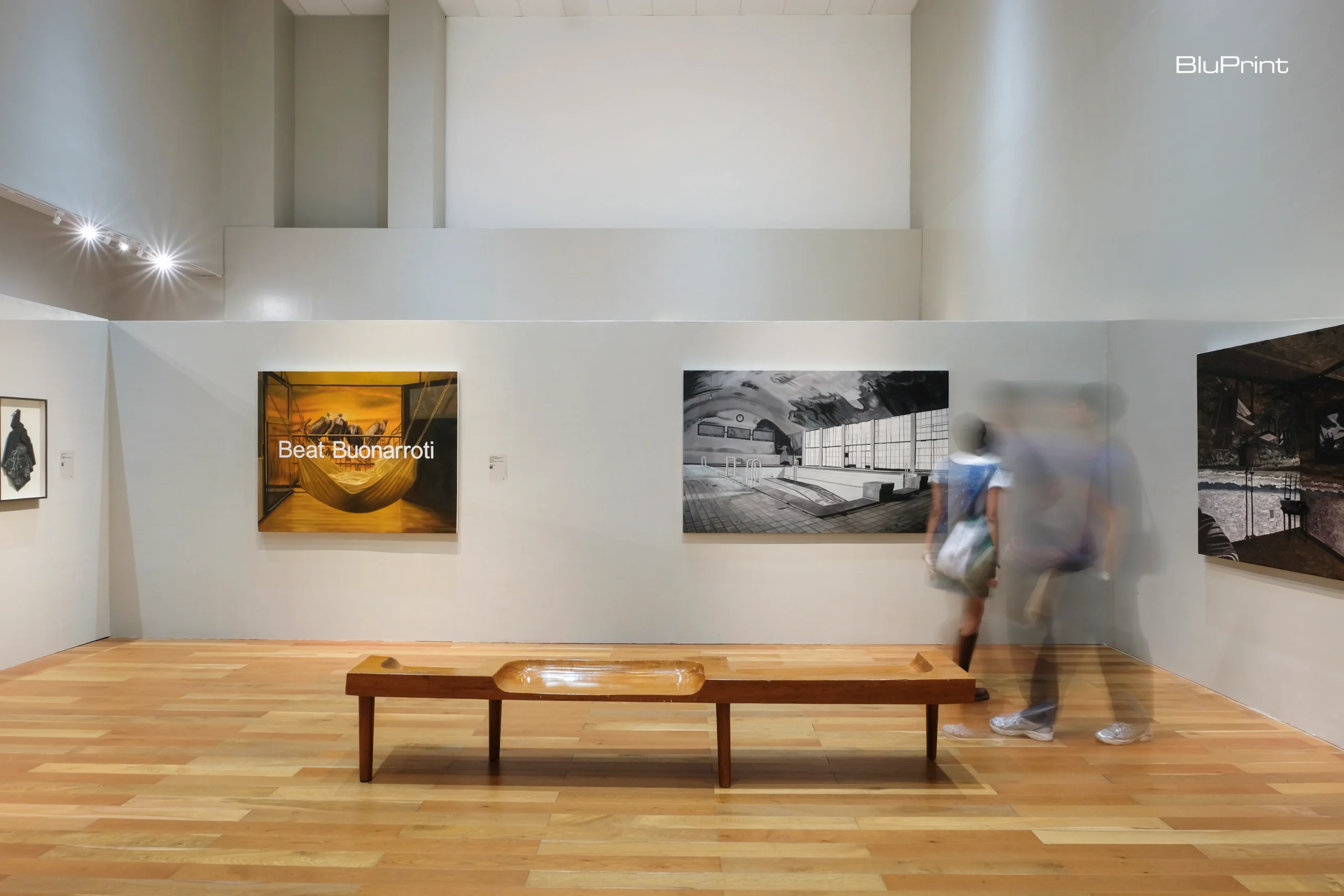
While these conversations and learning initiatives have long been part of the gallery’s mission, Herrera explains that Areté enabled them to take place on a much larger scale. With purpose-built spaces designed for exhibitions, screenings, lectures, and interdisciplinary programming, the gallery is able to host these activities more frequently and reach a broader community beyond the traditional museum audience.
“The building itself has attracted guests—more from outside especially [….] There’s more room for planning programs. And then, we also recently added the moving image program—so, they’re not only just film screenings,” Herrera shares.
“We worked with a group of video and media-based artists [….] So, yung ganoon na parang we’re able to collaborate with a wider community of art practitioners,” she adds.
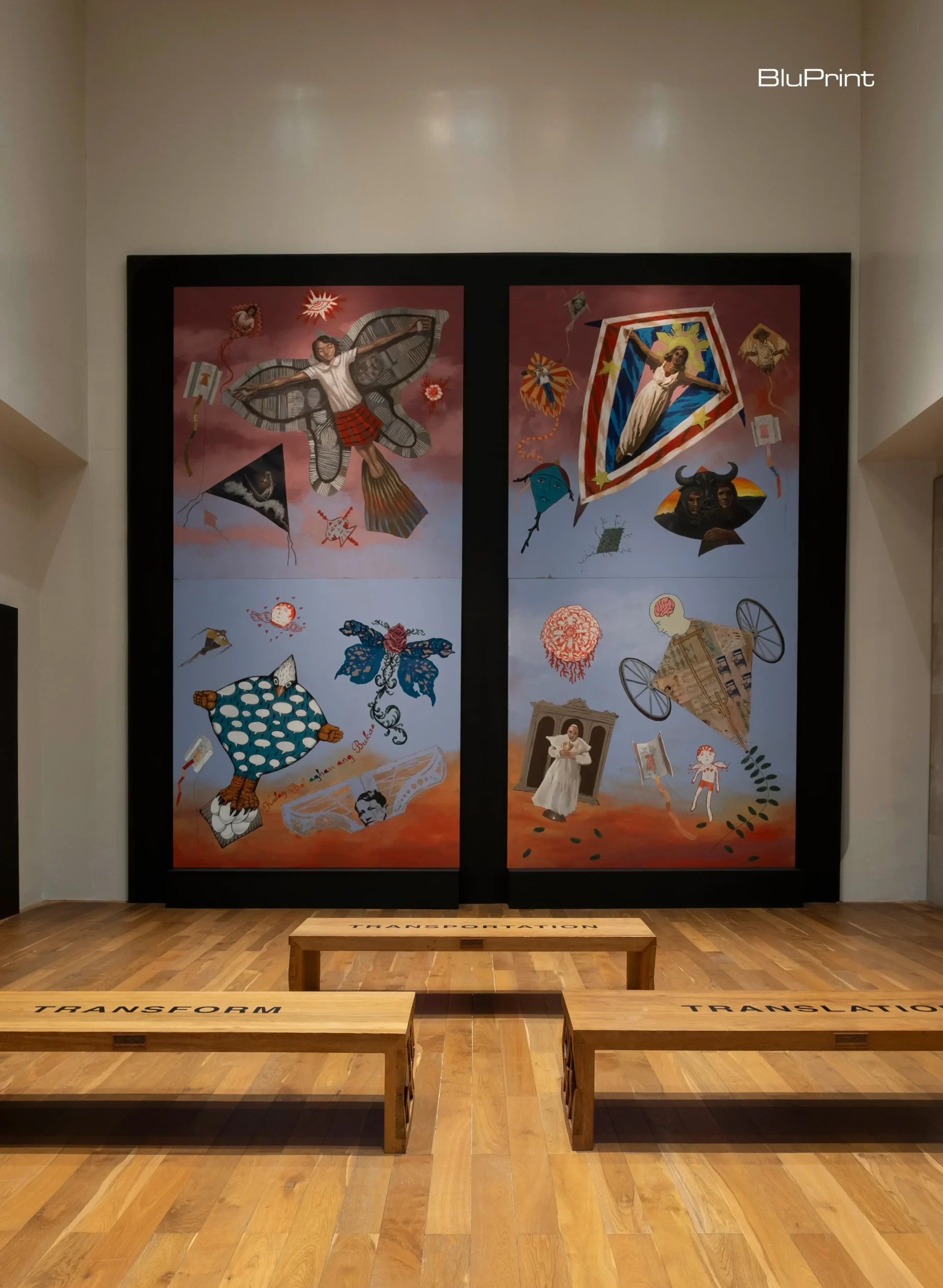
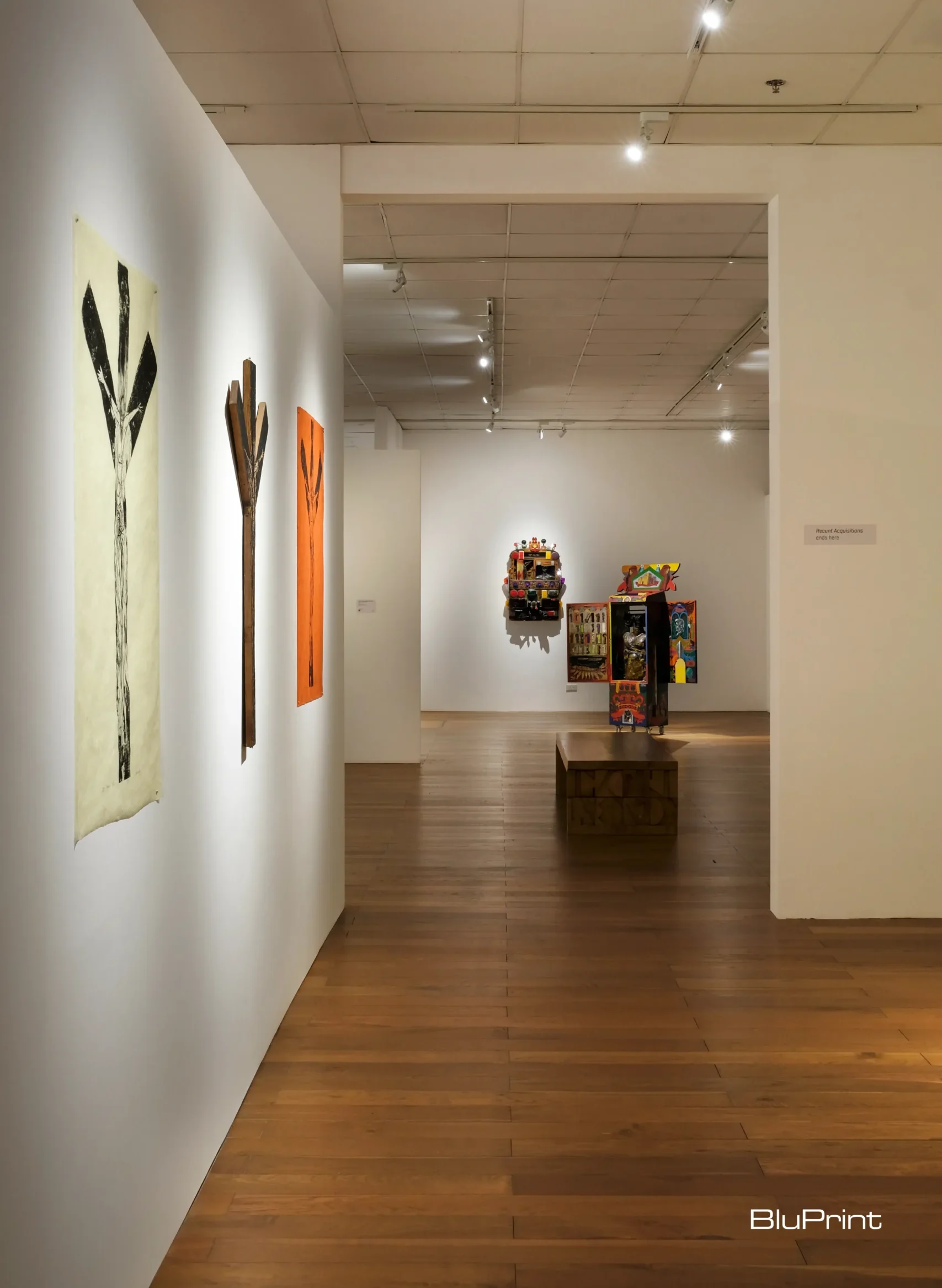
Within Areté, each floor contributes to a different way of experiencing art. The first floor primarily houses selections from the Ateneo Art Gallery’s collection, bringing together donated and loaned works by patrons, as well as established and emerging Filipino artists.
On the second floor, exhibitions often take on a more literary dimension, incorporating poetry, text-based installations, archival materials, and written narratives that invite visitors to engage with ideas beyond the visual.
Meanwhile, the third floor serves as a flexible space for guest exhibits by artists, collectives, and cultural initiatives. Together, these spaces allow the gallery to present a wide range of artistic practices, creating an environment where viewing an exhibition becomes an opportunity for dialogue and learning.
Related reading: Drawing Room: A Complete Overview of a Historical Social Space
A Place of Creative and Social Discourse
The gallery’s commitment to public engagement is reflected in the breadth of its programs, which extend well beyond its exhibition spaces.
Since 2004, it has organized the Ateneo Art Awards, an annual recognition that supports outstanding young Filipino visual artists that has grown into one of the country’s most respected recognitions for contemporary art.
Beyond the awards, AAG regularly collaborates with artists, scholars, cultural institutions, and independent initiatives to present exhibitions, research projects, lectures, and public programs that encourage critical engagement with modern and contemporary Philippine art.
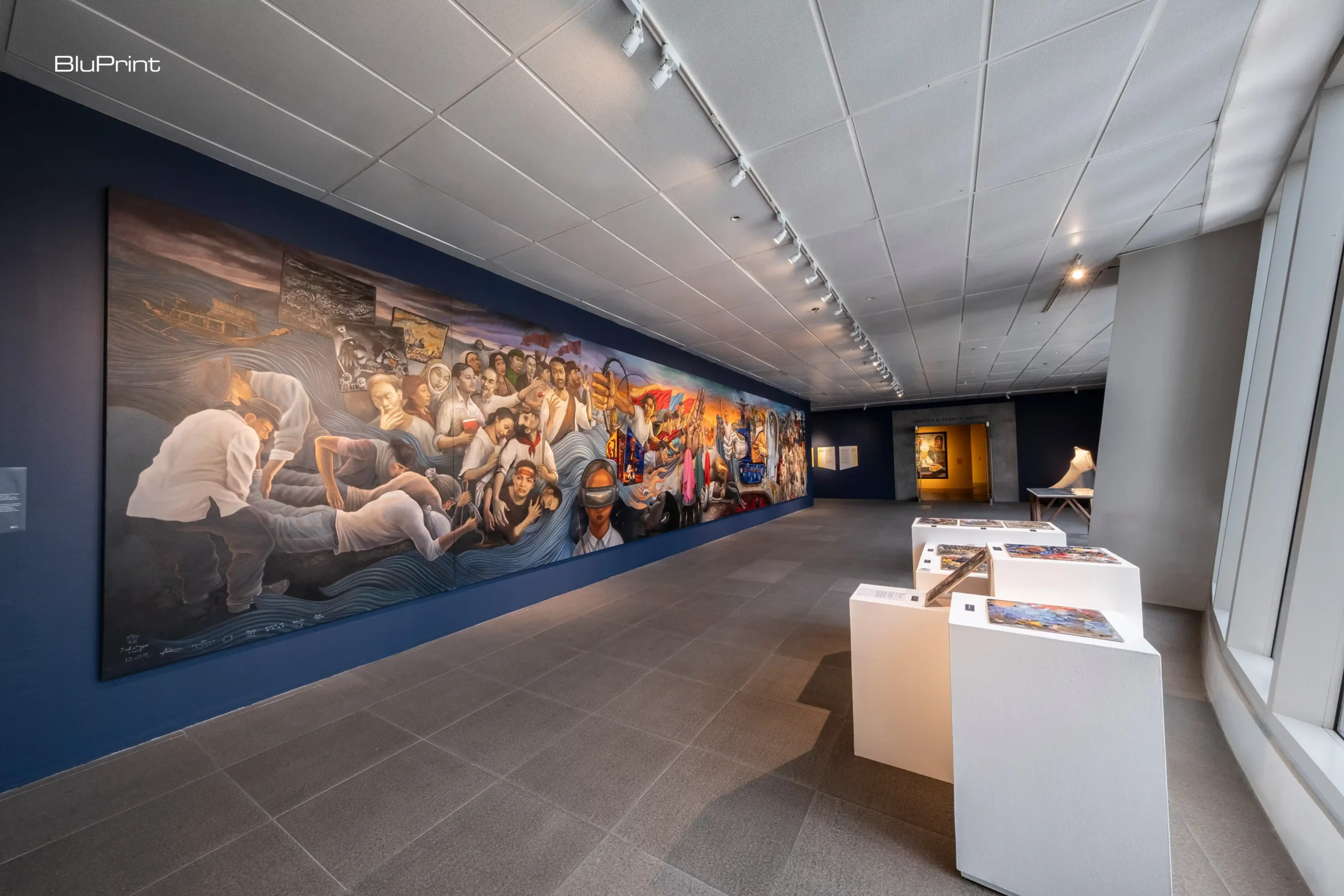
One such example is Orion in Sight: A View of Collective Work, curated by Lisa Ito-Tapang. The group show brings together seven artist-led initiatives that make up TalaAnyo. It is interesting to note that this move to work together shifts the focus from individual artistic practice to the collaborative networks that sustain creative communities. Through murals, archival materials, installations, and collective works, visitors are invited to consider not only the finished artworks but also the histories and shared processes behind their creation.
At the Orion in Sight exhibition, visitors are greeted by a seven-panel mural at the entrance that traces the country’s continuing struggles and collective resilience. The mural establishes the exhibition’s central theme of community—both as subject and method—which continues throughout the gallery in a series of large artworks and archival displays.
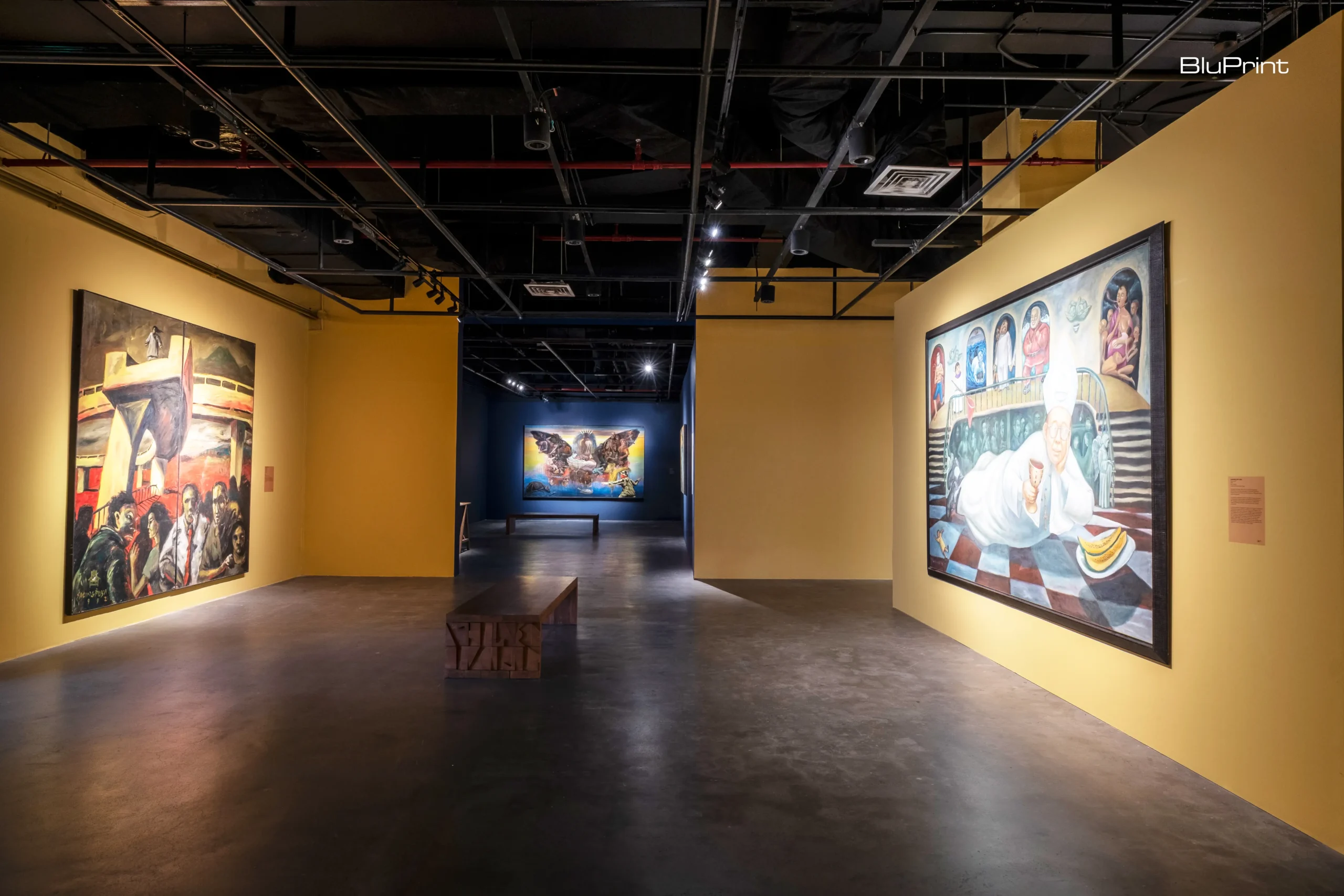
The gallery space is divided into three sections. The first displays murals and archival pieces by the two oldest initiatives, Orange Project and Project Space Pilipinas, both established in 2006. The second features works by initiatives founded a decade later: Linangan Art Residency and Eskinita Art Farm. Finally, the third section showcases works by the youngest initiatives, established from 2020 onwards, including Agos Studio, Pasilyo Press, and Tungtung Alon Art Foundation.
The Ateneo Art Gallery invites visitors to question, and participate, transforming the experience of viewing art into one of dialogue and discovery. In doing so, AAG reinforces the role of cultural institutions not only as stewards of artistic heritage, but also as places where communities can reflect on the past, engage with the present, and imagine new possibilities together.
Related reading: ‘Lakbay: Voyages Into the Absolute’ and the Legacy of Nena Saguil
Photographed by Ed Simon.
About the Ateneo Art Gallery
Founded in 1960 through the donation of Fernando Zóbel’s personal collection of modern Philippine art, the Ateneo Art Gallery is the country’s first museum of modern Philippine art. Located within the Areté Arts Wing of Ateneo de Manila University, the gallery houses significant modern and contemporary Philippine artworks while serving as a venue for exhibitions, research, education, and public programs that foster dialogue and engagement with the arts.
Frequently Asked Questions
The Ateneo Art Gallery is the Philippines’ first museum of modern Philippine art, established at Ateneo de Manila University in 1960. It preserves modern and contemporary Filipino works, operates as a teaching collection, and runs public programs including exhibitions, lectures, screenings, and the annual Ateneo Art Awards.
The gallery was founded in 1960 after artist, collector, and philanthropist Fernando Zóbel donated more than 200 works of modern Philippine art to Ateneo de Manila University. Conceived as a teaching collection, the donation established the foundation for the country’s first museum of modern Philippine art.
The gallery occupies all three floors of the Areté Arts Wing at Ateneo de Manila University in Loyola Heights, Quezon City. The first floor houses the permanent collection, the second hosts text-based and literary exhibitions, and the third serves as a flexible space for guest exhibits and collectives.
Orion in Sight: A View of Collective Work, curated by Lisa Ito-Tapang, gathers seven artist-led initiatives forming TalaAnyo — including Orange Project, Project Space Pilipinas, and Linangan Art Residency. Through murals, installations, and archival material, it shifts focus from individual practice to the collaborative networks sustaining creative communities.
Organized by the Ateneo Art Gallery since 2004, the Ateneo Art Awards annually recognize outstanding young Filipino visual artists. The program has grown into one of the country’s most respected honors for contemporary art, supporting emerging practitioners and reinforcing the gallery’s role in cultivating Philippine contemporary art.


Large-format porcelain is no longer limited to conventional floor and wall applications. Advances in scale, finish, and fabrication have expanded its role across architectureArchitectureThe art and science of designing and constructing buildings, structures, and spaces that are functional, safe, and aesthetically pleasing. It encompasses the planning, design, materials, and techniques used to createGo to Architecture […]
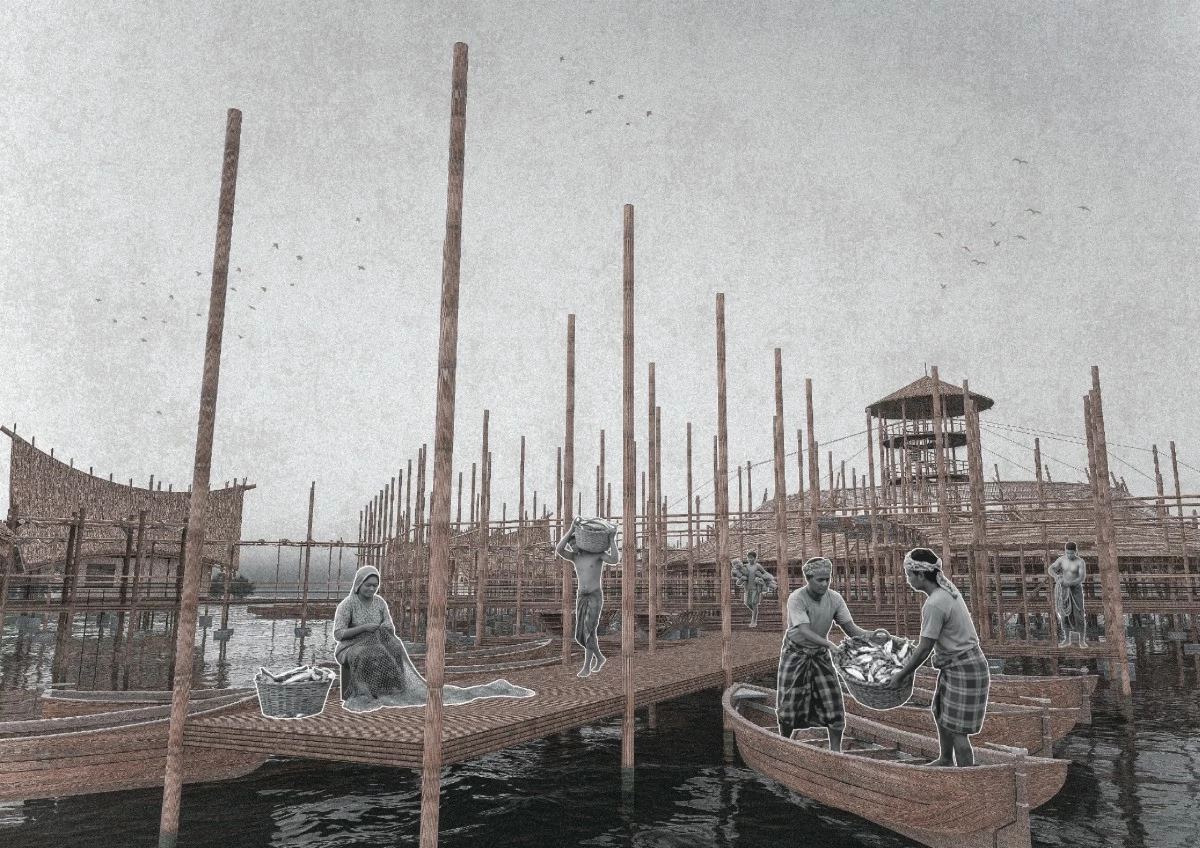
Mindanaoan architectureArchitectureThe art and science of designing and constructing buildings, structures, and spaces that are functional, safe, and aesthetically pleasing. It encompasses the planning, design, materials, and techniques used to createGo to Architecture Glossary student Ejhay L. Durias of the University of Mindanao made history after becoming the first Filipino to receive the AYDA International […]
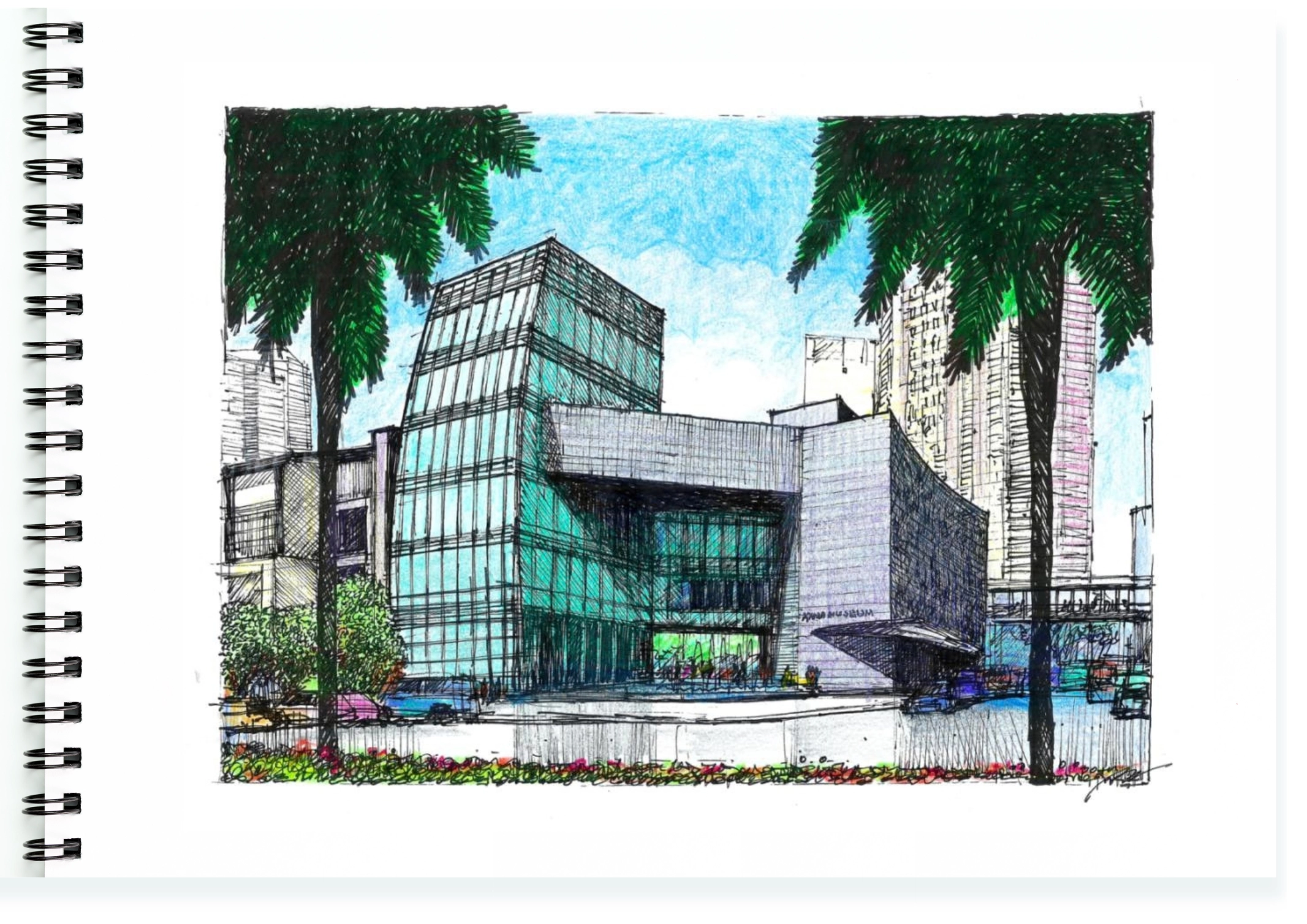
From Brutalism to Contemporary Modernism The Ayala Museum designed by the firm of Leandro V. Locsin Partners (LVLP) sits at the corner of Makati Avenue and Dela Rosa Street in Legaspi Village, Makati. This is actually the second museum of the same name in the area. The original, which was designed by National artist for […]
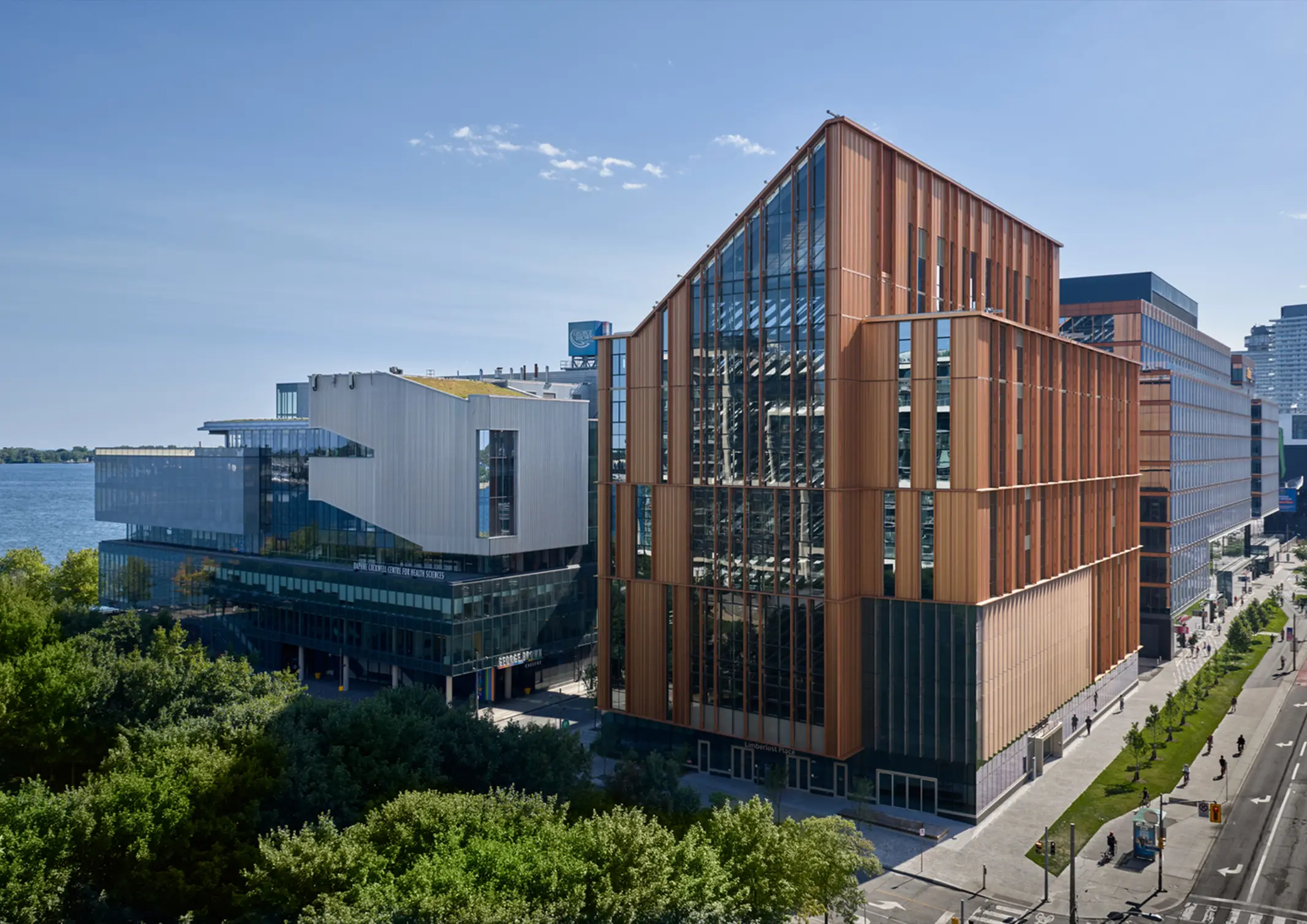
The projects recognized by Architizer’s 14th Annual A+Awards span architectureArchitectureThe art and science of designing and constructing buildings, structures, and spaces that are functional, safe, and aesthetically pleasing. It encompasses the planning, design, materials, and techniques used to createGo to Architecture Glossary, interiors, landscape, urban design, and sustainability. Organized by Architizer, one of the world’s […]
Read the issues.

Collect the volumes.

Recommended Video
Tap to Unmute
Unmute
0:00
0:00