Bigkis is the act of binding. In Tagalog, the word can refer to something used to bind or encircle, as well as a bundle formed by tying several separate elements together. Figuratively, it can also mean a bond, union, or unity. The meanings move from the physical act of joining things together to the connection […]
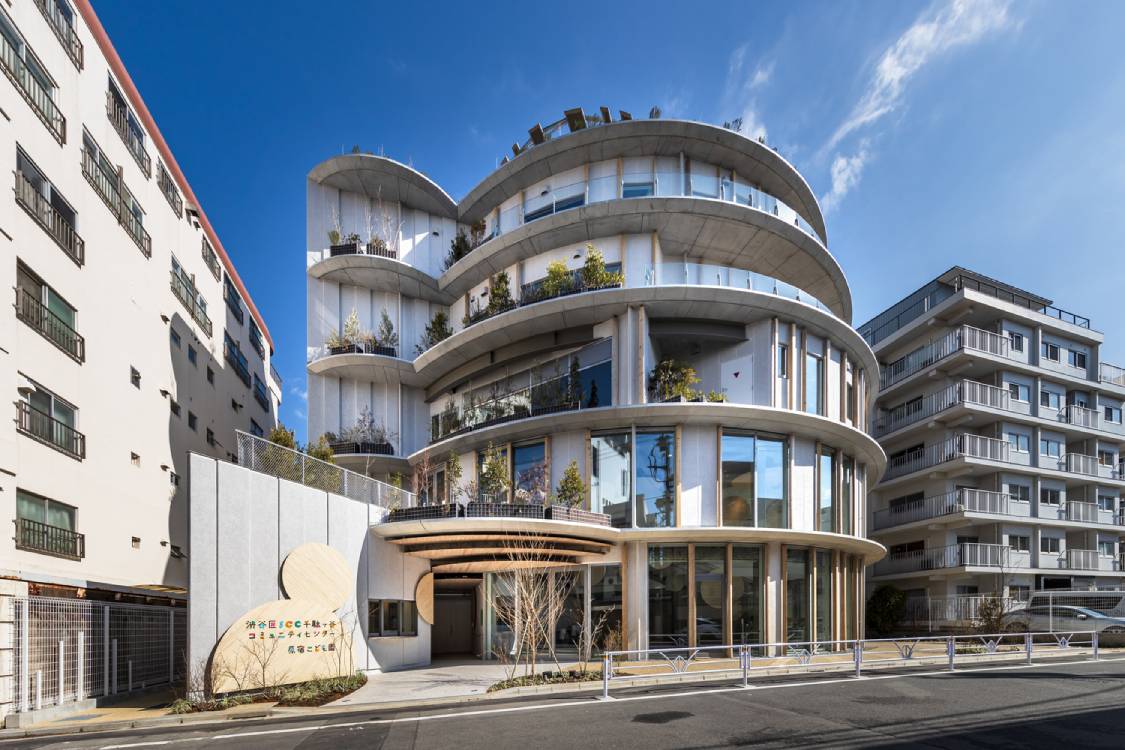
Sendagaya Community Center: A Unique Communal Facility for Locals


Community centers provide essential spaces for people to gather and connect. The Sendagaya Community Center, located in the densely populated district of Jingumae in Shibuya, Tokyo, offers a unique and welcoming environment for local residents.
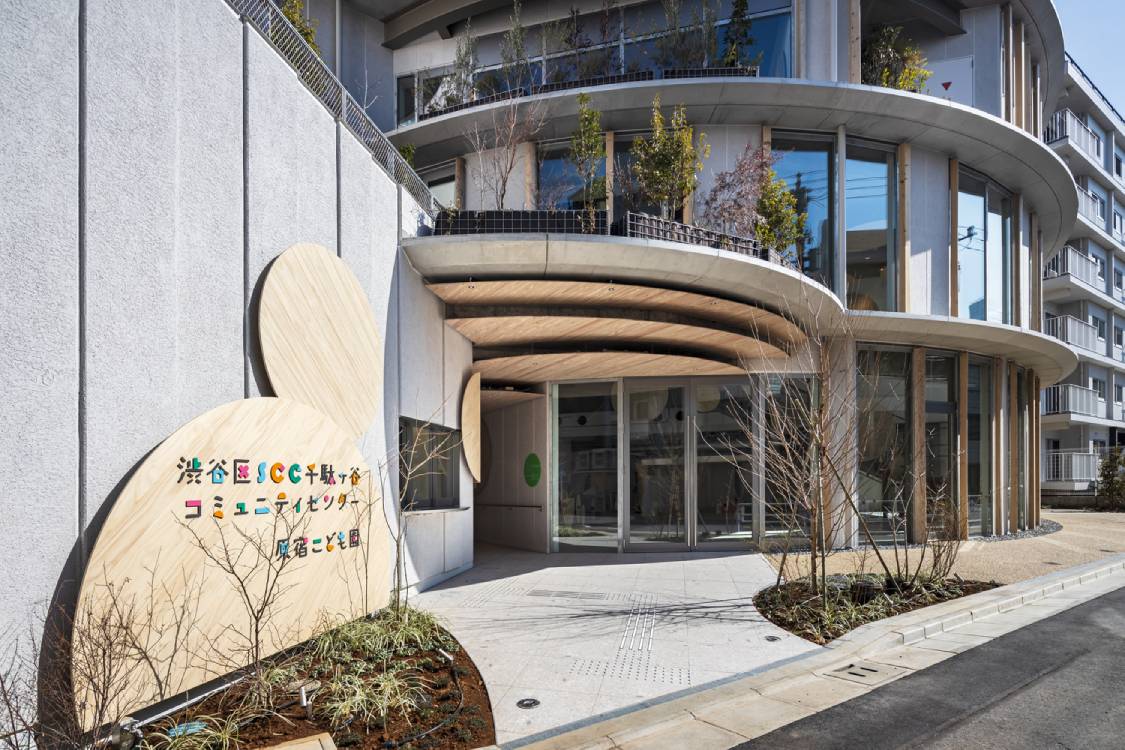
Kengo Kuma & Associates, with support from P. T. Morimura & Associates and Ejiri Structural Engineers, designed the building to prioritize community over commerce. They design this community center with the needs of the town in mind. In the end, they created a spacious location that can accommodate activities and events for the townspeople.
Circular Slabs in Functionality
The most eye-catching feature of the Sendagaya Community Center is its circular design. Its unique round features stack up on each other, with slabs in between floors adding a stabilizing definition to its look.
The circular stacks look uneven due to a combination of different factors. The lower floors occupy a larger footprint than the floors above it, each with their own balcony areas filled with plant life and greenery.
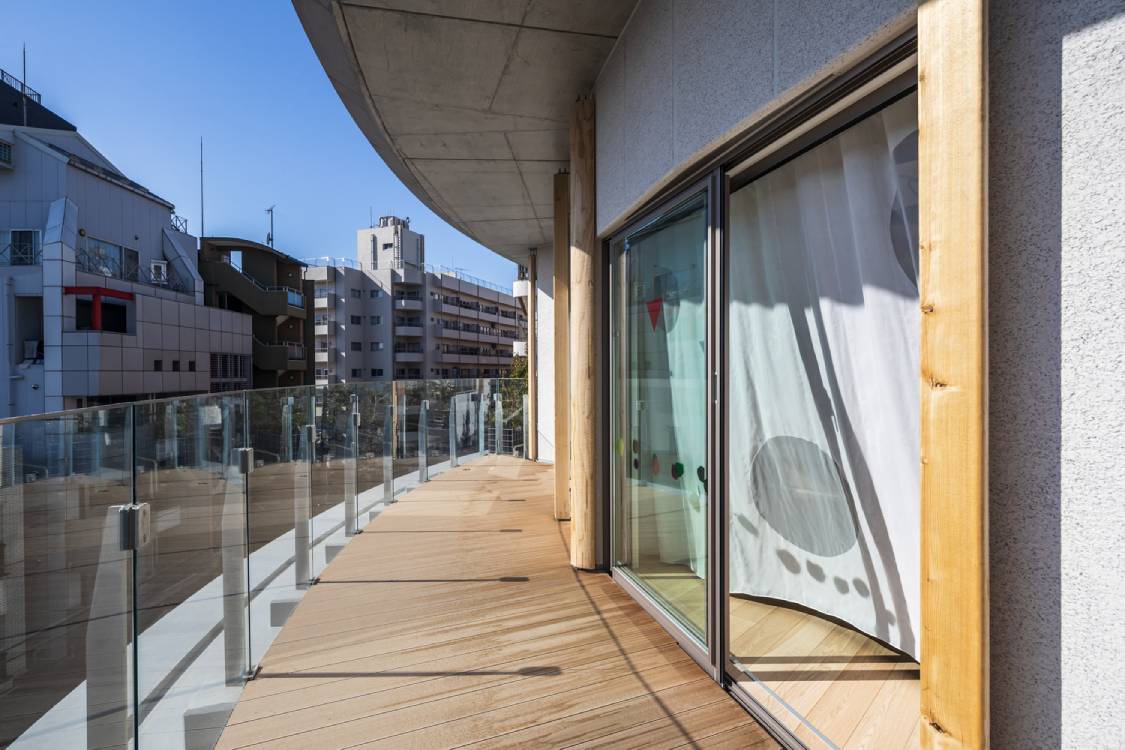
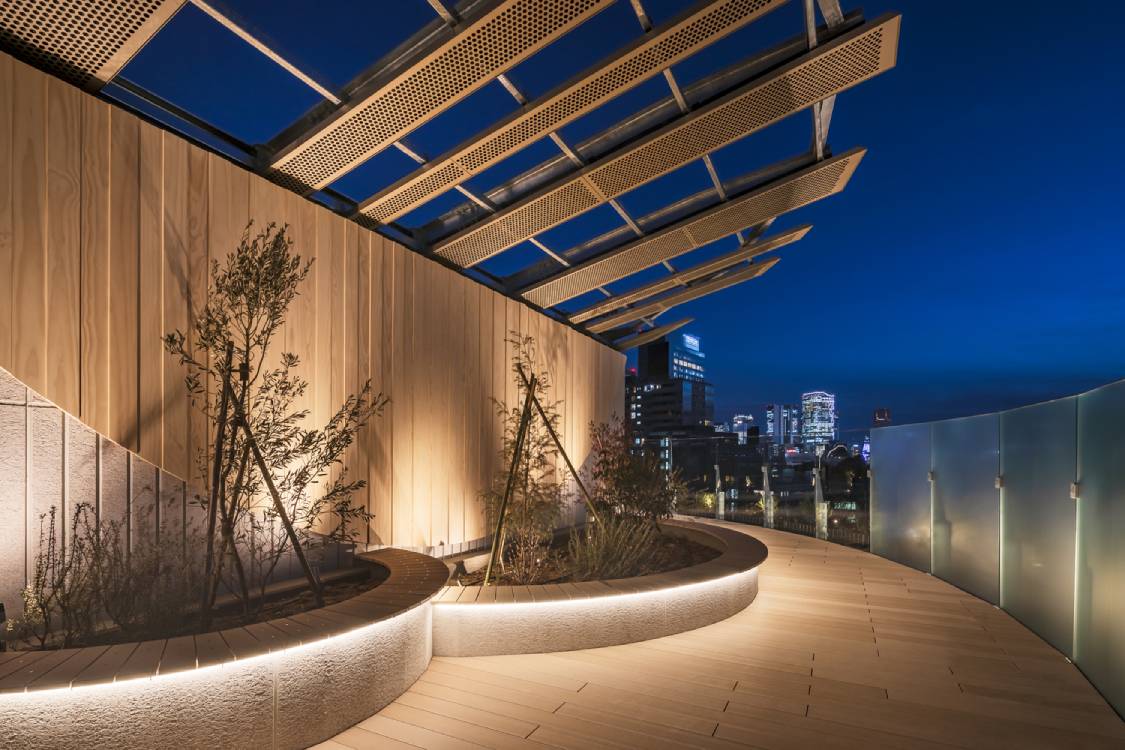
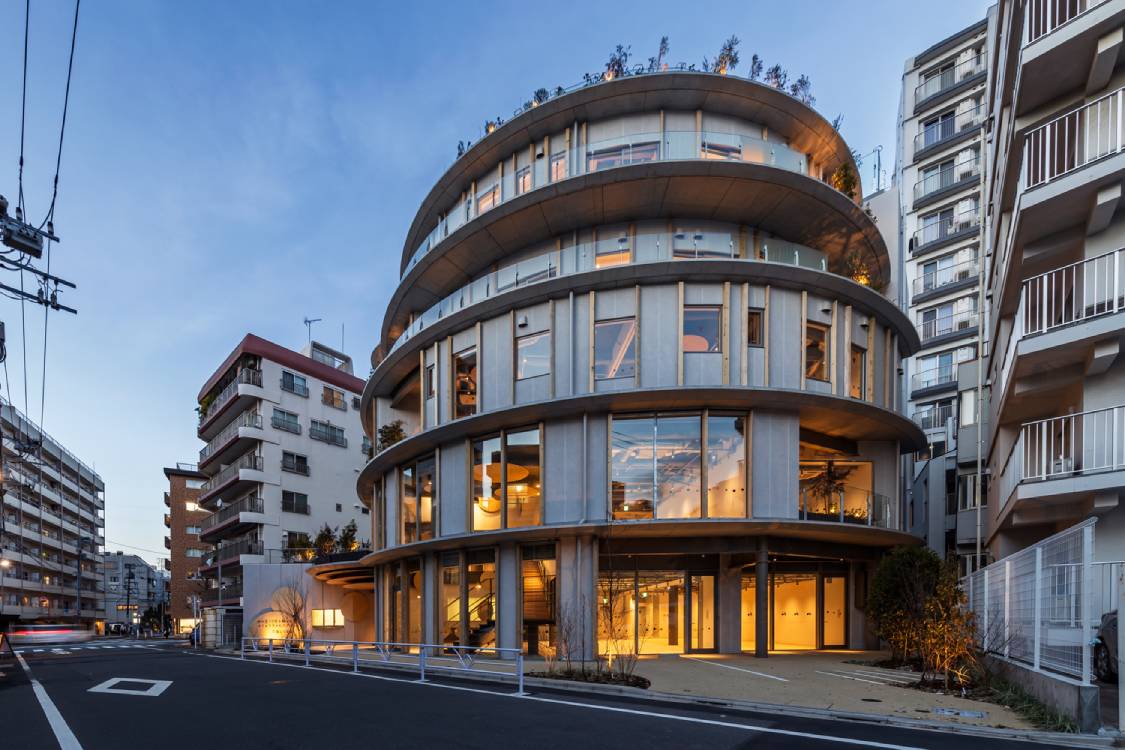
For the upper three floors, the design varies its look with the addition of large terraces. In an interesting aside, the play of volumes help break up the symmetry of the main structure. An addition expands from the main circular volume with its own terraces, providing even more room for more plant, crafting a welcoming environment for those who enter.
“The circular slabs create a generous gap between the building and the adjacent properties, allowing maximum light and wind to enter from the outside,” the architects shared.
A Softer Space for Everyone
The interior of the building lends itself to an openness that feels welcoming. A massive atrium in the middle runs from the ground floor to the rooftop, which allows for the thorough diffusement of light. White walls, marble floors, floor-to-ceiling windows, and wooden furniture combine to allow the light to bounce around the area with ease.
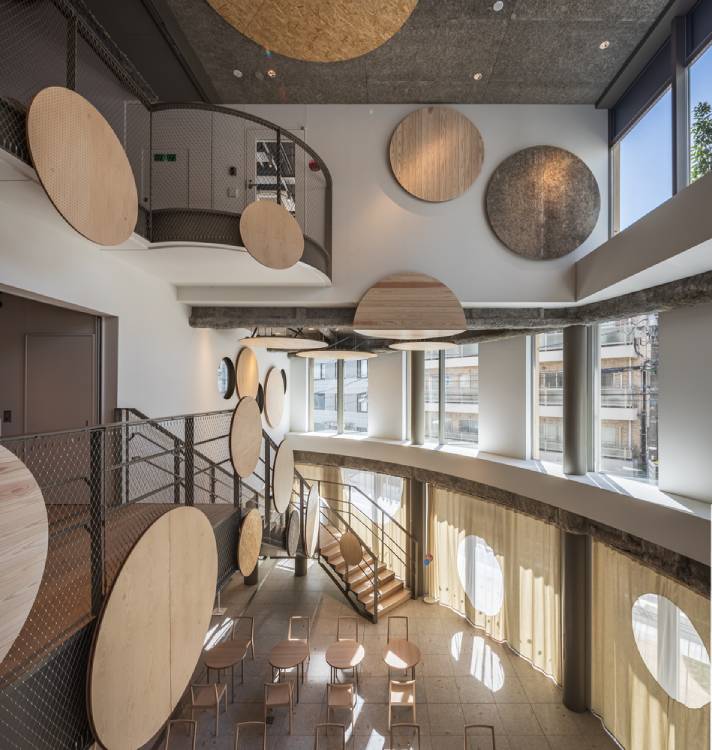
The circular design extends its use of wooden panels all across the building, from the atrium to the various multi-purpose rooms. These elements help create a cohesive theme for the building, but also provides a sense of flexibility and accessibility to its look and function.
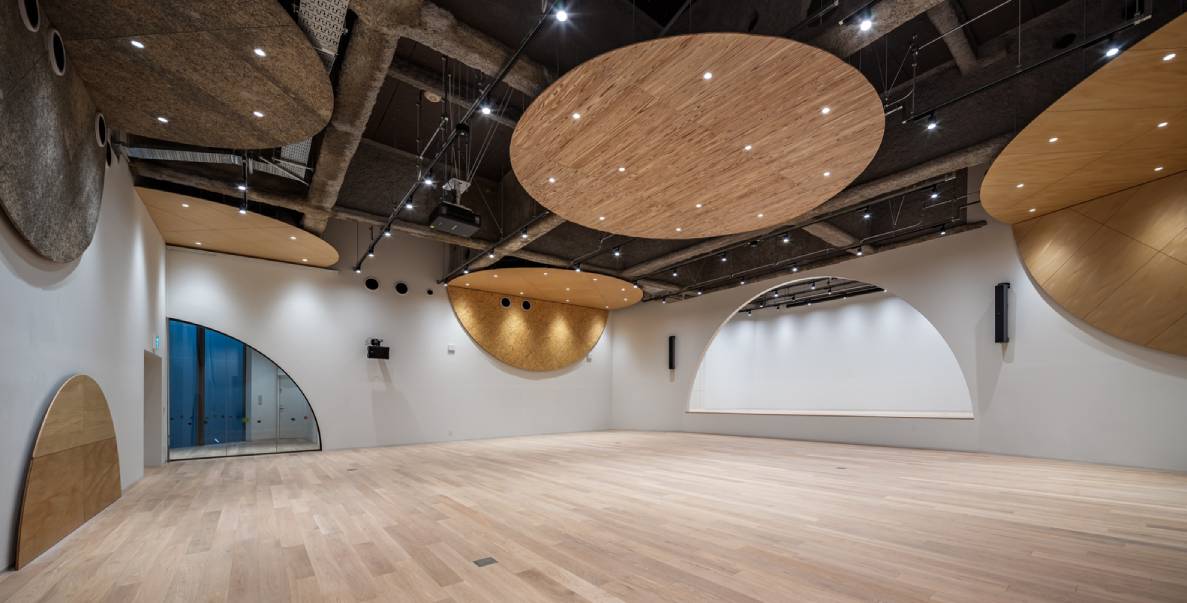
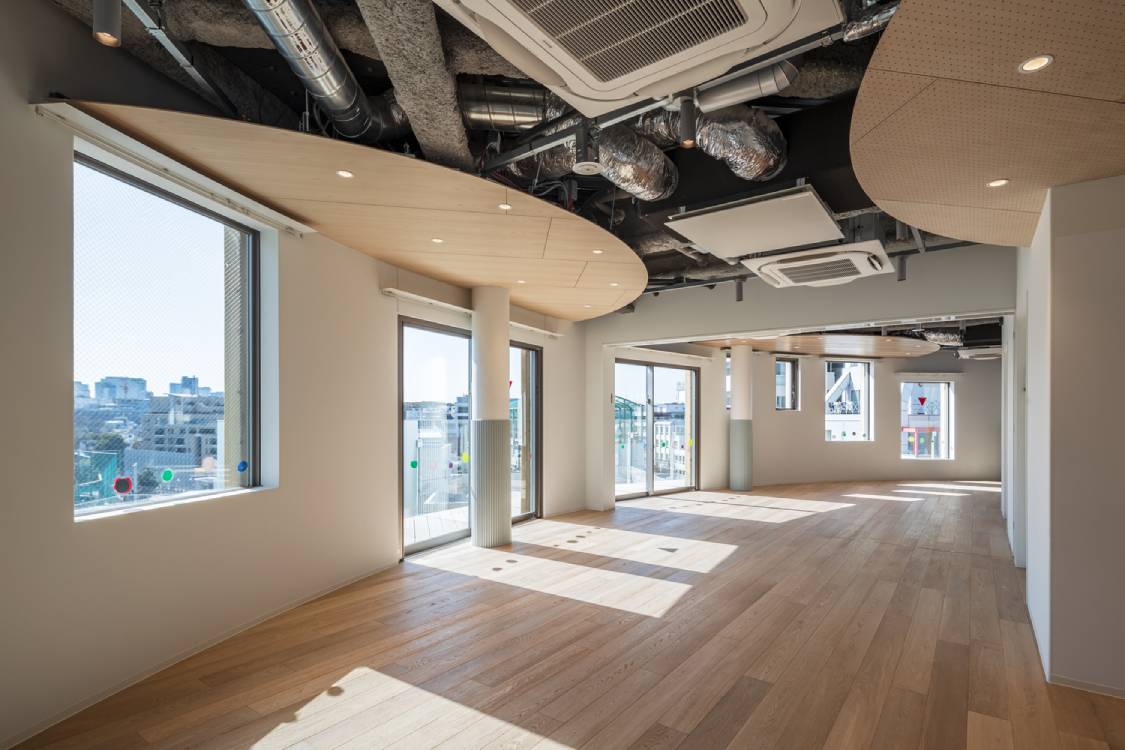
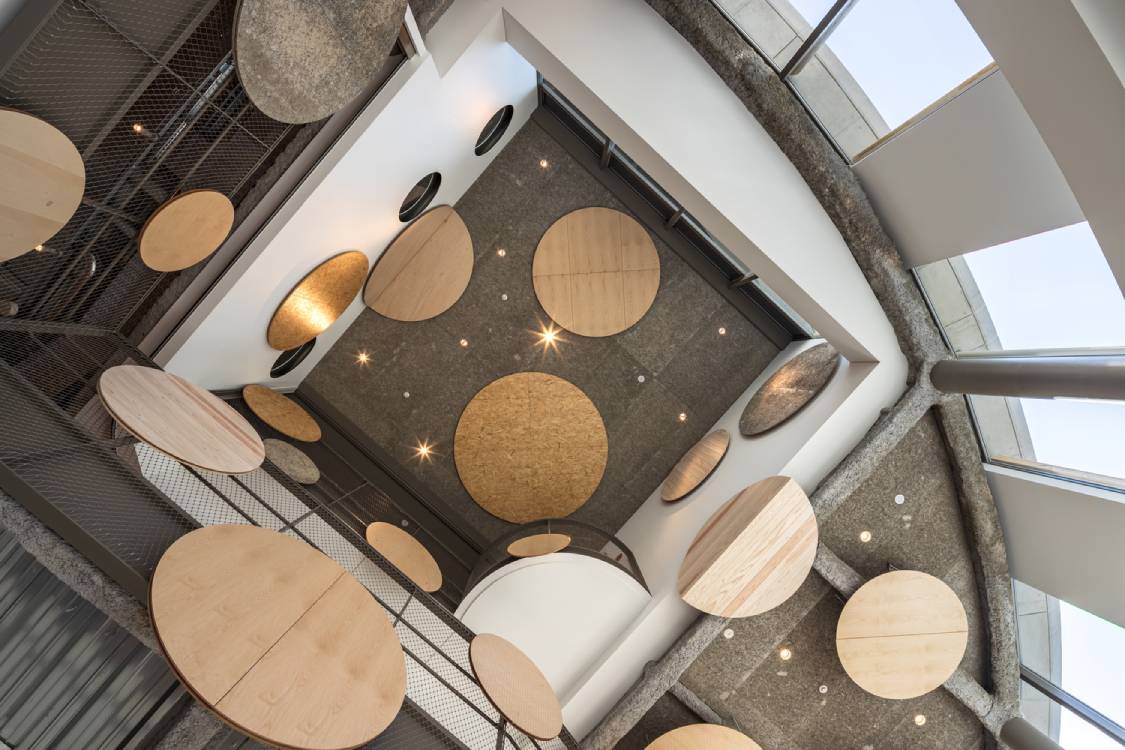
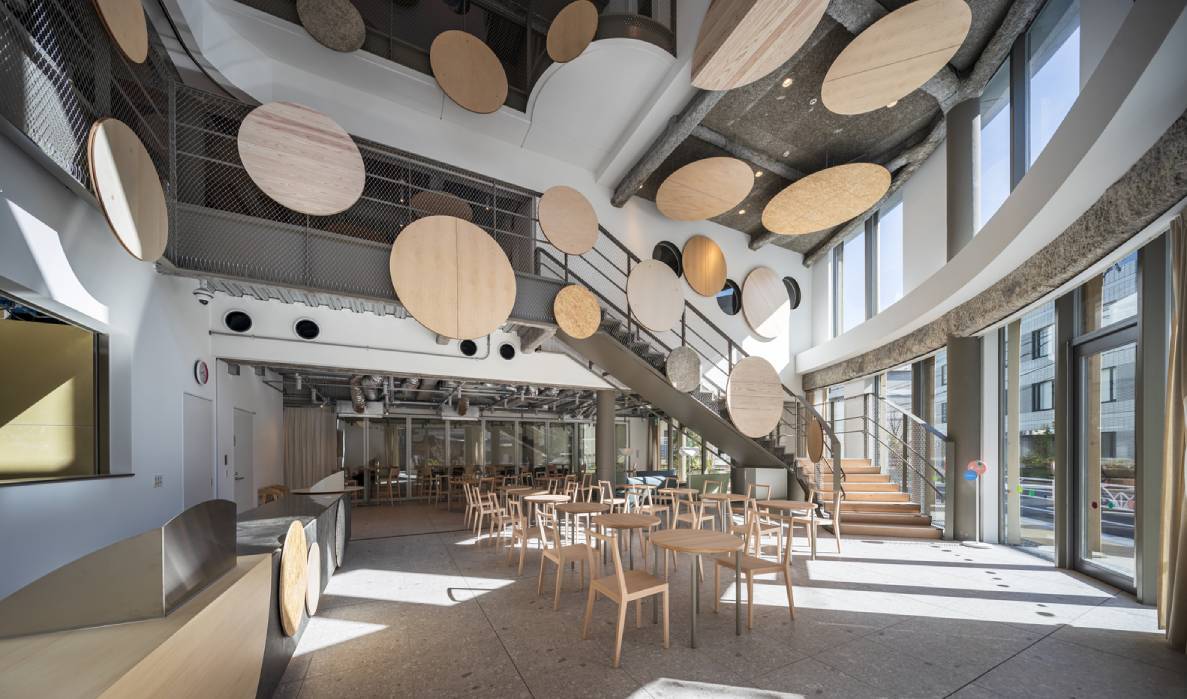
The Sendagaya Community Center supplies its area with an approachable space open to everyone in the area. The design of its rooms and its open atrium accommodates a feeling of adaptability to suit the needs of everyone who lives in this community.
Related reading: Kakapo Creek Children’s Garden: A Sustainable Blend Of Space And Nature
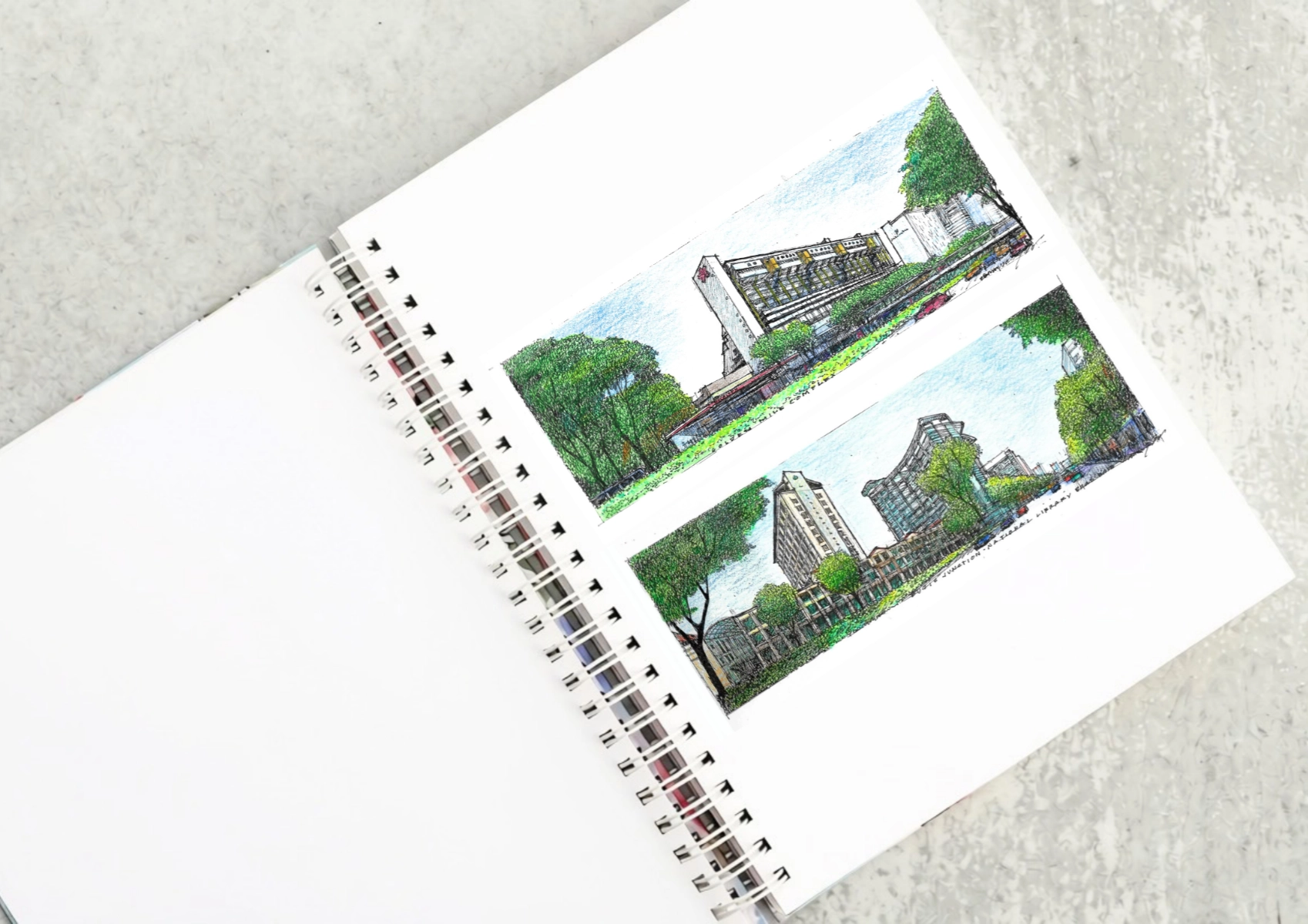
Two sketches of Singapore connect BluPrint Editor in Chief Paulo G. Alcazaren’s personal and professional history with Shared Ground: ArchitectureArchitectureThe art and science of designing and constructing buildings, structures, and spaces that are functional, safe, and aesthetically pleasing. It encompasses the planning, design, materials, and techniques used to createGo to Architecture Glossary of Care, Culture, […]
In a way, designers are the modern-day soothsayers and prophets. They design for the future, predicting how a room, a house, a building or a whole city will be used by people. They foresee how users will interact with a space, conjure exact shades of colors to elicit specific behavior and arrange furniture to build […]
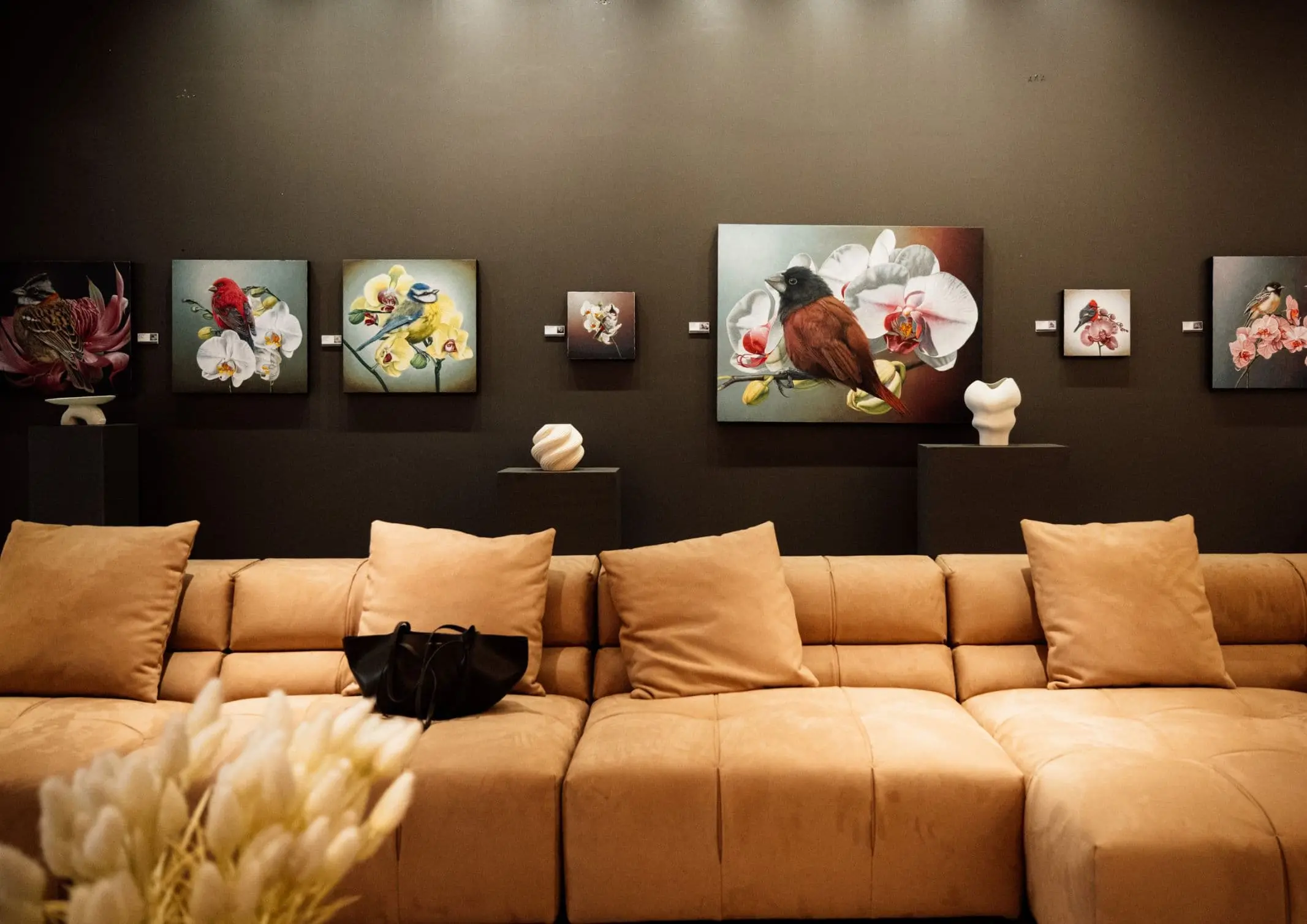
Art and furniture are often selected separately, yet their relationship can shape how a room looks and feels. The collaboration between Hooga and Galerie Joaquin explores how these elements can work together, bringing contemporary artworks into furnished residential settings at Hooga’s showroom in Uptown Mall, Bonifacio Global City. For Hooga, which curates furniture, lighting, and […]
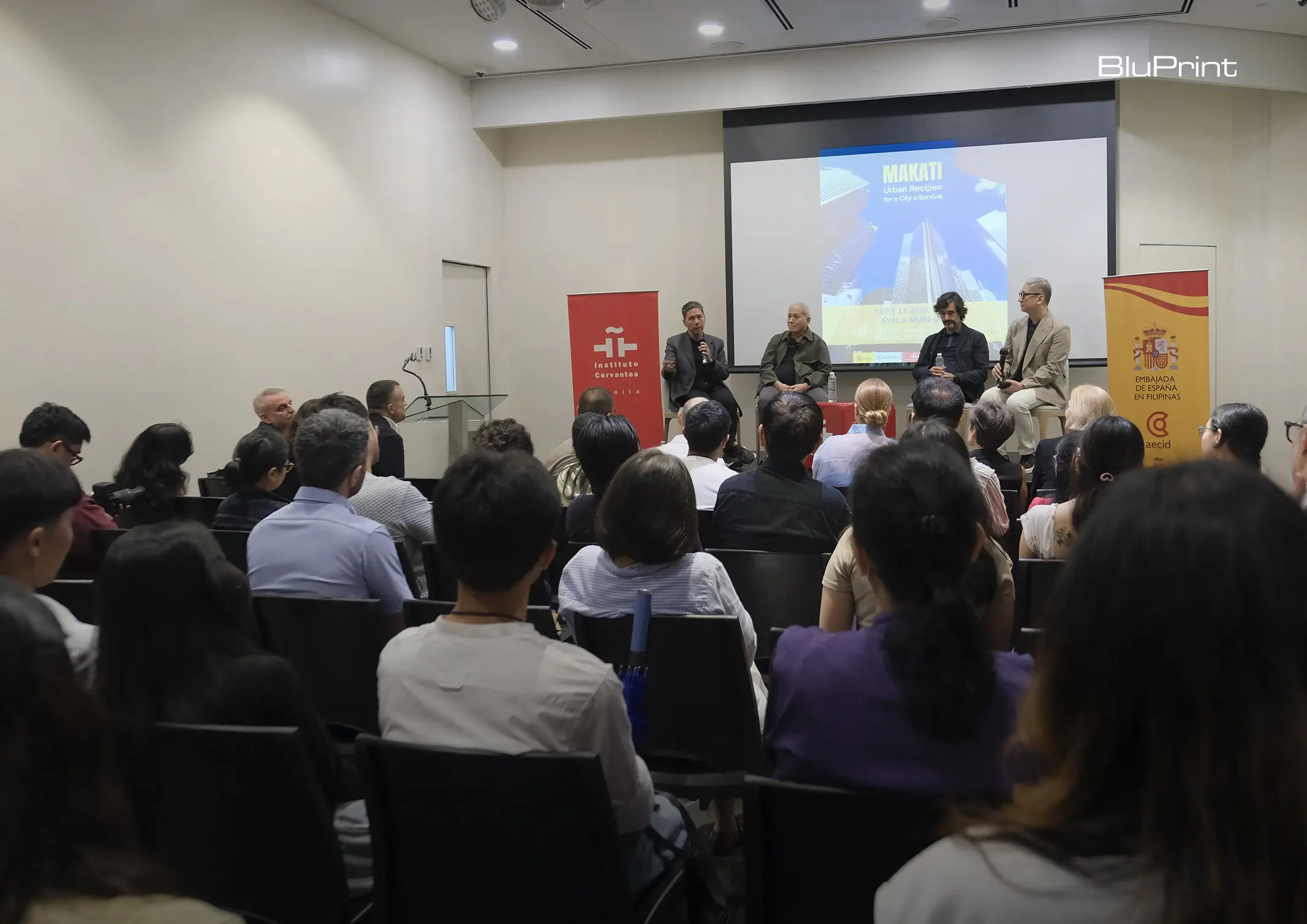
How can better-planned cities create the conditions for more creative, livable, and resilient urban environments? “Makati Urban Recipes for a City’s Survival,” a colloquium held at the Ayala Museum on September 15, brought together architects and practitioners from the fields of urbanism and the creative economy to discuss how design, planning, and collaboration can address […]
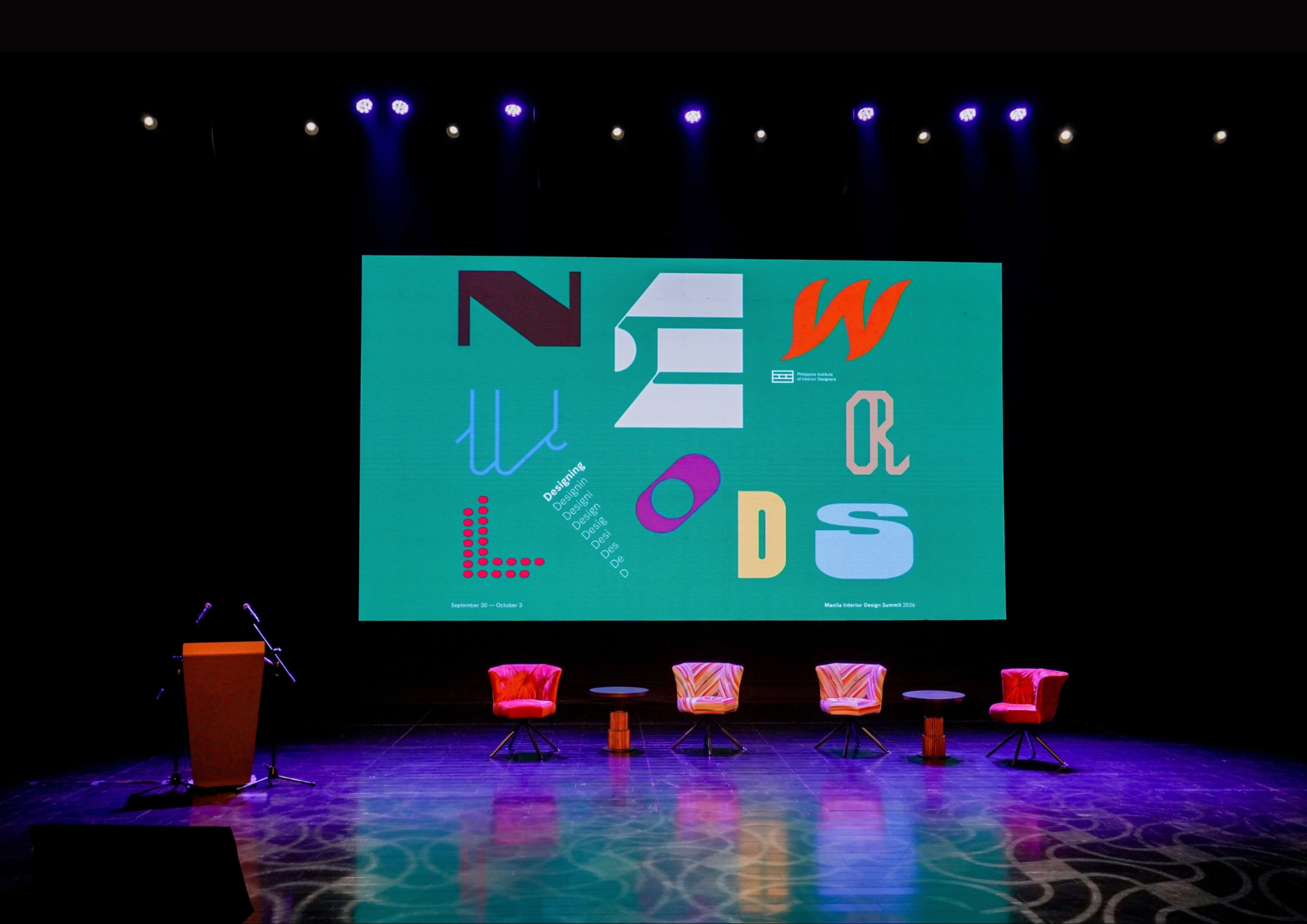
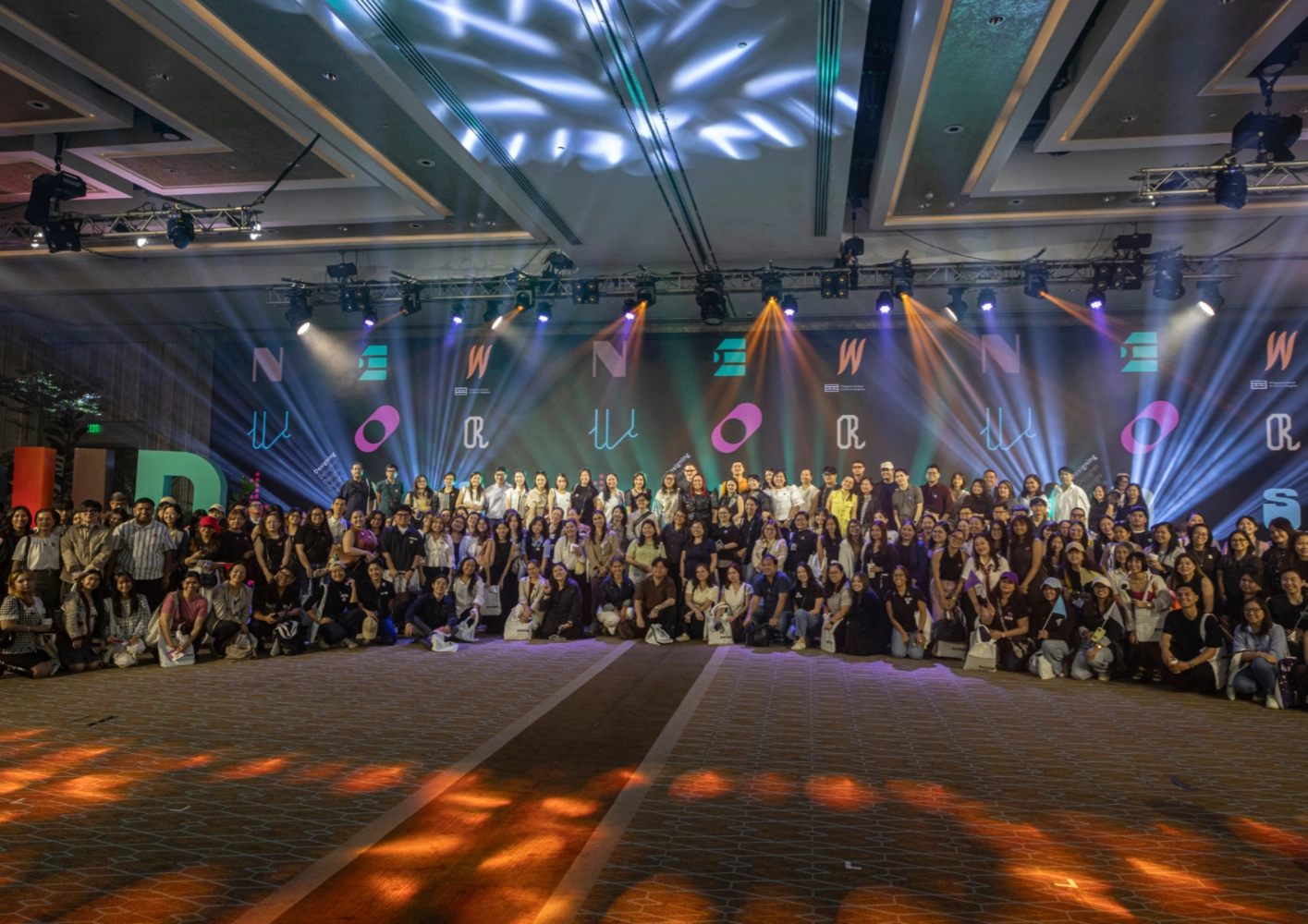
The fourth Manila Interior DesignInterior DesignThe discipline of planning and shaping interior spaces for function, comfort, safety, and beauty. It covers layout, lighting, materials, finishes, furniture, and color, and in the Philippines is a licensedGo to Interior Design Glossary Summit (MIDS) brought together more than 300 delegates for four days of conversations, exhibitions, and design […]
Read the issues.

Collect the volumes.

Recommended Video
Tap to Unmute
Unmute
0:00
0:00