The seventh edition of the Anthology ASEAN ArchitectureArchitectureThe art and science of designing and constructing buildings, structures, and spaces that are functional, safe, and aesthetically pleasing. It encompasses the planning, design, materials, and techniques used to createGo to Architecture Glossary Festival brought together over 4,000 delegates from across the Philippines and Southeast Asia for three […]
Itomachi Hotel 0: Translating Commercial Needs To The Environment



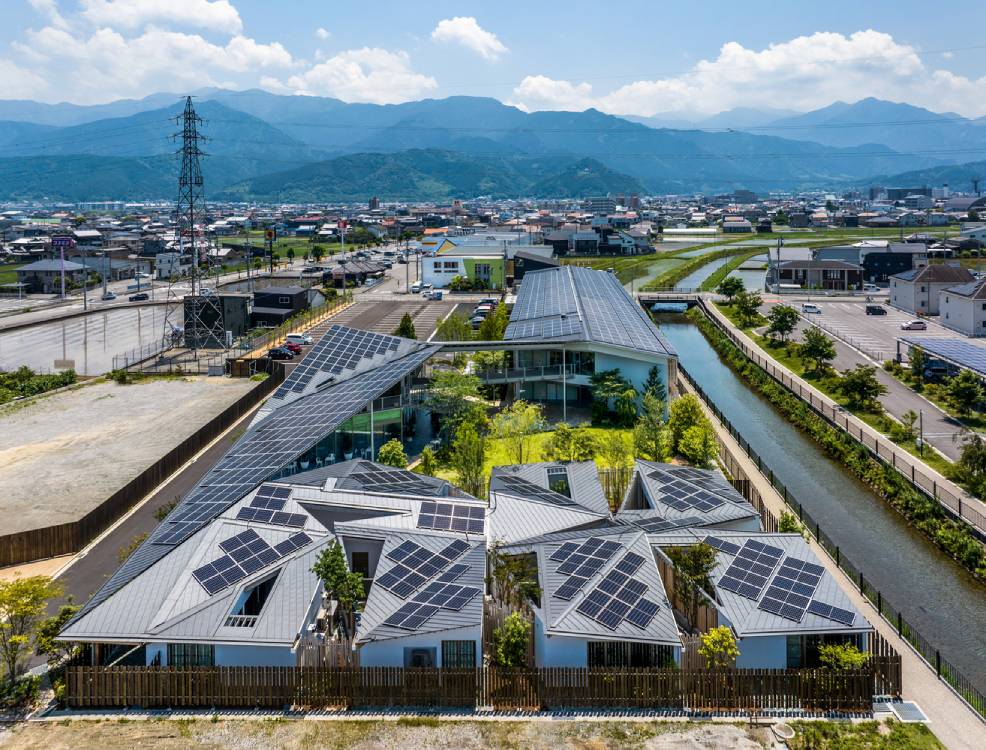
Architects are finding ever-new ways to innovate and build community-centric projects that help the people and the environment that resides alongside it. And Itomachi Hotel 0 crafts itself to meet the needs of the community. Built in the city of Saijo in Japan, and designed by Kengo Kuma & Associates, in cooperation from Takumi Saikawa Architects, the hotel’s design lines up with the principles of the Itomachi Project.
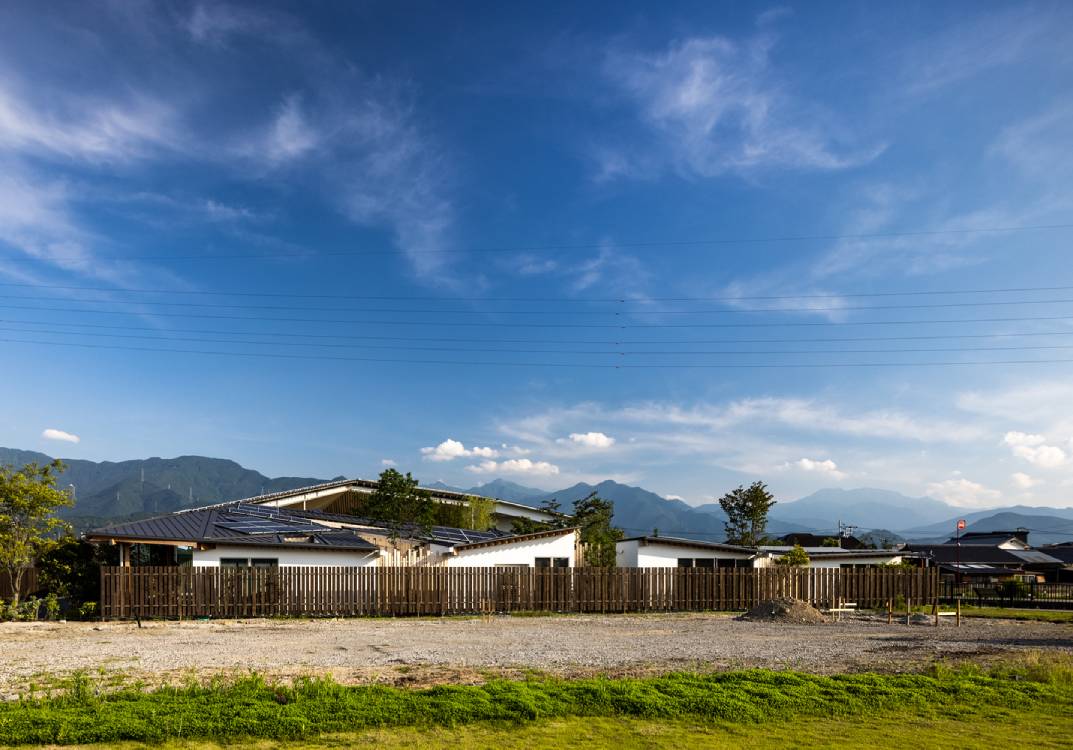
The University of Tokyo’s Kenga Kuma Laboratory spearheaded this project as a way of creating “environmentally-friendly cities based on the theme of water.” Architects held workshops and spoke with local residents to discuss their needs. They then used their research to create the “Zero Energy” hotel with a design best suited for the city.
Crafting Mountain Lodging
Itomachi Hotel 0 may be a commercial establishment. And yet, the architects built it as a community hub for the locals as well, taking advantage of the “uchinuki” water that comes from Mt. Ishizuchi. Uchinuki, which roughly translates as “extracted,” refers to the mountain spring water extracted from the hotel’s central garden. This garden also functions as the hotel’s “outdoor living room” and can be used for performances and other activities.
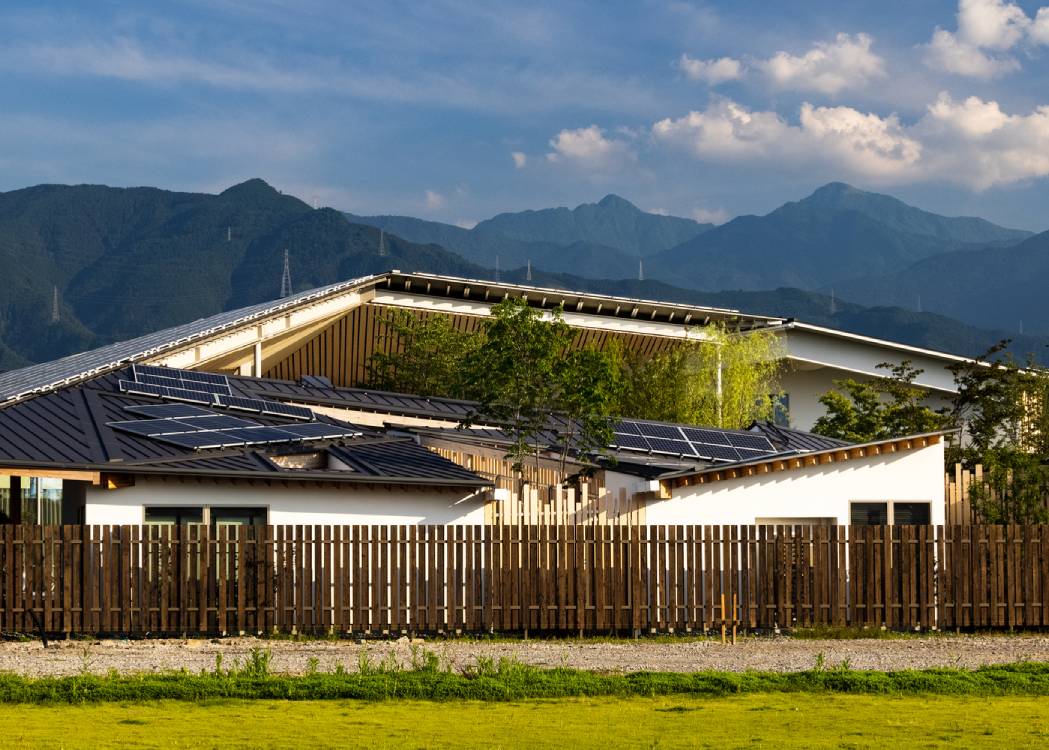
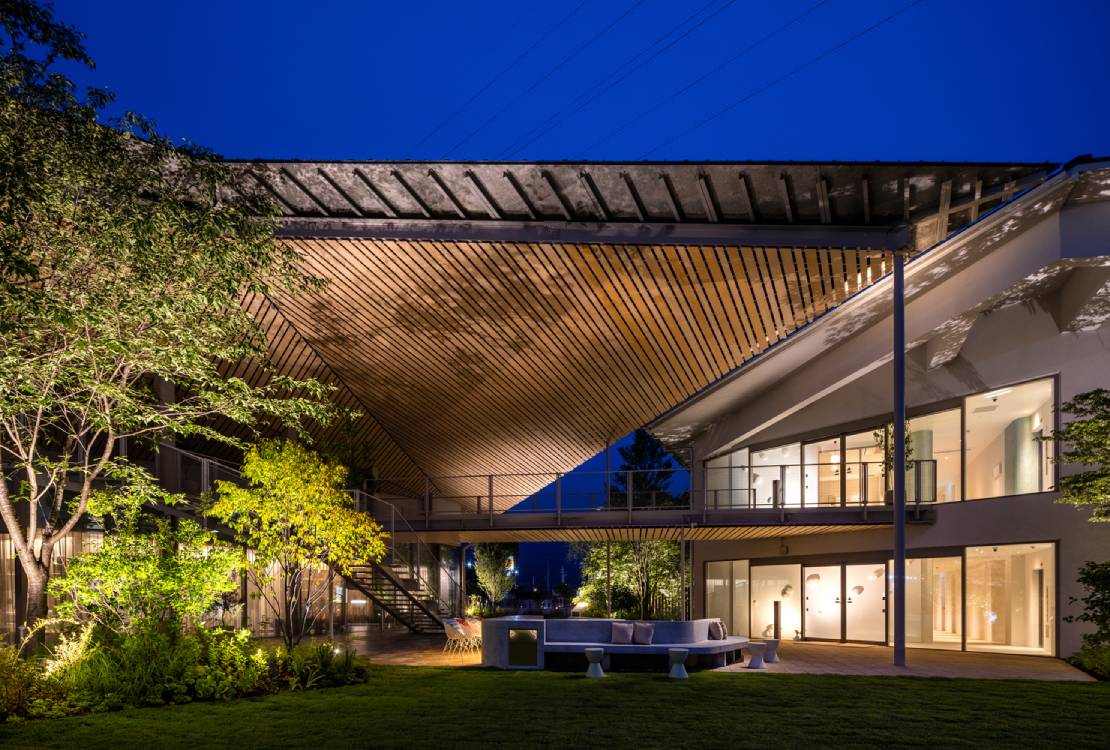
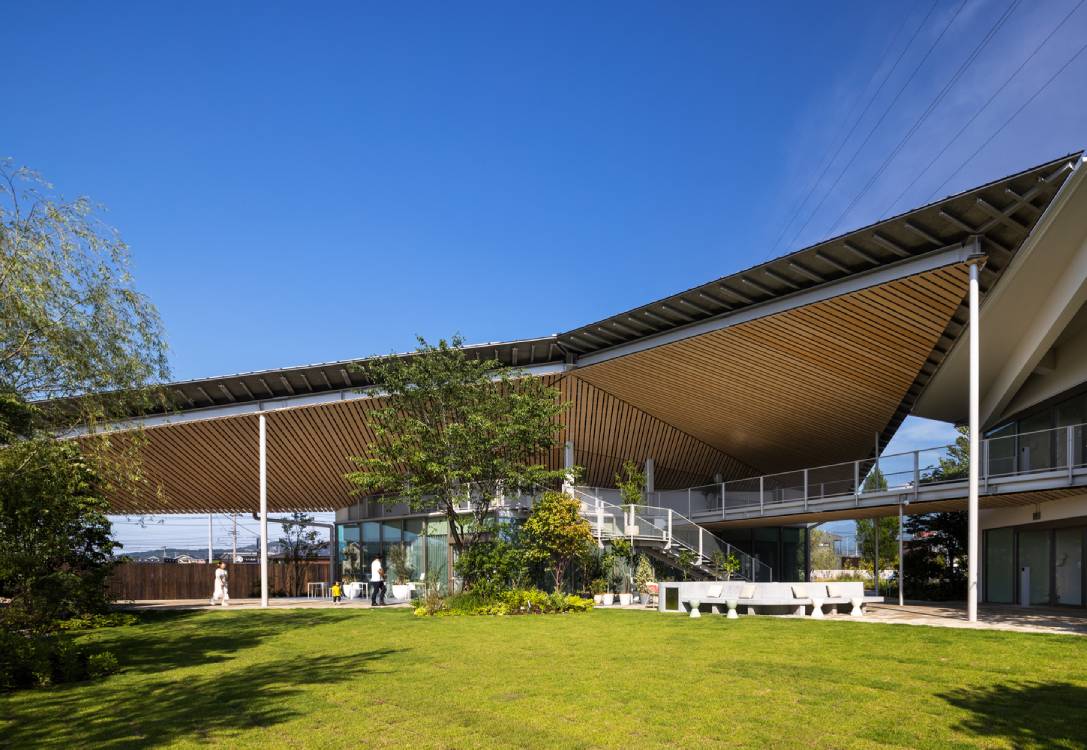
This inclusion of green space exemplifies how the architects fosters a sense of community. The massive garden contains trees and benches for people to enjoy the scenery. Its open design and connection with the surrounding nature create a feeling of inclusivity and encourage interaction with the environment.
It’s as if the hotel’s roofs deliberately give way for the trees to grow. The roofs are covered in solar panels to ensure that the area is environmentally-friendly, and the various angles allow the buildings to receive the optimal amount of sunlight every day. These panels are essential in creating the “Zero Energy” establishment.
Symbiotic Creation
While Itomachi Hotel 0 keeps the communal areas distinct from the lodging areas, there’s still an effort to seamlessly integrate with the surrounding environment. Open-air hallways between rooms and strategic openings in the roof to bathe the hotel in sunlight. The deliberate use of plants in these spaces blur the lines between the hotel and the nature around it. Timber planks hide the air-conditioning units while maintaining the hotel’s drive as an environmentally-conscious building.
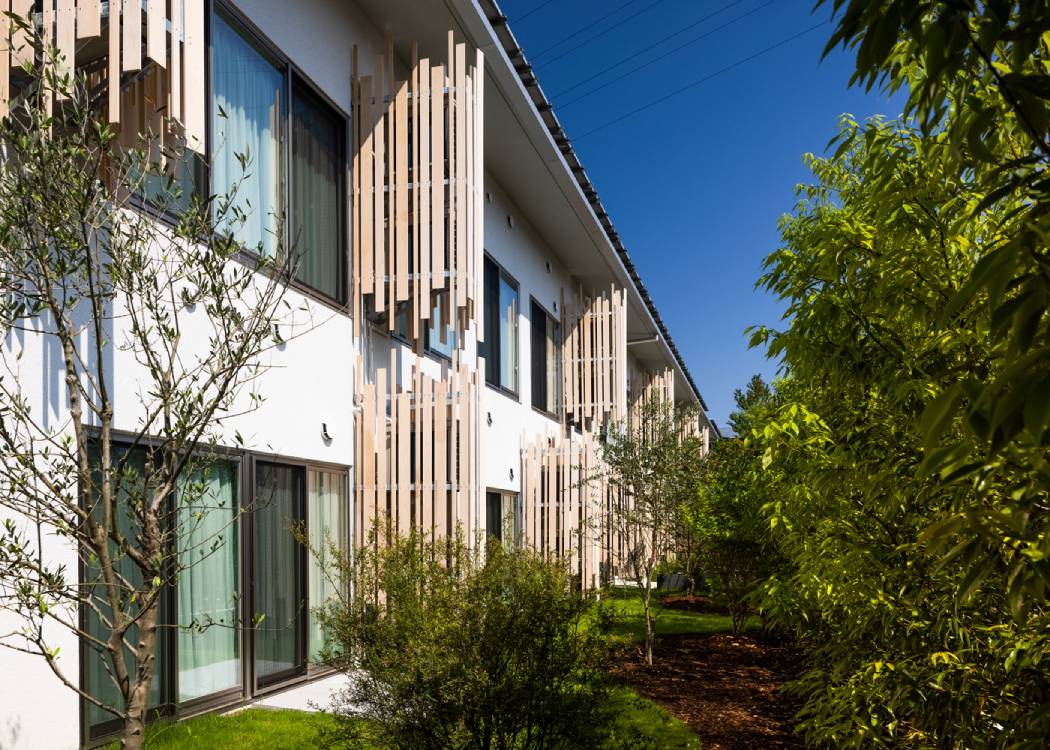
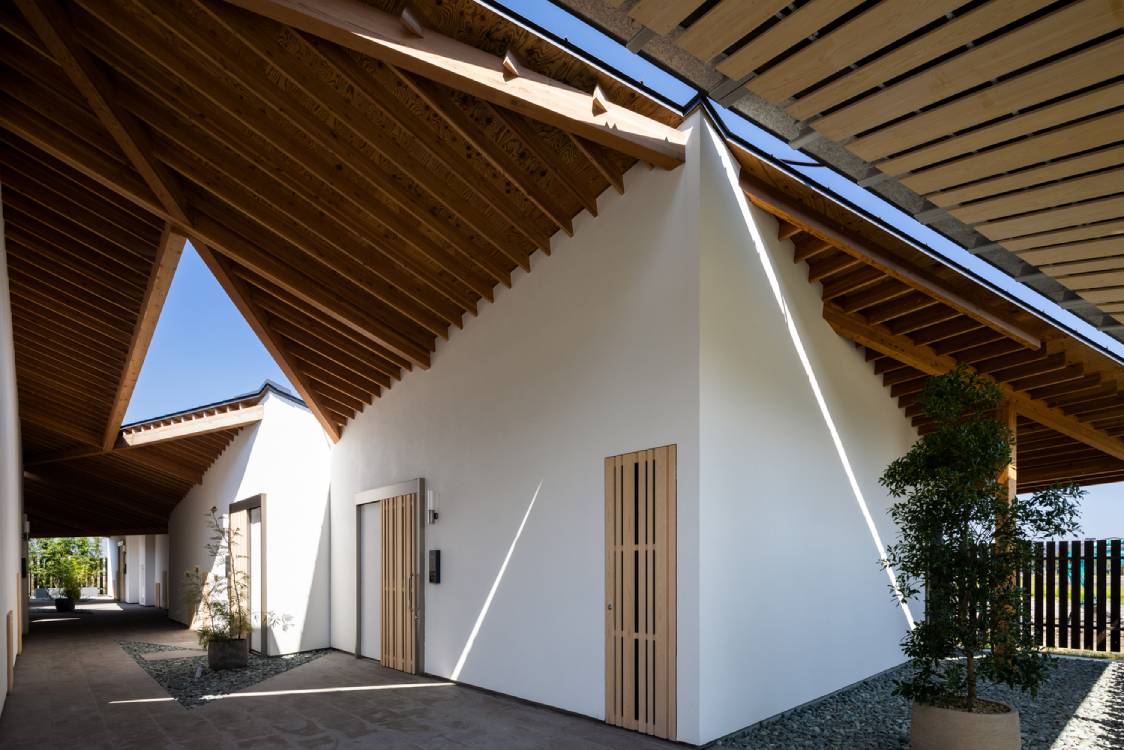
Nature itself is utilized to give the lodgers a sense of privacy, yet every room looks out into green spaces are potted next to the rooms, or outside of the windows next to the walls. The result is a sense of seclusion achieved without sacrificing connection to the natural world.
Marrying the Commercial and the Communal
Itomachi Hotel 0 transcends its impressive architectureArchitectureThe art and science of designing and constructing buildings, structures, and spaces that are functional, safe, and aesthetically pleasing. It encompasses the planning, design, materials, and techniques used to createGo to Architecture Glossary by fostering a unique connection with the surrounding community. It achieves this through a thoughtful balance of commerce and social responsibility.
The hotel leverages its natural environment for the benefit of all. This focus extends to the creation of a welcoming space. Unlike some urban hotels that feel isolated, Itomachi Hotel 0 fosters a sense of openness and inclusivity. It moves away from the typical seclusion of city hotels, inviting the community to connect and engage with the space.
Related reading: The Cliff Hotel Jeju: How to Accentuate the Environment Around Us
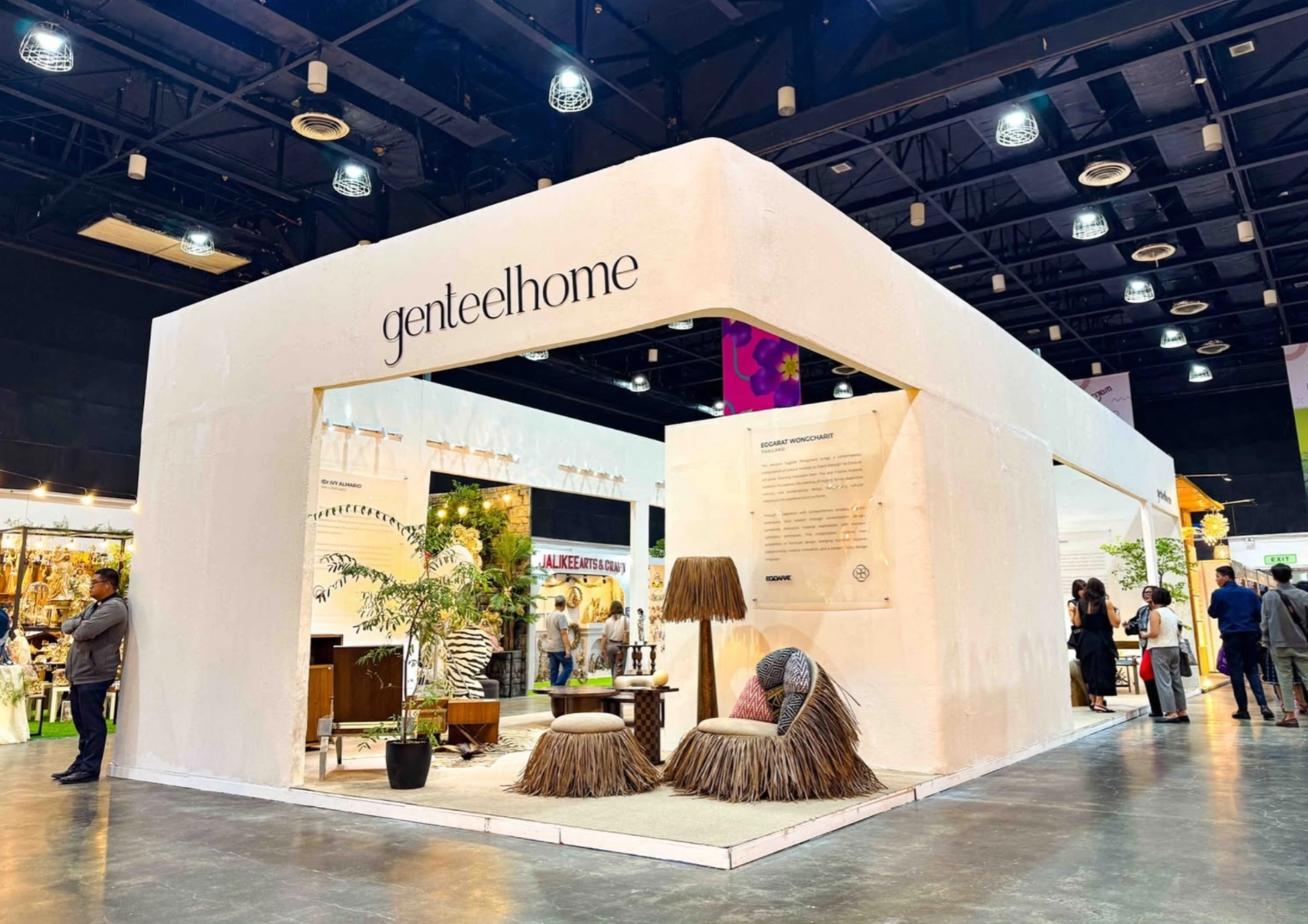
Bigkis is the act of binding. In Tagalog, the word can refer to something used to bind or encircle, as well as a bundle formed by tying several separate elements together. Figuratively, it can also mean a bond, union, or unity. The meanings move from the physical act of joining things together to the connection […]
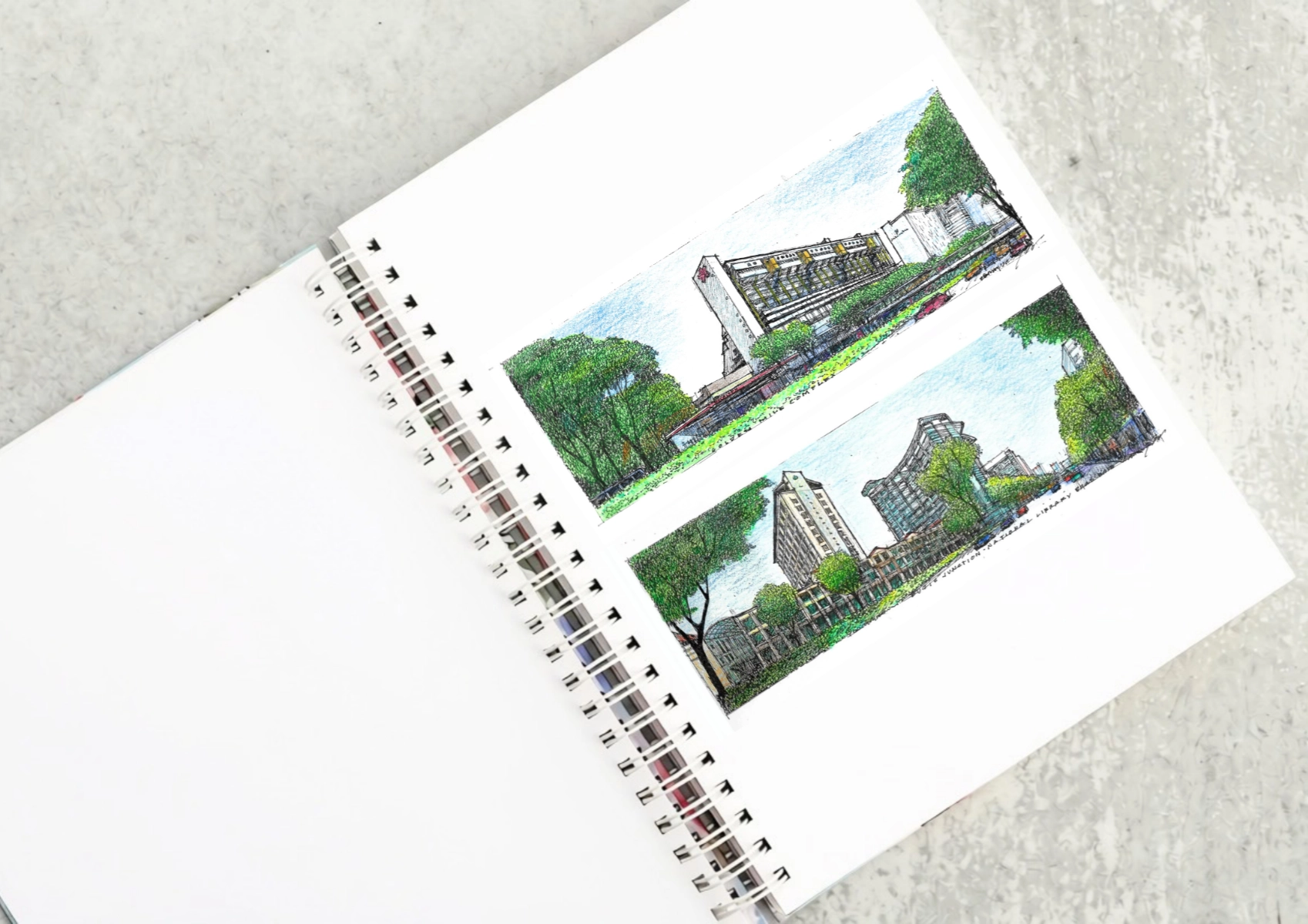
Two sketches of Singapore connect BluPrint Editor in Chief Paulo G. Alcazaren’s personal and professional history with Shared Ground: ArchitectureArchitectureThe art and science of designing and constructing buildings, structures, and spaces that are functional, safe, and aesthetically pleasing. It encompasses the planning, design, materials, and techniques used to createGo to Architecture Glossary of Care, Culture, […]
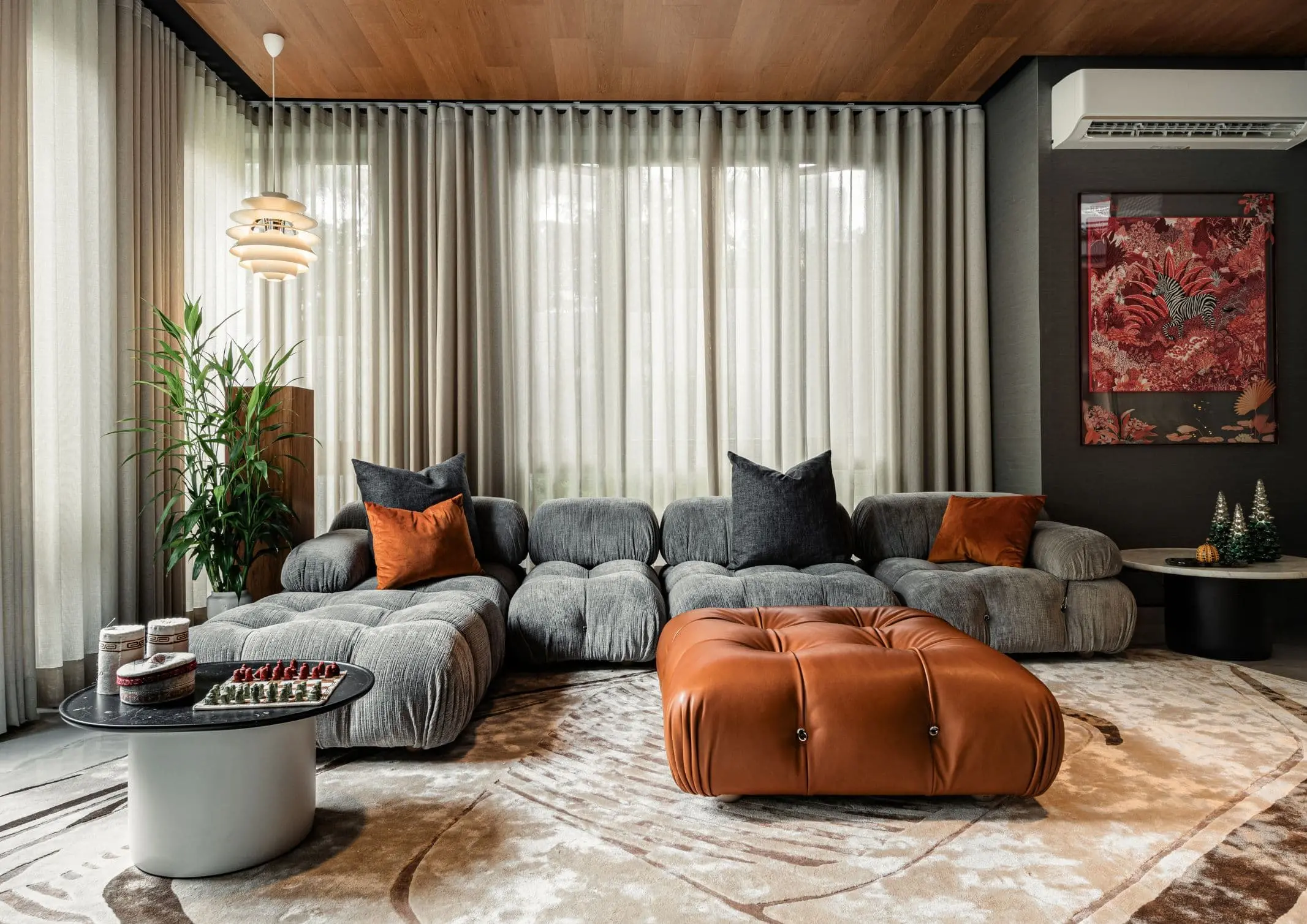
Some have become household names – Coleman, Oster, and KitchenAid – products that have found their way into Filipino kitchens, homes and family routines. In home furnishings, brands such as B&B Italia, Ethan Allen, Sub-Zero, Miele, SieMatic, Louis Poulsen, Hunter Douglas, Tempur, and Technogym, have helped shape the way Filipinos live. From everyday essentials to […]
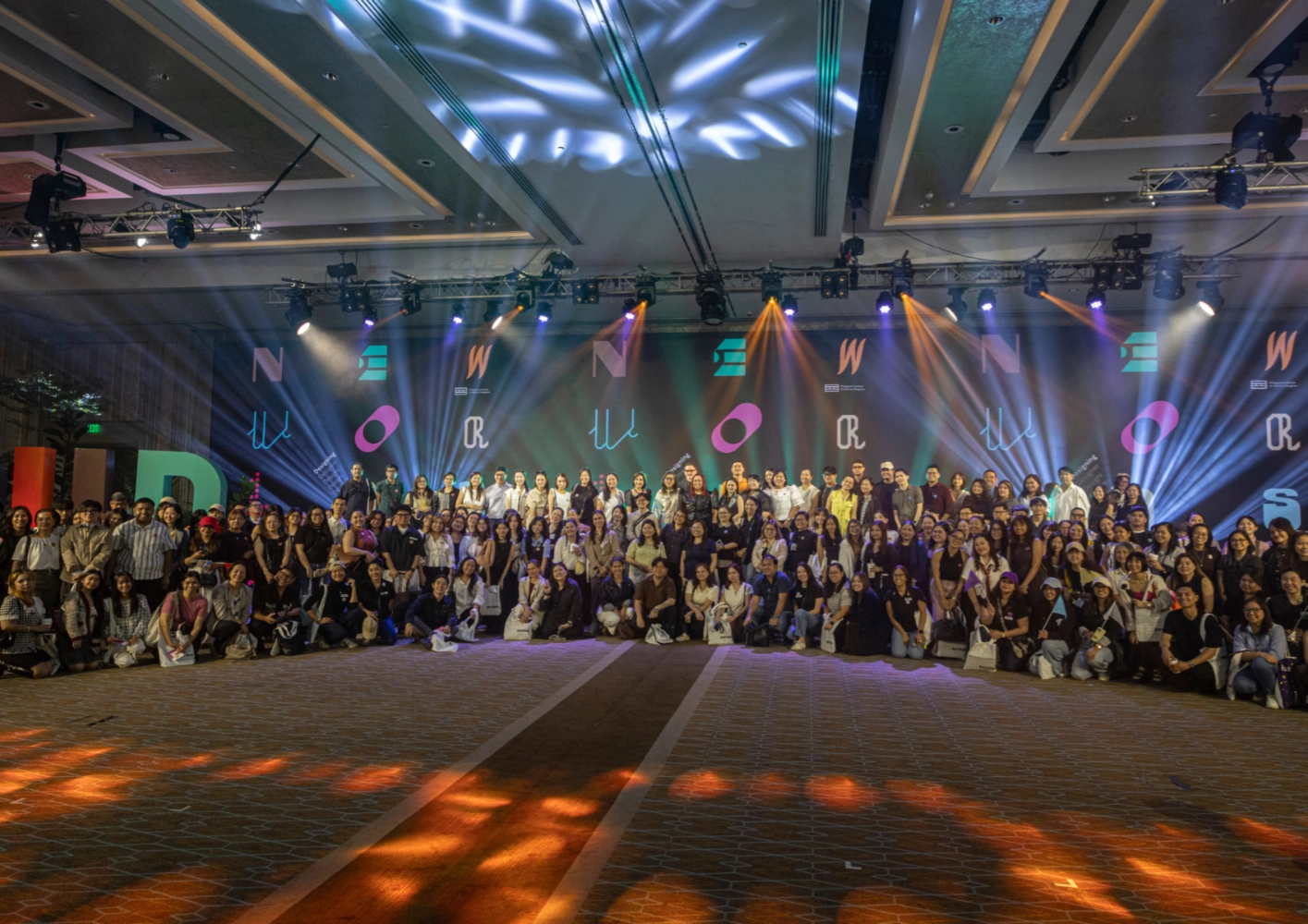
In a way, designers are the modern-day soothsayers and prophets. They design for the future, predicting how a room, a house, a building or a whole city will be used by people. They foresee how users will interact with a space, conjure exact shades of colors to elicit specific behavior and arrange furniture to build […]
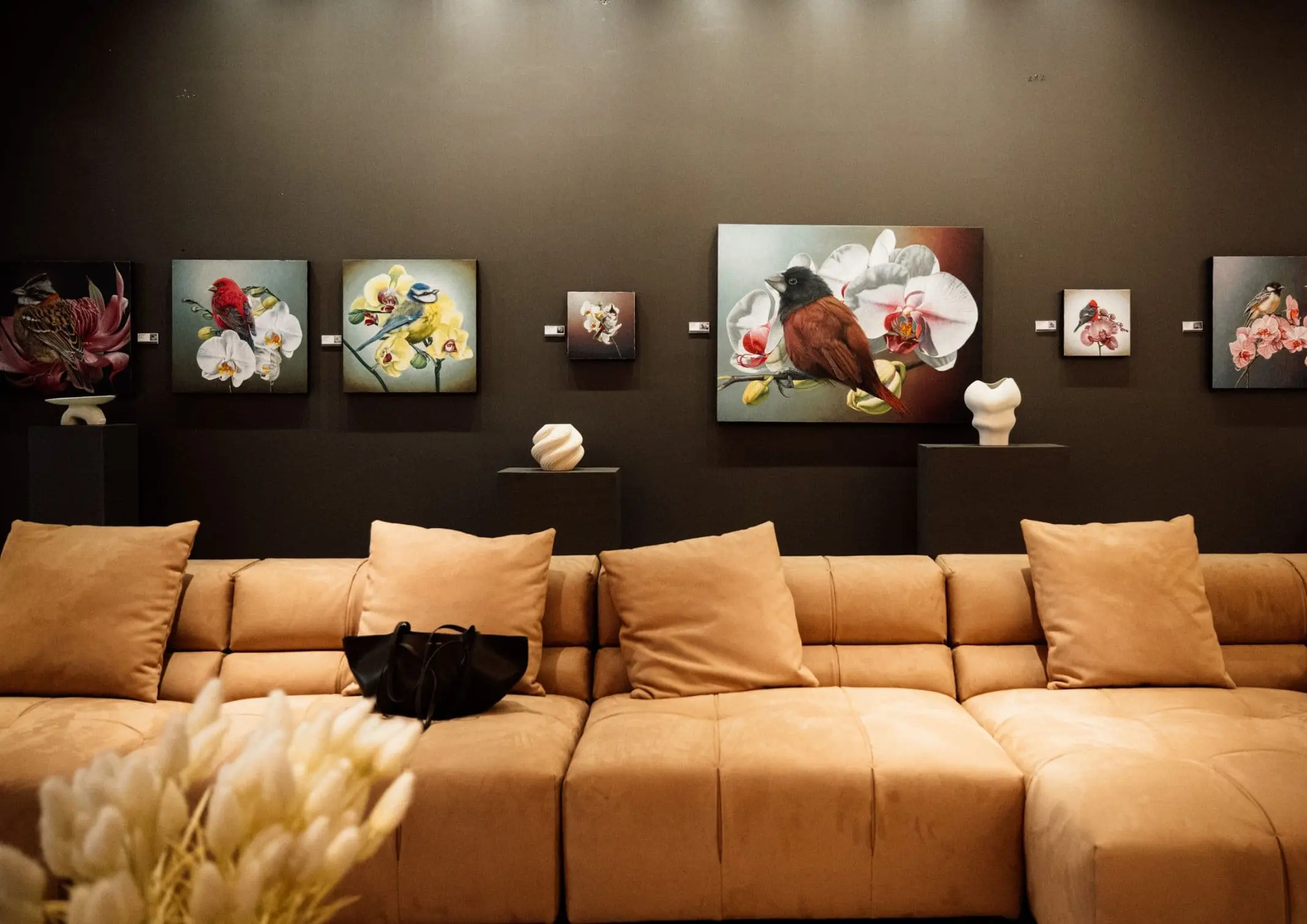
Art and furniture are often selected separately, yet their relationship can shape how a room looks and feels. The collaboration between Hooga and Galerie Joaquin explores how these elements can work together, bringing contemporary artworks into furnished residential settings at Hooga’s showroom in Uptown Mall, Bonifacio Global City. For Hooga, which curates furniture, lighting, and […]
Read the issues.

Collect the volumes.

Recommended Video
Tap to Unmute
Unmute
0:00
0:00