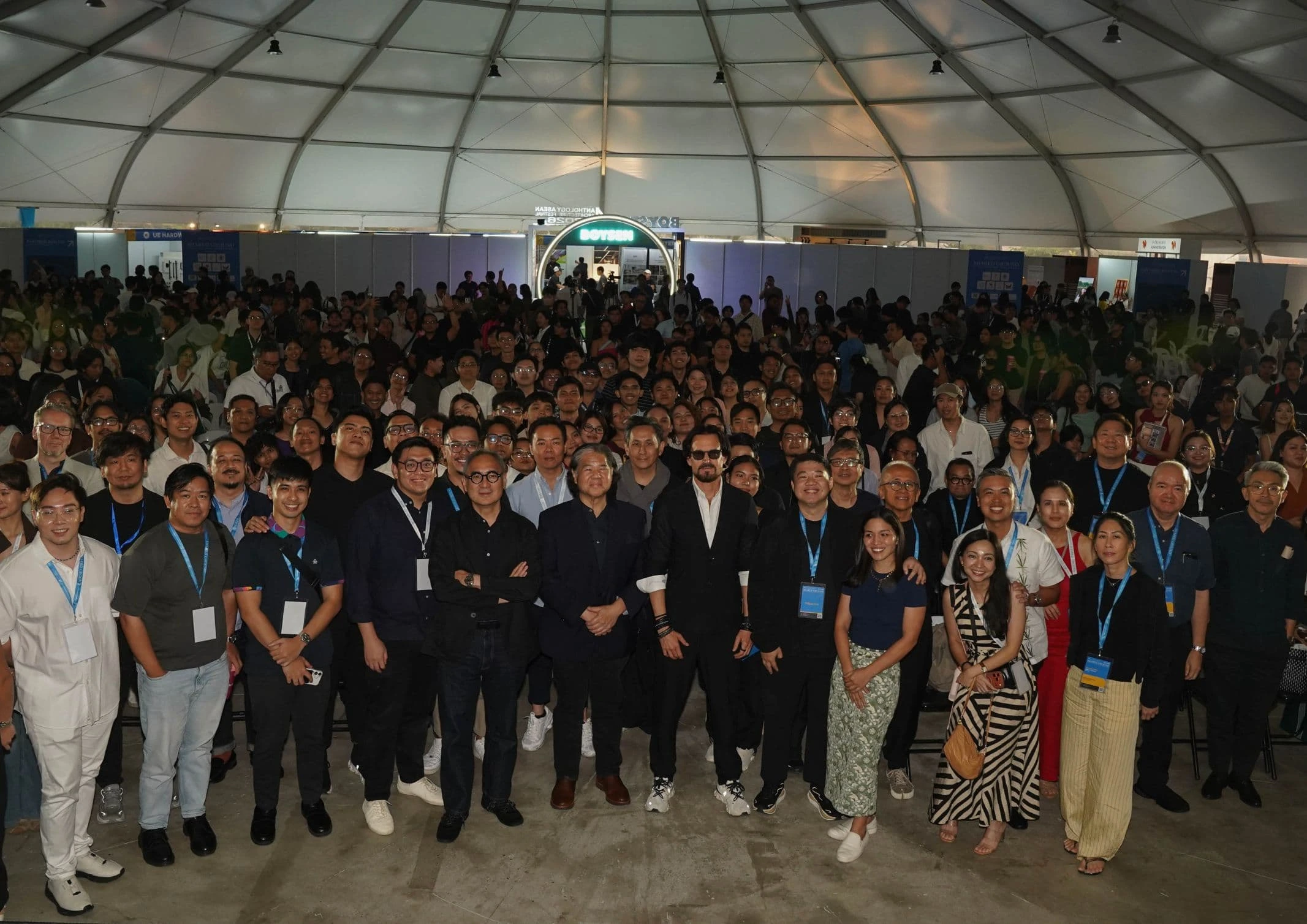
The seventh edition of the Anthology ASEAN ArchitectureArchitectureThe art and science of designing and constructing buildings, structures, and spaces that are functional, safe, and aesthetically pleasing. It encompasses the planning, design, materials, and techniques used to createGo to Architecture Glossary Festival brought together over 4,000 delegates from across the Philippines and Southeast Asia for three […]
Crafting a Haven: House C Balances Tradition, Innovation, and Raw Aesthetics



In the heart of Baguio, where tradition and modernity coexist in a delicate dance, stands a home that is more than just a shelter—it’s a living testament to the art of architectureArchitectureThe art and science of designing and constructing buildings, structures, and spaces that are functional, safe, and aesthetically pleasing. It encompasses the planning, design, materials, and techniques used to createGo to Architecture Glossary as a narrative medium. Designed by Aris Go, Principal Architect of Ninety Design Studio, together with Junior Associate Joelle Mendoza, House C transcends conventional boundaries, merging cultural heritage with contemporary innovation in a seamless blend. The past and future meet in this space, preserving family rituals within walls that embody both history and forward-thinking design.
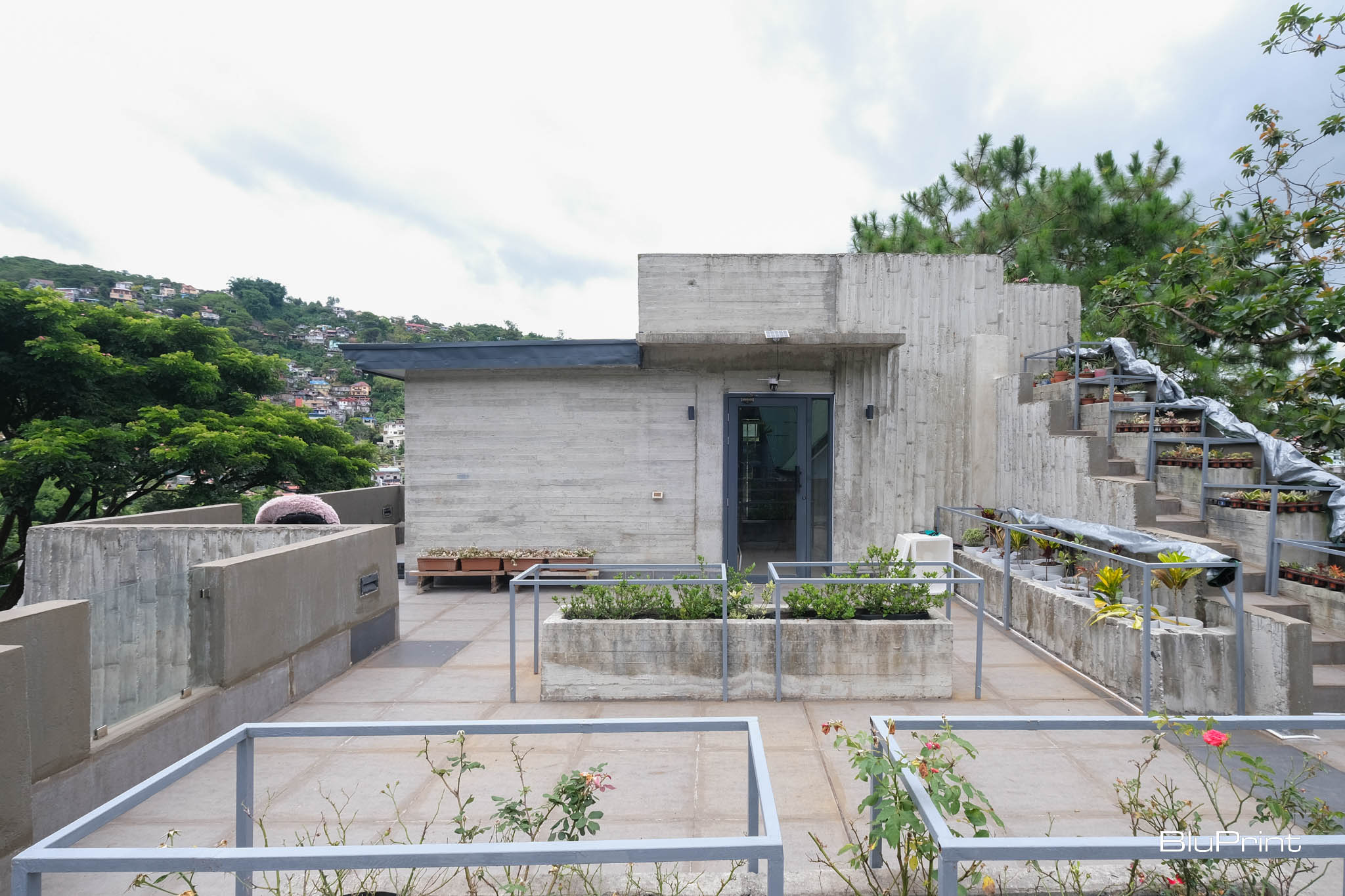
House C, set on a relatively flat landscape, embraces its cultural context and the everyday practices of the family it was designed for. This is not merely a residence but a vessel of memories, a place where the aroma of traditional cooking fires mingles with the raw, organic texture of concrete and bamboo. The home is a reflection of the family’s lifestyle, rooted deeply in tradition, yet open to the subtle complexities of modern design.
Here, architecture becomes a bridge—connecting generations, honoring the rhythms of life that unfold within, and standing as a bold statement of how thoughtful design can elevate the everyday into something extraordinary.
Honoring Tradition in Modern Design
The project began with a clear vision rooted in the family’s way of life. Situated on a relatively flat site, the house deeply respects the land and the cultural practices that define the family’s gatherings. These gatherings, often centered around cooking and sharing meals, are a vital part of their life, making it essential for the design to accommodate these cherished rituals.
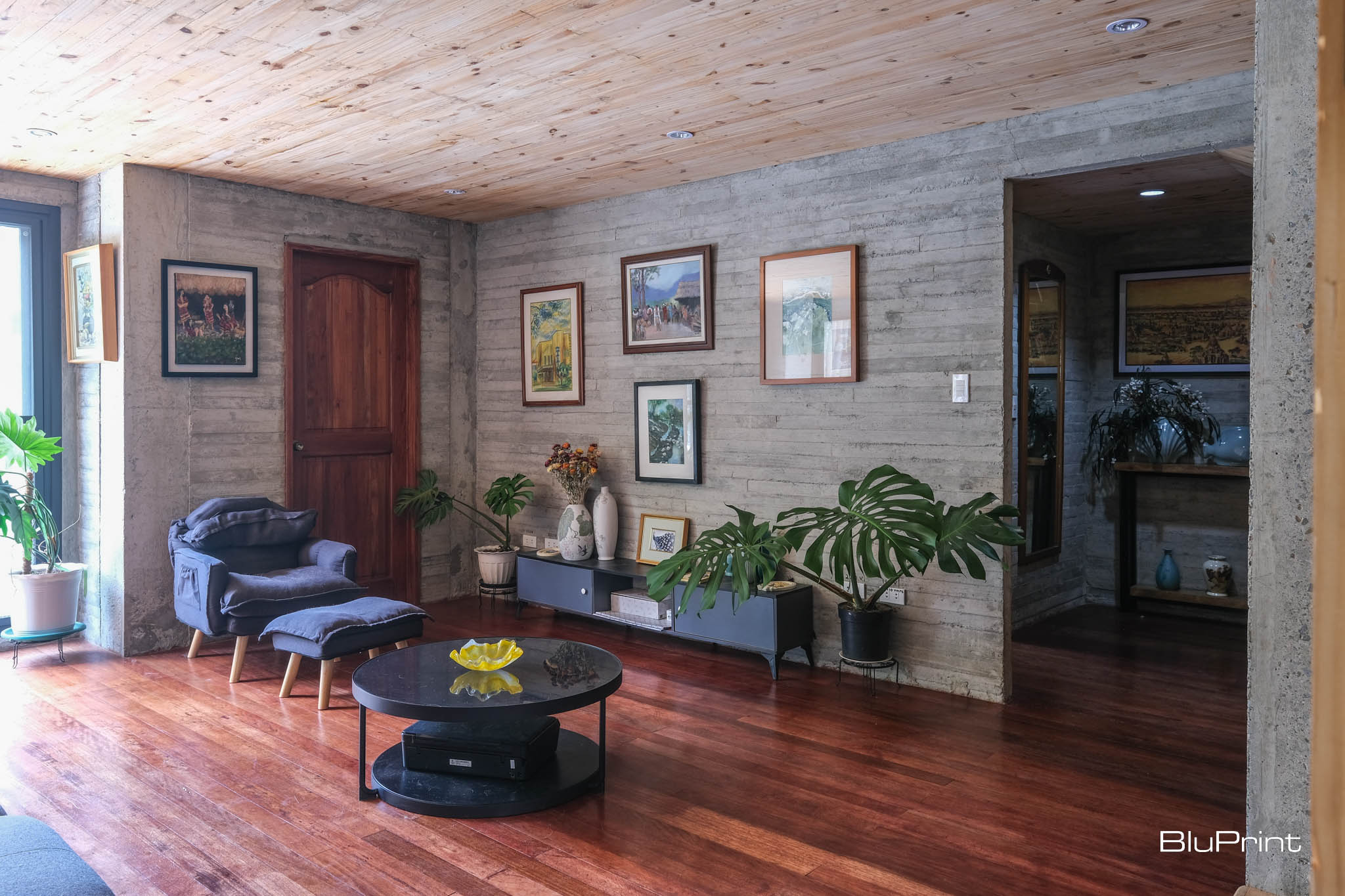
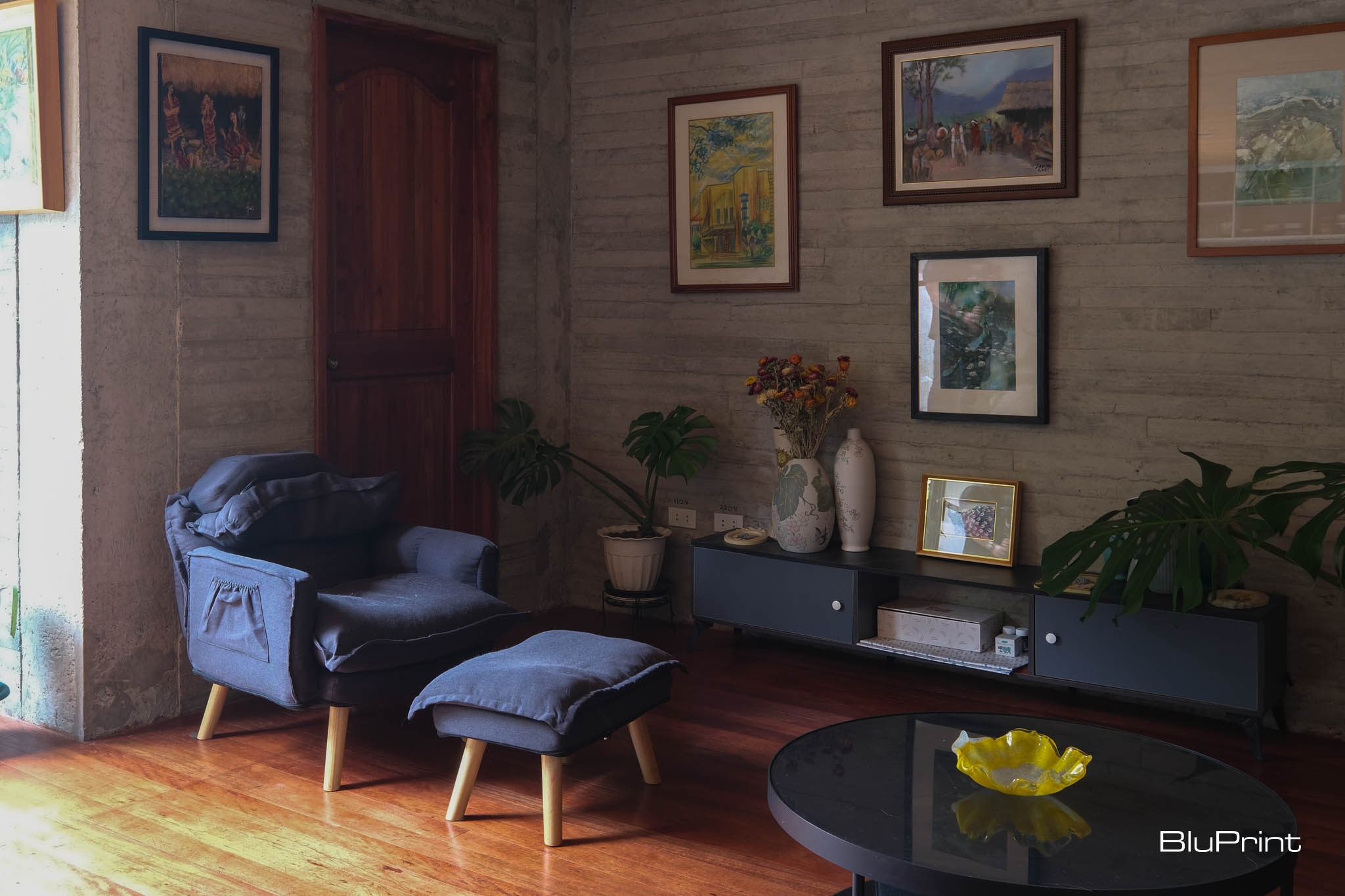
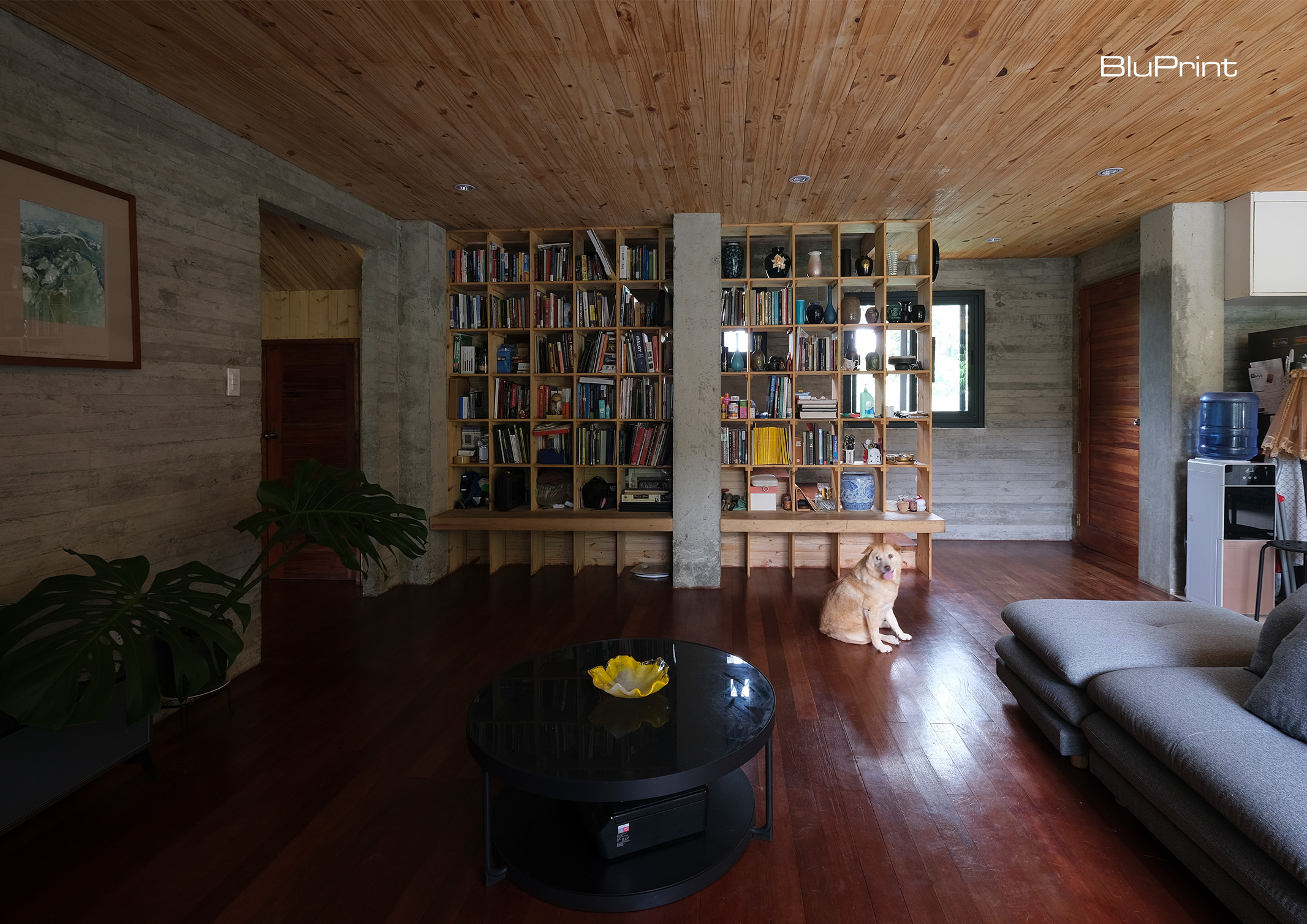
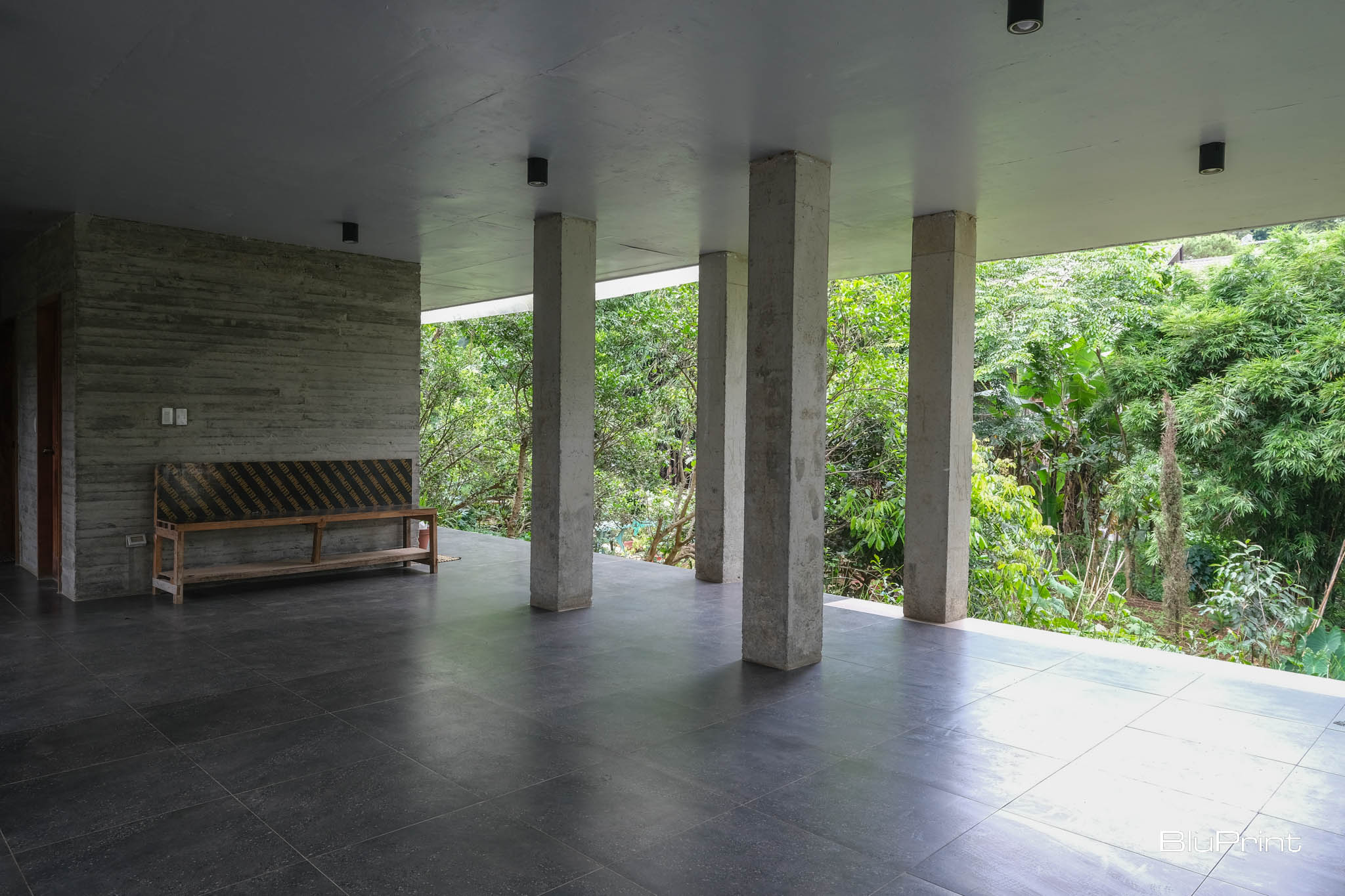
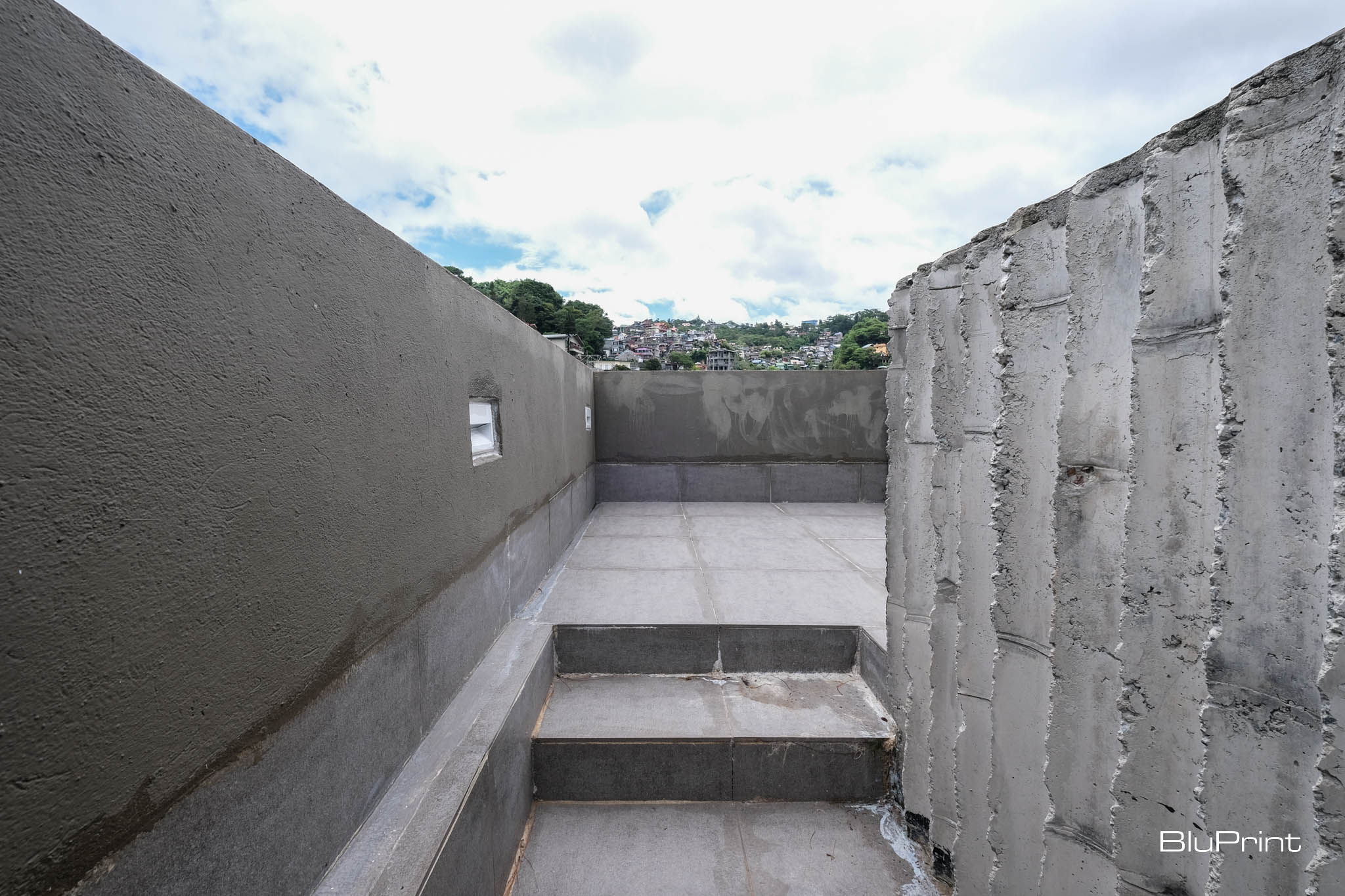
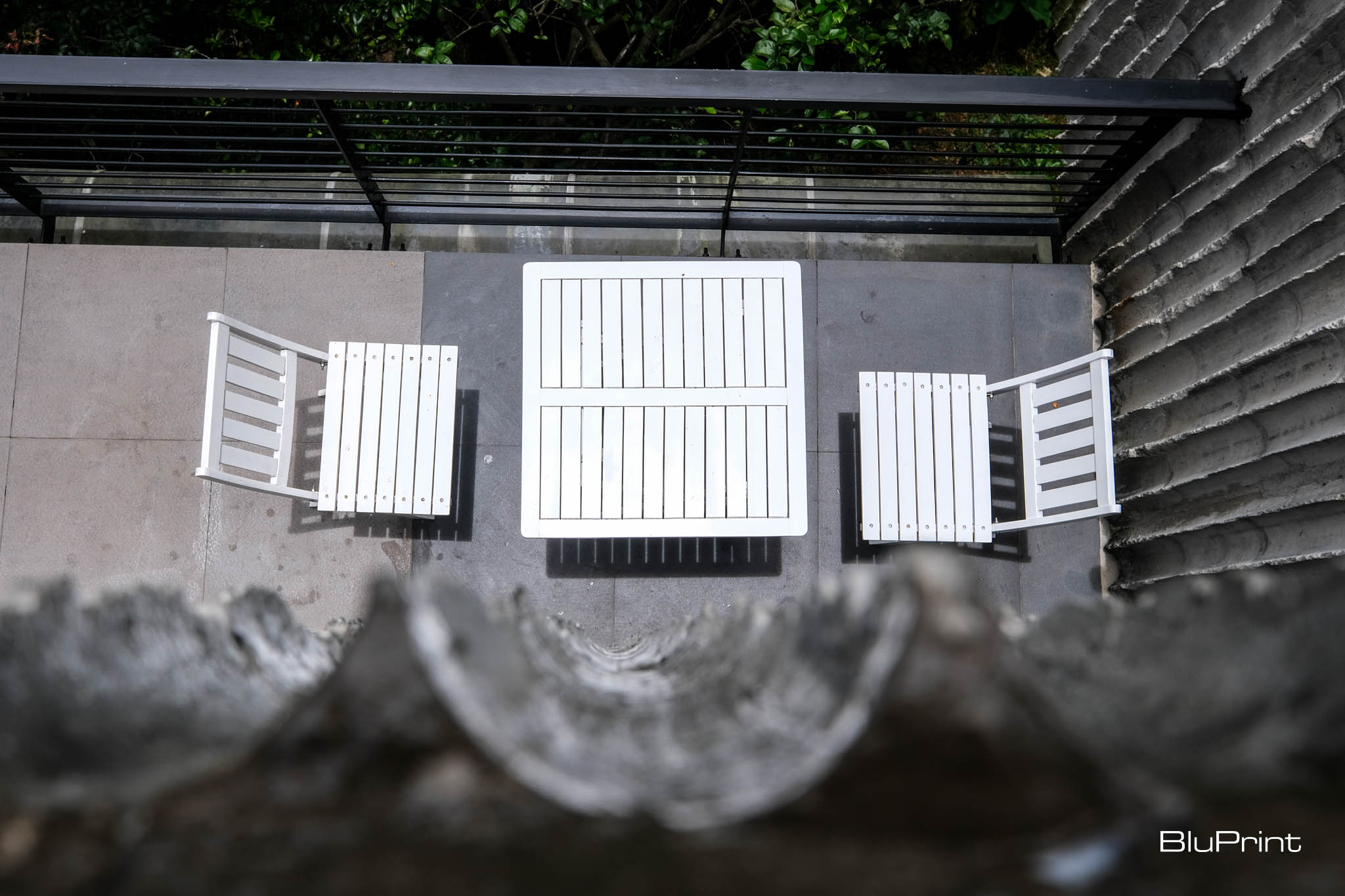
Elevating the house on stilts nods to traditional Filipino homes, while the dome structure at its center serves as the heart of the gathering space. This decision goes beyond practicality; it creates a place where the family can continue their traditions, making memories in a setting that feels both familiar and new.
Maximizing Material Utility
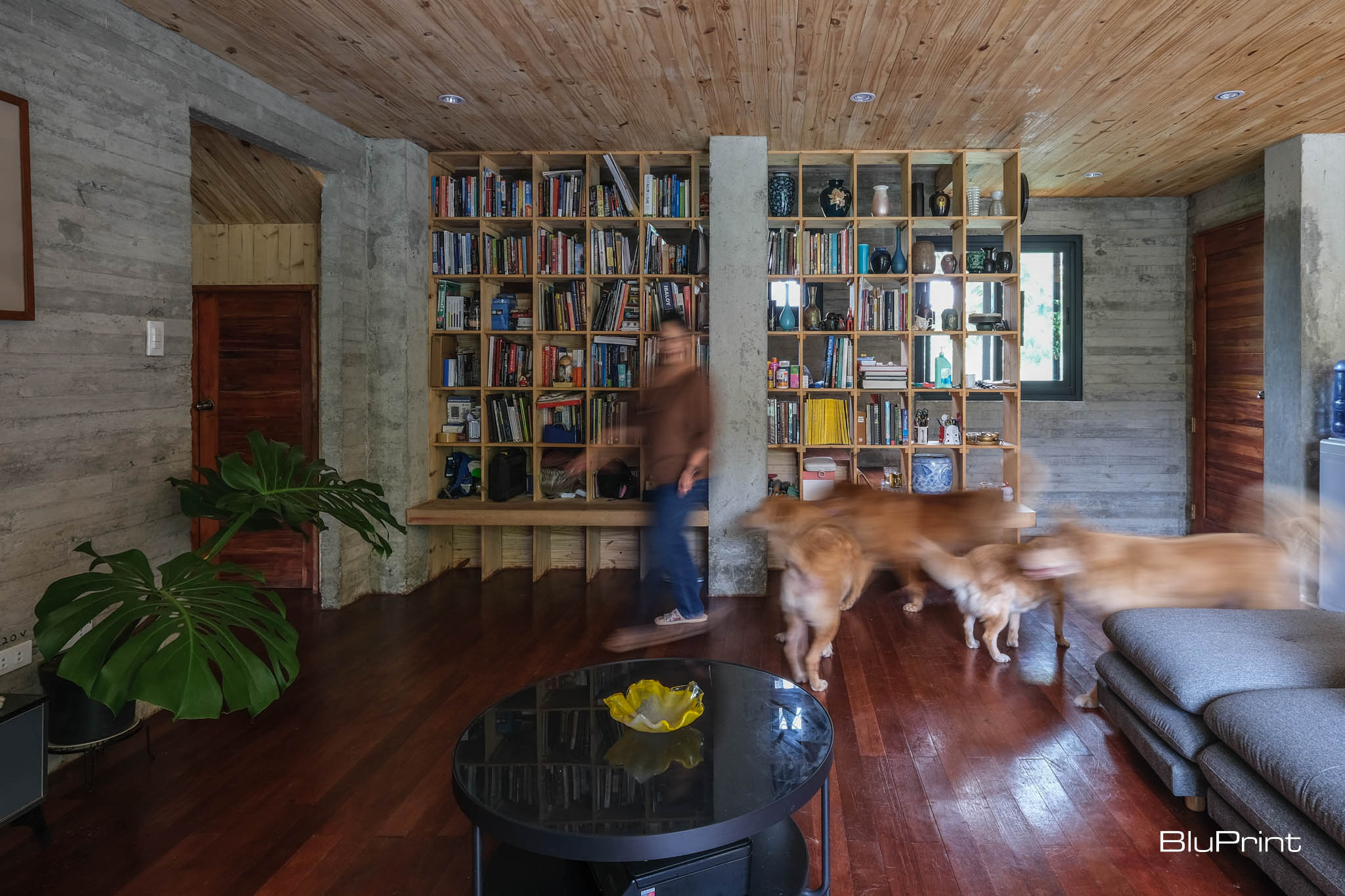
Go’s approach to this project was one of careful consideration and creativity. While the owners wanted a home that would stand the test of time, with concrete as the primary material, they also sought a design that was anything but ordinary. The challenge was to avoid the stark, industrial look often associated with concrete and instead, create a raw, organic structure that would age gracefully and blend with its surroundings.
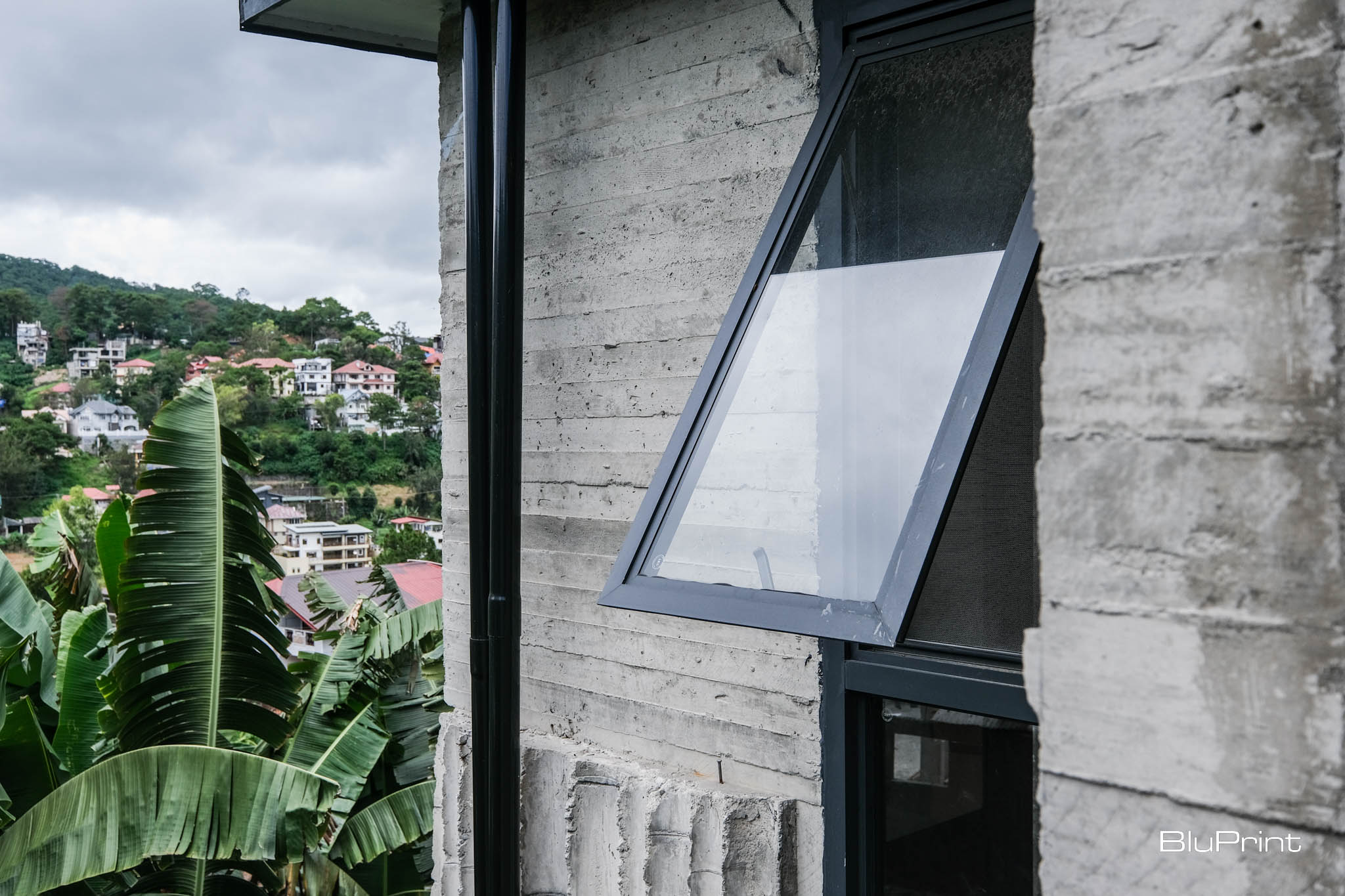
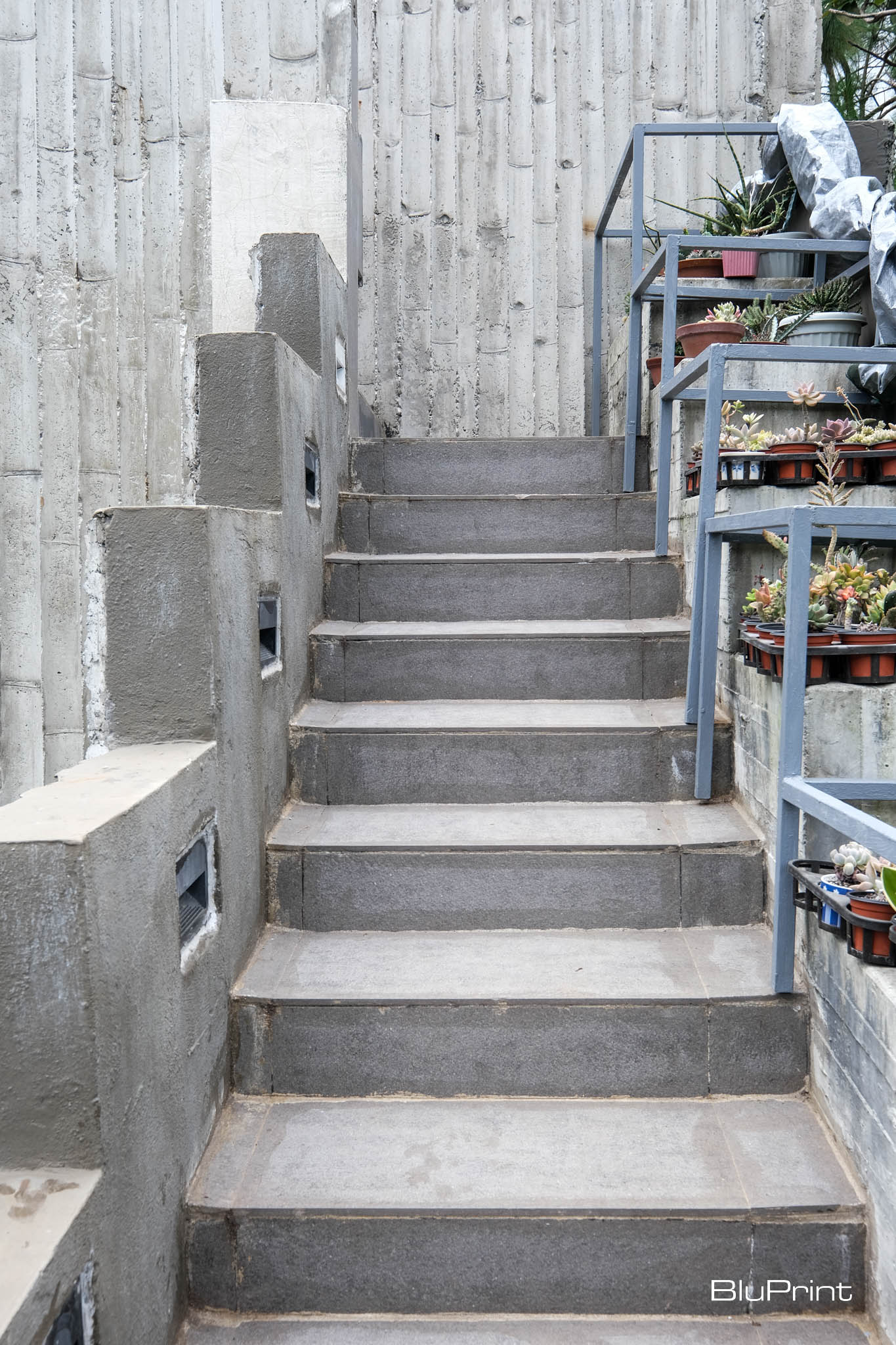
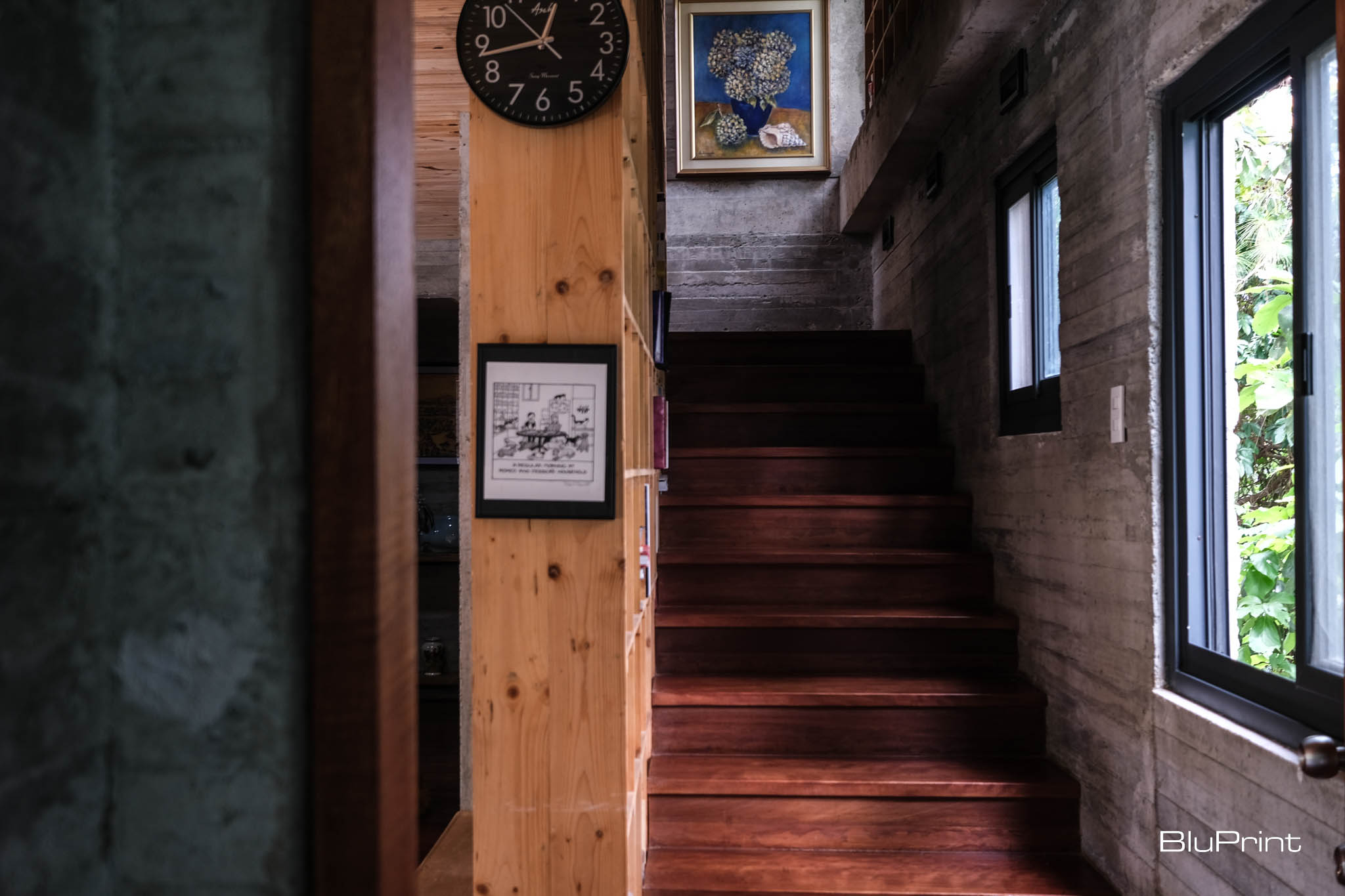
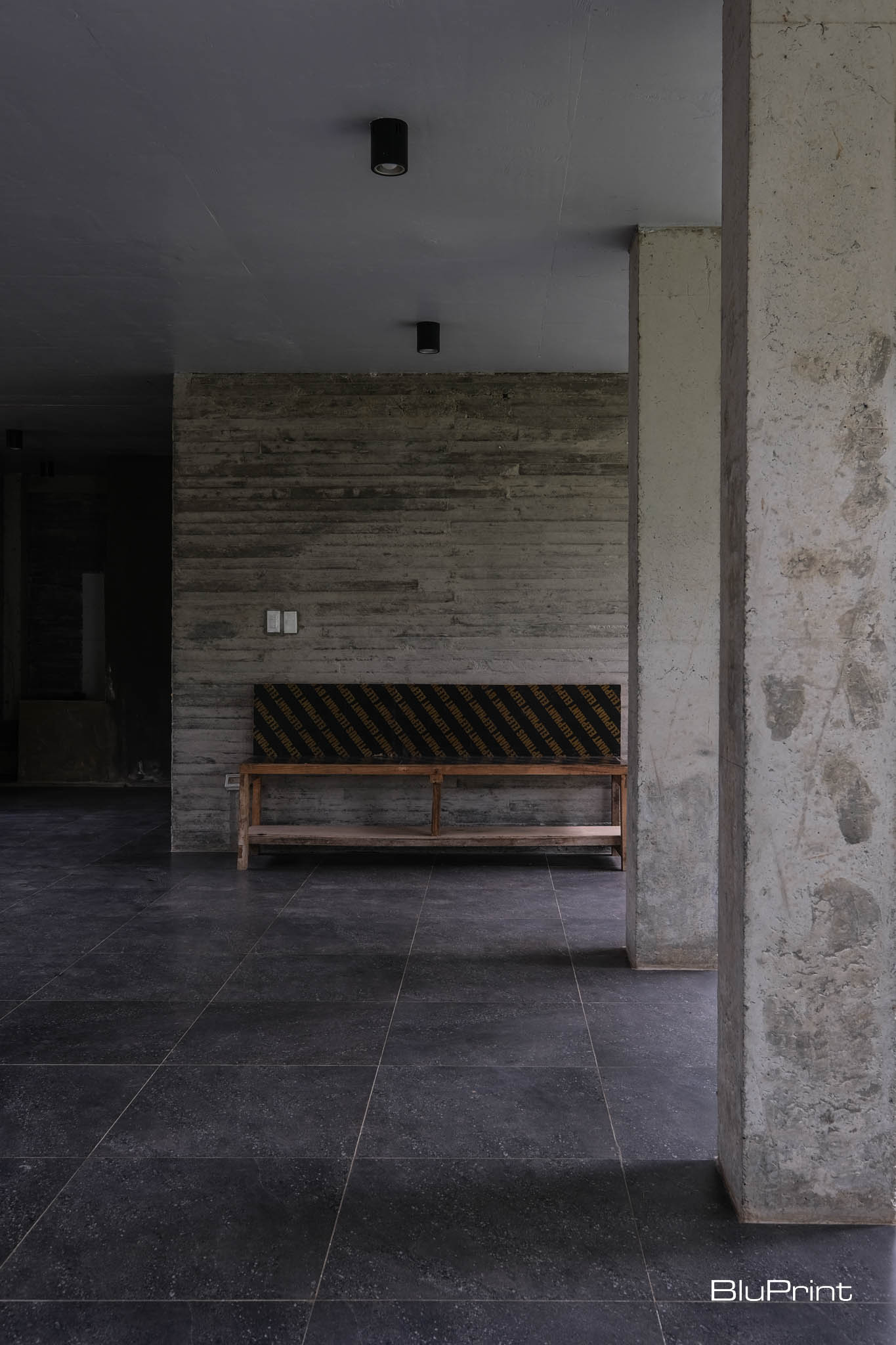
The construction process was as much an experiment as it was a build. The design intentionally forms the walls with poured concrete to avoid the appearance of standard concrete structures. The team faced numerous challenges, from custom formwork to the integration of utilities, requiring innovative solutions and a willingness to embrace imperfections. These imperfections, far from being flaws, added character to the home, telling the story of its creation.
The involvement of the owners in the construction process added a layer of intimacy to the project. They hired their own carpenters and closely monitored the progress, ensuring that every detail met their vision. This hands-on approach created a home that reflects their lifestyle and values, designed not just for them but by them.
A Raw, Organic Aesthetic
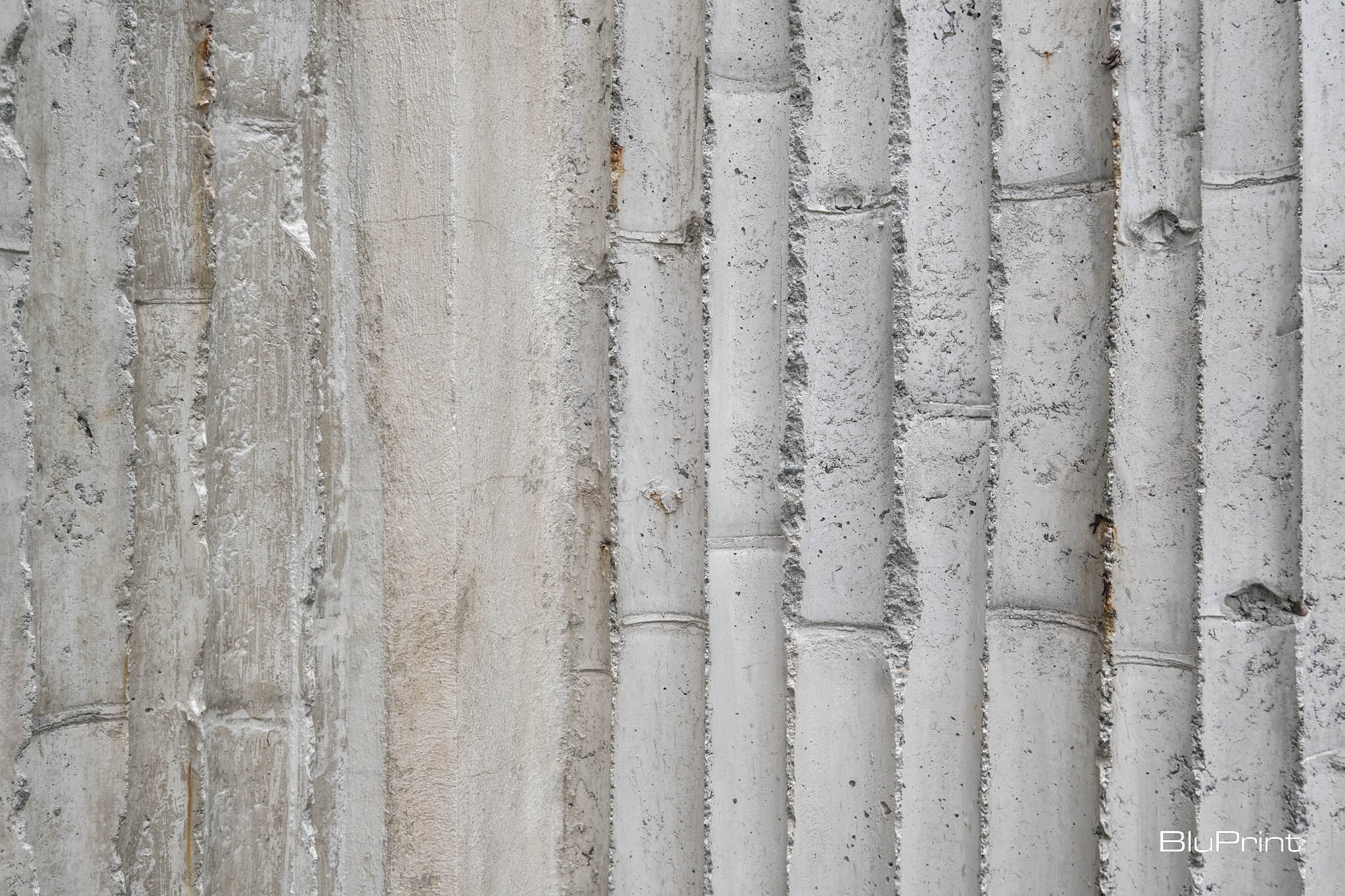
One of the standout features of the house is the creative use of materials. Inspired by Vo Trong Nghia Architects work in Vietnam, the design team used bamboo as formwork, which was later left in place to create a unique, textured finish on the walls. This decision was risky but ultimately paid off, adding an experimental edge to the project. The bamboo, with its natural imperfections, adds warmth to the concrete, softening its industrial feel and helping the house blend into its natural surroundings.
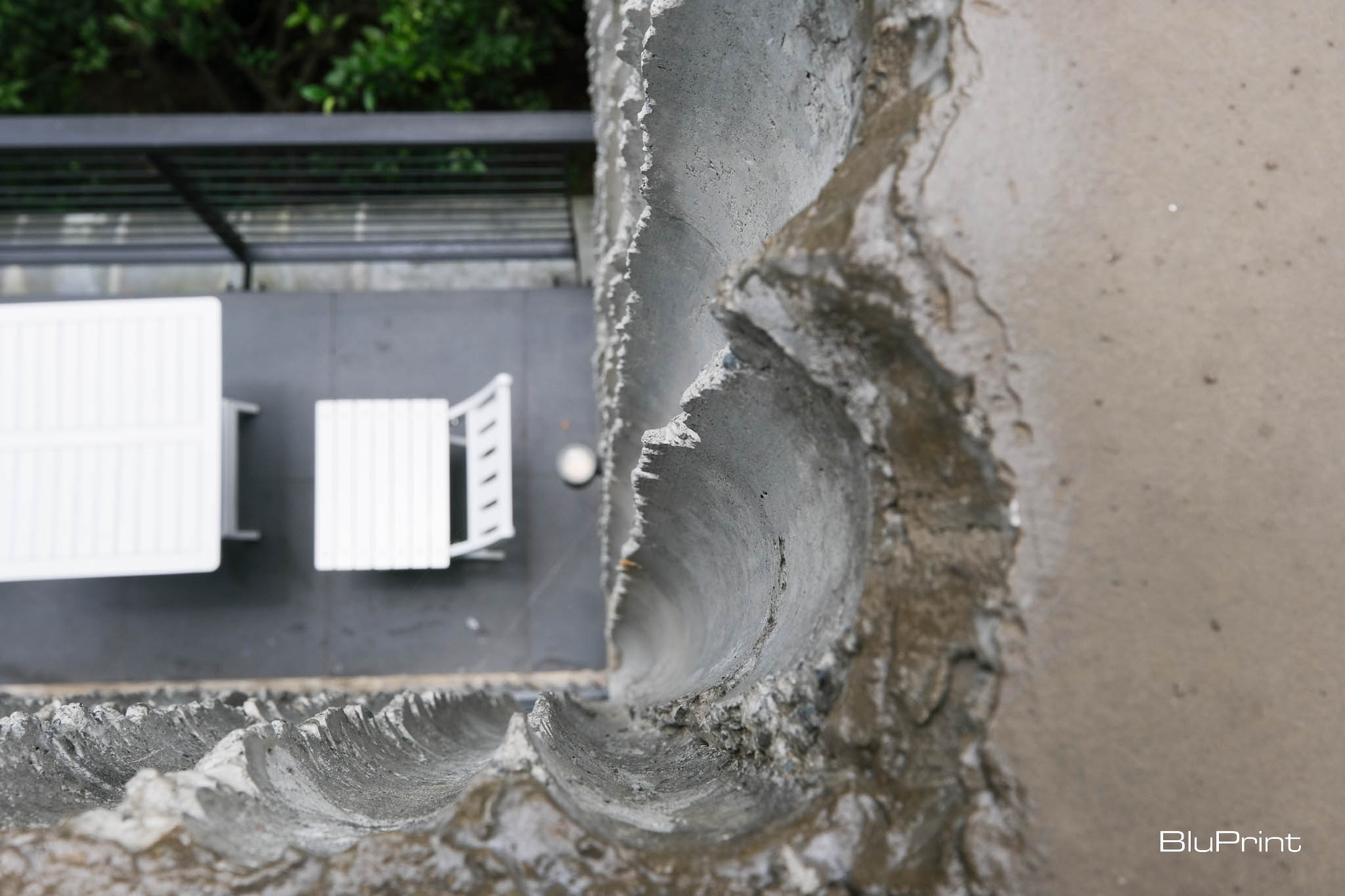
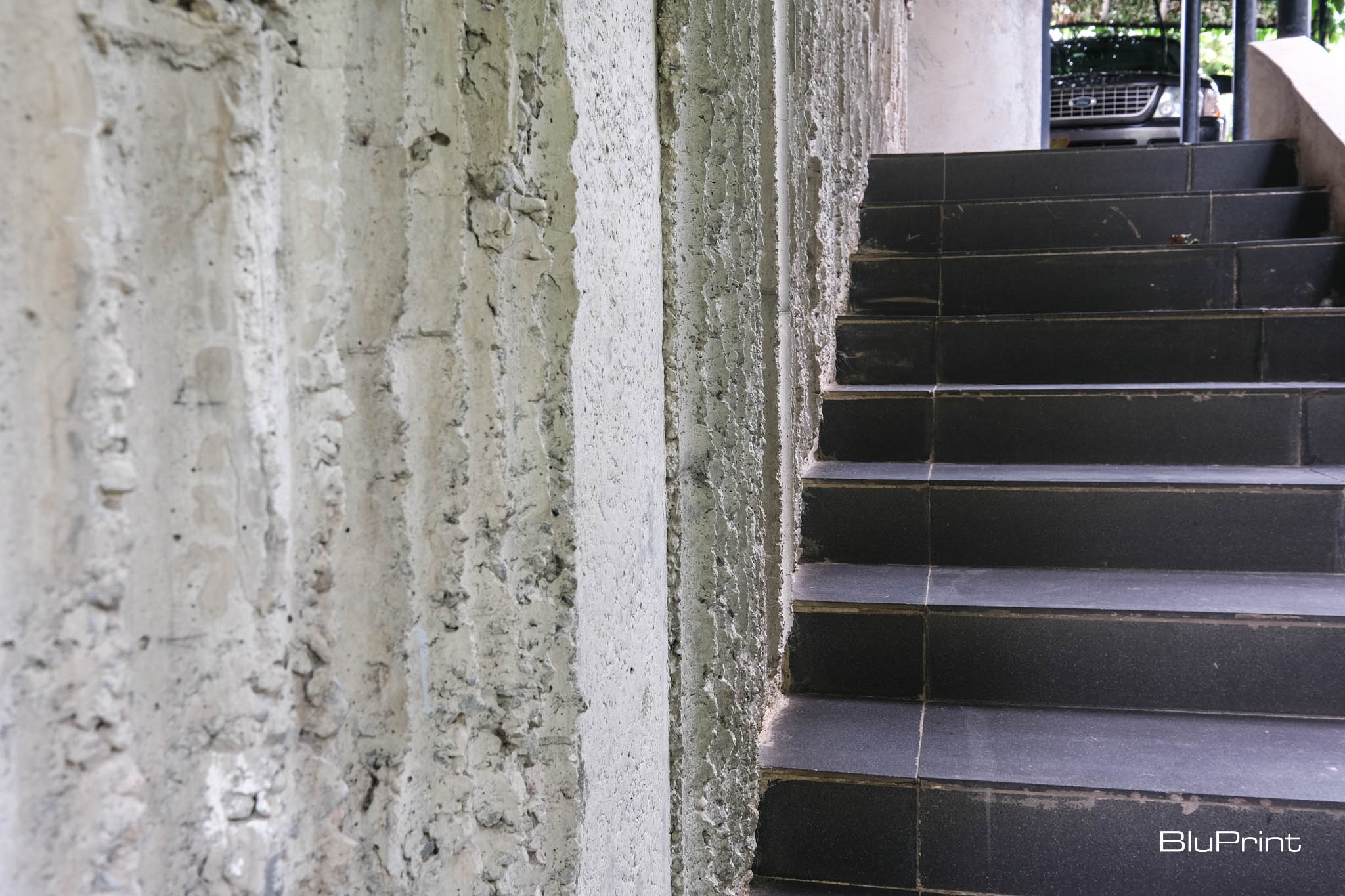
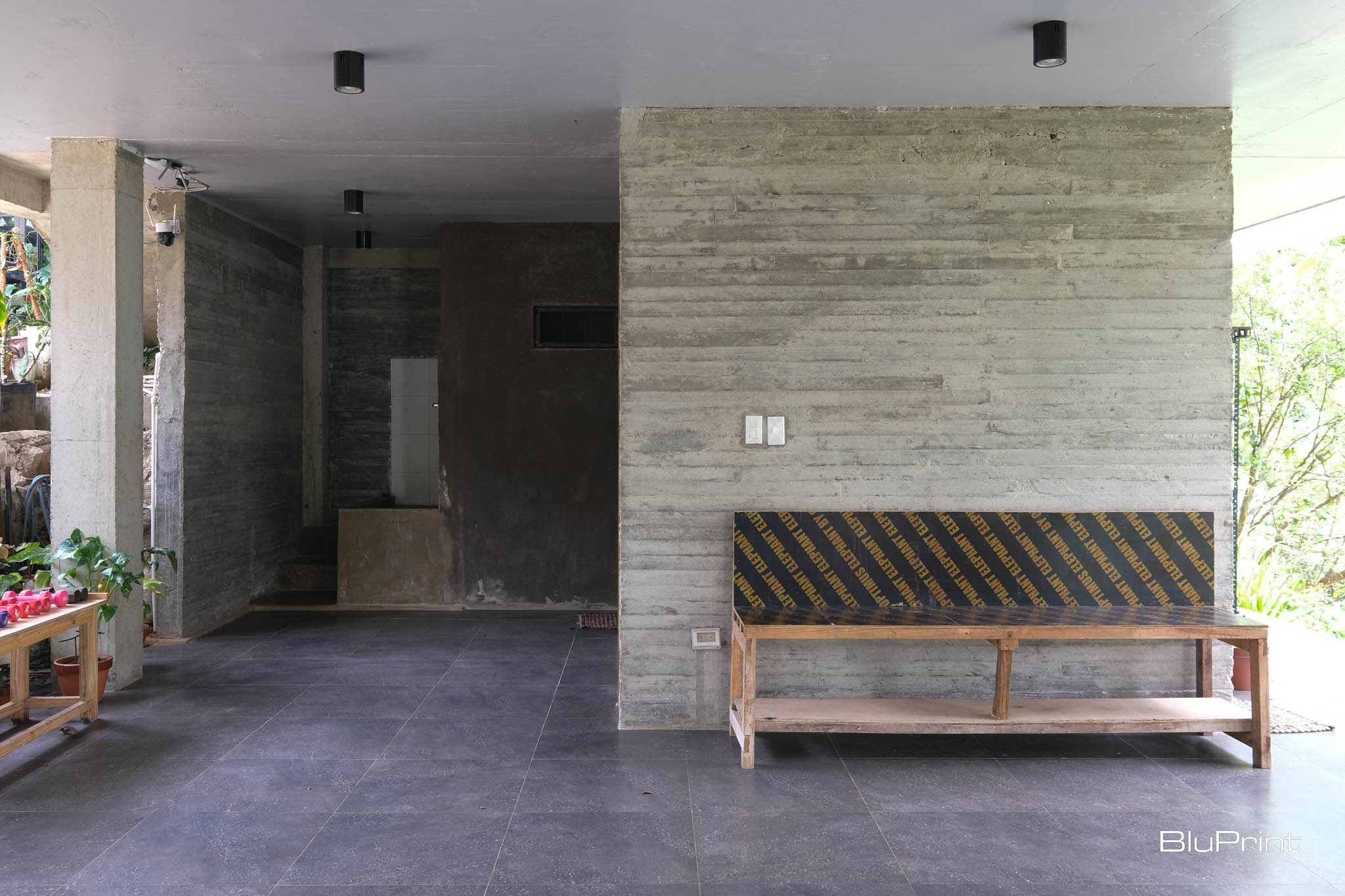
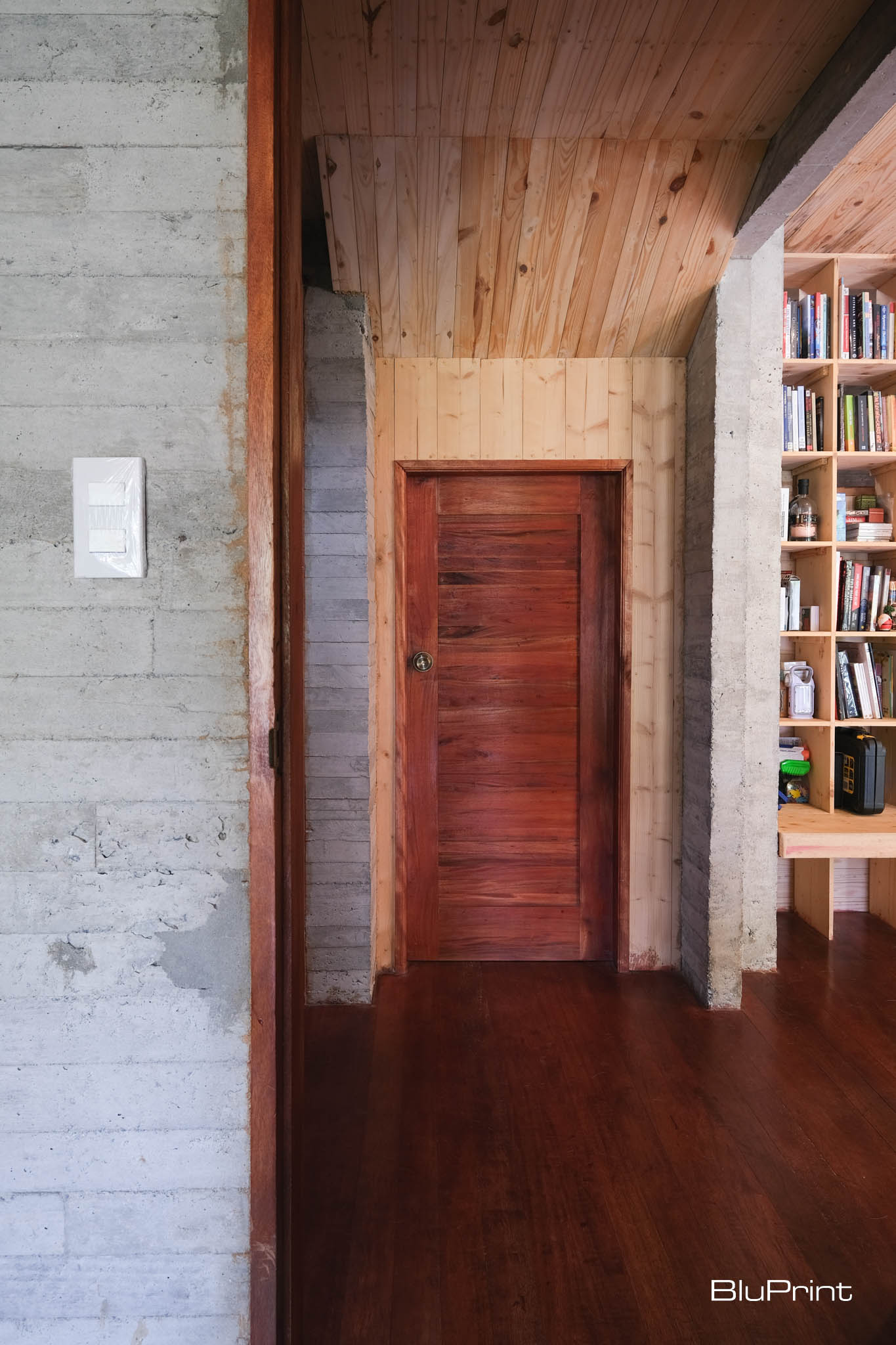
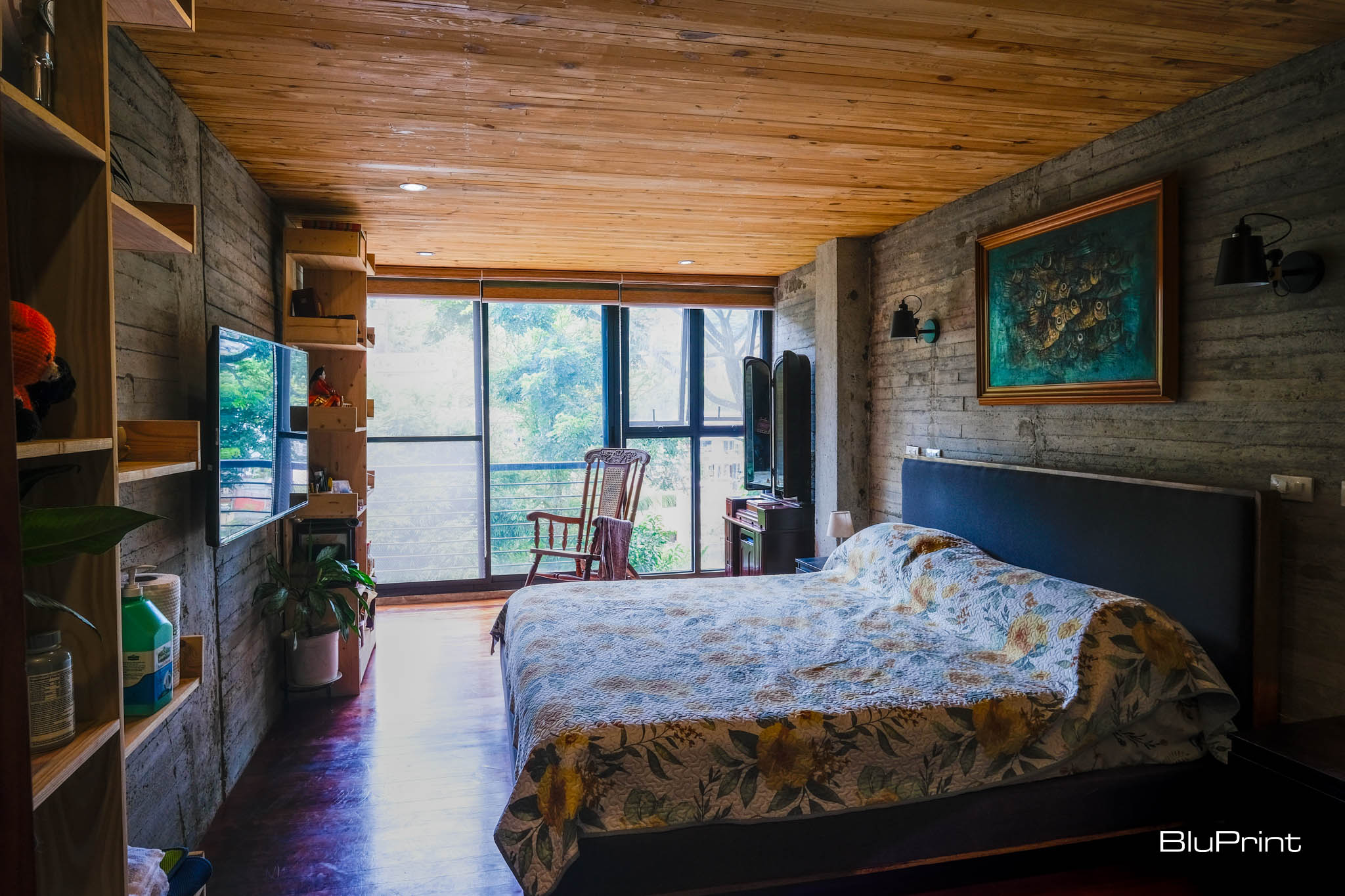
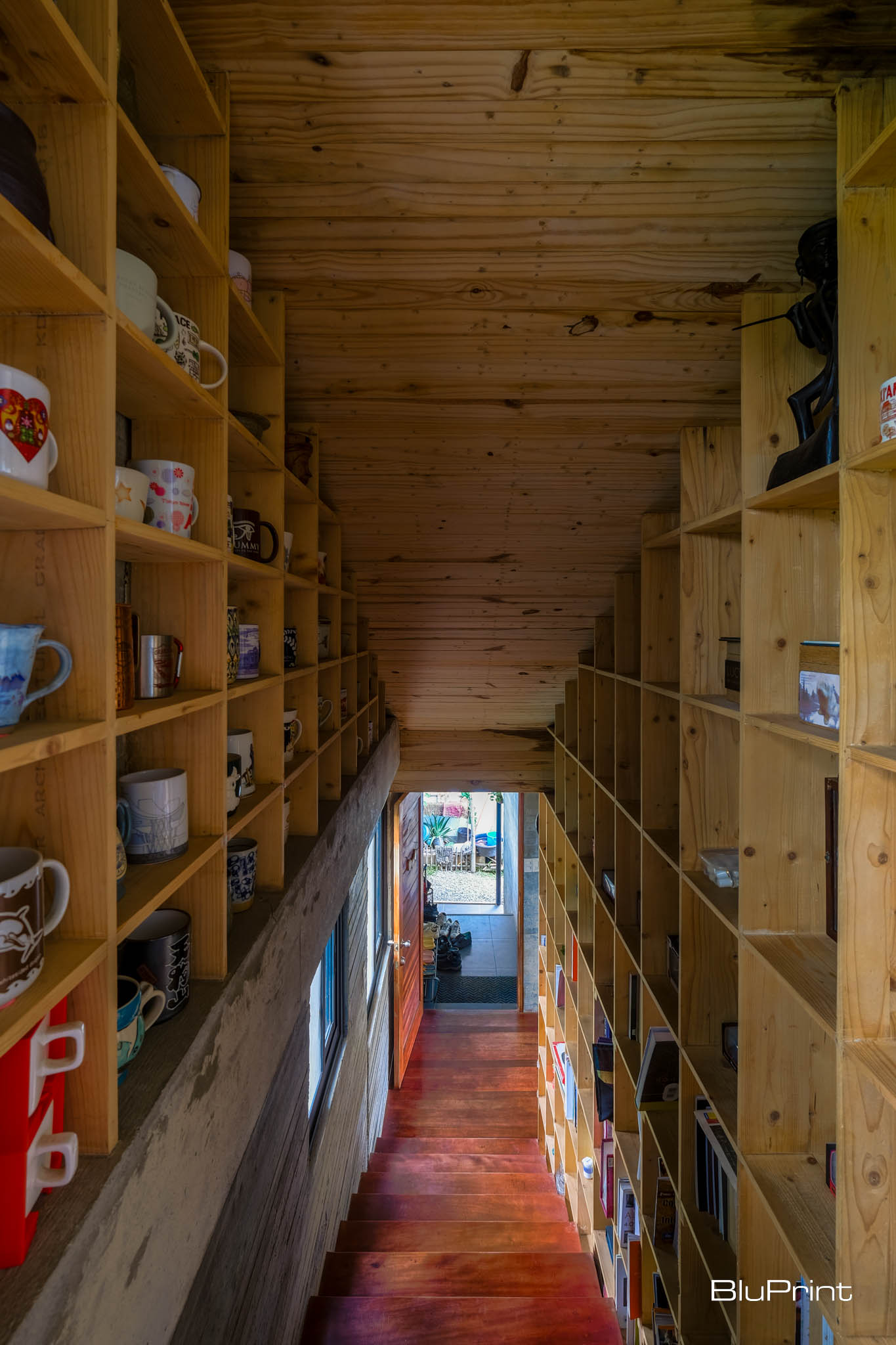
House C also features inverted concrete slabs, a design choice that allowed the elimination of traditional ceilings in most areas. This approach not only contributed to the raw aesthetic but also maximized the utility of materials, aligning with the project’s ethos of sustainability and efficiency. Timber, used extensively throughout the house, from the floors to the cabinetry, provides a counterpoint to the concrete, adding warmth and a sense of coziness to the space.
Collaborative Construction of House C
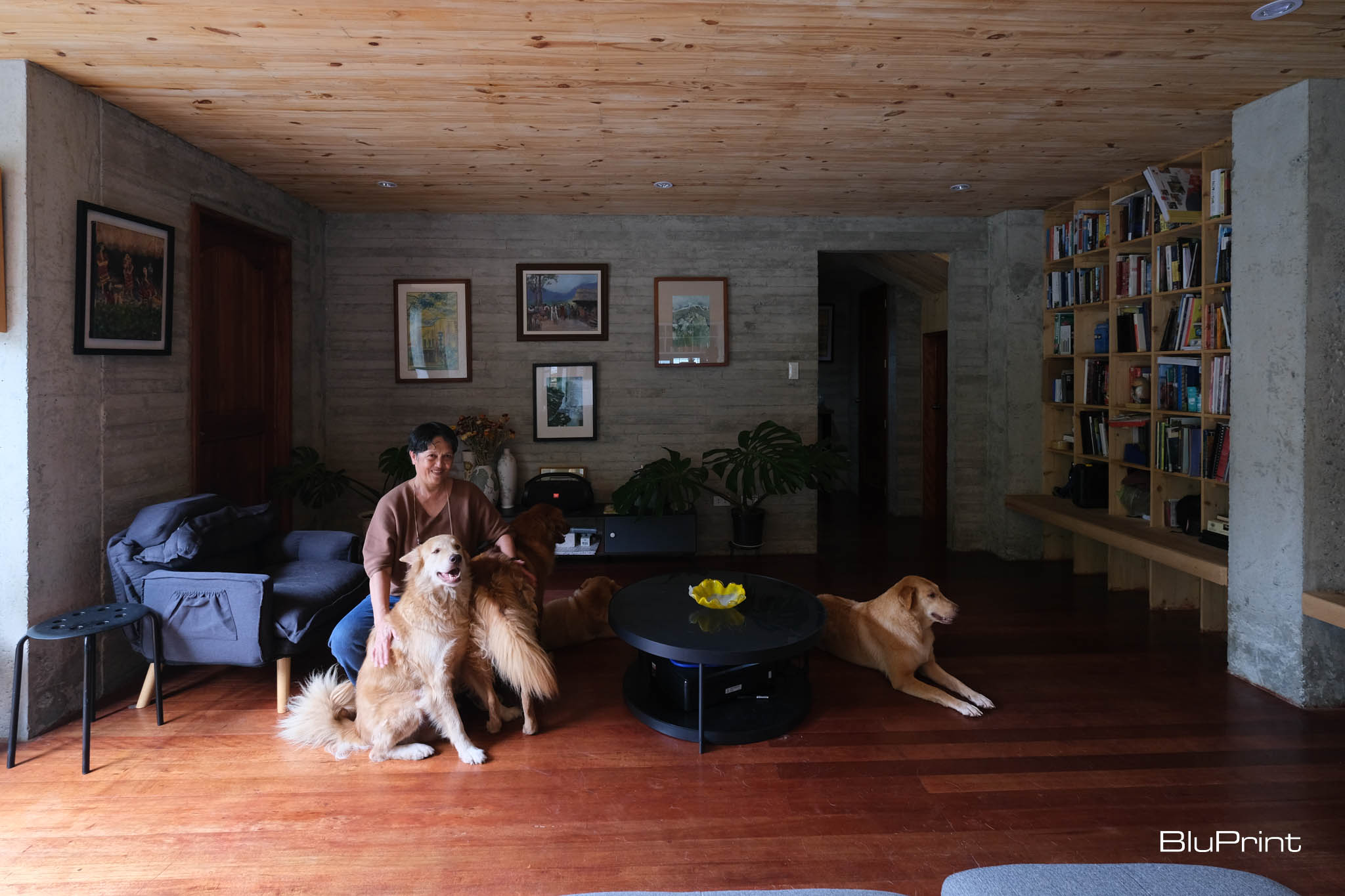
The design process was highly collaborative, with the owners playing an active role not just in decision-making but in the construction itself. Their involvement ensured that the house perfectly tailored to their needs, from placing the kitchen sink to selecting finishes that withstand the wear and tear of their dogs. The project avoided rigid non-negotiables, focusing instead on flexibility and the experience of living in the space.
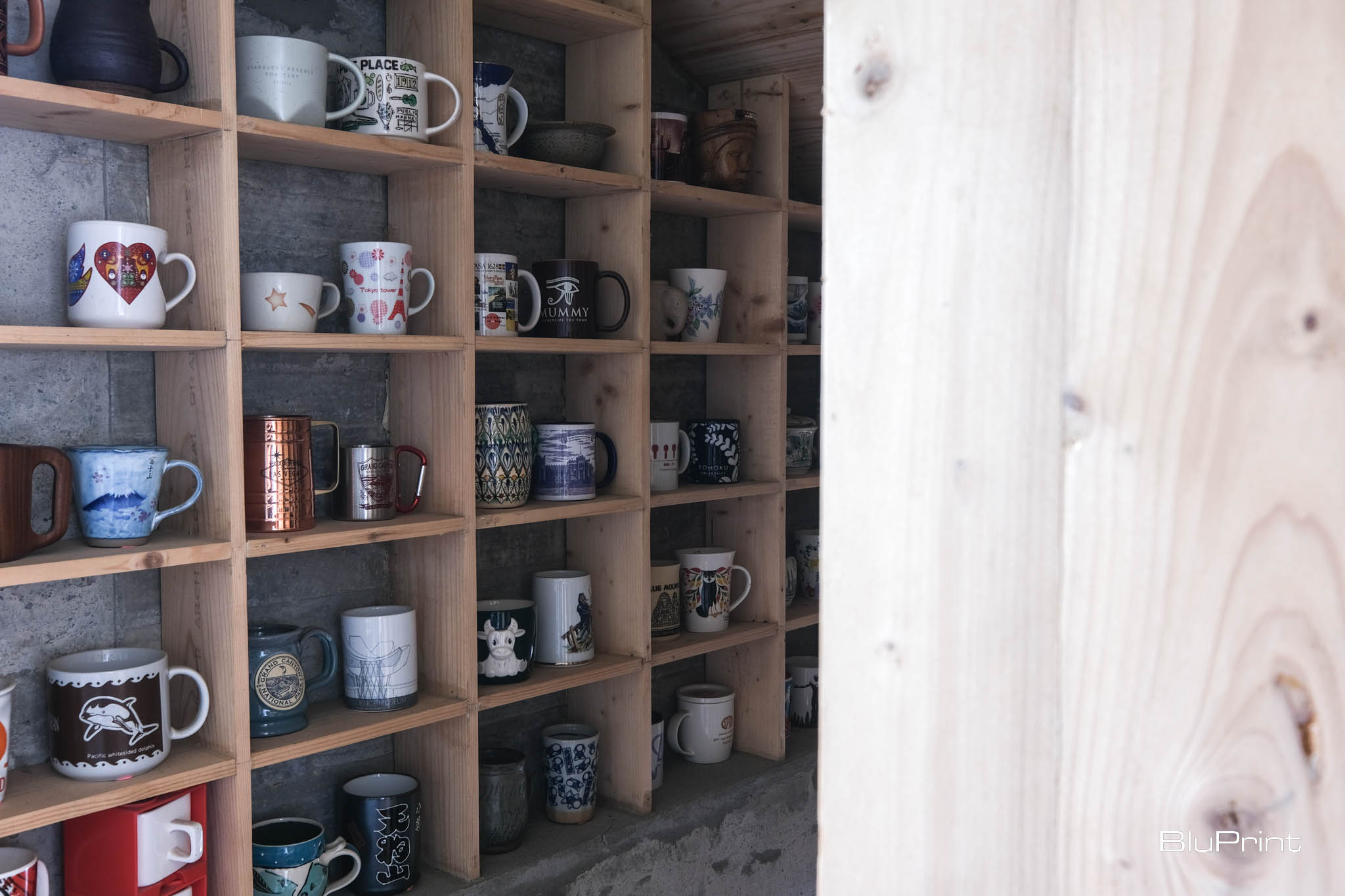
Despite a modest budget, the project did not compromise on creativity or quality. Go and his team demonstrated that great design does not necessarily require a hefty budget, but rather a clear vision and a willingness to think outside the box.
House C is a masterful blend of tradition, innovation, and raw aesthetics. It’s a home that honors the past while embracing the future, offering a space where the family’s cultural practices can continue for generations to come.
Photography by Ed Simon
Read more: Ferndale Project: A Unique Family House with an Industrial Brutalist Twist
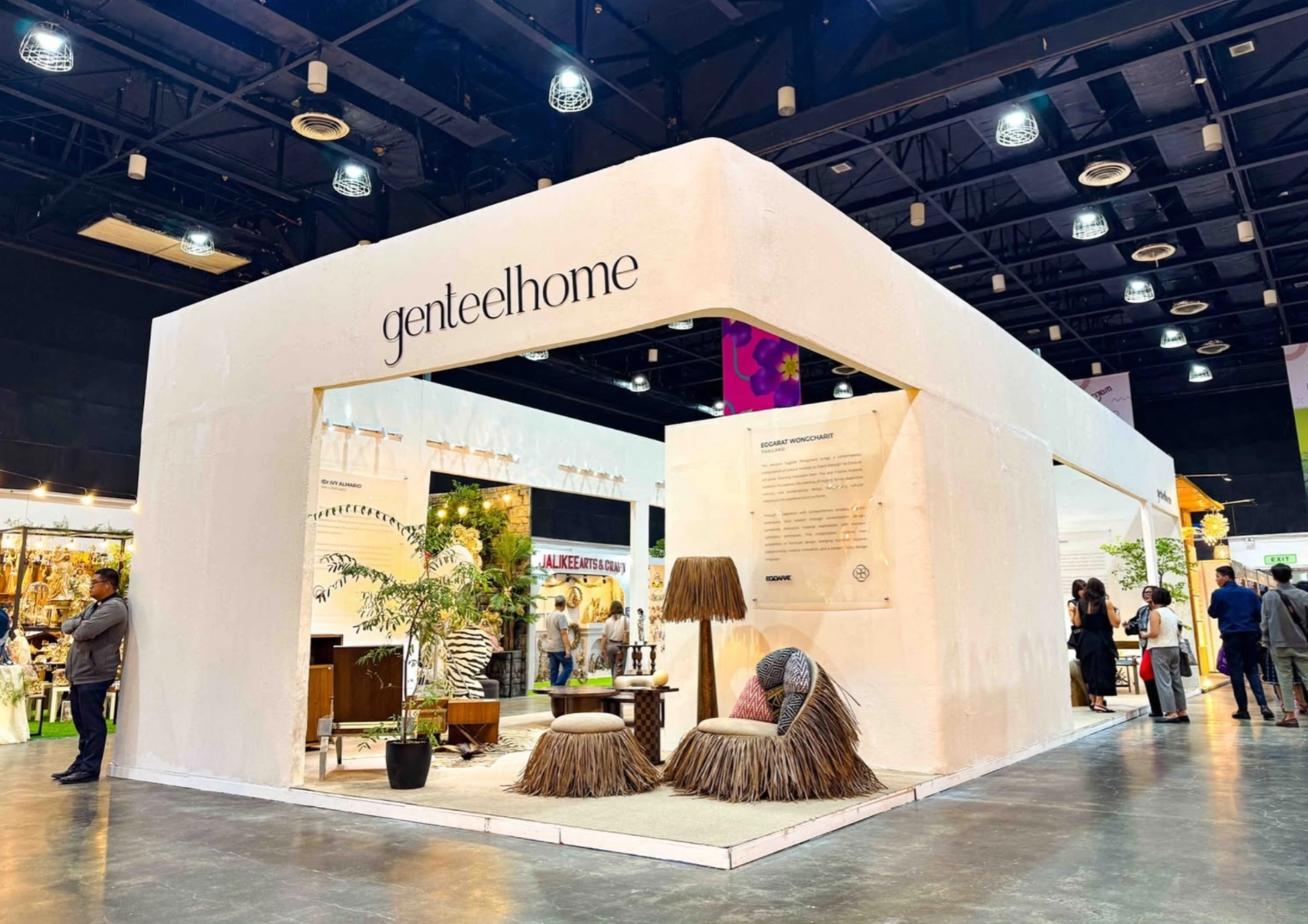
Bigkis is the act of binding. In Tagalog, the word can refer to something used to bind or encircle, as well as a bundle formed by tying several separate elements together. Figuratively, it can also mean a bond, union, or unity. The meanings move from the physical act of joining things together to the connection […]
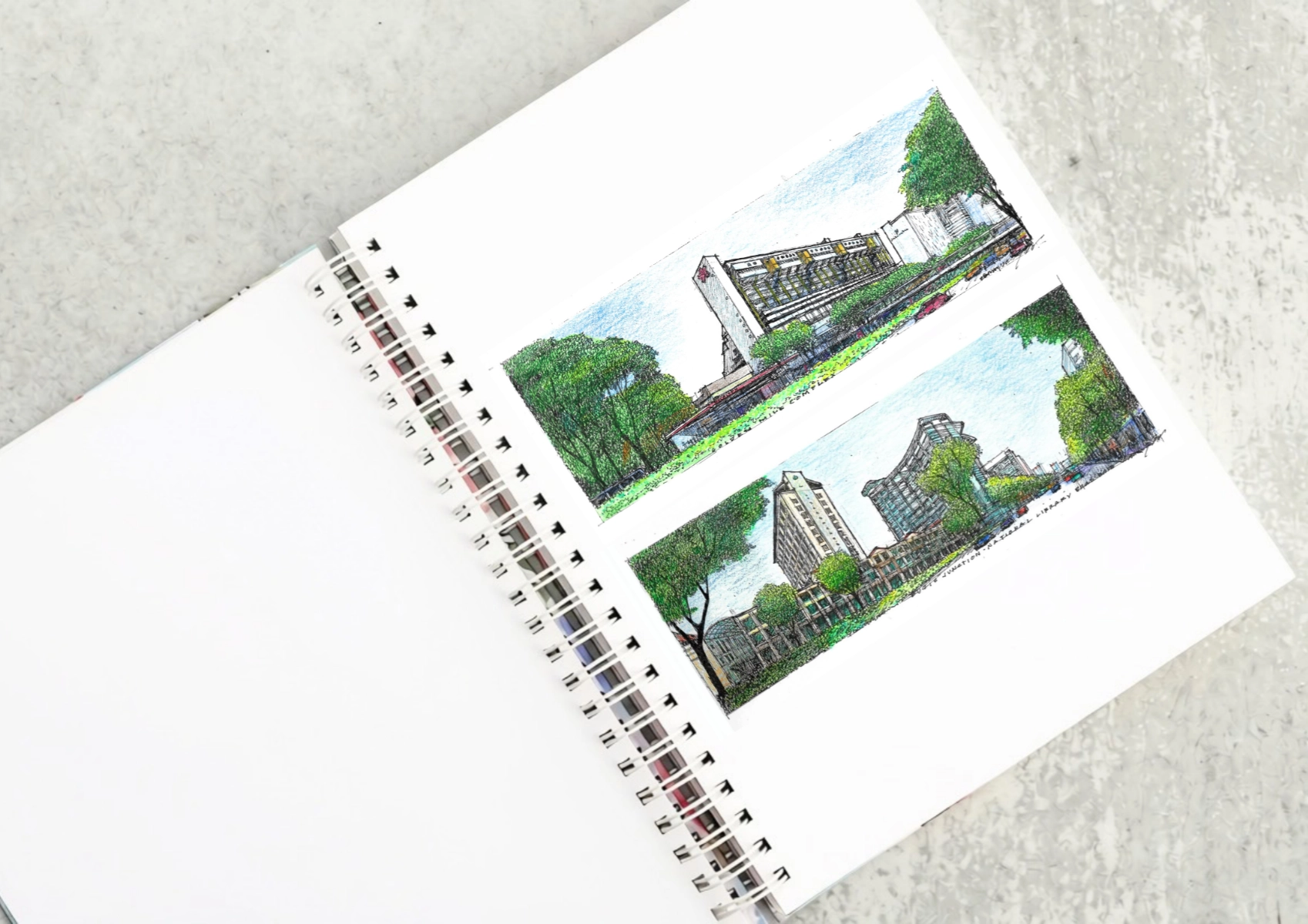
Two sketches of Singapore connect BluPrint Editor in Chief Paulo G. Alcazaren’s personal and professional history with Shared Ground: ArchitectureArchitectureThe art and science of designing and constructing buildings, structures, and spaces that are functional, safe, and aesthetically pleasing. It encompasses the planning, design, materials, and techniques used to createGo to Architecture Glossary of Care, Culture, […]
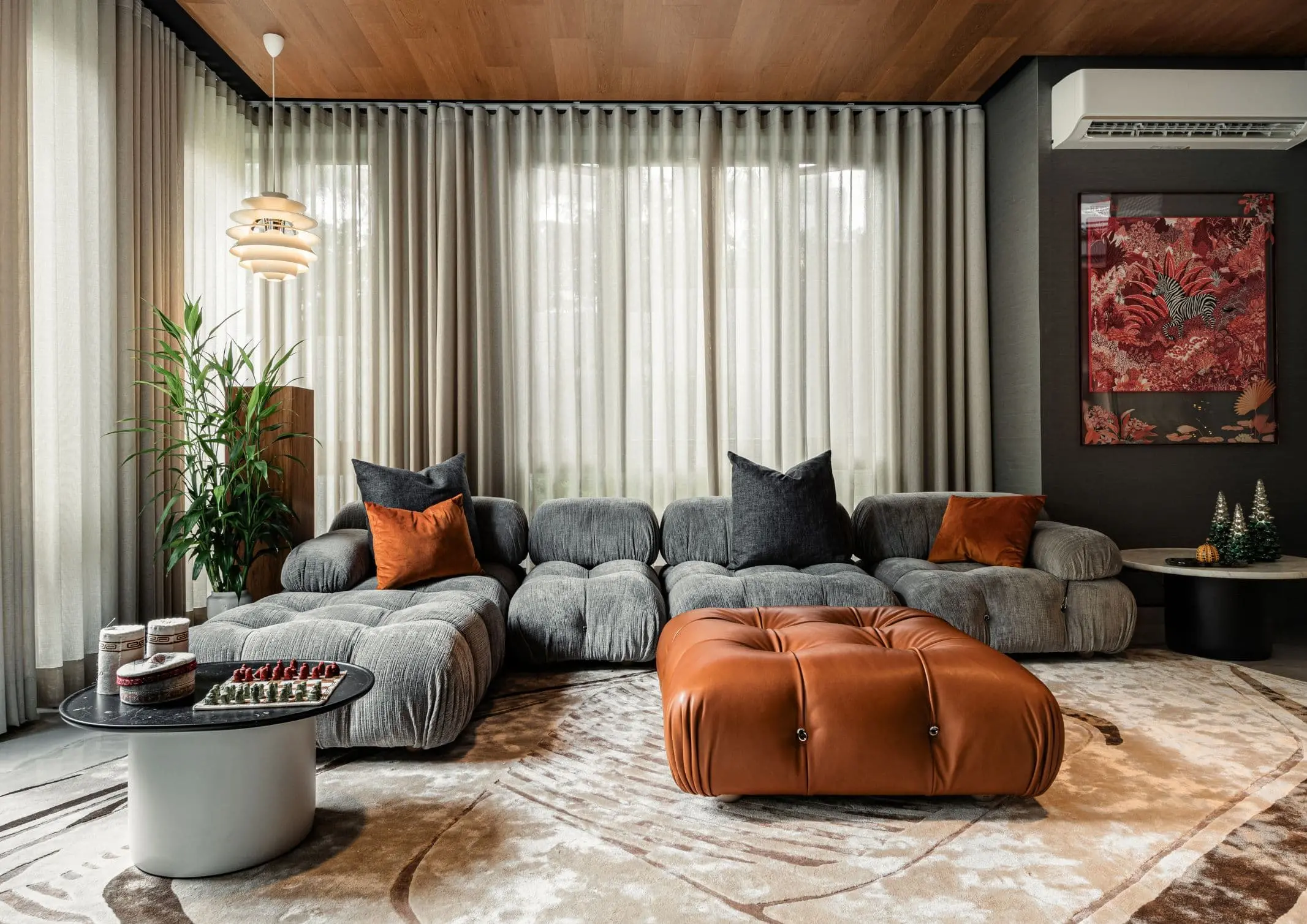
Some have become household names – Coleman, Oster, and KitchenAid – products that have found their way into Filipino kitchens, homes and family routines. In home furnishings, brands such as B&B Italia, Ethan Allen, Sub-Zero, Miele, SieMatic, Louis Poulsen, Hunter Douglas, Tempur, and Technogym, have helped shape the way Filipinos live. From everyday essentials to […]
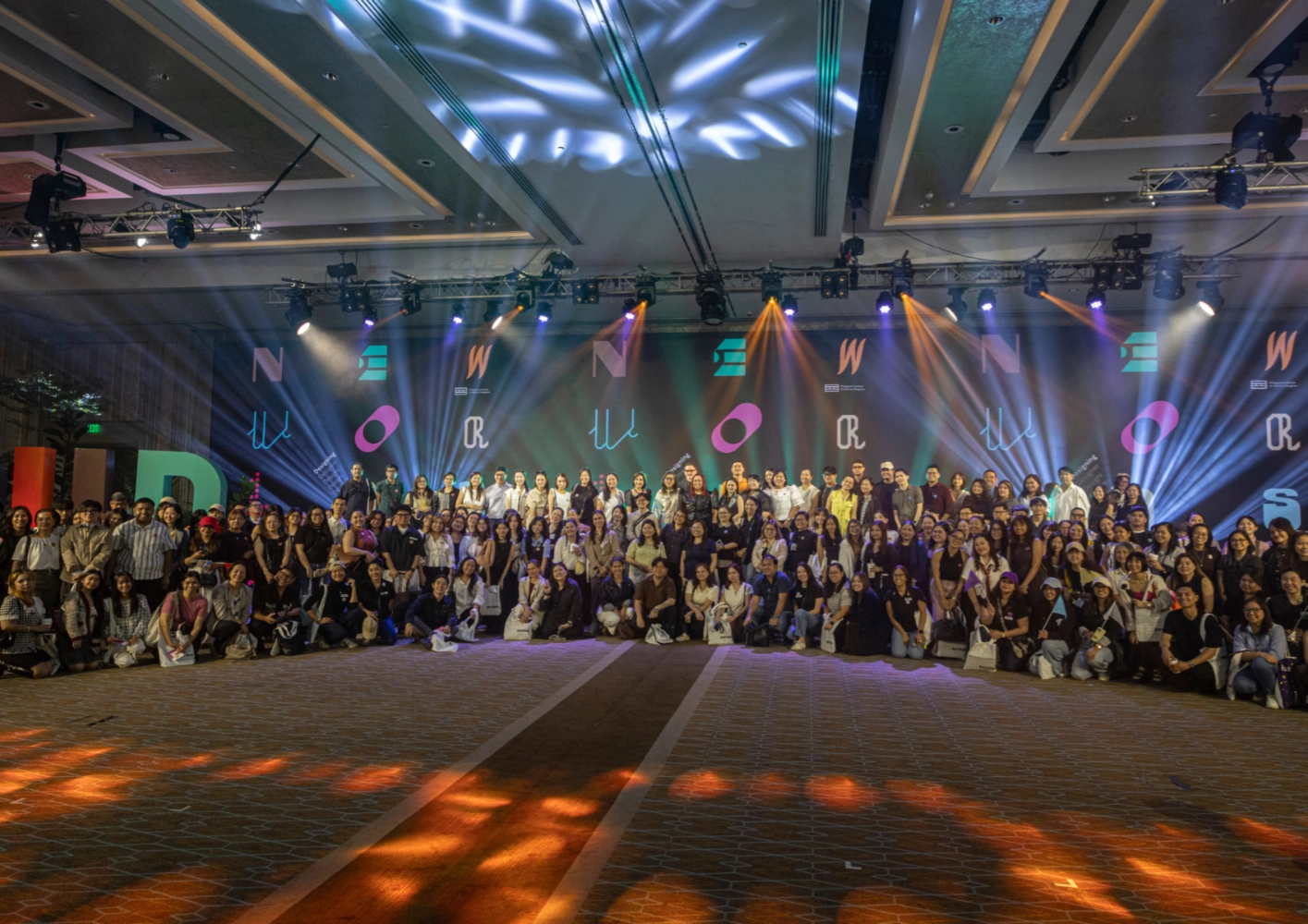
In a way, designers are the modern-day soothsayers and prophets. They design for the future, predicting how a room, a house, a building or a whole city will be used by people. They foresee how users will interact with a space, conjure exact shades of colors to elicit specific behavior and arrange furniture to build […]
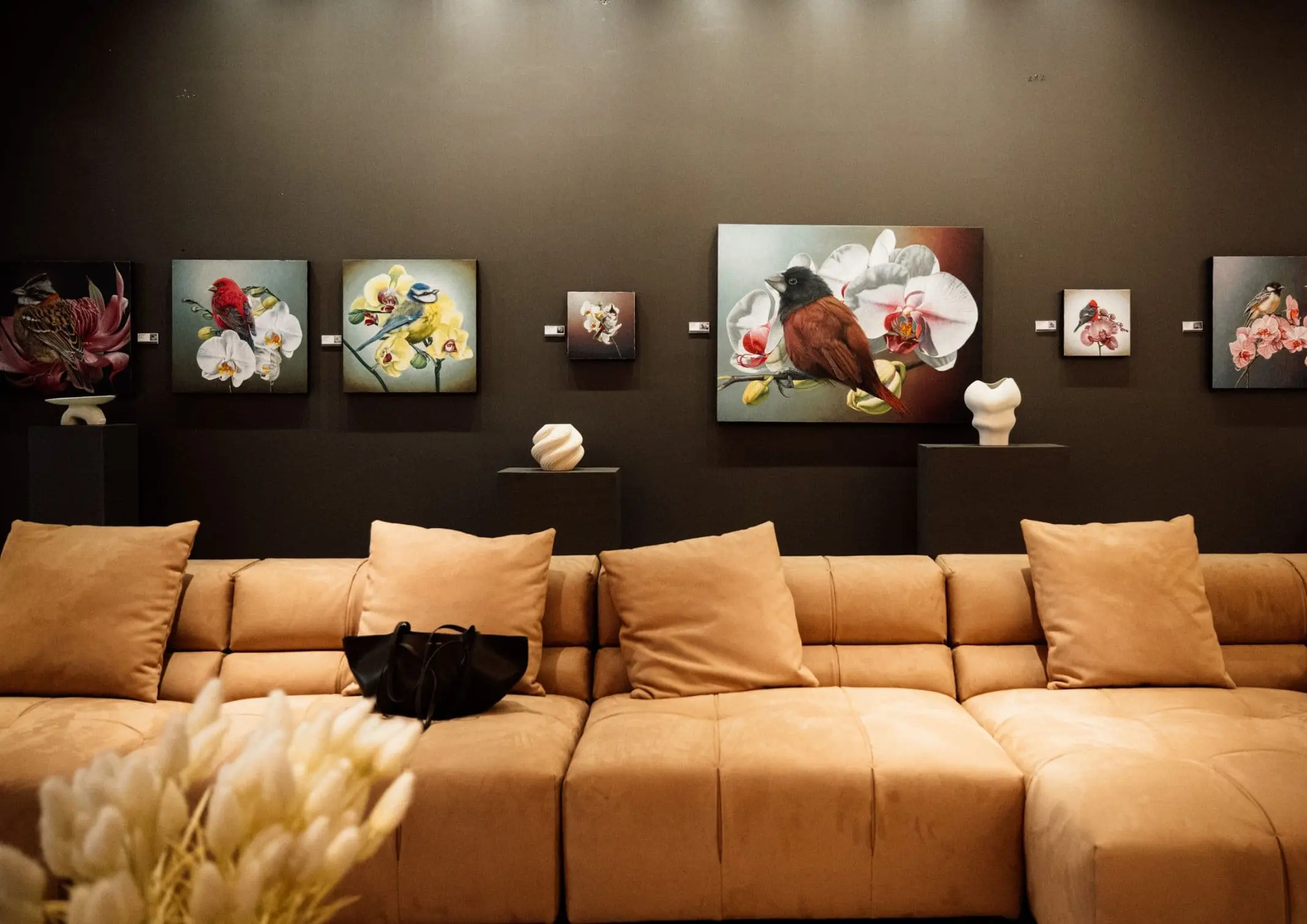
Art and furniture are often selected separately, yet their relationship can shape how a room looks and feels. The collaboration between Hooga and Galerie Joaquin explores how these elements can work together, bringing contemporary artworks into furnished residential settings at Hooga’s showroom in Uptown Mall, Bonifacio Global City. For Hooga, which curates furniture, lighting, and […]
Read the issues.

Collect the volumes.

Recommended Video
Tap to Unmute
Unmute
0:00
0:00