Bigkis is the act of binding. In Tagalog, the word can refer to something used to bind or encircle, as well as a bundle formed by tying several separate elements together. Figuratively, it can also mean a bond, union, or unity. The meanings move from the physical act of joining things together to the connection […]
Kibi Kogen N Square: A Coworking Space Open like the Community



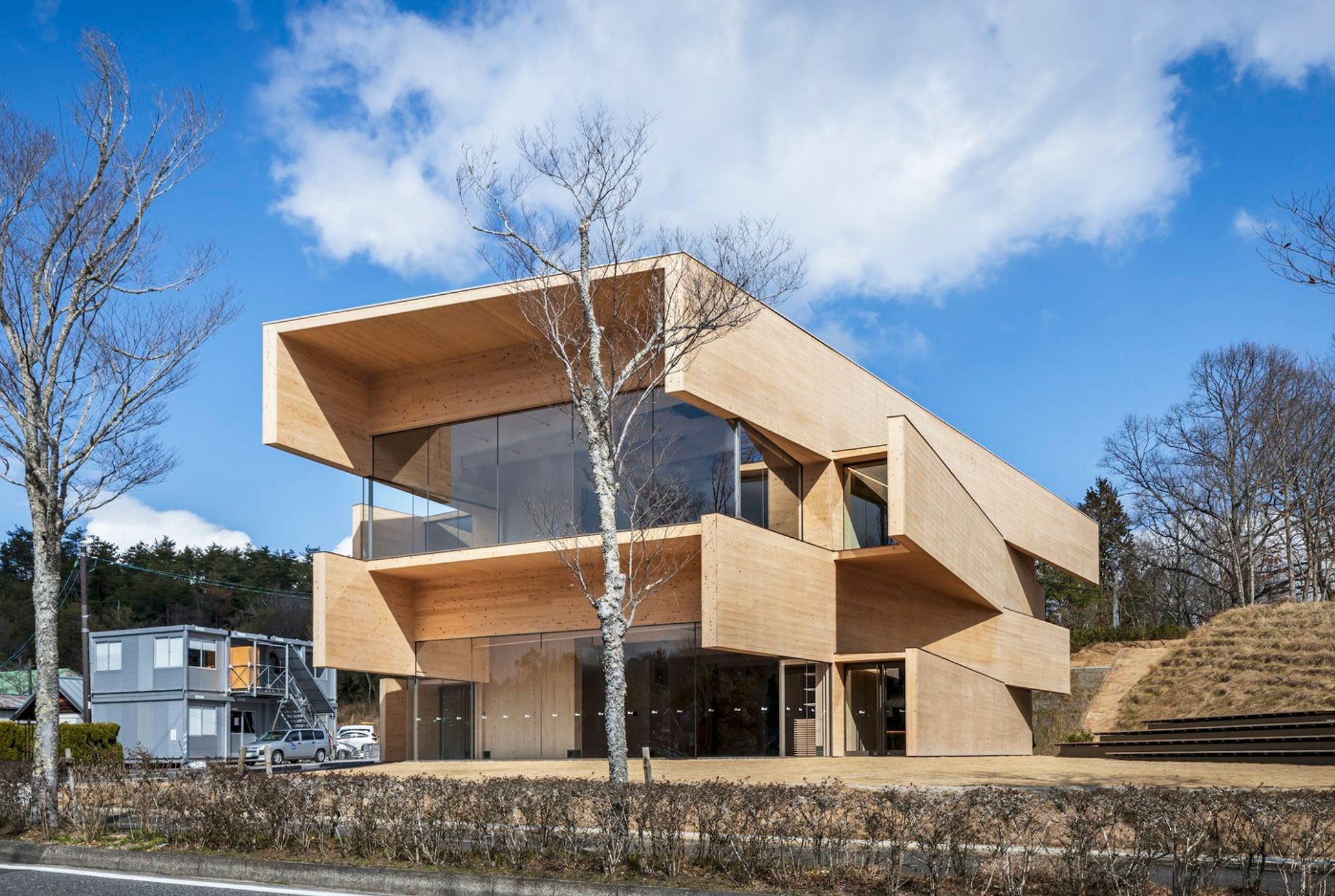
Kibi Kogen N Square, located in Okayama, Japan, was created with openness in mind. Designed by Kengo Kuma & Associates, they intended to produce a coworking space and cafe where people can collaborate without any barriers between them.
This project puts the community front and center. It was initiated by local Japanese company Systems Nakashima to encourage local companies to work together. Institutions like the Okayama University participate in the use of the space as a way of building a closer-knit community.
“[The building] represents the spirit of the facility’s theme of openness and collaboration within the local community,” the architects said. “Through these spaces, a crossover of activities that transcend generations and industry-academia boundaries is expected.”
Angular Looks and Design
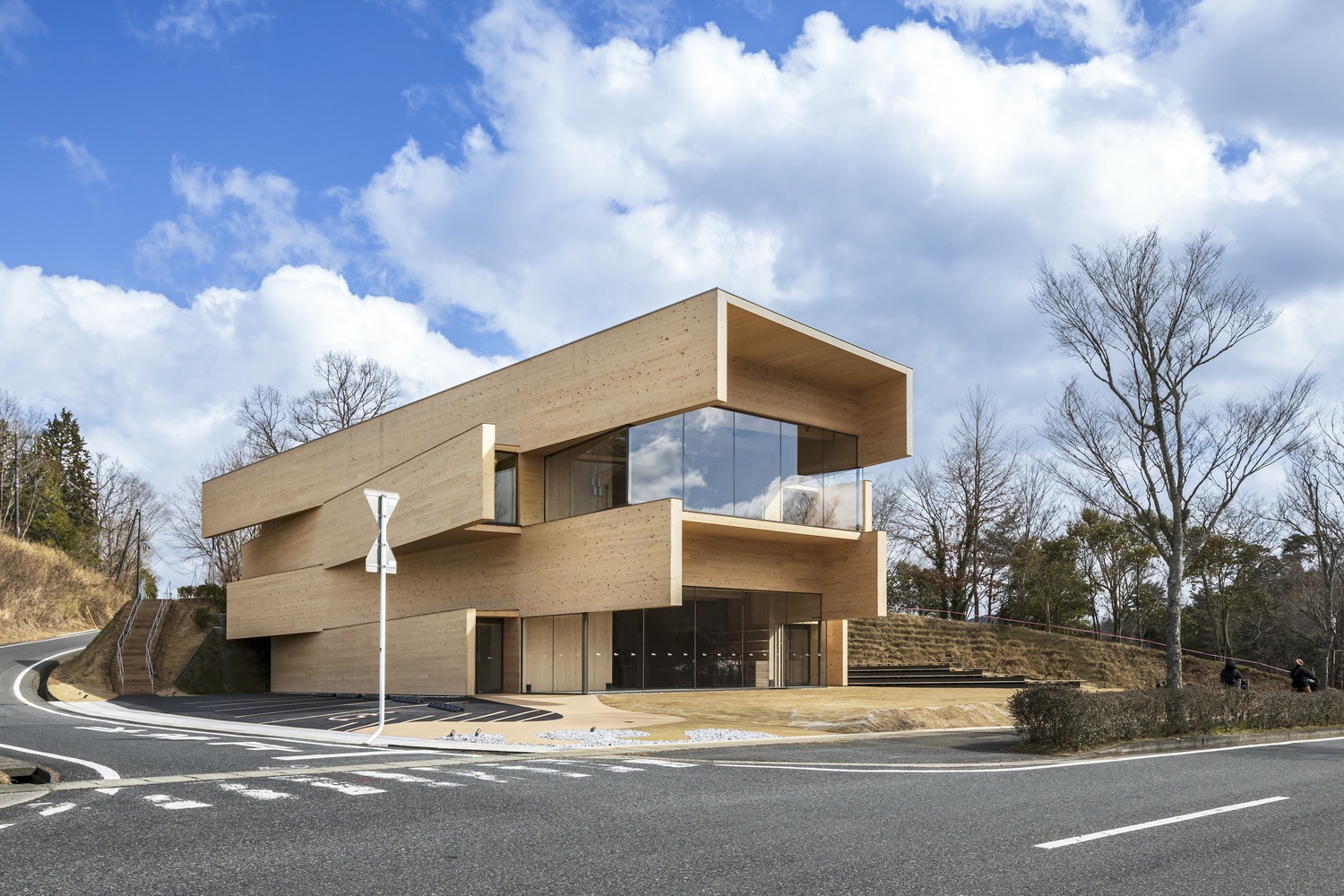
Situated on a slight incline, the minimal landscaping further emphasizes its architectural form. The use of glass between the wooden elements allows natural light to penetrate the interior and provides transparency, enhancing the sense of openness and connection with the surroundings.
Kibi Kogen N Square predominantly uses cross-laminated timber (CLT) panels for its facade and interior. This is a nod to Okayama being the largest CLT producer in Japan. The material adds to the building’s unique, angular look that allows for more room and spaces in the interior. Its use creates a warm, relaxing atmosphere conducive for creativity.
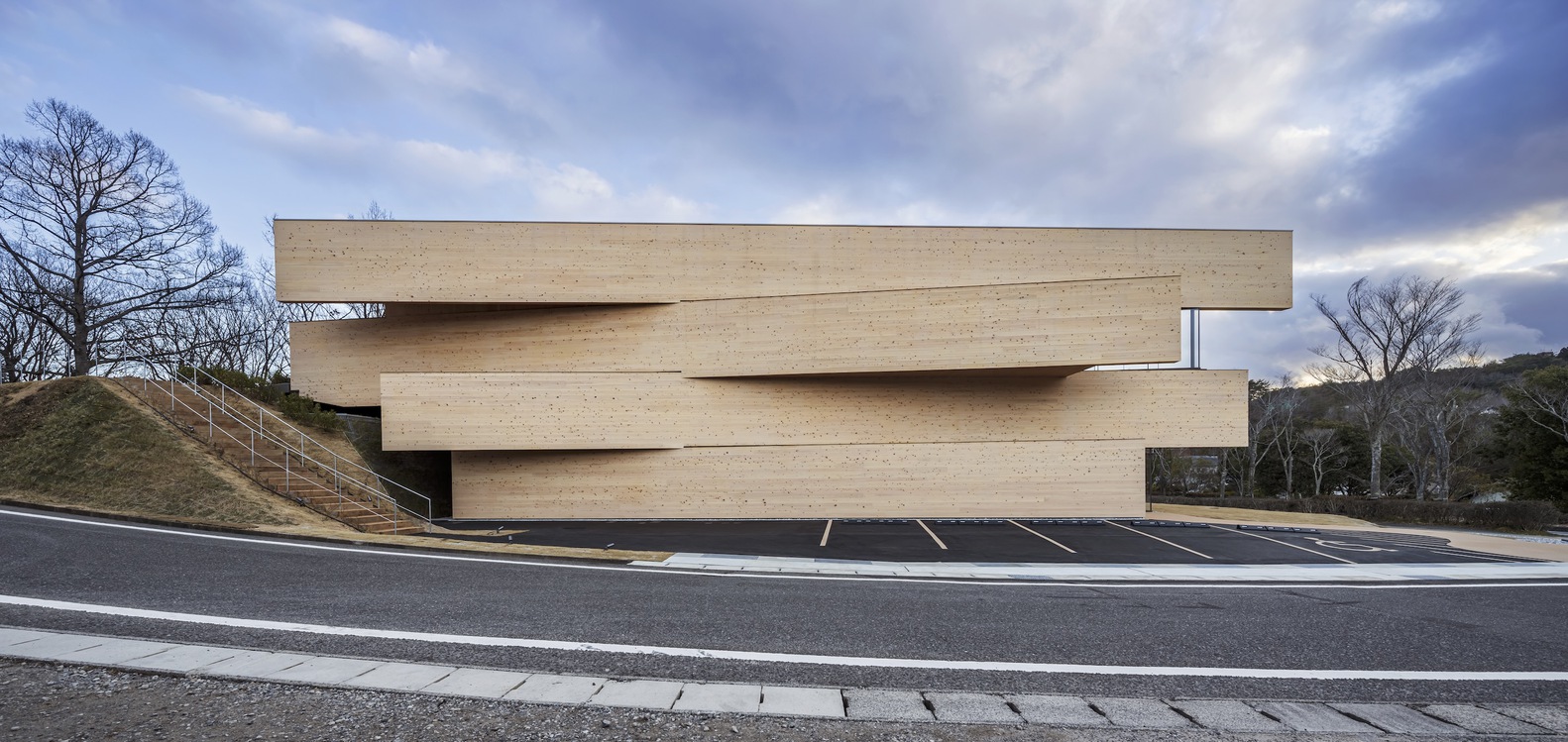
The outer walls, constructed using waterproof plywood and moisture-permeable waterproof sheets, ensure durability and protection. The roofs are made with structural plywood and roofing sheets, designed to withstand various weather conditions.
Stacked trapezoidal shapes form the two floors. These allow for cantilevered sections that gives the structure its open and dynamic aesthetic. This “angular misalignment”, as the architects put it, was intentional to create more nooks and corners for rooms.
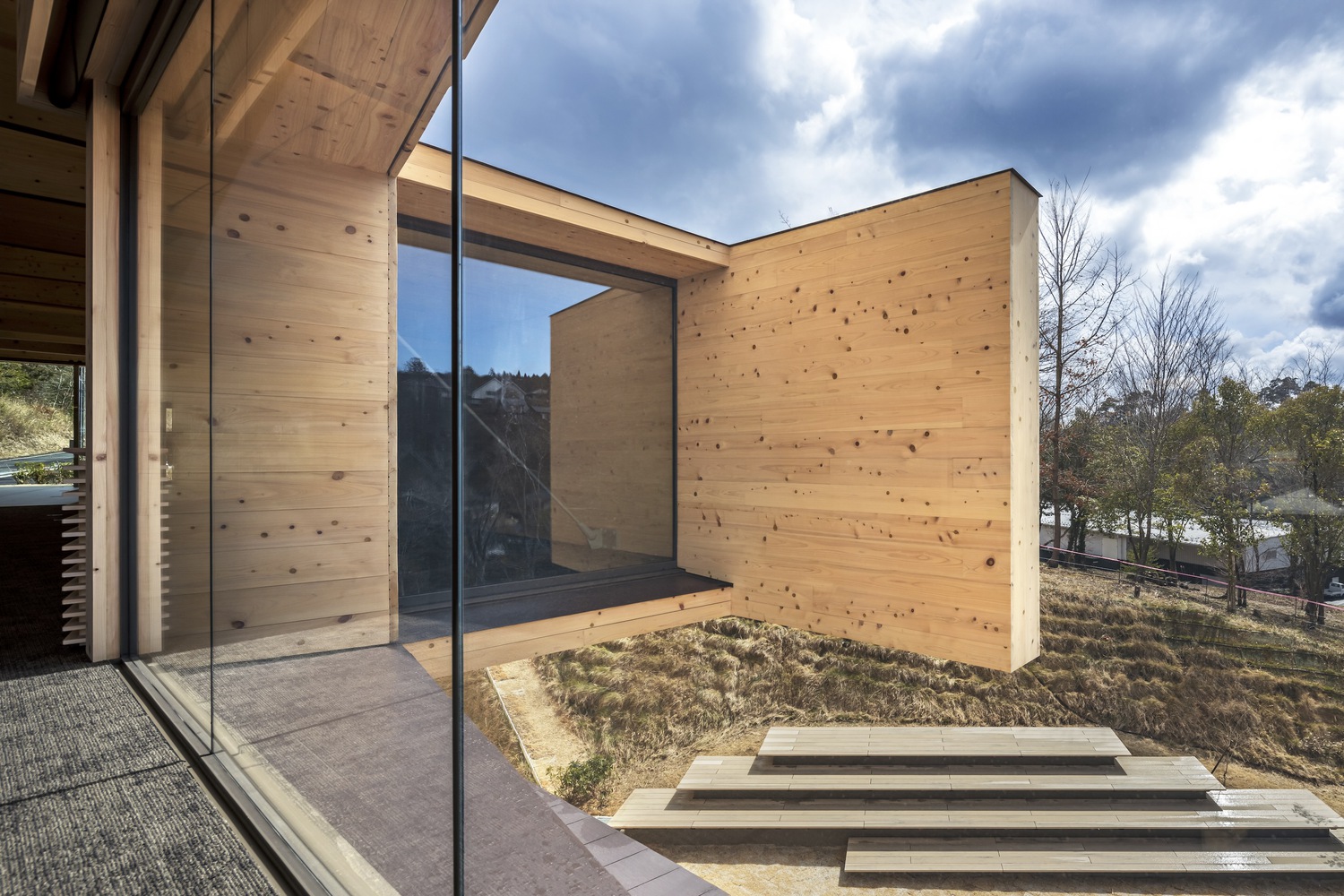
The first floor houses the cafe, a kitchen, and storage area for equipment. For the second floor, it has the co-working space and an office area for the structure’s service workers. Small skylights allow natural light to enter throughout the space.
A Place for Creativity
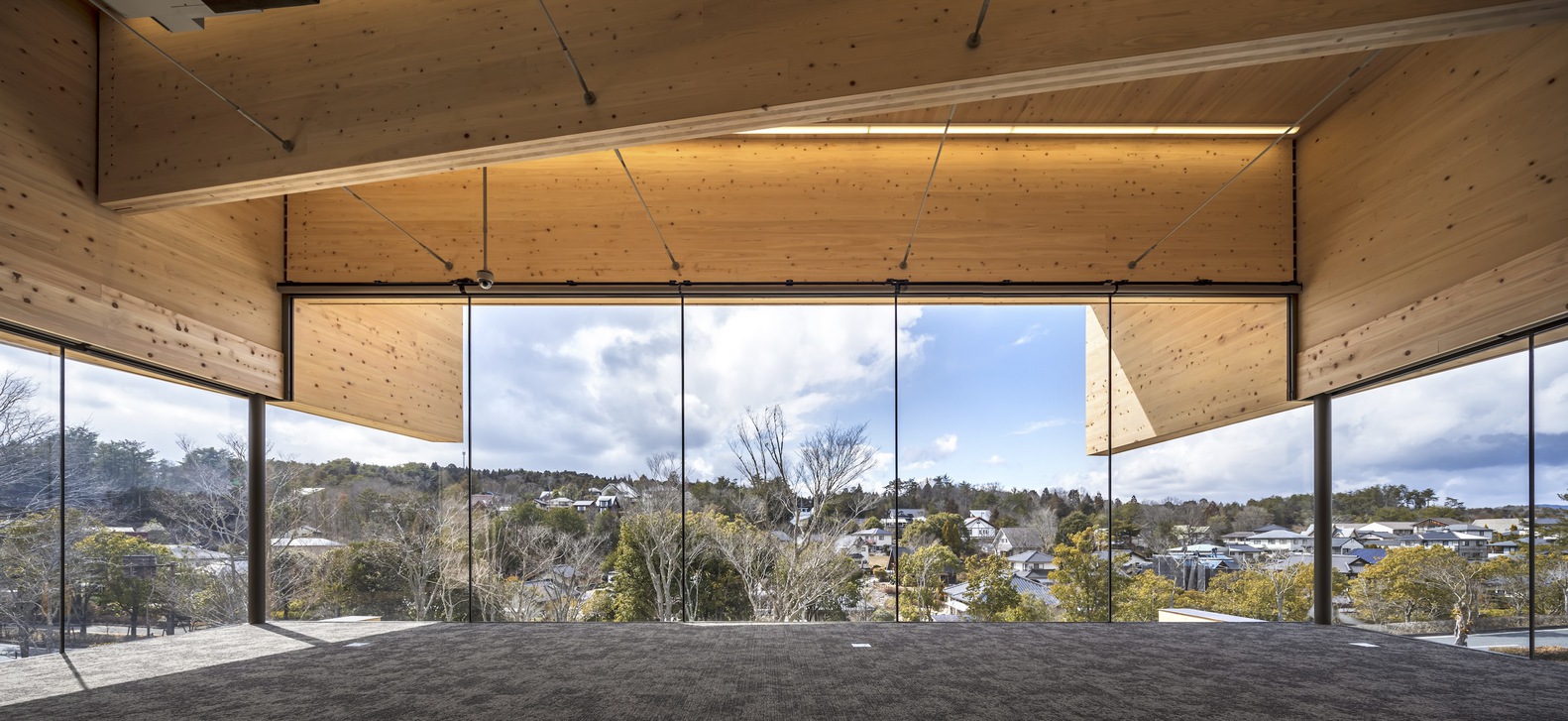
One of the big draws for the building is its large coworking space on the second floor. The generous floor to ceiling window facing the street overlooks the trees and surrounding environment. Open floor plans make the space versatile and adaptable depending on the needs of its users.
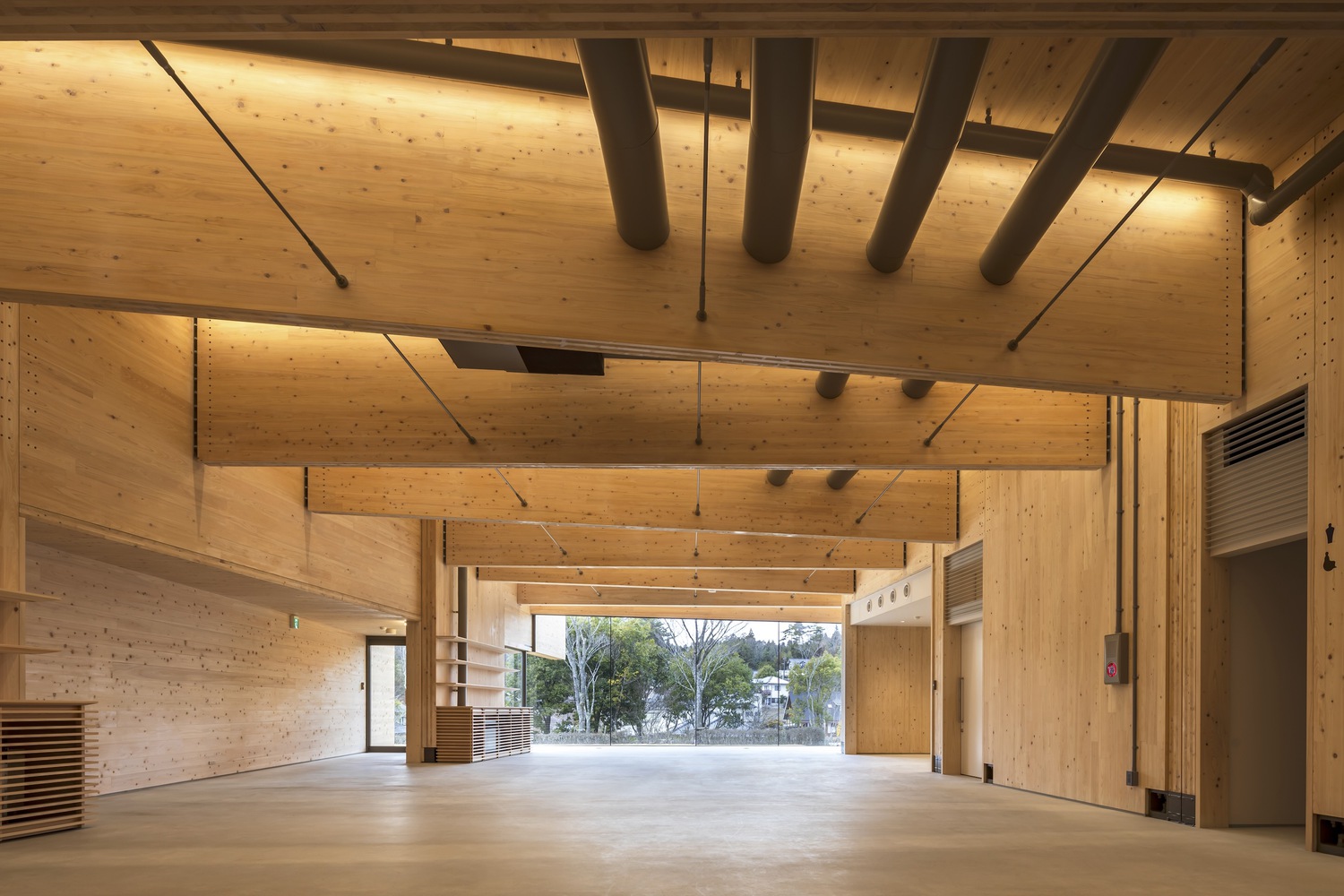
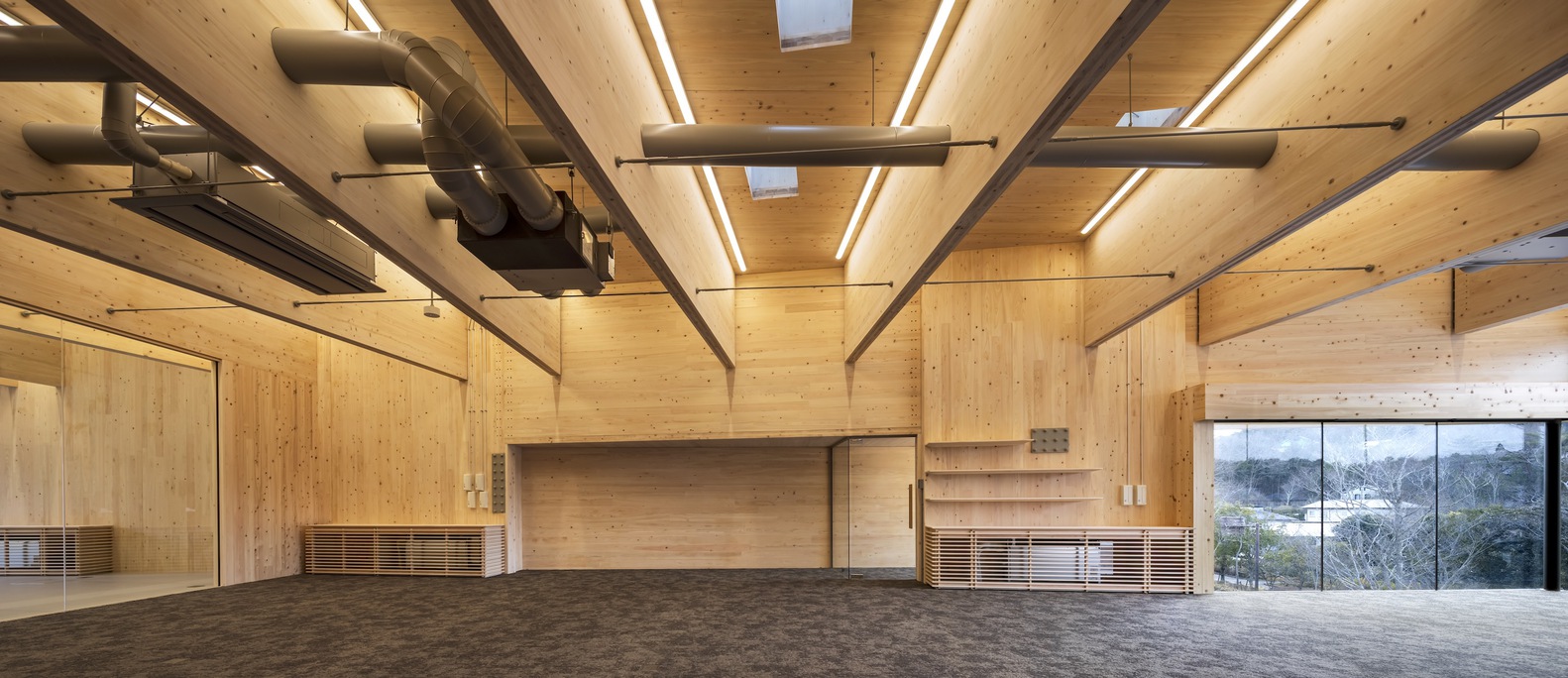
The cafe and a kitchen on the first floor serves as a yet another gathering place that provides visitors a place to relax and harness their creativity, and a way to communicate with their community in a chill environment.
The unique structure gives visitors more rooms for privacy, even beyond the open coworking area. There are small call spaces, for example, where people can have privacy to talk.
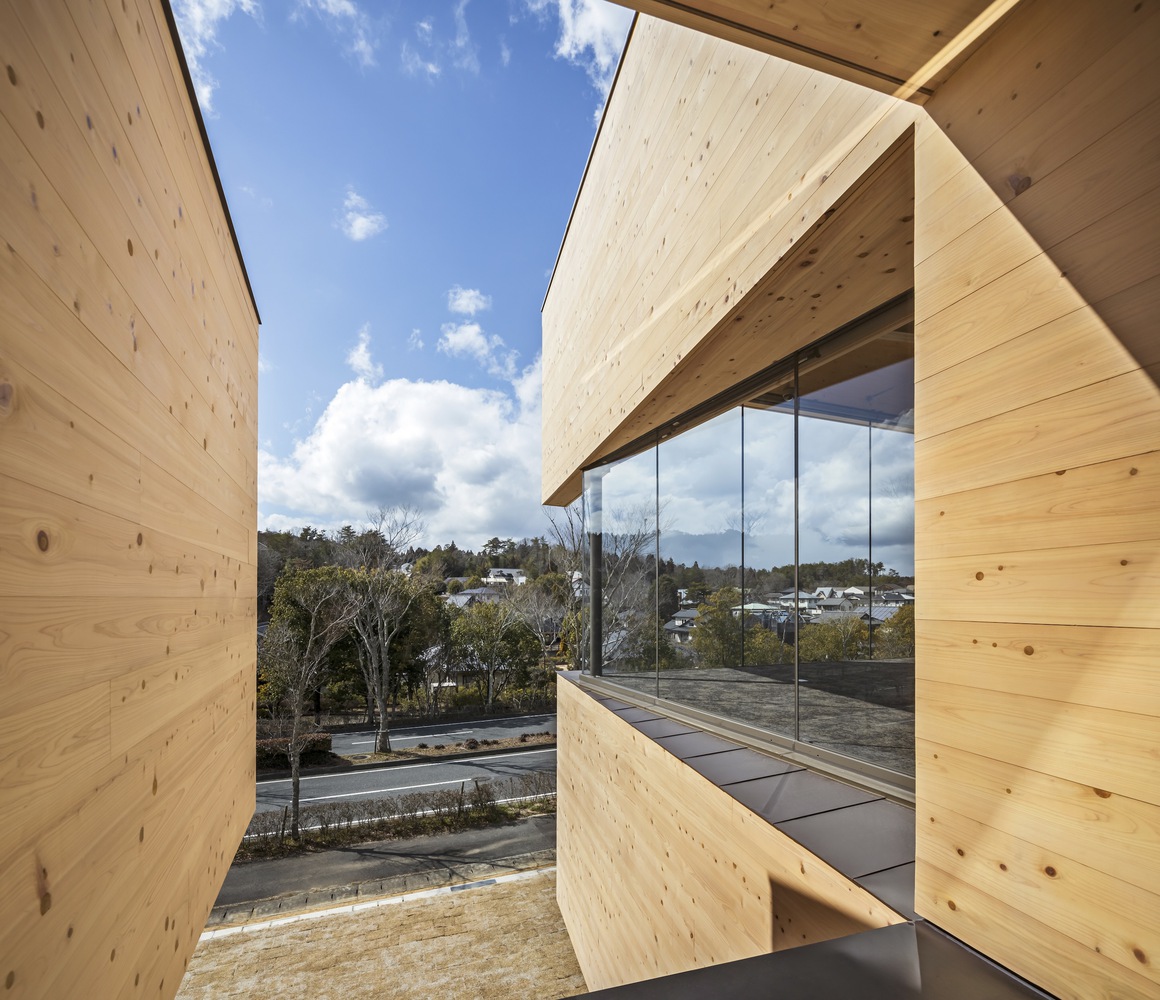
The lighting is soft yet bright, complimented as well by the small patches of skylight in the roof. It doesn’t just create a consistent look with the outer facade, but it offers visitors a relaxing work environment to use.
Kibi Kogen N Square engineers an open and ideal coworking place made to encourage communication and creativity. For this Japanese building, it embodies the collaborative spirit that exists in work, and how society needs to foster that to keep going.
Related reading: House 115: An Atmosphere Of Calm In Spaces For Connection
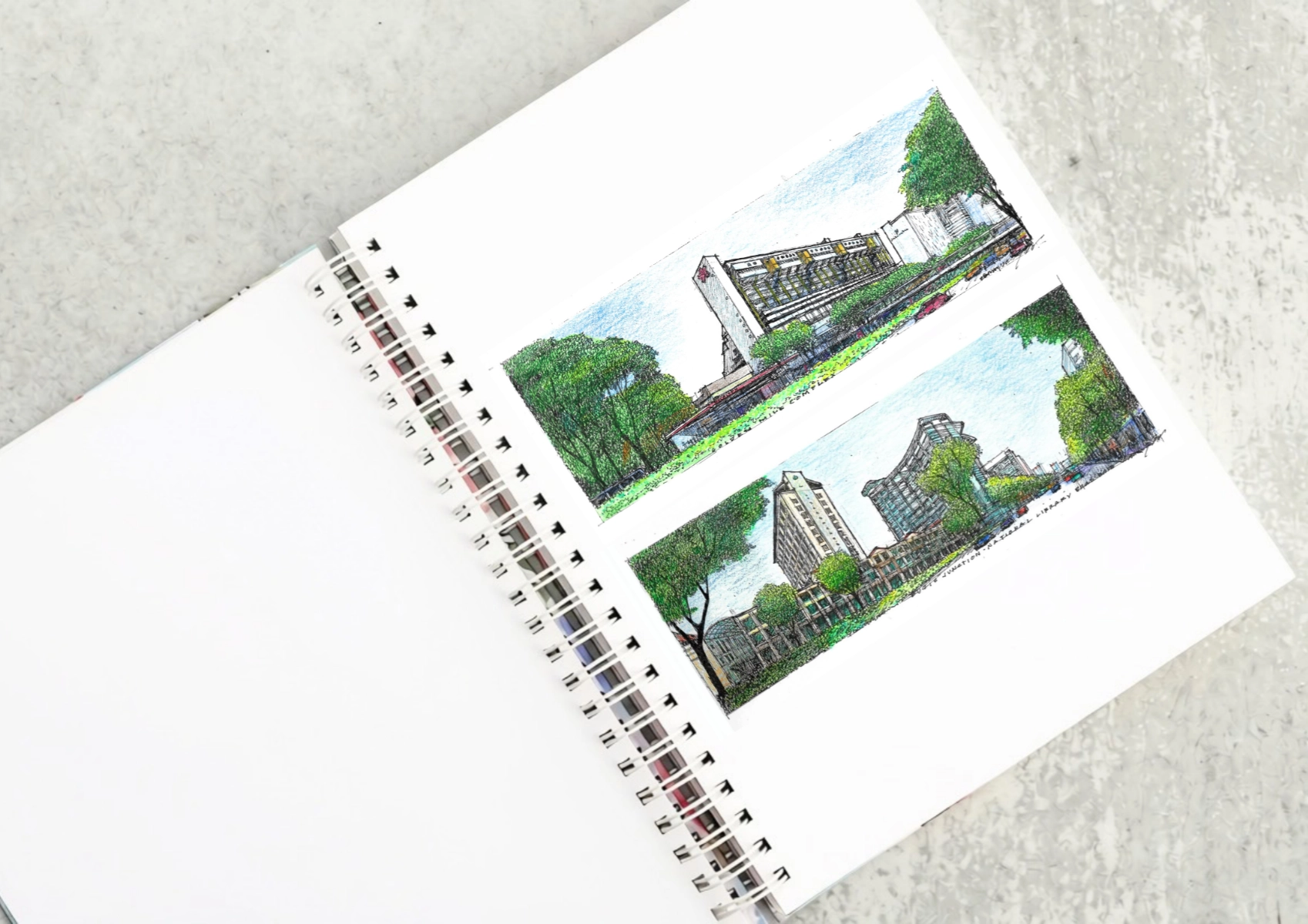
Two sketches of Singapore connect BluPrint Editor in Chief Paulo G. Alcazaren’s personal and professional history with Shared Ground: ArchitectureArchitectureThe art and science of designing and constructing buildings, structures, and spaces that are functional, safe, and aesthetically pleasing. It encompasses the planning, design, materials, and techniques used to createGo to Architecture Glossary of Care, Culture, […]
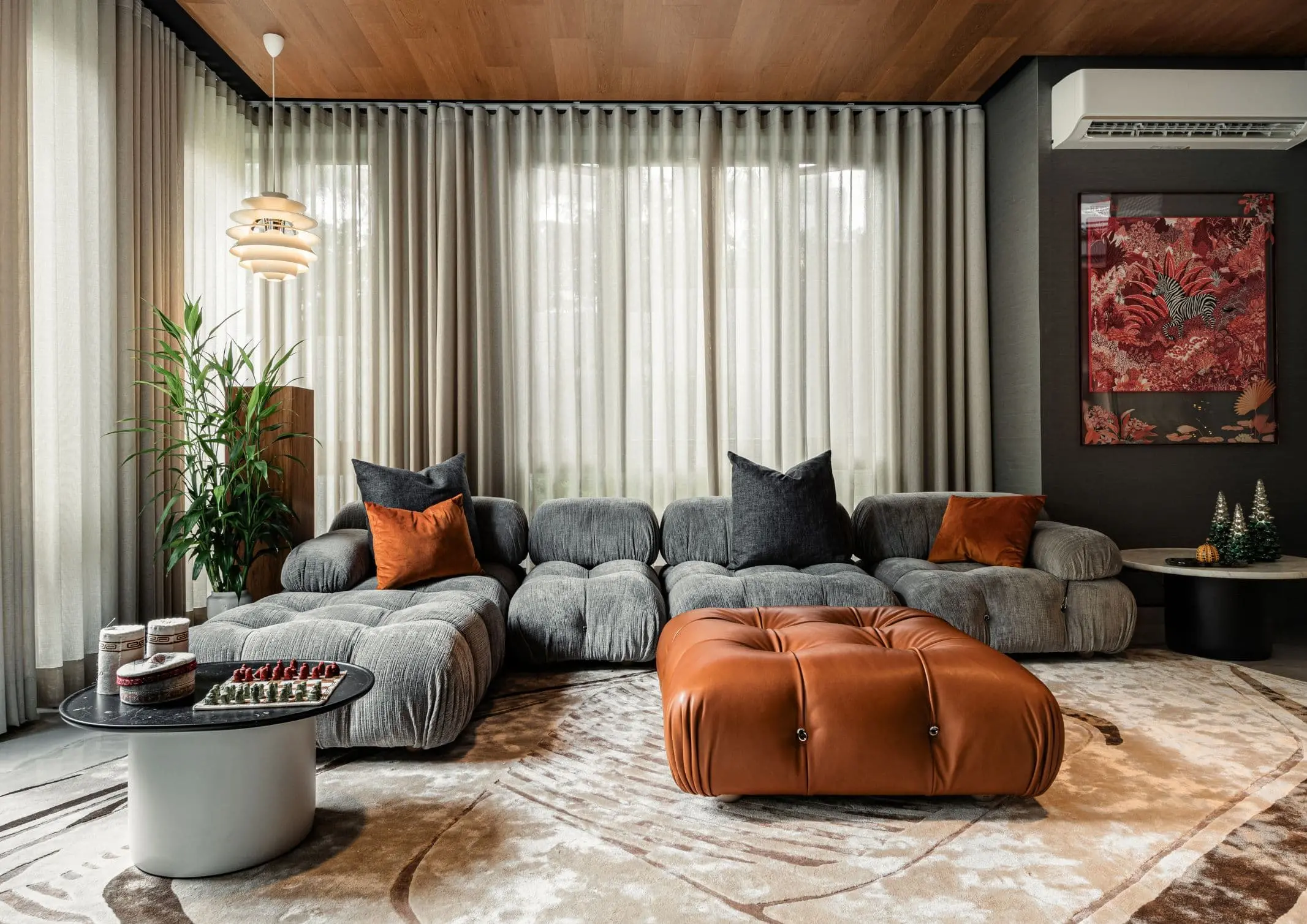
Some have become household names – Coleman, Oster, and KitchenAid – products that have found their way into Filipino kitchens, homes and family routines. In home furnishings, brands such as B&B Italia, Ethan Allen, Sub-Zero, Miele, SieMatic, Louis Poulsen, Hunter Douglas, Tempur, and Technogym, have helped shape the way Filipinos live. From everyday essentials to […]
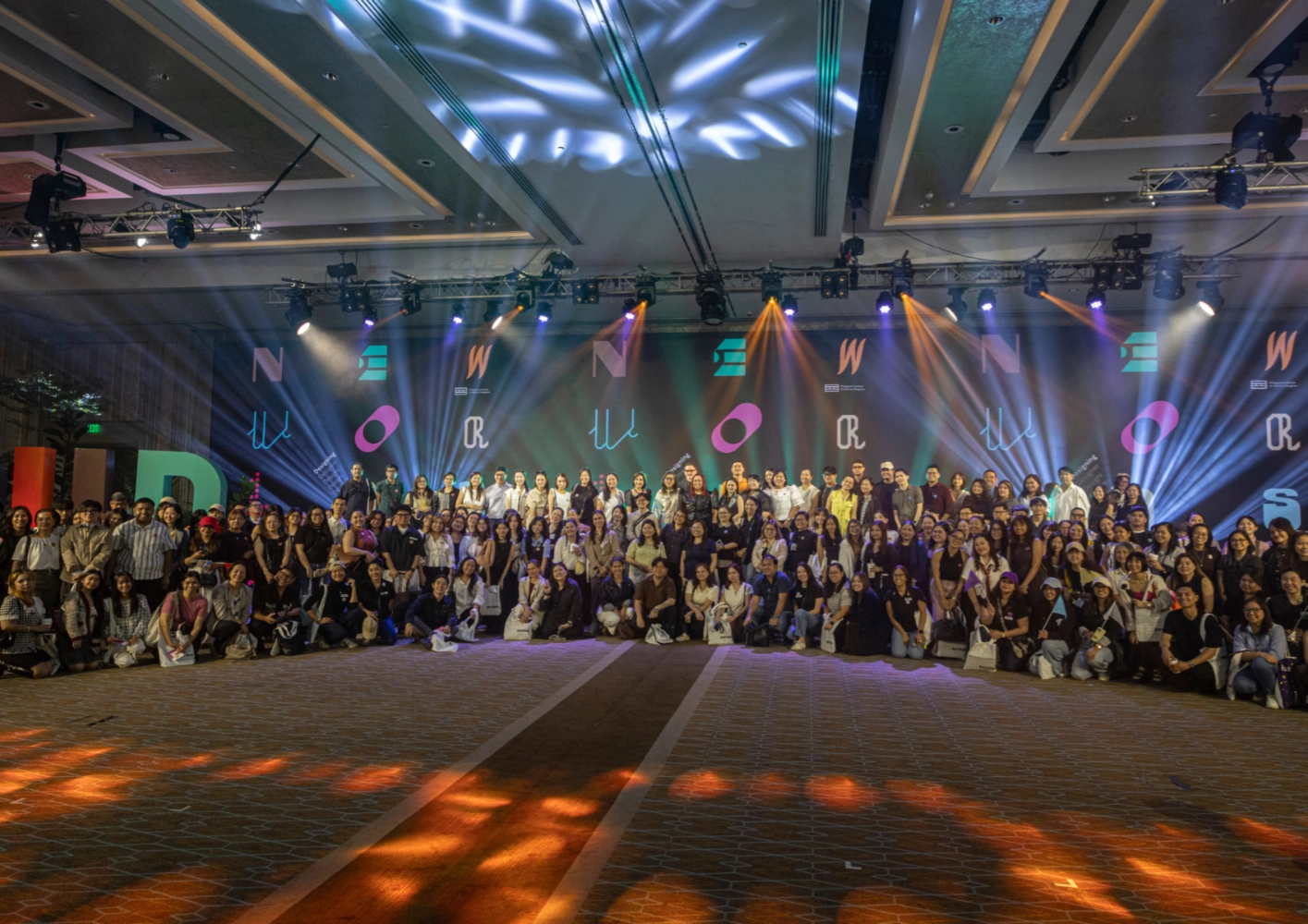
In a way, designers are the modern-day soothsayers and prophets. They design for the future, predicting how a room, a house, a building or a whole city will be used by people. They foresee how users will interact with a space, conjure exact shades of colors to elicit specific behavior and arrange furniture to build […]
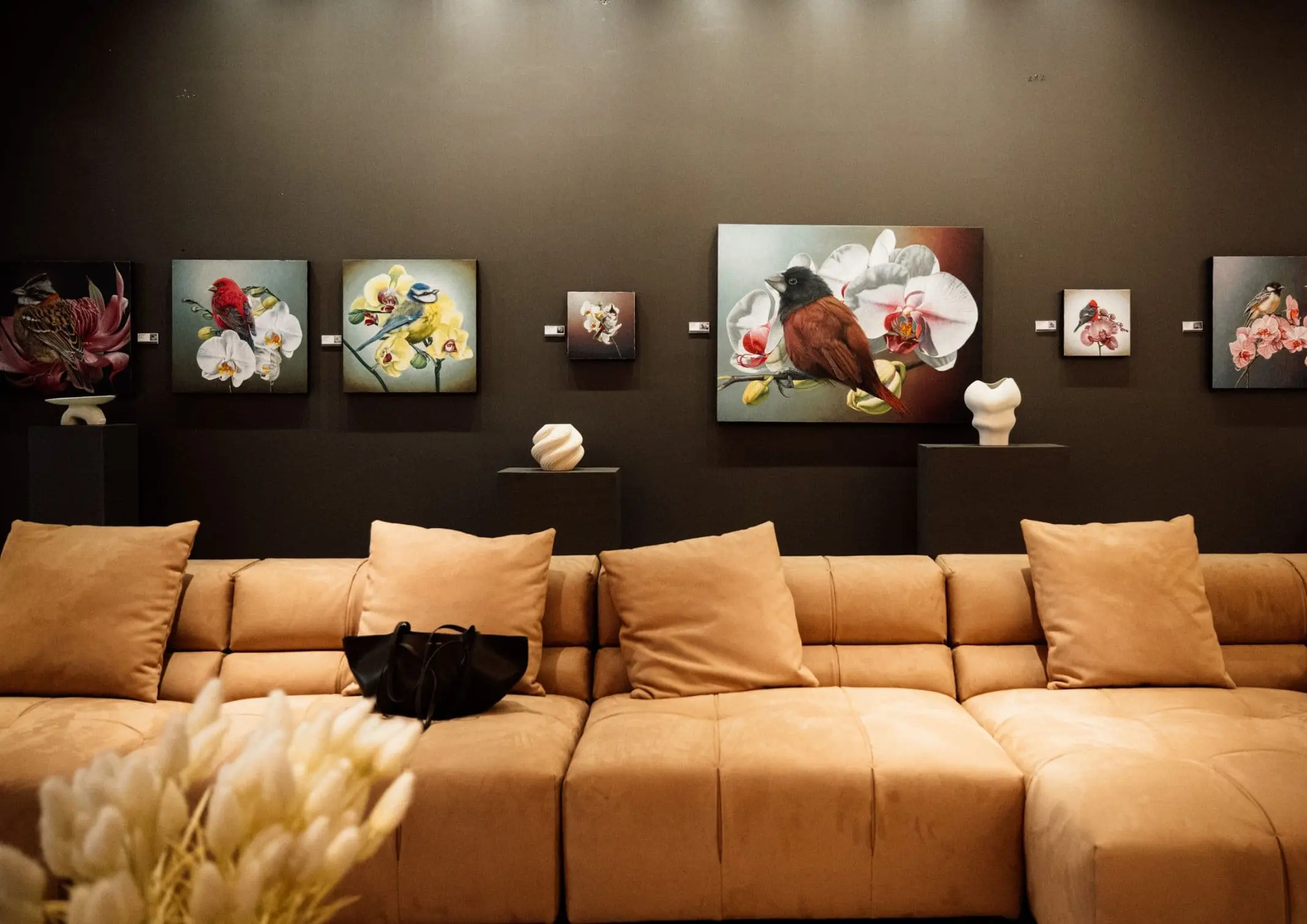
Art and furniture are often selected separately, yet their relationship can shape how a room looks and feels. The collaboration between Hooga and Galerie Joaquin explores how these elements can work together, bringing contemporary artworks into furnished residential settings at Hooga’s showroom in Uptown Mall, Bonifacio Global City. For Hooga, which curates furniture, lighting, and […]
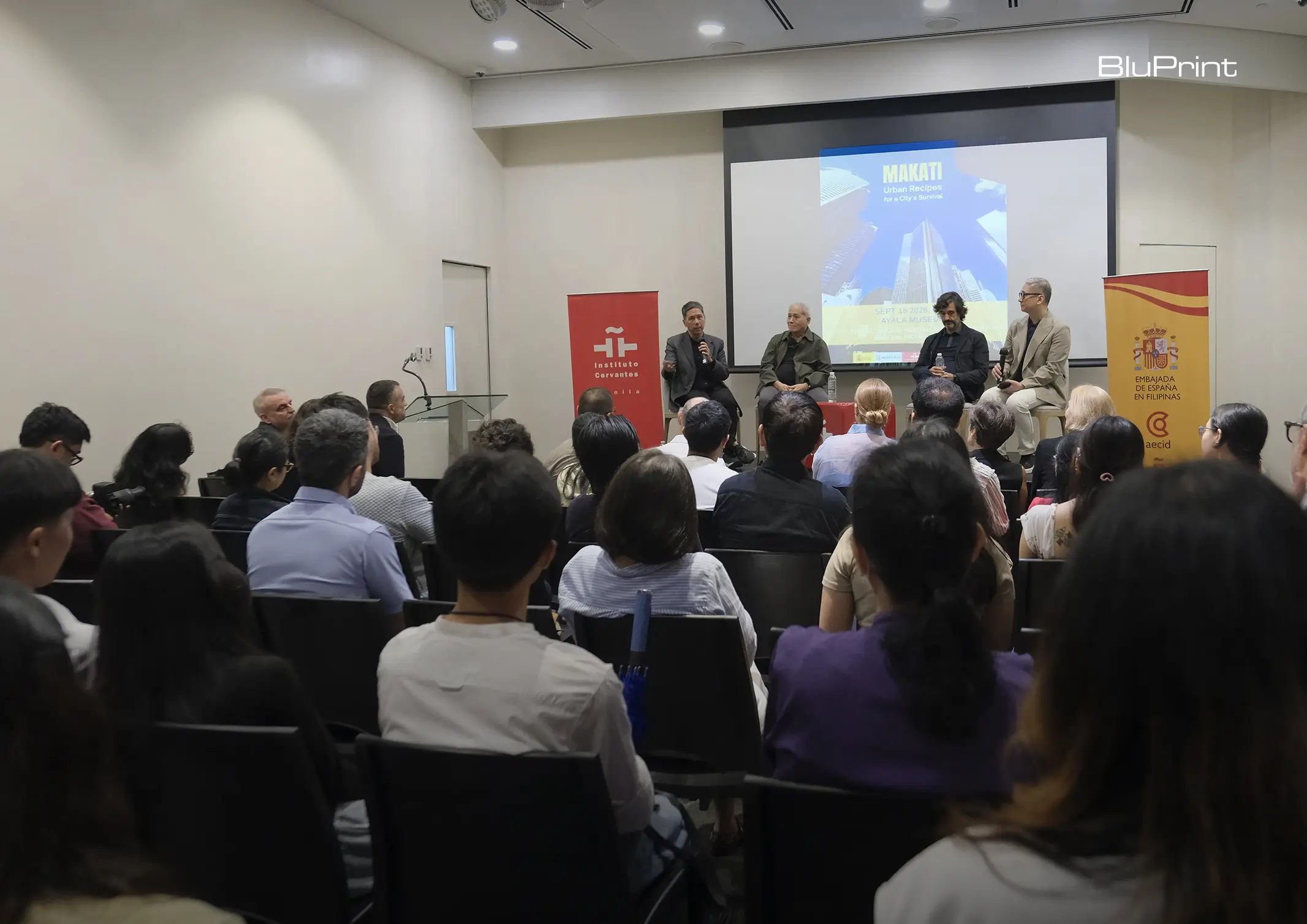
How can better-planned cities create the conditions for more creative, livable, and resilient urban environments? “Makati Urban Recipes for a City’s Survival,” a colloquium held at the Ayala Museum on September 15, brought together architects and practitioners from the fields of urbanism and the creative economy to discuss how design, planning, and collaboration can address […]
Read the issues.

Collect the volumes.

Recommended Video
Tap to Unmute
Unmute
0:00
0:00