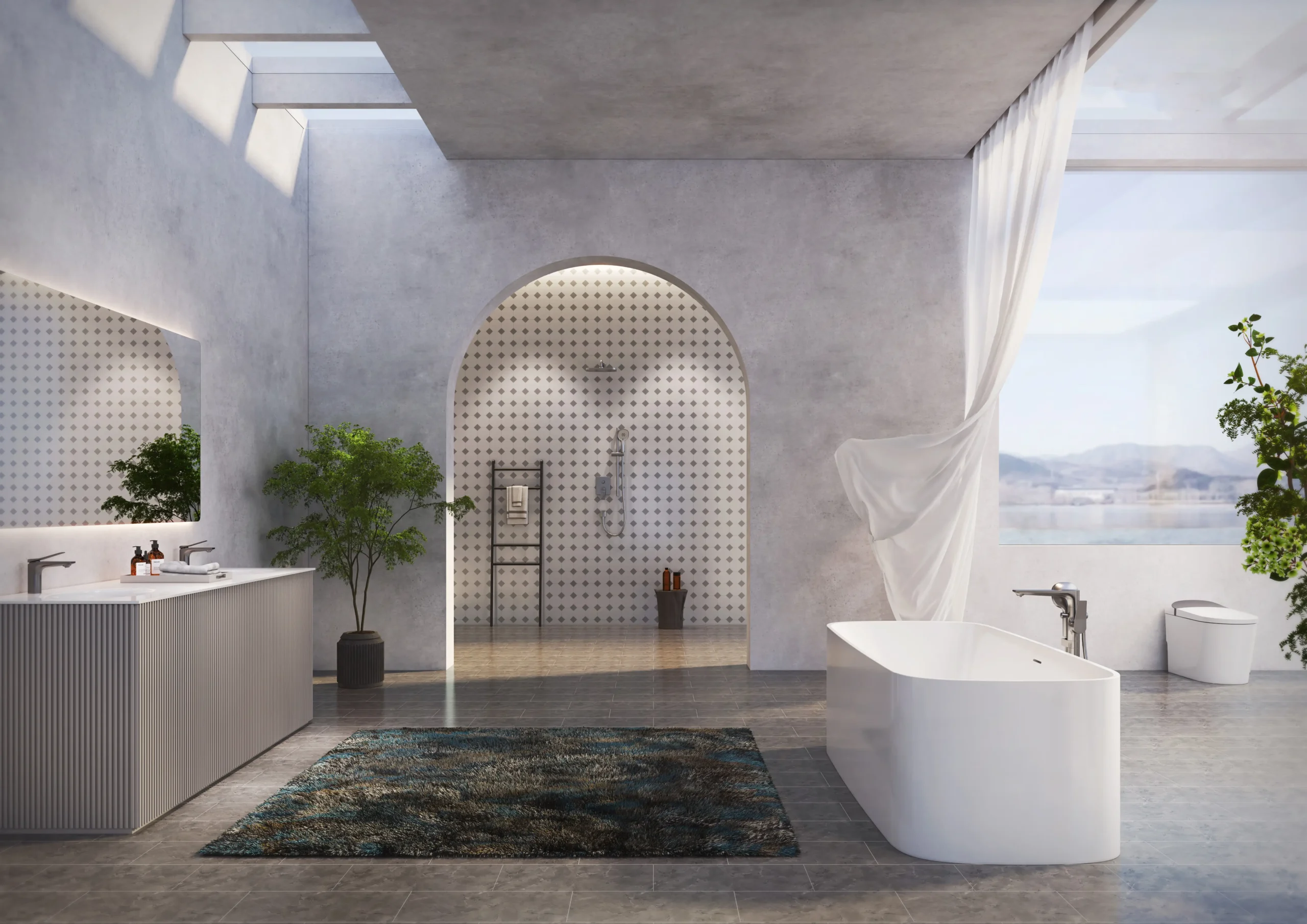
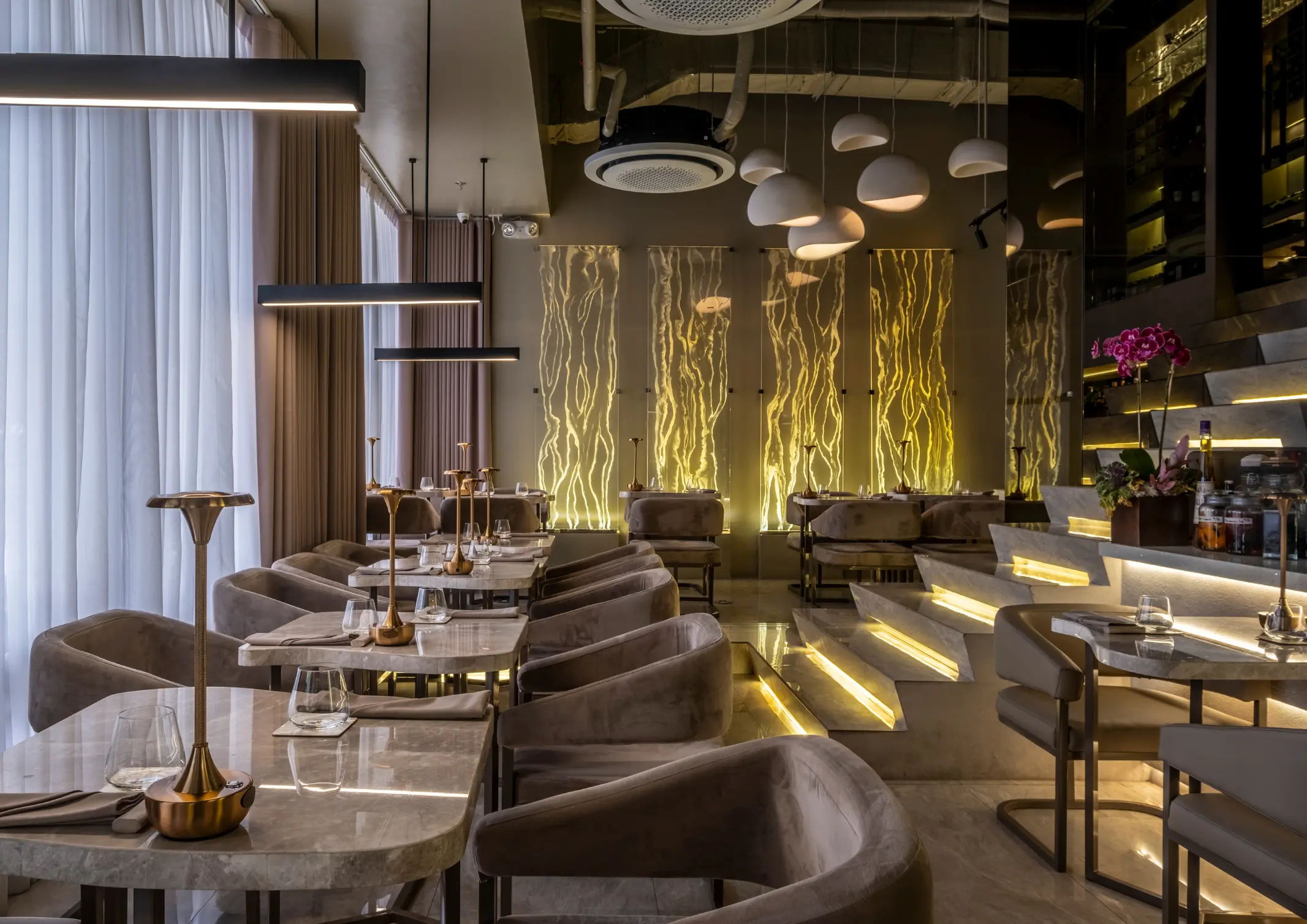
You’ve probably encountered the two extremes of interior design—maximalism and minimalism. But have you heard of the style that sits just right in the middle? If open spaces and straightforward architectural details leave you feeling empty or abundant decor and trinkets feel overwhelming, maybe you need something that’ll bridge the gap. Midimalism is the perfect balance of functionality and playful inclusion of decorative elements you’ll never grow tired of.
Where Minimalism and Maximalism Meet
Midimalism, also known as middle-malism, is exactly what its name implies. It adopts the cleanliness, orderliness, and calmness of minimalist design while exhibiting the striking colors, patterns, and decorative pieces of maximalism. It’s the fine line between these prominent interior styles that neutralizes and harmonizes their remarkable qualities.
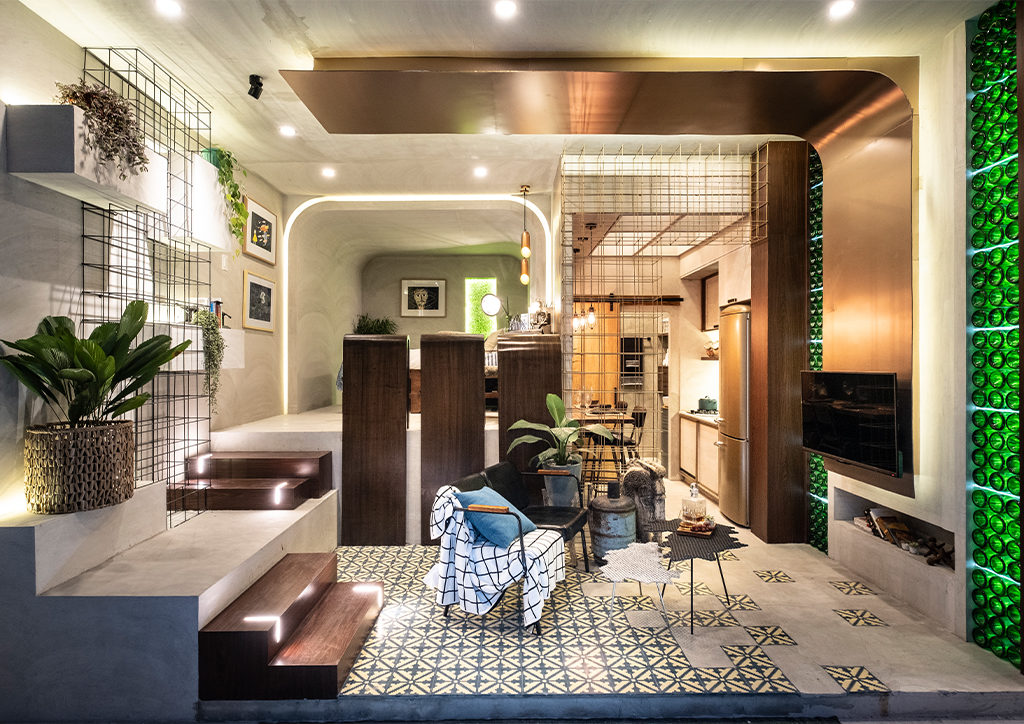
Somehow, midimalism serves as the middle ground, where these seemingly contradicting designs can co-exist together. This is typically shown in combining neutral color bases and simple, sleek lines and furniture with pops of color and stylish decor. But you can always customize your space however you like as long as it maintains cohesiveness and personality.
Advertisement
Is Midimalism Really the Middle Ground?
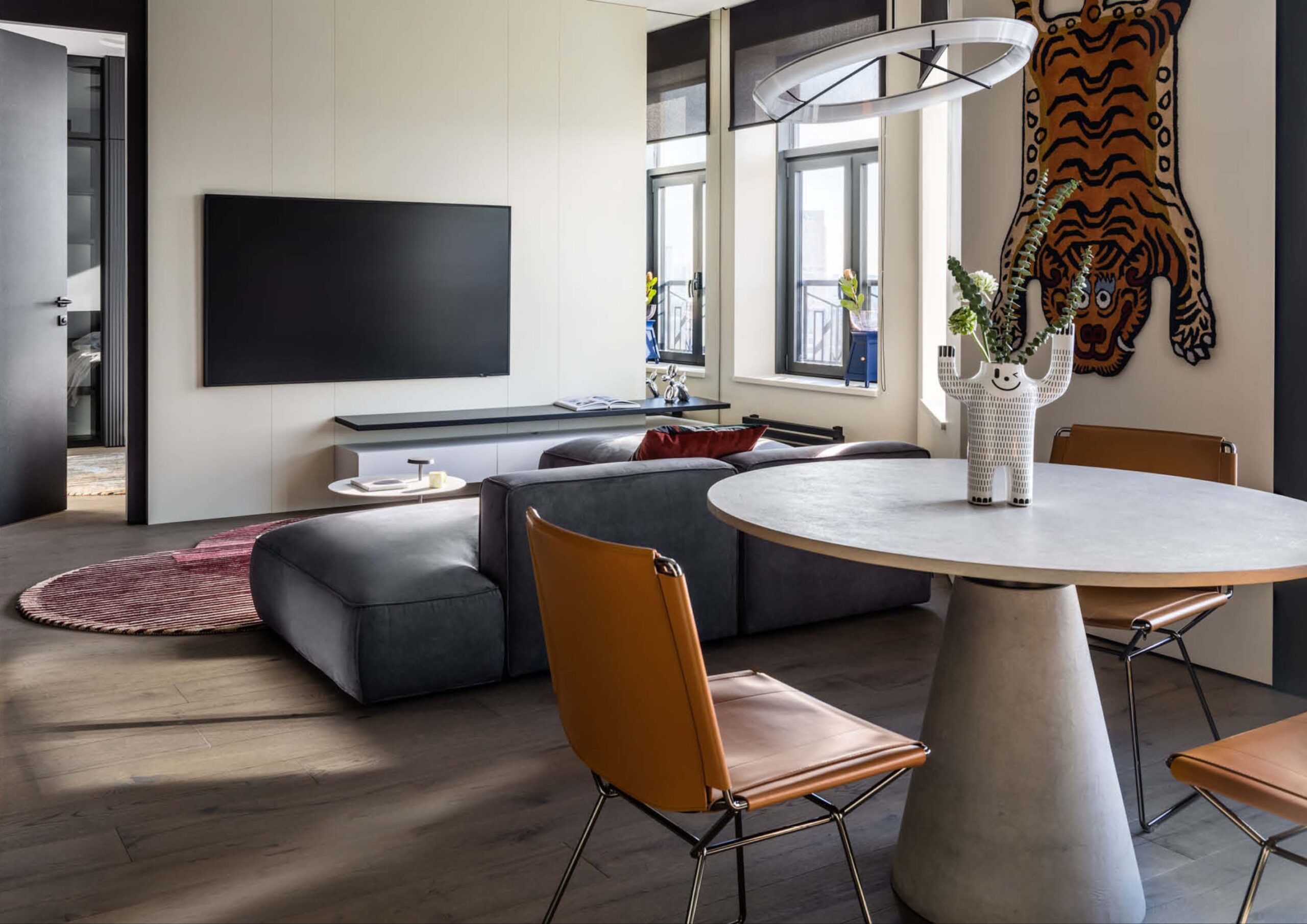
Photo courtesy of Doh Eain
While it may be a simple concept of balance, designers argue that a midimalist style is more complicated than that. Since this design doesn’t dictate a single aesthetic, it allows a wide range of looks, which also blurs the lines of what it truly defines. In a way, midimalism is reduced only to being the middle point of minimalism and maximalism.
In line with its oversimplification, some also find it inappropriate to squeeze in all the subcategories of maximalism and minimalism into just one label. Both of these extremes encompass a variety of design approaches like adopting Japanese and Scandinavian styles, for instance. So, cramming these complexities under the single category of midimalism disregards differences, which makes it more confusing.
Designers also fear that this style’s intended balance might be a little too subjective. One person’s minimalist approach to curated collections might seem maximalist to another. And this subjectivity makes it challenging to define a single, universally applicable midimalist style.
Advertisement
However, midimalism’s core principle simply revolves around intentionality, functionality, personality, and curated collections. Perhaps, the true value lies not in a rigid definition but in the freedom it offers to create a space that reflects what environment brings you comfort and joy.
How to Be a Midimalist?
Midimalism is more than combining the features of minimalism and maximalism. To help you sort out the right balance between these styles, here are some tips to get you started.
Declutter and Reclutter
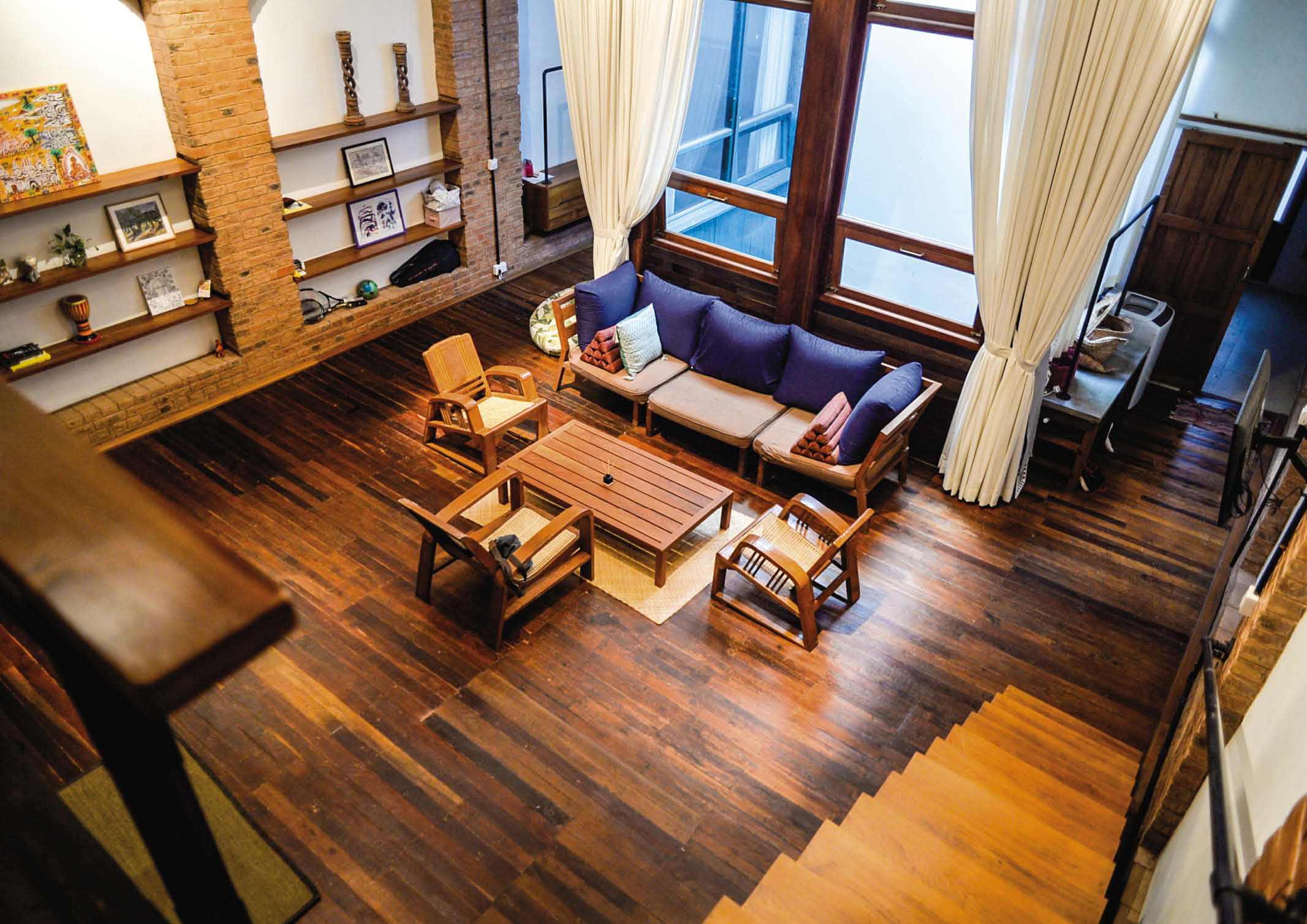
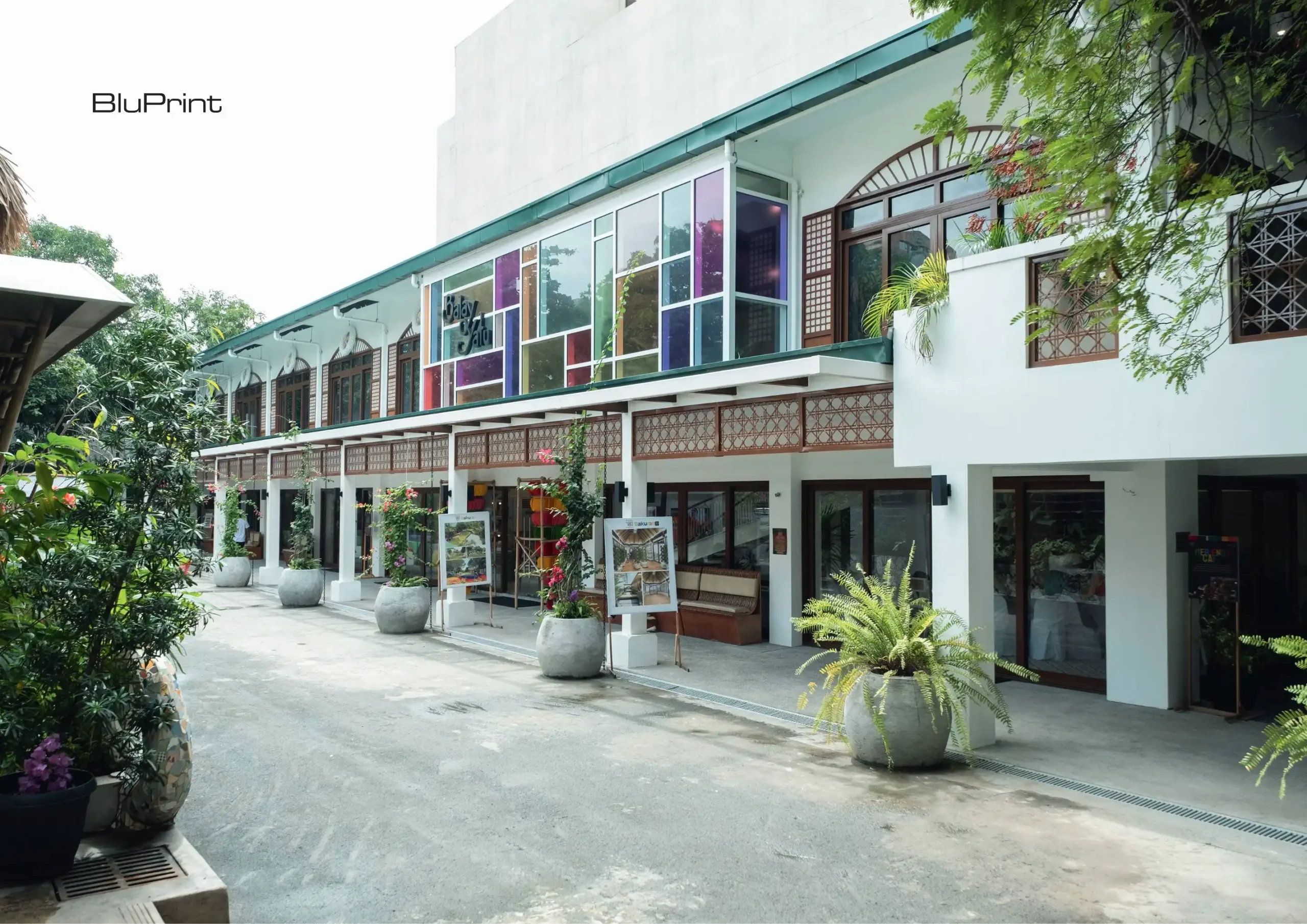
Photo by Ariadna Polo
Start with a clean slate. Declutter your space by removing anything that’s broken, unused, or doesn’t spark joy anymore. You can donate or sell those that are still in good condition to give them a new lease of life.
Advertisement
But unlike minimalism, which focuses on the essentials, midimalism allows you to keep items with sentimental value. Regardless if they have practical function or not, anything that resonates with you deserves a place in your space. It can be anything from heirlooms, travel souvenirs, or hand-me-down pieces.
Build a Midimalist Base
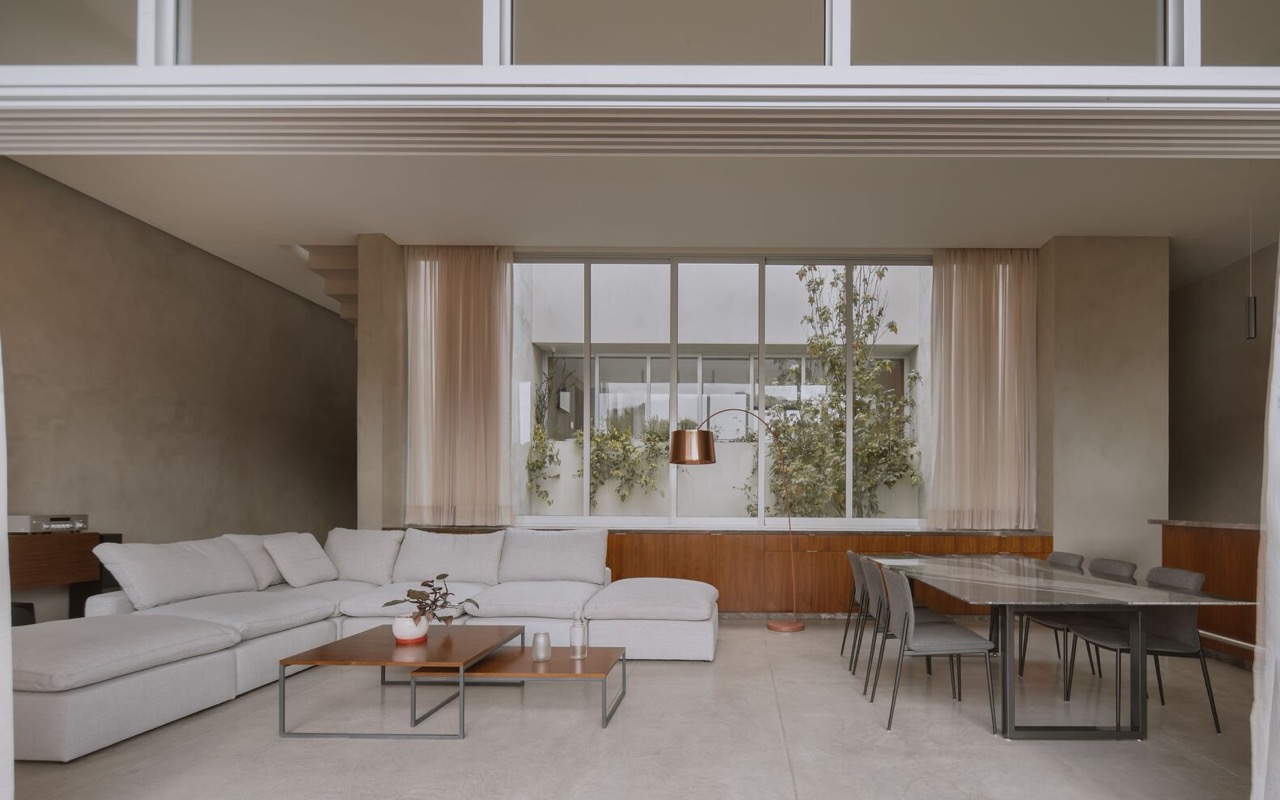
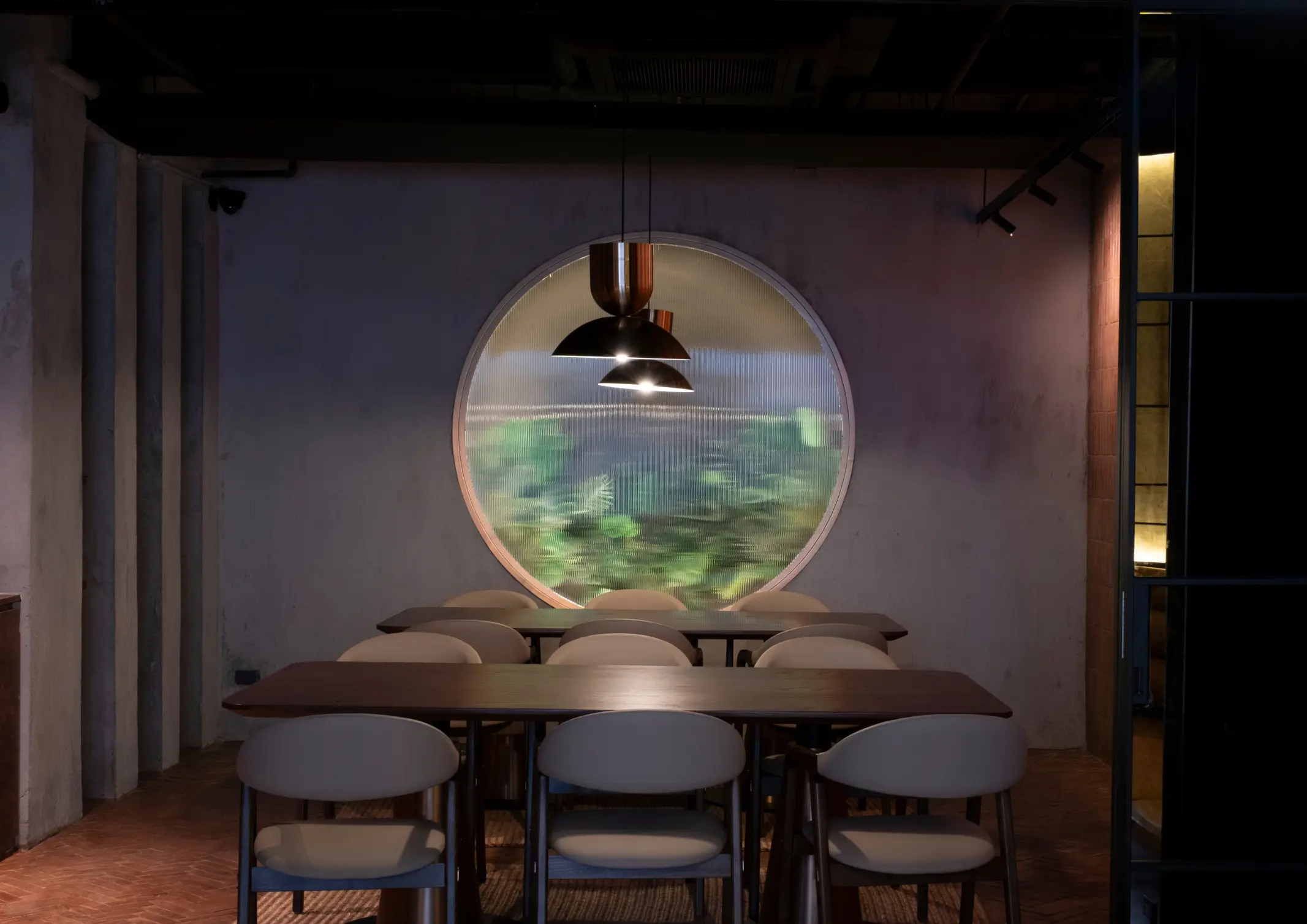
Photographed by Ed Simon
Clean lines and a neutral color palette are the foundation of a midimalist space. Opt for furniture with clean, straight lines, smooth curves, and unfussy silhouettes. The lack of visual clutter makes their materiality stand out and contributes to a sense of serenity and peace in your space.
Better if you prioritize the anchor pieces to have a form that complements their function. For example, if you have limited space, choose a light, simple, and sturdy armchair. Or if you like hosting social events and you have the space, a large dining table might be a better choice. Multifunctional pieces like storage ottoman and console tables with drawers additionally help reduce clutter and maximize space efficiency.
Advertisement
As for colors, white, beige, gray, and taupe make a good canvas for pops of color, patterns, and textures to shine through. Along with creating a calm and airy ambiance, neutral hues are also versatile, making adding contrasts and decorative layers easier. And with their ability to reflect light, the space instantly becomes bright and more open, which is particularly beneficial for rooms with limited natural light.
You can apply these colors to negative spaces or anchor pieces as well. But if you want to add more prominent colors, you can follow the 60-30-10 rule. 60 percent will serve as your neutral base, then pick a secondary color that’ll make up the 30 percent. It can be any color, shade, or tone closer or complementary to your neutral. Lastly, select the 10 percent as the ultra-contrasting color.
Curate Collections
After completing the minimalist parts, it’s time to build on the maximalist half. Midimalism encourages surrounding yourself with objects you love, but with intention. Display collections that tell your story.
Advertisement
Do you have a passion for travel? Showcase souvenirs in a thoughtful way, like framed photographs or a collection of postcards. Love vintage cameras? Display them on a shelf. Have a collection of your favorite artist’s vinyl albums? Proudly display them on your walls. These curated collections add personality and spark conversation.
Mix and Match Textures and Patterns
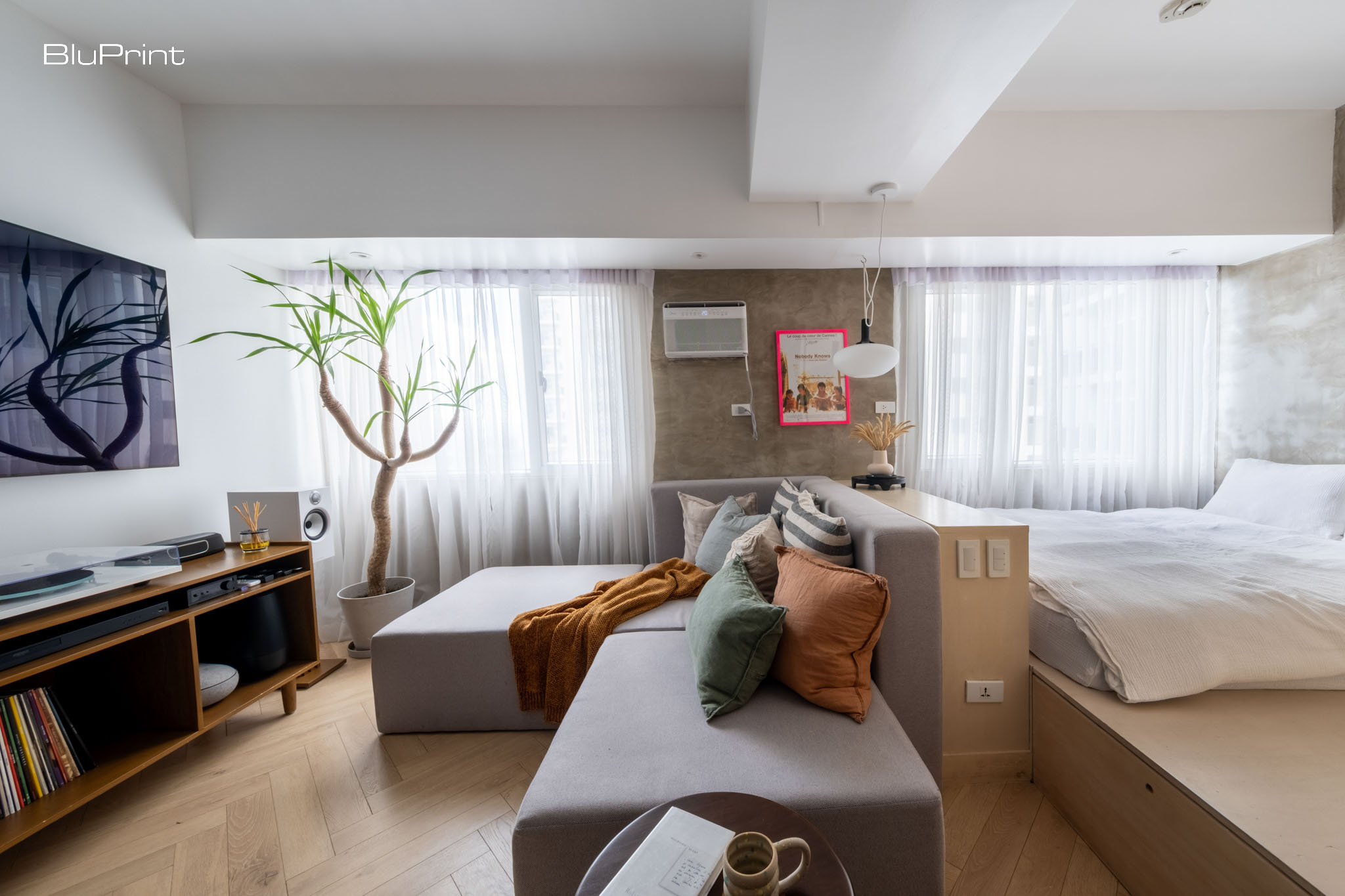
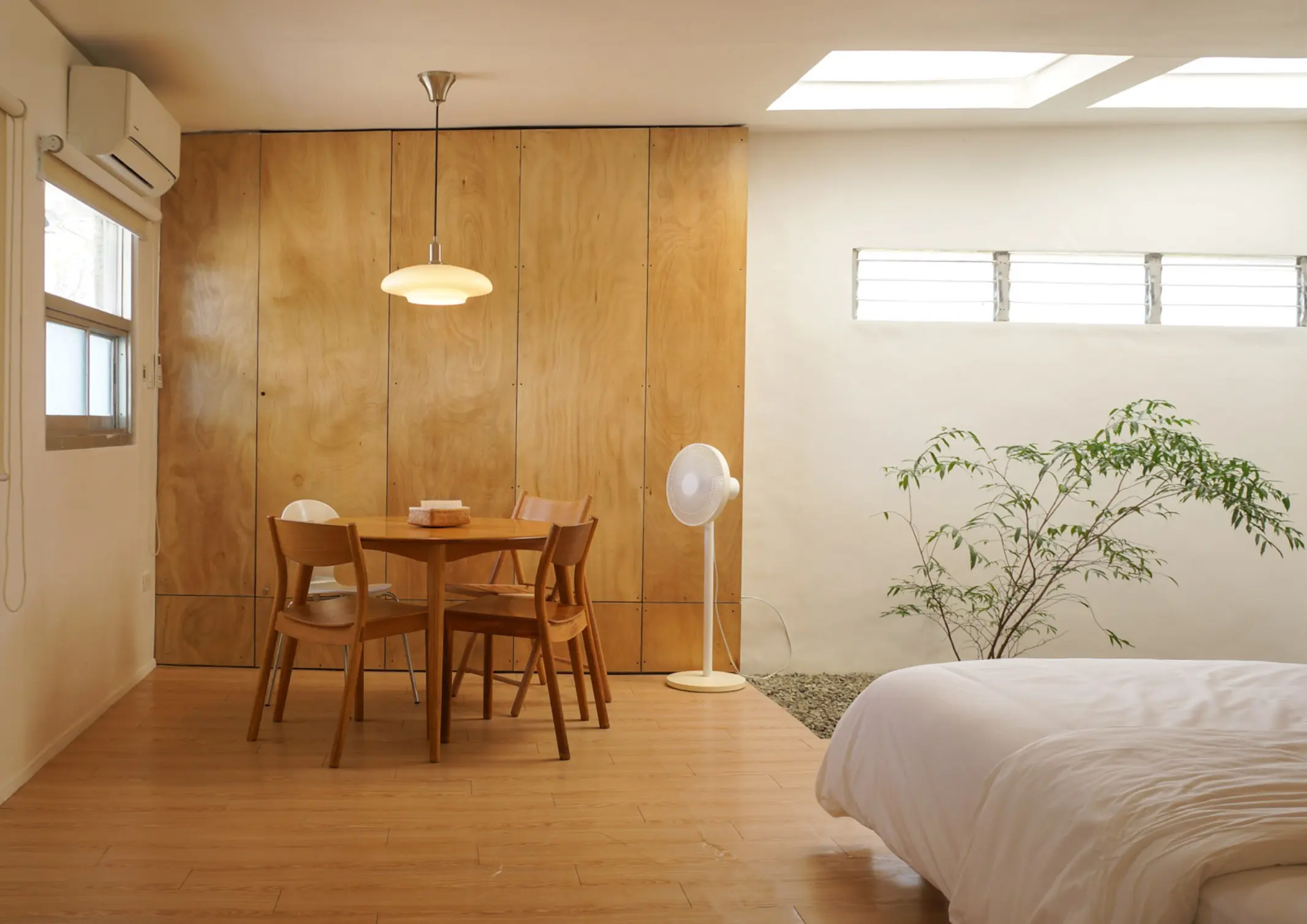
Photographed by Ed Simon
Along with trinkets and sentimental collections, you can bring maximalism into your space by introducing visual interests. The rule of thumb is to mix plains with textures. So, if you opt for neutral walls and simple furniture, add depth through woven throws, wooden lamps and decor, and intricate ceramics.
The same goes for patterns. Balance bold prints with solid colors, and keep the scale in mind. Large, geometric patterns work well in larger spaces, while smaller, intricate patterns might be better suited for smaller areas. You can either apply it in fabrics, wallpapers, or details of home decor.
Advertisement
Midimalism isn’t simply a combination of minimalism and maximalism. It’s the compromise that brings balance to these contrasting styles and lets you enjoy the best of both worlds without sacrificing functionality and personality in your space.
Contemporary design refers to the constantly evolving design trends of today. With the power to design our built environments, architects have been experimenting with various architectural approaches. Whether that is through unconventional forms or the integration of smart technologies, BluPrint lists down Filipino architects who are defining contemporary architecture. Deo Alam Architect Deo Alrashid Alam […]
In the Philippines, adaptive reuse gained traction during the 1970s with the rise of conservation and environmental preservation movements. It offered an architectural solution that reuses existing spaces to fit modern needs. Across the country, several projects demonstrate how this approach is being applied—transforming heritage structures into active spaces for culture, hospitality, and community life. […]
From residential spaces to civic structures, lighting dictates the mood of a space. It controls the visual dynamics of an interior, serving as a guiding tool that highlights key design elements, including materials and textures. Related Reading: Lampscaping: How to Light up Your Home like a Pro Regulating the Mood: Natural and Artificial Light in […]
More and more Filipinos are flocking to condominium communities. Often tucked within busy city centers, condo living acts as a small respite from urban chaos. Faced with the challenge of transforming a cramped condominium into a warm living space, BluPrint lists condo interior design ideas that can maximize each square foot of small spaces. Purposeful […]
Modern bathrooms are no longer purely functional spaces. Increasingly, they are being designed as environments that support cleanliness, ease, and quiet restoration within the home. As daily life becomes more demanding and health awareness continues to rise, homeowners are beginning to expect more from the spaces where daily rituals begin and end. For architects and […]
From the moment a diner steps through the door, each detail shapes how a meal is experienced. Restaurant design has evolved, with architects and culinary professionals collaborating to create built spaces that are as intentional as the menu itself. The spatial atmosphere acts as an additional ingredient that can define the culinary experience. Taupe and […]