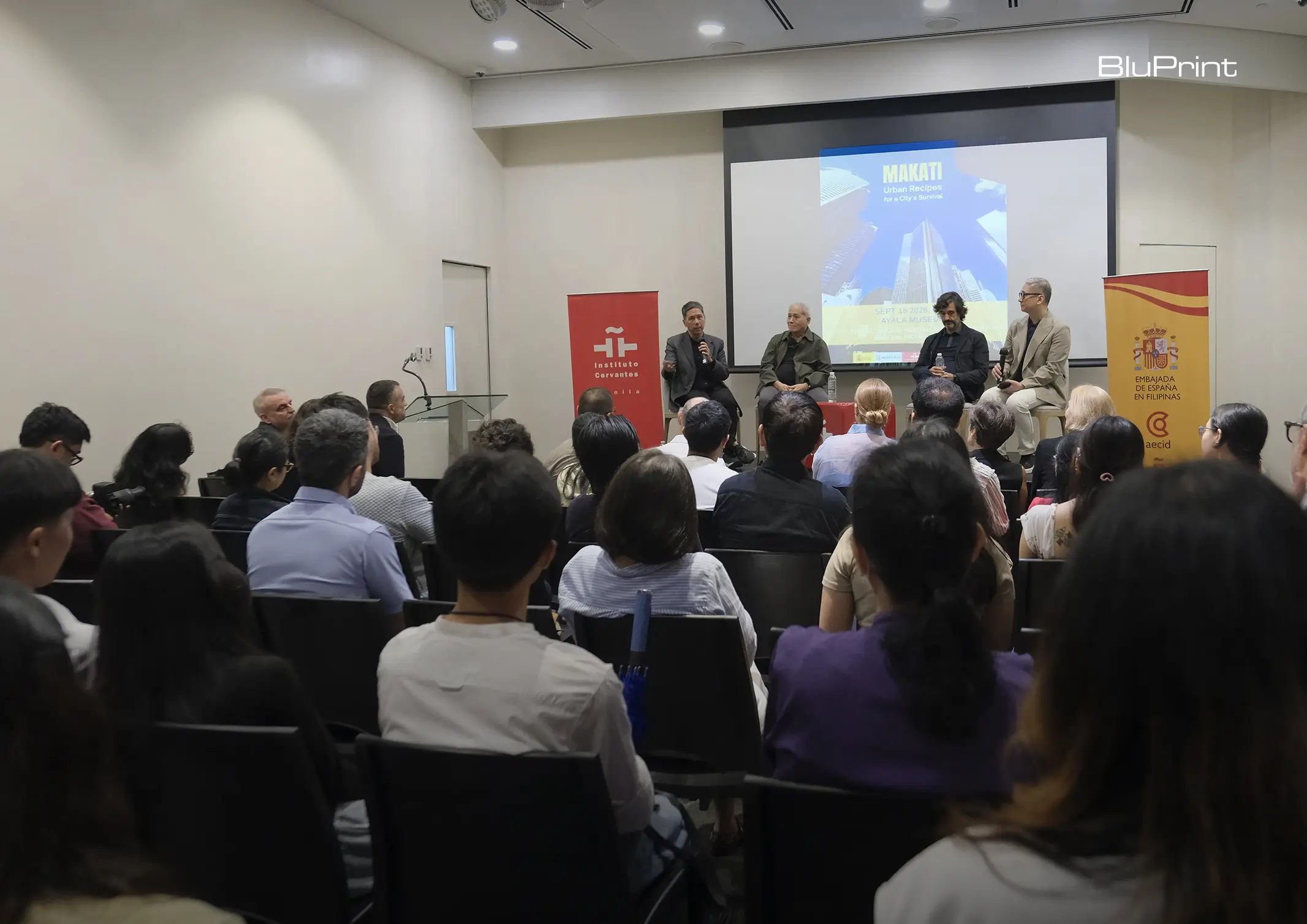
How can better-planned cities create the conditions for more creative, livable, and resilient urban environments? “Makati Urban Recipes for a City’s Survival,” a colloquium held at the Ayala Museum on September 15, brought together architects and practitioners from the fields of urbanism and the creative economy to discuss how design, planning, and collaboration can address […]
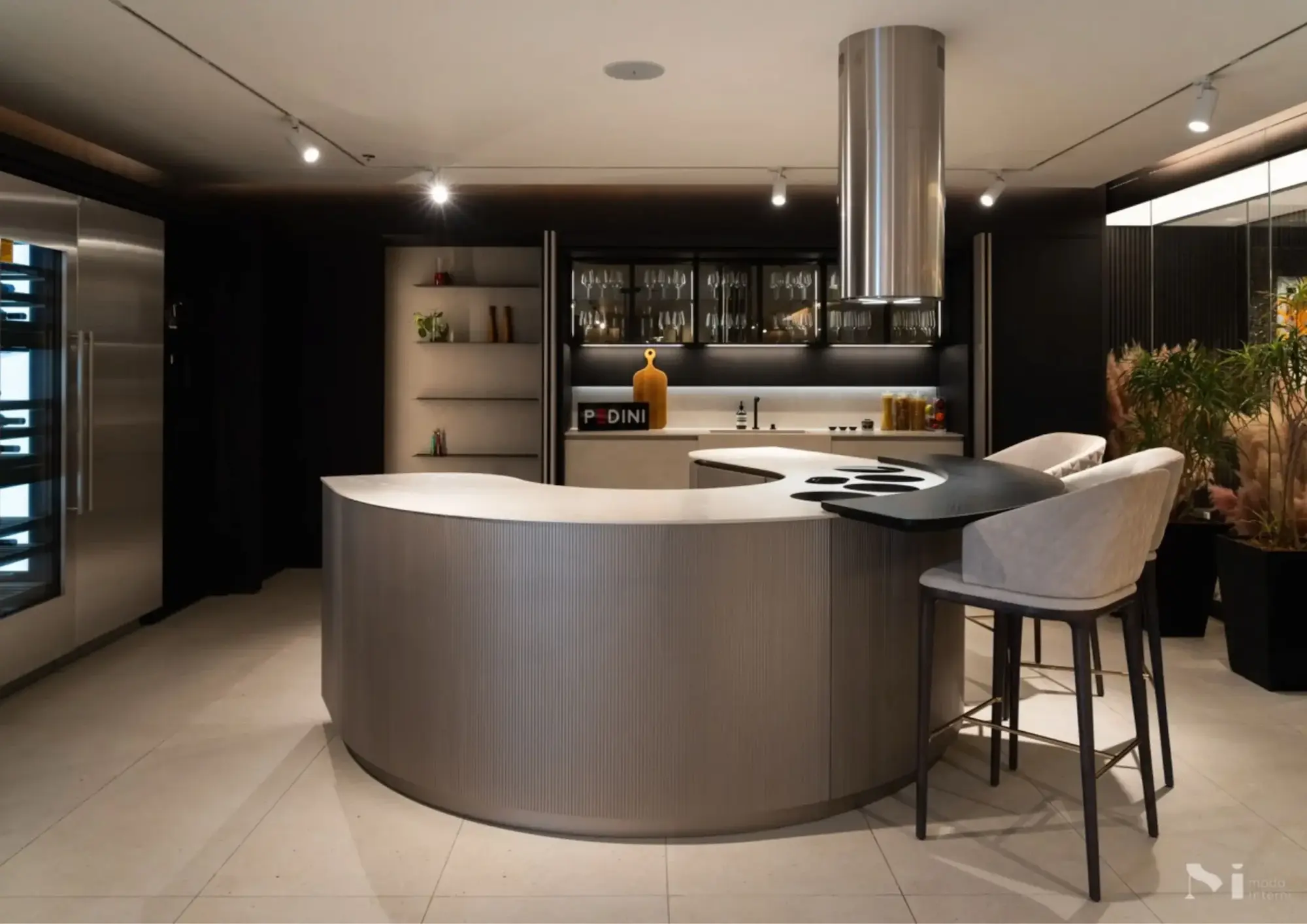
Moda Interni Marks Philippine Debut of Innovative Curved Kitchens by Pedini



Local high-end luxury furniture store Moda Interni presents their newest offering in state-of-the-art craftsmanship as they debut the latest innovative curved kitchens designed by Italian brand Pedini to the Philippine market.
Goldwin Sison, CEO of Moda Interni, and Francesco Giuffrida, Brand Export Manager of Pedini, showcased the brand’s Arkè collection, a series of innovative structures that differ from the traditional straight kitchen islands with its ergonomic design, use of sustainable wood-based materials, and cooking-friendly design.
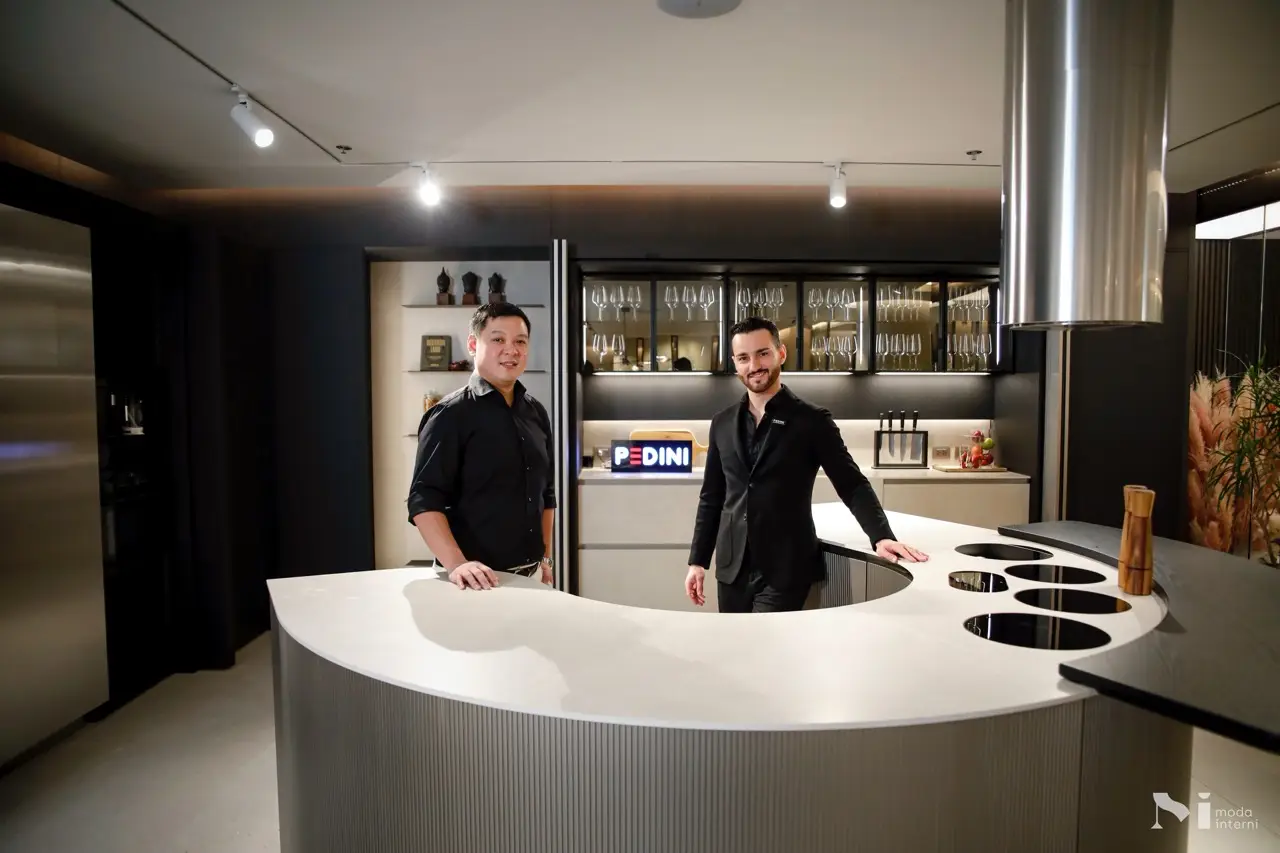
“Curved kitchens represent a refined evolution in kitchen design, one that balances visual harmony with daily performance,” Sison said. “With Pedini’s curved kitchens, we’re not just offering a luxury product. We’re introducing a new standard for how the modern Filipino kitchen can feel and function.”
Sison has been a fan of Pedini’s kitchens since discovering the brand in 2016. He was impressed with their particular design features and found it to be a perfect fit for the needs of the Philippine market.
“I think it’s very—bagay siya sa market ng Filipinos,” he said. “ Its ease of use [works with the] very limited space [in] Filipino houses. This one can help you save space. It can bring you confidence, it [also] brings you a sense of success. So we want to impart all those to our Filipino clients.”
Elevated Kitchen Experience
The Italian brand has been making modular and luxury kitchen models since 1957, and designed the curved kitchen islands with its inaugural Francesca model. Their new Arkè collection is handmade and individually designed to optimize the space in each home.
“This Arkè line features curved elements that are shared and can be applied to multiple elements of the kitchen base units, upper units, and [other] units,” Giuffrida said. “It’s a transitional type of product together with the modularity. With the models, the finish is evolved as well, and these curved kitchens present and [feature] unique materials and unique techniques that nobody else in the world can do.”
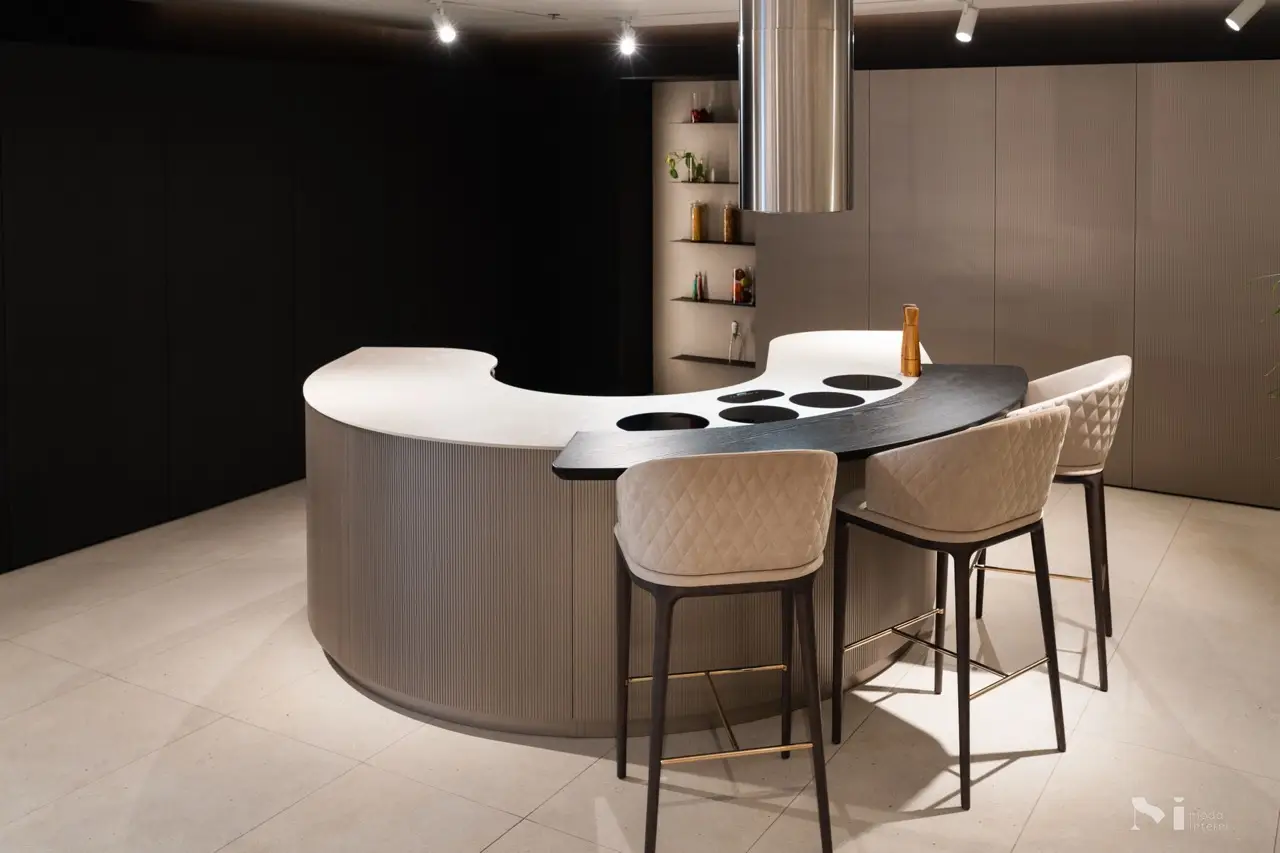
The company works with environmentally-friendly and sustainable solid wood or wood-based materials. These components are chosen for their ease of customization. And through rigorous research and development, Pedini has found this to be the best materials to use for making curved kitchens.
“I mean, curved kitchens are not doable with other materials due to the fact of the limits of the material themselves,” Giuffrida said. “Generally speaking, we’re trying to work with ecological materials, sustainable resources, and certificated sources of materials. And then [these] get treated, get painted, and have a lot of processing going on to make them, for example, look like metal while it’s not metal.”
Pushing Forward Family-Friendly Designs
Both Sison and Giuffrida believe that the Arkè kitchen line from Pedini fits in the Philippine market because it allows for more engaging family interactions.
“With the limited time we spend at home, just imagine a straight kitchen,” Sison said. “You have several people that you want to talk to at home: your maids, your husband, your kids. Of course, sometimes they have friends over.
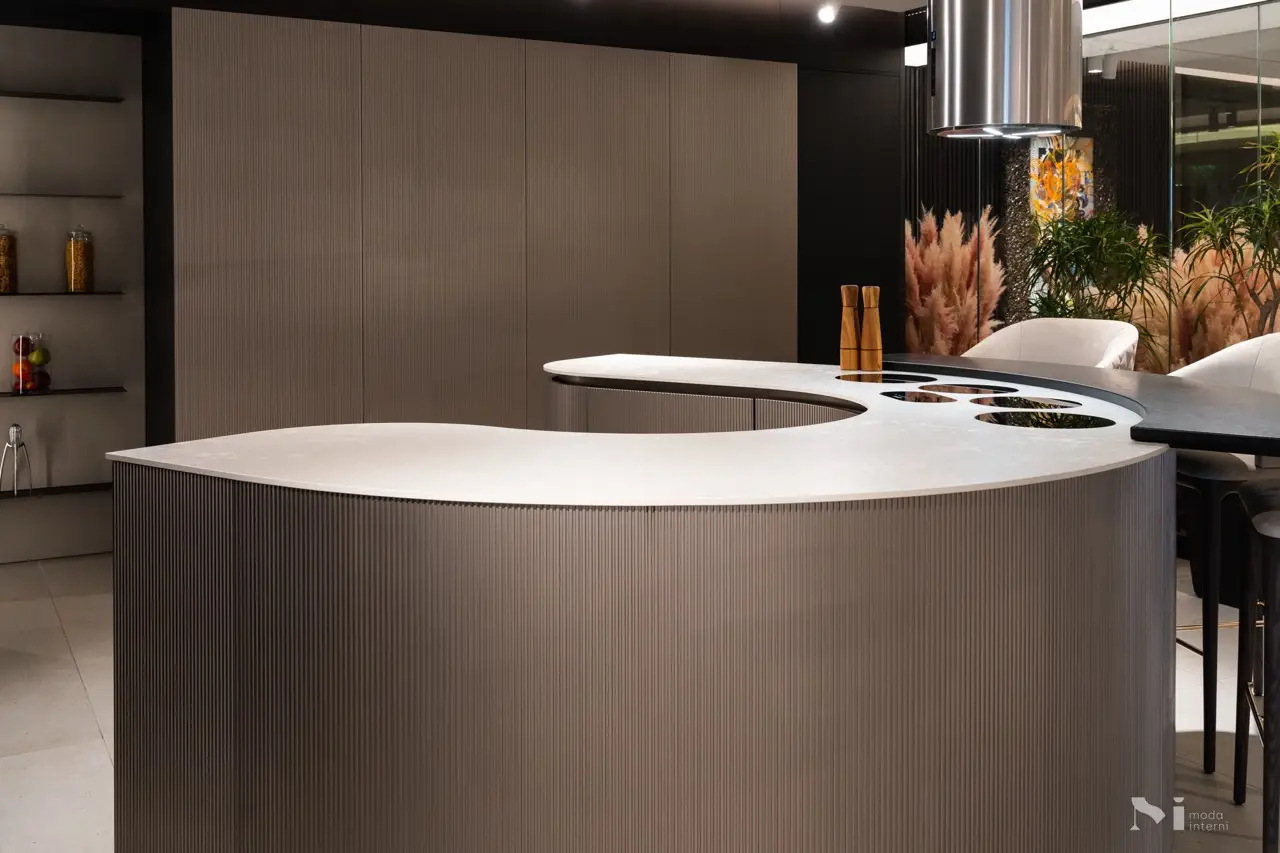
“[In a] curved kitchen, they can surround you. Kapag straight [kitchen], sometimes who you want to talk to is on the other side, you cannot talk to them. So it’s really, really family friendly. It increases the time you spend with people you love.”
This family-centric approach, Giuffrida admits, is why Pedini partnered with Moda Interni in the first place. Pedini believes that Filipinos and Italians share similar values when it comes to that aspect of our cultures.
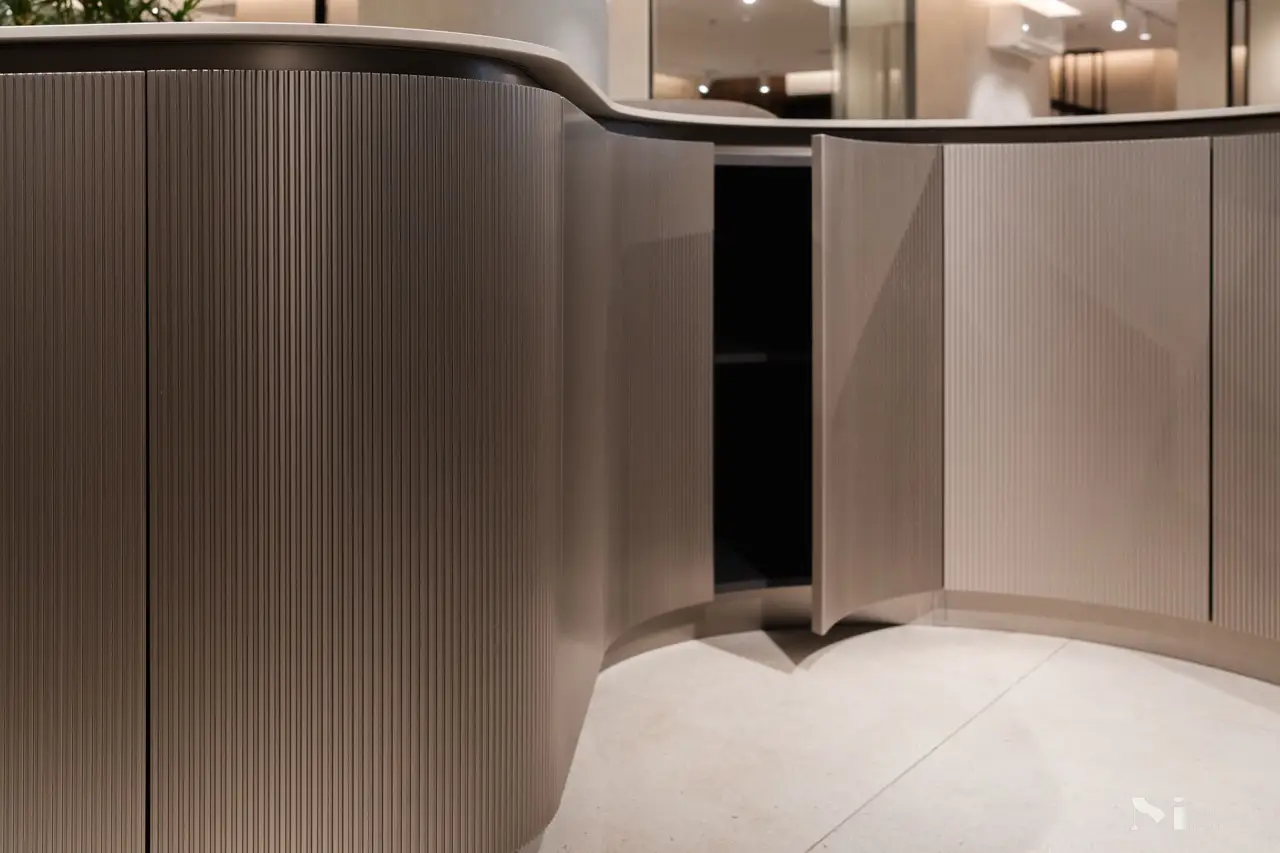
“This collection is the result of decades of innovation and Italian design heritage,” Giuffrida said. “At Pedini, it’s about shaping spaces that reflect the way people live today, with elegance, efficiency, and emotion.”
“We thought that this market had a lot in common with our company’s values, meaning that Filipinos, like Italians, tend to appreciate the kitchen and all that revolves around the kitchen,” he elaborated. “Because again, kitchens are where you attend [to] your guests, your family, your friends, and that’s where you really live [in] the house.”
A New Frontier for Kitchen Design
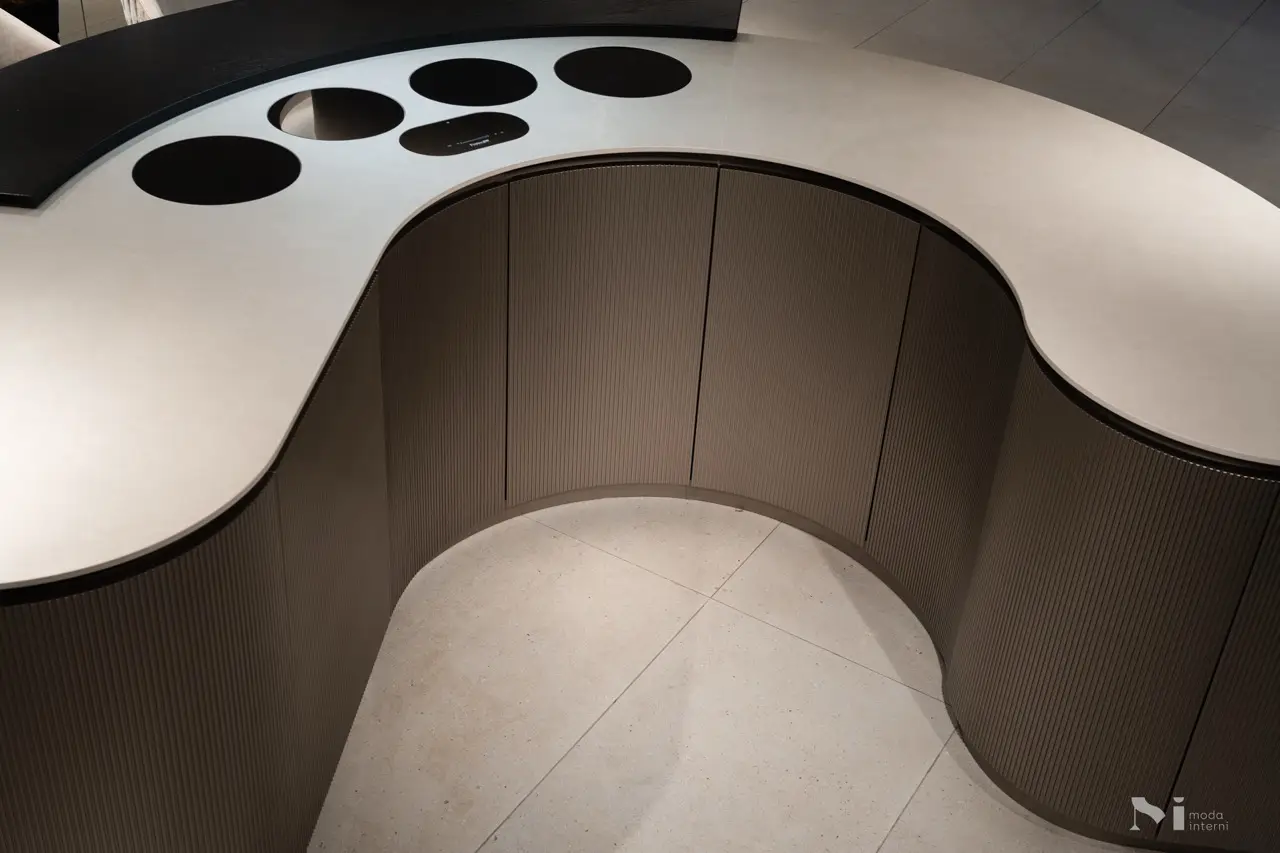
So far, Moda Interni has been receiving good feedback with regards to Pedini’s products in the Philippines. Sison hopes that the curved kitchens will catch on in Filipino homes, allowing for a more open-ended, family-focused kitchen design that’s “sculptural yet practical, timeless and refined.”
“Over the past few months, we’ve heard from fellow architects and designers that more clients are asking about curved kitchens,” Sison said. “It’s exciting to see this interest growing. It signals the beginning of a new design movement here in the Philippines. And at Moda Interni, we’re proud to lead this conversation with Pedini, one of the world’s best when it comes to curved kitchen design and now the leading brand for it in the country.”
Photos provided by the company.
Related reading: 5 Kitchen Interior Design Ideas We Love for 2025
Frequently Asked Questions
Moda Interni, a local high-end luxury furniture store, has introduced the Italian brand Pedini to the Philippine market to set a new standard for modern kitchen functionality. The Arkè collection marks a departure from traditional straight kitchen islands, offering an ergonomic and sculptural alternative that balances visual harmony with daily performance. CEO Goldwin Sison noted that while he has followed the brand since 2016, its official debut addresses a growing demand among Filipino architects and designers for sophisticated, space-saving solutions that evoke a sense of success and confidence.
The curved elements of the Arkè line are specifically designed to be more space-efficient than traditional rectangular layouts, making them ideal for the often-limited footprints of Filipino houses. These modular units—which include base, upper, and specialized units—utilize an ergonomic flow that maximizes usable surface area while minimizing the physical “blockiness” of the kitchen. By optimizing the “working triangle” through curved transitions, the design allows for better movement and accessibility in tighter quarters without sacrificing luxury or storage capacity.
Pedini utilizes environmentally friendly, ecological, and certified sustainable solid wood or wood-based materials to construct their curved structures. Brand Export Manager Francesco Giuffrida explained that wood-based materials are essential because other materials often reach their physical limits when attempting to achieve such complex curves. Through advanced processing and painting techniques, Pedini can make these sustainable wooden components mimic the appearance of other finishes, such as metal, while maintaining a commitment to responsible resource management.
Both Sison and Giuffrida emphasize that curved kitchens foster better social interaction by allowing people to “surround” the cook rather than being lined up linearly. In a traditional straight kitchen, individuals at opposite ends of the counter find it difficult to engage in conversation, whereas a curved island naturally orients everyone toward a central point. This design encourages more engaging interactions with family, guests, and household staff, reflecting shared Filipino and Italian values that view the kitchen as the emotional heart of the home where guests are entertained and daily life truly happens.
Pedini utilizes handmade, individually designed techniques that the brand claims are unique in the global market. Because the Arkè collection is transitional and modular, the company uses rigorous research and development to apply finishes that evolve beyond standard aesthetics. Their sophisticated processing allows them to treat sustainable materials with specific paints and textures that create a high-end, metal-like sheen or other “evolved” finishes, resulting in a product that is as much a piece of functional sculpture as it is a utilitarian cooking space.
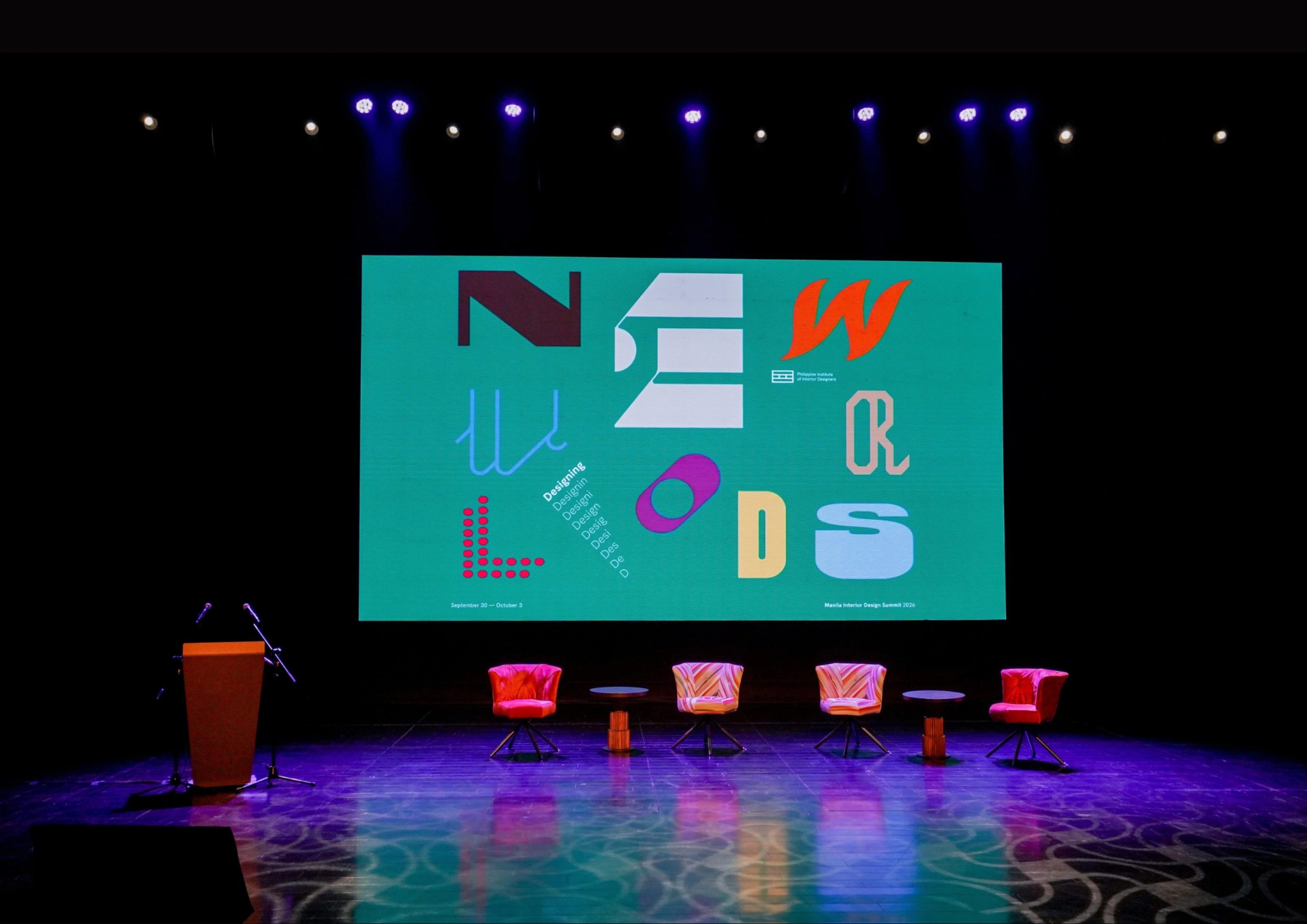
The fourth Manila Interior DesignInterior DesignThe discipline of planning and shaping interior spaces for function, comfort, safety, and beauty. It covers layout, lighting, materials, finishes, furniture, and color, and in the Philippines is a licensedGo to Interior Design Glossary Summit (MIDS) brought together more than 300 delegates for four days of conversations, exhibitions, and design […]
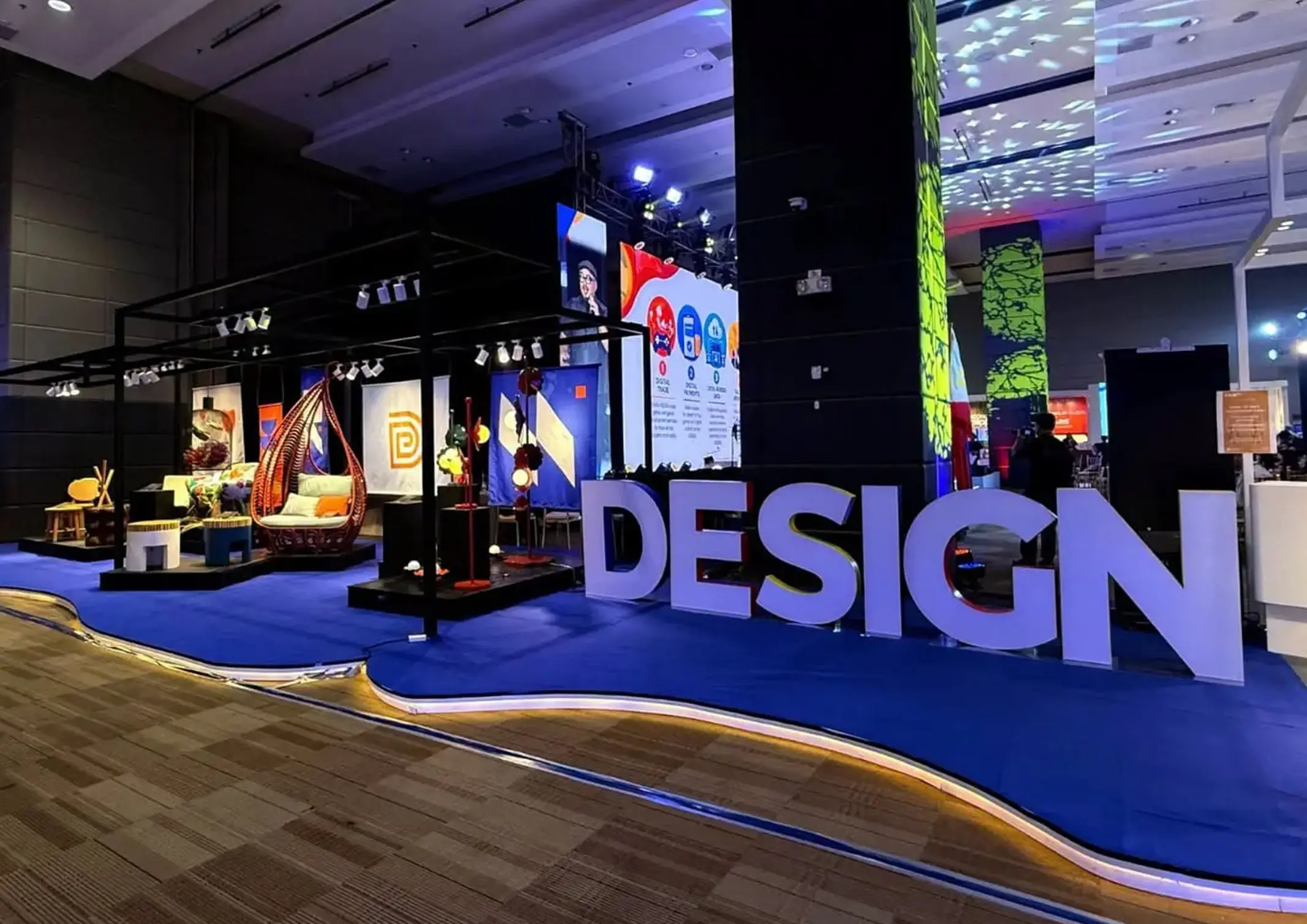
Held at the SMX Convention Center Aura in Taguig City, the first ASEAN Creative Industries Expo by Malikhaing Pinoy (ASEAN MPEx) features nine creative domains, including design, visual arts, digital interactive media, and performing arts. Organized by the Department of Trade and Industry (DTI), the event includes exhibitions, cultural performances, industry talks, and pitching sessions […]
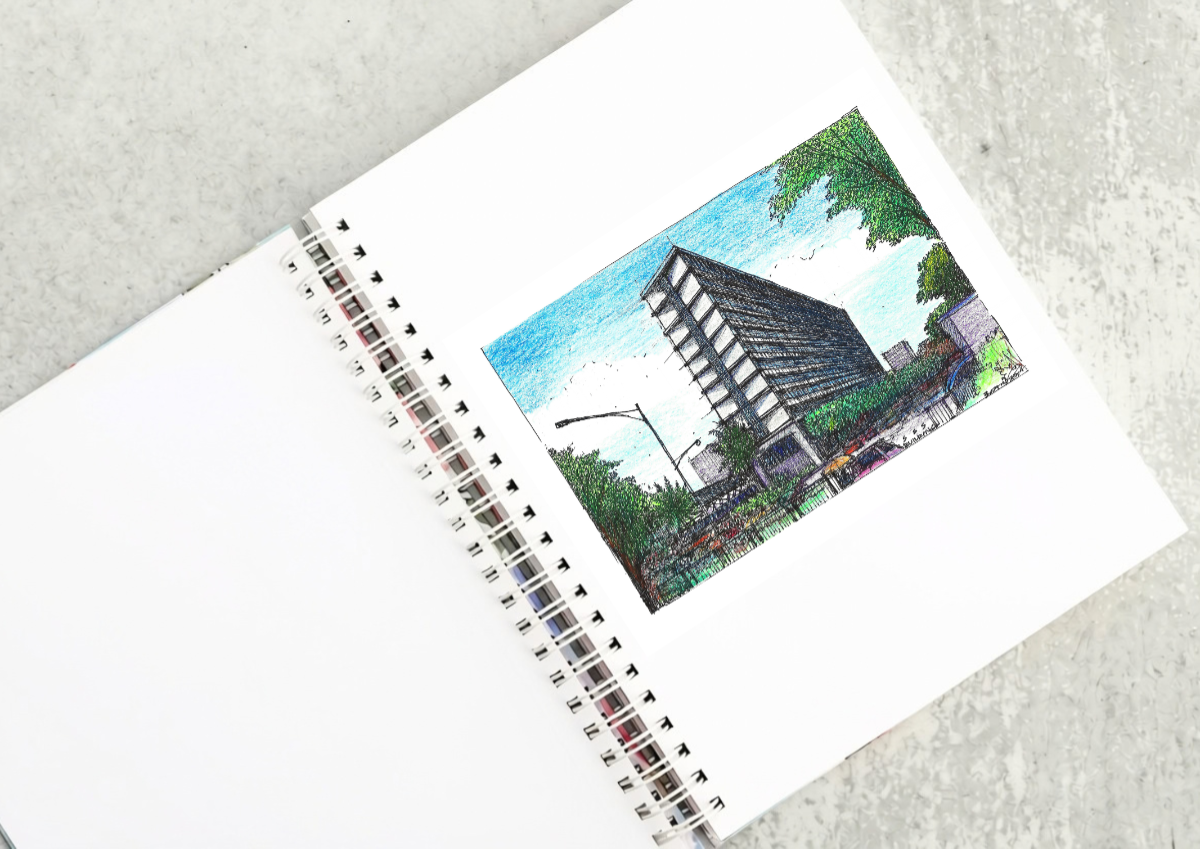
The SSS Building as an Expression of Civic Modernism My favorite modernist landmark in Quezon City is the SSS building on East Avenue. Designed by National Artist for ArchitectureArchitectureThe art and science of designing and constructing buildings, structures, and spaces that are functional, safe, and aesthetically pleasing. It encompasses the planning, design, materials, and techniques […]
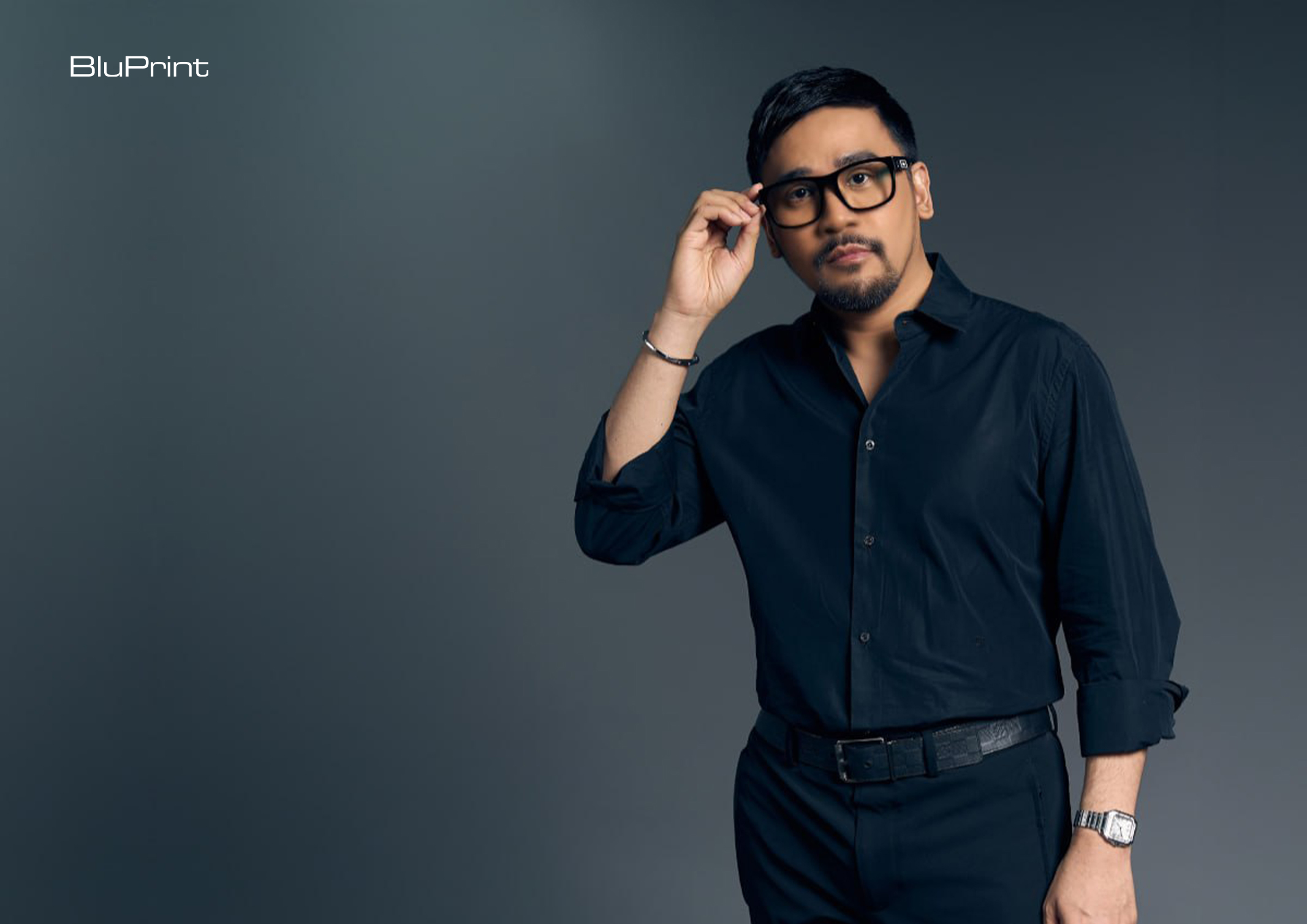
Archie G. Carrasco, Chairman and CEO of AGC Power Holdings Corp. (AGC PHC), has been named to The BoF 500 Class of 2026 under the Media category, joining The Business of Fashion’s global community of individuals shaping the fashion industry. Carrasco is among 100 new members from 33 countries and 48 nationalities selected for the […]
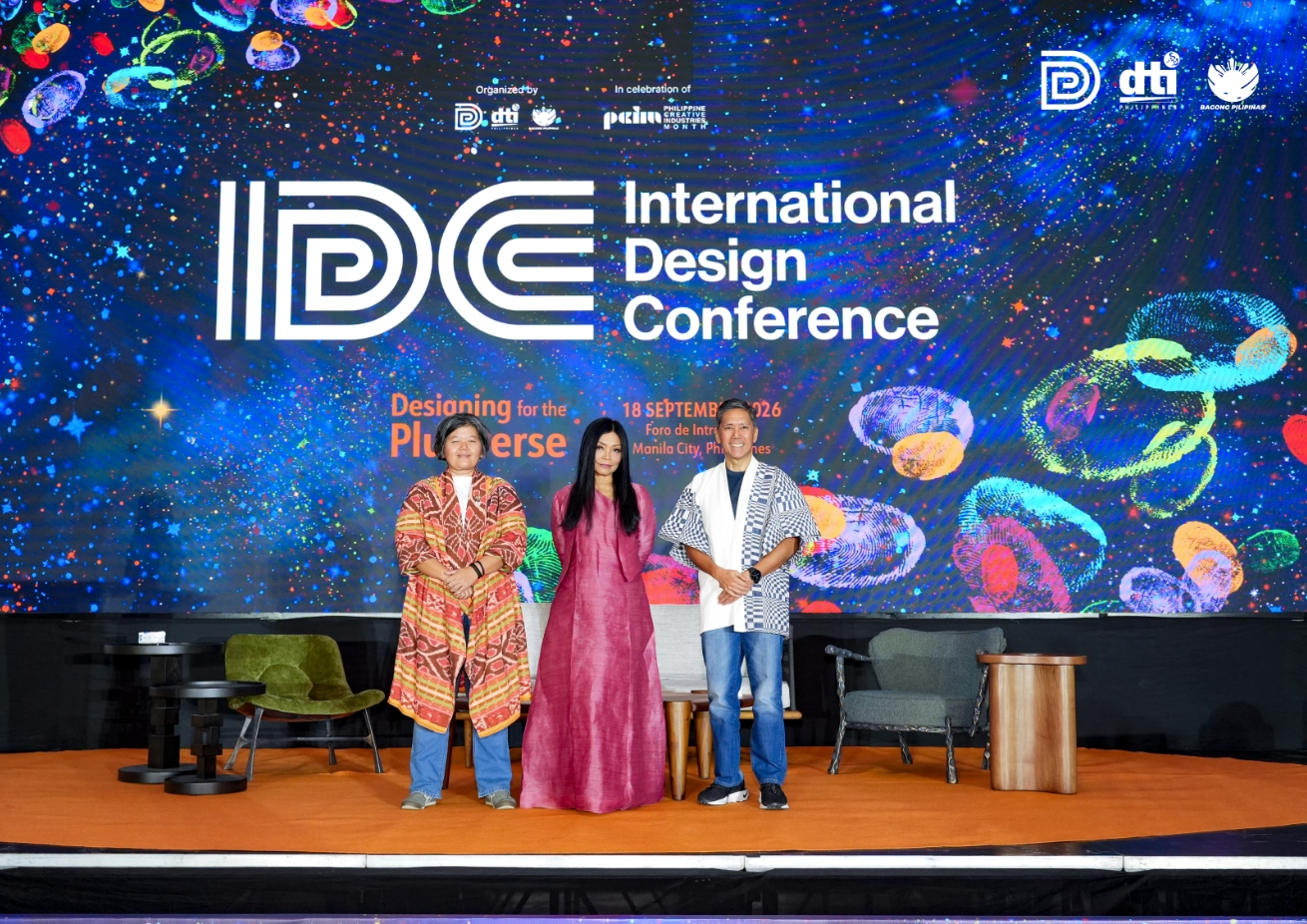
Culture in design does not always announce itself through a recognizable motif, material, or symbol. It can also be embedded in the relationships designers build, the knowledge they listen to, the materials they choose, and the decisions they make in response to communities and their environments. This distinction emerged throughout the 2026 International Design Conference […]
Read the issues.

Collect the volumes.

Recommended Video
Tap to Unmute
Unmute
0:00
0:00