Just moments away from the bustling area of Bonifacio Global City is 171, a multi-level villa set on a 302-square-meter lot. M.CAL Architecture Design Studio, headed by Ar. Monique C. Albert-Lopez, built the residence as a minimalist modern sanctuary surrounded by landscaped gardens. This creative direction was drawn from the homeowners’ brief to create a […]
A Softer Geometry: Joyce Wang Studio Crafts the Subtle Narrative of Laurean Residences



For Hong Kong-based designer Joyce Wang, every project begins with a question of intent and longevity. When Ayala Land Premier approached her studio for its landmark development, Laurean Residences, the initial brief was clear: create a globally sophisticated aesthetic for a discerning clientele.
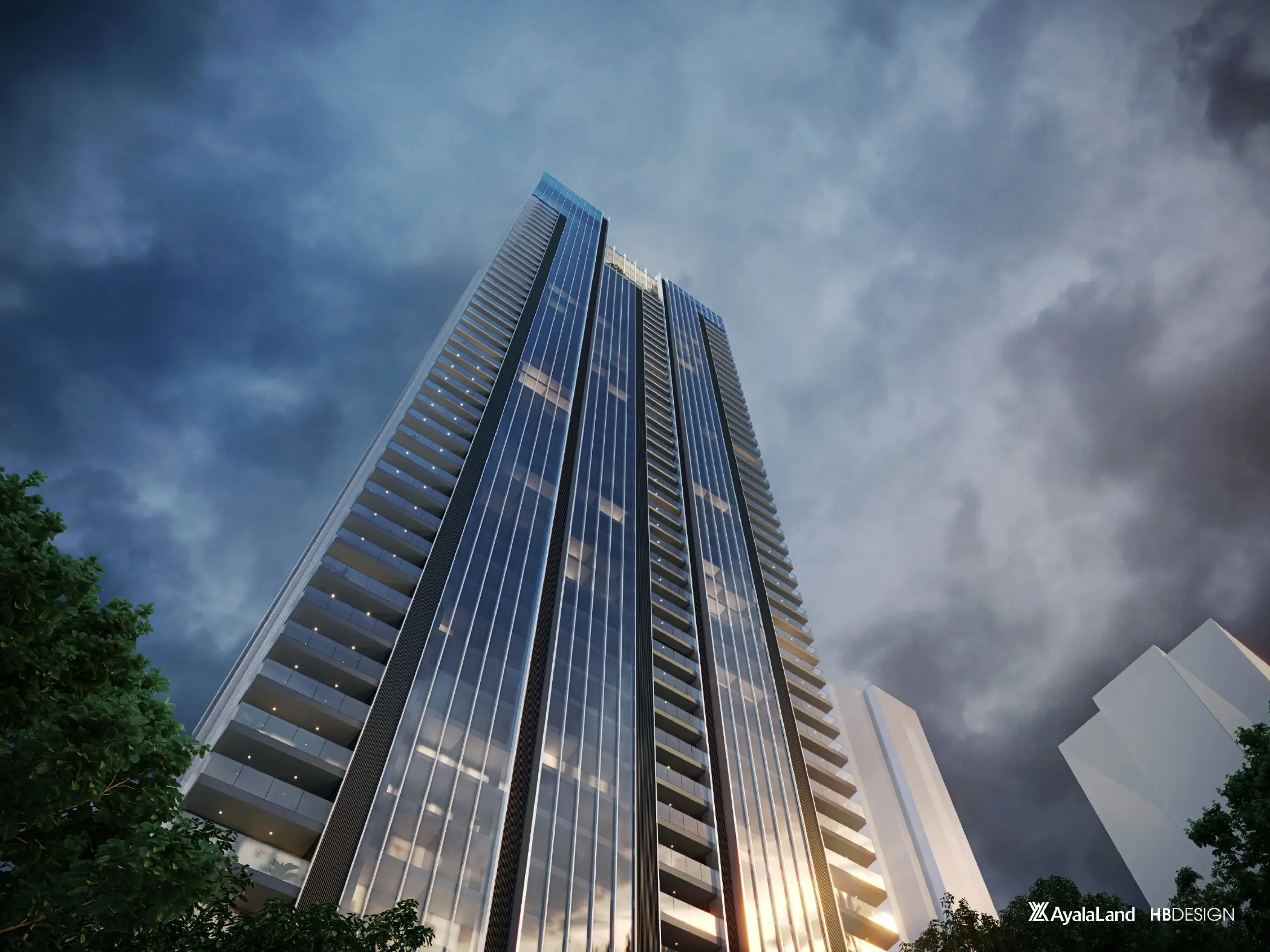
But beneath the surface, Wang and her team uncovered a deeper narrative—one rooted in history, philosophy, and the very act of living well. Her approach to Laurean, founded on subtle storytelling, juxtaposes hard-edged inspiration with a soft, cocooning execution to create a flexible, deeply personal sanctuary in the heart of Makati.
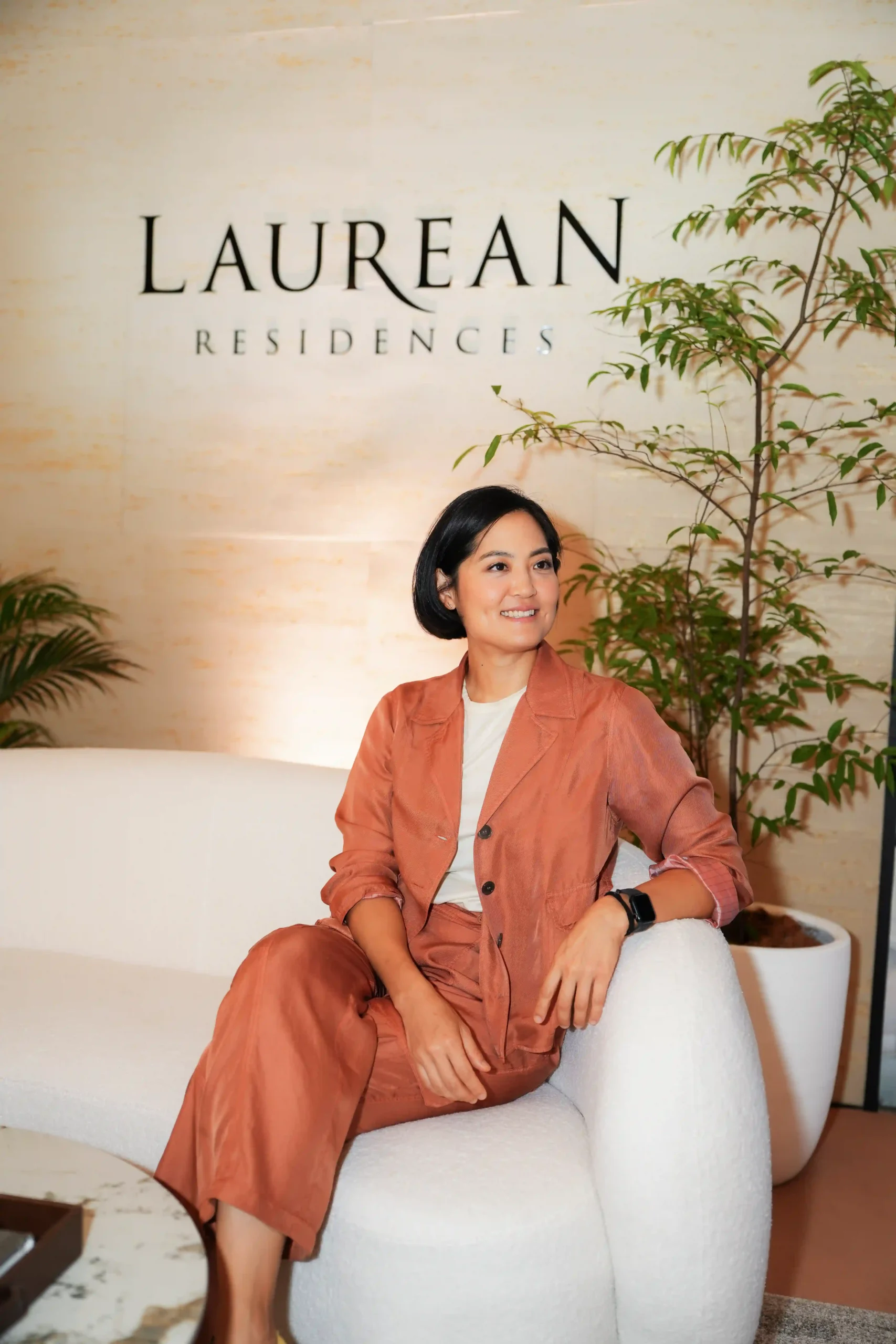
The project’s initial draw, Wang admits, was its sheer ambition on a hospitality level, a challenge perfectly suited to her studio’s expertise. “I think [Ayala] came to me in the beginning because there was going to be a huge hospitality component,” she explains. “Even though it’s a commercial residence, there are four floors of pure guest amenities, so we see them as an extension of somebody’s home.”
This approach of treating amenities as integrated living spaces led to a design that is both cinematic and deeply flexible; a task that required a profound understanding of how the spaces would ultimately be used.
The Hidden Codes of a New Legacy
To build this cinematic world, Wang and her team delved into the developer’s own history. They sought to understand the ethos behind Ayala Land’s master-planning of Makati. Their research led them to a powerful metaphor from one of the company’s founders. “We found this quote where [he] said: ‘It’s like a game of chess. A single move in chess is like good development. It should mean more than the move itself. It should actually influence a greater whole…’ So we took that as an inspiration for a deconstructed chessboard.”
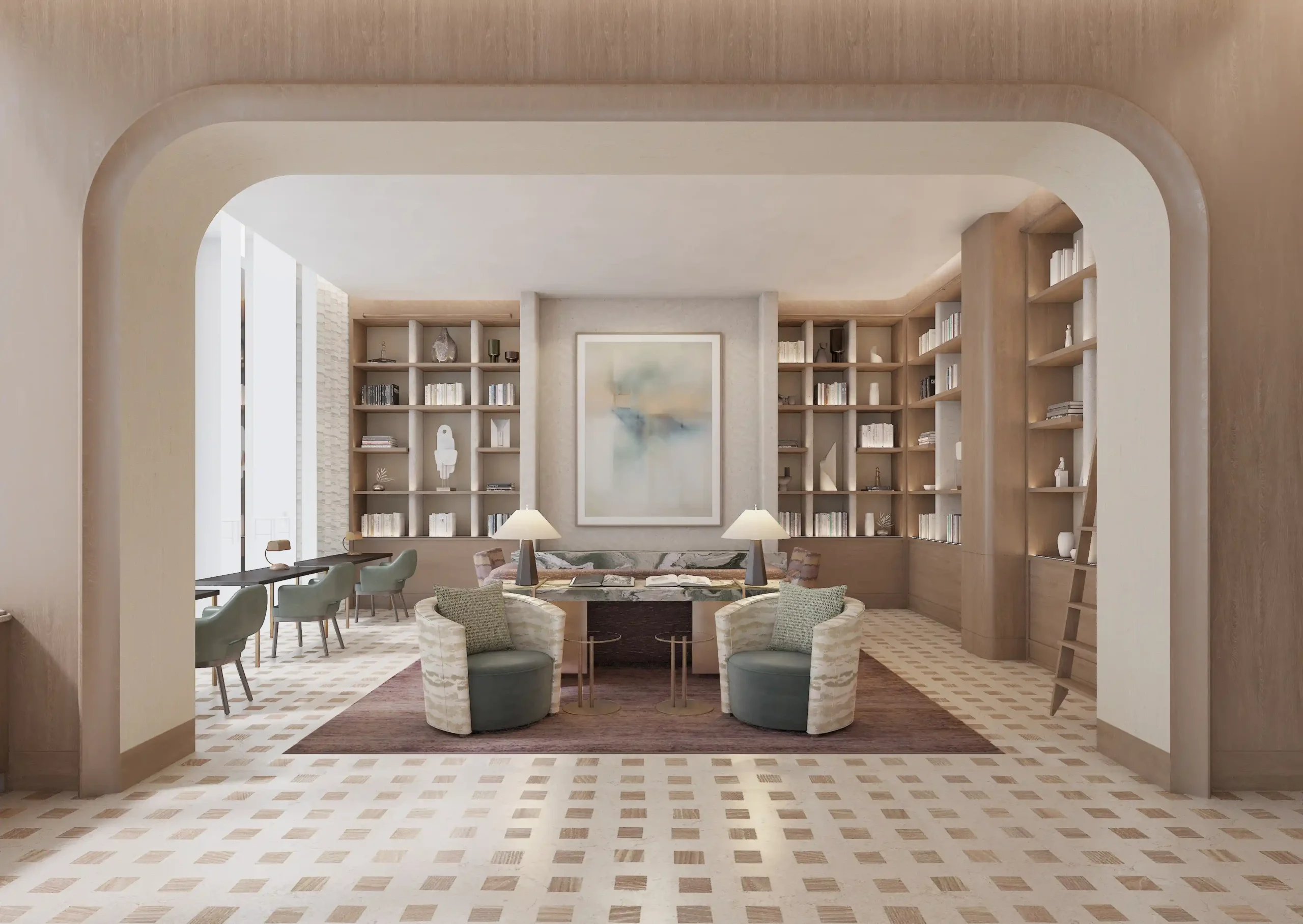
The concept manifests as a subtle, underlying geometry woven into the very fabric of the building; custom-made patterns for the tiling in the lobby, the grain of the floor, and the rhythm of a space. It’s an intellectual layer that informs the aesthetic without ever screaming for attention. “These are subtle things that nobody would know if I didn’t tell you,” Wang shares. “And that, to me, is really important. I don’t want it to ever be very obvious.”
Another historical thread came from the Ayala Triangle’s past as an airstrip. The studio explored the history of aviation and its role in bringing industry and trade to the area, translating it into unexpected design details.
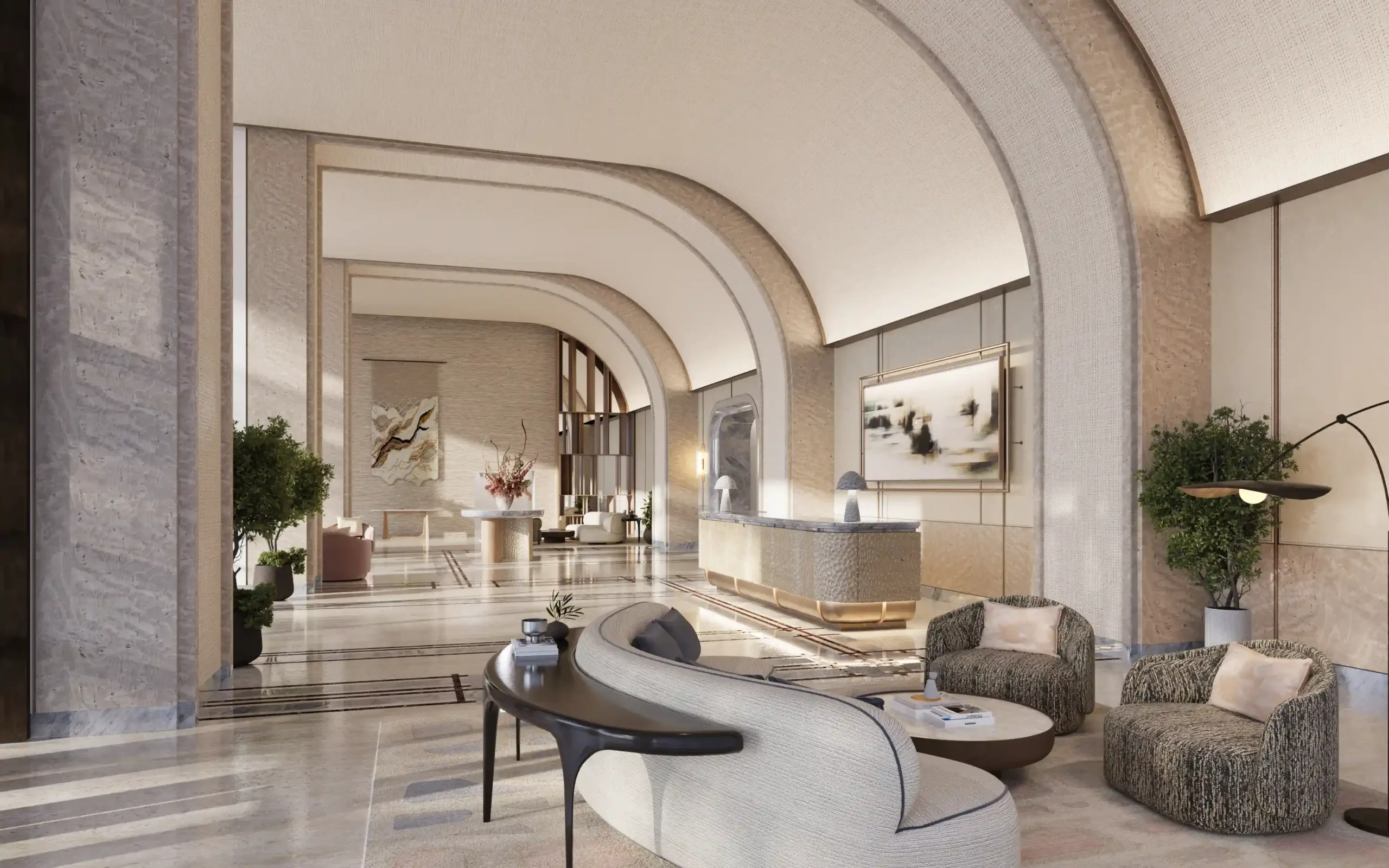
“We looked into the interiors of aircrafts, like rivets on molded metal panels, for example, in the lobby,” she explains. “The scale of it feels like a giant swoop of an aircraft hangar, but you would never know that, proportionately, it alludes to that.” The theme reappears in a bespoke lighting fixture, a modern form whose woven shade, crafted by local artisans, evokes the swirl of a plane’s propeller.
Juxtaposition and Material Honesty
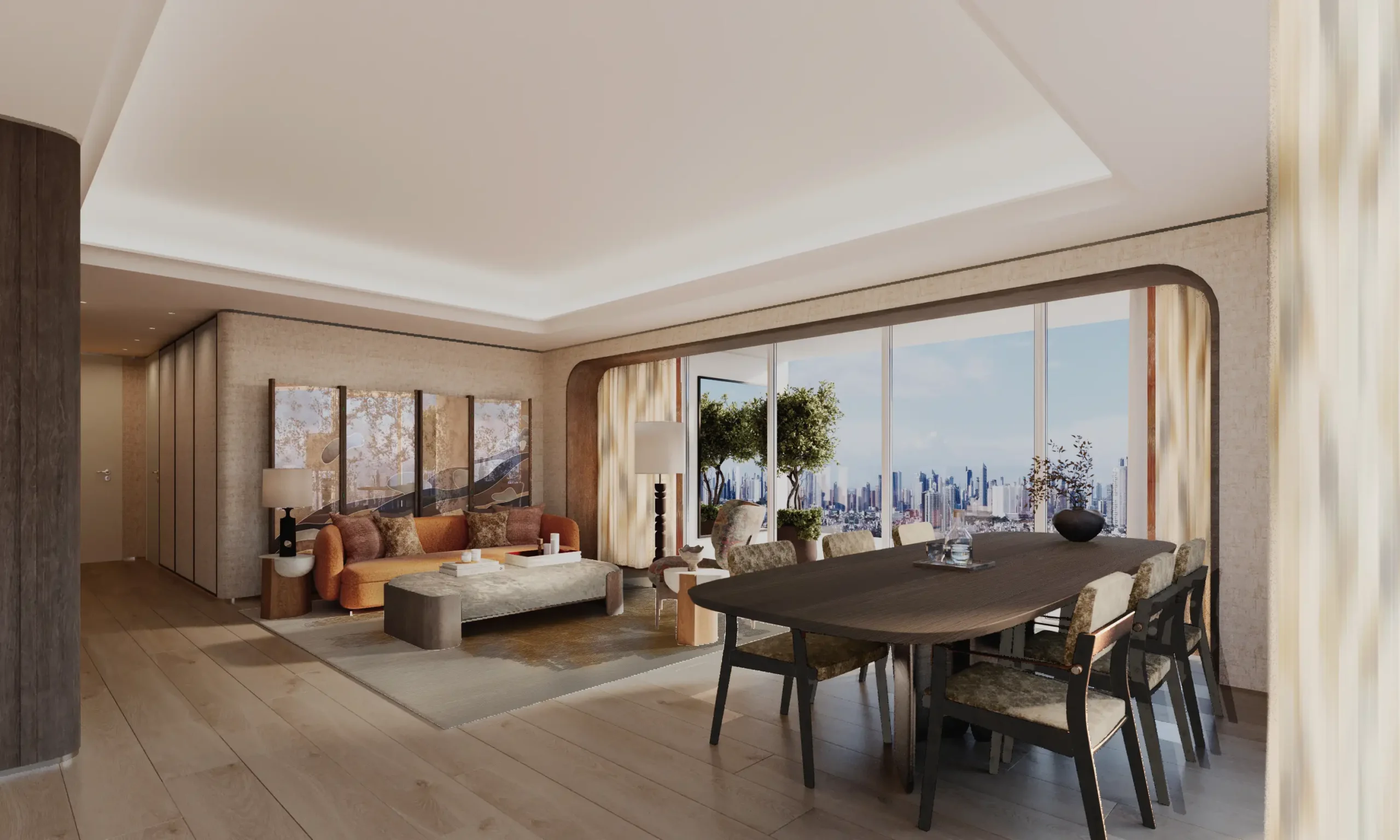
The primary challenge, Wang notes, was translating these “hard” inspirations—chess, metal, aviation—into an environment that felt welcoming and serene. “We wanted people to feel cocooned,” she states. “How do you create softness with all those challenges? And that was the main thing.”
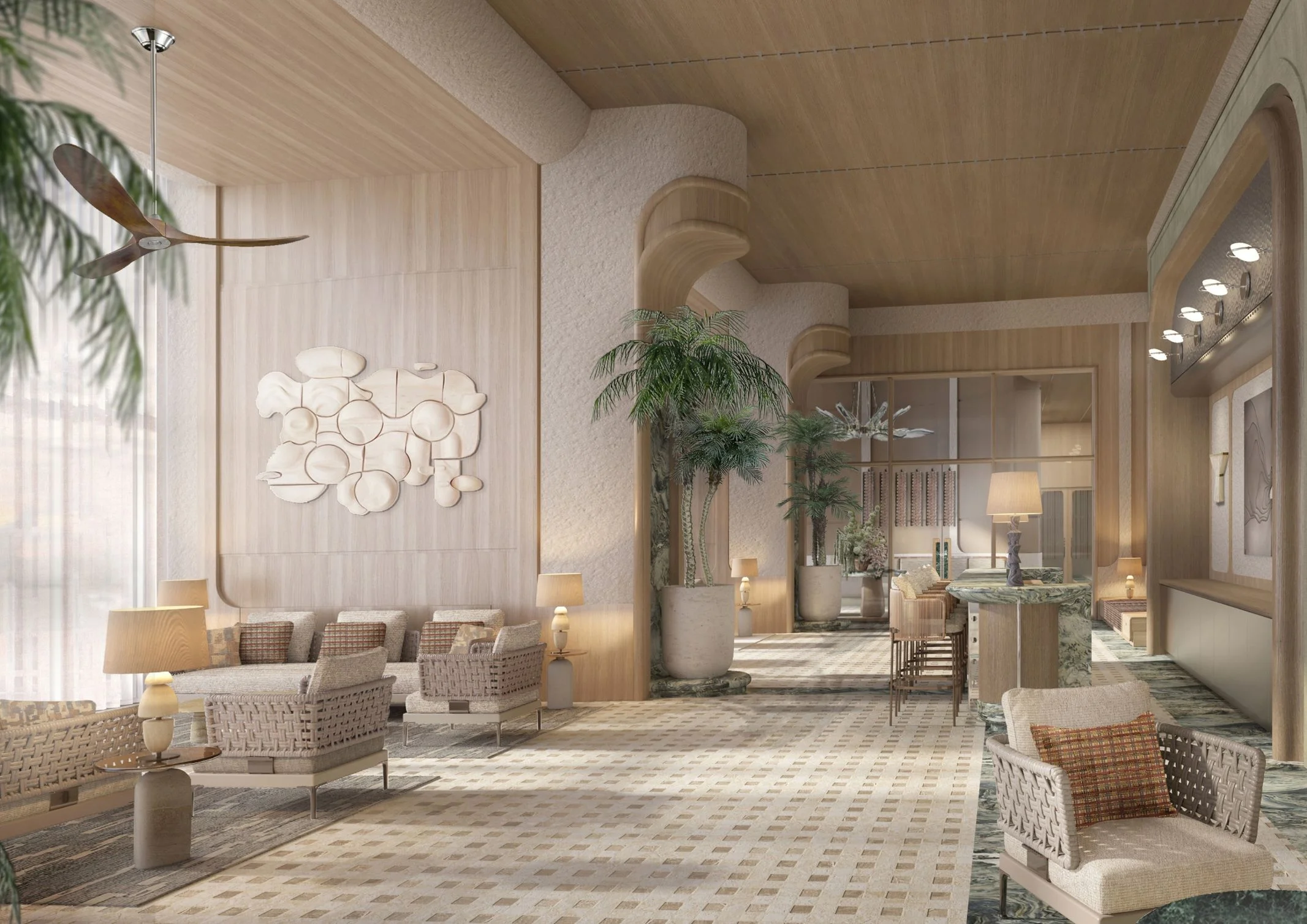
Her solution lies in a juxtaposition of material and form. A stone floor, inherently hard, is laid in a pattern that “alludes to the idea of it being soft, because we’ve chosen a woven pattern.” Throughout the units, sharp corners are replaced with gentle radii. “A lot of finesse has come into radiating radiuses… how you round the corner so that as you come into space, it flows into the living room and then the handrail actually flows upstairs. There’s this feeling of movement and flow.”
A careful pairing of materials with Laurean Residences creates compositions that are greater than the sum of their parts. Wang’s background in material science informs her intuitive approach, combining timbers and natural stone in a manner that would otherwise seem unconventional. This delicate balance ensures that while the design is built on a strong conceptual foundation, the resident’s daily experience is one of comfort and calm. The ultimate goal, Wang reflects after visiting the site for the first time, is to create a true urban refuge. “The feeling that I want people to get is they’re going to breathe deeper and be calmer in this kind of little piece of sanctuary.”
A Philosophy of Enduring Design
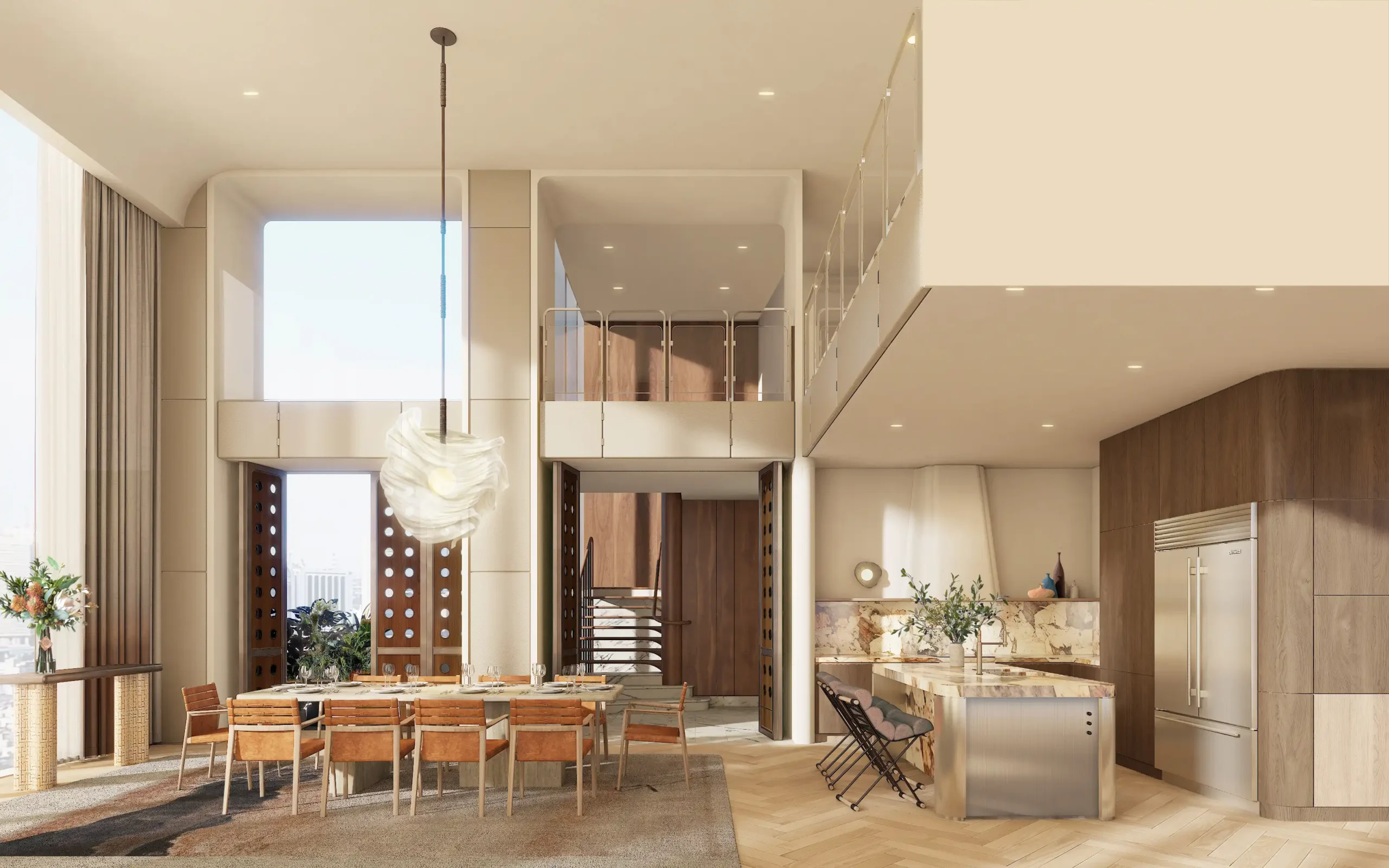
For Wang, true sustainability is not merely a matter of sourcing but a question of longevity. Shaped by her experience in Hong Kong’s fast-paced construction environment where waste is common, her studio prioritizes permanence over trends. “For me, it’s important to build it well. And once you build it well, it should last,” she asserts. This ethos means selecting materials designed to age gracefully. Solid timbers are chosen over veneers, and leathers are applied in places where their natural patina can become a mark of beauty over time.
She argues that the conversation about sustainability must begin before the first line is ever drawn. “Sustainability actually begins even before design,” Wang states. “I have to ask the client, how long is there a lease on the space? Is there a vision long term? If you want to be truly sustainable, you need to know the intent.” At Laurean, this principle is put into practice, from reusing a decorative screen from the sales gallery in the final lobby to selecting materials that endure.
A Canvas for Living
Recognizing that Laurean Residences would be home to an elite but diverse group of individuals, Wang’s studio deliberately avoided an overly prescriptive design. The key was to provide a sophisticated canvas. “Architecturally, we’ve kept it quite clean… a neutral palette where you can seasonally change out a rotating exhibition,” she says. Personality is injected through elements at a human scale. “More personality then comes through with the furniture and the fittings and the touch points, you know, a door handle or a pull of a drawer.”
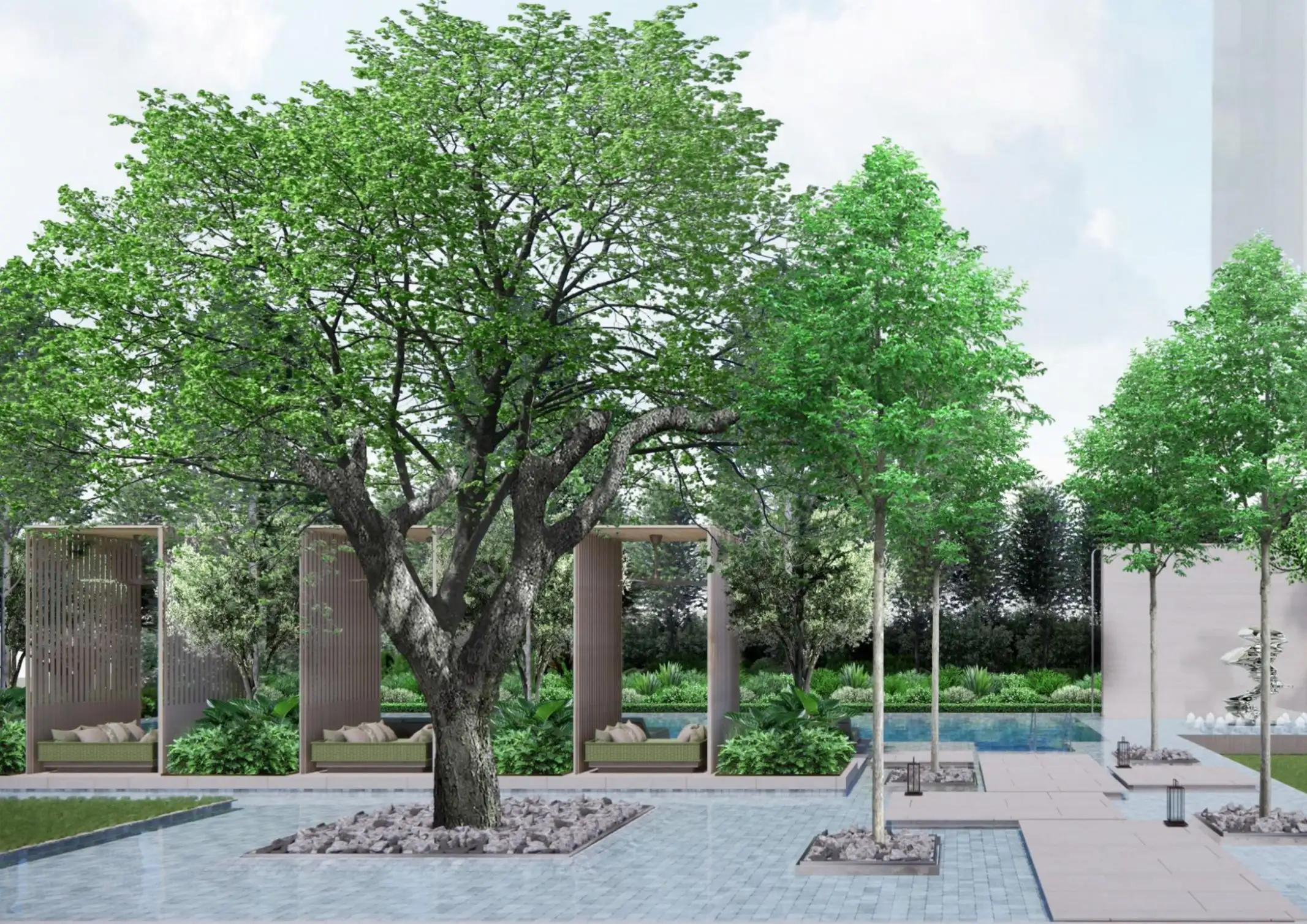
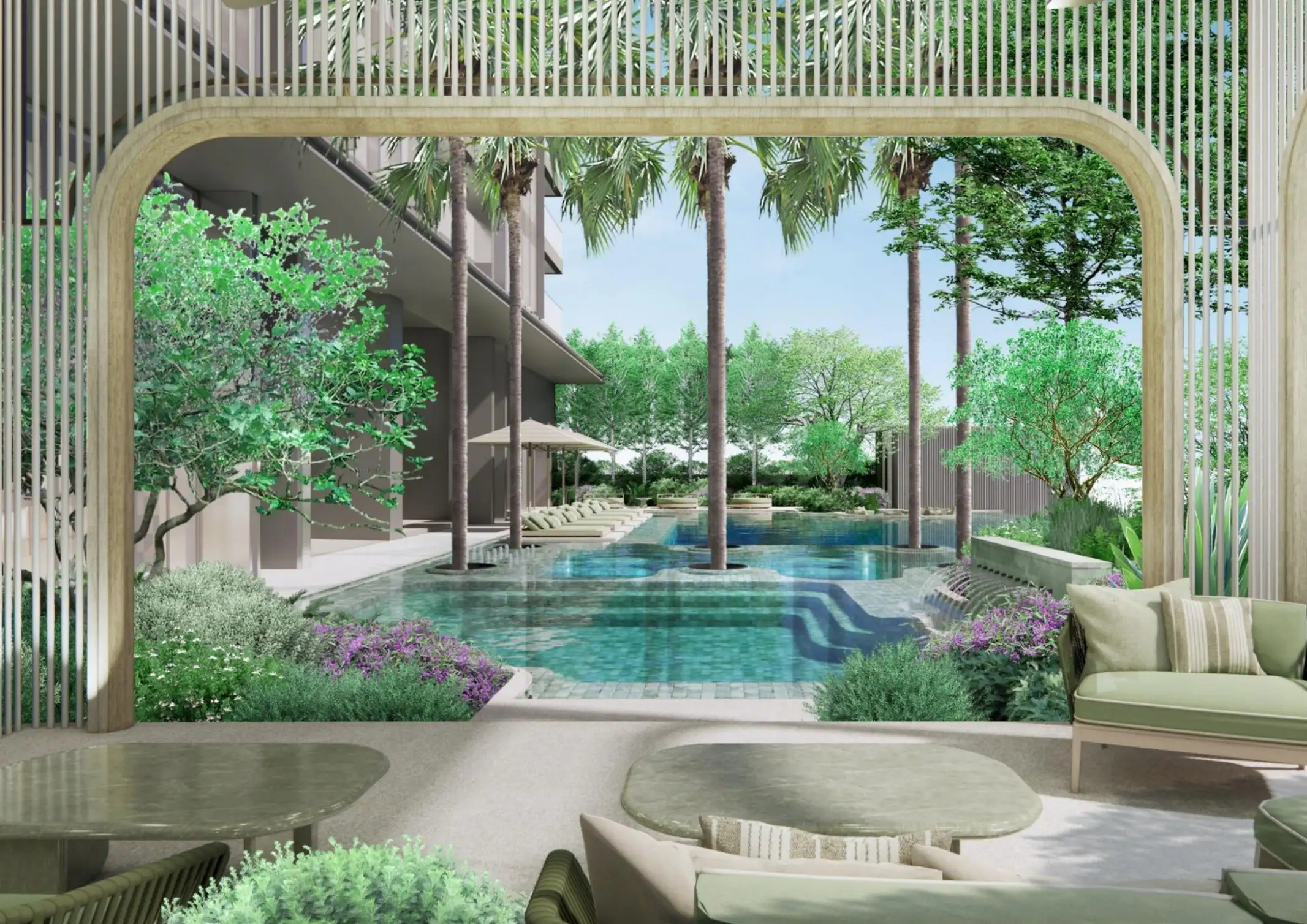
While the aesthetic is globally informed, Wang anchored it in the local context through subtle but meaningful gestures. Drawing on insights from her Filipino team members, she integrated vernacular details, such as ensuring the first step of a staircase is made of wood, a common practice in traditional Filipino houses. The studio is also collaborating with local artisans to craft bespoke elements—a process that combines local techniques with completely modern forms, creating fresh interpretations of local tropes.
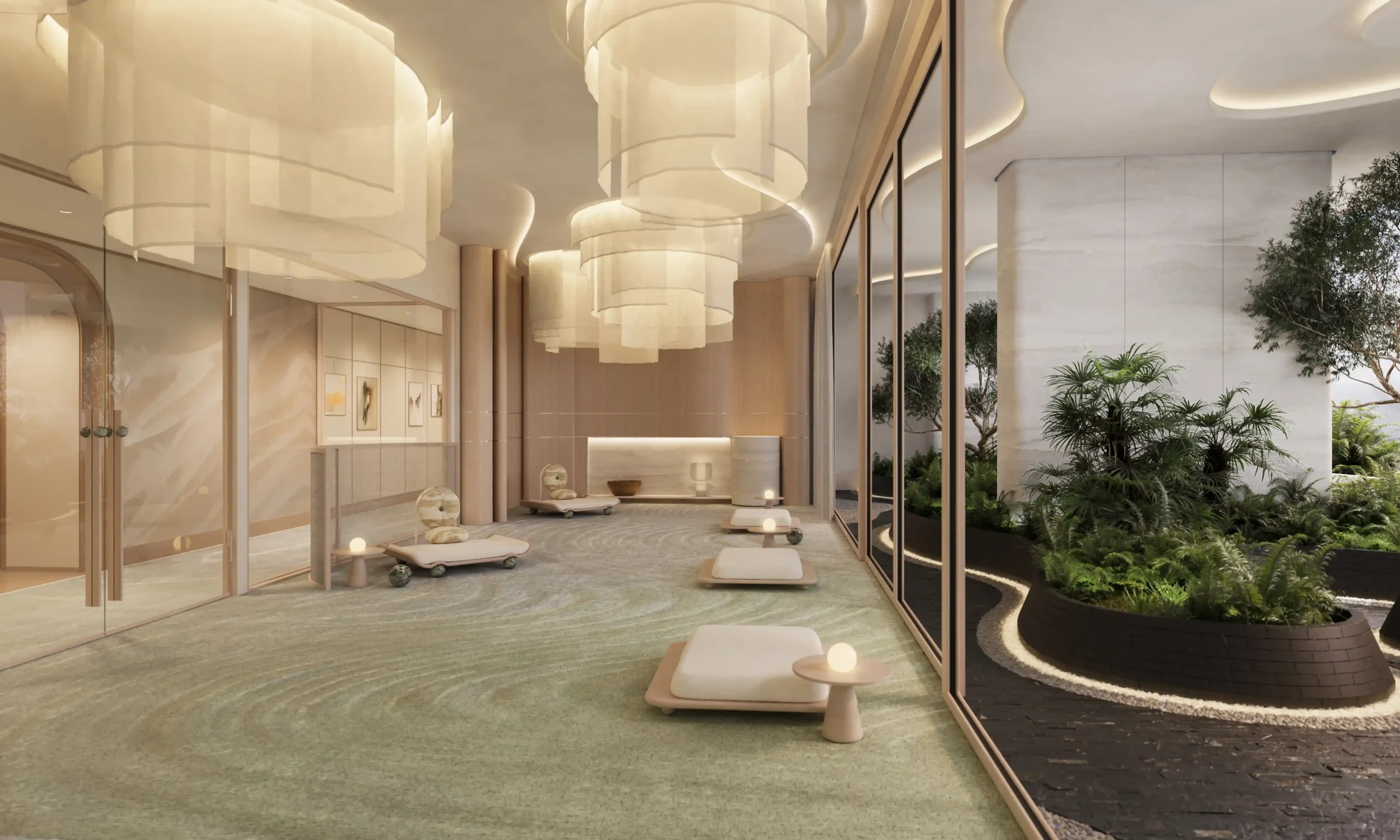
This bespoke touch is evident in unique pieces like the custom meditation bench. “I’ve not designed a meditation bench for any other location,” she laughs. “It’s a low sort of settee that is a cross between a very deep sort of a mini day bed… it allows you to cross your legs be in a slightly raised platform, but it’s fully upholstered.” In the private dining room, custom armchairs feature backs with a “patina like metal sleeve,” turning the furniture itself into the room’s primary artwork.
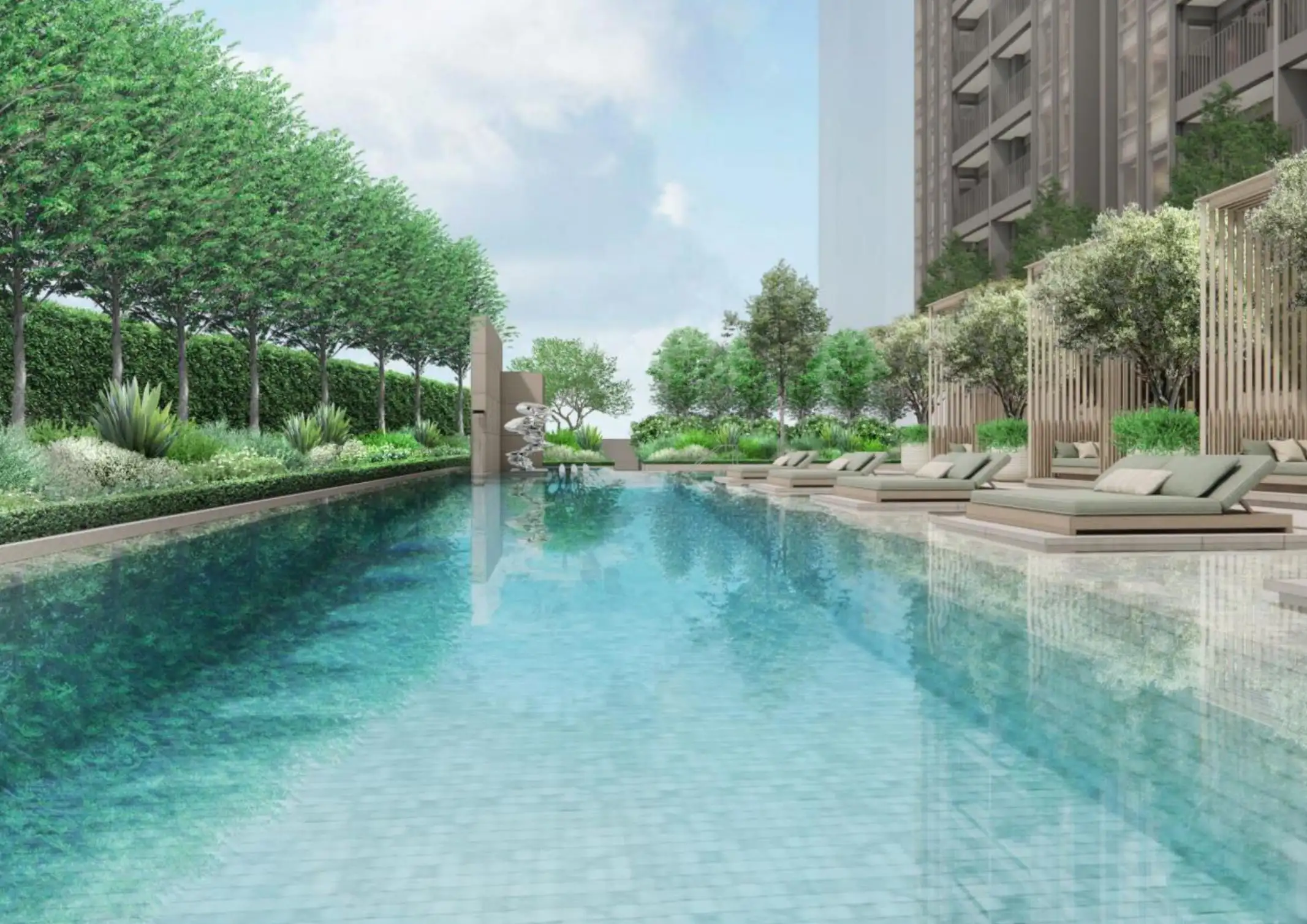
Ultimately, the design of Laurean Residences returns to its initial premise: to be a seamless extension of the home. The extensive and unique amenities—including a “pool lanai” where one can lounge by the pool in air-conditioned comfort—are designed to empower the resident. “I think it is definitely unlike, say, a five star hotel. It’s more intimate,” she muses. “I think it’s enabling you to be a host… It’s like, plug and play.”
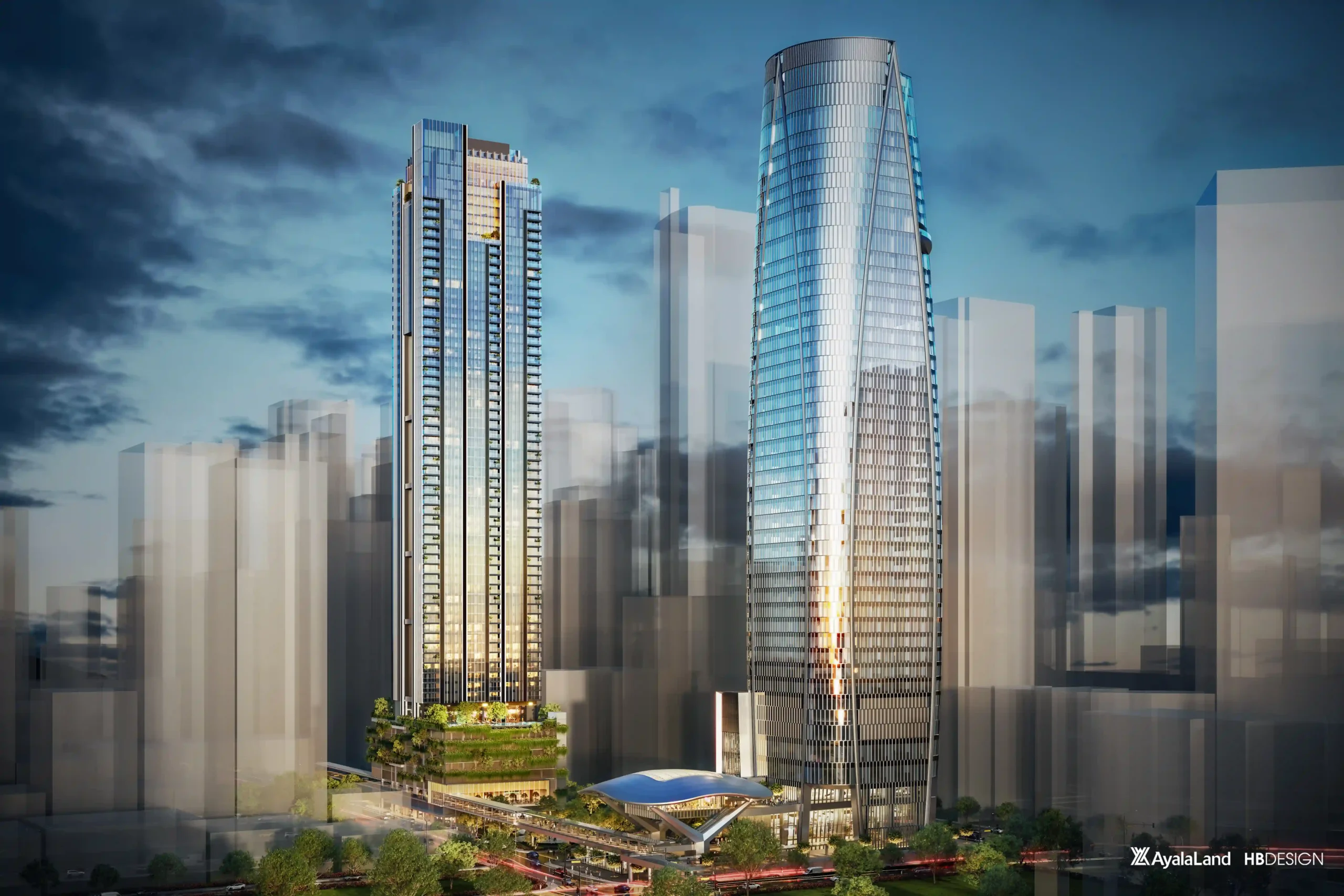
It is this deep, thoughtful consideration for the end-user, layered with hidden narratives and executed with material finesse, that defines Joyce Wang’s vision—a home built for a new generation of leaders and designed to evolve with them.
Images courtesy of Ayala Land Premier.
Read more: Laurean Residences: A New Legacy in a Greener Makati
Frequently Asked Questions
Designer Joyce Wang utilizes subtle storytelling to create an intellectual layer within the architecture. By juxtaposing hard-edged inspirations—such as chess and aviation history—with soft, cocooning execution, the space becomes a deeply personal sanctuary. These hidden codes inform the aesthetic without being overt, ensuring the design feels sophisticated rather than prescriptive.
Wang translated a founder’s quote about development being a “game of chess” into a deconstructed chessboard motif woven into tiling patterns and floor grains. Additionally, the site’s history as an airstrip inspired the lobby’s scale, which alludes to an aircraft hangar, and bespoke lighting fixtures that evoke the form of a plane’s propeller.
The studio balanced “hard” inspirations with tactile softness by using gentle radii on sharp corners and choosing woven stone patterns that mimic the appearance of fabric. Wang’s background in material science allows for unconventional pairings of timber and natural stone, ensuring the daily experience is one of movement, flow, and urban refuge.
True sustainability is viewed as a commitment to permanence over trends. Wang prioritizes building well with materials that age gracefully, such as solid timbers instead of veneers and leathers that develop a natural patina. For Wang, sustainability begins with understanding the long-term intent of the space before the design even starts.
While the palette is globally sophisticated, the design includes local gestures like using wood for the first step of staircases—a traditional Filipino practice. The studio also collaborates with local artisans to create modern interpretations of indigenous techniques, ensuring the residence feels rooted in its specific cultural context.
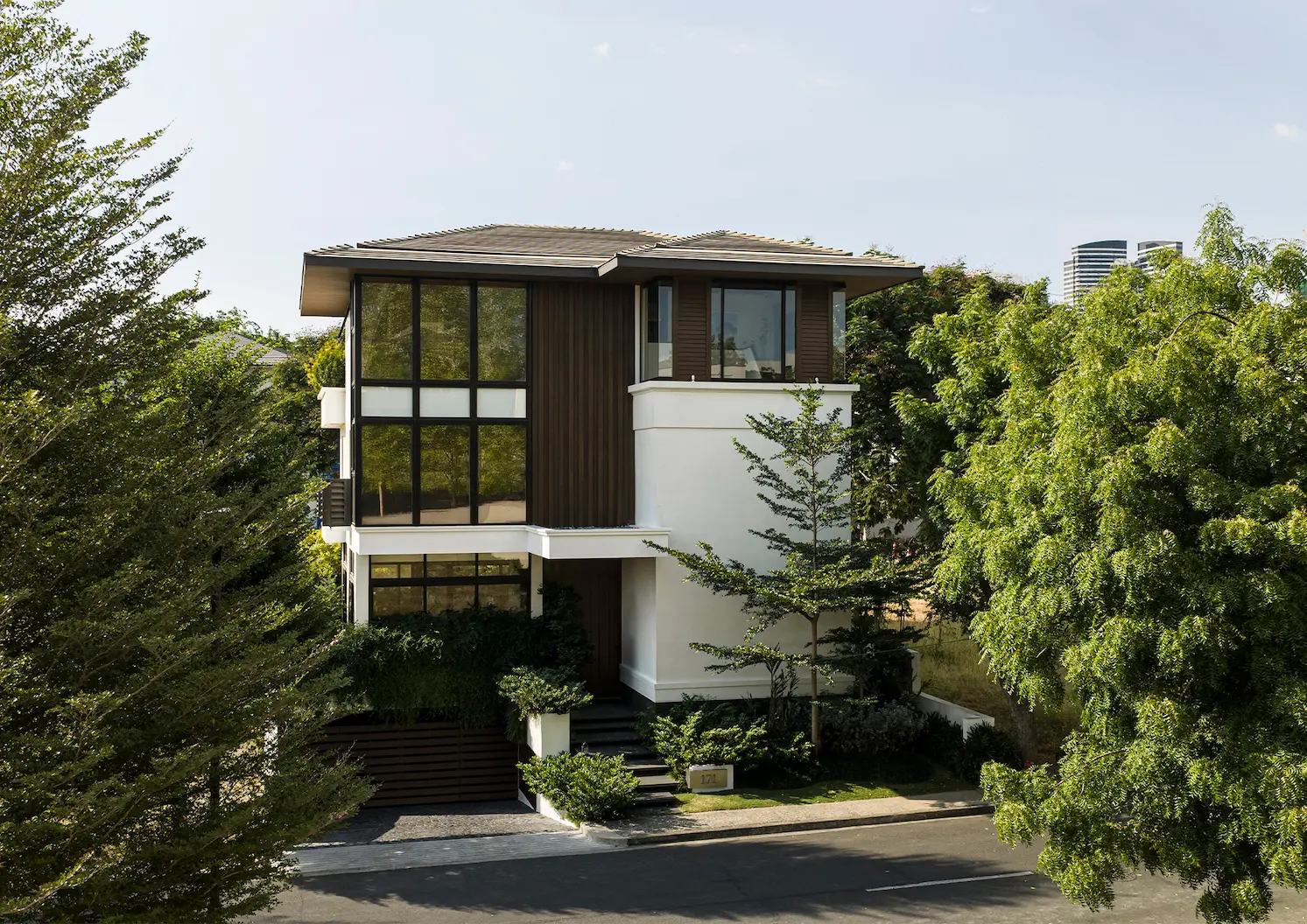
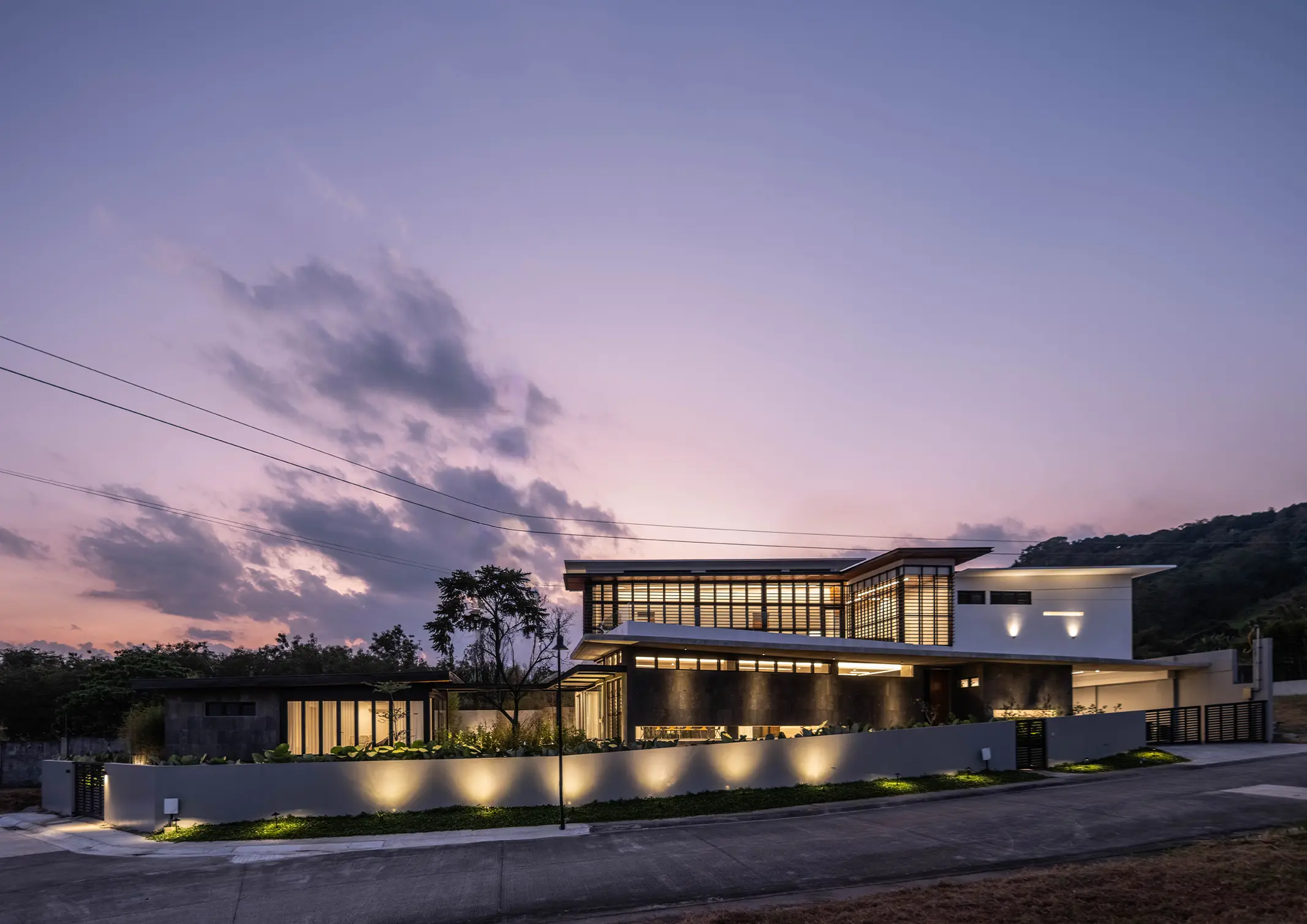
Located in Paroc, Pampanga is MQ Residence—a tropical-modern private residential home designed by Marikina-based architectureArchitectureThe art and science of designing and constructing buildings, structures, and spaces that are functional, safe, and aesthetically pleasing. It encompasses the planning, design, materials, and techniques used to createGo to Architecture Glossary firm Arkisens, spearheaded by principal architect and co-founder […]
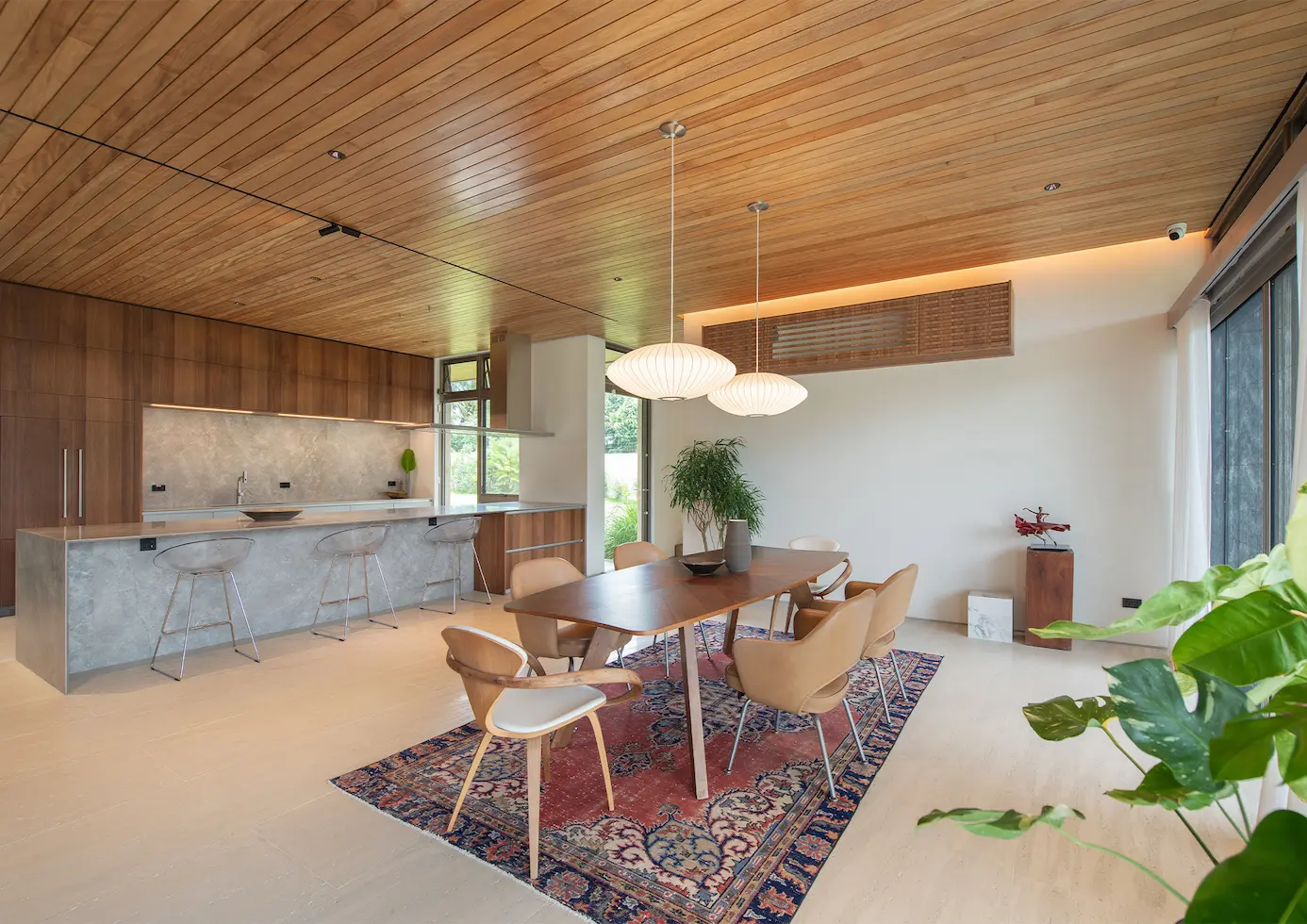
Standing on a former 1,200-square-meter pineapple plantation is CAW House, a Mid-Century ModernMid-Century ModernA design movement from roughly the 1940s to the 1960s, known for clean lines, organic curves, open plans, and a close relationship between indoors and outdoors. Filipino architects such asGo to Mid-Century Modern Glossary-inspired loft located just on the border of Silang […]
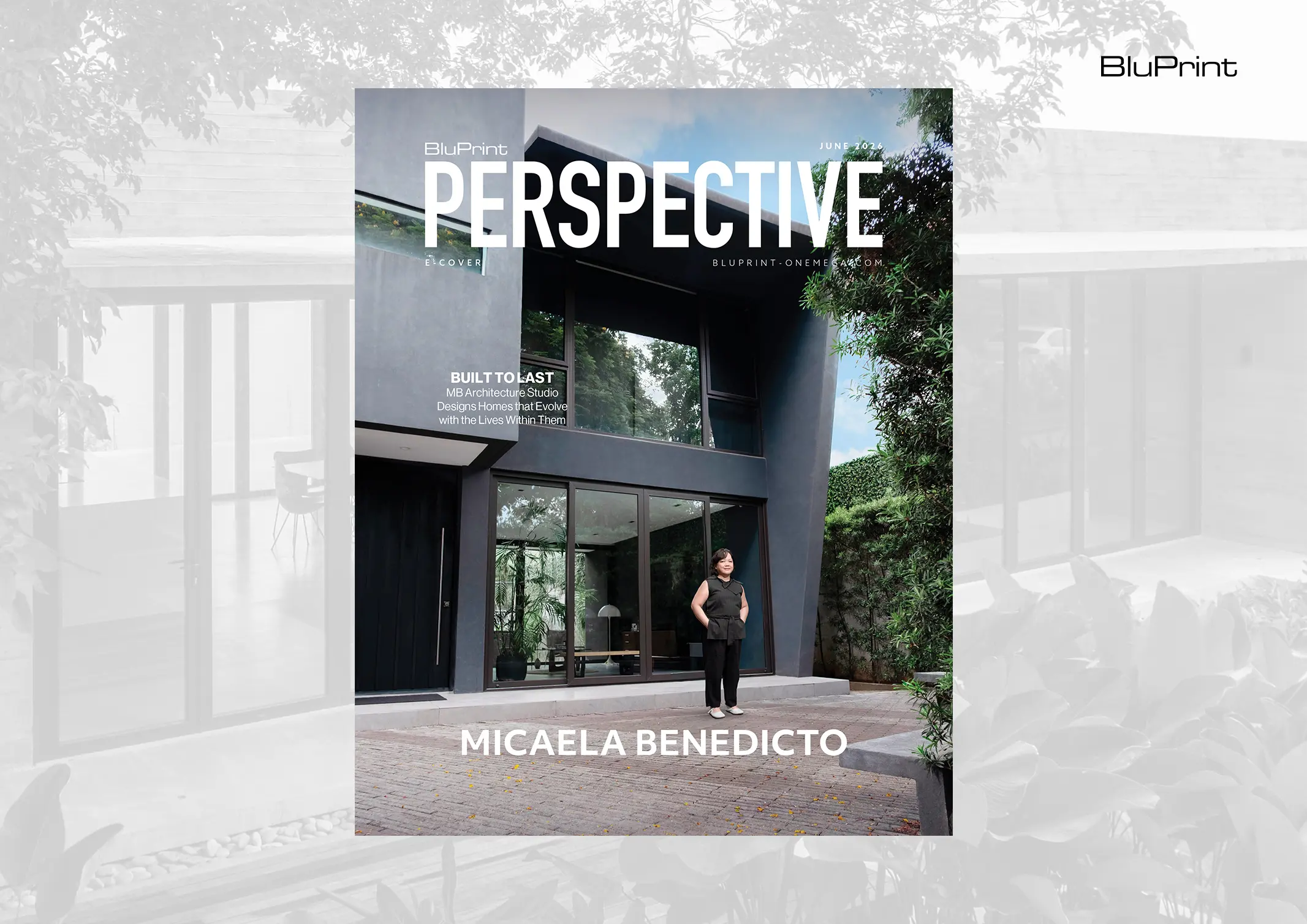
Since setting up her design firm, MB Architecture Studio, in 2007, Ar. Micaela Benedicto has built a diverse portfolio of architectural projects. Her works, whether residential or commercial, showcase a distinct spatial quality, “I like to create things that can go from something static to something that is alive and reactive,” Benedicto states. “In creating […]
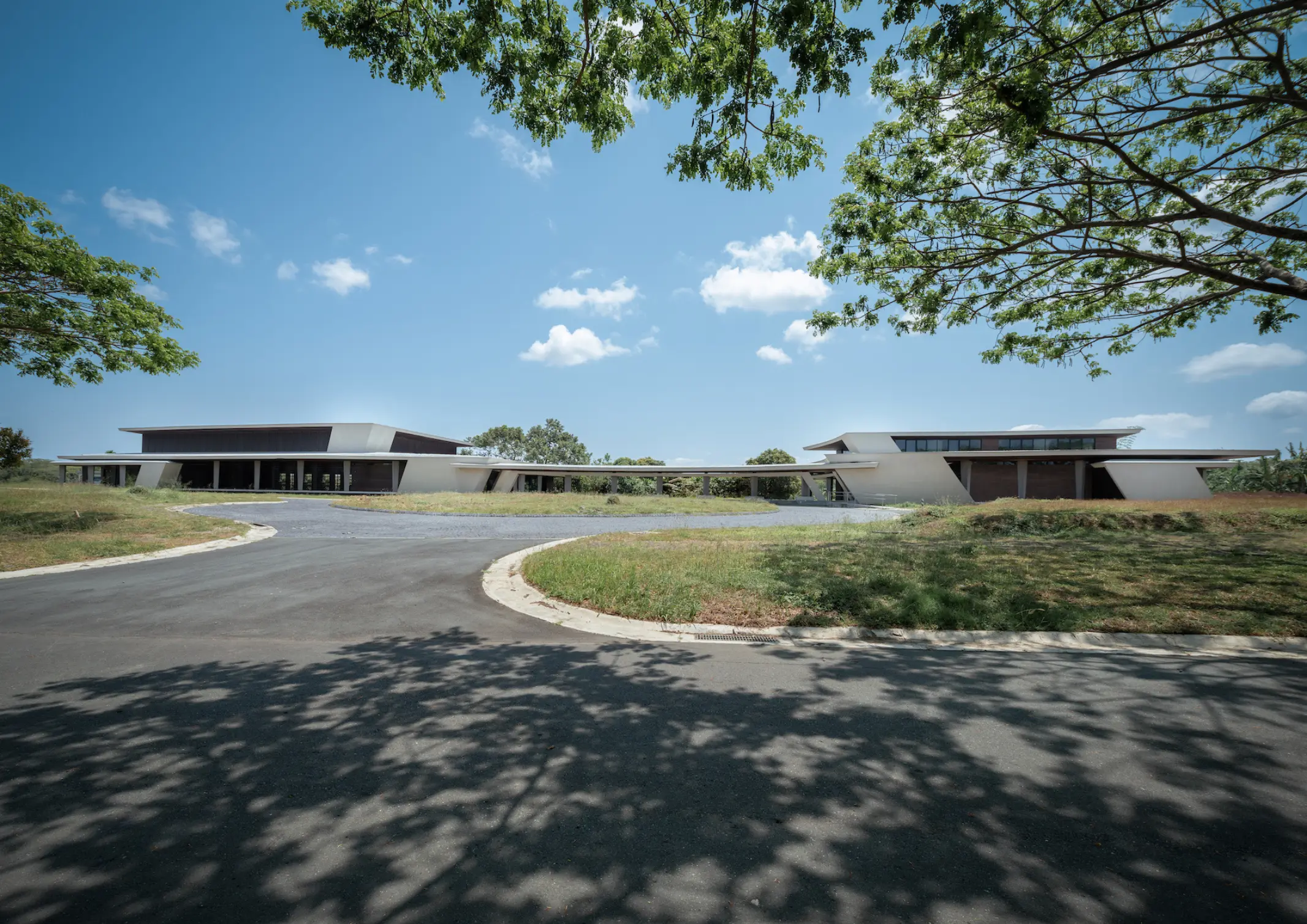
Luscara and Soliento: Barchan + Architecture on Designing a Clubhouse that Responds to its Landscape
Situated in Laguna, south of Metro Manila, is a multi-thousand-hectare development created by Ayala Land Premier within the growth corridor of the CALABARZON Region. Barchan + Architecture was tasked with crafting a clubhouse for the subdivisions of Luscara and Soliento. Principal Architect of Barchan + ArchitectureArchitectureThe art and science of designing and constructing buildings, structures, […]
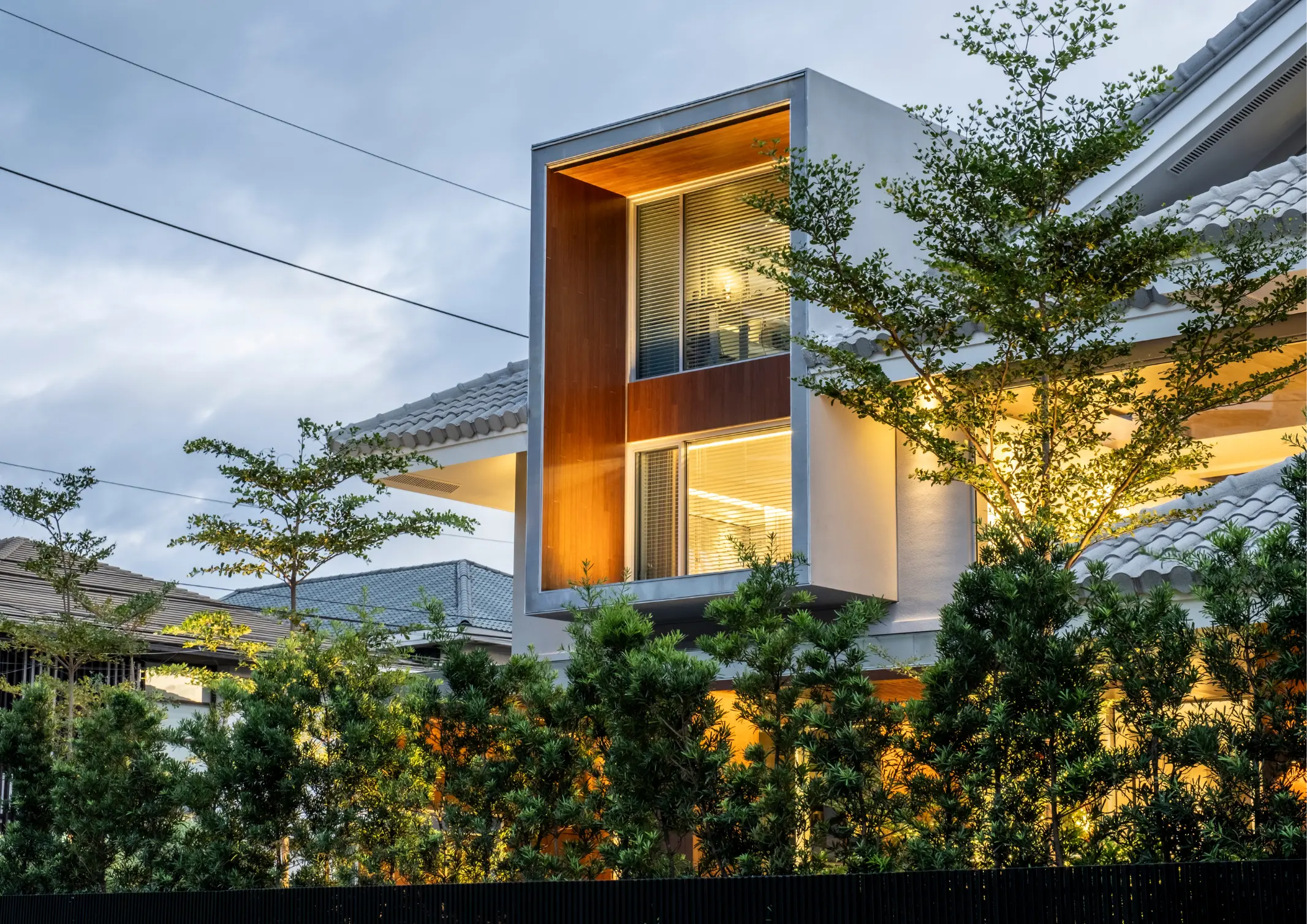
Over the past decades, adaptive reuseAdaptive ReuseThe practice of converting an old or disused building for a new purpose while keeping its structure and character. In the Philippines, it has turned heritage houses, warehouses, and factoriesGo to Adaptive Reuse Glossary has been utilized as a sustainable alternative for the built environment. It involves repurposing existing […]
Read the issues.

Collect the volumes.

Recommended Video
Tap to Unmute
Unmute
0:00
0:00