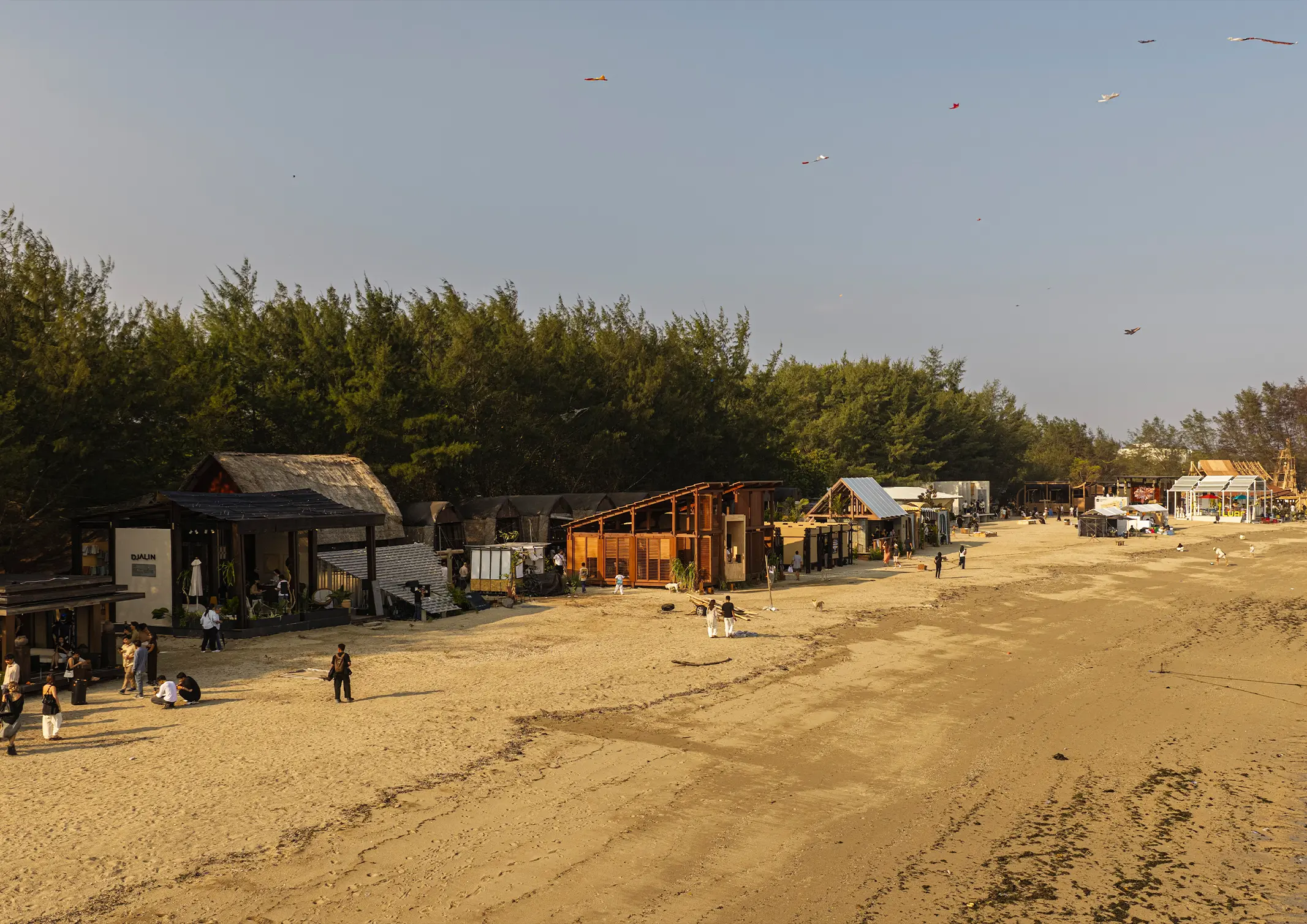
After being set amongst the ruins of an abandoned theme park in the past years, Jia CURATED found a home on the shores of Pengembak Beach, Bali for this year’s installment. It’s a unique location with multiple natural features like Sanur’s coastline, pine and mangrove forests, and a stream—making nature an important participant for how […]
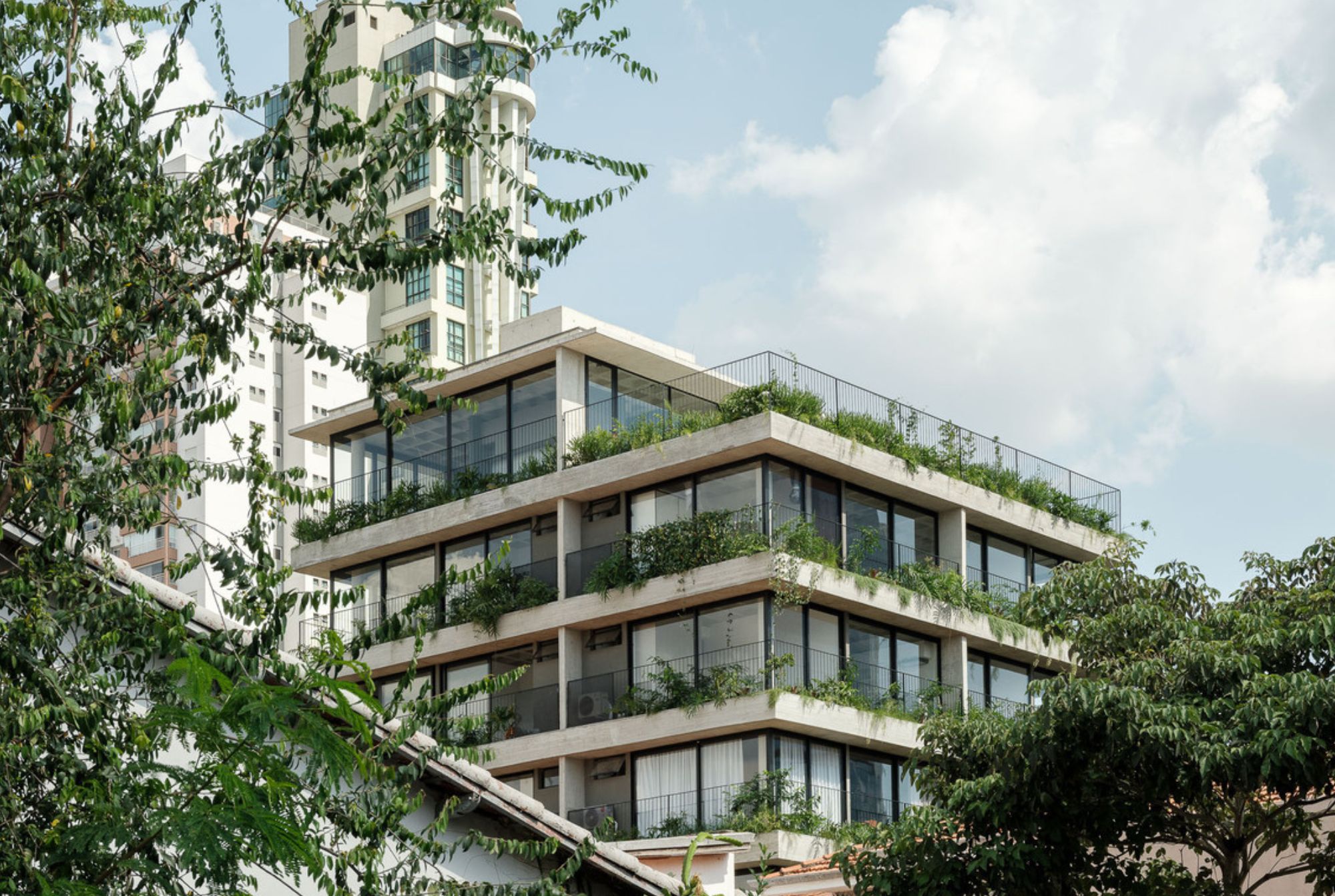
Manguatá Building: Open Space in a Dense Environment



As modern urbanization focuses on efficiently maximizing compact spaces, today’s architects must also reconcile people’s need for open spaces. Designed by Terra e Tuma Arquitetos Associados, the Manguatá Building provides residents with a sense of openness even in a high-density area.
Located in São Paulo, Brazil, one of the world’s most densely populated urban areas, the four lead architects–Danilo Terra, Fernanda Sakano, Juliana Terra, and Pedro Tuma–aimed to create a building that positively impacts its surroundings. They call it “responsible densification,” designing a residential building that benefits not just tenants, but the neighborhood as whole.
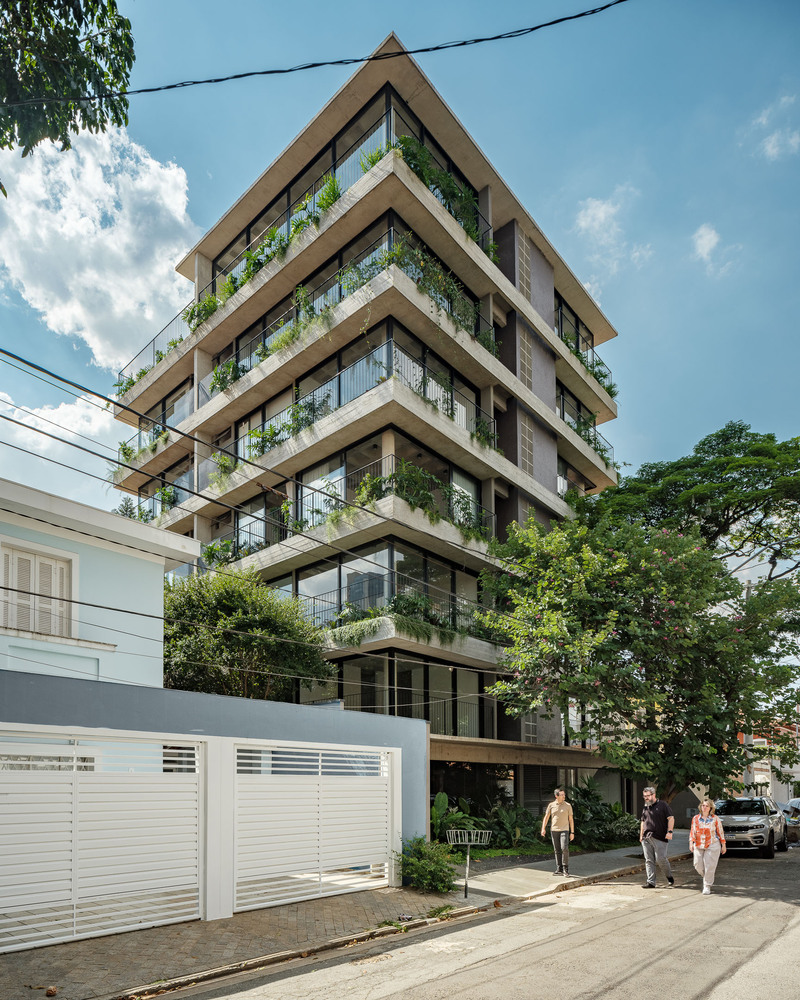
The consciously-spacious design allows for an openness typically reserved for larger public spaces like parks. It functions as a green area and a small congregation site for residents and neighbors alike.
Terraced Buildings
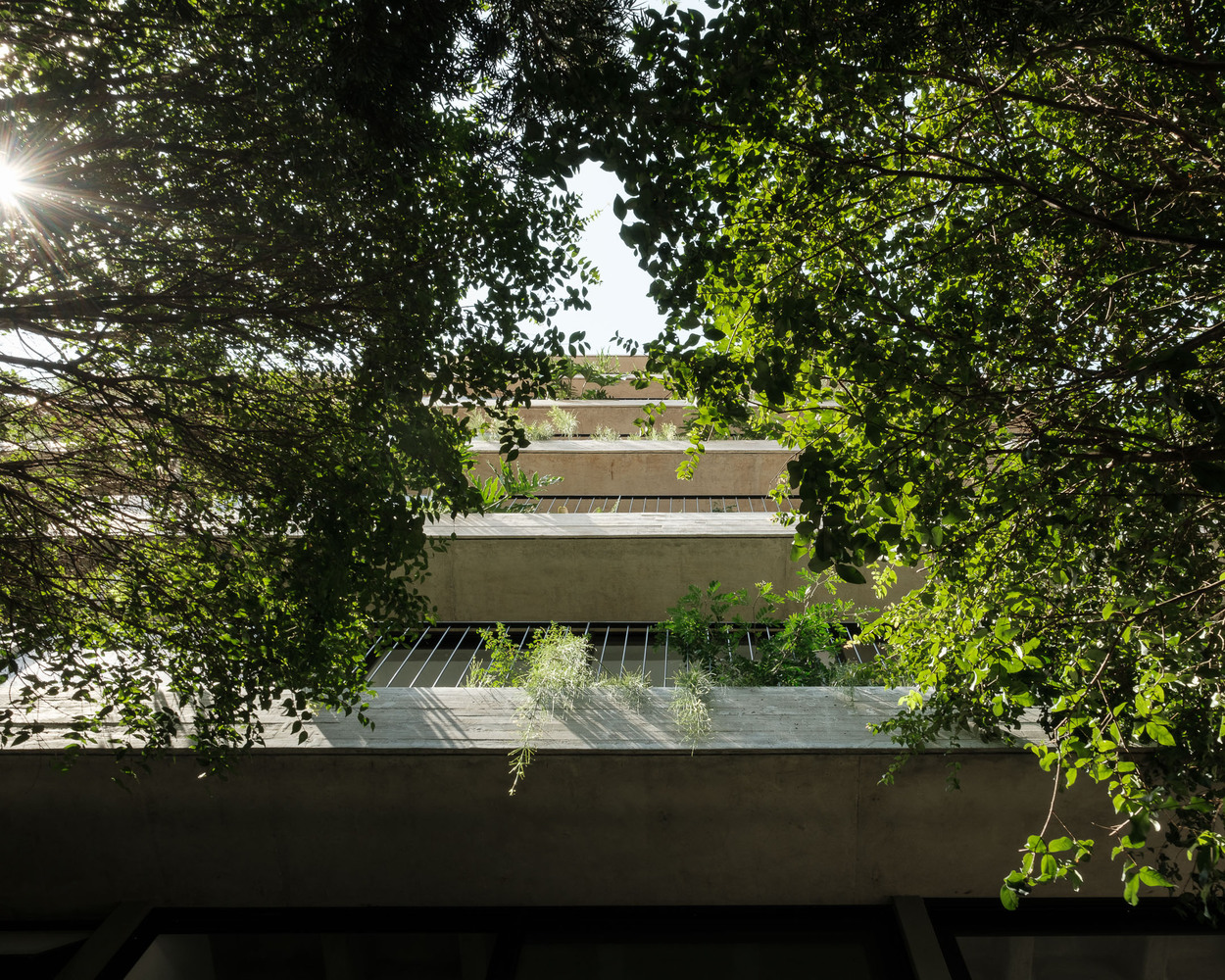
The complex features a ground floor with a retail area, six floors of residential units, and a communal roof deck on the top floor for residents. The exterior combines concrete, stone, and floor-to-ceiling windows, with terraces on all sides adorned with greenery.
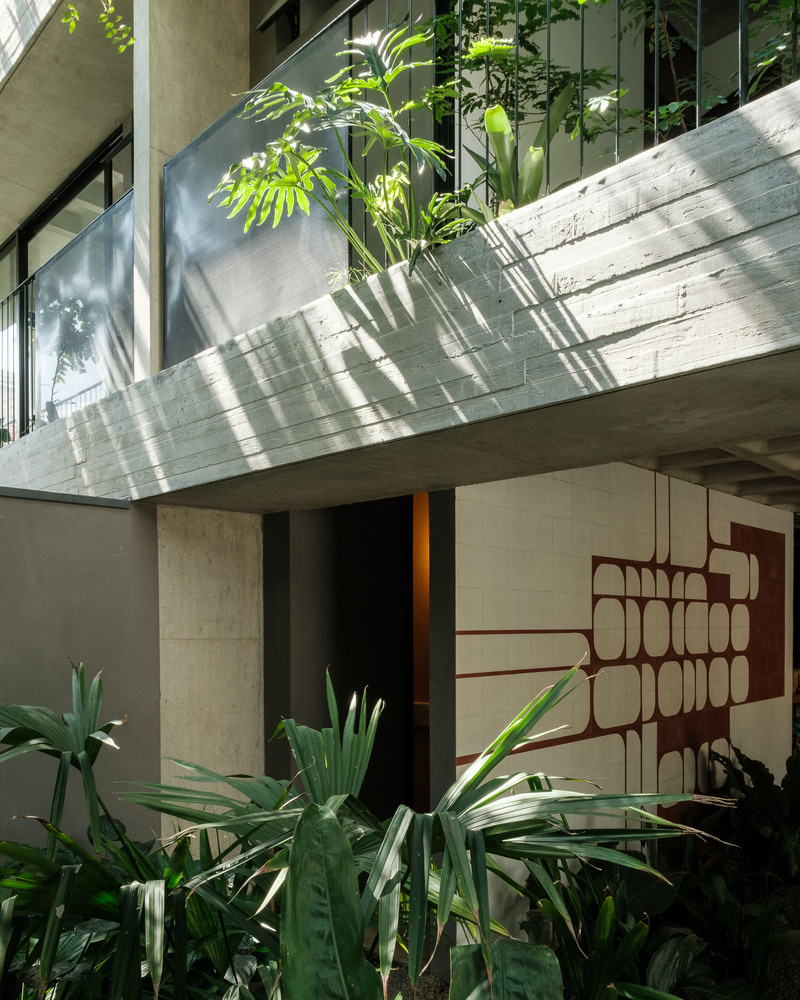
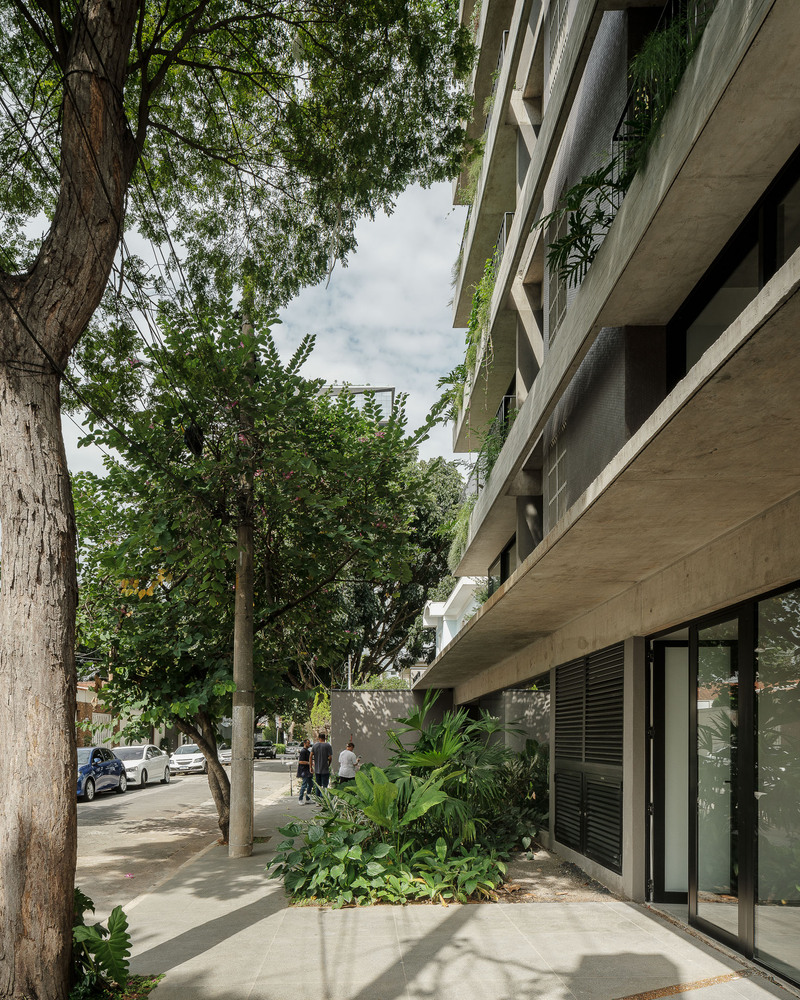
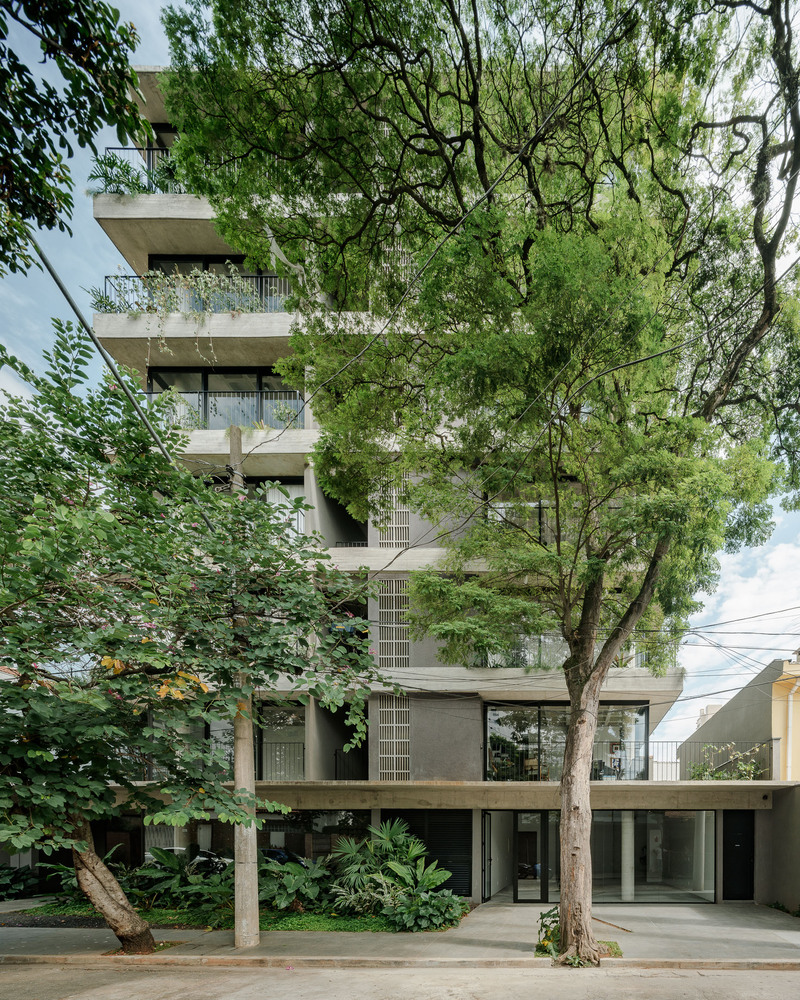
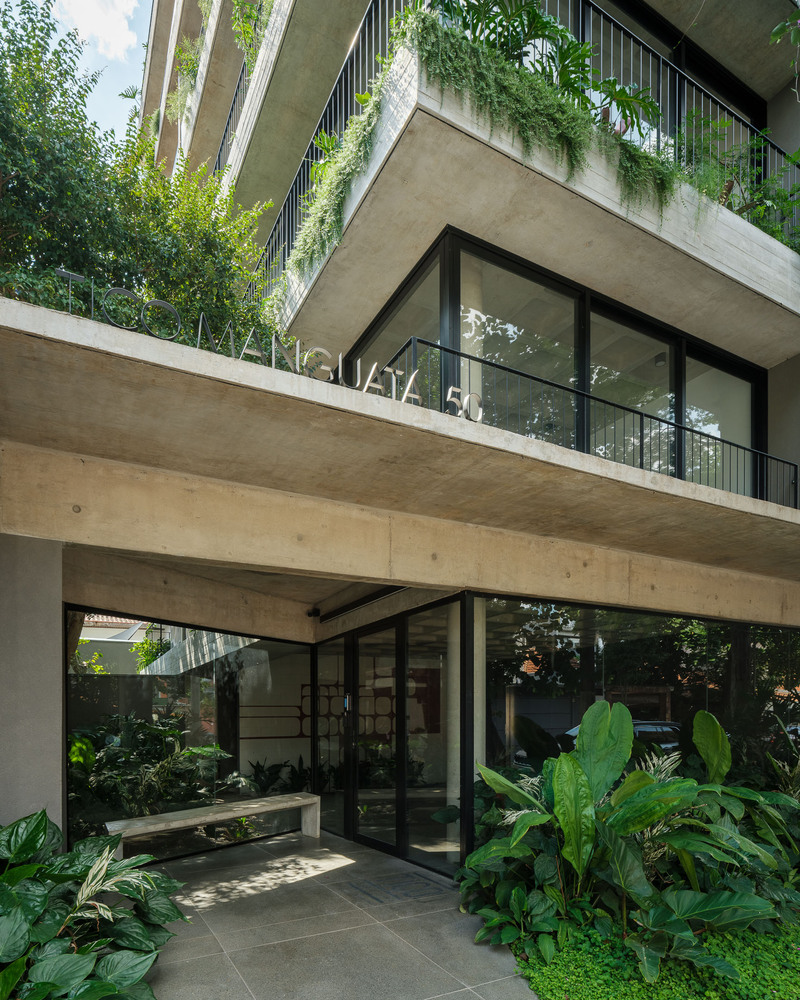
The building has a lot of green spaces around and within it, from the terraces to multiple gardens. They built an expanded sidewalk to allow a more welcoming surrounding for the neighborhood. Beyond that, a dense garden and artistic murals were built to provide an enjoyable environment for visitors and neighbors.
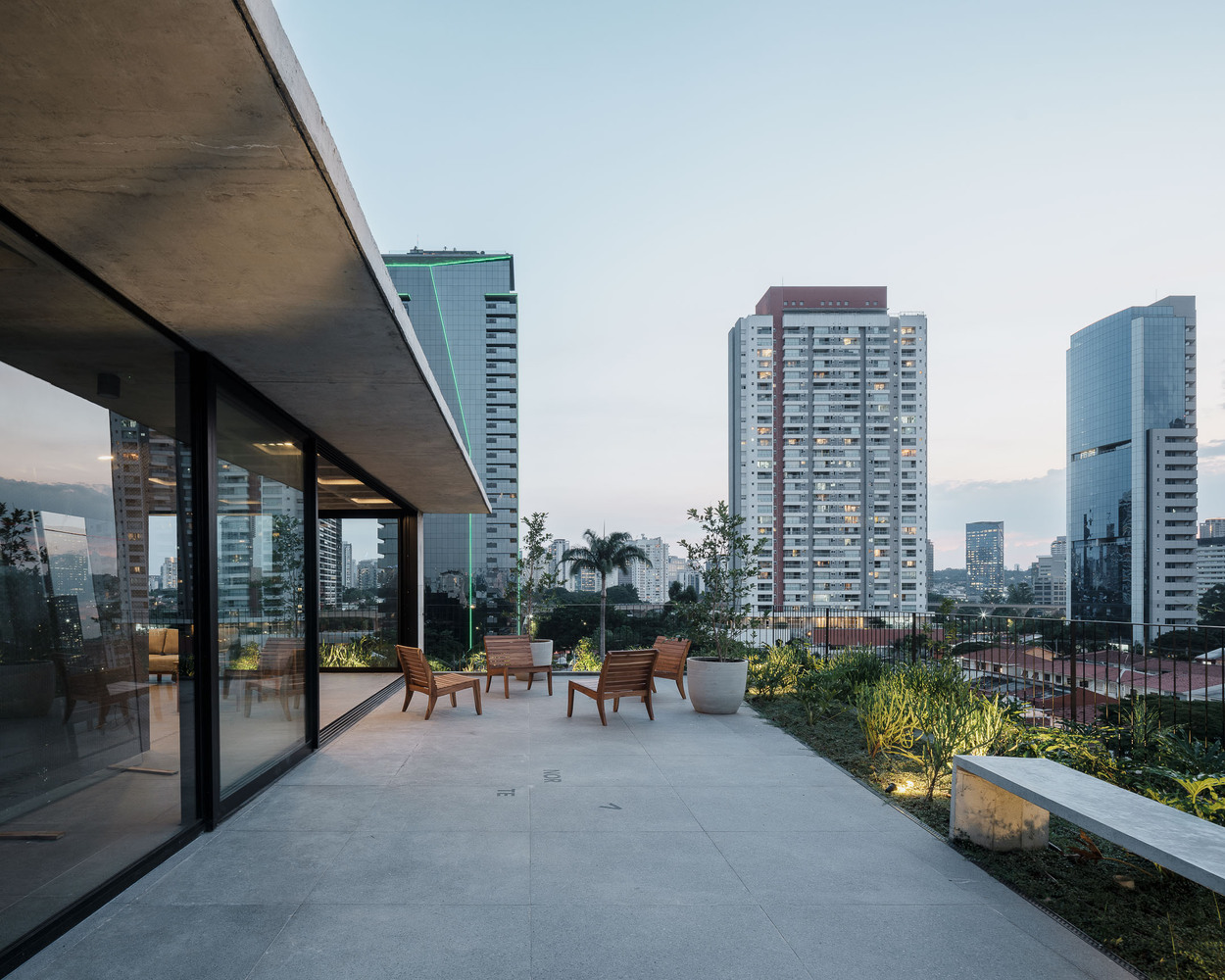
The building’s rooftop leisure area provides a sweeping view of the city. This shared space encourages a sense of community, equipped with a pantry and laundry room, as well as a seating area and garden for informal gatherings.
Open Apartments for Comfortable Surroundings
The Manguatá Building features twenty-two apartments, ranging between 46 and 84 square meters. All have floor-to-ceiling windows to ensure each unit is well-lit, well-ventilated, and connected to the outdoors.
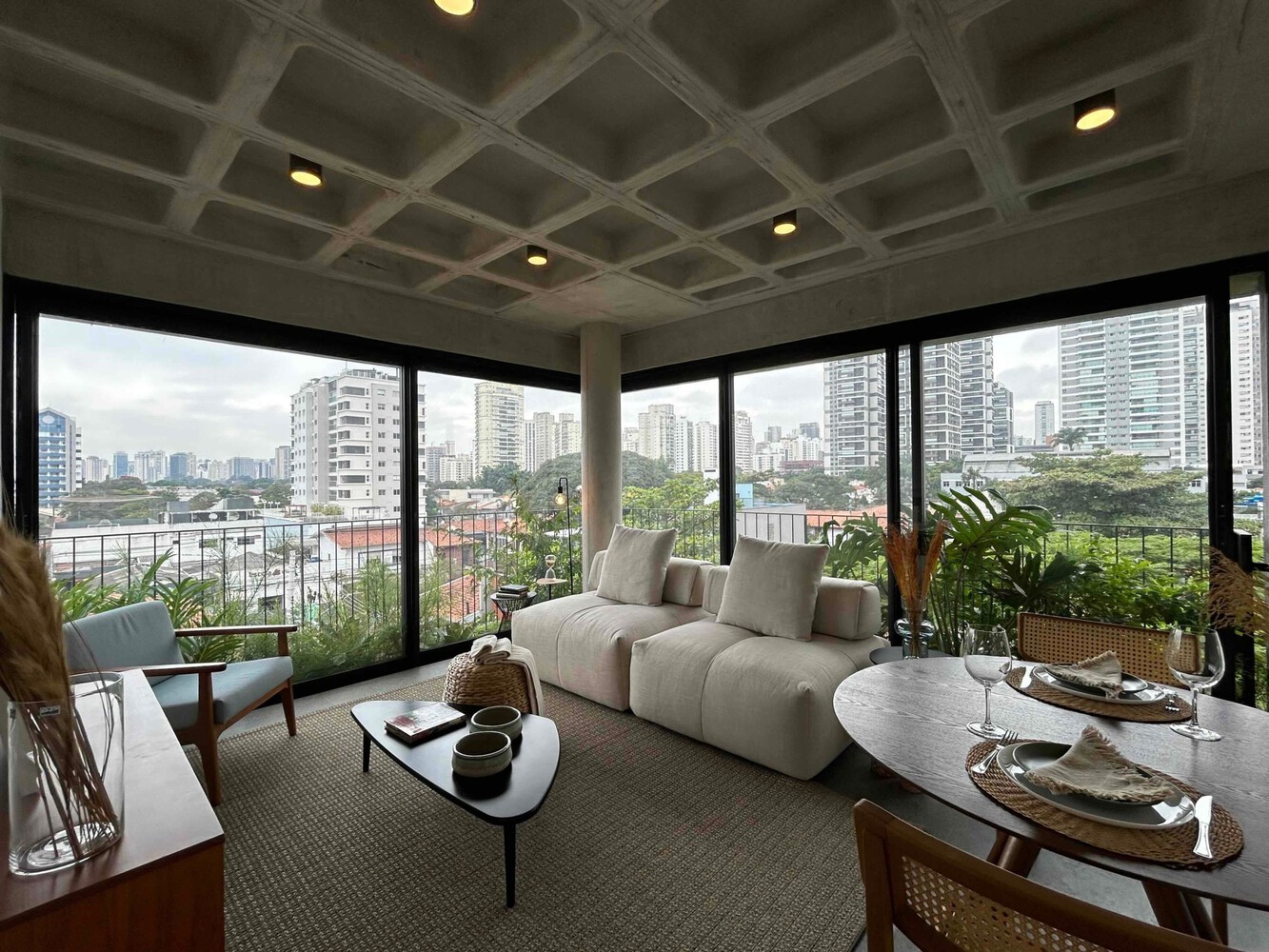
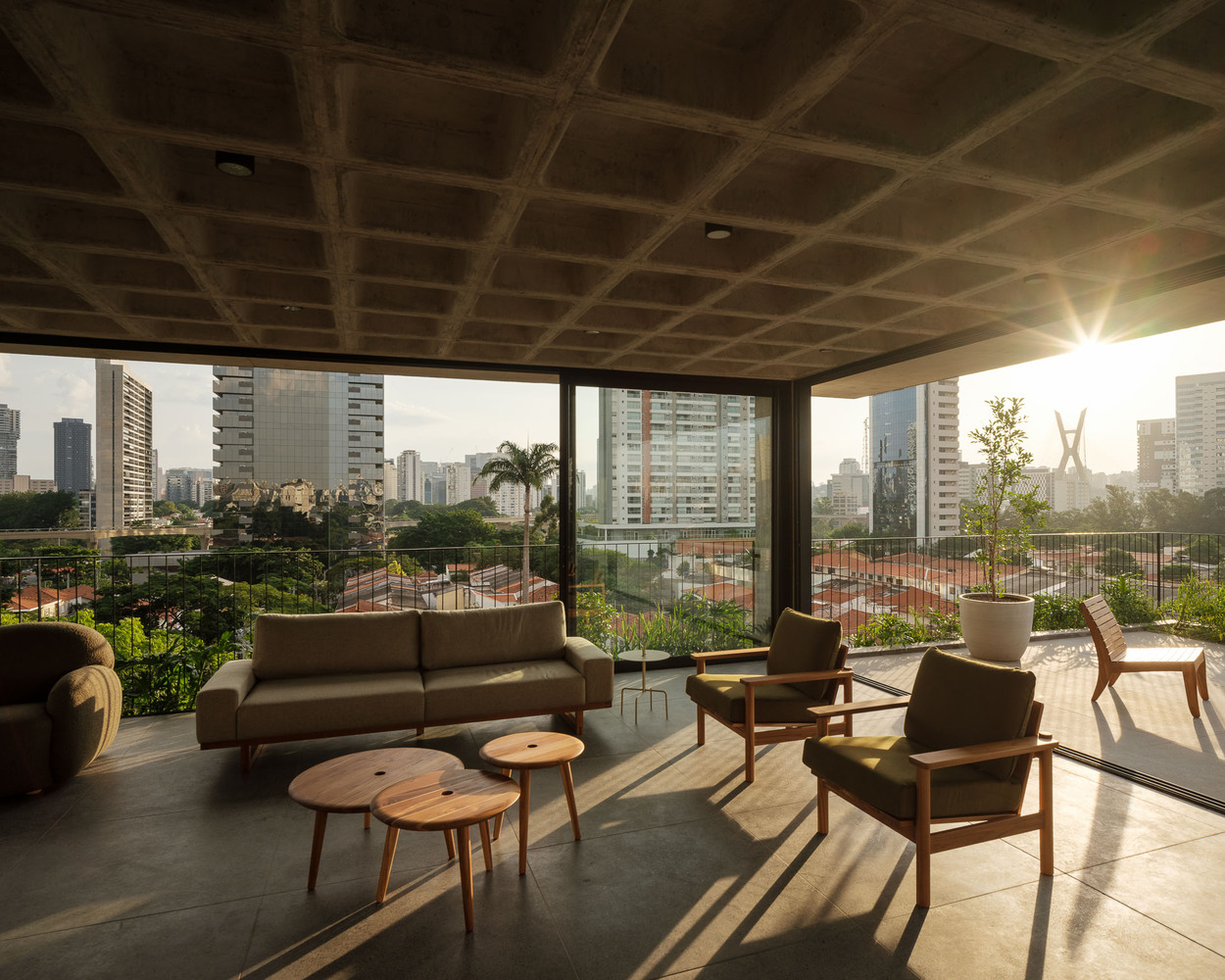
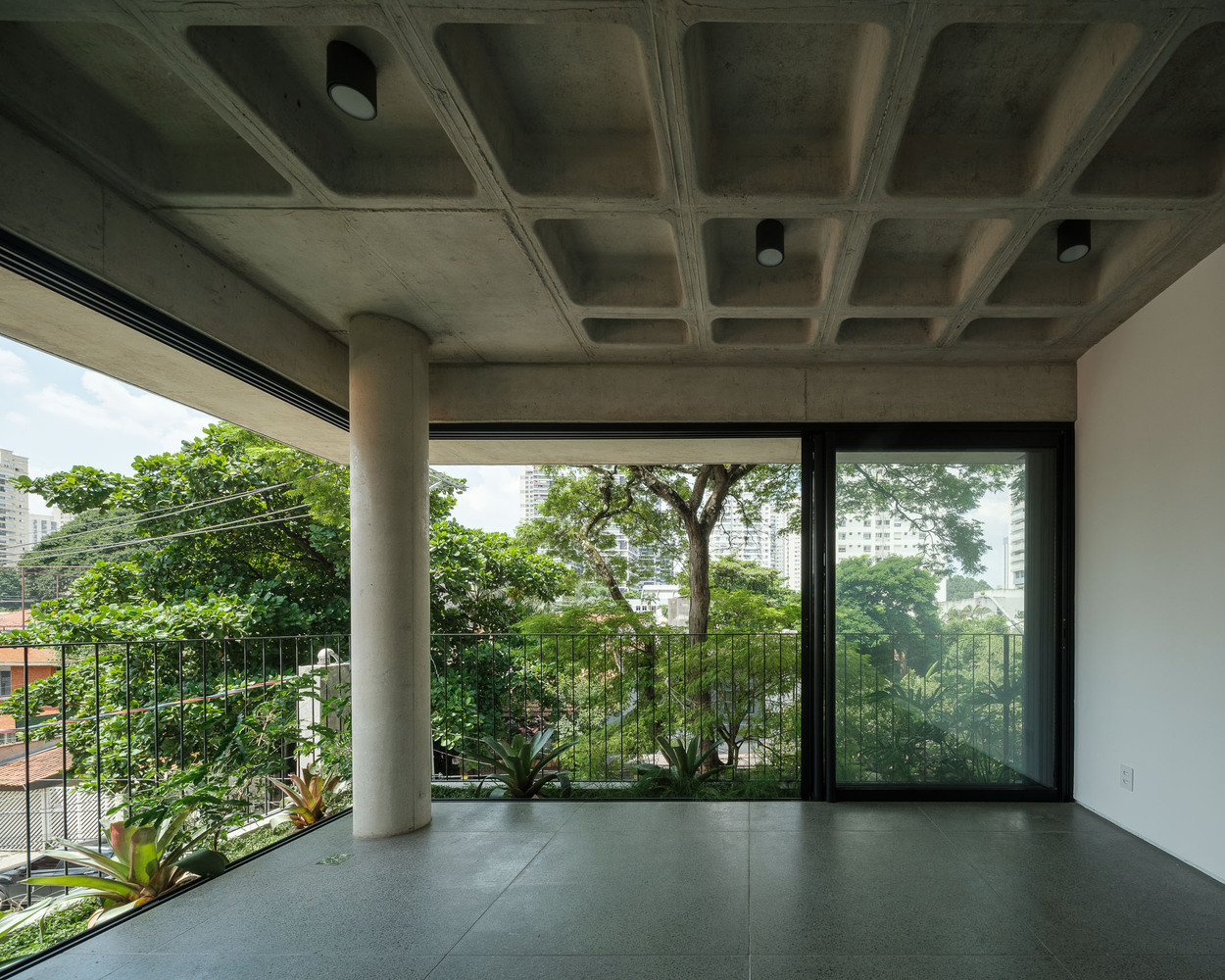
Most of the apartments contain only one bedroom and bathroom, a small kitchen area, and a living room area for visitors. To accommodate other needs by the tenants, the building has a laundry room and pantry on the top floor next to the leisure area.
Manguatá Building crafts an aesthetically-welcoming home for city-dwelling tenants to enjoy. It’s crafted with community in mind with its integration of greenery and spacious areas not just for the tenants, but also for the neighborhood as a whole to enjoy. For dense urban dwellers, it gives them the necessary place for a restful, peaceful existence away from the congested noise of the city.
Related reading: Menarco Tower leads the way with wellness-oriented design
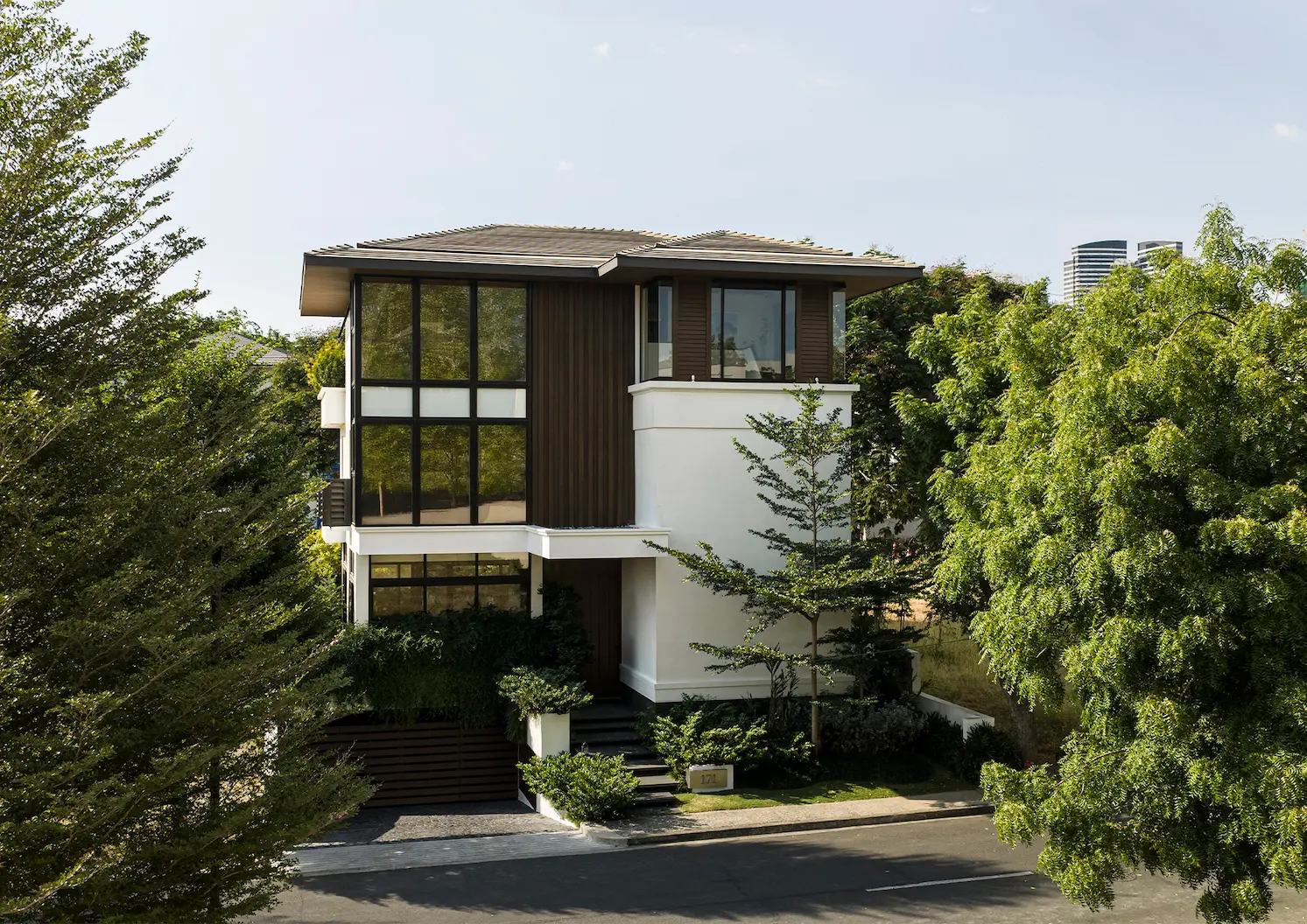
Just moments away from the bustling area of Bonifacio Global City is 171, a multi-level villa set on a 302-square-meter lot. M.CAL Architecture Design Studio, headed by Ar. Monique C. Albert-Lopez, built the residence as a minimalist modern sanctuary surrounded by landscaped gardens. This creative direction was drawn from the homeowners’ brief to create a […]
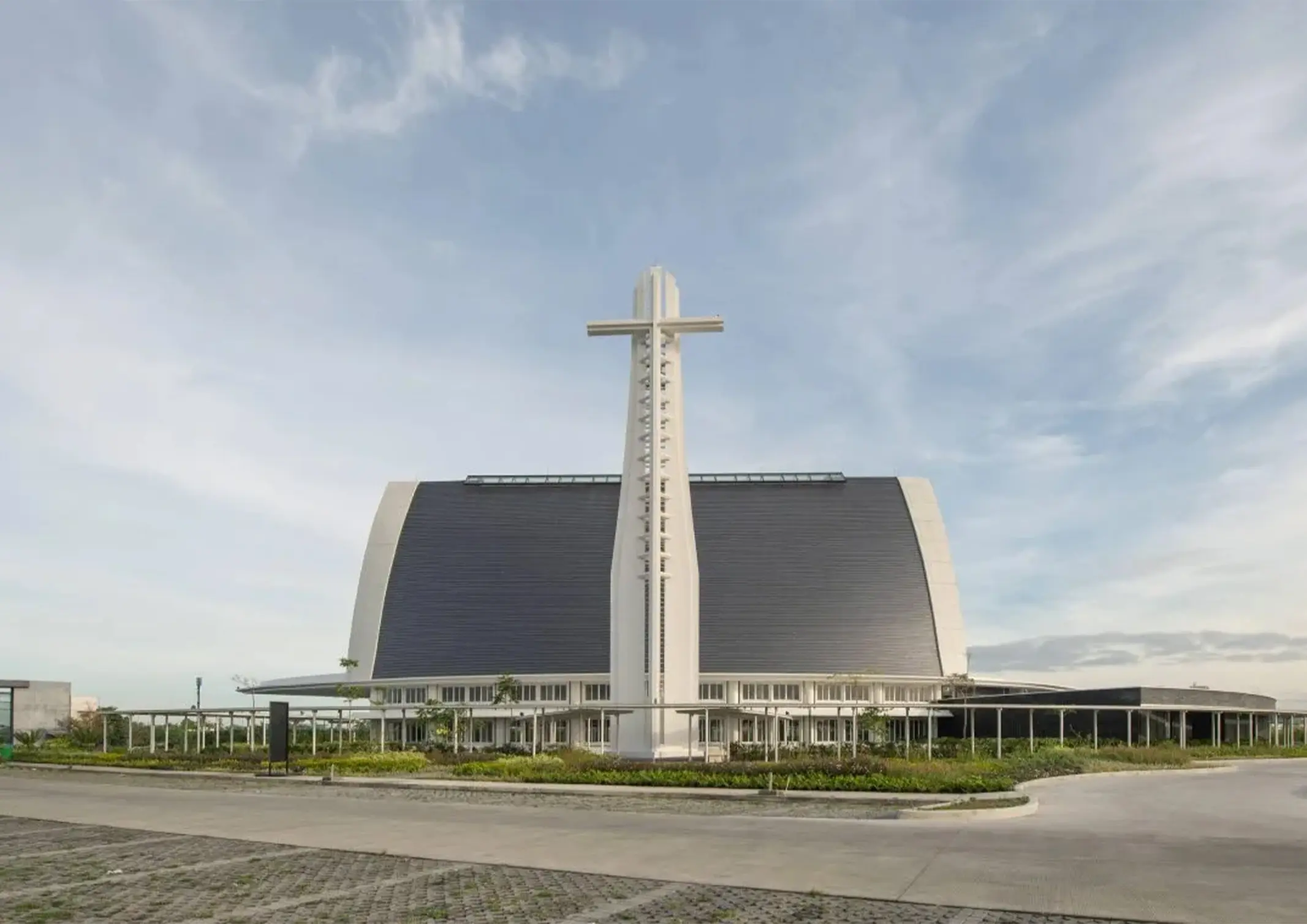
The World Architecture Festival (WAF) has announced its 2026 shortlist, with several Filipino practices earning recognition across a diverse range of categories. Across civic architectureArchitectureThe art and science of designing and constructing buildings, structures, and spaces that are functional, safe, and aesthetically pleasing. It encompasses the planning, design, materials, and techniques used to createGo to […]
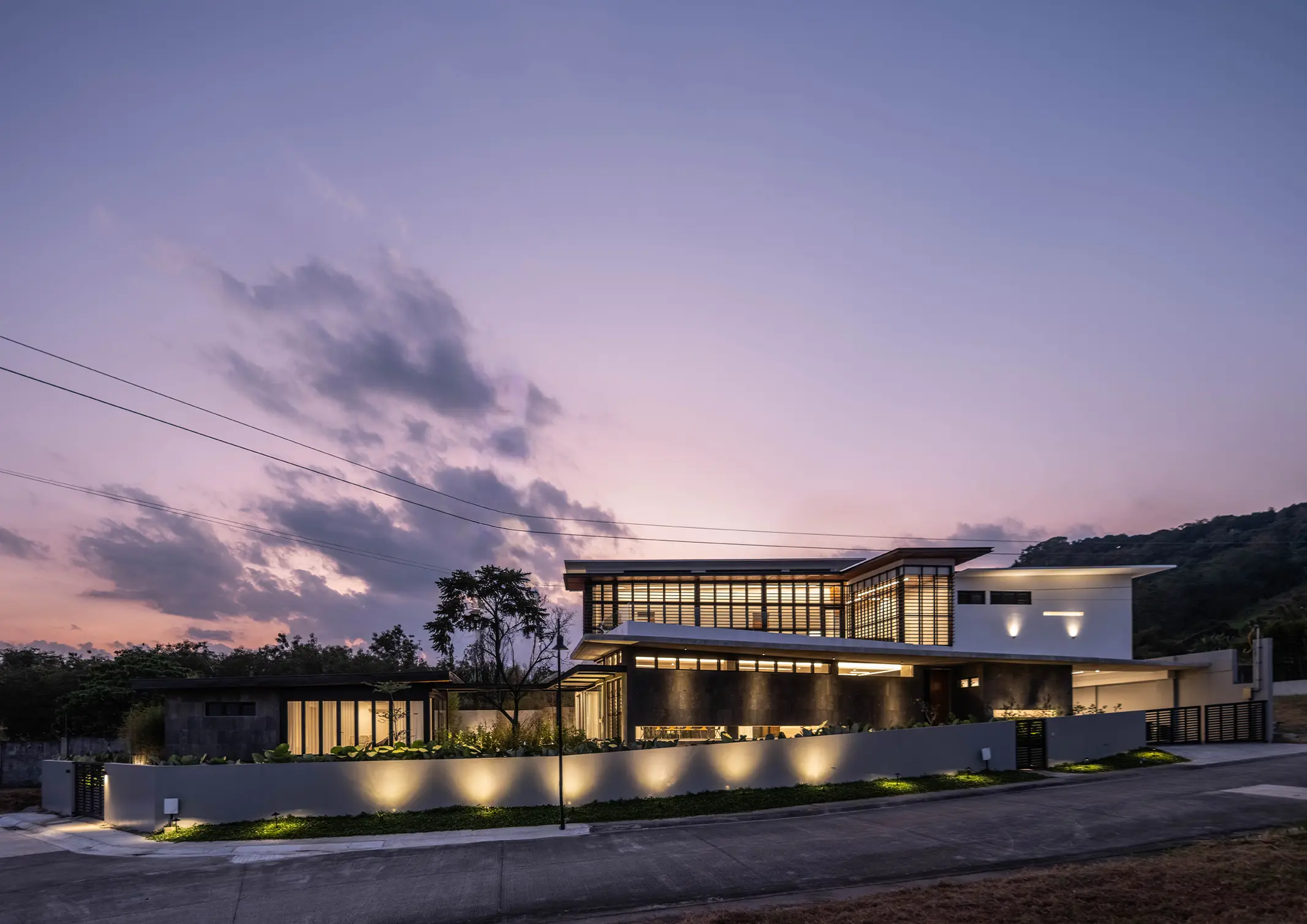
Located in Paroc, Pampanga is MQ Residence—a tropical-modern private residential home designed by Marikina-based architectureArchitectureThe art and science of designing and constructing buildings, structures, and spaces that are functional, safe, and aesthetically pleasing. It encompasses the planning, design, materials, and techniques used to createGo to Architecture Glossary firm Arkisens, spearheaded by principal architect and co-founder […]
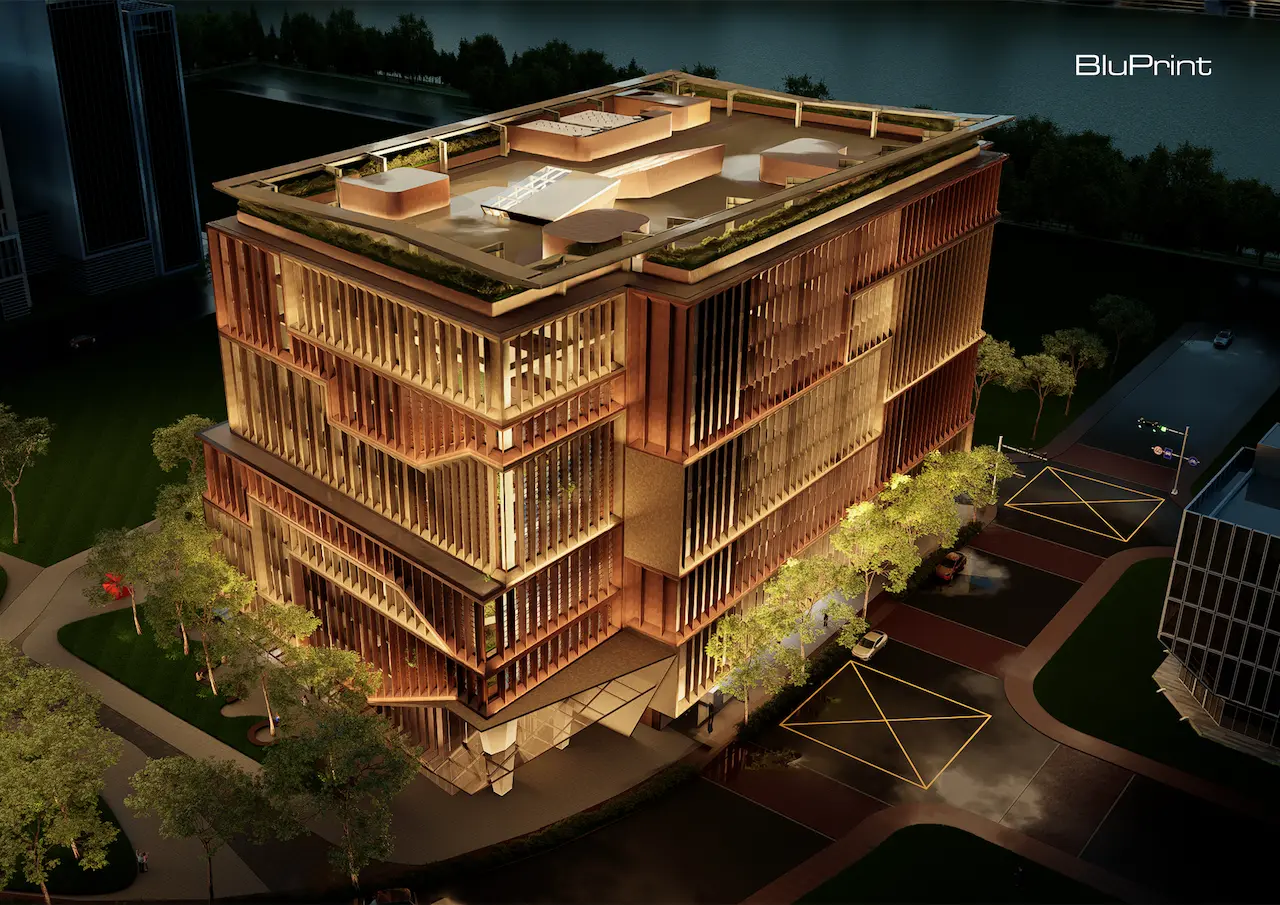
De La Salle-College of Saint Benilde (DLS-CSB) will open its new campus in Aseana City, Parañaque. Occupying a 3,845-square-meter site, the new development signals a fresh chapter for the college, where architectureArchitectureThe art and science of designing and constructing buildings, structures, and spaces that are functional, safe, and aesthetically pleasing. It encompasses the planning, design, […]
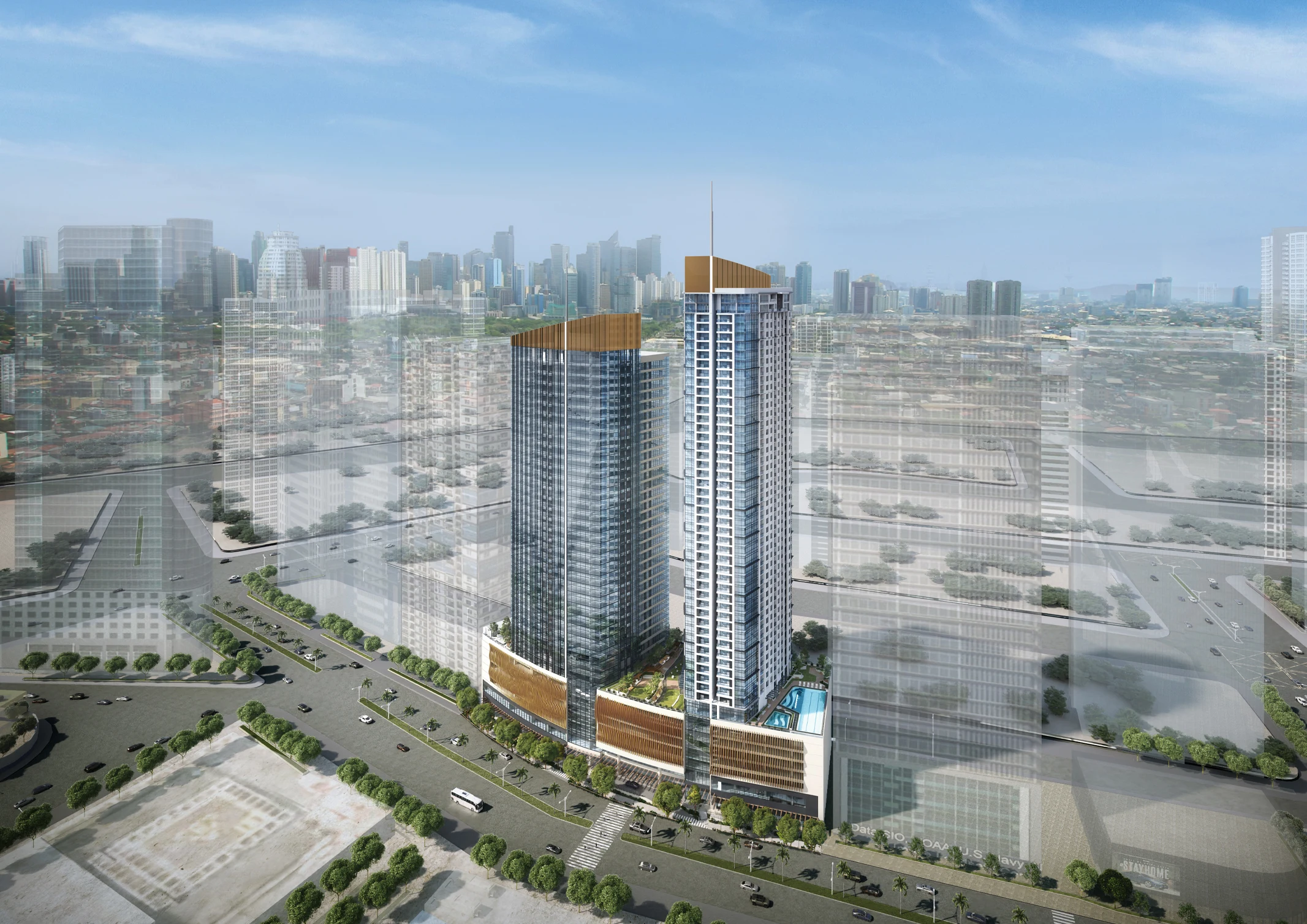
As one of Metro Manila’s established central business districts, Ortigas has grown into a vibrant center for business, commerce, and urban living, strategically spanning Pasig, Quezon, and Mandaluyong City. At the core of the district lies the Ortigas CBD, home to some of the country’s leading corporations and institutions. Adding a new dimension to this […]
Read the issues.

Collect the volumes.

Recommended Video
Tap to Unmute
Unmute
0:00
0:00